Full Transcript Opening on Bone Health and Womenu2019s Screening 0:00 It's a it's a sin. 0:02 It's a sin that women don't get the bone tested from, like the age of 30. 0:07 It's actually a sin, maybe of the system. 0:10 I don't I'm not going to point fingers, but for some reason, 0:13 the medical system start testing your bones in your mid 50s or 60s. 0:18 Then, of course, maybe you have bone loss, but if you knew in your 30s 0:21 that every year you're going to have a percentage of bone loss, 0:25 by the age of six, you already lost like 2,030%. 0:28 You would do something about just like screening for breast cancer. 0:32 So it is kind of like makes me a little bit sad 0:35 because I know I have a lot of clients in osteopenia 0:38 and even some in osteoporosis, that it could have been preventative 0:42 with the right education from their doctor. 0:44 Welcome to Rad cast, where 0:46 science and soul converge in shaping the future of human potential. 0:50 I'm your host, Doctor Melissa Peterson, and together 0:54 we're stepping beyond limits to explore super longevity. 0:58 Produced by the coalition for Radical Life Extension, the visionaries behind 1:02 Rad Fest. Rad past is more than a podcast. 1:06 It's a movement for the bold, the curious, and those who refuse 1:10 to settle for anything less than the extraordinary together 1:14 will uncover the cutting edge of science, unknown strategies and transform 1:18 active practices, paving the way for a future of limitless potential. 1:23 If you're ready to think bigger, dream bolder, 1:26 and live longer, you're in the right place. 1:30 This is rad, Cass. 1:31 Now let's get ready to explore the future of life itself.
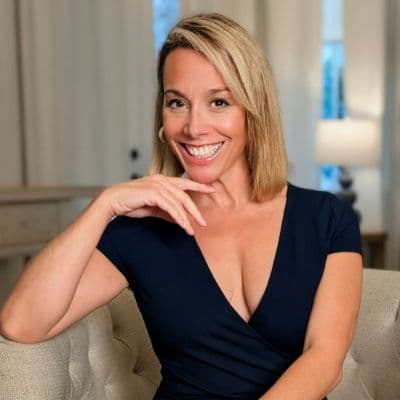
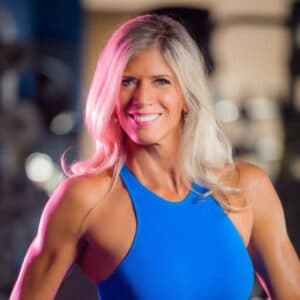
Rad Cast Introduction and Guest Welcome 1:41 Hi, everyone, and welcome back to Rad Cast. 1:44 I'm your host, doctor Melissa girl Peterson. 1:46 Together, we are about to explore the frontiers 1:49 of human longevity, health optimization, and peak performance. 1:52 Today we're talking about how to stay fit, strong, 1:56 and vibrant at any age with a true expert in super longevity training. 2:01 Our guest, Ilana Leah. 2:03 She is a champion fitness and figure competitor, a world class trainer, 2:08 and a lifelong advocate for fitness as the foundation of longevity. 2:12 She has spent over three decades helping people unlock their potential 2:17 by blending enjoyment, intensity and a deep 2:20 understanding of how movement fuels longevity. 2:23 Ilana, I am so thrilled to have this conversation with you today. 2:28 Welcome to the show. 2:29 Thank you so much. Great to be here with you. 2:32 Oh my goodness, you are so inspiring. 2:34 You know, just you are you are your brand. 2:36 You are. 2:37 And I love that. 2:38 Just even in our little intro here, blending enjoyment intensity. Yes. 2:43 And a deep 2:44 understanding of movement like the fact that enjoyment is as the first word 2:48 in how you kind of describe your work that says everything about who you are. 2:53 And that's why our listeners are going to love this conversation. 2:56 Thanks. 2:56 So I want to hear a little bit about your journey. 2:59 You've been a fitness competitor and a trainer for over 30 years. 3:03 So what would you say first really inspired your passion for movement? 3:08 And how did you kind of transition into this longevity focused training? 3:12 Yeah. Thank you for that question. 3:14 The beginning was probably at the age of 13, which I was, you know, 3:18 playing with my friends in the neighborhood. 3:20 And I was making them do like headstands 3:22 and handstands or running around the block. 3:23 And I'm like, I'm a teacher. 3:25 Like, I got in touch, like I'm a teacher. 3:27 I'm a teacher for the body. 3:28 So maybe it was innate in me. 3:31 Maybe it was this like calling that I had. 3:33 But even from a young age, I was already bossing people around that way. 3:37 So that's really where begun. 3:39 I've always moved my body as a teenager. 3:41 I call it movement because I've always had this, desire to move. 3:45 Like I look at my body like, we need to move here, you know? 3:48 And so that was like something I just did, 3:52 naturally. 3:53 And then I always wanted to give that to other people, like, move and inspire. 3:59 And, and I had this inspired feeling about the whole thing in my, in my soul.
Ilana Leahu2019s Fitness Journey and Early Calling 4:04 So, so then my journey continued into like being professional in it, 4:09 you know, coaching gymnastics in Israel, doing my BA, 4:13 doing the army and being a sports coach 4:16 for the some of the soldiers in the Army, like it was always about fitness. 4:20 I really never tried to go another direction. 4:24 It was always like pretty strong in me. 4:26 This is who I am. That's what I need to do. 4:29 Then when I was, 30, I moved to the States 4:32 and I started competing in fitness and in figure competitions, 4:36 mainly to, like I said, strengthen my brand 4:39 and and also to keep my body in good shape 4:44 because people think that it's easy for maybe someone like me. 4:48 That's her profession, to stay on top of their physique and their health. 4:52 But really, we're all busy. 4:54 We all have distractions. 4:55 So one way for me to make sure I was doing what I needed 4:59 was actually to getting on stage every like eight months. 5:03 And so I did that. 5:04 And so the journey just kept continued. 5:06 Then as the years went by, changes happen 5:09 in the body, including mine and and with my clients. 5:12 My clients tend to be with me for years or for years because I'm kind of 5:16 like a coach of their lifestyle when it comes to fitness. 5:19 So as my body change, as I experience some some 5:24 changes, I'll call it that way. 5:25 Not to the better or the worse, just changes. 5:28 Yeah, I started diving more into okay, Lana, 5:32 you know, so you're not 20, you're not 30, you know, you past the 40s, etc.. 5:36 What what really is keeping you inspired and moving? 5:42 And it was okay. 5:43 The way I describe it, I want to be Elena. 5:48 Now that's everybody's different. 5:49 So what does that mean to me? 5:52 I don't need to try to be younger. 5:54 I'm not. 5:56 I don't really care if I have more wrinkles. 5:57 What does what does really matter to me is my quality of movement. 6:04 Like, I want to be able to move beautifully not only till I'm 70 or 80, 6:09 but into the 80s, 90s, 100 is like when I'm 150. 6:14 If I want to take a nice three mile hike onto Pinnacle Peak, 6:18 there should be no question that I can do that. 6:21 So that's what I call becoming like a professional 6:25 fitness person in super longevity. 6:29 So I'm a professional, I'm a pro, or I try to teach people 6:33 to be a professional fitness, but in super longevity. 6:38 So that's the whole thing. 6:39 I love it. 6:40 And and you, you know, part of your brand in getting to really look at the work 6:44 you do, you've, you've really developed this unique approach, like you just said 6:47 called super longevity training. 6:50 So what is that? 6:52 So when you're working with clients 6:53 and so that they can begin to understand and appreciate the importance of movement 6:58 and mobility, so that they can right, be doing more of what they love. 7:03 How how 7:04 does your model how do you what is super longevity training? 7:08 How do you approach it? 7:09 Is it different than maybe, regular personal training? 7:13 What do you really focus on? 7:15 That's the ensuring good movement. 7:18 That's such a good question because I can't tell you. 7:21 I have a structure of this training, and this is what you need to do. 7:25 If you walk into the gym and you see more trainers and, training, 7:28 you want this, they say, oh my God, she's doing super longevity training 7:32 because we're all moving the body 7:36 in different ways, you know, and with different goals in mind. 7:39 So I can say to you for sure that what sets me apart 7:43 is I work very strongly on people's mindset. 7:49 Yeah. 7:50 So even so, let's say so longevity training would be 7:53 I just want to have a okay quality. 7:55 I want to be able to open a jar when I'm 80, which is fine. 7:59 Okay. 7:59 I'm not saying and they should be able to. 8:02 So super long days like look you know it's 8:04 not only to 80 and it's not only about opening a jar, okay. 8:08 It's about you staying you physically y change y 8:13 y become less capable in movement. 8:16 So my mindset is number one. 8:19 So to answer your question, mindset I have to change the way of thinking 8:24 because. 8:25 So in the beginning like oh I'm just going to live to 80. 8:27 But then as a with me like, oh, maybe I'll shoot for 120. 8:31 So then I say, okay, so if it's 120 now, how are we going to work out? 8:36 And then honestly, together with that individual individuals, 8:41 I find the way together to move them forward in that process. 8:46 Yeah. Yeah. 8:48 I mean it's it's has to do with everything. 8:50 You know, I mean, the longevity revolution is about more than just searching online 8:54 for a few hacks or any one of us moving our biomarkers in the right direction. 8:58 It's about coming together 8:59 to learn, share, to connect and create the unlimited future we want. 9:03 That's why you need to be at Rad Fest 2025, in 9:06 Las Vegas from July 10th to the 13th. 9:09 Rad Fest the Revolution Against Aging and Death 9:12 is proud to be partnering for the first time with Doctor Aubrey de 9:15 Gray and Longevity Escape Velocity Foundation. 9:18 The form the single most comprehensive, advanced,
Defining Super Longevity Training 9:21 informative and inspiring event on age reversal for a general audience. 9:25 Meet the people you want to make forever with Rad Fest 2025. 9:30 Take advantage of lower advanced pricing now at Brown fest.com. 9:33 Yeah, I love it. 9:34 I mean, I think I'm curious from your experience, 9:38 how many what 9:39 have you found about people's mindset? 9:42 So before they realize that they've put limitations on themselves, right. 9:46 Like what do they think is just supposed to happen? 9:49 I have you have many people. 9:51 Do they have a clear intention about even if it's just to 80 and adjust. 9:56 Right. 9:56 But if it doesn't matter what the number is, 9:58 do they already have a clear intention of understanding how 10:01 they want to be experiencing life in their bodies, 10:05 how they want to be showing up and moving, or do you find that many of them, 10:08 many of your clients haven't necessarily connected the dots? 10:12 And there's just kind of this idea of like, okay, open a jar when I'm 80 10:16 because they're already assuming a certain degree of of breakdown. 10:19 What what is it that you see a lot of? 10:21 I think it's more number two, what you said. 10:23 However, in the past I'd say five years, 10:28 there's been more people coming in already. 10:31 Look, you know, I want to stay fit and strong, and I want to travel, and I'm. 10:35 And there's been more people coming to me. 10:37 So I think I think there's something new happening in the sound in the world, 10:42 but there's also people just come in and I think they're 10:45 just repeating what they're hearing in society. 10:48 Oh, I'm getting old or everything hurts me. 10:50 It's my age. 10:52 They're just repeating. 10:53 And then they're believing, so they're repeating what they're hearing, 10:56 then they're believing it and then they manifest it. 10:59 So they come to me like that, and I have to almost like, turn it all around. 11:04 And it's fun. 11:05 I do it together with them and they're usually open. 11:08 You know, people don't say, oh no, I want to get really decrepit at 70. 11:11 It's not bother. They usually don't do that right. 11:14 You know, they're happy to interact that way. 11:16 Yeah. They're like, okay, now let's play with those sounds. 11:18 Yeah. Exactly. 11:20 Yeah okay. 11:21 So let's talk about some of the most common, 11:23 common things that you see happening across the decades. 11:27 And so let's really think 50s, 11:31 60s, 70s, but let's kind of start around the 50s 11:34 as far as clients coming into what are they already dealing with. 11:39 So I appreciate that. 11:40 Just first, there's this big let's get your mind understanding more as possible. 11:44 That's brilliant. 11:45 But now what are some of the things that you're seeing just kind of natural 11:49 are happening that have to be addressed? 11:53 With, you know, through training, 11:55 through movement, through any of the work that you're doing with your clients. 11:58 Yeah, that's a big question, because generally speaking, 12:02 people show up in different ways. 12:06 You know, it's it's actually it's very broad. 12:09 But what I am saying is more pain in the body, more stiffness in the body, 12:13 less self-esteem, less confidence, more injuries. 12:18 Definitely with women, 12:19 there's more issues of hormones, which would lead to extra body fat. 12:25 And somewhat more of a weakness was strength. 12:28 It's not so much flexibility and mobility, but with strength. 12:32 So that definitely shows up. 12:34 And of course, you know, and we know there's a gigantic movement happening 12:39 just right now around, 12:40 you know, post menopause and what it means and what you can do about this. 12:43 So much great information. 12:45 It's exciting. 12:46 So definitely when I get someone kind of entering in the 12:50 I call it, you know, perimenopause, menopause post menopause, 12:53 I'm already letting them know that there's some really great solutions 12:58 and ways to approach the whole change in that way. 13:01 It's not like a downer. 13:03 Are you ready to redefine 13:05 aging and unlock your full potential as a longevity leader? 13:09 At the Human Longevity Institute, our world class certification programs 13:14 train doctors, coaches, and wellness professionals how to deliver cutting edge, 13:19 integrative longevity health solutions so people can live better today 13:23 for longer, healthier, and more vibrant tomorrows. 13:26 If you're ready to join the Longevity Revolution, visit Human 13:30 Longevity institute.com to enroll and become a practitioner. 13:34 Today. 13:37 Right? 13:37 Right. Yeah, movement really is medicine for sure. 13:40 And you know, there's there's a lot around just muscle. 13:45 So let's talk muscle for a few minutes because you have beautiful muscles. 13:49 So let's talk a little to whatever level you feel comfortable with the science. 13:54 And the the solutions that having good muscle mass offers 14:00 with increasing just overall health 14:03 and healthspan and vitality in the body and hormone regulation, all of that. 14:07 So everything we'll start from muscle 14:09 and let's let's get into some of the 14:10 intricacies about the important connection with longevity. 14:14 So good, so good. 14:15 So some muscle is like I call it like the gold. 14:19 It's the gold of the body.
Mindset Shifts and Client Expectations 14:20 It's like that expensive tissue that you want to keep on your body. 14:24 And build, like no matter what. 14:27 Like never lose that, that beautiful, expensive tissue, which is the muscle. 14:33 So that has been in me 14:36 like almost for I don't know why when I was a child I just wanted to be strong. 14:40 I don't I can't explain that. Why? 14:42 Maybe because I was a twig and I just wanted to be strong. 14:45 So I've always had a feeling around being strong 14:48 and having muscle, but I've never really lifted very heavy. 14:51 That wasn't my thing. So. 14:53 So that's just me and not everybody's like me, but 14:56 but because and 15:00 I could get into the science. 15:01 But there's people that are much better than me. 15:03 I, I've been following, you know, Doctor Stacy Sims, who was an exercise physiology 15:08 physiologist that finally is focusing. 15:11 There's someone who's focusing on women's physiology as especially women 15:16 athlete, active women, and especially, postmenopausal women. 15:21 And she has been a gift for me personally. 15:25 And because I was a little bit on what I call like a deep, 15:30 like kind of wonderment or what we call travail, like, okay, Alana, 15:34 you have all these clients, they're entering this phase and what's going on? 15:38 How do you approaches, how do you approach like the heavy lifting the 15:42 the protein and Doctor Sims, for me, she just brought it all together 15:47 for me in a way that I could manifest it with my clients. 15:51 And so, so I'm doing that, which means they should lift 15:54 heavy, whatever that means to them. 15:56 I won't get into all that because you can see it all over. 15:59 But they should lift heavy complementary to their married 2 to 3 times a week. 16:04 They should do some hip workouts. 16:06 They could do some zone to a low cardio. 16:08 It's just for fun. 16:09 But it's not the bread and butter 16:11 and they should do some jump exercises ten minutes, three times a week. 16:15 Yes. For their bones. 16:17 Yeah, very simple to follow. 16:19 Very simple to create for clients and based on science. 16:24 Not based only on my intuition, which is great, but 16:28 it's nice to have the science for women. 16:31 Absolutely. 16:32 And it's I mean, I think, you know what? 16:35 I don't know if women know enough to your point 16:38 is that because after menopause, 16:41 we have such a decline of estrogen levels 16:45 and that is directly linked, it will accelerate muscle loss. 16:48 So even more significantly in women than men. 16:51 So it is absolutely important. 16:54 I love how you just broke down like really hate. 16:56 It's not rocket science. 16:57 It's just a few simple things. 16:59 Let's talk for a moment, because part of that equation 17:02 is making sure we're getting the right macronutrients. 17:06 And specifically making sure we're getting the right amount of protein. 17:10 And even more specifically from those proteins, 17:12 those essential amino acids, because that's what's going to help us 17:15 to retain muscle, to make sure that we're not breaking it down as quickly. 17:19 So how how would you say when you're working 17:22 with your female clients, are you approaching that? 17:26 So and what I mean by that is specifically looking at macronutrients 17:30 and just getting really good nutrient density in, such a good question. 17:34 And really again, one of my like recently, like, how can I get these 17:40 beautiful American women to not be afraid of food, right? 17:44 Like, food doesn't make you fat. 17:46 It's not really true. 17:47 Like, really undernourishment makes you fat, right? 17:50 And so. 17:51 But but to answer your question, this is what I've been focusing with. 17:55 Then I try to keep things simple because people are overwhelmed. 17:58 They're overwhelmed. 18:00 Too much information, great information. 18:02 But like, am I doing this? Where do I start? 18:04 So I say, look, let's work on fueling you before and after your workout. 18:09 Let's talk about food. 18:11 Not as food, but as fuel. Okay. Yeah. 18:13 So then I again, I followed what doctor Sims recommends and I said, 18:18 always get 15g of protein before workout, 18:21 30 minutes an hour after your workout you want to get about 40g of protein. 18:25 I said, let's let's just start from that. 18:27 Because really, unfortunately, most women 18:31 entering their 50s or even before they are low protein. 18:35 So, you know, carbs are never a problem. 18:37 Fat, you know, it varies, but protein and protein builds muscle.
Muscle, Protein, and Womenu2019s Longevity Nutrition 18:42 And so that's what I've been trying to like give to them. 18:46 Let's start with that. 18:47 And that's been a huge that's been really help 18:49 because I seen wow, my work is so much better. 18:51 I'm feeling so much better. 18:53 They're having an experience around food and fuel. 18:56 Absolutely. 18:57 And and I'm I'm happy to hear you say that. 18:59 And I think everybody, in case you don't realize, this protein 19:02 is the most metabolically it allows you to be the most metabolically active. 19:06 So when you're looking at your macros, you're looking at your meal. 19:09 You start with protein first. 19:11 Your body works harder, takes a little longer, 19:13 takes a little more to break it down. 19:15 It is the essential building blocks to everything. 19:17 It breaks down into amino acids, and you need amino acids to, 19:21 to repair, to replicate, to, to build, to do all the things in the body. 19:25 So, so yeah. 19:27 And that is something I do believe that we're hearing it more and more. 19:31 But you're right, I think a lot of people, there's still a lot of confusion. 19:34 And this isn't about a diet type look, if you want to get plant 19:37 based over animal based protein, you can you just have to ingest more of it. 19:41 But even, you know, over big protein, it it's just so important 19:45 that we're getting those amino acids and and so I, 19:48 I love that you're making sure that your clients know that. 19:51 And, and that's, that's some really good stuff. 19:54 So so all right. 19:56 You so your process, you keep it simple. 19:59 I love the jump. 20:01 For bones and again, let's talk bone health for a minute, 20:05 because I don't think people realize the rate that their bones they're losing. 20:08 Mass. 20:10 Well, it's it's sad, it's sad. 20:12 It's it's a it's a sin. 20:15 It's a sin that women don't get the bone tested from, like, the age of 30. 20:20 It's actually a sin. Maybe of the system. 20:22 I don't I'm not going to point fingers, but for some reason, 20:26 the medical system start testing your bones in your mid 50s or 60s. 20:31 Then, of course, maybe you have bone loss, but if you knew in your 30s 20:34 that every year you're going to have a percentage of bone loss, 20:38 by the age of six, you already lost like 2,030%. 20:41 You would do something about just like screening for breast cancer. 20:44 So it is kind of like makes me a little bit sad 20:48 because I know I have a lot of clients in osteopenia 20:51 and even some in osteoporosis, that it could have been preventative 20:55 with the right education from their doctor. 20:57 Okay, not even from me, from their 20:59 so bone health. 21:01 I mean, without our structure, the bone, you know, I called the muscle the goal. 21:06 Maybe the bone is like the platinum, right? 21:09 But without the structure, how can we build muscle 21:12 if we don't have the bone and we're lifting weights? 21:15 The bones get scared because not strong enough to hold that muscle. 21:19 So it's a catch 22, right? Right. 21:21 If you build muscle, you get stronger bones with the bones already so weak. 21:25 Yeah. 21:26 It's it's it's sad and doesn't have to happen. 21:30 And it is reversible, as you know, to a certain point 21:34 or if not totally reversible, the bone loss, at least you can stop it 21:38 with weight training and, a sufficient amount of protein. 21:44 Yes, you can do that. 21:46 And that should be like someone if you go to your doctor 21:50 and they say, okay, I'm going to prescribe you blood 21:53 pressure medicine and cholesterol or statins, 21:56 and I'm also going to prescribe you getting into the gym 21:59 and lifting some weights two times a week, because it is not a 22:06 it needs to be mandatory from that standpoint. 22:08 It needs to be people need to know you have to do this, especially women. 22:15 So when you're doing I agree hundred percent. 22:18 So when you're doing jump. 22:20 So talk a little bit about that. 22:22 What you mean by that for our listeners. So they get it right. 22:24 So, so you know, there's me 22:28 personally that I've always loved bouncing around, like a bouncer, you know, 22:32 but when I heard, oh, wow, that's great for my bones, I got more excited. 22:35 So, so it can be very simple, like skipping 22:39 or just doing some squat jumps in place, but you want to take ten minutes 22:43 and practicing lifting your body off the ground and landing, 22:47 because in the landing, there's a shock to the bones. 22:49 So there's different levels of jumping. 22:51 But let's say if it's a beginner, let's say 22:53 someone comes in to me and she's like, she can't even do like a squat. 22:56 Well, I'm not going to make a jump. 22:58 I'm going to teach her the squat. 22:59 But then when she gets good, I'll have her hold tricks. 23:02 Now lift yourself off the ground and let's do some. 23:05 So. So for instance, you have ten minutes at home. 23:09 Put on the timer, do ten jump squats. 23:13 Hopefully our listeners kind of know what that is squatting and jumping. 23:17 Then skip across the hall like a kid back and forth 23:21 and then jump with two feet, like over, imaginary line on the floor. 23:26 Just go back and forth to the side, okay? 23:29 And do that for ten minutes with break. 23:31 So you don't have to turn to like a heart rate, you know, conditioning exercise. 23:35 That's not really the goal. 23:36 You can do that if you want to, but the goal is that your jumps get better 23:40 and better so that your landing gets, you know, more impactful for the bones. 23:45 So maybe I'll do two rounds of that, maybe do three. 23:48 Maybe if you're really, really fit and strong, you'll do five six. 23:51 It doesn't really matter. 23:52 But you did your ten minutes. 23:54 Yeah. Jump training. Yeah. 23:56 So let's talk about the importance of kind of, progression 24:01 because, of course we know that just zone to training 24:06 can reduce the rate and risk of all cause mortality by upwards of 50%. 24:11 Yeah. 24:11 So again, movement truly is medicine, across Mars, 24:15 but not everybody's coming in with the same ability level. 24:18 Right. 24:19 So what best practices would you maybe recommend to our listeners right now? 24:24 So and let's assume that, you know, maybe a lot of people are hearing you, 24:27 they're inspired. 24:28 They're like, yeah, I want to do super longevity training. 24:30 So so walk us through maybe a process of how we should think about approaching 24:35 it, kind of 24:35 what's that little mindset shift you could invite them into first and foremost, 24:39 and then how would they safely assess their capacity and maybe kind of like 24:45 just start because they might not be able to, like you said, 24:47 they'd be doing the jumps and they might not be able to to do big, 24:50 big explosive movements. Yeah. 24:52 They might not be ready for high intensity training yet. 24:54 Maybe they've been a couch potato for a really, really long time. 24:57 So what are just some of the 24:58 what's the best progression 24:59 and some of the simple essential things that if they just do a couple
Bone Density, Jump Training, and Injury Prevention 25:03 little things, they're going to get great benefit. 25:05 Oh, I love your questions. 25:07 Because like my whole life and way of thinking just put like into a question. 25:12 And okay, so you started with if the listeners are here 25:15 listening to Want to Know more and they're excited to start, 25:18 I say, okay, first, damper the excitement 25:21 because excitement will get you into trouble. 25:24 Even if you're a top athlete and you're excited 25:27 to get going, you know, and it's going to get you into trouble. 25:30 What is trouble? I mean, you're going to hurt yourself. 25:32 You're going to overdo it. You're going to overtrain. 25:34 And it's that's not good. 25:36 You don't want to have any setbacks. 25:37 So, so so that's number one. 25:40 Say, okay, I'm excited. I want to start. Good. 25:42 But bring it down a notch okay. 25:44 Bring it down a notch. 25:45 Then you have to be real with where you're at. 25:49 So if you're like a couch potato, like you don't even workout 25:53 on a regular basis and not talking about, oh, and when I was 20 years ago, 25:57 I did boot camp for six months and lost 40. 25:59 I'm not, and you know who you are. 26:02 If you're a person that just does not have the appointments 26:05 on a regular basis, whether yourself or a trainer or a class 26:09 two, move your body and you just know that's who you are. 26:13 You need to just get out for ten 15 minutes and start walking or something 26:18 that you know you're good at. Maybe. 26:19 Maybe you are a good swimmer. Sure. 26:21 You begin. 26:22 Please to make the appointments with yourself. 26:26 Put them in your calendar 10 to 20 minutes. 26:29 You are moving your body now if you say, okay, I that's not me, 26:33 I do that and I do that easily. 26:35 I'm a five days a week appointments I never miss, 26:38 which, believe me, it's rare. 26:40 I can tell you stories about this. 26:42 People think they're working out, but then when I really get down to it, 26:45 they're like, oh my God, I just have to this week, you know? 26:47 So so the appointment is the key. 26:50 You guys. The appointment is the key. 26:53 Just please put it in your appointment. 26:56 Book something. 26:57 Okay. So that's number one. 26:58 Then they want to get going with let's say the jump training. 27:02 Start with two minutes. 27:04 Maybe you can jump at the ten minutes. 27:06 It's just like whoa start slow, start everything. 27:10 Cut everything I said into like, you know, do 27:13 30% of everything I set. 27:16 It's kind of it's this question is so profound. 27:19 And I think that's really my expertise 27:23 is to take a person wherever they're at and to take them the right direction. 27:27 They don't even have to, like, work out with me three days a week. 27:30 But I have the capacity to give them direction 27:34 and to start the process and to show them that it's possible, 27:38 no matter what age they are, what capacity they have, what injuries are going on. 27:44 So, so so that's number one. 27:46 And so maybe you can now done give me like an example of a person. 27:52 If you have 27:52 someone like you're going to let's say your mom or a friend of yours 27:55 that they're in a certain situation I can walk you through. 27:59 Yeah. 27:59 Well, I think you've I mean, I think you've done a really good job 28:03 of helping people to know if you really important things first, 28:07 you really highlighted something that I want to 28:11 I want to do a callout on, which is, you said you 28:14 I have stories most people think they're doing a lot more than they are. 28:18 And and that's okay. That's not a judgment. 28:21 It's just kind of I think step one, like you said, is one step one. 28:24 Let me get really real with myself. 28:26 Like, where am I at in this moment? 28:28 And so, you know, instead of I like how you said, hey, 28:31 you could be really excited, but let's bring it down 28:33 because the excitement is going to create this whole big plan. 28:36 And I've got to do all the things and you're going to over, over 28:39 task yourself in a way that might not be realistic and you might not stay with. 28:42 Right. 28:43 So then you helped us to know, okay, let's just bring it down and get real. 28:47 It's okay. Judgment free zone. 28:49 Like, what are you actually really, really doing? 28:51 And chances are most of us are not really doing much. 28:54 And so if we just start from there and say, well, if I'm not doing anything 28:58 a ten, a ten minute something. 29:00 Yeah. Is a is a good place to start. 29:02 Is what you amazing. Yes. Amazing. 29:05 You guys zone two is just simply being able to 29:09 exert yourself and still talk without being breathless. 29:13 So let's say you're going for a walk. 29:14 You're able to walk with a friend and have a conversation and you're not winded. 29:18 That is zone two. 29:19 So you don't need to be running. 29:21 You don't need to be doing high intensity, crazy stuff. 29:24 And so this is you know, you know what? 29:26 You're you're really helping us, Elena. 29:28 To really to really appreciate that it's about doing it. 29:34 You don't have to do it to extremes. 29:36 And so then, you know, from there, it's kind of meeting ourselves 29:39 where we're at, where what am I doing? 29:42 So if I'm only doing ten minutes a day, 29:45 am I only doing ten minutes a day, three times a week? 29:47 Then maybe I could make it five times a week. 29:48 I'm only once a day, five days a week. 29:50 Could I do it 20 minutes? Right? 29:51 So I like this idea of increments so that we can just help our listeners 29:56 realize you don't have to do it all overnight, just little baby steps. 29:59 You know? Exactly. It's so good because you want it. 30:02 At least me, we want to give people solutions. 30:05 We don't want to square them, 30:08 scare them off. 30:09 You know, we don't want you to do this, this, this. 30:11 So this this. 30:11 Oh my God. 30:12 You know, so so yes, to answer your question, people again, 30:16 they need to realize ten minutes, five days a week on a span of a year, 30:21 you can transform your body and your reality. 30:25 And not only you shouldn't, 30:27 you're not allowed to. 30:31 You said something. I'm like. 30:32 And I want to say, like, you're not allowed to overdo it. 30:35 You're not allowed to overdo it 30:38 because super longevity training is it's it's a it's a, it's a practice 30:43 of how to listen to the body, how to listen. 30:47 Like for instance, pain. 30:49 I'm not talking about really about 30:51 like soreness of, you know, somebody massaging you this sore muscle. 30:54 I'm talking about pain. Everybody knows a pain is, 30:58 1% when you're doing, let's say, bicep curls
Starting Safely and Building Consistency 31:00 and you have 1% of pain in the muscle in the shoulder. 31:05 What do you do most days? 31:06 At 1%, I could do ten more. No. 31:10 And super longevity. 31:11 You listen to that 1% and you say, okay, my body's talking to me. 31:16 I better like, put it down, do something else. 31:19 Yeah, that body, the core of super longevity. 31:22 Becoming an expert in listening to what you are saying already 31:28 and not overriding it like the whole mind over matter. 31:31 Yeah, not good for super longevity. 31:34 And let that so good. 31:37 Oh, I like that one. 31:38 You know and I know we, I get you for a few more minutes. 31:41 I want to come back to a moment, around mindset because I did this 31:46 I did this 31:47 exercise with my students, probably a year and half ago. 31:50 I do most cohorts when we are going through the fitness section, 31:54 because a Human Longevity Institute, we train practitioners, doctors, coaches, 31:59 you know, providers on longevity medicine. 32:01 And so when we get to the fitness section, one of the things that I first do is 32:05 I look at the data on how people perceive the gym. 32:11 And when you say the word exercise, you're giggling. 32:15 So let's talk about that. Really? 32:16 Oh my gosh. 32:19 It's it's it's an issue. 32:21 It's an obstacle. Yes. Yeah. 32:23 Because and so for our listeners right now and we all do it right. 32:27 So and the same thing we're in to the same exercise for aging. 32:30 When you think of going to the gym, 32:33 when you think of fitness exercise or working out, 32:37 we'll just kind of any of those words that resonate for you. 32:41 What's the first thing that comes to mind? 32:45 Right. 32:45 For most people, and as you said, it's it's an issue because for most people 32:51 and there's been massive studies done on this, the unconscious association 32:57 is that it's or it's painful. 33:00 It's hard. 33:01 It's not. 33:02 It's something they have to do versus want to do. 33:06 And so these are these are cognitive 33:09 biases getting that we don't realize we're carrying around, you know. 33:12 And and so part of what you're doing with your clients in the mindset 33:16 piece is so important to kind of just put it out on the table 33:21 to just simply be willing to be like, oh, yeah, I don't I don't like this. 33:24 Well why not? 33:25 What's association? 33:26 You know, and maybe it's just instead of doing in the gym, 33:28 maybe we need to get out, do it in the parking lot. 33:30 It's like, you know, you know what I mean? 33:31 Who knows what all the leave. 33:33 It's like, oh, wow. 33:35 Yeah, yeah, it's I think that's why, I put out my energy as, like, 33:42 enjoyment, like, I show them I lead by example of enjoying losing the body. 33:47 I don't believe in getting my clients so sore where they can't, 33:51 you know, sit on the toilet the next day, like, what are you doing? 33:53 Like, that would not make them want to come back. So. 33:55 So yes, you're right. 33:57 I mean it's it's so in longevity. 34:00 We already know, like 34:01 you said already, that exercise is like the number one medicine. 34:04 Like just a little bit of exercise or movement can transform a person's 34:09 wellness. 34:09 A lot of people are complaining, oh, I can't live longer. 34:12 It's too expensive. 34:13 All these modalities that cost money. 34:15 Okay, go outside and walk 20 minutes. 34:17 That cost nothing, you know? 34:18 So it's like it's so like obvious that movement is so it's like a treasure. 34:25 Why do people forget coming into the gym? 34:27 Right. Because that is. Yeah. 34:28 But what why why do like, I don't know what the percentages, but 34:32 it's such a high percentage of people that do not move their body, including 34:35 some family members of my, you know, and they have me and, 34:38 you know, they there's no nothing in them to make, make moves. 34:42 Right. Yeah. So 34:45 I, I know what I say is this, 34:48 if you're going to walk into the gym, don't do it by yourself. 34:51 You need to be educated. 34:52 You need to be and you need to find a person 34:55 that's not going to hurt you and not going to show you how. 34:57 One amazing trainer they are, 34:59 no matter how much they study, but how so amazing they are. 35:03 They're going to make you push your body in a way to show you how, 35:06 what great exercise they can give you, and then you leave feeling like, 35:10 oh my God, like you can't move and you'll never come back. 35:13 So don't create that situation for yourself. 35:16 Do your research in your area. 35:17 Find maybe it's a person online, maybe it's maybe it's 35:21 and some some fitness person that you can resonate with. 35:25 And I don't know, maybe it's me. 35:26 I don't know, but you gotta find the right person 35:29 that can hold you your hand and move you forward 35:34 so that you don't have setbacks because setbacks like injury or getting too sore, 35:39 or not having a good experience in your workout at the gym, 35:43 you know, whether it's atmosphere, people, soreness, pain, injury, hopefully not. 35:49 That's always going to make you not want to do it. 35:52 So don't create that from the start. Don't create those things. 35:55 Don't create injury. Don't create. 35:57 Yeah too much soreness you know. 35:59 So we chat. 36:00 We all need a team of people to help us go. 36:03 We want to go. 36:04 We all need I needed to in the areas that I'm not very strong in my life. 36:09 You know, I need that. 36:10 I even needed an exercise. 36:11 I get recovery people have a recovery. 36:14 If I'm competing, I have a competition coach. 36:16 I mean, we all need coaches and people to be with us in this process. 36:21 So don't try to do it on your own. 36:24 And it doesn't have to be always expensive. 36:26 You don't have to think, oh, 36:27 but I can't hire a trainer, private trainer, three time.
Enjoyment, Recovery, and Personal Training Philosophy 36:31 That's not the case. 36:32 You just need somebody to direct you in the process and you do your homework. 36:37 Then you show up and then they direct you more. 36:40 That's it. 36:40 Please. Yeah. Sign someone. 36:42 Yeah, I love that. 36:43 And I think that you're helping to direct people today and that, 36:46 you know what I keep hearing you say. 36:48 And I think one of the things that I appreciate so much and 36:52 and again, kind of back to the negative association with the idea of working out, 36:57 a lot of people think that it's work and it's not fun. 36:59 And back to your first word about enjoyment and helping people 37:03 to simply get curious about what they enjoy. 37:08 So it doesn't. 37:09 It's not a one size fits all. It doesn't. 37:11 It's not the same cookie cutter approach for every single person. 37:13 It's simply, how does your body like to move? 37:17 What feels right? You know what types of movements? 37:20 Like you said, maybe it's swimming, maybe it's pickleball, maybe it's yoga. 37:25 Maybe it is high intensity. Maybe it is jumping rope. 37:28 Maybe it's skipping, maybe who knows yet it's maybe it's dancing, right. 37:32 Like and so I, I really want to invite people to, 37:38 to go ahead and appreciate that. 37:40 You know, I want to ask you what your kind of, everyday personal 37:46 super longevity routine is that keeps you just living 37:50 your, your most enjoyable, vibrant life every day. 37:54 I'm happy to share that. 37:55 And I'll just say one thing on what you just said around. 37:58 Find what you enjoy. 37:59 I am going to speak to the women in menopause post menopause. 38:04 You might not enjoy weight lifting, but you have to do it. 38:07 I'm sorry you have to do it just to get to brush your teeth, okay? 38:11 You have to do it. 38:12 However, you will enjoy the results, which is quality of life, 38:16 the capacity to enjoy your vacations later on in your life. 38:19 So keep that in mind and find the right person 38:23 to show you how to do it correctly. 38:25 So that's that's my last post that I think that's important. 38:29 Thank you. 38:29 And with me, I mean, I've always been a person that average 38:34 in their whole lifetime moved, worked out, moved exercise, 38:38 dedicate that time of six hours a week, okay. 38:42 Six hours a week, I would say is my average 38:45 for the past 35 to 40 years. 38:49 Now. What I do 38:50 now is because I'm in that phase of post menopause. 38:53 Yes, I lift three times a week, make sure it's heavy, whatever that means to me. 38:58 When to the six rep, you know, heaviness or depends on the weight 39:03 because I gotta listen to what's going on. 39:05 But yes, I do lift heavy and I do, do a lot of mobility workout. 39:10 I do do two hits a week. 39:12 Sometimes they're great, sometimes they're not so good. 39:15 So I'm always listening. 39:16 Sometimes I can push my heart rate up there. 39:18 Sometimes it's just not the right week. 39:20 And I put a lot of emphasis on recovery, but it's still an average of six hours 39:25 a week. 39:26 Whether it's stretching, mobility, recovery, hit the jump training, the 39:31 the strength training, it's still in that 39:34 frame of an hour, six days a week. 39:37 Let's say one day off. 39:38 That's that's really kind of who I am. 39:40 It's always been that I love it, I love it. 39:44 That's fantastic. 39:45 And so for those of you that inspire to get to where 39:50 Ella is, I will share with you. 39:53 You know, I, I would say I used to, I used to, be back in the day. 39:58 I mean, I ran fitness program. 40:00 So the whole thing I would, I would do a minimum of 15 hours a week minimum. 40:04 Right, for years and years. 40:06 And I know you used to do that, too, 40:07 like when we were in our earlier days in our 20s and our 30s. 40:11 It was a lot of that stuff. 40:12 I'll never forget, after I had my son, 40:16 I, I had a massive change in perception 40:21 around movement and what I considered exercise because, again, I, 40:25 I taught everything, I ran programs 40:27 like I, I danced since I was two, so I was the fitness woman, right? 40:30 Just like you. 40:32 And all of a sudden I'm holding this nine month old, you know, sack of yumminess. 40:37 And I'm like, here's my workout now. 40:40 And then I just started to look and I'm like, life is my workout now. 40:43 Well, I get to appreciate that. 40:45 I may not get to the gym all those hours every time 40:48 the way I did, even, you know, six months ago. 40:52 And so that one little thing started 40:55 giving me the opportunity to look at life differently 40:58 and look at life as an invitation to move and an invitation to lift heavy things.
Daily Routine, Final Advice, and Closing Remarks 41:04 And it didn't have to just be a dumbbell, but I'm like, I'm 41:07 going to lift my heavy baby, or I'm going to lift, 41:09 you know, like I'm going 41:10 to lift my dog up onto the bed, I'm going to lift things, I'm 41:13 going to bend my knees, I'm going to do I'm going to take two stairs at the time 41:16 I'm going to play instead of just going up stairs to get something. 41:20 I'm looking for every opportunity. 41:22 Oh, I gotta go. 41:23 I'll go. 41:23 I'll, you know, down. 41:24 Get down. 41:25 And and so doing an even folding laundry, can I stand up versus sit down. 41:30 Right. 41:31 So I think that when we get curious that there's many ways to just enjoy 41:37 being in this room, the form, you know, it's it changes it for all of us. 41:41 So I want to thank you for just reminding us of that today. 41:45 Yeah, yeah. My pleasure. And I love that. 41:46 I love what you said about that. That's beautiful. 41:48 That's right on. 41:49 Yeah, yeah. 41:50 And, so my gosh, I, I cannot wait. 41:53 We will have more and more of these beautiful conversations. 41:56 And so listen gang, if you have enjoyed this today, yes. 41:59 We have to go here in a moment. 42:00 But, you know, when you come to Las Vegas 42:04 this July for the ten year anniversary of Rad Fest, 42:08 and we have partnered up with Aubrey de gray and the Longevity Escape 42:12 Velocity Foundation, we are going to have the most amazing 42:15 gathering of experts and enthusiasts alike. 42:18 And this beautiful human that you are hearing from today, 42:20 this vivacious, filled vessel full of life will be there. 42:25 And who knows, maybe we'll be running a fitness lab for us. 42:29 You never know. 42:30 Love to be part love until, yes, it's going to be very experiential this year, 42:34 so we'll have lots of surprises up our sleeves for all of you. 42:37 And, there's links in the show notes 42:39 below of how you can get your Earlybird tickets. 42:41 We hope to see you guys there. 42:44 Elena. 42:44 What, any other thoughts, wisdom you choose to impart with us? 42:49 Of course. 42:49 We want to know how to get in touch with you. 42:50 But as we get ready to wrap today, any final thoughts that you want to share 42:54 with our audience? 42:55 Just to remember that you you, which is your body, 42:59 your physical body is so precious and so capable and as long as you're 43:04 breathing, there's a way for you to improve yourself in every way. 43:09 And I'm here for you. 43:10 You can find me, you know, on Instagram. 43:13 Elena, Leah, you can you can call me. 43:16 I think my phone number is on Facebook, and you can find me. 43:20 Find me. 43:20 I'll always be someone to inspire you, give you hope 43:25 and tell you that it's never too late 43:28 to improve your body, your movement. 43:31 Never, never, never, never listen to that sound. 43:34 That's wrong. 43:35 Yeah. 43:35 So that's how to say wow. Incredible. 43:39 Thank you, my dear. 43:40 And we will have links to her social media, to her website, 43:44 to all the ways so that you can continue to just stay tapped into this inspiration. 43:49 And as always, I want to thank each and every one of you for continuing 43:53 to be a part of this conversation. 43:55 Stay bold, be curious, and continue to express your greatest states of aliveness. 44:01 I'm Doctor Melissa until next time, be well. 44:04 Thank you for tuning in to Doctor Talks. 44:06 We hope today's episode has enlightened 44:08 and inspired you on your path to optimal health. 44:11 Each day is a new opportunity to make choices that empower your well-being. 44:16 For more insights and strategies, subscribe to our podcast 44:19 and visit our website w w w 44:22 dot doctor Talksport.com. 44:25 Stay connected, stay healthy and join us next time on Doctor Talks. 44:30 Real talks from real doctors on the issues that matter to you most.
Comments