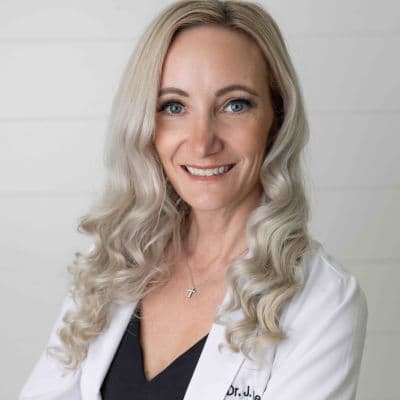
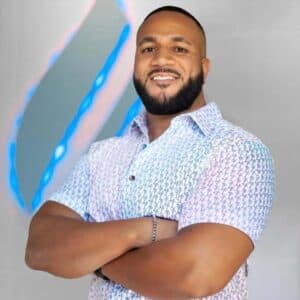
Full Transcript Introduction to Doctor Talks and Sam Tejada 0:00 Seeing them year after year, circled down the drain, and I'm transporting them 0:03 to the hospital where there's the quote unquote professionals, right. 0:08 The medical doctors. 0:09 And it's not the medical doctors fault. 0:11 It's that the system that we've created has become such a 0:15 algorithmic type of treatment that the part of medicine that's missing 0:19 the lifestyle medicine is not being taught to the actual patients. 0:24 So so that's what I told myself. 0:26 I said, you know what? 0:27 I love being this firefighter paramedic, but I think I can do more with my time 0:31 and I can bring true health and wellness to these individuals. 0:36 Welcome to Doctor Talks, 0:38 the podcast where every episode leads to a healthier you. 0:41 Join us as we navigate the world of optimal health, 0:44 uncovering groundbreaking strategies to conquer chronic disease. 0:48 In each episode, we'll bring you the latest insights 0:51 from leading health experts, medical innovators, and wellness warriors. 0:55 If you're seeking to transform your health journey, or if you're looking 0:59 for answers to burning questions, you've come to the right place. 1:03 Get ready to unlock the secrets of lifelong health and vitality. 1:07 This is Doctor Talks, 1:09 real talk from real doctors on the issues that matter to you most. 1:15 Hello everyone. 1:16 Welcome back to the Integrative Health Podcast. 1:18 I'm Doctor Jen and today we're going to be talking to a modern wellness expert. 1:24 I'm so excited to have Sam to Hoda here today with us. 1:29 He is the author of How to Win in Modern Wellness. 1:32 He's a former paramedic firefighter revolutionizing the health care industry 1:36 with his personal approach to modern wellness. 1:39 Founder of Liquid Vida, a multi-million dollar 1:41 company with franchises locations throughout the US. 1:46 He couples his medical background with a deep desire to help others lead 1:49 healthier, happier lives. 1:51 As a true pioneer in modern wellness, Sam is an expert in transformative 1:55 wellness services that cater to individual needs such as I.V. 1:58 therapy, weight management, regenerative therapies, hormone 2:01 replacement therapy, advanced esthetic procedures, and more. 2:05 Sam's book, How to Win in Modern Wellness, is a collaborative effort 2:09 with top CEOs and leaders in the wellness industry educating, enlightening,
From Paramedic to Wellness Entrepreneur 2:14 and empowering medical professionals, aspiring entrepreneurs, and health 2:18 conscious consumers about the benefits of preventative therapies. 2:22 As a visionary leader with unwavering focus on increasing awareness, 2:25 growth, oversight, and compliance, Sam earned recognitions from the American I.V. 2:30 Association where in January 2024, he was named chairman 2:34 at their newly appointed Leadership Advisory Board. 2:38 A regular speaker and participant in major industry events 2:41 including age, medicine, age management Medicine Group 2:44 AMG, and the American Academy of Anti-Aging medicine. 2:48 A friend. 2:49 Sam is also a media favorite. 2:51 Recently features on Gma3, KTLA 2:54 morning show, News Nation, Cheddar News, essence and many more. 2:58 Welcome, Sam, so excited to have you here. 3:01 Doctor Jen, I'm excited to get into some of these great conversations with you. 3:05 Yes. Yes, exactly. 3:07 And I, I love that you come from the firefighter paramedic EMS world. 3:13 And I don't think people know how difficult it is to go into people's 3:19 houses to see how they're living to emotionally, like, deal with all of that. 3:24 Can you tell us a little bit about your days being a paramedic? 3:28 Yeah. So you're absolutely right about that. 3:31 It's, you see a difference side 3:34 of the world when you're working in emergency medicine. 3:37 You know, specifically the EMS side, which I did 3:40 as a firefighter paramedic here in South Florida for 12 years. 3:43 I've been retired for five years. 3:46 You know, where I was 3:48 stationed was in a very, metropolitan, you know, inner city. 3:52 So one of the things that I noticed between living in the middle class, 3:58 working in the, you know, inner city, 4:03 and then also having my patients from the company that I have now, 4:07 liquid vitae, which I studied when I was in the fire department, 4:10 which was a lot more for, like, the upper class when I was working 4:13 with other companies in the industry. 4:17 You see a huge difference in 4:18 the level of education when it comes to health and wellness, right? 4:22 And you start seeing those not necessarily by interacting with the actual patient 4:27 or running the number one calls, just walking into their homes. 4:31 Right. You see what's in the fridge. 4:32 You see, all of the junk food that's just built up in the kitchen and packages, 4:38 and you start putting two and two together and start wondering, well, 4:42 why am I coming out to this person's house every other day for 4:45 for a medical emergency? 4:47 Well, this is why is that they know no different. 4:50 So what they're doing, they're feeding their bodies 4:52 a lot of this toxic chemicals that are in some of these foods, 4:56 and it's just making their health progressively worse. 5:01 Yeah, it's really heartbreaking. 5:02 And part of my emergency medicine fellowship, 5:06 we had to run, like with the inner city Toledo. 5:09 We had to run on EMS calls. 5:11 And and it's really heartbreaking. 5:13 And it's not always the time to educate on, hey, 5:16 you shouldn't be eating that when someone is having a heart attack. 5:19 You know, you can gently bring that in. 5:21 I'll try to layer an integrative medicine when someone's there 5:24 for more non-urgent things, because that happens a lot in the E.R. 5:28 but it's really it's really hard to see the disconnect and how, 5:33 you know, basically, I mean, our country has kind of failed us. 5:36 They've let all the subsidies and, you know, food advertising 5:40 of packaged food, let that win over talking about healthy food. 5:46 But but also right when they get to the hospital 5:48 and they stay there so they get admitted, what are they fed gross packaged. 5:53 Right. 5:54 Yeah. 5:55 It's scary when you start thinking about it. 5:57 You look at the food that the hospital gives to a patient post-surgery. 6:02 Right. A patient who's at an A triple bypass. 6:05 And then you look at the food that they're served in the hospital. 6:10 It's the exact food that cause them to have to get, 6:12 you know, whatever procedure they had to go into the hospital for. 6:16 So it's scary to say the least. 6:18 But, you know, when I became a firefighter, 6:21 the reason I became a firefighter, I wanted the most rewarding job 6:24 that's out there. 6:25 And I told myself as well, what's not more rewarding than being a hero? 6:30 And don't get me wrong, but only about 10% of 6:33 the calls were actually those heroic type of calls. 6:36 Saving someone out of a car accident. 6:38 Saving someone out of a fire in 90% of the other calls 6:43 were these calls, these emergency, these medical calls were what I was doing. 6:48 I was transporting these patients. 6:50 And over 12 years, you would actually see when someone starts their acute illness 6:55 and then you see it become chronic throughout those years. 6:58 Where are you transporting this person? 7:00 To the hospital. Once every year. 7:02 So all of a sudden, once every other month to then once every other week 7:05 to then now you're transporting them once every other day. 7:08 And that's where it clicked in my head. 7:10 I said, something's wrong with this system because I'm supposedly the hero, right? 7:14 And I'm transporting this person to the hospital. 7:16 I'm seeing them year after year circled down the drain. 7:19 And I'm transporting them to the hospital 7:21 where there's the quote unquote, professionals. 7:24 Right. The medical doctors. 7:26 And it's not the medical doctors fault. 7:28 It's that the system that we've created has become such a algorithmic type 7:33 of treatment that the part of medicine that's missing the lifestyle 7:37 medicine is not being taught to the actual patients. 7:41 So so that's where I told myself. 7:43 I said, you know what? 7:44 I love being this firefighter paramedic, but I think I could do more with my time
Building Liquid Vida and Early IV Therapy 7:48 and I can bring true health and wellness to these individuals. 7:53 Yes, absolutely. 7:54 I feel like we have so much in common because of that. 7:57 When I was working in the E.R., I was like, wow, 8:00 only like you were saying, 10% of things are actual emergencies. 8:04 The other 90% could have been prevented. 8:07 And that is really heartbreaking when you go into a profession 8:10 trying to help people. 8:12 Like you said, you wanted to be a hero and you were, 8:15 but you saw how 8:18 things could be prevented and they never really needed you 8:22 if they have been healthier, had lifestyle changes. 8:25 So you said, well, you were still a firefighter, 8:29 that you created this liquid beat. 8:31 Like tell us how that you had the passion and you want you had the mission, but 8:37 how did you do that while you were working? 8:39 So, so, you know, firefighters who worked 24 hours out and were all for 48 hours. 8:43 So most firefighter paramedics, they do something else to supplement their income. 8:48 Some guys have landscaping companies, the painting, working at the hospital. 8:52 What I decided to do early on I was working on my days off 8:56 with a company, Carcinogenic Energetics. 8:59 They were the pioneers in hormone optimization. 9:02 A lot of these alternative treatments that you see that was centered Gen-X. 9:06 They had some of the, you know, most high profile physicians, 9:10 a lot of them cardiologists or even heart surgeons 9:13 that left their primary practice to focus on preventative health. 9:16 And what I was doing on my days off. 9:18 I was doing all of their specialized tests, 9:20 what their very high profile patients, what I would do. 9:23 I'd go to their multi-million dollar homes every three months and I'd collect, 9:27 you know, different type of specimens. 9:29 And that was part of the functional medicine treatment. 9:32 Now, I did that for about 6 to 8 years. 9:34 So you can just imagine every three months we had about 350, you know, 9:39 very affluent people here in South Florida that I would go to their homes. 9:43 So I built some great relationships with some of these patients. 9:48 And I started hearing about how when they go back to their homes 9:51 in California and also Colorado, they were doing these I.V. 9:54 vitamin therapies. 9:56 And, you know, they were telling me that the technician 9:59 that was doing the therapies was an off duty firefighter paramedic. 10:02 So after I had like the fifth patient tell me about these IV vitamin 10:05 therapies, I started researching it and I said, you know what? 10:09 This sounds pretty legit. 10:11 Let me, go take some classes with the A forum, and if I like it, I'm 10:17 going to do it, and I'm going to do it better than anyone else that's out there. 10:20 And that's exactly what I did. 10:23 I love it, that is so cool. 10:25 So it started out just with one location and now you have locations 10:30 all over the US. Yeah. 10:31 So we started off with IB therapy. 10:33 What I did, I actually partnered up with a integrative, chiropractic physician 10:39 who had a beautiful wellness center, but he also integrated, medical in there. 10:44 So he had an MD that was a functional medicine doctor, 10:47 and the chiropractor had a background in Chinese medicine. 10:50 So the facility was actually called East-West physicians, where 10:53 he was taking Eastern and Western medicine and integrating them together. 10:57 So we started doing the IVs. 10:59 And, you know, early on when we were doing these vitamin drips, 11:03 people would always, you know, even a lot of doctors 11:05 in the allopathic world would say, oh, this is just bogus stuff. 11:09 None of those nutrients work. 11:10 I said, well, something doesn't make sense because I'm working in the world 11:14 of emergency medicine, and a lot of these nutrients 11:18 are the nutrients that we actually use as drugs. 11:21 Right. 11:21 Calcium gluconate housing chloride, sodium chloride. 11:25 We're looking at, magnesium sulfate. 11:28 You know, adenosine monophosphate. 11:30 You know, these are all things that do have a purpose in your body, right? 11:34 So what we're doing is giving your body the raw ingredients 11:38 for it to actually function and do what it needs to do itself. 11:44 Yeah, exactly. 11:45 And when you're eating ultra processed or processed food 11:48 or genetically, maybe you just don't 11:52 processed things the same as as the person sitting next to you. 11:55 You do need a little bit more support to get those pathways moving correctly. 11:59 And and I always tell my patients like, yes, you need to do this extra stuff 12:04 to stay healthy because we live in a toxic 12:07 Super Bowl, you know, like things are really toxic now. 12:11 And they didn't used to be. 12:12 It wasn't like when I was young. 12:14 Things have really gotten a lot different in our environment. 12:18 Unfortunately. 12:19 I agree, I agree things have gotten, significantly worse 12:23 with the chemicals and stuff that they're putting into these foods, 12:27 and it's not good. 12:28 It's causing issues with their gene expression, 12:32 which then develops into disease, you know, unfortunately, 12:37 yeah, it's really hard, 12:38 especially where I'm currently located in northwest Ohio. 12:41 There's a lot of glyphosate and roundup here, and I can tell 12:46 my patients will have some flares right when it's, you know, 12:50 they're harvesting all the crops and they have all that floating around 12:53 and they're spraying. 12:54 And, it's it's really hard. 12:57 And sometimes you just you need more support, sometimes you don't. 13:03 And this is where personalized medicine 13:05 and like you said, these functional testing, it's 13:08 really important to know your own body and how your body specifically, 13:13 you know, processes estrogen or how your gut health is functioning. 13:18 And make sure you don't have an overgrowth in your gut 13:21 and make sure that is healthy. 13:23 And then you can prevent disease. 13:25 But to simplify things, we can do a lot 13:28 just with disease prevention with what we eat. 13:31 Right? Right. 13:32 And, and and you know, we were talking earlier and you brought 13:36 up, you know, to make America healthy again and just how 13:41 how that's going to impact and improve the nutrition 13:44 that we're getting from inner city and out to the suburbs.
Lifestyle Medicine, Toxins, and Prevention 13:50 Yeah. 13:50 You know, there's there's, a couple of verticals that we have to look at. 13:55 And first is the toxins that surround us right from what's in the environment 14:01 and then also what we're feeding our body, what we're, eating, 14:05 what we're inhaling, what comes in contact with our skin, which includes cosmetics. 14:11 You know, avoiding these toxic 14:13 chemicals is going to be the first thing that we should do. 14:17 Try to avoid them. 14:18 But unfortunately, there's certain toxins that we're just never going 14:22 to be able to avoid. 14:23 We're going to have to learn 14:24 how to live around them as much as we do our best to avoid them. 14:28 They're still going to be there. 14:29 So that's where now we have to figure out what we feed our bodies 14:33 so our bodies can properly detoxify these chemicals from your body. 14:39 Right. 14:39 So we want to enhance the detox pathways. 14:42 So there's a lot of, type of, antioxidant rich foods 14:45 that we should be eating there shouldn't supplementation that are really good, 14:50 to take like glutathione and to help, detoxify the body 14:55 and then, you know, testing to figure out what some of these toxins are that, 14:59 that could be potentially 15:00 sitting in your bones and your fat cells in your intestines, 15:04 you know, doing some therapy, testing to figure out what type of toxins you have 15:08 sitting in your body because every toxin is eliminated a bit differently. 15:12 Right? There's different protocols for that. 15:14 So if we understand exactly what toxic, toxins are in our body, 15:19 then we can probably remove them doing the the correct detoxification protocols. 15:26 Yes, absolutely. 15:28 And it's it's really an exciting time right now. 15:30 So we're going to have just different people where they need 15:34 to be in the FDA, in the CDC, the surgeon general. 15:39 So it's it's really exciting that hopefully we can make simple changes 15:43 like getting food dyes out of our food so that our body doesn't have to process. 15:47 Like another thing, like we weren't we at the movies last night. 15:51 And you know, their popcorn has yellow five in it. 15:55 It's like, why does our popcorn have to be super bright yellow? 15:59 And you can get dye free popcorn flavor, 16:03 or it's just they use like some tumeric as a coloring, 16:06 because when I was in charge of my town's little league, the concessions, 16:11 I got that popcorn and I had, I looked for dye free foods. 16:15 But I will tell you, the Mountain Dew would always sell out. 16:19 And I'm like, oh my gosh, I'm body poison. 16:23 It's in C! 16:24 I'm like, here's the thing, it is so hard to change 16:28 a cultural like thing, right? 16:31 I mean, how do we do that? 16:33 How do we do that? 16:34 How do we tell people that have drank Mountain Dew out of a baby bottle 16:38 that it's not good? 16:39 And this is where you were alluding to earlier? 16:41 It's knowledge, you know, and if someone doesn't know 16:45 that high fructose corn sirup can lead to liver failure 16:49 and that fatty liver, 16:52 which is from high fructose corn sirup and excessive sugar calories, 16:56 is bypassing alcoholic cirrhosis for being on the transplant list. 17:01 I mean, that is scary. 17:03 Like if we keep going where we're going, all of these, all of these people 17:07 are going to need liver transplants, because I see fatty liver 17:11 even in relatively healthy, like 30 year old women. 17:15 And they're shocked and I'm shocked and yeah, 17:19 I mean, I what do you what do you think about all that? 17:23 I mean, like you were saying, you would go into these inner city homes 17:27 and just see 17:27 all the packaged food out and they're they're not eating it for snacks. 17:32 They're eating it for dinner. Right. 17:34 Well, see, 17:36 the one thing is, is people are well aware of what's happening. 17:39 People have, invested more of their time 17:43 and being aware of what is good from bad. 17:46 And that's why, you know, some of these, the, 17:49 some of these companies have tremendous amount of petitions out there. 17:52 I mean, just the other day, you know, they said 17:54 Kellogg's had over 400,000 petitions or probably even more than that. 17:58 4 million maybe. 17:59 I don't know the exact number, but it was a crazy number. 18:02 Right. 18:03 And now people are speaking up about it. 18:05 Were even regardless of everything you hear about the corruption in the food 18:10 and the pharmaceutical industry, 18:12 now, when you get the masses out there speaking up about it, 18:15 there has to be some change in what's interesting, just yesterday 18:19 I saw it on the news 18:21 is that, they're looking to make some of these changes before, 18:25 Trump actually gets in his presidential seat in 2025. 18:30 They're looking to make this happen 18:31 before the year's even done, which I think it's a good move. 18:35 Right. But, 18:37 these are things that we have to be more aware of. 18:40 And truthfully, people are just sick and tired of feeling sick and tired. 18:44 And in my professional opinion, I think where it starts 18:48 when you're mentioning, you know, the Mountain Dew and the snacks 18:52 and everything else, it really starts with the big food companies, 18:57 especially the big American food companies. 19:00 They have to take care of their own people because when you start 19:03 looking at companies like Starbucks or McDonald's, 19:06 where you can get the exact same thing that's on the menu in another country 19:11 on the other side of the globe, but it has natural, organic ingredients, 19:16 then that just tells you something that means that 19:19 the the cereal, the burger, 19:22 the the the coffee that you're getting, you can still get the exact same one. 19:28 You can still get it in the same package, you know, 19:31 but it's the ingredients that are going inside of there that's making us sick. 19:35 So it can be done. 19:37 People just have to care. That's what it comes down to. 19:41 Yeah. 19:41 And it's super frustrating because our, 19:46 like the how they basically 19:49 certified food like in the US versus in Europe. 19:52 Like they're they have stricter policies in Europe. 19:56 And I don't know how it got this way. 19:59 I mean it's political, right. 20:01 They have lobbyists. 20:02 They're like just let this slide through. 20:04 And we just haven't fought back. 20:06 And I think that's what's changed a lot is now we're fighting back. 20:11 And because of social media, it's becoming more, 20:14 well known and people are starting to read labels. 20:18 And that is what's most important. 20:20 Reading labels. 20:21 I, I tell like my followers on Instagram. 20:23 I tell my patients, I tell whoever will listen like you just need to flip it over 20:27 and read the labels. 20:29 You don't need all that extra junk in there. 20:31 And I also see it's balanced to no one I don't know. 20:36 Like our family, I have four kids. 20:39 Like we don't eat perfect all the time. 20:41 I'm gonna go to a forum actually this week, and my husband 20:46 and I already joked with my daughter, I'm like, 20:48 you guys know you'll eat out a few times while I'm gone. 20:51 Otherwise, I cook home cooked meals for for dinner every time of the week. 20:56 I try to, yeah, it's balanced, it's as balanced. 21:00 But I mean, some people are just drinking pot for breakfast. 21:04 I yeah, Florida's a little bit better. 21:07 I will tell you. 21:08 The community in Ohio now, like there will be like dads and moms. 21:12 They're just drinking pop for breakfast and I. 21:16 Yeah. 21:16 And and if I'm close enough like to them I would see something. 21:20 But you usually just like don't go up to someone that you just know from your kid's 21:24 school and say, hey, like, do you know that that is poisoning your liver? 21:28 And then because your liver is being poisoned, you, 21:31 you won't be able to, 21:33 you know, detoxify your hormones properly and then you're going to have 21:36 problems there. 21:36 And then also you are putting your blood sugar 21:39 on a roller coaster right from the start all day long. 21:43 And that's why you're moody. 21:45 And that's why you don't feel like working out. 21:48 But yeah, I mean, it's it's really hard. 21:51 I guess the gap that I see is how do we meet the people, you know, that 21:57 that can't afford, you know, all the functional testing that are just 22:02 kind of just going through their day that aren't more health conscious. 22:05 That's where I'm hoping with everything going to go on 22:09 in 2025 with Trump's new administration, that it will bridge that gap. 22:14 Yeah. 22:14 So so, you know, it comes from the top. 22:17 You know, leadership and being able to educate the masses. 22:21 Like when when we look at that food pyramid that was designed 22:24 many years back, it's the complete opposite of what it's supposed to be. 22:28 And we all know that. 22:29 So it has to change, right? 22:31 You go back years ago. 22:33 I remember when I was in grade school, there was the Presidential Fitness Award. 22:38 Where has that gone? Right. 22:40 It doesn't even exist anymore. 22:42 You know, it's something that has to be brought back. 22:45 We have to put the emphasis on on food.
Food Industry, Labels, and Public Health Change 22:48 We have to put the emphasis on exercising. 22:51 All of these things are free, right? 22:54 It doesn't cost you anything. 22:55 The specialized testing is great, 22:57 and I think it's something that should be implemented. 22:59 But the first step is what we're putting in our bodies 23:03 and moving our bodies and making sure that we're holding people accountable. 23:07 And I think with the leadership that you're going to see 23:10 that's been appointed and nominated into these different roles 23:13 leading the FDA, leading the CDC, the Surgeon General, 23:17 you know, all of the people that have been put into these positions 23:20 are people that are talking what you and I have been talking about for years. 23:24 Right. 23:24 They have more of that functional medicine approach to to the patients 23:28 health and wellness, taking more of that proactive preventative approach. 23:32 So, I think that this is truly going to be 23:37 that true changing course of medicine that, honestly, I would say 23:42 a lot of physicians that I talk to in the functional medicine space, 23:45 they have all all been very optimistic about even 23:49 being able to see this type of change, of course, of medicine in their lifetime. 23:53 So this is, if there's any time for us 23:56 to be able to see this change, it's now it really is. 23:59 And I'll be at the a forum, this week as well too. 24:03 So which is going to be very interesting. 24:05 It's actually a sold out conference. 24:07 I had doctor Bob Goldman, the co-founder of the, 24:10 a forum on the podcast, on my podcast just a week ago. 24:13 So he was telling me some of the people, the who's who's that will be there. 24:17 And this is going to be a very beautiful event, 24:20 super exciting, because everyone is very revved up 24:23 and excited right now about the future of health care. 24:27 It's great. 24:28 And so you wrote this book on how to win in modern wellness. 24:32 And tell us a little bit about that. 24:35 So you you've got a lot of the thought leaders 24:38 in the wellness community to be a part of this book. 24:42 Yeah. 24:42 So when I got into the industry initially, a lot of the other CEOs, 24:47 it was a bit of a cut throat 24:50 mentality that a lot of other CEOs had. 24:53 And, when I got into the industry, I told myself, you know, 24:57 if we're all here chanting that we want to change the course of medicine, 25:01 but we have to do 25:02 is we got to come together collectively and create that one strong voice. 25:06 Because at the end of the day, you know, we're up against some big, 25:10 you know, powerful organization out there when it comes to the food companies, 25:14 big pharma. 25:15 And we have to be loud, you know, and set the new standards. 25:20 So what I started doing was building some strong relationships 25:23 with my direct competitors, not sharing any, you know, intellectual 25:28 property, intellectual information or any kind of, like, proprietary stuff 25:32 that we're doing for our own organizations, but more or less 25:35 to be there to support each other and, and be able to grow together. 25:39 And what I ended up doing about eight years in, of starting my business, 25:44 I ended up, reaching out 25:47 to all of these other CEOs that I've built these relationships with. 25:50 And I gave them a chapter in my book, and we're all talking about 25:53 how we're winning in this world of modern wellness 25:55 and how we're doing it collectively, together. 25:59 That is beautiful. 26:00 And, you know, a rising tide lifts all ships. 26:02 And like you said, if you want to make change to 26:06 against the like, the big bad guys that are trying to hurt people's 26:10 health, that you have to band together, that's that's really beautiful. 26:14 That says just a lot about your passion and your, 26:16 your character to getting together with direct competitors. 26:20 I love it. 26:22 Community over competition 26:24 for sure, 100%, especially when it's for a good cause, right? 26:28 Listen, we're all in business. 26:29 We all want to be profitable. 26:31 But when you allow profitability to become greed 26:35 and affect people's health, 26:38 now, it's no longer good business, right? 26:41 When you're putting people's health at risk, that's not good business. 26:44 To me, that's a crime. 26:45 And it should be treated as a crime. 26:47 So we have to take care of the people, right? 26:50 And there is profit to be made 26:52 with healthy food, with healthy procedures, with awareness. 26:56 So, you know, we're not talking about companies, doing things for free. 27:01 This is not the Mother Teresa Foundation. 27:04 You know, at the end of the day, we're just asking to take care of the people. 27:09 Yeah. 27:10 That that is really beautiful. That's great. 27:12 And when you look at health care and you know, things going 27:17 like with food and stuff, it's very interesting because in the online 27:21 community people get really mad when like small companies get bought out 27:25 by big companies like I don't know if you remember the Sierra, 27:29 you know, they just got bought out like maybe two months ago. 27:33 And I'm like, people were mad about it. 27:35 They were like, they sold out. 27:36 And I'm like, 27:37 they built a beautiful business and they were profitable and doing great. 27:42 And I forget which company. 27:44 It's one of the big food companies bought them out. 27:46 And I'm like, we need to think of that as now there's going to be more awareness 27:51 about grain free food and using avocado oil 27:56 instead of seed oils to fry chips and, you know, I mean, it's just interesting 28:02 sometimes to see how people's mind shifts and how they navigate. 28:06 Do you know what I mean? 28:06 It's like, what do you do? 28:09 You know what I'm talking about. 28:10 How when, like, the smaller companies get bought out 28:12 and people get really upset and it's like, yeah, because they sometimes 28:16 feel like they've sold their soul to the devil or something, you know? 28:19 Yeah. 28:19 And the people have to be a little bit more optimistic than that. 28:24 You know, if you only because a bigger company buys a, a good, 28:30 smaller company, that might be the change that's needed, right, to, 28:34 to actually bring in those forces, that bigger power in and be able 28:39 to elevate some of the natural, nutritious, organic things. 28:43 You know, obviously, we got to keep a close eye on it, 28:46 making sure that they don't deviate from what the scope is. 28:49 But yeah, I, I agree with you. 28:52 I understand completely, 28:54 yeah. 28:54 Like you said, be optimistic about it. 28:56 And I think it's awesome because as consumers 29:00 we vote with our dollar and we all have to buy food and eat. 29:04 And we all like some good chips and salsa. 29:06 So if someone's buying the healthier things, 29:10 you know, the big companies are paying attention. 29:12 They're like, oh my gosh. 29:13 Like they're they're picking the $6 bag of chips over our $3 bags. 29:19 That's made with nasty ingredients. 29:21 They'll pay more for quality. 29:23 So I see it as a positive. 29:25 My favorite chips are the Mesa chips in the tallow I and they're from Florida. 29:29 That company. But I they're they're so good. 29:33 That's my go to chip now. 29:35 But I it's just interesting when you look at the health business 29:39 and people are paying more attention, they're reading more labels. 29:42 They're voting with their dollar. 29:44 And you know, I, I was telling a local cookie lady 29:48 she was making dye free gluten free cut outs. 29:51 And I'm like, people pay more per cookie. 29:54 You know, they'll pay. 29:55 They'll make up that difference in the more cost of the ingredients. 29:59 Right I agree. Yeah. 30:01 That yeah. 30:03 So I want to know about this exciting new journey 30:07 you're on being part of the American Ivy Association and Leadership Advisory Board. 30:11 How how did that happen? 30:13 That's a really exciting thing. 30:16 So so yeah, so I was appointed as the chairman 30:20 of the Leadership Advisory board for the American Ivy Association. 30:24 That was actually January of 2024. 30:27 And, what we're doing with the American Ivy Association, a bunch of the leading 30:32 companies around the globe, we've collectively gotten together 30:35 to create good compliance and standardization for Ivy nutrition, 30:39 because Ivy nutrition has become it's it's been around for years, 30:43 you know, at least a couple decades easily even more. 30:47 And now it's become a heck of a lot more mainstream
Modern Wellness Leadership and Industry Standards 30:51 because of, you know, people taking more of that proactive approach 30:54 to the health and wellness. 30:56 So what what's happening is regulatory, bodies that are out there, 31:00 the regulators, they really don't know how to regulate this. 31:04 Right. 31:04 And what you're getting are people that have no medical background, 31:08 right, that have just been elected into a certain, political role 31:13 that are now trying to say how things need to be when it comes to, 31:17 you know, the treatment of these patients with Ivy nutrition. 31:22 So instead of us being regulated, what we want to do 31:26 is regulate ourselves, set the standardization. 31:30 Right. 31:30 So, the American Ivy Association, we have some of the top companies 31:34 around the globe that include, Tennis Health, which is Grant Cardone 31:39 company has Liquid vitae, which is, you know, my company, we have drip 31:43 bar that has over 600 locations, sold, over 100 that are already open. 31:48 We have revive, which is a 47 different countries around the world 31:52 that all have different levels of standards that have to be met. 31:56 And what we're doing is, you know, we've created multiple different 32:00 committees to address a lot of these different topics and issues. 32:03 And then we also have our scientific advisory board, which 32:06 consists of a lot of our, chief medical officers for each company. 32:11 But we're doing, research and development there to be able to publish 32:15 certain studies and the different journals that are out there. 32:20 That's exciting. 32:21 I love how you said you're going to set the standards so you're not, 32:25 you know, regulated by people that aren't in medicine. 32:28 And I see that a lot. 32:29 I mean, we saw that during the pandemic 32:32 with certain medications that were working well. 32:35 And it it's really hard when you have someone non-medical 32:41 coming in and telling you how you should treat patients. 32:44 That's very critical in 32:47 in what we're not here to work against the regulators. 32:51 We're here to work with them. 32:53 So our goal is to actually educate them and show them that 32:56 what we are doing is working, and there's the data to support it. 33:00 You know, it's not like we're just giving people these IVs magically, 33:04 you know, we're doing comprehensive blood work on our patients. 33:07 So we're doing a micronutrients deficiency test, as a baseline. 33:11 And, and then throughout, you know, the procedures that, 33:15 you know, we do 33:16 the follow ups to see exactly if these nutrients are going intracellular 33:20 and if there is a change and how they feel. 33:24 So the data is definitely there. 33:26 And now it's just taking a lot 33:27 of that quantifiable data and and putting it together and you know, studying it. 33:32 Yeah absolutely. 33:34 How did the Ivy companies 33:37 do during the Ivy bag shortage with, 33:41 you know, some of the distributors getting hit with hurricanes? How. 33:44 Oh, yeah. 33:45 What do we do with that? 33:46 We're all still struggling with it. 33:49 You know, we've worked with a lot of the different manufacturers. 33:52 And, you know, fortunately, the FDA opened up, the borders, 33:56 to some of the larger companies that do have 33:59 manufacturing in other countries, same big companies. 34:02 Hospira Baxter B Brong, for seniors. 34:05 Kabi you know, they they've allowed some of their facilities 34:09 from outside of the country 34:10 that follow the FDA guidelines to start shipping products into the United States. 34:15 So that's help, alleviate some of the shortage. 34:18 But it's still something that we're going 34:19 to be dealing with for the next few months. 34:22 Yeah, that was super hard. 34:24 I was thinking about that when I was working in the E.R. 34:27 when it when it first hit and, 34:30 you know, there was a big like shortage where I was getting emails 34:34 like every day, like, only use bags if you really need it. 34:37 And, and it's like, and it was just it was a lot of drama and a lot of. 34:43 Yeah. 34:44 Yeah. 34:44 So I mean, but that's, that's part of being an entrepreneur. 34:48 And you, you pivot and you make it work when it's when it's difficult. 34:52 Right. That's the truth. Absolutely. 34:56 So why don't you take us a little bit, through like, liquid vitae, 35:00 like you say that you mentioned micronutrient testing. 35:04 What other kind of testing are you currently doing? 35:07 So to kind of give you, high level overview 35:10 of what we do in the process that we put our patients through is 35:15 the first step is we like to listen to our patients. 35:18 It's not the 5 to 7 minute consultation, 35:21 but we pat you on the back and send you on the way on your way home. 35:25 So what we do is we start off by a lifestyle assessment and questionnaire. 35:30 We want to know what your lifestyle is like, 35:32 what type of, hours do you work, what type of work you do? 35:36 Are you getting exposed to hazardous chemicals when you go to work every day? 35:40 Is it a high stress job? 35:42 Are you sleeping properly? 35:45 What's what's your lifestyle out of work? 35:47 Well, you know, your social life, does it consist of drinking every single day? 35:52 What is that social life like? 35:54 Are you moving your body? 35:55 Are you active? Are you doing activities? 35:58 So for us to really understand the individual and what their lifestyles like. 36:03 And then from there, that's when we start our testing. 36:07 We're big into diagnostics. 36:09 So, one of the first, diagnostic acts 36:12 that we like to do is called a body composition analysis. 36:15 So we use two devices. 36:17 We do an in-body and also a Dexa scan to, look at body composition analysis, 36:23 which include looking at adipose fat, which is more of your fluffy fat. 36:28 And then we look at visceral fat, which is the fat that lines your organs, 36:32 which if you have a high percentage of that, 36:33 that can be indicative of cardiovascular disease, diabetes and other many, 36:38 chronic illnesses that can develop and then we're looking at lean mass. 36:43 We're looking at intracellular extracellular water. 36:45 So it really gives us a good idea of what your body's made up of. 36:49 Instead of getting on a regular scale that just tells you total weight. 36:54 You know, I want to know what that weight is made up of. 36:56 So when we start working with our patients, 37:00 we know that we're going to start trending in the correct direction. 37:04 Because let me give you an example. 37:05 A patient comes in and they want to lose weight. 37:08 They want to go through one of our medically supervised weight loss programs. 37:12 They lose 30 pounds. 37:14 Well get it on a regular scale. 37:17 Was it was it 30 pounds a muscle. 37:19 They lost 30 pounds of fat because if they lost 30 pounds of muscle 37:22 that's not good. 37:23 I would have, at that point hope that they just didn't do the weight loss program. 37:28 So for us is really understanding what the patient needs 37:32 and making sure that they're getting the results that they came in for. 37:37 So body composition analysis is one of the diagnostics. 37:39 We also do what's called a VO2 max where we're looking at cellular health, 37:45 cardiovascular health and also pulmonary health. 37:48 This gives us the ability to look at their endurance, fat burning zones. 37:53 It also, the device that we utilize does the RMR, 37:57 which is the resting metabolic rate that we calculate, 38:00 but we could see exactly how many calories 38:03 the patient is burning at a resting state 38:06 that information allows us to customize the nutritional program 38:10 on how many macros and macros they need throughout the day, 38:13 and how many, how many, what their caloric intake needs 38:17 to be as well, too, depending the goals that they're trying to accomplish. 38:20 If they're trying to put on more lean mass, build endurance, or lose weight, 38:24 that data allows us to have more of that personalized approach 38:29 and create programs that are precise to the actual individual. 38:34 So, those are some of the diagnostics we do, with the technologies 38:40 that we have. 38:40 And then we do a thorough blood exam, which the blood work. 38:46 It's actually more than blood work. 38:47 There's urine, there's blood, there's saliva, or we're looking at genetics.
Personalized Testing and Proactive Health Care 38:51 We're looking at toxins, environmental toxins that people can get exposed to. 38:56 We're looking at hormones, food sensitivity. 39:00 We're looking at, inflammation markers 39:03 where our blood work consists of anywhere between 20 to about 80 pages long. 39:09 So we're just really getting a good bird's eye view of the patient's health. 39:13 And then from there, we trend all of these diagnostics 39:16 to make sure that we're going in the right direction. 39:20 That's amazing. 39:21 And it's so important to see what your personalized blood work is. 39:26 And it's frustrating because when someone goes to a conventional doctor, 39:30 they're like, I don't think you're bad enough to need blood work. 39:32 I mean, I can't tell you how many patients 39:34 will come into my office, and they're like, they refused blood work. 39:38 And it's like, that's just that's just conventional medicine. 39:41 It's just how it is. 39:42 And sometimes you need to search out different companies, 39:46 different businesses, different doctors to really get a handle on, 39:49 like your personalized health, because we all want to to age well 39:55 and just aging right now is not good. 39:58 You don't want the chronic diseases. 40:00 You don't want the average aging in the US. 40:02 You want to be above average for sure. 40:05 You know, doctor, 40:07 that's one of the issues with, the way that people think about blood work. 40:12 They want to do the blood work once they feel like crap. 40:16 Right. 40:16 That's not good. That's reactive. 40:19 We need to be proactive. 40:20 We need to prevent ourselves from getting to the point from feeling like crap. 40:24 And you know, the other part that sometimes really annoys me is when, 40:30 you know, I try to put emphasis on doing blood work, right? 40:33 And people tell it, look, let's wait three weeks. 40:36 I got to make sure I clean up my data stuff before I do the blood works. 40:40 Now, this is not a test that you're going to study for. 40:43 You know, I want to see how your body is, how you normally live. 40:49 I don't want you to prepare 3 to 4 weeks in advance just to make it 40:52 look good for that immediate moment, you know, let's see what your body, 40:56 how your body's functioning on a regular basis. 41:00 Right? 41:01 Right. It's almost like cheating on a test. 41:03 Like that's not going to benefit you long term. 41:05 My mother has a friend and she's so funny because my mom told me this story. 41:10 She's like, yeah, she eats really good. 41:12 Like a month before she gets her yearly bloodwork. 41:15 And then she goes back to eating, like, whatever. 41:17 And it's like, well, that's not you're not fooling your doctor. 41:20 You're not fooling anyone but yourself. 41:22 Like, we need to see what your body's actually living in real time. 41:28 And you don't you don't want to be. 41:30 I don't want to see you in the air when I'm in an air shift. 41:33 I don't want to see someone with chronic disease. 41:36 If you have any negative symptoms, you need to get the blood work now. 41:40 And I mean, Sam, you probably agree with this. 41:43 The other problem is, is that there's this normalizing of symptoms, right? 41:48 Like, oh, I'm bloated. 41:50 Like that's normal or even PMS or, you know, even carrying extra weight. 41:55 That's a symptom. 41:56 And, you know, we're normalizing all of this via social media or whatnot. 42:02 And I'm like, no, your body is like telling you something's wrong. 42:05 And you're you're normalizing it or ignoring it. 42:09 Yeah, yeah, I see it all all the time. 42:11 And people have just made it seem like, hey, this is this is normal. 42:16 It isn't normal, you know? 42:18 And the other one that I hear, it's like, oh, I'm just getting old. 42:21 This is part of getting old now. 42:23 It's not, it's not. You're getting sick. 42:26 You're getting sick because you're not taking care of yourself. 42:28 You're getting sick because of toxic foods in your body. 42:30 You're getting sick because you're not exercising. 42:33 You're not moving your body. 42:34 Like these are things that can be simply addressed. 42:40 Absolutely. 42:40 I don't know about you, but I like being the weird one. 42:43 Like I'm fine with it. 42:45 We went to a Christmas party and I brought gluten free, diet 42:48 free cookies and, cupcakes because they needed dessert. 42:52 And then, I made some, like, really nice, like, rump roast shredded, 42:57 you know, and I labeled it all gluten free. 42:58 And someone came up to me and they're like, 43:00 oh, they're like my family member. 43:03 Or like, my cousin is gluten free. 43:04 And I've been trying it and I'm like, you should just go for it. 43:08 Like, eat more animal based, see how you feel. 43:10 So, be the weird one. 43:13 And then if someone questions your weirdness, then use 43:17 that as an opportunity to to teach them and plant seeds. 43:21 That's that's what I try to do, at least. 43:23 Yeah. And I'm the same way. 43:26 One of the things that I talk a lot about, myself and my business 43:30 partner is, two doctors, Doctor Heywood and Doctor 43:33 Davis, is that 43:36 we don't want health and wellness 43:39 and medical to be stuck in this hole 43:43 idea of the person you know, the doctor 43:46 with the white lab cope with the stethoscope over the neck. 43:50 For us, it's like we're making health and wellness hip and cool, you know? 43:54 So things like that. 43:55 It's like, I'm going to let people know that I'm eating gluten free. 43:59 I'm going to let people know that I want the organic stuff, 44:02 and I'm going to do it in a way where it's just like, hey, the cool guys doing it, 44:05 why don't the rest of us do it as well too? 44:08 So when you actually see a lot of my content 44:11 out there and me being outside and hanging out with people, 44:14 you know, I'm not that guy who's wearing, you know, a shirt 44:17 that's tucked in and, you know, button all the way up. 44:20 It's like, this is cool. 44:23 This is a cool thing to do. 44:24 We're going to be with celebrities talking about it, 44:27 and we're going to get the word out. 44:28 And this is going to be something that people want to be a part of. 44:31 People are going to want to be part of this movement of being healthy. 44:35 Yes. Awesome. 44:37 I just love your passion and thank you 44:40 for just being so passionate and being an entrepreneur. 44:44 And it's scary to do what you're doing. 44:47 But we need more people like you just to be, like, loud and proud. 44:51 Like you said, make it cool. 44:54 Absolutely, I appreciate it. Thank you. 44:56 Yeah, well, Sam, can you let everyone know how to find you?
Closing Thoughts and Where to Find Sam 45:00 You have a great social media. 45:02 You have a podcast. 45:04 Where else can people follow you? 45:06 Yeah, if people just Google me, Sam Tejada, 45:09 you'll see a lot of information pop up. 45:11 But you can find me on Instagram at Sammy. 45:14 Sammy underscore to how to Adda. 45:19 You can go on my website Sam to how did that com 45:22 you can find their company Liquid vida. 45:24 It's liquid vida.com and, I'm not hard to get Ahold of. 45:28 If you have any questions or anything that I can potentially help you 45:32 with your health, just reach out. You'll get a message back. 45:36 Awesome. 45:36 Well, thank you so much for being here, and I'll see you at a forum. 45:40 Thanks, doc. Take care. 45:42 Thank you for tuning in to Doctor Talks. 45:44 We hope today's episode has enlightened 45:46 and inspired you on your path to optimal health. 45:49 Each day is a new opportunity to make choices that empower your wellbeing. 45:54 For more insights and strategies, subscribe to our podcast 45:57 and visit our website w WW dot doctor Talksport.com. 46:03 Stay connected. 46:04 Stay healthy and join us next time on Doctor Talks. 46:08 Real talks from real doctors on the issues that matter to you most.
Comments