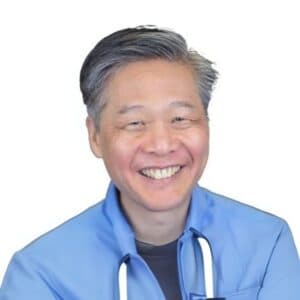
Full Transcript Opening and Guest Introduction 0:00 Instead of looking at the 0:01 eyes of unworthiness, you have now have a new perspective. 0:05 The eyes of worthiness. 0:06 What action? 0:08 What insights? 0:10 What is your next thing to do? 0:12 As you look through these new eyes and it's like, oh, to make it. 0:17 Give myself the mercy around having emotions that it's okay. 0:21 And to, you know, really be much and not afraid 0:26 of what other people are going to think and to have more courage to be himself. 0:30 Welcome to Doctor Talks, the podcast where every episode leads to a healthier you. 0:36 Join us as we navigate the world of optimal health, 0:39 uncovering groundbreaking strategies to conquer chronic disease. 0:43 In each episode, we'll bring you the latest insights 0:46 from leading health experts, medical innovators, and wellness warriors. 0:50 If you are seeking to transform your health journey, or if you're 0:53 looking for answers to burning questions, you've come to the right place. 0:57 Get ready to unlock the secrets of lifelong health and vitality. 1:01 This is Doctor Talks, 1:03 real talk from real doctors on the issues that matter to you most. 1:15 Hi everybody, and welcome back to outcast. 1:17 I'm your host, doctor Melissa Grohl Peterson. 1:19 And together 1:20 we are here to explore 1:22 the future of longevity, precision, health and breakthrough therapies. 1:26 And a question for you. 1:28 What if the key to unlocking health, vitality, and longevity 1:33 was hidden in plain sight? 1:35 Our guest today, Greg Lee, is a former NASA 1:39 systems engineer turned longevity and chronic disease specialist. 1:44 As the founder of the Lyme Research and Healing Center. 1:46 Greg has dedicated his career to uncovering the hidden stressors, 1:51 sabotaging health, and developing evidence based 1:54 natural therapies to restore vitality to the cellular level. 1:58 His unique fusion of systems thinking in eastern medicine and modern 2:03 biohacking is helping patients overcome chronic infections, 2:06 inflammation, and other roadblocks to longevity. 2:09 And today, we're going to have a fascinating conversation. 2:12 From sick care to super longevity. 2:14 Greg, welcome to the show. 2:17 Thank you for having me on Doctor Melissa. 2:18 I'm so excited to talk with you today. 2:21 I am I am really excited because I'm like, okay, I need to know. 2:26 I mean, I'm sure you get asked this question a lot, but it's so fascinating. 2:30 Like, your backstory has just got me so leaning in and so curious. 2:35 How does one go from NASA to longevity? 2:39 Now, I know that could be like that could be the entire interview. 2:43 But give us the short story of. Of what? 2:45 That of like how you made that transition or that impetus moment 2:50 that you had kind of that 2:52 to move from one career into another. 2:55 Well, NASA was always a dream of mine since I was a kid. 2:58 You know, I grew up watching the, you know, astronauts go into space, 3:01 go to the moon. 3:02 I was just like, why would I do that? 3:05 You know, and it's just like, so, fortunately in Maryland, 3:09 we have the Goddard Space Flight Center. 3:11 And I went to college, 3:13 and one of my professors work there now, just like, hey, can I get a job? 3:17 There he goes, like, Jared. Come on. 3:19 It was the easiest job interview I've ever had. 3:23 So I started working there. 3:24 Job interview. Oh my gosh. 3:27 And then, you know, moved to different companies and got to work, ultimately. 3:32 And I robotics lab, where we had astronauts 3:35 and we had, robots or big enough 3:37 to pick up cars, and the astronauts would now move them around and like, 3:41 how are we going to build the space 3:42 station with robots and all these great, fun, exciting projects? 3:45 And sometimes they'd be like 24 hours 3:48 a be up long, you know, time, you know, just doing all these things. 3:52 And they were just like, oh, man, my gut is starting to have like pain 3:56 and bowel problems and what's going on, you know? 4:00 So I went to the doctor and he goes, oh, you got irritable bowel here, 4:02 take some medication. 4:04 And so I took the medication and it was just like, didn't help that I, 4:08 you know, I was having insomnia and anxiety and gut problems 4:13 and it was just more of like the lowest point of my life. 4:17 And fortunately, a colleague of mine said, want to try acupuncture?
From NASA Engineer to Longevity Specialist 4:21 And I was just like, sure, it's kind of in the blood line, you know, 4:25 as like, you want your acupuncture. 4:27 So she has all these questions like, well, what is your symptom saying to you? 4:31 And I'm like, I don't know, you know, 4:36 so she helped me decode that and say, oh, 4:39 when you eat a lot of gluten, your symptoms get worse. 4:42 So don't eat that. I'm like, okay, I got it. 4:45 You know, change your diet of remedies, got treatments. 4:48 And within a couple months, most of my symptoms were gone. 4:51 And I was just like, yeah, hey, back to work. 4:53 And then a year later, they started to come back. 4:56 And that's when it was just like, that's a sign that the stress is too much. 5:01 You know, my gut. 5:02 And at that time, I watched, Joseph Campbell. 5:05 He had a book called What 5:09 Hero's Journey or something like that, and he said, Follow Your Bliss. 5:12 I was like, I don't know, my bliss is what's my bliss? 5:15 And then it hit me to help others to heal like I was helped by my acupuncturist. 5:20 So I left NASA and it was, you know, a big change, you know? 5:26 Yeah. Life. 5:28 That's a 5:28 massive that's a that's a huge wakeup call. 5:31 And to say, all right, I'm leaving to go pursue this. 5:34 Let let's explore that a little bit more, 5:36 because that takes an incredible amount of courage. 5:39 And how long had you worked with NASA? 5:41 Like how many years were you into that part of your career? 5:44 I had worked there. 5:46 I actually I worked in college 5:47 and I worked afterwards was part about nine, ten years. 5:51 And, you know, it was totally a dream job and also very stressful. 5:57 So, yeah, you know, and we're going to talk about stress 6:00 today, as, as we often find ourselves talking about. 6:03 But it's important we can never talk about it 6:05 enough and through different ways and filters. 6:07 Yeah. I want to just hover here for a moment. 6:09 So dream job it's starting to wear on you physically. 6:14 And as you start to really realize that when you kind of move through it 6:19 and have a healing journey, you get so inspired by it 6:22 that you're going to leave that dream job career to go start something totally new. 6:27 So did you go back to school? 6:29 Did you, start to work with the practitioner who had helped you? 6:33 Like how did you make that transition? 6:35 Like, was there a gap? 6:36 Was it a long time, you know, or because with the hero's journey, 6:40 we have to go out into, like, we're faced with this question, right? 6:44 Like we're really confronted with something in our life 6:47 that sends us out on this journey. 6:49 And typically as we go on the journey, it takes some time. 6:52 We hit some bumps and bruises and challenges along the way, 6:55 but as we're out there fighting it and doing it and, 6:57 you know, having that track, we learn about ourselves along the way, 7:01 that's the whole thing with that beautiful hero's journey. 7:03 Like we have our 7:04 our awakening, our truth, and we come back to share it with others. 7:07 Right. 7:08 So how did you, how did you make that transition? 7:14 Well, 7:15 it's hitting a level of things aren't working. 7:17 And it was just like, okay, well, Western medicine didn't quite do it for me. 7:22 My own thinking that, hey, this is just going to go away on its own didn't work. 7:26 And so then it was just like, okay, 7:28 I need help and I don't know where to turn. 7:31 And it just, 7:32 you know, fortunately, my colleagues said, hey, hey, it works for me. So. 7:37 All right, I'm going to go for it then. 7:40 Okay. I have so as you did that. 7:43 So again, I'm, I, I'm just so fascinated because, you know, you've created 7:46 some advanced diagnostics for cellular health. 7:48 So you've kind of helped to take that engineering brain and, 7:52 and put it towards some additional, 7:54 some more current techniques to help uncover underlying health issues. 7:59 So, I love how you, you know, you still kind of brought your gifts, 8:04 that engineering 8:05 mind of being able to uncover and see how things work and come together. 8:09 How how did you get I want to know about that process. 8:13 What exactly did you develop and how did your journey inform 8:17 what you've developed and brought to market? 8:21 It was, 8:22 partially like getting out of the headspace 8:24 so much because, you know, engineering is very much about analysis 8:28 and being very cerebral and then getting more into the body 8:33 awareness, getting into more the healing aspects. 8:38 You know, what does it mean to be more intuitive? 8:40 What does it mean to be, operate 8:42 on a more emotionally aware level, emotional intelligence level? 8:46 And how do I use that for my own healing? 8:50 Because what I was finding was I needed something else and kept going and going. 8:55 It's kind of like the hero's journey through the underworld, you know? 8:58 It's like, okay, I need another gift on my hero's journey. 9:03 I need another guide. 9:04 And so had many people along the way. 9:07 Different healers, different teachers that were like, hey, 9:11 this is your what's going to help you with your next phase of this journey? 9:14 And it was like, you know, acupuncture. 9:17 And then I discovered, Alexander Technique and then cranial, sacral 9:22 and Sufi healing and all came together in terms of like helping me to develop, 9:28 more awareness of my own self, but also how I can then help others 9:33 with their hero's journey on their, you know, descent, 9:37 moving through the underworld and then coming out the other side.
Developing Advanced Diagnostics and Healing Methods 9:40 The longevity revolution is about more than just searching online 9:44 for a few hacks, or any one of us moving our biomarkers in the right direction. 9:48 It's about coming together 9:49 to learn, share, to connect and create the unlimited future we want. 9:53 That's why you need to be at Rad Fest 2025 in Las 9:56 Vegas from July 10th to the 13th. 9:59 Rad Fest the Revolution Against Aging and Death 10:03 is proud to be partnering for the first time 10:04 with Doctor Aubrey de Gray and Longevity Escape Velocity Foundation 10:08 in the form the single most comprehensive, advanced, 10:11 informative and inspiring event on Aids reversal for a general audience. 10:15 Meet the people you want to make forever with Rad Fest 2025. 10:20 Take advantage of lower advanced pricing now at Radford. 10:22 Scott. 10:23 So, okay, so then let's talk about how you help somebody. 10:27 So you've you've kind of taken all these different, you know, 10:30 you've got a master's in acupuncture and Chinese herbs. 10:33 And so you you're again you're kind of blending the best of Eastern and Western. 10:38 And because of that kind of, you know, beautiful engineer brain, 10:41 even though you've like, dropped 10:42 into the body and the heart and the soul and the essence and the key. So 10:47 I'm somebody that I'm 10:49 coming to see you and, all of a sudden I need some help. 10:53 So you've kind of created this system. 10:55 What is it that you're finding as some, some common stops? 10:58 And most of the people that are showing up that you've 11:00 just kind of seen over the years that are the the end up 11:03 being the biggest needle movers for, for the different clients 11:07 that are really seeking to healing support, first and foremost, 11:11 because we can't live a long, vibrant life if we're not living well today. 11:16 So for anybody listening, you know, 11:18 this is the part you're going to want to tune into, 11:19 especially if you currently have any symptoms or challenges 11:23 or if you are a health practitioner out there 11:25 dealing with complex and complicated cases. 11:28 Greg, how do we want to start to think about this? 11:30 So I show up, in a bad way. 11:32 How do you how do you walk me through your magic? 11:35 So it just comes to mind. 11:36 One of my patients, he went to Johns Hopkins actually 37 times. 11:41 Because Johns Hopkins is pretty close. 11:43 It's better than, you know, 45 minutes away. 11:45 And he kept getting worse and worse and worse, 11:47 getting many diagnostic diagnoses, many medications. 11:51 And eventually he actually ran his own business. 11:55 And he said, I got to the point where I couldn't 11:57 even add up to numbers in my head. 11:59 And he told his wife that I don't want to live anymore. 12:01 And it was just like, you know, her being the strong wife, 12:04 she's like, you are not going to get a check out. 12:08 We're going to get it going anywhere, mister. 12:10 Sit down, figure this. 12:13 My strongest 12:14 referrals are the wife that says, you are not going to go here. 12:18 Exactly. 12:19 So and he's like, okay, we're going there. 12:21 And so what we did is we use this, advanced scan that we are working with. 12:27 And we found three things that Hopkins had missed. 12:31 He had, Aspergillus, in his sinuses. 12:35 He had, clostridium in his gut. 12:38 And he also had a tickborne infection called brucellosis. 12:41 And once we understood, oh, that and, many of them produce, 12:46 you know, mycotoxins and endotoxins and things that can really make 12:51 a person feel like they're dying or 12:53 their emotions are out of whack, or they don't have control over their health. 12:57 And so part of the journey is for him was we need to clean all this, 13:01 the toxins and inflammation and start 13:04 cleaning out all that accumulated stuff that makes you feel like crap. 13:08 And so that was like the first phase of his treatments, 13:11 where we're doing things like frequency specific microcurrent, 13:15 which are electrical frequencies 13:17 that we can send into the blood, into the liver, into the brain to detox, 13:21 to get the inflammation down, and also to fight infections. 13:25 It's FDA approved for pain relief, 13:26 and you have all this whole realm of other frequencies you can use to like, 13:30 like go in and do these, like really specific targeted treatments. 13:35 Also, another thing, that I, that that's something I do every day is microcurrent. 13:40 Also another thing that really helped him was molecular hydrogen. 13:44 And we have patients inhale that. 13:46 It goes right into the brain. 13:47 It doesn't kill infections, but it lowers inflammation and multiple 13:52 research studies that lowers mycotoxins 13:55 and and neutralizes free radicals. 13:58 So it's really great 14:00 because patients will come in and they have like all this like, 14:03 you know, brain swelling or, they have meningitis or encephalitis. 14:09 And that's one of the first things we'll put them on. 14:11 And, you know, as they get on it, they're like, 14:14 you can just feel it, see their face soften. 14:16 You can just hear their voice change and their thoughts aren't like 14:21 racing around like a squirrel, you know, running around in the woods. 14:25 And it's like, it's 14:26 this really this great neurological neuroprotective intervention. 14:30 Are you ready to redefine aging and unlock your full potential 14:35 as a longevity leader at the Human Longevity Institute? 14:39 Our world class certification programs train doctors, coaches, and wellness 14:43 professionals how to deliver cutting edge, integrative longevity 14:48 health solutions so people can live better today 14:50 for longer, healthier, and more vibrant tomorrows. 14:54 If you're ready to join the Longevity Revolution, visit Human 14:57 Longevity institute.com to enroll and become a practitioner today, 15:04 I want to take a moment before you go any further, 15:06 because this is really fascinating 15:08 and I want to just kind of hit some of these points real time. 15:11 So let's first start with molecular hydrogen. 15:14 So explain what that is versus 15:17 just you know is that something they're getting in hydrogen water. 15:22 Is it a capsule. 15:23 What is the form. 15:24 Can they get it in hydrogen peroxide. And like you know what I mean. 15:27 So let's give a little understanding of what that word actually means. 15:32 And I want to then break down. 15:34 I love how you're saying that. 15:35 It's it's really supporting the brain because, of course, probably the different 15:39 delivery systems of how you're having people, as you said, inhale it. 15:43 So let's talk about what it is and delivery systems 15:47 of getting this into the body for therapeutic support. 15:52 So this patient, 15:53 he also had a lot of neurological issues because obviously he couldn't, numbers 15:56 on his head. 15:57 So the first way we deliver often is through a nasal cannula. 16:00 And it's basically we have, I'm in a research lab here in Frederick, Maryland. 16:05 Also, we have access to, like, highly purified water that used an experimental. 16:10 We use that and that is put into a machine. 16:13 And that machine breaks apart into hydrogen and oxygen. 16:17 So basically the patient is breathing in, hydrogen, mixed with oxygen. 16:22 And that's, you know, it's basically a, an experiment that we did in high school 16:26 in the science lab, but it's in a box, and then patients can drink it also. 16:30 And what are we drinking in the office all day? 16:33 And also you can deliver it topically on different areas. 16:38 So with chronic pain, other patients have severe chronic pain. 16:42 Nothing works. 16:43 Putting the hydrogen on it like wow that was fast. 16:47 That was amazing. 16:48 So it has many ways you can deliver it. 16:51 That's used also in Asia where they have, I.V. 16:56 saline and they'll bubble it into the I.V.
Lyme, Mold, and Hidden Infections 16:58 bags and given it, rheumatoid arthritis patients. 17:02 And they have like a 40% reduction in their symptoms, in one study. 17:07 So there's many ways, either, you know, getting it in however we can, 17:13 I have one of my patients that wants to do hydrogen enemas, 17:16 but I'm waiting to hear back from her because she's got a machine. 17:19 And, to see how well that's helping her got issues. 17:23 Interesting, interesting. 17:25 And as you're sharing this, patient case with us, the gentleman who went to 17:29 Johns Hopkins, many, many, many times, you were talking about in the beginning. 17:35 So although I, 17:38 you know, 17:38 big business guy, high performer on go and go and can't put two numbers 17:43 together anymore. I knew something was wrong. 17:46 And so you test him and you find some underlying, arterial mold line. 17:53 You find that you find a few different, spores, or what 17:56 should I say, the mycotoxins. 18:00 Thank you. 18:00 And so so let's talk about the and we are going to continue on his story 18:05 in a moment. 18:06 But let's talk about the prevalence, because of course 18:08 you are the founder of the Lyme Research Center. 18:12 And so obviously people are coming to you for this. 18:14 Now did he know when he came? 18:16 Did they think he had this? 18:17 How did like our people finding you? 18:19 Because they know they have it. 18:21 They think they have it. 18:22 And what's the prevalence of Lyme 18:26 but that we are faced with right now here in the US? 18:30 Well, let's kind of work back on that. 18:34 There was a study at Brown University, I think, in 2019, where they estimated 18:38 2 million new cases of Lyme every year in the U.S, 18:42 which is drastically like ten times 18:46 higher than the CDC has or used to have. 18:50 I know if 18:50 they still have it on the website anymore, but you know, and it's just as dramatic 18:55 under reported under tested issue that it's an epidemic essentially. 19:01 Yeah. 19:02 Because, you know, people's the diagnostics aren't that accurate 19:06 from standard testing and heard reports of 50% accuracy, 19:10 which is basically flip a coin, especially labs, maybe 8,090% accuracy. 19:15 But most people don't go to specialty labs to test for them. 19:20 And that's just Lyme. 19:21 And then you have also the other infections. 19:23 There's over 80 other different infections ticks can carry. 19:26 So, you know, most of those are not tested for. 19:29 And those are the ones that are the ones that we find caused 19:32 the most chronic illness in our patients. 19:36 So but these Bartonella Mycoplasma is, 19:39 chlamydia, you know, 19:43 lots of viruses that, you know, people never hear about. 19:46 So, yeah, I think that's one of the, one of the challenges in the opportunities 19:51 is that as a layperson and all of a sudden we're just not feeling well, 19:56 and it gets kind of worse and worse over time. 19:58 And we go to different places and there's so many symptoms 20:02 that are generalized across many conditions. 20:06 So things that could have an origin in Lyme 20:10 all of a sudden could seem like an autoimmune condition, right. 20:13 Or a chronic fatigue, like there's a thyroid condition, 20:17 like all the sudden that, oh, like my brain's not think working right. 20:19 I have no energy. 20:21 I have like, like all these different things. 20:23 We, we want to try to give them a label so quickly, but it's very interesting 20:27 that what we're hearing is there's an underreporting, improper diagnostic. 20:32 It's not part of any kind of standardized protocol coming in. 20:36 How would it what advice of any would you give to our listeners 20:40 who are maybe like, well, how do I know? 20:42 Like, does everybody have to just go run a test? 20:44 Are there some things that might chew them in more than others, that 20:49 there could be a strong likelihood 20:52 that you have this or that you have these, 20:55 you know, micro toxin infections, like how 20:59 how would they think about this to understand if they have it or not. 21:03 So what are the unique symptoms of Lyme? 21:04 Is migrating nerve pain? 21:07 I mean there are some other issues that can cause it, 21:09 but they're pretty rare. 21:11 That's one of the signature symptoms. 21:14 Some of these infections, like, like brucellosis, 21:18 has, signature symptoms of your sweat smells like wet hay. 21:23 And I was, like, yeah, I know I was. 21:25 I was talking to this one, counselor, because, like, that's my husband. 21:30 He smells like a mowed field. 21:32 And after the rain, I'm like, well, might want to. 21:35 I'm tested for that. 21:36 Wow. Interesting. That's really interesting. 21:39 Okay, and, you know, there are many other, infections 21:44 like Bartonella, is also been implicated in pans, pandas patients. Yes. 21:50 And also a lot of anxiety disorders, 21:54 psychosis, hallucinations. 21:57 So it really depends. 22:00 I mean, obviously there are many other causes 22:02 for those things, but, you know, not having a response 22:06 to like, antidepressants or other kinds of standard medications 22:11 is another sign that, hey, there may be an underlying 22:14 hidden infection that's making your body toxic and inflamed. 22:19 So it's the lack of, hey, my NSAIDs aren't working. 22:23 Or, you know, other pain meds just aren't cutting it. 22:27 So and then as a patient 22:30 can try going to more specialists, getting more accurate testing. 22:34 That may be what would be the most recommended, you know, path. 22:40 But to keep testing, keep looking for answers, however they can 22:45 because also there's a lot of support groups out there that can provide 22:48 resources for people who are, you know, have not been diagnosed yet. 22:53 Yeah. 22:53 And testing can get really expensive. Right. 22:56 So is there is there what's the best test or the best place that people, 23:01 if they want to just kind of self-assess and go, 23:04 excuse me, would this be me? 23:07 What's the I'm going to give the best information 23:10 at the most affordable price and could help them 23:13 kind of advocate for themselves in knowing where to go next. 23:17 Okay, now it's time to go see, you know, the team over at Lyme 23:20 Research Center as an example. 23:22 But where could somebody start on their own 23:24 and get some really sound information again, at an affordable price. 23:28 So basically, if you know, a person can go to their primary care doc, try 23:33 the testing their first, but not to stop if they get negative tests because, 23:38 you know, they're not 100% accurate, you know, in most cases. 23:43 So I guess I'm so sorry. Well, let me ask this. 23:46 I didn't mean to interrupt you. 23:46 Are they are they to go ask for test me for Lyme, test me for mold? 23:52 Is that what they say or do they say test me for Bartonella? 23:56 Like what's what should they specifically be asking for? 24:01 Well, it really depends on their symptoms and their presentation 24:05 and if they can doing some research in terms of like, 24:08 oh, I have a lot of anxiety for some reason. 24:11 Like I had one patient, her dog, to the drain pipe. 24:15 And so the water from the roof drain under the house 24:18 into the crawl space and not away from the house. 24:21 And she started having all this anxiety and panic attacks, and she's like, 24:25 I'm going crazy. 24:26 And I feel so much better when I'm out of my house. 24:29 So it ended up being there's a huge mold issue that they had to, like, 24:34 move out and into a hotel and get the whole house remediated. 24:38 And, there's a very, leader in the mold room, 24:43 you know, space Doctor Shoemaker. 24:46 You know, he's saying, you know, that, you know, 24:48 60, 70% of buildings in the US are water damaged. 24:52 So therefore high exposure to mild mold and mycotoxins. 24:57 Yeah. 24:58 And this is one of the biggest issues that we see over and 25:01 over again in our patients. 25:04 Interesting. 25:04 Wow. Okay. 25:05 So, so that's some, some great kind of things to be thinking about. 25:09 So continue.
Treating a Complex Chronic Illness Case 25:11 So you, you were working with this patient and kind of taking him. 25:14 You're doing some testing. You're finding things are there. 25:16 Now you start to work with him with some some of your key 25:20 therapies like, molecular hydrogen. 25:23 And so what did you keep taking us through that journey? 25:25 Because we're all wanting to find out how the story ends for him. 25:30 Yeah. 25:30 So he's, getting coming in for treatments 25:35 and initially weekly because he's he lives, in Maryland. 25:39 And so we're doing, as I mentioned, the hydrogen, he's doing inhalation. 25:45 We're doing the microcurrent based on, his initial scan was 25:49 was the first thing we do when a person comes in where we identified 25:52 these different, like Aspergillus cluster area and brucellosis. 25:56 But we also look at what are the multiple inflammatory compounds that are elevated 26:01 and where are they? 26:02 Because you had a lot of neurological inflammation. 26:04 We had leaky gut issues. 26:06 You know, we look at things from a functional medicine 26:08 perspective also with the scan. 26:10 And so based on that we can then custom program the frequency 26:14 specific microcurrent treatments to reset his nervous system, 26:18 to drain inflammation, to get the toxins out. 26:21 Often those are the initial treatments that we'll do. 26:24 And then later on as he comes for more follow ups, then we can do 26:28 more of the anti bacterial and fungal 26:33 neo detox mycotoxins out of because it's mostly in the sinuses. 26:37 Treatments to really start getting his toxic burden down more quickly. 26:44 So great. 26:45 Okay. And so, so now yeah. 26:47 So you're doing this awesome work. 26:50 So he's coming in once a week. 26:51 And now what's starting to happen for him. 26:53 So one of the treatments that we do that's really dramatically helpful 26:58 for many toxic patients because because maybe they have methylation 27:03 genetics that mutations that prevent them from detoxing effectively. 27:07 One of the things that we use a lot of is something called cupping 27:11 and bloodletting. 27:12 We're actually pulling out blood out through cups 27:16 and, and different studies that they've done on the blood that's come out. 27:20 It's high in toxins. 27:21 It's high in inflammation, high in, coagulation 27:25 compounds, fibrin and things like that. 27:29 And what I find, especially after patients have had Covid 27:33 and the Covid vaccine, they have sky high levels of hyper coagulation 27:38 and when we're doing the cupping, we're pulling this stuff out. 27:42 Now, you know, when you get a cord, it kind of like bleeds and goes everywhere. 27:46 When the blood comes out in the cupping, it's like jello. 27:50 And patients are freaked out when they see it's like, holy, you know, what is that? 27:54 And they're like, oh my gosh. 27:57 And like I, you know, he was like after first cupping, he was just like, 28:01 oh, I feel I feel like lighter, I feel better. 28:05 And that was really weird what you pulled out of me. 28:07 And as we do more and get more of that coagulated blood 28:11 out of them, he's like, this is like amazing. 28:16 Because he does have some issues 28:18 with like the methyl tetra, hydrophobic reductase 28:22 are genetic mutations and other ones that he had, 28:26 that we made it hard for him to get that the toxins and stuff out of his body. 28:32 Oh wow. 28:33 It's kind of like the vacuum cleaner of going in 28:35 and trying to pull out as much stuff quickly. 28:37 Yeah. Interesting. Yeah. Okay. 28:40 So so is he still under care. 28:43 Where did his journey evolve to. 28:47 So after four months like he had been sick, you know, struggling, 28:52 you know, for probably a decade before he came to me. 28:56 And in four months, he comes in and he goes like, 28:59 you know, I'm gonna go on a vacation. 29:02 I'm going on a cruise to Alaska. 29:04 And I was just like, whoa, that's exciting. 29:07 Yeah, yeah. 29:08 And so he was on remedies for a while after that. 29:11 And, you know, basically he said, you saved my life. 29:14 And anyone you want me to talk to, 29:17 I will give my name and number and I'll talk to him. Wow. 29:21 So from chronic, the sickest of the sick to longevity, 29:26 how do you make the leap from chronic care to life 29:29 extension through your longevity work? 29:32 We have to understand what is making us 29:36 not as healthy as possible. 29:39 And given the environmental exposures, given what we get exposed to in our food, 29:45 that there is some level of exposure to, 29:48 to be mycotoxins could be metals, it could be chemicals, 29:53 you know, glyphosate, whatever it is, and that we need 29:56 to have a way to kind of be able to kind of pick up on that. 29:59 So, that's what we use a stand for is like, what is the 30:03 not only toxic burden, but also how is it affecting our immune system? 30:08 How is it affecting inflammation, how it's affecting our ability to detox. 30:12 So, a lot of our patients have congested livers and gallbladder ers. 30:17 And one of the treatments that has been amazing, 30:20 we had the patient who went to Hopkins three, seven times. 30:23 He did what's called a liver gallbladder flush. 30:25 Now this comes out of, whole de Klerk's kind of original work, 30:29 but we use a modified one 30:32 that we get from, a company in California. 30:35 When people do this for the first time, it's like, oh, 30:38 my gosh, all this, these, like, gravel and green peas 30:42 and and some people see parasites and all this stuff comes out of them. 30:46 But, you know, this is something 30:47 that's been sitting in their liver probably for years, if not decades. 30:51 And that's not going to that's going to impair liver detoxification. 30:55 So I had one woman. 30:57 She's done it 14 times. 31:00 And on her eighth flush she said, I had this thing 31:03 size of walnuts coming out of me. 31:06 And she was also she has she was a trainer for the FAA 31:10 and she was basically, on medical leave. 31:13 And now she's like, living the dream, in their retirement. 31:17 So yeah. Amazing. 31:19 So it is like, let's help ourselves heal today to live better tomorrow, for sure. 31:24 That's that's exciting stuff. 31:25 And listen, gang, I can't speak on behalf of Greg. 31:29 You know, he he's glad to talk to the group over at Rad Fest, 31:32 but who knows, maybe for our ten year anniversary celebration, 31:36 this July out in Las Vegas, Nevada, as Rad Fest comes together 31:42 with the Longevity Escape Foundation, Velocity Foundation out of Europe, 31:47 we are going to have a highly interactive experience there this year. 31:51 It's going to be something unlike any conference, and it's 31:54 both for the expert and the longevity seeking enthusiasts. 31:58 But, when I think about some of the really interesting interactive things, 32:02 maybe Greg will be there to do some scans, or maybe we'll even see Greg there 32:05 doing some cupping. 32:06 I don't know, we'll have to find out. 32:10 But these are things that you know are worth exploring for sure. 32:14 This is really fascinating information. 32:15 So so with the time that we have left, Greg, I'm, I'm 32:20 curious in kind of as you continue through your own journey, 32:25 let's talk about how you're living these principles for yourself today. 32:28 So what are your longevity books that, that you are actively, 32:34 actively doing to keep yourself living better today for longer? 32:37 Tomorrow's. 32:39 So my go tos right now are hydrogen therapy. 32:43 And we'll just inhale hydrogen. 32:46 It helps calm my system down.
Longevity Therapies and Personal Wellness Practices 32:48 And I use it as a way. 32:49 It is like, okay, 32:50 if I have inflammation because I my gut tends to be more inflamed. 32:54 So I will inhale it, I'll drink it in water. 32:57 And you know, when we're in the office and staff, I'll do that also, 33:01 you know, that's could be a at work, could be in the evening also. 33:06 And then also microcurrent programs we have for because you know, 33:10 I can run one to say, hey, 33:12 lower inflammation in the digestion tract or the intestines 33:16 or help me decongest the liver or help wake up my brain and give it more energy. 33:22 So, it's kind of, based on when I scan myself and I can go, oh, okay, 33:27 I need to deal with, some more liver issues or kidney energy. 33:32 Vitality, you know, adrenals that I normally do that. 33:36 So that's kind of like my self-care. 33:38 Plus, also, we do a lot of peptides and, 33:41 for regeneration and faster healing. 33:45 I had, I do a, martial arts, and I injured my arm. 33:50 I pulled a muscle, and I was just like, you know, 33:53 nothing wrong with Chinese medicine, but it was it wasn't getting the results. 33:57 I wanted. 33:58 And so I used, peptide strong, 34:01 which is found in a, remedy called longevity, for, health. 34:07 Every, that really help within a week caught 80% of the symptoms. 34:12 And I was like, this is like, this is the future 34:16 of, like, regenerative medicine, you know? 34:19 Yeah, yeah. 34:20 I, I'm the, the CEO and co-founder over at Peptide University. 34:24 And so we teach practitioners all about the world of small molecules 34:29 and how they are helping to enhance our natural signaling properties, 34:34 all sorts of beautiful functions. 34:35 So peptides really are part of the future of how we're going to continue 34:40 to support our body, really to repair, to regenerate, to rejuvenate, to optimize. 34:45 And so, I love, love, love, love knowing that you're bringing those 34:49 into your practice as well. 34:50 And that's, that's really a bit of that East meets west merging. 34:54 Right. 34:54 So it's it's all these beautiful wisdom paired with modern science. 34:59 And, and then you're bringing in therapeutic technologies 35:02 to really create these optimized results I love it. 35:05 So what if any, wisdom. 35:08 What what kind of final wisdoms do you have for us today 35:12 that, that you might share with our audience just to 35:15 inspire them forward on their, their own journey? 35:19 So in the different healing traditions I've study, they talk about within 35:23 every person is a place that's untouched 35:26 by illness, untouched by disease. 35:29 And you can call it your essence, your spirit, your divine within. 35:34 And when we work with patients that are able 35:38 or willing to kind of tap into that, 35:40 it's almost like a dramatic shift in their healing. 35:44 It's like, oh, I'm in touch 35:45 with something that's, you know, deeply powerful and profound. 35:50 And it's something I can go back in. 35:52 It's like an inner, like ocean of healing 35:56 and support that they can really tap into. 35:59 And that's part of like, you know, as patients 36:03 get better and better and say, like, hey, I don't want to get sick again. 36:06 I want to as long as I can. 36:08 I don't want to deal with this. 36:10 That's part of the medicine. 36:12 Now we have like eight stages that we put people through, 36:15 and that's kind of like the last stage is like getting them establish 36:19 in their own inner resources, inner what we call inner wisdom, 36:23 because that's mostly accessible by people and different 36:27 spiritual traditions, you know, because we're not trying to it. 36:31 We're trying to get them to go deeper with it, not expound any particular path. 36:35 Right. 36:36 So let's take a moment just kind of philosophize on that again. 36:41 And maybe you've got some some data points around it as well. 36:44 So it doesn't have to just be theoretical, but understanding. 36:48 I love that that there is this space within all of us that is 36:52 untouched by illness. 36:54 And if we are each willing 36:57 to take time every day 37:00 to really commune 37:02 with that part of self, to connect to that part of self, 37:05 what could become possible not only in eradicating disease. 37:10 You know, allowing us to heal, allowing us to repair. 37:13 Let's talk about that, because that, to me feels like this state 37:18 of really where I could see it's a suspension in state, right? 37:22 It's things are untouched. They're in their purest essence. 37:24 So now let's think from from 37:28 just timeless, ageless immortality. 37:32 Like when we touch these spaces. 37:33 What do you think would be possible 37:38 in extending human lifespan 37:42 if we knew how to come from 37:45 this untouched space of disease every day? 37:48 So if we're in an ongoing state of health and thriving, 37:52 what do you think could become possible? 37:53 Like could we really radically extend human lifespan? 37:57 Like what do you what do you think is possible from that place? 38:00 I think there would be a lot 38:02 more happier people out there, and they'd be more fulfilled 38:06 and they'd be living their mission, their purpose in life. 38:11 They would be more generous and more kind 38:14 and, you know, helpful for people who are in need. 38:17 And I think that would be a world that I would want 38:20 to be a part of creating, you know, and people 38:25 as they get into this, what comes up are the untrue beliefs. 38:30 I'm not lovable or I'm unworthy. 38:32 And as a, you know, confront this with that inner wisdom. 38:36 They go like, oh, that's not really true. 38:40 I had one man. 38:41 He, struggled with Lyme 38:44 and neurological, infections and at some point is healing. 38:48 He goes to me, you know, my pain's better, my energy's better, 38:52 but I'm crying all the time, and I can't stop. 38:55 I'm like, it's okay. 38:56 We have a lot of Kleenex. Yeah, because you can get that a lot. Yeah. 38:59 And I said, well, when does that come up? 39:01 And so we walk them through this process 39:03 where it's like, like I'll see a dog that's like walking down the street. 39:07 I'm thinking, isn't these laws? 39:08 I start crying and, you know, 39:10 and he he's a construction manager and this huge construction firm. 39:14 So the construction industry is a and this is like known 39:17 for their kind and understanding of right, right. 39:21 Emotions like that. 39:22 So he's like it's really stressing me out. 39:24 And so what we worked out was he felt like, you know, there's all 39:29 these people out there who are suffering and I don't deserve healing. 39:34 And so he then broke down, you know, lost that at that point. 39:38 And I said, well, let's take a deeper what is your inner wisdom? 39:42 So we have people do a practice that's called remembrance, 39:44 where they invoke whatever they call the highest. 39:46 Or so healing is Catholic of his name is God. 39:49 So he said, okay, repeat that, that God gave God. 39:52 What does God show you about that? 39:53 Is it really true you don't deserve healing? 39:56 And after about two minutes he goes like, whoa, I just got the insight 40:00 that there's enough healing for everybody and it's okay to receive. 40:06 And that totally shifted him from, 40:09 don't want to feel feelings or do this or express that or be embarrassed. 40:13 It's just like, oh wow, I can just go and receive that directly. 40:17 That was profound and hugely life changing for his not only his recovery, 40:23 but also how he held himself, how he, you know, cared about himself. 40:28 Like, wow, I'm really working. 40:31 So, Greg, 40:31 what I'd love to ask if you're willing because I understand 40:35 this is part of your proprietary process, the Lyme Research Center. 40:39 But I think it could be really beautiful for our listeners, 40:43 because what you just spoke to, I think is a universal tenet. 40:46 I mean, I would hear that for years when I was still in clinical practice, 40:50 I talked to so many practitioners and patients alike globally. 40:53 And I think fundamentally, you know, this, am I deserving? 40:57 What makes me what am I worthy of? 41:00 And so even if we're not consciously 41:02 thinking of it, it can be an unconscious driver. 41:04 So a lot of times when there is imbalance in the system 41:08 that is expressing as dysfunction and or dis ease, 41:11 there is an imbalance in a loss of wholeness. 41:15 So we are out of alignment with our innate state of wholeness.
Inner Worthiness, Healing, and Closing Reflections 41:19 And we think of wholeness 41:20 as divine presence of whatever words that we want to use. 41:22 So all of a sudden it's kind of like, well, why? 41:27 And for many people, there's been a variety of different types of traumas. 41:30 There's been a variety of different types of imprints 41:33 since the moment we were conceived and still in the womb, 41:35 all the way through life. 41:37 And so everybody comes with these different unconscious programs 41:41 that typically are somehow. 41:42 And then we layer on all of our marketing and our messaging and our media, 41:46 which drives us to feel lack constantly that we're not good enough 41:50 and we're not going to be good enough until we have this title, 41:52 this car, this house, this thing, this thing outside of us. 41:56 So it's unfortunately constantly reinforced right by our culture 42:00 and society. 42:01 And so to be able to step out of that, even for a few minutes a day 42:06 and to connect to this inner essence, 42:08 the process that you took that patient through gave him a very profound. 42:12 And so I'm wondering if you could just take a moment and slow down and, 42:19 and as if I was the patient or if, if anybody listening 42:23 was right in front of you, guide them through those simple prompts. 42:27 You just gave a few couple a quick questions, 42:30 and I appreciate that you were just 42:31 sharing it in the story, but I feel like it deserves 42:35 a space of reverence because I think that everybody listening 42:38 right now, to the extent that you're willing 42:40 to just allow yourself to receive this message, I think it could 42:44 provide some really beautiful aha's within everybody listening. 42:49 I'm sure 42:50 this I used to work as a consultant at a firm called Lionheart, 42:52 and this is one of the processes we use there. 42:55 So when you work with people in business 42:57 talking about spiritual things is really not, 43:01 welcomed. Always. 43:03 So, what we did was we talked about, okay, what's not working. 43:08 So with this patient, he's crying all the time. 43:12 And so it's like, describe that situation. 43:14 I saw the dog and I start crying and okay, how do you feel about that? 43:19 What emotions come up? 43:21 Well, I feel afraid that I'm going to be judged. 43:24 I'm going to be embarrassed. 43:25 People are going to shame me because, 43:28 you know, I'm not supposed to cry. 43:31 Yeah. 43:32 Because, you know, as, 43:33 I grew up and, you know, in Maryland, and a lot of the message I got was like, 43:37 don't cry. 43:37 I'll give you something to cry about. 43:39 Just like, okay. Yeah, sure. 43:41 And so that's kind of like the situation. 43:44 And then the emotion around that, that's kind of like the surface level. 43:48 And then what do you want? 43:51 What do you want? 43:51 I want to have more control over my healing my emotions. 43:57 Okay. Great. 43:58 And what the next step is the underlying 44:03 untrue belief underneath the situation. 44:07 So what does that lead you to believe 44:09 when you can't control, when you cry and when you doubt? 44:13 So it took a little while and he goes like, you know, 44:17 I kept walking him through, kind of doing a intuitive sense 44:21 of like when a person hits it, then usually there's a big emotional release. 44:25 And for him it was just like, I don't deserve healing. 44:29 And so that's when he lost it. 44:32 And that's just like, oh, that's the moment of truth. 44:34 That's the moment of deep underlying unconscious pain that's sitting there. 44:39 And then from there it's like, are you willing to 44:45 make a change or do something different? 44:48 And, you know, totally. 44:48 Yes, to do that because not everybody's at that point. 44:52 It's usually they have to be at a point of pain. 44:54 And suffering, unfortunately, 44:56 where they go like, okay, I'm willing to give up what I've been doing over 45:00 that again for decades, and it's not working okay. 45:03 I'm open to it. 45:04 And so I had to repeat the name of whatever 45:07 we call the highest source of healing. 45:08 So it was God with the question, is it really true? 45:11 I don't deserve healing? 45:14 And through that, the revelation, the subtle light comes 45:17 in, there's a lot of healing traditions. 45:20 And one of the healing traditions is called remembrance. 45:23 In Chinese medicine, it's called tong Shan meng, where you're 45:26 penetrating divine illumination or you're actually invoking, 45:30 and the light comes and the subtle sense within your heart 45:34 and your soul is able to, like, see the subtle reality. 45:38 And through that, he got the insight. 45:41 There is enough healing for you and everyone else. 45:45 And it just broke them open. 45:47 And he was like, you know, you just this face soften. 45:51 And he cried. 45:52 And it just released all that suffering you've been holding on to. 45:55 And then from there, there's even more 45:58 that's like, what does you have now? 46:01 Instead of looking 46:02 at the eyes of unworthiness, you have now have a new perspective. 46:07 The eyes of worthiness. 46:08 What action, what insights? 46:12 What is your next thing to do as you look through these new eyes? 46:17 And it's like, oh, to make it give myself the mercy 46:20 around having emotions and it's okay. 46:23 And to, you know, really be much and not afraid 46:27 of what other people are going to think and to have more courage to be himself. 46:33 Yeah. Beautiful. 46:34 Thank you for sharing that with us. 46:36 I love there's so much in that that I love. 46:39 And as we get ready to wrap up today, I would invite everyone listening 46:45 to take moments as many of them as you have, 46:48 even if it's only 1 to 3 minutes at the beginning of the day, the end of the day 46:52 to just soften and quiet and go in and instead of trying to problem solve. 46:57 Now, if you can do the entire process that Greg just shared with us, 47:00 that's amazing. 47:02 But sometimes, like you said, and you you pointed out so, right, 47:06 so perfectly, Greg, which is many people 47:09 are not actually able they're not ready, willing and able quite yet. 47:13 So sometimes we got to be in it for a minute. Right. 47:16 And we've all heard the saying, sometimes we have to be sick 47:18 and tired of being sick and tired. 47:20 And whether it's this is good, but it's not good enough 47:23 or this is horrible and I don't want to take it anymore. 47:26 There's lots of ways that we come to those. 47:28 There's choice point moments, there's no judgment. 47:31 It's part of our journey of how we get to them. 47:33 Hence, back to the hero's journey. 47:35 And so I think it's important to remember that when you are in this space 47:39 and whether you want more of something or less of something, 47:42 whether you're dealing with a health challenge 47:45 or you're just looking for a path to expand your own limitless 47:50 human potential for greater longevity and greater states of aliveness, 47:54 I think there's something really potent in 47:56 dropping into that space 48:00 where sickness and disease does not exist, 48:03 where you can evoke that divine illumination that was magnificent. 48:08 I just saw I saw it so clearly, so this does not have to be religious 48:12 in nature, friends. Right? 48:14 Like just this visual of like, man, whatever my higher source is like whatever 48:19 this higher support is, even if you are non-religious, 48:23 you know, like if there could be some type of support 48:25 and I could have a visual for it 48:27 that could take me to this place beyond space and time, where disease 48:30 and sickness do not exist, where it can be illuminated for me 48:34 so that I can actually see it, know it, touch it, drop into it, and just be, 48:41 you know, I would be like two months. 48:43 Would you like me to share those steps with you and your members? 48:47 I could do that in a download. 48:49 Let's do it. 48:50 Yes, I'm sure everybody would love that. 48:52 So you just heard again, Greg is going to give us a gift 48:56 of dropping into the space. 48:58 I believe that this was really powerful and it's something any of us can do. 49:02 It's a great place to begin. We are, are we? 49:05 This incredible human vessel produces 49:08 every chemical, every pharmacological you could ever go by. 49:11 And anything that is needed. 49:14 We are the greatest technology in and of ourselves. 49:17 And sometimes we we put that power outside of ourselves. 49:20 So what a gift that Greg is giving to have a path 49:22 in to begin that inner contemplation, connection, reflection. 49:26 And then if, when and as you need greater support, 49:29 that's when you get to reach out to amazing people just like 49:32 Greg Lee here, the founder over at Lyme Research Center. 49:35 So we'll have that in the show, notes. Greg. 49:38 Where can they go find you? 49:40 So I'll put the free download and Lyme 49:43 Research center.com/ardy. 49:48 Definitely. 49:49 Brad. Yeah, absolutely. 49:52 And again, we'll put the link in the show notes below. 49:55 So that would be absolutely amazing. 49:57 Greg. 49:58 Again, thank you today 49:59 for your wisdom, for your passion, for sharing your life's mission. 50:03 Thank you for taking us on your journey and the journey of some of your patients. 50:07 They were amazing. 50:09 Great examples and stories today. 50:11 Keep sharing your gift with so many. 50:12 It was a joy. Sharing time. 50:14 Oh it's totally awesome to meet you Doctor Melissa! 50:17 I am totally pumped and I'm really looking forward 50:19 to doing stuff in the future perhaps absolutely, 100%. 50:24 Thank you. 50:25 All right everyone, again, I can't believe the time just whizzes 50:29 by like I get to I have the the best seat in the house. 50:32 I get to sit down and meet all these amazing humans. 50:35 So thanks to everyone for tuning in and listening today. 50:37 Remember, we're in this together. 50:39 We are here to really share what is possible in humanity 50:42 to live better today for longer, healthier, more vibrant tomorrow. 50:46 So please like this episode. 50:48 Subscribe to the podcast and share this out. 50:52 Tell others about it. 50:54 We would love your support with that. 50:56 And if you want to come get to meet incredible 50:59 people just like Greg Lee, then you want to make sure to grab your ticket 51:03 to the 10th anniversary Extravaganza 51:08 for Rad Fest out in Las Vegas this July. 51:11 Links in the show notes below. 51:13 Until next time, continue to stay bold, 51:17 be curious, and express your greatest states of aliveness. 51:20 I'm Doctor Melissa, thanks for tuning in. 51:24 Thank you for tuning in to Doctor Talks. 51:25 We hope today's episode has enlightened 51:27 and inspired you on your path to optimal health. 51:31 Each day is a new opportunity to make choices that empower your wellbeing. 51:35 For more insights and strategies, subscribe to our podcast 51:39 and visit our website. 51:41 WW di doctor talks.com. 51:44 Stay connected, stay healthy and join us next time on Doctor Talks. 51:49 Real talks from real doctors on the issues that matter to you most.

Comments