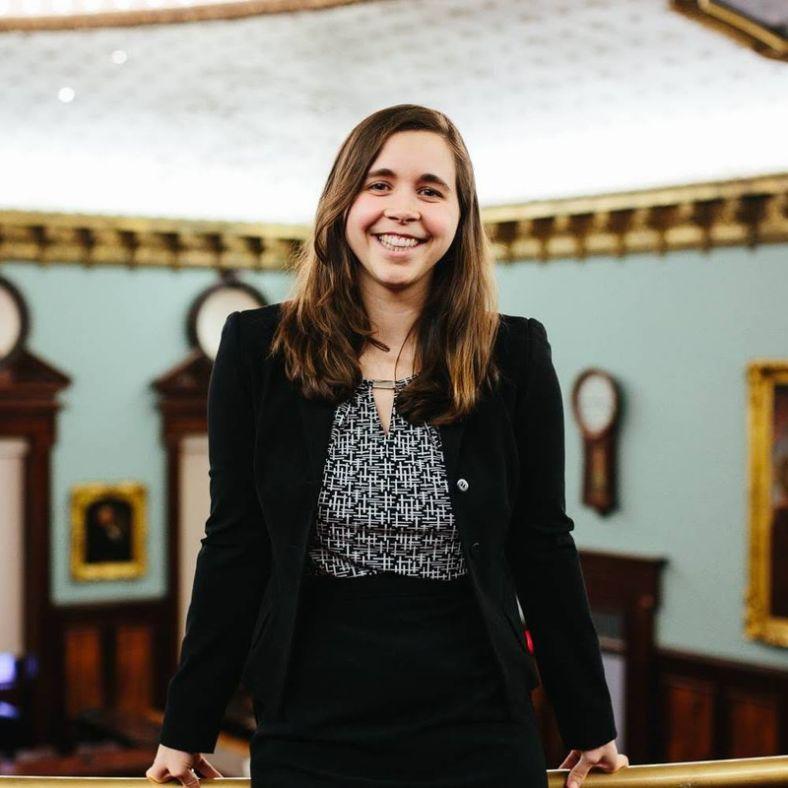
Full Transcript 0:00 But now we've seen that previously 1% of people opted for the plant-based entrée. 0:06 Now 50% are sticking with that plant based entré. 0:10 And in that, we reduced our carbon emissions by 36%. We saved about 59 cents per plant base meal that we served. 0:20 And we still have patient satisfaction at roughly 98%. So we're doing really good. 0:25 The hospital system really embraced it. 0:27 And Sodexo, the operational partner, uh, food service partner behind it also did some wonderful, wonderful work. 0:34 I'm Dr. 0:35 Scott Stoll and welcome to a regenerative life podcast where science becomes hope, food becomes a catalyst for healing and every conversation explores 0:44 the profound connections between personal health, human flourishing and the earth and future that we will share together. 0:50 But more importantly, we'll explore one of the most important questions of our time. 0:55 What happens when we actually begin living in alignment with the way we were designed? 1:00 Hi and welcome to the podcast, Dr. 1:02 Scott Stoll, and today I am delighted to have my dear friend, an amazing person and soon-to-be mother, 38 weeks pregnant, 1:12 little baby's coming soon, she's precious. 1:14 Rachel Acheson is joining me today. 1:17 And I just want to give you a little background before we jump in our conversation, because Rachel is an incredible person and we can gain a lot from her 1:25 experience today. 1:25 And when I think about Rachel, you know, there are people who recognize problems and bring awareness, people advocate for change, 1:32 and then there were people that roll up their sleeves, they get inside of systems where decisions and policy are made. 1:39 And they turn those ideas into programs that change people's lives. 1:43 And Rachel, you have done that. 1:45 Your journey, and I want to hear more about this, began with food and animal systems and eventually led you to the heart of New York City government, 1:54 working with Merritt Adams. 1:56 I know that you've learned a lot along the way. 1:59 How to change not only individual behavior, but also how to changes environments in which millions of people, New have the opportunity to make those choices, 2:11 and simply architecting a different environment gives people the opportunities to choose. 2:17 You worked alongside Mayor Adams as he became the Mayor of New York, you advanced some of the most ambitious ideas expanding Meatless Mondays from small 2:27 Brooklyn pilots to schools across New You helped establish plant-based lifestyle medicine program at Bellevue Hospital, and you expanded access to lifestyle 2:37 medicines throughout the nation's largest municipal health care system, introducing plant based meals as the default in the New York health system. 2:47 You were the deputy director of New york city's mayor's office of food policy, And you've done incredible work across a number of intersections inside 2:57 of government. 2:58 And now you have taken a longer view, and I want to talk about this today too, as the Executive Director of Food Policy Pathways, 3:04 where you are now investing in the people who will shape food policy, agricultural policy for decades to come, really mentoring the next generation of leaders. 3:15 And what I love about you, Rachel, is that you help us ask this really important question. 3:20 What if changing our food system isn't simply about convincing more people what to eat, but it's also changing the systems, 3:28 the default incentives, and the institutions and policies that determine what food choices are available in the first place? 3:35 So, Rachael, welcome. 3:37 I am so honored to have you as a part of my conversation today. 3:42 And thanks for taking time as 38 weeks pregnant for joining us. 3:47 Thank you so much. 3:48 Thanks for having me. 3:49 Excited to talk and share some learnings along the way. 3:53 And you have had a lot of learning, so that is for sure. 3:56 Before we start though, I always like to try to understand what shaped you, all the way back to growing up. 4:05 It's one of the questions I love to ask people is, what was Rachel like when she was 12 years old? 4:12 To understand who you are today. 4:15 You know, as a soon-to-be mother, I am also having those questions myself of who is the 12-year-old that I'm going to eventually be. 4:25 What is she going be like? 4:28 So for me, really my food journey It started mostly in high school when I sort of took a AP Environmental Science class and dug into the food system and 4:46 realized how complex and how much change needed to happen to it. 4:51 It is an incredibly inefficient system. 4:54 And at the time I was learning about sort of some of the inefficiencies with animal agriculture and realizing that we have to feed a cow 10 calories to 5:04 get one calorie of meat in return. 5:06 As a numbers person, I kind of was baffled by that inefficiency. 5:11 and started to change what I ate because of some of that learning. 5:17 But then sort of as my journey progressed, you can actually back up further, and I had acne and eczema my entire childhood. 5:28 And so when I changed what i ate, I actually saw that that eczema went away. 5:35 I had seen- That's life changing for young- Life changing, especially because I have little bald spots on my arms and legs because i scratched away the 5:46 skin so intensely. 5:47 And I thought because the ten dermatologists throughout my childhood didn't mention food, I felt that that was just what I was going to have to live with 6:00 for the rest of my life. 6:03 cut back and eventually got rid of the dairy that I was eating. 6:07 That paved the way for me to be eczema free now. 6:11 And that was also a sort of really instrumental part of my food journey, because I started to connect the dots that the environmental impact, 6:22 the health impact the animal welfare impact. 6:25 They're all a part a, part, of a food system, and they're incredibly interrelated. 6:30 So It's why I'm so drawn to your podcast with Our Generative Life. 6:36 I do really think food is at that core. 6:39 Yeah, I mean, first, those are big ideas for a young mind.I love that you were thinking about food systems at such a younger age. 6:48 And I think we both have in common this idea that when you look through an intersectional lens, at the plate and the hundred bites that people take individually 6:58 every day. 6:59 And then we began to, as you said, look at numbers and impact of a hundred bytes times eight billion, you know, eight hundred billion bytes of food every. 7:09 Upstream and downstream has profound impact on the planet, but it also is one of the most opportunistic places where we can begin impacting change. 7:20 And that's why, you know, You took those ideas when you were young and you started, take us through your next step in the journey. 7:27 Where did you, as you enter into college, what kind of work were you doing? 7:31 What ideas were your thinking? 7:33 And I want to walk up to that place where you actually started to get involved in government. 7:39 Sure. 7:40 So during college, I joined a college advocacy group at College Club. 7:45 And for those on college campuses, always encourage you to utilize all the resources in your toolbox to build your network, 7:54 build you ecosystem. 7:56 And so I found wonderful community on college with our BU Veg Society and eventually led that. 8:06 And we started working on a cage-free egg campaign where I was interested in, could we make the food system minorly better? 8:14 And I say minor better because cage free egg systems are not exactly all that they might be cracked up to be. 8:24 Metaphor pun intended, right? 8:27 And yet they are a step in the right direction. 8:30 And so we were able to campaign and we actually got Boston University to switch over all of its dining hall cafeteria operations to be cage free. 8:39 I worked on the Harvard campaign as well alongside David Coman Heide from the Humane League. 8:45 And I just got addicted to winning, which is something that I would encourage all of us to look at. 8:54 What are the campaigns that we can wage that can actually win? 8:58 And so we waged a small, quote unquote, campaign trying to get a college cafeteria to go cage free, but with an outsized impact where we were impacting 9:10 millions of eggs a year. 9:11 And so I got addicted to that and started working for the Humane League after college. 9:18 In fact, I was so motivated to do this work that I graduated in three years and set a form. 9:24 And, so, left school in 2013 and worked for Humaine League for a couple of years. 9:32 started leading its campus outreach programs as well. 9:35 And then I got a very serendipitous call from the mayor's office in New York City asking me to come in and be their animal welfare liaison. 9:48 I was not expecting that. 9:51 Government was something I had thought much about. 9:55 But what I thought about was during my time at the Humane League, was campaigning for Meatless Monday in Philadelphia School District as well as with the 10:07 Philadelphia City Council trying to pass a city council resolution. 10:11 And I was noticing that I on the outside wanting to shape what was happening internally in city government. 10:19 And it's sort of, I got an itch of what would it look like to work from the inside of government? 10:26 What would look to be at the table making those decisions of would a school district adopt Meatless Monday? 10:32 what are the pros and cons? 10:36 And I ended up taking that job in New York City. 10:40 And we ended hearing from a lot of constituents on the ground about Meatless Monday. 10:47 So I put together a proposal for the mayor to review. 10:51 He passed it off to the first deputy chancellor at the time, and they said, you know what, let's look at this. 10:58 Let's execute a pilot. 10:59 And so 15 Brooklyn schools in 2017 adopted a Meatless Monday pilot, And that sort of started my journey of, wow, if you work from the inside of government, 11:11 You can actually change some of the systems that might have seen unchangeable from outside. 11:19 And so I, again, got addicted to winning. 11:24 And creating strategy to win, right? 11:26 Two things I want to pick up on. 11:27 Number one is the idea of incremental change. 11:30 You know, as you said, making things minimally better or minimly improved. 11:35 Because I think everybody that has a vision for improving things, we see the outcome where we want it to go. 11:42 Sometimes that gap can create friction inside of us, cognitive dissonance, frustration, discontentment. 11:51 So I'd like to understand from you how you capitalize on the idea of incremental improvement as you're working through the system, 12:02 and then we'll pick up from there. 12:04 Yeah, I am a big fan of pragmatism. 12:07 I'm a fan a of a tent. 12:10 A big fans of building a lot of allies that help us get to an end goal. 12:16 And I think the more you can strategically build towards a campaign, towards the play in government, in policy, and politics, 12:28 the most likely that you're going to succeed. 12:33 the more likely that you're going to sort of butt your head up against the wall less. 12:38 And so I think a lot of this is on the spectrum of what's possible. 12:44 I do like to be realistic in policy goals and implementation. 12:50 What are the levers that we can pull? 12:53 What do the carrots, what are sticks that to really make change that is lasting. 13:00 That is not something that will be overturned in a month, overturn in the next administration, because we've really built something, 13:11 that's durable. 13:12 And for a lot of passionate people, all of us that, you know, see the current problem, we're passionate about changing that problem. 13:20 We often encounter difficulties because, So how can passionate people watching this who are trying to affect change, and maybe it's even inside of their 13:31 own home, maybe its in a hospital or a healthcare setting, uh, Maybe it is a school or government. 13:38 How did, how compassionate people begin creating friendships, relationships, understand timing and this idea of collaboration, 13:49 to effect change. 13:51 Yeah, so I want to start with the fact that their passion is absolutely beautiful and recognizing that everyone is on their own unique journey is important 14:08 and not being as dogmatic, puritanical, is helpful in sort of being more normal and something that everyone can approach. 14:21 And so just being sort honestly compassionate towards what is their viewpoint and how can I help nudge them and get them a little bit closer to my viewpoint, 14:33 but how I can also understand what are the complexities they're dealing with? 14:37 Is it a budgetary need? 14:40 is there a data point that they don't have as a tool in their toolbox? 14:45 what does their viewpoint look like and how can we meet in the middle? 14:51 And that is something very important in policy change. 14:55 It's how things get done by sort of moderation, by averaging different viewpoints. 15:03 Yeah, it really sounds like what you're talking about to me is that the essence of developing healthy relationships with yourself and with others, 15:10 which starts with empathy, compassion, curiosity of understanding, and discovering the common ground and working from that place. 15:20 And that really is essential for anybody that's trying to create change anywhere. 15:26 the curiosity to just step in and have a conversation without judgment. 15:32 So you've developed through the years, you have taken this incredible strategy and you developed a reputation for being somebody that can move an idea 15:42 through a complicated system. 15:44 New York City has to be one of the most complicated systems. 15:49 That's not a small laboratory. 15:50 It's a not small town. 15:52 You're navigating all kinds of agencies, unions, food service operations, budgets. 16:00 elected officials, systems, biases. 16:04 I'd like to just like step behind that curtain a little bit. 16:07 And two things, one, just explain what it was like for to all of us that don't understand what its like, to work inside of that system. 16:14 Yeah, and take us inside the playbook, like how did you move from a good idea to a pilot evidence to political support implementation? 16:23 Yeah, so in New York City, there is a lot of mayoral control of the food system. 16:28 That means that the New york city mayor has final discretion over what's served in schools, hospitals, jails, homeless shelters and older adult centers. 16:39 So that is a lot of different agencies that are at play. 16:42 There's those five agencies I just spoke about. 16:46 there's also the agencies like the Department of Health and Mental Hygiene that oversee the food standards, as well as the Mayor's Office of Climate and 16:54 Environmental Justice that in a more sustainable direction. 16:59 And so there are a lot of cooks in the kitchen. 17:03 So each agency, I looked at as an opportunity. 17:07 I look at it as what could we do to move this agency in a more plant-forward direction, in more fiber-rich direction and more sustainable food direction. 17:20 And so each agency is working on different metrics of success. 17:26 They're working different programs that they've been operationalizing sometimes for years. 17:32 So for instance, actually moving our inventory ordering over to a digital layout. 17:42 Previously all of our school food operations was on paper log books until about 2023 and so I say that as a like that's a journey that means that when 17:56 you're changing the recipes you are not just snap my fingers, changing one recipe, you're actually changing an entire system that is serving a million 18:08 meals across five boroughs, 1,400 kitchens every day. 18:13 And lots of people that are comfortable in that position. 18:16 Yes, and there's lots of moving parts. 18:20 And so again, there is a lot of compassion towards all of the food service workers that are trying to do their best. 18:30 We and the Mayor's Office, the mayor's office of food policy, Mayor's office, central staff are trying to not stand in their way of doing the job that 18:39 they have done for years. 18:40 And also, how do we slowly move them to be better? 18:44 And I say and emphasize slow because it is not incredibly rocket science fast. 18:52 And that's important if you want long-term sustainable change is to have that slow time period. 18:58 But if we look at sort of the hospital meal program, we partnered with a group called Greener by Default to be our technical assistance partner. 19:07 And, that work ended up being maybe slow. 19:12 We did about six months of recipe testing and development to create these amazingly, amazing, culturally relevant meals, 19:21 sancocho with beans, for instance, pad thai with tofu. 19:25 But now we've seen that previously 1% of people opted for the plant-based entree. 19:31 Now 50% are sticking with that plant based entre. 19:35 And in that, we reduced our carbon emissions by 36%. We saved about 59 cents per plant-based meal that we served. 19:45 And we still have patient satisfaction at roughly 98%. So we're doing really good. 19:50 The hospital system really embraced it. 19:53 Sodexo, the operational partner, and the food service partner behind it also did some wonderful, wonderful work. 19:59 So I'd say being on the inside is a mix of power mapping where you can effectuate change, understanding the levers that exist. 20:09 For instance, utilizing the New York City food standards and then figuring out who are the allies that you cobble together to create the change. 20:19 Whether those are individual people or departments, so the Bureau of Chronic Disease Prevention within the Department of Health and Mental Hygiene was 20:27 a fantastic partner because they want to decrease sodium, increase the amount of fiber, decrease the number of cholesterol and saturated fat in meals, 20:36 etc. 20:37 And they were just a, a great partner. 20:39 So really looking across government and figuring out who wants to move in this direction and how can I make it so that it's a win-win- win across the board. 20:51 And so practically, I think it is helpful for everyone to understand, are you scheduling in-person meetings, picking up the phone, 21:00 talking to people, seriously asking questions, finding those places of agreement, and moving forward? 21:07 It's lot of groundwork, right? 21:09 Its a lot ground work and it all of the above approach. 21:13 So it is meeting, I mean, we started working on a Meatless Monday idea with the hospital system in 2018, 2019. We did taste tests with a hospital's system. 21:27 we met with them repeatedly. 21:29 Uh, We brought them different, again, technical assistance partners like greener by default. 21:34 When it was actually up and operating, I was meeting with them once a week, once every other week to actually talk through what their bottlenecks were, 21:43 figure out how we could make them more successful because our goal was how do we implement this program as successfully as possible and then how to we 21:56 champion it? 21:56 How do you make sure that it isn't just a program that we launched that was successful, but a problem that endures. 22:02 And so that also takes time to make sure that the idea you want can progress and evolve with time as well. 22:15 Yes. 22:15 I don't know if these two words actually go together, but it's tenacious patience, right? 22:20 Tenaciously being patient as you work something through. 22:24 And I think for the people watching, too, that's really an important realization. 22:29 No matter what you're doing, whether you are trying to help your family change, your local healthcare system, or a big government, 22:37 it really is a patient approach to change. 22:39 Isn't it? 22:40 Yes, 100%. And along the way, What are the potential pitfalls or where do programs often get stuck? 22:49 What should people watch out for? 22:51 So before launching a program, understanding the full budgetary implication of a programs is very important. 22:58 And to the degree that any of your programs can save taxpayer dollars, short term or long term. 23:05 Because for instance, with our lifestyle medicine program we really made the case and Dr. 23:10 McMackin, it continues to make the that it's a long-term investment to be investing in people's nutritional behaviors, nutritional dietary patterns with 23:21 the hope of reducing obesity rates, with a hope reducing type 2 diabetes and heart disease rates. 23:28 And so that sort of cost-benefit analysis is really important to do ahead of time. 23:37 pitfalls come in the way of communications errors. 23:43 How you pitch something can be very important to whether or not it succeeds or Not. 23:50 So we definitely had some branding woes when we launched Plant Powered Fridays. 23:57 Before it was called Plant powered Fridays, it is called Vegan Fridays and turns out that gets some people up in arms. 24:05 And so we were able to sort of rebrand and understand, you know, how could we highlight the benefits and highlight that this is something for environmental reasons, 24:17 health reasons etc. 24:19 And so it, I would say the comms is very important to get right as quickly as possible and there's wonderful experts that help with that. 24:32 So just leaning on the experts Other pitfalls, you know, it's interesting, the number one pitfall of why I think government doesn't change is inertia. 24:46 Folks, actually, It is not like there is a lot standing in the way of change. 24:53 It's that keeping the status quo is just so much easier and not changing the system is what has persisted for a long time. 25:07 And so it's really inertia that was the majority of my roadblocks. 25:14 And how did you work with those people or groups that had a lot to gain from the status quo that were not interested in change? 25:24 How do you interface and interact with them in such a way that you win them over to the change. 25:31 So it's a slow build, as I will reiterate. 25:37 But you know, these are folks who led the food operations within agencies for sometimes two years, four years 10 years. 25:46 And many folks just didn't super want to change. 25:53 And so I would figure out, okay, if you don't want change, what would make you change? 25:59 And is me bringing a grant of let's say $100,000 to bring a culinary training into our jail system? 26:08 Would that sort of, would those resources change it? 26:11 It turns out when you bring money to the table, it is very helpful in sort speeding up change you And so figuring out like what would make someone change? 26:25 What are the mechanisms? 26:26 Do we need to put out a chronic disease blueprint to sort of put more fire under our butts on, you know, how do we, why do why we to advance this fiber 26:39 rich sort work stream. 26:40 So there were all sorts of different small plays that were at play when figuring how, do how we change the system. 26:50 Sounds like another one of your strengths is actually being flexible in the process and humble to reconsider new ideas, not marrying a specific strategy, 27:00 but being able to reevaluate your strategy and find out where it needs to be fine-tuned in process. 27:06 100%. So as you were rolling this process out across New York City, What did you learn about the power of something as simple as changing the default, 27:19 you know, having plant-based meals available, changing that default to affect change rather than trying to persuade more individuals to make different changes? 27:31 It's powerful when the environment enhances people's opportunity to makes a different choice. 27:36 Yeah, and I want to take a minute to sort of talk through our sort-of plant-forward approach in the work that I do now also at Food Policy Pathways, 27:49 which was, you know, I for years spent time talking with people about changing individual dietary patterns and that work was extremely rewarding and I 28:01 think that there is immense value in it. 28:03 And I look at what is not changing as much as I would like and thats the systems that are at play. 28:11 And so right now I focus on the systems, policies and institutions that shape what's available, affordable and accessible in the first place. 28:22 And that is where I want to spend my time. 28:25 Honestly, because it is a neglected form of advocacy. 28:30 compared to sort of that immediacy that you can get from talking with one-on-one with folks to individually change. 28:41 This is a long-term play. 28:43 It is definitely something that is not going to happen and change overnight, but I think it will endure. 28:53 And so I am very proud of working as rigorously as we did on the systems, and we need so many more players at the table that are working on this systemic approach, 29:07 which is sort of why I founded Food Policy Pathways. 29:10 And you're really playing a long, long game with food policy pathways because you are not only trying to affect policies today, 29:17 but you mentoring leaders for the future to effect future policy. 29:23 And so that's the ultimate long-game. 29:25 But I really love what you doing because one of my heart desires with Plantation Project 2 is finding the next generation and mentoring the new generation. 29:36 And I think, again, as you just said, that's something that is not happening today that needs to happen. 29:42 And with all of your experience, it's the perfect classroom for somebody to go to school and learn from your valuable experience inside New York and begin 29:53 understanding how they can go and affect change. 29:55 You're multiplying yourself exponentially. 29:58 That is the goal. 29:59 We want to create a network and a pipeline of folks who are going to enter city, state, and federal government across the country. 30:08 And we're doing this in a bipartisan way. 30:11 So no matter what folks' political beliefs are as well, we are trying to get as many people into government to change the food system because people are policy. 30:22 Policies are determined by individuals in positions of influence and we're excited that there are so many people who want to see that change come to fruition 30:34 and are willing to put in the time it takes to build towards that moment. 30:39 As you're talking, it just makes me think there's this really important behavioral science lesson that has to do with food policy. 30:47 That as a physician, I'm helping people understand why they need to make healthier choices, both from a scientific and evidence-based, 30:57 but also trying to inspire them to think differently about their lives and even consider changing their identity. 31:03 But sometimes people don't necessarily need just another lecture or more information. 31:08 What they also need is easier, more natural choices in their environment. 31:16 And policy creates that system. 31:19 So I'd love to have you comment on that, but also just share some of the data from the programs that you developed and how that is impacting people's change, 31:30 that kind of choice architecture that was integrated into those systems. 31:34 Yeah. 31:35 And for those who are interested, I do really refer people a lot to Greener by Default, who our technical assistance partners in the plant-based default program, 31:44 operationalizing it in New York City health and hospitals. 31:47 But as a sort of framework, when we started, we were operating from a place of, let's change the choice architecture. 31:58 Let's move the 1% of folks who were opting for that plant based entree and let's make it the first thing that's offered. 32:06 And so we worked with our food service associates in health and hospitals with Sodexo to actually, when they go to the bedside, 32:15 offer that plant-based entree first. 32:18 Turns out we jumped from 1% of people opting for it to 50% of people sticking with the plant-based entree. 32:26 And just in looking at that data of how much folks actually they want a delicious meal, and if you can give that to them on their first shot, 32:41 they're going to enjoy it. 32:42 That's why we're seeing 98% acceptance across the board. 32:47 And that is just so beautiful. 32:49 If we can give people something that happens to be the more sustainable option, the healthier option. 32:56 Have that be... 32:58 the first option? 32:59 Great! 32:59 And the good news? 33:01 We don't have to take away choices. 33:03 We can still offer a meat option and have everyone be happy because it turns out, you know, there are definitely wide varieties of dietary patterns and 33:14 we can accommodate them. 33:15 And so it was just, it, was a fantastic pilot and then program and it's now been up and operational for several years now and they do a really good job. 33:25 How did the, the kitchens and the dieticians respond inside those hospitals? 33:30 I imagine that was challenging. 33:33 Well, we got everyone on board before we rolled it out. 33:37 So we did taste tests with PowerPoint presentations and brought everyone together into one multipurpose room in each hospital before. 33:47 We actually launched it just for lunch, and then we some data collection for about six months, then launched for dinner. 33:57 And turns out that, again, folks want delicious meals. 34:02 And if we can make them nutritious, the RDs are happy. 34:08 If we make more sustainable, environmentalists that are working in the policy rooms are also happy too. 34:17 So there wasn't much pushback. 34:19 I think like proof is in a pudding of Chef Phil at the time would serve us these delicious meals, I'd say this is the best hospital food I've ever tasted. 34:32 And we'd sort of proceed. 34:34 So there really wasn't, yeah, there wasn' that sort pushback that you might think about. 34:39 I would say we had a very supportive team implementing this on the CEDEXO side as well as the health and hospital side with the head dietician wanting 34:49 this program to succeed. 34:50 That was really important. 34:51 Again, it's about building a big tent of allies that are championing it, all rowing in the same direction. 34:58 Yeah, and it really seems to me, Rachel, that one of the secrets here is just relationship building over time. 35:05 Is that accurate? 35:07 It sounds like there's just lots of relationships, honest, compassionate communication, patience. 35:17 Yes. 35:18 Those are definitely ingredients for healthy policy. 35:22 Yeah, that's, and I think, you know, there's a misconception. 35:26 I am thinking about misconceptions that I have about, policy where it's designed and then it just pushed through and people encounter. 35:34 That does happen, but it leads to lots of resistance and eventually those are unsustainable systems because you don't have the buy-in. 35:42 The results of the program are absolutely stunning. 35:46 Then when people are offered the choice, 50% of people. 35:50 will make a healthier choice just because it's being offered. 35:53 And that's the power of this environmental architecture that makes the healthier choices available and easy for people to make. 36:03 100%. So I think as we kind of bring it to a close, I really want to bring this back for everybody that is listening. 36:14 Not everybody that's here is going to work with the mayoral office. 36:18 They're not legislators. 36:19 they may not work in Washington DC. 36:31 But all of these are kinds of institutions. 36:34 A family is an institution. 36:35 Your business, your hospital system, you church, wherever you are is and institution, and they're made up of people. 36:41 And that's really the core of this. 36:44 The policies, the things that we decide to do inside of the institutions are influenced by people that show up. 36:52 And it seems to me that you're a person that shows up, but you show up with curiosity, with empathy, compassion, and a real vision and passion to create change. 37:03 So for people that are listening today and they care deeply about creating change inside of their small institutions or large institutions, 37:13 where can they actually begin? 37:15 So I'd like everyone to envision the policy that you want to see come to fruition, whether that's building a lifestyle medicine program, 37:23 food is medicine initiative, a default meal program and recognize that there is a requirement for building political will to achieve that goal. 37:38 And everyone is able to be a part of building that political will, building a political muscle that says, we want the healthier meals, 37:49 the more sustainable meals. 37:51 And so think of what levers of power you can pull, what carrots and sticks exist. 37:59 And at the core, where do you start? 38:04 Meet with the food service director, meet with environmental sustainability coordinator, meets with other people who might be aligned in that goal. 38:15 and figure out what is the vehicle. 38:19 Has there been a survey? 38:21 Does that survey include these sorts of questions? 38:25 Has their been presentation to leadership where you're presenting the data of why to enact XYZ change? 38:35 Building that political will is something that I think everyone can do. 38:40 even if it is a simple email to leadership. 38:44 Folks are not going to change if they don't feel that there is push for it. 38:50 And so be a part of being the voice for that push and see what comes of it, build, builds, and these things don t happen overnight. 39:00 But if you keep on building, you're building momentum that eventually does move systems. 39:07 So I'd point folks to that. 39:10 I'd also point folks too thinking about if you know anyone who would be interested in going that policy route. 39:19 And we are one resource out there at Food Policy Pathways would love for folks today to take a look at what we offer. 39:26 But there's there was a lot of other technical assistance partners along the way and this journey is filled with beautiful, 39:33 beautiful people. 39:35 And just to be granular for a moment, you know, those first meetings with people, because I think I've made mistakes where you meet with somebody and the 39:43 meeting is me presenting my idea. 39:46 And immediately I don't think what I realized, I'm wiser now, but in the beginning, immediately when I began presenting an idea, 39:55 on the other side is the person's listening, they're beginning to think of all the reasons they won't do it. 40:02 So maybe walk us through kind of the secrets of those first meetings. 40:08 How do you approach with curiosity? 40:09 Because that's really an important part of this, right? 40:12 It's developing that alliance early. 40:14 100% really understanding what are the barriers that XYZ policymaker has to overcome and trying to bring solutions of having a positive some sort of mindset. 40:31 So figure out and ask a ton of questions. 40:35 Definitely, I think a lot of advocates get into a room and want to sort of give the pitch and they think, okay, it's going to land and then we're going 40:48 move on and we are going implement this change. 40:50 And while that is a beautiful idea, definitely not exactly how it works. 40:56 So figuring out like being inquisitive of what would make you adopt this? 41:02 What would prevent you from adopting this policy? 41:06 and talking through and understanding again what types of budgetary constraints we're working with, what type of political constraints, 41:14 and what timelines we are working on. 41:17 Are there steps we can take that will get us to that end goal or Do we go even slower? 41:27 There are a lot of questions. 41:29 But the more that you can come with curiosity, it's a beautiful trait. 41:35 And we'd love for more people to imbibe it on a day to day. 41:39 And I think what's important too is finding ways that you can help them. 41:44 That's an amazing gift or a handshake across the aisle to say, you know, here's what I can do to be of help to you. 41:51 And immediately there's common ground that may not exist otherwise. 41:55 Did you find that was beneficial as you were working through? 41:58 I mean, we've mentioned a few ways you've done that. 42:01 No, absolutely. 42:03 Finding common ground is incredibly helpful and recognizing how to leverage it is absolutely instrumental. 42:14 And maybe the final question. 42:16 I always have one more, right? 42:18 But for somebody that's young that is watching, and I'm hoping young people are watching this, you certainly were interested at a young age. 42:26 You know, what would you say to the 12, 14, 16-year-old you? 42:31 Now that you're looking backwards, What would share that learned from your own life that would help them begin engaging in meaningful change? 42:41 I think knowing that, one, your reps have teams, I'd think that's an important understanding. 42:51 And so figuring out who are the people you can begin to network with and build allies, build a network to advance the sort of change you want to see, 43:03 and figuring out how to plug into existing programs. 43:07 There are wonderful fellowships that exist throughout the country. 43:12 Take advantage of them, take advantage all the resources that are available in 2026 that have previously not been available. 43:21 And so there's just so many things that I would say just do something and try and bounce ideas off of as many people as possible to make sure that what 43:32 you're doing is as pragmatic and effective as possibly. 43:35 So you don't want to be in any sort of echo chamber where folks are saying, yep, you you are doing the right thing. 43:43 Really check in with folks and figure out Am I moving in the right direction? 43:48 Am i rowing towards something that's achievable, that is accomplishable, etc. 43:54 And find a good mentor, food policy pathways. 44:00 That's exactly why you exist, to mentor that next generation. 44:04 We have about 200 mentors in government now across the country. 44:08 We're sort of trying to grow to 500, but these are folks who are in-government now or who did serve in the government, and they want to see folks get in 44:18 and help change the system. 44:19 So we're definitely here and available and want help as many folks crack into the food system as possible. 44:27 Awesome. 44:28 Okay, last question, I promise. 44:29 Now, this is a personal question. 44:31 I'm really curious. 44:33 how this last 38 weeks of recognizing you're going to be a mother has changed you. 44:40 How you view the world, how you've view your work, How your view of the future that you are building for your daughter. 44:49 So I previously, before meeting my husband, did not know that I would embark on the journey of motherhood. 44:56 So when I started thinking about where we might send our little girl to school, It made total sense that I was also thinking, 45:08 okay, now what does that school meal program look like? 45:11 And so I am so fortunate that my work has already dove for over a decade into school food. 45:21 But having that be something that i'm actually like very familiar with was really reassuring in this interesting way. 45:32 So I have changed substantially throughout my adulthood to the point where again, I'm having a child when I didn't think that parenthood was for me. 45:43 But I am just so excited to welcome her into our family. 45:47 I'm so excited to continue to move the food system in a better direction so that she grows up in better food environment where one day those dermatologists, 45:59 if she had eczema, would say, have you thought about changing up your diet to sort of remedy the situation and how we can use food as medicine across the board. 46:11 So it's definitely been an interesting journey and I'm just on the pregnancy side. 46:17 So we'll check in post delivery, but I could not be more excited for this next phase of my life. 46:25 Yeah, I'm really excited too. 46:26 And I just think, you know, have six kids and five grandkids and growing. 46:30 I am always thinking about what is a regenerative future look like for my kids? 46:35 Like what kind of system would be in place that would supportive of that idea that, we make choices that lead to an increase in abundance rather than depletion. 46:50 So maybe just as we close out, like what for you and your imagination, what does that hopeful regenerative future look like across the different systems, 47:00 schools and hospitals and food systems around the world? 47:05 For me, it involves a plant-forward approach. 47:09 For, me it involved the sort of intersection of nutrition and environmentalism and animal welfare sort-of coming together and saying, 47:19 how can we make this food system a win-win- win? 47:23 And there are pockets of success in this world, and I want to amplify those. 47:30 And there's other things that don't even exist today that I'm excited for the future to create. 47:38 So I am excited about our future. 47:41 I think we have a lot of change to instill, but we're all sort of on this journey and this path and it's so fantastic knowing people like you being exposed 47:54 to a broader movement of people that want to see this change succeed. 47:59 And so I'm excited. 48:01 I am truly excited for the future. 48:05 Yeah, you are hopeful and I think the key is partnerships and friendships and relationships with shared energy and vision and resources that we can get there. 48:17 I'm truly honored. 48:18 Thank you for your time today, Rachel. 48:20 Thanks for the conversation. 48:28 You know, looking at those programs, I think inspires all of us. 48:33 And thanks today for walking us through kind of the behind the curtain understanding of how to get those things done. 48:41 We wish you all the best and blessings upon this next couple of weeks and send us pictures of that beautiful little girl when she's here. 48:48 100%. Well, thank you so much for your time. 48:51 Appreciate you. 48:52 All right. 48:53 Thank you, Rachel. 48:53 Have a great day. 48:54 You too. 48:56 Thanks for listening to a regenerative life podcast. 48:58 If this conversation inspired you, follow the podcast, share it with someone you care about, and join us changing the world one bite, 49:06 one conversation, One connection and one life at a time. 49:10 Please visit PlantritionProject.org or Dr. 49:12 Scott Stoll for more information.

Comments