Full Transcript Why Physician Founders Matter 0:01 Welcome to the Startup [music] Physicians podcast, where we explore how 0:05 doctors lead healthcare innovation. Please like and follow our show to join 0:10 our community of physicians [music] contributing to meaningful change. 0:16 Hi everyone. Welcome back to [music] the Startup Physicians podcast. This is your 0:20 host Dr. Allison Kerfman and today I have a very special guest with me and we 0:26 are going to be discussing some of the hidden value and benefits of that 0:32 physician founders bring to the table. I myself am a physician founder. It is a 0:38 very important part of my mission to help other physicians find pathways and 0:44 and resources to be able to bring their vision to life. I 0:49 I know that on my personal pathway, I had so many guides. I had so many people 0:53 that were opening doors for me and helping me to understand what is really 0:58 a whole new world of venture capital. I did not have that experience having been 1:04 a primarily a practicing clinician. I'm focused on helping doctors find these 1:10 pathways and realize how important their ideas can be and how valuable these 1:15 insights can be. I I want to help doctors have this one-to-many impact. So 1:21 instead of just seeing individual patients, how can your ideas, the things 1:25 that are just in your head all the time as you're practicing medicine, how could 1:29 those actually lead to scalable and lasting change in the healthcare system? 1:33 So I am thrilled today to bring on one of my personal advisors, Kim Sharp. She 1:39 is the senior advisor for our Startup Physicians Incubator program. She has 1:45 been a good friend and mentor to me for quite some time and has always been so 1:52 so generous with her perspective and guidance. And so Kim, thank you so much 1:57 for joining me today. My gosh, it is such an honor to be here.
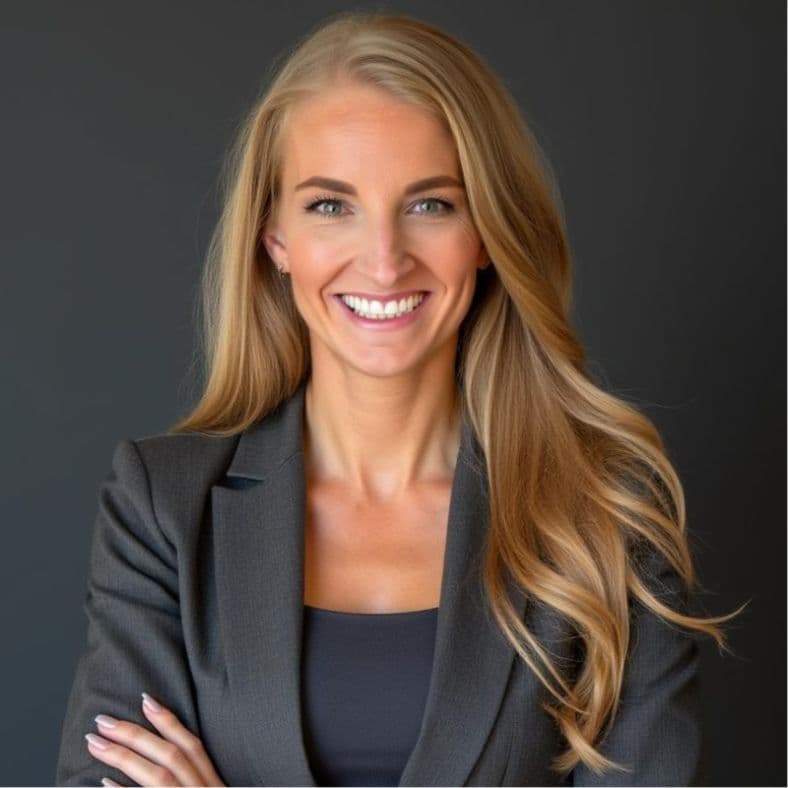
Meet Kim Sharp 2:01 I I'm super excited cuz this means we are launching this incubator and it's so 2:05 exciting. I mean we are within we're within weeks of this vision of yours 2:10 really coming to life and I'm so incredibly proud of you and I I just it 2:14 floors me to think about all of the people that are going to be incredibly 2:17 impacted from the founder physicians to the people that their innovation's going 2:23 to actually impact. So I'm super excited to just be a part of that small little 2:26 piece of the journey. So thanks for having me. 2:28 >> Well, thank you. Hopefully another thing that this podcast will relate to people 2:33 is how great it is to have people on your team and mentoring you and helping 2:37 support you and guide you. I know that Kim has offered me a lot of support and 2:41 guidance along my journey lately, but we want to provide that for other 2:45 physicians as well. So without further ado, I would love if you could share a 2:49 little bit. I know you've supported just hundreds of companies launching 2:53 throughout your career. So I'd love if you could share a little bit about your 2:56 career background and journey and what you've seen kind of in the venture 3:00 space. Yeah, so so first of all, I did not start out in the VC world or the 3:06 capital markets world. I actually started my three decades of being in the 3:10 business in the film business, in the entertainment business. And and then I 3:13 pivoted at one point and went into wealth management and I really enjoyed 3:18 it. I built a 1.7 billion dollar wealth management practice from the ground up. 3:23 It was super successful. I really enjoyed doing that. But then I 3:28 also found the most exciting thing for me was not just managing the wealth, but 3:31 actually, you know, going and helping venture to create the wealth. And I just 3:36 happened very luckily happened to fall into the healthcare 3:40 space and started consulting practice and one of my first things was to take a 3:46 medical device through FDA and I had no idea what I was doing. It was one of 3:50 those things where you just kind of learn as you go. But since then, I have 3:56 consulted for a number of early stage and middle stage companies. I fell in 4:00 love with the healthcare space. I just felt like it was where I could make the 4:04 most impact with the knowledge that I have not being 4:07 a care provider or a physician myself, but I could take my skills in business 4:12 and in the capital markets and I could really serve the greater vision for 4:17 folks and have the impact that way. I loved it. I worked with I worked in 4:21 investment banking specifically out of New York and working in the healthcare 4:25 and biotech space. And I've loved it. I've worked now for the last year or so 4:31 with a venture studio that's focused in healthcare and life sciences. So our 4:35 focus there is really to create high velocity ventures using technology and 4:39 healthcare at that intersection. That everybody's at that intersection now. 4:43 And it's been great. And for me, I have seen from a venture side the value of 4:50 having a physician as a founder countless times. Primarily because the 4:55 physicians really sit right there at the vortex of all of the issues and concerns 5:00 that are in healthcare. So they're sitting right there on the value 5:02 proposition, right? And they can see it and they often have great ideas on how 5:06 to solve those problems that we from the outside are trying to solve and don't 5:11 often get it correct. So I love working with a company that has has a founder 5:18 base in it because they're the ones that are going to have going to be able to 5:21 execute and get to market quickly. So I'm excited about this opportunity. 5:26 The problem is that the founders don't have access to how to take those ideas 5:31 and make them into companies. So Yeah. I love that. Well, I mean I think that
Why Physicians Have a Startup Advantage 5:37 is highlighting I mean I felt like I got kind of like picked up out of an 5:41 emergency department and dropped into a venture studio through a really cool 5:46 opportunity I had. For the most part, physicians have no exposure to this 5:50 world. Yeah. And I think that um you know, as you said, the the subject 5:55 matter expertise and just understanding all the edge cases of a particular 5:59 scenario ends up being incredibly valuable in the venture creation phase. 6:05 Yeah, no it is and there's a there's a big you can really 6:08 tell the difference between a you know, a product or a service or an offering 6:15 that's really been thought through from a physician's point of view versus you 6:19 know, an outside business development team trying to come in and solve the 6:22 problem. So there's real value there. 6:26 So I'm excited to do this with you and and hear all the great ideas that these 6:31 physicians founders are going to bring to the table.
What Doctors Need to Learn Before Building 6:35 Yeah, so I thought that might be helpful for us to talk through some of the 6:40 things that we've we've spent a lot of time discussing as we're planning our 6:44 curriculum about some of the blind spots and and challenges that physicians have 6:49 when they try to start their own startup. I I think that some of the 6:53 things that are really important to me are that physicians understand how many 6:59 options are available to them. A lot of times people start out by thinking my 7:03 gosh, if I wanted to build X, Y, or Z, I'd have to figure it all out and I'd 7:08 have to fund it all myself. I just it quickly becomes overwhelming. And one of 7:14 the things I've learned by spending a lot of time with people like you is that 7:17 there's just like exponential options of how to create a capital strategy or you 7:24 know, you can partner, you can raise money, you can do non-dilutive funding. 7:28 There's just like a lot of options and I think that most people don't know all 7:32 those. Do you see that same sort of mindset of people never 7:36 starting because they don't understand the capital strategy options? Yeah, I 7:40 mean completely. I mean they they have a great idea whether it's, you know, a 7:44 medical device or it doesn't matter what the idea is, whether it's a SaaS program 7:48 or whatever. They they have a great idea. They have nowhere to go with it. 7:53 It's a daunting world. The VC world is a really daunting world. You know, you 7:57 guys have spent years and years sort of in the academics, right? And now you're 8:01 practicing physicians and you're in this this I don't want to say it's a it's a 8:04 bubble, but it's it is a certain bubble and you know, and the VC world is a 8:08 bubble itself, 8:11 right? And it has various personalities. The York are very different than the 8:15 Silicon Valley, are very different than Miami. And so they look for different 8:20 things in the way in which the venture might be set up. And then there's, you 8:24 know, certain expectations of what you should 8:27 the materials you should have together at certain stages. So it's kind of like 8:31 have to come in from the outside and learn this whole language all over 8:35 again. You have to learn the capital strategy language and the VC language 8:39 and the the business development language. So it can be daunting and 8:43 overwhelming, but what is exciting I think is the way that you've broken down 8:48 the Startup Physicians course is really really clear and very guided through 8:53 each step. So it's not overwhelming and I think that that's that's the thing is 8:56 you can take it in little chunks, right? >> Yeah. And and that's what's going to be 9:00 great. And then, you know, when they start to see, wow, I've got this idea 9:05 and there's really a go-to-market strategy for it and there's all these 9:07 people I can partner with it and we get to brainstorm with them and we get to 9:11 say to them, okay, great, you know, like let's go find get a partnership with 9:14 Mayo Clinic for this or let's go get a partnership with, you know, whatever 9:18 medical system that we need to. So that's going to be super exciting and I 9:22 think all that creativity that I see in a lot of physicians, I think it's going 9:26 to be spilled out on the paper of these incredible businesses that they're 9:30 starting to form. So excited about that. I think one of the things we have to be
De-Risking Your Idea Before You Launch 9:36 willing to accept in the early stage is the concept of a minimum viable product. 9:40 Part of that is understanding what are kind of the core things you need to have 9:45 in place to be able to get in front of the right people and and get more 9:48 validation on your idea. One of my core philosophies is to de-risk as much as 9:53 possible on paper before you go building anything and that's what this program is 9:58 really built around. Um, and it's built around creating things that we don't 10:03 learn in med school. So, things like creating a financial model, an MVP, or 10:07 prototype of your product, um, and then the right kind of sales pitch, business 10:12 development sort of deck, and other other resources that you come in really 10:17 polished to and identifying all the stakeholders that maybe need to weigh 10:20 in. And that's part of the financial modeling that we do is try and figure 10:24 out out of all these assumptions we're making. We're making hundreds, thousands 10:28 of assumptions to create the business model, which ones are the ones that are 10:33 actually the highest sensitivity that are the ones that could make or break 10:37 the business case that I need to go out and talk to real stakeholders about. And 10:41 I think back to my journey of when we were incubating my first company in 10:44 those first couple months that it felt weird to be pitching cuz I was 10:48 like, "What are we even pitching?" But you got to start getting yourself out 10:51 there and getting that early market feedback. But you want to be prepared 10:55 even for those early versions. But what we do is we create essentially three 11:00 core assets that you will continue to iterate on, the financial model, the 11:05 product, and the pitch. And all of those three things, as you're identifying the 11:11 most important stakeholders and getting feedback, then you're iterating on those 11:15 three things. Yeah. Yeah, I mean, I think that that's, 11:18 you know, listen, part of what you want to do in venture creation is you want to 11:21 fail fast. Okay? You want to be able to get out there, get the idea, and say, 11:25 "Wait, it's doesn't seem like it's working. Like that's not the right way 11:28 to go. How do I come back and reinvent and kind of put it out there again?" And 11:33 I don't mean, you know, you have to get all the way to, you know, funding and 11:35 get out into the market. I'm talking about I'm talking about building a 11:38 community, um, and I think that's also what's also really exciting about what 11:42 you're doing with Startup Physicians is that there's a community behind you. 11:46 You're not a solo entrepreneur, right? You've got all of these people, um, that 11:50 can come alongside you. But it's important to get that idea out there. If 11:55 it doesn't look like it's going to fit, if it's not going to work, then come 11:58 back and reinvent it and go back out again. So, failing fast is a term we 12:03 like to use a lot, and I think it's really important cuz it's going to get 12:07 you to the right answer quicker. But we're doctors, we don't like to 12:11 fail. >> [laughter] 12:13 >> Welcome to the business world and the VC world. 12:16 It's true. I mean, I think that it is a limiting belief of a lot of physicians 12:20 is that we're used to needing to do 20 years of training and preparation, board 12:25 certification, all this stuff and expertise before we feel like we're 12:28 ready to put anything out there. And so, I think that giving people a really 12:32 structured process of like, "Here are the assets you need to create with your 12:35 idea." And recognizing that you can be very agile. And, um, a lot times it has 12:40 more to do with the founder than the concept, right? Like so, a lot of times 12:44 people are betting on the founder, not not even the concept cuz the concept 12:48 might change it will change, right? And so, we're looking for really great 12:53 founders who are going to be visionary and really have their eyes on what is 12:57 the overall goal, but be willing to expand their mindset of all the 13:01 different ways you could create something to get to this this goal of 13:05 what what you want to create for the healthcare system. Yeah. Well, it's
Why Investors Bet on the Founder 13:08 always about the founders. It's always about the team, um, especially when 13:12 you're in pre-revenue. When you've got an idea and you've got a concept and 13:16 you're looking for people to come in, whether it's friends or family, or 13:20 whether it's, you know, a pre-seed stage, they are betting that that that 13:24 founder and that team is going to execute. That's it. I mean, it really is 13:29 not necessarily about the product or the service that you're going to do. It's 13:32 like, can these guys execute? And often times you will see similar types of, you 13:38 know, right now everything is about AI and everybody's got, you know, a scribe, 13:41 everybody's got an AI adjunctive, you know, end-to-end patient platform. And 13:45 people are just throwing, you know, maybe 2 years ago people were throwing a 13:49 lot of money at that. But it always came down to, is this team going to execute 13:52 it? So, that's what everybody's buying. That's where you're going to raise your 13:57 money is because you've got a team that can execute. And a team isn't just the 14:00 people that are boots on the ground. You've got to develop great advisors 14:04 that you're bringing on board with you as well. You've got to have a great 14:06 board because those are those are the ones that are going to be your stopgap. 14:09 Uh, you may not have experiences, but you can bring in somebody from hospital 14:13 system that, uh, you know, is going to make introductions for you. 14:17 So, your advisory boards, um, are really important to help boost up that that 14:22 execution team. For sure. I And I think the things that
Financial Models, MVPs, and Pitch Decks 14:26 will make them able to execute is that they clearly are operating with a plan. 14:32 I think that, um, a lot of people don't end up understanding their unit 14:35 economics at scale cuz there's really two separate financial plans. There's 14:40 the launching plan that's like, "How do we get to like a steady state?" And then 14:45 there's the steady state plan of what are the unit economics of this at scale? 14:50 These are not things we learned in medical school. These are things that 14:53 learned from working at a firm with a bunch of investment bankers where I 14:57 would just brain dump my vision of what the clinical model would be. And then we 15:01 would work with people that have have a ton of expertise in this field to create 15:06 a model. And the model is what we work off of when we're doing 15:11 all of our pitches and all of our product planning. And it needs to change 15:15 a lot over time. Sometimes it's like, "Oh my god, the unit economics don't 15:18 work out. If I did this, I would lose money." You know, and so you want to 15:21 figure that out on paper and be like, "How do I make a different plan?" And 15:25 so, both the launch plan and the steady state {slash} scaling plan, those are 15:29 tools that we will be supporting founders through because it then becomes 15:34 your operational model. It's not just your visionary model of like, "Oh, what 15:39 could this be worth in 10 years if I were to do it?" It then becomes, "Okay, 15:43 you've got a contract, you've got revenue, you've got funding, whatever it 15:48 is. Now it's time to go. Like we have a plan to follow. We know how to manage to 15:54 the model." Yeah. Yeah, well, that's super important because, um, you know, 15:58 understanding the milestones, right? Right? But first of all, you have to 16:02 know your numbers. I mean, you get in front of a potential investor or a VC, 16:07 you better know your numbers. You better know what your COGS are, you better know 16:10 what your runaway rate is. You better know what your your 16:14 performance estimations need to be, your margins. You have to know those numbers 16:18 like there's no tomorrow. But the one thing they're always going to ask you 16:21 are what are the key milestones that get you to that next level, right? Maybe the 16:26 next funding level or maybe the next partnership level or maybe the next 16:29 contract. But there's a rhythm. There's a rhythm to getting out there and 16:34 creating that business and gaining traction. There's real traction and it's 16:38 taking down those milestones. At the same time, those milestones really 16:42 trigger funding rounds, right? So, it's interesting because there's definitive 16:47 patterns to all of that and I'm excited to teach everyone how you go about doing 16:51 that. What's the right framing for, you know, friends and family? What's the 16:55 right framing for a pre-seed? What's a seed extension? When do we get to series 16:59 A? What does it look like if we get to series B or C, D, and H, actually? Super 17:04 I mean, it that's all part of it. And, um, knowing those numbers, understanding 17:08 what those milestones are going to be for yourself, and then when it's 17:11 appropriate to do the next raise is super important, too. So. 17:16 That's something >> might have sounded really intimidating 17:19 to someone who's like, "Oh my gosh, you got to know your numbers and I don't 17:21 know what any of those things are that she just said. I guess I can't do this." 17:24 I just want to go back and emphasize that like one of the things that doctors 17:27 are really good at is learning stuff. So, you you have a have a unbelievable 17:31 track record of being able to learn and really immerse yourself in, uh, new 17:37 understanding. And what you need is a guide. And you need to 17:41 get really laser focused on like what I need to be doing this month. Not, "Oh my 17:46 gosh, in 18 months there's this other thing that I don't know how to do that 17:50 it's on the horizon." It's like, "Nope. Nope. Focus." Um, and so that's why I 17:54 feel like creating a really structured pathway for people. And I'll I'll give 17:58 an example of how we intend to run this so that people can visualize this from 18:03 say for from the perspective of a financial model. One of the things 18:06 that's so amazing right now starting a company versus when I was incubating 18:11 mine in 2022 is it is true that with the advent of AI, you really can get pretty 18:16 far as a solo founder with a lot of the core needs. 18:21 So, for instance, we will when we do our financial modeling core curriculum, 18:27 we will be teaching you. That's the part where you're really good at learning. 18:30 You're going to get it. You're going to understand it. And then we have an 18:33 entire suite of AI tools that I've been using in all of my businesses for the 18:38 past several years in modifying and updating them that can perform at the 18:42 level of like similar to what I did with investment bankers. It used to be I 18:47 would have to like get all of my clinical knowledge out of my head and 18:51 communicate it to the finance team on what needs to go into the model. And 18:56 then I would have to kind of hand it off and wait for the model to be built, and 19:00 then we'd have another alignment meeting where they would present back their 19:03 financial model to me, and I would provide feedback on whether it captured 19:07 the clinical model. And then at the same time, we'd be like pitching to payers 19:11 and getting some feedback, and I'd be coming back and be like, "Here's what 19:14 needs to change." And it was a pretty big team contributing to this. And now 19:18 we can do a lot of that with AI. It is not It doesn't replace, uh, formally 19:23 made model, but it gets you so far in the right direction. So, what we'll do 19:28 is we'll do a core curriculum teaching with Kim and I on financial modeling. 19:32 Then we'll give you the tools to work with on your own so that you have the 19:38 MVP of your financial model. And then we bring in our expert speaker who is going 19:43 to be someone who's a done thousands of these and can teach even more deeper on 19:49 this subject. And then people can book one-on-one with that expert person to to 19:54 go through with a fine-tooth comb and get direct feedback on their individual 19:59 models. So, the month that we're doing financial modeling, they should be able 20:03 to walk out with a personalized, customized financial model that then 20:08 they know what to do with cuz like I said, this is an iterative process. 20:11 Every time you get feedback, every time you grow to a new stage, you're going to 20:15 be going back to this as it's like the core operational plan. 20:20 Yeah. I mean, that is that is huge. I can tell you, you know, even from like a 20:23 consulting perspective, you know, people would bring me in, you know, founders 20:27 would bring me in and they would never have their 20:30 financial modeling right. And you're like, oh my gosh, you don't understand. 20:34 And so, gosh, I mean, even just being able to walk out to say in the next 6 20:38 months from doing this course that you're going to literally have in your 20:41 hands a working model, financial model, is really a huge value add. I mean, it 20:47 would take a long time of a lot of failure and a lot of years to probably 20:51 get even that one piece that might be that's workable now. So, that's a really 20:56 really great great value that we're going to be bringing to all of these 20:58 founders. So, And I see it as being, you know, a lot 21:02 of people come into this as like, I have a vision, I have an idea, I can make a 21:06 pitch deck. And the pitch deck is like the piece of the iceberg that sits above 21:11 the water. It's especially, yeah, with AI now it is easier to to verbalize your 21:15 concept and to like create a nice deck and make it look good, but like the core 21:21 of what makes people want to partner with you or fund you is what lies below 21:27 the surface, which is really that foundation of the model. And and then 21:32 we'll get into also the product itself. And those things are if you miss them, 21:37 then like you're not going to know your numbers. You're going to be making stuff 21:42 up and just have a pretty pitch deck. Yeah, well but you know, the the thing 21:45 about the thing about the financial models and I and I want to say this. So, 21:48 so with the part of the strategy about funding and when you're sitting in front 21:51 of a potential investor who's going to give you money, it doesn't matter if 21:54 it's your grandmother, your mom, whoever it is, right? You know, they they want 21:58 to know that you've thought through everything. And that gets reflected in 22:02 the financial model, right? The the financial model is that instrument 22:05 that's going to say to you, yeah, we really thought about here's how we're 22:08 going to stagger bringing on people. Here's how we're going to do marketing. 22:11 Here's our legal. Here's you know, our manufacturing if that's if that needs to 22:15 happen. So, part of what that that that financial model is is helping you really 22:21 think through really the business plan and the go-to-market strategy and it is 22:26 right there on that Excel spreadsheet that everybody can see, well, they 22:31 really thought this through. And that's really important. 22:34 Yeah, and and that is in the progression of your interactions with a firm or
Data Rooms, Cap Tables, and Venture Readiness 22:40 funders or anything, you can have your pre-NDA conversation and then you 22:45 execute an NDA and then you should have a data room available, which I know that 22:49 is not something that most physicians know about, but if you actually are 22:52 looking for partnerships, like they're going to need to see more than a pitch 22:55 deck. So, I think the financial model is a huge piece of value that we will not 22:59 only teach people how to make and make sure they have all the expertise 23:02 available to them to continue to make it better, but they'll understand the 23:06 philosophy of how this builds into the backbone. The other big thing that I've 23:11 seen trip up founders is product and particularly creating technical product 23:15 because we are inherently non-technical founders most of the time. Some of them 23:20 may have a development background, but that's pretty rare in the physician 23:23 space. I have a background codeveloping a lot of software as a 23:28 When I say non-technical, I mean, I don't know how to code. I don't write 23:31 code. There is a lot you can do nowadays with live coding or basically using AI 23:37 large language models to you talk to it in English and it writes code. But even 23:43 beyond that, like a lot of tools that I've I've gone very deep on lately on on 23:48 getting really qualified to help support at least the MVP of product build. And I 23:55 myself self have like developers that I'm working with to help create product. 24:00 I've been an observer on multiple projects where without the right product 24:06 strategy and oversight, it balloons really fast. I've been part of projects 24:11 that flushed seven figures on technical 24:15 development that didn't have the right strategic oversight cuz you can just 24:19 code and code and code anything. But if you're not actually managing to a 24:22 product roadmap with really clear strategy that matches to that same 24:26 business plan and financial plan, you can get so off track. Yeah. Yeah. 24:33 Completely. I mean, that those are and you can waste it like you said, you can 24:36 waste a lot of money. And at some point, that's either your money or it's 24:40 investors' money. And when you take investors' money, you have a fiduciary 24:44 responsibility to manage that money appropriately. We'll We'll talk a lot 24:47 about that, too, cuz that's a that's a big thing. Like, you know, what does it 24:51 mean to take investors' money? What does it mean to be on a cap table? What does 24:54 it mean to set up your cap table? That's Those are really great strategies that 24:58 that I think everybody needs to learn. They need to learn language. They need 25:01 to learn the strategies. You mentioned a great thing, which is the data room. You 25:05 know, one of the things that I think is really important is you can when I see 25:09 and I see a lot of deal flows. I mean, that's what I do. I see a lot of deal 25:12 flows, right? And so, you can really tell a difference between somebody who 25:17 comes across as a real serious founder, an entrepreneur 25:22 because they're going to have things like a data room in place. They're going 25:25 to have a pitch. They're going to have performance. They're going to have all 25:27 of these, you know, their IP is going to be identified. It's going to be sitting 25:30 in that data room. So, versus someone who's just like, hey, got a great pitch, 25:35 got a great idea, here it is. But and then you're like, wow, you were so not 25:38 ready to be in front of me. And I think that's what's really exciting is, you 25:42 know, if you think about this in a matter of months, Allison, with with 25:46 what you're building here, these folks are going to be able to really be in 25:50 front of people. And and, you know, and we're going to be proud to be I'm going 25:53 to be proud that they're going to be in front of people, right? You know, we're 25:56 going to be like, yes, you can get in front of people now. But they have to 25:59 get they have to they have to really prove themselves throughout the course,
Building Advisors, Community, and Support 26:02 too, right? Sure. I mean, I my thought is we got to 26:07 help you understand this world. You're entering a new world, so give you the 26:12 amount you can process like one bite at a time to create these skills, create 26:19 these assets for your concept. And be your sounding board. I just feel like 26:24 there's so much I've built companies in a venture studio environment where I had 26:28 a ton of resources. There were so many people, so many experts. If I needed 26:32 something, I knew exactly who to call. I had co-founders. I was It was a great It 26:36 was super fun. Um and then the experience of building 26:40 something as a sole proprietor. And it can be so lonely. And I feel like the 26:45 first thing you need to know is like who what are your lifeboats? Like who are 26:48 you going to call on? How are you going to keep I mean, I I invest a lot of 26:52 coaching for myself, but like how do I keep myself accountable and moving 26:55 forward? Because like there's nobody around here telling me what to do. Like 26:59 how do you actually build yourself an accountability system? But then beyond 27:04 that, there's so many things that are going to come up that you legit don't 27:07 know the answer to. And I mean, AI is great for a lot of things, but it's also 27:11 like I just need people I could text. I need people I can call. I need people 27:15 who I can say like, can you look at this clause in this contract? Do you think 27:18 that's weird? You know, you're going to come across so many situations that you 27:23 don't you've never experienced before. And so, 27:26 that's why I think building your bench or your community of people that you can 27:31 call on as a founder is one of the most important first things you do. 27:36 Whether that's in a more formal capacity of like actually bringing in advisors or 27:41 a more informal capacity of finding, you know, 27:44 peer community that is also building that can give you insight and feedback 27:49 because we're inherently connection people. We We need that to to really be 27:55 able to reach our goals. And I think that some people may say like, 28:00 well, I was able to do like this MVP or I built this prototype with AI and it's 28:05 great and I already have talked to a few people. And I think where I really want 28:09 to differentiate like the types of founders we're looking for and and where 28:13 some people could be off track is I think there's a difference between 28:18 people that want to start a small business and a startup. It's a very 28:21 different philosophy, a very different mentality. Some people may be hearing us 28:26 talk about data rooms and venture and they're like, I don't know, that sounds 28:29 like really big and and out of scope for me. Like I 28:33 know what I can do. I know I can make this product or service using my
Building for Scale vs. Starting Small 28:38 clinical skills and I'm thinking of this as like a single site thing and I'm 28:44 learning business and I'm learning cash flow and revenue generation and all of 28:48 that. My challenge to people like that is like you're going to have to do 28:51 business planning whether you're starting a small business or startup. 28:54 And so, would you rather affect 100 people or a million people? I think 28:59 that the planning is just a different philosophy. I have talked to founders 29:04 and physicians who have maybe like a couple of sites that they run that are 29:09 really doing well with their, you know, center of excellence or something and 29:11 they're like, I want to open more. I could fund this myself by doing it one 29:17 at a time, but I'm kind of thinking I might want to 29:20 open 10. You know, and and it's like, what which path do you want to take? Cuz 29:24 you're going to need capital if you're going to want to open 10, but you're 29:26 going to be nationwide in 2 years and not have two sites. So, I 29:32 don't know if you want to think talk a little bit about the startup mindset and 29:35 just the idea of like you could take your idea and build it for scale, not 29:41 for a small business. Yeah, I mean, I I think yes. I mean, I I 29:47 come from the I come from a venture world, right? So, for me, it's all about 29:50 scaling, right? You know, for for for the world that I come from is not 29:55 necessarily a small business. I mean, although I've I have, like you said, 29:58 I've consulted, you know, I've done many many consults. I've worked with many 30:01 solopreneurs, right? But, for me, you know, in being in the VC the VC world, 30:06 and where I think I my experience has been when I've worked with a physician 30:10 founder before, they really want to impact the masses. I think it comes from 30:15 their heart of wanting to be a a care provider, right? Like, they really want 30:20 to make bigger impact has been my experience. And so, for me, it's always 30:25 been about how do I take that how do I help them scale that particular idea, 30:29 whether, you know, to point whether it's a device or it's a a pharmaceutical or a 30:33 novel therapeutic that they're trying to come up with or or um or a SaaS model, 30:38 whatever it is. But, I do think one of the things is you're going to that seed 30:44 is going to get passed along. And I think that's something that you have to 30:47 understand if you come into this world as a founder, you're going to be able to 30:52 take it so far. And whether that means a private equity firm is going to come in 30:56 and buy it, or whether, you know, it's a VC is going to come in and start to take 31:00 control a little bit control over it, you have to understand that you know, 31:05 for whatever reason you were given this opportunity to create this idea, but 31:09 then you have to kind of learn to pass the baton. Because it is about scaling 31:15 and it's about growing and maybe eventually going IPO, whatever whatever 31:18 might be. So, I've seen I've seen people hang on too tight, and it 31:23 totally blows up. But, when you recognize it does take 31:27 getting it to that next level and then handing it off to the next person, you 31:30 can still stay in it and still stay involved in it. And again, that's part 31:33 of that cap table strategy, right? But, it's always going to be more valuable 31:37 for you to recognize I've played this role, let's bring in somebody else that 31:41 can play a better role and a bigger role that's more suited for it, and then hand 31:45 it hand it off. It's kind of like watching your child grow up and go off 31:49 to college. Yeah, I identify Then you then you send it away. I identify deeply 31:55 with that and can certainly um yeah, I guide founders as well on that journey. 32:01 But, you know, the the thing that's really interesting is most entrepreneurs 32:06 I know who have had a successful startup, then they start 10 more. You 32:09 know, it's like it's like it's a pattern. It's like, well, I could take 32:12 this idea. Oh, like, here's the pieces. Like, it's a pattern. I don't know what 32:15 it is. I don't know what it is. I'm not really 32:18 sure. Yeah. But, but you there are patterns. I mean, there there's just 32:23 like core things that everyone needs at different stages, and uh it's it feels 32:28 super foreign when you haven't done it before. And then once you've done it, 32:31 you're like, oh, yep, that's that's a replicable pattern. You just swap out 32:35 the concept and get all the other pieces in place. And then the other thing that 32:39 I think is so so important is it's it's mainly about who you know, right? It's
Strategic Networks and Warm Introductions 32:43 about what rooms you can get into, and I have some examples of what 32:48 it feels like to have like the executive sponsorship of somebody who has really 32:53 great connections, and I remember going to I like I went to speak to the CEO of 32:59 United HealthCare before we ever even started Imagine, but the person that had 33:04 recruited me was like, I'm going to Minnesota to meet with the 33:08 CEO of United HealthCare on Tuesday. You want to come and tell me your idea for 33:12 pediatrics? And I just was not used to people opening doors for me. I think in 33:17 the traditional system, there's a lot of hierarchy, there's a lot of like, 33:21 that's not your place. Like, uh you're too young. You're too whatever. And to 33:27 have someone to open a door for me that literally just took their own reputation 33:31 and their own connection and said, you should listen to what she has to say. 33:35 She has a really great idea. It was amazing. It led to the birth of this 33:40 concept that has impacted so many tens of thousands of children. And I think 33:45 that we just don't have these networks when we're coming from traditional 33:49 health care. I think that one of the things that's built into our curriculum 33:52 is outreach from the very beginning. So, even if it's just very early stakeholder 33:56 outreach that's maybe low stakes and easier for physicians to do, getting 34:00 getting feedback from other physicians, getting feedback from people in their 34:03 network on their concepts in a structured way. We're going to give them 34:06 like, this is what you should be asking. This is how you should structure it and 34:09 take that feedback. Moving on to like, how are we like really narrowing in on 34:14 what are the problems or the questions or the things that still need to be 34:17 solved? And maybe it's a gap in like distribution network or you know, 34:23 partnership or funding. And we are building up towards the November health 34:28 conference. So, HLTH is this amazing event. It's totally overwhelming. It's 34:33 in Vegas, and it's like a bajillion people, but everyone in health tech is 34:38 there, and it is such a great environment to close all those loops 34:44 because everyone is there. And so, Kim and I have talked about how we envision 34:49 that as our founders are moving through the program and every month doing 34:54 strategic outreach and outreach and stakeholder conversations, that we're 34:58 really getting clear on what do they need and who do they need? 35:02 And that people will walk into the health meeting with an entire full 35:10 list of all the meetings they need to have with the right people to get their 35:14 concept off the ground. My gosh, absolutely. I mean, I think
Preparing for HLTH and Investor Meetings 35:17 that's what Listen, I mean, I I wish uh years ago I really had known to be that 35:23 strategic about it. Um now, you know, I I know so much. But, yeah, I mean, I'm 35:28 excited because, you know, the founders are all going to have their pitch deck 35:32 are going to be down. The data room's going to be ready. They're going to know 35:35 specifically the VCs and the investors who are going to be there that they need 35:38 to have conversations with, right? And we're going to be telling them, this is 35:42 the person you need to go to, or maybe it's somebody that I've helped introduce 35:46 them to. You've got a great network of people. We've got a lot of what we call 35:49 our faculties and our mentors that are all going to be there throughout this 35:53 journey to say, listen, I know this person over here at this company or this 35:56 firm or this this VC or private equity firm, whatever it is, and here's my 36:00 introduction. Think believer, and you know, if it can be a warm introduction, 36:04 it's always better. Uh but, they're going to walk in with an absolute game 36:09 plan, and they're going to execute. So, um super excited about that. And then, 36:13 they're going to be so well prepared with those meetings that they've had to 36:18 get to that next level. When we close out, we have our our our pitch 36:21 competition at the end just to kind of close it out. But, they're going to be 36:25 really armed with everything they absolutely need, uh and they'll be 36:29 they'll be ready to go. And we'll be we're going to be proud of them. I'm 36:32 going to be so excited. Like, wow, we got them to to do the pitch the right 36:36 way. They're going to know their numbers. Their cap tables are going to 36:39 be in space, and they're going to go and make a great a great impact. So, 36:43 It's so exciting to think about. And I think the last piece that we're really 36:47 bringing to the table is like, this should be fun. Like, we should be doing 36:52 this with other I I love being around founders. I think founders are some of 36:56 the most optimistic, like, positive people, visionary people I've ever spent 37:01 time with. I myself really think that way. Um I think it's great to have an 37:06 abundance mindset. I I go into pretty much every business I make thinking 37:10 like, I don't have any competition. Like, I I I really don't cuz it's just 37:13 it's what I'm bringing to it is what's making this unique and special. And And 37:19 I think that having peers that push you and are challenging you and are giving 37:25 you feedback, I think the community that we're building is a huge piece of the 37:29 value. I myself I think I'm in like three different masterminds right now 37:34 for various reasons, but the relationships that I have created in 37:38 those communities and in the ways that it has helped me to grow and just 37:43 accelerate my progress is undeniable. And so, we do have some in-person 37:49 events. We have an August event in Nashville, and then we have our retreat 37:54 in Las Vegas right before health. So, that we will be getting spending 3 days 37:59 two three days together as a cohort, getting all the i's dotted and the t's 38:04 crossed, and everyone practicing and finishing up pieces that need to be 38:08 figured out, and continuing to teach on how we pitch, how we fundraise, and 38:13 making sure that everyone is really supported going into the health meeting. 38:17 I think it's going to be fun. I think it's it's going to be I'm so excited. 38:21 And you know what I envision? I We kind of talked about this. I'm just going to 38:24 share this. So, my vision is at health that we have our whole like, we have our 38:28 cohort, right? Of our startup physicians, and they each have their own 38:32 little booth, right? Where everybody can buy and see them. And So, I just I'm 38:36 envisioning our entire little section, right? That's got all of our founders 38:41 there, and and they're taking meetings, and there's lots of energy going on. Uh 38:45 and they're going over to the bullpen where the investors meet cuz they're 38:48 running over there. Oh, I my meeting starts in a few minutes. I got to go 38:50 over there first. Wait, I've got to get a partnership over here. It's going to 38:53 be a crazy crazy couple of days at health, but uh it the energy is amazing. 39:00 Um and and you'll just feed off of it. It's just going to get better.
Who the Startup Physicians Incubator Is For 39:03 I love that vision, and I know we've got a lot of connections at the the health 39:06 organization, and we've we've talked about how we can make that happen and 39:11 make this be an incredible experience to actually get you launched. Um And so, 39:17 launch might mean different things to different people. There are some people 39:20 I've talked to who have said like, hey, like, I actually already have a 39:23 prototype of an app. I was going to start sharing it with people like in 39:26 June. Does that mean I'm too far along? And it's like, nope. Unless you have 39:31 built a startup before or you're already funded, like, all of what we're teaching 39:36 is so important for the initial life cycle of a startup, no matter where you 39:40 are. All of these core modules are something that you have to 39:45 foundationally have in place and then know how to iterate and continue to grow 39:50 it and continue to expand it. So, I think that who we're looking for we're 39:54 looking for people who are um visionary founders. They believe the world can be 39:59 a better place. They believe healthcare can be better. You're not running 40:02 friends from something, you're running to something. There is something you 40:06 feel compelled to do in healthcare and and you believe in yourself that you are 40:11 able to do that with the right support. We are looking for people who are action 40:15 takers. None of this is passive. It's hard, but that's why we do it and that's 40:20 it there's massive reward both um from a career standpoint and from just a a 40:26 personal standpoint. And so, we're looking for people to do the work. We 40:29 will provide the work. We will provide the guidance, the support, the network, 40:33 but they have to do the work. And then, we're not really bringing in people 40:37 we're calling this more of like a zero to launch program, but that could be 40:40 anywhere from I have a concept and it's um 40:43 you know, passed through our you know, selection committee and our selection 40:47 committee feels like this is this is a viable concept that could really launch 40:51 in November all the way to people who actually maybe already have an operating 40:55 model. They could even have some early revenue, but probably cut off if if 40:59 they've already received venture funding that's that's a little too advanced for 41:04 this particular program, but I have been so impressed by the physicians we 41:09 already have in our pipeline and in applying to the program. 41:12 >> you're telling me. It's incredible. Like, oh my gosh, this is amazing. 41:16 Really. >> And I could just envision how many 41:18 millions of patients that these companies are someday going to affect. 41:21 And so, that's what drives a lot of us as physicians is impact. Um and so, I 41:27 think that as we wrap up, I hope that we've been able to convey to people what 41:33 value you bring, how even if this is something that you are not familiar with 41:38 at all, you have the capacity to be to learn. If you put yourself in an 41:41 environment where you have the right guidance and connections and tools, 41:47 um you're so capable. Yeah. Yes. We're 41:51 going to make it fun. We're going to make it easy. It is going to be 41:54 challenging. I mean, it's it's a it's a you're about to enter a crazy crazy 41:59 world, but it is a wonderful world and it's where you like Allison said, it's 42:04 where you can impact just millions and millions and millions of people and 42:07 that's legacy. That's that's really the wealth that we're all really looking 42:10 for, right? So, thank you for letting me be a part of it. Excited.
How to Apply to the Incubator 42:14 >> Yes. So, anyone who's interested in learning more can go to 42:18 startupphysicians.com/incubator. 42:22 We also have a free um guide for physician founders and that can be found 42:28 at startupphysicians.com/resources. 42:31 But even if you are kind of on the fence and you're like, I don't know if this is 42:36 right for me. I don't know if my idea is good enough. There is no cost to apply. 42:40 Our process is that as you apply, we'll review applications and set people up 42:45 for interviews who seem like competitive candidates and I will be doing 42:49 individual interviews with all of the founders um to assess their concepts and 42:53 the fit and make sure I can answer any questions they have about the program. I 42:58 want it to be a fit on both sides um and I again, I want to select concepts that 43:03 I truly believe can launch by November with a really successful business model. 43:09 Um and it's it's also important to note that we don't take equity. We will talk 43:14 about pricing on the call, but we a lot of accelerators take equity early stage 43:20 up to like 7 8% equity, which you know, when you're early and you're like, well, 43:24 I don't have any revenue yet. It may seem like, well, I I I don't have the 43:28 money to support this program, so it's kind of nice. I can just give equity to 43:33 be part of this, but that could be worth eight or nine figures later. Like, it 43:37 literally could be worth that much millions. I want founders to retain 43:42 complete ownership of their cap table until they have the very deep 43:47 understanding of what their capital strategy is going to be and then you 43:51 choose your options. Yeah. And there's a lot of options. And the other thing,
Why the Incubator Does Not Take Equity 43:55 too, is that having the wrong people on the cap table early is not good. It'll 43:59 it'll kind of automatically put you off to the sidelines. So, you know, having 44:03 too much equity given away at the beginning, having the wrong person, 44:06 having received it are not good things to do. And we can certainly help you 44:10 avoid those pitfalls. And there's all kinds of I'm excited to share all kinds 44:14 of strategies about that. So, and I do think that's really wonderful for for 44:19 Allison not and for Startup Physicians not to take that equity because there's 44:23 a lot of out there that are doing that and and it it does in the long run 44:27 damage not damage, but it it impedes seeds those founders for sure. 44:32 I just don't think that the sort of founders that I'm supporting are in a 44:35 position to be making a decision about their cap table strategy yet. So, I 44:39 think that Why not? Yeah. So, this is me by a physician for physicians wanting to 44:45 design a program that allows you to create the the most pathways available 44:50 to you. So, if this is interesting to you, please consider applying. We will 44:54 have applications open um I think through May and the program starts in 45:00 July. So, it runs July through December. The retreats are in August and November 45:05 and um all the information is on the website. There's no cost to apply. It's 45:09 just the first step in getting into the pipeline and we do have rolling 45:13 admissions and and limited seats available. So, when we close, we will be 45:16 closing the cohort. So, if you're interested, I would highly recommend you 45:20 apply now and um we can have a conversation. Thank you so much, Kim, 45:24 for all of your insight and joining me and all of the energy that you bring and 45:29 we're just really excited for this journey together. Let's go. Thank you.
Closing Thoughts 45:33 I'm so excited to be a part of this team cuz it's an amazing team. So, thank you. 45:37 All right. Thanks, everyone. Thanks [music] for listening to the 45:41 Startup Physicians podcast. This community was built for doctors who want 45:45 to contribute to the future of healthcare. We offer support for 45:49 physicians [music] who are ready to make the next step towards building the 45:52 career they've dreamed of. Visit startupphysicians.com [music] 45:57 to learn more. And if this episode resonated with you, share it with 46:01 another friend who needs to hear it. Let's change the future of healthcare 46:04 [music] together.
Comments