Full Transcript Introduction to Heart Health Goals 0:00 Would you like to be younger, trimmer, fitter, mentally sharper, have better sexual function, and prevent or reverse heart disease? 0:09 When I ask him that, let's face it, 99% of people say, sure, yes, I would. 0:14 What do I have to do to eat healthy plant-based food? 0:19 real food, you're gonna meet your nutrient needs, You're going to be active and you are going take steps to manage your stress. 0:25 If you do those four things, your going achieve all those wonderful goals. 0:30 This is Dr. 0:31 Talks. 0:38 Well, everybody hold still, buckle up, don't move. 0:42 I brought you one of the best clinicians that I could ever imagine inviting on Reverse Heart Disease Naturally Summit, a friend for a decade plus and really 0:54 authentically an expert on the topic we're talking about and that's Dr. 0:57 Stephen Massey. 0:58 How are you, Steve? 0:59 I'm doing great and delighted to be with you. 1:02 Thank you, and we'll officially introduce Steve at a little brief bio in a moment. 1:08 But I had to say, when we were putting together the list of people to interview, I actually believe there are under 50 clinicians in the world that can 1:19 say I've seen plaque shrink. 1:21 I have seen disease reverse. 1:24 which is of course the very topic of this summit, building belief and strategies. 1:30 And you're one of those people and you've been watching and doing that longer than me. 1:34 So let's dig into that. 1:36 But I do want everybody to appreciate that you are a physician, you were nutritionist certified. 1:43 I know you and I have talked and i've seen you prepare food, you're a trained chef and you did that before it got a little trendy for docs. 1:52 You can handle knives and cutting boards like no other. 1:55 And you are a very successful author, 30 Days to a Younger Heart being the book that you can share so easily in terms of a cardiac topic and then you just 2:06 dominated the PPS world with your PBS special by the same name. 2:10 I mean, you're a fellow of the American Heart Association, American College of Nutrition, and you are in St. 2:16 Petersburg, Florida. 2:17 And with the last few months of unsettling weather there, I'm glad you were safe and fine and here with us today.
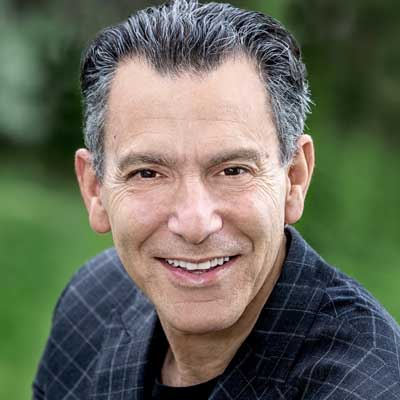
Dr. Stephen Masley and Clinic Background 2:24 So thank you for being here. 2:26 My pleasure. 2:28 So tell us, there is a wonderful clinic in St. 2:31 Petersburg, the Masley Optimal Health Center Clinic. 2:34 Tell us a little bit about how long that has carried your name and how you have evaluated patients for the presence of plaque in their arteries, 2:45 because you can't reverse what you cannot see. 2:47 So how did you find plaque and your clinic? 2:50 Tells us about it. 2:51 Well, I started using carotid IMT testing back when I was the medical director on the at the Pritikin Longevity Center 22 years ago. 3:01 And about 20 years I moved back to St. 3:04 Petersburg, Florida and formed my own clinic. 3:07 That was one of the hallmark things I measured from day one was how old are your arteries? 3:14 Are you growing plaque? 3:15 Is it shrinking? 3:16 I've followed patients over the last 17 years looking at arterial plaque growth and We had hundreds of patients shrink their plaque by more than 10%, a 10 3:30 year typical plaque growth period. 3:32 And you know, our average patient shrunk plaque. 3:35 So we know that over time that most people are growing plaque at about one to one and a half percent per year, their arteries are closing and our patients 3:44 were shrinking over. 3:47 So I actually have to say, honestly, but embarrassingly, I didn't realize you were at the Pritikin Center 22 years ago. 3:54 Nathan Pridikkin, his name has come up, aerospace engineer who changed the world with the belief that he could teach lifestyle medicine and got a group 4:04 of doctors and published over a hundred papers and developed the famous Prittikine Longevity Center. 4:09 So, wow, you have so many interesting hats that you've worn that have culminated in you being the superstar you are. 4:17 Just in case the audience didn't get carotid IMT, take two minutes and break down what is the abbreviation, what's the test, 4:26 What are we looking at? 4:28 Carotida IMt is carota intima media thickness. 4:31 We're basically looking the thickness of the plaque growing in your arteries, which reflects the important age of your artery. 4:41 So I've met many people who've had plaque their age or 20 years older or 20-years younger. 4:49 And, you know, so over time, as I said, most people are growing plaque at about one and a half percent per year. 4:55 So every decade they've blocked about 15% of their arteries. 5:00 That's not good. 5:02 I met 20 year olds who had the plaque of 40 year old. 5:06 So I think it's the most important test we did in our clinic. 5:09 17 years. 5:10 I'm in my eighth year at my preventive clinic, so you've doubled plus, and I give you credit for that. 5:16 This is a simple ultrasound test. 5:18 No injection, no needles, not iodine, No x-ray technique, done in an office comfortably, pretty much seated or lying. 5:26 Anybody's capable. 5:28 Takes about what? 5:29 25 minutes, 20 minutes? 5:32 Well, maybe 10 minutes to get the data and another 10 to 15 minutes, to analyze it. 5:38 And in case anybody's thinking, yeah, I'll just call up my local doctor or my hospital. 5:44 How is it different than the prescription a doctor writes for a hospital-based carotid ultrasound, which it is different, 5:51 but you and I know that.
Carotid IMT Testing Explained 5:53 Joel, that's a really good point because most 95, 99% of the time if your local doctor writes for it, they're going to do a carotid duplex study looking 6:02 at blood flow. 6:04 The hospital setting, their hoping to find your arteries blocked so they can do procedure to open them, which has real risk to. 6:13 This is measuring the thickness, the lining of your artery, something Almost none of the clinics or hospitals have the software to analyze. 6:22 So you'd have to find a doctor, Google, crowded IMT and find someone who can do that kind of testing. 6:29 Right. 6:29 And it's so important people understand that because they're disappointed when I show them, though their insurance may have covered the hospital-based 6:38 carotid study, it'll say less than 50% narrowed. 6:41 It doesn't tell you if that's 5% or 45%. It does measure that thickness that you're talking about. 6:48 One or 2000 publications in the research world. 6:51 That's nothing you developed or I developed, that something we've adopted as a tool. 6:56 So you will make a baseline intimal medial thickness carotid measurement. 7:01 And what's the earliest you've seen improvement? 7:04 You bring people back about a year? 7:06 About a years. 7:07 So we've looked at precision and you need, if you did the test multiple times on the same person over and over, your precision rates about 4%. So the quickest, 7:18 so I've had people shrink their plaque by 10. I think my all time record was 16% in one year. 7:25 And so you would need, so by six, you could in a rapid shrinker, or you can look at it in six months. 7:32 But for most people, I think what's practical, realistic, and cost effective is to do it yearly and measure your plot gauge over time. 7:41 And I agree with that. 7:42 That's pretty much the protocol here. 7:44 You don't turn a ship around that's been going in one direction for 40, 50, 60, 70 years. 7:49 you don' t do that in a month, but a year is a good time point. 7:53 And again, I just want to stress, i don t want anybody to be sitting anywhere but on the edge of their chair. 7:59 We've got a clinician we're talking to who for 17 years has proven, and you talked about it in your books, you've talked it on PBS, 8:08 you've proven that plaque can be reversed as measured by this ultrasound thickness. 8:14 It's radical that people should run to their family doctor. 8:17 I still get excited about this opportunity to help and ask, where can I get a carotid IMT? 8:23 And this is real that you can reverse plaque. 8:26 Help me do it. 8:27 Find me somebody to do. 8:29 Now, you said at a month, we're not going to see a change in plaque, But I love a month. 8:34 That's why I called it 30 day heart tuna because at a mom, people's cholesterol profile is better. 8:40 Importantly, their blood sugar is improved. 8:43 Their blood pressure is improve their losing weight. 8:46 They feel better, they sleep better and their sexual function has improved with their circulation improvement. 8:53 So you can see a ton of improvement by a. 8:56 But, I'm total agreement. 8:58 If you're going to check credit, IMT, you should wait a year. 9:01 Absolutely. 9:02 There have been some interviews. 9:03 We have the new advanced coronary CT angiography, even with artificial intelligence. 9:10 It's an amazing tool, but it is an x-ray tool with a fairly measurable dose of radiation and injection of iodine being used in research projects and inching 9:21 into clinical practice. 9:23 you know, more expensive, a more invasive chance of allergic reaction. 9:27 This carotid IMT scan has so revolutionized my ability to help people, and you're a thought leader. 9:33 Now, I just want to shift a little bit because, again, i'm going to put you on a rare pedestal. 9:39 We've got a Dr. 9:41 Ornish with a book on reversing heart disease and a Doctor Esselstyn with the book On Reversing It and then a doctor Joel Furman and not too many others, 9:49 Nathan Pritikin, that actually talk about that. 9:52 But your dietary approach is a little different and I've heard you talk about two foods and you are a certified nutritionist in addition to being a physician. 10:00 So you're an authority to foods or food groups that you think just bugger up arteries and cause plaque. 10:08 Share with us your thoughts on your top two. 10:12 Well, number one would be sugar. 10:15 Sugar to me is the number one cause of heart disease that we see today in arterial plaque growth, that whole insulin resistance issue.
Sugar, Flour, and Arterial Damage 10:23 And number two is ground up flour. 10:27 I don't think most people realize that when you grind flour, and when your grind a grain into flour or grain flour it has the same glycemic load as table sugar. 10:38 So if you had three bowls, one of sugar, on of white flour and one whole grain of flour One tablespoon causes the exact same rise in blood sugar levels. 10:50 So those are the two foods I think are most important to get out of our, it's not fat, healthy fats we want to cut out, It's the sugar we wanna cut our. 11:00 So let's go into sugar a little bit. 11:01 We have not talked a lot about sugar in various segments of this summit. 11:06 Distinguish for us, if you believe, an apple and a cookie with a tablespoon of white sugar. 11:14 Do you find there's a difference in those added sugars? 11:18 It's enormous. 11:19 An apple has fiber, so it blunts the blood sugar rise and you get energy rising slowly over time. 11:27 A sugar is a big spike that's going to cause an insulin spike as well, an Insulin resistance. 11:34 So an apple is loaded with nutrients that blocks inflammation and oxidation. 11:40 And you don't get any of that with sugar or flour. 11:47 We'd probably agree sugar sweetened beverages. 11:50 People are, I'm amazed when I take a dietary history from my patients and it's still a soda and energy drink, you know, an orange juice off the shelf of 12:00 the grocery store that has no pulp and no fiber in it. 12:03 Would you agree with me, probably the biggest sugar spike to have added sugar in a liquid form? 12:08 Yeah, the worst thing is to drink it in liquid. 12:11 And the only thing I would throw in is I am not sure that chemical sweeteners, the blue, pink and yellow packs are better though. 12:20 So yes, they're toxic, but those dietary chemical added ones, NutraStreet, Sweet'n Low, Sucralose, Splenda, those impact the bowel and kill off the good microbiome. 12:36 So we don't want sweetener in our drinks. 12:39 I think we should drink real water, herbal teas, I'm fine with tea and coffee, even red wine, but give up the sweetened drinks, 12:48 please. 12:50 And you and I know there are wines that are as sugar-loaded as some sodas, and then there more natural, dry-farmed, cool European wines. 13:01 They don't have to be expensive. 13:03 Good old Flask of Chianti is typically a very or no-sugar wine. 13:08 So be snobby in particular if you do enjoy a glass of red wine, Go a little deeper. 13:14 Where are hidden sugars in the diet? 13:16 I mean, Dr. 13:17 Masley, okay, I get it. 13:18 I'm going to swear off my Mountain Dew, but what are the next few that people need to be really, really focused on? 13:27 Well, when you read ingredients, what the companies do is they divide it up hoping to keep sugar from being one number one. 13:33 So they'll put like, they will split it and so there'll be rice syrup and rice flour. 13:41 And they could be, you know, honey is mostly sugar. 13:44 Yes, if you're going to have a sweetener on occasion, and honey's probably the best one because it has some probiotic to it, 13:49 but it's still 98% sugar, all these still add syrups. 13:55 It's kind of like an endless list. 13:57 So there's, probably sugar goes by at least 20 names and includes some of the starch like tapioca starch. 14:04 and cornstarch. 14:06 So all these things are just other names for sugar that you have to be cautious about when you look at these ingredient lists for food. 14:16 But the advantage is when your eating real food, like an apple, black beans, lettuce, you don't have read the ingredients. 14:27 That's what it is, real foods. 14:30 Wonderful. 14:31 What do you think is the pathway by which a high added sugar diet. 14:37 I mean, of course, it's often associated with others. 14:41 A donut has more. 14:43 Donut has your refined flour. 14:45 a donut may be fried in poor quality oil that's been sitting in the fryer for hours. 14:51 And of, course a doughnut has added sugars. 14:52 So, you know, is it that added Sugar is associated With so many other factors or is there some pathway By which you would explain to the group that sugar 15:04 itself can promote these carotid plaques that you so carefully measure? 15:08 Well, when we get a sugar spike in our bloodstream, it causes an insulin spike, which has a cascade of biochemical events. 15:16 It makes us inflamed. 15:18 it makes our arteries constrict, ingrates more turbulence. 15:21 There's nothing good about a sugars spike unless maybe you're trying to outrun a predator. 15:27 You need that short burst of energy. 15:29 But generally speaking, we don't want These spikes in sugar, spikes and insulin, which results in insulin resistance. 15:37 And insulin resistant, especially that increase in not, not just inflammation, but it shrinks our brain cells. 15:46 It gives us brain fog, it increases cancer risk. 15:49 There's nothing good about insulin-resistant that comes from sugar spikes. 15:53 So the problem is not eating an apple that has fiber and nutrients. 15:59 It would be drinking apple juice, as you were saying, juice. 16:03 There's not much difference between a soda and apple that just causes that very large spike in blood sugar level. 16:10 All right. 16:11 And it probably ultimately, I think we'd agree, is damage to the endothelium, maybe advanced glycation end products from repeated sugar spikes. 16:21 I'd think many people on the summit have heard us talk about the Endotheliom over and over, and you keep pounding your Endopheliam with high blood sugar, 16:29 spikes after meals, after drinks. 16:32 You get damage and damage over and over leads to plaque development. 16:35 Really good point because within 20 minutes of an unhealthy meal, the endothelium becomes dysfunctional and it literally constricts and you lose about 20% 16:47 of your blood flow for up to six to eight hours from one bad meal. 16:52 So every time you have a bad meal, it decreases your athletic performance, your circulation, sexual performance. 16:59 All of that plummets.
Nutrients, Supplements, and Omega-3s 17:01 But when you eat real food like blueberries and black beans and kale and that apple, you enhance the endothelial function and your blood flow increases. 17:14 So every meal gives us the choice to construct our arteries or to dilate them. 17:20 And obviously we function better with better circulation. 17:23 Yes, I want everybody listening to take this advice to heart, literally. 17:28 The food industry is doing pretty good. 17:30 There are a lot of no added sugar foods that you're probably not buying. 17:34 I love barbecue sauce.I will put barbecue on many odd food items. 17:39 My wife cringes at her well-cooked meals. 17:41 get covered. 17:43 But there are so many additives in most barbecue sauces, and they're under those names, those maltodextrins, high fructose corn syrups, 17:53 rice syrup. 17:54 There are a lot of no sugar barbecue sauce. 17:56 You just got to do the work, search it out on the big box stores or your local store and become a fan of them. 18:02 And you can still enjoy all the usual tastes. 18:06 If you are going to use the sweetener, the ones I think are probably benign are things like Stevia, mugfruit sweetener, or in small doses, 18:15 a little erythritol or xylitol. 18:18 And certainly there's nothing controversial at all about what you said about being an expert on the difference between refined grains and whole grains. 18:28 If it's not crunchy, bumpy, brown, you probably shouldn't eat it as a grain because research in the last few months has shown refined grain are heart toxic, 18:38 whole grain is heart beneficial. 18:40 So it is not just you and I teaching the world this. 18:43 It's well founded. 18:45 Like steel-cut oatmeal. 18:47 That's a grain that has a low glycemic load in contrast to instant oatmeal, which has been ground into flour and has high glycymic loads. 18:59 Got to slow down that slow cooking movement. 19:02 So Mr. 19:03 Jones, Mrs. 19:04 Smith is at the Masley Optimal Health Clinic. 19:08 They have signed up for the I will add no sugar, I Will Avoid and Eliminate Refined Grain program. 19:14 But Dr. 19:15 Masly I want to get my abnormal carotid IMT you just did. 19:19 I wanna come back and be a star in a year. 19:22 Are there any vitamins you found in your clinic? 19:25 Are their some medications you've found your in clinic. 19:28 Of course, we're not going to smoke and we are going teach body movement fitness. 19:33 Anything off the shelf that you say has been a winner? 19:36 Yes, so we did an analysis on our thousands of patients who went through and when we first met them and those people who are getting adequate doses of 19:46 specific nutrients like magnesium, stink, fish oil, vitamin K, vitamin D, and fiber. 19:56 If they were getting those nutrients at a good intake level, their arteries were younger than if they weren't deficient. 20:03 And up to 70% of people are deficien in things like vitamin B, Vitamin K magnesium. 20:12 When we looked again over time, who is shrinking? 20:16 Which minerals predicted shrinking plaque? 20:19 If you went from low to an optimal level, in particular the same nutrients, magnesium, zinc, vitamin K, fish oil, Vitamin D, 20:30 flour, When you added those and potassium, when people added them as a supplement or from food, they were much more likely to shrink their artery plaque 20:41 over time instead of grow it. 20:43 So we noticed that your nutrient intake was much important than your cholesterol level. 20:49 Now, so are these food-based? 20:52 I don't mean to say your cholesterol doesn't matter. 20:55 It does matter, but nutrient intake is more important than your cluster level from the data published from our clinic. 21:02 But is a patient going to walk out of the Masley Clinic with a bag of zinc or a multivitamin? 21:09 What they're going walkout with is the recommendation to eat well, the right food, to avoid sugar and grain flour, to exercise both aerobic and strength 21:19 training and manage their stress. 21:21 And if you supplement that with like a good multivitamin that includes the vitamin D, the Vitamin K, and the zinc, that can all come from your multavitamins. 21:32 Then magnesium, you're probably going to have to add on the side and some form of long-chain omega-3. 21:39 If you're not eating seafood, then you can have to look at algae as a supplement. 21:43 Thank you. 21:43 I was going to say, I show up at your clinic and say I get it and I want to optimize my omega-3 fatty acid level. 21:50 Do you mind if I do it with algal-based capsules? 21:54 They're great. 21:54 They are awesome. 21:55 And flaxseed, chia seeds, hemp hearts, walnuts. 21:58 Tom, i don't think you are going change your long-chain omega 3s with chia seed and flex seeds. 22:04 they're a great fiber.They have ligands.they have all sorts of healthy benefits. 22:08 But if you really want to have the long-chain omega-3 benefit, you're going to need to use some form of sea fat, like from seafood, 22:17 which includes algae. 22:19 You could either eat an algae salad four or five days a week or take an allergy oil extract. 22:25 Right. 22:25 Like a seaweed salad or if doing vegan sushi, the nori roll has all that. 22:31 But of course, many providers online provide algal-based omega 3 capsules. 22:37 I think that's the easiest way to ensure you're getting it because probably most people aren't eating adequate seaweed salad five days a week. 22:46 I agree. 22:47 Ethically Asian, it's an adaptive taste. 22:50 A multi-magnesium and an algae supplement. 22:55 To me, along with a healthy plant-based Mediterranean diet is really the optimal way of meeting your nutrient needs and your food needs. 23:07 Now that's just excellent. 23:09 Tell us more about, I know you do focus a bit on hormone measurement and optimization at your clinic. 23:15 Any observations? 23:16 Do you have a sense that has facilitated the anti-aging and restoration of more normal arterial vascular age in your patients? 23:25 We looked at testosterone levels in men and estrogen levels and women, and we did not find a relationship to carotid IMT.
Hormones, Microbiome, and TMAO 23:32 But having said that, in terms of quality of life, For people who have low levels, they feel dramatically better if you restore them to normal. 23:43 I'm not trying to make teenagers out of 60-year-old men, but I do believe that if your levels are low and you have symptoms, 23:52 your quality of life, energy, zest, sexual function, and mental function all improve dramatically if we restore to them normal for men and women. 24:02 Excellent. 24:03 I share that view. 24:04 How about you're an expert on the microbiome and the link between all disease begins in the gut. 24:11 Now, of course, we're talking a lot about food for plaque reversal, but specifically the micro biome, are there measurements? 24:18 Are there probiotics? 24:19 How do you handle those patients in your clinic? 24:22 Well, I had to rewrite this book, The 30 Day Heart Tune Up, because I didn't have anything on the microbiome when I wrote it in 2016. And in the last six, 24:34 seven years, there's been a ton of published literature, thousands of articles showing that your gut microbiomes, when you add the right species, 24:44 can lower blood pressure, lower, blood sugar, help you lose weight, lowering inflammation and lower your cholesterol. 24:52 All the major risk factors for heart disease. 24:55 except for quitting smoking. 24:56 So, and there's two ways to do that. 24:58 We can either add these species in. 25:01 And I mentioned, you know, the specific ones that I like the best in the book, but, we're looking at multiple ones, not just a single one, 25:09 at least 10, preferably 25 to 30 billion a day for several months to restore the gut. 25:15 And then you need to eat fiber long-term, plant food, vegetable, fruit, beans, nuts. 25:22 Those are the fibers that don't raise blood sugar levels. 25:26 They help to stabilize them and they feed the gut microbiome. 25:31 And we need eat at least 10 servings a day of these fiber rich foods to support the got microbes that are good. 25:39 The last thing is we now know. 25:42 that people who eat a lot of red meat make a compound, TMAO, trimethylamine oxide, that increases your risk of heart disease by 62%. That's three times 25:54 the risk for high cholesterol. 25:58 So avoiding redmeat following more of a Mediterranean plant-based eating program lowers TmaO and helps restore the gut microbiome to a more natural state. 26:10 Well, thanks for sharing that. 26:11 We're talking to Stanley Hazen from the Cleveland Clinic, who is obviously the king of TMAO research, and it's great to hear it from multiple people all over. 26:21 Just in case the audience, big audience didn't see the cover of your book, it is the 30 Day Heart Tune Up, published in 2015, but I know it has been re-released 26:34 in 2021, all updated. 26:35 You did a lot of work. 26:36 It really is what the title calls it, a breakthrough medical plan to prevent and reverse heart disease. 26:42 And I would highly recommend that people look for it. 26:45 You held back a minute on the comment that in the book you list some specific strains or products in a probiotic world. 26:53 If you have them on that tip of your lips and you want to share them, that's fine. 26:57 People are always hungry for ... Especially the lactobacillus species and the bifidobacterium and plantarum really has been shown up with weight loss, 27:08 blood pressure, and blood sugar control. 27:11 That's right. 27:12 I think somebody out there is probably asking the question, all right, you've got 17 years of this carotid reversal data. 27:20 You've identified factors, You actually pioneered the field and all. 27:24 What about the heart though? 27:26 And you know, so talk a bit about your experience, the relationship between these carotted IMT studies and what's going on in your patient's coronary arteries 27:36 and how you believe that benefited them at the same rate. 27:39 Well, at first, back in the beginning, I was doing a heart cath and a carotid IMT the same day. 27:47 So initially I did both, but after having done that for several years, actually never had a patient who had significant difference in their two scores. 27:58 And every time I get a hard cath, that was exposing them to a dose of radiation that over time will increase tiny increased risk for cancer. 28:07 So, and then there was data that came out where they compared angio-cath data, you know, probably our strongest look at the arteries, 28:16 although it's invasive and it has like a 1% major morbidity risk with carotid IMT and they got 97% the same result. 28:27 So yes, there could be 3% of people who have something different going on in their heart than they do in the carots. 28:34 But there's no risk, as you said, you explained very well, there is no rest to this ultrasound technique. 28:42 There's, no radiation. 28:43 It's lower cost. 28:45 No dye. 28:46 I mean, it's simple and beautiful and reflects the plaque growth throughout the artery. 28:51 You're not just growing it in your right arm and not your left. 28:54 We're either growing in all over or not going in at all. 28:57 So the data to me was really strong. 28:59 And so I would. 29:01 Rarely look at both. 29:03 I usually just look it cry at IMT. 29:05 Yeah. 29:06 Fascinating. 29:07 You had experience with lipoprotein little a, is that a routine measurement in your lab panels? 29:13 Your lab panel pretty broad. 29:14 Always looked at advanced lipid profiles. 29:17 If you just looking at total cholesterol, you're going to miss at least 50% of people at risk. 29:22 People with heart disease, 50%, have normal cholesterol. 29:29 We need to be looking at the size of your cholesterol. 29:32 If we're really looking less like, and that's a problem with sugar, sugar and grain flour.
Coronary Plaque, Lipids, and Stress Management 29:38 When you eat them, not only are you more inflamed, you get that sugar spike, but it It creates small, tiny little bubbles of LDL cholesterol that are much 29:49 more likely to be oxidized. 29:51 And the worst of them all is LP little A. 29:53 That's a very small shrunken form of LDL that causes more clotting, more inflammation, and is really a marker for heart disease. 30:04 But here's the good news. 30:06 If you have high LP, little a, And you follow a program that you and I would recommend, You can still shrink your plaque over time, 30:16 despite that you still have high Lp little a, it's only a small percent of your cholesterol and doing most things right allows you to shrink plaque. 30:24 But if you have a high LP little A and you follow the sad standard American diet, you're gonna grow a lot more plaque than the average person. 30:33 So watch out, that should be a real motivator that have the potential to grow plaque much faster. 30:40 than other people if you have high LP little A or really small LDL particle size. 30:46 Fantastic. 30:47 What do you surround your patients with? 30:49 Have you found any health coaches? 30:52 You're a chef, but you don't exactly have the time to get in the kitchen. 30:56 Too much nowadays, I'm sure. 30:57 Busy life, busy writing, and busy practice. 31:00 But what has pushed them down the road after that initial couple visits at the Masley Clinic? 31:06 Well, I do cook often. 31:09 I think that the most important thing I'd do in my life is to prepare food and eat delicious, healthy food. 31:16 So I believe in cooking, all of us, no matter how busy I am, i'm still going to take the time to prepared our meal with real food instead of something 31:26 that comes out of a package. 31:28 And my wife and I both cook probably half the times. 31:32 I mean, my goal when I meet someone in the clinic is I usually ask, would you like to be younger, trimmer, fitter, mentally sharper, 31:40 have better sexual function, and prevent or reverse heart disease? 31:45 When I ask them that, let's face it, 99% of people say, sure, yes, I would. 31:51 What do I have to do? 31:52 Well, you're going to eat healthy plant-based food. 31:56 real food, you're gonna meet your nutrient needs, your gonna be active, and you gonna take steps to manage your stress. 32:03 And if you do those four things, You're going to achieve all those wonderful goals. 32:08 That's the motivation tool I use for my patients. 32:12 And again, I know that you and I share obviously the constant recommendation of fitness appropriate for the patient and their physical condition. 32:20 I think we also share an interest in a device that the listeners have heard a little bit about, but a stress management tool off your phone or laptop called HeartMath. 32:30 And maybe just a bit from you about your experience in the clinic. 32:35 Maybe you use Heartmath, what do you got to say about that? 32:39 Well, in the initial probably 10 years, I wasn't aware of it. 32:43 And then I started recommending it casually. 32:45 But in last few years I had becoming much more committed and I did it like a vital sign, just like measuring a blood pressure. 32:54 I would check my patient's heart mass score every year. 32:58 It's that important that it's HeartMath is a biofeedback tool that looks at your heart rate variability. 33:06 It should be going up and down and up, and a gentle, smooth slope as we breathe. 33:13 And when we're stressed, it tends just to be elevated and flat and stiff, just like your arteries get stiff if you don't have that appropriate variability, 33:24 so And it's lovely in that it gives you a score. 33:28 You're either green, you know how to get calm, yellow you're stressed or red you are frazzled. 33:35 So you can use it and you put it on like you clip it your finger or you click it in your ear. 33:40 It measures your heart rate and it give you score so it teaches you how do you get calmed and relax. 33:48 And I think that's a beautiful thing because many people are just frazzle all the time and they're clueless. 33:55 And that's really harmful to them. 33:57 They're burning out. 33:58 So I think it's a wonderful tool for people to use. 34:02 And I thought it was important enough that I used it as a vital sign to assess cardiovascular health. 34:08 No, I think it's great. 34:09 Heart rate variability as a vital sign as measured through using this application, this wearable called HeartMath. 34:17 It's brief. 34:17 That's 10 minutes, once a day, twice a, day little clip, a little smartphone breathing program. 34:23 And I, think, you know, we're both attracted to it because of the research going back 40 plus years, children and PTSD and VA hospital patients and school 34:33 performance and blood pressure response and resilience. 34:37 I mean, really for something that's inexpensive, because there is a little cost for this clip-on to the ear, but well worth the benefits. 34:47 And some of you can do sitting in a chair on an airplane before you go to bed as really Don't do it while you're driving. 34:54 That might be the one place to be fully aware when you are driving." Well, any last comments? 35:00 Because I think this has been fabulous. 35:02 You're a pioneer. 35:03 Your a heart disease reversal slayer and there's not a lot that I can bring on like you to fire up people's commitment to healthier, 35:12 better lives and investigation of their health. 35:15 The problem is, I had a final point I want to make is that most people are in denial. 35:23 And they're procrastinating and they are thinking, I don't need to make a change until something happens. 35:29 But with heart issues, that's a really bad choice, as you know, because the third of the time, your first symptom is you're dead. 35:38 A third time your person is, you've had a stroke or a heart attack and maybe now you are in heart failure permanently. 35:44 I've heard of people get diagnosed with symptoms or on a test like you and I might do, but That means two thirds of the time something really bad happens
Final Advice and Where to Find Dr. Masley 35:54 to you and your family. 35:56 And we can avoid that. 35:58 Not only can you prevent one of those events, but you could feel better. 36:03 You can have more energy, better sexual function, and better mental function. 36:09 All of these things improve when you follow a lifestyle that matches your genomic makeup. 36:15 And so don't procrastinate, get started today. 36:19 And within 30 days, you're going to feel fantastic for doing it. 36:23 Well, I'm going suggest we take that last minute as a public service announcement, create a ad that's played all over the world. 36:31 I think we'll make more impact. 36:32 That was so passionate and spot on. 36:35 So thank you, Dr. 36:36 Stephen Masley. 36:37 Tell everybody where they can most easily find you and read your books and enjoy your wisdom and experience. 36:44 The books are available wherever books were sold. 36:47 For more information, join me and look at my blogs and recipes at drmasley.com. 36:51 Thank you so much. 36:53 All right. 37:01 Thank you for tuning in to Doctor Talks. 37:03 We hope today's episode has enlightened and inspired you on your path to optimal health. 37:08 Each day is a new opportunity to make choices that empower your well-being. 37:13 For more insights and strategies, subscribe to our podcast and visit our website, www.doctortalks dot com. 37:22 Stay connected, stay healthy, and join us next time on DoctorTalks, real talks from real doctors on the issues that matter to you most.

Comments