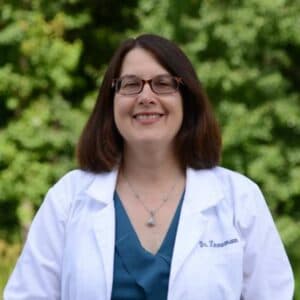
Full Transcript Introduction to Lyme Bites and Adjunctive Therapies 0:00 I think ozone is a great modality in substituting for chronic antibiotics. 0:05 Most of my patients have been on the antibiotics 0:08 for six months or even two years intermittently. 0:12 You know, they developed a lot of resistance 0:14 to the antibiotics, and it's just encouraging. 0:17 I think the spirit needs to stay in those round body forms. 0:22 And then we have to really get at those. 0:24 Right. 0:25 And we don't have the consequences of being on multiple rounds of antibiotics. 0:29 This is doctor talks real talk from real doctors 0:32 on the issues that matter to you most. 0:37 Welcome back to Lyme Bites. 0:39 Rebuilding immunity, reversing inflammation and redefining recovery. 0:44 Today we're diving into a powerful conversation about adjunctive therapies 0:49 that can enhance recovery from Lyme and other complex, chronic illnesses. 0:54 Tools that go way beyond the basics to help patients break through 0:57 healing plateaus. 0:59 Joining me is Doctor Lisa Zimmerman, an integrative M.D. 1:02 and the founder of Zimmerman Modern Wellness, and Morgan Bell, new Jersey. 1:07 Originally trained in internal medicine, Doctor 1:10 Zimmerman's career took a transformative turn when her daughter became 1:14 seriously ill with Lyme mold toxicity and co-infections. 1:19 That experience reshaped her approach to medicine 1:23 and ignited her passion for solving complex chronic illnesses. 1:27 With over 15 years of clinical experience, Doctor 1:30 Zimmerman has developed biologically compatible protocols 1:34 and trained in a wide range of advanced therapies including ozone, 1:39 IBU and PKM, membrane therapy, and more. 1:43 In today's episode, we'll explore the power of these therapies 1:47 and how they can accelerate recovery and help even 1:50 the most treatment resistant patients regain wellness. 1:54 This is Lyme bites. 1:55 Let true healing begin. 1:57 Welcome, Doctor Zimmerman. 1:59 Take a minute and share with the audience why it is you do what you do. 2:05 Well, I think it all started as you said, that 2:07 my daughter got very sick at the age of 13. 2:10 Conventional medicine really couldn't diagnose her well. 2:14 And when they did diagnose her, we didn't have good treatment protocols. 2:18 That really helped her. 2:20 You know, you started with 2:21 traditional antibiotic therapy, and it really did not work for her. 2:25 It was a lot of pieces of the puzzle. They didn't. 2:27 They missed they missed the mold based illness and a lot of other pieces. 2:32 So I had to go on this journey to educate. 2:34 So I can get her better. Yeah. 2:36 And then how did that. 2:38 So, I mean, I understand as a mom, as a doctor, 2:40 you know, with a child who's, who has this type of illness. 2:44 But how did that actually transform the way you were looking at your patients? 2:49 Did you start thinking about, oh my gosh, you know, Mrs.
Doctor Zimmerman's Personal Lyme Journey 2:52 Smith and Mr. 2:53 Jones and I wonder if then. 2:56 I would get someone who was chronic fatigue coming in my office 3:00 and like, oh, I wonder if they have mold exposure illness 3:03 or they have chronic Lyme and lead into me adding that into a general practice. 3:08 And pretty soon I was like, I don't need to do blood pressure, diabetes. 3:13 Someone else could do that, right? 3:15 Let me just do tick borne infections and chronic illness. 3:19 Right? 3:19 And as I think anyone who is part of this, this field 3:24 in those complex chronic illnesses, you know, it takes so much time 3:29 just to specialize, you know, in that piece that, yeah, 3:33 there's there's no time for blood pressure checks and all of those. 3:37 I know that sounds you guys just completely revamped the whole practice. 3:41 Yeah. All right, so let's dive right in. 3:44 So what are your top three favorite adjunctive therapies for patients 3:49 that have Lyme or other complex chronic illnesses and why? 3:53 Right. 3:53 So three that I think I use a lot is ozone therapy 3:59 DBU therapy and PK therapy. 4:02 So those are my top three. 4:04 Okay. 4:05 So let's go one at a time. 4:07 And for our listeners let's break it down. 4:10 So let's start with ozone. 4:11 Tell us what it is like physiologically. 4:15 What does it do in the body and how would it support one's recovery. 4:20 Right. 4:20 So zone therapy ozone is a gas. 4:23 It's oh three when we're using it. 4:26 Most of the time in my practice will be autohemotherapy 4:30 where we're infusing it directly into your body. 4:34 So we're going to extract some blood ozone aid it, 4:37 put it back in some gasoline and give it back to you. 4:40 And what does that mean? What does that do? 4:42 So when you're getting a nose, you need a red blood cell. 4:46 It's creating a process where the red blood cells taking it up. 4:51 And you're going to see that 4:52 they create hydrogen peroxide molecules from this ozone. 4:57 Now if you look at your white blood cells, their function is to go in 5:00 and kill off infection or reduce microbial load. 5:04 White blood cells create hydrogen peroxide and ozone. 5:08 We could see that. 5:09 So I like to tell patients I'm giving you a big dose 5:13 of what your white blood cells would do. 5:15 And we're going to reduce the microbial load. 5:17 If they have Lyme disease or Bartonella it's going to reduce 5:20 how many bacteria are in the system as well as it has a lot of other effects. 5:25 It's going to elicit immune stimulation. 5:28 It's going to give you a cytokine. 5:30 Intermediaries like IL2 il6 I 5:34 l a TNF alpha is going to be upregulated by the ozone. 5:38 And these are going to promote your production of T cells. 5:42 So a lot of people their T cell production has been 5:45 exhausted from having chronic Lyme disease for a long time. 5:49 You'll see that when you check a T cell number or natural killer count, 5:54 it's going to be low in your chronic Lyme disease patient. 5:57 But the ozone is going to elicit a little bit of a response 6:00 to upregulate that again. 6:02 So I'm going to get the immune system kind of fired up about your illness again. 6:08 That's something we track in the practice is your natural killer 6:11 T cell count and ozone therapy can improve that as well. 6:15 And then I think the third thing that ozone will do 6:18 is it's gonna activate your Nrf2 pathway.
Ozone Therapy: Mechanisms and Uses 6:22 And that's going to increase the production of your antioxidant enzymes. 6:26 And then that in turn, is also going to help you upregulate 6:30 your antioxidant pathways and help you to have some more healing. 6:34 So again three arms we're going to reduce the microbial load, 6:38 increase your antioxidant ability and help your T cell production. 6:42 So it's a great tool with someone who comes in who's been chronically ill. 6:47 Are you ready to revolutionize your approach to diagnosing and healing 6:51 complex, chronic inflammatory illnesses in both adults and children? 6:55 To line by symposium is your gateway to cutting edge education, 6:59 groundbreaking research, and innovative therapeutic solutions. 7:03 Join us at the 2025 Lyme Bite Symposium November 14th 7:07 and 15 at the Fort Lauderdale Marriott Pompano Beach Resort and Spa. 7:12 Lyme Bites is the premier functional medicine conference on complex, 7:16 chronic infection driven inflammatory illnesses. 7:20 This year's meeting is jam packed with leading industry experts discussing 7:24 long Covid and mycotoxins 7:25 illness pans, pandas as well as Lyme and other vector borne diseases. 7:30 This conference will arm you 7:31 with the knowledge, clinical pearls and practical solutions 7:34 that you can implement immediately into your practice Monday morning 7:39 that will literally change your patients lives 7:41 and get them on their path to true healing. 7:43 So join us at Pompano Beach or virtually from anywhere. 7:47 Register now at Lyme bites.com. 7:50 That's alchemy bites. Com. 7:55 Absolutely. 7:56 And it addresses three different branches of you know, the treatment approach. 8:01 So you talked about doing I.V. ozone. 8:04 So you know ozone in two through an IV needle into the bloodstream. 8:10 Do you use other routes of administration as well. 8:13 Like do you do you know from a nasal cannula or do you, 8:18 you know, infuse it into water and have people drink it? 8:21 Do you do rectal administration don't. 8:24 Do you think any of those routes of administration have any benefit? 8:28 Right. 8:28 So we do nasal ozone. 8:30 Sometimes they'll couple it. 8:32 Some people do both. 8:34 I find it beneficial for some people. 8:36 It's another little boost to the ozone treatment. 8:38 Or if they have some ear, nose and throat issues it might help the sinuses. 8:43 Maybe we think it breaks down biofilm in the nasal passages as well, 8:48 especially if you've been exposed to mold or mycotoxins. 8:51 That might be useful. 8:52 I don't really delve into the rectal ozone, 8:54 but it is useful in some arenas to do rectal ozone, 8:58 and I think it's a good way to absorb ozone into your system 9:02 if you don't have access to intravenous or you don't, you're dealing with the 9:06 microbiome a little bit more. 9:09 But I don't 9:09 offer that in the clinic at the moment. 9:13 Okay, wonderful. 9:14 And then anything else you'd like to say about ozone before we move on to Ebo? 9:19 Oh, I think ozone is a great modality 9:21 in substituting for chronic antibiotics. 9:24 Most of my patients have been on the antibiotics 9:27 for six months or even two years intermittently. 9:31 You know, they developed a lot of resistance to the antibiotics. 9:35 And it's just encouraging. 9:36 I think the spirit kids to stay in those round body forms. 9:41 And then we have to really get at those. 9:44 Right. 9:44 And we don't have the consequences of being on multiple rounds of antibiotics. 9:49 Do you know how doing IV ozone 9:51 impacts the microbiome? 9:55 I think it's I have not sure, but I think it will upregulate 10:00 the species, the species that you're supposed 10:03 to have in the microbiome up regulate their production. 10:07 I don't know the mechanism. Okay. 10:09 Just I'm thinking from an antimicrobial perspective, and 10:13 I have no idea what the answer is to this. 10:15 I'm truly asking what if damaged the microbiome 10:18 to any extent like antibiotics do? 10:21 Oh, no, I don't think it does. 10:23 I do a lot of GI not testing on patients. 10:26 Yeah. Pretty much on the first visit. 10:28 I will check it periodically and I haven't seen that to happen. 10:32 That's great. 10:33 So that's a really great way to get the same effect as an antibiotic 10:37 but not damage the microbiome, which obviously is important for managing. 10:43 For long periods of time. 10:44 If I give you ozone therapy every couple of weeks 10:47 for even a year, I don't see any damage. 10:51 Great. Wonderful. 10:53 Okay, so tell us about IBU. 10:56 So IBU is something that I've started in the practice pretty recently, 11:02 and I think you're getting pretty the equivalent of a 10% zone, 11:05 which a lot of people are more familiar with. 11:09 Where are you getting a large quantity 11:11 of ozone absorption and UVB light? 11:15 And they have a filter now. 11:16 They don't like us to really call it a dialysis filter, 11:21 but it looks like one where the blood is going to pass through this filter 11:25 and you'll see a exudate come out. 11:29 Now we don't know what's in that aid to date. 11:32 I don't think it's been tested. 11:33 Or we could tell you 11:34 what's coming off of the cellular exudate as it passes through the filter. 11:39 But I do notice that people who have had mold exposure 11:43 get a certain type of exudate, and other people 11:46 who have tick borne infections get a different color exudate. 11:50 So it seems to be filtering off perhaps some of the harmful substances 11:56 that have accumulated over the years when they're having the Lyme disease. 12:01 And nobody's tested it to see what it is. 12:04 It's interesting. 12:06 And they said they couldn't find a company that would test 12:09 that liquid that actually day, because it's not a bodily fluids. 12:13 And it's not like sending in a urine sample 12:16 or sending in a smear. 12:19 So they couldn't get a company that would test it for them. 12:23 Interesting. 12:24 So now I want to know what it is. Right. 12:27 But I think this one I do certain patients when I have a heavily 12:30 mold exposed patient, it actually comes out like a foam. 12:34 Wow. In other people, it's a gray liquid. 12:37 So I know it's definitely taken off different toxicants. 12:41 Yeah, but I can't tell you what they are. 12:43 And that combined with a high level or a high dose of ozone, 12:48 most of my patients might have a Herk skimmer reaction, 12:51 but I try not to add that in in the beginning, 12:54 but I think they have a high microbial load. 12:57 I might first use regular ozone therapy and maybe even some herbals 13:03 to decrease the microbes, and then use the IBU a little later. 13:08 Unless they're just a 13:08 mycotoxins patient, then they could jump right in. 13:12 Right. 13:13 So in general, the distinction I mean, obviously there's a lot of distinctions. 13:18 But the biggest thing to take home about IBU is that if you're doing 13:23 the high doses of ozone, you're getting it as an antimicrobial. 13:27 And obviously you're getting all of the other benefits that you talked 13:30 about with ozone, you know, with the antioxidant effects. 13:34 But then you're also filtering out a lot of the debris. 13:39 And sometimes that could be, you know, 13:43 making genetic material or fragments of all dead bacteria, you know, as well. 13:48 As non. 13:50 Biofilm, mycotoxins, 13:53 things like that. 13:54 And some people who I think they're pretty much 13:57 very close to remission on their tick borne illness, 14:00 but they're still chronically tired and they're pretty toxic. 14:04 That makes the difference reading some IBU. 14:07 Okay. 14:08 And then let's talk about PK therapy. 14:12 Right. 14:13 So PK, you know, I learned this from Doctor Perkin. 14:16 She's the famous person who discovered how 14:19 healing giving fans the title, calling is. 14:22 Right. 14:23 You could do it orally, but if you do it intravenously, you're really going to get 14:27 a better effect with a quicker timeline, and you could really boost that fast. 14:33 The total choline coating on every cell membrane 14:37 you have the phospholipid membrane. 14:40 So what I truly think happens 14:42 during a chronic tick borne illness or even mycotoxins is the phosphor. 14:47 Digital calling cell membrane gets injured, it gets pits. 14:51 And in those pits you might see the very long lithographs. 14:55 And then the membrane itself doesn't function well. 14:58 Can't carry a charge. 15:00 People develop numbness or tingling. 15:02 So that might be a more neurological symptom of that. 15:05 What's the title calling membrane being affected? 15:08 I think if we replete the membrane by giving intravenous phosphor to choline, 15:14 we're going to resolve some of the symptoms and help the cell to work better. 15:18 I'll even repair the membranes of your mitochondria. 15:22 So that's a little Christi, work better 15:26 and you'll get more energy and healing. 15:29 And she found that two doctor can use to quite a bit. 15:32 I think she used it a lot. 15:33 And patients even without chronic tick-borne who had 15:36 membrane diseases like M.S.. Right. 15:40 And I mean, how important do you think it is? 15:43 And do you do this in your practice? 15:44 Do you have patients try to avoid toxic oils 15:49 that are inflammatory seed oils, things like that. 15:52 Right. 15:52 Because ultimately a lot of times the phosphor to the phospholipid membrane 15:58 not only doesn't have enough, you know, choline and serine and the phospholipids, 16:03 but also it ends up with all of these inflammatory 16:07 lipids that make the situation worse and stiff. 16:11 So every person in the practice really has to be 16:14 every patient is taught the proper diet 16:19 and our 16:19 things to eliminate, things to really include. 16:23 Those are all things we work with them. 16:25 Now, whether they all do it 100% a different matter, 16:29 but we try to work with them with that. 16:31 Yeah. 16:31 And I think education is key because I think, you know, most patients, 16:35 at least most of my patients are really willing, 16:38 you know, to to do whatever they can to get better. 16:41 But, you know, we're given so much terrible information 16:45 in this country about diet and nutrition and what we should be eating.
IBU Therapy and Detox Support 16:50 So I love that you do that educational piece with your patients. 16:54 You know, whether they take your advice or not. 16:56 I think just that education is so powerful. 16:59 And I always tell them, I'm doing everything I'm asking you to do. 17:02 I've done it. 17:03 Do it every day in my diet. Yeah. 17:06 And it can be done. 17:07 Yeah, it absolutely can be done. Right. 17:10 Okay. So, 17:13 can you do you want to elaborate a little bit deeper 17:16 about the importance of the phospholipid membrane and what 17:20 using Phos, the title choline does from a more physiological perspective, 17:25 like what the benefit is to restoring the phospholipid membrane. 17:29 All right. 17:30 So I think the phospholipids 17:31 on the top of the cell membrane is what carries the ionic charge. 17:36 It helps it to function especially in the nervous system. 17:39 You can get I like to call it like a short 17:42 like if you had an electrical wire and you don't have the covering on it. 17:46 People are getting these neurological symptoms, whether it's 17:50 numbness, tingling, brain fog, a lot of neurological symptoms 17:55 are due to that phospholipid membrane not functioning that repair it. 17:59 And if I give the K, they see the cognitive benefit. 18:03 They get rid of some of the symptoms. 18:05 So I think it's a big piece of the puzzle. 18:07 Are you suffering from Lyme disease or another complex chronic illness. 18:11 And aren't sure who to trust when it comes to herbal supplements? 18:15 Hi, I'm Doctor Mariah Hinchey, founder of Lyme Core Botanicals. 18:19 As a naturopathic physician specializing in complex, 18:22 chronic infection driven illnesses like Lyme disease, 18:26 I needed herbal medicine I could truly trust. 18:29 That's why I formulated Lyme core botanicals, where our herbal tinctures 18:33 are handcrafted in small batches right here in Connecticut. 18:37 We use the whole herb never isolates to preserve 18:40 the full spectrum of medicinal compounds. 18:44 Every single step from sourcing to extraction is done 18:48 with precision to ensure maximum purity, potency and consistency. 18:53 These are the same herbal formulas I used to heal myself 18:57 and have used for years to help my patients and family members heal too. 19:01 And now I'm making them available to practitioners and patients everywhere. 19:07 Lyme Core Botanicals herbal medicine you can trust from a doctor 19:10 who lives this work. 19:12 Learn more at Lyme Core Botanicals. 19:15 That's Ali Amico, our econ. 19:24 Tell me 19:24 if you're doing the PK protocol about how many sessions is it? 19:30 How do you spread those sessions out? 19:32 And when do patients start to see an improvement? 19:37 Right. 19:38 So I usually recommend at least 6 to 8 sessions, if not ten. 19:43 Okay. 19:44 If I have someone who I would consider in a fragile spot, I might say 19:49 if they could come twice a week for four weeks, we'll start with that. 19:53 Some patients are only able to come once a week, 19:57 so I will recommend a protocol of about eight sessions to begin with. 20:02 Now I've had a few patients. 20:04 I had a young woman recently. 20:06 She told me she had a lot of muscle rigidity of her neck 20:09 and a lot of numbness, tingling in her upper neck and body. 20:14 Two peaks. 20:14 And she said it was disappearing. 20:17 So that people get a really good response early on. 20:21 And I've had some people, they don't feel much different until 8 or 10 sessions. 20:25 So I don't know if it's because of the level of damage, but it's variable. 20:30 So would people that, for example, have a choline deficiency 20:35 like a dietary choline deficiency and let's say you can see that, 20:40 no, on a, on a cellular test for this nutrient. 20:44 Right. 20:45 Would you see a different response for those people than you would for 20:50 maybe someone that didn't have a nutritional choline deficiency? 20:55 Or is it a matter of just you're giving it 20:58 at such a high dose, you know, Ivy, that it's 21:03 doing more than what you would just accumulate from your food. 21:07 Right? 21:08 So I think, yes, it's so it's such a high dose intravenously, 21:12 whether you're choline deficient in the diet 21:15 or nutritionally, it's still going to work quite effectively. 21:18 I do ask them to take the PK capsules as well 21:22 so that they don't become deficient, or we override the deficiency. 21:26 But the IV is just such a high dose. 21:28 I think we just counteract that. 21:31 And what 21:32 do you think about the difference between taking orally like phos 21:36 for tidal choline versus the alpha 21:39 GP choline. Right. 21:42 I haven't really seen that. 21:44 I've used the alpha G so much, so I can't answer that. 21:47 I usually always go to the phospholipid PC. 21:51 Okay. 21:51 That's a doctor Patricia Kane pretty much trained me with. 21:54 Okay. 21:56 All right. 21:56 And so from those three, if you plan to do those three therapies 22:01 with a particular patient, is there any order that's important. 22:07 So what I do is when the patient comes into the office 22:11 we're going to look at three different things. 22:14 What is their infections. 22:16 Do they have tick borne infections and what are they. 22:20 Then we're going to look at do they have a toxin load. 22:22 Do they have mycotoxins. 22:24 Or they also have a toxic exposure. 22:27 And then we'll also get a look at the immune system. 22:30 And we're going to look at the inflammatory state CRP 22:34 for a TGF beta one. 22:37 So we're going to look at that patient. 22:39 Let's say their inflammatory is low and they don't have mycotoxins. 22:44 They only have saline and BCA. 22:47 Now I'm going to jump into ozone therapy pretty quick. 22:51 I don't have to worry about PCA. 22:53 I don't think as much as someone who has a micro toxin exposure 22:57 and a high inflammatory state that might be pushing the PCA a lot sooner. 23:03 So we're going to look at all those factors and see 23:05 what kind of a patient are you, and how is your reparative state. 23:11 And do you typically combine. 23:13 And I don't mean simultaneously, but do you typically combine 23:17 you know, PK therapy with IBU or ozone. 23:22 It's not like you're picking one. 23:23 No. After patient. 23:25 Let's say you have all three manifestations, right? 23:28 We have an infection. 23:29 We have mycotoxins and they have high inflammatory state. 23:33 So then basically you need to combine 23:36 all of the modalities that we offer right. Yes. 23:40 Now are these your main therapies for treatment 23:44 or are you also doing like a main 23:49 core protocol so to speak, with either antibiotics, 23:54 herbs, nutrients, you know, nutrition, lifestyle.
PK Therapy for Cell Membrane Repair 23:58 Like what else does your practice. 24:00 Well for patients get some nutrition, like we were saying 24:04 and some supplementation with nutraceuticals. 24:07 They all also go on an herbal protocol. 24:11 I'm a big believer in herbal botanicals to treat 24:14 like the bees of Bartonella and even Epstein-Barr virus. 24:19 I pretty much got away from antibiotics, except for maybe a very short course 24:24 if I think they needed it in the beginning. 24:27 But I really like the herbal protocols, and it's all combined into someone 24:31 who's also getting ozone PK, possibly IBU. 24:37 So it's all done together. 24:38 They have a whole program. Wonderful. 24:41 So how do these 24:42 therapies enhance or accelerate that 24:46 underlying treatment protocol that you were just referring to? 24:51 Right. 24:51 So I do certainly have some patients come in 24:54 and they don't take advantage of the intravenous side of the practice. 24:58 Yeah. 24:59 And they'll do the nutraceuticals and the herbals and the dietary guidance. 25:05 And then I like to think that you're either a simple patient 25:08 or you're not that inflamed. 25:09 And you had 1 or 2 things wrong. 25:11 And that worked really well for we move over into the side room 25:16 when it's not as effective as we would like, 25:19 and then they really need the ozone therapy or the PK therapy 25:22 to make that jump into wellness. 25:26 Okay. 25:28 And aside from the part of IBU where we're filtering, 25:34 do you use a lot of other detox methods with your patients? 25:39 Well, we do offer intravenous vitamin C. 25:43 And we ask them sometimes 25:44 if they're more exposed to do infrared sauna. 25:48 We'll be ordering. 25:49 Adding in lymphatic massage pretty soon 25:53 so that we can open up the lymphatics. 25:55 And we do use some of the picanha remedies for detox as well. 25:59 That's pretty much on everybody's protocol. 26:02 Great. 26:03 So when you're using the ozone, the IBU 26:07 where for those two would you say is the right time to introduce. 26:12 Do you start out with these or do you wait till there are several months in? 26:17 Where do you feel is the right time 26:19 to incorporate ozone and IBU specifically? 26:23 Well, if I, I tell my patients, if I had my choice 26:26 when every patient walks in the door, I'd love to start ozone. 26:30 Okay. 26:31 I'd love to start them on even a small dose of intravenous 26:34 ozone, along with the herbal along with the diet, 26:37 because I just find it's such a great addition. 26:40 So if they're open to it 26:42 and willing to start with that, I would start with it right off the bat. 26:47 And what about the PK therapy? 26:49 Now again I'm going to PK therapy. 26:52 I will probably add in if I thought there was more of a neurological component 26:57 or a toxin exposure. 26:59 But would you do that at the beginning? 27:01 Would you do that several months in? 27:04 Depends on does it depend? 27:05 Depends on the case. I have no like standard. 27:08 This is the protocol I assess in the beginning. 27:11 Like I said where you are as a patient 27:14 and some patients have been sick for ten years and they're quite depleted. 27:18 I might just start with PK and that's it. 27:21 Okay. I was going to ask. 27:22 Because those patients start to very gently, 27:26 yeah, you could pretty much just see the patient coming in 27:28 in the wheelchair and they can even lift their head up. 27:31 We've had all these diseases and toxicants 27:34 for so long where like you're just a PK patient. 27:37 Yeah, I would imagine it very much helps 27:41 to enhance the cell's ability to absorb 27:45 the various nutrients and therapies that you're using. 27:49 Right. 27:50 Because if we have a very stiff, non pliable, nonfunctioning 27:54 cell membrane, it makes it very, very hard to get anything into the cell. 27:59 Right. 28:01 And we don't want to really 28:02 I like to tell people we don't want to really go after the microbial load 28:06 really aggressively until we prep the body. 28:10 Exactly right. 28:13 Okay. 28:13 So for practitioners that are new to these tools, 28:16 where do you suggest they begin? 28:18 So both in terms of just learning about these therapies, 28:22 where can they find more information. 28:25 And then also how can they find out 28:28 how to apply them clinically in their practices. 28:32 So I mean, it took me a lot of different conferences 28:36 to figure it out and develop your own way to make your protocols. 28:41 I don't think there's any one conference you're going to go to 28:44 that's going to explain all of that. 28:46 But there's certain oxidative therapy 28:49 training centers to learn all about ozone. 28:52 How to administrated had a dose. 28:55 IBU has their own separate training through their company. 28:59 When you buy an IBU machine, they have a company that will also 29:02 train you how to do it. 29:04 And then of course, I went to 29:06 Patricia Keen's training for the PK therapy. 29:10 Right. 29:10 Unfortunately, there's not one place that you can just 29:13 say, I want to learn everything. 29:14 You have to kind of go to one to the next, get more interested 29:18 and add something else. Right? 29:21 And I mean, I've interviewed a lot of different Lyme 29:24 physicians are complex chronic illness physicians, too. And, 29:30 you know, a lot of them use ozone or use IBU. 29:33 Some use PK protocol. 29:35 You know, it's your IV. 29:37 You're the first person that I've met that does all three together in one clinic. 29:43 Along. 29:44 With lifestyle medicine, herbal medicine. 29:48 So it's it's really nice to hear, but. 29:50 That's probably because, you know, I got my daughter 29:53 better and she needed a lot of modalities. 29:56 And then I started using that in the clinic. 29:59 And then I still had patients that didn't get better. 30:02 So then I said, okay, let me learn something else, 30:05 which IBU was a recent addition. 30:08 And then I'm always looking at, here's this one 30:11 patient that needs something else. 30:13 So I added. Right. 30:15 I don't like to give up too often. 30:17 Yeah, I know it's hard. I'm the same way. 30:20 Okay, so what is the one tool or therapy that you think 30:23 is underutilized, in our field and has the potential to support recovery 30:29 in really tough, treatment resistant cases if you could only pick one. 30:35 So if I 30:35 could only pick like if I had a clinic and I had to pick one thing. 30:39 Yeah, I know it's a hard question. 30:41 It's a hard question because like I said, there's different cases. 30:45 You know, if you have a lot of chronically ill people, like 30:48 I said, where they're in a fragile state, I did pick and P.K., 30:52 I really wanted to, 30:54 you know, help the patient get over the microbial load of Lyme disease. 30:59 Bartonella. We'd be picking ozone.
Combining Therapies and Clinical Sequencing 31:02 So it's hard to say, right? 31:04 Yeah. 31:05 Right. 31:06 And unfortunately, most patients are dealing with both of it. 31:09 Right? 31:10 Right. 31:11 And that's why I do offer all of them. 31:14 Because otherwise I feel like I can only conquer one part of their problem. 31:19 Right. 31:19 Did you used to refer out to other physicians in the beginning 31:23 for these therapies, or were you able to just when you went integrative for. 31:29 I went integrative and had ozone and PK from the start. 31:32 Oh that's wonderful. Just recently added. 31:35 And you said that was 15. 31:36 Your daughter got sick 15 years ago, correct? Yes. 31:40 So you've been you've been she. 31:42 Needed she needed both ozone mpk. 31:45 So I learned about the value of both of them. 31:48 And then I got trained and just started doing them. 31:51 Yeah. All right. 31:54 Well before we wrap up on this episode, is there anything else 31:57 that you would like to share just in general regarding complex chronic illness 32:02 or regarding the therapies that you've talked about today? 32:07 Well, I think, you know, most of the doctors that are in this field, 32:11 we're all in this field to get the patient better. 32:15 And I don't, you know, I think you have to go through the journey 32:18 and you just have to say, I never going to give up. 32:21 Yeah, I keep looking at new therapies every day. 32:24 It's a couple more I'll be sharing really soon 32:27 because again, I don't. 32:28 Would you like to share that with us? 32:30 What are you looking at? 32:31 So I just also recently started doing s.a.t therapy. 32:36 Okay. It's a nominal. 32:39 Why don't you tell our listeners a little bit more about that? 32:41 That's something that we've not yet talked about on this podcast. 32:45 So if you'd like to be the person that introduces it. 32:48 So maybe two and a half years ago, I started reading about S.a.t, 32:54 which is single oligonucleotide therapy. 32:59 And the concept is, is you're going to take the patient's blood 33:02 sample, ship it to the lab in Greece, they're going to get the genetic code 33:07 of the nucleotides of, say, your Lyme disease species 33:12 design a single oligonucleotide that's a mirror opposite. 33:18 They're going to send me back those little proteins 33:20 in a vial, and I'm going to infuse it. 33:24 Those little proteins are going to search out. 33:26 It's mirror opposite which is a key insert itself and it'll be demised. 33:32 Then it'll go to the next spare key, insert it 33:36 and we'll see that it effectively eliminates 33:39 quite a few Borrelia 33:42 over a 4 to 5 month period of time for one infusion. 33:46 That's amazing. 33:47 So it's a does really amazing things that you do have to know how to sequence it. 33:52 And I'm really careful not to like start with as some team. 33:55 Like I said get the body ready, get the patient ready. 33:59 And then we look at if we can use something like that 34:02 to shorten up the course of therapy, to lessen how much spike repeats. 34:06 There. Bartonella. 34:08 But the easier they are of Epstein-Barr doses, you could do viral loads. 34:13 It's quite exciting. 34:14 I have a lot of patients who are like halfway better. 34:17 I give them a dose s.a.t and two months later they're telling me I feel great. 34:23 So I change the practice a lot. 34:26 Yeah. 34:26 So I've been looking a lot into S.a.t recently to. 34:30 Yeah. What's the other one? 34:32 There was another one you were looking into right. So, 34:37 the next thing I'm probably bringing in shortly 34:39 is going to be true dose how they get you with them? 34:42 I am so familiar with them. Yes. 34:45 True dose is amazing. 34:46 I've I've done it myself four times. 34:49 I think in the past year. Amazing. 34:51 I've been reading up on it. 34:53 Yes. And two doses are platinum sponsor for the Lyme Bite Symposium. 34:58 So yes, they will be. 34:59 There and you're already talked to them. 35:01 And I'm pretty sure written that in about. 35:04 Great. 35:05 So now I'll have pretty much any therapy that you're going to need.
New Treatments and Final Advice 35:09 Will just have to sequence them and see who needs which one. 35:13 Oh that's wonderful. 35:14 That's going to be exciting. 35:15 That's so exciting. 35:16 We'll have to have you back on to talk 35:18 more about our society and about your dose as well. 35:21 I would love to have a couple of patients who really just turn them around 35:25 with the s.a.t therapy. 35:27 Yeah, great. 35:29 Any final words of wisdom you'd like to share with our listeners? 35:35 I guess never give up and keep researching. 35:38 And I learn from my patients as well. 35:40 They send me articles, they ask me questions, they challenge 35:44 me, and I'm here to to help them. 35:47 Yeah. 35:47 Are we we learn from our patients every day. 35:49 I think I might just as much 35:51 from my patients as I have from any book or lecture seminar, etc.. 35:56 Right? Yeah. And I always I'm always willing to listen. 35:59 And I think most of us that are in this space are that kind of physician. 36:03 Yeah. I mean, we have to 36:05 we have to for so many reasons. 36:08 You have to write it down 36:09 or give them instructions because they're going to forget. 36:12 Yeah. That's true. 36:14 Yeah. 36:14 Sometimes I think just the validation of being hard, 36:17 you know, and feeling like you finally have somebody who is listening to you and 36:22 who and doesn't think you are crazy. Yeah. 36:25 So on that first visit, many patients start crying. 36:29 Yeah. 36:29 Because you're listening to them and you get it. 36:31 Yeah. Yeah. 36:33 Well, especially with you having a daughter who's been through it 36:36 and I myself have been through it and I think, you know, I would say 95 36:41 and if I had to guess of practitioners who specialized in to mine the ironic. 36:47 Yes, they have either themselves or a very close loved 36:51 one who they've pretty much had to save from these things. 36:54 Well, she would have never gotten better, I don't think. 36:57 Would anything conventional medicine could done for her. 37:00 Yeah. 37:01 Right. 37:02 Well, thank you, Doctor Zimmerman, so much for your work today. 37:06 And to all of you at home. 37:07 Thank you for listening to Lyme Bites. 37:10 We hope this brought you one step closer to true healing. 37:13 If it helps you share with someone 37:15 who needs to hear this too, because together we all heal stronger. 37:20 Let's pray. 37:21 Thank you. 37:22 Thank you for tuning in to Doctor Talks. 37:24 We hope today's episode has enlightened 37:26 and inspired you on your path to optimal health. 37:29 Each day is a new opportunity to make choices that empower your well-being. 37:33 For more insights and strategies, subscribe to our podcast 37:37 and visit our website w ww di doctor Talksport.com. 37:42 Stay connected, stay healthy and join us next time on Doctor Talks. 37:47 Real talks from real doctors on the issues that matter to you most.
Comments