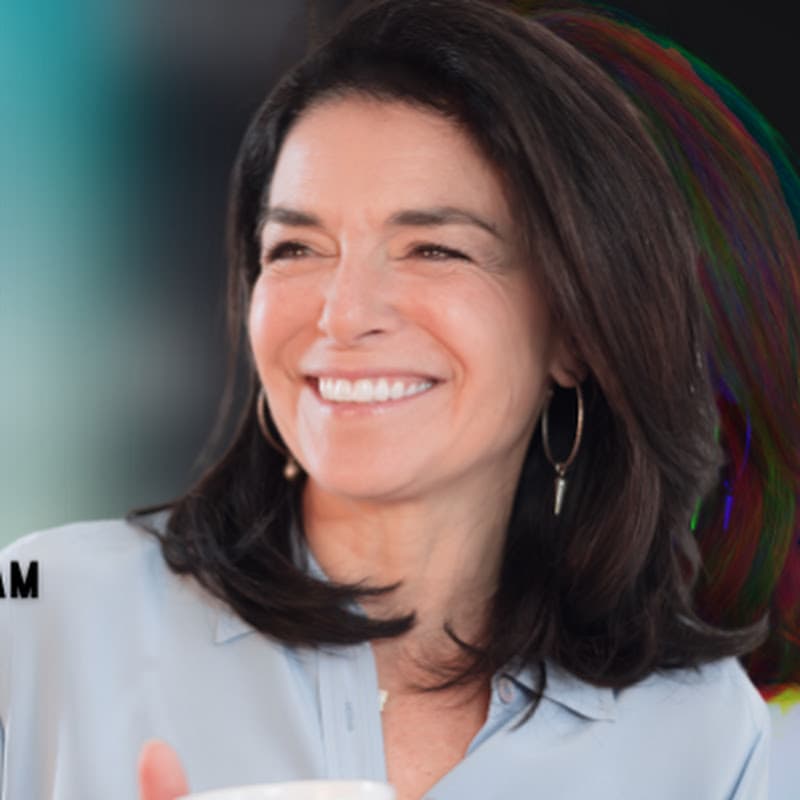
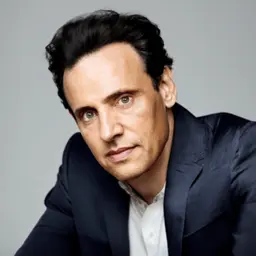
Full Transcript Introduction and Summit Welcome 0:00 Doctor Rob Silverman. 0:01 Welcome to the bioregulator and Peptides Summit and everybody else 0:05 who's tuning in here. Welcome. Welcome back to the summit. 0:08 I'm super excited to have Doctor Silverman here 0:11 to talk to us about, well, just about where he sees peptides 0:16 fitting into the framework of work that he does with his patients. 0:20 And we are, of course, going to talk a lot about the the terrain, if you will, 0:25 that one might introduce peptides into and how that affects how they work. 0:29 So thank you, doctor Rob, for taking the time to be here today. 0:32 It's my pleasure. 0:33 We were just talking before we came on and I'm stoked to be here. 0:36 You do great work. 0:38 You're without question the centerpiece for peptides. 0:41 Keep going and doing a great job. Thanks for having me. 0:44 Well, thank you so well. 0:46 And it's an it's a very auspicious day today. Right. 0:48 Today we're recording well recording late for this summit. 0:52 But today is the second day of the FDA hearings in Washington. 0:56 So on the on the right, on the small molecules that we're talking about. 1:01 And it'll be really interesting to see what comes of that. 1:04 There seem to be some very interesting developments on the fly. 1:08 So let's cross our fingers and hope for the best. 1:12 Yeah. 1:13 All right I agree with you. Yeah. So okay. 1:16 So let's start 1:17 where at the top or the bottom or whatever we want to call mitochondria. 1:21 If we want to call them 1:22 at the top of the heap or the bottom of where we need to begin. 1:26 So you often describe mitochondria as the engine of healing, 1:30 which is a really great way to refer to this little organelle. 1:35 Can you just share with the audience how mitochondrial function influences 1:39 the effect, the effectiveness of peptide therapy and clinical practice? 1:42 And talk to us a little bit about this engine of healing concept. 1:47 Absolutely. 1:48 The mitochondria, the powerhouse of the cell, everybody knows that. 1:51 But let's take it and move the yardstick a little bit. 1:54 Number one ATP production efficient mitochondria 1:58 decreases the release of reactive oxygen species.
Mitochondria as the Engine of Healing 2:01 Number two mitochondria has a function that aids in immune health. Wow. 2:07 And the big thing is it's a signaler. 2:09 So once you realize that whatever you put in the body goes 2:12 to all your mitochondria, because your mitochondria signals, 2:16 you realize that mitochondria are a vital organ. 2:19 Now, when we look at mitochondria and peptides, I'm a big believer. 2:23 Peptides allow for the healing process to stimulate a car and the direct signalers. 2:29 But to train, as you said before, is critical. 2:32 If we have an anti-inflammatory terrain, we have a meal you 2:36 that's conducive to healing. Things are just going to work better, 2:39 if you will, like I used to say on the block. 2:41 So for me, every regenerative process requires 2:44 energy and mitochondria is provided. 2:46 Yeah, that makes sense. 2:48 Whether we're repairing tendons, regenerating muscle, reducing 2:52 neuroinflammation, inflammation, or supporting cognitive function. 2:56 ATP is the currency that powers all these processes. 3:01 Peptides can activate repair pathways. 3:04 But if the mitochondria dysfunctional the body's response may diminished. 3:08 And that's really the crux of what we want to talk about. 3:11 So for me that's why I always assess factors that impair mitochondrial function 3:16 including oxidative stress, chronic inflammation, 3:20 nutritional deficiencies, poor sleep and metabolic healing. 3:24 A healthy mitochondria means better healing. 3:27 Yeah. 3:28 So let's get a bit more granular on on some of those foundational pillars, 3:33 if you will, when you talk about nutrition. 3:36 And, you know, I don't know that there's a more contentious, everybody agrees 3:40 that we need good quality sleep, we need enough sleep, blah, blah, blah. 3:43 Everybody agrees on that. 3:44 When it comes to nutrition, people will fight 3:47 to the death on their concepts, 3:51 so they will. 3:53 You put a vegan and a carnivore in a room and lock the door, 3:56 and I don't know who's coming out alive, honestly, because it's death. 4:01 The death. So. Right. So maybe let's. 4:04 And without going too deeply into nutrition, just maybe sharing 4:08 your your your philosophy on especially when 4:12 in a world where we're asking the body to do healing of tissues, 4:17 what are the guidelines you provide your patients on nutrition? 4:21 Well, I'll give you the corporate answer. 4:24 I like to individualize and personalize for people's goals and genetic markers. 4:29 And that sounds good. 4:31 But the big key to a diet and diet is not a jailhouse term. 4:35 Diet means something that you eat and lets you know really get that straight. 4:39 I'm a big believer in an anti-inflammatory diet. 4:41 Now what do I mean? 4:42 Number one remove food sensitivities. 4:44 I believe that food sensitivities are one of the biggest reasons 4:47 for chronic hidden inflammation, because most people don't test for them. 4:52 And secondly, their Iggy based. 4:54 And in that IG that means it takes 72 hours 4:58 from the time of ingestion for Symptomology to come out. 5:01 So how is a practitioner? 5:02 Would I know what somebody three days ago is causing inflammation? 5:06 How would they know really? 5:08 That concept is exemplar of the need of testing and not guessing. 5:12 But I know you want me to put a pin in that 5:14 because it shouldn't be all about food sensitivities. 5:17 I would suggest, number one thing for Americans and or North 5:21 Americans decrease the consumption of ultra processed food. 5:25 57% of the calories we consume come from ultra processed foods. 5:29 The consumption of those foods are deleterious to one's overall health. 5:33 Decreased sugar the average American consumes 140 pounds of sugar per year. 5:38 It's simply too much. 5:40 Yeah, when you add gluten at 136 pounds. 5:44 And for me, everybody's gluten and dairy free. 5:47 There is no conversation. 5:48 That is my without question tenant. 5:50 No doubt about it. 5:51 It's a given. 5:53 Just like a formula. 5:54 Yeah. I mean, it's just not even yogurt. 5:57 Not even yogurt. 5:59 Coconut yogurt. 6:00 You met or did you mean like the Dannon yogurt? 6:03 Where are we going? 6:04 No, I'm talking about good quality yogurt. 6:06 I'm talking about, you know, I mean, good quality, plain, grass fed milk. 6:12 Organic, as organic as you can get. 6:15 Yogurt. I'm talking about the real stuff. 6:17 Not the not the sugar Sunday thing 6:20 that passes that they're passing is yogurt to make you feel better. 6:23 Yeah, my preference would still be a coconut type yogurt. 6:28 You can get a healthy one. 6:29 However, I am living in a realistic world if I can get them to follow everything. 6:33 And that's the one little stretch I'm in. 6:37 Because again, compliance is really hard. 6:39 You know, it's amazing that I'll give people a gluten free 6:42 and dairy free list of foods. It's four pages. 6:44 There's a plethora of foods to choose from. 6:47 And they look at me and they'll say, I can't have this. 6:49 There's nothing left to eat. 6:50 There's nothing that I took away from you making you go gluten free and dairy 6:54 free, that you can't get in a substitute. 6:58 And especially in the gluten free,
Nutrition, Food Sensitivities, and Anti-Inflammatory Diet 7:01 they all taste very, very similar. 7:04 Big cheese. 7:05 I admit, the vegan cheese just doesn't bother. 7:08 Yeah. 7:09 I mean, honestly, to me the vegan cheese 7:12 almost falls under the hyper processed food. 7:15 It's just processed food like you go by go for its processed food. 7:20 It's not turkey processed food, but it's it's a processed food. 7:24 And I think, I mean, I in my humble opinion, 7:28 being a vegetarian is difficult because it takes a bit more effort, 7:32 because you have to cook more, because you have to eat. 7:34 You have to be much more mindful about the foods that you're eating 7:38 to make sure that your body is getting everything that it needs. 7:40 It's not I'm not saying it can't be done, but I'm saying that it takes a bit 7:44 more work, because if you fall into the convenience 7:48 food aisle of vegetarian or vegan vegetarian foods, 7:52 your most case is going to be no further ahead than you would be on a sad diet. 7:56 Yeah. 7:56 Let's talk a little bit about vegan and mitochondria. 7:59 And most people compare vegan and animal protein. 8:03 So without question I'm a protein vegan protein plant protein I'm a protein 8:08 as far superior in branched chain amino acids muscle protein synthesis. 8:12 However, the great equalizer is something called lucina branched chain amino acid. 8:16 You take 3 to 3.5 grams of leucine. 8:20 It is now equal. 8:22 So if you have somebody who wants to eat vegan or something 8:26 that you want to suggest to them, even though it is more difficult, like you 8:29 said, and the protein is lacking, 8:32 you now have the great additive, the adjuvant, if you will. 8:36 In addition, I think that we need to talk a little bit more about exercise 8:40 because exercise is the panacea for mitochondria 8:43 high intensity interval training, high intense training, weight training. 8:47 You and I both need to wait train because we're both over 30 years old. 8:51 You may be more so than me as a female, because women have a tendency 8:55 to kind of want to do cardio on Monday, 8:56 and the guys want to bench press and do biceps on Monday. 8:59 We all need muscle is without question in endocrine organ. 9:03 Muscle is actually quite anti-inflammatory and muscle is medicine. 9:08 Now, as we like to speak about, Gabrielle Line did a great job. 9:11 She said. Muscle is an endocrine organ. 9:13 I believe muscle is the currency of longevity, without question. 9:19 Yeah, it's also muscle like those 9:22 those workouts build mitochondria ultimately. 9:25 So want to you want to increase your mitochondrial density. 9:29 Do a nice good workout. 9:31 High intensity interval training is going to get the job done. 9:34 I think the last thing, 9:36 the one thing I want to go back to on the vegan diet is 9:38 I just want people to understand, because people will be sitting there 9:41 screaming at the computers, 9:42 you can so get protein on a diet and you absolutely can't. 9:46 Not saying you can't. 9:47 There's there's vegan bodybuilders out there who look amazing. 9:52 So all we're saying is you have to be more mindful and you have to pay attention. 9:57 And to your point, Doctor Silverman, supplement with leucine. 10:01 You might need to supplement with creatine. 10:02 You might need to supplement with certain bees. 10:04 So just be mindful that you can't. 10:06 There's going to be callings. Another one. 10:09 There's going to be things you're going to need to get in other ways. 10:11 Now to get back to what you were just saying about exercise, I, 10:15 I would stand up and chair, 10:16 but then my chair would roll away and I would, you know, 10:19 it would take me a while to get back to my chair. 10:21 So yes, 100%. 10:22 But lets you know to to go back to our topic at hand, 10:26 and this is where I think peptides are also really interesting, 10:29 because I think that one of the things that's really interesting, 10:32 and particularly when we're talking about a BPC 157 10:35 is I'm sure you've seen this in your practice, 10:38 is sometimes a BPC 157 can give people 10:44 a little bit of encouragement even before they've executed all those changes. 10:48 Do you find that like it? 10:49 It can kind of move. 10:51 It will it won't get the whole job done in a disaster, you know, when your diet is 10:54 not on point and lifestyle and that kind of stuff, but it can help 10:58 people feel a little bit better in the beginning 10:59 so that they have more energy to to do the work. 11:02 Do you have you found that in clinical practice? Yes. 11:05 You know, I like to refer to BPC 157 as a Swiss Army 11:08 Knife of healing because it provides a swath of health promoting properties. 11:13 Now that when you look at the gut to mitochondria axis, 11:17 because mitochondria comes from the gut, BPC has a lot of positive effects 11:22 on the gut because potential benefits are supporting intestinal barrier 11:26 integrity and angiogenesis and tissue repair. 11:30 It's known to reduce gastrointestinal inflammation 11:33 in a lot of preclinical models. 11:35 It actually has been studied in a boatload of animal models 11:38 of inflammatory bowel disease, gastric ulcers, and intestinal injury. 11:42 In addition, it may accelerate healing of the GI mucosa. 11:46 And in my office. 11:47 I've seen some great results. 11:49 And in my colleagues, especially in different things like IBS, 11:52 IBD, gut tendon, brain orientation. 11:57 BPC is the peptide of choice as far as I'm concerned. 12:00 So really to tie it up in a nice type bow, good gut 12:03 health, good mitochondria because there's a gut to mitochondria axis. 12:07 So people will say Rob what did you get that from. 12:09 Mitochondria comes from bacteria in your gut and communicates with your gut. 12:15 So again remember mitochondria signaling organ. 12:18 The gut is the epicenter of your health. 12:20 80% of immune cells are in your gut. 12:22 It's where your macro and micronutrients are absorbed. 12:24 What have you done for your guts lately? 12:26 Do you have the guts to be healthy? 12:28 Well guess what, BPC is sort of a bridge from both of those concepts. 12:34 Yeah. 12:34 Talk to us a little bit about KP in the gut, because I think 12:38 BPC kind of gets all the attention right. 12:40 It's the it's almost like the favorite child and CFPB 12:43 sometimes is bringing up the rear going full. 12:46 Wait what about me. Me too. 12:49 Yeah well I agree with you. 12:51 CFPB doesn't get enough play. 12:52 BPC gets all the play and it's warranted. 12:55 BPC is great for the gut, but it's good for like I said, 12:58 musculoskeletal I'm a chiropractor. 13:00 Brain injuries, concussion long Covid, things like that. 13:04 Whereas a CFPB is specific to the gut because it has a potential 13:08 anti-inflammatory activity. 13:09 But it's known to reduce cytokine production. 13:12 Cytokines. 13:13 No one knew the heck a cytokine was before Covid. 13:16 Now everybody knows what a cytokine is. 13:18 They're typically inflammatory. 13:19 There's 17 of them and 13 out of the 17 are pro-inflammatory. 13:23 It could shown also to help improve epithelial barrier function i.e. 13:28 leaky gut. 13:29 And it's truly generated a lot of interest for inflammatory bowel disease 13:33 and intestinal inflammation. 13:34 So you don't have to have leaky gut to have a damaged gut. 13:38 You can have inflammation at the gut level in the way 13:42 you are changing your gut milieu into pro-inflammatory, 13:48 which is quite detrimental in a downstream health effect. 13:52 Yeah. Okay. So what are we? 13:54 You know, it's been quite the last couple of few months, 13:58 I would say, on social media with some very loud voices 14:03 denying that, that these peptides have any benefit to human health. 14:08 And I, you know, I wonder if somebody's paying them 14:11 because it seems to be a fairly it's a very hard headed, blinders 14:16 on point of view when you consider the number of clinicians who've been 14:20 and these are the people bringing evidence in front of the FDA right now, right? 14:24 I don't know if you've submitted case studies, but they've been inviting 14:28 physicians and clinicians who've been using these in practice 14:32 to send in as much data as possible, because in the absence 14:35 of that clinical trial, double blind study 14:38 that everybody's always looking for clinical evidence is is what we have. 14:42 And you can't like you just can't discount it. 14:45 And how do you think how why 14:49 what do we say to these guys to get them to kind of 14:51 give their heads a shake a little bit, because they rightly do say 14:55 animal research does not often, very often just doesn't translate to, to humans.
Exercise, Muscle, and Mitochondrial Health 15:00 Correct. And they're right. 15:01 And what is it like 5%, 10% of animal studies? 15:05 It's very small. 15:06 But over and over again, like I'm not a clinician per se. 15:11 I've managed some very large communities and I've just seen too much to say. 15:17 You cannot chalk this up to placebo. 15:20 You can't chalk up healing of stress 15:24 fractures or healing of nonunion joint fractures 15:27 that just were on the verge of getting surgery. 15:31 And then 6 or 8 weeks later, after judicious use of peptides, 15:35 that nonunion joint fracture all of a sudden is healed. 15:41 Like, you cannot just put that up to placebo. 15:46 I agree, I think that if I can use the term 15:49 functional medicine, functional nutrition, Worley, 15:53 and sometimes the establishment is a little more conservative in their late. 15:57 So there should be some bridge in the timing. 15:59 And it's great in human studies. 16:01 However, we're seeing it in human studies. 16:04 It's just not published in clinical trials. 16:07 I believe that the peptides are great. 16:10 Like I said, adjunct adjuvant. 16:12 So I don't use them solely. 16:15 I use them in conjunction with other things, 16:17 you know, pro-Soviet mediators and Magufuli fatty acids, vitamin D3, 16:21 some of the more common things, methylated multivitamin, cosign, etc.. 16:26 So for me, I think that sometimes we need to take science 16:30 and bridge it to Monday morning application. 16:33 But sometimes science in a test tube doesn't relate to human beings. 16:39 Yeah, and I agree with the mild studies. 16:41 I think you do them with the mice. 16:42 You start there and then you put them in humans. 16:45 But the people that you're in touch with are doing them and are seeing them. 16:48 I don't think they benefit from lying 16:50 because I can tell you this as a practicing doc, 16:53 if people don't get better, I'm out of business. 16:55 Yeah, yeah. No for sure. 16:58 And and what I'm hearing over and over again from clinicians 17:02 who I've interviewed for this summit and for my podcast, 17:05 is that what they found was peptides 17:09 is that it's not like I mean, look, 17:12 there was a time when people didn't use peptides and people still got better. 17:15 It's not like it's the only way to go. 17:17 But what they're finding is that it it speeds things up that you get better, 17:22 faster results with the peptides than without the peptides. 17:26 And in your case, and in your case, you're using oral versions. 17:30 You're not you're not using any of the injectables. 17:33 We should say that. Right? Like you're right. 17:35 The peptides in in your clinical practice that you're using 17:38 are the oral versions of the BBC 157 CFPB. 17:42 And then you mentioned the TB frag, which we'll get to in a moment. 17:45 But and again you're going to have a chorus of people 17:49 saying oh oral peptides don't do anything for musculoskeletal injuries. 17:53 And I'm like, oh, but they do. 17:54 They may not be as as fast or as effective, like as the injectable, 17:59 which is a whole other set of problems, but they most definitely have an impact. 18:05 And maybe, you know, you're a chiropractor. 18:07 This is that's your bread and butter is bones, tendons and ligaments. 18:12 If I could break my practice up into three pillars it would be musculoskeletal. 18:17 It would be got to brain axis and it would be neurodegenerative disease. 18:22 So just talking from the musculoskeletal approach to start it, 18:26 as you said, speeds up because it works in conjunction with the gut. 18:30 It works in conjunction with the mitochondria. 18:32 So if you think once again about mitochondria, 18:34 they aren't just powerhouses. 18:36 They're communicators. 18:37 A lot of emerging research shows mitochondria can function extracellular, 18:42 acting as signaling hubs that influence inflammation, immune response, 18:46 and tissue repair. 18:47 If that's true, mitochondria health isn't just cellular, it's systemic. 18:52 And it's a SignalR works in conjunction with BPC. 18:56 So I'm all about the mitochondria. 18:58 I think 2.0 is mitochondria and sell health.
BPC-157, Gut Health, and Recovery 19:01 And I think we're on the precipice 19:02 of making that next step that big giant steps really small step. 19:07 But it sounds like a giant step because, you know, 19:08 we got to get a lot of people and push to wait up. 19:11 And it's important. 19:12 It's trying. 19:13 Yeah, it's kind of important to BPC. 19:16 The peptides and everything are a great choice. 19:18 You know I never really understood the adverse to it. 19:24 So you mentioned creatine. 19:26 So we'll use that as an example. 19:28 I wrote my thesis in chiropractic school 27 years ago on creatine. 19:31 And here we are now treating as the hot supplement. 19:35 So one, since I brought it up let me give a few factoids on it. 19:39 Number one, 19:40 the first five grams of creating that you consume go to your greedy muscles. 19:44 If you want to get any kind of brain or bang for the buck for the brain, 19:47 you need another five grams. 19:49 And if you get that, that's great. 19:51 If you have a neurodegenerative disease, you need to take 11 to 20g per day. 19:55 Some people dose high. I dose up to 20. 19:57 We could talk about that. 19:59 Do not take creatine with a hot aqueous solution. 20:01 Do not take creatine with caffeine because it breaks up the molecules. 20:05 Creatine has a positive effect on immune health. 20:08 It has a great effect on energy, muscle performance, muscle recovery 20:12 taken with water. Great stuff. 20:16 The reason I bring 20:17 up creatine was I can't believe you're writing a thesis on creatine 20:20 talking about creating a terrorist tendons, a terrorist tissues. 20:23 It does this. It sucks all that stuff. 20:27 I remember that all those assets, tendons how? 20:31 No, that's what they said 25 years ago. 20:33 I know, but why would they say such a thing? 20:35 Because the athletes were taking steroids which has a tendon tearing fat. 20:39 So but they were blame it on the creatine because that was before the idea of that 20:43 you could take steroids in TRT legally and appropriately and all that other stuff. 20:47 I know that's a rabbit hole. We won't jump in there. No. 20:50 So we won't go there. 20:52 And that creatine is BPC is kind of like the creatine of our era. 20:57 Now. People were very negative to to it and look at all the positive research. 21:01 So you have an option. 21:03 I always have this slide 21:04 that when I lecture I look at it it's called the window of opportunity. 21:08 How many people do 21:09 you want to help while you're waiting that somebody else says it's okay? 21:13 Yeah, yeah, yeah for sure. 21:15 Not on the question list, 21:16 but talk to me about how you feel about the safety of using oral BPC. 21:21 157 I mean, obviously you feel they're safe, but again, 21:24 this is another big argument. 21:26 People get very concerned about the NGO genic properties of BPC. 21:33 157 and I think to some degree, 1 or 2 of the TB 21:36 four frags maybe, maybe drive angiogenesis again. 21:40 So angiogenesis being guys, the, the, the the creation of new blood vessels. 21:45 And that is in many part in many ways VPCs superpower. 21:50 When you're trying to heal 21:51 something like a tendon or a ligament that doesn't get good blood flow. 21:55 And now it maybe might encourage 21:58 improved blood flow by through angiogenesis. 22:01 But of course, the minute you talk about angiogenesis, people think tumors. 22:05 They think tumors do that too. 22:06 And so, you know, it becomes this kind of this snowball effect. 22:10 So maybe give us your your opinion on this because I don't know 22:15 that there's any research that's ever showed it. 22:17 But again, you know, well let's just say if it did create angiogenesis, 22:22 that's really not a bad thing 22:24 because angiogenesis actually is a process that we want. 22:27 If we had a brain injury like post-concussion. 22:30 Yeah. 22:30 Because you would want to be able to rewire your brain not just neurologically, 22:34 but also with new blood flow or contralateral blood flow. 22:38 So I don't know if it's a bad thing, 22:39 but I think you really get to a really good point about safety. 22:43 And I think that's a question in supplements, 22:46 because drugs come under the FDA and you feel the way you do about that. 22:50 But there's such a wide variety of quality of supplements. 22:54 I think that's where the concern is. 22:57 So when we look at that and, you know, we can go on a website and get an option 23:01 of 400 different supplement companies where I'm only comfortable with 40. 23:06 If you're talking about those 40, I'm not concerned about the safety 23:11 because they're showing me where they get the ingredients. 23:13 They're showing me before 23:14 and after they're showing me NPY and all those other needed things. 23:19 So again, it's kind of like I'm Jewish. 23:22 It's if it's Glock, kosher, kosher, I eat it. 23:24 If not, we pass on it. 23:26 All right. 23:27 Got it. 23:27 So for so for the peptides at this stage of the game you 23:31 you definitely feel that based on the evidence that we have 23:34 and what you've seen to date to date and what you've seen clinically. 23:38 Right. 23:39 I mean, how long have you been using oral peptides in your practice? 23:43 About four years. 23:44 So just to let you know, I don't own any peptide company. 23:49 I've got no affiliation code with the peptide company. 23:52 I take them myself. 23:54 I've given them to my wife, who I actually love 23:56 and want to spend the rest of my life with, 23:58 so don't think you know, no commentary there.
TB-4 Frag and the Wolverine Stack 24:00 And I share it with my friends, my family, and my patients. 24:03 I wouldn't do that if I wasn't comfortable and confident 24:07 in utilization of a good quality company providing me with peptides. 24:12 Yeah. Love it. 24:13 All right. 24:13 Let's talk about TB. The TB for frag a little bit. 24:16 So TB for thymus. 24:17 And beta four is a 43 amino acid peptide. 24:22 So it's on the larger side of peptides. 24:24 But what's interesting about it has all these it's almost like arms right. 24:28 And each arm is a it's a functional unit if you will. 24:33 So what a lot what the manufacturers or scientists figured out, researchers 24:37 figured out is if we cleave those arms off of the main 24:41 peptides, we're now left with a fragment that has its own activity. 24:44 And because they're so small, the understanding 24:48 is that those small fragments can be used orally and won't get digested by the 24:54 your peptide enzymes, if you will, your protein enzymes in the gut. 24:58 And so they can therefore be absorbed and and have benefits. 25:03 So do you want to talk a little bit about the TV4 frags 25:05 and where you've seen them being helpful in practice. 25:09 So for me some of the potential benefits tissue repair. 25:13 So that's not just gut repair, it is tissue repair. 25:15 So a lot of musculoskeletal injuries and the like wound healing. 25:19 I have a patient of mine, a friend of mine that just had a go kart accident. 25:24 So we're going to put him on BPC, KTV and TB for frag, which we like to refer to 25:29 as the Wolverine stack, 25:31 or I like to refer to it as the Wolverine Super Stack, if you will. 25:35 Having seen Hugh Jackman, he needs a few of his other Marvel 25:38 characters to rival what the BPC plus does. 25:42 It has tremendous anti-inflammatory effects, and it may indirectly support 25:46 intestinal healing. 25:47 Is it is effective for BPC 157 at the gut level? No. 25:51 But again, it supports that and CFPB this works. Wow. 25:56 As as I said, as a trifecta of healing and health. 26:00 So as we spoke about before, there are three peptides 26:03 that I really utilize a lot BPC 157 TB for frag. 26:08 And of course CFPB. 26:10 Nice. 26:11 Doesn't mean I don't use other ones, but I use these regularly religiously 26:15 with many of my patients, friends, family and like and like so 26:21 so we talked a bit about about inflammation situational information. 26:24 But what about chronic inflammation. 26:26 You know, that low grade kind of smoldering fire, 26:30 if you will, that is present in so many people these days. 26:33 And then the other thing that we find 26:35 is this intestinal permeability, which, you know, 26:38 going back to what you said earlier about people having food sensitivities, 26:42 very often it's a bit of a chicken or the egg situation, right? 26:46 I mean, 26:46 I remember when I used to work with clients, 26:48 I got to the point where I would I would just 26:50 test their zone in levels first, and if those were elevated, I would treat 26:54 I would 26:55 I would address 26:56 the intestinal permeability and then do my food sensitivity testing. 27:00 On the other side of that, because I, 27:02 I had a couple of events where the food sensitivity report came back 27:06 and it was I was like, actually, you know, you can't actually eat anything. 27:10 There's four foods you can eat. 27:12 Whereas if we did that gut repair first, and this is long before 27:15 peptides were a thing, I found that we we then were able to give people a little 27:19 bit more latitude. 27:20 So let's talk a little bit about those two things. 27:23 The chronic the low grade chronic inflammation that intestinal permeability. 27:28 But let's also relate it back to people's ability to heal 27:32 tissue like heal even musculoskeletal injuries. 27:36 I love it well, as an offshoot, there's a gut to join axis 27:41 and there's a gut to disk axis. 27:43 So whatever you do, you got you do to your desk. 27:45 Whatever you do do you got you do to your joints. 27:47 And that's big in my market, my chiropractic and DeMarco people don't 27:52 realize your body releases cytokines, which are obviously inflammatory. 27:56 And they can damage the gut. 27:58 They damage the joints, they damage the disc. 28:00 But what really damages the disc is the release of something called MMP matrix. 28:05 Metallic proteases, a body's own proteolytic enzymes 28:09 released at the time of injury. 28:11 And they eat fibro cartilage that fiber cartilage is IBD, meniscus and the like. 28:16 52% of disco surgeries have a bacterial translocation. 28:20 Where did that come from? That came from your gut. 28:23 So, I mean, 28:24 we could be here for a couple of hours 28:25 to have this kind of dissertation conversations. 28:28 Exciting. 28:29 So when you go somewhere and you have a joint problem,
Inflammation, Leaky Gut, and Clinical Testing 28:31 if you believe in root cause or root causes, you need to look at the gut 28:37 because the gut is the epicenter of your health. 28:40 I believe, as Alessio Fasano said, all disease begins in the leaky gut. 28:45 It's funny that you mentioned Xinjiang, so I missed I mentioned Alessio. 28:49 Now, some interesting things about the Zainudin 28:52 that you talked about is zoning does vary during the day 28:56 because Xinjiang opens up our gut tight junctions. 29:00 So Xinjiang is a precursor to a clued in. 29:02 So if I were to lift my hand up and this is an epithet cell 29:06 this is an epithelial cell. Together they make a tight junction. 29:08 I can't see you. 29:10 However Zainudin opens and pulls apart. 29:13 Functionally these tight junctions, including is when they're broken 29:17 so that tight junction now becomes a loose junction. 29:21 The key to the test to see if Zangilan is a factor is ongoing. 29:26 Antibody. 29:27 There are very few tests out there so that's just inside. 29:30 Now you spoke about a lot of food sensitivities in food sensitivity. 29:34 I test all my patients for a leaky gut. 29:37 Chiropractic, functional neurodegenerative. 29:40 You're getting a leaky gut test if you don't want it to. 29:43 Leaky gut test. Have a nice day. 29:44 Find somebody else. 29:46 I can help you because you are handcuffing me 29:48 and I don't want to fight with my hands cuffed, no doubt about it. 29:52 However, with the idea of food sensitivities, it's not just IG, 29:56 it's also which is one immune pathway, which is your adaptive pathway. 30:00 It's also the innate immune system. 30:03 And you can test that by testing for a molecule called C3. 30:06 D I know I'm getting a little head of here. 30:08 So you want a dual purpose test. 30:12 You want to see what food stimulates 30:15 the most amount of inflammation, which speaks to what you talk about. 30:18 Because good food is a potential for a health signal of health. 30:24 Bad food is a potential for inflammation. 30:27 So we obviously need to choose wisely. 30:29 As we said earlier, there's a 72 hour lag 30:33 between the consumption of food and the rising of inflammation. 30:37 You'd have to test for it. 30:38 So the tests that you can lose use in food sensitivities 30:42 are one that tests the dual pathway. 30:45 Now, in the leaky gut test, there's a boatload of things you can test for. 30:49 But I would test for most predominantly Candida 30:52 or Candida pending on where you're from in North America. 30:56 Daniel in occluded in LPs LPs. Yes. 31:00 Little pieces of stuff. 31:02 Ha. On PC oriented. Don't worry about it. 31:05 PG rated, no doubt about it. 31:07 LPs for my Spanish speakers. 31:09 Diablo the devil. It's an indoor toxin. 31:13 It's a direct binder. 31:14 Let me tell you something. 31:15 If you have an elevation of LPs, 31:17 go find a functional doctor and fix the damn thing. 31:22 Because if you want some neurodegenerative disease, 31:24 you want some musculoskeletal disease, you want some mitochondria dysfunction. 31:29 Allow your LPs to float around. 31:31 LPs holds gram negative bacteria on the inside of the intestinal wall 31:36 when it's expressed LPs from the inside of the intestinal wall, 31:40 this pathogenic bacteria is also floating around, 31:43 causing a cascade of inflammation. 31:45 You're talking about inflammation or sub inflammation. 31:48 If I had a mantra, it would be to manage and modulate inflammation 31:52 because most of our patients and you can write this down, most people 31:55 that are listening, myself included, are probably pre and flamed. 31:59 And that's because of the foods that we eat here in America, 32:03 the air that we breathe and the soil in which the foods are grown with. 32:07 So before I get to involved in sweat some more, 32:10 I'm going to turn it over to you 32:12 because I know you've got a bunch of stuff you want to share with me. 32:16 I know I love that, I mean, I'm I committed to the audience 32:21 at the beginning of the summit 32:22 that we were going to keep these tight and packed full of information, 32:26 and you've already delivered a ton of great information. So
Practical Framework for Integrating Peptides 32:31 as we 32:31 close, if you could give practitioners who are listening to this. 32:35 So, you know, we have a fairly varied audience that comes to these summits, 32:39 I think we're going to get you've given beautiful information actually, 32:42 for the consumer to chew on, as it were. 32:45 But if you could give practitioners one practical framework 32:48 for integrating peptides into a functional medicine model, 32:52 because obviously, if you're even open to the 32:54 concept of peptides, you're probably in the functional medicine space. 32:58 What would your step by step approach look like to achieve to help them 33:02 to achieve the best long term clinical results? 33:05 You know, people ask what I do to get to peptides in, how do I integrate 33:08 all these supplements or all these hacks? 33:12 My wife hates the word hacks. 33:14 Key takeaways, if you will. 33:16 And I say you can do this, this and this. 33:19 The biggest thing is, I believe it or not, a prescription pad. 33:25 So you 33:25 write it down on a piece of paper and make a contract with the patient. 33:29 Now, as far as the consumer is concerned, I think the biggest problem with 33:34 consumers is the lack of compliance, because I believe there's a lack of trust. 33:38 So find a practitioner that suits your fancy. 33:41 And one of the biggest takeaways is find a practitioner that listens to you 33:47 that's willing to individualize it, the willing to take the time. 33:51 And you're not a number. 33:52 You're a person place thing. 33:55 Things of that nature. 33:56 If those things occur, the BPC and the science behind it, 34:00 what I've seen in my office 34:01 will take you to the next health level for the practitioners. 34:05 Remember, here are five big important things. 34:08 Number one, the biological terrain will determine your peptide success. 34:12 So obviously peptides function optimally. 34:14 When inflammation is controlled, 34:16 nutrient status is adequate and the body's repair systems are intact. 34:19 Number two, the gut is the gateway to regeneration. 34:23 I think we've talked about that. 34:24 Number three mitochondria power healing and tissue repair. 34:28 Remember it's a key signaling. 34:29 And it's obviously 34:31 you know if it functions will help you with healthy aging. 34:34 Reduce chronic inflammation 34:36 that will without question enhance clinical outcomes. 34:38 And by the way an integrative strategy always delivers superior results. 34:44 So don't be afraid to ask a friend for some help. 34:48 And that's why I enjoy talking with you. 34:50 Because we're part of a coin. 34:52 We just might be the opposite sides of the coin, meeting in the middle 34:56 and pulling everybody in with us to have a better, healthy day. 35:00 I love that amazing. 35:02 But I can't think of a better way to close this off. 35:04 Doctor Silverman, this has been awesome. 35:06 Thank you. 35:07 Please tell people where they can find out more about you and your practice 35:11 and connect with you. 35:13 Sure. Piece of cake. 35:15 Doctor Robert Silverman. 35:16 Follow me on social media and Facebook. 35:18 And just remember, I am always yours in health. 35:21 And remember Jim Roman said, take care of your body. 35:24 It is the only place you have to live. 35:26 Love that. Thank you. 35:28 Thank you doctor Rob, thanks for having me. Appreciate it. 35:31 My pleasure.
Comments