AI-Powered Supplement Stores: The Future of Healthcare E-Commerce

Founder and CEO of DrTalks.com
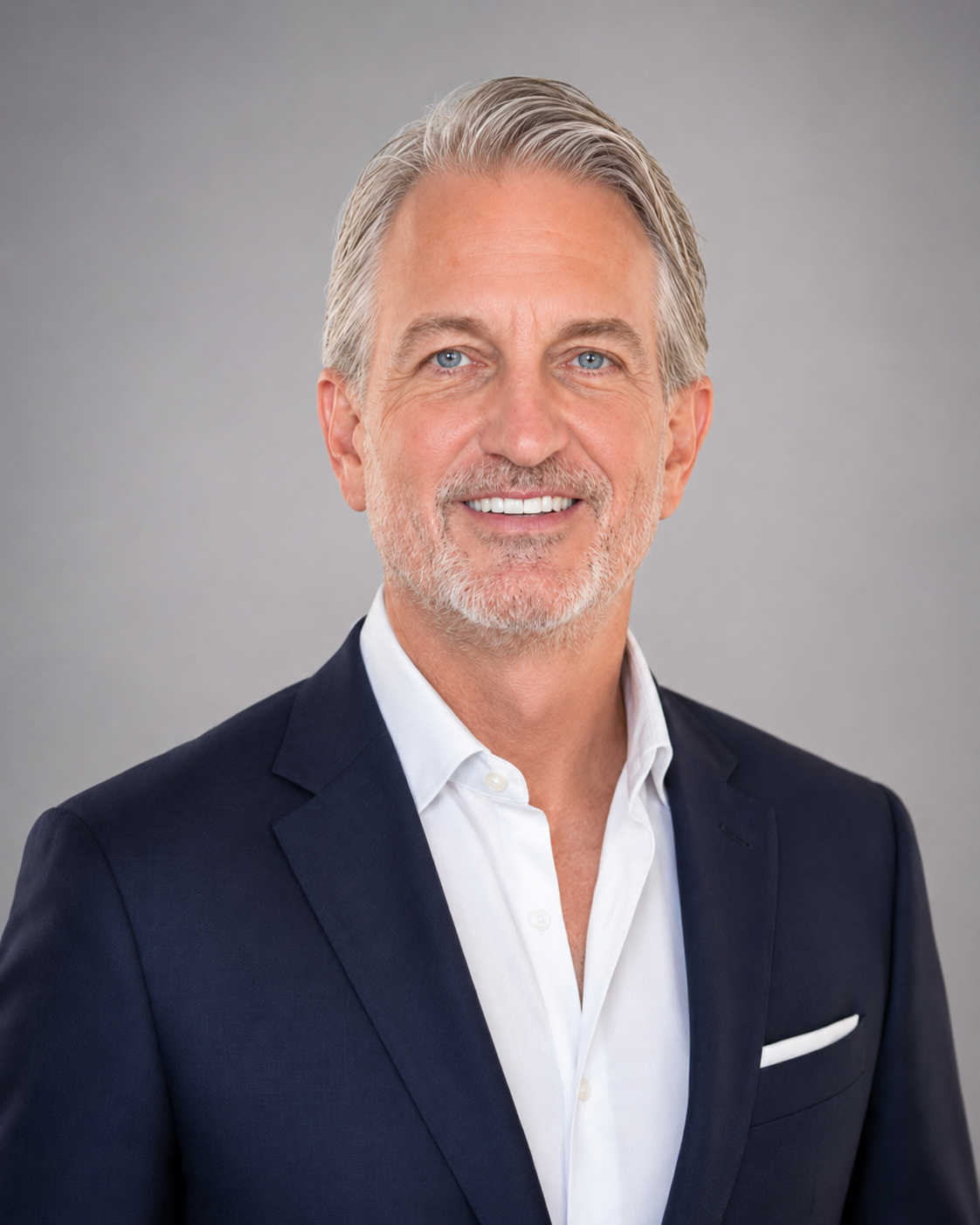
CEO of GetHealthy
- Discover why sending patients to third-party supplement platforms and affiliate links can weaken a doctor’s control over customer relationships, data, and long-term revenue.
- Understand how practitioner-branded storefronts can bring supplements, wellness products, and personalized recommendations into one trusted shopping experience.
- Learn how AI-powered product discovery, automated recommendations, and consistent educational content can help doctors stay connected with patients and create new revenue opportunities.
Full Transcript
Yeah, they sure do. And that's what I tried to do, I try to bring those same concepts to here to be like, you're the trusted brand. You're a trusted influencer.
I'm just going to highlight you. More patients, more authority, and more freedom. Welcome to another edition of the Doctor Talks podcast. I'm your host, Brett Gregory, the founder where we are democratizing the creator economy for doctors.
And I am really excited today to have John Armstrong, who is the CEO and founder of GetHealthy.store. And I've had several calls with John. It turns out we have plenty of mutual clients, lots and lots of doctors, thousands in fact, use his store and he's doing incredible things.
it's a great way to generate additional revenue with products that you already know, like and trust. And with that, I want to welcome John Armstrong to the Doctor Talks program.
Thank you, Brett. Excited to be here, excited to talk to your audience. Yeah. I'm excited. To talk about the Practitioner channel in general. Today we're going to talking about who owns the client relationship, the rise of Practioner branded dispensary in an AI driven world.
For those who haven't had a chance to get to know you please introduce yourself to our audience Well, my background professionally, I've been in technology for way too long, for decades.
Most interestingly I ran a company that did digital marketing, paid traffic acquisition, e-commerce in general, working with Amazon as our first customer.
And so that's where I kind of cut my teeth on learning what we do, e-commerce wise, digital marketing, et cetera, was from that experience. In functional medicine or in health and wellness, generally speaking, I actually was a patient.
I was an early adopter. And I did a preventative physical in 08. Oh, wow. Yeah, that's a real early adapter. Back in the time… Before it was cool. It wasn't functional medicines.
This friend of mine had went to one of these centers and he said it had helped him with a lung issue. He had had his entire life. And he was on a set of supplements and he's like, John, this is the best thing ever.
And so I went and did a preventative physical, um, through that found out that I had leaky gut. I was gluten intolerant, probably forever. Um, I also had thyroid cancer.
Oh, wow. So, uh, Fast forward as I moved through the two teens and I was going through my health journey, my experience in buying products was very disjointed.
And honestly, it's really the status quo still today of what practitioners are providing to their patients where if they have a clinic, they might give a bottle of supplements in the clinic.
Then they send people to Fullscript for some products, but some of your really high quality brands like SL Core Biosciences or Healthgevity Oral Peptides are not on FullScript.
Others are continuing to not go on full script. And then they would give me… unlimited number of affiliate codes for other products, for infrared saunas, et cetera.
And I just couldn't understand, we're in a relationship business and you're my health provider. I trust you. Yeah. So we embarked on building a platform that was more focused on highlighting who the practitioner was and their relationship with not just their clinical audience, full scriptural focused in on helping fulfill patient orders, But what we see and part of the reason why we built the platform is practitioners end up with a much larger audience through social, email, blog, podcast, newsletter, webinars, you name it.
Just like your platform for podcasts, they end with audiences that are measured in the tens of thousands or hundreds of thousand. versus you know a single shingle practitioner might have two or three hundred patients they see periodically throughout a year.
My goal was to help make them more efficient in administering all their commerce including scripting and all the things that you would do on a full script, but also give them a storefront that's owned by them, branded by, them it only has the products that they want on it, not everything that we have.
We have 10,000 products today. You don't want 10 thousand products on any store. So through my personal experience and the fact that I understand technology and e-commerce and relationship selling online, lifetime value, a lot of the are directly applicable to our industry today.
I learned from working with Amazon. In fact, one of the analogies people have made, they're like, you all are kind of like if Amazon and Fullscript had a baby, that's what you provide us.
You give us our own Amazon storefront, But you give us, yes, access to thousands of supplements, but you also give access us to skincare, oral care, saunas, plunge pools, all those biohacking and lifestyle products that continue to be more and more a part of the what I call integrative health product spectrum that practitioners are trying to look holistically at the body, the home environment, lifestyle, what we eat, drink, etc.
And doing interventions that start with nutrition typically and then kind of go through exercise and supplementation obviously is a big part of it. So we kind embarked on a different path than most at creating a catalog across all those types of different product categories, but making it very easy and efficient for a practice to use.
And so going back to the title of the podcast of Who Owns the Client Relationship, what do you mean by questioning the ownership of a client relationship?
I mean, doesn't the practitioner own that? Gosh. I wish that was the case, and it seems pretty obvious, especially to me, where I'm all about alignment with my client.
I don't want to be in conflict in any way. But if you look at, you know, with the most prevalent model being one where a practitioner sends their buyers to a third party, the largest third-party being Fullscript, Full script owns the customer.
In fact, they direct market to the customer. I had a practitioner tell me just the other day. She was like, yeah, one of my patients who has some pretty concerning health concerns, you know, that they sent me a promotion from Fullscript and it was for a product that contraindicated against the protocols that she was using in her treatments.
And she I can't believe they're direct marketing to my clients, but Fullscript owns the client, owns a consumer, and they can do what they want with it.
And then more broadly with brands, you know, the brands don't get who is selling their product. They don' know the practitioner. All they get is zip code level information.
So in reality, FullScript own the customer relationships. That's where the genesis of the rhetorical who owns the consumer relationship, it should be the practitioner.
But in our industry, that is not the case. Fullscript owns a consumer, they own the practitioners, and they use that to their advantage. So then how do you flip that around?
How do support the practitioners so that they don't lose that client relationship? Well, you know, when I first started the company, I worked with a big law firm.
And one of the first questions that their head of healthcare asked me, they said, John, who owns the patient? Who owns patient data? And I said, well, of course, the practitioner does.
I'm an enabler. And that ended up with us talking about what's called a business associates agreement, which is a HIPAA document. Yeah. we embed a business associate agreement into our disclosures with the practitioner stating they own the customer.
They own customer data. I don't have any rights to use that or to sell it downstream. So it started from day one from that perspective. But how that manifests itself is even in my contracts with brands, we have a clause that says you cannot direct market to these people.
So as we work, we have 400 brands today, 10,000 SKUs, but every one of them has signed a contract that says, that basically takes that ownership that I purposefully gave away to the practitioner.
I say I gave it away. They own the customer anyway. But I purposely signed it a way to say, you own it. And then I put it in my contract on the backend to, say you can't direct market to these people.
Just think if someone buys five brands And if those five brands all of a sudden started emailing this patient that's working with this practitioner, I mean, if I was the patient I'd be like, hey, you just gave my data to these brands, why am I on five new email lists?
Yeah. And so, you know, we don't do that. We just, a lot of brands that drop ship for us, but we just give them the physical address to dropship a product.
They don' t get the email, they don t the phone number, and they've signed a contract that says you cannot direct market to these folks. So that's really the legal framework that we use to purposefully say, I love when somebody, one of my brands on the backend, they're like, Hey, need to strike this clause that says we can't direct market.
And I'm like. You know, i'd love to give that to you, but it's not mine. I don't own that data. That's the practitioner data and they were like Well, I know, but I want to build my business on it, is in effect what they're saying.
That's not what I'm here for. I am here to take that relationship that a clinician builds that trust. There's three buyer values in our industry. Trust, quality, and convenience.
And that comes from an NVJ study back in 2018, something like that. So trust and quality come from the relationship with the practitioner, healthy products, health outcomes, etc.
So it comes down to convenience. And that's where we were like, well, we want to make it convenient for a practitioner. to be able to interact with that person.
Yes, when they're doing clinical work, but then more broadly, you know, women are 70 plus percent of the buyers in functional medicine. Obviously, most of them are probably moms.
They're on the hook to keep the whole family healthy. So they buy for their kids, they'd buy from their husband, and they trust you, They read your blog or your newsletter.
Um, so they have a lot more purchases in them than just that that clinical recommendation for her hormones. And that's really where we come in is we're like, hey, we want to provide you a way to engage with your audience over time when they're doing clinical work, when their not doing critical work or more broadly for those thousands or tens of thousands you've acquired through all the social email channels to give you one place to send them.
and one place to administer it from. It's a better buy, well here's another, it's shopping experience instead of a buying experience. Sending somebody to a third party is a buy experience, go buy this.
You don't get shopping. The reason that Amazon is what Amazon today is because they provide the best shopping experiences in the world. They sure do. And that's what I tried to do.
I try to bring those same concepts to here to be like, you're the trusted brand. You're a trusted influencer. And I'm just going to highlight you. One of the things that is in shortest supply for all of us really in the world, but for our industry, is time.
Yeah. And practitioners all the time are telling us, you know, I don't want to spend five days in the chair and then my evening's doing recommendations and all that.
So we're trying to give them the ability to make money while they're sleeping. Love it. Which I've had a lot of people said to me, they were like, well I want money when I'm sleeping, and I was like well you need to stop giving your customers away.
When you send somebody to an affiliate product company and they pay you a one time spiff, for a referral, you understand they booked that as a cost of customer acquisition.
Because their goal is to acquire your customer, and then they're going to drive lifetime value. That's what I'm trying to help you with. Right. Yeah, that's amazing.
The patient-doctor relationship is kind of one of the last bastions of trust out there. And that is why I am so pro-Doctor and so want to monetize from their knowledge and their information.
And I really love what you're doing here, helping the doctor maintain that patient relationship and successfully monetized off of it as they should and all the while providing a better customer experience and not giving the patient email and information away to a bunch of brands so they get spammed.
So I love it. It's got so many different aspects to it So that we're all on the same page, please explain the practitioner branded dispensary. Yeah, so today you send somebody to a third party, they're buying from a 3rd party.
They go into the 3rrd-party database, it comes out from them, etc. In our model, we build and manage all the tech, ops, et cetera, but the merchant account for credit card processing is under the practice name.
And the whole storefront that we built is Completely branded for the practice. So they're interacting with the practices a practice branded dispensary It's not us people a lot of times that they are like, well, we're gonna buy from the get healthy store Yeah, I'm like I don't have a store don' have store.
That's great. I dont sell direct to consumer. Yeah. Hey, that's right I mean, we recently released a scripting platform like Fullscript for those that just want something easy.
But I think the model that is most successful for a practitioner is to sell under your brand, leverage that trust that you have, and by having a practice branded front end, a storefront, People come back and buy.
Absolutely. They come and shop. Let's say you're a clinician that focuses in on lime or some area, but you also talk about lifestyle and you do a blog post on detoxifying the body with an infrared sauna.
Okay? Well, if you provide a link into your store for that infrared sauna, well, some percentage of those people are gonna buy, but even more importantly, you're gonna start to see mindset change where they're like, oh, this is my healthy products provider.
Yeah, totally. They come back to you. So it's not just supplements. It's a lot of other things that our doctors recommend. They are. The doctors are incorporating into their treatment modalities.
And we just give them an easier way to be able to sell those all from them, even though we manage all the brand relationships, all pricing, pricing changes, discontinued products, new products.
We manage that minutia. once again freeing up time for them for sure and they don't you know affiliate codes you hear this all the time well they Don't work.
I don' get credit happens all The time when people try to replicate what you do themselves I've seen it on so many doctors websites where they've got their list of products and there's like limited to nine because they have nine different codes and they're all expired or the links are broken, products no longer carried.
I see that all the time and you just handle all that. Yeah, Brett. I mean, I have a deep background in digital marketing, as I'd mentioned. And if people really understood affiliates in a relationship business, you know, it's good when you're early in your career and you just wanting some one-time revenue, a revenue bump here or there.
But if you understand relationship selling, an affiliate, like I said, they're going to pay you and book that as a cost of customer acquisition. There's only a short, typically a 30 day cookie window from the time you send the lead that you're going to get paid.
So if somebody buys on day 31, you don't get. And now you've given that customer away. Secondly, if they do a retargeting ad, which any good product company is going take that IP address.
When it comes in from that lead, do you provide them and what are they going do tomorrow in your Instagram feed? You're gonna get an ad from. Company.
If they click on that ad. even though the league came yesterday. you don't get paid, the practitioner doesn't pay anything because the affiliate network is run in what's called last-click attribution.
The last click was the retargeting ad. Not yours. From the product company, not you, and so you're getting paid. And now you've given your customer away.
I had a practitioner one time ask me, she said, John, I'm having a hard time keeping my affiliate revenue up. Do you have any idea why? And I said well, it's not recurring revenue.
You've giving your customers away, Your best outcome is a purchase of that one product that you sent them over to the product company. But after that, it's not your client anymore.
And so you either need new affiliates or you need a new affiliate offers from your current affiliate. That's the only way to do it. or you sell it under your branded dispensary and they're only buying from you, and then they'll come back and buy more from, you and start shopping.
That's the theory. They're coming to buy the $200 a month bundle. You want them to come to your website and just hit order and have that come through you every single time as long as they are subscribing.
Let's use that as an analogy. practitioner sends a recommendation for that $200 bundle for whatever they're working on. The likelihood of them buying that, that's pretty high.
Well, also though, mom's gonna go onto your store and she's going to be like, wow, what are these categories? They have children, they have men's, right?
Right. They skincare. Yeah. And all of a sudden mom, who's short on time herself, Um, she buys the $200 and she puts on a subscription. Sure. But she also then buys, you know, like an infrared sauna.
She's like, oh, we've been talking about that. And now. Well, yeah. Since there's 50,000 infrared lights out there, I'm going to buy the one that my doctor recommends.
Exactly. That's that trust factor. 100%. And they're like, oh, I've heard about these or like the red light. I really liked the Red Light masks. Yeah, me too.
And we have those. So you see purchases that are derived from the relationship, but not derived, from, the clinical work you're doing. That's what a branded dispensary does for you.
It drives higher amount of lifetime value, lifetime sales from each client that you interact with. And the word dispensary, I immediately think medication supplements, but it's a lot more than that.
It's store. That's very good point, Brett. I've never thought of it that way. We use dispensity because that's what people know. Who goes with doctors?
That the first thing you think of, you're the Amazon of dispenseries. Oh, it goes back to my analogy. People have said to us, Amazon and Fullscript did a baby.
You're right. Do you have any client success stories, customer success, stories that you're able to share? Doctors who have just had a lot of success using your store?
I tell you, I like to use a client. I won't mention the name, but they're Brain Regeneration. They work with Parkinson's clients. And I liked to talk about them because they are relatively new, they have one physical location.
But they have incorporated when somebody comes into them, they're going to send them a recommendation. They then have a marketing person that has that full list of all their clients, thinks through a monthly promotion, maybe a piece of monthly content.
And then the third aspect, so basically clinical work, more broadly monetizing those people that are doing clinical with more lifestyle products. Then what these folks have done as well is they built an AI front end.
We're seeing these AI front ends pop up a lot where you put in customer data from an EHR or a diagnostic test to come up with a diagnosis and then you're wanting to make a product recommendation.
So we've built an AI integration framework and they're leveraging that and so they are taking it another level if you will and I keep on thinking that their sales are going to hit some plateau and plateau out.
And it just continues to go up every month. Amazing. Um, and you know, all in there, they're, doing seven figures plus in a given year. Of sales. Yeah, amazing.
Fantastic. So I get that question. I, I got the question a lot of, Who are your best sellers? And I said, well, I can tell you the AI is new. That's just really started last half of last year and this year, but we're seeing those pop up and I think you're going to see them be more and more prevalent.
But it's the clinician. who then leverages that into a content-driven business, and especially in an AI world today where content is so easily generated, where they have an ongoing conversation, not just the clinical conversation with the family instead of just individual.
And then more broadly taking that content and distributing it out through the various channels that we all have access to today and that We all absorb content through today.
I mean, yeah, you know doom scrolling is a real thing. Yeah So we see practitioners that might do something like hey having a problem, like they'll do a tick-tock and say having problems sleeping I have some natural products for you.
Click here. Sure. Then that goes into some type of interstitial landing page that educates them on a sleep supplement that has maybe magnesium glycinate, GABA, L-theanine, et cetera.
And then they provide a link directly into their store. Yeah. Guess what? They sell that product, but that person's like, oh, look what else there is here, and they start shopping.
Amazing. So that's a success story where you have a practice that is very narrowly focused. and yet they're doing just tremendous amount of sales and adding more value to their client relationships because of that than you would ever perceive out of a Parkinson's focused practice.
Yeah, no, that's incredible. Thank you for sharing that. So we're almost to the end. I got one last question and it's AI. You kind of scratched the surface there, but where does AI change the equation for most, personalizing the recommendations and for keeping the clients engaged between visits?
Well, I think it starts in product discovery. And what I mean there is we see practitioners, they know the products that they use. They know things like, well, for Lyme disease, use some cell core protocols for lyme.
Okay? They knew those things. But oftentimes they're seeing conditions that they are not quite sure what products and finding products is not easy in our industry for various reasons.
So one of the things that we've done is we built an AI product discovery agent. A practitioner can go talk in their system with us, but they can talk condition terms, functional terms.
Hi, I got a patient that has diabetes and they're on blood thinners and you know and Have that conversation but have that on top of their catalog You know, think about that.
So they're able to find products that are more specific to what they are seeing out of a diagnostic, out conversations with the consumer, etc. That's one aspect.
I think where we're headed, in fact, this is where I'm headed. We're heading, I am sure people have heard the term, agentic. We're developing, I know you guys have a cool agent within Doctor Talks for practitioners.
You're going to see agents pop up in every facet of life and eventually those agents are going start talking to each other. We as a consumer are gonna have our own personal agent and we're gonna go talk to our health providers and a whole host of things that we do in our lives.
We're going to talk through our agent. So that's one thing that We are providing the leadership in AI for our practitioners and we have a roadmap of things that we're doing so that they can interact with their audience, broadly speaking, both clinical and non-clinical, and give them the ability to train an agent that then talks under their voice in effect because it's trained under there conduct.
It's what you guys have done with your agent on top of the content that you're helping a doctor with through their podcast is spot on of what we're seeing in the world and then it comes down to you want to connect that to products.
So we provided a framework to do that. Love it. And then I can already see where we're headed is this agentic aspect. Yeah. Um, and then lastly, you're going to start seeing from a transaction perspective, there's a lot of money that people like Stripe and our merchant processors still take from everybody.
Yep. that's going to be cut at least in half. I actually had a conversation with some folks at Stripe that are looking at embedding stablecoins or some type of crypto into the payment process and I think as a gentic conversations continue to happen that that's going to be done.
Transactions are going be, um, done through, through a blockchain, stable coins, crypto, ETH, Solana. I don't know if it'd be Bitcoin, but, you know, that where we're headed and it's happening faster than anybody really realizes.
So we're trying to stay on top of AI just like you guys have done a great job of. We want to be the catalog for everybody and I think we are going to see AI change the way that everything is done in our lives but specific to our industry as well and we want practitioners to win in that.
Yeah. Well, you're already doing a great job. We've got thousands of practitioners who are already using gethealthy.store. And when I got a chance to take a look under the hood, I was super impressed and we're really excited to work with you more.
John Armstrong, founder and CEO of gethealth. store. Where we were just talking about who owns the client relationship, the rise of practitioner branded dispensary in an AI driven world.
Thank you so much for coming on the program. Thank you, Brett. Sure appreciate it. Thank You so much and thanks for tuning in to another edition of Dr.
Talks and we'll see you next time.
Comments