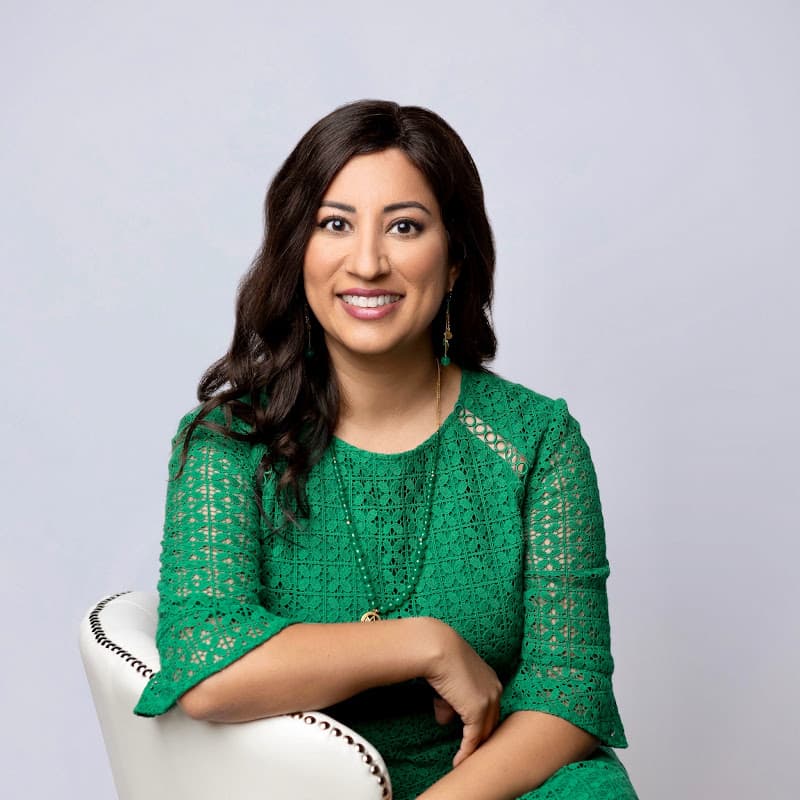
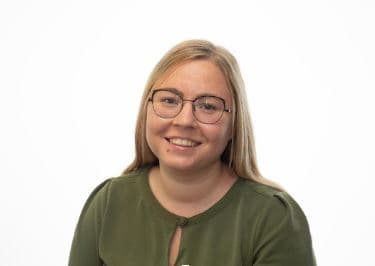
Full Transcript Summit Introduction and Guest Backgrounds 0:00 Welcome everyone to the Gut Health and Longevity Summit. 0:02 I am so glad you're here. 0:04 Today we're going somewhere I don't think most people have ever gone before 0:09 deep into one single organism that lives in your gut, 0:12 and maybe one of the biggest players in your metabolic health 0:15 that you've never heard of, unless you're reading my blog. 0:18 We've built this summit because the science connecting your gut 0:21 to the rest of your body has never been clear, 0:24 and most people have never heard of it explained in plain language. 0:28 Today's conversation introduces you to Akkermansia, 0:32 a bacterium 0:33 that you've probably never heard of, that researchers are watching very closely 0:37 for its role in weight, blood sugar, and the strength of your gut lining. 0:43 I have two guests here with me today. 0:45 My first guest works at the company behind one of the most closely studied 0:49 ingredients in the microbiome world right now, a single gut bacterium called. 0:55 Online represents the 0:58 company, the organization behind the pasteurized 1:01 research and formulations we will be discussing today. 1:04 She is a bioscience engineer with a PhD in biomedical sciences. 1:09 Following her doctoral studies, she conducted research at. 1:12 I'm not even going to say which university because the spelling is very difficult 1:16 to say. 1:17 Where she investigated the molecular mechanisms of itself. 1:21 And she currently serves as the head of lab and medical affairs 1:25 manager at the Akkermansia company. 1:27 Now, my second guest has spent decades treating women's health from every angle, 1:32 conventional, naturopathy and integrative, and now brings that same lens 1:36 to gut and metabolic health. 1:38 Doctor Felice Gersh is a dual board certified ob gyn and integrative medicine. 1:43 She founded and directs the Integrative Medical Group of Irvine, 1:47 taught obstetrics and gynecology at USC School of Medicine for 12 years, 1:52 and now serves as affiliate faculty at the University of Arizona's 1:56 Fellowship and Integrative Medicine, which I am a fellow of. 1:59 Her practice combines the best evidence based therapies 2:03 from conventional, natural and holistic medicine 2:06 to treat the whole patient, not just a single symptom. 2:10 And she's also the bestselling author of the PCOS, S.O.S. 2:14 series and menopause 50 Things You Need to Know. 2:17 And speaks globally on women's health. 2:20 So I am so excited to have both of you guys here today. 2:23 So welcome. Thank you. Thank you. All right. 2:26 So my first question is for Anneleen, 2:30 for anyone who's hearing this for the first time. 2:33 Can you share with us what is acrimony 2:37 and why has it become such a big deal and gut health conversations, 2:43 of course, so I can. 2:45 Is a mucus degrading, beneficial bacterium 2:49 that is a natural member of most of our gut microbiota. 2:53 It was discovered in 2004 by one of our founders, who is Professor 2:57 Willem de Vos, in writing, and it was from a healthy Dutch host, 3:03 and they quickly found that it's associated with health. 3:07 If you have a lot of agreements. 3:08 Yeah, in general you're very healthy. 3:11 And William, at seeing this, 3:13 was interested to also see if there was a causal effect. 3:17 So he reached out to Professor Patrice Carney, 3:20 who is one of her other co-founders, and together they started the first 3:23 interventional trial. 3:25 And they saw that they could prevent 3:28 hyper diet induced obesity in mice. 3:31 And they also discovered that agreements seemed to improve the gut
What Akkermansia Is and Why It Matters 3:35 barrier function. 3:36 So already in this first study, they discovered basically 3:39 the key mechanism of this bacterium. 3:42 And then surprisingly, they found if they pasteurized the cells. 3:46 So if they heat treated the cells in a mild heat treatment, 3:50 keeping the cells intact 3:51 but technically killing them, they found that they were even more functional. 3:55 So they had even better health effects. 3:57 And seeing this, of course, they wanted to prove this in humans. 4:00 So they were also the first ones to test this bacterium in humans. 4:04 So it does this in people with metabolic syndrome. 4:08 And they could see again that had beneficial effects on insulin resistance. 4:13 Also small defect on body weight. 4:16 And this together with some toxicological studies, lets this to be 4:20 the first biotic ever to gain approval by the European Food Safety Authority. 4:25 So I think these are this is a very strong scientific success story, 4:29 which makes it a very nice story to tell and which makes a unique as well. 4:34 Absolutely. 4:35 So it seems that this bacteria, when people think of bacteria, 4:40 they think of it in a negative way 4:42 that, okay, I'm going to get an infection and I need antibiotics. 4:46 But since the entire conversation we've been having in this summit 4:50 is about the gut microbiome and the importance of it 4:52 for all of our health conditions, what the founder found was acrimony 4:57 has a strong core levels of has a strong correlation 5:01 with insulin resistance, obesity and barrier function. 5:06 So let's put this into a practical aspect for the audience listening. 5:12 So Doctor Gersh, as a physician, why does one specific type 5:17 of gut bacteria matter so much for someone's everyday health, 5:21 not just their digestion, but their weight and their metabolism? 5:24 So is this something that, you know, 5:28 this bacteria that people could actually feel? 5:32 Or is it something happening in the background from a clinical perspective? 5:36 Well, I think like the primary thing 5:39 when you talk about women's health is to understand, as you 5:43 you know, we're referring to the critical importance 5:46 of the gut microbiome and gut barrier health 5:49 in essentially every metabolic situation, every health concern that a woman has. 5:56 It's all I talk about. 5:57 Like we talk about metabolism, the creation, utilization, distribution, 6:01 storage of energy, life itself, essentially, and going back years ago 6:07 when microbiomes were barely being talked about, 6:10 I was looking at the microbiome at that time 6:14 and polycystic ovary syndrome now PMOs. 6:17 And it was seen and the first research 6:20 came out in 2014 from China, 6:23 that the gut microbiome of women with this really devastating 6:29 metabolic endocrine disorder, that's why they changed the name 6:33 to really emphasize that in reproductive aged women 6:37 had gut dysbiosis and impaired gut barrier. 6:41 And that was really fascinating and 6:44 was actually talked about back then. 6:46 So going back a lot of years and I thought, well, this is like 6:50 really interesting. 6:51 And it was talking 6:52 about what I was just really at the beginning of my learning stage 6:55 about this incredible mucus barrier 6:58 and that when women don't have the right hormones 7:02 and that's like the I would call it the missing ingredient when we talk about 7:06 gut health is the role of hormones as well, 7:10 and that women with PCOS do not have optimal hormones by a long shot. 7:15 So in women who have the wrong hormone balance, 7:20 they do not make the understanding of was still learning about it. 7:24 They don't have this critically important like mucus barrier 7:29 that keeps the lining, the lining cells of the gut 7:33 protected from the toxic contents in the lumen of the gut. 7:37 And then a bit later on, I learned that as every woman 7:42 transition, it's not if it's how much as every woman transitions 7:46 into menopause, a universal condition for women, 7:50 that their gut microbiome changes 7:53 and they start to lose this critical barrier and everything 7:57 and anything that we can do to maintain that barrier, 8:01 because when we lose it and we have what is called impaired gut barrier 8:06 or leaky gut, it leads to such a host of issues 8:10 like it's now associated with diabetes, like you mentioned, obesity, 8:16 but also like cognitive problems, 8:19 mood problems, bone problems, osteoporosis, 8:22 you know, so all of these, like there's not any organ system that escapes. 8:26 Now we know the gut skin access, you know, 8:29 everything is linked and the gut heart axis all these things. 8:33 And so women as they transition into menopause experience a huge number 8:38 of metabolic transformational practices, functions in their body. 8:43 And so much of it is due to the loss of this 8:47 gut barrier, this incredible mucous lining. 8:51 And so when I learned that was so critically important, 8:54 and that's where I want to hear more about the science as well. 8:57 I'm still on the learning curve, but it's fascinating.
Gut Barrier Health, Hormones, and Women's Metabolism 9:00 I'm, you know, to use something clinically as one thing to really understand 9:03 the deep science is another. 9:05 And I always try, 9:06 as you do, to try to understand like the mechanisms and the science. 9:10 And why is this working? 9:11 How can you have a pasteurized bacterium and yet it still is working. 9:15 And you know, how does it work that it's a gobbler? 9:19 It gobbles up the mucus and yet it builds more like, 9:22 how is it, you know, this is a I think everyone wants to hear about two. 9:26 But understanding that these critical issues 9:29 in women's health and how it links to these hormones, 9:33 that when you don't have optimal hormones, whether it's PCOS, PMOs, 9:37 or going into the menopausal transition and menopause thereafter, that women, 9:43 I mean, really are challenged to maintain health, optimal health 9:47 of every organ system in their body because it links 9:51 to this critical state of barrier health. 9:54 So this has become one of just like you. 9:57 One of my huge missions is how can I help 10:00 everyone to optimize this barrier health. 10:04 And now this is now a tool of mine that I've been using now 10:07 for a couple of years, you know, using our product so that I can help 10:12 all of my women to have optimal health through optimal gut barrier health. 10:17 Yes. So, absolutely. 10:19 I mean, I as you probably do and I do, I do a lot of gut microbiome testing. 10:24 And, you know, just by understanding the bacterium and seeing, all right, 10:29 where my patients, commensal bacteria and archaea 10:33 is one of the commensal bacteria where their levels are. 10:37 And what are the symptoms. 10:38 Because here's the thing I believe and I think inherently 10:43 if we kind of look at it all, disease and all health can start in the gut. 10:47 And this comes back from a 500 year old science Ayurveda. 10:51 Right. 10:51 So if we are going to look at the gut, we need to look at all aspects of the gut. 10:56 And when I'm looking at my patients and I'm doing this testing 10:59 and they're like, doctor B, why aren't you doing hormone testing? 11:02 I'm like, we will get there. Don't worry, we will do it. 11:04 But we are going to fix the gut first 11:06 because the gut impacts the hormones downstream so much. 11:11 Right? So not only a next question. 11:14 If Ackerman is considered a keystone species, what does that actually mean? 11:20 And what makes it different from, say, the dozens 11:23 of other bacteria we hear about in the microbiome conversation? 11:27 So indeed, I mentioned already that degrades mucus. 11:31 We've been talking about it. 11:33 And that's quite unique, that it's a beneficial bacterium that can eat mucus, 11:37 but also can stimulate or go to produce more mucus. 11:41 That means it also lives in this mucus layer. 11:43 And actually 11:44 there's not that many bacteria that are living so closely to ourselves. 11:48 So we think that agreement has we know that it has co-evolved with the host 11:53 because it's also present in most mammals, and it's actually very well. 11:58 Well, the strain is very stable. 12:01 There's not a lot of mutation. 12:02 So likely it's very important to us. 12:05 We think it acts as a sort of we call it the guardian of the gut. 12:09 So it's communicating with us in several ways, 12:13 basically telling us, I'm here, everything is fine. 12:16 It's strengthening our gut barrier. 12:18 So it's stimulating mucus production, but also tightening the gaps 12:22 between ourselves. 12:23 So strengthening it on, on on all levels of this gut barrier function 12:27 and basically communicating to us like everything is fine and the host response. 12:32 So we respond basically by producing mucus by feeding it. 12:35 So it's there, it's very close to us and it's communicating very closely, directly. 12:41 And that's basically why we use it as a pasteurized product. 12:46 We are taking these benefits and using it as a supplement as well. 12:50 Yeah. 12:51 So I like can I just jump in for a minute. 12:54 Of course. 12:54 Well one of the like really huge issues that women face, whether that's 12:59 PCOS or perimenopause is of course waking as well as insulin resistance. 13:05 It's just like par for the course. 13:07 It's like once again, it's not if it's how bad. 13:10 And one of the most amazing things that I learned relating to our commands. 13:14 And I know this is an area 13:16 that's an ongoing research area, is the GLP one connection. 13:20 And we all, you know, I know you talk about this too. 13:23 We want to optimize and maintain our own GLP one production. 13:28 So we don't have to use a mimic, you know, a drug that binds to the receptor. 13:33 It's not the real it's not the real hormone or peptide. 13:36 It's just a mimic that can activate the receptor. 13:40 But the idea is to maintain our own 13:43 long term production for ongoing 13:46 metabolic health, which we know is really, like I mentioned 13:49 before, is so impacted by hormonal imbalances in women. 13:55 If you don't have adequate amounts of estradiol in particular, 13:58 and we know, for example, when women go through the menopausal transition, 14:03 their gut microbiome is becomes more male like. 14:08 It's like a it's a fascinating transition. 14:10 And they have less diversity and it's just more male like, 14:15 which is not good for females and their GLP one production drops. 14:21 And there are these special cells that line the in the gut. 14:25 The intro enter sites, and they make these magical peptide hormones 14:29 that are just not made properly when you don't have the right hormones. 14:34 So it's so fascinating. 14:35 I can't wait to see more research coming out 14:38 that you can have a probiotic that's like signaling. 14:43 It's more like signaling as opposed to your colonizing. 14:46 So that's like another fascinating thing that I learned, because it's 14:50 not that you're creating more living or 14:55 by implanting them in when you swallow it, 14:58 it's through signaling agents that you know that you're activating 15:02 the through this protein that survives through the pasteurization process, 15:06 that it acts as is fascinating signaling agent 15:09 to create more mucus and protect the lining and so on. 15:13 So but if we can have a way and there's, you know, 15:17 preliminary research, which I'd love to hear more about, 15:20 you know, that I've been learning about, that we can potentially 15:24 maintain production of our p one, whether it's in 15:29 PCOS patients, women who have irregular cycles. 15:33 We know that menstrual cycles are really connected to this. 15:36 And of course, loss of our cycles and our hormones with menopause 15:40 and loss of our GLP one. 15:42 And then women complain like I'm getting belly fat, 15:45 I'm losing my waistline, and then they have increased risk of fat 15:49 deposits, you know, hepatic steatosis and all these things. 15:53 So I'm looking at this as, you know, like 15:57 huge like to have something 16:00 that goes beyond like I look at it when I give hormones, 16:04 I treat women with hormones like constantly, 16:07 but I can't make women have the same hormones as a 21 year old. 16:11 I mean, I'm not turning back the clock. 16:13 I'm doing the best I can with hormones. 16:15 So I always say hormones are necessary, but not sufficient because we can't. 16:21 And even in younger women it's not sufficient. 16:23 We have to do all the lifestyle stuff. 16:25 But when you combine the hormones 16:28 with the magical tools and I think is going to become 16:32 a universal magical tool that's going to really help women 16:36 to maintain optimal metabolic health through maintaining this gut barrier 16:41 and then avoiding this leaky gut problem, which then leads into, 16:46 like everything going south, you know, so, you know, 16:49 I don't want to divert from other parts, but I think everyone should 16:53 really understand that. 16:55 There is now some preliminary research on GLP one, 16:59 which is like, you know, nonstop, like trendy now. 17:02 Yeah, absolutely. 17:03 So to summarize, for the people that are kind of watching 17:05 what Doctor Gersh was talking about is if this is your intro site. 17:09 So imagine this is a colon lining cell. 17:12 Your enter a site. 17:13 There's certain receptors on here that GLP one will connect to.
Akkermansia as a Keystone Species and GLP-1 Links 17:18 Now our bodies supply of GLP 17:21 one can be influenced by our lifestyle. 17:25 But one of the key things they're finding is that acrimony 17:29 can actually help with this GLP one. 17:33 So I would love to hear online that the newer research uses pasteurized, 17:39 heat treated version of acrimony rather than a live one. 17:43 So, as Doctor Gersh was saying, it's not the bacteria itself, it's 17:47 the downstream metabolic 17:50 biochemical effect that, you know, when people are thinking of that 17:55 and they're in my community, they know all I talk 17:57 about is chemistry and communication and the cells communicating. 18:01 So this shouldn't be new. 18:02 But if it is new to them, can you explain why someone assumes 18:07 probiotics will only work when the bacterium is live? 18:11 How do you explain that this can still work when it's heat treated 18:15 the way that you guys do it? 18:17 Yeah, this is an excellent question and I need to agree. 18:20 I think again this is might not be true for other beneficial bacteria. 18:25 But as I said, agreement is very close to us and has developed a lot of ways 18:29 to communicate with us. 18:31 And one of the things that 18:32 it produces is a protein that is on the outside of the cell. 18:36 Well, actually. 18:37 So the cell has these appendages. 18:39 If you look up on the image of accounts here, you will see it has these Pillai. 18:43 It's called the bacterium. 18:44 The bacteria. The bacterium itself 18:46 has as tiny appendages that literally reach out to the host. 18:51 On top of this Pillai, there's a protein and it's called 1100. 18:55 And this protein we have been studying for years 18:58 and we found so it's a protein that communicates to us. 19:02 It can activate the like receptor two in the host. 19:06 And this activation leads to improved gut barrier function 19:10 leads to decreased inflammation. 19:12 We even know 19:13 if we give this protein by itself it can replicate a lot of these effects. 19:17 So it seems that this is really the key mode of action of Akamatsu. 19:21 And very importantly this protein is heat stable. 19:25 Specifically, if it's connected to this Pillai like it is in our best right 19:29 in the live cells as well as the pasteurized cells, 19:32 it's heat stable and it's still signaling 19:35 even in its best raised form and probably by best rising it. 19:39 We're taking away some of the other interfering compounds. 19:42 So we are making this protein even more bioavailable. 19:46 And therefore we see a trend that best dry cells even outperform live cells. 19:51 So this protein is very unique. 19:53 It's only found in in species. 19:56 And it seems that it's really evolved to, to to signal to us 20:00 and to improve gut barrier function and probably all the other health benefits 20:05 we see metabolic health, but even broader than that 20:08 are related to this key protein. 20:11 It makes me think that somebody watching this is experiencing health problems 20:16 and goes, oh, well, 20:17 I went and got my colonoscopy and my doctor told me everything was okay 20:21 and I'm not going to worry about anything, even though they might have symptoms. 20:25 And I just want to make it very clear that when a guy doctor, 20:29 because not all gastroenterologists are doing a deep dive into the microbiome. 20:34 Right. 20:34 So this is a very important key is that your 20:38 purpose is to go find 20:40 either a mass like a colon cancer 20:43 or really to find polyps, because if we can catch polyps early 20:49 to bladder anomalies, 20:50 hyperplastic and remove them, they won't go down to adenoma, 20:54 won't go down that path. 20:55 So I want people to understand that this is kind of yes, 20:58 it's all down the gut path, but this is kind of two different fields 21:02 that yet have to meet somewhere up here, like we're diverging right here. 21:06 But at some point, hopefully they everybody gets on the same page 21:10 that we are looking at the mucus barrier. 21:13 We are looking at the actual microbiota 21:16 that exists in the gut because they have just as big as impact. 21:20 And I know because I, I'm a pathologist by one of my five trainings, 21:26 and I've looked at plenty of GI biopsies and a colon biopsies. 21:31 You're never going to see this bacterium at that level 21:34 because it's just it's not going to come out. 21:36 So people who have gone going and getting colonoscopies every five, ten years, 21:40 however their designated, 21:42 they're really missing a big part of what goes on in the gut microbiome. 21:46 So let's talk about this. 21:49 So and I'm sure Doctor Gersh, you may have seen this 21:53 because it is trending in your office. Patients coming in. 21:56 So p medications like pick and V are everywhere right now. 22:01 So someone on these medications or thinking about coming off 22:05 what should they know about supporting their gut health during this process. 22:09 And is there like a patient that comes to mind that 22:13 maybe you've worked with, that you incorporated the gut microbiome 22:18 healing for their weight loss with the acronym that comes to mind. 22:22 Is there an example you maybe have? 22:24 Well, in terms of like what you were talking about with colonoscopy 22:28 and then linking it into gut health and how we can talk about GLP ones. 22:33 So like you said, and a lot of people don't realize this, that a 22:38 gastroenterologist who does a colonoscopy is looking for a structural changes, 22:43 not things that you can't see, you know, say functional changes. 22:47 They cannot see functional changes. 22:50 So when I talk to my patients and they say, well, they had a colonoscopy 22:54 and they had a couple of polyps and they were benign. 22:57 So like everything's good and they're just going to get 23:00 another colonoscopy instead of maybe ten years. 23:03 It'll be 3 to 5 years. 23:04 And I'll say, well, why do you think they're 23:06 wanting to do a colonoscopy again sooner in you? 23:10 And it's because the environment that created that 23:15 polyp is a pro inflammatory environment, 23:19 because inflammation will trigger the creation of polyps. 23:22 So if you think about people who have nasal polyps 23:25 and they usually have a lot of allergies or sinus infections and, and so on. 23:29 So when you look at the environment, a colon polyp is an example 23:35 of how the environment can create irritation, inflammation and then polyps. 23:41 And even though those polyps were benign, the environment is inflammatory 23:46 and inflammation can cause DNA damage and cause cancer. 23:50 So it is really important like to actually look at function, right. 23:56 Not just like structure.
Why Pasteurized Akkermansia Still Works 23:58 So in terms of GLP ones, 24:02 you know, that's why 24:04 optimizing gut health for as long 24:06 as possible, forever as possible 24:09 to maintain our own natural GOP one production is really essential 24:14 for optimizing health throughout all the decades of life. 24:18 And right now, we don't have a really great method 24:23 for how to get people off these GLP one drugs. 24:26 And there's a whole bunch of things that may be at play here, 24:30 that it may be altering the receptor function of the GLP ones. 24:36 It may suppress our own endogenous production because, you know, it's 24:41 like so powerful these mimics that bind to the receptor for our GLP once. 24:46 So there's a lot of work in progress. 24:48 That's like a big deal to try to figure out how to help people 24:52 optimize weight loss and then maintain that weighs 24:55 loss without having to stay on a drug for the rest of their lives. 24:59 And we know with women like women with PCOS, 25:03 I'll just leave that name for now that they have to go 25:06 off of these drugs to get pregnant because it's not safe at this time. 25:10 From the data we have for a woman to be on these drugs while they are 25:13 pregnant, and there's problems when they go off of the drugs 25:17 and they have pregnancies, they have very significantly increased 25:20 rates of pregnancy complications like hypertension, 25:24 preeclampsia, gestational diabetes. 25:26 And the babies themselves seem to be metabolically altered in ways 25:31 that make them maybe more prone to having metabolic dysfunction 25:34 as they grow and become children and then adults. 25:37 So yes, this is a very big, very big issue. 25:41 And one of the things that I found really fascinating with our command 25:46 was that in, you know, these are, you know, beginning studies. 25:50 I mean, it's like fascinating, but it's giving signals of where this is going 25:55 and that it can help prevent weight regain. 26:00 So, you know, we can talk about that because that is such a huge thing. 26:04 And I hope that there'll be more and more data collected. 26:07 But there's no harm in using this and seeing, 26:11 you know, for patients who are winding down, they're trying to lower their dose 26:15 because everything we can do to prevent regain, 26:19 because we know that when you lose weight with these magical drugs, 26:23 you know, the GLP one receptor agonists, that a substantial amount of weight 26:28 that's lost tends to be lean body mass or muscle. 26:32 And when the weight is regained, its regained as fat. 26:36 So if you go yo yoing like yo yo diets, 26:39 but you're using JLP one receptor agonist, you will end up ultimately with a far 26:45 worse body composition, less lean body mass, less muscle, and more fat. 26:49 So we cannot let our patients get the weight back on as fat. 26:54 You know, you lose 20 or more percent, up to 40% 26:57 is muscle, and then you regain 100 as fat. 27:00 So I'm really excited about the potential here. 27:04 And in non-GAAP one related weight loss, that was like women 27:09 who lost weight from just dieting and lifestyle. 27:14 There was a substantial. 27:15 And Annaliese can talk about more, 27:17 you know, the substantial reduction in weight regain. 27:21 So I think this is a really like promising area for the future 27:26 for everyone who loses weight, whether it's GLP one related or not. 27:30 And maybe you could take it from there and talk about that study. 27:34 Yeah. 27:35 And I think that's that was actually going to be my next question for you 27:38 that there's a lot of research connecting to. 27:40 Wait, can you share with us what does the research actually show? 27:44 And is this about losing weight, keeping it off something else entirely? 27:50 And for the people who are already at a healthy weight, 27:53 is there a reason for them also to care about this? Yes. 27:57 Thank you. 27:58 So thank you for this, for indeed giving the the nuances there. 28:01 Because to be very clear, we have not research yet 28:05 the effect of agreements both be one receptor agonist use. 28:08 There's no one that has looked into this yet. 28:11 But of course we have some clinical data that we can translate. 28:15 And like we say, we are very hopeful that it will will work. 28:18 And there I think a very relevant study is the one that 28:21 we published this year in Nature Medicine, which was a randomized, 28:24 placebo controlled, double blind trial in people with overweight or obese. 28:29 And they were put on a very low calorie diet for eight weeks. 28:33 So they lost, on average, 10% of their body weight, which is, 28:37 I think, very impressive.
Weight Loss, Regain, and Clinical Trial Results 28:38 And then they were put on treatment with pasteurized agreements 28:41 or with placebo for six months. 28:43 And during this week, 28:45 maintenance phase, as we said, they were not receiving any other diet. 28:48 They were just getting some lifestyle advice, but they could basically eat 28:52 whatever they wanted. 28:53 And as you mentioned before, we see the typical yoyo effect in the placebo group 28:57 and we can prevent this this effect largely 29:01 statistically significantly with pasteurized agreements. 29:04 And I think there. 29:05 So this is already very nice. 29:07 We can prevent body weight retain. 29:09 This was also accompanied with stabilization of insulin sensitivity. 29:14 So of course if you go on a diet your insulin sensitivity 29:17 will increase again. 29:18 So that's what we see in this first eight weeks. 29:20 And then if we start the treatment, 29:23 we can actually stabilize this insulin sensitivity 29:25 in a clinically meaningful way. 29:27 So the difference with the Sibo was again statistically significant. 29:31 But also cleaning clinically very meaningful clinically very meaningful. 29:35 So I think there of course. 29:36 So after weight loss here it was by a diet possibly 29:39 also after after one receptor agonist use. 29:42 I think there's a clear benefit of using pasteurized 29:47 milk tea. 29:47 And again 29:48 you talk about just in general people maybe wanting to keep their weight stable. 29:53 We talked about this gut barrier function. 29:55 And I think there 29:57 because we improve the gut barrier function, the possibilities are endless. 30:01 And we can dream. 30:02 And there are so many people 30:04 that at one point in their life will have a compromise, that barrier. 30:07 And you might not even be aware, because it's also very tricky to test. 30:11 And a lot of doctors are not testing it. 30:13 So I think there there are so many benefits that go beyond metabolic health. 30:17 And there we again go more in the exploratory phases, but 30:21 it can go even to mood and other things way beyond metabolic health. 30:26 Yeah, actually, it got me thinking because I feel like I saw some 30:29 recent literature around 30:33 and cognition and brain health. 30:35 Have you guys done any research in in that space yet? 30:38 So we are we have some preclinical evidence 30:41 and also other groups have looked into this. 30:44 We don't have anything concrete yet. 30:46 We are looking at the effects on mood anxiety. 30:50 But there we have nothing that can be published yet. 30:52 Yes okay. Perfect. 30:54 So this question can be for either one of you, but I think 30:59 it's an important question to ask is that if somebody is in the store right now 31:03 and they're standing in the aisle where all the probiotics are 31:08 and they're looking, how would they 31:11 make the distinction that 31:15 is different from, say, a general or generic probiotic? 31:20 Like, how can they make like, how can we educate them on this? 31:23 Because I know and probably Doctor Gersh, make sure to tell her patients 31:28 do not buy any supplements from Amazon because we don't know 31:31 what's actually in that. 31:33 That's the basic. 31:34 But now okay, if they're not buying from Amazon, 31:36 they're going to the, you know, the health food store or something like that. 31:39 They're standing in the aisle and they're looking 31:41 and people are going to be overwhelmed because they're going to be like, okay, 31:45 there's also I heard the word, but now I'm seeing probiotics. 31:50 What's the difference between a probiotic and a and I'm trying to put this down 31:55 into like the viewers eyes because this is what I'm imagining they're doing. 31:59 They're seeing probiotics. 32:00 They know it's good for the gut because there's so much around that, 32:03 like just probiotics. Probiotics. 32:05 They've heard this talk on Akkerman, Sia. 32:08 What should they be looking for 32:10 to make sure that they're going down that right path. 32:13 So maybe I can I can speak as specifically a scientist 32:17 and head of the lab and not a specialist in other probiotics at all. 32:21 But as I just explained for academic, we've discovered the mode of action. 32:26 We know how it works. 32:28 We know that the 30 billion cells 32:30 that are in our products, the test right cells are working. 32:34 So we have at the moment three clinical trials that have been published. 32:37 We have several that are still ongoing. 32:40 So we know it works at that dose. 32:43 In addition, 32:44 because I'm head of the lab, I also know a bit about the technical part. 32:47 We are sure that we are delivering that those until the end of shelf life, 32:52 so you can store it at room temperature because it's a best rice cell. 32:56 We also have an optimized way of counting ourselves. 32:58 So we use flow cytometry. 33:00 So we're counting all the cells. 33:02 They are inactivated. So we cannot do plate counting. 33:04 And we are sure that you're getting your daily dose 33:08 that you need to have these clinically proven effects. 33:11 So for me in terms of looking at the the gut microbiome, 33:16 and once you understand there are like trillions of microbes, there's bacteria. 33:21 But there are even other titans viruses, Viren there's archaea. 33:25 There's like, you know, fungi. 33:26 So it's a complex ecosystem to say the least. 33:30 So and there's, you know, thousands of different bacterial species. 33:34 So I look at it as part of a restoration or maintenance kind of an approach. 33:41 So Arca mantia I think and you know, and this is always evolving 33:46 as I learn more is critical for maintaining. 33:51 And it's located right at the barrier. 33:54 You know, it's like a unique, so unique microbe. 33:57 And with its effect on the this mucus protective layer. 34:02 And I so I think of it as very, very special in that regard. 34:06 And unique. 34:07 It's like a one off. It's just so unique. 34:10 But then there are all these other, 34:12 you know, trillions of microbes, thousands of species. 34:15 So I think if you look at, you know, there's 34:18 the different lactobacilli, the, you know, the all the different ones. 34:21 I mean, there's like so many different so the different bacilli that live there. 34:25 So I look at the other microbes that you can take in a probiotic formula 34:30 as synergistic, not replacing that you can like 34:35 if you eat fermented food, which I'm sure you probably are talking about 34:38 in one of the other, you know, sessions, you know, fermented food, 34:42 which is a complex kind of a of a food, you know, 34:45 is going to help to maintain the microbial population as well. 34:50 So I think of all these as synergistic and that the ark 34:54 has its own very unique spot, because if you lose 34:58 that protective barrier, I mean, you've lost the game. 35:01 I mean, that's like not optional, you know, but to maintain 35:05 the entire ecosystem is also critically important. 35:09 So I say like get the best micro 35:14 biome support probiotics that you can. 35:17 You looking at Bifidobacterium, lactobacillus, you know 35:20 and get it from a company that may have hopefully if you have 35:25 a health care professional that knows about these things and recommends 35:28 specific products or cell specific products, that you use it as part, 35:33 and then you eat the fiber foods that you know 35:36 that they need to ferment to make these critically important short 35:39 chain fatty acids and so on that you essentially need. 35:42 Because, you know, butyrate is also a big part of maintaining gut barrier. 35:46 So it's like all synergistic and it's all part of the whole approach.
Choosing the Right Probiotic and Supporting the Microbiome 35:51 From my clinical perspective, in optimization 35:55 and maintenance of the whole gut microbiome and barrier health. 36:00 So I don't see them as conflicting at all. 36:02 I see it as synergistic. Okay. 36:06 So if and once again either one of you, if someone has had their gut microbiome 36:11 tested and their levels look okay, 36:16 would there still be benefit for incorporating. 36:22 And then 36:23 my follow up question to that, which like I said either one of you 36:27 are there certain foods that can help you 36:31 either create more to make it work better all around? 36:36 Because it's always food first, because we know that's 36:39 going to influence a gut microbiome. 36:41 So those are my questions right now. 36:43 I'll start again with the basic science basically. 36:46 And then we can continue. 36:47 So what we see in our two clinical trials that were published this year is indeed 36:51 that people with low baseline levels benefit even more. 36:56 So they really have a huge benefit. 36:58 Some of them even still lose weight after the weight loss period. 37:02 But overall the clinical trial was positive. 37:05 So also people with with high levels, even very high levels of 37:09 can still benefit by supplementation of pasteurized. 37:14 So again then we go 37:15 more in the hypothetical reasons why we are still definitely exploring this. 37:21 Again, they might have a compromise gut barrier because of other reasons. 37:25 And there might be a reason why their endogenous size 37:28 is not enough or they have the wrong species of. 37:31 That's something that is also a very new field that is being explored. 37:36 So I think there's plenty of people with high levels of agreement 37:40 that for sure could benefit of treating or taking a best rest academy. 37:45 I think that's yeah, that you answered it. 37:47 And I think that's where it's important for someone to understand the nuances here 37:52 because clinicians, many of them, and I know this as a clinical pathologist, 37:58 are trained to look at labs with an up arrow 38:02 and a down arrow where that's not exactly how the body works. 38:07 Right. 38:07 So you might be looking at a gut microbiome report and it says, 38:11 oh, there's adequate acrimony yet, but we're not looking at the full picture of 38:15 is there still, you know, hyper permeability in the gut. 38:19 How is the mucus layer. 38:20 Is there still an inflammatory response. 38:22 And I think that's where the interpretation and understanding, 38:26 like you've been saying, and that Doctor Gersh and I probably do, is just 38:30 understanding the body on a deeper level of how everything is interconnected 38:35 and the ecosystem works is a much better way of looking at it 38:39 than simply a practitioner looking at a report going, 38:44 you need this because this is missing and you need that because this is missing. 38:48 And I think that's really a key, because I know 38:50 when I get a lot of patients, they're coming from other practitioners 38:54 who basically put them on all these different things. 38:57 And they got worse because they didn't know how to interpret the labs. 39:01 So I think that is very important. 39:03 Last question to Doctor Hirsch. 39:05 If somebody somebody wants to act on this now and they're listening 39:09 and they want to support their gut and their metabolic health this week, 39:13 what is the one thing you would tell them to do? 39:16 And I want it to be concrete, like actionable, 39:18 like they're watching this and then they can go do it. 39:21 Well, I think if, you know, there's so little data I have on this person, 39:25 you know, this hypothetical person, but I think the first thing 39:29 they should do is take a self inventory. 39:32 Okay. Like what are my symptoms? 39:34 Like what are my problems and what am I eating? 39:38 What are my lifestyle choices? 39:40 What chemicals are my, 39:42 you know, is my lifestyle exposing me to what am I consuming? 39:46 So before even moving into the treatment realm, 39:49 do a self inventory of what is affecting you. 39:54 What are you feeling? 39:55 And also like what are your long term goals and how much effort? 40:01 And I hope you know, 40:02 this is the whole thing of, you know, motivational interviewing. 40:05 Like how do you motivate people? 40:08 So each person should say, what do I care about? 40:11 What are my goals in life? 40:14 How much does my healthy longevity mean to me? 40:18 And then you start with the very beginnings, you know, start 40:22 modifying your lifestyle and then going and finding a health care professional 40:27 that will listen to you and understands how the body works 40:32 to the best of our status in terms of understanding at this time. 40:36 But start with yourself. 40:38 What do you want and what's happening in your life and in your body? 40:42 Wonderful. 40:43 Anything else you want to add that we haven't asked you that 40:47 that you want to mention, 40:48 like something that's on the horizon or anything like that? 40:52 Either one of you? 40:53 Well, for me, on the horizon is understanding menopause, 40:57 which is so trendy now. 40:59 Okay. 40:59 And perimenopause is understanding. 41:03 And finally, you know, it's being recognized 41:07 as a huge metabolic transformational state 41:10 which includes the gut microbiome. 41:14 So I think, you know, 41:15 if we look at frontiers of medicine, where's the future going?
Practical Takeaways and the Future of Gut Health 41:20 It's the first step in solving a problem is to understand and acknowledge it, 41:25 which for I've been screaming in the wind now for decades, 41:29 ever since the Women's Health Initiative 25 years ago, that hormones matter, 41:34 that, you know, women's menopausal transformation is a big deal. 41:39 It's not just a few, you know, people think it's few days. 41:44 It could be years of, you know, hot flashes and night sweats. 41:47 But it's the 41:49 the things that you don't see, you know, that you can't feel your arteries 41:52 hardening, you can't feel plaque developing, you can't feel amyloid 41:56 beta, you know, tau proteins coming into your brain. 41:59 You can't feel your bones disappearing. 42:02 You can't. There's so many things that are happening. 42:04 You cannot feel that this is a huge transformational state for women. 42:09 But now we have to finally, now that we're recognizing as a global health care, 42:15 you know, world, that menopause matters in terms of what happens 42:19 to women thereafter, which is sometimes half their lives is 42:23 spent, is a menopausal woman that we have to get good therapeutics. 42:28 We can't. 42:29 Now we have good understanding that what's happening and it's being now accepted. 42:34 But what do we do about it? 42:36 And part of that is optimized hormone therapy. 42:40 Like we can't just say give hormones. 42:41 It's like how do we give hormones. It's. 42:44 And then having the other ancillary I'll call lifestyle approaches 42:49 including diet and stress and chemicals and sleep and incredible tools like our, 42:57 you know, so that we can maintain good barrier health, 43:00 which I think is going to be tantamount to health itself. 43:03 So in terms of the future, 43:06 you know, when we focus, as I do a lot on menopause nowadays, 43:09 but this actually applies to PCOS as well, that understanding 43:13 what the problem is, number one. 43:15 And then coming up with really effective therapeutic approaches 43:20 for optimizing health span is really where it's at. 43:24 And I have a lot of optimism that we're finally after. 43:29 I've been going in circles for like a lot of years 43:32 trying to get people on board that were really back on track, 43:35 and that we have a lot of incredible researchers and scientists 43:40 working to create the therapeutic tools so that we can all, as clinicians, 43:47 optimize our patients health and life qualities. 43:51 Wonderful, wonderful. 43:52 Anneleen doctor Gersh, this has been such a rich conversation. 43:55 I don't think most people realize how much one organism 43:59 in their gut could be doing something behind the scenes. 44:02 Doctor Gersh can be found at integrativemgi.com, 44:06 and I encourage you to look up her books, the PCOS 44:09 SOS series and the menopause 50 Things You Need to Know. 44:12 Anna Lean can be found at the Akkermansia company, which is Akkermansiacompany.com. 44:17 And here is the key takeaway for today's talk 44:21 is that your gut is home to trillions of organisms, 44:25 and some of the smallest ones may be doing some of the biggest work. 44:30 So thank you both so much for this interview and everyone else. 44:36 Stay tuned for another episode. Thank you so much.

Comments