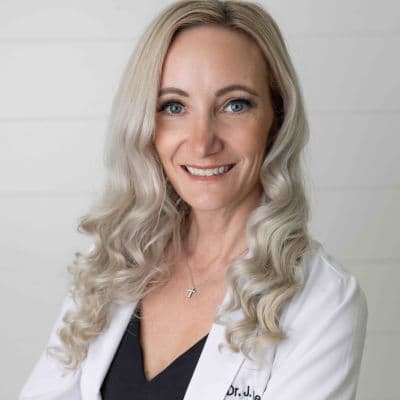
Full Transcript Introduction to Russian Woman Syndrome 0:00 I would say the most important thing is you can do everything. 0:03 You just can't do it at the same time. 0:06 You know, you can work, achieve the highest levels you can have children. 0:10 Be a wife. 0:12 Travel. 0:13 It's just not doable. At the same time. 0:15 Unless you don't want a consequence, a health consequence and. 0:20 And I do believe that that kind of rushing women's 0:23 syndrome is the road to chronic illness for us as women. 0:27 Welcome to doctor Talks, the podcast where every episode leads to a healthier you. 0:33 Join us as we navigate the world of optimal health, 0:36 uncovering groundbreaking strategies to conquer chronic disease. 0:40 In each episode, we'll bring you the latest insights 0:43 from leading health experts, medical innovators, and wellness warriors. 0:47 If you're seeking to transform your health journey, 0:49 or if you're looking for answers to burning questions. 0:52 You've come to the right place. 0:54 Get ready to unlock the secrets of lifelong health and vitality. 0:58 This is Doctor Talks, 1:00 real talk from real doctors on the issues that matter to you most. 1:07 Hi everyone. 1:08 Welcome back to the Integrative Health Podcast with Doctor Jen. 1:11 Today we're going to have a really great conversation 1:14 about the Russian woman syndrome. 1:17 We're going to be talking to Victoria Bhatt who is an attorney. 1:20 She graduated from Ava Marie in Naples, Florida.
Victoria's Legal Career and Public Defender Work 1:24 She was a formal is a formal public defender 1:28 working for the state of Florida for most of her career. 1:32 Now she is a mother of three, a crunchy mom, 1:35 and she is transitioning to part, part time work. 1:38 And she's going to be homeschooling her daughter. 1:41 Welcome to the podcast, Victoria. 1:43 Really excited to have you here. Hi. 1:46 Thank you, doctor Jen. 1:47 It's nice to be here. Yes. 1:50 So we met on Instagram 1:53 and had such a thoughtful conversation about careers in motherhood. 1:58 Victoria an attorney, me, a doctor and you, everyone listening out there. 2:03 Whether your career is being a school teacher or, you know, 2:07 whatever you do, whatever you do, it's hard to balance both. 2:11 So, Victoria, tell us a little bit about your background. 2:15 Like high school undergrad. 2:17 When did you decide you wanted to be a lawyer? 2:21 Yeah. 2:21 So I grew up in Miami. 2:23 I went to high school there. 2:25 I actually moved to Italy when I graduated high school, and I studied law there. 2:31 I pretty much just knew that I wanted to go into law. 2:34 And I got my first lower level degree in law in Italy. 2:39 And then I decided to move back to the U.S., 2:42 and so I had to do law school all over again. 2:45 So that's how my journey to the law got started. 2:51 That's awesome. 2:52 And did you know, Veronica, that you were going to be a big public defender? 2:59 I mean, these are the lawyers that we see on the TV shows. 3:04 Yeah, I mean, it was it was such a great experience, 3:07 a tremendous amount of experience in the legal field that it takes 3:11 most lawyers, probably an entire career to get as assistant 3:15 public defenders, were able to get in a really short amount of time. 3:18 And, you know, it's very much like what you would see on TV 3:21 were managing a courtroom of like, you know, up to 100 clients at a time. 3:26 So you're just kind of thrown out there and it's 3:28 kind of like sink or swim, but it's great experience. 3:32 And you know, it was really humbling to be able to represent, 3:37 you know, the most difficult members and like the most the people who suffered 3:43 the most in society, so mentally ill who were accused of a crime as well. 3:50 Yeah. 3:50 So we'll go into that a little bit specifically. 3:53 So you were taking care of mentally ill clients? 3:59 Yeah. 3:59 So I actually was in charge of the psychiatric hold cases in my county. 4:05 So in the state of Florida, there's a law called the Baker Act. 4:08 And basically, if you are harm to yourself or others, 4:12 you can be held against your will for up to 72 hours. 4:15 There's more to the law, but that's kind of the gist of it. 4:18 And so I did represent these clients for about five and a half years. 4:23 And so that meant, you know, I was in mental health facilities 4:29 on crisis stabilization units basically four days a week with my clients. 4:34 Court was also held within the facility. 4:37 So, you know, for somebody 4:39 who did not come from a medical or mental health background, 4:43 it was it was a very eye opening experience for sure. 4:48 Okay. And 4:50 it's stressful too. 4:52 So the psychiatric cases and the holes, I mean, it's it's a lot of stress. 4:58 It's not I'm not saying that like criminal law wouldn't 5:01 be stressful because I'm sure that would be too. 5:03 But this is very emotional, very draining. 5:06 I'm sure.
Stress, Motherhood, and the Cost of Doing It All 5:09 Yeah. 5:09 The best I can describe it is it's kind of like a slow 5:12 drip of stress trauma. 5:15 I learned, you know what second hand trauma is, which I had no idea about. 5:20 And, you know, 5:21 I think that's part of the problem is women is we just absorb, absorb, absorb. 5:25 And so much is on our shoulders already, and we just don't realize when enough 5:31 is enough, you know, until we're there and it's, you know, too late, basically. 5:36 And so we're just kind of rushing and rushing and rushing. 5:39 And I had a really great boss. 5:42 So, you know, it had nothing to do with the organization or anything. 5:46 It's just a reality for women, you know, who are in careers, 5:51 have children and are trying to do it all at the same time. 5:55 You know, I remember at the height of Covid in 2020, 5:59 I was pregnant with my third child 6:01 and I was actually going into the facilities still, you know, 6:06 everybody was staying home and everybody was, you know, hunkering down. 6:10 And I was I was going into the hospitals like at the height of it. 6:14 And, you know, it's just in so many careers. 6:19 I think as women, we kind of brag about who 6:22 stays the latest at the office or who does the most work. 6:26 And I think we should be bragging about who's doing the the least work, really, 6:31 because that's just, you know, a fast track to to burnout for women. 6:38 Absolutely. 6:39 So when you 6:41 were doing all this work, you got like this jumpstart 6:44 in your career, this big position coming out of law school, 6:48 you were just married at that time, no children yet. 6:52 You said you were pregnant with your first. Yes. 6:55 So when I first became an assistant public defender, I was recently married 6:59 and I got pregnant pretty quickly with my first. 7:02 That's actually another funny story. 7:04 So with my first, I actually went into labor in court during trial call. 7:10 How appropriate. 7:10 You know, and I remember thinking at the time, I can set a trial for tomorrow. 7:16 This probably is not the real thing. 7:19 And so it's just kind of this mindset. 7:22 And now when I think back, I'm like, what was wrong with me? 7:26 Like, why would I have been thinking that way? 7:28 And I think it's just a way of thinking that we're taught 7:32 as women like to just keep going. 7:34 Like the more you put on your plate, 7:36 the more you can do, the more you do, the more you can achieve, you know? 7:40 And there's we're never taught 7:44 stillness that it's okay to slow down. 7:47 It doesn't mean you're weak. 7:48 Wait to the contrary. 7:50 And you know, I wish I could look back and tell 7:54 28 year old me these things and be like, what are you doing? 7:58 Like, slow down, you know? 8:00 But I think it's it's something that that 8:02 a lot of my friends who are also attorneys are experiencing, 8:06 female attorneys are experiencing as well at this point in their life and career. 8:12 They feel the exact the exact same way. 8:16 Yeah. 8:16 I think it's so hard 8:19 because you went into law to help people. 8:23 I went into medicine to help people, and you have to have 8:26 a certain level of drive and, 8:30 I don't know, just perseverance. 8:32 And then you get there and it's great and you love it. 8:36 But then when you start having children, things, things change a little bit. 8:40 And I think we're kind of fed this lie in modern day 8:44 society that you can you can have both, you can do both. 8:48 You can burn the candle at both ends. 8:51 So I think for you this, 8:54 you really felt this and this was really personal. 8:57 When did you realize that maybe you 9:03 you shouldn't just be all in on law and you shouldn't just be doing both. 9:08 So I think there were a couple big moments, 9:11 you know, I had my first child, he had special 9:15 needs, and I had to take him to a lot of therapies. 9:18 And so I was really grateful that this position, 9:21 because I was driving around to different facilities and different places, 9:25 I was able to take him to those therapies. 9:28 But when I during Covid, I was pregnant with my third 9:32 child and I had a pregnancy complication called placenta previa. 9:37 And out of nowhere I had a big bleed. 9:40 So I was basically stuck in the hospital for two months during Covid, 9:44 couldn't see my other two kids for two months until I delivered. 9:49 And when I was admitted the second time, which the doctor was like, 9:52 you're here for good now, you know, I my first thought was, if I tell somebody 9:58 my routine of how I drive around, they're going to think I'm crazy. 10:02 The like, I was literally terrified. 10:04 I was like, nobody's going to like, drive around like I do. 10:07 Take him to this therapy that, therapy, do this, that. 10:10 And so that was my first moment, but I still did it. 10:13 Stop. 10:14 I did, you know, go back to work after my third child. 10:18 But the biggest moment was in the summer of 2022 10:23 and my health just started deteriorating. 10:27 I, I just kept losing 10:29 weight, could not keep anything down. 10:33 I had a positive screening for colon cancer. 10:36 I forget which test it was, but. 10:39 And so that was terrifying. 10:41 And during that time when I had that positive test, 10:45 one of my clients at the hospital, I specifically remember him 10:50 saying that his wife had just been diagnosed 10:53 with stage four colon cancer and had a newborn. 10:56 And I was like, wow, this is the absolute worst time for me 11:00 to be hearing this right before I'm going into my colonoscopy. 11:04 Luckily, I did not have cancer, thank God, praise God, 11:08 but I had four stomach ulcers and there was no rhyme or reason 11:13 because I was negative for, you know, the bacteria that causes ulcers typically. 11:18 And that was that. 11:21 And so that to me was the sign like, okay. 11:24 And one of my friends, 11:26 my dear friends told me, like, God's putting you at a crossroads here. 11:29 What are you going to do? 11:30 Like there's no clearer sign now, you know. 11:34 And she's like, what you decide now is going to be your life five years from now. 11:40 So that was like my biggest wake up call. 11:43 And I did make a change, and I, I did leave that job, which, you know, I, 11:48 I really loved who I worked for dearly, 11:52 but it was just it was just too stressful for me, you know, at that point.
Health Wake-Up Call and Leaving the Job 11:56 And I finally not got knocked over the head and realized it. 11:59 So, yeah. 12:02 Now how did the people react around you? 12:04 How did colleagues, maybe mentors react when you step down from this position 12:10 that, you know, that's what you were working for, right? 12:14 In your younger days? This is what you know. 12:16 Oh, you're successful 12:18 if you are, you know, a public defender and a big time lawyer. 12:21 That is success, right? I mean, that's the lie. 12:24 We're kind of bad, but but how did people react when you told them? 12:32 I think, you know, part of 12:33 it is like these jobs become a part of our identity. 12:37 It's like the weirdest thing. 12:38 And we don't even realize it, 12:40 especially when you're somewhere for that long, you know? 12:42 So even for myself, like it had become a really big part of how I saw myself. 12:48 You know, I was an assistant public defender. 12:50 Like, that was who I was. 12:52 I think the people around me, I mean, some were surprised, 12:55 some weren't surprised because I think looking back, 12:59 it was probably pretty obvious, like how stressed out I was. 13:02 And it and again, it wasn't 13:06 it wasn't the job per se. 13:08 It's just everything together at once. 13:12 You know, the stress of having three children 13:14 if you have a child that has different needs, if you have more than one 13:18 that has different needs and we're just not 13:23 told these things in law school, I'm sure probably in medical school, 13:28 nobody is teaching women like, hey, check in with yourself, 13:32 do something for yourself. 13:34 Create a morning routine or ritual. 13:37 That's something that you can fall back on a coping skill. 13:41 And so these are all things, you know, that it took me like 15 years to 13:47 to realize that I wish these things could be imparted on young 13:51 professional women, because of course, I'm not saying don't go to law school, 13:55 don't go to medical school, but be mindful and just know 14:00 you can't do everything at the same time without a consequence. 14:05 Yeah, I remember 14:07 I was at trauma hospital in Pennsylvania in medical school rotations, 14:12 and I remember the trauma team, this one, like senior surgical resident, 14:18 he was pretty rude. 14:20 And he was just like, yeah, I hate women 14:24 doctors and med students because they just they just end up in the kitchen. 14:28 They waste all this money on medical education and then they like drop out 14:33 and then they're not doctors after a while. 14:35 And I'm like, that's so offensive. 14:37 And and I'm like, I'm going to prove him wrong. 14:39 And all this stuff. 14:40 And here's the thing. 14:43 Like, I when I kept 14:46 having more kids, I went more part time in the E.R., but also when I go to 14:51 when I would go into the E.R., I was the freshest E.R. 14:54 doctor there. 14:55 And I wasn't, like, jaded or grumpy 14:58 because I had better work life balance. 15:01 And I'm sure we see this with lawyers, doctors, any job, even school teachers. 15:06 If you're burnout, if you are not giving the best at work 15:10 and at home, there's a problem there, there's a disconnect. 15:13 And I don't necessarily think things are set up where, 15:19 you know, a 15:19 working mother, where it supports 15:23 a mother being at home for their children and being 100%. 15:26 So I think that's where the disconnect was. 15:29 And I remember I will always remember that that surgical resident saying that. 15:36 And I'm like, that's just offensive. 15:38 I just don't think that we're doing it the right way. 15:41 It doesn't mean that women can't be in the workforce. 15:44 It's just we need to do things different. 15:46 Why do we have to always do what, like what? Men? 15:50 You know, we don't have to act exactly like them. 15:52 We could do things a little differently. 15:54 That's my take on it, because I was there. 15:58 But you did say that 16:02 you had consequences for that. 16:06 And they were the ulcers, the physical consequences. 16:09 Did you have any emotional consequences that you or your husband 16:13 or your children noticed? 16:15 Oh, yeah. 16:16 I mean, I think my ulcers went hand in hand with like, emotional consequences. 16:21 You know, I definitely had a lot of anxiety 16:24 and, you know, since my stint in the hospital for two months, 16:28 which, you know, for somebody who's 16:29 crunchy is like your worst nightmare, basically to be in a hospital 16:33 surrounded by medical staff, like constantly trying to push interventions. 16:38 I knew for two months, 16:39 you know, I definitely became more sensitive to health related issues. 16:44 And so having that happen to me with the ulcers, 16:48 it was extremely anxiety inducing. 16:51 And, you know, and I think the emotional consequences, you become more short 16:56 with everyone in your life, your short with your husband, with your kids. 17:00 You just don't have that mental bandwidth to be there. 17:05 So even if even if you're done with your job 17:09 early, let's say you're just you can't just then turn the mom, 17:14 the patient, loving mom and wife on right after you've turned that light off. 17:19 So I think it's it's just it's really hard to do 17:24 in the thick of it as a mom to be a professional.
Identity, Work-Life Balance, and Homeschooling 17:28 I don't know what the what the right answer is. 17:31 I mean, I even think, you know, part 17:33 time is, is difficult if you're wanting to be truly present, 17:39 with multiple children. 17:41 And I, I remember a few weeks ago, 17:44 I had a meeting scheduled at school for one of my children, 17:48 and I got to school and like, which kid is this about again? 17:51 And it's like you're fighting a war and like, all these different fronts, 17:55 you know? 17:56 So I think emotionally you just you're very short. 17:59 You have very little patience for anybody 18:02 or anything else once you're done with work. 18:05 And it just makes things very difficult. 18:09 Yeah. Yeah, I, I would agree with that. 18:11 When I, when I close my brick and mortar, I just felt such a relief. 18:17 And I know like the Lord has been like kind of urging me to close it. 18:22 And when I asked like why? 18:24 And I heard like he was like it was a distraction. 18:28 And I remember like, I would bring that home because 18:32 I owned a business and it was different from when I was at the E.R. 18:36 and I would know, I'm like, I'm not bringing this home with me. 18:40 When I walk in the door. 18:41 But when you when I owned that business, it was coming into my house 18:46 and following me and the emails and the phone calls. 18:48 So it's it is hard to disconnect. 18:52 So I, I am very grateful that I heard that I have share 18:58 a lot of nudging to, to shut that door and have a better one open. 19:02 And those listening, 19:03 I mean, you might not be in the same situation as us as mothers. 19:07 It might be something else that's distracting you. 19:10 It might not even be a job. 19:12 It could be something else that's distracting you from your family 19:16 and your children, or what you're really being called to do. 19:19 I think that what you had said earlier, 19:23 Veronica, about the identity aspect, I think that is something 19:28 that I wanted to come back to because it happened to me. 19:32 I remember I was on fire for the Lord, like in high school 19:36 and going into undergrad, and then I started putting my identity in. 19:41 I'm a doctor and then my identity in I'm a mother 19:44 instead of putting my identity in Christ and Jesus. 19:48 So I think when we get off track 19:52 just a little bit, then we just can go way down 19:55 on a path of stress and anxiety and depression, right? 20:00 A lot of people are not not doing okay in this world, 20:02 so we just have to focus our eyes on what's important. 20:05 And you made some big decisions since that the ulcers two years ago. 20:12 And you told me that you're going to be homeschooling your daughter. 20:17 Yes. That's probably the biggest change. 20:20 I'm still apprehensive about it. 20:22 But, you know, when you start being more 20:25 present and, like, opening up your eyes to everything going 20:29 on, I started noticing my daughter was not doing well in school. 20:33 So what did I do? 20:34 I like threw a bunch of tutoring on her, which we had been doing for the last year. 20:39 I had to have all these meetings with the school. 20:42 They disagree and I disagree on the path forward. 20:46 And so I'm going to be pulling her out of school. 20:49 And these are things I would never have even had the time or bandwidth to notice. 20:54 If I was working full time outside the home, I would have just thought, 20:59 you know, let things continue the status quo. 21:01 So again, like you just don't have the bandwidth. 21:05 And I can't imagine how many women this is happening to. 21:09 Like, I would not have realized what was going on had I not made this 21:12 big life change already work wise. 21:16 And so I'm going to be pulling her out because I, I, I've tried everything else. 21:21 So I'm like, I gotta make a drastic change. 21:24 And, you know, I want to be the influencer in her life. 21:27 I don't want it to be other students or people 21:31 that are essentially raising her every day for seven hours. 21:35 So I'm really I'm looking forward to deepening my bond with her. 21:39 And she's my middle child. 21:40 She's also my toughest, which it'll it'll be tough for sure, 21:44 because we already kind of butt heads. 21:46 But I'm really looking forward to kind of deepening our bond 21:50 and trying to help her, 21:52 you know, where she's been struggling and dedicating that time to her, that, 21:56 you know, a school can't dedicate because they have to teach 20, 22:00 25 children in a class. So it's understandable. 22:04 Yeah, I think that's amazing. 22:07 And you're stepping into where your child needs you. 22:11 And this could be this could be a child. 22:12 This could be a husband. This could be taking care of your house. 22:15 I mean, I feel like sometimes it's like, why? 22:20 Why are we going to work when our house is not put together? 22:24 And I think that's one thing we need to make sure our family, our house 22:28 is put together and operating smoothly and there's going to be bumps, you know, 22:32 and we need to have some buffer and time 22:35 set for those bumps because I know for me, this is something 22:39 that is it's difficult for me to just rest, right? 22:44 I don't want to rest. 22:45 I just want to be busy all the time. 22:46 Recovering Type-A personality. 22:48 So you need to have that buffer space. 22:50 You need to set aside ten minutes in the morning to spend time with Jesus. 22:56 You need that. 22:57 And when we're over scheduling or you're working 9 to 5, 23:02 you come home and you're working five to, you know, ten with your family. 23:06 Where does it make sense? 23:09 You know, so I think that 23:12 using if 23:14 you've gotten education, you know, you can still use that. 23:18 I, I like I said I was going more and more part time 23:21 and I'm making it work for my family now. 23:24 And I'm still using my knowledge in medicine. 23:27 There will also be a time where 23:30 maybe when the kids are all in college, 23:33 that you can go back and you can use that degree. 23:36 Is that something that you've thought about, Veronica like, 23:39 are you at peace with right now? 23:42 I'm just like you said. 23:43 You were going part, part time, still staying in law, keeping up credentials, 23:48 and then maybe later on you would have that space. 23:51 Yeah. 23:52 I mean, I think what really helped me the most was creating a morning 23:57 ritual that I, I mean, I've been doing it now for a couple of years. 24:00 So I, I wake up at 430 24:03 every morning and I pray, 24:07 I do some breathing exercises, 24:09 I exercise like intense exercise, I do sauna. 24:13 So I think that like having that as the cornerstone of everything going 24:17 forward is going to be really critical, no matter what I do, 24:21 whether it's going back to law, staying home and homeschooling, 24:26 that was just really critical to recovering for me. 24:30 And then as far as 24:31 the law, my my husband is also an attorney, 24:34 so he's going to be doing the full time lawyer thing. 24:39 And I'm going to just be helping with, you know, cases 24:42 that might arise from his cases, consumer protection cases. 24:47 But again, that's going to be part time, part time. 24:50 And if it arises. 24:51 So it's not going to be the one thing I said I can't 24:54 do is a job where I have to be at a certain place at a certain 24:58 time, every day, even if it is part time, because that certain place 25:03 at a certain time, every day is going to be with my kids now. 25:06 So it's, you know, it's flipping from being, 25:11 you know, work at a certain time every day to kids at a certain time, every day. 25:17 And if a case fits in here and there, then that's great. 25:21 And if it doesn't, then that's fine too, you know? 25:24 But it's definitely a big mind switch 25:27 because when you're used to over scheduling yourself and I've done this 25:31 several times, you know, recently, like I had scheduled dentist appointments 25:36 back to back with a doctor's appointment and had to rush here and there. 25:40 And I still get a high from that. 25:42 Like, I still get that like rush, like, wow. 25:45 Like I got all these things done and I have to catch myself. 25:49 And now I'm like pretty good at doing it. 25:51 And I'm like, oh no, no, no. 25:54 Like that's not good. 25:55 You know, it's not good to do all these things in one day. 25:59 It's it's what leads down a difficult road for women and for moms. 26:06 Absolutely. 26:07 And and it could be a road to chronic illness. 26:10 And you might not see it in that day, that month, 26:13 that year, but it catches up with you. 26:16 And I love the idea of like, a morning ritual, 26:19 you know, making sure you're working out, drinking water, getting good sleep, 26:23 all those simple things. There should be non-negotiables. 26:25 And so you can operate in a space of health for your family. 26:30 Because honestly, like what happens when the mother gets sick 26:35 like, yeah, yeah, yeah like crumbles. 26:38 Yeah. No. Absolutely. 26:40 And you know, having that morning ritual, I mean, by the time 8 a.m. 26:44 rolls around, I've had a mini day to myself. 26:47 So it's like I feel refreshed when I start the day versus
Morning Rituals, Recovery, and Advice for Younger Women 26:51 feeling like rolling out of bed. 26:53 Like, yeah, I got a couple hours more sleep, but I don't feel more 26:57 rested than I do after my routine, you know, every morning. 27:01 So, you know, I think that's critical movement. 27:04 And I also fast as well. 27:07 That has been just a total life hack 27:10 game changer that I will do forever. 27:13 Probably. 27:15 So just these little things as women that can be intuitive 27:19 and really just help our lifestyles 27:22 and in turn help our families flourish to. 27:26 Yeah, absolutely. 27:28 And women, we just we have so many balls 27:31 to hold and it's very hard. 27:35 I hear it from working women to stay at home women. 27:38 I mean, we need to talk about our struggles. 27:42 We need to be honest about it and lean on each other. 27:45 It's not easy. What we're doing. 27:47 Raising children is really hard. 27:49 Like I joke about it like medical school residency was easier. 27:54 Like working in the ear at a level one trauma center. 27:57 That was easier than raising children. 27:59 Raising children is very trying emotionally, physically. 28:05 So we're all in this together. 28:08 It's it's it's a doozy, 28:11 right? 28:11 Yeah, it's it's definitely way harder than I anticipated. 28:15 I thought that, you know, the early years were going to be the hardest ones. 28:18 Having a baby and a toddler. 28:20 And it turns out. Nope. 28:22 Little, little kids, little problems, bigger kids, bigger problems. 28:26 And, you know, as they get their own personalities, 28:29 their own me, their own, you know, it. 28:33 Everything just increases 28:35 as far as what we have to give to them and even emotionally. 28:38 And so you have to be even more present emotionally as they get older 28:43 to fulfill those needs and create a lasting bond. 28:46 And it's been it's been very difficult. 28:48 I mean, you know, sometimes I wish there was a manual like, 28:52 okay, my kid asked me this, like, here's the tab. 28:54 Let me turn to that and, you know, give the explanation. 28:57 But, you know, it's it's the most fulfilling thing in the world, 29:01 but it's also the most difficult thing. 29:03 And I think the hardest thing has been, 29:06 you know, taking like creating this new identity, 29:10 you know, 29:11 you you go from this identity that you've been taught from when you were a kid. 29:15 You got to achieve, achieve, achieve this professional thing. 29:19 And then it's like, this, is this who I want to be? 29:23 Like, once you, you know, have kids, you're like, is this who I am? 29:27 And you just kind of go through that identity crisis of figuring out 29:31 who you are. 29:32 You know, I and, you know, for me, at this stage 29:35 in my life, I am first and foremost a mom and a wife. 29:40 And, well, I should say, first 29:43 and foremost a follower of Christ, but also mom and wife. 29:47 And that's the season that I'm in. 29:49 And it's hard. 29:51 It's hard for women to accept that. 29:54 I think it's hard for me still at times, you know, 29:57 but I'll I'm still going to be a lawyer. 30:00 You know, my mom was like, oh my gosh, you're going to quit your job. 30:03 You're not going to be a lawyer anymore. 30:05 And I'm like, mom, I'm still a lawyer. 30:07 Like, you know, it's just I'm. 30:09 And I can still practice, like, right now. 30:12 I can just turn around and go handle a case, you know? 30:15 And I'm like, I just don't want to. And that's okay. 30:17 I'm like, actually, it's really the ultimate flex 30:19 that I don't have to turn around and go handle whatever case, you know, to, 30:24 to make money. 30:25 And, you know, I'm like, so it's kind of reframing your thinking to, 30:31 on so many levels, so many layers to peel back on that. 30:34 But yeah, absolutely. 30:38 What closing advice would you give to someone that is listening in? 30:43 They're maybe in their 20s or they're just starting out in their career? 30:47 What would you tell them looking back at everything you've been through? 30:51 I would say the most important thing is you can do everything. 30:55 You just can't do it. 30:56 At the same time, you know, you can work, achieve the highest levels. 31:01 You can have children, be a wife, travel. 31:05 It's just not doable. 31:06 At the same time, unless you don't want a consequence, a health consequence. 31:11 And and I do believe that that kind of rushing women's 31:15 syndrome is the road to chronic illness for us as women. 31:20 So if I could tell myself, if I could tell something 31:23 to myself, 28 year old me, I would say, 31:27 do everything you want right now. 31:29 But you know, the minute that you have your baby, you need to slow down. 31:36 Yes, I love that. 31:37 That's beautiful. 31:38 And gosh, if you're rushing and doing all these things, 31:41 the when they're little will just fly by too fast. 31:44 I mean, I had so much to say about that. 31:47 Like with my first child, I don't have as many memories 31:51 of his like infancy and toddlerhood. 31:54 And it's something I kind of do beat myself up over a little bit now. 31:58 But, yeah, that's what I would. 32:01 That's what I would tell younger me. 32:04 Yeah. 32:05 Well, now you have a beautiful testimony to share with all the young professionals 32:09 out there and, oh, I just, I, 32:13 I pray blessings over homeschooling. 32:16 I know you said you were feeling a little bit nervous about it. 32:19 It's going to be wonderful. 32:21 It's not going to be easy, but it will be wonderful. 32:23 And how can those listening out there reach you? 32:28 So I can be reached by email? 32:31 My email will be, I think, down in the comments. 32:35 It's Veronica at Lynn Law group.com. 32:39 And that'll be posted with the episode I believe as well. 32:43 Yeah, it will be. 32:45 And I think, you know, they can reach out to you. 32:47 I know this is a really tough conversation. 32:50 So I love what you said about you can do everything, 32:54 but you just can't do it all at once without consequences. 32:56 That is, that's beautiful and that's the truth. 32:59 So thank you 33:00 so much, Veronica, for being here today and being so vulnerable with us. 33:05 Thank you for tuning in to Doctor Talks. 33:07 We hope today's episode has enlightened 33:09 and inspired you on your path to optimal health. 33:12 Each day is a new opportunity to make choices that empower your well-being. 33:16 For more insights and strategies, subscribe to our podcast 33:20 and visit our website w ww di doctor talks.com. 33:25 Stay connected, stay healthy and join us next time on Doctor Talks. 33:30 Real talks from real doctors on the issues that matter to you most.
Comments