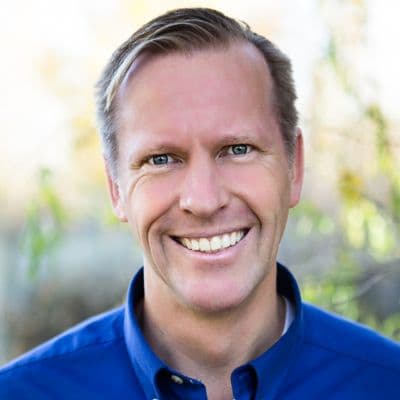
Full Transcript Introduction and Scott Forsgrenu2019s Health Journey 0:00 Well. 0:00 It is always such a pleasure to have Scott Forsgren with me. 0:04 Yeah, Scott, the better health guy. 0:05 You truly made an impact in the integrative space 0:09 in regard to chronic illness mold Lyme. 0:12 So thank you so much for all you're doing and for taking your time 0:16 to be here with me today. 0:18 Thank you so much. 0:18 It's an honor. 0:20 Well, so tell me a little bit about your story. 0:23 I want to think this is a cancer summit, but to me, 0:27 chronic illness is such a strong driver. 0:30 When we look at cancer, and that's the thing, 0:32 is that we got to look at the root causes and, and one of that is looking then 0:36 at things like blind that a lot of people are not really considering and also mold. 0:41 Yeah, mold is one of those that people because they can't see it a lot of times 0:45 and they don't recognize the impact it has on their lives. 0:48 So tell me a little bit about your journey, 0:51 how you ended up being such an advocate for health. 0:55 So this journey goes back now 30 years. 0:59 I had a tick bite in 1996, in Northern California. 1:02 I was fine for probably nine months. 1:04 And then over the course of a weekend, 1:06 literally, it was like a flu times a hundred. 1:09 I had these incredible burning sensations from head 1:13 to toe balance issues, problems, 1:16 walking problems, sitting up in a chair, problems 1:19 lying down in bed without feeling like I was going to fall onto the floor. 1:23 Lots of numbness, tingling, crawling sensations, tremors, 1:27 vesicular light sensitivity, a huge list of things. 1:31 And we're talking 30 years ago, I went to 45 doctors 1:35 from 1997 to 2005, in that period of time. 1:41 And I did all the infectious disease, all of that stuff. 1:44 I was diagnosed with chronic fatigue syndrome, 1:47 which we would now call CFS me or me. 1:50 Fibromyalgia. M.S. 1:52 was suggested and explored that was never officially diagnosed, 1:55 but a lot of my symptoms kind of overlap with that. 1:57 And so finally about doctor 45, he said, I want you to go to this acupuncturist 2:02 that works at an outlet mall next to this coffee shop, and she's going to do 2:06 some energetic testing with an electro dermal screening device. 2:10 And she said, I would go back and have your doctor test you 2:14 for a Bartonella baby. 2:17 Or like I said, for who, what, why, where, when and how. 2:20 I didn't know any of those terms at that point. 2:22 I had heard of lime, but 30 years ago we didn't have the knowledge we have today. 2:26 So eventually he was able to confirm all of those 2:30 with other blood testing was diagnosed with Lyme. 2:33 Then in 2005, several years after, eight years 2:36 after this whole process started. 2:38 And then that same year was when Richie Shoemaker's book Mold Warriors came out. 2:44 So it was then 2006 that I was really deeply exploring that 2:47 I knew I was living in mold, 2:49 but no one had ever suggested that mold caused problems for our health. 2:53 And so that took me down a different path as well. 2:56 And fortunately, in the last 20 years, 3:00 I've been really blessed by the universe to be connected to so many amazing mentors 3:05 doctor Klingon, 3:06 who you know, Doctor Neil, Nathan, Amy Dirksen, Jill, Christa, Simon, you. 3:10 The list just goes on and on and on. 3:12 And so what we're going to talk about today is kind of how I might perceive 3:18 or the lens through which I now 3:20 look at these chronic illnesses and maybe how I would have ordered 3:24 and the things I would focus on in terms of a recovery 3:27 if I were going through this process again. 3:29 So it's not a it's not a model 3:31 that is defined where everyone will have the same steps in the same order. 3:36 But it's hopefully something for people to think about, 3:39 to talk with their practitioners, to really start conversation. 3:42 I think one of the biggest surprises when people see how I think about these 3:46 is that the the focus on the microbial piece 3:49 is not until step 12, which is very near the end of this process. 3:54 And so we can talk more about that. 3:55 But yeah, it's been a journey. 3:57 It's been one that has had many gifts as well. 4:00 But you know, it's had its difficult times and at the same time many blessings. 4:04 And that's the thing what I want the audience to know, 4:07 you had the opportunity 4:08 to speak to the best of the best, and you've been doing that. 4:12 For how long have you had your podcast running now? 4:15 Well, the podcast has been going for ten years this year
Limbic System, Vagus Nerve, and Mast Cell Foundations 4:18 and we're just episode 241. 4:21 So about almost 500 hours of content with some of the most amazing, 4:26 brilliant people in the world. 4:27 So me getting to talk to them hopefully makes me a little, 4:31 a little smarter, but certainly nowhere as brilliant as many of them. 4:35 So yeah, huge blessing to be able to interview them. Yeah. 4:37 And that's the thing. 4:38 Your 16 step model that we're going to be talking about, 4:41 that essentially is distilled from all these conversations 4:45 with the best of the best and kind of having to pick their brain. 4:48 They cannot challenge them with questions that they, you know, 4:51 tough questions and you gaining them that knowledge. 4:55 So that's why I felt that this was so important 4:57 because essentially is distilled knowledge from all of those. 5:00 And then you curated that in a way, in an order that you, you know, 5:05 not just your personal life, you know, which obviously, 5:08 when you have your personal story that makes it even more powerful, 5:11 but it's all all these individuals that treated 5:15 thousands and thousands of people with chronic illness. 5:18 So if you don't mind going through kind of this, 5:22 this sexing step, because I know we're just going to be able to do it high level. 5:26 And obviously for individuals I want to deep, 5:29 you know, dig deeper than, you know, go to your website. 5:32 I'm sure you have it there as well. 5:35 Yeah. So I can just start moving through them. 5:37 Feel free to interrupt and ask questions if you want and we'll just go from there. 5:41 So step one in this process and really step one and two are where they are. 5:46 Because of my many years of learning from doctor. 5:49 And I used to put this later in the process. 5:51 This whole model has been refined a few different times, 5:55 but when we're thinking about complex chronic illness, 5:58 most people are very sympathetic, dominant. 6:02 Many people, if not most people, are type A personality. 6:05 Perfectionist, overachievers. 6:07 Many people have a nervous system that is very much wired 6:12 that there's no calmness or balance within their nervous system, 6:16 and we also tend to not feel safe in the world or in our bodies. 6:22 And so fortunately, one of the things Doctor Nathan says is we just need to work 6:27 to feel safer because for many of us, safe may feel unachievable. 6:32 So step one is working on the limbic system and the vagus nerve. 6:36 The limbic system is really kind of the alarm center or safety switch. 6:41 And so we can think of it as the the part of the brain 6:44 that's really surveilling our environment for what is safe and what is not. 6:49 And we can have what we call limbic system impairment. 6:52 Sometimes people kind of mix this in with mental emotional trauma. 6:58 And I would say I think it's important to separate those because limbic system 7:01 impairment, while it can be from trauma, it can be from a mold exposure. 7:06 It can be from an infection, it can be from an environmental toxicant. 7:09 So many things can drive it. 7:11 And I would say if someone's had chronic Lyme long term 7:14 mold illness, these, these other labels CFS Sami or MSF, fibromyalgia, 7:20 those kinds of things, I would say that the potential for there 7:24 to be Olympic vagal nervous system component is very, very high. 7:29 So when we're thinking about the limbic system, 7:31 we might be looking at things like Annie Hopper's DNS 7:35 or Ashok Gupta's the Gupta program doctor Cat King's Primal Trust. 7:40 Those are great tools. 7:41 I do think we need some driver's seat tools, meaning 7:45 active participation, working to kind of create neuroplasticity. 7:50 There are other tools like frequency specific micro current 7:53 that can be great and work both on the limbic system and the vagus nerve, 7:57 but I think it's some point we then need to shift into some of these 8:00 tools that we're really actively participating in. 8:04 The vagus nerve people probably will be more familiar with. 8:07 So how are we supporting the parasympathetic nervous system? 8:10 That has a huge effect if we think about the vagus nerve 8:13 and maybe it being a major upstream upstream player in 8:17 gut issues and Sibo and CFO and those kinds of things. 8:21 So we're really working to kind of support our ability 8:25 to rest, digest, detoxify and heal. 8:29 And we're not going to be able to heal in that fight, flight or freeze mode. 8:34 So we really want to calm the nervous system. 8:36 Lots of tools we can use here as well, different 8:39 wearables and vagal nerve stimulators and those kinds of things. 8:42 By the way, I have slides for all of these. 8:44 If people are interested, we can make those freely available as well. 8:48 Step two is looking at the mast cells, the histamine component. 8:53 The connection here might seem a little unclear. 8:56 And again, this really came from the work of Doctor Neil 8:58 Nathan and Beth O'Hara from Mast cell 360. 9:02 So there is a connection between the limbic system and the mast cells. 9:05 The mast cells can impact. 9:08 There's actually a higher number of mast cells in the limbic system. 9:12 So if we have mast cell issues, 9:13 that potentially is creating more inflammation in the limbic system. 9:17 And how the limbic system is responding 9:20 to threat also has an effect on the mast cells. 9:22 So that's kind of a bi directional scenario. 9:25 And what we want to do when we're thinking about the mast cells is yes, 9:30 we want to consider things like removing high histamine foods. 9:34 We may want to consider things like mast cell stabilizers 9:37 or antihistamines, maybe H1, H2 blockers, those kinds of things. 9:41 But at the same time, from my lens, the problem is not the mast cell 9:46 activation. 9:47 And there's many smart, 9:48 bright people brighter than I am that suggest that that is the core problem. 9:52 I would suggest that that is an indication of a deeper issue, 9:56 meaning that there's some kind of trigger, whether it's mold, 10:00 whether it's parasites, whether it's EMF, whether it's Bartonella, 10:03 whether it's Covid, whatever it is that's driving those mast cells. 10:07 And so we really then want to not only kind of calm and stabilize them 10:11 with maybe dietary issues, maybe looking at some of the mast cell 10:16 stabilizers, antihistamines, but also making sure that we're
Detox, Drainage, and Environmental Mold Exposure 10:20 working on those triggers so that this issue can completely resolve. 10:25 And the question is here is saying 10:27 it may be driven by mold, may be driven by such and such. 10:31 You still feel that correcting the mast cell prior 10:35 to going after the actual infection. 10:37 Like I said, that's way down in priority. 10:40 It's still more important to do mast cell prior to. 10:45 For many people it is. 10:46 And part of the reason that the limbic, vagal and mast cell 10:49 piece are really foundational is because I know you see this every day. 10:53 Sensitive patients and patients today are far more sensitive 10:57 than maybe when we think back ten years ago or 15 years ago. 11:01 But many people are not going to be able to tolerate the exact 11:05 treatment intervention that might help them move the needle 11:09 on the things that we're going to talk about later. 11:11 They're reactive to the fillers and flow agents and other things 11:16 that are in many of these compounds, or they just can't tolerate 11:19 a single tablet of Chlorella or a single capsule of charcoal. 11:23 So some of that creating safety within the nervous system, 11:26 within our bodies, within our world, looking at the mast cells, 11:29 a lot of that is to open up the toolbox of other things 11:34 that we then can do and tolerate and benefit from. 11:37 Yeah, and I see that all the time. 11:40 You have these individuals that when you try to push your body too 11:43 much, their immune system is just so hypervigilant and so exhausted. 11:49 So it just overreacts to everything. 11:51 And and what's fascinating is that, I mean, again, 11:55 exactly what you're talking about correlates exactly 11:58 with what you need to do when going through cancer journey as well, you know, 12:02 and that that's what's a fascinating it's a correlation between this process 12:07 and what you would need in regards to cancer journey. 12:10 You know, the emotional aspect and how that connects with the immune system. 12:14 And then also obviously the mass cell activation 12:17 is directly connected to immune system being hypervigilant. 12:21 So and then I know you're huge into you know, 12:24 we all talk about detoxification and being able to kind of clear that out. 12:29 I mean does that I think that's the next steps, right? 12:32 It is. So step three and four. 12:34 So step three is detox and drainage. 12:36 And from your lens this is where we talk about the terrain 12:40 and what was the environment that allowed an infection. 12:44 Or maybe some of the things you work with in your clinic with different cancers 12:48 and things. What might have allowed that? 12:50 And so a toxic terrain is certainly one of the things that can open the door 12:54 to some of these things. 12:55 So I tend to think of detoxification first 12:59 as let's make sure that we're eliminating as many things as possible. 13:03 So what are we? 13:04 Personal care products, cleaning products, pure air food, water, 13:08 all of those kinds of things. 13:10 But then detoxification, it is a broader umbrella term, but I tend to think of it 13:14 as binders, meaning how are we getting things out of the body? 13:18 How are we minimizing and tarot hepatic recirculation 13:22 of pesticides, mycotoxins, heavy metals. 13:26 We know that things will move from the liver to the bile 13:30 into the gallbladder and the small intestine, 13:32 but that doesn't mean that they're going to come out in the stool. 13:35 Many of those are going to be recycled as the Bible is recycled. 13:39 And so that's where we might use binders. 13:42 Could be charcoal, clay, Chlorella, bentonite. 13:45 There's many different types of binders that we can think about. 13:48 This might also be a time when we think about starting to introduce 13:51 some phospholipids and working on the cell membrane 13:54 integrity and toxins that are also affecting the cells. 13:57 But then the other piece that many people have not really heard of is drainage. 14:03 Fortunately, the same practitioner in 2005 who helped me with the energetic 14:07 testing was an expert in German homotopic ecology and drainage. 14:11 And so this just to me has always been a part of my approach. 14:14 And that is how do we support the body's innate, inherent wisdom 14:19 and ability to help us remove things that should not be in the body? 14:23 So we're thinking about the liver, the gallbladder, the kidneys, 14:27 the lymphatic system, the extracellular matrix or interstitial, 14:31 the colon, the skin, the lungs, all of these exit routes we need to optimize. 14:36 And so there's different ways we can do that. 14:38 I tend to like to approach that first with homeopathic 14:42 like Picon or remedies or energetics things in that realm. 14:46 I think those really shine beautifully here. 14:48 But we can also use herbs, maybe milk the solar dandelion for the liver, 14:53 maybe Solidago for the kidneys, red root or cleavers for the lymphatic system. 14:58 There's a lot of products and things. 15:00 And I'm not going to in this context, I'm not going to mention specific combination 15:03 products, but there's some great ones that we can explore there. 15:06 And again, if people want to look at the slides, they're welcome to those. 15:09 So it's really thinking about how are we supporting the drainage 15:13 pathways, channels of elimination in Moncton 15:16 to also work within that broader detoxification concept. 15:21 And then what are some other things that we want to think about, maybe coffee 15:26 enemas, maybe sauna, but that can be done too early in some people. 15:30 So if they're not ready for that, can mobilize things internally as well. 15:34 Many other tools that we can use. 15:36 We potentially want to think about endotoxins 15:40 as another type of toxin that we need to get out of the system. 15:43 We might now need to be, unfortunately, thinking about spike 15:47 proteins as another toxin that we may need 15:50 to mitigate, support the body and hopefully be able to remove. 15:54 And then we're seeing more and more kind of advanced tools 15:58 that are coming on to the scene, like IBU, like aphorisms. 16:03 Hopefully soon in the US will have Ines Ferris's. 16:07 There's other tools like PE and so on that people are starting to explore. 16:11 I think some of them have a place, 16:13 so that'll be interesting to see as it continues to kind of move forward. 16:17 And then step four, which also ties back into this toxicity 16:20 conversation, is looking at the environment around us. 16:24 Our internal terrain is only ever going 16:28 to be as healthy as our external environment. 16:31 And so I would say the vast majority of people 16:34 dealing with chronic Lyme are also dealing with mold illness. 16:38 We know that mold illness is more than just mold, that 16:42 there's a soup of things in a building that could be contributing endotoxins. 16:47 Beta glucans could be many different things in a water damage building. 16:52 There's conversations 16:53 now about Actinobacteria that we may need to think about as well. 16:57 So how do we optimize that external environment 17:00 so that we also minimize the incoming toxicity? 17:04 We can explore mold in the external environment through things like the Army. 17:09 There's also different plate testing that can be done. 17:12 So I think there there is a place for self-testing in terms 17:16 of evaluating at the beginning what an environment might look like. 17:20 However, I would say that 17:21 the preferred option is to get an indoor environmental professional 17:26 that works exclusively with medically hypersensitive people. 17:30 That's going to really come in and find any issues. 17:33 Most mold in a building you do not see. 17:36 So we want to look at that from the environmental perspective. 17:40 Then we may need to remediate. 17:42 We potentially need to move though I will say many times 17:46 when I see people with issues related to mold moving from one environment 17:50 to the next, they tend to find a new environment with mold. 17:54 Maybe they're not testing it 17:55 well enough before moving in, so that's not always the right solution. 17:59 I think many times we can remediate within reason. 18:02 There's going to be some cases where if you think of kind of your world 18:07 of working with cancer, 18:08 where it has metastasized within the building, 18:12 and there is no one source that we can readily remove in that case, 18:16 maybe that building 18:16 is not going to support the healing process, obviously, avoidance. 18:20 Some people like to take time away and spend time outdoors. 18:23 I think it's not 18:23 necessarily practical for many people, but it is certainly a fantastic tool. 18:28 The less exposure we get, the better we will be thinking about things 18:32 like air filters and so on. 18:33 However, that's not a solution. 18:35 It's not a workaround for remediation, but it is something that I certainly do 18:40 and would recommend to people as part of optimizing that environment. 18:44 Then we have to think about mold or fungi in the internal environment. 18:50 And this is where it gets very controversial. 18:53 So we can do urine mycotoxin testing. 18:56 I personally really 18:57 like your and mycotoxin testing whether it's real time labs or vibrant. 19:01 But many people do say that excretion of these 19:05 mycotoxins in the urine does not correlate necessarily with disease. 19:10 And that that is true at certain levels. 19:13 But if you have high levels of urine, mycotoxins or mycotoxins 19:17 coming out of your body, then the question I would ask is, why are they there? 19:21 Is it from your external environment, or have you now potentially become colonized 19:26 in the sinuses, maybe in the gut, and you have become the moldy building? 19:31 As Doctor Jill Krista would say, we also can look at things 19:34 like my Michael lab, which looks at mycotoxin antibodies. 19:39 We can look at some of the panels from Cyrix or our tests.
EMF, Sleep, Movement, and Emotional Healing 19:43 We can even look at some of the panels with immunoglobulins to different molds 19:47 to LabCorp quest. 19:48 That's not necessarily suggestive of a bio toxin illness, 19:52 but it is suggestive that there's at least the potential for mold allergy. 19:57 And if there is an indication of mold allergy, then the question is, well, 20:01 is that an exposure they have? 20:02 And do we then need to also consider 20:05 bio toxin illness because we can have one or both. 20:08 We can also look at things like organic acids, visual contrast sensitivity. 20:13 A lot of the Shumaker markers like TG, f beta one, MMP nine and so on. 20:18 So we want to make sure we're exploring mold both in the external environment, 20:22 the internal environment. 20:23 We then can use different binders 20:26 and things like glutathione glucuronide 20:29 and support those types of things to help the body remove the mycotoxins. 20:34 Also. 20:35 Then potentially when we get later into the microbial piece, 20:38 thinking about is there the potential for colonization? 20:41 Again, highly debated. 20:42 The brilliant experts out there 20:44 do not agree on whether or not colonization happens, 20:47 but in my experience, many people do seem to do very well 20:51 when they consider that potential for fungal colonization as well. 20:54 The other piece of this, step four, which you'll know from having worked 20:59 with Doctor Klinger for many years as well, 21:01 is the impact of electromagnetic fields in our environment. 21:04 So doing some testing or building in bringing in a building biologist 21:08 to really explore that deeply, there's many different impacts of that. 21:13 Sleep is particularly one of them where emfs can can regulate our sleep. 21:18 So we want to not only mitigate, which is really the 21:21 the cake in this conversation or the core part of the conversation. 21:25 Reducing exposure, turning off Wi-Fi at least while we're sleeping, 21:30 trying to minimize as much as we can the actual exposure. 21:33 Then you can look at some of these harmonizing tools. 21:36 I tend to see people 21:37 jump to the harmonizing tools without doing the reduction or mitigation. 21:41 I think that's a mistake. 21:43 There's different supplements that we can explore that can help the body 21:46 in its response to emfs, things like rosemary and propolis 21:52 and magnesium and melatonin, all of those can potentially be helpful. 21:56 This is another one where detox is also important. 21:59 The more EMF exposure we have, the more likely it is 22:02 that we also have heavy metals as a component of that, 22:06 meaning that we start to act like an antenna, 22:09 which makes us have more of an impact from the emfs in our environment. 22:13 And then limbic system retraining plays a role here as well. 22:17 Many people that have electromagnetic hypersensitivity syndrome have done 22:21 well by also doing things like DNS and Gupta 22:25 and primal Trust and things of that nature. 22:28 So that's step three and four in this process. 22:31 Yeah. 22:31 And and the thing with you're talking about the EMF aspects and mold and 22:37 and and also same in cancer is that we see that there's a higher 22:42 replication of mold or other pathogens, whether it's Lyme or viruses. 22:47 And also with cancer 22:49 is that there's just a higher replication when you have that exposure. 22:53 EMF exposure, I mean, like the the test that they did where they had mold 22:58 under Faraday cage and then compared that to and normal EMF environment. 23:03 And we see that there's just a many hundred times 23:06 more replication when you're outside of that Faraday cage. 23:10 So even though we may not see the EMF for the 23:13 we have the towers of 5G towers, maybe we don't think of that, 23:16 but it does have a direct internal impact on you, 23:21 and it makes it harder to navigate these health challenges 23:24 when you're having that additional stressor. 23:27 So that's why it's so important. 23:29 And you were talking about sleep. 23:30 I mean, to me, that is such a key to kind of support your ability to detoxify. 23:37 That's where you're clear out a lot of toxins that you regenerate. 23:40 That's where you process 23:42 a lot of the emotions and events that took place during that day. 23:46 And so to be able to have good deep sleep for the body, 23:50 to be able to digest all of that and clear out everything that it needs 23:54 to clear out, it's such an important thing. 23:57 Yeah. 23:57 So the next few steps I'll just touch on briefly, 23:59 and then we'll spend a little more time on some of the later ones. 24:01 But sleep. 24:02 Absolutely. So again, the emfs are big. 24:05 The mast cell and histamine piece is big. 24:07 Histamine can drive some of the sleep issues. 24:10 Looking at blood sugar with a CGM can be really telling. 24:13 If we're having sleep issues, I'm more and more impressed 24:17 with how significant sleep apnea can impact our sleep, 24:21 and how much people do better when they resolve their sleep apnea. 24:25 When they get a CPAp. 24:26 Mouth taping can be helpful. 24:28 Many things here that we can think about beyond just the normal supplements. 24:32 There are different wearables now as well that are said to kind of calm the system 24:37 and help with sleep. 24:38 That could potentially also be helpful. 24:40 Step six then is about movement, and that is just remembering 24:44 that we're not going to heal if we're stagnant, 24:47 if we don't have some fluid flows, if our lymphatic system is not moving. 24:51 And so this is where I think walking really is the best tool for this step. 24:58 If we go too far into pushing ourselves and getting into that realm of post 25:03 exertional malaise, we're probably moving in the wrong direction so we can go 25:07 from beneficial and medic to stressful if we're pushing things too much. 25:13 So I think step six I try to walk at least four miles a day. 25:16 I think if you have to start by just walking to your mailbox, 25:19 and then the next day you walk to the mailbox twice or whatever it is. 25:23 We don't want to push beyond our capacity, but it is critical 25:26 that we get some movement. 25:28 Step seven, then, is the mental emotional contributors. 25:32 Many or most people that have these long term, complex chronic conditions 25:37 have some trauma or conflicts or adverse 25:41 childhood events or experiences that play a role as well. 25:44 That doesn't mean that the condition is in our head, but it does mean 25:48 that mental emotional meal you can also affect our physical body. 25:54 So like I said, many people are often type A perfectionist 25:58 overachievers due to prove our worth and value in the world. 26:01 So why is that the case? 26:03 And then looking at tools like I think eMDR 26:06 is a fantastic tool in this realm, but there's many others as well 26:09 to help release the energetic imprint or the cellular memory of trauma. 26:15 And it could be that the gaslighting and the lack of understanding 26:20 from our families and friends about our condition is the trauma 26:25 that we then need to work through to fully move through these conditions. 26:29 So it may happen before setting the stage, but it may also be the condition itself. 26:34 Step eight, then, is thinking about the inputs into the body. 26:38 How do we optimize hydration? 26:40 How do we optimize nutrition? 26:42 Another one that just in the past few years has really become 26:46 a bigger part of my thought process is the micronutrient deficiencies. 26:50 When you look at mineral deficiencies, when you look at B vitamin 26:53 deficiencies and all of the things they affect magnesium, 26:57 for example, it's it's significant. 26:59 So I think most people with a really complex, chronic years 27:03 long condition should look at micronutrient deficiencies. 27:07 We also want to think about the microbiome. 27:10 Unfortunately, these days very few adults have measurable Bifidobacterium. 27:15 It's just a huge issue that we don't have great solutions for. 27:20 I think this is maybe the area in medicine 27:22 where we have the most potential to really move things forward. 27:26 We also want to think about intestinal hyper permeability. 27:30 We want to think about endotoxins, which we touched on in step three. 27:34 So this is really how do we optimize the things coming into the body 27:37 and the gut as part of step eight.
Nutrition, Mitochondria, and Immune Modulation 27:40 Step nine then is energy production. 27:43 So we might be thinking here about adrenals, thyroid, 27:48 those things that we've talked about for many years using adaptogens, 27:52 supporting the thyroid, those types of things. 27:54 But I think the the conversation over the last maybe 27:58 five, six, eight years has really shifted a lot to the mitochondria. 28:02 So this is where many people, I would say the probably everybody 28:07 who has a long term chronic illness that there is a mitochondrial component 28:12 doesn't mean there's 28:12 a mitochondrial disease, but there's mitochondrial inefficiencies. 28:17 And we can now start testing these with some newer, more advanced tests. 28:22 The challenge that I find, of course, things like CoQ10. 28:25 Q all of those things can be great. 28:27 We have access now to a lot of the NAD precursors to NAD as well. 28:33 But the challenge here is if the body is in 28:37 that it's not safe state, which we refer to as the cell danger response. 28:42 The mitochondria, as Doctor Andrew Heyman would say, have moved 28:46 really into from energy production to battleship mode. 28:50 And so if they're producing extracellular 28:54 ATP is a danger signal to the surrounding cells and tissues, 28:59 then sometimes mitochondrial support will backfire. 29:02 So in some people, we want to make sure that we're doing what we can to 29:07 to move them through at least CDR one 29:10 before they're going to really be able to tolerate these mitochondrial things. 29:14 Now, that doesn't mean you can't start some of them slower 29:16 and then work up slowly. 29:18 But I wouldn't be super aggressive. 29:20 Yeah. Yeah. 29:20 So and that's the thing I want to highlight again of the bacteria 29:24 is that and we see that in cancer is that that is the one bacteria 29:29 that the pretty much every cancer patient is deficient in. 29:33 I mean, it just is. 29:35 And then in regard 29:36 to the mitochondrial activity, we know the metabolic aspect of cancer. 29:41 It is a metabolic deficiency or metabolic dysfunction disease. 29:46 So mitochondria play a huge role. 29:48 But like you mentioned you have the the aspect of the cell danger response 29:52 where you know, the when the cells are in danger, 29:56 they will then overproduce mitochondria and then it will be outside, 30:01 I mean, the ATP will be outside of the cell. 30:03 And that in itself would then trigger a lot of that inflammatory aspect 30:08 and an immune system, excessive activation. 30:11 And when it does that, it's not going to be able to go after things 30:16 like infectious agents and cancer because it's 30:19 so overwhelmed by the cell. 30:22 Danger response has taken place. 30:24 So and I know there's certain tools out there to, to help 30:27 to kind of clear out some of that cell danger response. 30:31 And obviously, you know, addressing the limbic system, 30:34 addressing trauma, addressing, you know, chemicals and have metals 30:38 and detoxification is going to reduce the need for that cell danger response. 30:45 Absolutely. 30:47 So so then yeah. 30:48 And the microbiome, 30:49 we know how crucial we got about 7,080% of your immune system along there. 30:53 So we know that that is 30:55 and that's that's a just a every one of these points are obviously, 30:59 you know, a whole day, you know, workshop in itself. 31:02 So but what I'm excited about is for people to understand 31:06 kind of that, that logic and how to move through things. 31:10 Obviously each person is unique and individual and, 31:13 and you need to address what you have in front of you. 31:17 But just to have this framework of understanding how one build on another 31:22 becomes, it's so important so that you don't just jump in 31:26 as the same mindset that cancer patients have. 31:29 Let's just go after the tumor and let's just kill the tumor. 31:33 It's the same thing I know in in the line 31:36 community is that, you know, let's just go and kill the line. 31:39 But there's so many other aspects that you need to address in order to be 31:43 able to effectively go after the line where effectively go after the cancer. 31:48 And this is so fun to go through these steps and make sure 31:53 that you address these and usually what you're not doing like doctor 31:58 usually says what you haven't done and you're still sick. 32:02 You know, that's usually the gold. 32:03 You know that that's where you want to dig. 32:05 So that that's why it's important to know that this strategy. 32:08 And so now so when do we start to then go after the immune system. 32:13 Is that is that kind of the next step. 32:15 Yeah it is. 32:16 So step ten is looking at 32:18 modulating the immune system and the inflammatory response. 32:22 And I think this step is so critical. 32:24 And I don't think we give it enough credit that it's not the bug 32:29 that makes the disease. 32:31 It's the host response to the bug. 32:33 So if we have a hypervigilant auto immune 32:36 leaning immune response, that's creating a lot of our symptoms. 32:39 So I really think we want to look at how do we balance that TH1TH2 32:45 how do we call the immune system things like low dose now tracks on things 32:50 like Doctor Ty Vincent's low dose immunotherapy can be magical 32:55 things like homeopathy, black seed oil. 32:57 There's a whole lot of things that we can do in this realm. 33:00 This is also the step where peptides can really shine. 33:04 A lot of the immune modulating inflammatory modulating peptides as well. 33:09 We want to be cautious about not boosting the immune system 33:13 because that can make things worse. We want to modulate it. 33:16 We want to call it. 33:17 We want to create integration and tolerance within our microbiome. 33:22 And then we might also be doing things to help reduce that inflammation. 33:25 We talked a little bit about that in the mast cell context. 33:28 But things like spams or fish oil or plasma allergens, 33:33 I mean many different things 33:34 that we can do to also work with that inflammatory response. 33:37 But this immune modulation is so critical. 33:40 And then step 11, I would argue, is maybe one of the most, 33:45 if not the most overlooked component of this entire process, 33:49 which is coagulation, hyper coagulation. 33:53 I had the benefit of learning from David 33:56 Berg and Doctor Anne Corson and later Ruth Chris, 33:59 and this was a really critical issue before Covid. 34:03 And I think now it's exponentially more important to think about this. 34:08 So if you have hyper coagulation, you're not getting nutrient delivery. 34:13 You're not getting oxygen delivery to be optimal. 34:15 You're not getting optimal waste removal. 34:18 We're talking here about blood that is thicker. 34:21 The accumulation of fibrin because of mycotoxins, infections, 34:27 heavy metals, all of those things that can trigger our coagulation response. 34:32 And then sometimes we want to do some testing. 34:35 We want to see where we are, but then bringing things in that Okin 34:40 kinase, those kinds of things can be really, really critical. 34:43 So I think this is the step, if there was one takeaway 34:46 for people to talk with their practitioner about and go run the panel for hyper 34:51 coagulation that Ruth Chris put together, if it doesn't show 34:55 something, you are in very good shape and that's amazing. 34:59 But I would say the vast majority of people that have these complex 35:02 chronic conditions, it will show something. 35:05 It will often show a pie one 4G deletion, which means you're more prone 35:10 to chronic infections, to the formation of biofilms, to chronic illness. 35:15 So we see this even more now in the Covid spike protein era as well. 35:20 And then step 12, finally is the microbial overgrowth. 35:24 And how do we approach these things. 35:26 And this is really 35:27 you know, Doctor Clingan has his approach from largest to smallest. 35:32 Mine is similar but but maybe a little different. 35:34 So I like to think first of the viral and retroviral pieces. 35:38 I think those are causing huge issues for people.
Hypercoagulation and Microbial Overgrowth 35:41 When we look at EBV have six varicella, all of those things, 35:45 and I generally see that people tend to respond pretty well 35:49 to those interventions as compared to going after Bartonella first, 35:54 which often is a little bit more challenging for people. 35:57 So I like to look at the viral piece, 36:00 then look at the larger parasites, deal with that parasitic piece. 36:03 We know that these larger parasites can also have within them smaller organisms. 36:09 Then looking at things like GI dysbiosis, looking at Sibo, 36:14 the kind of gut component moving then into the fungal potential 36:19 for mold colonization that we talked about thinking about yeast as well. 36:24 Once we've worked on those, then looking at Lyme and co-infections, 36:29 thinking about how are we going to support Borrelia, Bartonella. 36:33 But I usually like to do that in a very large, 36:38 methodical way, 36:39 not starting with something that's so broad spectrum that we're really going 36:43 to be aggressively working with all of them at the same time, 36:46 but using some of the more targeted formulas to start, maybe with Borelli 36:51 and then layer in some support for Bartonella and then for babies. 36:55 And unfortunately, I think we're we're learning more and more 36:59 that if someone has one of these, the chances are very high 37:02 that they have multiple Bartonella and babies tend to come together. 37:07 If you have Borelli and you think you only have Borrelia, probably not the case. 37:13 So working through lime and co-infections, and then we may 37:17 also need to be doing something to support biofilm. 37:20 So if we do have biofilms that are hiding some of these microbes 37:25 and also they contain different toxins as well, 37:28 I tend to think that this works best later in the process. 37:32 If someone's already 37:33 having immune hypervigilance and mast cell issues and highly inflamed, 37:38 coming in and breaking these biofilms and opening Pandora's 37:42 box is probably not going to be very well tolerated by the body. 37:47 We can do some minor 37:48 things like NAC and things like that, maybe a little bit earlier. 37:52 But a more significant focus on biofilms ideally comes after we've 37:56 supported the body with as many of these microbial burdens as possible. 38:01 Of course, now we also have to think about whether or not 38:05 SARS-CoV-2 can be a persistent virus in this conversation. 38:10 What we do with spike proteins as well, lots of debate about that. 38:13 Hopefully we'll get more clarity and more research and better, better 38:17 testing and tools. 38:19 We certainly have some, 38:20 but I think this is a whole area when we start talking about long Covid. 38:23 Now, interestingly, there are people, I think, that think of long Covid 38:28 as either the persistence of SARS-CoV-2 and or spike protein. 38:33 But I would say, and I'm sure you see this as well, 38:36 I think the maybe bigger issue is the unmasking that happens 38:40 with Covid and spike protein, where what's really then driving 38:45 symptoms is the reactivation of EBV, the reactivation of Bartonella, 38:50 the the now intolerance to your environmental mold exposure. 38:55 So we want to kind of dig into those things as well. 38:58 Yeah. 38:58 I think you have to just become if when you're exposed to or you're dealing 39:03 or you've taken the shot, that Covid shot at that time, 39:06 everything that may have been quiet all of a sudden just kind of wakes up. 39:11 And then the same with infectious agents. 39:13 And I see it with with cancer as well. 39:15 I don't know how many, how many patients that have come to me right after 39:19 getting the shot, you know, and dealing some, some fast growing cancer. 39:23 So it is a conversation we need to continue to have. 39:26 And is it important to recognize that there is a correlation. 39:30 And so with and with that, then people are thinking, well, what do I 39:35 what do I need to do? 39:36 You know, how can I address the spike protein. 39:38 How can I clear that out? 39:39 And yes, 39:40 you know, you 39:40 were talking about the hyper coagulation of the Lundberg and Natica RNase. 39:44 And we have the editors. 39:46 And then obviously looking at the impact 39:49 of what the what these spike proteins do in regard to the vascular 39:54 mitochondrial activity. 39:55 Inflammatory. 39:56 So essentially going through these steps that you have that you've done 40:00 is then going to improve the outcome if you've had that kind of exposure. 40:06 Yeah, absolutely. 40:07 So I'll wrap up on the last few steps then. 40:10 And we'll go quickly with these because I know we're a little short on time. 40:12 But step 13 then is it's a step that I did not have in the earlier versions 40:18 of this model, and that is looking at the genetic inefficiencies. 40:22 And so I think there's potential here. 40:25 But I think there's also some potential traps, which are that we look at our SNPs, 40:30 we see that we have the potential for issues 40:34 with x, y, z, let's say detox. 40:37 Or maybe you have the potential for higher histamine or for whatever the issue is. 40:41 But that's not an indication of function. 40:44 It doesn't mean that that potential is actually happening. 40:48 So then I think we also get into this realm of internalizing 40:53 I have m r, I'm broken, I can't get better. 40:57 And I think then when we get two too much of an identification 41:01 with our genetic potential and frame that as something bad 41:06 or a roadblock to healing, I think the way that we think about 41:10 it has more influence on our broader genetic expression 41:14 and that that actually epigenetics does have an impact. 41:18 So looking at this and working with a good practitioner to see 41:22 could we optimize B and status folate, those types of things, 41:27 are there really some some what appear to be significant roadblocks 41:32 in your metabolic processes because of certain SNPs? 41:37 I think there is some value there. 41:40 But I think a lot of times practitioners will say, you 41:43 know, here's a snip, here's a supplement, here's a snip, here's a supplement. 41:47 And so the protocols can become kind of large. 41:50 I tend to agree with Doctor Clean Heart here 41:53 where he says the genes are not where he finds the gold. 41:56 But I do think that there there is some information here that can be helpful. 42:00 I just don't think it's as important as a lot of the other things 42:03 that we've talked about. 42:05 Step 14 is looking at the dental contributor. 42:07 So obvious things like, do we still have metal in the mouth? 42:11 Do we have root canal teeth that we need to think about and explore 42:15 as a potential consideration? 42:17 Do we have cavitation or what they now call OJ or CSR. 42:22 So that whole area is continuing to evolve. 42:25 But I think we want to work with the biological dentist 42:27 to see what dental contributors there could be. 42:30 This is an area where I love 42:31 Doctor Simon use work, where he uses his acupuncture meridian assessment 42:35 to see what potential dental issues are stressing the system. 42:40 So just because you have a root 42:41 canal doesn't necessarily mean that's a significant issue for you. 42:45 But using a good system of energetic 42:47 testing like Doctor You does can be really phenomenal. 42:50 Step 15 is giving credence 42:54 and really putting importance on the body work side of this. 42:59 So optimizing structure that could be things like 43:03 looking at the dental occlusion or the bite. 43:06 It could be looking at tongue tie release. 43:09 It could be doing biodynamic cranial osteopathy 43:13 which hits a lot of these steps. 43:15 Working with the nervous system, working with the structure. 43:17 All of that could be visceral manipulation. 43:20 It could be myofascial release, could be yoga or Pilates or breathing techniques. 43:26 And then this is another area where things like Ella's 43:31 Daniels syndrome, hypermobility, CCI, 43:35 these are also issues that people are dealing 43:38 with that seem to be really more
Genetics, Dental, Structural, and Regenerative Repair 43:42 now than what we saw five years ago, eight years ago, ten years ago. 43:46 And so there are a fairly small number of true 43:50 experts in that realm, but I think it's an important thing to consider. 43:53 I do think that while there could be genetic and our genetic contributors 43:58 or or genetic factors in something like editors, 44:02 we do see people that then maybe didn't have significant issues 44:06 until they had their mold exposure, until they had their Bartonella infection. 44:10 And so working through some of those earlier steps hopefully will help. 44:14 But this structural piece and doing 44:17 some of this body physical work can be very important. 44:20 And then the last step of this 16 steps is, as Doctor David Jernigan has said, 44:26 we maybe have removed the termites or the microbes and the toxins 44:31 and those kinds of things. 44:32 But just because the termites are gone 44:34 doesn't mean that we don't have some structural damage 44:37 that that the wood in our structure has been impacted. 44:41 So this is an area where things like phospholipids, again, 44:46 we talked about bringing those in in the detoxification and step three, 44:50 but that can really restore these cell membranes, plasma allergens. 44:54 A lot of the peptides like BPC can be great for supporting regeneration 44:59 repair, restoration, some of the bio regulators, peptide bio regulators here. 45:04 I wish they worked a little faster. 45:05 Unfortunately I think they are good, but I think that it's takes a long time. 45:10 It's almost like a a deposit into the account of future you where peptides. 45:15 The results are often much faster and more obvious I think. 45:19 Photo bio modulation, red light therapy. 45:21 I know you work with that in your clinic for supporting the mitochondria. 45:24 Rebuilding collagen, providing more photons and vital force can be great. 45:29 Exercise with oxygen therapy plays a role here. 45:33 Stem cells and exosomes. Maybe. 45:35 I have to say I've been a little disappointed in in 45:37 some of these things, but I know we're continuing to evolve them. 45:40 And so I don't think they're necessarily a solution for a systemic issue, 45:45 but certainly for localized issues, repair and regeneration 45:48 there can be really helpful. 45:50 So that's kind of the the 16 steps. 45:52 Again, if people are interested in seeing, I do have slides for each one of them 45:56 that they can look at, where there's much more detail 45:58 that's available for free on my website BetterHelp. 46:01 Com steps. 46:02 And and hopefully this will be helpful for people. 46:05 Yeah, this is huge because it gives people a roadmap to 46:09 to help to kind of navigate and things to consider. 46:12 Because a lot of people, you know, when I ask them why, so why, 46:16 why do you think that you got cancer and and it's hard to answer that question. 46:21 You know, sometimes you think of this and that, but then 46:24 if you have this list of considerations, then you're able 46:28 then to analyze to an appropriate audit as to, you know, where am I at? 46:34 You know, where, where's my vascular, where how's my 46:38 am I in a, in my sympathetic, you know, state or parasympathetic? 46:41 Am I still dealing with trauma? 46:43 And like you said, sometimes, yes. 46:46 The event in itself can be the trauma, 46:49 meaning that we know that to your point, 46:52 we know that many toxins can be drivers 46:57 of cancers, mycotoxins, benzene, asbestos. 47:01 We know Epstein-Barr virus, HPV, hepatitis, H, pylori. 47:05 They've all been associated with different cancers. 47:08 So while this model was not put together from my personal experience 47:13 with any type of cancer, I do think that there are many components 47:17 if we're working on that terrain reducing the infections, reducing the toxicity 47:21 within the body, that hopefully will really work 47:25 well as part of a comprehensive, practitioner guided approach. 47:30 Working with someone who's brilliant in this realm like you, doctor K 47:33 so yeah, I agree. Yeah, yeah. 47:35 And with tumors with cancer they are so dependent on that tumor microenvironment. 47:40 And what we've been going through here in the 16 steps 47:43 are essentially that tumor microenvironment that we're addressing. 47:48 And so cancer stem cells you know they can be activated or they can lay dormant. 47:52 And it depends on what that environment what what 47:56 what they exist within that then determines their their behavior. 48:00 So by shifting the terrain, addressing both the neurological 48:05 the nutritional the infectious, the toxins, you know, shifting all of that 48:10 is then going to shift the behavior of any kind of cancer. 48:13 And it will also allow the immune system to more intelligently able to address 48:19 what's going on, instead of 48:21 just shooting all over the place because it just feels overwhelmed. 48:24 It's overtaxed and does not have the resources to address things. 48:28 So what we want to do is to give the body the upper hand and create a terrain 48:33 where, you know, we are now much more efficiently 48:37 to calm things down that shouldn't be there and then support regeneration. 48:42 And like you're talking with stem cells, a lot of people 48:46 jump into these regenerative tools immediately. 48:48 It's kind of like trying to repair a house while it's still on fire, 48:52 and that doesn't make any sense. 48:54 You do need to clear out these things. 48:56 And yes, I think these are powerful tools, but I think the disappointment 49:00 is due to not doing it appropriately at the time. So. 49:05 Well, Scott, you are phenomenal and I truly appreciate you being here. 49:09 I highly, highly recommend everyone listening to jump on your podcast. 49:15 Got the Better Health Guy? 49:16 You will be so much better off knowing how to navigate the world 49:20 and what's going on within you by learning from the experts 49:23 that that's on your show. 49:24 So thank you so much for being here, and thank you for your important work as well. 49:29 You're incredible. Thank you.
Comments