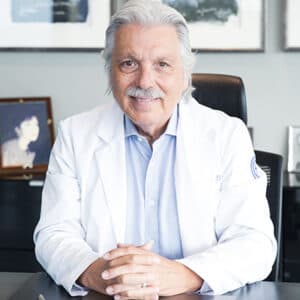
Full Transcript Introduction to Doctor Contreras 0:00 Hello. And 0:01 welcome to the Cancer Breakthrough Summit. 0:05 Today it is my pleasure 0:08 to be joined by Doctor Contreras. 0:11 Doctor Contreras serves as director, president and chairman 0:16 of the board of Races of Hope hospital 0:20 and is internationally recognized. 0:23 Was integrated approach to cancer care, 0:27 combining conventional oncology with evidence based therapies 0:32 while addressing the emotional and spiritual 0:35 needs of each patient. 0:38 He earned his medical degree from the Autonomous University of Mexico 0:44 in Toluca, and completed a surgical oncology 0:48 specialization at the University of Vienna 0:52 in Austria, graduating from honors 0:55 with decades of clinical experience. 0:59 His work bridges science, compassion and innovation. 1:05 Doctor Contreras is the author 1:08 of 15 books on integrative cancer therapy, 1:12 including the Art and Science 1:15 of Undermining Cancer 50 Critical Cancer 1:19 Answers the Hope of Living Cancer Free 1:24 and Beating Cancer, 1:26 and he has influenced patients and physicians worldwide. 1:32 A respected international voice in oncology. 1:36 Doctor Contreras has presented at major medical conferences, 1:41 including the World Conference on Price. 1:44 Cancer, is active in the Cancer Control Society and has advised 1:49 governmental and medical organizations in the United States, 1:54 Japan, and Europe. 1:57 Doctor Contreras. 1:59 Thank you. And welcome. 2:02 Thank you very much. 2:03 It is my honor to be with you, and I thank you for the invitation. 2:07 Well thank you. 2:08 And I had the pleasure to be 2:11 to be with you at oh, as is of hope a few days ago. 2:15 Well. Thank you. 2:16 I had the pleasure to visit, actually, 2:20 with a group of patients by this for Hope. 2:23 A few months ago, at the end of the Key
Oasis of Hope and the Impact Protocol 2:27 Integrative Cancer Conference. 2:30 It is really, I have to say, it is really a no assist. 2:35 And it's a wonderful mix of a technical advance 2:40 and a place of peace and serenity. 2:43 And I am delighted to have the opportunity to let more people 2:48 did, more people, the opportunity to let them know about this, this hospital. 2:54 Because I think what you are doing is absolutely wonderful. 2:58 And while we were there, you told us about a new protocols 3:04 that is called the Impact protocol 3:07 immune personalized autologous cell therapy. 3:10 This sounds a little bit mysterious 3:13 and at the same time very, very intriguing. 3:17 Can you tell us more about this impact protocol? 3:21 Yes. Well, we have been working for the immune system 3:25 of our patients since the beginning of my father's work. 3:29 And the more research has been done on the immune system, 3:33 the more our therapists have evolved in the work of Doctor Steinman on 3:38 dendritic cells have really revolutionized the treatment of cancer. 3:43 And so we develop a from the patient's 3:46 Blood and anti-tumor task force 3:50 dedicated to attack that patients tumors. 3:55 That's why it's called personalized because it doesn't work 3:58 for anybody else is specific for that patient. 4:01 So the information of the tumor from the patient is obtained. 4:04 We extract the antigens of the tumor. 4:08 We then retrain the immune system specifically against that tumor. 4:15 And in a nutshell that is what the impact protocol is. 4:19 And we've seen just wonderful results with with our cancer patients. 4:23 So it is the patient cells, 4:27 cancer cells which are actually collected, activated and kind of transformed to 4:33 to induce this personal anti-tumor response. 4:37 Right. Exactly, exactly. 4:40 So we obtain the malignant cells in several ways. 4:43 The main one is through the blood tumor circulating cells that all patients have. 4:48 But when we can do the surgery in Mexico, we can obtain it 4:52 from directly from tumor tissue or do biopsies. 4:55 And that's one way to obtain the antigens. 4:57 Another one is if the patient's already had a biopsy or a surgery 5:02 and they have paraffin blocks with the tumors, well, then we can 5:05 sate those cells and obtain the antigens from the tumor 5:10 to activate the dendritic cells from the the the cells 5:15 so that they can present this antigen to the natural killer cells. 5:20 And those are the ones that are going to attack the tumor. 5:24 And the hope is really already an aspect. 5:28 So people who have cancer can actually come to your clinic 5:32 and get the tumor removed and at the same time get this procedure done. 5:38 Right? Correct? Correct. 5:41 So we can use tissue from surgeries done elsewhere. 5:45 But if the patient can come to us, the advantage 5:48 would be that from from fresh tissue we can also develop 5:52 what are called TILs tumor infiltrating lymphocytes. 5:56 And these are natural killer cells that have already been able to break 6:01 all of the barriers that tumors form against our own immune system. 6:07 And so these cells already have the experience on how to get into the tumor. 6:12 So those cells can be expanded and a vaccine can be then developed 6:18 specifically with this tumor infiltrating lymphocytes. 6:22 And so that's the most powerful anti-tumor vaccine available. 6:27 And for people who are not I mean, we are concerned with cancer, 6:30 but not really that knowledgeable 6:34 in the treatment of cancer and more specifically in immunotherapy, 6:38 how that differs from conventional cancer immunotherapy. 6:43 Well, the the conventional immunotherapy. 6:46 And I'm very happy that finally, after so many years of knowing 6:50 that the immune system is so important, the first anti-tumor therapy, 6:55 modern anti-tumor therapy, immunologically 6:58 speaking, was developed in 2011. 7:02 And they're checkpoint inhibitors. 7:04 And the checkpoint inhibitors I think they're very important. 7:08 They reduce the amount of T regulating cells
How Personalized Immunotherapy Works 7:12 so they free the immune system to work. 7:16 But also checkpoint inhibitors help re-energize the immune system 7:21 because the immune system is fighting against a tumor 7:25 that they can't see and they develop fatigue. 7:29 And this fatigue is very beneficial to to malignancies. 7:34 So the checkpoint inhibitors also address fatigue. 7:38 But our therapy is very specific 7:42 to activate natural killer cells to kill the tumor. 7:45 So we have a protocol as well within the impact system 7:50 to combine checkpoint inhibitors with our therapy. 7:54 And so the checkpoint inhibitors is like removing your foot from the brake pedal. 8:00 And our therapies like putting your foot on the accelerator. 8:05 And so there is a synergistic effect with these two therapies. 8:09 But they work in completely different ways. 8:13 Okay. 8:13 So you are speaking of accelerating and that maybe I mean a little bit 8:18 of feels and frightening for people 8:21 who are being diagnosed with cancer, 8:24 but how this is really targeting cancer cells 8:29 and destroying them. 8:32 So our system has very specific cells 8:36 that attack only cancer cells or viruses at most. 8:40 Those are the natural killer cells, 8:43 what are called the CD force and the CD eight. 8:46 And the immune system shields themselves 8:50 with what are called T regulating cells. 8:54 So they gather T regulating cells, 8:57 and obviously they regulate the immune system. 9:00 And thus the immune system is there with the guns to attack. 9:05 But they don't they can't see the the tumor 9:08 because they have this shield with T regulating cells. 9:11 So one of the the ways to do that is first 9:16 to present the antigen to the natural killer cells. 9:21 And that's what the dendritic cells do. 9:24 And now they have a target. 9:27 But if they're covered with T regulating cells 9:30 they're not going to be as effective. 9:32 So one there's two ways to reduce two regulating cells. 9:37 One was very low dosages of chemotherapy cyclophosphamide. 9:42 And this is a very low dose that has no side effects 9:46 whatsoever and specifically reduces to regulating cells. 9:51 And also the checkpoint inhibitors 9:55 will reduce T regulating cells. 9:58 So the aim is to reduce the regulation 10:02 that the tumors have set against the immune system, 10:07 and to activate the immune system to attack the tumors directly. 10:12 And so it's all of these elements 10:15 that makes this impact protocol very, very effective. 10:20 So for how long have you been using it 10:22 and what do you see in real life with real patients. 10:27 So we started using the cell vaccines about 15 years ago. 10:33 And our results overall significantly have improved, 10:37 especially in the most common type of tumors breast cancer, 10:42 ovarian cancer, lung cancer, 10:44 colon cancer, prostate cancer. 10:48 That's where the results are the best. 10:51 That also the improvement in primary tumors of the brain is dramatic. 10:56 We didn't have any results before with our therapies. 11:00 And now I can tell you that about 25% of the patients 11:04 respond very well to this impact protocol. 11:07 So it's been blessing to many, many patients. 11:11 Yeah, especially for the brain because so, so few things 11:15 actually cause the blood brain barrier in a beneficial way. 11:20 This is really important. 11:22 So is it for every kind of patient. 11:25 Or are there some patients who you would consider not 11:28 being good candidates for the for this protocol, 11:34 the vaccine 11:36 can virtually be prepared for any type of patient. 11:39 But of course patients that are in very poor condition 11:42 have a low possibility of response, especially if they have liver failure. 11:48 That's one of the things where the immune system cannot be reactivated 11:52 when there is significant liver dysfunction. 11:56 But for instance, there's limitations to many therapies radiation, chemotherapy, 12:02 alternative therapies when a patient is in dire condition. 12:06 But for the cell vaccine, as long as we can obtain 12:10 blood and tumor circulating cells, we can actually prepare that. 12:14 So we have some patients that come there in very poor condition 12:18 to receive high dose vitamin C or high dose vitamin B17, 12:23 and then the only therapy that can be developed for them is the dendritic cell. 12:28 But obviously when a patient is in such dire conditions, 12:31 then the results are quite poor. 12:35 So if we take that out 12:36 when the patients contact us, we're very candid in letting them know
Patient Selection and Treatment Approach 12:41 what the possibilities are and who's really a good candidate or not. 12:46 And OSes of hope people, staff when they come, I mean, they come to that. 12:50 Or as for a stay as a generally a few weeks 12:54 and that's part of a full treatment, a full program. 12:58 Right. Which is pretty lies. 13:01 It's part of what can you tell me more 13:04 about what the entire treatment entails? 13:08 So we have two sides or two elements of the treatment, 13:13 the very personalized impact protocol. 13:17 And then we have a therapy that addresses 13:21 the metabolic impact that cancer has on our bodies. 13:26 And this is a therapy that is very common to all tumors, 13:31 because it's based on the fact that all tumors require 13:35 a tremendous amount of sugar, for instance. 13:36 That's a metabolic impact, regardless of whether it's summer of the breast 13:40 or the colon or the summer or the pancreas, they all require 13:45 a lot of sugar. 13:46 So part of the therapy is addressing that all tumors are hypoxic. 13:53 And so part of the therapy addresses 13:55 that with with ozone therapy all tumors are acidic. 13:59 All tumor environments are a city. 14:01 So there's a part of the therapy that addresses that. 14:04 And then all tumors have a very poor metabolism. 14:09 And so we need to address all of those elements. 14:13 And when we make the combination of the two elements of therapy, 14:17 the metabolic part and the immune part, 14:21 the results have been very, very effective. 14:23 And then also in the middle we have anti-tumor agents. 14:28 For instance, vitamin C in very high dosages converts itself to chemotherapy. 14:34 It acts very similar to chemotherapy without any of the side effects. 14:39 Vitamin B 17, which is very well known as a mild 14:42 anti-tumor agent that has also been very, very effective. 14:46 And whenever necessary, because we're integrative, 14:50 if we feel that any of the conventional therapies, 14:54 chemo or radiation or surgery, we also have that available. 14:58 So we are going to pull all sides depending on the patient's needs. 15:04 And according to our experience, we are going 15:07 we're open to anything that that will help the patients. 15:12 But based on two philosophical principles. 15:15 First, we're never going to give any therapy that that we are cells wouldn't take. 15:22 So when we design a therapy, 15:24 that's the first question that we ask are we 15:27 would we take that therapy yes or no? 15:30 And if no, we don't offer it. 15:32 And the second one is that we're not going to do anything 15:35 that will not improve the quality of life of a patient. 15:39 And so when you think about these two things, the therapies that you develop 15:45 are more effective, more dignified, 15:48 more humane, and the results are better generally for 15:52 what is the average length of of a patient 15:56 that is of hope? 15:59 The first time 16:01 a patient comes as usually between 16 16:04 and 20 days, that's the average and subsequent visits. 16:08 The patients will spend between 7 and 10 days, 16:12 depending on their needs, and a patient that is completely stable 16:16 or has no evidence of disease after the therapy. 16:19 And they come for 16:22 some of those protocols may 16:23 be as low as 3 to 5 days. 16:27 You speak of revocation, 16:30 so it's something that has to be done 16:33 on a regular basis for very, very good question. 16:38 Very good question. Yes. 16:40 The cells that we expand in the laboratory have a lifespan, 16:45 and the lifespan is between 4 and 6 months. 16:49 So generally we do a booster vaccination at three months. 16:54 And depending on the results then we as the patients come again 16:59 in three months or in six months in patients that are completely tumor free. 17:03 We do the vaccination once a year for five years 17:08 as a preventive measure,
Treatment Duration and Booster Schedule 17:11 and then we graduate the patients. 17:15 Okay, so you said you have done that for about 15 years. 17:19 Can you share some some outcomes, 17:23 some stories about some some patients. 17:26 Yes of course. 17:27 Yesterday I saw a patient that is originally from Slovenia 17:32 but now lives in America, a very young lady, 41 years old, that came to us 17:38 with breast cancer in metastasis, virtually to all of her bone structure, 17:45 all of the bones 17:47 after three months, including the impact therapy, 17:51 virtually tumor free. 17:54 So the results can be very, very dramatic. 17:58 But I believe that this lady also had a miracle. 18:00 Okay, because we're good, but not that good. 18:03 Usually it takes about six months to to bring a patient with so much tumor 18:08 activity to virtually be tumor free statistic wise 18:13 in breast cancer are 18:16 improved significantly. 18:18 We were having about a 40% five year survival rate in stage four. 18:23 Cancer now is about 75%. 18:28 So the vaccine has made 18:30 a tremendous impact on our outcomes over the years. 18:35 And I am sure I mean shows that unfortunately, 18:39 like with any therapy, it's not 100% good results. 18:44 In your view, when the therapy doesn't work, 18:48 what is the reason in this year something that patients should, 18:53 I mean, could do differently and to get a better outcome? 18:59 We have been 19:00 working now for two years in understanding 19:03 the recent precisely of your question, 19:07 why is it that some patients do not respond? 19:10 And we've been studying the literature, and it's very clear that patients 19:15 that have immune system fatigue are the ones that are not going to respond. 19:20 There are means and ways to determine that, 19:23 but they're not practical and they're only for research purposes. 19:27 They're very expensive. 19:29 We are now developing a protocol in our laboratory 19:34 to diagnose, 19:37 in a practical way, 19:39 immune system fatigue, because we can then evaluate 19:44 if the patient is ready for the vaccine therapy.
Patient Outcomes and Survival Improvements 19:48 Although let me let me give you a caveat. 19:51 All of the cells that are expanded in the laboratory 19:55 for the vaccines are fresh and are not fatigued, 19:58 no matter how fatigued the when we obtain the blood, 20:01 no matter how fatigued the immune system of the patient 20:03 is, all of those cells are completely new, but they have a life span. 20:07 And so we believe that by the beginning of the year, we're going to have a very 20:13 reliable diagnosis procedure 20:16 to determine whether the patient has fatigue or not. 20:21 And then we can prime that patient, make the necessary changes 20:26 to convert that patient from a poor candidate to a good candidate. 20:31 And the next thing that we're working on is on T cells. 20:35 The big advantage of cells cells are very similar to ourselves okay. 20:40 The the ones that we prepare their natural killer cells 20:43 that have the specific antigen to attack the tumor. 20:47 But the main difference is that they manipulate 20:51 the genetic structure so that they can regenerate themselves. 20:57 That's the beauty of cells. 20:58 That's why you only need usually one treatment, sometimes two. 21:03 But they're terribly expensive. 21:05 It's about $500,000 in America per application. 21:10 We believe that when we prepare our cells, 21:13 they're going to be about $50,000. 21:16 And again, it's we have all the experience in preparing them, and we are working 21:21 diligently in saving money to buy the equipment, 21:25 which is very sophisticated and very expensive, 21:29 so that we can prepare our natural killer cells 21:33 with this Car-T or with this technology so that they can regenerate themselves. 21:38 And then the patients need no review. 21:42 Now that would be awesome. 21:44 Absolutely. 21:45 For people to feel that there is is a risk of cancer coming back and recurrence. 21:51 And because it is making people's life, 21:55 it's kind of clouds that size of a head. 21:58 Right? Yeah. 21:59 And it's, it's not easy to live with this 22:03 anxiety that cancer may come back.
Why Some Patients Do Not Respond 22:06 So it can. Absolutely. 22:07 This fear can actually create an environment as it is bad 22:13 for the or to for the immune system. 22:17 You're absolutely right. 22:18 That's why we make tremendous efforts here at the Oasis of Hope 22:23 to provide our patients with emotional and spiritual support, 22:28 precisely to counteract the anxiety, and that believe also very strongly 22:33 that that's one of the reasons why our results are better than 22:38 in many other hospitals, because we address those issues 22:42 that nobody is addressing, and they're very, very important. 22:46 So looking ahead, what had seen personalized immunotherapy, do you believe 22:51 we have the greatest impact on cancer treatment over the next decade? 22:56 I'm encouraged and at the same time a little bit discouraged 23:00 because even though all of these techniques were developed 23:03 in America at the Rockefeller University, what they're trying to do 23:08 is convert the vaccine into a drug. 23:13 So they want to prepare a dendritic cell vaccine 23:16 for breast cancer overall. 23:20 And that's not going to work because every cancer 23:24 has a completely different genetic profile for every patient. 23:29 So if you prepare a vaccine for all breast cancers is not going to work. 23:34 That's why it has to be individualized or personalized. 23:37 And so 23:39 there 23:40 is no interest in continuing development 23:43 of personalized therapies because they're expensive 23:47 and they're not a money making machine, unfortunately. 23:50 Yeah. 23:50 And it's not the way of thinking 23:52 of conventional medicine, which is all about mass market. 23:57 Unfortunately, that is true. 23:59 But the more information comes out and more doctors 24:03 work on immune therapies based on the really cell vaccines, 24:08 and the more the public understands and learns about them, 24:11 I think there's going to be tremendous pressure to the establishment
Future of Personalized Cancer Immunotherapy 24:17 to make these available, not only in clinical trials. 24:21 That's the only way that you can get Excel vaccines in America 24:25 through a clinical trial. 24:27 And there are very few. Yeah. 24:29 Well thank you doctor. 24:31 This was absolutely awesome. 24:33 And I think it was going to be a lot of very valuable 24:37 information for everybody who is listening to us today. 24:41 For people who are interested in learning 24:44 more about this, of hope. 24:47 How do they join you? 24:49 How do they get more information? 24:52 Please visit us at. 24:54 Oasis of Hope. Oasis of Hope. 24:57 Com or you can call us at 1-800-730-9014 25:04 (866) 730-9014. 25:09 And as it is a beautiful place 25:12 located in Tijuana, Mexico, just close to the border 25:16 and easy to access, I can help that because I was there just a few months ago. 25:22 Thank you. 25:24 So thank you so much. 25:26 And speak to you soon again, I hope. Yes. 25:29 Thank you Sylvie. Good to talk to you. God bless.
Comments