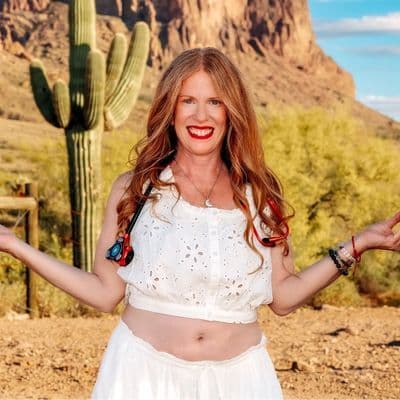
Full Transcript Introduction and Speaker Bios 0:07 Welcome to this summit episode. 0:10 Hormones and mental Health overcoming anxiety, depression and ADHD in women. 0:15 I am your host, summit doctor Kasey Smith and I have my co-host summit, 0:19 doctor Sharon Stills with me today. 0:21 And so we're going to talk to you guys about, 0:24 you know, the summit in general and anxiety, depression, 0:27 some of the mental health aspects that come 0:30 with menopause or changing hormones. 0:33 So Doctor Sharon Stills is a licensed, 0:36 naturopathic medical doctor with over 0:38 two decades of dedicated service in transforming women's health. 0:42 And it has become a guiding light for perimenopause and menopausal women, 0:46 empowering them to reinvent, 0:47 explore and rediscover their vitality and zest for life. 0:51 Her pioneering red hot, sexy 0:54 menopause program encapsulates her philosophy 0:57 to reinvent your health, explore your spirit and discover your sexy. 1:02 This unique approach has revolutionized the way women experience 1:06 their transformative years, making her a sought after expert in the field. 1:11 The opening of Stills Health Clinic, her new 7000 square foot clinic in sunny 1:15 Scottsdale, Arizona in late fall 2024 marks another milestone 1:20 in her mission to provide unparalleled naturopathic care there. 1:24 Along with her son, Doctor Ben Stills, they will be providing unique diagnostic 1:29 and therapeutic options, addressing all forms of chronic illness, including 1:33 but not limited to, cancer, autoimmunity, 1:37 Covid and, of course, menopause concerns. 1:40 This venture follows her previous success in founding and running 1:43 one of the largest naturopathy clinics in the country. 1:46 Doctor stills personal journey of overcoming her own 1:49 serious health concerns or health challenges underscores her commitment 1:53 to the wellness path she advocates for her patients. 1:56 Her life is a treat is a testament to the principles she teaches, 2:00 from embracing a healthy paleo diet and a rigorous vitamin regimen, 2:04 to prioritizing restorative 2:06 sleep and physical movement through yoga, hiking and dancing. 2:10 Whether meditating in solitude, cheering for the New York Jets, 2:13 baking paleo cookies, or exploring the world, 2:16 collecting passport stamps with her family and adorable granddaughters, 2:20 she embodies the red hot life she champions for others. 2:25 So thank you for joining me on this summit. 2:28 So it's fun to hear your bio. 2:31 And I'm like, oh, actually, we're not opening in late 2024. 2:35 We're opening in spring of 2025, our new clinic. 2:38 So oh, I get you know, these things get delayed us. 2:41 So many things do. And we actually change the name. 2:44 It's called Lasting Wellness Center instead of still health clinics. 2:47 So okay, first the newsflash, I heard it. 2:51 First and I'm super excited for you because it sounds awesome. 2:54 Like I want to come check it out. 2:55 I love Scottsdale, so I'm sure that will be amazing. 2:59 So you kind of got on this wellness journey because of yourself. 3:03 Like so many good functional medicine providers. 3:06 I think that a lot of times we're the best provider, for patients. 3:10 When we've gone through and had an experience like this ourselves. 3:13 And so what I really wanted to focus on today 3:16 is, you know, these mental health symptoms that women have. 3:19 And I want you to explain to people a couple of things. 3:22 I think a lot of people feel like maybe they're not normal, right? 3:25 Like this is not normal. What I'm going through. 3:27 And they feel 3:28 almost like ashamed to talk about it or ashamed to ask questions about it. 3:31 So I want to address that. 3:33 I want to address also. 3:35 Maybe we can start with this. 3:36 Why do you think it's so prevalent that women when hormones shift or change, 3:40 whether it be, you know, when we're pregnant, postpartum, 3:44 when we're perimenopausal, when we're going into menopause 3:46 and we're going to really focus on menopause. 3:48 But why is it that women develop a lot of these symptoms, the anxiety, 3:52 the depression, the lack of concentration, the insomnia, things like that? 3:57 What is the trigger for this 4:00 hormones? 4:00 Hormonal trauma? 4:02 I mean, obviously there's other pieces and we can talk about them. 4:06 But our hormones in my in my red deck of cards 4:10 I created, I have a card about hormones and it just says hormones equals sanity. 4:15 And really, if your hormones are not 4:18 balanced, it's really hard to feel good. 4:21 It's hard to not be depressed. 4:23 It's hard to have motivation. 4:25 It's hard to not be anxious.
Why Hormones Affect Mood and Anxiety 4:27 And so when we're going through perimenopause, which so often 4:32 we're told it's not your hormones because we're only 35 and so we're misled. 4:38 But when we're going through hormonal changes, it's pretty much a given 4:44 that there's going to be some kind of brain chemistry that's off. 4:48 I mean, we can think about it from so many different perspectives, 4:51 but just thinking about neurotransmitters, 4:54 our hormones are intimately related. 4:57 So progesterone to Gaba. 4:59 So I call progesterone. 5:01 Hormonal Xanax. Right. 5:03 It just it is your chill pill. 5:05 It is I have had I have had numerous husbands 5:08 send me flowers because I gave their wives the progesterone. 5:12 And they're like, we're in the doctor's pills. 5:14 We love this stuff. 5:15 So whether it's progesterone affecting Gaba or testosterone 5:20 affecting your dopamine, which is like your get up and get it done 5:25 neurotransmitter, or it's estrogen affecting serotonin, 5:29 which is your happy sunshine neurotransmitter. 5:33 So it's intimately related. 5:36 The brain is full of receptors for estrogen, 5:40 for progesterone, for, you know, for testosterone. 5:43 So it of course has this neuropsychiatric effect. 5:47 And we have to really broaden 5:51 what we think about hormones because we think hormones for women. 5:54 We'll just talk about women. 5:55 We think hormones are what give us our period, allow us to get pregnant 6:00 and then go out of balance and create hot flashes. 6:03 But there is so much more to the story 6:06 from every single system in our body. 6:11 And so we 6:12 really have to broaden what hormones can do. 6:16 And remember that if you are feeling 6:19 like your hormones are off, or you are feeling like you're 6:23 losing it like you're not yourself, then trust in that. 6:27 Trust yourself and find a doctor who will work with you. 6:31 Not someone who just says, oh no, you're crazy. 6:35 It couldn't possibly be your hormones or it is your hormones. 6:39 And too bad you just got to live with it. 6:40 Here's an antidepressant. 6:43 Yeah, so to that point, too bad at your hormones live with it. 6:47 Or that's just a normal part of aging. 6:51 Here's an antidepressant. 6:52 You know, 6:53 I feel like there are 6:53 millions of women out there 6:55 who get handed these prescriptions, these antidepressants, right? 6:58 Or even worse, I'm seeing this trend of women who are getting handed 7:03 stimulants like Adderall and things like that 7:06 because they are saying, oh, you have ADHD, you're scatterbrained. 7:09 Right? 7:10 And that, I think, is even worse than an SSRI. 7:12 But to these women who are getting these 7:15 prescription drugs given to them, instead of somebody actually trying to figure out 7:19 what's the root cause of this, you know, I think that's kind of scary. 7:23 It's also kind of negligent, and it's just because they have side effects. 7:28 Right. 7:29 And so, I mean, can you explain to women some of the side effects of SSRI, like, 7:34 why is this a counterintuitive thing to do with women? 7:39 Because they can cause more depression or they can 7:41 cause weight gain, or they can cause your libido to go down. 7:45 So all the things you're trying to improve, they can actually worsen. 7:50 And I always talk about, 7:54 you know, and 7:54 you've probably heard this before, like anxiety 7:57 is not a deficiency of Xanax or 8:02 it's it's something that's going on in your body. 8:04 And so we're looking at through the hormone lens. 8:08 It can be anything from low or high cortisol. 8:13 It can be your thyroid gland. 8:16 It can be your sex hormones dropping. 8:19 It can be a lot of different pieces. 8:22 Hormones are an orchestra. 8:24 Lately I've been calling on the spider web because as one moves, they all move. 8:29 And so you have to really look at them in conjunction to each other. 8:33 You can, 8:33 you know, have patients say, well, can I just do one hormone and start slow? 8:37 And it's like, no, you can throw things out of balance. 8:40 Just like if you take a high dose of a specific B vitamin, 8:44 you want to take a B-Complex so you don't deplete any of your other B's. 8:48 The same for hormones you want to use them together because they work together. 8:53 And so in menopause, 8:57 your root cause is that your hormones 9:00 are not being produced any more by your ovaries. 9:03 So a lot of women will say, well, I want to do it 9:06 naturally, or, you know, I want to get to the root cause. 9:10 And I hear all sorts of craziness from I'm sure you do, 9:15 too, like patients coming in saying, I can't balance my hormones. 9:19 Yet I was told I have to detox copper. 9:22 I was told I have mold, I was told I should get my gut fixed first. 9:26 And it's like, no, no, no, you've got to fix the hormones. 9:31 Not saying we don't have to pay attention 9:33 to those other things, but the hormones are like the middle of the wheel. 9:37 They're the hubcap and all these other things are spikes off of it. 9:41 And so when you're going through menopause, 9:45 the ovaries are naturally going on permanent vacation. 9:49 They're like, Sia, I'm done headed to Hawaii. 9:52 It's been nice. I've done my job. 9:55 And so we hear, we know, oh, the adrenals 10:00 are going to take over, my adrenals are going to produce my hormones. 10:03 Well, by the time you get to menopause, 10:06 show me a woman who has like tip top adrenals. 10:09 And even if they were tip top, which newsflash, they're not going to be 10:13 because you've lived life and you've had stress. 10:16 That's part of life. 10:17 So even if they were, they're not going to produce the quality 10:20 or the quantity of what your ovaries were producing. 10:23 And we are not dying in our 40s anymore. 10:28 Like our ancestors, we can live. 10:30 I plan to live to 130. 10:33 So if you go through menopause at the average age 10:36 of 51, 50 to 50, 10:39 then we'll just say, even if you're going to 100, right, you're 10:43 you're just in middle age when you're in menopause 10:46 and you don't want to live half your life 10:50 in a hormone desert, in a deficiency where you don't have hormones, 10:55 it is going to make the aging process a lot more difficult. 11:00 It's going to make you sicker. 11:02 You're not going to have as good quality. 11:04 So the root cause of 11:08 problems as you go through menopause is the declining hormones. 11:11 Now, does your diet and your community and your trauma 11:16 and your toxins and your gut and your and your and your play a role? 11:21 Absolutely. 11:22 I am a very brain based physician, and I want to put hormones
Hormone Replacement vs. Antidepressants 11:26 into a happy, healthy terrain. 11:30 But you have to have the right hormone. 11:33 You can have a real great terrain, but if it's hormone deficient, 11:36 it's not going to be as good a terrain as you want. 11:39 Because as I was saying before, our hormones are doing 11:43 everything from glucose metabolism to bone health to brain health 11:48 to cardiovascular to immune function to our genital urinary tract. 11:53 They are involved in everything. 11:55 They're busy bodies. 11:56 They have a lot to do in our body. 11:58 And so it's a little different. 12:01 Say when you're younger, say you're having real bad premenstrual syndrome. 12:07 Maybe the root cause is 12:09 that you do have an excess of toxicity, 12:12 or you have a high a load of, 12:16 beta glucan 12:17 a day in your gut and you're recycling your estrogen, 12:21 or you're super stressed out and you're pulling through 12:24 the cortisol instead of maintaining your progesterone. 12:27 So maybe then you can do more lifestyle things. 12:31 You can change your diet, 12:32 you can take some herbs and you can rebalance your hormones. 12:37 But if you are in menopause, 12:40 getting ready to be in menopause, postmenopausal, 12:43 then taking bioidentical hormones, in 12:46 my opinion, is the root solution. 12:49 And any patient I've seen who has thought they weren't going to do that 12:54 when they finally get to my door 12:56 and they take them, I hear the same thing over and over. 12:59 Oh my god, I wasted so many years. 13:02 That was silly of me. 13:03 Why was I letting myself suffer? 13:05 And sometimes we just have to get out of our own way 13:09 because we decide we get very zealous and it doesn't get more natural than me. 13:15 Like I'm supernatural and I wouldn't go anywhere without my hormones. 13:19 Like they are the number one thing that I'm, you know, I always kid around. 13:24 I'm going to be buried with them. 13:26 Just in case. Because, you know, you never know. 13:28 So you want to have them, 13:31 but they're just so super important and like, 13:34 why would you not want to support yourself in a way that will give you such grace? 13:40 Yeah, I completely agree. 13:41 I like the spider web analogy, and I agree with the fact that, you know, 13:45 there are lots of important things that help you support 13:48 those hormones that are good environment, but without those hormones, 13:51 that environment is going to be a pretty 13:54 toxic or just sad environment. 13:56 Right? 13:57 And so, I mean, your hormones and even to your point, they, 13:59 they promote gut health, right? 14:02 So without hormones, your gut, you're not going to metabolize things correctly. 14:05 You're not going to you're going to be constipated. 14:07 You're going to have secretion issues. 14:08 And without hormones you get a lot of inflammation. 14:11 And when you have a lot of inflammation, it's hard for your other hormones 14:13 to work in your body, your thyroid hormone. 14:16 It's hard for your, you know, cortisol and your sex hormones if you have them. 14:21 But if you don't have sex hormones, even your thyroid, like it's 14:24 hard for your thyroid to work. 14:25 You know, as an endocrinologist, I tell people this all the time, like, 14:28 I can give you all the thyroid hormone in the world, but if you're super inflamed 14:32 and your cell membranes are super inflamed 14:34 and you don't have the right micronutrients 14:36 to help the cofactors of hormones, thyroid, hormones getting into your cell, 14:40 you're not going to feel well. 14:41 And a lot of people are walking around with chronic inflammation 14:44 from some lifestyle choices, but from the lack of hormones 14:48 because we're so stressed out or we've gone through menopause or whatever, 14:52 and we don't have those hormones. 14:53 And I see it all the time, just like you do. 14:55 The mood, the mood is just like, 14:59 and any woman that's listening this can probably relate. 15:01 Men, I think, you know, men, you can relate if you're listening 15:04 because you know that time that your wife did something 15:06 and you're like, oh my God, she's legitimately crazy. 15:09 What happened? And then the next day she's fine. 15:11 She really doesn't feel well. 15:12 Like every woman has experienced this, right? 15:14 Like you don't know why, 15:16 but you want to cry or you are crying or you're angry, 15:18 or you want to throw something, or you just feel like you're dying, 15:20 and then the next day you're fine and you're like, what happened? 15:23 It's just a terrible, terrible feeling. 15:26 But any woman listening this has had that feeling. 15:28 And it's not that we want to, like, make everyone around us miserable. 15:31 It's just we've got some offset, some irregularity in our in our balance 15:35 that day or for a few days, for whatever reason, like you said, 15:39 our estrogens low or our progesterone is not coming up. 15:42 And it is a terrible feeling to have us as a woman. 15:45 It's a terrible feeling to experience as someone around a woman. 15:48 Right? And so everyone can relate with this. 15:51 And so, you know, you were talking about some of the things 15:54 that contribute to this, and you're talking 15:56 about how some women want to do it more naturally. 15:58 And it is very difficult when you're on menopause or when you're in menopause. 16:02 And so to women out there who are in menopause have gone through menopause, 16:07 and are thinking, well, I do want to do this a little more naturally. 16:10 What Doctor Sharon is saying is it's very difficult. 16:13 You probably need to add a little bit of hormone to help, 16:15 but what are some of the other things that women can do to help with? 16:20 Let's talk about like mood swings or anxiety, depression. 16:24 What are some other lifestyle modifications 16:26 or supplements or just things people can do to help with that? 16:29 Yeah, there's plenty of things that you can do. 16:33 And in a lot of the interviews that I've done for this summit, 16:36 I've really focused on, we've talked about trauma, we've talked about 16:40 regulating your nervous system, we've talked about opening the fascia. 16:45 So I think these things are really, really important. 16:49 And eating the right diet for you, 16:52 which may not mean not eating any carbohydrates. 16:55 You know, women can use some carbohydrates 16:57 or you can really crash your thyroid and create depression. 17:01 So I just want to make sure that, 17:05 you know, it's a very global thing, right? 17:07 Because we're here as humans 17:10 to heal, to grow, to learn, to share. 17:14 And so we do need to address our emotions and our trauma. 17:19 That's really, really important. 17:21 And giving you progesterone and estrogen or oxytocin 17:25 or DHEA or thyroid or whatever it is we're giving 17:29 is not going to address that, but it's going to make you much more stable. 17:33 So you can go and address that. 17:35 And so honestly, I mean, for, you know, using things for anxiety, 17:41 whether it be l-theanine or doing deep breathing 17:45 or moving your body 17:48 when it comes to menopause, 17:50 I, I go to hormones first because often 17:54 you don't need to do all those other things, just like anxiety, 17:58 having a depletion or a deficiency of Xanax. 18:02 It's not necessarily a deficiency of mocha 18:05 or l-theanine or black cohosh either. 18:08 And don't get me wrong. I mean, I love my hormones. 18:10 I'm an herbalist, so I can appreciate plant medicine 18:14 very much, but there's a time and a place. 18:17 And if you came to my office or you talked to my patients 18:22 and say we were talking to ten patients who all were dealing with the diagnosis 18:26 of rheumatoid arthritis, they would all have different 18:31 prescriptions, different plans, because their autoimmune condition came 18:37 because of a different reason, whether it's toxicity or stress 18:41 or permeability in the gut or mold or trauma, whatever it is. 18:46 But when it comes to menopause, it is the same. 18:50 It's kind of like, you know, the most allopathic way, I think, is 18:54 that all women are losing hormones. 18:57 So let's replace the hormones. 19:00 I kind of say it's like the hormones are throwing it at the bull's eye. 19:03 And a lot of times the right hormone prescription 19:07 hits the bull's eye and we're done. 19:11 The craziness goes away, the sleep improves, 19:14 the libido comes off, the hair stops falling off the joint. 19:18 Stop aching. 19:19 The bowels start moving, etc., etc. 19:22 and then if it doesn't, you know, if it's like, well, this improve, 19:27 but this didn't or this only improved to 80%, 19:30 then we go looking okay, are you missing. 19:34 Let's run a red blood cell. Magnesium. 19:35 Are you low in magnesium? 19:37 Is that causing your anxiety? 19:40 Do you have a neurotransmitter imbalance? 19:43 Are there heavy metals attacking your thyroid? 19:47 What's going on in your mouth? 19:49 Do you have cavitation? Do you have root canals? 19:51 Do you have mercury that needs to be removed properly? 19:55 So we start to look at these other things. 19:58 But a lot of times from a mental perspective, 20:01 I, I see it all the time. 20:04 And I know you do too. 20:06 You it's like I have a patient. 20:08 I just had a patient a few hours ago. 20:10 She's like, I took myself to the emergency room 20:14 because I was so scared. 20:16 I was losing my mind. 20:18 I didn't know what was going on. 20:19 I went to the emergency room because I was freaked out and 20:24 it was her horn. 20:26 Yeah. And. 20:27 And it's really doesn't have to be this long journey.
Lifestyle Support and Root-Cause Evaluation 20:32 Like something like mole toxicity or mercury 20:35 toxicity or even repairing the adrenal glands. 20:39 That's a longer journey, right? 20:41 It's not going to happen overnight. 20:42 You don't just laid out mercury, you just don't fix your adrenals. 20:46 Take some TLC. 20:48 But hormones, when you get the hormones, it can be it can literally be overnight. 20:54 We have so many times we prescribe hormones, 20:56 and the next morning we're getting a phone call at the office. 20:59 Oh my God, I like feel 100% better already. 21:03 So it it doesn't have to be a long journey when you get the right hormones, 21:07 when your hormones are evaluated the right way, you can feel better. 21:12 Pretty quickly. 21:13 And it can be pretty comprehensive. 21:16 Where I've gone from, like you were saying, the whole roller 21:19 coaster mood swings, crying, cursing, throwing, angry, 21:24 this, that all of a sudden you're like, oh my God, I'm home. 21:27 Like, I feel like me again. 21:30 And so it's, you know, I just want to like, scream it from the rooftops. 21:35 And I, I get so I'm really riled up today 21:39 because I just had a string of patients today who it was like 21:42 first story after horror story of what they've been put through, trying 21:47 to get hormones from their primary care or their ObGyn and being told, 21:53 you're too old, you're too young, you're not a candidate. 21:56 You know that whole fallacy of you have a family history of cancer 22:00 or you have clots? 22:01 I mean, so just there's so much misinformation out there 22:05 and what ends up happening is women suffer 22:09 unnecessarily and sometimes for I mean, I had a patient last week, 22:14 I mean, like 15 years she's been suffering trying to get hormones. 22:19 It just it breaks my heart because you don't need, first of all, antidepressants. 22:26 And, you know, I can prescribe meds if I need to. 22:31 I don't because I don't ever need to. 22:34 But I have had over the 23 years I've been practicing, 22:37 I've had like two patients that I could think of off the top of my head 22:41 that were on an antidepressant, and it was actually working for them. 22:46 And if it's not broken, 22:48 I'm a big fan of like, don't fix it. 22:51 But for the most part, patients on antidepressants, it's depleting nutrients. 22:55 It's not doing anything for them. 22:58 It's making them worse. 23:00 And it was never meant to be a long term solution. 23:04 Maybe. 23:05 Maybe you had a death in your life and were put on an antidepressant. 23:10 You know, for a couple of weeks, a month or two months to get you through 23:14 that time. 23:15 I mean, that's not what I would choose to do for a patient. 23:18 But there are doctors who treat that way. 23:21 But it's not meant to be like a lifetime experience 23:24 that you're on this antidepressant. And so 23:29 if you're on 23:30 an antidepressant, like don't stop it, right. 23:33 Because you could do more harm than good, 23:34 you need to be weaned off properly under medical supervision. 23:39 But if you're listening and you're on an antidepressant 23:42 and you're not on hormones and you're in this perimenopausal menopausal range, 23:48 it would be a really great idea to work with the doctor who's hormone 23:52 literate, who understands hormones to evaluate you, 23:57 and to see if they can ring you off and get you on hormones. 24:00 I do it all the time, and we're able to say goodbye to the antidepressant. 24:04 And it's not just about, oh, we want to be natural. 24:08 Like, yes, we do want to be natural, but it's about you feeling. 24:12 And when you get off the antidepressant and you get on the right hormones. 24:17 My experience is women always flourish. 24:20 They always feel so much better when they than when they were just numbed 24:24 out on an antidepressant. 24:27 Yeah, for sure. 24:28 Because like you said, there's so many side effects with those antidepressants. 24:31 And I've never had a patient I've taken off an antidepressant 24:35 after I fixed their hormones and got everything else fixed 24:38 that said, oh, please put me back on that antidepressant. 24:41 Right. Never like it doesn't happen. 24:44 And so unfortunately, to your point, you know, like you said, 24:48 a lot of times with physicians and providers, if they don't know 24:52 the answer to something or they don't know how to fix something 24:56 by medicating it, then they don't know what to do, like, 25:00 and instead of I don't know, it is here's the pill like 25:04 because that's what we learn in med school, right? 25:06 Like you just you treat something with a medication. 25:10 And that's I guess what's so frustrating to me is like 25:12 I tell patients all the time, I don't know, like, 25:15 if I don't know the answer or something, I don't know. 25:16 But we're going to figure it out, right? 25:18 I'm not sure what's wrong with you right now, but we will figure it out. 25:21 And to your point as well. 25:22 Like a lot of these things, you know, mold toxicity and healing 25:25 your gut and a lot of these things, they do take a lot of time. 25:28 But I like your point of like, start with what's going to get you 25:32 the, the most bang for your buck, which is giving somebody that hormone. 25:36 And then if they're still having issues months down the road and their hormone 25:40 levels are, you know, optimal, then we can address some other things, right. 25:44 If you're not getting better. 25:45 But so many people, I think, go to these providers 25:48 and providers just they don't know what to do. 25:50 They check their levels. 25:51 They're like, I don't know, they seem fine. 25:53 Instead of saying, you know, truthfully to a patient, 25:57 while it seems like you really do 25:58 have these symptoms, I don't know how to help you. 26:00 Let me help you find someone who can. 26:02 And I think that's what's really frustrating. 26:04 And that's where medicine needs to, you know, take a step back, 26:07 remove some egos from the picture and figure this out. 26:10 Right. 26:11 And med schools need to do a better job of training people. 26:15 That's I think it's. 26:18 Yeah. 26:18 You know, there's also there's a whole bunch of 26:23 coaches or health practitioners who 26:27 I was just talking about this to my best friend today 26:29 who's also a physician, and I was like, you know, I just feel like 26:33 there's a lot of people out there who can't prescribe hormones. 26:37 So rather than saying, you really need 26:39 hormones, you should go find a doctor who can prescribe for you. 26:43 They say you don't need hormones, you just need to fix your gut, 26:47 or you just need to eat more protein. 26:50 And that does such a disservice. 26:53 Like, 26:55 it just it's it's one of my biggest pet peeves of the 26:58 of the week that I see this happening constantly. 27:01 Oh, go through menopause without hormones. 27:04 You can do it. 27:05 You don't need hormones, you just need acupuncture. 27:08 You just need the right diet. 27:10 And it's like, no, I mean, I love acupuncture, 27:14 I love eating the right diet, but you need hormones. 27:17 It is the foundation of what you need to live, not only quantity. 27:23 Like I said before, but quality. 27:26 And then you need someone. 27:28 It's like it's, 27:29 you know, it's great because there's a lot of information out there. 27:32 So I find patients are so much more educated 27:36 than like when I first started practicing where we didn't even 27:39 have the internet and like, 27:41 how did I get through medical school without the internet? 27:43 But I did somehow. 27:45 But we also have 27:48 you have to 27:49 first find the right doctor with an open mind who will work with you. 27:55 Then you need to have someone who's going to run the right tests. 27:58 Then you need to have someone who's going to interpret the right, 28:01 the tests the right way. 28:03 And then you need to have someone 28:04 who's going to implement the interpretation the right way. 28:08 And when we talk about depression, I think of thyroid hormone. 28:13 And I think over and over and over again, 28:17 women are told your thyroid is fine because they had a TSH run 28:23 and it looked okay. 28:25 And then there's women who get the right levels, right. 28:28 So they've they've been on the summits and they've done their homework 28:31 and they're like, I got my free T3 and my free T4 and my reverse 28:35 T3 and my antibody tests. 28:38 And then they have a free T3 of 3.0 and they're told, no, it's in range. 28:44 It's fine. 28:45 But no one ever says, well, maybe that's not the right range for you, 28:49 because my experience is most women need to be 28:52 at the high end of the free T3 range to feel good. 28:56 Some even need to be higher because it's just a range. 28:59 It's not like law, it's something to guide us, 29:03 and we're all biochemical individuals and there are other things going on. 29:09 Like you could be the poster child of a low thyroid, your hair's falling out, 29:15 you're gaining weight, you can't poop, you have no energy, you're depressed. 29:20 You're cold all the time. 29:21 Your basal body temperature is 95.9 on a good day. 29:26 And they're like, nope, you're free. 29:27 T3 is right in the middle of the range, so couldn't possibly be your thyroid. 29:31 And it's like, so you need to find someone who's going to think outside the box. 29:37 And this isn't even in the box to me, but someone who's going to trial, someone 29:41 who's not just going to put you on a dose of thyroid and go, nope, it didn't work. 29:46 Like getting the right dose of thyroid can be a damn. 29:49 Sometimes we hit it immediately, but sometimes you need to titrate. 29:53 Sometimes you need just free T3. 29:55 You don't need the T4 pumps, your reverse T3 to your home. 30:00 So and then you're told it's not your thyroid, 30:03 but then you're still depressed and it's like, well, it is your side. 30:07 So I guess my message is like, 30:10 you know, I mean, my patients, you know. 30:13 Right. Like, you live in your body 24 over seven. 30:16 And if you have an intuition that it's your thyroid, 30:18 if you're listening to this and you're like, oh my God, that's me. 30:21 Like, don't give up. 30:22 Find someone who will help you, who will work with you, who will do 30:26 the dance with you till you get to when your thyroid is optimize is. 30:30 It's like a light switch. 30:32 You go from boom to 30:36 it's like very you will know it. 30:38 And so you just need a doctor who's going to work with you 30:42 and not just say, well, it's not that. 30:46 And then like, you know, to your point, well, maybe we should just give you 30:49 an antidepressant and the other side, 30:53 it's also like emotionally 30:57 looking at the depression, you know, is it. 31:01 So I, I kind of do things 31:04 what I believe and what I do are a little backwards 31:06 because I actually believe that a lot of our imbalances start out here. 31:12 They start in our energy field, they come into our body 31:16 because we're not living according 31:18 to our souls desire to our path, however you want to put it. 31:22 And they manifest to get our attention because we might not be living the life
Mindset, Energy, and Daily Health Habits 31:27 we desire and we may not pay attention to it. 31:31 But if we have crippling headaches 31:34 that we can't get out of bed, we'll pay a little bit of attention. 31:37 So sometimes we need to be like hammered over the head, 31:41 literally to get to pay attention. 31:45 And so I believe that. 31:48 But I also believe that we are in a physical body. 31:51 And if our physical body is not balanced, then it's really hard to do 31:57 the deeper work of clearing our trauma, of looking at our lives and all of that. 32:03 So I actually, in practice, I start typically with addressing 32:08 the physical body because say your thyroid 32:12 is not optimized and we get it optimized 32:15 and your depression goes away, which is very possible. 32:19 Then maybe it was just really in your physical body. 32:23 It was just something that needed to be addressed biochemically. 32:26 And you don't have to go down the big deep trauma hole of why you're depressed. 32:31 If you get your thyroid optimized and it gets a little better, 32:34 but it's still there, then you can start looking at these other things. 32:37 So we have to look at healing as a journey, as an opportunity. 32:44 We have to get curious rather than getting annoyed. 32:48 We have to start to say, what is this here to show me? 32:52 What is this teaching me? 32:54 What can I learn from this? 32:55 Where can I be better and balance? 32:57 Where can I be more in alignment with my values? 33:00 And so it's it always. 33:02 I had a patient today who's like, I went to Mayo Clinic. 33:05 They can't figure out what's wrong with me. 33:07 And I'm like, well, we shouldn't have that problem because I have like 33:10 a list of like 75 different things that could be affecting you. 33:14 So we have to we have to be open 33:17 minded and know this is a journey that we're going on. 33:20 And usually something, especially when we have chronic illness 33:25 and I wouldn't call menopause or hormone imbalance a chronic illness. 33:30 Menopause isn't even a disease. 33:32 It's a natural occurrence that's happening whether you want it or not. 33:36 It's coming your way at some point. 33:38 But when we have like 33:40 I work with a lot of patients who are dealing with cancer diagnoses, 33:44 and when we're dealing with a cancer diagnosis, there's almost always 33:48 an emotional component. 33:49 And when the patient says doctor's 33:52 bills, I'm really grateful for the gift of cancer. 33:56 I'm grateful I had this because I learned x, y, z. 34:00 I know we're moving somewhere and we're getting somewhere, 34:04 and so we have to really look at things 34:07 very multifactorial. 34:10 And sometimes it is you're just deficient in zinc 34:13 or you need your thyroid hormone bomb. 34:15 Sometimes it's a little more complicated. 34:18 I think that's a very, very good point. 34:21 So I think that we touched on a lot of great things, 34:25 for people to kind of to take this in. 34:27 And I like the point of, you know, sometimes it is really simple. 34:31 You're just missing a hormone. 34:32 And you give somebody that hormone and they feel better. 34:35 But and that happens a lot of times, 34:37 especially when we're talking about menopause. 34:39 But if that's not the case, then continuing to work on things 34:43 like we talk about in the summit, sleep and mindfulness and exercise and diet 34:47 and light therapy and relationships and all the things we're going to touch on 34:51 in the summit, then those are things that that do need to be addressed. 34:55 And to your point, it helps the journey. 34:58 I tell my patients, you know, health is not owned, it's rented. 35:00 And the rents do every single day. 35:02 It's something that you work on continuously. 35:05 And I do like that whole energy field. 35:07 I believe in that, too. 35:09 I believe so much. 35:10 My actual goal for 2025 35:12 is to make my energy around me, and just in general, better. 35:16 So I've gotten 35:16 rid of so many toxic people in my life and just a lot of toxic things. 35:20 And so my goal for 2025 is to make sure that the energy that surrounds me, 35:24 because I believe, like you believe, there's a vortex that surrounds you 35:27 and it's either positive or negative, and that affects your being to the core. 35:32 And so, you know, I have this app that I listen to on this positive 35:36 mantra energy and things like that that make me feel good. 35:39 And I'm going to do that a lot in 2025, because I feel like I've gotten rid of 35:42 a lot of the toxic inside of me. 35:44 So I want to make sure that surrounding me 35:46 is like this, you know, nice halo of light as I walk around. 35:50 No bad juju around me. So 35:53 I like that that we are light beings. 35:56 We are. 35:57 I was, 35:58 was it a patient I was on zoom with the other day, 36:01 and it's like her picture didn't come up. 36:04 It was like she had something covering her camera. 36:06 But instead of seeing her, I saw this beautiful purple rays of light. 36:11 And I was like, I think that's really you. 36:13 She's like, no, I have my camera covered. 36:15 I was like, no, but I that is what you truly look like. 36:18 You are a purple ray of light and we know we are. 36:21 I mean, light heals, but bio photons are where it's really at, 36:27 which is even, you know, beneath the biochemistry. 36:31 So health. 36:32 I love what you said. You know, it's it's rented. 36:34 You got to pay the rent. 36:35 That's great. And every day. 36:38 Because there's a lot of people who walk a line. 36:40 Right. Like I walk a line too. 36:41 I have some autoimmune conditions. 36:43 And if I don't walk that line, if I let myself, you know, oh, I'll do it tomorrow. 36:48 I'll do it tomorrow. 36:49 I'll do it tomorrow. 36:50 If I do that for a week, I feel terrible. 36:52 And it takes a month to get back to where I should be. 36:55 And so I'm sick of doing that, like I've done that for years. 36:58 And so I decided last year I'm not going to do that anymore. 37:00 And I didn't do it this year and I'm not going to do it anymore. 37:03 And so you just have to walk that line every day, right? 37:06 It's not worth it. 37:07 And so and but it's a journey and it's something that you, you got to do 37:11 every single day. 37:13 It's not necessarily like it takes a ton of time or it's really hard. 37:16 And that's what I like people to understand, too. 37:18 Exercising can take 15 minutes, you know, meditating 37:21 you can take two minutes, 37:22 taking three minutes in between seeing patients and being mindful. 37:26 I mean, they're little snippets of things you can do throughout the day, 37:29 but you got to walk that line and you got to do it every single day. 37:32 Because if you don't, you turn around and look back 37:34 where you started drawing those lines and it's way back there, right? 37:39 Yeah. 37:39 So it's, it's definitely an energetic thing 37:45 and having a regulated nervous system. 37:47 So you enjoy so these things you enjoy doing 37:50 and they don't become one more stressful thing to check off. 37:55 But you are really present here with my every year 37:58 I choose a word to guide my year. 38:01 And for 25 it's thank you. 38:05 And it's thank you for this gift of this life. 38:10 Thank you for waking up today. Thank you. 38:13 It just deepens the gratitude, 38:16 not just for my but thank you. 38:19 Like really thank you. 38:20 I appreciate everything because we never know when it can be 38:25 taken away from us. 38:26 Life is precious and it's worth taking the time to, 38:31 like you say, walk the lines so that you feel good. 38:34 Because my whole when you were saying like my read program, 38:39 it's like, I want you to reinvent your health 38:42 so you feel good because when you feel good and you're not 38:46 distracted by pain or mood swings or headaches or blood problems, 38:52 then you can really explore your spiritual aspects and your emotions. 38:57 And when you do that and you've balanced both of those, 39:01 then you get to like discover your passion, your gift, your life, 39:06 why you're here and that's what makes it really fun about being a human. 39:11 And so we just got to be committed. 39:14 I had a patient the other day say, well, when 39:18 this is airing, but we're filming closer to the holidays. 39:21 And so patient was like, well, you know, it's the holiday. 39:24 So I always eat jam and I get that mindset, but it's too 39:29 like what you're saying, like at some point I stopped eating junk 39:34 because it wasn't worth feeling like crap 39:36 the next day, and now I don't see it as a treat. 39:40 I see it as, oh no, that's going to that's going to make me 39:44 not be able to participate in my life the way I want to. 39:47 So it's just mindset sets. 39:51 Yeah. 39:51 And to your point, for the holidays, you know, a lot of people use that excuse. 39:54 And so yesterday was Christmas. 39:56 And to be honest with you, you know people give me a hard time like my team. 40:00 We had a group text going on and everyone's like, nobody tell Doctor 40:03 Cassie what they ate for the holidays because she would be very upset. 40:07 And my response to that is like, I'm not going to be upset. 40:09 You do whatever you want with your body. 40:10 But I'm happy to tell you what I had yesterday, and it's what I typically have. 40:14 I had eggs for breakfast. 40:15 There were vegetables in it with me. 40:18 I had a protein shake yesterday for dinner. 40:22 I had some beef and some avocado. 40:23 I mean, we don't I don't eat crazy things on Christmas 40:26 or Thanksgiving or because I don't want to feel like crap. 40:28 I have a lot of stuff to do today. 40:30 I had, you know, two. 40:32 I had three zoom meetings. 40:33 I had two podcast. Like, I didn't want to feel that. 40:35 So that doesn't I don't need that as part of my life. 40:39 You know, I, I just yes, I hung out in my pajamas 40:42 all day and I watch movies and I hung out with my husband, and I relaxed. 40:45 But I don't need to eat bad food because I know what that's going to do to me. 40:49 And to your point, like when your health gets good 40:51 and then you can actually figure out what you were 40:53 put on this earth to do when you actually do that. 40:55 So like, you're you're healthy and spiritually you're doing what you want. 40:59 It's not even like a one plus one if you've experienced it. 41:03 It's like a, a one times a million, you know, it's 41:06 like it's so exponential how things change. 41:09 But in order for you to get that, you know, that feeling and be able 41:13 to be doing what you're supposed to be doing in this world and doing well at it, 41:16 you have to feel well. Right? 41:17 And so it's just I think that's a lot of people's issue with alcohol, too. 41:21 You know, we could digress for a second, but I have so many friends and, 41:25 you know, who say, like, well, I have to drink alcohol because whenever 41:28 I go out, everyone's drinking alcohol. 41:29 And if I don't drink alcohol, 41:31 I feel, you know, and I get that I had that pressure in my early 30s, 41:34 but now I'm like, 41:35 I don't care what everyone's drinking because I don't want 41:37 to have a headache tomorrow and I want to sleep. 41:39 I don't want to wake up hot like I don't. 41:41 I literally don't care. 41:43 Drink whatever you want, but I will have water with lemon, you know what I mean? 41:47 Like, it's it's it doesn't matter because it's not worth it to me. 41:51 So once you get 41:52 there, then you're there, but, you know, you got to get there. 41:56 Sometimes you want to have the drink, and I just tell my patient, you know, 42:00 we're big girls or boys, and, you know, if you know, the drinks are going 42:03 to make you sleep like crap, 42:05 but you want to have it like you do, that you're a big girl. 42:08 So, you know, it's good to have some balance and be able to swing. 42:12 But, you know, for you like saying managing autoimmune. 42:15 And, you know, I was very, very sick as a child. 42:18 Like it's just not worth it to me. 42:21 My health is much more worth it. 42:23 So I remember like when I first I was like, oh, I can't eat pizza. 42:28 But you know what? 42:29 If I want pizza, I can have a grain free crust 42:32 with some dairy free cheese and it's just good. 42:35 And if I look at a regular New York pizza now, I just see bloating and not. 42:40 And I'm like, no, thank you. Not interested. 42:44 Yeah, not worth it. 42:45 And you know, when you don't eat that because I'm like you, I don't eat dairy. 42:48 I don't eat gluten when you don't eat that, 42:50 if you ever do eat it by accident or something like cheese. 42:53 I haven't had cheese in years and I ate. 42:56 I don't even remember what I eat something in my husband's and it had cheese. 42:59 I almost had like a visceral like. 43:02 But it was disgusting. 43:03 Like, if you've ever not had shredded cheese for a long time 43:07 and then you have it, it is vile tasting like it doesn't. 43:10 Make. 43:11 Milk, you know, it's like, oh my God, people sprinkle that stuff on everything. 43:14 It's the anyways, 43:17 definitely not worth it, right? 43:19 Oh, I'm definitely. On a tangent. 43:22 Yeah. So. 43:25 We kind of got off. Off kilter there. 43:27 But I hope that this was interesting for everyone. 43:30 And if you're still with us, thank you for being with us. 43:33 We have a lot of great things on this summit 43:35 that will help you as far as mental health goes. 43:39 Anxiety, depression, ADHD. 43:40 So make sure that you tune in for the next episode of the summit. 43:43 And thank you for doing this entire interview with me. 43:46 Thank you. It's fun.

Comments