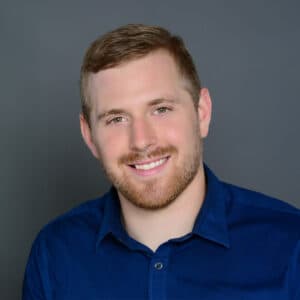
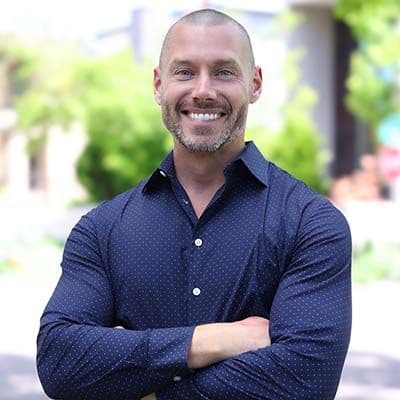
Full Transcript Introduction to Bone Coach and Bone Health 0:07 Welcome everyone. 0:08 This is Doctor Rudy Mueller and I'm joined today by Kevin Ellis. 0:12 It's great to have you here Kevin. 0:14 He is better known as the bone coach. 0:17 Is a Forbes featured integrative health coach, 0:19 podcaster and founder of Bone coach.com. 0:23 So through his unique three step process and a world class coaching 0:27 program called the Stronger Bones Solution, 0:30 he and his credential team have helped thousands of people 0:33 with osteopenia and osteo process in over 1500 cities 0:38 around the world, helping them gain confidence in their stronger bones. 0:42 Today, the Bone Coach community has grown to over 250,000 people 0:47 focused on osteoporosis reversal and achieving their stronger bone goals. 0:52 So his mission is really to help millions of people with osteo 0:55 paralysis build stronger bones, and to help our children 0:59 and grandchildren create a strong and healthy foundation 1:01 so they can lead a long, healthy, active life. 1:04 So welcome, Kevin. 1:06 I greatly appreciate your time today. 1:08 Doctor Rudy, thanks so much for having me here. 1:09 This is going to be a great chat 1:11 because our bones are really important for leading a long, active life. 1:15 Yeah, and I'll tell you something that's often overlooked. 1:18 You know, with osteoporosis and osteopenia, it seems that 1:21 most of the time it's a reactive approach instead of a proactive approach. 1:25 So I really look forward to diving in to hearing more 1:27 about how you're helping people and how we can potentially, as listeners, 1:32 learn more about how to implement solid plans, research backed plans to 1:36 to address these issues before they become real issues. 1:40 Absolutely. 1:41 And I would agree with you that that when we think of our bones, 1:44 most of the time, we actually don't think of our bones. 1:46 Maybe usually it's a little too late, when somebody already has a fracture 1:51 and they're thinking about their mother, 1:52 their grand, their grandmother, or somebody like that who had a fracture. 1:56 And then they saw how that impacted their quality of life. 1:58 And then it becomes a reactive situation. 2:00 And I will also say that the conventional medical model, 2:04 the way it's set up, is also established in a way that makes it more 2:08 of a reactive problem to address versus being more proactive. So, 2:13 I would say for, for most people, 2:16 I can even just touch on why 2:18 this is important, why your bones are important for 2:20 if you want to lead a long, healthy, active life. 2:23 If you're looking for longevity, 2:25 not just living longer, but also having good quality years, you have 2:29 to preserve and strengthen the structure that's going to get you there. 2:33 Your bones. 2:34 A lot of times when people think of their bones, 2:36 they just think of them 2:37 as the static structures that hold you upright and carry you through life. 2:41 And they do that and they do a really good job of it. 2:43 But they're also living tissue. 2:46 They're endocrine organs. 2:48 They they give you life. 2:49 Essentially. 2:50 Your bones actually contain, bone 2:53 marrow, the soft, spongy material that produces stem cells, blood 2:57 cells, 95% of the blood cells in your body produced in the bone marrow. 3:02 So if you need help with preventing bleeding and clotting, 3:05 platelets are going to help with that. 3:07 If you need help with, 3:09 carrying oxygen to the body's tissues, carrying carbon dioxide away 3:12 from the tissues back to the lungs, red blood cells help with that. 3:16 If you need help with fighting infections, healing wounds, 3:19 anything related to the immune system, that's where white blood cells come in. 3:24 And the cells that break down bone are a form of white blood cell. 3:29 So anything that's talking to the immune system, stimulating the immune system 3:33 is speaking in the same language as the cells that break down bone. 3:37 So a lot of times, a lot of these other health issues, 3:40 that we talk about autoimmune conditions, anything contributing to inflammation, 3:44 anything relating to our gut health 3:47 because 70% of the immune system is in the gut. 3:50 Right? 3:50 Anything that is speaking in the same language, 3:54 as the cells that break down bone is going to affect that bone structure. So 3:59 your bones are more connected to most of the things 4:02 in your health journey than you would think. 4:04 And that's a big part of what we're going to talk about here.
What Osteoporosis and Osteopenia Mean 4:06 Yeah. Amen to that. 4:09 Great points all around. 4:10 And so when we think, you know, as, as clinicians, 4:14 we think and, and people that might be dealing with this 4:16 or have family history of it, we think about osteoporosis, osteopenia. 4:20 So I think just starting with the basics of maybe defining what they are. 4:24 What's the difference. 4:26 Could be a nice beginning point. 4:28 And then maybe getting into why bone health is so connected to to longevity. 4:33 Absolutely. 4:33 So osteoporosis literally means porous bone. 4:37 And it's a condition is characterized by either not enough bone formation, 4:41 excessive bone loss, or it's a combination of the two of those things. 4:46 And in osteoporosis, both your bone density and your bone quality are reduced. 4:51 And that's going to increase your risk of fracture. 4:54 Now the way you find out you have osteopenia or osteoporosis 4:58 is through what's called a Dexa scan or a bone density scan. 5:02 Dual energy x ray absorb geometry, painless tests, kind of like an x ray. 5:06 Very low levels of radiation. 5:08 You lay down on a machine, it does the scan. 5:11 It, tells you your bone mineral density, 5:14 the actual mineral content of your bone, and then it generates a score. 5:18 And if that score is plus 1 or -1 or somewhere in there 5:21 that's considered normal and healthy, if it's -1 to -2.5, 5:27 that's considered osteopenia, which is like a precursor to osteoporosis. 5:32 And if it's -2.5 or lower, so -2.6, -2.7, 5:36 so on and so forth, that's considered osteoporosis. 5:40 And the greater the negative number becomes, the more severe the osteoporosis. 5:45 Now there are other scans that you can get to tell you your bone density. 5:49 There's also something called a REM scan. 5:51 This is like an ultrasound technology that will also look at your bone density. 5:57 But a lot of times when people get this bone density, 6:00 they don't have the full picture right then. 6:03 And oftentimes the doctor is making a recommendation 6:07 for a medication or for just taking a bunch of calcium and vitamin 6:10 D and doing some walking and not lifting heavy, 6:13 but they don't have the other part of the information. 6:15 So what are the other things 6:16 that we need to know when we get told we have osteopenia, osteoporosis? 6:21 You need to understand that bone quality 6:24 also plays a role in this. 6:26 So bone density is the mineral content of the bone. 6:30 Bone quality is the structural integrity 6:33 of the bone, the microarchitecture, how the bone is organized. 6:37 Those two things combine to create bone strength. 6:41 So in order to get the bone quality part of that picture 6:45 with your bone density, scan your Dexa. 6:48 You would want to ask the facility if they have what's called 6:51 TBS capability trabecular bone score. 6:55 If they do, you can get bone 6:57 density and bone quality at the same time. 7:00 So now you have a more complete picture of your actual bone strength. 7:05 If you're doing a REM scan. 7:07 Rems also has bone density and bone quality that will come with that scan. 7:13 So now you have two different 7:14 ways, two different types of scans that can give you density and quality. 7:19 So now you have a more complete picture of your bone strength, 7:24 but what you still don't have, especially if you only have one of these scans, 7:29 is you don't understand 7:31 if you're actively losing bone right now, present day, 7:36 and that that is one of the most important pieces to understand. 7:39 Because if you do have bone loss taking place 7:42 right now, something is causing it. 7:46 And we need to address that underlying issue. 7:48 So the tests that you would look at to know if you're actively losing bone 7:53 are called bone turnover markers. 7:56 These tests look at the activity level of cells 7:59 that are breaking down and building up your bone present day right now. 8:04 So if you get the most sensitive marker 8:07 for bone resorption or breakdown is called 8:11 CT serum CT, it's a blood test. 8:14 It's a CT low peptide test. 8:16 And it looks at the activity level of cells that are breaking down bone. 8:20 And if that activity 8:21 level is off or elevated or not, where it needs to be, 8:25 that can be an indicator of active bone loss taking place right now. 8:29 And a root cause issue that needs to be addressed. 8:33 And then if we're looking at bone resorption, 8:36 you also want to look at bone formation at the same time. 8:39 So the most sensitive marker for bone formation would be P1 and AMP 8:45 Pro collagen type one N-terminal Pro peptide. 8:49 These tests look at the activity level of cells that are building bone. 8:53 So instead of 8:55 we talked about right at the beginning, Doctor Rudy brought this up. 8:58 Is that a lot of times people are more reactive with osteoporosis. 9:05 Part of the problem with the way the conventional medical model is set up 9:08 is it's only looking at the bone density in the bone 9:12 quality scans every one year, one and a half years, two years down the road. 9:18 Those are lagging indicators 9:20 of what's going on with your bone health. 9:23 But when we shift the focus to look at bone turnover markers, 9:28 these are leading indicators that we're doing the right things. 9:32 So instead of waiting a year, year and a half, 9:35 two years, hoping that you're doing the right things, 9:39 we can look at bone turnover 9:41 and see, are we actually bringing bone loss down?
Testing Bone Density, Quality, and Turnover 9:45 Are we boosting bone formation? 9:47 Is the ratio between the two of those improving. 9:49 And when you do that and you focus on those near term targets, 9:54 you're more likely to achieve that lagging indicator outcome. 9:58 It's a more complete picture of what is occurring metabolically or at the bone. 10:03 Yeah. 10:03 And then and then once you know if you're losing bone right now. 10:08 So let's say that is off or elevated or really high, then 10:12 if there's that, that means there's a root cause issue that needs to be addressed. 10:15 It's not always just hormones. 10:16 It can be hormones can be a contributor. 10:18 Most people will be told, oh, it's just hormones or it's a natural part of aging. 10:23 Sure. 10:23 But there are oftentimes 10:26 other contributors to that, and I'm happy to explore each of those. 10:29 We can go, yeah. 10:31 I think that would be great 10:32 to get into some of the causes and contributing factors. 10:34 But really, what 10:34 this kind of reminds me of and, and so much of 10:37 whether it's, you know, 10:38 our conventional medicine and, you know, how functional medicine may differ 10:42 is, you know, for a thyroid test will often just see a free T4 and a TSH, 10:48 which gives a little bit of a picture of what's going on. 10:51 But when we're really wanting to understand the thyroid, 10:53 we need to be looking at antibodies, for instance, nutrient levels, 10:57 the conversion of T4 to T3, the development of reverse T3. 11:01 So it gives us a complete picture to now be able to take actionable results on 11:06 and not just be reactive to the situation and to the symptoms, 11:10 but proactive and knowing where you were at, 11:13 I don't know, 20, 30, 40 years old and now at 60. 11:16 And so I guess coming off of this testing thing, I know my question would be 11:22 when is the optimal time? 11:24 Or are there potential indicators for a person that would may say, 11:29 we should have these types of tests performed early so that we get some 11:33 foundational baseline understanding, like is there an age, is there a symptom? 11:38 Is there some sort of metric that you would 11:40 recommend for people to say, hey, you know what, you need to get this this done? 11:44 Yeah, really, really great question. So 11:48 I want to point out that 11:49 about 90% of your bone mass is put on by the time you turn age 18. 11:54 The remaining 10% fills in. 11:56 By the time you turn 30. 11:58 So by the time you turn 30, 12:01 you're reaching around peak bone mass and what I would call a full bucket. 12:06 So if you are listening to this right now and you have kids or grandkids, 12:11 then you need to just pay attention to make it. 12:14 We want to make sure we're doing the right things for them at a young age. 12:17 And those great bone building years, because doing better things for them now 12:22 is going to help add ten, 20, 30 years of good quality to the end of their life. 12:26 So we don't just want to think about can we live longer? 12:28 Most of us, when we have kids, we're thinking about how can I 12:33 that's that's your primary focus. 12:34 Those are the 12:36 you don't know, a stronger love until you bring a child into the world. 12:39 Right? 12:39 So when you when you have that child, 12:43 we want to make sure we set them up for a long, active, healthy future. So, 12:47 doing things like 12:49 making sure we've got good diet, nutrition from a young age, getting enough 12:53 vitamin D, vitamin K2, calcium, 12:56 magnesium, vitamin C, all of those key nutrients for bone health. 13:00 We need to make sure we're getting enough of those for our kids at a young age. 13:03 We need to make sure we're not having a ton of packaged, processed foods, 13:09 that are in there. And I know that's hard for parents. 13:11 I know that is hard for parents, but making better swaps instead of the, 13:16 the candies and the popsicles and all that stuff, 13:19 have them build their own organic berry bowls, get them a little spoon of honey, 13:22 you know, let them let them build some of that stuff together. 13:25 And just how can we get more nutrients in there 13:28 and, and swap out some of the more artificial process that 13:33 in terms of activity from a young age, we want people 13:37 we want these kids up and active, not just sitting on their tablets. 13:41 Get them outside, get them in sports, get them doing gymnastics, 13:46 get them moving their bodies in their bones in these short, sharp, 13:49 dynamic movements where you're stimulating that good quality, 13:53 the good microarchitecture that's going to be built from a young age. 13:58 We want to just make sure that we're, 14:01 we're, we're supporting them the best we can. 14:03 Because by the time they turn 30 and we reached 14:06 peak bone mass, that's when we want to probably get our first. 14:09 Your original question was when would we want 14:11 to get some first initial measurements? 14:13 Right around 30 years old. 14:15 If you if you haven't had a Dexa scan or bone density scan yet, 14:18 it's a great time to get one. 14:20 So you have a foundational measurement there from which to monitor future 14:25 changes. 14:26 Now, if you're listening to this and you're 50 or 60 or 70 and you're 14:29 like, gosh, I haven't even had a bone density yet, go get one, right? 14:32 It's not like you missed the window. 14:34 Just get one now because that becomes your baseline. 14:37 And then we monitor future changes from your baseline. 14:40 Same thing with the bone turnover markers. 14:43 Get your 14:44 foundational measurements now take a look at where they're at. 14:48 And then we'll monitor future changes from there. 14:51 Doesn't matter where you are in your health journey. 14:53 And you know, sometimes these 14:55 the bone turnover markers specifically, 14:58 and even the bone density scans for bone density. 15:02 Most doctors won't order those scans until 65 when it's covered by insurance. 15:07 So you have to ask for it 15:10 and then have a reason for asking for it. 15:13 Say, hey, I'm in, you know, 15:16 menopausal woman, or postmenopausal woman. 15:20 I think it makes sense for me to have a bone density scan, 15:23 because I know bone loss can take place around this time, or 15:28 I've had chronic digestive issues or celiac disease 15:31 or ulcerative colitis or Crohn's disease for a long time. 15:35 These could be issues affecting nutrient absorption, which can affect my bones. 15:40 I think it makes sense for me to get a bone density scan. 15:42 Bring the reason to your physician 15:45 to justify why it makes sense, and then you can get these scans. 15:49 If you can't get them through your doctor, 15:51 go to an external radiology group to get the scans done. 15:55 And then the last 15:56 note is on the bone turnover markers. 15:59 You can try to go through your physician to get them. 16:02 Oftentimes a doctor won't order them unless they understand 16:05 the interpretation of the test because it can create a liability. 16:09 So you can try to go through your GP. 16:11 They may try to refer you to a specialist 16:13 like an endocrinologist or rheumatologist. 16:15 You can also go outside to a functional practitioner or a natural path to. 16:20 They may be more likely to order that if you can't get them through them, 16:23 you can go to a place like osteo IQ 16:26 and you can just order the bone turnover test by themselves. 16:30 Right. 16:30 And you can get them every three months or six months. 16:33 And it just makes it really, really easy to do that. 16:36 That's great 16:38 when it comes to like different causes that you can bring to your physician. 16:42 You mentioned some hormonal causes or contributing factors 16:46 to osteopenia, osteoporosis. 16:48 You mentioned some absorption difficulties in the gastrointestinal tract 16:52 that might lead to osteoporosis, osteopenia. 16:55 So what are some other causes? 16:57 Or if you want to expand on any of the, you know, digestive or hormonal changes 17:01 that may occur, what are some other things that can cause or contribute 17:05 to the presence or development of osteoporosis? 17:09 Great question. 17:10 And I think this is important for everybody listening, because 17:13 you're probably going to hear 17:14 something that I share here that applies to your current situation. 17:17 So pay attention to this part because there are different 17:20 causes and contributors of bone loss and osteoporosis. 17:23 And there are different types of osteoporosis too. 17:26 So there's primary osteoporosis 17:29 that is typically related to a decrease in estrogen in postmenopausal women. 17:34 Estrogen has a protective effect on bone. 17:36 When those levels decrease, as they do during menopause. 17:40 That causes an increase in the activity level of cells that break down bone. 17:45 But there's a whole nother cause of osteoporosis. 17:48 And that's called secondary osteoporosis. 17:51 And that's where bone loss occurs as a result of behaviors, 17:55 disorders, conditions, diseases and medications. 17:59 So when you go to your doctor and you get told 18:03 you have osteo, you get a bone density scan, the score comes back. 18:07 They say, hey, you've got osteoporosis. 18:09 And in 15 minutes time you get told, take calcium, 18:13 take vitamin D, go for a walk, don't lift anything heavy. 18:17 We'll see you in two years. 18:19 For your next bone density scan. 18:21 It's just hormones. 18:22 It's a natural part of aging, so we'll monitor it. 18:25 And if it gets worse, we'll 18:26 we'll keep you on a medication or put you on a medication. Right. 18:29 That is the standard recommendation for most people.
When to Get Baseline Bone Testing 18:32 Over 90%. 18:34 There's just so much more to it than that. 18:37 And that's where we can't make assumptions. 18:39 We need to make objective decisions. 18:41 We can't say it's just hormones because there could be 18:44 a secondary cause and contributor to that bone loss. 18:48 So what are the secondary causes? 18:50 Well, let's start with medications for one that people either 18:54 are currently taking right now or have taken in the past. 18:58 One of the primary contributors of bone loss would be glucocorticoid medications. 19:03 So this would be prednisone for example. 19:06 People take this for different autoimmune conditions. 19:08 Lupus for example. 19:10 And these medications are steroid medications 19:13 designed to suppress inflammation. 19:16 If you have taken them or are currently taking them, know 19:19 that they will contribute to bone loss for a few reasons. 19:22 Number one, they will, 19:25 they will kill Osteocytes. 19:28 Osteocytes are these these bone cells 19:31 that are orchestrators of bone remodeling? 19:34 They're really, really important 19:35 for making sure we're building stronger, healthier, new bone. 19:38 And these these medications are going to are going to hurt the osteocytes. 19:43 It's also going to, 19:45 decrease your, your GI absorption 19:47 of calcium, and it's going to increase the urinary excretion of calcium. 19:50 So we're going to have a calcium deficit there too. 19:53 So glucocorticoids will contribute to bone loss. 19:57 PPIs proton pump inhibitors or H2 receptor antagonist drugs. 20:03 These are drugs that are designed to, 20:06 reduce the production of or increase the suppression of your stomach acid. 20:11 Stomach acid is really important for your bones. 20:14 Not not just for your bones, for your health in general. 20:16 Because if you don't have proper stomach acid, 20:19 you can't properly break down and extract nutrients from your food. 20:23 Like amino acids, the building blocks of protein, 20:27 your bones are 50% protein by volume, so they need amino acids, 20:32 calcium, magnesium, iron, B12. 20:35 If you don't have proper stomach acid, your body, 20:38 your bones are going to be starved of those nutrients. So 20:41 pieces are meant 20:42 as shorter term interventions, 20:45 if you even use them ever at all. 20:47 Right. And that would only be for a couple weeks. 20:49 I see people that have been on them decades, 20:53 ten, 20, 30 years on PPIs. 20:57 And, that will reduce your bone 20:59 density, your bone quality, your bone strength. 21:02 So you got to be got to be aware of that. 21:05 And those are a couple of the bigger medications. 21:08 Same thing with SSRI is there are some great 21:10 a lot of studies that show those are not going to be helpful for your bones either 21:14 in terms of autoimmune conditions, 21:17 which I know a lot of people are affected by, one of the autoimmune conditions 21:22 that affects your bones pretty significantly is celiac disease. 21:25 So celiac disease for those who are not familiar, is an autoimmune condition 21:29 where when you ingest gluten, it damages the villi in the small intestine. 21:35 So when somebody says they have celiac and they have to eat gluten free, 21:38 or they're asking you to eat gluten free, 21:41 it's not 21:42 really because of choice, it's because of medical necessity. 21:45 So, what happens is when they ingest gluten, it's these 21:49 tiny little nutrient absorption centers in your small intestine called villi. 21:53 They start to get damaged and blunted to where they can't do their job. 21:58 So they can't absorb the nutrients. 22:00 And your body still needs nutrients like calcium 22:03 to execute its daily functions every single day. 22:07 Muscle contractions, nerve impulses all require calcium. 22:10 So when these villi or blunted your, the roots in your soil 22:15 are effectively damaged and your body is going to go to the largest 22:18 reserve of minerals that it has and pull from there, which are your bones 22:22 that will lead to bone loss, will lead to osteoporosis over time. 22:25 So, other autoimmune conditions certainly contribute, 22:29 and there are tons of other factors, but those are some really big. 22:33 Yeah, I find it really fascinating. 22:35 I mean, we we've got the hormones 22:36 which tend to be a primary is what you're saying. 22:39 And then we have all of these secondary causes 22:40 that are completely overlooked and driving this, this process forward. 22:45 And so, 22:47 getting with someone like yourself, working with someone like yourself 22:49 that that's knowledgeable in this area can help kind of pull out and tease out 22:52 some of those secondary issues that can drive this process. 22:56 I have a question that's a similar to causes, but I'm curious, 23:00 like one thing that we will see if doing like a heavy metal test, 23:05 in a, in an individual who is postmenopausal osteopenia, 23:09 maybe they're osteoporotic is maybe higher levels 23:12 of lead or cadmium. 23:15 Can you expand 23:17 like on on any of 23:19 that, like how it potentially could come into the bone 23:22 looking like calcium that we might get a release of lead or cadmium? 23:26 Yeah. 23:26 So what's really important to know is that lead has an affinity for bone. 23:32 Heavy metals have an affinity for bone. 23:34 And what's going to happen is over time, those heavy metals, 23:37 if we've taken them in, they're going to get stored in the bone. 23:40 And then if we have a period where bone loss is taking place, 23:44 menopause, for example, or the five year 23:47 period after menopause where we can have 23:50 a, you know, 20% reduction in bone mass if we're not proactive about it. 23:55 What can happen then is the bone when it's broken down, it's 24:01 not just coming in and selectively plucking out the calcium, right? 24:04 It's actually tearing down that entire protein matrix 24:08 structure and everything that's a part of the bone in there. 24:11 So if the lead or other heavy metals are in that bone 24:14 and that bone structure is torn down, those heavy metals are going to release
Secondary Causes of Bone Loss 24:18 to be released back into circulation. 24:20 So we're going to have an auto intoxication that takes place 24:24 at that point in time. 24:26 A lot of times, symptoms that may come up in menopause, for example, 24:31 may not just be due to menopause, it may actually be due to 24:34 you had heavy metals or lead or some other, 24:37 some other factor that's taking place that then is contributing to, 24:42 fatigue 24:43 or loss of memory or, you know, it's really hard to think 24:46 and I think it's important to keep in mind that, you are 24:51 you are justified in thinking that there may be 24:54 more to the picture than what you're being told. 24:57 And your doctor's office. 24:58 So it is good to explore those things deeper. 25:01 Get with the functional practitioner who can help you do 25:04 some of these other tests. 25:05 The doctor Rudy just talked about, to really explore, 25:08 is it a heavy metal issue that you're dealing with? 25:10 Because if it is, you're going to need to address that to. 25:14 Yeah, wonderful. 25:15 And so if a person has gone through the diagnostics, 25:18 they've looked at the deck's, look, look at bone density, bone quality. 25:22 They've looked at the 25:24 bone markers that we mentioned earlier, bone turnover markers. 25:28 And they're wanting to say, okay, let's 25:30 what are some like lifestyle or nutritional advice that I can take in? 25:34 And we've all heard drink milk right. 25:36 For this calcium. 25:38 So, is that something that you recommend number one. 25:41 And number two, what are some other things 25:43 that maybe would be more beneficial than drinking your milk every day? 25:47 Yeah. No, that's a great question. 25:49 This is actually this is actually one of the most common questions I get. 25:51 Yeah I know. Should I drink a lot of milk for my bones. 25:54 Right. 25:55 Here's what I'll say I am I don't think drinking a bunch of 25:58 milk is not the solution to osteoporosis and stronger bones. 26:03 I am not anti dairy, 26:05 but I don't think dairy is for everyone. 26:09 And if you are going to incorporate dairy, 26:12 number one, you need to make sure that you're not intolerant to it 26:16 or you actually don't have reactions to it or it's not creating inflammation 26:19 in your body. 26:20 That's that's 26:21 probably most important because if it creates inflammation 26:23 in your body, it's not going to be a health food for you. 26:25 I think that's really important. 26:27 If you are incorporating dairy, it should be cultured and fermented dairy. 26:31 So 24 hour yogurt, 26:34 where you're getting protein, you're getting beneficial. 26:37 Probiotics in there. 26:39 And you're getting other nutrients too. 26:42 Or it could be a kefir. 26:44 Could be a, an A2 kefir, could be, 26:48 sheep's milk or camel milk or something like that. 26:50 Right. 26:50 But it comes from but getting that kefir can also be a great source. 26:55 It does have calcium. It does have protein. 26:57 So there are great nutrients in there. If you tolerate it. 27:01 Now, if you are 27:02 someone who has an autoimmune condition that you're trying to put into remission, 27:06 and dairy is not a part of your plan, or you just don't tolerate it. 27:10 Now what we need to do is find what are some nondairy 27:13 sources of calcium that I can actually incorporate into my plan. 27:17 That's not supplementation. 27:19 We can look at sardines and mackerel with the bones in 27:24 so stick with me as I make the case for these, 27:27 because I know these are not the most appetizing things for most people. 27:30 I can eat them right out of the can, 27:31 and most people I know cannot do that or don't want to do that. 27:36 So you'll look for a BPA free can that has sardines 27:39 and mackerel, that have the bones and the bones 27:41 aren't going to poke your mouth or hurt your mouth. 27:43 They're really soft. 27:45 And the reason I like these is because they have protein. 27:50 Talked about how important protein is for your bones and your muscles. 27:53 Very important. 27:54 It has omega threes which are dampeners of inflammation. 27:58 Remember I said anything that contributes to 28:00 inflammation especially chronic and long term 28:02 that's going to contribute to bone loss. 28:04 So when we get those omega threes that can help dampen that inflammation. 28:08 And it also has all the minerals that your own bones 28:12 need in the right ratios that nature put them in. 28:15 Right. 28:15 So this can be a great way 28:17 if you eat a can of sardines or mackerel that have the bones in. 28:21 Not all of them do that. Have the bones in. 28:24 You can get 300mg of calcium and in one sitting just right there. 28:29 So that's great, right? 28:31 Another nondairy source of calcium would be arugula. 28:35 It's a plant based source of calcium. 28:38 Arugula is great because it's a low oxalate bitter green. 28:43 Low oxalates are anti nutrients that can bind up 28:46 bone healthy minerals like calcium, and prevent you from taking them in. 28:51 Spinach is a high oxalate grain. 28:53 Arugula is a low oxalate grain. 28:56 So if you are somebody who has chronic 28:58 digestive issues, chronic joint pain, 29:02 if you, are trying to make a better swap, 29:07 arugula could be a better swap there too. 29:10 So and it's really easy to incorporate. 29:12 You saw it with a little bit of, 29:14 olive oil, sea salt or Himalayan salt or whatever you want to use. 29:19 And, or you could just add it as a side salad and it's just easy. 29:22 So easy to incorporate. 29:24 So those are some nondairy sources of calcium 29:27 and, other nutritional pieces of advice. 29:29 Getting enough protein is important. 29:32 If you can aim for even 30g a meal, sometimes even greater than that. 29:37 That's a good foundational target 29:39 to just roughly estimate that you're there. 29:43 You don't need to obsess and weigh everything and get it perfect. 29:46 100% of the time, but just get it to good enough and keep moving forward. 29:51 And then the other one 29:52 is making sure we get those foundational nutrients. 29:55 There are lots of them. 29:56 I won't go through all of them right now, but, calcium is important. 30:01 If you look at your diet nutrition, you're still falling short 30:04 because you're not incorporating dairy, you're not eating sardines, mackerel. 30:08 And you, maybe you have some absorption issues and you need to supplement 30:12 when you're supplementing. 30:14 I would not supplement more than 500mg a day because it will 30:18 increase the risk of kidney stones and, and arterial calcification. 30:23 We don't want that. Right. 30:26 And then if you are supplementing and even if you're not, you want to 30:29 incorporate the other key minerals, nutrients and cofactors to magnesium, 30:35 vitamin D, 30:37 vitamin C, vitamin K2, 30:41 vitamin K2, I'll say 30:43 specifically for bone is important because what it does is it 30:48 activates ostia, calcium and matrix GLA protein. 30:52 And that's going to make sure 30:53 that the calcium goes to the bones to help build bone strength, 30:58 not to the soft tissues like the kidneys 31:00 and the arteries, which are going to kind of contribute to, calcification. 31:04 So it's a really important nutrient to make sure we incorporate. 31:09 Yeah, I love it. 31:09 And what you'll see is that a lot of the vitamin D supplements 31:12 that are sold are now including vitamin K2 for that sole reason. 31:17 So that it goes to the target that we want it and not to the arteries 31:21 to then potentially increase atherosclerosis or plaque in the arteries. 31:25 Calcification arteries. 31:27 And that's great. 31:29 So I mean that's very comprehensive I love it. 31:31 We touched on nutrition. 31:34 So if we want to get it in through our nutrition, here's how we do it. 31:37 We touch on supplements. 31:38 If we have to go outside of of just getting it in from our diet, 31:42 here's where to go. 31:43 What about other lifestyle factors that we would want to be focusing in on?
Heavy Metals and Bone Loss 31:48 You know, obviously, you know, we mentioned lifting or physical activity, 31:53 you know, stress, sleep. 31:56 If you could give 31:56 give us some some info on those areas and what you found and in the research. 32:00 Absolutely. Okay. 32:02 So I'll touch on all three of those, 32:05 I'll touch on stress and sleep very briefly just because, you know, 32:07 a lot of us, a lot of us, we all know it's important, right? 32:12 We all know being stressed out and, not having a good practice in place for 32:17 for either meditation or prayer or gratitude 32:21 or some healthy stress reduction practice every single day is 32:26 I, I do think it's really important to have that. 32:29 And I'm not talking about just a short sigh. 32:32 You know, when you're 32:34 after after having a little road rage incident at the at the stoplight, right. 32:38 You know, where it's a 32nd thing. 32:39 I mean, actually taking some time, being thoughtful, intentional 32:43 about building that into your day, even if it is just for a couple minutes. 32:47 What's manageable for you? 32:50 Focusing on that practice, 32:52 I think, is going to be really important because stress is one of the 32:56 major contributors to issues with not just your bones, but general health. 33:01 Right? 33:01 So, you have to you have to be reducing your stress 33:07 sleep. 33:08 It's pretty well documented. 33:09 Poor sleep is going to reduce your bone quality. 33:12 That is and that's when your body repairs itself. 33:16 So if you want to build stronger muscles, you want to build stronger bones. 33:19 You got to prioritize your sleep, get to bed at a reasonable hour. 33:23 If you're in bed at 10:00, that's great. 33:26 Right. 33:27 Getting getting that prime 10 to 2 window of sleep is fantastic. 33:31 Obviously, you want to go longer than that. 33:33 Make sure your room's dark, a little bit colder. 33:37 And then use use a tracking 33:39 tool like, I love objective data, so I use an aura ring. 33:42 But again, it's a tool that you don't need to obsess about. 33:46 It doesn't need to become your primary focus of your everyday life, but it can. 33:50 It can help inform your decisions and may help you make better choices. 33:55 And so sleeping is really important. 33:58 And then exercise we talked about absorption 34:02 and nutrients and getting the building blocks. 34:05 But if you don't provide the stimulus for those building blocks 34:09 you're not going to have stronger, healthier bones. 34:11 Actually going to be really hard to maintain your current bone structure. 34:15 So we need different types of exercise for our bones. 34:18 You need muscle pulling on bone and you need impact. 34:22 When you have muscle pulling on bone, you've got this mechanical signal 34:26 that sends a chemical signal to tell the bones to become stronger. 34:30 And then there are different types of exercise to incorporate. 34:33 There's weight bearing exercise, 34:36 and there's resistance training and muscle strengthening exercise. 34:39 Weight bearing exercise is where your body 34:42 and your bones work against gravity to keep you upright. 34:45 You do these things on your feet. 34:46 They place good, healthy stress on the bones.
Nutrition for Stronger Bones 34:49 This would be you're walking, jogging, hiking, gardening, playing 34:54 pickleball, playing with the kids, 34:55 with the grandkids, out in the yard, yoga, Pilates, Tai chi, qigong. 34:59 All of those are weight bearing exercise. 35:03 Walking by itself is not enough. 35:05 Even though it's good for your health, you should do it. 35:08 It is not enough. 35:08 So you have to incorporate other forms of exercise, 35:12 and you also need to be aware of what's non weight bearing. 35:16 So primarily cycling and swimming. 35:18 Swimming mostly 35:20 because 35:21 when you're in the pool and you're swimming laps every day 35:24 you can't just get out and say oh I've done my exercise for the week. 35:27 You haven't because we're not placing that good, healthy stress on the bones. 35:33 So this is the same thing astronauts face when they go up into space. 35:37 Because if you're not using it, you're not placing that stress on the bones. 35:40 You're going to lose it. 35:41 So, really, really important to be aware of that. 35:45 So you have to incorporate this last part of exercise, 35:47 which is muscle strengthening and resistance training exercise. 35:50 And this is where we bring in variable resistance bands, kettlebells, 35:55 barbells, dumbbells, machines at the gym if that's where your comfort level is at. 36:00 And then we start to layer in these different exercises 36:04 that can be really helpful for building bone strength. 36:07 I call them the biggest bang for the buck movements. 36:09 So squats, deadlift overhead presses. 36:13 As long as you don't have a vertebral fracture or really poor 36:16 quality bone, you know you'll be good to do these exercises. 36:20 And even if you have, they're modifications. 36:22 Our team specifically helps people with these. 36:24 Like how do you modify for you to make sure you're doing the right thing safely? 36:28 That is important. 36:30 But you would start at a weight 36:33 that you can make sure we get the form 36:36 and body mechanics down correctly first, 36:39 and then slowly progress up to where you're doing 36:42 your you're doing the movements in a way that's intense enough 36:46 to provide the proper stimulus for bone growth, right? 36:49 So if you can't provide the stimulus safely, 36:51 you should not provide the stimulus at all. 36:53 And I think that's really, really important. 36:57 But yeah, when you when you do those things, 36:59 when you bring all that together and there are more, 37:01 there's more to it, of course, but that's kind of a high level overview 37:04 of what that looks like. 37:06 That's going to help set you up for success in building bone strength 37:09 and making sure you have a long, active future with the people you love most. 37:13 Yeah, I think, you know, one of the biggest things that we see 37:16 help with the the individuals that have osteoporosis or osteopenia 37:21 is those variable resistance bands, especially if they have balance issues. 37:25 Right. 37:25 Which is another 37:27 maybe potential form of training that people need to be considering. 37:29 I mean, 37:31 if you are, equilibrium is off. 37:33 If your balance is off, then that increases the risk for a fall. 37:36 If we have softer or less porous bones 37:38 or quality of bone is not great, increase for for a chance of fracture. 37:42 Wrist hip, 37:44 whatever. 37:44 And that results in, 37:46 you know, can result in death in many people over a short period of time. 37:50 But it can certainly for elderly and, you know, put them into a rehab facility 37:54 for a significant, 37:55 amount of time and then even more so now you're sitting around doing nothing. 37:58 So the variable resistance bands I find very interesting. 38:02 So I wonder if you can just expand upon like somebody is 38:06 just getting started into this, like I 38:08 the gym is just not something that stimulates me in a way that I want. 38:12 Like what are some basic maybe like 2 or 3 exercises 38:16 that you would recommend with a variable resistance band? 38:19 Yeah, I would still go with those foundational movements. 38:22 Yeah. Okay. 38:23 Squats, the deadlifts, the overhead presses 38:25 because you're, you're working so many muscle groups. 38:28 There's an axial load there. 38:31 There's just there are a lot of really great things when you do 38:33 those movements versus just isolating, like, you know, a single bicep. 38:38 Yeah, right. The curls for the girls. 38:40 One arm curls up and and look I when I was younger 38:45 I followed Arnold Schwarzenegger's bodybuilding encyclopedia. 38:49 Right. I had bought that thing when I was a teenager. 38:52 And it's funny, my mom actually texted me the other day 38:54 and she goes, look at this blast from the past. 38:57 And she sent me these pictures of me when I was 39:00 17 years old, working out. 39:02 And I remember at that time I was following that guidance. 39:06 I still learned those foundational core movements. 39:08 Then, but there was still 39:10 some of that bodybuilding type isolation for me and stuff. 39:14 But when we're talking about building bone strength, 39:17 the sculpting of the physique is not as much of a focus. 39:22 It's more of like, can we move functionally 39:25 and what's going to provide the stimulus with the greatest impact, 39:29 with the least effort, if that makes sense. 39:31 Still, a higher intensity. But, 39:34 we just want to do more of those types of movements. 39:37 So cool. Cool. 39:41 I think, you know, it kind of brings me to 39:43 is there any. 39:48 So I just don't want to put my, my thought in here, but like, like medications. 39:52 Right. 39:52 So somebody has osteoporosis, osteopenia. 39:55 They get prescribed to bisphosphonate as an example. 39:58 Talk to me about your opinion on them. 40:01 What are they changing. 40:02 What aren't they changing. 40:03 And are there alternatives besides what we've already mentioned around a lifestyle 40:07 perspective that may be in the future here or maybe more in the region? 40:12 Peptide, stem cell, that type of thing that, 40:15 that you would recommend looking into. 40:17 Yeah. Yeah. 40:18 So kind of like I talked about when somebody gets gets 40:21 the diagnosis, they're going to be told take calcium 40:25 vitamin D, go for a walk, don't lift heavy, take this medication. 40:30 And I always encourage people in those situations. 40:34 I know it may you may get some fearmongering or you may have, 40:39 a situation that is made like where you feel like it's a dire situation. 40:43 You got to take it now. 40:44 You've got to go fill the prescription, do it right away. 40:46 And a lot of times you have the ability to pause, 40:51 take a breath and say, I'm not saying no, 40:55 I'm just saying, can you help me get a little more information? 40:58 Right. 40:58 That's how you open the dialog in those situations to where you don't put 41:02 a wall between you and the person who can help you. 41:05 You open a dialog and say, I'm not saying no, I'm just saying, 41:10 can you help me get a little more information? 41:12 So now what that allows us to do is explore root causes, 41:16 open the conversation for exercise and nutrition. 41:18 Even though they can't, they're 41:19 probably not going to help you with those pieces, right? 41:22 But at least it gives you time to do that. 41:24 I always want the patient or the individual to be able 41:27 to go to their physician and say, give me a year. 41:31 That's the statement I want people to make. 41:32 Give me a year and let's see what progress we can make in that time. 41:37 They're still going to tell you to take the medication. 41:39 So here are my thoughts on medication I'm not anti medication but I am pro 41:44 do everything you possibly can naturally before you ever consider it as an option. 41:49 The reason I can't be anti medication 41:51 is because I see a spectrum of people and some people come to us 41:56 and they have bone density in the negative ones to the negative fives 42:00 or no fractures to 15 or more fractures. 42:03 The person that has really poor quality bone that has 15 42:06 or more fractures, they likely need an immediate intervention. 42:09 And that intervention is going to have to be a medication. 42:12 Right. 42:13 But the person who has no fractures, 42:15 who has okay bone quality or good bone quality, they they likely do not need 42:19 a medication and may never need one, but they're still going to be prescribed one. 42:24 So this is why I say that 42:27 you have the power to say help me get more information.
Exercise, Stress, and Sleep for Bone Health 42:30 And then when if we're just understanding the medications, 42:33 I'll give you a very high level overview of them. 42:35 There's anti resort tips. 42:37 They're anabolic anti resort dose are designed 42:40 to slow down the activity level of cells that break down bone. 42:44 This would be your bisphosphonates and your rank ligand inhibitors. 42:47 Bisphosphonates would be fosamax re class acts and elbow never. 42:51 The safety and efficacy of bisphosphonates is not really well 42:54 known beyond five years. 42:56 And as you and I are going about our daily lives, doing our daily activities, we're 43:01 starting to get these tiny little micro cracks, micro fractures in our bones. 43:05 When you're in the gym working out, you're getting these little micro cracks, 43:07 micro fractures in bone that's normal for everybody. 43:10 This is how our bone remodels and turns over 43:13 when we get a new skeleton every 7 to 10 years, which is amazing. 43:17 But if you take these medications, these 43:20 anti resorption bisphosphonates for longer periods of time, multiple years, 43:25 you can 43:25 slow down this process of bone turnover too much. 43:28 Where you start to accumulate that old worn damaged weaken bone over time. 43:34 So even if your bone density score is showing as stable 43:38 or even slightly improved, the bone quality may not be there. 43:44 So your bone density could improve, but the strength of the bone 43:47 may be going down. 43:49 Right. 43:49 So this is that's a really important thing right there. 43:53 The other type of anti resorption medication is a rank ligand inhibitor. 43:57 Prolia. 43:58 Prolia. 44:00 Is it. 44:01 If you take this it's a it's a you get it every six months. 44:05 If you take it you can't just come off of that medication 44:08 cold turkey because it can increase the risk of vertebral fractures. 44:12 So you then have to relay 44:14 with another medication to make sure those fractures don't happen. 44:17 So most people are not told that when they start that medication. 44:22 The last category of medications are antibiotics. 44:25 These are designed to build bone, build better quality bone, build it faster. 44:29 That would be for Teo Tim low affinity. 44:33 Can they build bone? 44:34 They absolutely can. 44:35 Can they improve bone quality? They absolutely can. 44:37 You can only use them for a certain period of time. 44:40 And when you're done taking them, you have to follow them 44:43 with an anterior active medication just to not lose the bone. 44:47 You just gained. 44:48 Okay. 44:48 So you just have to be aware that when you start one of these medications, 44:52 you're not just committing to one medication. 44:54 Now, you may be committing to multiple medications 44:58 for many years, if not a lifetime. 45:01 So this is one of the reasons why I say 45:04 you got to pause and say, let me get more information. 45:07 And yes, there are other things that could play a role in your plan 45:11 at some point in the future. The stem cell, the peptides, 45:15 incorporating some of these, these complementary technologies, 45:18 power plates, vibration plates, PMF, those kinds of things. 45:22 You can add those into your plan. 45:24 What I tell people to do is start with the foundational stuff first, 45:29 which is what we teach. 45:30 We teach people foundational, stronger bones plan, 45:33 and we help you build that out. 45:35 Then once we get the foundation established 45:38 and we get all the other the other stuff, figured out, then 45:42 we can start layering in the complex stuff that can get you to the next level. 45:48 Beautiful. 45:49 So I think the, final question that I have for you would be, 45:52 is there any future area of research, 45:56 whether that be around osteoporosis and its effects 45:59 or bone loss and its effects or therapies, anything that you see 46:03 as being intriguing coming down the pipeline? 46:07 I would say probably more in the, 46:11 in the stem cell regenerative medicine area. 46:15 Hopefully I would love to see regulations on that. 46:20 I think all of us in the health space would love to see regulations on these 46:23 things loosened up a little bit, but at the same time, 46:27 not just jumping into everything 46:29 that that appears to be the next best bullet. 46:33 I haven't found anything that is 46:36 just the magic bullet for osteoporosis. 46:39 I wish there was, but there's not. 46:41 So you still got to do the foundational stuff. 46:44 And, But I am optimistic about the future. 46:47 I greatly appreciate your time, Kevin. 46:49 I mean, I think this was a very comprehensive, 46:53 oh, big overview, but we got into some great details 46:56 as well around osteoporosis, osteopenia, the testing. 47:02 The lifestyle interventions, nutrition supplements. 47:05 I mean, I'm very pleased with this interview, man. 47:08 I think that a lot of people that are listening right now 47:09 are going to be able to take something away from this. 47:12 And I'll tell you, the biggest thing that I'm taking away from it is maybe I, 47:15 I need to start looking at these bone markers now as I'm coming into age 40, 47:19 you know, where I was, you know, honestly 47:22 was on the back burner in my thought, focusing in on other things. 47:25 But it would be a good idea for me to have a bone quality test, Dexa 47:29 and some of these bone turnover markers just to get a baseline. 47:33 Yeah, absolutely. Absolutely. 47:34 No matter where anybody is at, get a baseline 47:37 so you can monitor future changes from there. 47:39 So for anyone that's interested in learning more about, 47:42 bone coach and, and your business, 47:45 following you for more information, what are some places where there's
Medications and Emerging Therapies 47:48 social media or anything along those lines that you would want to share with them? 47:53 Yeah. Thanks so much. 47:54 Yeah. 47:54 So, bone coach.com is always the best place to find me to find our team. 47:59 We have over 250,000 people in that community, 43 people on our team. 48:04 A lot of those people are credentialed experts 48:06 that have been in their field ten, 20, 30, 40 years. 48:10 You know, we've got Women's Health, 48:12 MD and educator at the Institute for Functional Medicine on our team. 48:16 Top osteoporosis exercise experts have been doing this over 20 years, 48:21 that really help people hone 48:23 and create personalized, stronger bones plans, figure out the root 48:27 cause issues, address those things, and just get to a point where they're 48:30 making meaningful improvements in their health, in their bones. 48:33 And I think the most important thing is moving from a place of fear and worry 48:37 and overwhelm to a place of education, empowerment and confidence 48:41 and feeling good that you know you're doing the right things for your future. 48:45 So bone coach.com 48:47 is a great place to go if you want to work with the team. 48:50 You do have to submit an application to do that. 48:52 It's very easy to do it. 48:54 And then if you just want free resources, 48:58 bone healthy recipes guide, stronger bones, masterclass, those kinds of things. 49:02 All that's at Bone coach.com to the other place I would tell you 49:07 to go is if you want to get bone turnover markers done 49:11 and you're not sure if your physician will order them 49:13 and you have the budget to do it, which isn't it's not significant. 49:18 I think it's like 100. 49:19 It's like 100 49:19 something dollars to do, like a CT test, a bone, a bone resorption test, 49:25 and like $250 or two, 25 to do a bone formation and a, bone resorption test. 49:32 You can do that at osteo Icom. 49:35 And there's an active monitoring test there that you can 49:38 look at those and get them fast and easy and effective. 49:41 So I highly recommend it if you're trying to look at these leading indicators 49:46 of bone health success or even just get a baseline, go to osteo Icom, 49:50 get the osteo IQ Active Monitoring test, I think that'll be important. 49:54 The last thing would be, 49:56 I've got a bone coach podcast 49:58 doctor Rudy, you should be on there at some point for sure. So. 50:01 So we might have to do that. 50:02 And then on all the socials at Bone Coach. 50:06 At Bone coach Kevin, find me on Instagram, Facebook all over the place. 50:11 So awesome. 50:12 Well thank you again Kevin the bone coach. 50:14 Appreciate your time 50:15 and the quality and breadth of knowledge that you presented today. 50:19 Will certainly impact a lot. 50:21 So thank you. So much. 50:22 Thank you, everyone for taking the time to listen. 50:24 This is Doctor Rudy Mueller live. 50:26 Long live healthy talk to you soon.
Comments