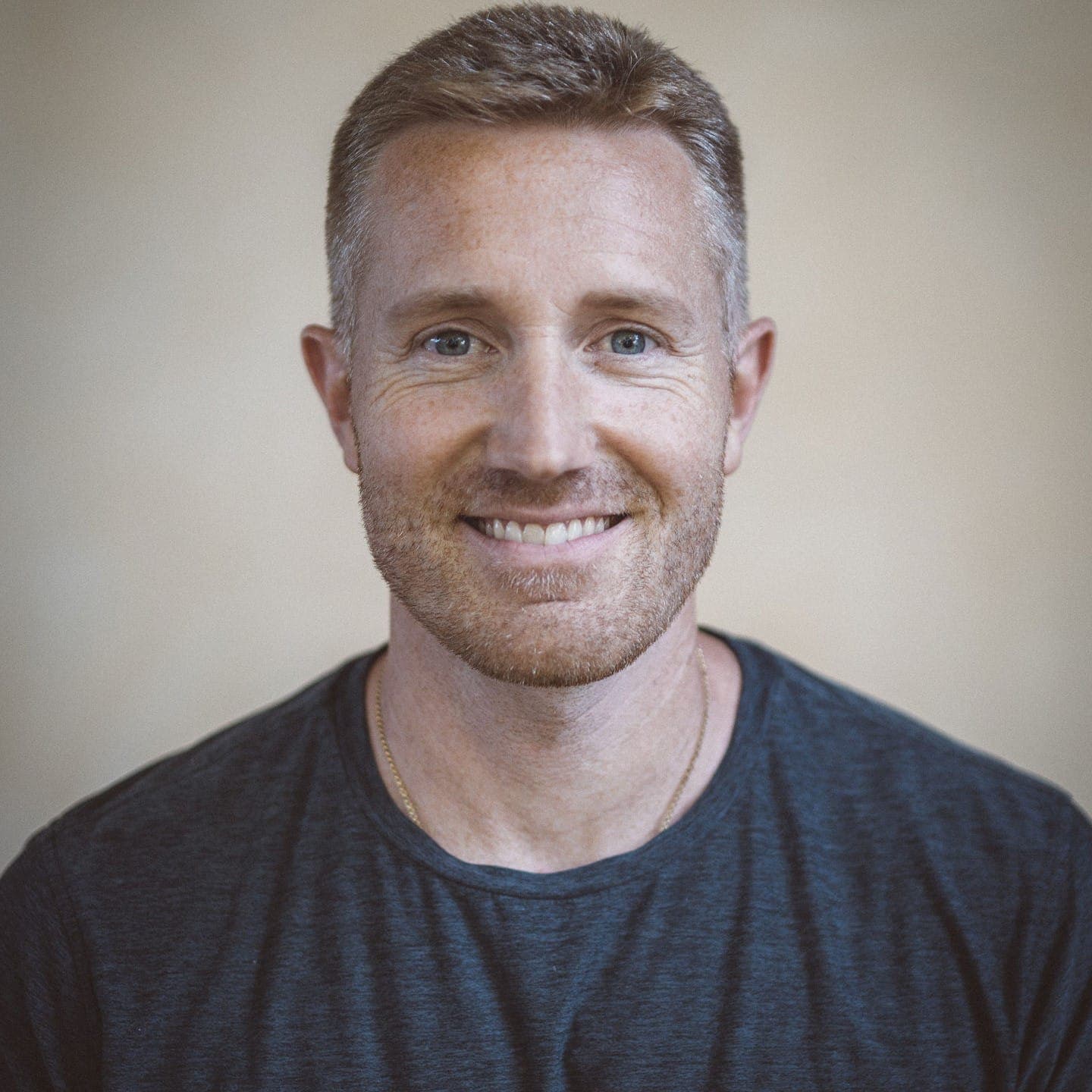
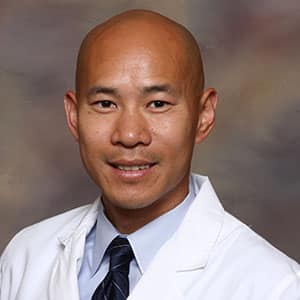
Full Transcript Introduction to Dr. Peter Kan 0:00 Well, I'm so excited to introduce my next guest. 0:02 Doctor Peter Kan supports and manages clients with chronic conditions 0:06 using a comprehensive approach by merging the exciting advances 0:09 of functional neurology and functional medicine. 0:11 Doctor Kan is a board certified 0:13 in Integrative Medicine, functional medicine, and a board certified 0:17 chiropractic neurologist. 0:18 He is the creator of the Neuro Metabolic Integration, a science based virtual 0:23 online coaching program that identifies the root 0:25 cause of autoimmune and other chronic conditions 0:28 over 5000 clients from across the country have come to seek out 0:32 his holistic approach that is changing the lives 0:34 of those suffering from chronic conditions. 0:36 Born in Taiwan and immigrated to America at the age of 13. 0:40 Doctor Kan has a deep appreciation of eastern wisdom and Western advances 0:44 in natural health care. 0:45 He believes in the God given ability of the body to heal and regulate itself. 0:49 Doctor Kan, thanks for joining me. 0:51 Thank you so much for having me, Jason. 0:53 It's a pleasure. 0:54 Well, you know, I really do appreciate that about you. 0:56 The eastern plus Western, right? 0:58 This is a passion that I have just in my own investigative search for. 1:02 For what? Health is, right? 1:03 I mean, what is health? 1:04 Where does it come from? How is it maintained? 1:07 What is life? 1:08 These are deep, spiritual, existential questions 1:11 that have been investigated for thousands and thousands of years from many, 1:15 many cultures. Right. 1:16 So there's so much wisdom in some of these ancient traditions. 1:19 And so anybody that's looking into that 1:21 and at least considering it as part of a Western approach, 1:23 I think we can really come up with some profound insight into how maybe even 1:29 deeper wisdoms that that Western medicine holds that it doesn't even realize yet. 1:33 Right? So there's there's really, really cool things there.
Functional Neurology vs Functional Medicine 1:35 And before we got on your we were talking about functional neurology 1:39 and something I've grown and a deep appreciation for. 1:42 So maybe we can start there. 1:43 Just if you aren't familiar with functional neurology, 1:46 how is that different from functional medicine? 1:48 And, and what are some of the key aspects of why it's such an important 1:52 area of study? 1:54 Yeah, that's a great that's a great question to start off with, 1:56 because I believe that understanding the brain 2:00 is, is a key part of understanding anyone with chronic conditions, right? 2:04 Not just brain specific neurodegenerative degeneration disease, 2:08 but any type of chronic condition. 2:09 There's always a brain component to it. 2:12 And so the difference between functional medicine and functional neurology, 2:17 I guess, is more similar than it is different 2:19 because both are looking at the underlying mechanism 2:23 of why someone will have a specific some more specific condition. 2:27 Right. We're looking at the root causes. 2:29 It's a non-linear type of thinking, but it's still very base 2:33 and grounded in science and anatomy and physiology. 2:36 Very much so actually. 2:37 So we're just using the understanding that the basic how the body works. 2:42 And we're reverse engineering to understand where the symptom come from. 2:46 That's really what it is. 2:47 I think in functional neurology what we do is 2:49 we try to identify a longitudinal level lesion. 2:53 And so what that means is that you have the neuro axis, right. 2:56 So you have the brain and spinal core and all the spinal nerve root. 3:00 I innervate every single part of the body. 3:02 And in functional neurology we seek to understand okay 3:04 where is the level of the lesion. 3:06 Is it all the way up here. 3:07 And the cortex is in the brainstem. 3:09 Vagus nerve is in the cerebellum is in the spinal core peripheral nerve. 3:13 So we try to understand where is the actual problem. 3:16 And then we will apply specific therapies. 3:18 Now the therapy could be specific type of exercises 3:22 specific type of therapy that we can aim at a specific part of the brain. 3:26 This could be electrical stimulation. 3:28 This could be adjustments. 3:29 This could be manual therapy like massage. 3:32 This could be vibration or temperature or sound or light simulation to the eye. 3:37 So any type of these natural ways that we can stimulate the brain 3:41 or different parts of the nervous system, that's all we do. 3:43 Now I would include that we can also stimulate the brain with nutrition. 3:48 For example, if you have neurotransmitter deficiency 3:51 and you don't, you have low dopamine and dopaminergic neurons 3:55 don't fire as well because you're lacking the precursor to form neurotransmitters. 4:00 Then taking nutritional supplement that give you the precursor 4:03 so you can make more dopamine 4:05 can have a increased frequency of firing of that neuron. 4:09 That neuron will have more fuel to be able to make. 4:11 Neurotransmitter therefore will help it fire better. 4:14 So there's different ways that we can go about stimulating the brain. 4:17 So understanding the brain and applying in a functional model 4:20 I believe really helps me personally, I believe will help all practitioners 4:25 to apply functional medicine better because you have that brain component 4:29 that you can actually further explore where you may not have gotten, 4:34 you know, or plateau or not gotten anywhere with a particular patient. 4:37 I couldn't agree more. 4:38 That's fantastic way to approach that. Red cross. 4:40 Functional medicine is great, and good medicine is a it's a framework 4:43 through which we can look at disease or health or dysfunction. 4:48 Right. 4:48 And and so when you have a functional neurology background, 4:52 you understand how the brain, the nervous system is functioning 4:55 and how it interrelate to all the other systems in the body. 4:58 Right. That is the key component. 4:59 And so with that sort of foundational understanding of 5:03 probably the most foundational system in the body, then we can start 5:06 to understand these things like gut dysfunctions and, and chronic pain and, 5:10 and sleep disturbances and hormone imbalances and all these other things. 5:14 Right. And so I know that's a one. 5:16 And sort of tapping into one of your big areas of focus, 5:19 which is sort of this access between the brain, the gut and the immune system. 5:23 Right. 5:23 And, and sort of you you've kind of coined this sort of big idea or big 5:27 sort of acronym, right? 5:28 The brain, immune gut. And it's beautiful. 5:31 I wonder, I'm curious, what is it about those three systems
The Brain-Immune-Gut Connection 5:34 that you find are so synergistic in terms of the dysfunction 5:38 and the function and the harmony? 5:40 How are those systems related? 5:42 Sort of on a big picture level. 5:44 Yeah. 5:44 And you know, I actually I don't want say stumbled onto it. 5:48 It's really just a lot of years of practice, you know, at a very high level. 5:52 And it just paying attention. Right. 5:54 Because it's very easy in practice to just do the same thing over and over again. 5:57 Oh everybody leaky gut. 5:58 Just take this and then, you know, whether people got better or not. 6:01 And sometimes, you know, a practitioner can blame it on something that was well 6:04 they didn't follow the protocol or, you know, they have Candida or 6:07 they just old. 6:09 But if you really pay attention, what I found, 6:12 how I stumbled onto this big idea, is that I see when people come in 6:15 with Lyme disease or they come in with mold issues, 6:19 or they're coming with fibromyalgia, or they're coming with Hashimoto's, right? 6:24 All these condition. 6:25 And every time when I take an inventory and assessment of what they're struggling 6:30 with, invariably all these people with different conditions 6:33 all come with three sets of problems brain symptoms. 6:38 It means and symptom, and then gut symptoms like almost without fail. 6:42 If you have fibromyalgia, I'm seeing people with something like brain 6:45 fog and fatigue and they have immune system problem like inflammation. 6:49 And they have gut issues like gas, bloating, constipation. 6:51 When I see somebody with Hashimoto, same set of problems 6:54 when I see people with Lyme disease, a similar set of problems. 6:56 Certainly there's some differences, 6:58 but I sort of see this common denominator of brain, immune, gut. 7:02 Sometimes it doesn't matter what the diagnosis is, 7:05 which is another reason why I started investigating, and more 7:09 because that helps simplify the clinical process. 7:12 Because if you're chasing diagnosis, you'll never get there. 7:16 Because a diagnosis doesn't tell you what's causing the diagnosis. 7:19 But by focusing on what's the common denominator between all these people 7:22 with Lyme and mold and Hashimoto's and stuff like that, 7:25 they have similar symptoms, then that help us to be able to target 7:29 the common denominator, which in this case turn out to be 7:32 there's interconnection between the brain, immune and gut. 7:36 Now, it's no secret that there's a brain gut connection. 7:40 Some people say the gut brain connection I think, depends on who you talk to. 7:43 They may say the brain gut connection. 7:45 And they say for the brain, 7:46 they may say the gut brain connection if they favor the gut more kind of like 7:50 the person who says gut brain connection may say that, or the gut 7:53 controls brain function and the person who say brain gut. 7:56 They'll say the brain controls gut function. 7:58 Notice this. 7:59 Yeah. 8:00 You know so and reality is that it's it's a it's bidirectional. 8:03 Right. 8:04 So we don't want to be 8:05 we don't want to be so, askew to the fact that it's not that, that the, 8:09 the gut is more important than the brain, or the brain is the one point in the gut, 8:12 the both equally important because in the body, it's not the body's 8:16 not compartmentalized. Right. 8:17 Everything's working at the same time, all the time. 8:20 Every single part of your system is all connected and communicating 8:24 at the same time. 8:24 So we'll want to think about it as 8:26 how are they interconnected? 8:28 So we have the brain got access that's already been talked 8:30 about many, many times. 8:32 And I think that my, my contribution to this will be that 8:36 I'm bringing the attention to the immune system 8:39 as part of this brain immune gut connection, 8:41 because if we just say brain gut connection, 8:43 we're kind of just thinking, oh, you know, your gut is dysfunctional, 8:47 take some probiotic and your brain, your depression will go away. 8:50 Well, it's not that simple. 8:51 Why certainly does research in that field that shows that yeah, your microbiomes 8:55 not working right. 8:56 It can definitely impact the brain 8:57 in a way that can cause brain inflammation, 8:59 that can lead to depression, anxiety and so forth. 9:01 And, and some studies have shown that improving the gut microbiome 9:04 can improve those mood disorders, but not in every single person. 9:08 Right? 9:08 We can't say every single person with depression that takes a probiotic. 9:12 The depression is gone. 9:13 So certainly is not a 1 to 1 ratio. 9:16 So then there's other things that's involved in it. 9:18 So again, the point of bringing in the brain in your gut is not just give stuck 9:23 on, which is fix my gut and everything in the brain will get better. 9:27 It's realize 9:27 that there's a brain immune gut connection and there's a three way triangle. 9:31 And furthermore, between the brain and in gut, 9:34 there are many factors that can throw off the brain. 9:38 Immune got access. 9:40 So it's not just like, okay, if I just improve my brain, you're gonna be fine. 9:43 So let me take a supplement for my immune system, 9:45 and you take supplements for my gut and take a supplement. 9:47 My brain and everything will be okay. 9:49 It's really understanding the brain, even in gut. 9:51 Is that how symptoms manifest and how these three systems 9:55 coordinate so that you can have proper function, 9:58 but that there are other root 9:59 causes and other triggers that can throw off the brain or the gut. 10:03 That that became a framework for a roadmap that I developed, a clinical roadmap 10:08 to help me to simplify the process of solving complex condition, to make it 10:13 simple, right. 10:14 It's not necessarily easy, but makes a simpler. 10:17 So we're not chasing 50 different rabbit holes, 10:19 but be able to like, okay, let's focus on this brain. 10:22 You've got access. 10:22 And what do we need to do first, 10:24 second and third and be able to get results in a more predictable way? 10:28 Yeah. 10:28 No, I think it's critical what you're pointing to this, this 10:31 this connection between all three in this interrelated aspect. 10:34 Because, you know, this is where if we can accept that that premise and that idea 10:39 and this is where we can we can look at things like, 10:41 and you mentioned before in your functional neurology sort of intro 10:44 things like light, things like sound, right, these sort of stimulative aspects 10:48 to the brain. 10:48 Well, if we can conceptualize that the brain is connected 10:51 to the immune system in the gut. 10:52 Now, I can understand that sound, that light, 10:55 can actually impact my immune system, can actually impact my gut. 10:58 And that's a fascinating thing to try to work out, 11:01 because we may not know the all the exact mechanisms or perhaps some people do, 11:05 but but this is where I think it becomes really profound when you when you create 11:09 this triangle of interconnectedness between these three systems. 11:13 Now we're starting to recognize, oh, it's not just what I eat that impacts my gut. 11:17 And it's not just the probiotics. 11:19 It's not just the maybe fasting or or what things that I do to directly 11:23 try to impact the gut system, but it's all these other things too, right? 11:26 It's the exercise. It's the sleep. 11:28 It's the the emotional turmoil or stress or perhaps childhood trauma 11:32 that's affecting things. Right? 11:33 Like there's so many things that start to work into this triangle. 11:37 And now I can understand that there's a it helps bring me into a framework whereby 11:41 all these other things can start to make a big impact on all these three systems. 11:45 Right? 11:47 Absolutely. 11:47 And you think you brought up a very good point, Jason, that, you know, 11:51 it's speaking of light and sound, how that impact the brain. 11:54 Okay. So people may be asking okay. 11:56 So light and sound, you know, your brain process light and sound. 11:59 How does that throw off my immune system or my gut? 12:03 Well, let me give you an example, if I may, because this will help people 12:06 to see that that connection so light and sound when it enters your brain. 12:11 Right? 12:12 Light perceive by your eye and then sound perceived by your auditory 12:15 nerve, go through to a part of your brain 12:19 that's called an Mes and cephalon. 12:20 That's a part of your midbrain. 12:21 The midbrain is on 12:22 the very top of your brain stem, and that's the very top of your autonomic 12:26 nervous system. Control center case. 12:28 Autonomic nervous 12:29 system is a part of the nervous system that controls everything on autopilot, 12:32 including your heart rate, your sweating response, 12:34 fight or flight response, parasympathetic nervous system function, digestion. 12:37 So that means in cephalon, which is a midbrain has an area 12:41 in there called a superior colliculus and inferior colliculus. 12:45 And this is where the light and sound information ultimately Aster filter. 12:49 So the optic nerve 12:50 and I'm showing our filter through that those area in the reason cephalon. 12:54 So why am I telling you this. 12:55 Well meaning cephalon is the starting point where that that nerve signal for 13:02 sympathetic response comes from.
Light, Sound, and Nervous System Stress 13:05 So your favorite fight and flight response comes from the Meese and Cephalon game. 13:08 So what that means is that if you shine a light in someone's eye, that's 13:12 really bright, you actually will trigger a sympathetic response. 13:16 Not necessarily. 13:16 This person will freak out and panic, but you will start to see pupil constriction. 13:21 And that's a sympathetic response, right now in someone who's already 13:25 sympathetically driven, like in a fight or flight response, chronically 13:29 to the point where they're or they have PTSD, that's driving 13:33 the sympathetic response to the point where the constantly anxious, 13:36 not sleeping well, they're getting inflamed 13:38 because of it, because there's a pathway from being in fight or flight, 13:42 triggering inflammation. 13:43 That's called neurogenic inflammation. 13:46 So when you're already stressed and fragile and inflamed 13:49 and in fight or flight 13:51 and you shine a bright light into someone's eye, you might actually 13:54 just overwhelmed that area that's already on fight or flight. 13:58 And you shine extra light input, which triggers more fight or flight. 14:01 Now they just get pushed into panic mode, or they crash and they start 14:04 feeling terrible. 14:06 In fact, you know, a lot of people with migraines, 14:08 many times they'll oh yeah, bright light, loud sound noises. 14:11 When I have migraines, 14:12 I have to go in a dark room, shut all the lights off and right. 14:15 And a lot of people experience it, 14:16 even if they don't have migraines, that chronic condition, 14:18 many people will say, yeah, bright lights and loud set loud noises bother me. 14:22 It makes my fatigue worse. Or brain fog wars. 14:25 So that's the connection between the brainstem and light and sound input. 14:29 That could potentially, potentially a sympathetic flight, fight 14:32 or flight response that can actually make their immune system 14:35 more activated, which makes them more inflamed. 14:37 So there's your brain immune connection. 14:39 And when you get into more fight or flight response, then you're decreasing 14:42 the parasympathetic function, which decreases vagus nerve function. 14:46 So now your digestion is compromised. 14:47 So that's your brain gut connection. 14:49 So you have this brain immune gut connection that can be triggered 14:52 in someone that get exposed to too much light and sound if they're already 14:57 overly activated in that part of the neural access. 15:01 So this is where identifying a problem in that specific region 15:05 can give us clues and even how to help that person. 15:08 Maybe we can block out sunlight and wear 15:10 red glasses or block out some sound, you know, put, earplugs 15:13 when they go to store, when it's very loud and so forth. 15:17 So those are things that we can do to help that person get better. 15:20 Yeah. 15:21 And, you know, one of the tests that I know that is sometimes done 15:25 in, in, functional neurology is you might snap into somebody's ear, right. 15:29 And fairly, fairly moderate sound, but it scares the heck out of them. 15:35 Right. And they have a really strong response. 15:37 Right. These types of things. 15:38 So so that's a perfect example where there's something going on 15:42 at the brain level. Right. 15:43 And if you know that 15:45 and then you have an understanding of how it's connected the immune system 15:48 and, and the gut, now we can we can really trace a lot of dysfunction 15:52 that's going on in the body. That seems not really connected. Right. 15:55 So this is again pointing to functional neurology. 15:57 And with some of the amazing tools that you guys have to 16:00 to to do an analysis on, on the different regions of the brain. 16:03 And another thing you thought of that I thought of as you were mentioning that 16:06 is that we're all familiar with is sort of this pre-civil 16:09 phase of digestion, right? 16:10 So even smells. 16:12 Right, like 16:12 if somebody is cooking an amazing meal and we smell that, well, all of a sudden, 16:17 you know, if things are working properly, we start to salivate, right? 16:20 The digestive function starts to increase. Right? 16:22 So I guess I'm just continuing to point to this idea that there's so much 16:26 interrelated aspect to to these things that you're talking about 16:29 and why it's so important to focus on all three, right? 16:32 And not just one, which is a very common thing, 16:34 you know, when you when it comes to autoimmune dysfunction, right, or, 16:37 or any inflammatory hyper inflammatory conditions, 16:41 there tends to be this look at H1 dominance 16:43 to, you know and really hyper focus on the immune system. 16:47 We can kind of lose sight of the fact that, you know, 16:49 maybe there's some brain dysfunction going on. 16:51 Maybe, maybe there's really 16:52 maybe this gut is driving this thing, or maybe it's all three. 16:55 Right? 16:55 So maybe you can talk to me about some of the kind of autoimmune conditions, 16:59 since this is a fairly rampant issue that we're seeing now, whether it be, 17:04 you know, directly autoimmune or perhaps even, food sensitivities 17:08 and some of these things that we're seeing on that side. 17:10 How does the brain come into play as well as the gut? 17:13 And how do we think about that from a resolution perspective? 17:17 That's a great question. 17:18 And I think I'm going to start with what is kind of maybe intuitive for 17:23 for most people who's heard of the brain gut, brain gut connection and 17:26 is that if your brain start to lose its frequency of firing? 17:30 When I say frequency of firing, meaning that your neurons, 17:32 your brain cells fire in a specific frequency, right? 17:35 They fire on and off like this. 17:37 And that's why you 17:38 when you do EEG, you have the alpha wave, you have the delta wave. 17:42 These waves are how fast is your brain kind of beating like this. 17:46 Right. 17:46 So a delta wave when you're sleeping is beating slower, like a five hertz 17:50 or an alpha wave. 17:51 You are about 10 to 15Hz. 17:52 Were beating about 10 to 15 times per second. 17:55 So your brain has this frequency of firing and that drives the brain function. 17:59 So in someone whose brain is inflamed 18:03 or lack fuel delivery to the brain, 18:06 then that brain cell may not be able to work as strong. 18:09 It's kind of like, you know, 18:10 you have a horse you're trying to racehorse 18:12 and you don't feed the racehorse any food, and then you want it to run 18:15 and it doesn't run. 18:16 So run slower. 18:17 So we have slower frequency of firing. 18:20 Not only does your you experience it mentally, 18:23 such as brain fog, difficulty retrieving words. 18:26 You may have a short, concentration problem or focus issues. 18:30 You may have short term memory loss. 18:31 You you would have neurological symptoms. 18:34 But downstream what happens is your brain drives 18:37 this neuro axis downstream, like through the vagus
Autoimmunity, Brain Fog, and Gut Dysfunction 18:41 nerve, through the parasympathetic, through the spinal core. 18:44 So if your cortex, your brain's not firing, 18:47 then everything down below will be slow, slower as well. 18:51 So this can result in decreased vagus nerve function decrease parasympathetic 18:55 and much of brain function, by the way, is to inhibit sympathetic 18:58 much of what your brain does is inhibit the monkey mind. 19:01 Right. It's the brakes on things. Right? 19:04 Yeah. Exactly. 19:05 It's to put a break on because by default we have monkey mind by default 19:09 where sympathetic. 19:10 By default we have the lizard brain, the primitive brain that's always 19:13 driving us to be aware of predators and look for food and so forth. 19:17 So much of the brain's function is to put the brake on things so we can stay calm. 19:22 Right? 19:22 That's the expression, the ultimate expression of a 19:25 of a highly function functioning and actualized human is one who's, 19:29 you know, like a Zen master that's meditating and and someone who's 19:32 meditating is not monkey mind, like fidgeting and moving all around. 19:36 So the brain's function is to inhibit and calm us down. 19:40 But if we lose data brake pedal, then things downstream, 19:44 some function will slow down, right? 19:46 Some function that requires activation like parasympathetic and vagus nerve 19:50 was slow down and other function that need to be inhibited like blood pressure. 19:54 And and you know, a sympathetic response will not be put on the brake pedal, 19:58 therefore overexpress. 19:59 So we can start to have this downstream effect. 20:02 And this is really important because 20:05 if you have brain 20:06 symptoms you have to start to realize that that's going to have effects downstream. 20:10 You can't just say well I just have depression. 20:12 Well if you have depression or if brain fog, 20:15 that automatically means that you have some problem within your brain, 20:19 meaning you're not either you're not getting fuel or nutrient 20:22 to your brain to make certain substrates or neurotransmitter, 20:26 or your brain's inflamed, therefore can carry out its function. 20:29 So you have to think like that and then downstream what other effects it may have. 20:34 And the effect is really far reaching. 20:35 So coming back to our domain, I set the stage here. 20:37 So how does that impact autoimmune? 20:39 Well if you have decreased brain function you may have decreased vagus 20:43 nerve function. 20:43 It's very well known that it does 20:45 you know it's not just vagus nerve, it's just overall person function. 20:48 But people have heard of vagus nerve. 20:50 But maybe just just give us an idea 20:51 of what the vagus nerve does for those who aren't familiar. 20:54 Yeah. Vagus nerve is a part of your cranial nerve. 20:56 You have 12 pairs of cranial nerve that exit your skull. 20:59 That's why we call the cranial nerves. 21:00 And the 12 nerves have function that 21:02 control sympathetic parasympathetic function. 21:05 A lot of it controls your facial movement and tongue movement and so forth. 21:08 The vagus nerve control or your muscles of swallowing, 21:11 and then also go further down and innervate your heart. 21:15 Lung has animation to your gut. 21:17 And so is really one of the things that drives your gastric function, your 21:21 your digestive function as far as motility and secretions 21:24 of enzyme and stomach acid and bile flow and so forth. 21:27 So when you have decreased brain function, everything downstream 21:30 is going to be compromised. 21:31 So then the vagus nerve gets compromised. 21:33 So not firing at a same frequency of firing. 21:35 So it slows down. 21:36 So therefore that function that innervates slows down two which will be motility. 21:40 So people who experience constipation decreased secretion of digestive enzymes. 21:44 So then you don't digest food as well. 21:46 All of this may lead to food that sits in your intestinal tract. 21:49 Because not digesting well, nor is a moving down south. 21:53 So it just sits there and they ferment. 21:54 And that can create opportunity 21:56 for dysbiosis and inflammation, which then can drive leaky gut. 22:00 Just so you know, your intestinal tract is a factory for inflammation, 22:04 like your intestinal tract is so good at producing inflammation. 22:07 All I need is an excuse. Right. 22:09 And the excuse will be being dis biotic. 22:12 You have too much bad bacteria, not enough good bacteria. 22:14 The good 22:15 excuse could be like eating processed food or food that you're sensitive to. 22:18 Alcoholics, alcohol or high blood sugar. 22:22 Stress, environmental toxins. 22:24 So it just needs a reason for it to turn on the factory to make inflammation. 22:29 So your gut is an inflammation factory. 22:31 And once I turn that inflammation factory, you develop intestinal permeability 22:35 or leaky gut. 22:36 You also drive this inflammatory response in the body 22:39 that ultimately leads to the increased production, potentially, of antibodies. 22:43 And you have a lot of antibodies, which is are these immune 22:46 proteins that that targeting specific pathogens. 22:49 But when you have a lot of antibody production, 22:51 sometimes these antibodies can target your own tissue. 22:54 So then you develop autoimmune. 22:55 So I know this is a long train, but it starts with the brain 23:00 losing its function losing its break, losing a stimulation. 23:03 The vagus nerve started causing gut issue and started causing immune system problem 23:07 like inflammation and leading to autoimmune. 23:09 So that's your brain even got in a five minute summary there. 23:13 I love that. 23:14 Now you painted a really great picture, right? 23:16 Because one of the most common autoimmune conditions 23:18 that we see particularly in women is Hashimoto's. Right. 23:21 So we we take a look at Hashimoto's thyroiditis. Right. 23:24 And we think there's an issue, a there's immune issue with the thyroid. 23:27 Right. There's something wrong with the thyroid. 23:29 And and so with your, you know, the picture you just painted. 23:33 Now we can perhaps take another look at this and say, well, this Hashimoto's 23:38 may actually be, let's say first related to, to gut issues that are going on. 23:42 Well, the gut issues may be caused by some brain issues that are going on. 23:46 Right. And so and I mean, and other immune issues. Right. 23:49 So I mean, we can have this brain issue causing a migrating motor complex issue 23:54 that's not allowing the food to move through the gut, 23:56 creating excess inflammation, leaky gut, you know, the wrong 23:59 food choices creating on these Ottawa antibodies. 24:03 Right. 24:03 And all of a sudden down the line, here we go. 24:06 Right. 24:07 And you're 24:07 and the genetic susceptibility right for each individual is going to be unique. 24:11 Right. 24:11 So this is what I think is fascinating is 24:13 we take this old paradigm of Hashimoto's thyroiditis. 24:17 There's something wrong with the thyroid. 24:18 And now we could ultimately be looking at the primary issue was, 24:22 started in the brain. 24:23 Right. 24:24 And the choices that we're making in our lifestyle 24:26 that caused the brain issues, that then led to gut issues. 24:28 And now we got brain gut now causing immune. Right? 24:30 I mean, it's and this is where I think 24:33 when as a clinician, as a practitioner, what I found is, 24:37 is that when the people that come to see me, 24:39 that's the point they're at, they're at this point where there's 24:42 multiple systems that are in dysfunction and, and there's still a desire 24:46 for the client or the patient to say, where is the problem? 24:50 Right? 24:51 And it's like, well, you know, it's actually everywhere, right? 24:54 Like we're at the point now where multiple systems are involved 24:58 and we need to intervene, at least in one of them, 25:01 if not in multiple areas, clean up the the entire lifestyle picture. 25:06 Right. And and it can be overwhelming. Right. 25:08 And I don't want to sort of press that too much. 25:10 But it's it's the opportunities are everywhere to improve. 25:13 Right. And that's really the key difference. It's not like, 25:17 oh no, there's problems everywhere. 25:18 It's actually, 25:19 hey, there's opportunities everywhere to to create a better health outcome. 25:23 That's a great way to look at it. 25:24 And I just want to point one thing out, Jason, you brought up a really good point 25:27 is that, yes, a lot of people, by the time they come to seek out 25:31 functional medicine care, the problem has spread to multiple areas. 25:34 Perhaps the brain, the immune and the gut is all involved. 25:37 That does not mean that that the brain is always 25:41 the starting point of the problem, because it's a three way triangle. 25:44 Sometimes for some people, the problem started with the gut 25:48 as some for other people, the problem started with the immune system 25:50 having an infection of some type that it can resolve for other people. 25:54 It could be, you know, the brain, but invariably, no matter where it starts, 25:59 all three system eventually gets touched. 26:02 Eventually the consequences spread to brain. 26:04 You mean God. 26:05 This is why in the beginning I said, when people come in with chronic health 26:08 issues, typically I see brain immune, gut symptoms all three 26:12 because by then it's already spread, but may have started with just a brain issue, 26:15 or for another person, 26:16 may have just started with a gut issue, but now is turning into a brain issue. 26:20 So I don't want people to think that it's always starting at the brain. 26:23 So this is why we have to think non-linearly be flexible in our thinking, 26:27 but have that framework to help us to say, oh, 26:29 do we have this brain even got access? 26:31 That's all it is functioning together. 26:32 Or if not, if this person just have got issues. 26:36 Could it potentially lead to a brain issue down the line like neurodegeneration, 26:41 neuro autoimmunity or Alzheimer dementia and so forth. 26:44 So we can start intervening right away? 26:46 Yeah, I know I'd love that. 26:47 And just to kind of give one more brain example to tie in this concept 26:51 is something like a traumatic brain injury, a concussion. Right. 26:53 And I used to play football in the contact sports. 26:56 And boxing is in another in hockey. Right. 26:58 There's a lot of these contact sports where, you know, if anybody's experienced 27:02 some traumatic brain injury, a concussion play, 27:06 it can really lead to some problems down the line in these other areas. 27:09 Right. 27:09 So this is where I just want to point to this idea 27:11 that we think that something like a concussion is is brain specific. 27:15 And to some degree it is. 27:16 But but but then it has impacts throughout the body. Right. 27:18 And again to, to take the other side of what 27:21 you were just mentioning, these sort of acute assaults on the gut. 27:25 Right. 27:25 We may have some acute infection that we, that we acquired. 27:28 Right. 27:28 Or we may take a pretty significant round of antibiotics, 27:32 or we may be on birth control for a long period of time. 27:35 Right. 27:35 And that's causing a specific assault on the GI system. 27:38 And then what are the downstream effects 27:40 of when something starts to assault the GI system? 27:42 You mentioned leaky gut and the effects on the immune system. 27:44 But how does that specifically relate to maybe causing or potentially eating
Leaky Gut, Brain Inflammation, and Microglial Priming 27:49 grain issues down the line? 27:51 Yeah, absolutely. 27:52 If you have gut inflammation, let's just say leaky gut, for example. 27:56 And what's going to happen 27:57 is you're going to create a double whammy of malabsorption and inflammation. 28:01 Okay. 28:01 And again, 28:01 the gut as an inflammation factory is really good at making inflammation. 28:05 These are cytokines. 28:06 And you can trigger an neutrophils and macrophages to go fight the bad guy. 28:11 So inflammation is not bad by the way. 28:13 Inflammation is your body's 28:15 attempt to clear out some pathogen right to protect you. 28:18 But if that process is being trigger excessively 28:21 and it doesn't calm down readily, 28:23 then you're going to have 28:23 too much of that action going on which can start to damage your own tissue. 28:27 Now you're going to have tissue debris, and now you have more things to mop up, 28:31 which triggers more inflammation, because inflammation is also 28:34 the same process that used to mop up cellular debris from damage. 28:38 So that's all the immune system's job. 28:40 And it can start in a gut. 28:42 And leaky gut is one of those things that can promote this inflammatory response. 28:47 And then why don't you promote the inflammatory response? 28:50 Then what happens? 28:50 You can actually create, what brain barrier bridge? 28:53 Because we know that the small intestinal junction protein, the sitio architecture 28:58 of the small intestinal tight junction, it's the same as the blood brain barrier, 29:02 which are the blood vessels that supply blood to the brain, 29:05 those endothelial cells, the blood vessel lining at the same site architecture 29:10 as the gut lining. 29:11 They have Zombieland. They have actin. 29:13 They have cloud ends 29:13 and the cloud ends, these proteins that kind of hold the cells together. 29:17 So when you have antibody, by the way, when you have leaky gut, 29:20 how do we even measure a leaky gut. 29:22 Well, we measure it by measuring antibody against these proteins 29:26 in your small intestinal lining. 29:27 And because this the 29:29 the similarity between the psycho architecture of these proteins 29:32 that are found in this small intestinal lining 29:34 and the blood brain barrier, when you have antibody against, say, Zani, 29:38 when in a small intestine, that same antibody can attack Disneyland. 29:42 That's in your blood brain barrier. 29:44 So then this is why when we have leaky gut or gut inflammation, not always, 29:48 but there maybe there's a pathway for getting brain inflammation as well. 29:53 So it's important to know 29:54 that not every single person with leaky gut is going to have leaky brain. 29:58 But it's a there's a pathway that leads to it and it can happen. 30:01 So it all depends on the individuals, how aggressive 30:04 they are at doing the lifestyle things. 30:06 What are the preexisting health conditions if you're already diabetic or already 30:10 inflamed, you already have high blood pressure. 30:12 Then you're the person that's going to do worse when you have leaky gut 30:15 or have a concussion and things like that to suffer more consequences of that. 30:20 Yeah, and correct me if I'm wrong, but my my perception is, is that, 30:25 you know, while a lot can go wrong in the gut and we can have 30:27 an inflammatory gut ecosystem, 30:30 there seems to be a little bit quick of a response or recovery 30:34 at the gut level 30:35 when we get things right versus when the brain starts to turn on fire, 30:38 and you get these glial cells and micro glial cells with inflammation. 30:42 Sometimes that can just remain on and it can be hard to turn off. 30:45 Right. 30:45 So I mean that's that's one of the impacts sometimes of of that gut brain 30:50 connection is when we start getting inflammation at that brain level, 30:53 then, you know, it can take some real intervention and getting things 30:56 very correct in order to sort of calm that inflammation down. 31:00 I would say that's correct. 31:01 And because, you know, your gut lining turns over every 2 or 3 days, 31:05 your intestinal epithelial cells renew itself every 2 or 3 days. 31:09 And you so you're constantly putting food in there is constantly doing things. 31:12 So I think that the response time in a gut may be faster in the brain, 31:17 specifically with Michael glial cells when the micro glial cells become primed. 31:21 So when, when, when you go through brain injury, your micro glial cells, 31:24 which are basically macrophages, it's a type of immune cell in the brain, 31:28 the same as you have in the rest of the body called macrophages, like a big eater. 31:32 But in the brain they just have they look different. 31:34 They have like big arms by the glia have like these arms a ram ified processes. 31:40 And these glial cells can actually when they become inflamed and trigger 31:44 they can literally change their morphology or the shape 31:48 into a, a type where is constantly triggering inflammation. 31:52 The literally in someone who have repeat a concussion or brain inflammation. 31:56 There Michael, glial cells can actually change into a shape and behave in a way 32:01 that's kind of stuck on inflammation, and it doesn't want to come off of that. 32:05 And this is one of the reason why it's so difficult for some people 32:09 with brain issues to resolve these brain inflammation that they happen. 32:13 Yeah, I mean, it's 32:14 I've seen a couple of these cases where sort of this micro glial priming 32:17 occurs and it's, you know, it's chronic anxiety, it's difficulty sleeping. 32:22 The smallest triggers can just really exacerbate a response. 32:25 Right. 32:25 And I really feel for this, these people because it's it's a really 32:29 challenging situation to to get Ahold of. 32:31 But that con there's there's there's aspects to of of the gut ecosystem 32:36 that I'd love for you to touch on 32:38 with regard to the immune system specifically, because this is where 32:42 some people say a majority of our immune system is housed. 32:44 Right. 32:44 But there's an intimate relationship 32:46 with the gut ecosystem and the immune aspects of the gut. 32:50 So maybe you can talk to me a little bit about that, 32:52 why that's such an important directional relationship. 32:54 Bidirectional relationship. 32:56 Right. 32:57 Because the microbiome and that's what we're kind of referring 32:59 to here, that the gut ecosystem, I mean, it's throughout 33:02 the entire gut, by the way, throughout the entire GI tract. 33:06 And the GI tract starts at the mouth. Right? 33:08 So you have the oral microbiome, 33:09 you have the gut microbiome all throughout the GI tract. 33:13 So it's not that, you know, in your small intestine, 33:16 say, in the duodenum or jejunum, the midsection of some one type 33:19 that you had zero bacteria, you just have a lot less 33:22 and you have a lot more bacteria 33:24 that are supposed to be there in a large intestine, in a colon. 33:27 That's usually where these microbiome, most of them are residing in the colon. 33:31 And because the gut is such a large surface area. 33:35 Right. 33:36 And then remember earlier I said the gut is an inflammation factory. 33:39 And by default, what that means is the gut 33:42 lining is a place for surveillance, right. 33:45 Because to trigger inflammation you first have to detect 33:48 what you want to kill first. 33:50 Inflammations your immune system way of killing a pathogen. 33:54 So you have to first survey, search and destroy. 33:57 So you got to have a searching function 33:58 which is surveillance, and then destroy a kill function. 34:02 So your gut, the entire GI tract from the mouth 34:04 all the way down to the other end is lined with immune cells. 34:07 You have the immune saiga secretary IGA immunoglobulin A, you have a tonsils. 34:13 You have got associated lymphoid tissues. 34:15 So you have all these things that are part of the gut immune system. 34:19 I think if we're going to talk about how gut play a role in immune function, 34:23 we don't want to make it sound like just the beneficial bacteria. 34:27 The bacterial flora in the gut 34:28 is the only thing that's playing a role in in immune function. 34:32 Right? 34:32 There's a lot of other things like the lymphoid tissues, like, you know, 34:36 dendritic cells 34:37 in the small intestinal lining, immune cells in throughout the entire gut. 34:41 That's play a important role. 34:42 But certainly the microbiome, the bacteria in the gut play a very important role. 34:47 But basically what they do a lot of it is basically through competition, right? 34:51 They're scarce resources. There's only so much food around. 34:54 And so all these bacteria down there, 34:55 whether good or bad, they all compete for the same amount of resources. 34:59 So if you have a lot of 35:00 beneficial bacteria, you basically are crowding out the bad guy 35:03 by competition of resources. 35:05 So having good amount of microbiome that are supposed to be there in abundance 35:10 helps a crowd out that the pathogenic bacteria. 35:13 And then secondly, these microbiome play a very important role 35:16 in cytokines and immune signaling. Right. 35:20 So much of it is all done through signaling. 35:22 Right. 35:23 It's not that the bacteria is down there eating up the virus. 35:26 Is that the bacteria down there is is signaling and is causing 35:31 the cytokines to release to help your body to be able to do its job better. 35:36 It's already looking, searching and destroy everywhere, 35:39 not just in the guts, right. And tissue, 35:41 but when you have cytokines and make that communication more efficient. 35:45 However, the cytokines can also go the other way. 35:47 It could become too efficient
Microbiome, Immune Signaling, and Balance 35:49 and now you're triggering too much of an inflammatory response. 35:52 So I like to kind of likened the gut microbiome to what you want 35:56 is balance, right. 35:57 People tend to think like if microbiome is low so more is better, right? 36:01 No. What you want is balance in these beneficial bacteria. 36:05 So it's not like just shoving 36:07 like unlimited amount of probiotic is going to solve the problem. 36:10 Right. 36:11 Because there are over 1000 species 36:13 and there's many more that's being discovered all the time. 36:16 And there's not a probiotic that you take that has like all these different 36:19 thousand species. 36:21 Now if you do fecal transplant potentially. 36:23 But remember, everybody's microbiome is a unique fingerprint 36:28 so that you can get somebody else's, you know, 36:30 fecal matter their their microbiome implanted into you. 36:33 But that's their fingerprint. That's not your fingerprint. 36:36 Right. Kind of like organ rejection potentially. 36:38 It may not work for you. 36:39 So this is why fecal transplant doesn't work across the board for everyone 36:43 where it works, it's like, wow, miraculous. 36:45 How does that work? But there's also times where it doesn't work. 36:47 I know this because I have a lot of clients in Europe and in in England, 36:51 actually, there's fecal transplant clinics where you can go and just pay cash. 36:55 You just get it done. 36:56 And a lot of people come to me like, oh yeah, I done 36:58 that already three times, actually, and it didn't work. 37:01 So it doesn't mean I never work. 37:02 It just didn't work for that person. 37:04 So what I'm saying is it can work, but it's not universal. 37:07 So we have to always think about, okay, what's the backup plan? 37:10 What's our contingency plan. 37:12 And when it doesn't work, why is there other pathways. 37:14 So there's other things that we can do. 37:16 So we start to think long non-linearly and flexibly then. 37:20 And we become okay with not knowing everything, 37:23 but we know enough to make a change 37:25 and to do something right, to help people to make their own lifestyle change. 37:28 Because ultimately 37:29 that's going to lead to the most important thing they can do 37:32 is the things that people do 37:33 every day, rather than a fancy pill that we can give them. 37:37 Well, you led into it. 37:38 My next question exactly, which is, okay, so we got all this information 37:42 about the brain, the gut and immune system and how any one 37:46 or multiple of these systems can this regulate or re regulate the others? 37:50 What do I do about this? 37:52 You know, obviously there's targeted clinical interventions that you work with 37:56 specifically with each client. 37:57 No question. Right. 37:59 But how do I think about this idea from a lifestyle perspective? 38:02 What are some things that I can do to help create more 38:05 balanced function and harmony in these systems? 38:08 And then if I've got some maybe known dysfunctions, 38:11 whether it's brain, gut or immune or otherwise, you know, 38:14 what are some tests or how do how can I go about investigating this deeper or. 38:18 Yeah. 38:18 And I think, it's important to say, Jason, that 38:22 the lifestyle things or whatever intervention you choose to do a supplement 38:26 or take on a specific diet before you do it, 38:30 you want to first identify what is the actual problem, right? 38:34 Because just doing something without even knowing what your problem is 38:37 is not helpful. 38:38 You know, a lot of people say, well, you know, 38:40 I want to just do low Fodmap and do a stable diet. Why? 38:43 Because I think I have Sibo. 38:45 Do you really are you sure? 38:47 Right. Let's find out. Right. 38:48 Because a lot of people just suppose they have some problem 38:51 and they're doing taking the supplement, doing some kind of, you know, intervention 38:55 without actually knowing whether that's actually the problem. 38:58 So they're doing things because it sounds like it's a problem, but it's not. 39:01 And this is reason I bring up the brain. 39:02 You mean got access because the symptoms can sound very similar, right? 39:06 It can overlap Hashimoto's look like fibromyalgia. 39:09 Little Lyme patient. 39:10 They all have brain fog. They have inflammation. 39:12 So which one is it. 39:13 So it's important to know which one is it okay. 39:16 But how do I help people to do this is that I like them to follow 39:19 like a roadmap a roadmap meaning okay, there's a sequence to where 39:24 there's certain things that are more important than others. 39:27 As far as setting up the foundations of a house, 39:29 because if you do things out of sequence, then you may not get there. 39:33 Kind of like the password to your phone, you know, 39:35 the password to your phone is one two, 1234. 39:37 You type in 4321. 39:39 Well, heck, it's the same numbers as the same number of numbers. 39:43 It just in opposite order. 39:45 And guess why your phone doesn't unlock in your body? 39:48 It kind of works that way. 39:49 Okay, so a perfect example would be this one of the first step on the roadmap 39:52 that I look at to kind of identify what where do we start. 39:55 Right. 39:56 A lot of time people with chronic condition brain gaming guy have brain. 39:58 You mean got where do I start. Is it do I take a brain supplement. 40:01 Do I take a new smartphone? Do I do a supplement? 40:03 The first place you start is actually looking at fuel delivery. 40:07 Okay. 40:07 Fuel delivery means your ability to deliver fuel to your working tissues. 40:11 Because if you can't deliver a fuel you can't produce mitochondria, 40:15 you can't produce ATP, you can't carry out the processes 40:18 that will help you to make new tissue, to detox, to transport. 40:21 Nothing works. 40:22 So a lot of people are skipping the step and they go straight into 40:27 I must have mercury issue because I have Mercury amalgam. 40:29 So I gotta do a metal detox. 40:31 Well, maybe you do, maybe you don't. 40:33 Because if you have fuel delivery issues, you do a detox. 40:37 This is how you set one somebody up to feel crappy 40:40 and potentially make them worse, especially with a brain problem. 40:43 You know, if you make a brain problem worse, you're risking losing brain cells. 40:47 And brain cells are post mitotic. 40:49 They don't go through mitosis. 40:50 They don't divide and make new brain cells. 40:52 So if you lose brain cells at a faster clip than aging, 40:56 then you're advancing that neurodegeneration. 40:58 So we want to protect brain cells at all costs and doing 41:02 aggressive detox without setting up a foundation. 41:05 So the body is basically asking for, you know, speeding up inflammation, 41:10 which can potentially be in the brain or in other places of the body. 41:13 How do they help? 41:14 As far as fuel delivery, let me just say this real quick. 41:16 What I mean by fuel delivery is number one oxygen 41:21 and number two blood glucose. 41:23 That's what I mean by food delivery. 41:24 Yeah. 41:25 A really I would include digestion in that one 41:28 because if you can't digest your food, 41:29 you can't deliver a nutrient or fuel to your body either. 41:31 Oxygen and glucose is the most important thing. 41:34 In fact, in functional neurology, module number one, when I went to a function 41:38 neurology school, first thing the tissues like hey neurons. 41:42 For them to survive requires two things fuel and activation. 41:46 And I add the third thing no inflammation. 41:48 So fuel is oxygen. 41:50 And glucose activation means you got to use your brain. 41:52 Your brain has to be constantly be firing. 41:55 And the way you fired the brain is not just by thinking, but is all by movement.
Roadmap for Healing and Foundational Lifestyle Steps 41:59 When you move, you're firing your brain. 42:00 Proprioception, right? 42:02 So so fuel and activations. 42:03 The first thing we learn information on our holiday. 42:05 So that's just how important it is. Right. 42:07 But a lot of time in functional neurology in the past the fuel was 42:11 not really looked at because they didn't really work with nutrition. 42:13 I was accepted that optimal delivery was happening. 42:16 Right is right. 42:18 But but we can't accept we can't assume that. 42:20 Yeah, because if someone was anemic they're going to have low oxygen. 42:23 We got to fix that. 42:24 Or the functional neurology rehab, the exercise we do to rehab the specific 42:29 partying will not work 42:30 because the brain cells too tired and doesn't have fuel to be able to heal. 42:34 Right. So so oxygen is important. So we look at 42:38 anemia. 42:39 We'll look at blood pressure issues. 42:41 We'll look at circulatory problems as a proxy to indicate 42:44 whether there's an oxygen issue. 42:46 And obviously blood glucose pretty obvious will get blood sugar stability 42:49 whether you have hypoglycemia or insulin resistance. 42:51 They're both bad because the both are going to impact your delivery of fuel 42:56 to not just your brain, but every single cell in your body. 42:59 So those are the things I look at first. 43:00 Well, this is this is really interesting because, you know, 43:03 I think blood glucose is it's just in common awareness right now. 43:07 Right. 43:07 You know, we've got the continuous glucose monitors which are cool. 43:10 We've got finger sticks. 43:11 We can actually test our blood glucose, fairly readily 43:14 as a, as a consumer population. 43:16 And yet I think not only in the consumer population, 43:19 in the general public, but also even in the practitioner 43:22 doctor world, I find that there's still an underappreciated for 43:25 for blood glucose and the importance of maintaining good blood glucose 43:30 and not having it go all over the place, no matter what disease you're looking at, 43:34 no matter what dysfunction, improving blood glucose and keeping 43:38 blood glucose as well as insulin stable, as stable as possible. 43:42 Good regulation is, is fundamental. 43:45 It's foundational. Right. Like especially for brain. 43:47 Yeah. 43:48 And it's it's wild how underappreciated it is. 43:51 So I think that's I love that you start there. Right. 43:53 And and you mentioned oxygen. Right. 43:55 And the other thing that comes to mind when it comes to oxygen is, is breathing. 43:58 Right. And so we don't need any doctors. We don't need anything. 44:00 This goes back to kind of our eastern talk at the beginning. 44:03 But but learning how to breathe properly. Right. 44:05 The pranayama is from the Vedic culture, the eastern cultures and circulating qi. 44:11 Right. 44:11 I mean, qigong is a is a practice that I have grown to love, 44:15 and it has to do with awareness and breath. Right. 44:17 And and this is fundamental to all those, those traditional art. 44:20 So, so learning to breathe and incorporating 44:23 some kind of breathing practice can be really, really helpful for these things. 44:27 Right? 44:28 Absolutely. 44:29 So so it comes down to identifying what is the actual problem 44:33 and what is the biggest problem for that person and how do we set it up. 44:36 So doing the first things first rather than jumping all over the place 44:40 doing everything. 44:40 So if someone who's very stressed and they have really shallow breathing 44:44 and they have low O2 saturation, then yeah, breathing exercise will be 44:48 absolutely the thing to do for them. 44:50 But if this person was already a Yogi mastering the breathing every day 44:55 and this person is breathing every day 44:57 and vegetarian and it's very anemic, guess what? 45:00 Do you go you look at a diet, okay, maybe you're being too strict 45:03 and you're not eating enough iron and this is why you're anemic. 45:06 Then we fix that, not the breathing. 45:07 So that that the the solution is dependent on what the problem is. 45:12 I think there's so much emphasis, Jason, out there in the, 45:16 in, you know, summit world and this information world, right? 45:19 It's almost information overload that people are looking for solutions 45:23 rather than looking for identifying the problem. 45:27 And what I really encourage our learners, 45:29 people who are in our program to do is to learn 45:33 how to identify the problem first before you even take on any solution, 45:37 because once you identify the problem, the solution comes. 45:40 It's easy. 45:40 Once you know what the problem is, the solution is plenty. 45:43 But the hard part is identifying the real issue and how to 45:47 set up a process. 45:48 So you're addressing it in a way that can untangle these issues. 45:52 I love it, and you're really teaching people 45:54 how to think like an integrative functional practitioner, right. 45:57 Like that's really how what you're teaching them. 45:59 Because even with something like Sibo. Right. 46:01 Like when I learned that there was like six different causes of Sibo, one 46:05 being causing is stemming from the from brain issues and perhaps a migrating 46:09 motor complex, creating the environment for which Sibo can can, can manifest. 46:14 Well, then all the Sibo treatments aren't going to resolve 46:17 until I get that migrating motor complex 46:18 and potentially the brain issue that's causing it resolved. 46:21 Right. So, 46:23 again, 46:24 that that only came through functional integrative 46:27 training, to be able to understand that that's that there's all these mechanisms. 46:31 And so going about it in a, in a precise way 46:33 and developing a proper roadmap, I agree is fundamental and it's critical. 46:36 And even for, 46:37 for those practitioners out there who maybe haven't been trained 46:39 in this way, you know, 46:40 your roadmap is, is a, is a fantastic way to go about something like this. 46:44 So, Doctor Kan, where can people find more of your work? 46:47 I know you've got some masterclasses, you've got a lot of great things out there 46:50 and trainings. 46:51 How can they find them? 46:52 Yeah. Thank you for giving me a chance to share. 46:54 Yes, we have, a brain immune gut masterclass. 46:58 And, this masterclass where I give people, like, the 30,000ft view 47:02 of what we've been discussing, but a little bit more detail. 47:04 So that's a great primer on understanding, bringing gut 47:07 and how different parts of the roadmap that I use to help to heal that. 47:12 And I also have a pretty well stocked YouTube channel 47:15 so people can, just search on YouTube. 47:16 Doctor Peter Kan, wall head, a Chinese Google pop up, pretty easy to narrow. 47:20 So there's a lot of great videos there. 47:21 That's a free resource for people. 47:23 Our Facebook page is also pretty cool too. 47:25 So, find me on Facebook as well. 47:27 Connect with me on social media. 47:29 Well, I will say, yeah, your YouTube channel is fantastic. 47:31 Taking a look at some of your videos and you do get into some great detail, 47:34 a very good, educational resource 47:36 for anybody out there, whether they're a practitioner 47:38 or just in the general public looking to improve their health. 47:40 So, Doctor Kan, thank you so much for coming on 47:43 and sharing us, sharing with us 47:44 your wisdom and and your amazing insights into the the brain. 47:47 And you can get access. Thank you so much for having you, Jason.
Comments