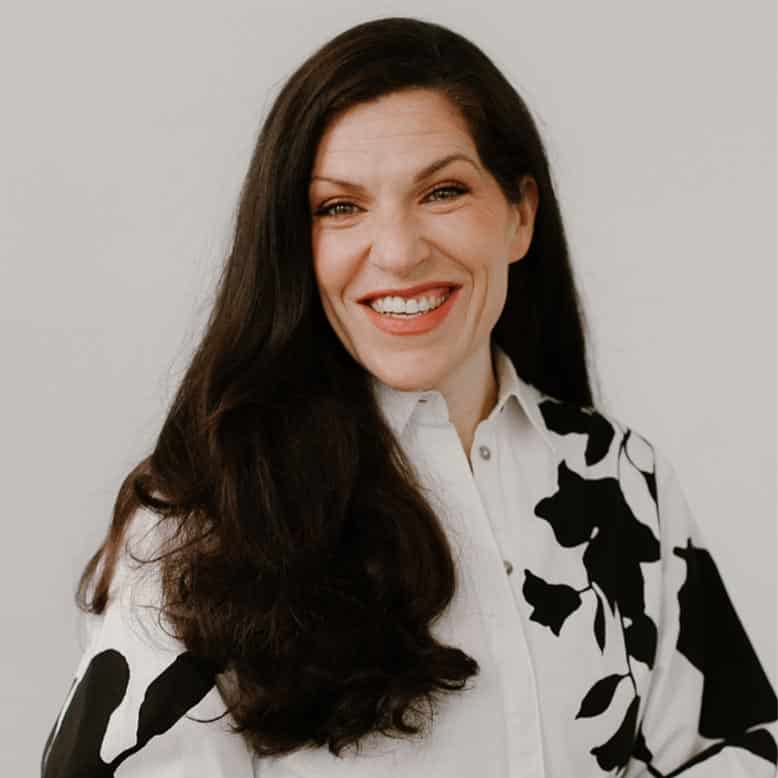
Full Transcript Introduction to Mast Cell Activation and Histamine Intolerance 0:00 In our next discussion, we're 0:01 going to be providing immense clarity on a couple of inflammatory conditions 0:05 that can be really challenging and confusing for many people. 0:08 And these are mast cell activation syndrome and histamine intolerance. 0:12 And to help me do that is one of the most insightful 0:14 and experienced integrative doctors out there. 0:17 Doctor Christine Schaffner is a natural Pathak doctor with over 15 years 0:20 of experience guiding patients through very complex, chronic illnesses. 0:24 She's a pioneer in the emerging field of coherence medicine. 0:27 She integrates Cutting-Edge science 0:28 with quantum principles to help people restore health, clarity and vitality. 0:33 She's recently partnered with Scylla, a new venture dedicated to building 0:36 next generation clinics, practitioner training, and products 0:39 that bridge bio regulatory medicine with coherence based healing. 0:43 Through her clinic clinical work teaching innovative projects, Doctor 0:46 Schaffner is helping to create a new paradigm of medicine 0:50 where patients reclaim their energy, resilience and consciousness. 0:53 Doctor Christine, welcome. 0:54 Thank you so much, Jason. 0:56 It's always an honor to be here and I love our dialogs. 0:59 Over the years. 1:00 Absolutely. 1:01 And maybe we can start off with a couple terms 1:03 that people may not be familiar with, just to kind of provide a lens, 1:06 your lens, through which you see health and medicine and disease. 1:10 And by that I mean coherent medicine. 1:12 So we can talk about coherence medicine and then bio regulatory medicine. 1:16 What do these terms mean to you 1:17 and how does that sort of inform how you see health. 1:20 Yeah. Thank you so much. 1:22 And you know this has been an evolution and a journey. 1:25 And I feel really you know, I'm at this really amazing 1:28 place of gratitude with my years of experience. 1:31 And life keeps changing and evolving. 1:34 And, you know, the stressors on the human body keep changing and evolving. 1:37 And I think through my journey as a clinician, I've also, 1:41 you know, had this desire to help people really, truly 1:44 shield on a soul level and not just, you know, prescribe, 1:49 you know, the best protocol, but really there's a deepening of healing. 1:53 And, you know, 1:54 I've always been really passionate about quantum physics, biophysics. 1:58 You know, the electricity in the body, the electromagnetism, the light, 2:02 the sound, you know, the ether, the field that we're, you know, swimming in 2:07 and this idea that we're all, you know, freed or is 2:11 and we have this unlimited or unlimited potential around us and within us. 2:15 And how do we access that? 2:17 And so, you know, I've been on a journey and I don't pretend 2:20 to have all the answers. 2:21 It's just really an inquiry from my career. 2:24 And my personal experience really deepened 2:27 my desire to, you know, bridge all these principles together. 2:31 I went through an immense, stressful time that many people out there 2:35 who are listening 2:35 are either in or have, you know, been able to see that in retrospect. 2:40 And I really leaned on these principles, as I would say, 2:44 the field meditation, heart, brain, coherence group healing, 2:50 trust, faith, and really the desire to live holy.
Coherence Medicine and Bio-Regulatory Principles 2:54 And that really, you know, developed in my medicine 2:58 as I, you know, healed in my own life. 3:01 And I was grateful to be trained right out of natural products school 3:05 and by regulatory medicine. 3:06 So this is the idea that's very similar 3:09 to naturopathic medicine that the body is intelligent, right? 3:12 That we are not sure to fix anything. 3:15 We're here to remove obstacles to allow that vitality 3:18 to run through the body and heal what is wiser than any doctor. 3:22 Right. 3:23 So by regulatory 3:24 medicine really is there's, you know, parameters in this foundation. 3:28 And then we have principles like interference fields. 3:31 So we name like what are very common 3:33 overlooked ideas that are blocking vitality and regulation. 3:38 And that can be focal infections where the body no longer responds. 3:42 And there's this reservoir of pathogens or toxicants that keep poisoning the body. 3:47 But it's silent and mysterious. 3:49 And so that command tonsils me into sinuses in the mouth. 3:54 We look at conventional dentistry and the practices that can really affect 3:59 the meridian system the lymphatics, the fascia, the nervous system. 4:03 And we, you know, work with great biological dentists to treat that. 4:07 And it's also a terrain based philosophy where we are there to allow the body 4:12 to be empowered and resilient 4:15 and adaptable, and we don't only focus 4:19 on the outside environment, which we're very presence to and aware of. 4:23 But how do we build from within a organism 4:27 that can, you know, thrive even in the utmost stressful times? 4:31 Right. 4:31 So that has really guided me in clinical practice. 4:35 One other interference field I didn't mention are scars. 4:38 So scars can affect the electrical and the energy body 4:42 and also the lymphatics and the fashion, the nervous system. 4:45 So those are really rewarding to treat as well. 4:48 So that body worked, has really guided my career 4:50 and definitely helped me to help a lot of people. 4:54 And then I would say I was already dabbling 4:58 with these ideas before my own journey, and I landed on this idea. 5:03 I know you and I both really love the term coherence, 5:06 and I really kind of thought, okay, coherence medicine, what does that mean? 5:10 Right. 5:10 So coherence is a principle in physics where it talks about when to wave 5:15 forms are in phase and they're in communication. 5:19 They're in alignment. 5:20 There is a basically a amplification of energy for healing. 5:25 And this can be applied to, you know, just principles of physics 5:29 to, you know, quantum physics to life, to health 5:33 and what I mean with this and the healing environment is that, 5:38 you know, how do we free alignment within the body, right 5:41 within the systems of regulation, which are the nervous system, the fascia 5:45 within, you know, the biochemistry, but also that 5:50 I kind of think of that we have all these, you know, parts of who we are. 5:53 Right. And how do we create wholeness. 5:56 And we're not, you know, ignoring those hidden or fragmented 6:00 or those things that we don't want to look at, 6:01 but we create wholeness, you know, that we become more whole 6:05 and not only a physical level, but, you know, energetic. 6:08 And there's many other levels to this, but also really a soul level 6:12 that we can be in communication with our higher self. 6:16 You know, whatever we believe in and have a connection to guide us. 6:20 Right. 6:21 Life is always going to bring to us, 6:24 you know, obstacles or learning experiences or challenges. 6:28 But how do we come, you know, back to ourselves 6:31 and know that we're part of something bigger and greater. 6:34 And being communication in connection with that. 6:37 And that really is, you know, an evolution. 6:39 And I'm sure next year I'll have a different definition. 6:41 But that's, you know, where I am today with, 6:44 you know, these ideas and how they inform me. 6:48 Well, it's interesting as you as you say, that kind of what comes up for me is, 6:51 you know, as a student of Arvada and a little bit of Chinese medicine 6:54 and a little bit of indigenous medicine around the world. 6:57 These are the type of things that that really inform those practices. 7:01 Right? 7:01 So there's there's a in other words, there's a deeper aspect beyond 7:05 the chemistry, beyond even the biology that we can see through microscopes. 7:09 Right. 7:09 And and also what came up for me was it's what I've noticed 7:13 is that it's the practitioners who really have had the courage to, 7:18 to walk into these fields of very difficult cases 7:23 where there's clients that come to them and it's it's very complex. 7:27 They're very compromised. 7:29 And that's not an easy thing. 7:30 And the more a practitioner, a doctor has seen those type of patients or clients, 7:35 the more I think they're kind of forced to open up beyond their training 7:40 to something else. 7:41 In other words, you kind of run into the into the wall a little bit. 7:43 You run into dead ends with these people. 7:45 And if you have the heart and the desire to help, 7:48 then it forces you 7:49 to branch out into something that you have not looked at yet, 7:52 because something that is beyond your scope and inevitably run into these ideas 7:56 and these concepts that maybe seem a little foreign or unfamiliar at first. 8:00 But there's a there's a resonance within you of something that's missing 8:03 in your clinical practice or a clinical experience, 8:06 and you start bringing them in. Right. 8:08 And I love that you said, like, 8:09 there's this anticipation of probably next year I'll think differently. 8:13 Or, you know, two years from now I'll have a different perspective. 8:16 And that comes from the experience of recognizing the humility 8:19 and the lack of full knowledge of this stuff, because it is so complex 8:24 and we are such amazing creatures. 8:25 But yet there's this deep trust that 8:29 the patient can heal the body can heal, that the body mind, the spirit, the soul. 8:33 There's there's something so intelligent there that no matter how complex the case, 8:38 no matter how foregone, this seems to be, that there is a vitality 8:42 there that has an unbelievable capacity to recover. 8:46 And so anyway, that that's just kind of what I've noticed, that 8:48 there are certain people out there, and you're one of those 8:50 that really continues to walk into the flame of the unknown. 8:55 Yeah. Thank you so much. 8:56 And, you know, I you know, I totally echo that. 9:00 And I'm very humbled. 9:01 You know, I think all of us 9:03 leave and leave school and we begin practicing 9:05 and we have all these ideas, and we're not going to do this. 9:08 We're not going to do that. We're only going to do this. 9:10 And then we're so humbled by we have to be open what works for that 9:14 individual person and that might, you know, challenge 9:17 our inner belief system or our knowing at the time. 9:21 But it, you know, stretches that. 9:22 Right. 9:22 And, you know, through my own journey, I just really have this desire 9:27 to not only, you know, anybody who shows up at my office 9:30 that I, of course, have a desire to see them return to wholeness 9:33 and to see their physical body not being suffering. 9:37 But I also very much know that, you know, I don't have all the answers 9:41 and that I just want to be open to the possibility 9:46 of those answers potentially coming through me for that person. 9:50 And I feel like that has really guided me, whether that's intuition, 9:54 trust, knowledge, wisdom, I I'm not sure, but it's probably a combination 9:58 of all of that. 9:59 And, you know, sometimes I'm 10:00 sitting in front of a person, I'm like, I have no idea what this is going to go,
Understanding Mast Cell Activation and Histamine Sensitivity 10:04 but I have a written cadence in my office visit that allows me to open up 10:09 to other information, and that's usually where I get the answers. 10:13 I'm truly honest. 10:14 And it's it's funny, I thought I found this to be the case 10:17 in relationships in in my own system, in business, whatever 10:21 the case is the balance of sort of masculine and feminine. 10:23 And what I'm hearing you said that I think, 10:24 I think a lot of patients or clients may not get a lot of 10:29 is this sort of feminine aspect of 10:31 the doctor's listening and following instead of trying to take charge. 10:35 And I'm going to create health. 10:36 And and so I think this is what I noticed missing a lot in, in clinical practice. 10:41 But in this discussion I want to talk specifically 10:43 about a few conditions, a few cases that are very challenging for people. 10:47 And these 10:47 you can kind of lump them in together as sort of inflammatory conditions. 10:51 And again, we give them these names and which may or may not be all that relevant, 10:55 but nevertheless it helps us to identify what we're working with here. 10:58 So one of them that is is referred to as mast cell activation syndrome. 11:02 Another one might be histamine intolerance. 11:04 You might have a couple others that you find work into this mix as well. 11:07 But kind of let you kind of paint this broad overview of what these things are 11:13 and how people 11:14 can think about them in this sort of, let's say, traditional context. 11:18 Before we dive in and discover a little more. 11:21 Yeah, absolutely. 11:22 And I actually spoke at a conference this spring, and they were all these ideas 11:26 of what I was going to say. 11:27 And I told the conference organizer, I said, you 11:31 know, there's just really an epidemic of sounds. 11:33 It should be out there. 11:33 And he's like, I want you to talk about that. 11:36 And it's really been something that has, again, humbled me. 11:41 You know, I have been practicing for 15 years. 11:44 And in the beginning, I would say 11:46 there were those patients, we would call them multiple chemical sensitive. 11:49 They might even have the emerging ideas we had about electro hypersensitivity. 11:54 But these are the people that you would they would walk in your office. 11:58 And if somebody had perfume or a cell phone, you know, fibers down, 12:02 they would instantly feel that and their body would react. 12:05 You know, a lot of people just lump these people in the psychosomatic or, 12:09 you know, they're just crazy or how could that be true? 12:12 But, you know, I witnessed them enough that I noticed that this was totally 12:17 something very real 12:18 that maybe 12:19 we didn't understand at the time, which we actually didn't understand the time, 12:23 but we understand more now. 12:24 And I saw those people get better, you know, as well. 12:27 So I would say sensitivity at 12:29 this point is a spectrum and it can be modulated. 12:33 So it is a symptom and it's not a diagnosis. 12:37 And I think that we were all kind of forced to learn this. 12:41 Those of us who are practicing because since Covid and I can write down 12:46 why since Covid, but since COVID's been in our terrain, 12:49 sensitivity has been exponentially increased in people. 12:53 And I've just seen this. 12:54 So when we think about mass and we think about histamine 12:58 tolerance, histamine intolerance is on one end of the spectrum. 13:01 And then mast cell activation is on another end of the spectrum. 13:05 And then even further is naso psychosis, which is a clinical diagnosis. 13:09 That's pretty extreme. 13:10 And outside of, you know, our scope of this conversation. 13:13 So and then within histamine intolerance and mass salt, 13:16 there's a lot of variations. 13:18 And a lot of people are in the gray zone if you want to diagnose them clinically. 13:22 So it's really a clinical diagnosis at this time. 13:25 And where I really want us to focus, you know, for these folks 13:29 is when we really kind of lay the narrative and model around the cell 13:33 and what it does, what it responds to 13:35 and why it's overreacting and hyper vigilant and these things. 13:38 But these patients are very sensitive to their environment. 13:43 They're often shy of what we call postural or static tachycardia. 13:47 So they're dizzy when they stand up. 13:49 Their heart rate goes up. 13:51 They have a lot of arrhythmia. 13:53 They'll have flushing in their cheeks, they'll have brain fog. 13:56 They'll have high anxiety. 13:58 They have insomnia, nausea. 14:00 They'll have diarrhea. 14:01 The have got pain. They'll have pain. 14:05 And they're very sensitive to environmental stressors. 14:08 You know, they have often correlated even if it's stress 14:12 or when I take this or when I'm here, my body overreacts. 14:16 And some people are blessed. 14:18 Said they know their triggers. 14:19 In some people, it's a trigger all day long, right? 14:22 They have these multiple systemic and multivariable symptoms 14:26 that are, you know, there's a big throughline 14:29 when you understand terrain, medicine, regulation and mass 14:32 so that you can really create momentum for these folks. 14:36 And I would say that there's some new directions I want to go. 14:39 So I'll start here. 14:40 So when I talk about regulation, when I talk about this ability 14:44 for everybody to heal, and we all have this ability, 14:48 the two big networks of communication in our body 14:51 are the autonomic nervous system and the fashion. 14:54 So the autonomic nervous system is all of our automatic functions. 14:58 Right. 14:58 And many of us kind of understand the autonomic nervous system 15:03 through our vagus nerve. Right. 15:04 So there's a lot of awareness 15:05 around the vagus nerve, which is a big nerve in our body 15:09 that comes from our brainstem wraps around your neck and our backs, 15:12 our heart, our lungs and our gut obsessed, you know, basically, 15:15 they're very simplistically change gears from sympathetic 15:20 to parasympathetic and there's Polly vagal theory too, but, well, 15:23 we won't go into that for this conversation. 15:25 And then there's the fascia, which is not just a structural fabric. 15:28 It's a fabric of communication and irrigation in the body. 15:32 So the health of the fascia is really important to get communication 15:36 networks and cellular signaling control signaling throughout the body. 15:41 And if one area is damaged, it can affect the whole or one area. 15:45 Bio accumulates 15:46 different toxicants or trauma or pathogens that can affect the whole. 15:50 So those systems are actually also 15:54 where our mast cells love to hang on and our mast cells are an alarm. 15:58 So they're part of our immune system 16:00 that when you get a bee sting is going to go respond and get it. 16:04 Go throw out over 200 mediators to engage the other parts of the immune system, 16:09 to clear that bee venom out of that tissue. 16:12 You know, there might be swelling in the short term, 16:15 redness, itching, you know, so forth. 16:18 And in extreme examples, people 16:20 might start to get a swollen tongue or their throat might start to close. 16:24 And then that is, you know, either somebody gets an EpiPen or Benadryl 16:27 and then things calm down and, you know, or the body clears and so on. 16:31 But and, you know, our modern terrain, we have mast cells around our vagus nerve, 16:37 around our autonomic nerves, around our, you know, 16:40 connective tissue, our fascia or matter lymphatics 16:43 around our blood vessels, around our brain and around our gut. 16:46 And in the modern marine, we're not just looking for a bee sting. 16:50 These are the areas where Lyme and co-infections love to hang out. 16:55 Covid loves to hang out, spike protein loves to hang out, 16:58 mold and mycotoxins love to hang. 17:00 You know, 17:01 viruses and retroviruses love to hang, have Hasidic infections to hang out. 17:06 And also these mast cells responded vibration 17:10 so they can respond to potentially 5G or, 17:14 you know, a scent that gets transmitted to biochemistry in the body. 17:18 So they're sensing and feeling and responding to our environment. 17:23 And I think what's happened that so that really just 17:26 accelerated for people is that our terrains are overburdened 17:30 and they are at this time where there's not as much, 17:35 you know, rest in between triggers, that there's a kind of constant alarm 17:39 signal being spoken and the body around key regulatory tissues. 17:44 And when mast cells become hypervigilant, they become very sensitive 17:48 to degrading light. 17:49 And when they're deep granulated, often they create these symptoms. 17:53 So that is, you know, there's so many more things to elucidate there. 17:58 But that's mast cell activation. 18:00 And then histamine intolerance truly is. 18:03 And people have an enzyme called diamine oxidase especially in their gut lining. 18:08 If it's in lower amounts or AP genetically lower amounts in their intestine, 18:13 they don't break down histamine as well in their digestive tract. 18:17 And or they don't methylated histamine to get eliminated. 18:21 And their body and their liver while with their H methyl and transferase enzymes. 18:26 So there is kind of a reduction of capacity. 18:29 I of course think always epigenetic. 18:31 So these people are better respond. 18:33 So if you give them good liver support and Dow enzyme to take with meals, 18:37 they start responding. 18:39 It's not that you have to use like 5 to 7 different strategies 18:42 to calm themselves down. 18:44 So you can actually treat their underlying causes. 18:47 So let's go into we're going 18:48 to hit the in a little bit later I want to stay on mast cells now. 18:52 So these are clearly very important immune mechanisms in the body. 18:56 And we're kind of losing our our tolerance right. 18:58 We're losing our discernment that that level 19:00 because they're so hyper vigilant. 19:01 You mentioned a few things. 19:05 Why else might somebody have mast cell activation syndrome. 19:08 Why might that kick start? 19:09 You know, a couple of things that come to mind for me 19:11 are something like a head trauma. Right. 19:13 So how the heck would that, you know, translate something ten, 15 years ago 19:18 or molt from 10 or 15 years ago, or how does something 19:22 from maybe a long time ago, maybe a significant traumatic event? 19:26 How does that how does that translate into mast cell activation syndrome 19:29 being kind of this biochemistry that we're losing control over? 19:32 Yeah. 19:33 And I kind of think of, you know, there is usually maybe potentially 19:37 an event that people, you know, connecting the cell activation to. 19:41 But there is a lot that happens underneath that event that makes them vulnerable. 19:46 So I kind of saying like, you know, my average patient, 19:49 you know, starts that preconception, right. 19:51 And then you know, how they were born and what was their prenatal 19:55 and postnatal care. 19:57 You know, what was their age? 19:58 0 to 7. 19:59 You know, did they, you know, get mono really badly 20:03 then get a tick bite and lived in mold and had a horrible relationship. 20:06 And some of these things they may not even know. Right. 20:08 Like you may not know that you're exposed to more than eight years old. 20:11 Your parents may not have known. Right? 20:13 Like this is what makes it so complex and tricky as a practitioner or a doctor, 20:18 as well as a patient to try to figure out what's causing this stuff. 20:21 Right? Totally. And, you know, we're we're detectives. 20:23 At the end of the day. 20:24 And, you know, when somebody comes with like a very linear experience, 20:28 which is very not common.
Root Causes, Triggers, and Terrain Factors 20:30 But if they said I had a head injury and, you know, wasn't the same, 20:34 you know, we have to think about you know, do detective work and, you know, 20:37 tests are getting better. 20:38 They still are lackluster, but they are getting better to try to understand, 20:42 you know, the training that person and why they were vulnerable. 20:46 So, you know, mast cells are around the nerves. 20:49 They're around the lymphatic vessels. 20:51 They're around the blood vessels. 20:53 And, you know, through environmental, 20:56 biochemical, vibrational or trauma terrain 21:00 triggers, they can be sounding off those alarm bells. 21:05 And so then, you know, with a head injury, one of the biggest things that happens 21:10 in the brain is that the empathic activity changes, right. 21:13 So then there's going to be more bioaccumulation or oh, toxicants 21:17 and pathogens in that extracellular space between the neurons. 21:22 And so that is going to create more instability for the mast cell 21:26 because that it that, you know, I always go back to the extracellular matrix 21:30 no matter what I'm seeing, because it's the health of the body, 21:33 is really this microcosmic space which mast cells hanging out. 21:37 And the cell theory you're that our lymphatic drainage is 21:41 that the waste is able to be taken out of the cells that the lymphatics drain. 21:46 Then there's not this bioaccumulation of aluminum and mercury 21:51 and microplastics and lightning co-infections and spike protein. 21:56 And it's really that combination of things. 21:58 It's number one thing. 21:59 My job would be very easy if it was one thing creates 22:03 this environment that the cells have to respond. 22:07 That's their job. 22:08 They're constantly basically bombarded and triggered 22:11 by these environmental insults and this extracellular matrix 22:16 that creates this inflammatory propagation. 22:20 Because histamine, we talk about all the time and histamine allows us 22:23 to really understand this because we all have a sense of histamine. 22:27 You know, things are itchy, red, inflamed. 22:30 And I would say they're leaky. 22:32 They're the vessels are leaky. 22:33 Part of histamines job is to create space in the vessels. 22:36 So the immune cells can, you know, come in. 22:38 But often, you know, if that's prolonged, there's a demand for space. 22:42 And swelling and just more stagnation breeds. 22:45 There's other things vasodilators and, you know, other chemokines and cytokines 22:50 that, you know, engage other basically immune cells to respond and react. 22:55 So the whole communication trail of a mast. 22:58 So it's not just the mast cell in the local environment, it's the communication 23:03 trail that it that it signals that that also creates inflammation. 23:07 So our immune system so amazing and wise. 23:09 But if we're creating something it's supposed to be acute in short 23:14 term like the bee sting. 23:15 But it's an everyday experience. 23:17 You can see how these people 23:19 are chronically inflamed and don't feel good at all. 23:22 Yeah. 23:23 And so so it can be these sort of significant triggering events, right, 23:27 that create this sort of mast cell activation syndrome, this expression 23:30 that we might go to a doctor for, or more likely it sounds like 23:34 is is these series of events happening over the course of ten, 20, 40 years 23:39 that accumulate, that eventually overwhelm the capacity of your immune system, 23:44 of that communication system 23:46 and the mass cells in particular, and how they're expressing. 23:48 Then it's almost like all of a sudden this thing happens, right? 23:52 And so I think that's what's confusing, you know, and even as a practitioner, 23:56 it took me a minute to really fully see that play out in so many people, 24:00 because basically everybody kind of says and one day it just happened. 24:04 Right. And like, 24:05 and it's not necessarily one day, but in the course of a couple of weeks. 24:08 But in their mind 24:09 it's a very real, like black and white kind of type of time frame. 24:13 And the reality is, is that's been building up in somebody most likely. 24:17 And then there's the straw generally that breaks the camel's back. 24:20 Yeah. 24:20 And Covid was a big, you know, straw for people recently. 24:23 And I think that's why we see so much sensitivity 24:26 where the people got the injection or have the infection. 24:28 Everybody has a spike protein mode. 24:30 I actually measure that in lab cords. 24:33 The best test we have at this time to look at quantitative antibody dilution. 24:37 And so I have 24:38 you know, there's only been a few people I've seen that were negative. 24:41 And then some people, you know, they start reporting over 25,000. 24:44 So I see this huge range. 24:46 And, you know, I found a few papers that talked about spike 24:50 protein specifically, basically binds and stimulates the mast cell. 24:55 So if you have high circulating spike protein you're going to be constantly 25:00 triggering your, you know, essentially mast cells, right. 25:04 We also know that anything that stirs up IGP or amino globulin, for which 25:09 we can measure total immunoglobulin E and lab for fast as well. 25:14 And if that's elevated, that's often because the body's trying to tag 25:18 through an antibody response and have it other parts 25:21 of the immune system recognize what they've tagged. 25:24 It's often a parasitic infection or other infections. 25:28 And IgG by itself communicates the mast cell has an IG receptor 25:32 so that also, you know, creates hypervigilance. 25:36 And you know, the mast cell. 25:38 And I you know, I, I don't have all the words for it 25:40 at this point, Jason, but it's like one part of our immune system. 25:44 And modern train is very hyper responsive and hyper inflamed. 25:48 Right. 25:49 Our tube plus it's not just THC, but it's our mast cells. 25:54 It's our IGP as our two response. 25:57 And then one part of our immune system is completely suppressed. 26:01 Right. 26:01 My patients have low white blood cells, low 26:03 natural killer cells, low total immunoglobulin. 26:07 She is. 26:08 So you know, the things that the body needs to do to clean up 26:12 these terrain triggers are not happening without facilitation of support. 26:17 So that's also perpetuating a cycle of that makes sense. 26:20 Yeah, absolutely. 26:21 And this is part of the reason I think that you and I may be both landed 26:24 on sort of terrain theory by regulatory medicine, and trust in the body 26:27 is that the immune system so insanely complex that we have 26:31 balancing mechanisms and we have, you know, counteracting forces. 26:35 Right? 26:35 And we seed cells and we got to cells and we got interleukins. 26:39 And there's like so many moving parts that, yes, 26:42 we can sort of map it out biochemically, but in real time. 26:46 It's like insane what the body's capable of sort of orchestrating. 26:49 Right. And so I totally hear that point. 26:52 So, you know, with that said, with regard to mast cells and MCUs, 26:57 how might somebody but actually, before I get into that, 27:00 you know, you mentioned a couple things that I think may be helpful for 27:03 some people to to kind of really get a better picture of the landscape. 27:07 You mentioned the fascia, right? 27:09 You mentioned the extracellular matrix. 27:11 And so how do these and the lymphatic system. 27:14 Right. 27:15 So three kind of different terms all kind of speaking in the same realm. 27:19 So maybe you can flush that out because this is not an area that that 27:22 I mean look some people talk about lymphatic system, but 27:24 but the fascia and extracellular matrix and how it works together, 27:28 where things like the spleen and the liver and the gallbladder and like 27:31 all our other systems, is not necessarily well known. 27:35 Yeah. Yeah, absolutely. 27:36 And this is, you know, a place I inquire and I try to, 27:39 you know, evolve my model over time, you know as well. 27:42 And when I speak about this, I often show these pictures. 27:45 So I'm glad you focus just there. 27:47 So in my understanding this time, 27:51 you know, the body is interconnected just like life, right. 27:55 And it's a microscopic microcosm of that microcosm expression. 27:59 The fish, I believe, gives us a through line of this continuum. 28:03 Right. 28:04 So people who have studied this, Doctor Sean Hopkins, 28:08 Berto and Doctor James Ashman have called the fascia continuum 28:12 or the living matrix that it might take different shapes or forms, 28:16 but it is the same fabric from the skin to the DNA of the self. 28:22 And we could expand upon that if we wanted to today. 28:25 Ideas. So we have our skin. 28:26 We have different layers of germs. 28:28 Then a new organ that was newly discovered, you know, 28:32 maybe less than ten years ago is the Interstitium, 28:34 which is part of this continuum that they thought 28:37 when we see like a dead body, we see different things in a living body. 28:41 And as our observation techniques expand, we learn more about the living body. 28:45 So we used to think, are these just stacks of collagen, which is part of a fashion. 28:49 But now we know that there are these kind of vacuoles of fluid 28:53 underneath the fascia that is kind of the pre lymphatics. 28:57 So the lymphatics are within the facial fabric and it's all kind of one continuum. 29:02 So we have the dermis several layers of the dermis. 29:05 We have the interstitium. 29:08 And then we you know travel you know through these deeper 29:12 networks and different densities of our, 29:15 you know, organ, you know, depending on where we are. 29:18 And the fascial fabric weaves throughout this. 29:21 So it's part of our connective tissue or collagen matrix. 29:25 Collagen is the most abundant protein in the body. 29:27 It also delivers the form of plasma water to our tissues.
Fascia, Extracellular Matrix, and Lymphatic Flow 29:31 So there's structured water flowing 29:34 flowing around and through that collagen matrix. 29:38 And then you know, as we get into smaller spaces, right. 29:41 So it's just different shapes and densities and different parts of the body. 29:44 But there's a through line within each, you know, part of the body 29:48 called the extracellular matrix. 29:49 So whether you're in a liver cell or you're in a neuron or in your in a, 29:54 the line of the intestine, there is this idea of the space 29:57 between the cell and that has the collagen fabric 30:01 going through it, creating structure, but also communication. 30:05 And delivering water. 30:07 We have protease glycans which are sulfate and negative charged 30:11 feathery mike rejections that kind of move fluid in that space. 30:15 We have the micro vessels of the capillaries of the arterial system 30:21 that is delivering oxygen to the space that is also the beginning 30:25 of the lymphatics, because a lot of fluid from the capillaries leaves 30:29 that space and becomes what we call interstitial fluid or free lymph. 30:33 So its job is to bathe the cells with oxygen and nutrients. 30:37 And then there is movement in that space that gets taken up. 30:42 That fluid gets taken up by a lymphatic capillaries which are draining this fluid. 30:47 And now it is a while the fluid is moving around, negatively charged the spaces. 30:54 And whether or not, you know, the lymphatics are taking 30:57 and draining the space or if there is stagnation. 31:00 Right. 31:00 And so again, when there is movement, the cells can basically eliminate 31:05 their waste. 31:05 The waste can be taken out through the the lymphatic capillaries. 31:11 There can be more connection and communication between the cells. 31:14 There can be delivery of information throughout the body. 31:17 And everything's healthy. Right. 31:18 And then we have immune cells in that space. 31:21 We have fibroblasts that break the space down and build it up 31:24 so it remains healthy. 31:25 We have other white blood cells and we have now cells. 31:28 So many cells are an extra line. Right. 31:31 They're there to see what's for and what's, you know, what's an invader. 31:34 What's not. 31:35 And a big part of lymphatic system is to not only drain and detoxify 31:40 metabolic waste, but also environmental, you know, exposures. 31:45 And also it's a big part of our immune surveillance, because whatever 31:47 is being carried through this space that no longer 31:51 belongs will be taken through the lymphatics. 31:54 And part of the lymphatic network exposes, like the lens, 31:58 either to the spleen or to lymph nodes, or to Gault or molt, 32:02 or these areas of high concentration, you know, immune activity 32:06 that can identify and create a response through B cells or T cells so that 32:11 hopefully the body can lower that load or get rid of what is a foreign invader. 32:16 So what happens when a space gets overwhelmed, 32:19 which is the crux of the mast cell conversation is okay. 32:23 You have an aluminum exposure of aluminum is very high charged right. 32:27 And it's three plus often body it's going to bind 32:30 to the negatively charged protease glycans or collagen. 32:34 Right. 32:34 And that's due to great, you know, problems over time. 32:38 Mercury is same way like a say can be embedded 32:41 into the collagen matrix because it looks like glycine, 32:44 which is an amino acid we used to make collagen, right? 32:48 Microplastics. 32:49 We're still learning how they plug up all these pieces. 32:52 Lime loves to degrade collagen and thrive off of, 32:56 you know, those amino acids. 32:57 So it's going to break down space. 33:00 You know, parasites can hang out fungi, all of these things, mycotoxins. 33:04 So we can see how that can get that area can get distorted. 33:08 It's stagnant. 33:09 And then also through everything I just said, and also let's just say 33:14 5G, the water in our body cannot be as structured or as plasma. 33:19 H302 state. 33:21 So we're losing 33:22 negative charge, we're losing and energy and information in the body. 33:27 So a lot of things distort our coherence on a level, on a really micro level. 33:32 And so really to restore balance in a mast cell is to restore coherence 33:37 in the body right on these levels of, you know, regulation. 33:41 And so no matter what decade I am and in practice or what the injury 33:45 or the latest assault is, there's always a mechanism for it 33:50 either creates movement or stagnation in these spaces. 33:53 And that's really the key to help. 33:55 Yeah. 33:56 And that's kind of why I wanted to go there 33:58 first before we get into solutions, because it's such an important topic. 34:01 And the way I kind of think about it is almost like, 34:03 you know, if you if you peel an orange, right, 34:05 and you open an orange and you see just this matrix of, 34:09 of orange tissue that's sort of holding water in a way, right. 34:12 Or a watermelon might be the same thing. Right? 34:14 And it's like 97 or 98% water, whatever the case is. 34:17 But it's all that living matrix within there that is somehow interweave. 34:22 Right. 34:22 So that's that's kind of my mental model 34:24 for how I think about the body, because before I know, I think 34:27 most people think about it in layers in separate things. 34:30 Right. 34:30 So when you think about the skin and then you get another layer of skin 34:33 and then you get another layer of something 34:35 and then a layer of fat and then a layer of, you know, muscle. 34:37 I think there's actual things going from top to bottom and ins and outs 34:41 and down to the micro and, you know, it's like so there's it's 34:44 like it's like roots of a tree that just go everywhere. 34:47 Right. And and then there's soil in there. Right. 34:49 So there's like there is it's not it's a continuum 34:53 of living tissue and water. 34:56 And that is facilitating, as you mentioned, energy, 35:00 electricity, information, vitality, life force, prana key. 35:04 However you want to describe that as well as molecules and chemicals and 35:09 and toxins and waste. Right. 35:11 Because sure as heck we're living and breathing. 35:13 We're going to produce waste. And somehow that's got to get out of us. 35:16 And it's not all filtering through the liver 35:18 and the blood in the kidneys and the stool. 35:21 Right. Like it is going elsewhere. 35:23 And so this is, I think, still really what. 35:25 But a lot of Western science is trying to figure out is 35:28 how does all this actually happen. 35:30 And, and I think to some degree, we don't need to know all the details, 35:34 but really important to understand how critical 35:37 this system is that is often forgotten about. 35:40 We talk about the liver. 35:41 We talk about the gallbladder, we talk about the kidneys. Right. 35:44 And we and these organs of elimination, quote unquote. 35:47 But, you know, it's only now, I'd say in the last 10 or 15 years, 35:51 really, that that many people are starting to talk about the lymphatic system, 35:54 but even in extracellular matrix and these sort of more, 35:58 I guess, hidden, unknown aspects of how the body functions. 36:03 But this becomes the critical piece for figuring out the, 36:07 the central issue of most health and disease. 36:11 And this is the this is the framework for, for most of our data from a body level. 36:15 You know, it's like things are clogged, things are not moving. 36:18 And as you mentioned earlier, when we have that stagnation, 36:21 when we when we don't have life force energy 36:24 in parts of the body, there's some block there. 36:27 The field is, is, is being blocked. 36:30 Well, that is where I guess you could say other aspects of life 36:34 will start to degrade it. 36:35 In other words, there's an aspect of like this is dead. 36:38 It's a necrotic tissue, there's toxins and waste. 36:41 And so this is where microorganisms, parasites, 36:44 other things start to come in and do some damage 36:47 because it's almost like a tree that falls in the forest. 36:49 There's going to be these things that come in and consume that and recycle it. 36:53 Right. 36:53 And that's kind of what happens when lifeforce energy stops flowing. 36:57 Other elements of life start to recycle it, 36:59 break it down degenerated because it's not useful. Right. 37:02 So we need to restore that vitality that flow, that lifeforce energy, 37:06 that movement. 37:07 And that's how we regain our health and the communication that's required 37:11 to maintain that. 37:12 Yeah. 37:13 No, I love everything you just said. 37:14 And I feel like the extracellular matrix, you know, outside our conversation 37:19 today is also this really this bridge of science and spirituality? 37:23 Yes. Totally. 37:24 Bio regulatory medicine, coherence medicine 37:27 and this bridge of biochemistry and quantum physics. 37:30 It's all happening in such a physics game at that level. 37:33 Like, no question, I need to go to Buckminster Fuller. 37:36 You can go in that, 37:37 you know, like all these physics guys because it's there's some there's 37:40 literally magic happening at that level or what appears to be magic. 37:43 And when you get into the deep physics and the bio physics, 37:46 it all seems like magic because it's so miraculous. 37:48 So with all that said, what? 37:51 How can somebody think about treating quote unquote dealing with approaching 37:56 massive activation syndrome, knowing that it might this sort of core issue
Treatment Strategies for Stabilizing Mast Cells 38:00 may have come from any number of things, 20 different, 38:04 you know, X or root causes, you could say, or environmental factors. 38:08 How does somebody navigate that, that that condition. 38:11 Yeah, absolutely. 38:12 And you know, with regulation medicine we often talk about like a first 38:15 step is okay finding interference fields, mitigating that. 38:19 You know having a plan for them. 38:21 And remind us real quick what. 38:25 Fields 38:25 can be focal infections where the body stops responding. 38:28 And there's kind of an overwhelming amount of bile 38:32 from a reservoir of microbes or toxicants that are chronically poisoning 38:37 that fascia them, addicts in the autonomic nervous system. 38:40 So that can be the sinuses. 38:42 Yeah. In fact, that's it. 38:43 I just had an interview with Doctor Miles and we talked about mark ons. 38:46 Right. 38:46 So Morton's being one of those things that people kind of overlook 38:49 and continuously will seed the gut and system overall. 38:53 Exactly. 38:54 And so, so essentially, you know, in train medicine, we think about that, 38:58 we think about the autonomic nervous system. 39:00 And today is like a lot of vagus nerve support, lymphatic work. 39:05 And, you know, just starting to gently getting the body starting to move 39:08 before we go into deeper work. 39:10 And I now in my protocols, I have, you know, massage as part of regulation work. 39:15 Like it's really because of the mast cells 39:17 are over firing and interfering with our communication networks. 39:21 We're never going to get anywhere. 39:23 And kind of what flipped it on its head for me, my understanding, 39:27 I used to think like, oh, you know, we have to treat all the underlying causes 39:31 and then people will stop being sensitive. 39:32 And that works before 2020. 39:34 And now after 2020, we have to stabilize the cell at whatever cost 39:40 we need to in order to treat the underlying issues 39:43 so that the person can have not only, you know, suffering relief, of course, 39:49 but in order to treat those underlying causes, 39:51 we are going to move things in the body, right? 39:54 We're to, you know, identify tags so your mitigate, 39:57 you know, reduce load of all of these things. 40:00 And that is going to basically come against the mast cell with animal cells 40:04 already hypervigilant. 40:06 You're going to get nowhere in treatment because people are going 40:08 to be calling you every other day because they're so sensitive and not responding. 40:12 So I've learned many different things, you know, over the years, 40:16 you know, to treatment cells. 40:18 And I would say there are natural substances that work for some people. 40:22 Right. 40:22 So Dao enzyme, quercetin, vitamin C, different 40:27 normal combinations that are out there from different companies. 40:30 There's also peptides, you know, that work especially like BPC. 40:34 157 Cfpb those are kind of the big ones. 40:40 Butyrate is actually mast cell stabilizer a beta. 40:43 And there's also I've learned this clinically that people are responding, 40:48 especially those 40:49 who have pots to higher and higher salt electrolytes and the higher salt. 40:53 Electrolytes actually not only help with blood volume 40:56 and to help them be less dizzy, but they actually, 40:59 if you're salt deficient, you're going to actually destabilize the membrane 41:03 of the mast cell and affect your granulation more. 41:06 So getting people more like sodium chloride and potassium 41:10 are really important. 41:11 Do you think be a good way to kind of go? 41:13 That's good. 41:14 If people tolerate that, I need high salt electrolytes. 41:17 So there are different in this out there. 41:19 But I mean I mean I've been yeah just really surprised. 41:22 But good salt people can tolerate 1000mg of sodium chloride 41:27 3 to 4 times a day, you know, especially when they're in crisis. 41:30 Well, and then Gaba, there are Gaba receptors 41:33 in the mast that actually help to calm down the vagus nerve. 41:38 And the mast cells have a dance. 41:40 So the mast cells are round the vagus nerve. 41:42 So when they deep regulate that affects the autonomic nervous system. 41:46 How do you how do you sorry how do you like to 41:48 how would I would you suggest somebody consume Gaba. 41:50 Because you know if you certain forms right 41:52 aren't going to cross there, you're not going to be very effective. 41:54 Right. Yeah. 41:55 We're reformulating our Somnium. 41:57 It's coming out on end of 2025. 42:01 We're doing a topical Gaba. 42:02 I love topicals for this patient population 42:05 because there's so much reactivity when you go top down 42:09 with these patients that sometimes an intro way is to, 42:14 you know, use a linear matrix to get into the lymphatics. 42:17 So that is awesome. 42:19 I also love pharma, Gaba, liposomal 42:22 Gaba, those all work, you know, to that way. 42:25 But it's important to recognize that 42:26 if it's just a regular Gaba pill that you buy on Amazon, it's too big, right? 42:31 It's not going to actually cross the blood brain barrier. 42:33 It's going to get broken down, I believe. Right. 42:34 If you just take it orally, for example, which is why some sort of mechanized 42:38 liposomal or again, better yet, topical is going to be more effective. 42:43 Yeah, absolutely. 42:44 A clinical pearl is that people are on benzos to get through their day. 42:49 It's often so issue because Marcel's basically benzos 42:54 are working with the Gabor receptors in the Gaba pathways in the body. 42:58 And they also stabilize people's 43:01 mast cells because a lot of people with nasal activation anxiety. 43:05 So part of our journey is just stabilizing the cells with other things. 43:08 And then when people off over top of their body make sense 43:11 and if someone is is super like is just hypersensitive to the max, 43:15 they can't take. 43:16 Of course, often 43:16 they can't take a blue lithium like they're just reacting to everything. 43:20 Would you say that nervous system work is kind of like where they should start? 43:24 Yeah. 43:25 So, you know, I'll use so that mast cells around the vagus nerve. 43:29 So we need mast cells to be stable for the nervous system. 43:32 But we also need the vagus nerve to work to basically have that anti-inflammatory. 43:38 So kind of help them be so hypervigilant. 43:41 So that can be nervous system work. 43:44 That could be if I so title Colleen I've been using a lot of B-1 43:47 and different forms on there is person plaster type maker that I'll use 43:52 and different doses to get people's vagus nerve kind of start calming down. 43:56 People's vagus nerve is infected and toxic. 43:59 So there's other downstream, you know, things to do, 44:02 but to kind of get it working, that vagus nerve stimulators can work too. 44:07 For some folks, the nicotine patch can help, 44:09 especially if there's spike protein involvement. 44:13 That's usually kind of a step, too, I would say, rather than a step one. 44:16 And then I will compound often H1, 44:21 h2 and nasal stabilizers for those super sensitive folks. 44:26 So that can be like a lot of 44:29 work from land or Claritin or desert check. 44:33 I don't like using Pepcid as a block stomach acid, but every now 44:37 and then you have to to get people progress. 44:41 And so it's kind of like I honestly, you know, I say this all the time. 44:45 It often takes 5 or 6 strategies 44:50 just to create stability before you treat people. 44:55 Now, you know, that's been my biggest 44:58 learning curve for sure over these last five years. 45:01 Yeah. 45:01 And that's I think with mast cell it can be so complex. 45:04 And there can be such a an order of operations that generally it's 45:08 I think you would probably agree it's it's tough to wing it. 45:10 It's tough to go to somebody that's maybe heard of it or has some familiarity 45:14 but doesn't have the experience and working with it. 45:16 So finding someone who really knows 45:18 kind of is really literate in that in that world and has experience 45:22 going through that process, I think is is pretty critical. 45:25 And one other thing that has really changed the game for a lot of my patients. 45:29 Doctor Tina Moore taught me about microdosing. 45:31 GLP one isn't they're controversial, but when you think about it, glucagon like 45:36 peptide one is created in our brainstem and in our gut microbiome. 45:41 Another key area where mass cells are overreactive. 45:43 Right. 45:44 And so production and receptor activity and receptor binding 45:47 goes down with stress or age. 45:50 And so I think like kind of like melatonin or tell me about another molecule, like 45:55 we're running around in deficient states and mast cells 45:59 have GLP one receptors.
Clinic Vision and Closing Remarks 46:01 They have receptors. 46:03 So by the way we're not advocating to go out and take a bunch of GFP 46:06 like this is microdosing for a very specific reason. 46:09 I'm totally so GLP one for weight loss is like a whole other strategy 46:14 and it's higher dose. 46:15 So like it's 2.5mg of semaglutide 46:18 or 2.5 to 15mg rather of tears. 46:23 Appetite. Right. 46:24 Those are the doses we're starting with 2.05mg. 46:29 That's a microdose from semaglutide. 46:32 Sometimes we add up to .1.2, but not often. 46:35 And the biggest thing if this works for some people is a once a week injection. 46:39 You can take it orally, but I don't. 46:41 I haven't figured the dosing out as well because there's first pass 46:44 and it's a little more complicated to get people the micro dose. 46:47 But when this works, it's like so rewarding as people are like 46:52 they're less inflamed 46:53 because a lot of people with myself have like a damaged tissue. 46:56 So they're just they're not fat, they're just swollen. Right? 46:58 They can, you know, a demon, their legs are not that sure. 47:03 And their tissues so they're less swollen. 47:06 They just feel more steady and stable, like they have a stronger foundation. 47:10 That's what they tell me over and over again. This works. 47:13 And then from there, I can treat them, you know, better. 47:16 So then I'm not as relying on each one or each tour that's still in there. 47:20 You know the gain. So it's more of 47:22 like a really elegant mechanism to stabilize some of these folks. 47:26 And it's not for everyone, obviously, but for the people that it works. 47:29 It works really well. Yeah. 47:31 That's amazing. Well, this has been fantastic. 47:33 Christine, I want to, before we close out, 47:34 I want you to tell us a little bit about that. 47:37 This new clinic 47:37 that you got that you and I think Sinclair are actually opening together. 47:41 Right. 47:42 And this is kind of a really 47:43 it sounds like a really advanced clinic to to bring some of these things 47:46 into practice. 47:47 Yeah. Thank you. 47:48 Thank you so much. 47:49 And so Sinclair Community and I are dear friends also on a very similar mission. 47:53 And our husband Michael Spindler was also they've also been through a healing 47:57 journey, have been on the front line of practicing for many years. 48:00 And so we just had a very shared mission that we wanted to create a place 48:04 not only as a model for this new paradigm, but for a place that people 48:08 can really change and transform, you know, when they show up 48:11 for a few days to a week. 48:13 And, you know, we have everything from nervous system support to advanced 48:18 energy medicine and sound healing to different oxygen therapies and ozone. 48:24 And then a really awesome IB room where we're bringing in blood 48:28 filtration from Europe and also the very best regenerative medicine. 48:31 So we're trying to really create a model of coherence, at least in this day 48:37 and age, what we know at this time, and really we just have so much compassion. 48:42 There's so many people who come to us that have been sick for decades, 48:45 and we just want people to, you know, feel well in their body, in their spirit, 48:49 so they can really engage in what they can here to engage with on a 48:53 sole purpose level. 48:54 And so, so yeah, we're creating a center. 48:57 It's opening in October of 2025, in Carlsbad, California, 49:01 and we're also doing trainings and having retreats there as well. 49:05 So just gonna take a look at the website when you get a chance. 49:08 And we'd be honored to serve you there. 49:10 Yeah. Beautiful. And it's in my backyard. 49:11 So I'm gonna have to find a way to come in and, you know, just finagle 49:15 some fun stuff. 49:16 Yeah, yeah, yeah. 49:18 So I couldn't I couldn't advocate more for the work that Christine is doing. 49:21 And Sinclair, 49:22 they have definitely a shared mission, shared mindset, shared brilliance. 49:26 So anybody who goes there is going to really get a lot of experience 49:31 and understanding at a deep, deep level that many places can't offer. 49:34 So, so time that you guys are opening that. 49:36 And Christine, thank you so much for coming on today. 49:38 Really appreciate you joining us. 49:39 Thank you so much, Jason. It's always a pleasure. Thank you.
Comments