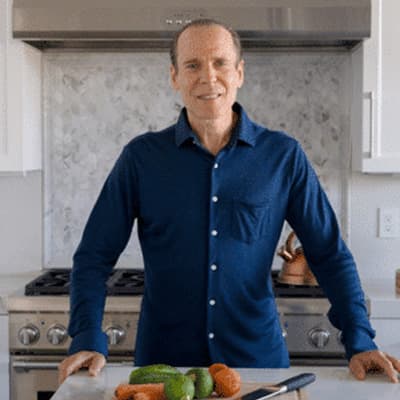
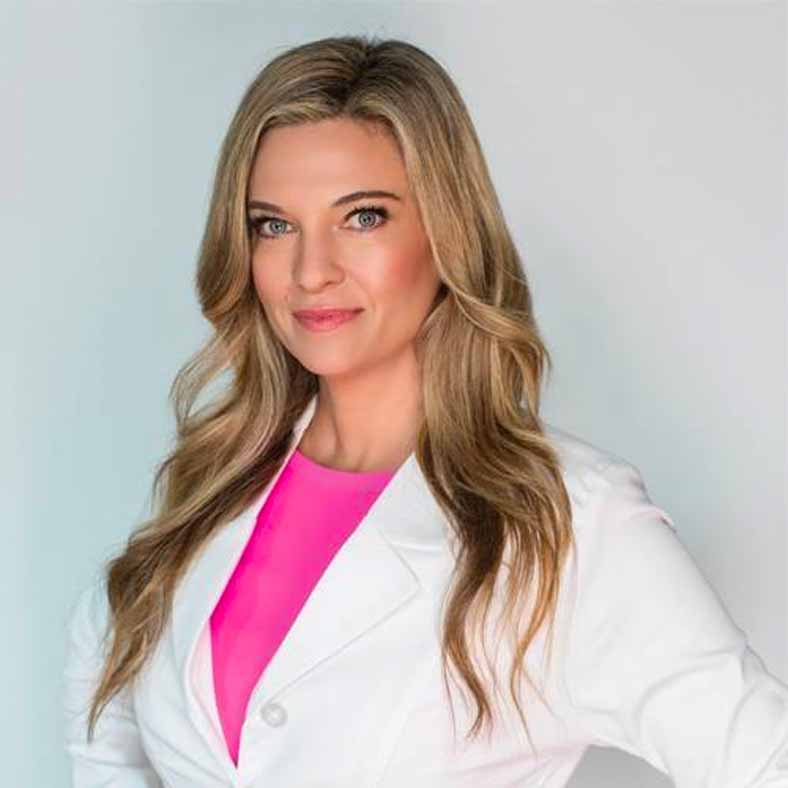
Full Transcript Introduction and Guest Background 0:00 Hi everybody. 0:01 Welcome back to the Plant Based Cancer Solutions Summit. 0:04 So glad you're here. 0:06 This summit is so important, so dear to my heart with. 0:08 We're helping so many people get through the craziness 0:12 out there and all the misinformation you hear all the time. 0:15 I have a really great guest today when let me introduce her. 0:17 Will get started. 0:19 Kristi Funk, M.D. 0:20 is a medical doctor, a board certified breast cancer surgeon, a physician, 0:24 bestselling author, keynote speaker, women's health warrior. 0:28 She's devoted her life to this. 0:30 She she besides doing, you know, getting a medical or education 0:34 and residency and breast cancer fellowship, she co-founded the Pink Lotus 0:38 Breast Cancer Center in Los Angeles, where she practices 0:42 as a breast cancer surgeon and expert in minimally 0:46 invasive diagnostic and treatment methods for all types of breast disease. 0:50 And she helped thousands of women. 0:52 What if she does for a living navigate breast issues, including well-known 0:56 celebrities like Angelina Jolie and Cheryl Crowe, and 1:01 her extensive research over the years into nutritional science 1:04 caused her expands her passion for medicine and for her practices 1:08 at breast cancer surgery. Now. 1:10 And now she does a lot of extra things that works 1:14 in this field of nutrition, including starting the Cancer Kicking Summit. 1:19 And she used to be a former host of the doctor's TV show, which she co-hosted. 1:23 And now she's a go to breast excerpt for Good Morning America. 1:26 She's repeatedly appear on many television shows. 1:29 Today's show, Rachael Ray, Doctor Oz Show, CNN, The View, 1:33 and of course, she's received tons of honors and awards. 1:36 It's her dedication to her career, her community, and educating 1:39 and empowering women for better health. 1:41 And so we're lucky to have her here today, and we'll go through some 1:45 get a lot done in a half an hour, right. 1:48 Oh, yeah. 1:49 Thanks for joining us. Thanks for having me. 1:52 So you graduated and became a breast cancer surgeon, 1:55 and then you found out about. 1:56 Then you study 1:57 nutritional science more as a physician as opposed to an undergraduate. 2:01 Correct? Absolutely correct. 2:03 Yes, most of my knowledge. 2:04 So in the beginning, I was director of patient education 2:08 at Cedars-Sinai Medical Center, and I would give community lectures. 2:12 Honestly, there'd be like ten people that showed up 2:14 kind of not paying attention at all there for the free pens. 2:17 Right? 2:18 Because truth is, no one wants to hear about breast cancer. 2:21 Like, how do you diagnose it? How do you treat it? 2:24 Let's talk about 2:24 surgery, radiation, chemotherapy, anti hormone therapy, and on and on. 2:28 But you don't want to hear about it unless you're in the throes of making decisions 2:32 because you 2:33 yourself were diagnosed or you're helping someone else navigate the journey. 2:37 Otherwise it's just TMI right? 2:39 So what I started to do was razzle dazzle 2:42 them in my lectures with a few factoids, like, did you know three cups of green tea 2:47 a day could cut breast cancer as much as 50%? 2:50 So I started understanding that our choices 2:53 had an impact on cancer occurrence and then outcomes. 2:57 But what really, really opened my eyes was, was writing my book, 3:01 breasts, that owner's manual. 3:03 And when I dove into nutritional science to back up with fact 3:07 all the things I was saying, 3:09 that's when I went into the nutritional science, 3:11 really, for the first time in my life, and just mind blown about how clear 3:16 the science is pushing us toward a plant based diet 3:20 and very much away from an animal based one. 3:23 Yeah. And did you have a did you do all the research yourself? 3:26 You had a research assistant. 3:27 When you're scouring the literature 3:28 for these styles of research articles, I did every single thing myself. 3:32 At first I was shopping around for a ghost writer
How Nutrition Changed Her Breast Cancer Practice 3:35 and a research assistant, and then I quickly realized, you know what? 3:37 I am the only person who can write this book, and I need to understand 3:41 exactly what I'm saying. 3:42 So no, I'll tell you that so many books were a tremendous resource, and Gregor's 3:49 website was wonderful for me to dive 3:51 into understanding things, because it was a crash course in this. 3:55 I had six months to write the whole book, not just for sure. 3:58 So this was within the last ten years. 4:01 Exactly. Yeah, the book came out in 2018. 4:03 So this probably so that radically changed your whole outlook on your career 4:06 and how you're interacting with patients right now. Correct. 4:09 100% correct. 4:11 Not only did it impact my career in that I had so much more to offer patients 4:15 than the traditional Western medicine track, which is still 4:19 a very tried and true path, and oftentimes the best one to take. 4:22 However, women feel a little bit at the mercy of fate 4:27 and at the hope that these drugs or whatever, their choices are definitely 4:31 going to do the trick. 4:32 And we all know there are recurrence and mortality stats from breast cancer, 4:36 so we haven't figured it all out. 4:38 So to empower them with daily things, every time they live fork to mouth, 4:43 every time they eat or drink or move or think or forgive or don't like, 4:48 there's so much that goes into creating a harmonious microenvironment 4:52 that is very anti-cancer and this gives them hope. 4:56 Yeah. 4:56 You know, you would be good 4:57 to speak about a little bit about breast cancer is like not one disease. 5:01 It's like five different diseases. 5:04 And there's like very slow growing cancers that are that are not going to kill you 5:08 and are best treated nutritionally. 5:10 There are cancers that are very aggressive and could if you don't give them 5:13 chemo, they could become they could, you know, kill a person. 5:16 There's like it's not like a one size fits all. 5:19 There's very different types 5:20 of breast cancers and very different types of coming to the right decisions for 5:25 what's the best route for that person to take with that type of cancer. 5:28 Right. 5:29 Absolutely correct. 5:30 It's it's my pleasure to come alongside a woman newly diagnosed to help her 5:34 navigate that treatment decision tree, because it is so varied. 5:39 And in fact, once you start looking at genomic analyzes 5:42 of tumors, we have 21 subtypes of breast cancer. 5:46 And just like you said, some are really indolent. 5:48 They're slow growing. They're lazy. 5:50 They may kill you when you're 250, like honestly. 5:54 So those are the tumors that, as you said, are best supported nutritionally. 5:58 Do you have to choose everything that we're going to throw at you? 6:01 Absolutely not. 6:02 Even when you have an aggressive cancer, everything comes down 6:05 to what resonates with you as your best path. 6:08 But there are, in my heavily researched opinion, 6:13 dangerous paths to follow when you have a particularly aggressive cancer. 6:17 And sometimes doctors aren't very forthcoming about subtypes. 6:22 They're very cookie cutter in their approach. 6:25 Exactly. 6:25 You know, that's the giving people over treatment for for insulin cancers. 6:30 And, you know, and then they give them hopeless prognoses 6:33 for more aggressive cancer, which is which is also inaccurate 6:37 because some of the aggressive cancers makes them now more responsive to chemo 6:42 because they multiplying so rapidly and unraveling their DNA. 6:45 And that's, you know, my experience doing this for like three decades 6:48 is that those people who had young, aggressive cancers are now surviving 20, 6:53 30 years later because they embrace this diet 6:55 to prevent the recurrence that could have occurred. You know, 6:59 you know, 5 or 10 years after chemo. 7:00 Exactly. 7:01 So some of these ones that sound so austere and frightening 7:05 are the ones that respond the best to treatment, like you were saying, 7:08 particularly immunotherapy for triple negative cancers, 7:12 which is our most aggressive subtype that we have to try to cure and treat. 7:17 Immunotherapy has been a miracle for now. 7:20 Early stage, stage one triple negative. 7:22 And just like it sounds, it awakens your immune system to the reality 7:27 that, oh, there's a sinister cell here that now is unmasked. 7:30 So the immunotherapy we give does two things. 7:33 It's as if the cancer cell is shrouded in some sort of cloak, 7:36 and the immunotherapy takes it off. 7:38 And at that same moment, 7:40 the blinders that your immune system cells were wearing are removed. 7:44 So all of a sudden 7:45 they connect and your own immune system can annihilate this tumor.
Breast Cancer Subtypes and Personalized Treatment 7:49 But whence the treatment is over? 7:51 Because you certainly can't sustain immunotherapy or chemotherapy 7:55 for a lifetime, nor do you want to write 7:57 your collateral damage will eventually win out on your healthy cells. 8:01 So that's where Doctor Furman. 8:04 Our ideas of diet and lifestyle are so critical because you can maintain 8:08 that anti-aging, anti-growth 8:13 hormone for 80% of breast cancers. Anti 8:17 eating, you can be very 8:18 strategic in your approach to help keep recurrence and death at bay. 8:23 You know I know it's it's actually it brings us to a new era 8:28 in the management of breast and prostate cancer 8:30 now because like you're saying, even when you're using immunotherapy 8:34 added to your other types of treatments you would use, now 8:37 you add the nutritional excellence on top of that, which gives you 8:40 the much more ability to give people confidence and live without fear. 8:43 Right. 8:44 And to tolerate some of the more toxic things that might be indicated. 8:47 Yeah, sure. So what? 8:49 So what are your 8:50 give me some of the pearls of some nutritional pearls that you tell 8:54 women when and and how do you get them to feel confident and empowered 8:59 that they can do something that's effective to take control? 9:03 And how does that 9:04 feeling of their taking control with their lifestyle and nutrition 9:08 give them more hope and more peace in their life with the cancer diagnosis? 9:13 So I think, again, like we've been saying, for them to know 9:17 that on multiple times throughout the day, on a daily basis, 9:21 they are eating and moving and thinking in an anti-cancer way 9:26 gives them that hope in that security blanket that they might 9:30 otherwise lack, because they're going generally to their medical oncologist. 9:34 Hey doc, when all the treatments are done, what do I do now? 9:37 Do I eat differently? 9:38 Do I know, honey, you did everything right. 9:40 You did everything you were supposed to do. You just go back to your life. 9:43 I'm sorry. Let's pause there. 9:44 Because everything you were doing before your cancer diagnosis, 9:49 clearly, unwittingly, was setting up a microenvironment 9:53 inside your cells conducive to cancer formation. 9:56 That's why you got the diagnosis of. 9:57 The last thing you want to do is go right back to the diet and behaviors 10:02 that you had prior to cancer, because it's just a setup for recurrence. 10:06 And so you asked what I tell patients in a few pearls. 10:09 I first asked them what their diet is. 10:12 And oftentimes it's exactly like mine was when I went to write my book. 10:17 I went into science to prove that the way I ate was correct. 10:20 Right? 10:20 Like Mediterranean diet, lots of lean 10:23 meats, lots of fish, chicken and turkey now and again. 10:27 Never red meat, lots of fruits and veggies. 10:29 And I thought I had it right. 10:30 I knew that I was like queen of the cheese platter at parties, and I knew better. 10:34 I mean, that's very high in saturated fat. 10:36 I didn't think it was a health food, but I didn't think I shouldn't eat it now 10:39 and again. Right. 10:40 So a lot of my patients are exactly there. 10:42 So I get I get them very well because they thought 10:46 they were doing it right, especially if they're around my age. 10:48 I'm 55, so I grew up as a teen in the 80s, and that's 10:52 when bread, pasta, rice and potatoes just made you fat. 10:55 You looked at that. 10:55 That was like the dawn of Atkins and all of that, right? 10:58 So I understand their approach to food, but I also understand 11:03 the person who's going to In-N-Out burger right after our meeting, 11:06 until I start to explain what 11:09 animal protein and animal fat does inside of you. 11:12 So it definitely elevates estrogen levels 11:15 and it increases angiogenesis, which you well know. 11:19 But for those who don't, Angelo blood vessel Genesis birth. 11:22 It's the birth of new blood flow that every cancer inside of 11:26 you aspiring to be bigger than two millimeters must create. 11:30 It must get this blood flow to get its nutrients. 11:33 And when it grows up, all big and strong. 11:34 Exit strategy, right? 11:36 Same vessels, straight to the liver, long bone, brain. 11:39 That's how it metastasize. 11:41 So animal foods are angiogenic. 11:44 They bring that blood supply to tumors. 11:47 Animal foods will elevate IGF one insulin like growth factor 11:52 which is the big daddy growth promoter inside our bodies, 11:56 which is very useful because we turn over 50 billion cells a day. 11:59 But your brain tells your liver how much to make for the day's task. 12:03 So when you eat animal protein and you spike idea of one as a natural response. 12:08 So in other words, your body could care less 12:11 how happy that cow was roaming free for 500 acres. 12:15 All to itself, though humanely it was killed. 12:17 It doesn't care idea if one goes up and now you have too much, 12:21 so it's still screaming at things to grow well. 12:23 Plaque grow fat, grow cancer, grow metastases. 12:26 So once I start to explain to patients what their food is doing 12:31 that's helping fuel and feed their cancer, 12:34 they get a little wide eyed and they ask, where do I get my protein right? 12:40 And that's when I get to talk about how plants come to the rescue, right? 12:44 There are these Fido nutrients we call them, but they're chemicals, 12:48 plant based chemicals that all you have to do is chew and swallow. 12:51 You don't even have to understand it. 12:53 But the curcumin in turmeric, the epic catechin gallate in green tea. 12:58 That was fair trial in red grapes, the limonene.
Why Plant-Based Diets Help Reduce Cancer Risk 13:00 And these chemicals coming from your plants are going to do 13:05 all of the things that your cancer can't stand. 13:08 These chemicals have been proven again and again in science 13:11 to various chemicals do various things, but lower estrogen levels, 13:16 lower IGF one, particularly by increasing the binding protein. 13:20 They're anti angiogenic. 13:22 So they actually shrink 13:23 up and pull out those blood vessel plugs that got into the tumor. 13:27 They are from there antidiabetic. 13:30 In other words we're improving insulin sensitivity. 13:32 And all of this just culminates in less inflammation a more competent 13:36 immune system that can then zero in on the DNA 13:40 that's gone awry, and either fix it or throw it out so cancer can't propagate. 13:43 And I can teach you how to eat this way for breakfast, lunch, and dinner. 13:48 And if that's overwhelming, let's pick one meal a day. 13:51 Let's start there. Right. 13:52 So I don't make them have to be all or none, because every step 13:56 you take toward a more plant forward diet is a step away from the cancer 14:01 chasing you. 14:02 So when the when they're eating this way to probably losing weight, 14:05 which also reduces their estrogen and other pro-inflammatory compounds. 14:09 But are some of the patients some of the people like nervous they're losing weight. 14:12 So of so much with the cancer diagnosis, when it's 14:15 actually a healthy diet that's doing it, do you reinsurer them or not? 14:18 About that I do. 14:20 And you know, something I learned from you that I want to thank you for 14:23 is sometimes they're white counts. 14:25 No, not during chemo treatment really messes with your bone marrow 14:29 and white red blood cells. 14:30 But just as a maintenance mode, 14:32 maybe for years, after all the big treatment, 14:34 they'll come back and be like, you know, my white cell counts like 3.1. 14:37 And they're worried it's so low. 14:38 And I learned from you that, you know what? 14:42 That's because the normal range is our normal American slice of pie, 14:47 which is, you know, 72% overweight and obese and the third 14:51 pre-diabetic or diabetic on and on. 14:53 So normal is an inflammatory state. 14:55 And you're my friend. 14:56 Being plant based are very anti-inflammatory. 14:59 So your white cells are low. They have nothing to do. 15:01 They don't have any inflammation to fight. 15:03 You mentioned weight loss. 15:04 I do let them know when they're overweight. 15:06 I find when you go plant based and you're already ideal body 15:10 weight with a BMI on the lower end, you know, between like 19 15:14 and 22, you're probably not going to lose a lot of weight. 15:18 It's when you have weight to lose. 15:20 So I tell them, this is really exciting. 15:22 New research. 15:23 Actually, the data is flying in from how body 15:27 fat adiposity affects breast cancer occurrence and outcomes. 15:31 And it goes way beyond the main driver that we most would quote. 15:37 So the main driver for fat promoting cancer formation after menopause 15:42 is that everywhere you have a fat cell, you have an enzyme called aromatase 15:45 that's turning adrenal gland steroids into estrogen. 15:49 So the more fat you have, 15:51 the more estrogen you are making after your ovaries stopped. 15:55 And since 80% of breast cancers are fueled by estrogen, this is a bad combination. 15:59 And in point of fact, the data shows repeatedly that if you just draw blood 16:03 on post-menopausal obese women, their blood levels of estrogen 16:08 30 to 100% higher than their normal weight counterparts. 16:11 So yes, the fat increases. 16:13 Estrogen and other studies then show that, yes, the elevated estrogen 16:17 after menopause does indeed promote breast cancer. 16:20 But there's so much more going on with fat, 16:22 so they should be excited that they are losing this excess weight. 16:26 The main things just briefly because they're so deep. 16:30 But one is leptin. 16:31 So your fat cells make leptin, which is the hey, you're full now 16:35 stop eating hormone. Right. 16:36 And what happens is you get guts and made from the adipose. 16:40 You have a higher level of leptin. 16:42 And there are leptin receptors in multiple places, like in the brain 16:46 where it induces satiety because where else it is, there are receptors for leptin 16:51 inside cancer cells, which is, you know, very ominous. 16:55 So they're in these tumors themselves and in the microenvironment. 16:58 So that I keep mentioning. 16:59 So these little like bathtubs of, of fuels 17:02 that your cells are sitting in are either good or bad. 17:06 But once left and binds 17:07 to its receptor, it's going to start cross talking with multiple oncogenes, 17:11 which basically just get the gas pedal turned on on cell proliferation. 17:15 And that is a huge driver for for cancer. 17:18 Adipose sets up chronic inflammation, which also is, you know, 17:22 this pro-inflammatory state with cytokines and activated 17:26 macrophages flying around is damaging your immune system. 17:31 And the final thing is that body mass index correlates directly with insulin. 17:35 So insulin like growth hormone IGF one is its own thing. 17:39 But insulin itself is also a direct promoter of breast cancer. 17:43 So it stimulates growth and invasion. 17:45 And it also decreases the binding protein for IGF one. 17:49 So that goes up. 17:50 It also stops apoptosis of cancer cells. 17:53 Insulin does. 17:54 So apoptosis being the program cell death when the cancer has just lived out 17:59 its course. 17:59 And that cell should die. 18:00 Insulin comes along like no no no. Keep going, keep going. 18:03 You're okay. Not time to die yet. 18:05 And then the final thing insulin does is it increases veg f veggie 18:10 f, which is a potent stimulus a requirement for that angiogenesis. 18:15 So I encourage women that if you're overweight 18:18 going plant based will help you lose and maintain that weight loss. 18:22 And the most important thing to realize is that it's not 18:25 you were overweight and the damage is done and irreversible. 18:29 That's the beauty of the forgiving body we've been given. 18:31 If you lose the weight, you lose the risk. 18:34 One study actually showed 18:35 they looked at over 33,000 women, and they followed them for over 15 years. 18:39 And in that period of time, 1987 got breast cancer. 18:44 And then they correlated that to their starting weight and their current weight. 18:49 So you were 64% to get breast cancer. 18:53 If you had lost weight in your premenopausal years, 18:57 you were 34% less likely to get breast cancer if you just maintained weight. 19:02 And if you lost weight after menopause, you had a 52% drop in breast 19:07 cancer incidence. 19:08 So it's never too late to lose the weight. 19:11 And going plant based, definitely. 19:12 That's really important. 19:13 It gives to people, even if they just doing things 19:15 now correctly makes a big difference in your past. 19:20 That's your past now do it right. 19:21 It reminds me of this, this concept which you could comment on, 19:25 that when a person gets a diagnosis of breast cancer from a mammogram. 19:29 So the tumor has been identified, been big enough to seen by the human eye. 19:32 It may have been there a decade, and that most women without a breast 19:37 cancer diagnosis, who were over the age of 5560, 19:41 likely have some breast cancer cells in their body. 19:44 So everybody has some cancer cells in their body or not everybody, 19:48 but a lot of people, most people probably do have breast cancer cells or not. 19:52 Breast cancer cells, some kind of cancer cells. 19:54 And we don't need to wait till we get a diagnosis of cancer 19:58 to start to implement these things. 20:01 We're learning that prevent cancer from even advancing, you know, 20:05 wait till it's there for ten years and advances 20:07 coalesces to a mass and metastasized of the body. 20:09 And now we change our diet, right? 20:11 The cancer cells all over the place. 20:13 And even if you don't have a diagnosed with cancer, 20:15 you may have cancer because you ate American food. 20:17 And now's the time to make this change, you know, so true. 20:21 And it's so empowering to know that it's never too late to make these changes, 20:24 because the impact of food is nearly immediate. 20:28 One of the studies that I love to tell people about,
Top Anti-Cancer Foods: Soy, Crucifers, and Flax 20:30 because it incentivizes them and it makes them realize, okay, 20:33 I don't have to be all or none because I do find that's a stumbling block. 20:37 I personally, once I finished my research for the chapter 20:41 on what to eat in an instant in one, myself, 20:45 my husband and my triplet sons all went 100% plant based. 20:50 Done, never looked back. 20:52 And that was eight years ago now. 20:53 So I'm like that though. 20:55 I'm the obnoxious person who ruined your curve throughout all of grammar school. 20:59 High school in college, right? 21:00 Because I got 100% and the extra credit. 21:03 So like 105% on every test because I'm like, just answer it, right. 21:07 Why would you answer it wrong? 21:08 Just get all the questions right and do the extra credit. 21:11 So yes, I'm going to go plant based in a day once I'm convinced of the evidence. 21:14 But you don't have to be that way. 21:16 If we look honestly at how you're eating and living I give it a C minus. 21:21 Let's get to a B+. 21:22 Let's start with a B+. Right. 21:24 So these little steps. 21:25 Well, I was talking about the fact that even when you don't have a breast 21:28 cancer diagnosis, 21:30 you still likely you still could and most likely have breast cancer cells. 21:34 And we shouldn't. 21:35 It's just like you said, it's not too late, but it's not too early. 21:38 Even if you don't have cancer, you may. 21:40 Don't wait to get a diagnosis. 21:42 Take advantage of this information and do it now and prevent it from moving. 21:45 Stop. 21:46 Stop it dead and it's trapped in a stage. 21:48 Possible I know, why wouldn't you want? 21:50 Why wouldn't you do it now? Why would you take. 21:53 Because people don't know. Cancer is ubiquitous. 21:55 It's like they have, 21:56 you know, it's like cancer cells have formed all over the time. 21:58 All the time. 21:59 We don't wait till we get advances to start addressing it, you know? 22:02 Well, all cancer is, is mutated DNA. 22:04 And we make I've tried to research to get an accurate number, 22:07 but it's somewhere between billions, up 22:09 to a trillion mistakes, DNA, little mistakes daily. 22:13 Really, all it takes is a period of time 22:17 with enough mistakes accumulating for your immune system to get overtaxed. 22:20 And it's like, I can't deal with that breast change. 22:23 Now I'm over here in your colon, right? 22:24 Like it's just overwhelmed. 22:26 And will you give it the weaponry? 22:28 It needs to always be functional and on top of things, which it definitely can be. 22:33 You know, this gives me a little pause to say that even those who do tend to eat 22:39 entirely plant based exercise regularly maintain low 22:42 stress levels and excellent social connections, etc. 22:45 they twos can still get cancer. 22:47 But what I have seen in my practice is that really, without exception, 22:53 except for gene mutation carriers, which is a whole different category, 22:56 but only accounts for 5 to 10% of all breast cancers. 23:00 So except for the mutation carrier, my people who are living 23:04 well when they do get cancer, there are these indolent ones that I 23:08 honestly could live with and not die from for the rest of your life. 23:12 Not going to kill you. 23:13 Totally manageable. 23:14 Not going to kill you, maybe came into existence just because. 23:18 Imagine if you hadn't been eating and living that way. 23:21 Then all of a sudden the proliferation rate may have been faster. 23:24 Maybe the grade of the cancer in the stage would have been more advanced. 23:27 And then all of a sudden you're just like everybody else. 23:31 Yeah, it's important to mention it. 23:32 So so talk about your like 23:35 3 to 5 impactful foods, dietary suggestions or supplemental suggestions 23:41 that you may incorporate in your total portfolio of advice. 23:45 Because obviously you mentioned EGCg and and turmeric or curcumin from turmeric. 23:50 You mentioned a few things. 23:51 So a little further down that road okay. 23:53 Great. 23:54 One thing I'd like to start with, because it's fresh on the top of my mind 23:57 because I just saw this article yesterday. It's really interesting. 24:00 They looked at. 24:01 So polyphenols have a lot of the anti angiogenic properties. 24:06 And they measured the polyphenol content of a number of foods. 24:10 And the winners surprised me because they're not 24:13 all of them aren't on my top list. 24:15 So let me tell you what they were. 24:16 Herbs and spices far and away 24:18 had the most polyphenol content in the most anti androgenic right. 24:21 Getting rid of the blood vessels. 24:23 The vegetable winner. 24:25 Here's the surprise was the artichoke heart that was never been on top of my. 24:29 That's my favorite food. 24:32 Look at you go calling me all power. 24:35 Wow I live on those things. 24:37 That's awesome. Yeah. 24:38 And they're high in protein too, by the way. 24:40 And yeah they know. 24:42 Yeah. So that was you know, normally. 24:44 So the vegetables in the cancer killing category when I lecture isn't 24:49 I'm not specifically focused on just angiogenesis or the lack thereof. 24:54 So I will tell you the runaway winners overall 24:57 for anti-cancer protection are going to be your allium vegetables. 25:00 So onions, leeks, chives and the like and all of the cruciferous veggies. 25:05 So broccoli bok choy, broccoli sprouts are the kings of. 25:09 So for faint content which is the magic there. 25:11 But back to the anti angiogenic stuff I have two more. 25:14 So the top fruits no surprise here. Berries. 25:18 Yeah runaway winners. 25:19 And then here was my other surprise. 25:21 Do you want do you want to be. 25:22 You want to throw a guess out here to the top. 25:25 Whole grain. 25:26 That was the most anti-Indian dent. 25:29 And there's so many grains to choose from so I can it's whole grain rye. 25:34 Whole grain rye. Really? Well, yeah. 25:36 So really surprised me. But back to your original. 25:39 What do I normally tell people before yesterday's article? 25:42 My my top foods for sure, because they have the most science behind them. 25:47 So I have the most, you know, the highest number of facts in human studies 25:52 that I can point to to support my advocacy for the high consumption of these foods. 25:57 Top of the list is going to be soil, and this is a big surprise to a lot of people. 26:02 So we're talking non-GMO, preferably organic. 26:05 This is not an expensive food group. 26:07 So go for the organic here. 26:08 And soy comes in 26:10 many forms of the fermented forms like tempeh, miso, natto, tamari. 26:14 These are possibly gentler on your gut if you're new to soy, because it 26:18 can create a little gas and discomfort if you overeat it at the get go. 26:25 But the more palatable common soil forms are going to be 26:29 soymilk, tofu, soybeans, roasted soy, nuts. 26:33 Right? 26:33 So soy has historically had a very bad rap 26:37 when it comes to cancer because every not everybody, many people are aware 26:41 that soy has isoflavones, which are phytoestrogens, estrogen. 26:46 There's that bad actor word again. 26:48 Again to remind you it fuels 80% of breast cancers. 26:52 Estrogen. 26:53 Estrogen hits a receptor on the outside of a cancer cell, 26:56 which then sends a signal for it to multiply and divide. 27:00 Here's the thing 27:02 when you consume 27:03 soy in any one of those forms, the isoflavones like Geneseo and Dade 27:08 Zinn, they go flying into a receptor 27:12 for estrogen called beta, whereas the one on the cancer was alpha. 27:16 So they zip past alpha with 1,600% more affinity hit beta. 27:21 And when beta is activated, 27:23 it does a few fabulous things that are very anti-cancer. 27:27 First of all, it down regulates alphas. 27:30 It like blocks it basically. 27:31 So now there's less of the receptor for that particular cancers fuel source. 27:35 And it goes out into your fat cells and turns off that enzyme aromatase 27:40 that we were talking about converting adrenal glands into more estrogen. 27:44 Soy has shown again and again in every single human study done. 27:48 And that's the key. 27:49 Human studies has shown a decrease 27:52 in occurrence, recurrence and death from breast cancer on average, 27:56 with a 30% drop in all of those things, sometimes higher, a little lower. 28:00 But it's never promoted cancer in any human study as opposed to mouse models. 28:06 And that's where I think the bad rap got all the whisperings, 28:10 because when you and I am against animal experiments, 28:13 but what they did was they grafted breast cancer cells onto mice and fed them soy. 28:17 And the tumors grew. 28:18 But turns out they metabolize isoflavones very differently than humans. 28:22 Mouse models. 28:22 Studies don't always translate into human medicine. 28:25 So soil. So it up. Don't be afraid of it. 28:28 Get your 30 to 60% drop in breast cancer from 2 to 3 servings of soy daily. 28:34 Second up, you can imagine, from what I already said, the cruciferous vegetables 28:38 family, one of the magical compounds in there, 28:42 so foreign, which is formed particularly in broccoli. 28:47 But all the cruciferous veggies have it. 28:49 And then it's 100 times more present in broccoli sprouts. 28:52 And the magic for fame is that 28:56 it's been shown in, albeit mouse models. 28:59 But it's been so does it translate? 29:01 But the breast cancer stem cell, both estrogen positive and estrogen negative, 29:06 is thought to be the whole mastermind of cancer recurrence and death. 29:11 The main reason why, I think, is that it's known to it divides very slowly. 29:16 And as you mentioned in passing, when we first started talking chemotherapy 29:20 and a lot of agents that even radiation, what they're focused on 29:24 is quick cell division. 29:26 That's why there's so much collateral damage with chemo. 29:28 It's super stupid. 29:29 It's just looking at one thing who divides quickly in this body. 29:32 Cancer does. 29:33 So I'll annihilate it. But so do the hair follicles. Baldness. 29:36 So does your GI tract. Non-zero vomiting, diarrhea. 29:38 So do your nails. They're brittle and wonky. 29:40 So do your nerve impulses. So you get neuropathy right. 29:42 So keep is not smart. 29:44 But if your cancer divide slowly then the chemo is not going to kill it. 29:49 So the stem cell just lies in wait for all the stuff to go flying by, missing it. 29:55 And then at some opportune moment when you're eating, you know 29:59 you can drumstick, it's going to reemerge and start proliferating. 30:03 And it has. 30:04 So it's what we call pluripotent cell can be anything it needs to be. 30:07 But when it's been hijacked by a cancer cell, it is enemy number one. 30:11 And so for a feint in mouse models took a lot of cancer stem cells, 30:17 whether they were estrogen driven or negative, 30:19 which we mentioned was our most aggressive cancer. 30:21 And it just took three weeks for that cancer stem cell mass to go. 30:27 Going, going gone. 30:29 Now your logical next question should be how many like truckloads of broccoli
Smoothies, Supplements, and Daily Food Strategies 30:34 do I have to eat? 30:35 Or should I just supplement with? 30:36 So far by how much did this study require 30:40 to accomplish that amazing feat of stem cells? 30:45 A cup and a quarter of broccoli sprouts equaled the amount of sulforaphane 30:49 injected into the mice, so that is manageable. 30:52 And home growing sprouts is fun and easy. 30:54 So number. 30:56 So that's number two. 30:57 We have soil. 30:57 We have cruciferous veggies. 30:58 And number three is flax seeds right. 31:03 Flax seeds. Wow. 31:04 They have another phytonutrients phyto estrogen called lignin. 31:08 So we know them. 31:09 Many people know 31:10 they have like 31:11 one of the highest concentrations of omega three fatty acids on the planet. 31:14 Right. But which is a healthy fat? 31:17 That's not why I love them. 31:18 I love them for their lignin content, which is also 100 to 800 times 31:22 any other plant source. 31:23 So lignin have been isolated as a standalone reason 31:29 to reduce recurrence and mortality from breast cancer, 31:32 with a number of pretty fascinating human studies showing that. 31:37 And one of my one of my favorite ones, because it's just so fun, 31:42 was they gave 32 women a muffin. 31:46 They each had had a breast cancer diagnosis on a core by I'm 31:49 seeing they analyzed that core on three different parameters. 31:52 One was a pop ptosis rates. 31:55 How many cells are actively dying right now? 31:57 One other one was the or B two expression, which is a marker of aggressiveness. 32:02 And my favorite marker in cancer profiles is 67. 32:07 This is simply a division rate. 32:09 How many cells are actively dividing one becoming two. 32:13 This is what we refer to 32:14 as the fast divider that's going to get killed off by chemo, 32:17 as opposed to the tortoise plodding along very slowly, 32:20 and chemo is not going to see it. 32:21 I figure that out based on 67. 32:24 So back to our 32 women. 32:25 They all get a muffin, except 32:27 half of them have muffins stuffed with two tablespoons of ground flax seeds. 32:31 And the other was a placebo. 32:33 Nothing else changed, right? 32:34 If they were carnivores 32:35 or diabetic, on and on, they're just living life exactly the same. 32:38 And now they have some vegan junk food to eat once a day, every day for five weeks. 32:42 Then they have their definitive surgery, and now we have the tumor back again. 32:46 Right? 32:46 So we can attribute solely to the consumption of flax 32:49 the following things with those three parameters. 32:52 In just five weeks of two tablespoons of ground flax daily, 32:56 the apoptosis rate went up by 30.7%. 33:01 The curb two expression went down 71%. 33:05 And now my favorite, the division rate on the cancers slowed by 34.2. 33:11 That's the power of flax. 33:13 Yeah just that one change. 33:15 Do you know you know my acronym G bombs right? 33:17 Of course I do. 33:19 I'm jealous. 33:20 I went to talking about it. Right. 33:22 Yeah, exactly. 33:22 I am, and I would be, you know, you should I raised if I, 33:27 if I weren't mentioning the G bombs as the biggest anti-cancer bombs. 33:31 Right. Cool. 33:33 What about some? 33:33 So do you do you advise any extra supplements to that? 33:36 Like, you know, other things they put in their diet? 33:39 So I, I created a smoothie, a cancer kicking smoothie. 33:43 Oh, cool. That. So that recipe is available online 33:47 or just right Christy Funk smoothie. 33:49 It's semi viral like it'll pop up. 33:51 And I have so many women drinking this and you make it yourself at home 33:55 and it helps. 33:56 I have 18 very potent anti-cancer foods 34:01 that I like for every cancer patient to try to consume daily. 34:04 And this smoothie has 13 of the 18 only because the other five 34:09 include like tomatoes and seaweed and whole grains made it 34:12 kind of gross and a smoothie, but make a great whole grain 34:15 avocado toast or a whole grain pasta with the sauce. 34:19 You can get the other five easily in two meals total. 34:21 But the smoothie, when you say supplements, has a number of things 34:25 that just kind of you, make sure you get them down. 34:27 It's a little hard to eat all of these powerful foods, 34:31 and a smoothie is a nice, palatable way of getting them down with minimal process, 34:36 right? 34:36 We never want fruit juice, but lended 34:39 berries in a smoothie are going to be they're not going to spike your insulin. 34:43 So in this smoothie the base is so I melt. 34:46 There you go with your one at least one serving of soy for today. 34:49 Two fistfuls of leafy greens, two cups of berries. 34:52 If that's too expensive, you can mix it up because apples are great. 34:55 Or just citrus fruit too, right? 34:58 But some of the things 34:59 that are more on the supplement level, the EGCg in green tea. 35:03 If you're not a tea drinker, this is a great way 35:05 because I want you to have three cups of green tea a day. 35:08 Matcha green tea in particular, as high as in the EGCg. 35:11 So you can just scoop that into your smoothie. 35:14 That's like a supplement. 35:15 When one study looked at antioxidant content of 3000 35:21 plus foods, everything from Coca-Cola to coconuts, the tip top, 35:24 which is 124 times the blueberry, was the Indian gooseberry, 35:29 which comes in an organic powdered form called amla. 35:32 Amla. 35:33 So I have you put that in. 35:35 This is where we put the tumor in. 35:37 I do a whole teaspoon, but technically a quarter teaspoon will do it. 35:41 You may know that the pip and pepper 35:44 makes the curcumin like 2,000% more bioavailable in some studies. 35:48 It's always more bioavailable though. 35:50 But 2000 is pretty impressive number. 35:52 So we're going to add some black pepper in there. 35:55 Peppering in its own right has anti breast cancer properties. 35:58 So what else might be cinnamon. 36:00 Put cinnamon in there. 36:02 So things that you just might miss out on eating. 36:04 And sometimes I fall victim to that I'll be somewhere not home. 36:08 And I'll have like a rice bowl. 36:09 And I'm like oh I really could put my two mark and pepper in there 36:11 because I'm not drinking my smoothie today, you know? 36:13 But so I always get the flax, the soymilk in my seal cut oats every morning. 36:19 That's where I get berries, cinnamon, flax, oats and maybe some seeds on there. 36:23 So that's that's another nice little package of foods. 36:27 In terms of actual supplements in capsule form. 36:29 I'm going to swallow them down. 36:31 You know, every time I try to say, yeah, you can take curcumin 36:35 in the capsule form or you can take sulforaphane. 36:38 But we humans have yet to really decipher how synergistic 36:43 these whole foods are inside of you, and you're going to miss out on some real 36:47 anti-cancer potency that I know if you don't need it in whole food form. 36:51 So while it's fine if you want to do those supplements, it's 36:55 not not going to be dangerous, 36:58 even tumeric. 36:59 So for those of you that I always get this question, so let me just help you out. 37:03 Yeah. 37:04 Curcumin has been shown to inactivate tamoxifen, 37:08 which is a common anti estrogen drug that women with breast cancer often taken. 37:12 So I get this a lot like oh my doctor told me no curcumin 37:16 and you're so should I take it out of your smoothie. 37:18 No. The research clearly shows that the amount of curcumin you'd have to 37:22 consume on a daily basis to interfere with tamoxifen is 18 teaspoons. 37:26 So don't worry about it. 37:27 You're one 37:28 you're one teaspoon or less into this movie is going to be all powerful.
Concerns About Unproven Alternative Cancer Therapies 37:32 Now can you get that amount though in supplement form I mean people I have 37:37 ladies come in with, you know, backpacks filled with all the supplements there. 37:40 Yeah. 37:41 You know, it's a little overwhelming, honestly. 37:43 Take the pressure off. 37:44 Just aim for 30 different fruits and vegetables a week, which may sound 37:48 like a high number until you realize you probably easily have 10 to 15 in a salad. 37:52 And that's just one meal. 37:53 One day you've got 20 more to go eating the rainbow. 37:56 That whole idea. Fruits have so many colors. 37:58 Mix it up, mix up the veggies, and you're going to get all of these powerful things 38:03 totally plant based. 38:04 I think everybody by now hopefully knows we definitely want the B12 38:08 and it's optional, but advisable in my opinion, 38:12 in my research, to be having the EPA da algae based supplement 38:17 so that you have enough 38:19 of your long chain fatty acids forming to create neuroprotection. 38:23 There's no reason to evade your cancer, only to get an early Alzheimer's 38:27 diagnosis, right? 38:28 So I definitely love that one as a supplement. 38:31 In addition to the B12 and vitamin D, those levels need to be checked. 38:36 You want to keep your level 40 to 80 nanograms per deciliter. 38:40 That is your range. 38:41 So if you're already in it, 38:42 you don't need to supplement, you get enough sunshine, etc. 38:45 then you're fine. 38:46 But if you're low, which a huge percentage of Americans are, 38:50 then you do want to supplement also with D3. 38:54 Yeah for sure. 38:55 I know we're going over, but this is so important. 38:57 If I could just get one more question, of course it's that, you know, 39:00 I think you and I know that it's like we have such evidence based, 39:05 proven efficacy of using a diverse amount of these colorful and nutrition 39:10 rich plans as a means empowering people with effective strategies to live 39:15 longer, prevent cancer, and even then, right, we're talking about this. 39:18 This is what this is all about. 39:19 But I think there's also an excessive not only the excessive things 39:23 of what chemo can do, but people are being diverted into 39:26 some alternative treatments that which which don't have the proven efficacy 39:31 of what we're talking about with nutritional input, like, for example, 39:35 lay a trail or, you know, vitamin drips or ozone, take your blood out, 39:41 put it through a machine and purify the blood and put a treat with ozone. 39:44 Put it back in. 39:45 There's the 39:46 there's all these therapy clinics opening up and I'm not so against it. 39:50 It's just that they're diverting people away from the things that we know 39:52 are proven efficacy here. 39:54 You know, 39:54 I just want to make a view 39:55 to comment on that, to get your opinion on those things right. 39:59 The more aggressive the cancer, the more tragic these alternative paths become. 40:02 Because they do come back to me. 40:04 I could show pictures that would make you probably vomit at least. Gag. 40:08 I mean, these tumors are oftentimes on a relentless course of growth 40:12 and progression, and they will break the skin and fungi 40:15 it out and get infected and bleed constantly. 40:17 And I can smell from outside the room what I'm dealing with. 40:20 If I have one of these patients coming in and almost all of them are 40:25 in denial of the tumor being there, but then it's become unmanageable. 40:29 It's affecting every part of their lives, 40:31 and they're in chronic pain and it's bleeding. 40:33 They're getting a knee make. 40:34 It's a big deal 40:35 when you ignore aggressive cancers by doing these alternative therapies. 40:38 I have people do things that are so expensive to 40:43 I can't help it at sometimes. 40:45 Like how much was the 200 supplement regimen? 40:49 200 pills a day. 40:50 How much? How much does it cost? 40:52 It's about 150,000. 40:53 Yeah, and wholly ineffective. 40:56 But these are well-intentioned practitioners, I'm sure. 40:59 But they don't have data to support what they're doing. 41:02 And it's a very dangerous course. 41:04 You can do it after you follow some basics. 41:09 For example, I often encourage women with a tumor. 41:13 Just let me take it out. 41:15 Let's just do a lumpectomy, get the cancer out, 41:17 and then all of these strategies that you want to employ 41:20 to try to thwart its existence, either valid or some of them, 41:24 you know, the invalid ones we're talking about right now. 41:27 Yeah. 41:27 Now you're either having a neutral effect or maybe somewhat beneficial effect 41:31 somehow on an immune system, 41:33 but you're not trying to dissolve a two centimeter definable wad, 41:37 which not to freak people out, but a one cubic centimeter cube of cancer 41:42 with an average division rate of 20% is spewing 41:46 3.2 million cells into your bloodstream every single day. 41:51 So let's get rid of the epicenter and now employ the strategies 41:55 against the rogue cells. 41:56 It really are eliminated, usually with one pass through your liver 42:00 and nodes and all the battling stations, but not always. 42:03 And that's the cell that recurs, by the way. 42:06 Right. 42:06 It's out there in your body already when the main tumor 42:09 was here in the breast. 42:10 So let's get rid of the main tumor and then employ other strategies. 42:13 And so that's my meet in the middle path 42:16 for people who are just not going to do anything else. 42:20 I try to get them at least that far because it's a shame. 42:24 It's truly it breaks my heart to see someone 42:27 at a very early, curable stage 1 or 2 and have them go away 42:31 and do these very, you know, unproven therapies. 42:36 And lo and behold, they come back and they'll do 42:38 they'll go to Mexico, they'll do these, they'll do the, these crazy therapies. 42:41 And that's crazy. 42:42 But they're minimal effective. Yeah. 42:44 And then they then they won't follow a healthy diet either. 42:48 What they can do, they're not doing. 42:49 And some of the people that are doing these clinics are also recommending, 42:53 you know, unhealthy, unhealthy diets in conjunction with those therapies too. 42:56 So it's you know, I find to there are a lot of these, 42:59 like some of these well-known clinics in Mexico, the patients will come in to me 43:04 and I'm like, what did they think when they saw this tumor? 43:07 Oh, they never examined me. 43:09 They just prescribed, prescribed, prescribe 43:11 all their treatments and pay at the door. 43:13 And they're not even examining 43:15 the patients to realize that what they're advising is ineffective. 43:19 It's very tragic. 43:21 Well, thanks for your contribution. 43:24 You're very, very important. 43:24 I know we went over, 43:25 but it's important for people to hear this and everybody listening. 43:29 I know you got a lot of benefit from this. 43:31 Stay tuned to what's coming up next. 43:32 And thank you Doctor Funk really so much. 43:35 Appreciate your contribution to this summit and everything you do. 43:37 Really so wonderful. 43:38 Thank you so much by everybody by.
Comments