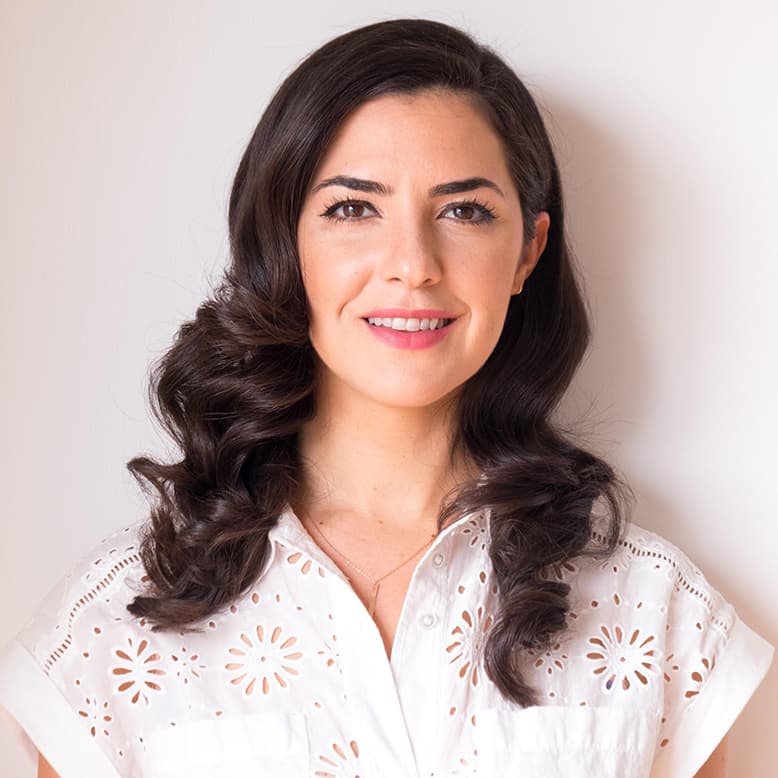
Full Transcript Healthspan vs. Lifespan 0:00 Why do you feel that? 0:01 Healthspan really is the goal of the longevity movement. 0:06 Because if we don't have Healthspan, then it's going to tax the entire system 0:11 to the point where we won't be able to sustain the services 0:14 we offer for health care. 0:15 Like we can't have everyone living to 130 being sick. 0:19 We just cannot sustain that health. 0:21 And the health care system cannot sustain that. 0:23 Now we can have people living to 130 if they are healthy. 0:27 And so there's a very big difference between the two. 0:29 And health is the number of healthy years of living. 0:33 And, you know, the country that has the highest health span is Singapore. 0:36 And they designed an entire health care system around efficiency, around 0:41 health, around ensuring that people are taken care of, 0:44 but also ensuring that society is designed 0:47 in a way that encourages health versus just fixes disease. 0:51 Welcome to Doctor Talks, the podcast where every episode leads to a healthier you. 0:56 Join us as we navigate the world of optimal health, 0:59 uncovering groundbreaking strategies to conquer chronic disease. 1:03 In each episode, we'll bring you the latest insights 1:06 from leading health experts, medical innovators, and wellness warriors. 1:10 If you're seeking to transform your health journey, 1:13 or if you're looking for answers to burning questions. 1:16 You've come to the right place. 1:18 Get ready to unlock the secrets of lifelong health and vitality. 1:21 This is Doctor Talks, 1:23 real talk from real doctors on the issues that matter to you most. 1:35 Hi everyone and welcome 1:36 back to Rad Cast Where Science Meets Soul 1:39 and the quest to extend human health, vitality, and purpose. 1:43 I'm your host, Doctor Melissa Girl Peterson, and today's 1:46 guest is a force of nature in the longevity movement. 1:50 Doctor Molly, 1:51 I love, from the halls of Stamford to the inner circles of Silicon Valley. 1:55 Molly has become one of the most exciting and insightful voices in health 1:59 span optimization. 2:00 Her work blends everything from mitochondrial medicine 2:03 and digital health to biofeedback, biohacking and emotional intimacy, 2:08 proving that true longevity isn't just about living longer. 2:11 It truly is about living better. 2:14 She's the author of The Spark Factor, the first biohacking guide designed 2:18 specifically for women. 2:20 And she's here today to talk all about her systems based framework 2:23 for rewiring, healthspan and reclaiming vitality for every level of life. 2:29 Dr. Molly, welcome to activist. 2:32 My god, Melissa, thank you for that introduction. 2:34 Jeez. 2:35 Yes. Good to be here. I mean, come on, 2:39 I love you. 2:40 You know, I was so thrilled that last summer, actually, last fall, 2:44 we got to participate in the Women's Longevity Lab together at Rad Fest. 2:48 And I'm like, this woman is like a soul sister. 2:51 And I can't wait for just 2:52 more points of connection and collaboration as time goes by. 2:56 And so it's been too long. 2:58 I can't believe it's already been so many months, 2:59 but it's just really great to have you back here. 3:01 So thank you. 3:03 Yeah, well, you have 3:06 you know, when I think about, life 3:10 lived, you have lived so much, you've you have been, you have. 3:14 And we were just talking about like, oh, it's person you built for it, right? 3:17 Like, you really are such a true leader. 3:19 You're out there taking a stance in so many innovative ways. 3:22 And, you know, you've you've had this emphasis on healthspan over lifespan. 3:27 There's kind of just been at the core of your work. 3:30 So let's talk let's just kind of create a container for those coming in today 3:34 who are maybe newer to that conversation or terminology. 3:39 Why do you feel that healthspan really is the goal of the longevity movement? 3:46 Because if we don't 3:47 have Healthspan, then it's going to tax the entire system to the point where 3:51 we won't be able to sustain the services we offer for health care. 3:54 Like we can't have everyone living to 130 being sick. 3:59 We just cannot sustain that. 4:00 Health in the health care system cannot sustain that. 4:02 Now we can have people living to 130 if they are healthy.
Stress Resilience and Recovery Tools 4:06 And so there's a very big difference between the two and Healthspan 4:10 is the number of healthy years of living. 4:12 And, you know, the country that has the highest healthspan is Singapore. 4:16 And they designed an entire health care system around efficiency, 4:19 around health, around ensuring that people are taken care of. 4:24 But also ensuring that society is designed 4:27 in a way that encourages health versus just fixes disease. 4:30 They really, from the ground up, built a health care system 4:33 based on health, whereas our system is based on sickness. 4:36 And there's a big problem when our health care system is 4:39 18% of the GDP, because that is a very expensive system. 4:43 And it's obviously not super effective, because if it were, we'd be living longer 4:47 and healthier lives. 4:48 So when I started my career, I was honestly terrified 4:52 because I was leaving mainstream medicine, I was leaving my residency, 4:56 I was getting my license, 4:58 and I basically stepped out of mainstream health care and was like, 5:01 I have such a deep conviction that health is more than fixing sickness, 5:07 that I have to build a practice around optimizing health, 5:09 and I want to build perfect world medicine. 5:13 What would medicine look like if you had a great doctor who could spend 5:16 all the time they wanted on you, order all the labs they could want, 5:19 do all the questions asked in the longest history, and I really like. 5:23 I'm so grateful to my early patients who let me work with them 5:27 because they helped me shape my practice, 5:30 which today is actually based on a lot of the same first principles, 5:34 which is you apply the lessons of allopathic medicine to health, 5:38 which means you you do have an emphasis on empiricism. 5:41 You do measure things. 5:42 You want to you understand the pathways that you're trying to work with, 5:46 but you also understand the qualitative history. 5:48 And then you're not just looking at 5:50 the medical problems, but you're also looking at functional biology. 5:53 And when you do those two things, 5:55 you have your objective, you objective, then you create your assessment. 5:59 And I do assessments in all the different systems 6:01 and then plans, and then you systematically work 6:04 on different systems until the body gets back into homeostasis. 6:08 Now it's very influenced by all apothic medicine. 6:10 But I also have been influenced by functional medicine and osteopathy and, 6:15 naturopathic medicine and Chinese medicine and eastern medicine 6:18 and energy medicine. 6:19 So and regenerative medicine. 6:21 And so I look at longevity medicine today, and it's not like one single thing. 6:25 It's a it's like a bunch of different ways of thinking about the body 6:29 to get it into balance so that it can be resilient. 6:33 And so the definition of health 6:34 that I use is the ability to adapt and self-manage in the face of adversity. 6:38 And, look, we're not none of us are immune to adversity. 6:43 But the real question is, is how badly do you break down 6:46 if you get hit with major stressors? 6:48 And last year in my life, 6:49 I got hit with so many stressors, it was like I was tested hardcore. 6:54 And I'm super lucky that I had all the tools in the toolbox to get better, 6:58 because it was a really tough year last year, and I'm still fixing 7:00 fixing things, but I, I was able to continue working and, 7:04 you know, doing all the things that I do despite my challenges. 7:07 And to me, that's a testament to, to having good health as a baseline. 7:13 So first of all, thank you for sharing that. 7:15 It's already created at least six questions I want to ask you 7:19 a little work in reverse, which is, you know, 7:21 that you had a really stressful year. 7:23 Yeah. 7:23 And so, you know, one of the tenants that you to your work 7:29 and that you really support your clients 7:31 and patients with is this appreciation of rewiring stress. 7:35 You know, if we if we can take a different approach 7:37 to stress that it can actually help us to live longer, better. 7:41 So what would you say are some of the things 7:43 that you've personally done 7:44 from your own toolbox that you share with your patients that you really apply 7:49 to self first, that you believe helped you the most through that time? 7:52 Well, I learned I was very lucky 7:55 to learn a breathwork, yoga and meditation sequence from Sadhguru who, 8:01 by the way, I will fully admit I think is running the largest cult in the world. 8:05 He's basically our generation's Osho. 8:07 But oh my god, does he know his stuff? 8:09 When it comes to resetting the inner sort of compass? 8:12 And I'm very I'm actually not like a cult member. 8:15 I'm not like, 8:16 I really love the organization, but I am a Christian and a Jew, 8:19 and I like Buddhism, so I don't really fit within any religious context. 8:22 But I learned these. 8:25 I basically like optimizing resiliency starts from like it's an inside job. 8:30 So if you're not finding time for peace and stability, 8:33 like I meditated this morning, first thing when I got up, 8:35 I was feeling a little tense and I was like, 8:37 oh my God, I just need to sit and just pause and breathe. 8:40 And so I meditate daily. 8:42 I do breathwork, and it's not like Wim Hof breathwork. 8:45 It's like very it's a lot of counting and it's a lot of chanting 8:50 and it's a lot of stuff that I learned through that grew. 8:52 But toning and combing and chanting and breathing and counting 8:58 all those things actually do contribute to improved, heart rate variability. 9:03 And so I do I notice a really big difference 9:05 when I'm consistent with my practices. 9:07 And it's become 9:09 and then like hatha yoga is like something anybody can learn how to do. 9:12 I used to be Ashtanga, but I do Ashtanga when I'm not super stressed. 9:16 I do hatha yoga when I'm like, oh shit, I am really at my breaking point. 9:20 I just need to do something that's not super intense. 9:24 That's going to get me back to balance. 9:26 So I look at like different things for different reasons, right? 9:28 Like when you're feeling strong, when you're feeling resilient and stable, 9:32 that's when you do stuff like Wim Hof and cold plunges and hot and Ashtanga yoga. 9:36 But when you're feeling like burned out or tired or energetically spent, 9:40 that's when you do the gentle stuff. 9:41 And, you know, I was struggling with getting into cardio, 9:45 because I was like feeling really overwhelmed. 9:48 But I got into rocking because I was like, this is so easy 9:52 that I can do this even though I'm tired, and you only need to do 9:55 like 20 to 25 minutes of rocking versus like a lot of chronic cardio. 9:59 Maybe it won't help 10:00 if you're already running on empty, you know, and I do weight training. 10:03 I honestly don't think I will ever stop weight training because, I mean, I did. 10:08 There's a few months last year I did, and we train because I was pretty exhausted. 10:11 But I feel better when I weight train consistently, 10:14 but I'm not going to go hit my personal best. 10:17 If I'm feeling like running on empty, I'll do main maintenance. 10:20 You know, maybe I'll add 5 pounds here and there, but I'm not going to go super 10:24 hard in the gym. 10:25 And then I don't know if hot tubs are healthy or unhealthy, 10:29 but when I get into the hot tub and I'm watching the sunrise 10:33 over the Tetons, it's like, it's like the greatest thing in the world. 10:36 So that I do do. 10:37 But I think they might be toxic. 10:40 Other things that I do would be, you know, 10:43 a lot of people struggle with metabolism when they're really stressed out. 10:47 Yeah, yeah, I got into I recently got introduced to 10:50 this product called keto five. 10:52 And so a lot of people are like, 10:53 if you're really struggling metabolically because you're really exhausted. 10:57 And by the way, 10:58 all the things that happened to me last year 10:59 were like accidents and infections and stuff that happened that like, 11:03 I did not know I was even I had no idea that would happen to me. 11:08 Right. Like I thought I was. 11:10 So I, but I wasn't. 11:12 And so I got hit with a bunch of weird shit 11:14 that like, was not things 11:15 that I feel like I called in, but stuff that just happened. 11:18 So, like, I had a head injury last year and I had a bike accident and I, my face 11:23 was all jacked and I was able to heal it with wound cream I created. 11:27 But I started experiencing pretty obvious cognitive cognition and memory issues. 11:32 So I had to do a lot of first of all, I did have to 11:36 I didn't quit work, but I scaled back work, 11:39 briefly for like a
Finding the Right Longevity Practitioner 11:40 couple of months just to get really full grounding. 11:43 I did have stellate block this year. 11:47 I neural therapy with this guy, Doctor Door, who lives in Sedona, 11:50 and I do a retreat with Katrina Belinsky every year. 11:53 And, it's like a super serious biohacking regenerative medicine retreat in Sedona. 11:58 So if anyone's listening, they can join, but they have to contact me. 12:01 We'll do contact at the end of the end of the episode. 12:04 But doctor two door like if you've dealt with, I had like a, 12:08 I had a PTSD inducing event last year, which I don't need 12:10 to get into the details of, but it was like pretty intense. 12:14 And so those first block I did 12:17 felt like it reduced my symptoms by at least 50%. 12:21 And so like blocks are basically resetting your autonomic nervous system and, I'm 12:27 a really big fan of looking at the body first through first principles. 12:30 So like 12:31 stress is really tough to manage if you've if you've experienced any trauma. 12:34 And so what do you do. Right. 12:36 Well, psychedelics are currently illegal, but I do think they have a role. 12:41 I did do one ceremonial journey with MDMA 12:45 and mushrooms with a, the guide, and that was majorly helpful. 12:49 But I also did the cell block and like, 12:52 you know, you got to go to the right practitioner. 12:53 And my favorite person is doctor tutor. 12:55 But I also do recommend, if you're in the Bay area, 12:58 doctor Matt Cook does really a really good stuff block, 13:01 but is such a game changer for getting your parasympathetic 13:04 nervous system back on line 13:06 and getting your sympathetic nervous system to chill out. 13:08 And I was like, oh my God, this is so awesome. 13:11 And what else? 13:13 If you're dealing with a lot of stress, you know, you do need to deal with the gut 13:18 because the gut usually gets compromised with serious stressors. 13:21 So I did start a peptide regimen for fixing my gut, which was incredible. 13:26 I so I, I had a lot of women out there, and men, 13:30 may never have heard of this pathogen called urea plasma, 13:34 but I've gotten this at least twice from men that I've dated, 13:37 and it can cause actual, in fact, infective symptoms, even though 13:42 most doctors aren't even looking for it, can also cause infertility. 13:45 So I ended up having to take antibiotics for it, which led to stuff. 13:50 So that led to me getting like, I mean, I didn't get hospitalized, but I, 13:53 I actually gave myself a stool transplant from, the company called Novel Biome. 13:58 And then I used BPC, PR, Cfpb, 14:02 and La Raza, Tide and Tribe Uterine. 14:04 And I mean those that combination I mean my got back to normal. 14:09 So like you really fix stuff when things break. 14:12 They shouldn't break in the first place. 14:14 And unfortunately urea plasma is like a is a is like they actually 14:17 check for it in China and they treat it like they treat it like chlamydia. 14:20 But they don't do that in America 14:22 because 50% is about 40% of people carry it and have no symptoms. 14:26 So it's considered a commensal in some people's cases. 14:29 But in other people's cases it can cause symptoms. 14:31 And I've dealt with this with a lot of my clients actually, this client of mine 14:34 who's like flown all the way from different countries to see me, 14:38 but specifically because they couldn't get this stuff figured out 14:41 and I was able to find it. 14:42 And so now I'm looking at every patient, but it's a really big A, 14:45 it's a really big bug that people aren't looking at. 14:48 Unfortunately, I should have found a like a natural traffic solution. 14:50 But yeah, last year sucked. 14:53 Like I had a real. 14:55 But you know what? 14:55 The beauty. I looked at it all as a gift. 14:57 I was like, God, thank you for showing me 14:59 all these things that you could teach me because I was able to fix so many things. 15:03 And like, I became a much better doctor 15:05 because I was like, so forced to fix myself. 15:07 And I hadn't had to deal with health issues for so long 15:10 that I was like, wow, what a great lesson, because you really learn a lot 15:14 from fixing yourself. 15:15 And so now I'm like, you know, 15:18 I'm grateful in a weird way, but it was really annoying at the time. 15:21 The longevity revolution is about more than just searching online 15:24 for a few hacks, or any one of us moving our biomarkers in the right direction. 15:28 It's about coming together 15:29 to learn, share, to connect and create the unlimited future we want. 15:34 That's why you need to be at Rad Fest 2025, in 15:36 Las Vegas from July 10th to the 13th. 15:40 Rad Fest the Revolution Against Aging and Death 15:43 is proud to be partnering for the first time with Doctor Aubrey de 15:46 Gray and Longevity Escape Velocity Foundation. 15:49 The form the single most comprehensive, advanced, 15:51 informative and inspiring event on age reversal for a general audience. 15:56 Meet the people you want to make forever with Rad Fest 2025. 16:00 Take advantage of lower advanced pricing now at Radford. 16:02 Scott. Well, it's, it's interesting, right? 16:06 Because when we when we listen, just so I always put myself in the role of 16:10 I'm a layperson listening to this and I want to learn more. 16:14 And it's like, Holy cow, she's a doctor who had to give herself her own 16:19 fecal transplant. I can't do that to myself. 16:22 How do I figure this stuff out when I want to be? 16:25 I want to be expressing greater health here today. 16:28 And and you're right. 16:29 Like you thought you were indestructible and you were doing all the right things. 16:33 I mean, it is your brand. It's who you are. 16:35 It's what you do. 16:36 And it is interesting how when, when we 16:41 when it's time for us to be the student, the teacher arises. 16:45 And not always in the way that we think, 16:47 oh, I'm going to be totally honest with you. 16:49 My greatest teacher is actually this woman, Katrina Belinsky, 16:52 and she has a secret weapon behind so many doctors, like she is 16:57 this woman who grew up near Chernobyl and was unfortunately exposed 17:01 to a lot of radiation and healed herself from cancer twice. 17:05 So she's like the top 1% of healers in this country. 17:08 And it's like, and it's like a deep honor to even work with her. 17:11 But she basically is like who I go to for everything cutting edge 17:16 and I actually but I discovered novel biome on my own 17:19 because I got a message from the founder on it, on LinkedIn. 17:24 And, you know, the one eight the widow of the one of the weird 17:25 things about my life is that when I need something, it comes to me very quickly.
Immune System, Gut Health, and Detox 17:29 It's like somehow, I swear to God, I must have gods. 17:32 I must have like angels or guides out there. 17:35 Like literally watching because it seems like the moment 17:37 I need something, it's like, boom, it's there. 17:40 But I also think that part of the reason why I'm blessed with 17:43 this kind of gift of being able to learn and call in solutions is because 17:47 my job is to go out and preach to like all these podcasts like, hey guys, 17:52 we have got to build a new health care system, and it's happening, 17:57 but it's starting with the longevity space one. 18:00 Every space is where people are starting to wake up to like make. 18:03 Maybe I want to pay for this 18:04 and you've got to find a doctor who understands longevity. 18:07 There is a great organization called Longevity Docs. 18:11 There's another organization, Rad Fest. 18:12 There's organizations out there, a forum where you can search these directories 18:16 and you can find doctors, but you want to find someone who is 18:20 ideally interacting with longevity doctors and has a community around them. 18:24 Because those of us in this space, we're not doing this alone. 18:28 I literally query like 100 doctors on a regular basis. 18:31 If I have a question that I don't have the answer to. 18:34 And I mean, there is a there is a serious level of information 18:39 sharing happening in longevity medicine that I have not seen in mainstream 18:44 medicine. In fact, I saw a lot of doctors 18:46 not sharing their knowledge with other doctors. 18:49 And it's like a really interesting thing where the doctors that are really 18:53 the doctors of the future, they're like, they want to help each other. 18:56 But you do have to unfortunately be one of the early adopters 18:59 who has to pay for it. And I hate to say it, 19:01 but like it's longevity, medicine is still too expensive. 19:04 But it's because it's not covered by insurance and it works. 19:08 And so like typically the stuff that works as an insurance is not cheap. 19:12 But let me tell you right 19:14 now, like there's a lot of stuff you can learn on your own. 19:18 I just educating yourself and watching, watch 19:21 listening to podcasts like I listen to doctors that I respect. 19:24 I listen to their podcasts all the time because I'm getting like, new ideas. 19:28 Like, I'm sure, Melissa, you've got so many podcasts I need to listen to. 19:32 Are you ready to redefine aging and unlock your full potential 19:36 as a longevity leader at the Human Longevity Institute? 19:40 Our world class certification programs train doctors, coaches, and wellness 19:45 professionals how to deliver cutting edge, integrative longevity 19:49 health solutions so people can live better today 19:51 for longer, healthier, and more vibrant tomorrows. 19:55 If you're ready to join the Longevity Revolution, visit Human 19:58 Longevity institute.com to enroll and become a practitioner today. 20:05 Yeah, it's it's, 20:06 it's a beautiful time of to your point, 20:10 I love that about the longevity industry as well. 20:13 As far as peer to peer collaboration, it is the most 20:17 uplifting thing in my heart. 20:19 When I'm sitting with a group of my peers and just the hunger 20:22 and the desire to learn, it's a whole different mindset. 20:26 And so to your point, you know, seeking out providers 20:29 that are in this longevity, regenerative, integrative. 20:34 When you see those terms, it's already somebody who's spending more money 20:38 on their own education. 20:39 They are surrounding themselves. 20:40 They are they are the early adopters. 20:42 They're kind of going out and discovering things that are maybe not 20:45 being readily discussed or available again, in just allopathic circles. 20:50 And, and you want those outliers. 20:52 And so and if we go all the way back to where the conversation started, 20:55 and I loved how you brought it up, Japan is one of the few. 20:59 There's a few countries around the world. 21:01 And, you know, I just came back from Saudi Arabia from the Global Health 21:04 Span Summit in, that was this past February. 21:08 And to see the conversations that are happening 21:11 in a few pockets of the world, but there are a few pockets that get it. 21:15 And they are they are running like wildfire with it to that. 21:21 Really, by the time 2030 gets here in five short years, 21:25 this conversation around health span 21:27 and the way we're going to see the ripple effect. 21:29 And, you know, in the Western world, we can either catch up 21:33 or we will end up really falling behind because we do have innovators like Japan, 21:37 which is one of the few countries that has started it relatively early on. 21:41 And they they are the longest lived population. 21:44 And so, you know, I was just, speaking with Aubrey deGrom 21:49 just a few minutes just before this, I was on a call with him, and again, 21:52 we were talking about Andrew Scott's work. 21:54 And, you know, just really the understanding of, you know, 21:59 the longevity economy and when we can actually extend 22:03 health span by one year, the same amount of debt that health 22:07 care is currently costing is the amount of economic gain. 22:12 We can infuse 4 trillion into the economy every single year. 22:15 And so because of this, just because we know it now 22:18 more than ever, because there's a growing demand, 22:20 because I think we're all sick and tired of being sick and tired, 22:23 then we understand that it doesn't have to continue to be the way 22:27 that it's always been. 22:28 And so I love the fact that, you know, even with flex spend an HSA accounts, 22:33 there is more money available in insurance policies 22:37 to the consumer that they're able to exercise some freedom of choice. 22:41 So let's talk about how you're doing it in your practice over it. 22:44 But M3 health span because, you know, after going through a year 22:48 of kind of having to step back from patient care 22:50 and be the patient, you got to fall even deeper in love 22:54 with the the importance of how health care is delivered. 22:58 So talk to us about your 22:59 approach in your practice and how you're really kind of setting the standard 23:03 that can be, you know, that can inspire other health care 23:07 practitioners as well as the consumer to know what they should be looking for. 23:11 Well, first, I think, a lot 23:14 of people are just looking at lab testing, which is really crucial. 23:19 But in the functional model, 23:20 I think there's a lot of sort of one size fits all protocols being delivered. 23:24 And I've unfortunately seen a fair amount of 23:27 casualties from functional medicine clinics. 23:30 So, I would say 23:33 that like the biggest innovation that I've learned in, in optimizing 23:37 health has been kind of really examining my first principles. 23:41 So I was always focused on mitochondrial health, right? 23:43 That was really important to me. And it still is. 23:45 But I have gone really deep into immune system biology 23:51 in the last year because basically, even if you have enough energy, 23:54 if your immune system fails you, as you get older, you're going to die. 23:57 And so I have started learning how to use this thing called a lymphocyte map. 24:02 And you can actually map out your entire immune system. 24:05 And, it's really, really useful because 24:09 a lot of what you see on the CBC, you can't see, like actual imbalances 24:14 unless you look at a flow to flow cytometry. 24:17 So typically flow cytometry is used for people with cancer 24:20 or HIV or like something that would be like leukemias and lymphomas. 24:24 But you can use it for a healthy person who looks healthy, who might actually have 24:29 immune system issues. 24:30 So I really like the lymphocyte map. 24:32 It can really help guide which which, labs a person should be doing next 24:38 because it can teach you like what's actually in balancing the immune system 24:41 and even creating immune system deficiencies or overactive immune system. 24:46 It'll tell you 24:47 someone might have chronic infections or maybe has autoimmunity, 24:50 and it can really help you understand, when to start peptides 24:54 and when to really look at gut health to fix that, because it gut 24:58 and immune system are tied very closely. 25:00 So you have to to really get a person to heal from a lot of chronic illness, 25:04 you have to do a few things. 25:05 First, you have to get the immune system to be balanced. 25:08 You have to get the energy up. 25:11 And those are really core things that you need to do. 25:13 And then you also need to detoxify a person because it's a lot of toxins. 25:17 So my favorite detoxification tool is Ebola. 25:21 Not able to be oh, and not the Malaysia machines. 25:24 Make sure to ask don't use those machines. 25:26 They are not good. 25:28 And a hooks reaction with those. 25:30 You want to get the more newer models, but you want to go to the right people 25:34 for Ebola because it can filter microplastics. 25:37 It can ozone eat the blood. 25:39 It can, you can some some companies even have hemo lumens, 25:42 which can add UV light to energize the blood. 25:45 But filtering the blood is really a great tool in the toolbox 25:47 for longevity and for detox and for immune system health. 25:50 For somebody who's dealing with autoimmunity, 25:53 you might even want to go as far as a for raises. 25:55 But it's expensive. 25:56 And so it's kind of a pain in the ass because it's way, way expensive. 26:00 But that's if you're dealing with like a, like a beginnings of autoimmunity 26:04 and you really want to get the body out of inflammation, that thing works great. 26:08 So I'm a big fan of blood filtration. 26:10 And then when it comes to, you know, fixing the body, 26:15 you have to look at nutrition because that's going to feed the gut. 26:19 And that's also going to affect the mitochondria. 26:21 And so I'm really looking at, you know, a lot of different factors 26:24 to analyze a person's diet. 26:26 And I see this sometimes and it's kind of interesting. 26:29 I see people not thriving on certain diets. 26:31 And then I switch them to the exact opposite. 26:33 And there's like there's a spectrum. Right? 26:36 So there's vegan. Vegetarian. 26:39 Mediterranean zone, paleo and and keto 26:44 and that's like highest fat, lowest carb, lowest fat, highest carb. 26:48 And I find that if you find someone on the spectrum 26:52 of like six different diets and they're like they're doing keto on, 26:56 they're failing miserably or doing paleo and they're not making progress, 27:00 or they're like carnivore and they're not making progress. 27:01 Then you actually move over to more of like a mediterranean 27:04 plant based and they will like it's really funny. 27:08 There are probably three main metabolic types. 27:11 And yet people are like told, like I should just be vegan. 27:16 And then if I take a vegan and I actually get them on a paleo diet, 27:19 it's like, whoa, you know, like sometimes if you're 27:21 not thriving on the current diet, you need to go in the opposite direction 27:25 and see if you can balance yourself with with different facets. 27:29 Because like when you go more keto, carnivore, paleo, 27:33 you're doing more animal, 27:34 more ancestral, less plants usually, unless you're doing like a walls protocol. 27:38 But if you're doing more and, like pescatarian, vegetarian, 27:43 or like, vegetarian vegan, you're really going higher on the plants, 27:48 but you're also activating activating them. 27:50 That immune response. Right. 27:52 Which it's not surprising that you see 27:54 a lot of people with cancer go on these detox diets, right? 27:57 It's also not surprising that you see people on autoimmunity go on these 28:00 these, like, you know, autoimmune paleo diets, right? 28:04 So and then like, well, what does a plant based diet do. 28:08 They do. 28:08 It's really going to activate that immune system 28:10 which you need to fight off cancer. 28:12 What is a paleo diet going to do. 28:14 It's going to dampen down that immune system. 28:16 Right. 28:16 So I'm all about experimentation nutritionally. 28:20 And a lot of people just would do just great on a balanced diet. 28:24 But well, people are sick. They tend to gear on one. 28:27 They tend to like shift gears and that care maybe from gear to shift. 28:31 So, that's when I want to that's that's one of the things that I really do 28:34 talk a lot about. 28:35 My practice is food because so crucial.
Nutrition, Metabolic Flexibility, and Lab Testing 28:38 It's so, so, so crucial for health. 28:40 And, you can fix a lot of things, the right diet, but other people 28:44 just can't do the right diet. 28:45 So like, let me ask you this just out of curiosity, in your practice, 28:49 what are what are the what's the pattern 28:53 around food that you most commonly see? 28:56 And I'm not here to make a judgment on some of these behaviors. 28:59 But if you had to say, man, this is where we're we're missing the mark, right? 29:02 Like this thing just keeps coming up and coming up and coming up. 29:05 Like, do you see 1 or 2 core things that seem to be pretty predominant 29:11 that, in across the population? 29:14 Yeah. 29:15 I mean, I would say that there's 29:18 a lot of people. 29:21 Right. Let's go. There's two, two main categories. 29:23 One is like there's these like plant based people that are wasting away 29:28 and they're just really nutritionally deficient 29:31 and they're running on fumes and they're just like, 29:34 they don't have enough nourishment. 29:35 And it's really clear on their urine, organic assets 29:38 that they're not getting enough protein. 29:39 They're not getting enough vitamins, minerals, nutrients. 29:42 If you can do a healthy vegetarian vegan diet, it is just a lot of work 29:46 and you have to be vigilant and you have to 29:48 look at your you've got to measure everything. 29:50 People who do this in a healthy way are eating a lot of food. 29:55 You have to eat a lot of food. 29:57 Can you tell you, I lived on a farm and I've seen how animals eat and 30:01 graze, and there is literally 30:05 like it takes for a one bale of hay. 30:07 It takes like a very large space of, of a plant. 30:12 So you're going to be very big and you actually have to eat a lot of food, 30:15 and I don't see them eating enough. 30:17 And so then they get deficient, it can be done. 30:20 I can I've seen it done healthily. 30:21 It's just they're not the 30:22 when people are getting it right, they're actually eating a lot. 30:25 And then you won't get fat on a if you're eating the healthy way. 30:30 Now I also see in those people that they're eating a lot of processed foods, 30:34 like there's a lot of processed vegan products and some of them are good, 30:38 some of them are garbage, but there's a lot of garbage. 30:40 And so I'm like, all for whole food plant based. 30:43 If you're going to do plant based 30:44 but not really super for like all the processed crap. 30:48 Now, on the other end of the spectrum, I see a lot of people going low carb, 30:51 paleo, keto and they get really acid stick 30:56 and they get really high lipids and it's like that. 31:01 That tells me when I see a person who has high lipids, high acid load, 31:06 they need to actually eat more plants and carbs, 31:08 they need to scoot over a little bit. 31:10 And the spectrum of diets and oftentimes, like they're in acidosis 31:15 because they're in ketoacidosis and it's not AA, 31:19 but it's definitely there in they're in ketosis. 31:22 And it's like, I'm not going to say you shouldn't do ketosis, 31:24 but I'm not a huge believer in continuous ketosis 31:28 because that's not how nature really looks. Nature. 31:30 Nature is more about intermittent ketosis. 31:33 Right. 31:34 And so, especially for women, you got to cycle in and out. 31:38 You know, that's really how you get into the best metabolic flexibility 31:42 is cycling, carb cycling and keto cycling. 31:45 And like doing a few days a week where your low carb keto 31:47 and a few days a week where you're normal to higher carb, weight training. 31:51 And then you do maybe one day a week where you fast 24 hours and then you maybe 31:54 you do, one feast day every other week, you know, like stuff like that. 31:58 You know, that, like learning how to do metabolic 32:01 flexibility training is not something most people have learned. 32:04 And if you want to learn 32:05 how to do it, simply join the faster way to fat loss matter of this program. 32:09 She's a she's a rockstar. 32:11 Her program is basically metabolic flexibility. 32:13 It's a good it's a good time around, 32:15 especially for the people looking to lose weight. 32:17 But yeah. 32:19 So those are the two things I see is like, 32:21 they're stuck on either 32:22 end of the spectrum and they probably need to be the middle. 32:25 And usually what I'll do for the people that are vegan vegetarians, 32:28 they'll say, can you eat some fish? 32:29 And then usually for the people that are 32:32 the paleo, I'm 32:33 like, let's try to up your carbs and lower a little bit of the excess protein, 32:36 you know, and I had a client that was doing this like and by the way, 32:40 I don't totally trust the blood type diet, but I use it as a like maybe, 32:46 maybe this will help us inform things because like, for example, 32:49 I had a client, those doing paleo could not lose weight at all. 32:53 Eating lower carb, higher protein could not lose weight. 32:57 She starts. 32:57 She would just lose. I said, like, let's switch you over. Your a positive. 33:00 Let's switch 33:01 you over to like maybe a more, slightly more plant based, a little bit more carbs. 33:05 She's like, oh my God, Molly, I'm losing weight. 33:07 It's like, yeah, because there was this is not my work, by the way. 33:10 This is the work of Doctor Kelly and Doctor Gonzalez, these 33:13 this dentist and this cardio cardiologist that died. 33:17 They're old. They're both dead. 33:18 But they were these luminaries, these, like, people that figured out 33:22 basically how the nervous system gets balanced with nutrition. 33:26 And they had type two these different types of diets out. 33:29 And you can generally tell what a person is by looking at them. 33:32 Like if somebody is really lean, skinny and burns carbs, like no problem at all, 33:36 they're probably going to be able to be more a little more plant oriented. 33:41 Somebody who's naturally fatter and bigger and bigger boned, 33:44 they're probably going to actually going to do better with lower carb diet. 33:47 And someone who's in the middle, like me 33:48 can kind of go both ways a little bit, but usually need more in the middle. 33:52 And, yeah. 33:54 So I, I'm really I really like labs to help, 33:57 you know, look at this stuff and you guys see someone in acidosis, 34:00 it's like, hey, your diet and acidosis and high lipids and lower carb diet. 34:05 Yeah. 34:05 There are consequences to eating carnivore people always. 34:09 Yes. It's not always it's not always a silver bullet for people. 34:12 And they think and red meat 34:13 is really not an unhealthy food, but it's not good for everyone. 34:17 And the thing that I want to teach you about nutrition is that not 34:20 everybody thrives on trendy diets. 34:23 Right? 34:24 Like I have an ApoE4 gene so I can do some saturated fat, 34:28 but if I eat a lot of dairy, I just spike my my, my, cholesterol. 34:33 Yeah. And my my gut gets super compromised. 34:36 So my, my genetics basically say, don't do a lot of dairy. 34:38 Molly and I experimented with that last summer, and it did not help me 34:43 like absolutely not something for you. 34:46 So so I love this. 34:48 I mean it's you know, again, we are really in a time and thanks to 34:52 genomics, thanks to the eye, thanks to a lot of the technology 34:57 and companies that you've even consulted with, the way that we're able to to 35:01 look at our data, to understand that we truly are more and more every day 35:05 deepening our levels of personalized precision medicine. 35:09 And hence that's under this landscape. 35:11 You all that are listening of, 35:12 of longevity medicine because it is taking this personalized approach. 35:16 It is understanding. 35:17 It is not one size fits most at all. 35:20 We are each unique. 35:21 We each have our own blueprint. 35:23 And and while there are some general, you know, best 35:26 practices, it still gets nuanced for each of us individually. 35:30 We are not all the same, and what works for one doesn't work for the other. 35:34 But let's go ahead and talk about some of the foundational best practices 35:39 that really are kind of those core tenets of of just 35:42 how you really help to optimize your patient's health. 35:47 Well, I like to order. 35:50 I'll start with labs. 35:51 I like to order, a stool study. 35:54 I really like the company called by tracked. 35:56 I like to order a new trouble. 35:58 I'm also experimenting with a company called theory. 36:00 Right now, which is kind of a nutritional on steroids and metabolome. 36:05 Metabolomics test. So we've got that. 36:08 We've got metabolomics testing, and then I do hormone tests 36:12 because I really want to look at the whole metabolism of the hormone cascade. 36:15 I use Dutch, but I also sometimes use Genova. 36:18 I also like, blood labs for everybody. 36:21 So I'm doing a large panel of blood labs, checking the full thyroid panel, 36:25 looking at three T4 free T3 teeth for 36:28 T3, reverse T3, TSH, TPO, thyroid, thyroid globulin, 36:32 antibodies and how much for for heart health? 36:36 Homocysteine, LPA, high high resolution CRP, 36:41 and then apob 36:45 NMR lipoprotein profile and an omega three profile because that's going to help 36:49 determine insulin resistance and oxidative stress and inflammation. 36:53 And then I always look at iron studies for everyone. 36:56 I look at ferritin tabc 36:59 iron CBC with differential to get a kind of a preview on the immune system 37:04 CMP for all the organ system markers, sex hormone 37:10 binding globulin, and then all of the serum hormones 37:14 because they can be useful as well for, you know, looking at, 37:17 a person's baseline hormone status. 37:20 And then I look at pre testosterone, I calculate that 37:23 on every body because it's very overlooked by a lot of people. 37:26 And then I'm also looking at 37:30 what else is on my normal panel. 37:31 B12 and folate. 37:33 Kind of always check magnesium and vitamin D 37:37 and vitamin D levels need to be a lot higher for most people. 37:42 And, from there, 37:44 I mean, I will add things on if someone has a history, right? 37:47 If I take it I do this long story and it's like, okay, what am I missing here? 37:50 So if I, if I think someone has leaky 37:51 gut or food sensitivities, I will run a food sensitivity test. 37:55 I think someone I most people need a total tax burden 37:58 just as a screener for toxicity. 38:01 Really, really common. 38:02 But I like the neutral for kind of a preliminary 38:04 look because I can see the mitochondria, I can see oxidative stress. 38:07 I can see, nutritional status. 38:09 I can look and see if a person needs methylation, supplements. 38:13 So the neutral vial does a lot of stuff and it takes it's 38:16 taking me a long time to learn how to interpret all those little markers. 38:19 So that is very really useful. 38:21 And then I like, 38:25 and then, and then if someone is giving me 38:27 maybe they've got chronic infections, maybe they've got chronic like, 38:32 chronic immune system 38:33 dysregulation that I will do a lymphocyte map, I'll do an autoimmune panel. 38:37 I used to use sirups, but now I'm using vibrant for the autoimmune panel. 38:42 And then I also will ride like a rheumatoid factor RNA. 38:45 And then I'll also look at, what else am I missing? 38:50 Yeah. 38:51 Those are the big ones that I look at. 38:53 That's kind of how I approach things because I'm looking at oh yeah. 38:56 And then there's a company called me screen and it measures your 38:59 how your cells incubate a cultured muscle cell from their lab 39:04 and how that changes the muscle cells behavior. 39:07 And so it's a mitochondrial test. 39:09 And so I like to I like to 39:11 I like to know what I'm dealing with before I'm optimizing because I'm blind. 39:15 Right. 39:15 Also if somebody has symptoms of Sibo, I'll run a Sibo test. 39:19 I like to know what I'm dealing with before I really tackle everything. 39:23 And, I don't I don't order this entire thing. 39:26 I people, I take a history and then I determine course, of course, 39:29 but I do run genetics through the company called Self to Code. 39:32 And, I switched to them recently because they're just 39:36 they're just a good company. 39:36 They've got a, reports and they're, they're pretty affordable. 39:41 Honestly, I have given a lot of other companies costs. 39:44 So I'll use that 39:47 to determine a lot of things like nutritional status. 39:50 What what you know what? 39:51 I will look at their family history, and then I'll look at their 39:53 their genetics, 39:54 and then we'll be like, okay, knowing your history, you know, knowing 39:57 this is your family history, knowing this is your genetics, 39:59 we may want to be a little bit more vigilant with you on checking cancer 40:04 or checking for heart disease, and maybe want to do more imaging in your case. 40:08 So maybe we'll go do a pendulum scan for someone with a strong history of cancer, 40:12 maybe a grill test, 40:13 doing some clinical research right now on, circulating tumor cell testing. 40:17 And then for heart disease, 40:20 you know, if I see someone is looking like they might get heart disease 40:22 and they'll do like a clearly or a heart heart slow, but making sure 40:26 that they're not ignoring, some imaging testing. 40:29 So let me ask you this. 40:30 Really so, so from and this is fantastic. 40:33 So anybody listening, you know, that this is not your standard test. 40:37 This is not standard medicine. 40:38 This is like high ultra high end care. 40:41 Yes. This is very in-depth, very comprehensive. 40:44 You're going to learn a lot about yourself and it can feel overwhelming 40:49 and exciting and all of it. 40:50 But when you're working with an expert like Doctor Molly, 40:53 this is layered over time. 40:55 And so this isn't just to go and get a thing, get a pill and you're done. 40:58 Like the way that this works really is over a 12 month process. 41:02 Just you start 41:03 and then the beautiful thing and you had mentioned this in the beginning, 41:06 you know, step one is getting people back to homeostasis. 41:10 And then really what's so exciting about longevity medicine. 41:14 And this is what we teach it. 41:16 Human Longevity Institute is that it's and what isn't discussed enough 41:20 is that we think that's where it ends, because actually where it begins, 41:24 that's where the fun starts. 41:25 That's where the system we get to take it into greater and greater 41:28 states of resilience, of capacity, of adaptability. 41:32 And so it really is about how do we continue to fortify 41:35 and enhance greater and greater expressions of health. 41:38 It doesn't have to be one step forward, two steps back. 41:42 And we're always trying to, 41:43 you know, to straddle that line once we get back, we really can. 41:47 When we are working with experts like Doctor Molly, continue 41:51 to support our systems to thrive forward. 41:54 And so so first of all, I love everything you're doing. 41:58 I'm like, yep yep yep yep yep yep yep. 42:01 Love it. 42:02 I'm going to check into the lymphocyte map because I hadn't even thought of it 42:05 in that way. I'm just like, really? 42:06 I wrote that one down. I'm like, all right, got it like that. 42:08 That's a 42:09 it takes some time to learn it, by the way, 42:10 because there's like 12 different immuno types. 42:13 So it's like you only learn by doing it. 42:15 Yeah. 42:16 And they do have some presentations on their website. 42:19 But it's been really helpful for me. 42:22 And you know, again, 42:23 I, I would credit Katrina Wolinsky for being my greatest teacher 42:26 because if it wasn't for her, I wouldn't even know about this test or peptides or, 42:31 you know, like, you know, the company called By Track is also really great. 42:34 They they do direct to consumer super high grade clinical testing. 42:38 And they've got a cheaper version. 42:40 They've got a more expensive one coming out. 42:42 It's 102 to $300 is still cheaper than most all studies that are functional 42:46 tests. 42:46 And so I'm big fan of that company because they do, 42:50 I believe shotgun sequencing, which means that they are going to be 42:53 a little bit more, 42:54 accurate than the other companies that are typically doing, 42:57 like PCR and things like that. 42:59 So. Well, and what I want to point out to everybody, 43:02 and you said it in the very beginning, it's like, okay, you know, 43:05 your, your, foundational principles. 43:09 We used to be mitochondria still is, but still is mitochondria. 43:12 But you don't have metabolism. 43:14 So I do put it as here's the thing, I do put a CGM on everyone. 43:17 And I still look at everyone's ordering and 43:20 I look at their sleeping well, if they're stressed, if they're moving, 43:24 if their circadian rhythm biology is really important. 43:27 So you can't ignore the mitochondria. 43:29 They are light sensitive organelles. 43:31 So you got to get enough light in the morning. 43:33 But they are not enough anymore. 43:35 I'm realizing they are not enough. 43:37 It's like it was when I really saw 43:40 the role of the immune system in aging that I was like, just what? 43:44 I think, I know what I'm doing. 43:45 I have all watched and that much more. 43:49 I am grateful because it's like, you know, I just wish I would have been 43:54 to my step, my, my bone marrow when I had the chance like six years ago. 43:57 I really wish I would have done that, but I didn't want to leave it. 44:01 Yes, yes. 44:02 And I will say to everybody, listen, I mean, this is why, you know, recently 44:06 I actually I think it's up this week 44:07 as we're interviewing, doing our interview today. 44:10 But my conversation with doctor Greg Fahy, 44:12 when we really look at the immune system, when we look at what affects that rate 44:16 and pace of aging, 44:17 you know, one of the things he and I were speaking about is, again, just the 44:21 the simplicity of having access to some fundamental molecules 44:25 that can support the immune system, which we know is naturally declining 44:30 because of the thymus gland and ballooning. 44:33 So as we chronologically age, there, there 44:35 is, you know, there's a natural process that unfolds. 44:39 So the more that we can support that, there is a cool company 44:42 that I just discovered and I'm so excited about right now. 44:45 Hold on. 44:45 So they're called cell life therapies. 44:48 And okay, so everyone out there in the paleo world 44:50 is taking all these supplements, right? 44:52 They're taking like organ supplements and brain supplements. 44:55 And you know what those things are. 44:57 You take like a handful of those a day to get even an iota of the growth factors 45:01 and that. Right. 45:02 So what I'm stoked about is like like 45:07 I think about there's a few things that I just wanted to share on this 45:10 because like I, there's a big things that I've learned, 45:12 I learned about through Katrina has been and my other doctors. 45:15 This is actually from Morgan Camp who discovered this company. 45:17 So there's a lot of people like me who have dealt with adrenal issues 45:21 and, hydrocortisone can only go so far and adrenal gland 45:25 healers can only go so far. 45:26 So I recently got introduced this company called Solo Therapies, 45:29 and I'm in the process 45:30 of doing their adrenal insomnia protocol, even though I don't have insomnia. 45:33 It's like it's an adrenal protocol. 45:36 And what they do is they, they take all of these different 45:41 organs from pigs and they basically highly, highly, highly refined 45:46 the hypothalamus, the pituitary, the dimers, the adrenals. 45:51 They're like refining the these extracts. 45:53 Right. 45:54 And they're turning it into this highly refined product 45:57 that you put under your tongue for like 5 or 10 minutes. 46:00 And you do this for like the course of a month. 46:02 And they have incredible testimonials. 46:05 They're not really like, this is really big medicine. 46:08 And like Europe. 46:09 Yeah, this is not a big thing in America, but it's actually a bigger thing. 46:12 And things like China, for example, like and China, there's a big belief 46:15 that like, like heals like and like homeopathic medicine is like, you know, 46:20 you need to basically like you need to address the problem with something. 46:24 That's that's the problem sort of, you know, in a weird way. 46:27 And, so 46:30 everyone is kind of approaching like bio regulators. 46:33 Everyone knows about peptides, right? 46:34 Everyone's learning about BPC, Cfpb all the all the time is in peptides.
Advanced Longevity Therapies and Relationships 46:38 But not everybody knows about bio regulators 46:40 and what I learned about by regulators and that they were part of like European 46:44 and Russian medicine. 46:45 But I was like, oh my God, why are we not using these things? 46:48 This is amazing. 46:49 So I started experimenting with them. 46:52 And there's a lot of value to these things because they are very safe to take. 46:57 And they're just you're basically just like, literally 47:01 giving the body the support it needs with the growth factors 47:04 and with the bio regulators that come from that same, similar organ system. 47:09 And, so I'm stoked. 47:12 I will have to report back on how it goes in a month. 47:14 But I'm very excited about this company because they have 47:17 all these different formulas for a lot of problems of aging. 47:21 And so companies like this are they're typically not easy to find, you know. 47:26 And then another thing I want to add is like 47:28 there's a company called Blue Scorpion. 47:29 And I think that the, the homeopathic venom space is going 47:33 to it's going to explode in the next year because these are super safe tools 47:38 for inflammation, for inflammatory bowel disease, 47:42 for for like, like pain. 47:46 And there's so many people dealing with chronic pain 47:49 and they're getting these like, very dangerous opioids prescribed 47:52 when they didn't even know they could just take a homeopathic scorpion product. 47:55 Right now, it's not cheap, but it actually is a really cool tool. 47:59 The toolbox. 48:00 So I'm just I'm just excited because there's a lot of stuff out there. 48:03 It's not about 48:04 it's not always about throwing big guns at the body like antibiotics. 48:08 And sometimes it's actually using more gentle 48:11 forms of healing to get the body back into balance. 48:15 Yeah. 48:15 And I think that kind of takes us back to where we started. 48:18 And I know we only have a few minutes left, which I want more time. 48:20 So we'll have to do a part two to this. 48:22 But you know, the reality, the reminder, the invitation, 48:26 I believe for us all is life is busy and it's full. 48:30 And it's easy to think more and more and more and more, more, more must be better. 48:34 Whether there is more exercise, more movement, more biohacking, more read more. 48:38 There's more supplements. 48:39 And we we forget that in order for the system 48:44 to grow stronger and live longer, it has to be able to recover. 48:49 It has to have recovery and it is. 48:54 And so, you know, a softer approach. 48:57 Rest isn't just sleeping. 48:58 There's active forms of rest. 49:01 So truly doing things like a very gentle yoga, even doing breathwork 49:06 classes, going and doing forest bathing, doing things where, 49:10 okay, there's yeah, there's so much benefit to it. 49:14 Right. 49:14 And it is re regulating the autonomic nervous system and, and and giving back 49:19 time for that body to recover and then integrate. 49:23 So it's like we have the learning. 49:25 But if we don't we if we can't integrate it, 49:28 if we can't do something with it, then it's just going to break us down. 49:31 So we're going to be applied. 49:32 So there's so much more. 49:35 My gosh. All right. Listen, we have to have a part two soon. 49:38 And I know we kind of got to talk off camera 49:40 before the conversation started today about, you know, really all 49:44 the pioneering work that you've been doing in emotional intimacy. 49:48 There is such an important conversation 49:50 around people without. 49:53 Yeah, I'm sorry I interrupt you, 49:54 but I don't want people to leave without thinking that 49:57 there's like, the 49:58 biggest driver of longevity and happiness is your relationship quality. 50:02 It's really about your primary, closest relationships 50:06 that will determine the quality of the length of your life. 50:09 Also, dogs are great. 50:10 Like a dog can extend your life by like eight years. 50:12 So people need oxytocin. 50:14 And oxytocin is an anti-inflammatory. 50:16 It's an antioxidant. It's protective. 50:18 It's cardioprotective. 50:19 It's a great way to get healthier. 50:22 But you need humans. You need human interaction. 50:24 And so don't underestimate the power of hugging or making out with your partner. 50:29 Sex, orgasm, you name it. 50:31 Like, just like cuddling, you know, your dog. 50:35 Like hanging out with children, playing with kids, 50:38 getting massage, even just like, 50:42 briefly tickling your arm that can release oxytocin during the day. 50:45 You can just do that naturally. 50:47 So I'm a big believer in oxytocin neurobiology as a past longevity. 50:51 And I built a company called Adamo Bioscience to study this. 50:54 And we actually have a really cool, clinically studied, 50:58 sex therapy for couples. 50:59 If you guys are interested in learning about 51:01 how to create more intimacy, connection, and love in your relationship, 51:04 try the best sex ed course that you could ever get. 51:08 So that's a dot living adamo.com. 51:11 And then if you want to learn more about me 51:12 and my practice, you can go to Doctor Mollycoddle. 51:15 I'm actually going to be putting up 51:16 a new website soon, so there'll be a lot more about the practice on the site. 51:19 But I am also available on Instagram at Doctor Micro. 51:23 I'm on LinkedIn and it's at Molly Maloof, M.D. 51:26 and I, I do respond to most of my messages. 51:28 So I'm not hard to get Ahold of. 51:30 You are an amazing human. 51:32 So let's wrap with this one because you are such a woman of mission. 51:37 And so what legacy are you most inspired to leave, 51:41 not just as a doctor, but really as the catalyst that you are? 51:45 And I see you, and I believe so many people see you are is for human thriving. 51:48 I mean, I feel like everything I have at this point in 51:52 life is a bonus, but I've set a goal a decade ago 51:55 to radically extend human health span, and I was like, I just want to. 52:00 And I think what I have basically ended up doing is becoming a catalyst for 52:04 a lot of doctors to to know that there is a new path of being a doctor 52:09 and that you don't have to just practice mainstream medicine 52:12 if you want to be a doctor, 52:13 you can actually do health span medicine and longevity medicine. 52:17 And to me, just being able to know that I've influenced like a bunch of, 52:22 you know, doctors and patients in the world is like, frankly, enough. 52:26 But I do hope in the next decade that I can become more of a, 52:30 you know, just like more of a I don't know if I want to be a public 52:33 figure or not, but I definitely want to be more of an educator. 52:37 And I love education. I taught at Stanford. 52:39 It was one of the most meaningful things I've ever done with my career. 52:41 So I do hope that more education is part of my job in the next decade. 52:47 I'm sure it will be. 52:48 You are brilliant inside and out. 52:49 We are so honored to have you here. 52:51 Thank you doctor Molly, it's been great so much. 52:55 Yeah, absolutely. 52:56 All right everybody, the links, all the ways 52:58 to reach this incredible human are in the show notes. 53:02 Please be sure to check those out. 53:04 And fingers crossed she'll be back with us at the Women's Longevity Lab 53:07 at this year's Rad Fest, the ten year anniversary July 10th through the 13th. 53:11 We're working it out right now. 53:13 But for sure we'll have more to come with Doctor Molly on this platform and more. 53:17 And so until next time, everybody continue to be bold, 53:21 stay curious and express your greatest state of aliveness. 53:25 Take care. 53:26 Thank you. 53:27 Thank you for tuning in to Doctor Talks. 53:29 We hope today's episode has enlightened 53:31 and inspired you on your path to optimal health. 53:34 Each day is a new opportunity to make choices that empower your well-being. 53:39 For more insights and strategies, subscribe to our podcast 53:42 and visit our website WW dei doctor Talksport.com. 53:48 Stay connected, stay healthy and join us next time on Doctor Talks. 53:53 Real talks from real doctors on the issues that matter to you most.

Comments