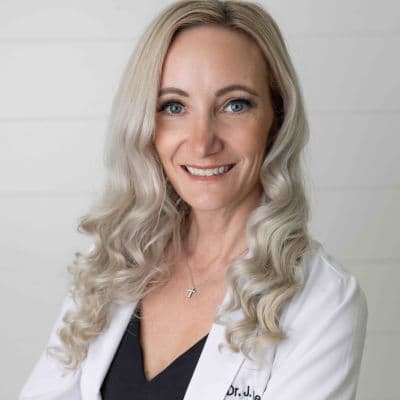
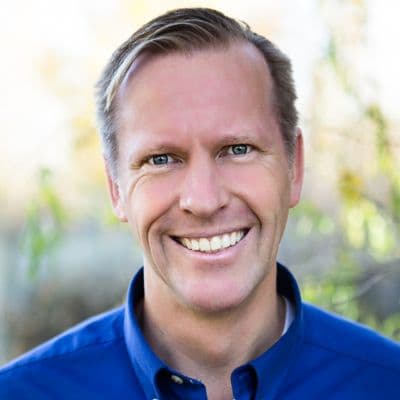
Full Transcript Podcast Intro and Guest Introduction 0:00 I'm going to run out. 0:01 You know, I'm up to society and do what they did, you know, before 0:05 and you know, so it took a lot of effort for you know, for, 0:11 for society to, to move those people into the prison. 0:15 Yeah. The. 0:16 Yeah. The police. 0:17 Yeah. 0:17 Judges, you have all the attorneys have all these, these this energy 0:21 that that took place. 0:22 It's the same in the body that took a huge amount of energy 0:25 for the body then to, to put everything in there. 0:29 So we shouldn't really focus so much on the tumor. 0:32 And if we don't have to do a biopsy, 0:35 in my mind, it is. 0:38 Yeah. 0:38 If we can I mean, at some point, yes, it's better to, 0:43 and there can be some benefit of knowing what it is, 0:47 but when you do that, if you do that, 0:50 it is really important that you support the body as a whole. 0:54 You really support the immune system. 0:56 So it's kind of like, again, going back to that prison break, 1:00 if you're going to blow a hole, a hole onto one of the walls 1:03 and make sure you have a huge amount 1:05 of police force there that you have all these reinforcements. 1:09 Welcome to Doctor Talks, the podcast where every episode leads to a healthier you. 1:15 Join us as we navigate the world of optimal health, 1:17 uncovering groundbreaking strategies to conquer chronic disease. 1:21 In each episode, we'll bring you the latest insights 1:24 from leading health experts, medical innovators, and wellness warriors. 1:28 If you're seeking to transform your health journey, or if you're looking 1:32 for answers to burning questions, you've come to the right place. 1:36 Get ready to unlock the secrets of lifelong health and vitality. 1:40 This is Doctor Talks, 1:42 real talk from real doctors on the issues that matter to you most. 1:48 Hello. 1:48 Welcome back to the Integrative Health Podcast with Doctor Jen. 1:52 We're going to be diving into Natural cancer 1:55 Solutions today with Doctor Michael. 1:57 Heartfelt. His an end. 1:59 And a PhD has been in clinical practice since 1987 and runs 2:04 a busy integrative medicine cancer center, the Heartfelt Center in Boise, Idaho. 2:09 Him and staff provide themselves in being compassionate cancer warriors, 2:13 focusing on cutting edge integrative cancer therapies 2:16 and working with international leaders to provide metabolic, genetic, 2:21 and nutritional solutions to cancer while triggering 2:23 cell cancer cell death through targeted oxidation. 2:27 His drive to investigate and implement effective, restorative and safe cancer 2:32 therapies was fueled by losing his father to colon cancer in his 20s, 2:36 his passion to promote natural health publicly has led him 2:39 to be a sought after lecturer, writer, and educator. 2:42 He was the host of the Doctor Michael Show, which aired 100 episodes 2:46 discussing important health related topics, reaching about a million viewers. 2:50 Currently, he hosts the TV show True Health Mind, 2:53 body, Spirit, available on Amazon Prime for many years and now airing on YouTube. 2:58 A two by two TV. 3:00 Never heard TV. Yeah 3:03 is also the host of the radio show Made Health Radio,
Why Cancer Should Not Be Feared 3:06 where he connects international leaders in the integrative health arena. 3:09 So he has done so many things. 3:11 He has a book out. We're going to talk about it all today. 3:14 And he has two podcasts launching another one. 3:17 So welcome Doctor Cava. 3:19 We're so excited for your expertise. 3:22 Well, thank you so much for having me. 3:23 Doctor Jen, this is this is going to be so fun. 3:27 Yes, it well, I mean you're you're all over the place 3:31 and this is amazing because it's your passion. 3:34 Can you tell us a little bit about what happened in your 20s with your dad and, 3:39 and if you were even thinking about doing medicine before that happened? 3:43 Well, I was actually in nature path medicine at that time. 3:48 And we. 3:49 Yeah, my father and I, yeah, he he's he's German and we weren't very close. 3:55 I grew up with my mom, and, I actually did not find out 4:00 about his passing until, about six months later. 4:05 That that's that's what, 4:08 so what happened essentially is that. 4:11 And I find out about his passing and, you know, here, 4:14 I know all these different tools that are available 4:17 and then I hear the stories of what he goes, goes through. 4:21 Yeah, I hear he's this big, you know, German, man. 4:25 And he just kind of wilting away to nothing, 4:29 and he just becomes a victim of just the normal traditional oncology. 4:35 Not saying that that is all bad, but there's so many other tools out there now. 4:40 And he just didn't he wasn't given that choice or that opportunity 4:44 to be looking at, additional things that are there. 4:49 So that experience, you know, knowing that, you know, 4:53 people are just going down a treadmill especially, you know, where, 4:58 or a conveyor belt, I should say, where, you know, they get diagnosed 5:02 and then poop, they just get pumped in, you know, put into the system, 5:06 and they really don't have a lot of, you know, the oncologist pretty much 5:11 tells him this is what you're going to do, 5:13 and they really don't have a lot of options or choices. 5:16 And sometimes, the oncologists 5:20 give people the illusion, 5:23 you know, that they are going to give them a curative therapy when the oncologist 5:27 knows that there's going to be, you know, like palliative care, 5:30 you know, where they're they're happy just to extend life. 5:33 But the, people that are diagnosed, they think that they 5:37 get secured a measure. 5:38 So my passion was then to, you know, go on a quest and, 5:43 and find, you know, what are some of the most powerful therapies out there? 5:47 What can we do to change this scenario, that my father went through. 5:53 And then also seeing them kind of in my early days working with patients 5:58 that, you know, they are really, you know, people dealing with cancer. 6:03 They really they're looking for something more because they see that 6:07 what's available is just not cutting it right now. 6:10 You know, they've it's very, very few options out there. 6:14 So, so that that's that's what 6:16 fueled my passion, seeing the hopelessness and seeing the lack of options. 6:20 Not saying that we, you know, with what I do and what other people do that we, 6:26 we figure out completely to cure all cancer. 6:29 We we have a it's still a journey. 6:31 It's a very complex disease. 6:33 And, understanding that and recognizing that there are a lot of things 6:38 that can be done to optimize the the outcome. 6:42 Yeah, absolutely. 6:44 And I'm sorry that that happened to your dad. 6:46 That that would be very hard to hear in your 20s. 6:51 And one thing, I'm sure after your dad's diagnosis, 6:54 when we talk about cancer, we talk about fear. Right? 6:57 And you, you like to say you don't have to fear cancer. 7:01 And I would love for you to dive into that a little bit more because, 7:04 like you were saying, 7:05 this conveyor belt, it's almost like when people hear they get cancer, 7:10 they know that they're going to be 7:11 on that conveyor belt and waste away and get chemo and feel like crap. 7:15 And and then that cancer 7:16 is going to come back and doctors actually tell them that to. 7:20 And it's this fear and conventional medicine that, 7:24 you know, it happens so much. 7:26 You know, like if you don't do this, then this is going to happen.
Inflammation, Root Causes, and Whole-Body Cancer Care 7:30 And fear is not good for for recovery. 7:34 So could you go a little bit into why people should not fear cancer. 7:39 Yeah. And that's the thing you have. 7:42 You hear the word cancer. 7:43 And you need to think that this this is end of life. 7:46 Yeah. 7:47 And and this is a I mean, it is a deadly disease, 7:50 but we're we're actually coming to the point, and this is actually 7:55 being discussed, among a lot of scientists and doctors, it 8:00 is that we have a lot of people out there that are living, post cancer care. 8:06 Yeah, it's a it's a huge percentage out there. 8:09 So it's becoming more and more common that you you're diagnosed 8:14 and now you have a lot of people out there living normal, healthy lives. 8:19 And they dealt with cancer in the past. 8:21 And so 8:23 the thing with 8:24 cancer is that, you know, since we have so many options 8:28 and there are so many solutions, you know, there are 8:31 and I see it and in my practice and I know colleagues eat and their practices, 8:36 their patients that are diagnosed with the most horrific things. 8:40 And now 20 years, 30 years later, they're they're still doing great. 8:45 So they there's no reason to fear, you know, because 8:49 and I've seen, you know, yes. 8:51 The traditional oncology they, they have evolved some but essentially 8:55 yeah it is very similar tools that they're using. 8:59 They are just dialing in the dosages that dialing in, 9:03 you know, so that they don't it's always kind 9:06 of finding in traditional ecology of finding that space in between. 9:10 Yeah. 9:10 How much can we pour onto the patient so they don't die? 9:14 But still, you know, shrink the tumors and kill the tumors, 9:17 you know, as much as possible. 9:19 And, so they've gotten better at dialing in, 9:24 you know, how much of toxins sort of, say, to pour onto patients? 9:29 But they haven't really gained a huge amount of additional tools. 9:34 A little bit of the immunotherapy that they're still working on. 9:38 Obviously get 9:39 the the hormone therapy has been around for a while, 9:42 but other than that, it's it's still just kind of cut, burn and, and poison. 9:47 So and again, 9:50 not saying that those tools are not, important. 9:54 They can be very, you know, very useful, but then, 9:59 pairing that together with a lot of things of integrative care, 10:03 you know, like the high dose vitamin C, like you know what to eat, 10:07 and looking more at the different, drivers of the cancer, 10:11 looking at the root causes, looking at the terrain, 10:14 you know, looking at all these other things, 10:17 also looking at trauma, you know, trauma and stress. 10:20 I don't know how many times that patients, you know, when they're diagnosed. 10:24 And I see them for, for the first time and I ask them, you know, why? 10:29 Why do you think you, 10:30 you got cancer and I would say probably about eight out of ten. 10:34 Yeah. Stress or trauma are big factors. 10:37 So we see them kind of the the emotional aspect of it becomes 10:42 such a big, big factor to, to look at and then also in our daily life to be able 10:48 to mitigate, you know, the stressors are we dealing with and, and so forth. So, 10:54 knowing that you have all these areas 10:57 that you can do something about, that you can address, 11:02 and addressing them appropriately, I, I see amazing outcomes. 11:07 You know, there's so there's so many cool stories out there 11:11 for people so that that's why there's no reason we have the diagnosis, 11:15 you know, don't fear because there's so much that can be done. 11:19 And the fear, the mindset set of fear 11:23 actually, sad to say it suppresses immune system, promotes inflammation. 11:28 And it also, turns down 11:31 your ability to, to heal and regenerate and detoxify. 11:35 So you actually put yourself 11:36 and more at risk, you know, when you're dealing with fear 11:40 rather than knowing that I got this, there are tools out there which there are. 11:45 And we can we can beat this. 11:49 Yeah. 11:49 That's amazing. 11:50 And that's not what people are hearing out there. 11:53 They're hearing that there's only one choice. 11:56 And I always like to say like, 11:58 you can't have cancer or disease without inflammation. 12:02 So let's talk about inflammation. 12:05 You know, and putting out that fire. 12:08 Because if you want to prevent cancer, you need to be controlling 12:12 your inflammation and those external factors. 12:15 And if you have cancer or in remission, 12:18 you also need to be working on that. 12:21 Yeah. And that's that. 12:22 There really is no cancer without inflammation, you know. 12:26 So inflammation always is the fuel that that drives that process. 12:31 In fact, cancer uses a lot of the inflammatory drivers 12:35 for its own promotion. 12:37 Yeah. 12:37 So we if we are dealing 12:41 with inflammation, you know, I mean and majority of us are. 12:44 So it's just kind of a the level of inflammation 12:48 then it's important to to assess and see what is promoting 12:52 the inflammation in my body and what what are those things. 12:55 You know, and then we have, you know, diet. 12:58 We have, you know, what are we exposed to toxins. 13:00 Chemicals. 13:01 Yeah. What are some of the pathogens that are there. 13:03 You know, our emotional mindset we talked about. 13:06 Yeah. Is that driving inflammation. 13:09 So all of these things need to be looked at, 13:13 you know, in order to mitigate the amount of information. 13:16 So whether you have cancer or not have cancer, inflammation 13:19 is a big, big deal to to look at. And 13:24 you know, it has been said and I repeated many times, 13:27 you know, that cancer is a is a wound that never heals. 13:32 Yeah. 13:32 So and we know inflammation is what drives a healing process. 13:38 So we have an injury to a joint or a tissue. 13:41 And you know, inflammation is triggered to that tissue for your immune system 13:46 to get to that location and to heal that tissue. 13:49 Yeah. 13:50 So but what if the inflammation, if we can't get rid of the things 13:55 that are aggravating the tissue or we don't have the nutrients 13:59 that we need to complete that healing cycle. 14:02 So now we have tissue that is in that chronic state of inflammation. 14:06 And when you have that, that is what then promotes
Cancer Stem Cells and Integrative Support 14:10 these cancer processes that creates a microenvironment 14:15 that then later on starts to turn into like a micro tumor environment. 14:19 Yeah. 14:19 Where you know, the tissue is trying to figure out how to survive. 14:24 You know, because we are not given the resources that we need in order 14:27 to be able to heal itself. 14:29 And it shifts and into more of a survival mechanism, 14:33 that then promotes inflammation more because it produces 14:37 inflammatory substances like lactate, you know, to support, 14:41 you know, and a, a, a process 14:44 of, of, cellular behavior that's different than normal, 14:49 you know, just because of that chronic inflammation that's not quenched. 14:55 Right. 14:55 And this is this can be confusing, right? 14:59 I've had cancer patients that were told that they should 15:03 just eat all processed food because it's easier to digest. 15:06 So this is very lost. 15:09 So you mentioned 15:12 trauma is is like a cancer driver. 15:15 What about different pathogens, toxins. 15:18 Where do they play a role. 15:21 Yeah. 15:21 So we're looking down that, 15:24 and we, we kind of go deep on a cellular level, 15:28 in cancer, you know, what are the changes that are taking place in a cell 15:33 that makes it move into kind of a cancer behavior? 15:38 And, and frequently that is when the mitochondria becomes 15:41 dysfunctional and the mitochondria is like the, the energy factor within the cell. 15:47 And when that is not functioning appropriately, then the cell, then it's 15:51 not able to do all the different functions that, that it needs to do. 15:55 So then we have to think, well, what is interfering 15:58 with that mitochondrial activity or the energy production. 16:02 And so, you know, toxins are that pathogens are that. 16:06 Yeah. 16:07 So toxins are the different chemicals, heavy metals. 16:10 So then we need to look at our were able 16:12 to drain the body from these different, you know, toxins 16:16 you know, that are then interfering with the energy production with the cell. 16:21 And if we're not able to move those out and obviously 16:24 if for the best, if we don't get a man to start with, 16:28 but we live in a toxic world, you know, so we can there's only so much we control. 16:34 But if we're not able to move that out, they start to 16:36 then build up within the cell and then interfering 16:40 with the energy machinery of the cell and the cell, 16:44 then start to kind of recognize that I cannot survive, you know, 16:49 doing this the way that I'm producing energy. 16:52 So it then shifts to a different way 16:55 to then produce energy using then what's called a fermentation process, 17:01 where it then ferments the sugar rather than using oxygen 17:06 to drive the energy production and that fermentation process. 17:11 So it's actually the mitochondria will shift 17:14 how the, the genes, you know, which genes are turned on or turned off, 17:18 you know, because it's lacking energy and it and it creates that, 17:22 those changes in the DNA and just for its own survival. 17:27 So it's, it can be a, a, hardwired survival mechanism. 17:33 Awesome. 17:34 Because the cell is under distress or under, 17:38 a circumstance that is very hard for it to survive. 17:42 So then it goes needs to go into more of a primal behavior. 17:46 Yes. And 17:48 kind of along that this 17:52 not a lot of people might understand what cancer 17:54 stem cells mean and, how that plays a role. 17:59 And do you think that conventional medicine is even taking care of that. 18:06 And and probably that's why cancer returns. 18:09 Can you explain a little bit more on that. 18:12 Yeah. 18:12 So so going back to kind of the statement that, you know, 18:15 cancer is the wound that never heal. 18:18 And and we have we know we do have stem 18:22 cells and stem cells, you know, are used then to regenerate tissue. 18:26 You know, stem cells can become any kind of tissue. 18:30 You know, it can become a kidney, can become a liver can become whatever. 18:34 And so but it's the same. 18:37 It functions the same with with cancer tissue. 18:40 They have their own stem cells as well. 18:43 So when the cancer tissue is injured 18:47 then the cancer stem cells are activated to help to heal that tissue. 18:52 And so whenever we then blast a tumor, 18:57 we're creating injury onto that tissue 19:00 which will then activate the cancer stem cells. 19:04 So that's the the biggest challenge in traditional oncology 19:08 is to control these stem cells, you know, because yes, you shrink the tumor 19:14 and yes, it looks like now I have no evidence of disease, 19:18 but the smoldering fire are the cancer stem cells 19:21 that are kind of waiting for, you know, now the assault is over. 19:26 So now we can kick into hyperdrive, you know, because we we really 19:31 that we need, really need to upregulate that the healing of this 19:35 tissue, of this cancer tissue because it's been so assaulted. 19:39 So, in traditional colleges, there's really no solution, 19:43 you know, to cancer stem cells, all the therapies, you know, 19:47 whether it's surgery, radiation, you know, chemo, 19:51 all of those therapies upregulate the function of the cancer stem cells. 19:56 So that's why it's so dangerous in my mind to just rely on those therapies 20:02 and not, identify the other risk factors that we need to address. 20:07 Yeah. 20:07 So we we have the two things, you know, one, why is the cancer there? 20:11 You know, if we never address the initial driver, 20:15 the initial factors, the root causes, then, you know, 20:18 whatever caused it to be there, that cost is still going to be there. 20:22 Whether we get rid of a tumor or not. 20:25 And that's still going to keep on driving that process of producing cancer. 20:30 Then secondly is, you know, 20:32 now we we're using traditional oncology where we're blasting the tumors. 20:37 And what about the cancer stem cells?
Biopsy Risks and Supporting the Body 20:39 How do we calm those down. 20:42 And that's a beauty. 20:44 When the you step into the integrative care 20:47 where we using things like vitamin C, like ozone, like curcumin, like EGCg, 20:52 like CBD like I mean, there's so many tools out there 20:56 and they are known to calm down the activity of the cancer stem cells. 21:02 And so we talked a little bit about inflammation. 21:04 And the inflammation is also what kind of drives 21:07 the the activity of the stem cells. 21:09 So if we can calm that down and we can control the environment 21:15 and and yes, sometimes we need to control the tumor. 21:18 But recognizing that cancer is so much more 21:22 than just a tumor, it is a whole body event. 21:26 It is a systemic, you know, so you got to look at the whole individual, 21:30 and you got to look at all the factors and just becoming myopic, 21:35 you know, 21:35 looking at the tumor, thinking that just because it's shrinking or growing 21:39 and that means either success or failure, there's so much 21:43 else going on in the body. 21:45 Yeah. 21:46 And that's the problem with conventional medicine 21:48 is it's so compartmentalize try you have an eye problem. 21:51 You go to the eye doctor, your stomach hurts, you know, 21:54 you go to GI doctor, but it's all connected. 21:58 And, you know, and it's very frustrating. 22:00 You know, breast cancer, for example, no one's even looking 22:04 at their estrogen detox pathways, so they're just killing the cancer 22:10 or doing whatever or doing mastectomies, double mastectomies. 22:13 But they still have that, 22:16 that problem where they're not detoxifying estrogen as well. 22:19 Maybe it's mold blocking, you know, the function of their liver, 22:23 maybe their liver. 22:24 They're just genetically slower at processing estrogen. 22:28 And it's going down the bad detox pathway. 22:31 So it's very frustrating because I think 22:35 patients need to be empowered more, you know, to know that 22:39 they can change their epigenetics, they can change their cancer risk, 22:44 you know, how do you how do you approach that with patients? 22:48 I mean, most patients you're getting 22:49 are pretty motivated, though, to make those changes, correct? 22:53 Yeah. 22:53 And that's that's the reason we're we're doing these things, 22:57 you know, where we're we're communicating and we're reaching reaching people 23:01 so that they can understand and, the 23:05 that they can put themself into the driver's seat. 23:08 Because a lot of people, 23:09 when they hear the word cancer, they immediately feel hopeless. 23:13 And then they, you know, put themselves in the passenger seat 23:16 and then, you know, they they feel an expert should kind of take their body 23:20 and do whatever they need to do with the body and fix it, you know? 23:24 So, in reality, what we, we see and studies have, 23:28 have shown this, that when, when an individual is in charge, 23:32 when they take control of their situation, they are 23:37 they have a much better outcome than somebody that just becomes passive 23:42 and, and let things just be done to them, so to say. 23:46 So it is it is really important to recognize that 23:50 you as an individual, you have the best doctor, 23:54 you know, on your side and your best doctor is your body. 23:58 Yeah. 23:58 So if we can support that innate healing intelligence that exists 24:03 within you and recognize that cancer is just 24:06 more of a cry, that there's something wrong. 24:09 Yeah. 24:09 The body has been trying to communicate to you 24:12 that maybe at your sacrifice, you know, you're not living your own life. 24:16 You know you're doing everything for everybody else. 24:18 And, you don't put yourself as, as an important individual or maybe, 24:24 you know, there's there there's some or like, you're talking about 24:27 maybe there's just mold that's just not being rectified. 24:30 Or maybe they're hidden dental infections, or maybe, you know, you're a hairdresser 24:35 and you're exposed to chemicals all day long and it just builds up. 24:39 And yeah, so all these different things, our bodies and, 24:43 cry that there's something wrong and something needs to be fixed and. 24:47 Yeah, kind of the last final scream that the body is doing is to produce cancer. 24:52 So if we recognize 24:55 that cancer is just body's way of communicating, 24:58 and that we should then start to listen and see, 25:02 you know, why is the body's feeling like it needs to scream this loud? 25:07 Then we can then start to do an investigation and see 25:11 what do I need to change, you know, to have a different outcome, 25:15 you know, what does my life need to look like, so that I can be filled 25:19 with joy, with peace, with energy, fulfillment, purpose, etc.? 25:24 What what does that need to look like? 25:26 And then, you know, take charge of your own life 25:29 and then, you know, recognizing that, yeah, I cannot just 25:35 and it's important to understand for people that, 25:37 you know, when you look in the animal world, 25:39 you know, you you have we all seen animals that, that pass on, 25:43 you know, at an old age. 25:44 And then you, you know, you find out that they have a bunch of tumors, 25:47 you know, elsewhere. 25:48 So they never die from tumors and tumors a lot of times 25:52 are not deadly in themselves, you know. 25:54 So if we give us the time to start to respond, 26:00 when we have the diagnosis 26:03 and then look upon the body as a whole, address that look upon all the different 26:09 factors, you know, then we we can then have a different outcome. 26:13 We don't have to fear cancer. 26:15 And we can we can heal. 26:18 Yes, I love that. 26:20 Now, you brought up tumors. 26:23 Is there any danger to biopsy in the tumor? 26:26 I think there was a video going around on social media about, you know, 26:30 if you biopsy and you pull out the needle, you're spreading the cancer cells. 26:35 And I've had people ask me and I'm like, I don't know, like I don't know. 26:37 So I'll ask you 26:40 so I can. 26:41 And there's a lot to that, you know. 26:44 So, and I've seen many times, you know, you have a, a, 26:49 you know, a woman with a breast tumor, you know, and they do the biopsy. 26:53 And right after the biopsy, it just explode. 26:56 You know, it just becomes, you know, something extremely hideous 27:00 and bleeding and, you know, look like big cauliflowers. 27:04 So they're there there is something to that. 27:07 And, and the way I like to explain it is that, 27:12 you know, cancer becomes like body's attempt 27:15 to accumulate everything it doesn't want in one location. 27:18 Yeah. 27:19 So it took a lot of effort for the body to, 27:23 to bring all the junk from all pieces of the body and then, 27:27 you know, put it in one location and then put a wall around that, 27:32 you know, to make sure that it that's in one location, 27:35 rather than aggravating the body all over the place. 27:38 So when you then put a needle into that, you know, 27:42 now you are essentially 27:45 it's like a prison break in a way. 27:47 You know, you you have you have a prison, you have walls 27:51 and you contain all the people you don't want in society. 27:54 And one location and and now you just blew a hole 27:58 in that wall, and all the prisoners are going to say, yippee! 28:01 I'm going to run out. 28:03 You know, I'm up to society and do what they did, you know, before 28:07 and, you know, so it took a lot of effort for, you know, for, 28:13 for society to, to move those people into the prison. 28:17 You have the, you know, the police, you have judges, you have all attorneys. 28:21 You have all these, these this energy that that took place. 28:24 It's the same in the body that took a huge amount of energy for the body.
Cutting-Edge Therapies and Metabolic Approaches 28:28 Then to to put everything in there. 28:30 So we shouldn't really focus so much on the tumor. 28:34 And if we don't have to do a biopsy, in my mind it is better. 28:40 Yeah. If we can. 28:41 I mean, at some point, yes. 28:43 It's better to, it can be some benefit 28:47 of knowing what it is, but when you do that, if you do that, 28:52 it is really important that you support the body as a whole. 28:56 You really support the immune system. 28:58 So it's kind of like, again, going back to the, prison break, 29:02 if you're going to blow a hole or a hole onto one of the walls, 29:05 then make sure you have a huge amount 29:07 of police force there that you have all these reinforcements, you know, 29:11 so it doesn't just leak all over the place without any kind of control. 29:16 So if you're going to do that and make sure you, you've, you know, 29:20 support the body with, you know, different mushrooms with beta glucan with, 29:24 you know, immune boosting things, making sure that you minimize the 29:29 the toxins in the body, open up your limited tary pathways that you, 29:34 bring in things like high dose vitamin C, IVs, pre and post and ozone and all. 29:39 Yeah. 29:39 So there's so many things that can be done, while doing the biopsies. 29:44 So the biopsy is just something that it is 29:48 not something that is just an innocent thing to do. 29:51 It has a huge impact on the body. 29:53 And if we're going to do it, we got to be prepared. 29:57 And that's why it's so important to, contact somebody like myself. 30:02 People like me, to support 30:05 the body free biopsy and free surgery 30:09 and, so, yeah, biopsy is a big deal. 30:13 Yeah. 30:13 And I think it's really interesting. 30:15 So I went through, like, a cancer scare when I was in medical school. 30:18 I had a nodule on my thyroid. 30:20 They had biopsied it, but the biopsies are, like, inconclusive. 30:24 But they let me go a couple of years and then it got bigger. 30:27 And they're like, you need surgery to rule this out. 30:31 You know, conclusively. Right. 30:33 And they, they take you know, they take that nodule out 30:38 and they do a frozen biopsy while I'm in surgery, 30:42 you know, sleeping, you know, under anesthesia. 30:45 And that's why the surgery is so long. 30:47 And if it's cancer, then they take out all of it, right? 30:51 And it's just interesting because it's like, you know, 30:54 like you said, they're going in there, they're disrupting everything. 30:57 And then they get the results back and then they're like, oh, well, 31:00 yeah, it's cancer. We need the whole lump out. 31:02 It's just so interesting. 31:04 Like breast cancer specifically like how it's managed for women. 31:08 It's very frustrating. 31:10 But yeah, I mean, praise God I did not have cancer at Hashimoto's, 31:14 which was mismanaged by conventional medicine. 31:16 And but the big thing is, if you're listening out there 31:19 and a loved one, you, your parents like, 31:23 whatever they're going through this and you know, they found a lump. 31:27 You know, I've had to tell so many people that in the emergency room, like, 31:31 oh, the CT scan, you know, this isn't why you're having abdominal pain. 31:35 But we saw this incidental finding of a tumor, you know, a growth. 31:41 So when you're going through it. 31:43 Yes, it feels rushed. Yes. It feels scary. 31:46 But make sure you're lining up your dream team so you can manage it properly 31:52 with herbs and botanicals and things that are going to support your body 31:55 when you're going through these different surgical and medical processes. 31:59 So as Doctor Carr felt that you're not on this conveyor 32:03 belt of madness of conventional medicine. 32:08 And it's it's also, you 32:10 know, that tumor or that lump that was found a lot of times it didn't 32:15 it didn't just come about, you know, within the last month, 32:18 this is something that has evolved over a long period of time. 32:22 And so knowing that, you know, 32:25 whether you take an additional month, two months, three months, 32:28 maybe to really kind of feel out, how do I want to address this? 32:33 You know, who do I want to be? 32:35 Who do I want to have on an MC board? 32:37 But what should my dream team, like I said, looked like, 32:40 so taking, 32:43 you know, taking a pass, you know, breathing, you know, and and meditating 32:48 and praying and, and kind of feeling out what, what feels right to me, 32:52 you know, rather than just kind of, oh, there's a lump. 32:55 And now we have the Three Stooges, you know, that are all, you know, everything. 32:59 Sky is falling and we, we got to do something like immediately. 33:03 Otherwise we're going to die in two months. 33:05 That's not the case. 33:06 I mean, there are some rare cases that that you really have to be aggressive 33:10 immediately, but they're, they're they're few and far in between. 33:14 So just knowing that you have the time and that lump, it's 33:20 not really the lump in itself that kills you. 33:23 It is when that starts to kind of move into other locations, you know. 33:27 So yes, if, you know, the lump is encapsulated, yeah. 33:31 The rest of the body's doing good, then we want to, you know, see why is it there. 33:36 And then we address that. 33:37 And then if we, if we feel we really need to do the biopsy, 33:43 then make sure that you are then supported and, and. 33:47 Yeah. 33:47 And so that it doesn't go elsewhere because again, 33:51 just the lump in itself doesn't kill you. 33:53 But it's when these things 33:55 start to move into other locations, that's when it becomes more challenging. 33:59 So the less we do to disrupt that environment 34:03 that the bodies work hard to create, you know, creating that lump 34:06 and isolating that, you know, the the better. 34:09 In my mind. 34:11 Yeah, absolutely. 34:12 So let's talk about some cutting edge 34:15 cancer treatments that most doctors don't know about. 34:18 And they're not initiated. 34:20 Could you talk about some of your favorites? 34:23 Well, one of my favorites, which which I love and which people come to me 34:27 from a little bit all over the world is, is photodynamic therapy. 34:30 And and I love that just because to me, 34:34 we we are, you know, in my mind, we're bodies of light. 34:38 You know, we're we're we're frequency, we're energy. 34:41 And so, a lot of times when we are, dealing with diseases 34:46 is because our energy is lower, our frequency is not, 34:50 you know, what it needs to be. 34:52 And light. 34:53 This is such a kind of early, 34:56 foundational principle that that we all need. 34:59 And so photodynamic therapy, essentially what that is, is that you combine 35:03 a laser light, you know, intravenous, external interstitial, 35:08 where you can bring it to the tumor, with a photosensitive 35:12 or that have a preference to accumulate and, and tumor tissue. 35:17 And so because it accumulates in the tumor tissue, 35:21 when you expose that tumor tissue then to light it triggers, 35:26 a higher concentration of that energy into that, that cancer cell. 35:31 And it has a hard time then to handle the production of the different reactive 35:37 oxygen species or these oxidative or stressful components, 35:42 and that accumulates in the cell when you then activate 35:46 those for desensitize is using then at laser light. 35:50 And so it becomes a very targeted 35:53 and noninvasive, non harmful, 35:57 type of therapy that really goes after, the tumor 36:01 and then the light in itself on healthy tissue. 36:05 It has the ability then to actually support mitochondrial activity. 36:09 So it's actually a restorative regenerative. 36:11 And when you do this and you intravenously as well, 36:15 which we do here at our center, 36:18 then, you know, we talking about cancer stem cells, circulating 36:21 tumor cells, you know, they they are passing by in the bloodstream. 36:25 So when we do, you know, the pho so will attach itself to them. 36:30 And then when we then expose them to light as we have the, 36:34 the optic needle, 36:36 you know, intravenous, you know, and treating the blood as is passing by, 36:39 you know, these cancer cells or these cancer tumor cells then are then oxidized. 36:45 And what happens then is that then you have these components 36:48 of the tumor cells, you know, that are then broken up. 36:52 And the immune system can then check these things out 36:55 and then produce the appropriate immune response, because now 36:59 it is in a calm environment where, yeah, the, 37:03 immune system is being presented by, you know, 37:06 all the different details of these cancer cells, what they look like. 37:10 So it's kind of like a vaccine effect in a way. 37:12 Yeah. That, that is, is being created. 37:15 And then the immune system you produce, the antibodies produce, 37:19 you know, and so they know who the enemy is. 37:22 You know, I kind of it's, it's kind of isn't it wouldn't be nice, you know, for, 37:26 you know, let's say, 37:27 Russia and the United States and they're fighting each other 37:30 and they trying to figure out each other's secrets. 37:32 Yeah. 37:33 If, you know, somebody just came and presented the. 37:36 Yeah, the CIA or, you know, whoever it is here, look here, all the Russia secrets 37:41 is is all, you know, they have their, bombs are going to be dropped there. 37:44 They have these. 37:45 You pointed at us over there and you everything. 37:49 And that's kind of exactly what happens when you present. 37:52 Yeah. 37:53 These cancer tumor cells, 37:54 you know, to the immune system using something like photodynamic therapy. 37:58 So that that's one of the therapies I love. 38:02 There other, you know, amazing eye you look at 38:05 you know, they're looking at it from a metabolic aspect, you know. 38:08 So we know that cancer is a, it thrives on on glucose, thrives on sugar 38:15 because it shifts that way of producing energy. 38:18 So looking at it from a metabolic point of view becomes really powerful as well. 38:24 So you can use then diet you can use also intravenous substances like, 38:29 you know, poly vodka is a combination that I like a lot because it, it blocks. 38:35 Then the, 38:36 how the cancer cells produce energy and then pushes energy 38:40 through the mitochondria or the energy factory and, and the 38:44 what we know is that the mitochondria holds the cell death switch. 38:48 Yeah. 38:49 So when that is dysfunctional and it's not able to trigger that, that 38:53 cell death switch, that's one of the ways that cancer becomes immortal. 38:57 So if we, you know, start to push that energy 39:00 through the mitochondria and the cancer cells, 39:03 then then that promotes, then the that cell's ability to say, 39:07 you know, this is dysfunctional cell, let's kill it off, you know, 39:11 so so there's a lot of more understanding that that's coming out there. 39:14 And we another therapy that that I love that we use is using 39:20 substances, from, you know, if you do a biopsy, 39:23 but then if you don't you can also use blood and urine and then, 39:27 collect information about the tumor or the cancer that's in the individual 39:33 and create the very specific, peptide blend, 39:37 that is targeted to, correct the signaling, the immune system 39:42 signaling, you know, so it does not support cancer activity and that it is, 39:49 promoting then the, you know, appropriate immune system response 39:53 so it becomes more of an intelligent immunotherapy 39:56 instead of just kind of up regulating everything that we do with immunotherapy. 40:00 But that's available now. 40:01 We're up regulating the areas that need to be to go after the cancer 40:05 and down regulates the areas that that are, you know, 40:09 too active that may be promoting cancer activity within the immune system. 40:15 So those are just those are just a few. 40:17 I mean, there's there's so many more. 40:19 But you know, that that would take a whole workshop. 40:21 Yeah, I know, I know or you know, people can get your book too, 40:25 but I, I actually I Weber lasers, I got I.V. 40:29 light therapy in December at a forum and it was so cool. 40:33 It was so cool. 40:34 No one offers it around where I'm at. 40:37 So that's awesome. You guys have it. 40:40 One last question. 40:41 What are your thoughts on low dose chemotherapy? 40:45 And do you ever, you know, how do you work 40:48 with patients with that and your thoughts on chemotherapy. 40:52 Yeah. 40:53 So so sometimes you can do low dose chemotherapy to have that effect. 40:57 Like like I talked about 40:59 you kill a little bit of the cancer stem cell or cancer cells. 41:03 And and the body will then see that debris and then the immune system 41:08 can respond to that. 41:09 So it almost becomes like, 41:11 you know, your upregulated immune system against what was killed. 41:14 But you don't do so much chemo that you're completely destroying the immune system. 41:19 Yeah. 41:20 So I it has it plays a really good role. 41:24 It's still not something that I would jump into immediately. 41:27 I, I rather if we have the time to do other things 41:32 rather than throw chemo added immediately, I would rather do that. 41:36 It is, in my mind, a much more intelligent way of doing chemo. 41:42 And you can combine that with, you know, like fasting around the chemo to really,
Low-Dose Chemotherapy and Closing Resources 41:48 increase the delivery of it. 41:51 There are also, you know, new research is coming out. 41:54 That's really fascinating. 41:55 We've done a little bit of that here as well. 41:57 That's using nanoparticles, like, 42:04 yeah. 42:04 The platelets. Yeah. 42:05 So using actual platelets. 42:07 Yeah. As a delivery mechanism of the chemo. 42:10 Yeah. 42:10 To get that more into the tumor because, 42:14 what people don't understand is that when you get chemo, 42:17 very little of that actually ends up in the can in the in the tumor. 42:21 Yeah. 42:21 Maybe 5% gets there. 42:23 The rest of the 9 to 5 is all over the body. 42:26 Yeah. 42:26 So if you can use lower dose or you can use a better 42:30 delivery mechanism or use ways to increase the concentration of the tumor. 42:35 You're that much better off. 42:38 Yeah, yeah. 42:39 And that's, it's 42:41 just that is where patients come to me with the most questions and I, you know, 42:45 refer them out to someone like you because it's it's very individualized. 42:51 And it depends on the type of cancer, too. 42:54 It's difficult. 42:55 Yeah. Yeah, yeah. 42:56 No, it's a it's a complex scenario and it's something that you, 43:00 you need to look at the whole picture. 43:02 You can't just get tumor focused. 43:04 Yes I love that. 43:05 Can't just get tumor focused. That's great. 43:08 Well thank you so much Doctor Heartfelt for being here sharing your expertise. 43:14 And can you tell everyone listening a little bit of how they could work 43:18 with you, 43:19 how they could get more information on what you do in your team 43:22 and where they can find your book, your podcasts, all of the things. 43:26 Yeah. 43:26 So, you know, first, yeah, you can go to my website. 43:29 There's a huge amount of information there, a lot of blogs, you know, a lot of 43:33 so and in essence, whatever you type in, if you type in the word cancer, 43:37 I mean, the amount of information you get, it'll keep you busy for a year at least. 43:41 So, there's a huge amount of information on my website, 43:45 and you can find it at the Carl Feld center.com. 43:50 I have a podcast called Integrative 43:52 Cancer Solution with Doctor Carl Feld. 43:56 It's available on, 43:57 you know, Spotify, iTunes, Google Play, all the different platforms. 44:01 Also my book, A Better Way to Treat Cancer. 44:05 It's available on Amazon. 44:07 And, yeah, it's a 500 page. 44:10 And it's not just for people battling cancer. 44:12 It's something that people everyone should have because it's tools 44:16 and what you need to do to mitigate the risk, as much as possible. 44:22 And we, we do, you know, if there's an individual out there 44:26 battling cancer and needs more clarification on what to do, 44:30 we do offer free 15 minute discovery call. 44:33 So you can just give us, give our center a call, 44:36 at (208) 338-8902 and schedule a discovery call. 44:41 And we can chat a little bit and see 44:43 what's going on and and see how we can help. 44:46 Awesome. 44:47 Well, thank you so much for being here. 44:49 And I just love that discussion. 44:51 And really to wrap it up like do not fear cancer, right. 44:55 Exactly. Do not fear cancer. 44:57 Just put yourself, you know, step onto that field. 45:00 No, you're you're the it's your Super Bowl when when you have cancer. 45:04 And just know that you are the best quarterback out there. 45:07 Take control and you're going to win that game. 45:10 I love it. 45:11 Well, thank you so much. 45:13 We really appreciate you. 45:15 Thank you so much, doctor Jen, thank you for tuning in to Doctor Talks. 45:18 We hope today's episode has enlightened 45:20 and inspired you on your path to optimal health. 45:24 Each day is a new opportunity to make choices that empower your well-being. 45:28 For more insights and strategies, subscribe to our podcast 45:32 and visit our website WW 45:34 Dot doctor Talksport.com. 45:37 Stay connected, stay healthy and join us next time on Doctor Talks. 45:42 Real talks from real doctors on the issues that matter to you most.
Comments