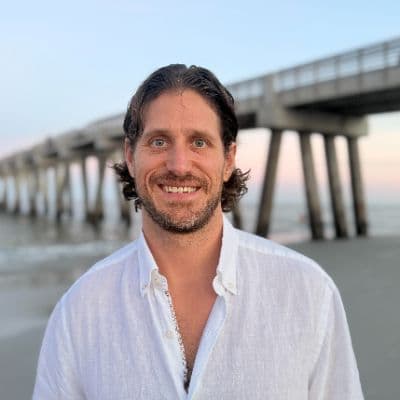
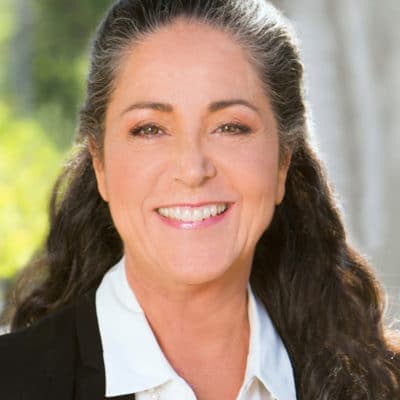
Full Transcript Introduction and Guest Background 0:08 Hey, it's Nathan Crane, 0:09 director of the Health and Healing Club and host of the conquering Cancer Summit. 0:14 And today, I am honored and excited to welcome you to a very special interview, 0:19 doctrinally, to your curve as a leading edge authority 0:22 in the field of integrative cancer care, cancer prevention and immune enhancement. 0:27 She is a creator of the Outsmart Cancer system 0:30 and the founder of Integrative Cancer answers.com, which is a resource 0:34 for patients and families whose lives have been touched by cancer. 0:38 Doctor Chilcote brings over 30 years of clinical 0:41 clinical experience, combining the best of integrative medicine 0:44 and modern and traditional Chinese medicine TCM. 0:48 She's a highly respected expert in her field, a frequent speaker 0:52 at conferences, educational institutions, and a trusted resource to the media. 0:56 She's been recognized by WebMD and Doctor Oz 0:59 as one of the top ten online influencers in breast cancer. 1:05 The Cove Clinic is in Santa Monica, California, 1:08 and she is working with a lot of patients online. 1:12 And you can learn more about her and her great work at integrative cancer. 1:17 Answers.com. 1:18 Doctor Chilcote, thank you for joining us. 1:22 Thank you so much for having me, Nathan. 1:25 So I'd love to just 1:27 open up a little bit about, the outsmart cancer system. 1:30 What is that? 1:32 How did you come up with it? 1:33 And and what's it all about? 1:37 So I really think it's important to have a health model 1:41 as well as a disease model when you have any chronic illness. 1:44 But in the oncology setting, the word health doesn't even come up. 1:48 You know, it's not even in the vocabulary of an oncology clinic. 1:53 So it's really important to have your disease expert 1:56 in your team that knows what to do about your cancer. 2:00 But it's also important to have a team of health experts 2:04 because patients really want health as their outcome. 2:07 A patient isn't interested in being cancer free. 2:10 A patient wants to be healthy and get on with their life and have it 2:14 not be about cancer. 2:15 And so unless you really have health as your goal and and have a health plan 2:21 as part of your implementation, you really aren't 2:24 going to end up with health because the cancer journey is hard. 2:28 And so you need a team. 2:29 That's number one. You really need a team. 2:32 And the other thing 2:33 that's really important and that I speak about in the very first visit 2:37 with patients, is you're the head of the team. 2:40 Oncology is very disenfranchizing to patients and can make 2:44 you feel like somebody just took over your body and your calendar. 2:48 And it's really up to each individual to make their own informed, educated choices. 2:53 And so you need to feel that you have a sense of control. 2:57 So that's really the one of the biggest parts 3:00 of the outsmart cancer approach is to take charge of your health 3:05 and to understand that all of the clinicians on your team work for you. 3:10 And that psychologically and emotionally is really important because then you feel 3:14 like you have the way to influence the trajectory of your cancer journey. 3:20 So that's really important. 3:21 I think having a plan, having a team and having health is your goal. 3:26 So that's important to the framework. 3:28 Another piece of the outsmart cancer framework is to understand 3:32 that cancer is a whole bio system problem.
Outsmart Cancer System Overview 3:34 It's not about some group of cells that went haywire. 3:39 And so you have to understand that just like the soil in a garden, 3:43 the bio system is an environment which is either permissive and supportive 3:49 of cancer developing and growing, or it's going to be inhibitory of that. 3:54 And so you want to really understand this 3:57 bio system that it's complex and multifactorial. 4:00 So the first idea is that we have soil. 4:03 We change the soil. 4:04 We change what grows there. 4:06 But also in this complexity, I use a metaphor of like a wheel 4:10 with many spokes. 4:11 And every spoke of that wheel is an aspect of this cancer terrain 4:17 that we need to track and measure and make sure we include in the plan. 4:21 So let's say you have, breast cancer 4:26 and you're working with an oncologist and you're having hormone therapy. 4:30 So that's one spoke on the wheel. 4:32 But we have 11 more spokes to deal with. 4:35 And so you don't really have a comprehensive plan if you're not dealing 4:39 with the whole bio system and all the factors that influence. 4:43 So some of those folks on the wheel have to do with diet and blood 4:48 sugar and inflammation and vitamin D and copper and 4:52 and hormones and toxin and and so and, and your immune capacity. 4:57 So we want to address all of those things. 5:00 So when you do that you have to also understand. 5:04 And the wheel isn't symmetrical for everybody. 5:07 It might be weighted one one direction. 5:09 Let's say you're diabetic and you have cancer. 5:12 Then really dealing with your insulin and blood 5:14 sugar is going to really change your outcome. 5:16 If you're a, patient with autoimmune disease and cancer, 5:20 then you're more inflamed than other patients. 5:23 So we have to individualize the care. 5:25 Also, that's another aspect of this framework. 5:28 You know, I love that you, 5:32 how you said you need a health team or health expert on your team 5:37 in addition to your disease expert or your disease team. 5:41 A lot of people don't realize that. 5:42 You know that when you're going to a conventional medical doctor, 5:47 they're really great at a lot of things. 5:49 They're really great at, diagnosing diseases and knowing what they are. 5:53 And, you know, understanding, 5:58 how to pinpoint and, all these different things testing and so forth. 6:02 Right. 6:02 But they're not really equipped or trained very well to actually, 6:08 treat or let's say, even cure that disease. 6:11 Right. 6:12 Their, their toolbox is pretty limited. 6:14 I mean, it's typically surgery drugs, chemotherapy or radiation. 6:18 So it's good to have 6:19 that person in your corner, you know, helping you along the way, 6:23 checking, understanding the disease, you know, testing all of that. 6:27 But then what you're saying is, look, you need a health expert or health experts 6:32 on your team because they understand the deeper, as you said, 6:36 you know, aspects of the bio system, you know, the rejuvenate 6:41 and the immune system and nutrition and diet and exercise and our minds 6:46 direct association with in regard to either, 6:51 reducing disease risk 6:53 or enhancing longevity or even causing disease. 6:57 Right. 6:58 And so recognizing I love that you really help people 7:01 start to think of it as, look, you need to build a team around 7:05 you of people who are experienced in multiple facets 7:10 of, of health and disease understanding, what does that ideal 7:14 team usually look like for you or for someone that you might be working with? 7:19 Well, you know, I'm basically collaborative, and I feel that 7:24 everybody wins if you have a team that talks to each other. 7:28 And so I'm going to practice for 35 years and for a long 7:31 lot of that time in Los Angeles. 7:33 So I've focused on building relationships with oncologists and oncology 7:38 surgeons and radiology, and so that we have a seat at the table 7:44 that these doctors actually appreciate what we bring to the patient. 7:48 And because I've been in practice so long in one place, 7:52 most of the oncologists know me and have seen my treatment 7:55 plans for patients and my requests for specialty labs, 7:58 and they also see that with we share patients, they do better. 8:04 They are able to maintain their health. 8:06 They have less side effects during treatment, 8:08 their quality of life is better. 8:10 They recover better. 8:11 They tend to not have as long 8:14 a time till they have a recurrence or they have no recurrence. 8:18 And so I have one, very well known ovarian cancer specialist 8:23 who always says to his patients, okay, I'm done with you, 8:27 but don't stop working with Nalini because he gets it. 8:30 He gets how important it is 8:33 to still tend the bodies so that you don't have a recurrence. 8:38 Once you've been a cancer patient. 8:40 So you can think about what, 8:43 different step parts of the journey are requiring. 8:47 Because I like to focus on that. 8:48 Cancer patients tend to get very overwhelmed. 8:51 So if we just focus on what's happening in this phase of your journey. 8:54 So maybe you were just diagnosed and you need to figure out what your plan is 8:58 and you need to deal with the stress 9:00 of having a diagnosis and the fear that comes out with that. 9:04 And cancer happens to a whole family and community. 9:07 This isn't happening to the patient. 9:08 So everyone you love is, their buttons, their push, their stuff is up. 9:13 And, people who love you want to help you, 9:16 but they don't necessarily know what kind of help really is, is needed. 9:20 And so, all of that happens all at once. 9:24 Patients who have a good support system do better. 9:26 So I talk about community and family with patients. 9:29 And then when you're in treatment you have a different set of needs. 9:33 Do you need to know if your digestive tract has been impacted 9:36 by your treatments? 9:37 What can you eat to maintain your weight and to to keep you from having diarrhea 9:42 or constipation from your treatments or nausea, which keeps you 9:45 from being able to eat and the quality of your day. 9:48 Maybe you develop some neuropathy from, 9:52 from chemotherapy and you need to know how to decrease that and mitigate it. 9:56 And then when you're done with treatment, you need to recover from all that. 10:00 There are both short term and long term side effects. 10:03 And so being able to repair and restore function is really important. 10:09 And then hopefully we get to a place where we're living our lives beyond cancer. 10:14 But there's another segment of patients who are living with cancer 10:18 as a chronic illness. 10:20 And that's a large number of people. 10:22 And oncologists don't have a clue how to really help them long term do well. 10:28 Right. 10:29 And so we think about, breast cancer patients who are prostate cancer 10:33 patients who 10:34 may have had their disease burden reduced, but they don't have zero disease. 10:37 And maybe they're on long term hormonal therapy, 10:40 and they have side effects of that therapy, 10:43 and they still have a risk of their cancer blooming again.
Building a Collaborative Cancer Care Team 10:46 And so those people really need a lot of help. 10:49 And oncologists don't do a thing for those patients. 10:52 And so the need is actually quite huge. 10:55 If you think about 1 in 2 people in the United States and Europe, 10:59 modern countries is going to be diagnosed with some type of cancer 11:02 in their lifetime. 11:03 So you're at a dinner party and you pre-COVID 11:07 and you are are sitting with six people. 11:11 Three of you are going to have cancer in your lifetime. 11:13 So that's huge, right? 11:15 That is huge. 11:16 So we really need to understand and how to navigate the cancer journey. 11:20 But of course we want to focus on prevention as well. 11:23 So the Outsmart cancer system also educates people about risk factors. 11:27 So what you eat matters because your food is talking to your genes. 11:31 And you can turn your genetics for reducing, 11:35 tumor promoting genes off with your diet. 11:39 And you can turn on tumor suppressor genes with your diet. 11:43 And that's why it matters what you eat and you're asleep and your exercise size 11:48 and your toxic exposures, you can take control of all of these things. 11:52 And so whether you've had cancer or want to prevent it, 11:56 these things that are crucial to causing and sustaining health. 11:59 So they have to be part of the, the curriculum and, and you have to learn. 12:05 And so in my practice, I have a functional medicine nutritionist 12:09 who is also a cancer survivor herself, who helps my patients to implement 12:14 all the hard things I ask them to do because how we live has more to do 12:19 with our health than anything in a bottle, whether that's a supplement or a drug. 12:24 Really, 12:24 if you don't live a healthy lifestyle, you don't get to have sustained health. 12:29 So, you know, these are all elements 12:31 that are an education for some patients who are new to this, you know, 12:37 one of the things 12:37 I love about, your work and I know I found, 12:40 it was either an e-book or something on your website. 12:45 There was really about how to create, 12:47 a body where cancer can't thrive. 12:51 Right. 12:51 And you share a lot of information on that and a lot of detail. 12:54 And people can consult with you and your team and go much deeper. 12:58 But what I'd love to invite you to do is maybe share, 13:00 you know, your top ten ways and maybe just a minute or two on on each one. 13:05 Obviously, you know, you can't cover all of it in an in depth 13:09 right now, but to give people, 13:11 you know, top ten ways where they could do all ten starting now at least. 13:15 Or they could pick 1 or 2 or 3 or 4 to start creating 13:19 that, you know, body where where cancer can't thrive. 13:22 So number one, I have a book by that title. 13:24 So if people want to take a deeper dive, then they can just go on Amazon. 13:29 It's called 32 Ways to Outsmart Cancer or How to Create a Body 13:32 Where Cancer cannot thrive. 13:34 And then, on my Integrative Cancer Answers website, there's a lot 13:39 of free information there also about what to do at every stage of the journey. 13:43 So we already talked about some of the things in a list of ten. 13:47 We already talked about, having a team, having your goal 13:50 be health, having community and a support system, having a lifestyle 13:55 that causes health, and then, eating a diet 13:59 that is going to create a bio system that's inhospitable to cancer. 14:03 So there's a couple of core principles to that briefly. 14:07 And that is you have to keep your blood sugar and your insulin low. 14:12 So that means eating a low carb diet. 14:14 That does not mean eating a keto diet. 14:16 Okay. Keto diets are therapeutic diets. 14:19 They're not for the long term. 14:21 They're not healthy diets. They're therapeutic diets. 14:23 They need to be done under supervision. 14:25 But, diet for, creating a bio system that's more resistant to cancer 14:31 because tumor cells thrive on glucose and are stimulated to grow by insulin. 14:36 If you eat a low carb diet, then you take away those growth signals. 14:40 So that's huge. 14:41 So your plate will have lots of colorful vegetables on it, half your plate. 14:47 And that's like eat the rainbow, eat all the colors and all the pigments in plants. 14:51 Have your diet be plant strong. 14:53 So have your plate, colorful 14:55 vegetables, quarter of your plates can be clean protein. 14:59 Another quarter of your plate is going to be healthy fats and oils. 15:03 So there's no grain on that plate. 15:05 There's no pasta on that flight. 15:06 There's no fruit on that plate. 15:08 So you need to learn what healthy fats and oils are. 15:11 Because when you take the carbs out, you take away a lot of calories 15:14 and you will lose weight in an unhealthy way if you don't replace those calories. 15:19 So you need to learn how to put healthy fats and oils into your diet. 15:24 And so, I have a bonus 15:26 for everybody listening, and I'll give you the link at the end 15:30 to, have some resources to figure out how to implement some of this. 15:34 So being hydrated is really important. 15:37 You have to drink enough fluid. It's crucial. 15:40 Your body has two glands and filter itself with fluid if you get dehydrated, 15:45 all your barriers, aren't working as a boundary 15:49 between the external environment and your internal environment. 15:52 You your, joints will suffer. 15:55 You can't filter through your kidneys. 15:57 Your, airways become too dry. 16:00 So hydration is important. 16:01 So all these basics have to be in place. 16:03 Sleep is important. 7 to 9 hours. 16:06 In the diet room, I like to recommend intermittent fasting. 16:10 It has a big impact on insulin and blood sugar 16:13 and also on, immune capacity. 16:17 So if you have 13 hours between today's dinner and tomorrow's breakfast. 16:23 And that's completely doable as a lifestyle, 13 hours 16:28 a switch happens physiologically, your glucose and your insulin decrease, 16:33 which stresses tumor cells, makes them, their metabolism slow down. 16:38 But also you get this immune switch gets turned on and you get much 16:42 more robust in your immunity. 16:44 So what does that mean? Intermittent fasting. 16:46 It means there's a period of time 16:48 in every 24 hours where you don't take in calories. 16:51 So during that 13 hour period you drink fluid. 16:55 You can drink, clean water, filtered water. 16:58 You can drink herb teas, you can drink or vegetable broth, 17:02 but you're not going to take in calories. 17:04 So your body actually switches physiology during that time. 17:09 And you can't. 17:09 And to be clear there too, right. 17:11 Everything I've seen and even, 17:14 researched and experimented with intermittent fasting like, 17:18 you can't take any fats, obviously, because it turns on, your metabolism is on 17:21 and you can't take any sugars like so you can't have coffee and milk 17:26 or I mean, you know, sugar and milk in your coffee, 17:29 which probably shouldn't be having those in your coffee 17:31 anyway if you, especially if you're trying to prevent cancer. 17:34 But, but this first I've heard about vegetable broth, for example. 17:38 So even a vegetable broth isn't going to kick you 17:42 out of that intermittent fasting or out of the fasting state. 17:45 No, no. 17:46 You know, cancer patients are fragile, so we don't want to go to any extremes. 17:51 Right? 17:51 So we'll get some nice electrolytes, put some potassium 17:55 and some sodium and some other minerals in the broth. 17:59 And so that's really good for keeping the physiology in balance. 18:03 So I'm very middle path so that patients 18:06 don't do extreme therapies who are vulnerable patients. 18:09 Right. And most cancer patients are over 50. 18:12 And so as we age fasting becomes actually, dangerous to us 18:16 because if you do extreme fast when you're over 50, you lose muscle mass. 18:21 And so losing muscle mass is part of aging physiology. 18:24 It's also a risk with cancer physiology. 18:27 So preserving muscle mass is very important. 18:30 So no extreme fasting. 18:32 And I'll say also protein. 18:35 There's a sweet spot with protein in cancer physiology.
Cancer Journey Stages and Prevention Basics 18:38 So about 50 or 60g a day is kind of the sweet spot. 18:43 Now, if you're an athlete or a bodybuilder, then you work 18:46 with your care provider for what's right for you. 18:49 But eating excessive protein actually can can fuel cancer 18:54 because some of that protein can get turned into glucose and so into sugar. 18:59 And so there's a sweet spot. 19:02 The other thing that's really interesting is the kind of fiber you eat in your diet 19:05 and your microbiome. 19:06 So taking care of your microbiome is one of the ten points. 19:09 And so you have to eat a lot of vegetable fibers to have a healthy microbiome, 19:14 a little bit of fermented food in your diet to have a healthy microbiome. 19:19 But if you eat like a paleo diet or really strict paleo or a really strict 19:24 keto diet, your microbiome suffers. 19:26 You don't have enough plant fibers in there 19:30 to be the fuel of the healthy bacteria. 19:34 And so what we've learned is 19:35 you can take probiotics orally, but they don't colonize. 19:39 They don't stay in your gut if you don't have the fuel for them 19:42 in your gut, which comes from plant fibers. 19:45 So, there's a higher risk of colon cancer, for example, 19:48 in people who eat pure paleo for long periods of time. 19:52 And so there there's this sweet spot and this balance, 19:56 which is why people should not consult Doctor Internet, 19:59 but you should actually consult experts 20:02 and be under the supervision of someone if they want to do this. 20:06 So they get it right for themselves. Right. 20:09 And so, those are some of the dietary principles. 20:13 Eat the rainbow have the right ratio of fats and carbs 20:17 and proteins, low carb, moderate protein, higher fats. 20:21 Okay. 20:21 And then that's an anti-inflammatory diet as well. 20:24 Those are the diet principles. 20:25 And then there's a couple of other pieces that are really important. 20:28 One is to take foundation nutrients. 20:31 And I will describe those. 20:33 The other is to have some targeted nutrition fats 20:37 that are, going to address your risk factors, your cancer risk factors. 20:42 And then I also like to put in a therapeutic shake into a protocol. 20:47 If someone isn't really good at eating well every day, 20:51 a shake is a great insurance policy because it'll ensure you get your protein. 20:56 It will ensure you get some fat. 20:58 Well, I'm sure you get some fiber, and then we can make it therapeutic. 21:03 So we could put in some of our essential herbal medicines in there. 21:07 For example, I like to put Chinese 21:09 or Chinese mushrooms into the shake because I don't have a strong case. 21:13 They're incredible for modulating immunity and inflammation and controlling 21:19 tumor risk, but also they are good for regulating blood sugar. 21:24 A lot of people don't know that. 21:25 So that would be like raising mushroom and a derma or turkey 21:29 tail mushroom Coriolis. 21:30 So about three grams a day is a therapeutic dose. 21:33 The other thing is to understand there's a difference between the nutritional dose 21:37 and the therapeutic dose of an herb or a supplement. 21:40 So you want guidance. 21:41 What is actually going to move the needle when you're looking for a 21:45 therapeutic dose, you need to go higher, but you need to do that safely. 21:49 So you need some guidance on that. 21:51 So those are the three pieces. 21:54 So let's go through them in more detail. 21:56 And that ends up being more than ten suggests okay. 21:59 So the the supplements I think of the foundation supplements. 22:02 You have unique nutritional needs when your body is stressed 22:07 by a challenging syndrome like cancer, or if you're going 22:10 through treatments that are challenging like surgery or radiation 22:14 or immunotherapy and chemotherapy, your body has more nutritional needs. 22:18 You want to make sure you have that foundation. 22:20 So that's going to come from food. 22:22 The macro part of it, 22:23 the micro part of it is you need to be on a good multivitamin, 22:27 but that has to be iron free and copper free. 22:31 So that's a special kind of multi because copper 22:34 and iron promote tumor cell metabolism. 22:38 So there are a handful of iron free copper female teeth that are around. 22:43 More recent research has shown us that we think that the tocopherol 22:47 form of vitamin E is also problematic for cancer metabolism, 22:51 and we prefer to try kind of in that vitamin E niche. 22:56 And so I look for, a multi that has Toker 22:59 try and also in place of vitamin E tocopherol as well. 23:03 So special multi then 23:06 before the next one, I just wanted to ask you so the iron piece 23:09 I mean what's the balance there for for cancer patients. 23:15 Because you don't want to be lacking iron to the point 23:19 you don't fish in and become anemic. 23:21 Right. But. Well, 23:24 so typically 23:26 don't lose iron women menstruating women lose iron. 23:29 So there has to be a source of iron for menstruating women 23:33 and, pregnant and breastfeeding women. 23:37 But the only way to 23:38 really know is to measure, which is why you want to be under the 23:42 the care of someone who will take your blood and look at your iron stores. 23:46 So when we say we want to keep blood sugar and insulin low, or we want to 23:50 not increase iron, what we mean is, if you look at a blood test, 23:55 you want to stay in the lowest quarter of normal, right? 23:58 So you have enough for normal physiology, but not so much to have, 24:03 fuel for cancer. 24:04 So. Perfect. Yeah. 24:05 So just avoiding excess iron. 24:08 Excess only health model. Okay. It's still a health mom. 24:10 Yes. Yeah. 24:11 And, we have to remember that. So. 24:13 But what we want to do is create an environment with cancer cells that have 24:17 unique metabolism, different metabolism than healthy cells have. 24:22 We want to take away what causes cancer cells to to thrive. 24:27 And so we do that by keeping blood sugar, low 24:30 insulin, low copper, low and iron. 24:33 Low low normal okay. Low normal. 24:36 All right. 24:36 So I have a question for you on the multi-vitamin piece. 24:38 So you know I was taking tons of capsules for a while 24:43 I was just like, oh now now I want mushrooms 24:45 and now I want this and I want that, and these herbs 24:48 and these are all of a sudden I'm taking like 30 capsules a day, and I know, 24:52 you know, going down the supplement route that can happen to a lot of people 24:56 and not recognize actually the damage that those capsules 25:00 may be having in the intestines in the digestive system. 25:04 Right. 25:04 Because it's so much plant cellulose that's getting stuck in there, 25:08 that's not breaking down 25:09 properly, that the nutrients are getting absorbed properly. 25:12 All that kind of stuff can happen. 25:14 So I've gotten to a lot more like 25:15 I still do a little bit of capsules, but I've gone to a lot more liquid 25:19 everything now, even, you know, liquid probiotics 25:21 and liquid, you know, minerals and liquid vitamins and all that stuff. 25:25 What when you're talking about a multivitamin, 25:27 are you talking about a capsule? 25:29 You're talking about a chewable or you're talking about, 25:32 getting it from, direct food source. 25:35 So, again, it's very hard to achieve a therapeutic dose 25:39 without taking a supplement. 25:40 You know, you can get a nutritional dose of some things by eating a diet. 25:44 But, you know, our food supply isn't as nutrient dense as we wish it was either. 25:50 And most people aren't like you and I, and they're not married 25:53 to taking all kinds of healthy things every day. 25:54 So, you know, somebody who's new to it, we have to. 25:58 I'm a pragmatist. 25:59 I just figure I have so many what they'll do, and I start there 26:02 because I want them to be able to be successful at doing so. 26:06 I actually prescribe 26:07 a lot of capsules, and I do not think that capsules are a big problem. 26:11 Americans don't eat enough fiber to begin with, and those the supplements I use 26:16 are all plant gelatin capsules,
Diet, Fasting, and Microbiome Strategies 26:20 and so there's nothing wrong with that at all. 26:23 There's nothing wrong with it. 26:24 And unless you have, inflammatory bowel disease, it shouldn't be a problem at all. 26:29 And so they just break down like any plant fiber. 26:32 And, you know, 26:36 Gerald Mullin is an 26:37 expert in fiber and probiotics in the microbiome. 26:41 And, I think he is at Johns Hopkins and he, showed a slide in a lecture 26:47 of how much fiber a maasai 26:50 in, in a traditional village in Africa eat versus what a modern person eats. 26:55 We eat about 25% of the fiber we really should get in a day. 26:59 So it's not a problem and not a problem. 27:02 And so, I think it's important, though 27:06 when you choose supplements, you want to be very particular about brands. 27:10 So when I make a plan for patients, I put the brands on it because it matters, 27:15 because, we want brands where we're confident in the dose. 27:18 What's on the label is actually in that capsule. 27:21 We want to know that there's no contaminants in in the product. 27:25 And we want to know that the manufacturing and storage 27:28 practices at the company preserve all the nutrients. 27:31 And so only certain companies do that, not all companies. 27:35 So part of the bonus that I'm going to give, 27:37 everybody goes, well, what should I take. 27:38 So I have I have nutritional supplement recommendations 27:42 for every stage of the cancer journey that we just described. 27:45 And so in the handout that you're you we're going to 27:49 give as a gift are examples of how I put 27:53 groups and supplements together for each one of those. 27:56 And you'll have the links how to get them. 27:59 And so that should answer those very specific questions that people have. 28:03 What brand with supplement how much. 28:05 So that's coming in a downloadable gift. So 28:10 the multi is important 28:12 because we also want methylated forms of B vitamins. 28:15 So those are the metabolically active forms. 28:17 We want the most active forms of all the minerals and vitamins. 28:22 So brand matters really matters. 28:24 Then I put in a good probiotic because most cancer 28:28 patients don't have a healthy microbiome. 28:30 And the treatments they receive down into the microbiome. 28:33 I put in vitamin D because vitamin D is so important to immunity, 28:38 it does have an effect on cancer cell stickiness and anti-Asian. 28:42 And so it decreases the ability of cells to become a tumor. 28:46 And I also put in omega three fatty 28:49 acids very important for inflammation control. 28:52 But also healthy cell walls also have an impact on cancer cell metabolism. 28:58 I also put in extra magnesium because most cancer treatments 29:02 deplete magnesium. 29:04 And magnesium is so important to the mitochondria in our ability to have 29:08 energy. 29:08 Magnesium depletion creates a lot of fatigue in cancer patients. 29:13 And, what did I forget? 29:15 Hogan, you look at my list, vitamin C, so I was put some vitamin C in. 29:20 But we've learned that the intestine can absorb 500mg of vitamin C at a time. 29:27 So taking super high doses of vitamin C actually 29:30 doesn't really work physiologically the way we thought it would. 29:33 So if you want to achieve a daily high intake of C, 29:36 you have to space it out and 500 milligram doses. 29:40 So those that's your foundation right there. 29:42 Okay. 29:43 And so you'll do that. 29:45 You'll do the shake I described in the shake. 29:48 I add the Chinese mushrooms. 29:50 And I also like to add four cancer patients to the shake. 29:53 I like to add carnitine l-carnitine 29:57 because it preserves muscle mass. 29:59 It's it decreases the risk of losing muscle mass. 30:03 And it also fuels the mitochondria as well. 30:07 So fatigue is the main complaint of all cancer 30:10 patients from the disease itself and from the side effects of treatments. 30:14 So when you fuel your mitochondria with a lot of the nutrients in the multi, 30:20 you also then that fatigue is less as well. 30:23 So and and cancer treatments like recovering from surgery, metabolizing 30:28 chemo agents 30:29 that energy demanding it demands your mitochondria to make more energy. 30:33 And we know that cancer is actually a mitochondrial syndrome. 30:37 And so we need to take care of the mitochondria as part of our plant. 30:42 So, a lot of the pieces of this do that then. 30:45 So we have the, the foundation nutrients, we have the shake, we have our diet, 30:50 and then we have the targeted herbs and supplements. 30:53 So then we want to think about how can we, influence the behavior of tumor cells. 30:59 And so we think about things like, if you just want to add a few things, 31:04 then I would include a high quality, 31:07 fat soluble curcumin supplement and at least 2000mg a day. 31:12 Really, 2000mg a day is better. 31:15 And there's only a few brands that I recommend 31:17 and they have to be fat soluble. 31:19 You can have a dry powder curcumin in a capsule. 31:23 And so curcumin interacts. 31:25 So it's from tumor. 31:27 It's from the tumor. 31:28 You can certainly cook with tumeric. 31:30 But you're not going to get 31:31 a therapeutic dose of curcumin which is the phytochemical in tumor 31:35 from eating and tumeric because a spice okay. 31:39 So curcumin interacts 31:42 with over 50 different genes that affect tumor cells. 31:45 And so do you know of a drug like that. 31:48 If that was a drug that would be a blockbuster drug. 31:50 So, I like to include human 31:54 I also like to include EGCg, 31:57 which is, a catechin, a by a flavonoid from green tea. 32:03 Now, when we think about 32:05 these special plant chemicals like EGCg and curcumin, we're really talking 32:10 about multi-taskers plant medicine and and plant chemicals and foods 32:16 bind to multiple receptors on your cells, interact with many genes. 32:21 So that's why plants are so powerful. 32:24 Because we're designed we're part of nature. 32:27 We use tools from nature.
Supplements, Targeted Nutrients, and Resources 32:30 Then we get this amplified approach 32:32 that doesn't require you to take 30 different things in a day. 32:37 So, I also like to add resveratrol. 32:42 Resveratrol is a, plant chemical that is most conscious, concentrated 32:47 in the skin of purple and red grapes, 32:49 a little bit in cranberries, things that have that red color. 32:53 And resveratrol also interacts 32:55 with over 50 different genes that influence tumor cells. 32:59 But all of these things have anti-inflammatory effects. 33:02 The the EGCg lowers your blood sugar, like all these things we want to 33:05 accomplish are are amplified by just these few phytochemicals. 33:11 So there's just four things that I listed 33:14 curcumin, resveratrol, EGCg. 33:17 And then we talked about the Chinese medicinal mushrooms. 33:20 So if you do the foundation nutrients these few phytochemicals 33:25 and additional mushrooms and stay on top of your nutritional status, 33:29 keep your blood sugar and your insulin low, 33:32 then you will be fueling your cells with what they need 33:37 to have robust immunity, low inflammation, 33:41 and, health for the the healthy cells. 33:44 But stress for the tumor cells like. 33:47 And that sounds 33:48 like the perfect blueprint for not only, cancer free life, but, 33:52 long and healthy, enjoyable life as well. 33:56 Yeah, that's a health plan, right? 33:58 But the thing, whether you have cardiovascular disease or 34:01 autoimmune disease, you're things that cause health are a common ground. 34:06 And then we pick these targeted things. 34:08 Those targeted things are really important for the cancer bio system. 34:12 Right. 34:14 Beautiful. Yeah. 34:15 Well you definitely shared more than ten. So thank you. 34:18 And I know you have resources you want to share with everyone. 34:21 So so yeah share that. 34:24 So so that so that listeners 34:26 can actually implement and get some of the details. 34:30 Building number one you can go to the integrative cancer answers.com site. 34:36 And there is all kinds of free information, downloadable information 34:40 and knowledge about 300 recipes on that site and healthy recipes also. 34:45 And then the download we have for you is at Integrative Cancer 34:51 answers.com/global where the name of your series 34:56 and there is outsmart 34:59 cancer diet shopping list there that you can take to the store with you. 35:04 And then there's also the list of the supplements that I use 35:07 for each phase of the cancer journey, and where to get them and how much to take. 35:11 And so people could just get started. 35:14 And these are safe protocols that you can do on your own. 35:17 And then, you know, if you really want to have a more individualized approach, 35:22 then you consult with, a health care provider who can and do that for you. 35:29 Beautiful. 35:30 Well, I just want to say thank you so much. 35:32 Thank you for the great work, that you've been doing for many years, 35:36 helping so many thousands of patients and also, you know, creating 35:40 such a collaborative approach towards working with professionals 35:44 in the health care field from different, disciplines. 35:47 I think that's one of the biggest things we need moving forward to actually 35:52 really help people is let's take the best of all the different modalities, work 35:57 together to create the best solutions for people 36:00 who are dealing with chronic diseases like cancer. 36:03 You've been a wonderful pioneer in that. 36:05 And, you know, just appreciate all the work you do 36:08 and appreciate your time here, sharing all of this with our listeners. 36:12 Thank you so much for having me. Nathan. 36:14 It is a pleasure to see you again. 36:16 Yeah. My my honor, my pleasure. 36:18 And I want to thank everyone for tuning in to the Conquering Cancer Summit. 36:22 Please share this with friends and family. 36:24 Together, we truly can make a difference for the future of humanity 36:28 in ending the cancer pandemic. 36:30 Thank you and I wish you ultimate health and happiness. 36:33 Be well.
Comments