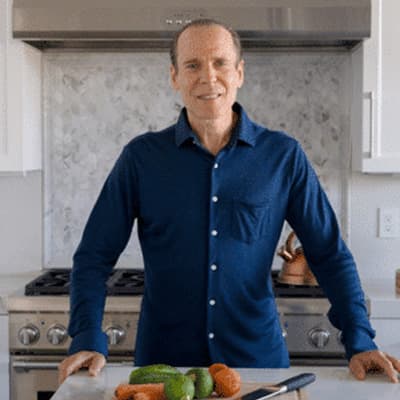
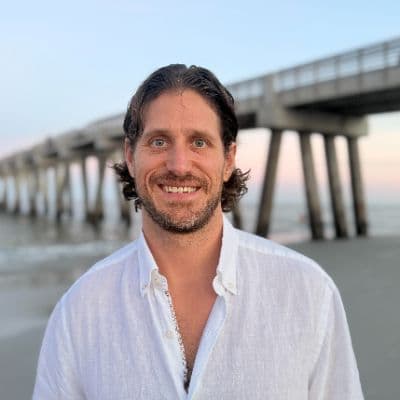
Full Transcript Introduction to Nathan Crane and the Summit 0:00 Hey, everybody. 0:01 Glad you're continuing to watch our Plant Based Cancer Solutions Summit. 0:05 And today we have a very important part of the 0:07 summit that we're going over with, with Nathan Crane here as our guest. 0:11 Let me tell you a little bit about Nathan 0:13 and what we're going to be talking about today. 0:14 So important for putting this holistic picture together. 0:18 And of course, what I mean by that is all the factors we can do 0:22 in our own personal lifestyles to improve our health, because our health, 0:25 because we are responsible for own health and making the right choices in our life. 0:29 And that's what we're talking about with Nathan today. 0:31 So Nathan is a natural health researcher, as a huge amount of knowledge 0:35 and experience, is a certified nutrition health coach 0:39 and an influential leader in this wellness industry. 0:43 He has an Amazon number one bestselling author 0:46 and multiple award winning documentary filmmakers, 0:49 which embodies his commitment to advancing health, performance, and listed healing. 0:55 He serves on the board of directors of the Belgian Ski Foundation, 0:58 a nonprofit organization dedicated to research into natural cancer solutions. 1:04 And he's also the founder of Better Life, a health and wellness company offering 1:08 holistic supplements. 1:10 And throughout his career, Nathan's been get significant recognition 1:14 for his tremendous, empowering work, including the accolade 2020 Outstanding 1:18 Achievement Humanitarian Award and the Outstanding Community Service 1:22 Award from the California Senate, 1:25 and more recently, Beyond Hollywood's Top Independent Creators. 1:29 2025 by film. 1:31 So I've been, you know, know Nathan as a friend, as a colleague. 1:36 And we've worked together on a lot of different projects. 1:39 So today he's joining us, and we're going to talk about factors 1:43 right around our life, in our own household 1:46 that can either help or hurt our future health, particularly with risk to cancer. 1:51 And people are practicing cancer promoting and using pant canceling 1:56 foods and elements every day, and they should be somewhat aware of that. 1:59 So let's help bring this type of awareness that you could help us with. 2:04 Absolutely. Doctor Furman, thanks for having me.
Hidden Household Toxins and Cancer Risk 2:06 Thanks for putting on this summit. 2:07 This is this is so important that we're getting this information 2:09 out to people because there's so many hidden 2:12 cancer promoting factors that we're surrounded by every single day. 2:15 And we don't realize it, right? 2:17 Between the foods that we eat, the thoughts that we have, and especially 2:21 some of the things we're talking about 2:22 today is the toxins, the hidden toxins that are literally in our kitchen, 2:26 in our refrigerators, in our home, that are contributing 2:30 to chronic inflammation, that it contributes to endocrine 2:33 disruption, that are contributing 2:34 to DNA damage and mitochondrial damage, which we know all of those are underlying 2:39 cofactors that proliferate cancers throughout the body. 2:43 So I know what I wanted to share with folks 2:46 today was what are some of these toxins? 2:49 Where are they hiding? 2:50 And then what can we do about it? Right. 2:52 How can we get them out of our body? 2:53 But more importantly, how can we get them out of our life? 2:55 Because we can flush out the toxins from our body. 2:59 And we do that with diet and nutrition supplements and sun 3:02 and a lot of different things we can talk about. 3:04 But if we just keep pouring gasoline back into our body, right, 3:08 we can clean these things out. 3:10 And then we go out and eat cheeseburgers and French fries and, and processed foods 3:15 and keep putting in heavy metals and toxins and parasites 3:18 and create this environment for cancer to explode. 3:20 Then, you know, we're fighting a losing battle. 3:23 So we've got to get at the root, and then we've got to do what we can 3:27 to help the body heal. 3:28 And so what we'll do is I'll just share some toxins 3:33 that are prolific in most people's homes. 3:35 And remembering 3:36 these names is not important, because I'm going to give you a couple key 3:40 strategies to basically eliminate all of them. 3:43 Okay. So that's that's going to be a key thing. 3:45 I will name them. You don't need to write them down. 3:47 You don't have to worry about it. 3:48 Because what I'm going to share with you is how to get rid of all of them. 3:51 But there's a common toxin, so I'll just go through a few. 3:54 There's a lot, 3:55 but let me go through a few to give people an idea of what I'm talking about here. 3:59 Right. 3:59 So there's a common toxin in our dish soaps, detergents, conditioners, shampoos, 4:05 body wash and lotion, which these are things we're putting on our body 4:08 every single day, often in large amounts because we're putting 4:13 whether we're washing the dishes, we're taking shower, we're washing our clothes, 4:16 we're cleaning things. 4:17 It's constantly going on our skin, and we know what goes on. 4:20 Our skin goes into our body, and what goes into our body 4:24 affects our cells, affects our DNA, affects our mitochondria. 4:28 And so one of these chemicals that is super nasty. 4:32 So really long name but it's just known as MCI. 4:35 It's methyl 4:37 known tongue twister. 4:38 Say that ten times fast but MCI. 4:41 And so it's an active ingredient that like helps fight against fungus 4:45 yeast bacteria. 4:47 The problem is studies have shown that high concentration of this 4:50 can cause endocrine disruption, and it can even cause chemical burns, 4:54 allergic reactions. 4:55 That's why a lot of these things people will put on their skin. 4:58 Sometimes they don't realize when they're having skin issues. 5:01 After a few years, that is very often from so many of these toxins 5:05 that are in their body care products and cleaning products. 5:08 There was even the European Commission Scientific Committee on Consumer 5:12 Safety banned the use of MCI in products that stay on your skin. 5:17 Here in the US, we still allow a lot of these chemicals that Europe has banned. 5:21 So we have to be diligent about this, right? 5:24 But this is in our soaps, detergents, shampoos. 5:27 There's another toxin. 5:28 You probably don't know about triclosan. 5:30 A lot of the viewers don't know about this. 5:32 This is a registered pesticide. 5:34 And it's an antibiotic antibacterial agent that's added to soaps, hand cleansers, 5:39 dishwashing liquids, and even toothpaste and tooth whitening products. 5:43 So you think you're cleaning your teeth and you're whitening your teeth, and yet 5:47 you're putting chemicals into your mouth and in your body, right? 5:50 Yeah. 5:51 It's supposed to help reduce bacterial contamination and make your 5:55 mouse and and cleaning liquids smell better, but it's also an endocrine 5:59 disrupting chemical. 6:01 It it has been shown to lower 6:04 our estrogen and androgen levels. 6:07 And it's been shown to affect our thyroid hormone levels. 6:10 And it's been shown to increase the risk of cancer. 6:13 In 2016, the US, US, the FDA banned the use of triclosan and hand soaps, 6:19 and this was after companies failed to prove that it was safe and effective. 6:23 But even with the FDA ban and the high risk of the ingredient, 6:26 there are many products that still contain the chemical today. 6:28 That's one of the problems is we think the FDA is here to 6:32 protect us, but companies just come out 6:35 with new chemicals and toxins and preservatives every single day. 6:38 And even if it gets banned, it takes years before it ends up out of the products. 6:42 And there's already 20 new chemicals that are in the products. 6:45 So there are studies that have shown 6:47 that are close and can lead to inflammation of colon, 6:49 which can lead to colon cancer, a whole bunch of nasty stuff. 6:53 There's another one that most people know about but still don't avoid. 6:57 What I found out SLS sodium laurel sulfate 7:00 right foaming agent found in most personal care products. 7:03 Have people tuning in. 7:04 If you go look at your hand soap, your shampoos, your body washes, 7:07 you'll see in almost all of them SLS or sodium sulfate. 7:11 Well, when you look these things up, the problem is, 7:13 if you go Google most of these things, a lot of them will say, oh, this, 7:17 this is safe. 7:19 And the problem with that is when they look at 7:23 is a chemical safe or not one they're looking at, 7:26 you know, in a micro dose used in a very small amount by itself.
Plastics, Microplastics, and Heated Containers 7:32 They're not looking at when you're using this every day, 7:36 multiple times a day, in multiple products over years on end 7:39 with 30 or 40 other toxic chemicals combined with it. 7:43 They know that in large amounts it's very toxic. 7:46 It's neurotoxic, has organ toxicity, skin irritation even can contribute 7:51 to cancer, endocrine disruption. 7:52 But they say, oh, it's such a small amount. 7:54 It's not going to do those things. 7:55 But we never use these chemicals and toxins in isolation. 7:59 Right? 8:00 They're always in a chemical soup that we're swimming in 24 over seven. 8:06 And so if it's on your lotion and it's in your toothpaste 8:09 and it's in your hand soap and it's in your detergent, 8:13 that's washing your clothes and it's in your cleaners, right. 8:16 That's 500% more than what they're saying it's being used for. 8:21 And then it's also added, on 8:24 top of all these things that people are using 24 over seven. 8:28 Then it's in the shampoo and then right, it's 8:30 the thousands of different toxins all combined. 8:32 So it's not so they can't look at one individual. 8:34 Yeah. Yeah. And they won't. Right. 8:36 And what about the plastics. 8:37 What about not only putting water and plastics, but what about plastic 8:41 utensils and plastic wrap and plastic gum. 8:45 What are those sheets. 8:47 And cutting plastic cutting boards. What about that stuff? 8:50 Does that contribute a lot to. 8:52 Yeah. 8:53 Like there's there's a toxin called benzo known. 8:55 Right. 8:56 Which is like a UV blocker that's often used in plastic packaging. 8:59 And this can leave residue especially. 9:03 And this is also found in like sunscreen lip balm, nail polish. 9:06 But it's classified as a carcinogen and an endocrine disruptors. 9:10 And we know anything that's going to mess up 9:11 our hormones is going to potentially contribute to cancer. 9:14 We also know anything that's going to cause inflammation. 9:16 It's going to potentially contribute to cancer. 9:19 There was a study on this in rats and mice that showed it had 9:22 carcinogenic activity, primarily cancer proliferation. 9:25 There was a 2018 study that they did on zebrafish that showed of can damage. 9:30 The central regulation of hormones like this is just one tiny 9:33 toxin in a whole soup of toxins that make up plastics and so plastic. 9:40 The other challenge that we're experiencing right now 9:41 with plastics is the microplastic explosion. 9:44 I saw a study earlier last year that came out where they were. 9:47 They found hundreds of over 100,000 different, 9:53 over 100,000 pieces of microplastic in a single bottle of water. 9:58 So it's not so much like the plastic itself, right? 10:01 Plastic. And it's not just BPA free, actually. 10:04 In fact, like it's other plastics besides BPA. 10:07 So BPA nothing. Yeah, yeah. 10:09 The problems is not just BPA, 10:11 it's all the other chemicals that make up the plastic. 10:13 And it's not just the plastic itself. 10:15 It's very often the packaging and bottling process. 10:18 So when they if you ever and people can go look this up on YouTube later, how 10:23 they actually put water and make the plastic bottles, how 10:27 they feel it, well, they heat the plastic to its shape 10:32 with the water inside while it's heated, and then they seal it. 10:35 And so the heat process like number one, if you use a microwave, 10:38 you should stop it right now, literally microwave. 10:41 We are radiating our food right. 10:44 And then putting that in our bodies. 10:45 But number two, if you're microwaving anything in plastic, you are releasing 10:51 massive amounts of those chemicals from the plastic right into your food. 10:55 So anytime it's heated, it's releasing the chemicals. 10:58 It doesn't. You know, plastic is like a very 11:02 expandable 11:03 and toxic thing, especially when it heats up. 11:06 And so a lot of our products that are that are packaged in plastic, 11:10 they get shipped in, you know, heat country. 11:14 And so what about, you know, even though what about the little bit I mean, 11:17 we obviously we're not going to drink water and plastics. 11:19 People pour like, 11:20 you know, hot coffee into cardboard cups that are lined with plastic. 11:23 It's it's you know, Starbucks is drinking. 11:26 It's tremendous amount of plastic in fish. 11:29 It's in fish too. 11:29 But what about just using 11:31 a plastic spatula or cooking on a plastic tray, or cooking, 11:35 putting your plastic utensils, plastic silverware, plastic plates? 11:39 Is that is that little contact enough to get plastic particles in our own body?
Stress, Fear, and Emotional Healing 11:44 Or it has to be in a food that's been packaged in plastic? 11:47 You know, I don't think we have enough. 11:49 I haven't seen enough data on that to like, absolutely say, hey, 11:53 using a plastic fork, you're going to get plastics into your body. 11:56 I do know using plastic cutting boards, for example. 12:00 Cutting board. 12:01 Yeah. Board. 12:01 You're getting microplastics cutting off that board right into your food. 12:04 So a wooden cutting board is essential. 12:07 Plastic silverware. 12:08 It's like, hey, you're traveling, you don't have any other silverware. 12:11 You don't have access. 12:11 Like, I wouldn't worry about it, 12:13 but I wouldn't store my food and drinks in plastic. 12:17 Right? I would use glass. 12:18 I would use stainless steel. 12:20 I wouldn't store it in aluminum either, because aluminum is a heavy metal, 12:24 and that actually leaches 12:25 into the liquids, and that aluminum is very toxic to the body. 12:29 We know that it's toxic to the brain. 12:31 It's toxic. 12:31 It's a neural endocrine disruptor, is toxic to our liver. 12:35 And so like the little bits of but I also try not to use 12:39 plastic as much as possible just because it's so wasteful. 12:42 It is unsustainable. 12:44 And it does go even if it's not. 12:46 Even if that plastic forks not hurting my body, it's going getting buried 12:50 somewhere in the earth and leaching those chemicals in the earth 12:54 in effect, or dumped in the waterways or dumped in the ocean water. 12:57 Right? 12:57 It's going right into our water and putting chemicals into our water, 12:59 which is killing our fish, which is killing off the the river 13:03 life, the aquatic life, the sea life, which is damaging the planet, 13:06 which then comes back to us in another way. 13:08 We then, you know, whether people are eating fish or they're drinking 13:12 water, it is coming back and then polluting your body that way. 13:15 So limiting plastic by as much as possible is a really good idea. 13:19 Yeah. 13:20 And of course we have the number one exposure to cancer causing toxins 13:24 to the heterocyclic means and polyatomic hydrocarbons, which mostly from barbecue, 13:30 grilled foods, cold breakfast cereals, you know, things that are cooked a lot 13:35 and those things that are cooked a lot are also put in plastic containers to. 13:38 Right. 13:39 And the combination of heat and plastic people is stone. 13:42 But in any case, heterocyclic amines and poly aromatic 13:47 hydrocarbons are not just in grilled and barbecued meat. 13:50 They're also in overcooked 13:51 cereals and processed foods and processed carbohydrates as well. 13:55 Overcooked cereals I didn't that's. 13:58 References. Yeah. 13:59 What's an example of that where they overcooked cereals. 14:01 And then you get the heterocyclic amines. 14:04 You know those Kellogg's and those types of cereals 14:06 like Fruit Loops and Cheerios and stuff like that, you know. 14:09 Yeah. Oh my gosh. Yeah. 14:11 I mean, that's I mean, obviously we avoid those foods completely for myself, 14:15 my wife, my kids and our clients because they're processed full of sugar. 14:20 There's absolutely no nutritional value in it. Right. 14:22 So yeah wipe with that. 14:24 I mean, when we're talking food, I mean, you are the master on food. 14:28 We, you know, 14:29 through our work with conquering cancer and through my books and everything, 14:32 it's like I always reference your work and g bombs specifically as the foundation 14:37 of how we should think about eating. But. 14:40 And the diet is so important. 14:42 But, you know, one of the toxins we should talk about. 14:44 And then I'll give a solution. 14:46 I don't want to leave people hanging. Right. 14:47 So I'll make sure to get solutions for all this because I could name 14:49 I literally name hundreds of toxins and where they're at. 14:52 And it's just getting people aware. 14:54 But the other toxin that we know contributes 14:57 to cancer in the body is not a physical toxin. 15:01 It's an intangible toxin, and it's a toxin of stress, of anxiety, of fear. 15:06 And how that contributes to cancer in the body. 15:09 Is it down? 15:10 Regulates our autonomic nervous down, regulates our immune system 15:14 by activating a sympathetic nervous system response in. 15:18 The problem with 15:19 that is that we need our immune system to be highly engaged and highly 15:23 activated, highly, highly intelligent, to be able to go and find those cancer 15:28 cells, to eliminate them, to clean them up, to reduce inflammation. 15:32 And if our nervous system specific, our immune system is downregulated, 15:38 and then we're in this constant fight or flight or freeze mode, 15:41 our immune system can't do what it needs to do very well. 15:45 And so dealing with stress, dealing with anxiety, dealing with fear 15:50 through meditation practices, qigong, yoga, breathwork, prana, all these things. 15:56 We now have a tremendous amount of science on this show that they absolutely reduce 16:03 not only the mental emotional stress, but the physical stress on the body 16:06 that they absolutely upregulate our immune system, 16:09 that they absolutely support our bodies in fighting cancer. 16:12 To me, 16:12 this has got to be a foundational practice that people implement every single day. 16:17 A lot of the cancer conquerors that I've interviewed over the years, 16:20 what helped them in reversing stage three, stage four cancer is, 16:23 was they adopted some kind of mental emotional healing practice. 16:26 They they did forgiveness practices. 16:29 They did deep meditative practices. 16:32 They did whether it was going or yoga or morning and evening meditations, 16:37 gratitude practices, but a daily practice to help regulate our nervous system, 16:42 activate our parasympathetic, which puts us into rest, 16:45 digest, regenerate, repair, and allows our body to then fight 16:50 those toxins, those toxins of stress and fear and anger and resentment. 16:56 It's compliments, diet and everything substantially. 17:01 You know, it makes me think about foundational 17:03 and medicine is to get people afraid with these screening tests. 17:06 They're worried, they're anxious, they're looking, 17:08 they're going to doctors to get testing, and then they find something, 17:11 even in something incidental or something relatively minor. 17:14 The raw scare could be cancer. They're thinking they're just. 17:17 And then once you have 17:18 a diagnosed with cancer, your life is you're completely agitated. 17:21 And what's saying here that being relaxed, being at peace, 17:25 being fearless, living your life to enjoy the world around you. 17:29 All these things are very important to our health and at times, 17:33 and it's like we're geared in our society to live in fear. 17:37 And that's the foundational medical practice, that of living 17:40 a healthy life and protecting ourselves. 17:43 We've been kind of joined onto this religious belief system 17:47 that going to doctors and getting tested, looking for disease, and catching it 17:51 early is going to be what's going to save us. 17:53 That has and that chronically agitates people and makes a little chronic fear. 17:58 And the overall effect of that type of way of thinking and chronic screening 18:04 is most likely overall detrimental 18:06 to a person's long term health and cancer development. 18:08 I agree, we don't actually see it supporting longer, you know? 18:13 Yeah, they say we're catching cancer earlier and getting treatments sooner, 18:17 but you don't actually see quality of life improving with that. 18:21 You don't see very much. 18:23 You know, the problem with kind of the conventional model 18:26 and how we say we're successful is we say we're successful. 18:31 If somebody lives past five years, right, from a cancer diagnosis, 18:35 that's that's kind of success in the medical eyes.
Patterns of Exceptional Healing 18:39 It doesn't matter 18:39 if during that five years your health plummeted, your life got worse. 18:43 You lost your hair, your immune system is damaged. 18:45 Now, you have autoimmune disease and heart disease, which 18:47 actually heart disease is the number one killer of cancer patients. 18:50 And so when we're going through these conventional 18:52 therapies, we're actually damaging the immune system, damage the mitochondria 18:55 and even proliferating cancer because we know chemotherapy radiation 18:59 in the clinical data show us that they are carcinogenic by nature. 19:03 They literally cause cancer, right. 19:05 And so this kind of, oh, we're successful. 19:09 If somebody lives past five years, I want to say we're successful. 19:11 If one the cancer stops growing or starts regressing 19:16 or you start seeing improvement. 19:17 But two that somebody that the quality of life 19:21 doesn't deteriorate but in fact either remains or improves. 19:26 Right. Yeah. 19:26 We call it healthy life expectancy, which puts together 19:30 how long we live and how and how much we're enjoying our life. 19:33 And that's gone down. 19:34 And we have one of the worst scores of any country in the world. 19:37 But of course, what I'm saying is that 19:39 with all the effects of what we've done with modern medicine is that 19:42 we're not living longer and our healthy life expectancy has gone down, not up. 19:47 So whatever we're doing, it's not working. 19:49 We're not winning the war, it's not working, 19:51 and we're all focused on the wrong syllable, if you know what I mean by that. 19:54 The label. Exactly. 19:56 And you see it firsthand with your patients who come to your, 19:59 you know, center and so forth. 20:01 And I see a firsthand in our clients that when they actually implement 20:04 all these things, we're talking about a whole food plant based diet or cleaning up 20:08 the the toxins out of the water and so forth, all this holistic approach 20:12 to emotional healing, we actually see quality of life in most people improve. 20:16 So we know that, you know, this is a path that is very helpful for people. 20:20 But I want to go back to something you said. 20:22 You actually said, you know, courage and courage is so important. 20:26 There was research done by Doctor Diane Pearlman, who's a PhD, 20:30 who just wrote a paper called Patterns of Exceptional Healing. 20:34 And she and her colleagues discovered 20:36 about 12 different patterns on all the cancer patients, 20:40 that they looked at all the case studies and put together these patterns, 20:44 what they call exceptional healing, that were commonalities among patients 20:47 who had the most success in healing their cancers, 20:53 or what people call spontaneous remissions. 20:55 I call them intentional remissions, right? 20:57 When we change our diet and lifestyle and then the cancer goes away, 21:00 that's very intentional. 21:01 It's not some random, spontaneous thing, but, 21:04 you know, the medical establishment calls them spontaneous remissions. 21:07 And so when she studied them, there's 12 I want to share a few 21:10 that people should write down and think about every single day, 21:12 because these are the patterns of exceptional healing. 21:15 One of them is, is courage, like you said, in the willingness 21:18 to face oneself and persevere and make major life changes. 21:23 Because all those things to face what's going on inside me, 21:27 my own belief systems, my own negative thoughts, my own self-sabotaging beliefs. 21:31 But also, what am I doing with my diet? 21:33 What am I doing with exercise? 21:35 Like to face that it requires courage. 21:37 We need that willingness to face it and accept it and then to make change. 21:41 The second one, a second one is and these aren't in any order, is introspection. 21:47 So exceptional recoveries usually includes some kind of inner work. 21:50 Like I talked about meditation, dealing with unresolved loss and grief, 21:54 doing grief work therapies, reconciling long standing conflicts, forgiveness. 21:59 These are very common 22:00 among people who have had spontaneous or intentional remissions. 22:04 And there's another one that's really important is expression of emotions. 22:07 And there's a lot of research that has shown that withholding emotions 22:11 or holding them inside, not expressing them, not dealing with them 22:15 actually as they bottle up can cause a lot of problems. 22:18 So we need to be able to express those emotions properly, whether, like 22:21 I said, is through therapy or grief work, but that's also positive and negative, 22:25 where it's love or anger, grief or joy, sadness or hostility, playfulness. 22:30 And then a really important one I'll share that I share with most cancer 22:35 patients is that, above all, an extraordinary recovery 22:38 seems to be predicated on finding 22:40 meaning and purpose in life, having a deep reason to live. 22:43 If you don't really have a strong reason to live, it's going to be hard to 22:46 make those changes. 22:48 So if you can really think about it every day, you know, I'm here. 22:52 I got to be here for my grandkids to see them grow up, to help them, to be a 22:56 guide for them. 22:56 Or, you know, I still have this book 22:58 I have to write, this work I have to do in this world. 23:00 Or, you know what? I'm not ready to leave yet. 23:02 I've got family things and work things and this and that. 23:05 I've still got things I want to do. I want to travel. 23:06 If you have a strong reason to live. 23:09 And usually the stronger. 23:11 The reason comes from a perspective of wanting to help others. 23:15 If you 23:17 write service to others that 23:19 helps you have such a strong reason, you know, and that's not just with cancer. 23:23 I mean, my experience over the last 30 years of working 23:25 with people who have food addiction or have to change habits 23:29 is the ones that successfully changed their habits 23:31 and are able to make the transition to a healthy diet and start living healthier 23:35 are ones who have some passion about helping others and taking good care 23:39 of their own health as a role, as a better role model and their identity. 23:43 Now they develop more passion for living and it helps them 23:46 take better care of themselves. 23:47 It's just in all aspects. So true, so true. 23:50 They can get that. 23:52 As we started this conversation, like 20 minutes, 30 minutes ago, 23:56 you go back to the things that they can do 23:59 back in their house, that to help get those things out, go back to, 24:03 you know, let's make it more practical in the last five minutes now, okay. 24:06 What they can actually put into action. 24:08 That's perfect. 24:09 So the number one thing you can do, and if this is all you do, 24:14 this will address so many of the toxins were exposed to every single day.
Practical Steps to Detox the Home 24:18 And it sounds so simple because it is right. 24:21 Often the most powerful things are the most simple things we can do. 24:25 The number one thing you can do is buy all of these products certified 24:29 USDA organic period. 24:32 If you do that, if you buy a dish soap that is organic, 24:36 if you buy a laundry detergent illustration, a toothpaste, you know, 24:41 and usually like what I use is in one soap I can use for, 24:46 you know, shampoo, body wash, dish soap, laundry detergent. 24:50 There's usually, you know, you can use basically an organic Castile soap. 24:54 I love Doctor Bronner's, for example, but there are some other options out there. 24:57 If you buy an organic product that you're going to put on your skin 25:01 or in your body or use around the house, that alone will reduce 25:06 80% or more of those chemicals you're exposed to. 25:09 Number two is if you don't want to be buying those. 25:12 And actually the cheaper way is to make your own, which is so easy. 25:16 Do it yourself. 25:17 At home, you can make cleaners literally out of take a little bit of baking soda, 25:21 a little bit of vinegar, put it in some water, 25:23 make that your spray and that can be your cleaner. 25:26 Vinegar is one of the best cleaners. 25:28 You can use around your house. 25:29 And yeah, it smells strong for a minute, but then the smell goes away. 25:33 What you've done is you've just disinfected. 25:34 Baking soda is fantastic as well, and neither of those 25:37 are toxic for your body when you're using them as cleaners. 25:41 These are great. 25:42 You know, for you, we'll put baking soda in the sink, water. 25:45 We'll fill the sink with water and put baking soda in it 25:47 to like, rinse vegetables to get the bacterial vegetables. 25:50 And then we'll put it into the other sink to rinse it again. 25:52 And then we'll then put it away in the refrigerator again. 25:54 It's also great for reducing radiation exposure. 25:58 So like I used to live in New Mexico and there was a real issue of 26:01 with the nuclear facilities that was up there of literally nuclear 26:06 waste leaching into the groundwater, and it was being tested 26:10 and then that groundwater was going into people's homes. 26:13 And so there's a great way to you take a bath with a couple cups of baking soda. 26:18 And it will not only relax your body, but it will actually help pull out radiative 26:23 radiation materials out of your body, heavy metals, toxins, things like that. 26:27 But yeah, we can use vinegar. 26:28 We can use baking soda. 26:30 You can buy organic products, toothpaste that don't have any of these chemicals. 26:34 I actually often use a tooth powder or I use a doctor, Jerry, 26:39 which is 26:40 actually one of the only scientifically studied toothpaste 26:44 on the market that has been proven to improve the microbiota of our mouth. 26:50 Because, remember, we don't just have microflora microbiota, 26:52 a microbiome in the gut, we also have it in the mouth. 26:55 And so all of these toothpaste and mouthwash 26:57 we're using to try and kill all the bacteria, that's like basically 27:00 like taking an antibiotic to kill all the bacteria in our gut, you know, damaging. 27:03 That is, we need a healthy, thriving microbiome in our mouth. 27:07 And so we want to use natural toothpaste and tooth powders that help nurture that. 27:13 And so it's better to use no toothpaste than to than to kill everything. 27:17 Because we know we form the nutrients, the nitric oxide. 27:19 All these things are formed with the food, 27:21 with the bacteria, with the saliva when you chew everything. 27:24 So that would be that. 27:25 And then I would say two other things that are really important 27:27 just around the house, because you're not going to change, 27:30 you know, you're not going to go and change. 27:32 All of most people will not be able to change all their cupboards, 27:35 all their flooring, all their carpets, all the stuff that are literally emitting 27:40 massive amounts of VOCs, volatile organic compounds, formaldehyde 27:44 in your cupboards, flame retardant carpets that are great for, 27:48 you know, hopefully not catching on fire, but are terrible at sending 27:52 so many toxins there that you breathe. 27:53 So for the air and for the water in your home, two things are essential. 27:57 And these are actually very affordable. 27:59 One is a good water filtration system that you put under your sink. 28:03 So at least you're drinking and cooking water is not filled 28:06 with fluoride and chlorine and heavy metals. 28:10 You get that out. 28:11 And literally 2 or 300 bucks you can get a good under the sink, 28:15 you know, reverse osmosis Moses. 28:17 Yeah. 28:18 Filtration. 28:18 And that's going to clean up most every toxin out of your water. 28:22 And then your air. 28:23 You can get a good air purifier like Air Doctor or 28:27 I love this study from NASA where they found that one plant. 28:31 So a living plant like this one behind me here, one plant 28:34 per 100ft² in your home 28:37 will clean up majority of all the VOCs that are coming in your home. 28:42 Aloe vera is one of the best at doing it, but they all do a good job. 28:45 But they also are beautiful. They're living. 28:47 You interact with the soil, which is really good 28:49 for getting soil bacteria into our body, 28:52 which we need, and they produce fresh oxygen for us to breathe. 28:55 And we know we need good, 28:56 clean, fresh oxygen to help our bodies fight against cancer. 29:00 So if you think water, air, let's clean those two things up. 29:03 And then organic products 29:04 that we're putting on our skin, in our bodies, in our mouths and 29:07 makes them do it yourself home cleaners, and you're going to eliminate 8,090% 29:12 plus of these toxins you're exposed to every single day. 29:15 And of course, don't send your clothing to dry cleaners. 29:18 Even if they say organic. 29:19 Actually, it's still a lot of chemicals. 29:21 That's one of those organic ones 29:23 where they can say organic, but it doesn't actually mean organic. 29:27 It means organic in a different term. 29:30 So those are still very toxic actually, unfortunately. 29:33 So yeah, dry cleaners avoid as much as possible. 29:37 Well, Nathan, thanks for being part of this summit, 29:39 really contributing a tremendous amount. 29:41 And obviously we're going to have more of these sessions. 29:43 And I want with you talking to me about some further issues 29:46 moving forward in the summit. 29:47 So, okay, get to work, everybody clean up your environment. 29:51 And of course you just healthy as you can. All right. 29:54 Take care. 29:54 See you in the next session. 29:56 Thanks. See ya. Thanks a lot. Nathan. 29:58 Appreciate it. My pleasure.
Comments