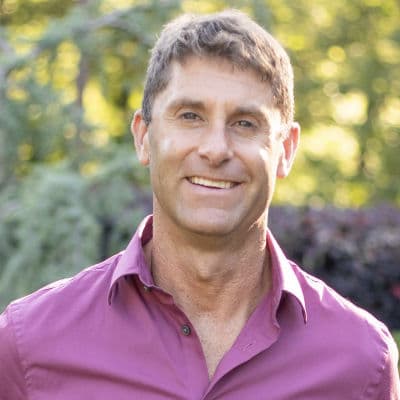
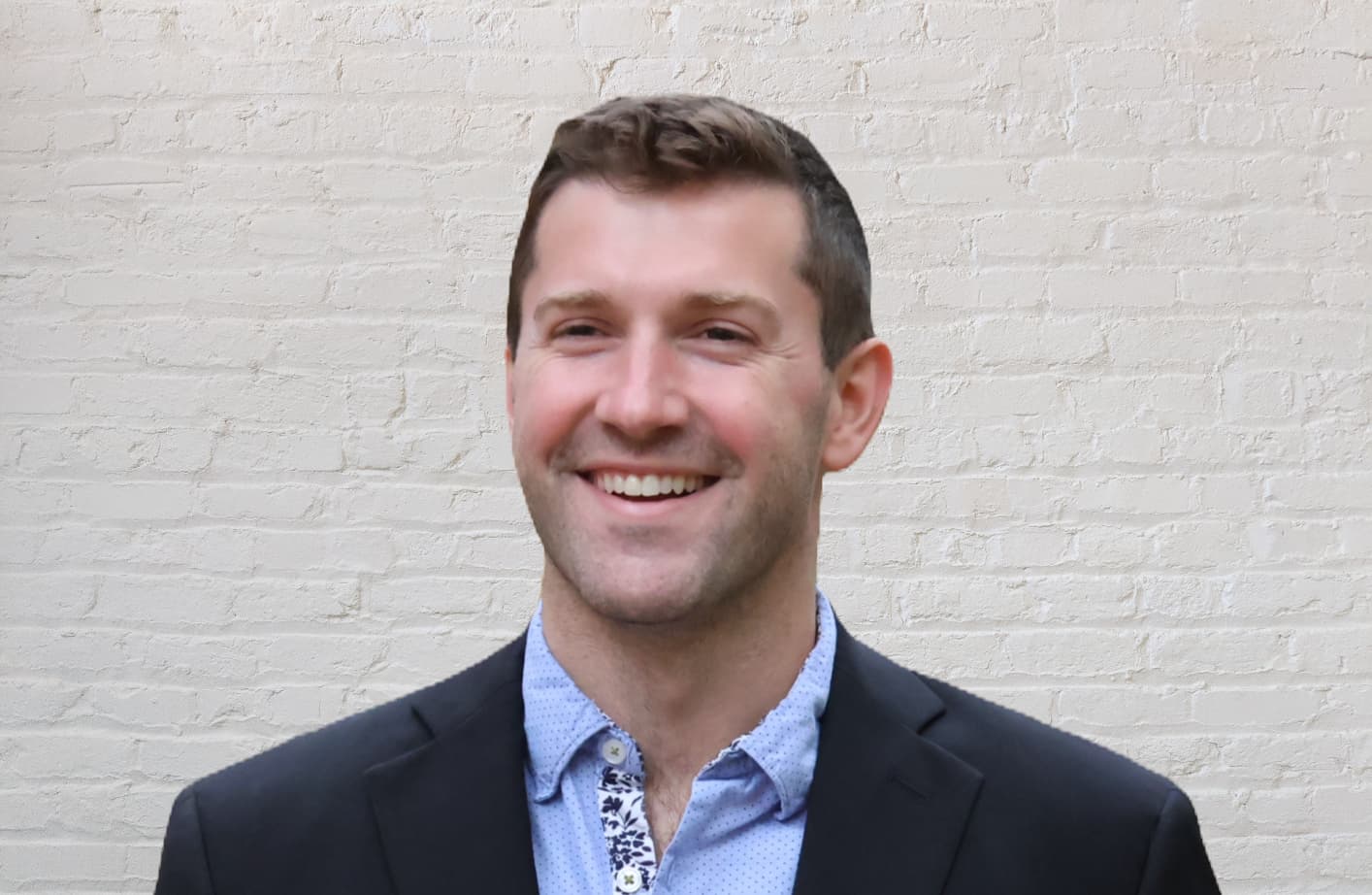
Full Transcript Introduction to Zeolite Detox 0:08 Welcome back to the Healing Your Brain Masterclass. 0:10 I'm your host, Doctor David Jockers, and today I'm interviewing Jeff Hoyt. 0:13 We're talking all about using zeolite 0:15 to detox heavy metals and enhance brain health. 0:19 Jeff is the zeolite coach, and you can find him at the zeolitecoach.com. 0:24 He also runs zeolite labs.com. 0:27 We're going to talk about the unique properties of zeolite 0:30 and how that helps us detoxify heavy metals and other chemicals. 0:35 And it's a unique type of binder. 0:37 There are other types of binders out there like charcoal 0:40 phobic humic acid, Chlorella and zeolite is really unique. 0:44 And we're going to talk about what makes zeolite unique and how effective 0:48 it is at binding to major heavy metals and moving them out of the body. 0:52 And we also go through some of his unique, strategies for using zeolite and other 0:57 other binders and, and how to really enhance detoxification process. 1:02 So you guys are in for a treat here. 1:03 Again, you can check out Jeff's website, zeolitelabs.com. 1:07 And the zeolite coach.com as well. 1:12 He's got a great product zeolite product that you can check out. 1:16 And again we're talking all about how zeolite helps move toxins out of the body. 1:21 Guys are in for a treat. 1:23 So without further ado let's go into this interview. 1:26 All right, 1:26 well, I'm here with Jeff Hoyt from Zeolite Labs. 1:30 And also he is the zeolite coach. 1:33 So we're gonna talk a lot about zeolite. 1:34 We're going to talk a lot about its unique binding properties. 1:38 Many of you guys have heard of toxin binders. 1:40 Zeolite is one of those. 1:42 And it's very unique in the way that it works. 1:44 And so we're going to go through that. 1:45 Jeff, great to have you here. 1:47 And let's start with the impact of heavy metals 1:51 and toxins on our body and in particular on our brain health. 1:55 Yeah, absolutely. 1:56 So it's unfortunately in this day and age, we are going to be exposed 1:59 to a number of toxic elements. 2:01 Most recognized 2:02 are going to be the heavy metals because there's a lot of research, 2:05 there's a lot of industrial chemicals. 2:06 There's just a lot of, a lot of these external stressors 2:09 that are coming at us on a daily basis, and the challenges 2:13 our bodies have to deal with this excess load of toxicity. 2:16 And there's a certain capacity, kind of a stress threshold of what we can handle. 2:20 And when we exceed that threshold, that's when we start developing problems, 2:24 because at that point, the body isn't able to handle the toxic 2:27 elements coming in, and it has to start chucking in them into storage. 2:30 And then we can have an accumulation 2:32 of toxic metals in organs and tissues, such as the brain. 2:35 And it can start impacting, brain health and other organ function 2:38 throughout the body. 2:39 In addition, just focusing on the brain here, the, 2:43 it's not necessarily the toxic elements in the brain 2:46 that are causing all the problems, although they are causing problems, 2:49 but just having free floating toxicity from your daily dose. 2:53 So the from the food, water, air, just these heavy metals and toxins 2:57 coming in there resulting in strong inflammatory immune responses
How Toxins Affect Brain Health 3:02 which result in inflammatory reactions and that can impact brain health as well, 3:06 because when we have inflammation that can result in a number of symptoms, 3:09 and there's just there's a lot of toxic elements coming in that can in fact impact 3:12 brain health. 3:13 One of them, which I think is overlooked, is actually 3:16 an internally produced toxin, which is ammonia. 3:19 Right. 3:19 Because we put a lot of focus on, you know, keeping the bad out. 3:23 But a lot of times the toxicity that is, is hurting us on a daily 3:27 basis is produced from within our own bodies 3:30 such that things like metabolic waste products like the ammonia, urea, 3:34 excess histamine, free radicals and these things and addressing 3:37 those can be incredibly helpful because they're all pulling on our body's 3:41 detox energy and making our body work harder than normal to stay balanced. 3:45 So an ammonia for example, which is a metabolic waste product 3:48 that, is produced, you know, through protein, protein 3:52 digestion, it's also produced if you have excess microbial issues. 3:56 So things like Candida will produce ammonia. 3:58 So we a lot of people end up with a little excess ammonia. 4:01 And if our livers aren't working optimally we have a difficult time 4:04 breaking that down into the product, a urea. 4:07 And then ammonia can build up 4:08 that can travel to the bloodstream, that can actually go to the brain 4:11 and directly cause a number of issues like brain fog and other issues 4:14 affecting the brain. 4:15 So, yeah, toxicity is an issue. 4:18 There's heavy metals, there's environmental toxins, 4:20 there's plastics, there's metabolic waste products, there's mycotoxins. 4:24 There's just a lot of stuff coming at us on a daily basis. 4:27 Yeah. You mentioned ammonia. 4:28 I always think of h. 4:29 Pylori, which is a really common, bacteria that, that that can get in 4:33 and cause an infection in the stomach, and it releases ammonia as well. 4:36 And, and also, you know, when it when we're thinking about endotoxins 4:41 in general, you got to think about lipopolysaccharide 4:43 LPs, which, 4:44 when that gets in the bloodstream, that can be a really potent inflammatory 4:48 trigger that can really cause disruption in the brain as well. 4:51 So that's big. 4:52 And then all these toxins are going to impact mitochondrial health. 4:56 Right. 4:56 And when mitochondria health get impacted that's going to drive up inflammation. 5:00 And the brain is the most dense area the neurons and the most dense area 5:03 of mitochondria. 5:05 And this is why when we have a high toxic load, one of the 5:08 some of the most common symptoms are going to be brain related symptoms. 5:13 Yeah. 5:14 Yeah. 5:14 I've talked about things like anxiety, 5:16 you know, trouble, trouble remembering forgetfulness. 5:20 Obviously just any sort of cognitive dysfunction, mood disorders, all 5:23 that kind of stuff on these 5:25 are the most common symptoms that people experience 5:26 when they're toxic load or their total body burden of toxins starts to build up. 5:31 Yeah. And it's it's a snowball effect really. 5:33 Because once 5:33 you have an overload of a certain toxin and that's pulling on your body's energy 5:37 and it reduces the body's ability to handle these stressors, 5:41 and then you can start developing additional toxic stressors. 5:43 So when you have that opportunity with the heavy metals that are coming in, 5:46 the opportunity arises for, like you mentioned, H. 5:49 Pylori and some other pathogenic microbes to start multiplying. 5:53 And then they're producing the waste products like you mentioned, like ammonia, 5:56 like polysaccharides. 5:57 And and this just continues adding to our daily dose of toxicity. 6:01 And it makes it more difficult for our bodies to keep up. 6:04 And then the more symptomatic we become. 6:06 Yeah for sure. 6:06 So, you know, first step, obviously we got to reduce the amount of toxins 6:10 we're being exposed to. 6:11 So clean air, water, food and that's all really, really important. 6:15 But we also need a really good detoxification practices. 6:18 Right. 6:20 Yeah absolutely. 6:21 Yeah. Like you said first step reduce. 6:22 It's it's it's preventing the bad from coming in 6:25 and helping whatever's already inside to get out. 6:27 Right. 6:27 And kind of the formula for success is 6:31 if your body's natural detox functions, just your detox energy 6:35 is able to handle all the toxicity coming in on a daily basis. 6:38 That's the formula for success 6:40 by a lot of people at this in this day and age, are not there. 6:42 So they're just whatever they're exposed to. 6:44 Their body just can't handle it. 6:46 So they're getting symptoms every single day. 6:48 And then furthermore, they might actually be getting 6:50 accumulation of some of those toxic elements. 6:53 And then it just gets worse and worse over time. 6:54 So yes, we want to reduce the exposure, but then we want to get out 6:58 what's already an inside. 6:59 And I think one of the most 7:00 overlooked aspects of an effective detox protocol is preventing 7:04 is is addressing the internally produced toxicity, like I mentioned, 7:07 with ammonia and metabolic waste products, and also some of the microbial load, 7:11 and then also preventing the recycled toxicity 7:14 because we often poison ourselves every single day 7:18 with our own toxicity that we were we've accumulated over over the years. 7:22 So a lot of people say, well, I'm eating all organic. 7:25 I mean, I just have the super clean lifestyle. 7:27 Why do I still feel terrible? 7:28 Why do I have these toxicity symptoms and it may not be what you've done now 7:33 or the last few years. 7:33 Maybe it was what you did 1520 years ago, and your body is still 7:37 working with the toxicity that was stored even when you were a child. 7:41 So for as an example, your liver is a filter. 7:44 Your levels, liver stores, toxicity, heavy metals and other things. 7:47 And as your liver, if your liver is toxic, you produce toxic bile. 7:52 So your liver produces bile to help digest fat and do other things. 7:55 And it carries toxins from the liver into the small intestine. 7:59 And the body naturally recycles about 95% of its bile. 8:02 So it reuses it. 8:03 But the problem is, if your liver is toxic, 8:06 you're recycling this toxicity along with the bile. 8:08 So you have bile produced in the liver, goes to the small intestine, and then it 8:13 and then and then you, it goes through the port of my, anterior hepatic 8:17 re circulation and it re circulates and you're recycling toxicity. 8:21 And that can make you feel terrible every single day. 8:23 So some people 8:23 after they eat or after the exercise, after they go in to sauna, after 8:27 after they do something to stimulate bile, feel terrible because they've released 8:31 extra bile, which in turn releases extra toxicity. 8:35 Now, the body that toxicity was basically deactivated. 8:38 Now it's put into the body's processing centers. 8:41 Now it's active toxicity. It can cause symptoms. 8:43 So one of the keys to an effective detox, in my opinion, is to prevent 8:47 that recycling from occurring by binding that toxicity in the small intestine 8:51 so it can't recirculate and keep poisoning you every single day. 8:55 Yeah. 8:55 And that's really where toxin binders come in. 8:57 So I always say we have to pee and poop our way to good health.
Why Detox Binders Matter 9:00 Of course we need to. 9:01 We breathe out a lot of toxins as well. 9:03 You know, we also sweat out toxins, particularly if we're exercising 9:07 regularly, getting some good sun exposure and getting in the sauna. 9:10 All really important things. 9:12 And we gotta poop. 9:13 Well, that's that's one way that we move bile, toxic bile out of the system. 9:17 But like you were saying, 9:19 we're not going to be able to move all of it out that way. 9:21 Unless we, you know, really, we need toxin binders to help 9:25 get a higher percentage of the toxins 9:28 that are in the bile and in the gut out of the system. 9:31 Yeah, absolutely. 9:32 And it's it's all about because people ask, you know, 9:35 what detox products should I take and how long should I take it? 9:37 And all this it it's all individualized, right? 9:40 There's no one perfect product for everyone. 9:42 There's no exact protocol that's going to fit every single person, 9:45 because each person is so unique and really the got. 9:47 The healthier you become, the less support you need. 9:50 The more toxic you are, the more support you need at that time. 9:54 And as you peel off layers of toxicity and you start addressing underlying 9:58 sources of dysfunction in the body, then you shouldn't have to supplement 10:02 as much because your body's natural capacity is going to be greater. 10:05 So what's so great about binders in the 21st century is that we do have 10:10 all of these daily dose 10:11 toxic toxins coming at us, and it's overburdening our system. 10:15 And it's just coming in and supporting detox. 10:17 So it's not fighting against the body's natural detox process 10:21 like potentially some other things could be. 10:23 It's literally just going in binding whatever's currently in the body's 10:27 natural, you know, processing center, 10:29 the metabolic waste products, the metals, the micro toxins, whatever it may be. 10:32 And that kind of calms the storm in the body. 10:35 It just frees up some energy. 10:36 And then the body can use that additional energy to do other things. 10:39 Maybe it's repair, 10:40 maybe it's going after some of the deeper level toxicity that it put into storage, 10:44 because it wasn't able to deal with it at the time. 10:46 So it's binding. 10:48 It's working with the body's natural process, 10:49 and it's just calming things down so the body can kind of breathe. 10:53 Yeah for sure. 10:54 And there's many different types of binders. 10:55 There's things like chlorella which is a binder, charcoal, activated charcoal. 11:00 There's bentonite clay diameter versus earth, for Vic, humic acids 11:05 and citrus pectin fiber in general can be it can be a binder. 11:09 But what is unique about zeolite? 11:11 I know you specialize with zeolite. 11:13 What's unique about that? 11:14 Yeah. So and there's a lot of great binders out there. 11:16 And I think 11:18 some people respond better to certain binders. 11:20 So it's really about finding the binder that's going to work best for you 11:23 and and your situation. 11:25 And there's challenges with some binders 11:27 and there's advantages to each binder as well. 11:28 One of the one of the challenges with a lot of binders is, is constipation 11:33 a potential nutrient depletion where they're kind of indiscriminate 11:37 binders, they're going in and grabbing everything. 11:39 Zeolite tends to zeolite powder. 11:41 Specifically, a charge tends to not come with 11:44 a lot of the issues associated with more traditional binders. 11:47 So when it works through a swap mechanism. 11:50 So instead of just going in 11:51 and just grabbing everything the good, the bad and the ugly, 11:54 which can be helpful short term, it works through swapping. 11:57 So it's got this cage like structure and naturally it has potassium, 12:00 sodium, calcium, magnesium, these electrolytes in its cage. 12:04 When it comes across an element that's heavier, such as a heavy metal, 12:07 it swaps the mineral that it has for the heavier or more toxic element, 12:12 and then it leaves the essential nutrients alone 12:15 so it can be taken at even high doses without causing nutrient depletion 12:19 in most cases, because it's not directly grabbing 12:22 the essential nutrients, it's swapping what it has, which is essential nutrients 12:26 for more toxic elements opposed to things like potentially charcoal 12:29 and some of the clays that are more, indiscriminate 12:33 and they're just grabbing on to everything which long term 12:36 they might need to be pulsed on and off and just can't be taken. 12:38 They're also more likely to cause constipation in other things. 12:40 So a little bit different. 12:42 One of the other things that since the charge apart is the cage, 12:45 so opposed to just attaching things to the surface, 12:48 like a lot of other binders through adsorption, 12:50 the zeolite has this cage structure where it can safely trap 12:54 the toxic elements in the cage, and then it's a much more efficient detox, 12:58 so it's less likely to drop the toxins after they've been bound 13:01 and cause any sort of redistribution. 13:03 And then the last thing would be just the surface area. 13:06 So with the advanced manufacturing process of zeolites that 13:09 that we're utilizing, at least you can get incredible surface area. 13:13 So there's much more binding. 13:15 Think of that in terms of binding capacity. 13:17 There's just much more binding capacity 13:19 available with the micro zeolite powders as opposed to some of the other binders. 13:23 So it's just a much more efficient. 13:25 Do you just you're just binding more stuff essentially. 13:28 Yeah. So it's got that cage like structure. 13:30 So a lot of binders kind of grab. 13:32 But then they can release. 13:34 And so they can, they can in sense 13:36 move the toxin but not fully get it out of the system. 13:40 Whereas the cage 13:40 like structure really binds and holds and pulls it all the way out. 13:44 Now where do we find is zeolite? 13:46 We can find in nature. Right. 13:48 Like it's it's a natural compound that that's produced in nature. 13:51 Yeah. 13:51 I like to say it's, it's a solution from nature supercharged by science. 13:55 Right. 13:56 So God gave it to us and then we just enhanced it 13:58 through advanced manufacturing practices. 13:59 So it's a it's a mineral of volcanic origin.
What Makes Zeolite Unique 14:02 And it's, it's got this strong negative charge. 14:05 And then it's attracted 14:06 to the positively charged elements which happened to be the toxic elements. 14:10 And that's works through that swap mechanism. 14:12 So it's got this negative charge and it swaps for the positively charged. 14:15 But yeah, it's, it's found in nature attract. 14:18 Yeah. And chemistry. 14:19 Yeah. But it is. Yeah. It is natural. 14:21 And that is one important 14:23 thing to consider is that zeolite is a broad term. 14:26 It's a class of mineral. 14:27 And there's a lot of different naturally occurring types of zeolite. 14:30 We don't want to just go in and try any of them 14:32 because a lot of them probably would not be safe. 14:34 So clean up till a light is the form of zeolite 14:37 that has been shown to be safe for human consumption. 14:40 So that's what we use, and that's what most companies 14:42 are using in their supplements, because that's the one. 14:44 It's got a different structure. 14:45 It's safer. It's completely different. 14:46 It's got a higher, silica to aluminum ratio, which determines its stability. 14:50 Lots of factors. 14:52 That's what we're talking about here. 14:53 Kind of a clean up to a light, natural, purified zeolite powder. 14:57 And then there's also synthetic zeolites, 14:59 which are a completely different operation because those are manmade. 15:03 And those are going to be they're basically synthetic layers. 15:07 They're completely different. 15:08 And there's nanos, there's liquid, there's a lot of stuff going on. 15:11 But when I talk about the benefits of zeolite, I'm 15:13 talking about purified clean up to a light zeolite powder like Sio charge. 15:17 Yeah. And where are the best ways. 15:19 Like where are the best places to get it? 15:20 Where do you source that. 15:22 So it can be there's a number of sources. 15:24 So the place you don't want to get it. 15:27 And you talked about the mine location. 15:28 Yeah. Yeah. 15:29 So the place you don't want to get it is the United States. Right. 15:32 So and I know it sounds weird. Yeah. 15:34 I mean, you don't want it from China either, 15:35 but the United States, you don't want it because 15:37 zeolite is used for a lot of commercial and industrial purposes. 15:41 So there's a lot of these there's a lot of very cheap 15:44 zeolite available because it's been used in industry for many years. 15:47 So the mines in the United States and in China are commercial mines, right? 15:52 So there's they're not taking they're not designed for human consumption. 15:56 So some companies are utilizing their minds. 15:58 They're just taking the see a light. 16:00 But it doesn't have the quality assurance practices 16:03 where like we're getting it from a private mine. Right. 16:05 So it's going to be a completely different process. 16:07 And it's designed specifically for human use opposed to just grabbing it 16:11 and potentially, you know, have extreme mycotoxins, contamination 16:16 and all sorts of stuff where there's a lot of issues 16:18 with a lot of zeolite mines, but ours doesn't undergo that. 16:20 So there's different mines. 16:22 It's not it's there's different types of clean up to, 16:26 like there's different, quality of clean up to like, so like ours is a 94% clamp 16:31 to light, whereas some of the products are, you know, 70%. 16:34 And then there's other materials like quartz and things in there. 16:37 So you want to get, you know, a high percentage clean to the light. 16:39 Then you want to get one with the high silica to aluminum ratio. 16:42 So ours is about 75.5% silica bi content, which is incredibly high 16:47 because when you have a higher silica aluminum ratio, 16:50 it's it's it results in a more stable structure. 16:53 And that's one of the concerns with zeolite. 16:55 It's an aluminum silicate. 16:57 So it's may have some aluminum in it. Right. 16:59 And alumina which first of all it's aluminum 17:03 which is aluminum oxide which is the naturally occurring aluminum. 17:06 So it's not the metallic synthetic manmade aluminum that's conductive 17:10 that we're most concerned with with issues that's going to be found 17:13 in the in the synthetic zeolites. 17:15 So we generally don't I would advise against those 17:19 but the naturally occurring zeolites have alumina. 17:22 We still don't want to break it. 17:23 We don't want it to break apart though 17:24 even though it's considered a ceramic material, not a metal. 17:27 We don't want it to break apart from the structure. 17:29 That's one of the reasons Clint up Till Light is used in zeolite, 17:32 because it's been shown to be stable through stomach acid, so it goes through. 17:36 It's not a bioavailable nutrient, it's not working on any specific pathway. 17:40 It's just going in, staying intact, grabbing things, things, 17:44 and then leaving the body. 17:45 And that's and so silica to alumina ratio kind of determines the structure. 17:49 So zero charge is incredibly stable. 17:50 Doesn't break down stomach acid, no risk of aluminum toxicity, any of that stuff. 17:54 We've proven all that through case studies, prior to launching and, 17:58 some other stuff. 17:58 So that's one of the do you want to basically you want like a, 18:01 like a 70% or better silica to alumina ratio. 18:07 It's so, so like it's like a 6.3 18:10 to 1 essentially like the silica to aluminum. 18:13 Okay. It's it doesn't have to be that high. 18:16 I'm not saying that ones that are a little lower 18:17 aren't stable, it's just that ours is potentially a little bit more stable. 18:21 And they're all stable. 18:22 That's a Clint up till a light in general has been shown to be stable. 18:26 It's just that ours has a little bit higher ratio. 18:28 So it's just a little bit extra piece of mind just in case 18:31 people are concerned. 18:32 Plus we've got the case studies in the proof 18:34 showing that not only does it not cause luminal toxicity, 18:36 but it has a very strong aluminum detoxing effect even at the tissue level. 18:40 So we've kind of gone through some of that because prior to launching the company 18:44 a number of years ago, we weren't you know, we saw the research, we 18:48 we saw that it wasn't supposed to cause aluminum toxicity, 18:51 but we weren't for sure. 18:52 So we did a case studies program prior to launch to see. 18:54 And we were able to show that, yeah, 18:56 it absolutely does not cause movement of toxicity. 18:58 And it has a strong aluminum detoxing effect. 19:01 Yeah. 19:01 Because there is concerns 19:02 in the natural health world, people, people have blogged about, 19:06 you know, potential issues with, you know, with, with zeolite use. 19:09 But of course, there's there's many people out there 19:11 that have gotten amazing results using zeolite, 19:14 particularly as it's become more popular really, over the last ten years or so. 19:17 Yeah. 19:18 And there there is reason to be concerned with certain products. 19:22 So it it's kind of justified 19:24 because what has happened is we've kind of grouped zeolite together. 19:27 Is this one like one product. 19:29 But there's so you've got liquids, you've got powders, you've got nano, 19:32 you've got synthetics. 19:34 And they all act completely differently. 19:36 So the synthetics have there's research showing that 19:38 synthetics do like does accumulate in tissue the aluminum. 19:42 So you want to stay away from those completely. 19:43 Some of these supplements, these dietary supplements, the nanos are actually 19:47 if you look on the label there's synthetic or they're they're marketed 19:50 as lab grown or something, which is synthetic. 19:52 It's it's different. 19:53 That's going to have the metallic aluminum, which is completely different. 19:57 Right. So that's a little bit different. 19:58 Then you've got things like nano zeolites which they're broken 20:02 down to the point where we don't know if they're stable anymore. 20:05 Because when you're in the nano range 20:08 and some of them are marketed as clean up to look like fragments 20:11 and these other things where you've broken down the 20:13 this cage, you no longer have a cage, 20:15 you just have little pieces of the zeolite cage, which can still be helpful 20:19 because zeolite 20:20 not only traps things in its cage, but it can absorb things to its surface 20:23 like the other binders. 20:24 So it can still have detox effects, but it's not ideal because now 20:28 you have these fragments, and we really don't have research 20:31 on those to show if those are a good idea or not. 20:33 So once again, don't recommend those. 20:35 And it's, you know, the research is on on the, on the powders. 20:39 Yeah for sure. 20:39 So what should somebody look for. 20:41 You mentioned a lot of different things. 20:43 They shouldn't look for nano zeolite. 20:45 What what exactly should they look for when they're, 20:48 when they're, you know, vetting out different zeolite products. 20:51 Yeah. 20:52 So just the purified is, you know, is it cleaned is basically is there, 20:56 is there some sort of proof that it works is going to be one. 20:59 Right. 20:59 So and most most companies cannot provide that to you.
Choosing a Safe Zeolite Product 21:02 They just say this is a great product type of thing. 21:04 So some sort of proof like we have a full case studies page on our website. 21:08 We've got a whole podcast that he talks experienced dedicated to people 21:11 sharing their experiences. 21:13 And we're coming up with some additional research as well, 21:16 like life blood analysis. 21:17 And these type of things are showing the improvement in blood health. 21:20 So there's that's one. 21:22 And then, you know, third party testing of course can be helpful 21:24 to, you know, make sure it's it's okay looking at the silica to aluminum 21:27 ratio all these things. 21:28 But basically start with the powder and then make sure it's a powder 21:32 that's designed for human consumption and not industry. 21:35 And and then the texture as well. 21:37 So if you bought, you know, three different types of zeolite in Amazon, 21:40 and then you compared it to zero charge, you would be able to tell 21:43 when just from looking at it probably, and then from feeling it 21:45 and then tasting it, you could tell the difference 21:48 because a lot of them are going to be like, 21:50 feel like you got a mouthful of sand at the beach 21:53 and you can't get the stuff out of your teeth. 21:55 If that's the case, it's too large of a particle size. 21:58 You don't want the particles that large because it's a decrease 22:00 in binding capacity, a decrease in surface area. 22:03 It's not going to be as effective. 22:04 You don't want it too small 22:06 where you're in the super nano range where we don't have 22:09 we don't really know what it's doing, and it's breaking down the structures. 22:11 You want to kind of 22:12 have it in in this intermediate range, which is where we're at, 22:15 which is like 0.5 micron, which is 500 nanometers to, up to eight micron. 22:21 So it's kind of the range a lot of the powders are 100 micron. 22:24 And you're just you would need hundreds of times 22:26 the amount to get the binding capacity of zero, 0.5 to 8 microns, 22:29 kind of the appropriate size. 22:31 Yeah. Anywhere in there. Yep. 22:32 Now what toxins is zeolite is you like, 22:36 have the most effective binding capacity too. 22:39 Yeah. 22:39 The nice thing about it is it is so broad spectrum. 22:42 So it binds to a lot of different things. 22:43 I mean just in industry before it was used for humans, 22:46 it was used for cleaning up nuclear waste out of the environment, 22:50 binding to cesium, strontium 137, just very effectively like 22:53 even in Chernobyl, just dumping it onto water supplies, just cleaning stuff up. 22:56 So binds to radioactive waste. 22:58 It was used in animals before humans to bind to mycotoxins, 23:02 aflatoxins or toxins in the animal feed. 23:05 So it binds to those. So in humans. 23:07 And we were binding to a lot of the mycotoxins heavy metals 23:10 of course, it's binding to the heavy metals, the environmental toxins. 23:14 It's been shown to bind to glyphosate as well, and water. 23:18 And a lot of the research on zeolite for specific binding capacity is water 23:22 because it's been used for water filtration. 23:23 So glyphosate it's been shown to bind to BPA. 23:26 So it's been shown to bind to a lot of different things. 23:27 I think one of the strongest things it binds to is ammonia. 23:31 I think that's one of the things why people say, why is 23:34 why is this charge so much more effective than my other binders? 23:36 I think one of the reasons 23:37 is the enhanced surface area, the ability to tolerate it at higher doses, 23:42 and then the ammonia binding capacity, along with some of the other matter, 23:45 what other metabolic waste products as well. 23:47 But in general, I think 23:50 some people just need 23:51 higher doses, like to get a therapeutic dose of a binder. 23:54 A lot of people cannot get it with a lot of binders because of the other 23:57 issues associated with those binders, like constipation and nutrient depletion. 24:01 So with zeolite, the same thing is true. 24:04 Some people, when they take too long of a dose, 24:06 they're not going to get the benefits. 24:07 They need a higher dose. 24:08 So you have to find a product where you're able 24:10 to get a high enough dose to get the therapeutic value. 24:14 And I think holds true for a lot of binders, 24:16 is just not doable with some binders. 24:18 Yeah, 24:19 I know you talk about something called the I think it's the zeolite paradox, right. 24:23 Yeah. The dosing paradox. 24:24 Yeah. The dosing paradox. 24:25 Can you break that down for us. Yeah. 24:27 So and this is one of the most important things 24:29 and most understood things about this about zeolite is 24:32 a lot of people want to start slow and work up which is understandable. 24:35 That's what everyone's been trained to do. Right. 24:37 Titrate low low to high, test the water, see how you're feeling on it. 24:41 And then if it goes well, go up with zero charge and and zeolite powders. 24:45 That's actually the opposite of what you want to do. 24:47 Because lowered micro doses are essentially much more likely 24:52 to result in the negative detox reactions than higher doses. 24:55 So we're talking about irritability, headaches, joint pain. 24:58 If you take, for example, 25:00 if you mix a scoop of zero charge in a glass of water and you take one sip, 25:05 you're much 25:05 more likely to get a headache than if you would have taken the entire glass. 25:08 And we did a SIP challenge to demonstrate this as well a couple of years ago. 25:11 So it's in. 25:12 It's because when you take a small amount, it's a very powerful mineral 25:17 coming up till like zeolite. 25:18 So even a small amount can go in and kind of stir things up, 25:22 disrupt biofilms, kind of it kind of makes a mess in the body. 25:24 It starts the detox process through binding, 25:27 but then there's not enough binding capacity to finish the job. 25:30 Now, the body has to use its resources to clean up the mess that was made. 25:34 So that's essentially the opposite of what your goal was with the binder, 25:38 which is to reduce stress. 25:39 If you take a microdose, you're actually adding stress to the system. 25:42 Now, in the same scenario, let's say you took the full glass of zero charge. 25:46 Now you go in, you stir stuff up, you still make a mess, but there's extra 25:49 zeolite, there's extra binding capacity there to clean up its own mess. 25:53 And the net effect is a reduction in stress on the body. 25:56 Right. 25:57 So that's always the question what's the net effect after you take it. 25:59 Is it adding stress. Is it reducing stress.
Zeolite Dosing and Sensitivity 26:01 The micro doses are much more likely to add stress than the therapeutic 26:05 or potential. 26:06 The optimal doses, which is higher doses. 26:09 And it tricks people because when people take micro doses 26:12 and this is what's seen in liquid zeolites, which essentially have, 26:15 you know, 1 to 3mg of zeolite, they're micro doses. 26:19 Zero charge has 5000mg per scoop. 26:22 The nanos have less than one milligram. 26:24 So they're micro doses. 26:26 And people often get these terrible reactions. 26:28 And they say this is a great sign. 26:30 It means the product is working. 26:31 But and it's doing something in fairness. Absolutely. 26:34 But if you can detox without the reaction, that's much better. 26:39 It's actually you're detoxing faster and more efficiently. 26:41 So with zero charge, if you take one sip and you get a reaction 26:45 and then you take a full glass and you don't get a reaction, 26:48 the reaction didn't mean the product is working better. 26:50 It means it was a less efficient detox. 26:52 It added stress to your system. 26:54 Your body had to do more of the work where the higher dose, 26:57 the zero charge was doing more of the work and it was more efficient and effective. 27:00 So you find that using the higher dose is more effective for most people. 27:04 Now, even even very sensitive people. 27:06 How do you 27:06 how do you kind of start somebody now, especially especially 27:09 for more sensitive people? 27:10 Because the more the more circulating I call it level one toxicity, 27:14 which is kind of whatever's toxicities in your body's processing center, 27:18 the daily dose external plus internal production. 27:20 The more of that you have, the more of the zeolite powder 27:23 you want to take, because the goal is to bind to as much of that as possible. 27:28 And then because as things get stirred up in detox, 27:31 because it's not just heavy metals we're talking about, 27:33 when you take a binder, it disrupts biofilms. 27:35 Now you have microbes floating around, 27:37 and then there's an immune response and then that can cause some detox stress. 27:40 So what you want to do is to bind as much stuff as possible 27:43 so that any additional detox stress that occurs from the binding process, 27:47 your body still has energy to handle it, as opposed to just going in 27:51 and removing, you know, 1% of the toxicity, 27:54 and then you add 10% more toxicity through biofilm disruption. 27:58 Right? So you want to bind as much as possible. 27:59 So the kind of the formula for success is you want to grab everything 28:02 floating around and then have a little bit extra zeolite even there. 28:06 So when the detox stress occurs there's still binding capacity. 28:09 It helps support you. 28:10 So your recommendation would be you get it in a powder form 28:14 because you're getting more of it as opposed to the liquid form 28:18 or like a form maybe in a capsule, powder form. 28:21 Put it in water and you recommend one scoop a day. 28:25 Is that typically where you start or one scoop twice a day? 28:28 What's what's the typical. 28:29 It's a so I, I always recommend starting with one dose per day 28:33 instead of split doses. 28:34 Because the key the key is to get enough on each dose not throughout the day. 28:38 Right. 28:38 So if you're taking one scoop and treat the system at once. 28:42 Exactly. Yeah. 28:42 If you if you're taking one scoop and it's stressful on your system 28:45 and you do that twice a day, you're stressing out your system twice. 28:47 So you want a little recovery time. 28:48 Plus two scoops is less likely to cause the reaction to one scoop. 28:51 So I recommend with zero charge for sensitive individuals 28:55 between 2 and 6 scoops. 28:57 Okay, I know it's a wide range, but 28:59 there's a lot of factors that go into that between 2 and 6 scoops once per day. 29:03 And then you can adjust the dose as needed. 29:05 So let's say you start with two scoops, or let's say you even start with one scoop. 29:08 And then you experience a headache, which is one of the number one signs 29:11 of a detox reaction or detox stress the next day, try to double your dose. 29:15 If you started with one scoop, go to two scoops. 29:17 If you started with two scoops, go to four scoops 29:19 and then see if the reaction is better. 29:21 If it's better, that means okay, great, now you have enough binding capacity. 29:24 There's a few caveats. 29:26 Like if you start with with six scoops and then you go to eight scoops 29:30 and the detox reaction gets worse, it might be 29:31 because you're expelling more microbes like parasites. 29:35 So there's like a 10% chance where you get a more reaction 29:38 and a higher dose when you're when you get up to the super higher doses. 29:41 But that's just because of microbial release. 29:43 And the immune system is kind of dealing with a little bit extra. 29:45 But in general, two I like two scoops. 29:47 Two scoops. Really good starting point. 29:49 If you get a reaction to four scoops and see how that goes, that works 29:52 really well for a lot of people. 29:54 And all in all, in one sitting, basically like in a in a 15 minute 29:58 period of time or something. 29:59 Yeah, just drink all at once. 30:00 Ideally it can be taken any time. 30:02 The other nice thing about zeolite is it can be taken with food. 30:05 It doesn't have to be taken on an empty stomach like a lot of the other, binders, 30:09 like in animal research, 30:10 it's always mixed with the animal feed, and it still improves the nutrient levels 30:13 in the blood in the animals, in the research. 30:14 So it can be taken after a meal to help 30:17 bind some of that toxic bile to prevent the recirculation of it. 30:21 It can be taken on an empty stomach. 30:22 If you're someone that's very concerned with getting reactions 30:25 and maybe you've been considered, deemed too sick to detox, right. 30:29 And for you, it's probably best to start taking it after a meal. 30:33 Not first thing in the morning. 30:34 If you take it first thing in the morning on an empty stomach, 30:37 you're much more likely to experience the reactions one 30:39 because it has a stronger antimicrobial flight effect. 30:41 In general, 30:42 if you take it after a meal, you're going to be binding 30:44 to more of the metabolic waste products and things. 30:46 It's very helpful, but less likely to cause that reaction to be starting off. 30:50 Yeah that's good to know. 30:51 Now hey does heat affect it. 30:53 Like if you were to put it in with warm water. Hot water. 30:56 Will that impact it. 30:57 Nope. That's another nice thing. Very versatile. It can be. 31:00 You can bake it. 31:00 So where you started coming out with a few recipes, 31:03 you can, you can bake it into baked goods. 31:05 You can put it into some people, 31:06 mix it with their coffee, hot tea, you know, hot cocoa. 31:10 It's not heat sensitive up to, you know, like thousands of degrees Fahrenheit. 31:14 So nothing with, like, a standard oven or anything would, 31:17 would destroy the structure because it is good enough so you can mix it in things. 31:20 You can put it in your coffee. 31:21 What I've been doing since you sent me some is I just put it in water. 31:24 Hot water I like, you know, it's winter time out here. Where? 31:27 Where I'm at at the time that we're communicating, it's, it's winter 31:30 time, and, so I always like some sort of, like, warm herbal tea at night. 31:35 And also in the morning when I wake up, I usually give myself, like, 31:38 90 minutes before I drink coffee. 31:40 And so I've been doing binders in warm water. 31:44 Right. Maybe with some herbal tea. 31:46 In the evening and then also in the morning. 31:48 So I started using your zeolite with that. 31:50 Perfect. 31:51 Yeah, yeah, a lot of people do that first thing and it's, it's all the health. 31:55 The less the healthier you are, the more liberty you have for detox 31:59 and for just, you know, taking things as you wish.
Using Zeolite and Final Advice 32:03 The more sensitive you are and the more challenge 32:05 you have with detox, 32:06 that's when you have to start, you know, honing in on what is the most optimal 32:09 that's going to stress out my body the least. 32:11 That's for somebody that's very sensitive. 32:13 Best place to start would be take it with a meal. 32:15 I would take the two scoops after dinner. 32:18 After dinner. 32:18 Okay. Right. 32:19 Yeah. Great recommendation there. 32:21 All right. 32:22 Well, great. 32:22 And, you know, obviously you guys are seeing great results with this. 32:25 People can check out zeolitelabs.com 32:28 and also your your coaching site the zeolitecoach.com. 32:33 What are they going to find there. 32:34 So most of the information is on zeolite labs.com. 32:38 And I'm not doing personal coaching right now. 32:40 So the zeolite coach is really more of an educational platform 32:43 with mostly the same information that one does 32:45 have a link to a lot of the podcasts I've been on, 32:48 and then also a link to our podcast, which is the detox experience,.com. 32:52 And that's where we just, you know, users share their experience as well. 32:56 But zeolitelabs.com. 32:57 Lots of resources, lots of educational videos, dosing guides. 33:01 Just, you know, what is your like how to use it. 33:04 Case studies program is on there. 33:06 Lots of lots of information on some of my theories 33:08 on like the three levels of detox. 33:09 And so at the zeolite labs.com and then the education page specifically 33:14 is going to be the best place to start because, I mean, there's a getting Started 33:16 video start there five minutes and then work your way down 33:19 and watch as many of the videos as you'd as you care to watch. 33:24 That's great. 33:24 Well, you know, I'm a huge advocate of of using binders. 33:26 Zeolite is certainly a great one. 33:29 And Jeff has got a really good product, the super zeolite that you can find again 33:33 at zeolitelabs.com. 33:34 And you can learn all about detox and you know, all his different philosophies 33:39 with that and the dosing strategies. 33:40 Check out zeolitelabs.com. 33:43 They have education page and yeah. 33:46 And check out his his supercharge. So you might as well. 33:49 Jeff, thanks so much again for your time 33:50 and any last words of inspiration here for our audience. 33:54 And thanks for having me. 33:55 I think this was a lot of fun. This was great fun. 33:58 It's great. 33:58 I think I think it's just a lot of people that I talked to were very frustrated 34:03 because, you know, they've been at this game a long time 34:06 and they're they think 34:07 they're doing everything right, or they think they're doing everything 34:09 right and they're not getting the right results. 34:11 But one of the formulas for success is doing the right thing plus time. 34:15 So sometimes it just takes a little bit longer. 34:17 Sometimes is patient. 34:18 But the other thing is, is just detox is a process. 34:22 It's not a three month program. 34:24 It's really one. It's a lifestyle. 34:26 And it just takes longer than you that some people would like. 34:29 So just be patient with it. 34:30 And there's ebbs and flows 34:31 because the body goes through natural cycles of detox. 34:34 So a lot of people try to identify what is it 34:36 that I did differently this week that made me feel so terrible? 34:39 It may have been nothing that you did. 34:41 It might have been an external factor like the weather event or the moon. 34:44 It might have been an internal factor, 34:46 like your body started dumping some mercury from the brain, 34:49 and now your body's actively processing it, 34:51 and it caused a little bit of reaction. 34:52 So there's ebbs and flows to detox. 34:54 When you're taking something like zero to any detox protocol that you're on. 34:57 So just be patient with it and understand that there's going to be cycles. 35:00 But as long as you're removing these toxic elements from the body, 35:03 it's a positive effect, and eventually you're going to start 35:05 getting, getting closer to the to your health goals. 35:08 Yeah, that's a great encouraging word. 35:10 Absolutely. It's certainly a process. 35:12 And for many people it can be an uphill climb. Right. 35:14 But but, you know, if you stay, if you continue on these processes 35:18 and you're using the right products and the right strategies, 35:21 you're going to get to the top of that hill. 35:22 So, yeah, Jeff, thanks again so much for your time, guys. 35:25 Again, check out zeolitelabs.com and we'll see you all on a future podcast. 35:30 Be blessed everybody.
Comments