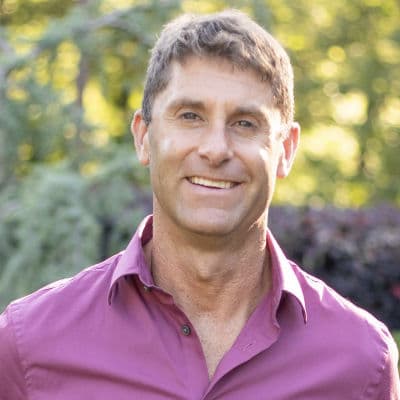
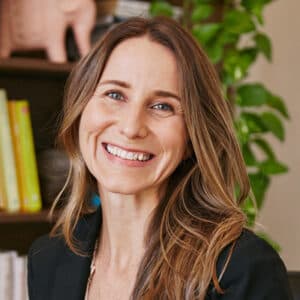
Full Transcript Introduction to Dr. Heather Sandison and Reversing Alzheimer's 0:07 Welcome back to the Heal Your Brain Masterclass. 0:09 I'm your host Doctor David Jockers. 0:11 And today I've got the honor of interviewing doctor Heather Sandison. 0:14 She has a new York Times bestselling author of the book, Reversing Alzheimer's. 0:19 And that's what we're talking about in today's interview. 0:22 Doctor Sandison is a naturopathic doctor who specializes 0:26 in Alzheimer's disease and related to Mensa, 0:29 and she's a founder of Soul Seer Medical Clinic, San Diego's premier brain 0:34 optimization clinic, as well as Marama, the first residential 0:37 cognitive care facility that's focused on recovery. 0:41 She also created an 11 week Reversing Alzheimer's course for individuals 0:45 and caregivers to learn how to implement the same protocols used at Marama. 0:50 Her clinical trial, 0:51 which is called Observed Improvement in Cognition during a Personalized 0:55 Lifestyle Intervention and People with Cognitive decline, was published 0:59 in the Journal of Alzheimer's Disease in August 2023. 1:03 You can find her great work at drheathersandison.com. 1:07 And again, we're talking about strategies for preventing and reversing Alzheimer's 1:12 and dementia. 1:13 So we're going to uncover our people actually reversing Alzheimer's 1:16 and dementia. 1:17 We're going to talk about the connection 1:18 between chronic inflammation and cognitive decline. 1:22 The best lifestyle strategies with the biggest impact on brain 1:26 health, and key nutrients and herbs to support brain health. 1:29 So without further ado, let's 1:30 go into this great interview with doctor Heather Sandison. 1:33 Well, Dr. 1:34 Heather Sandison, always great to, speak with you. 1:37 You're doing great work in this space. 1:39 And, excited to talk to you about brain health. 1:42 Right. 1:43 We've got an epidemic of neurodegenerative conditions. 1:46 Dementia. Alzheimer's disease. 1:48 Most of the listeners have been affected by it, 1:50 whether it was a family member, close friend.
Why Dementia and Neurodegeneration Are Rising 1:52 They've seen the impact of this and the, 1:56 you know, the the frightening thing is that the numbers are not getting better. 1:59 They're getting worse. And I know you know a lot about that. 2:02 So why do we see such an epidemic of neurodegenerative conditions? 2:07 Yeah, it's actually really interesting what's happening 2:10 in the, in the, in first world countries is that the incidence. 2:13 So per 100 people it's actually declining. 2:16 There aren't as many people getting dementia. 2:19 Now in the third world that number is going up. 2:21 And there's lots of reasons why this can be 2:25 the Lancet published in 2020, kind of in the right, 2:28 in the middle of the pandemic, when nobody was paying attention, 2:30 there was a new commission report, an updated commission report that listed 2:34 13 modifiable risk factors that we can think that we can actually do 2:39 something about to change our risk of dementia and reduce it. 2:43 There were things like toxic air pollution that was in there. 2:46 And so you might imagine that in a third world country, 2:49 there's probably more pollution than in first world countries these days. 2:53 Things like hearing loss. 2:55 It's easy to get to come by hearing aids in a first world country, 2:58 harder to do in a third world country, right? 3:01 So we can kind of see how some of these risk factors 3:04 we have more control over in a first world country. 3:07 And so the incidence is going down. 3:09 Now to your point though, you're absolutely right 3:13 that more people than ever are getting dementia and more people than ever 3:17 know someone with dementia have been affected by it. 3:20 And partly that's because in most part, 3:23 I think it's because so much of our population is aging, right. 3:26 This baby boomer generation is approaching 65, 3:30 and by 2051, in four Americans, it's going to be over 65. 3:34 Now, this is frightening for several reasons. 3:37 I mean, it's 3:37 wonderful that there's this great, wonderful generation that's getting older. 3:41 But what's terrifying is that there's not enough 3:43 young people to take care of them, particularly if they have a very labor 3:47 intensive condition like dementia or Alzheimer's. 3:51 And so finding ways that this generation can prevent it 3:55 and even reverse it is really, really crucial. 3:58 And the federal government agrees with me completely on that account. 4:02 They are throwing money at this like mad. 4:04 They are looking for ingenious ways and and tech, you know, 4:08 how can we use technology? 4:10 How can we use AI? 4:11 How can we put, it's almost like a moonshot. 4:14 Like how can we put resources behind this and find real solutions 4:17 and then fortunately, the the federal dollars and the pharma dollars 4:21 that have gone into this beta amyloid plaque hypothesis 4:24 and finding a single molecule cure or, or some way to make this better, 4:30 that they've failed there, even these new recent drugs. 4:34 Add you home or ag Kanab, which can be, that have been FDA approved 4:38 and they don't create any improvement. 4:42 They just slow the rate of progression. 4:46 And so this is not a very helpful position to be in for us as a society, 4:51 to be approaching this day and age where so many people are going to be elderly and 4:56 we don't have a pharmaceutical treatment for this that's meaningful in any way. 5:01 Yeah. Yeah, absolutely. 5:03 And so obviously you do a lot with nutrition, functional medicine. 5:08 And so what are some of the top just preventative lifestyle tips, 5:11 nutrition strategies that people can apply to prevent or prevent dementia. 5:16 And and perhaps if they've got a family member has dementia, 5:19 maybe some things that they can do to help, help slow the progression. 5:23 Yeah. So I use Doctor Peterson's approach. 5:25 So Doctor Bateson wrote the book The End of Alzheimer's in 2017. 5:28 And both his group and myself, with both published clinical trials, 5:33 in smaller cohorts in 25 to 23 participants that show 5:37 that when we put these things together and we stack them. 5:40 So the idea with functional medicine and with the doctor Peterson's approach is 5:44 that we're not doing one thing. 5:45 So, yes, nutrition is a component, but we're doing detoxification. 5:49 We're we're using nutrition. 5:50 We're managing stressors. 5:52 We're optimizing sleep quality, not just quantity. 5:55 We're optimizing exercise. 5:57 And so they're these are the foundational basics right. 6:01 These are the lifestyle basics that are so so crucial. 6:04 And then I did an addition to that. 6:05 You can do the medicine pieces right. 6:07 You can get all the functional medicine testing. 6:09 And that starts to cost more money. 6:11 But what people can do at home, 6:13 there's three big things that I recommend that you can start today. 6:16 One is an organic ketogenic diet with with some intermittent fasting. 6:21 Now, I only recommend 6:23 that, you know, as people get older, sometimes we worry about weight loss. 6:26 So weight loss is not the goal anymore.
Core Lifestyle Strategies for Brain Health 6:28 That actually can become an issue and a risk. 6:30 So we want to be cautious about that. 6:33 And I don't recommend intermittent fasting with an organic genic diet 6:37 if you are at risk of too much weight loss or frailty. 6:41 But if not, 6:43 if you're looking to optimize cognitive function, if you're if you're younger 6:47 and maybe you have a family history of dementia and you're looking to prevent it, 6:50 what I personally do is I get into ketosis for about six weeks, 3 6:55 to 4 times a year, 6:56 and the rest of the year I'm eating a whole, you know, very much 6:59 a whole foods based diet. 7:00 I'm not gorging on a bunch of like, Skittles, but I'm eating mostly plants 7:06 and lots of them in lots of fiber, lots of whole foods. 7:09 So nothing processed. 7:11 I don't know if you've, read into the book Ultra Processed People. 7:15 I've been listening to it lately, and it is just like a great read 7:18 that has me very inspired to avoid processed food at all costs. 7:23 So an organic ketogenic diet is it's pretty foundational. 7:25 And what we see is that people not only get there's detox, that happens with this. 7:30 It's anti-inflammatory. 7:32 But what we're really looking for is that shift in metabolism. 7:35 We're looking for that switch that flips from burning glucose, 7:39 carbohydrates, sugar, glucose. 7:41 We'll use those interchangeably, burning carbohydrates 7:44 for fuel to burning fat for fuel as ketones 7:47 and that is is a much more efficient way to metabolize fuel. 7:51 You have less oxygen reactive oxygen that you have. 7:56 I'm getting so excited here. 7:57 I have tripping over my words. 7:59 You get less reactive oxygen species or the oxidative stress in the brain 8:04 so it burns cleaner and then as we age, all of us, regardless 8:09 of our diabetes status, we become less insulin sensitive in the brain, 8:14 and we don't as efficiently burn carbohydrates 8:17 and turn it into ATP as we did when we were younger. 8:20 And so the body, the brain, it's like this really incredible machine. 8:25 It can it's like a hybrid, right? 8:26 It can go back and forth between, 8:28 different fuel sources, carbohydrates and fats. 8:32 And most of us, because we have access to sugar 8:35 and carbohydrates 24 hours a day, seven days a week. 8:38 We've never been in ketosis. 8:39 Many, many people. 8:40 But our hunter gatherer ancestors did it routinely. 8:44 And when one definition of health can be resilience to stress in the environment. 8:49 And so that's what our 8:51 our ancestors did, was they were resilient to those stressors in the environment 8:54 when there wasn't sugar available, they burn fat. 8:56 They had an alternative. 8:57 And when we remind our bodies how to do this, 8:59 we give it back that metabolic flexibility. 9:02 We notice that our bodies are basically this hermetic effect. 9:05 Our bodies are more resilient and stronger. 9:08 So and that's kind of the theme of the things 9:11 that I'm going to discuss of these things that we can do. 9:13 So one is the organic ketogenic diet. 9:15 Two is exercise. 9:18 Now exercise, 9:19 if we could put this on a pill, there is probably just no chronic disease. 9:23 If not, most of it would be gone eradicated, right? 9:26 If we could get everybody to exercise regularly. 9:28 So with cognitive function, the key here is to combine 9:34 exercise, physical exercise, the way we think of it 9:36 with cognitive exercise we call this dual task exercise. 9:40 Our dual. 9:42 There's a lot of literature that supports this. 9:44 And we see this in Parkinson's clinics in traumatic brain injury clinics 9:48 where you're combining cognitive and physical exercise 9:51 to get new new neurons firing, new synapses created. 9:55 We're basically trying to create, new connections in the brain. 10:00 And this happens much more efficiently when we do these two things together. 10:04 Classic example is ballroom dancing, right? 10:06 You're moving. 10:07 But you also have to be paying attention to the music, to your 10:10 your partner, to your steps. 10:12 And you have to remember things, in addition to getting that 10:15 physical exercise. 10:16 But even classes like a Zumba class, a yoga class, a Pilates class 10:20 where you're cued by the instructor, this can also be a dual task exercise. 10:26 I had a patient said who with her granddaughter. 10:29 They would go for walks 10:30 and at first, because this is dynamic, it changes over time. 10:33 You should get better at these things. 10:34 So they would go for walks and at first they were kind of slow walks. 10:38 And she would test her grandma on birthdays, important birthdays 10:41 in their family. 10:43 Well as they kept walking they would do more hills 10:46 and she would ask her harder questions and they started talking about nutrition, 10:49 and she would test her about things that were more, more challenging 10:53 as she got better and better. 10:55 And so that's a fun, creative way to do it. 10:57 There's lots of ways to do these dual task exercises, 11:01 and even just looking it up on YouTube, there's a bunch of, of, 11:05 suggestions. 11:06 So that's the second way. 11:07 We have organic ketogenic diet, dual task 11:10 exercises, cognitive and physical engagement together. 11:14 And then third, I could go in so many directions 11:17 because there's so many great things with sleep and stress management and detox. 11:21 But meditation or prayer. 11:24 So a mindfulness based practice is another really, 11:28 really exceptional way to help with cognitive function. 11:32 And in particular, the cure time. 11:34 Kriya meditation has a huge amount. 11:37 There's meta analyzes showing how this is, positive for anyone 11:42 struggling with cognitive decline, 11:43 but also for people with mild cognitive impairment. 11:46 And it's as good for people with mild 11:48 cognitive impairment as it is for people with full blown dementia 11:52 and for their care partners who don't have any cognitive impairment. 11:56 And what you see is improvements in mood in activities of daily living. 12:01 So this is like what helps us maintain our dignity, right? 12:03 Like, can we cook for ourselves? Can we go to the bathroom on our own? 12:06 Can we get dressed? 12:07 But it also helps with immune function 12:10 and with inflammation and with glucose, regulation. 12:14 So it's helping 12:15 with a lot of the causal level pieces that can contribute to the production 12:19 of beta amyloid plaques and those structural changes in the brain. 12:23 Yeah, really good stuff right there. 12:25 And I know you had mentioned, frailty 12:27 and people losing weight as their as are getting older. 12:30 Exercise is one of the best ways to maintain it 12:31 particularly doing some resistance training. 12:33 Walking is the easiest one. 12:34 In fact, you know as research out on walking, reducing just regular walkers, 12:39 people who take take regular walks reducing overall morbidity and mortality. 12:44 And so big factor there and walking is low hanging fruit from the perspective. 12:48 That's very simple to do. 12:49 But if there was one I would take resistance training 12:52 because it's going to prevent that sarcopenia. 12:54 It's going to increase that muscle mass. 12:56 More of an impact on that insulin. 12:58 Sensitivity factor. 12:59 So if you can do both of those that's fantastic. 13:01 And I love that that what you talked about there. 13:03 The dual I think you call it dual action. 13:06 Right. Your task. 13:06 Yeah. Dual task. Yeah. 13:08 So you're you're having to think through things right. 13:11 So really forcing memory while you're getting that physical activity in.
Exercise, Walking, and Dual-Task Training 13:16 Yeah. And that blood flow to the brain. 13:18 Yeah. 13:18 With walking, you know, there was a there's a article out of the UK 13:23 last December and it was showing that about 10,000 steps a day. 13:26 I think it was like 9558, you know, some exact number, but about 10,000 steps 13:31 a day reduces your risk of developing dementia by half by 50%. 13:36 So massive reduction if we're looking for a miracle, right, 13:40 which is, the reversal of dementia, we have to do more than walk right 13:46 on our experience. 13:47 But walking is enough to reduce your risk significantly. 13:51 So if you're in your 30s and 40s and maybe you have a family history 13:54 of dementia and your, and you're concerned about, you know, 13:57 that being your fate later on, get walking. 14:01 Yeah. That's so powerful. 14:02 And, you know, 14:02 I had heard that, like Einstein, they looked at his brain at Stanford, 14:07 and they thought he had more neurons than the average person 14:09 with the same brain volume. 14:11 And he didn't, 14:12 but he had, like, twice as many synapses, little gaps between the neurons. 14:15 And one of the things that Einstein used to do 14:17 was when he was thinking he would walk, he would pace, and he would just walk back 14:21 and forth and he'd be thinking right and just contemplating right. 14:26 And sometimes he would close his eyes. That's what they said. 14:28 Sometimes he would close his eyes. 14:30 He would just be walking back and forth in a sense, like 14:33 he was really challenging that cerebellum, 14:35 which, you know, like if somebody gets pulled over for a DUI, 14:37 they've got to do like a heel to toe walk, right? 14:40 And so he was doing something similar and it was really impacting 14:43 the synaptic agenesis right there. 14:45 Just the the overall gaps between the neurons and the flexibility of the brain. 14:49 And this is just a practice he was doing. 14:51 And there's a lot of other people that have done this right 14:53 that where they just, you know, it's almost like, an a neat thing sometimes 14:56 when we're really thinking through things, just pacing back and forth, just moving 15:00 while we're thinking really helps us come up with more creative answers. 15:03 Yeah. No doubt. 15:04 And if you can also do that in nature, if you can get outside 15:08 for a walk, that option will make it even better. 15:11 Love it. Yep. 15:12 Now let's talk about sleep. 15:13 Sleep is critical and I think everybody's 15:16 felt the experience on their brain when they don't sleep well. 15:19 And most people are trying to get good sleep. 15:21 But a lot of people in our society really struggle with it. 15:24 Let's talk about the impact on the brain and things 15:25 people can do to help improve their sleep. 15:28 Yeah. 15:28 So, you know, just to drive home the point of how important this is. 15:32 So at night, the lymphatic system is rinsing our brain 15:36 and that when we're getting that good, high quality sleep. 15:39 And so it's really important 15:40 not just to have the amount of time in bed about eight hours, 15:44 you know, 7 to 9 hours, give or take, depending on your like, chronotype. 15:48 But it's that quality of sleep. 15:50 So, you know, of course, as a sleep hygiene things 15:53 avoiding blue light before we go to bed, avoiding stress 15:55 like don't watch the news right before bed and learn about war. 15:59 Like watch something happy and relaxing that's going to put you in a rest 16:03 digestion heal state. 16:05 Not eating three hours before bed can be helpful so that you're 16:08 not trying to digest at the same time as you're trying to rest where you want. 16:11 You want the body to be able to finish digesting 16:13 and then get into sleep mode and then, light. 16:17 So yes, no blue light, but you can have some orange or warm lights in the room. 16:22 Make sure that screens are off the TV, the computer, the phones, 16:25 all of those you're not being exposed to the very least if you have to. 16:28 Wearing the blue light blocking glasses 16:30 and then sound, you know, some people just there's ambient sound. 16:34 If you live in a city, there might be sound. 16:35 So can you use either earplugs or a white noise machine 16:38 so that you have you're not being awoken by those sounds. 16:42 And then, 16:44 I recommended organic mattress organic bedding. 16:46 Just so you're not being exposed 16:47 to toxins, making sure your room is a nontoxic environment. 16:51 And then if you have any, even the slightest 16:56 tinge of a hint that you might have sleep apnea, you snore. 16:59 Somebody tells your partner, tells you you. You snore. 17:01 You breathe through your mouth, you wake up feeling exhausted in the morning. 17:06 Then I highly recommend a sleep study. 17:08 And since Covid, 17:09 these have actually gotten a lot easier because you can do their at home options. 17:14 So we've been using the watch pet. 17:17 They recently sold. 17:18 So if the name is different, I'm sorry, 17:20 but it's basically this technology where you can do a sleep study at home. 17:24 And this the nuance here is that it can rule in sleep apnea.
Sleep, Sleep Apnea, and Cognitive Decline 17:28 It's not the hospital grade, you know, really high level sleep study, but 17:33 it's a way to be a little more efficient and less expensive. 17:36 Way to get a sleep study at home, where you can 17:40 then get a CPAp prescribed by a sleep medicine doctor. 17:43 And I recommend, even if somebody tells you you have mild sleep apnea. 17:48 This is essentially like mild brain damage every night. 17:50 If you're not getting enough oxygen to your brain at night, 17:53 especially over time, this will make you're not going to get that glimpse 17:57 at rinsing even one night of sleep deprivation. 18:01 For people in the 2030s and 40s, there's a measurable 18:04 increase in beta amyloid plaques in the morning. 18:07 And so that protein, over time, those misfolded proteins, 18:10 you can imagine if that happens, if you're getting 18:12 if you're sleep deprived in your 20s, 30s, 40s, over decades, that's 18:16 going to accumulate and turn into 18:18 structural changes in the brain that are going to inhibit your cognition. 18:22 And so we have to prioritize sleep no matter where we are in our lives. 18:26 It's so crucially important. 18:28 And then we need to get good quality sleep. 18:31 So treating sleep apnea and treating it aggressively, 18:35 if you have any hint of cognitive decline or so I used to wait and have people 18:39 tell me, oh, I snore, 18:40 or my partner says, I saw I wake up tired and I would ask about symptoms. 18:44 Now, if somebody has cognitive decline, I'm getting a sleep study for anyone 18:48 because I've had too many patients where, you know, they're sweet 18:52 little babies who are thin and they nobody says they snore. 18:56 And sure enough, they have sleep apnea. 18:59 Yeah. 18:59 Because some of the major risk factors for sleep apnea are typically 19:02 people are overweight or at least a stereotype. 19:04 They're overweight, insulin resistance, a lot of visceral fat. 19:08 Right. And then they have a higher propensity. 19:11 But like you said, there can be people 19:12 that don't fit that demographic that are still struggling with it. 19:16 Yes, 100%. 19:17 So I had two patients in the past year, who were thin women 19:21 in their 70s, 80s, and both of them had Moca scores of eight. 19:25 So a perfect Moca score is 30. 19:27 This is what the Montreal Cognitive assessment. 19:29 This is a way we put a number on how bad someone's cognitive decline 19:32 is, how bad their dementia Alzheimer's is, and these women had an eight. 19:35 This is pretty severe. 19:37 This is like you cannot live independently. 19:39 You dependent on everyone else here. 19:41 If you can formulate sentences, you're asking the same questions 19:44 over and over again. 19:44 This is Alzheimer's, a Moca score of eight. 19:47 Both of them got on their sleep habits 19:50 and one of them had her Moca score good at 16. 19:53 It doubled in about six months and the other one went up to 15 in 10 months. 19:58 That that is that is independence. 20:01 That is dignity. That is it. 20:02 Not needing a caregiver 24 hours a day, seven days a week. 20:05 This is a massive difference in quality of life. 20:08 And both of them, although they did other things, 20:11 they got on supplements and we did some detox. 20:13 We got them on a better diet. 20:15 Neither of them went into ketosis, but both of them got on their CPAp. 20:19 And I think that the CPAp 20:20 treating the sleep apnea was what made the biggest difference for them. 20:24 And that that is a huge reversal in cognitive decline. 20:27 Yeah. That's amazing. 20:28 And and like I said, 20:29 like we were talking about I mean, they didn't fit 20:31 the normal demographic because usually it's males 20:32 but the sleep apnea males that are overweight. 20:34 So, they wouldn't have naturally thought that. 20:37 So thank God you were able to, with what you've seen, you were able to say, 20:40 hey, we need to really check this, found it and caught it. 20:43 And so, you know, just it makes a big difference. 20:45 Got to get that really good quality sleep. 20:47 So huge difference. Yeah, absolutely. 20:50 What else? What about what else are you seeing? 20:53 You know, we talked to obviously about exercise. 20:55 You talked about nutrition, sleep. 20:57 What else are you seeing that are really big factors 20:59 when it comes to neurodegenerative conditions. 21:02 Yeah. 21:02 So the way Doctor Bateson describes it, it's like we often want 21:06 in the conventional model we think okay, a diagnosis. 21:09 And now everybody needs the same thing. 21:11 They need the same medication because we arrived at the diagnosis 21:14 and we I'm ready to just throw that paradigm out. 21:17 Right. 21:17 So the way that people arrive at memory loss is multifactorial. 21:22 And these these, these different ways 21:26 that you could arrive there, they're also not mutually exclusive. 21:29 So I think it's like a house plant, right? 21:30 We lost our house plant and had to die. 21:32 And there could be different reasons. 21:34 Like did it get the right amount of sun? 21:35 Was it too much sun, too little sun? 21:37 Was it too much water, too little water 21:39 where there didn't have the right nutrients? 21:41 Or was it totally did not have enough soil? 21:43 Right. There's all these different things 21:44 that can happen that can make the plant die. 21:46 The brain is very similar. 21:48 So what can happen? 21:49 We can have glycol toxicity. 21:51 We can have too much sugar and have it become it. 21:54 Basically we can say type three Alzheimer's is this dementia 21:58 where there's so much sugar arriving in the brain, it's not going in the cells. 22:02 It's not efficiently creating a fuel, and it's actually creating glycol toxicity 22:06 where you're caramelizing 22:07 the cells, you're actually creating damage and inflammation in the brain. 22:11 That can lead to Alzheimer's. 22:13 You can have traumatic brain injuries, lead to Alzheimer's 22:16 and inflammation in the brain. 22:17 And that's you know, we want to treat these. 22:19 So there's a list right. You can have glycol toxicity. 22:22 You can have toxic toxins things like the air pollution. 22:27 You can have sleep deprivation contribute. 22:29 You can have the list is is long. 22:31 And so what I recommend is that people who are interested in this, 22:34 they see a Bredesen train provider who can go through that list 22:37 systematically and say, okay, are these things affecting you? 22:40 And if so, how do we address them? 22:43 Vascular dementia. 22:44 You know, whether you have clogged arteries or you're having transient 22:48 ischemic event that can lead to dementia over time as well. 22:51 So we talked about diet, exercise, sleep stress management a little bit. 22:55 But detox does come up regularly. 22:57 And I think it's one of these things
Toxins, Detox, and Reducing Environmental Exposure 22:58 that we can definitely do from a prevention standpoint, really simply 23:02 and easily. 23:03 So in the for the most part, right, we can always go deep into detox 23:07 and do all of the testing and get really specific with the binders. 23:11 But just for for anyone listening today, like what can you do today? 23:16 Open the doors and windows in your house for an hour a day. 23:19 Now if there's a fire or something, right? 23:21 If the outdoor air quality is worse than indoor air quality, don't do that. 23:25 But for the most part, indoor air quality is safer than outdoor air quality. 23:30 And this is because flooring and furniture and textiles 23:34 and paints, they all are scarce and they're contained in the house. 23:38 But if we can open the doors and windows, we can get that 23:41 fresh air in and reduce the toxic burden in the home. 23:44 Now, Walter Kenyon, a teacher of mine, 23:48 he would say the solution to pollution is dilution, right? 23:51 So we want to get that polluted relatively polluted 23:54 indoor air quality, diluted by the outdoor air. 23:58 So weather permitting, 24:01 open your doors and windows for an hour a day. 24:03 It's just a habit to get into. 24:05 And then the other habit to to do that's totally free 24:08 is take your shoes off at the door. 24:10 So there's all those petrochemicals in there that on the sidewalks 24:14 and in the parking lots that we walk through, 24:16 and the glyphosate, the roundup that gets sprayed and on the sidewalk 24:20 to keep the plants from growing in between the cracks. 24:24 Take your shoes off and don't track that stuff into the house. 24:27 Because what happens, undoubtedly is that we're barefoot. 24:30 Sometimes I'm wearing shoes other times, and then it gets on our feet 24:33 and we're absorbing it, and it doesn't rain inside. 24:36 But hopefully we're cleaning and vacuuming and mopping and stuff. 24:39 But it doesn't rain inside. 24:40 So outside that stuff washes away and inside it accumulates. 24:44 And so we want to make sure that we're not absorbing it 24:47 and we're not tracking it around, 24:48 and we're not putting it in our beds and then absorbing even more of it. 24:52 And so if you're in Canada or somewhere really cold, 24:54 have indoor shoes and outdoor shoes and keep them separate, 24:58 wear the outdoor shoes outside and the indoor shoes inside. 25:01 And those two things alone 25:02 will reduce your toxic exposure in the home significantly. 25:08 There's so much more we could go into 25:09 in terms of toxins, but I'm curious if anything's coming up on your end. 25:13 Well, I think that's some really great low hanging fruit 25:15 that people can focus in on. 25:17 Obviously, getting an air purifier I think can make a real difference. 25:20 Water filtration is big. 25:22 A lot of people are drinking water with chlorine, fluoride, 25:25 disinfectant byproducts, heavy metals, pharmaceuticals. 25:28 Now, you know, they're finding 25:29 that people are putting in the toilet bowl and flushing down the toilet. 25:32 So state and drugs, things like that, that people are antibiotics 25:36 that people are consuming when they're drinking typical tap water. 25:38 So get a good water filtration system, at least a good carbon filter. 25:43 You got, you got what do you have right there? 25:45 I am drinking Mountain Valley. 25:46 So Mountain Valley is the winner. 25:48 So spring water. My preference is spring water. 25:50 And and so we can have a long conversation about water. 25:53 I'm in San Diego, which is it's like some of the worst water in the country. 25:57 We are at the end of the river and there are agrochemicals. 26:01 All the agricultural stuff, all the military bases around us. 26:04 There's a huge amount of contaminant. 26:06 And then in warmer climates they use chloramine instead of chlorine 26:11 and chloramine. 26:12 The reason they use it is because it doesn't evaporate. 26:14 So it's harder to get rid of, 26:15 and you can't get rid of it through reverse osmosis. 26:18 You can't get rid of the the perchlorate that they use on the military bases. 26:23 It doesn't come out with aro. 26:25 And so it's quite a chore for us. 26:27 We put a lot of effort into figuring out how to get good clean water in San Diego. 26:31 And how about distilled water does it? 26:33 So then you, Well, if you distill it, 26:36 there's nothing but water in it, but then you don't have 26:38 any of the minerals and a lot of distilled back. Lot of salt. 26:41 You add back salt. Yeah. 26:42 Yeah. That's a that's really important. 26:44 With both Ro and distilled water, you have to add back salt. 26:47 That's like a classic medical. 26:48 So you probably had it at the medical school exam question. 26:51 Like this guy is drinking completely distilled water and his heart. 26:54 Basically it'll put your muscles at risk and put in your heart. 26:57 So, adding back minerals is super crucial, especially with osteoporosis. 27:02 You've got to had those minerals. 27:04 But aro water here in San Diego does not get rid of everything. 27:08 Interesting. Not even close. 27:09 Yeah. 27:10 And I saw also that you're 27:11 drinking out of a glass cup, which I think is really important. 27:13 Obviously, some people, you know, when we're traveling, flying on a plane, 27:17 you know, we gotta drink what we can. 27:18 But I try to always control, you know, obviously at home, 27:22 I have a water filtration system. 27:24 I always recount a glass or mugs if I'm having, like, a warm beverage. 27:28 Stainless steel, you know, is is okay. 27:31 It's it's not quite as good as glass, but that that will work to 27:33 we try to minimize your exposure to plastic 27:35 and the phthalates and the different forever chemicals 27:37 that are in there more we can minimize our exposure there, the better off we are. 27:41 Agreed. Yeah. 27:42 Glass, plastic or glass? 27:45 Stainless or ceramic is what we recommend as well. 27:48 Yeah. Yeah. 27:49 So so all of those things are things 27:51 that we can really do that will impact our overall toxic load. 27:55 And the, the the lower our toxic load, the less inflammation 27:59 we're gonna have in our system, the better we're going to be able 28:01 to adapt to the stressors in our environment, 28:03 and the better our brain health is going to be. 28:05 Yeah, the way Doctor Peterson describes it, I love this analogy because it 28:08 it just drives it home so well. 28:09 If you think of your brain as a country like my brain is. 28:13 On, if you are stuck and astonished at my brain, is that right? 28:18 If you are an attacker, defend mode right. 28:20 If you are fighting off infections, if you are defending against toxins, 28:25 you don't have the capacity to build new neurons and synapses. 28:29 The way I I'm saying that, right. 28:30 If you're at war, if you're a country, at war, if you're fighting off an attacker 28:34 you do not have, you should not be building 28:37 roads and schools because we might get bombed. 28:39 You don't have the resources to maintain them. 28:42 So if we're attacking and defending against toxins, 28:45 this requires extra fuel, extra energy, right? 28:49 We're having to put resources into that. 28:51 We don't have the resource to create new neurons and new synapses. 28:55 And so we want to that. 28:57 That's why I 28:58 almost like finding toxins in my patients because I'm like, okay, great. 29:02 We have a project, we can get it done, and then we're done. 29:04 We can check that box and move on. 29:06 And so, yes, you know, if you're younger, 29:09 if you're in prevention mode, just prevent the exposure. 29:12 And that's 75% of environmental medicine is stopping the exposures. 29:16 Drink the good water. Stop. 29:19 You know eating conventional food that's sprayed with roundup and glyphosate 29:24 eat and drink out of the the 29:26 right things because the vast majority of it comes to our mouths. 29:30 There can be other exposures, like a moldy building, 29:33 whether it works at school or at home. 29:35 But if we can reduce the exposure, that's a huge component of it.
Clinical Results and Where to Learn More 29:38 And then we have resource allocation. 29:41 Now we can now we have extra that we can spend building the new 29:45 not just having to to defend an attack, but we can actually heal and rebuild. 29:50 Yeah, that's a great analogy. 29:51 And, you know, it's really encouraging is that you're actually 29:55 you're seeing results. 29:55 You're seeing people that are coming in with cognitive decline 29:58 that are getting better in the medical world. 30:00 Their whole goal is slow, the progression. 30:02 Hey, if we can just kind of keep it where it's at, slow it from getting worse, 30:05 you know, just minimize it 30:06 getting worse, then that's a success in the medical world. 30:09 But you're actually seeing people progressing and getting get better. 30:12 You know, like you were mentioning the Moca scores, 30:15 how consistently 30:16 are you seeing people getting better as they go through your program? 30:18 Great question. 30:19 And I had so many patients asking me this question a handful of years ago, 30:23 and I didn't know the answer. 30:25 So, I was in a super fortunate position where we were. 30:27 We had a grant to do a clinical trial. 30:30 And so we started that in 2020, and we finished collecting data in 2022. 30:35 And we just published the results 30:36 in, August of 2023, in the Journal of Alzheimer's Disease. 30:39 What we did was 30:40 we took a cohort of participants with Moca scores between 12 and 23. 30:45 So this is measurable cognitive impairment. 30:47 So again, a perfect score on a Moca is a 30 and normal is 26 and above. 30:51 So these participants 30:52 had Moca scores of 12 to 23, mild to moderate cognitive impairment. 30:56 That's measurable. 30:58 And we also we also use the Cambridge Brain Sciences as another, research 31:01 validated tool to to measure the cognitive impairment. 31:04 And we so we had 23 participants do an intensive 31:08 six month intervention and 17 of them improved. 31:11 So this is about 74% of our participants 31:15 had an improvement after six months of intervention. 31:18 So not everyone but the majority three quarters. 31:21 Yeah. So that's that's amazing. Yeah really great stuff. 31:24 And I'll compare that if you if we have another minute to Doctor Peterson, 31:27 his group with Kat tubes leading that she was the lead author on the paper 31:31 that was published also in the Journal of Alzheimer's 31:33 Disease in July of 2022, if you want to look it up. 31:36 They had 25 participants complete and sick. 31:39 Excuse me, they had 25% complete, a nine month intervention. 31:43 So three months longer in terms of intervention than us 31:46 and their participants had Moca scores down to 19. 31:49 So everybody had some degree of cognitive impairment, but 31:51 it wasn't as severe as what we were measuring. 31:55 And they had 84% of their participants get better. 31:58 So less severe disease, longer intervention. 32:01 But 84% of participants, like the majority of participants 32:06 with Moca scores 12 and above, get better. 32:09 Yeah, wonderful and so encouraging. 32:11 And so you're doing great work. 32:13 Where can people find out more about you and the work that you're doing? 32:17 Yeah. 32:17 Doctor Heather sanderson.com is the best way to find me. 32:20 We've got a newsletter there that you're welcome to sign up for. 32:23 We've got, great tips about diet, about community. 32:26 We've got communication guides. 32:27 We've got all kinds of guides that can help you put this into practice. 32:31 And I'll have a book out with Harpercollins in June of 2024. 32:35 So be on the lookout for that if you need additional support. 32:38 Great. 32:38 I'm excited to see your book and, and see all the 32:41 all the great work that you're putting into that. 32:43 So thanks again, Doctor Sandison. 32:45 David, it's such a pleasure to be here with you. 32:47 I cannot thank you enough for having me. 32:50 Awesome. All right. 32:51 Well, we'll see you soon. 32:52 And listeners out there, go check her out. 32:54 drheathersandison.com. 32:56 She's doing wonderful work. So go, supporter. 32:58 All right. Be blessed.
Comments