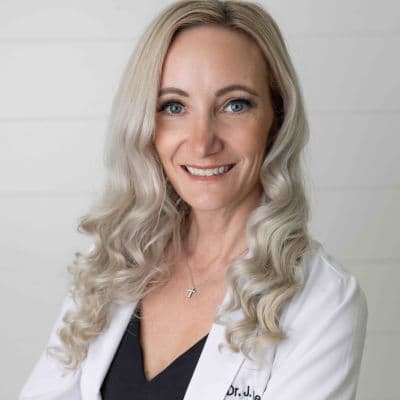
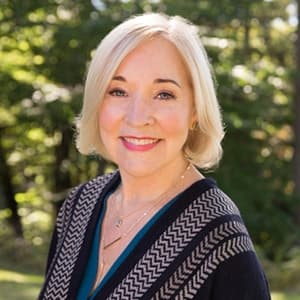
Full Transcript Introduction to Energy Vampires 0:00 And I think that many people have that. 0:02 We have we have legacies where you'll find, 0:06 like in my practice, I remember women who said, 0:08 well, you know, I'm 50, so it's now my time to have a hysterectomy. 0:12 Everyone in my family has had a hysterectomy. 0:14 It's like, okay, why don't you find out if there's any black sheep? 0:20 And probably chances are good that the only people 0:23 listening to this, if they have a thyroid problem, 0:27 the black sheep of the family, they think differently. 0:32 And by the way, their genetic reading of their DNA is often very different. 0:38 They do not get the same diseases. 0:40 But let's say that thyroid disease runs in their family. 0:46 Do what's called a histogram. 0:49 Big word for it. 0:50 Just do a family tree and see who had what. 0:54 Welcome to Doctor Talks, the podcast where every episode leads to a healthier you. 1:00 Join us as we navigate the world of optimal health, 1:03 uncovering groundbreaking strategies to conquer chronic disease. 1:07 In each episode, we'll bring you the latest insights 1:10 from leading health experts, medical innovators, and wellness warriors. 1:14 If you're seeking to transform your health journey, 1:16 or if you're looking for answers to burning questions. 1:19 You've come to the right place. 1:21 Get ready to unlock the secrets of lifelong health and vitality. 1:25 This is Doctor Talks, 1:27 real talk from real doctors on the issues that matter to you most. 1:34 Hi. Welcome back to the Integrative Health Podcast with Doctor Jen. 1:37 I'm your host, Doctor Jen Flagger. 1:40 And today we're diving into a fascinating 1:42 and often overlooked topic, the hidden impact of energy vampires. 1:47 And these aren't mythical creatures. 1:49 They're toxic relationships that can drain your energy, 1:53 disrupt your health, and even affect your thyroid. 1:55 To help us navigate this important conversation, I'm joined 1:58 by the legendary doctor Christiane Northrup. 2:01 Doctor Northrup is a true pioneer in women's health and wellness. 2:05 Internationally renowned for her empowering approach to Mind-Body healing. 2:10 She's a multiple time New York Times bestseller author whose groundbreaking 2:15 books including Women's Bodies, Women's Wisdom, and The Wisdom of Menopause 2:19 have helped millions of women thrive at every stage of life. 2:23 Recognized as Oprah Winfrey's Super Soul 100 2:26 and name one of the most spiritually influential people 2:28 in the world, doctor and author inspires people to take control of their health 2:32 by understanding the unity of their minds, emotions, bodies and spirits. 2:36 Today, she's here to reveal how relationships 2:38 can profoundly impact your health and how to identify 2:41 and protect yourself from energy vampires that may be lurking in your life. 2:45 What's the real cost of these relationships 2:46 and how to reclaim your power of vitality and well-being? 2:49 Let's find out. 2:51 So, Doctor Northrup, welcome. 2:54 Oh, it's my pleasure to be here. 2:56 And I love this topic because for years and years and years 3:01 and years, I'd see all these patients 3:02 and we would do all the holistic stuff, diet, change everything, 3:07 and they wouldn't get better or they'd get better for like two months. 3:10 So let's start back, shall we? 3:12 In the early 80s with PMS, nobody had named PMS ever. 3:16 And there was an article in Family Circle, I kid you not, 3:20 in about 1982, 83 3:23 and all the doctors were saying, which they always do. 3:26 Well, that's all in women's heads. 3:29 But this article in family, 3:32 circle named the problem.
PMS, Recovery, and the Roots of Chronic Symptoms 3:35 And suddenly because once it's articulated, you go, 3:38 oh my God, that's that's me. 3:40 So I knew it was a lifestyle disease because I knew that our creator 3:46 did not create the menstrual cycle so that women could suffer, even though 3:51 that's in the literature, you know, now you'll see how I suffered with you. 3:56 You know what women tell their daughters when, they're in labor. 3:59 We don't have that so much anymore. 4:01 We've gotten rid of the nasty stuff. 4:03 But even Pliny the Elder way back would talk about. 4:07 Nothing is so toxic as the monthly flux of women. 4:10 There's been kind of an anti female situation going on on the planet 4:14 for a while anyway, so I began to do all the research 4:20 with, Guy Abraham and all of these people 4:22 who were doing wonderful work with PMS. 4:26 And what you've found is if you use magnesium 4:28 and B6 and meditation and, 4:32 and all of that stuff, and then later natural progesterone, 4:36 they would always they would get better 4:39 for about three months and then they couldn't 4:43 sustain those changes 4:47 because they were constantly really just pushing. 4:50 It was a symptom for a larger problem. 4:53 We had to actually name the problem. 4:55 And in every case, and this is I was learning about recovery, 4:59 adult children of alcoholics, and this man, I realized 5:04 because I'd keep my charts, Aqua, you know, an adult child of an alcoholic. 5:08 And by the way, something like 80%, 5:12 maybe 90% of nurses are adult children of alcoholics. 5:15 And a very big percentage of doctors are adult children of alcoholics. 5:20 So I got very involved in Claudia Black and the recovery movement and all of that. 5:24 But at the same time, as a board member of the American Holistic 5:28 Medical Association, 5:29 I was meeting the people who were on the cutting edge of mind body medicine, 5:34 but they didn't have anything to say about the menstrual cycle. 5:38 We had all this holistic medicine, but it left out the menstrual 5:41 cycle, menopause, breastfeeding, labored birth. 5:44 You know, all of my area, like you'd go to the holistic 5:48 literature right on menstrual cycle or the cervix. 5:51 And I would say, si, Kundalini. Are you kidding? 5:54 I'm seeing an awful lot of words before we get to Kundalini here. 5:58 So I finally realized and then I had a designation in my chart. 6:02 Ackroyd. 6:04 It was like they weren't an adult child of an alcoholic, but they acted like it. 6:08 And then we got to the, a study, the Adverse Childhood Experiences 6:14 study of Vincent Felitti started at UC San Diego 6:19 in the weight loss clinic when he listened to one woman say 6:24 overweight. 6:25 If she had gained 100 pounds, by the way, 6:28 and she was only 1819, overweight is overlooked. 6:33 And that's what I need to be. 6:35 And she had been raped, and after that she gained 100 pounds. 6:40 And what they found in their weight loss clinic is that many 6:43 people were successfully losing weight. 6:45 No problem. 6:47 And then they'd hit this place 6:50 and they would stop losing weight and begin to gain it again. 6:55 And Fellini made the statement, 6:58 the weight was the solution, not a great solution, 7:03 but the weight was the solution 7:06 for a bigger problem. 7:08 Fear of being raped again. So therefore 7:12 no one's going to rape you if you're fat and ugly, that kind of thing. 7:16 And so I began with the adverse childhood experience, this study, you know, 7:20 they studied something like over 300 middle class. 7:25 Maybe it was more it way, way more than that. 7:28 Middle class, middle income Americans 7:33 in this study that, that Felitti did. 7:36 And they found that over 50% had one or more adverse 7:41 childhood experiences divorce of a parent, 7:44 violence in the home, mental illness, chronic illness 7:49 in a sibling or in a parent. 7:52 And this was actually dose dependent. 7:56 So the more adverse childhood experiences you had, 8:00 this was a one on one correlation with drug addiction, 8:05 suicide, hospital visits and prescription medications. 8:10 That's the elephant in the room. 8:13 And I knew it way, way back. 8:16 So I would begin to talk to people about 8:19 what's going on in your life, what's going on in your marriage. 8:22 And almost every person, especially the ones with really severe PMS. 8:26 Yes, they needed progesterone because there's something 8:29 that happened with the, with the Delta. 8:33 You could never, you know, people. 8:34 I say, well, I want my hormones tested. 8:37 What's that? 8:38 And almost never tells you anything. 8:40 By the way, 8:42 I don't know if you 8:43 noticed that, but what tells you something is 8:46 what's going on in their environment, in their mind, in their body 8:52 that's leading to this as the symptom. 8:56 And when I could get to the heart of it and they started to, let's say, 9:01 go to 12 step meetings or get back into contact with their inner 9:06 being, with the God in them, with their ability to be well, 9:11 then they would finally recover. 9:12 And and Wilson Schaefer way back, who wrote, women 9:16 who do too much meditations for women who do too much. 9:19 And also when society becomes an addict, she would say, there is no transformation 9:25 without recovery and there's no recovery without transformation. 9:30 So here you and I are, and we've worked in the air 9:34 and all of the rest of it, and people are coming in 9:37 and their life has finally gotten to the place 9:40 where it's an emergency, 9:43 like even there's even studies 9:46 done, I think, at, New England Rehab, 9:50 where they show that even accidents are not really accidents. 9:55 They're associated with, 9:58 a kind of a, you know, anger and rage and whatever. 10:01 And then we get into kind of the 10:03 law of attraction, which is each of us has a frequency. 10:07 And, you know, and I know when you're feeling really good 10:11 and you go out in the world and everything is is great, 10:14 you had better experiences when you go out 10:19 waiting, waiting for the hammer to hit you.
Adverse Childhood Experiences and Emotional Triggers 10:23 Look at the fact 10:24 that there's a lot of hammers hitting all of us at this particular time. 10:27 So I don't want to minimize that. 10:29 That's a whole other conversation. 10:32 But anyhow, I finally then begin and I wanted to just show you this 10:37 because then I was refining, refining, refining my my thoughts about this. 10:43 And I finally realized that I had to learn about the thing called narcissism. 10:48 I didn't even know what narcissism was in the 90s. 10:51 So remember, I was going through a divorce 10:54 and somebody wrote to me and she said, 10:57 well, it sounds like you were married to a narcissist. 11:00 And I thought, what's a narcissist? You know? 11:02 And then I began to do the research, and then I finally came to the conclusion. 11:08 There are basically two groups of people on earth. 11:11 There's the well, there's three. 11:13 There's the empaths 11:16 who have congenital blindness to evil and to darkness. 11:21 Then there are the people who can see darkness, and they have good judgment. 11:26 What we do, the narcissist with the congenital blindness, 11:29 we go, oh, I'm sure that I can save them. 11:34 I'm sure that if we're just 11:36 a little more loving kindness, they could be fine. 11:40 So I learned from Sandra Brown women who love psychopaths, 11:44 that there is a whole group of women they are not battered women. 11:47 They're not, you know, Skid row. 11:49 They're none of that. 11:50 They run companies, they're lawyers, they're doctors, they're CEOs, 11:55 and they keep going for the wrong man. Why? 11:58 Because they have super traits. 12:00 She named the super traits super traits of can do 12:04 loyalty, hard work, work ethic, seeing the best in everyone. 12:09 And it works great. 12:10 If you're running a company, 12:12 it may kill you if it's a relationship that you're talking about. 12:15 So I learned about those women. 12:18 I also learned, by the way, back in the 80s that basically 12:22 everybody on some level is codependent or has a is an adult 12:27 children of alcoholic or something, unless you are a narcissist. 12:31 And that's 1 in 5. 12:33 And there's a spectrum just like autism. 12:36 So you can be a little Asperger, 12:38 or you can be in adult diapers and banging your head against the wall. 12:42 That's the autism spectrum disorder. 12:45 Well, it's the same with personality disorder. 12:49 And the way the reason they call them a personality disorder is it's not 12:55 it's not organic. 12:57 They just think wrong. 12:58 And I had a psychiatrist say to me, you know, about the people whose relatives 13:02 don't come to visit them in the psych ward on Christmas 13:06 because this is why they call it mental illness. 13:09 No one wants to be around them. 13:12 So that's histrionic, schizo type, 13:16 borderline narcissistic. 13:19 And that's 1 in 5 people. 13:21 But it can get to, an actual psychopath who has no empathy. 13:26 That's about 1 in 100 people. 13:28 And right now, the planet we're all learning has been run by 13:32 just a bunch of psychopaths at the top of the food chain. 13:36 Anyway, it's our job as empaths. 13:39 And then this is going to get back to thyroid disease. 13:43 Our job is to understand that those of us who are empaths and that's the healer 13:49 types nurses, doctors, whatever, 13:52 we are often born with a negative ego. 13:55 We look 13:56 for things to improve about ourselves so we can feel better about ourselves. 14:00 So we keep doing more and more to prove that, that we're worthy. 14:04 And the personality disorder people are born with a superior ego. 14:10 You can't do right by them. 14:11 So what I tell men, when you're looking for somebody to go out with, 14:16 don't look at the beautiful woman 14:19 who looks depressed because a good man will think he can save her, 14:24 and he'll end up as a dry husk by the side of the road. 14:26 And she will go through, 5 or 6 marriages. 14:31 I know those people. 14:33 I could name them. 14:34 And I'll bet everyone listening has a couple that they can name. 14:36 They always come out of it butter side up no matter what, 14:41 and so and so what I did and finally, 14:44 I personally okay, I personally had to work 14:48 with a lot of these people to realize that it was a pattern in me 14:53 where I would give these people the benefit of the doubt. 14:56 They're very they're often larger than life, they're charismatic, 15:00 they're better looking, you know, the life of the party. 15:03 And you wonder, oh, wow, why did he choose me? 15:07 Just little old me. 15:08 You know what? 15:09 Well, I'll tell you why. 15:11 For what's called narcissistic supply. 15:14 Narcissistic supply is your attention. 15:17 It's your love. 15:18 It's your caring. 15:19 It's your sexuality, it's your money. 15:22 That's what narcissistic supply is. 15:24 And I want to make it real for people. 15:27 This literally, literally, literally 15:30 puts an umbilical cord in you that goes to them. 15:36 And if you 15:36 are going to get well from because then I see all these women 15:41 first was PMS, then we had chronic fatigue, fibromyalgia. 15:45 And everyone will tell you, oh no, that's Epstein-Barr. 15:48 Well come on, everybody's been around Epstein-Barr. 15:52 And if you live in Maine, everybody's been bit by a tick. 15:55 But not everyone has Lyme disease, right? 15:58 So then it was fibromyalgia, chronic fatigue, Lyme disease. 16:03 And here's what always happens though. 16:05 You can count on it the minute the drug companies. 16:08 By the way, I heard an ad in you won't believe this 16:11 that they've come out with a medication for narcissism. 16:16 Oh my God. 16:17 Now the thing about narcissism is they have no insight. 16:21 No people. 16:22 When you're listening to me talk, all you empaths 16:25 are going to go, oh my God, am I a narcissist? 16:29 And I want you to know that as a diagnostic that you're an empath 16:33 because no and no narcissist ever thinks they're a narcissist. 16:37 They always think they're an empath. 16:39 So when this became a topic, when this became sort of 16:43 something people were talking about, in 16:46 like 2017, 18, 19, before Covid, 16:51 what we had is a whole bunch of narcissists 16:55 suddenly writing about narcissism and making a lot of money off it 16:59 because that's what they do. 17:00 They are they have what I call malignant intuition. 17:05 They know where the next thing is that they're going to milk. 17:09 So I wrote a book back then called, 17:13 Dodging Energy Vampires and Empaths Guide 17:16 to Evading Relationships that Drain You and Restoring Your Health and Power. 17:20 Great. So you've got it there. 17:22 I didn't know that this was predictive programing 17:25 for where we would be in Covid. 17:28 All I was doing with this book was trying to help the women 17:32 who were in relationship. 17:34 And this could be a mother, a father, a son, a daughter, 17:38 a grandparent, a boss. 17:41 Because what you'll do, inevitably, inevitably, 17:44 you'll find the one person who says, 17:48 I couldn't, I can't live without you. 17:50 You can't quit, I need you, and then we need to be needed in that way. 17:55 And then they put their plug into us and drain us. 18:01 And so we have to learn things like, who are the friends? 18:07 And now you're all going to have names 18:08 going through your head, who are the friends who only call you 18:12 when they have a problem, and they need you to do something for them, 18:16 help them move, 18:17 drive them to the doctor, whatever they never call just to check it. 18:22 Never. 18:23 They never say, oh, you know, it was on my heart to call you. 18:27 How are you doing? 18:28 No, they never do that.
Narcissism, Empaths, and Relationship Drain 18:30 It's always. 18:31 I got something I want you to do for me. 18:33 Now, let's talk about the thyroid. 18:36 This is fifth chakra here. 18:38 And it is creativity 18:42 and speaking your truth. 18:45 And it's also about, timing. 18:49 When do you say it? 18:51 When should you say it? 18:52 Whatever. 18:53 And a lot of people with thyroid problems 18:57 have not felt that they had permission to speak. 19:02 And so they or they blurted out at the wrong time or whatever. 19:05 And they're trying to be nice always. 19:08 Then, of course, and you're I know you get into this in 19:11 other parts of your course, but everyone needs more iodine. 19:15 I mean, everybody, because T3 and T4, the three in the four 19:19 refer to iodine molecules, and iodine has been replaced in the periodic table 19:25 of elements and in the environment by, chlorine 19:29 and fluoride and bromide. 19:32 And that pushes the iodine off the tissue. 19:35 So everybody needs a good source of iodine. 19:38 But you can't you can't do it too quickly. 19:41 And you more than anyone know 19:43 because as you said, you've had this situation. 19:47 Would you like to talk about what you learned? 19:50 About it? 19:52 Well, looking back when 19:54 we talk about, like, energy vampires and everything you said when when women 19:59 get a lot of their thyroid problems, they're in their 20s, their 30s. 20:03 And it takes it could take a decade for an autoimmune disorder to occur. 20:07 So I always I look back at what happened with me, 20:10 and I got diagnosed with problems when I was in high school. 20:13 So, you know, I always wonder, like, what was that event, 20:17 you know, was it my family situation or something at school? 20:21 And, and and then, you know, with staying sick, a lot of people 20:26 staying sick with thyroid disease, I do speak with my patients. 20:30 Sometimes I feel them out to see if they would be open to it, 20:34 because not everyone is open to talking about all of this. 20:36 Some of you I would say most nobody is open. 20:40 It's uncomfortable. 20:41 It's very uncomfortable. 20:42 So a lot of people might be like, 20:43 yeah, I'm going to skip this summit talk, but you should it 20:46 because this is actually where we'll start to see big improvements. 20:51 Especially with thyroid patients. Yes. 20:52 A lot of them feel like they can't speak because they can't speak their mind 20:56 because they have someone 20:58 that is not letting them or they're in a relationship, or I've had 21:02 patients that have had relapses because they've had trauma with a parent, 21:06 and then that parent died or had a diagnosis like cancer. 21:11 So it sets them back. 21:12 So when we look at the whole spectrum of health, 21:16 we can't ignore this emotional side. 21:19 And that's one thing I would say 21:21 when we get conventionally trained and become doctors out there, 21:25 and we're who people come to for their health and their health 21:28 problems, we're not taught all of this, and this is a missing piece 21:31 a lot of the times, and you could get stuck. 21:34 And, I like what you said, Doctor Northrup, about 21:38 weight gain, too, and feeling safe at that weight 21:41 because no one is going to to hurt you or look at you or, 21:46 you know, listen to you and it's it's 21:49 very, very emotional for people. 21:52 This runs very deep and it's very uncomfortable to talk about. 21:55 And I love that you share your personal experiences also with us. 22:02 Well, what do I want people to know 22:04 is that if you realize that 22:07 your problem is so common, you know, we always think, oh my God, 22:11 that it was so awful this couldn't possibly happen to anyone else. 22:16 My family is unique. 22:17 You know, I call it terminal uniqueness. 22:19 And then you get in a room where people are all telling the truth. 22:23 Oh my God, that happened to you. Oh yeah, that happened to me. 22:26 I have a whole bunch of friends. 22:27 And for a while what we would do, we would coach each other on, 22:32 whether I'm going to give you an example. 22:36 So one of my friends who of course, had thyroid problems would call me 22:41 during her marriage from the closet. 22:44 She'd have to go in the closet 22:46 before she could talk to me so her husband wouldn't overhear. 22:50 So this is diagnostic. 22:51 If you have to go in the closet to talk to somebody, 22:55 then you know you're in trouble. 22:57 The other thing she would do, she would call me on 23:00 Sundays. And. 23:02 What are you doing? 23:03 Well, you know, I'm cutting up fruit for church with my family. Why? 23:08 Because that's what we do. 23:09 I mean, that's what we do. 23:10 What? You. 23:11 You spend two hours before church cutting up fruit for all the church members that. 23:17 Do you want to do this? 23:18 No. I'm visiting. 23:20 This isn't what I want to do at all. 23:22 But this is. 23:22 This is the holy obligation. 23:26 And then what would happen is, every time she would get to the point 23:31 of saying something in her marriage, 23:35 the guy would because they have malignant intuition, remember, 23:38 he would drag a leg, he would get sick, he'd have something happen 23:42 to get her attention back on him. 23:46 So listen to me on this one. 23:48 The minute you start to break out of it, or the minute you decide to 23:52 speak your truth, finally 23:55 wait for it, 23:57 they'll be something that happens to drag you back in to the pattern. 24:03 So you have to have somebody in your life 24:08 who who you trust, who has your best interests at heart, 24:12 especially if you're one of the people with the congenital 24:16 blindness, with the super traits where you literally cannot 24:20 see what someone else is doing, you cannot see it. 24:24 If you want to watch a TV show that lays it out 24:28 beyond anything you can imagine, watch Dirty John. 24:32 It's an amazing show about a psychopath. 24:34 It's a true story. 24:36 You can watch it two ways. 24:37 Or listen to the podcast, which is the direct interviews 24:41 with these people and the LAPD, the Los Angeles Police Department. 24:46 Or you can watch the dramatization, 24:49 which is, on television, Dirty John. 24:52 It's, amazing. 24:54 The acting is impeccable, and you might even see yourself 24:59 or someone else in that, because the woman is so starved for love. 25:04 And like, like many women with super traits, she's very well off. 25:09 She has an incredible decorating business, 25:12 and she is very Christian. 25:15 Meaning we forgive everybody. 25:18 We pray for everybody. 25:21 And her sister 25:24 had been murdered by her husband, and he came to the house 25:30 right after he killed the woman's sister. 25:33 He came to see the mother to see what he had done. 25:38 And she went right into. 25:40 Now, this is this is physiologic. 25:42 She went right into this endorphin fog of 25:49 it is my job to forgive. 25:51 So she sugarcoated all of it. 25:54 I'm a Christian. I'm going to forgive you. 25:57 So she never what she did, her Christianity, her misinterpretation 26:04 of what Jesus would have done, her misinterpretation 26:07 led to the fact that her own two daughters, 26:11 their instinct for self-preservation, 26:14 was completely wiped out 26:17 by their conditioning around this mother. 26:21 And I think that many people have that we have 26:23 we have legacies where you'll find, 26:27 like in my practice, I remember women who said, 26:29 well, you know, I'm 50, so it's now my time to have a hysterectomy. 26:32 Everyone in my family has had a hysterectomy. 26:35 It's like, okay, why don't you find out 26:39 if there's any black sheep? 26:41 Probably. 26:42 Chances are good that the only people listening to this, 26:46 if they have a thyroid problem, the black sheep of the family, 26:51 they think differently. 26:53 And by the way, their genetic reading of their DNA is often very different. 26:58 They do not get the same diseases. 27:01 But let's say that thyroid disease runs in your family. 27:06 Do what's called an pista gram. 27:10 Big word for it. 27:11 Just do a family tree and see who had what. 27:15 And you can do like the Hoffman process, and you find out how that landed on you. 27:21 And then where the and you said it best. 27:25 This is very hard for people, but it is 27:28 the heart of the healing is right there. 27:31 The blood of the wound contains the healing. 27:35 And so if you can allow yourself to be brutally honest 27:39 with yourself, then the healing can begin. 27:44 And many times, by the way, I believe and I'm sure that you've seen this, 27:48 our endocrine system, central nervous system, immune system 27:53 is run by an unhealed childhood. 27:57 Part of us. 27:58 It's by, a little kid who never had their say. 28:02 And now you as the adult in the room, 28:06 you have to go back and repair it yourself. 28:10 That doesn't mean taking a teddy bear to work with you. 28:13 That's just dumb. 28:14 That happened in the 80s. 28:15 I just have to point that out. 28:17 You know, it's like I'm taking my inner child to work. 28:20 No, the inner child thing is, there's a precious part of us 28:26 that has been abused, 28:28 slammed shut down in childhood.
Thyroid Health, Boundaries, and Family Patterns 28:32 And so your job is to reach in and repair it. 28:37 That child, you know, I can take you through a very quick exercise. 28:41 It's called the magic garden exercise taught to me by Doctor Dorothy Cohen. 28:46 And so she says, you just close your eyes 28:49 and take a 28:49 couple breaths and pick a number between 1 and 10. 28:53 And you take another deep breath 28:56 and let it out a little longer. 28:58 That engages your parasympathetic rest and restore nervous system. 29:02 And then you see a stop sign in front of you. 29:04 Stop. You're doing it again. 29:07 And then you just slowly, slowly go down some stairs 29:11 and you come out into this magic garden, 29:15 and there are butterflies and beautiful flowers and a body of water. 29:21 It's just wonderful. 29:23 And there you see yourself. 29:26 At the age of that number, you picked between 1 and 10, 29:30 because your subconscious will always pick exactly the right thing. 29:34 And now see if she will come over to you, see what she's doing. 29:38 Sometimes she's crying, sometimes she's playing joyfully, chasing butterflies. 29:43 See if she'll come over to you 29:45 and get her to sit on your lap. 29:47 If she will. 29:48 She might not. 29:48 She might still be angry with you for abandoning her. 29:53 If she does sit on your lap. 29:55 And even if she doesn't, you give her a hug and you say, honey, 29:59 I will never abandon you again. 30:02 I will be here for you from now on. 30:05 But right now I have to leave. 30:09 But I will be back. Don't worry. 30:12 I will be back. 30:13 Okay. 30:13 Then you take another deep breath like this. 30:17 And you let it out through your nose. 30:20 You open your eyes and you say it is wherever you are. 30:25 You're in Ohio, I'm in Maine, my name is this, and I'm in Maine. 30:29 And the date is February. 30:31 Is it the 23rd, I think today, 23rd, 2023. 30:36 Boom. 30:37 Now you're back in time and space in this time and space, 30:41 if you go back and do that little exercise for 40 days, it's kind of a magic number 30:46 in the Bible, 40 days and 40 nights wandering 40 years in the desert. 30:50 If you do that, you will upgrade your endocrine, 30:56 immune and central nervous system. 30:58 You'll bring them into the present moment as an adult because you've been there 31:03 for yourself in a way that your own parents couldn't be. 31:09 That's that's really deep. 31:11 I did the exercise while you were doing that, and I'll probably continue it. 31:14 I remember reading about it in your book. 31:17 So when we might, you know, and people might be like, that's not me, 31:22 but really, I, I was reading parenting books about things. 31:26 And even if you look at a kid's artwork and say, oh, okay, or 31:30 you're not giving them their full attention and appear dismissive 31:33 even though you're trying 31:34 to, like, do the bills or work at home like we all had to do during Covid. 31:38 That could be a micro trauma or a little trauma. 31:41 So absolutely, because the kid doesn't know how to interpret it, right? 31:45 Mix things up. 31:46 My daughter told me that she didn't join the Girl Scouts 31:52 because she thought her father and I would not pay for the uniform. 31:57 I don't know where she got that. 31:58 I don't know where the other daughter was clear. 32:00 The uniform is ugly. 32:02 I do not want to be Scout, but the one who wanted to be a Girl Scout 32:06 apparently she'd heard her father and I discussing money, 32:09 and so she just got the idea. 32:11 I'm not even going to ask. 32:14 Yeah, that's. 32:15 You know, it scares me as a parent of four because I'm like, what am I doing? 32:19 That's kind of like affect them later. 32:22 But I everyone can heal. 32:24 And there are some people out there that think everyone has trauma. 32:27 It's because in my questionnaire for new patients, I have emotional trauma. 32:31 You know, I have Lyme mold. 32:33 All of that, you know, canals. 32:34 And then I have emotional trauma. 32:36 And part of me is like, should I just take that out and assume that? 32:39 But I put it in there because it gets people thinking. 32:42 And even if they right know, I ask them, you know, and sometimes it won't come out 32:48 until the second or third appointment until they're more comfortable. 32:51 So this is not easy stuff for talking about. 32:54 And and no one did anything wrong. 32:57 But it is an important part of your healing especially I guess 33:01 my question is for you. 33:02 How can people listening know if they're an empath or not? 33:06 You've kind of touched on 33:07 if you're narcissistic, you know you're going to be oblivious. 33:11 You're not even going to think anything applies to you. 33:13 But but there's different spectrums of empaths as well. 33:18 Absolutely. 33:19 So so there are those who you walk into a room and suddenly you're sad. 33:23 But you weren't sad when you walked in 33:26 because you're picking up someone else's sadness. 33:28 You literally are like an air purifier. 33:31 I have a friend who just told me 33:34 that when she she's done really well, she was alone during Covid. 33:39 She said it helped her heal a lot and stuff. 33:41 She said now when she walks into a room, she'll sometimes leave 33:44 and go home and cry. 33:47 Not because it's her sadness. 33:50 It's the sadness of everyone in the room. 33:52 Because of the Covid measures, many of us have lost people or because of the Covid 33:57 measures, we've been canceled by family members or whatever it is. 34:01 So there's enormous grief and sadness and what empaths tend to do 34:06 is carry that as excess weight, 34:09 carry it as excess emotion. 34:12 And so you you need to keep your own boundaries 34:16 clean and you need to know what your boundaries are. 34:19 So the other thing is this are you the person in the office 34:23 or in the family who everyone comes to with their problems? 34:28 Chances are you're you're an empath. 34:30 You really, really, really are good at helping other people with their problems. 34:35 The problem is they will hand you 34:38 a load of their own negativity. 34:41 You take it on and they go, oh, I feel so much better. 34:44 And then they leave and you're feeling like a wreck. 34:47 Pay attention when you're around somebody. 34:51 In the book, I talked about two experiences 34:53 I had where I'm with, a narcissist. Just. 34:57 I don't even know it, but I suddenly feel like 35:00 I have got to lie down on the rug and go to sleep. 35:03 I literally will drain your energy so that in the I. 35:08 I'll never forget it. 35:09 It was this. 35:09 Some famous designer. 35:11 I'm at her house. I'm eating tomato soup. 35:13 I'm digging my nails into my palms to stay awake. 35:17 I, I came up with everything I could think of. 35:19 I just wanted to go to sleep. 35:21 It's like the Poppy's in the Wizard of Oz. 35:24 Honest to heaven. 35:25 And so that's a sign. 35:27 If you get tired around somebody, you know and. 35:31 And so you won't even notice it until someone has told you. 35:36 Oh, no, that's what happens. 35:38 Or, you know, you just find yourself depressed 35:41 after being around a certain person. 35:44 So pay attention to those things. 35:46 How was I before I came in then? 35:49 Here's the other thing that you want to do. 35:51 Let's say that one of your parents is a narcissist. 35:53 Very common. 35:54 Like your mother, let's say, is a borderline. 35:56 And you can for those people, actual love. 36:01 Because the empaths are full of love, real love 36:05 is a toxin for those people. 36:08 So you can gauge how much love they can stand 36:13 by, how long it takes for them to start criticizing you. 36:17 So you might have this, like, 36:18 really great relationship with your mother for the first 15 minutes. 36:22 Oh it's great. 36:23 And you're talking about, you know, your brothers 36:25 and your sisters and what you cooked for dinner. 36:27 And then she goes negative. 36:29 What have you done to your hair? 36:31 Have you gained a little weight? 36:32 You know, that kind of thing to put you down. 36:34 That's how you know she has reached 36:38 her tolerance level for milligrams of love. 36:41 I learned from Doctor Mario Martinez milligrams of love. 36:44 And then you take your leave now, knowing that or suspecting that 36:50 you do your social engagements 36:54 with a set beginning and a set ending time 36:57 and stick to it, even though, oh, can't you stay longer? 37:01 You're never here for me. 37:03 They do all the stuff, you know, drag a leg. 37:07 No. You got to have strict bound. 37:09 And the first thing you're going to do, this is important. 37:11 You're going to feel guilty. 37:13 Because as a little kid, you were taught 37:16 that you had to make mom and dad happy or Aunt Sophie or whatever. 37:21 It was your job. 37:22 If you talk to a comedian like Jim Carrey, 37:25 he felt that his whole job was to make his mother laugh. 37:30 Same with Robin Williams, because they both 37:33 had horrific fathers, and so they would be 37:37 the one who saved their mothers and make her laugh. 37:42 And that's if we believe that it's our job to fix someone else. 37:46 And believe me, nurses and doctors, 37:49 I mean, this is in our DNA. 37:51 Otherwise we wouldn't be bothered. 37:54 But we really, really, really care. 37:56 You really want people to get better. 37:59 But this part I'm talking about is an inner job. 38:03 You can't wake someone up to this until they're ready. 38:07 Same with, you know, battered women. 38:09 You. I have a friend who was battered. 38:12 Her mother came over from England. 38:13 The mother had been battered but got over it. 38:17 She came in, she got her daughter out of the hospital and she said, now 38:21 I want you to write down everything you remember about this man. 38:25 Write it down right now while it's fresh in your mind. 38:28 How horrid ill he treated you. 38:30 Because he will come back 38:32 and he will get down on his knees, and he will beg you to forgive him. 38:37 And I'm not going to stop you from going back, 38:40 but you need to have this to remind you that it was this bad. 38:45 Because what empaths do my God, our cork just floats 38:48 right up and you give everyone the benefit of the doubt. 38:51 And then when you get rid of one person, the next one comes. 38:55 But here's how you judge your progress. 38:57 You might have a 24 year marriage like I did, 39:00 and then you'll have a 12 year best friend. 39:03 Not a same problem. 39:05 And then you'll have just, 39:08 then a, sociopath I worked with to launch my product line. 39:12 I later found he had four passports that was only like a couple of years. 39:17 And then recently it's just been, you know, some podcasters, they they love
Healing the Inner Child and Reclaiming Energy 39:22 bomb you at first, like, oh, my God, you're the best thing that was ever born. 39:25 And anytime someone does that, an alarm 39:28 bells should go off and alarm bells should go off. 39:32 You know they're making you feel special. 39:33 The love bombing and all of the rest of it. 39:35 Because inevitably they will turn on you. 39:38 Basically, it takes about two years if it's a love relationship, 39:41 till you see who they really are. 39:44 And, now I can see it coming. 39:48 If someone's really good looking and really charismatic, 39:52 then I normally don't want to have anything to do with them. 39:56 They're going to 39:56 have to really prove themselves 39:57 like they're just a normal person, or I won't go near it. 40:01 I've been burned too many times. 40:03 So that's how you know. 40:05 And but no, like, say, like you're the person they come to in the office 40:08 and everyone comes around you 40:10 and they feel so much better because you've given them 40:12 all their narcissistic supply and then you're drained. You. 40:16 There's a couple techniques I want you to know about. 40:18 One is gray Rock. 40:19 Just literally pretend you're a gray rock. 40:22 You give off no energy whatsoever. 40:24 I talked to a woman who worked in an office. 40:26 People always came in to talk. 40:28 She said, oh my God, when I do that, I feel so guilty. 40:32 Like it's my job to uplift everybody. 40:36 And that's the dilemma, 40:39 because you want to uplift everybody, 40:41 but not at the expense of yourself. 40:45 And I think women in particular 40:47 have been sold a bill of goods that it's your job to feed everyone. 40:51 It's your job to love everybody. 40:53 It's your job to, you know, bring the whatever. 40:56 And so once we find out how not to do that, 41:00 you're going to find people respect you more. 41:03 They actually you just find that your self-respect. 41:08 You have to decide, I'm worth. 41:10 I'm worthy. 41:11 I'm worthy of time. I'm worthy of attention. 41:14 And and then you have to do another thing. 41:17 You got to be willing to be with yourself for a while. 41:22 Pour love into yourself. 41:24 Because if you're trying to find it through another person, 41:27 through activities, whatever, it's not there. 41:30 It's always here. 41:32 And I know that because people have said to me in the past, you know, well, 41:36 what is it like to be famous? 41:37 It's like famous is not it does not exist. 41:40 It does not exist. You've got it. 41:41 You go home, you're either alone or you have friends who you can really trust. 41:46 But this other thing, fame is the most ridiculous thing on the planet. 41:52 I love all that. 41:53 I, I really think the whole empathy thing, like you said, nurses, doctors. 41:58 I remember on my med school application, you put three weaknesses, 42:02 three strengths, and I put empathy, down. 42:05 I think I put it as a weakness because it is sometime, you know. 42:10 Yeah, I mean, I, 42:12 I saw patients yesterday in the office and it was just a very emotional day. 42:16 I felt like I took on all their energy because I'm I was late luteal phase. 42:20 I'm super emotional and I can't guard my energy when I'm in that luteal phase. 42:26 That drone is high. 42:27 So for me, I'm wiped out after my office day 42:31 yesterday and, you know, but I'm getting better. 42:34 And I think that's what people need to learn, like you have. 42:37 So I remember about, I think seven years ago, 42:39 one of my friends was having had this horrible miscarriage. 42:42 It just shouldn't have happened. 42:45 As a doctor, I knew it shouldn't have happened. 42:47 And I was so upset about it. 42:49 I was nauseous. 42:50 And my husband said to me, 42:51 he's like, Jenny, stop taking all your friends energy on. 42:55 He's like, you have your own family. 42:57 You we need you to not take on this energy. 43:00 And I really took that to light. 43:02 And then I had a Reiki session like a year later, 43:05 and they're like, you're taking on the energy of your er patients. 43:09 And I mean, you know, because I put a hand on them and I'm like, 43:12 I'm sorry you're going through this and I feel with them. 43:15 But at some time, 43:16 you know, we can still be empathetic but protect yourself and your energy. 43:20 So for me that's my you know, maybe that's why I ended up with thyroid problems 43:26 because I'm sure I was like, that is a little kid, too. 43:28 This isn't something that you can turn on and turn off. 43:31 But I will say with age, I have really gotten better at feeling energy around me. 43:37 And I'll even tell my husband he's like, when I hang out with this. 43:40 This couple. 43:41 And I'm like, I just don't get good energy from them. 43:43 And I just leave it at that. 43:45 And it's just, I'm like, my time is important. 43:47 I want to hang out with people that, you know, I have good energy. 43:50 I mean, you are like so good at this because like you said, when your 43:56 your fame brings in probably all the narcissistic personalities 44:00 and because you're an empath, they take advantage of that. 44:03 Well, because most I shouldn't say most celebrities, but 44:08 like the narcissistic personality, things fall into their lap. 44:11 You. Yeah. 44:12 Oh yeah. 44:12 I heard you're an empath that worked hard and became. 44:17 So I feel like you're different than other people out there with fame. 44:20 Does that make sense? 44:22 I can tell you it. 44:23 I've spent time in the Hamptons. 44:25 It makes total sense. Total sense. 44:28 They. It's so interesting. 44:30 Everything is given to them. 44:32 Designer clothes are given to them. 44:34 Everything's given to them. 44:35 And we and we as a society put them on a pedestal. 44:38 Hopefully after Covid, that's going to go away 44:41 because, that's, there's, there's no they're there 44:46 and I have learned that narcissists like that larger than life, 44:51 if they are no longer the center of attention, they deflate like a balloon. 44:56 I've seen it. They have nothing to say. 44:59 If you stop giving them narcissistic supply, if you stop 45:02 pumping them up, if you stop treating them special, they just deflate. 45:07 There's nobody home. 45:10 And and that's what I was hoping during the pandemic. 45:13 I was like, okay, doctors, nurses, you know, they're the heroes. 45:17 It was weird. 45:17 People would just say thank you to me 45:19 because they knew I was an ER doctor working during Covid. 45:22 And I was hoping, yeah, all of the glorifying all the celebrities 45:26 because they really didn't do much for, for any monetary during Covid. 45:30 But but we're back. 45:32 I feel like we're back in, in the thick of things like we were before almost. 45:36 Yeah. 45:37 I think people are starting to wake up to what, 45:42 what was told to us, which was not true. 45:45 And really. 45:46 And I saw it from the beginning. 45:49 There's a few of us who could see it from the very beginning. 45:52 And then, you know, we were mercilessly attacked. 45:55 And by the way, narcissists will do that the minute you are not going along 46:00 with their narrative, they will attack you personally. 46:04 So they're not attacking you on the content or on the facts. 46:07 They're attacking you as a person. 46:10 So, so many of us were called, racist, transphobic, anti-Semitic, 46:16 I guess QAnon conspirator came in there so they would just choose a whole series 46:20 and then here's, okay, this is something an empath should know. 46:24 You have spent your whole life 46:27 trying to prove your worth, and suddenly you've done nothing wrong. 46:31 In fact, you've done stuff right. 46:33 You're actually saving people's lives and they're attacking you. 46:37 And it's so painful. 46:38 It's so painful because that's that's your your human homework 46:43 that you have to do to realize you don't need their approval. 46:49 But we live for their approval. 46:53 And so we get to the point 46:55 where, you see, at this point where I am 46:58 anyone who sold out during the pandemic in any way, 47:03 no matter how much of a celebrity they are or were, 47:08 I've lost all respect for them. 47:10 It used to be I would try to be, 47:14 I would try to be acceptable to them. 47:18 Now it's the opposite. 47:20 It's the other way around. 47:21 Because over, over the years, you you learn how to do this. 47:25 And oftentimes, you know, we humans. 47:27 What is, Alex Collier say? 47:29 It's so funny. 47:29 He says with when with wisdom comes experience. 47:33 And experience comes from poor judgment. 47:37 That's great. 47:38 Yeah, yeah, yeah, I think you're right. 47:42 What I have seen locally is people doubling down,
Empath Self-Protection and Saying No 47:46 even on bad things, even when the evidence now 47:49 is showing us that the people that they cast out were actually correct. 47:54 They're just doubling down because they because they possibly 47:58 are narcissistic and they, they can't admit they're wrong. 48:01 So I think that that is what I've noticed that has been bananas. 48:06 But I, I love that you have just shown like you 48:11 shine and you've grown and it it's reassuring that, 48:15 you know, as empaths even on that spectrum, 48:18 that you can protect yourself and grow and succeed. 48:22 And like you said, the seeking approval. 48:25 And then, you know, for a while you just have to say, say no thanks. 48:29 I guess I was like, your biggest what's your biggest tip? 48:33 I guess, I guess to give those listening that feel in a 48:37 in a similar state that that you were in, you need. 48:42 Okay. 48:43 So remember, one of the things that was done to us was this six foot 48:47 social distancing thing, which, by the way, there's no data on whatsoever. 48:53 So what I want to 48:54 say is where health is is the opposite, which is you. 48:58 We need community community immunity. 49:01 So you need at least one other person who understands you who gets it. 49:07 About the narcissistic empath thing. 49:09 There's a TV show right now. 49:11 I watched all the seasons. 49:12 It's called, Firefly Lane. 49:14 It's a beautiful example of a narcissistic person with. 49:19 Yeah, she had a rough childhood and an empath. 49:22 The relationship between these two women is classic, 49:27 and they fit together very, very well because each has what the other one needs. 49:32 So neither one is an outright psychopath. 49:35 It's it's not that destructive, but it's to watch that dance is is quite important. 49:42 So I would say you need somebody who understands 49:46 what you're going through and is not going to try to undermine you. 49:50 And the other thing I can say to you is that 49:55 we're 49:55 going through on planet Earth right now. 49:58 Massive change in frequency. 50:02 An example of that is the revival that broke out in Asbury, Kentucky, 50:08 at a small Christian college where one young man started to talk about 50:13 what was on his heart and sort of confessed his sins or whatever. 50:16 And then the Holy Spirit moved in. 50:19 And then millions of people have been there. 50:21 The niece of one of my friends went, and it's happening all over the United 50:26 States, probably all over the world, where people are beginning 50:30 to wake up to who they really are, and I call it Christ consciousness. 50:36 So you can call it whatever you want, but you can feel it. 50:39 So what I would say is, when you're moved to tears by something that's kind of 50:45 the holy and empaths were we're brought here, 50:49 you need to understand your value. 50:52 So you've devalued yourself. 50:53 Your value is you keep the lights on. 50:57 You're the air purifier. 50:58 One empath can clear the emotional energy in a room. 51:04 As long as you're taking care of yourself and not getting drained. 51:07 So don't let them, 51:10 you know, it's like an unclaimed umbilical cord. 51:13 You know how fast the blood rushes out of that? 51:16 You got to clamp that cord to the wrong people. 51:19 Bring in God's love and energy for yourself, find some like minded people. 51:25 And if that means learning how to say no, oh, here's a couple tips 51:29 I want to give you. 51:30 Okay? Someone calls you, they want you to do something. 51:32 You've already got plans, but you feel guilty. 51:35 Okay, you say, I'll get back to you. 51:38 Okay? Don't do the knee jerk. Yes. 51:40 You want to say yes? 51:41 Every time I do 51:42 the knee jerk, I'll get back to you so you can think about it for a minute. 51:47 With time. 51:48 The PhD level is. 51:49 I'm so sorry, I simply can't. 51:51 That's the PhD level. 51:53 No excuses, I simply can't, I simply can't. 51:56 You do not owe them an excuse, an apology or anything, I simply can't. 52:01 But for the beginner, it's. 52:03 Let me get back to you. 52:05 But so that's what I would say is, is the tip, you know, and that includes 52:10 your brothers, your sisters, your adult children, everybody. 52:15 Because if you're an endless 52:18 fund of food and love and abundance and freshly baked bread, 52:23 everyone will be coming to get that, 52:26 and you've got to have something left for yourself. 52:29 And then you can give abundantly from a very full tank. 52:35 Absolutely. 52:35 I think that that's great advice, especially so you can heal. 52:40 This is about healing. 52:41 Oh yeah. 52:42 So this is so important. 52:44 Such good tips, such great conversation. 52:47 Thank you, Doctor Northrup. 52:48 How can everyone find you and get Ahold of you? 52:52 You know, via social media and all that? 52:56 Well, first of all, I want to know there's a lot you can do. 52:59 I created two courses to help people rid cells of energy vampires. 53:04 So if you go to my website, Doctor northrup.com and check on 53:09 E courses at the top because I take you right through it. 53:13 And this is something that you learn over time, over time, over time, 53:16 just like I learned about the adult children of alcoholics. 53:19 So those are right there on my website, 53:23 doctor, north of.com e courses. 53:26 And then also I'm on, Truth Social, 53:29 a little bit Twitter all the time now that they're no longer censoring. 53:33 So I'm having fun on Twitter. 53:35 Telegram. 53:37 We put some stuff on Facebook. 53:39 Facebook is still very censorship, organized Instagram, 53:43 doctor of divine biology. 53:45 I'm on there, but mostly with snarky memes. 53:47 I have to say. 53:50 And so my My Kind 53:51 of Ministry is my, podcast True North. 53:55 So that's where you can find me. 53:58 Awesome. 53:59 Thank you so much. 54:01 I it was such a pleasure talking to you. 54:03 Thank you. Pleasure talking to you. Thank you. 54:05 Thanks to Doctor 54:06 Christine Northrup for shedding light on the impact of energy vampires. 54:10 Protecting your energy is critical for your health. 54:13 If this episode of Resonated with you, subscribe 54:15 to the Integrative Health podcast 54:17 with Doctor Jen and share it with someone who needs to hear this information. 54:21 Take care and see you next time! 54:23 Thank you for tuning in to Doctor Talks. 54:25 We hope today's episode has enlightened 54:27 and inspired you on your path to optimal health. 54:30 Each day is a new opportunity to make choices that empower your wellbeing. 54:34 For more insights and strategies, subscribe to our podcast 54:38 and visit our website w ww di doctor talks.com. 54:43 Stay connected, stay healthy and join us next time on Doctor Talks. 54:48 Real talks from real doctors on the issues that matter to you most.
Comments