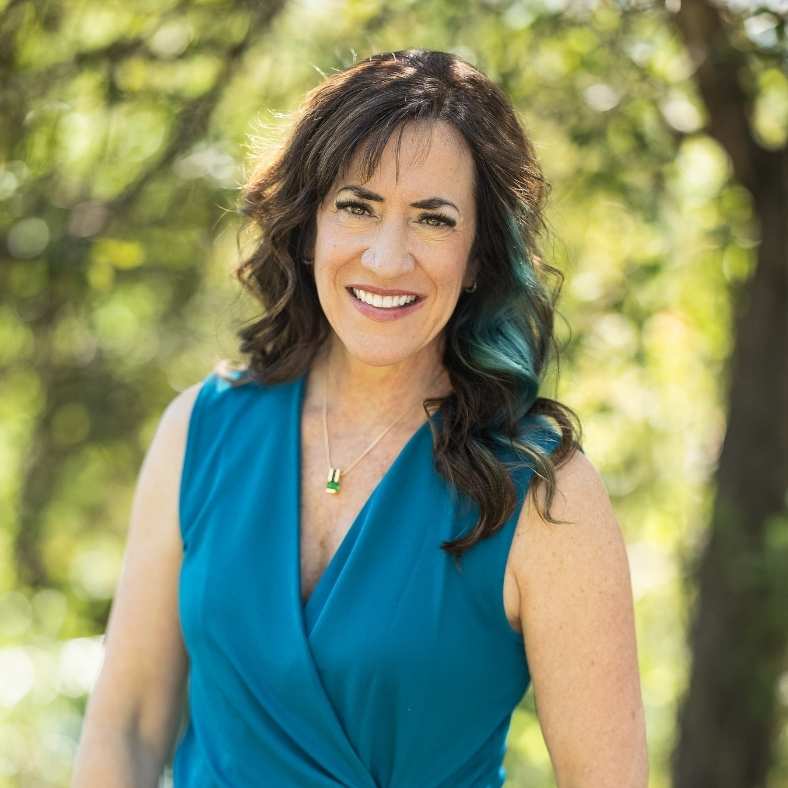
Full Transcript 0:03 Welcome to Hotness, the podcast that brings you practical tools to balance your hormones and rekindle connection, confidence, 0:10 and desire in midlife and beyond. 0:13 I'm your host, Dr. 0:14 Liz Lister. 0:15 Hotiness is a safe space for honest conversations about menopause, sex, identity, love, loss, reinvention,and desire, because you can embrace your hotness 0:28 at every age. 0:30 Hi and welcome to Hotness, the podcast that brings your hormones confidence and desire back online. 0:37 I'm your host, Dr. 0:38 Liz Lister, and this is another episode of Spicy Science. 0:42 And Hot Ones, today we need to talk about something that your doctor probably has never brought up in an appointment. 0:51 Orgasms, yes, not as a fun bonus, no as relationship perk, as actual medicine, documented, physiologically necessary, beneficial to you medicine. 1:08 Because here's what I know as woman's midlife health expert and as women in mid-life, pleasure, it's not optional, is not selfish. 1:19 It's not a luxury, it is a health metric. 1:24 It is vital sign. 1:27 And most women walk around completely unaware of that. 1:32 So today we are going all the way, we're going there. 1:37 Science first and then practical tips because that's how we do things around here. 1:44 So let's start with what I'm going to call today the arousal gap. 1:51 This hopefully will make you exhale with relief. 1:56 Desire and arouse are two completely different systems. 2:09 They don't always happen at the same time or for the the reasons. 2:12 In fact, research shows that women's arousal compared to men is way more context dependent. 2:21 Your female brain has to feel safe, has feel present and undistracted before your body will follow. 2:31 That's why I always ask the question of how is sex on vacation versus at home where you are surrounded by distractions. 2:41 So if you've ever thought I want to want this, but my body is just not cooperating, you're not broken, your not off, Your nervous system is actually doing 2:52 what it is designed to do and it needs the right conditions. 2:58 This is why stress is one of the biggest libido killers that exists. 3:04 Cortisol, your stress hormone, directly competes with the sex hormones. 3:09 So when cortisol is running the show, estrogen, testosterone, also progesterone, they do not get a seat at the table. 3:17 Your body's in survival mode, and survival mood is not sexy. 3:24 And in midlife, hormones are already shifting. 3:27 The gap between desire and arousal can widen. 3:31 So that's why many women think there's something wrong with them. 3:34 Nothing is wrong you. 3:36 Your system just needs the right support. 3:42 Let's talk about what's actually happening in your body. 3:45 We'll talk physiology, as always, in plain English, I promise. 3:50 So when you become aroused, blood flow increases to the genital area of our bodies. 3:57 Nerve endings activate, lubrication responds and increases. 4:01 The clitoris, which by the way is way larger than most people realize, most of it internal, becomes engorged and your heart rate goes up. 4:11 Your whole nervous system shifts into a completely different gear. 4:15 And when you orgasm, your brain lights up multiple regions of the brain all at once. 4:21 Dopamine floods in, the reward circuitry and the pleasure chemicals, oxytocin surges. 4:28 And we're going to talk a lot more about that wonderful hormone in just a minute. 4:33 Endorphins release, and guess what else? 4:35 Cortisol drops. 4:37 Your body just did a full biochemical reset from the inside. 4:43 Orgasms are literally medicine. 4:47 This is actual documented science that I'm now going to share with you, and I really want you to hear this. 4:55 Orgasms reduce pain. 4:57 The endorphin release during orgasm, it's been shown to raise your pain threshold significantly. 5:03 That means you have a higher tolerance. 5:06 You do not experience as much pain, women have reported relief from menstrual cramps, headaches, even sometimes chronic pain through consistent regular orgasms. 5:19 Orgasms improve sleep. 5:21 That post-orgasm oxytocin and prolactin release, it's very sedating and calming to the brain in a good way. 5:31 Better than most sleep supplements that I've tried, orgasms also support immune function. 5:38 This is from scientific data. 5:39 Regular sexual activity has been linked to higher levels of immunoglobulin A, which is one of the immune responses through our secretions from our bodies, 5:52 and it's one our body's first lines of defense. 5:56 Orgasms reduce cortisol, we just talked about that. 5:59 We talked how cortisol tanks your hormones, orgasms do the opposite. 6:04 They bring the cortisol down and they bring your whole hormone endocrine system a chance to rebalance. 6:11 Orgazms support cardiovascular health. 6:14 That increased heart rate, the improved circulation, lower blood pressure. 6:20 Your cardiologist might not prescribe this, but maybe they should. 6:26 Orgasms also support pelvic floor health. 6:29 The muscular contractions during orgasm are basically a workout for your pelvic floors, which makes a big difference. 6:37 And it's very important in midlife for bladder control, pelvic stability, and yes, continued sexual function. 6:47 So when I say orgasms or medicine, I mean it clinically. 6:52 This is not a pep talk, this is your human physiology benefiting you. 6:57 Okay, oxytocin is a hormone that I've talked about many times before, but I'm going to say quite a bit more now because this hormone does not get nearly 7:11 enough credit. 7:13 We refer to oxytocin as the bonding hormone, the love hormone. 7:17 But that really undersells it. 7:20 It's a lot more than that. 7:22 Oxytosin is released through touch, through eye contact, to deep conversation, though orgasm, even through petting your dog or your kitty, 7:32 which explains a lots about why we love our fur babies so much. 7:37 And here's why it matters so in midlife in particular. 7:41 estrogen drops, testosterone drops. 7:43 The hormonal landscape really shifts and changes. 7:47 Your body and your brain's ability to feel connected, bonded, and emotionally regulated can drop along with those hormone levels. 7:57 Oxytocin is like a bridge back. 8:00 Oxytoxin lowers anxiety, it reduces cortisol, It builds trust in relationships and also with yourself. 8:09 It supports emotional resilience. 8:12 It literally makes you feel less alone. 8:17 And here's something else about oxytocin that I find very fascinating. 8:21 We're not talking only about partnered sex. 8:24 Self-pleasure counts, self-cultivation, as Dr. 8:28 Kelly Kaspersen refers to it. 8:30 Touch counts. 8:31 A long hug counts connection in any form can trigger this amazing system. 8:39 which means access to oxytocin does not depend on having a partner. 8:44 It depends on you allowing yourself connection and pleasure in whatever form that takes for you. 8:52 In midlife, when so many women are navigating loss, transitions, kids leaving, relationships changing, I don't think oxytocin is a bonus. 9:05 I think it's a necessity. 9:07 So what gets in the way? 9:08 If orgasms are medicine and oxytocin is essential, why are we all having lots of orgasm and thriving? 9:15 Because a lot gets the in way. 9:18 Low estrogen, for example, that we've referred to. 9:22 This decreases blood flow to the genital area, it can lead to vaginal dryness, It can to decreased sensitivity, can leads to bladder problems. 9:31 Things that used to feel good just do not feel the same. 9:36 That's not just aging, that J-word just that we want to get rid of. 9:41 That is a hormone deficiency and it can be addressed for the vast majority of women. 9:48 Regardless of what else you do hormonally, you can treat these tissues locally where there's an estrogen deficiency, and go a huge, 9:57 huge long way to restoring function, sensation and pleasure. 10:02 Low testosterone can be associated with low desire, so can low estrogen. 10:07 It can we associated low motivation, low sex drive. 10:12 I've talked about this many times, it's not only about sex. 10:15 Libido is about life energy and motivation to do just about anything, get off the couch and go hang out with friends, which will lead to oxytocin release. 10:25 Cortisol, we talked about, it shuts the whole system down. 10:28 So stress, poor sleep, being chronically stressed or overwhelmed, all of this directly competes with your physiologic sexual function. 10:41 How about body image? 10:43 This is huge and under addressed, for sure, at least in the medical world. 10:49 It's very hard to be present for pleasure in your body when you are at war with how you think you look. 11:00 And midlife brings its own version of that war. 11:03 I see it constantly in my patients and sometimes I still fight that battle myself. 11:10 And then there's the simple fact that nobody taught us any of this. 11:15 We were not educated about our own arousal systems, our pleasure, or our physiology. 11:21 Were taught to make sure everyone else was taken care of first, right? 11:25 Don't put the oxygen mask on first. 11:27 That's not what the pilot ever says. 11:30 Self-care is not selfish. 11:32 And that applies here especially. 11:36 So what actually helps? 11:39 Hormone replenishment, I'm always gonna say that straight up. 11:42 If your estrogen, testosterone levels, those are low, progesterone that can calm the brain and also help with sleep. 11:52 if those were low no amount of mindset work can fully compensate for that. 11:58 As I like to say, the older the building the more maintenance it needs. 12:03 It needs those materials and getting your hormones optimized is the foundation. 12:13 Reduce cortisol, get good sleep, set boundaries, keep your body moving, don't run on empty. 12:20 Your nervous system needs to feel safe before your can open up to pleasure. 12:25 Presence over performance. 12:28 I wrote that line in my dating profile and it applies in and out of the bedroom. 12:34 Getting out your head and into your body is a skill that you can practice and you cultivate and get good at. 12:44 Touch as a daily practice. 12:46 Not just sexual touch, any kind of touch. 12:49 Massage, self-massage. 12:51 Dance. 12:53 physical connection, any of those can keep that oxytocin system activated. 13:00 And also, permission to consider your own pleasure a health priority. 13:07 Because guess what? 13:09 It is. 13:11 So here's the bottom line. 13:13 Your body was designed for pleasure. 13:17 That design does not expire at age 50, age 60. It doesn't ever expire. 13:27 Question for you, do you have an age at which you plan to stop enjoying ice cream? 13:32 I sure don't. 13:36 And shout out to Ashton Applewhite for this analogy in her book, This Chair Rocks, a Manifesto Against Aging. 13:44 I will put a link to it because that book rocks. 13:48 So what changes in midlife is the support that your body needs to keep the system running well. 13:53 The hormones, the nervous system, The permission that you give yourself. 13:59 Because when you feel good in your Body, everything's better. 14:03 Your mood, your relationships, Your energy, you resilience. 14:07 That is not a coincidence. 14:09 that is biology. 14:12 Feel your best so that You can do your Best. 14:15 And yes, orgasms count. 14:18 Take care, Hot One, and see you again soon. 14:21 Thanks for listening to Hotness. 14:23 Help more women find these practical tools by liking, sharing and following the show, as well as leaving a review. 14:31 As a gift for listing, go to drlizmd.com forward slash hotness for your free midlife guide filled with powerful support for you mind, 14:42 body and soul, because you can embrace your hotnes at every age.
Comments