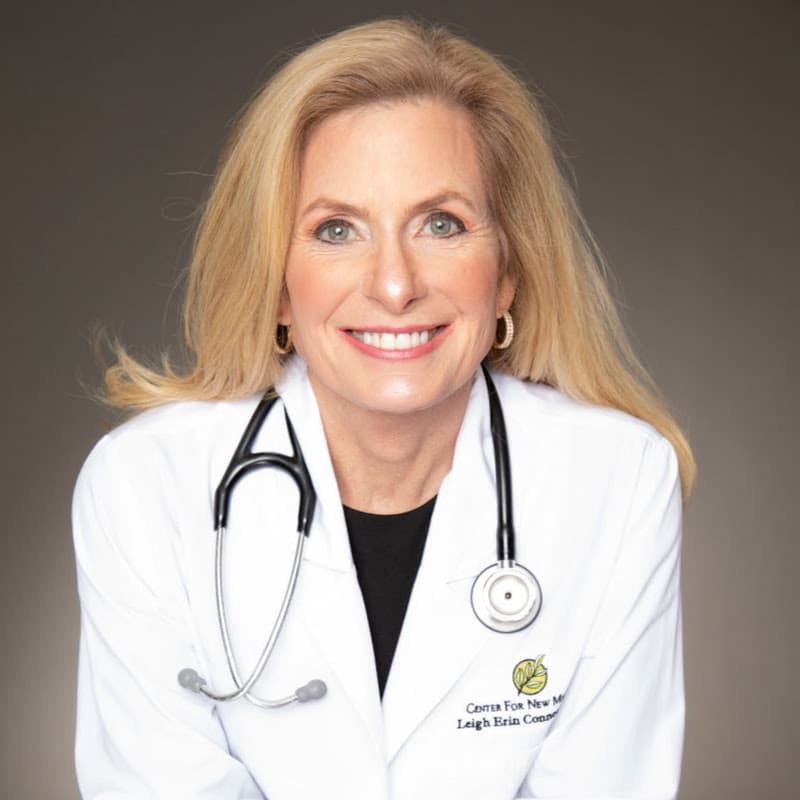
Full Transcript Introduction and Doctor Connealyu2019s Background 0:00 Everybody so excited to be with you. 0:02 I have a good friend of mine. Doctor Connealy. 0:04 Very well regarded in integrative medicine. 0:07 Holistic ways to approach cancer. 0:09 She's very unique in that way. 0:11 And so we're going to hear more from her on her background, 0:13 how she deals with digestive health, relate to the immune system, cancer, 0:17 and then some very unique cancer therapies she offers at her 0:20 clinic and the Cancer Center for healing. 0:23 Very unique here in Southern California. 0:25 And so, Doctor Connealy, great to be with you. 0:28 Wonderful to be here to share this experience 0:32 and let everyone know all of this great knowledge that you and I can impart. 0:37 And you've got a very unique background. 0:38 You're a medical doctor, 0:40 but you did all the extra training and integrative medicine, and then you did 0:44 even more training and integrative approaches to cancer. 0:47 So tell us more about your background if you would. 0:50 Right. 0:51 Well, it actually started, you know, long time ago. 0:54 And my mother was pregnant with me. 0:56 I'm number three of six children and she started bleeding. 1:00 And back in the 50s they used a medication 1:04 called de diethylstilbestrol. 1:07 And that drug was to prevent the miscarriage and stop the bleeding. 1:11 So I'm a teenager. 1:13 My parents get a letter stating, oh, you were given a drug D s, 1:18 and so you need to go to a cancer institution close to your home 1:24 because that drug caused cancer in both male and female 1:28 offspring, hormone problems, anatomical infertility, etc.. 1:32 And so I started going to MD Anderson 1:35 and getting all the workups of everything when I was a teenager. 1:41 And so that led me down a completely different path. 1:44 I never had two periods in a row, so I had like had to learn how to control 1:50 cycles because you didn't feel good if you didn't have a menstrual cycle. 1:54 And so my journey kind of I always wanted to be a doctor 1:57 when I was a teenager, and then and I was a babysitter 2:01 for an ER doctor and I'm like, oh, I can do this. 2:04 And then my whole journey has been is how not to get cancer. 2:09 And because of the other problems I had along the way from the D. 2:15 S, I learned a whole lot other things. 2:18 First of all, I became an expert in hormones 2:20 because I had hormonal problems. 2:23 And then now I'm in menopause. 2:25 You learn even another dimension. 2:27 And then I had infertility and that was a whole nother dimension. 2:31 And then I had scoliosis, and I tried 2:34 every modality on the planet before I had surgery four years ago. 2:38 So every and I did, I would say everything unconventional. 2:43 And yes, some of it was conventional, but 2:46 I always tried to analyze and go down 2:51 all the rabbit holes of I had gone to conventional doctors, I'll be honest. 2:55 And they like, 2:57 you know, one gave me birth control pills because I never had a period. 3:01 Well, you know, we all know now that birth control pills come with hazards 3:05 and you better you tell the patients about the hazards 3:08 and then you need to counterbalance the hazards. 3:10 Right. 3:11 And then when I was delivered 3:14 twins 29 years ago, I went into something called 3:18 Cheyenne syndrome, where the pituitary goes into shock. 3:22 And I went to so many doctors and the endocrine, 3:26 I went to endocrinologists, and they all looked at me like deer in the headlights. 3:31 And so because of that, I had to, of course, understand 3:35 everything about the pituitary, the hormone production, 3:38 pregnancy and what I had a complicated delivery. 3:41 And so that created so when you have your problems, it makes you become an expert. 3:48 And so you don't become an expert by 3:51 just living a life of nothingness. 3:54 Okay. 3:54 I hate to say you become an expert because you've had a curveball 3:59 or a detour in your life. 4:01 That's really what makes you think and start living very consciously. 4:05 So here we are now, and I started years ago. 4:09 I had this friend of mine 4:11 who was an oncologist, and I loved him because he was so good. 4:15 And I said, oh, would you be interested 4:18 in developing an integrative oncology program? 4:21 He said, sure. 4:22 So we went to go visit a clinic in Mexico. 4:25 And and he loved it. 4:27 And so we started Oasis of Hope 4:30 in the United States years ago. 4:33 And so anyway, that started out 4:36 and then Oasis a Hope felt like, okay, 4:39 the patients really only want to be seen in the United States. 4:43 So we need to separate. 4:45 So that's what we did nicely because, 4:48 you know, it was just the right thing to do anyway. 4:51 And so we started the Cancer Center for healing. 4:55 And so and because now in this day and time, you know, you didn't see 4:59 cancer 20 years ago now like the rates now are about one and two people.
Personal Health Journey and Integrative Oncology Origins 5:06 And they expect to have 2 million cases this year. 5:10 And you know, over you know, unfortunately, 5:13 you know, you're about a plane crash forever. 5:15 And you hear about a shooting, but you don't hear about this 5:18 1600 people, you know, who die a day of cancer. 5:22 And so we need to really 5:26 educate, inform, 5:29 innovate for patients because medicine, 5:33 the paradigm of medicine, has reached its point of no return. 5:37 And we practice the best of conventional medicine. 5:41 That might be blood work and scans and the history and physical 5:46 and the whole entire workup. 5:47 And our history and physical is very different than a conventional doctor, 5:51 because we go back from in utero what happened? 5:55 And because we all know we we not only inherit your eye 5:59 color, skin color, but we inherit emotional, you know, intelligence. 6:05 So and then but our treatments, you know, and some patients may need surgery. 6:10 Some patients may need chemotherapy. 6:13 And so they might need a smart drug. 6:16 You know they might do. 6:18 But that's not all you have to address. 6:20 When you address a patient. 6:22 You need to have a holistic approach, meaning the entire mind, 6:27 body and spirit involved and looking at everything. 6:32 And that's where conventional medicine doesn't 6:35 look at is how does someone live every day? 6:38 Okay. 6:39 Because what you eat and your lifestyle is going to determine your help. 6:44 And so doctors, it was so interesting. 6:48 I had a patient yesterday and she had done with a natural path, 6:52 a microbiome test and her conventional. 6:56 She went to her conventional college. 6:57 She and he just blew her off. 6:59 And I'm like what? 7:01 I mean how much is talked about the microbiome? 7:04 I mean there's we have bought libraries, buildings on the microbiome. 7:10 And the microbiome is 75% of your immunity. 7:13 So I don't understand how an MD can, you know, 7:17 basically say that doesn't matter. 7:19 I mean, how that's like impossible in the 2024. 7:23 So it's very sad that we have a disconnect because doctors 7:28 more than other whether they're MDS, natural pest, we need to cooperate 7:32 and collaborate for the best avenue for the patient. 7:37 And because we know none of us know everything, 7:40 but somebody might know this and somebody everybody can, 7:43 you know, put all the pieces together and we shouldn't be discounting. 7:47 We should go look up things first before we discount the patient, 7:51 because then what happened is that has an impact on the patient. 7:54 The patient doesn't like that. They don't like that. 7:57 Oh, they just disregard that. 7:59 What you eat that 8:01 my patients tell me that the doctors say, well, does it matter what you eat? 8:04 No, it doesn't matter. You can eat anything you want. 8:06 Well, there is no book that says you can eat anything you want. 8:08 Even cooking books. 8:10 Don't say you can eat anything you want, right? 8:12 So there's just so much. 8:14 So patients are not trusting now of the whole medical system. 8:19 And you know, I kind of agree, even though I'm a conventional doctor, 8:25 I just believe that we have to use 8:29 the, the, the science and information that we learn now in a conventional way, 8:35 which is wonderful because look at scanning is incredible. 8:39 Like new breast imaging is incredible. 8:42 You know, we do have life saving treatments, but for chronic conditions, 8:46 which is about 90% of the profession, it's there's not a lot of answers. 8:51 And if you look at the health of the United States, autism is 1 in 37, 8:57 maybe even less elementary 9:00 kids, 60% have one or more chronic problems. 9:04 Our teenagers have the highest rate of anxiety, depression, and suicide 9:08 and 30 year olds with getting cancer. 9:09 So obviously our medical system is not working for us 9:15 because what we know in 2024, 9:18 people should be healthy and a Navy Seal. 9:22 So they should be and smart because the on the mount of knowledge 9:26 we have today is unbelievable. 9:29 Okay, so everybody should be intelligent and healthy 9:33 and physically capable because look at the Olympics okay. 9:37 Now we're not Olympians. 9:39 But what what I'm saying is 9:40 we still can be functional, you know, you know, physical beings. 9:44 Okay. 9:45 And so it's it's really sad that the medical system is missing out. 9:50 But I do know that our young patients, but I'm so excited about it is our young 9:56 patients are so into transforming the future of healthcare and humanity. 10:02 And I love it. 10:03 So that's why I work every day, 10:06 because you and me together and all the people that are, 10:10 you know, thinking like this, they are going to change the future. 10:14 And so and we've got to we have to do it. 10:18 Now, I've been saying 10:19 we're in a 911 for probably ten years, but we're beyond the 911 now. 10:23 We are okay and we can't allow this to happen. 10:26 In fact, in everybody's talking about cancer and young people today. 10:30 And I read from doctor in GE, 10:33 lady doctor from Harvard, she goes, these, these two young people, 10:38 they've been exposed to something or multiple exposures. 10:42 So that is what's causing the increased rate of cancer in young people. 10:47 And so like okay. 10:50 Yeah, it's called the exposition. Right. 10:52 You know, we know that we're all, you know, 10:55 your body keeps score of everything. You know. 10:58 So so it's you know, people like and why aren't 11:01 why aren't all the doctors taking a stand saying wait, stop. 11:04 We need to do something right? Why aren't we. 11:06 Why are we all I mean, I am, you are. 11:09 But why aren't more physicians if they see this alarming rate? 11:12 Why aren't we saying, okay, well, we've got to look at this. 11:15 We've got to look at everything. 11:16 We've got to collaborate and say, we've got to stop this. 11:19 Right. And that's what you do. You work at root causes. 11:21 And of course, you know, we work. 11:23 We look at many different levels of root causes diet and stress 11:27 and sleep and talks and exposure and hormone balance and all these things. 11:30 But give us your insight on the connection 11:33 to the digestive system and whole health, you know, the whole health of the body. 11:38 And then of course, 11:38 get into the immune system and cancer and all that, if you would. 11:42 Right? 11:42 Well, your digestive system is everything. 11:45 So if you don't have a stomach, are you going to live? 11:48 No, you're going to be dead within four weeks. 11:51 Right. 11:52 Because what is your stomach do it for uses hydrochloric acid 11:56 and enzymes and pepsin to absorb and digest all your nutrients. 12:01 And one of the most important things 12:04 is making sure that your entire digestive system. 12:08 So your digestive system starts with your mouth, with how you to your food. 12:14 Right. 12:15 And then if you don't, you your when you chew your food, 12:18 it allows it to be absorbed in its smallest form. 12:22 So the better you chew your food. 12:24 So anybody that has digestive issues, I tell them you need to cheer your food 12:28 like 30 times every bite, which takes you a long time, which is good 12:32 because then it allows for the whole digestive system to work 12:37 and to have satiety also. 12:39 But we all just inhale our food, right? 12:42 And so instead of taking our time 12:45 and enjoying the food, that's going to nourish and strengthen our body. 12:49 So we have enzymes in our mouth, help digest the foods. 12:53 Then it passes down the esophagus, which is the tube going into your stomach. 12:57 And then as I said, stomach makes hydrochloric acid. 13:01 And I did a lot of hydrochloric acid studies. 13:04 I used to use the Heidelberg machine, and this was a machine 13:08 that would actually detect the hydrochloric acid. 13:12 And almost it's so interesting. 13:14 Almost everyone had low hydrochloric even if they were 25. 13:19 And I think with the incredible stress and probably emfs, 13:25 you know, we're shutting down our hydrochloric acid production. 13:28 And then if you're 60 years and older, 13:31 about 50% of those patients have a bug called H. 13:35 Pylori. 13:36 And doctors don't even think about checking for that bug. 13:39 And so so your stomach has this beautiful peristaltic action 13:45 and has the hydrochloric acid and pepsin and everything 13:49 to turn everything into soup. 13:51 And then it goes into the small intestine, small intestines, makes more enzymes. 13:56 And then your liver, your gallbladder and pancreas all beautifully chime in 14:02 for the other aspects of digestion until it goes into the large intestine, 14:07 which a whole bunch of other processes take place, and you have the pyres 14:12 patches that align the the intestines, which is your immune system and your. 14:18 Now that we know about the microbiome, which there's the mouth 14:22 microbiome, the skin one, but we have the intestinal one 14:25 and there's more research done every, every single day on the microbiome. 14:31 I mean, it's just every day new stuff comes up and everything 14:35 affects our microbiome from the food we eat and the quality of food. 14:40 So if you eat boxed fast 14:43 food, you're not going to have a good microbiome, okay? 14:47 And then you've got to eat the food 14:49 that nourishes and strengthens your microbiome. 14:52 So that's 75% of the immune system is in your microbiome. 14:57 So you know the food you eat, the toxins,
Digestive Health, Microbiome, and Immune System 15:00 then you know you have to look at parasites and candida. 15:04 And I would say most patients have candida and parasites. 15:09 And the average doctor doesn't look at that. 15:12 For example, cancer patients, over 60% of patients have yeast. 15:17 And then if you do surgery and chemo what do you do? 15:20 You grow and proliferate the yeast. 15:23 Well then how are you going to get rid of cancer 15:25 if you have a constant in production of yeast. 15:30 So you've got to address that at the same time you address the cancer okay. 15:34 And then parasites, people think in the United States 15:38 that you don't get parasites. 15:40 Well, you know, we yes we do. 15:42 You know, we do. 15:43 In fact in the India they do 15:46 their population twice a year, naturally. 15:50 D worm. 15:50 That's why their cancer incidence is lower than ours, 15:54 because they'd worm their entire population twice a year. 15:59 And so the microbiome is its own universe. 16:03 I would tell everyone to really understand your microbiome because 16:09 and love it and nourish it, and because we know the studies show 16:14 that if you take antibiotics, which people pop all the time, 16:19 they, you know, destroy their microbiome. 16:22 So doctors don't say no after you take this antibiotic 16:25 that you may need at for an acute situation. 16:29 Not be careful though, you know, don't take an antibiotic. 16:33 You're wasting your microbiome. 16:35 And doctors give antibiotics all the time for things okay. 16:40 Thinking like you go in, I know patients will go in for something. 16:44 Oh, well, let's just try an robotics and see if it goes away. 16:46 I'm like, no, we can't do that. 16:48 We have to make sure you have an infection. 16:51 Okay. 16:52 And so but every time you take antibiotics, you cause 16:56 mitochondrial damage. 16:58 And your gut is directly related to your mitochondria. 17:03 So if you don't have a good gut, you don't have a good immune system, 17:07 and you're not going to have good mitochondria. 17:09 And I think there was a paper out about 17:12 if he took 60 days of antibiotic really destroyed the brain. 17:16 So, you know, we we've got to understand the ramifications 17:20 if we have to give somebody something, 17:23 how do we counterbalance that 17:27 infliction to the patient? 17:29 Okay. 17:30 And because our job is to protect and to inform 17:35 and to educate the patients, Hippocrates says, first, do no harm. 17:39 So we we, we we doctors have to take that role 17:43 very seriously because the patients are counting on our discernment and our 17:49 intelligence and our understanding of what is the best thing for our patients. 17:55 And and our system is not doing that, unfortunately. 17:59 And so that's why doctors need to become educated and, 18:04 and know as much as they can know and not discard another doctor's opinion. 18:10 Right? 18:10 I mean, God knows, we could look, learn, learn. 18:13 All of us learn things. 18:14 So so the microbiome is critical. 18:18 What you eat is critical. How you think is critical, 18:21 because how you're thinking also affects the microphone. 18:25 And so so we just really need 18:28 to nourish the microbiome in all the ways possible by reducing stress, 18:34 by eating the foods, doing the fiber, 18:37 supplementing with like butyrate. 18:40 If the patients need that, do they, you know, what bugs do they have? 18:44 Get rid of the bugs that are interfering 18:48 with the proper functioning of our microbiome. 18:51 And, you know, vehicle transplants, you know, 18:54 now they're PhD approved for cluster Divisio now. 18:57 And they have oral fecal transplant pills now that patients may need 19:02 which, you know, there's no downside to getting a good donor microbial. 19:07 And so you know, it's interesting I had an interview 19:10 with the company that makes the fecal transplant. 19:14 And I said I started asking them all these questions. 19:17 How do you screen your donor? 19:19 Do they take medicines. 19:20 Do they all these things and the doctors, the, the 19:23 the person from the companies, like, well, I've never been asked these questions. 19:26 And I'm like, well, we know if you get a transplant, 19:31 if you get a heart transplant, you take on the donor's 19:36 existence, okay, emotionally and physically. 19:40 So why aren't you screening the donors properly? 19:43 So anyway, you know, so these are the kind of things. 19:47 And how difficult is it to do this? 19:49 You know, you're charging 10,000 is like, 19:52 how difficult is it is to do this basic thing? 19:55 Wouldn't you want to know that the patient is healthy, that they are, 19:59 you know, mentally and emotionally stable, they're physically active 20:04 and they, you know, aren't on any medicines 20:07 or any other external things that could be affecting their microbiome. 20:11 Right? So, absolutely. 20:14 And also you've seen a literature and it's not surprising 20:17 you get a lot of cancer patients obviously. 20:19 And so tons of literature now showing out how radiation therapy 20:23 chemotherapy leads to leaky gut. 20:25 This biopsies. 20:27 How do you help these people. 20:28 What are the things you're addressing right away to help them. 20:31 Well, well, 20:32 one of the things that I like to do is first of all, I want any cancer patient. 20:36 I want to clean them up. Okay. 20:39 So whether that's purification, 20:42 is it getting rid of yeast in person. 20:44 So we're big on that okay. 20:46 Huge on that because you've got to get rid of the junk. 20:52 And then I prefer and I said this five years ago 20:56 is that I think every cancer patient should have some kind of transplant. 21:01 And so the expensive ones I only use for 21:05 like really, really, really, really serious things and that people can afford. 21:08 But I use an oral fecal transplant pill. 21:12 Okay. 21:13 But you you don't do that in the beginning. 21:15 You do that as you've gotten rid of the garbage, okay? 21:20 Because there's no sense in putting something great and good 21:23 in someone who hasn't done their, you know, cleanup. 21:26 Okay. 21:27 So that's you know, what I prefer to do. 21:30 That's pretty cutting edge. 21:32 I don't see other integrative cancer clinics doing that. 21:35 That seems very cutting edge, right. 21:37 What we're seeing that if you even if you do a transplant 21:43 that you already see eradication of disease. 21:47 So you know, they're doing this all over the world, right. 21:51 But uses as you know, a little slow 21:55 to, you know, to adapt these things. 21:59 And so but we all if you understand that 75% of your 80% 22:04 of your immune system is in your gut, you better get that ready. 22:09 Because if you're going to do anything, it's injurious 22:13 and immunosuppressive, right? 22:14 Surgery is injurious and biopsy is injurious. 22:18 Immunosuppressive a surgery is injurious. 22:21 Immunosuppressive chemotherapy and radiation or injurious and suppressive. 22:26 So you should be protecting them. 22:28 So I protect the patient. 22:30 But what they need a biopsy. 22:32 I do the whole protocol. 22:34 If they need surgery, if they do chemo. 22:37 Here is your counterbalancing that you have to do so. 22:41 And that's not doctors aren't doing that you know at all. 22:44 And it's, it's it's sad because like we know like that these things matter. 22:51 Right. 22:52 So but doctors you know they're overworked. 22:55 They are a slave to the EMR. 22:59 EMR the doctor spends 23:02 probably 75% of his clinical time on the EMR. 23:06 Well, that's the electronic medical record. 23:09 So, you know, ago we didn't have that. Okay. 23:12 Only laugh because my wife and I talked about this all the time. 23:14 She practices with me and I like I see her in the morning. 23:17 She's on Yamaha. 23:18 I go to bed at night. 23:19 She's on EMR like, this is this is a little crazy here. 23:23 Yeah, it's getting crazy. 23:24 And so, so the the doctors, you know, 23:28 you know they have clinical time, very little clinical time 23:33 to see the patient, to talk to the patient, 23:35 to, you know, really understand what's going on. 23:39 And it's so medicine is all about like what you put in your chart. 23:44 It's not about care. 23:46 And so so that's why you're not getting care. 23:50 Yeah. 23:50 And I would say the number one thing my patients talk about with other 23:54 physicians is one they treat them 23:57 and talk to them with doom and gloom. 24:01 Well we know if we do that that totally affects the patient. 24:07 So it's very important 24:08 how a physician talks to a patient and talk about possibilities. 24:13 Not that you're going to die, okay. 24:16 Number two is when they bring up things 24:20 like what they eat or anything, you know, the doctor denounces 24:24 their thoughts and makes them feel like what they're saying doesn't matter. 24:29 And so you, you know, that doesn't create 24:32 a partnership and foster healing. 24:35 All right. 24:36 So so and then, you know, if you look at their medical records, 24:41 all they've done in blood work is a chemistry and a CBC. 24:45 Not all the other things that matter, like see, react to protein and iron 24:48 and ferritin and vitamin D and hemoglobin A and C and D, all these other things. 24:52 Because the miracle that we live in is, 24:55 is infinitely complex and complicated. 24:59 And so we've got to understand every single thing that's going on with
Cancer Root Causes and Holistic Patient Care 25:03 that patient from how they live to their, you know, biochemistry 25:08 to their bioenergetics and their bio physicality. 25:12 So, so we address every single facet of that person when we see a patient. 25:17 I mean, there isn't there isn't anything unless I don't know it yet 25:22 and that we're on the constant quest of, 25:25 of, of information and intelligence. 25:28 And because, you know, something new comes out all the time. 25:32 Right? 25:32 Yeah. 25:33 And so, so that's how we address 25:36 a patient from every angle possible. 25:40 And, and you've got to address the bio emotional. 25:43 So, because, you know, you become what you think about most of the time. 25:48 And so and if you have outrageous stress, which almost everybody has and has had, 25:53 but you've got to re program that stress 25:57 to a favorable electromagnetic frequency in your body. 26:01 And that's another thing that doctors don't ever address, 26:05 is they never talk to the patient about their teeth, about their stress, 26:10 about their sleep, their rotter, 26:12 their eating, their entire lifestyle. 26:16 And so but that's all important, right? 26:19 Yeah. 26:19 And so every physician should be doing this. 26:22 So, you know, we have to change. Okay. 26:26 Because we are not creating healthy people as the bottom line. 26:31 And we should be where all the information and knowledge. 26:34 There's 1.2 million PubMed articles per year. 26:40 Can you imagine that? 26:42 Things we don't know that we're not doing, you and me. 26:45 Right. 26:46 And so we've got a you always think like I always will. 26:50 Okay. Let me look up. 26:51 There is a study on X and turn out, oh my God. 26:54 There's a study on something you thought it would not be a study on. 26:57 Right. 26:58 So and I'm talking more about natural substances. 27:02 Yeah. 27:02 And so but there's as many information scientific 27:06 articles on natural substances as there are on medicine or stress. 27:10 If you look at stress and how that affects the body. 27:13 So so we need to really address every single facet. 27:19 And that takes time. 27:20 And you know, a lot of patients think there is something easy quick fast. 27:24 But there's nothing easy quick fast okay. 27:27 And I always use the analogy of remodeling the house okay. 27:31 When you remodel a house how long does it take? 27:34 Usually a couple of years. 27:36 All right. 27:37 Well, house is very easy. It's very easy. 27:40 It's replaceable. 27:41 But remodeling the human being is takes time. 27:47 And, you know, cancer is about a ten year process. 27:50 From one cancer cell to tumors, ten years. 27:53 So don't think surgery and chemo and radiation 27:58 in a smart drug is going to unravel that ten year journey. 28:01 No, we all have to. 28:03 The patient and the doctor must do the work 28:07 to help that patient to the maximum potential. 28:11 That's great. That's great advice. Now you have a book. 28:13 I looked on Amazon still a bestseller, the cancer revolution, right. 28:18 So I I'm still yes, I'm updating that book Cancer Revolution 28:24 because as knowledge we have more advancement in knowledge. 28:28 I've added more things to how we analyze a patient loss 28:33 about some of the cutting edge things you do at the clinic for cancer, 28:36 it doesn't have to be digestive related because I've been to your center. 28:39 Not only is it beautiful, but you guys are very cutting edge. 28:42 It's very, 28:44 you know, you just have a sense of peace here. 28:46 But it's very beautiful too. 28:47 It's it's a high end, looking comfortable clinic for sure. 28:50 Well, you told people. 28:51 I thought my clinic was pretty nice until I walked into yours. 28:54 And I'm like, wow. 28:55 So tell us about some of these cutting edge things you're doing 28:59 with the cancer patients and how you're helping people. 29:02 Okay. 29:02 Well, first of all, like I said, we do a very comprehensive assessment. 29:07 Okay. That's number one. 29:09 Because if we don't understand the patient, 29:11 how are we going to change the patient? Okay. 29:13 So we have a big understanding then my blood work is extensive. 29:18 Then my treatments okay. 29:21 We do everything from very particular IVs. 29:25 It could be IV button. 29:26 See it could be artisanal. 29:28 It could be DCA, it could be curcumin. 29:30 It could be endo laser with riboflavin. 29:33 So we use a Weber and delays or system and we use 29:38 so the Weber endo laser it can be done topically. 29:42 It can be intravenous. 29:44 It could be any enter into the body. 29:48 And so lasers you know are light okay. 29:51 Different spectrums of light. 29:53 And then you use photosynthesizing agents like curcumin 29:58 like ICG two or riboflavin as a color. 30:02 So all these things will the light the photosynthesizing 30:06 agent activates the issue and the light destroys it. 30:10 For example, viruses. 30:11 If you give IV into laser with riboflavin, that destroys the viruses. 30:15 For cancer it's curcumin and or ICG. 30:19 And so then we always check the voltage of every patient. 30:23 So if your cells don't have energy then 30:26 it can't take care of you okay. 30:30 So what destroys your energy. 30:32 Your thyroid is probably number one. 30:35 Then if you have yeast, parasites, toxicity, 30:39 scars, tattoos and teeth, they will all interfere with your energy. 30:45 So how are you going to get well if your cells don't and stay 30:49 well if your cells don't have bolted. 30:52 So we assess the voltage and then we, 30:55 you know, correct the voltage with energy okay. 30:59 Then we utilize hyperbaric hyperbaric because we know the studies show 31:04 that cancer is an anaerobic situation. 31:08 So many of the patients get either 31:12 hyperbaric or IV ozone or IBU. 31:15 One of those things, 31:17 IBU is a process that take the blood and put it through a filtration system. 31:22 And then ozone, because ozone is phenomenal for super oxygen, 31:27 neutralizes viruses, bacteria and fungi. 31:31 Then it helps the immune system. 31:33 It neutralizes toxicity. 31:35 So those are all, you know, wonderful benefits. 31:39 Then we use PMF for any IV because that helps 31:43 the permeability of the cell to take up whatever agents it is, 31:49 not to mention it's adding energy to the body. 31:53 Then we do all kinds of different energy treatments. 31:57 We have bio charger because everything's about energy bio charger.
Cutting-Edge Cancer Therapies at the Clinic 32:01 Then we always do a bio energetic survey on patients. 32:05 You have acupuncture points on your fingers and toes 32:09 that relate to an organ in your body, and puncture meridians have been around 32:15 for a very long time, so I always tell patients energy precedes action. 32:19 So you might have a clean scan, but what's the bioenergetics of the patient. 32:25 So we always look at the energy of the patient I talked about the voltage. 32:30 But this is another way of looking at the acupuncture meridians. 32:34 Then we well a lot of times we'll use repurposed drugs, repurposed drugs. 32:40 There's about 310 drugs that starve cancer. 32:43 So we will put the patients if they have a real serious condition. 32:48 And we need every single thing in our armamentarium to, you know, get rid of it. 32:54 So we will use repurposed drugs. 32:56 So these are old drugs that have been around a very long time 33:00 and have little or no side effects. 33:03 So they might be anti parasitic drugs. 33:05 It might be starving sugar, it might be starving glutamine. 33:09 It might be all these different things that we utilize for the patient. 33:15 And so because I like I said in in India they you know do their patients. 33:20 But those are anti-cancer drugs at the same time. 33:23 And then let's see what else do we do. 33:26 Obviously we do fractionated chemo which is low dose chemo. 33:29 Patients may do way better on low dose chemo because what we do is 33:33 we give the patient insulin and, you know, primes the cancer cell 33:38 because cancer cells have insulin receptor sites on there. 33:42 They're called insulin like growth factor. 33:44 And so that will prime the cancer cell to take in the chemo 33:48 at a lower dose 10%, 10 to 15% depending on the situation. 33:53 And so and then after that we give them IV endo laser. 33:59 We give that to activate those substances. 34:02 And you will usually use curcumin, curcumin as anti-cancer, 34:06 anti-inflammatory etc.. 34:08 And so we'll do that also. 34:10 And then the next day after the chemo we give our patients a special IB 34:15 to purify their liver because we 34:17 don't want their liver overloaded because then they don't feel good. 34:20 And so so we have this whole system in place to basically 34:26 neutralizing the toxicity and enhancing the patient's ability to fight cancer. 34:32 So and then we use a device called Cell Sonic to reverse the polarity. 34:37 So that was machine was invented a long time ago by a scientist in England. 34:42 And so cancer cells have polarity and normal cells have normal polarity. 34:47 So polarity is the organization of tissues in your body. 34:50 So if it's disorganized it's going to rotate clockwise. 34:53 If it's disorganized polarity it's going to counter clockwise. 34:57 So we use that device not only to reverse the polarity 35:00 but also maybe their liver is not working as good kidneys not working as good. 35:04 We will use sound frequency and light which is emanated from the cell 35:08 Sonic to help the body heal. 35:11 You know the old technique of hitting your body, right? 35:15 It's been around for thousands of years. 35:18 It's using obviously sound in your own energy to activate healing. 35:23 So, so we have so many things to help the patient heal. 35:29 And sometimes we use when we find the patient is low voltage. 35:34 We use something called a bio modulator to activate the voltage of your body. 35:40 So we use a lot of things to activate voltage because by the time 35:43 the patient comes to us, they're like really not doing good, right. 35:49 Yeah. 35:49 And so because doctors don't address, 35:52 you know, all the facets of the human system. 35:56 And so and you know, we're learning every day, 35:59 every day we're learning new things to help people.
Personalized Medicine, Resources, and Closing Remarks 36:02 And then supplement wise, you know, again, cancer patients need very specific 36:08 supplements to change the terrain and the garden that the cancer came in. 36:12 So anyway, it's a constant discovery. 36:16 Yeah. 36:16 So you guys do personalized medicine so people come in, 36:19 you spend a lot of time, you assess some lab tests 36:21 or signs, symptoms or histories, and you're giving them programs 36:25 specific to them, which is the best way to do medicine. 36:27 So that's phenomenal right. 36:30 It's the preventive proactive precise personalized approach to medicine. 36:35 Yeah. 36:35 Very good. Well, thank you so much for your time. 36:38 I know you got to get the patients 36:39 and I'm going to too, but I want to make sure the viewers have your website 36:43 so they can get more information or contact your center if they need to. 36:47 So either way, for the viewers, these centers are right 36:49 in the same building right beside each other. I've been to them. 36:52 So we have the Cancer Center for healing and the website is Cancer Center 36:56 for healing.com. So pretty simple. 36:59 And then we have the center for New Medicine. 37:00 And that can be all the other conditions people experience. 37:03 Yeah. 37:03 Human optimization to autoimmune to cardiovascular all that. 37:07 Yes everything. That's right. 37:09 And what's the best then on Instagram Instagram. 37:12 My my handle is Liam D. 37:14 So every day we're putting up new information for people, 37:17 thought provoking information for patients to help manage their lives. 37:22 S and Connealymd that's connealymd.com. 37:28 So you have a website for that too. And then like said on the Instagram. 37:30 So thank you so much for helping the viewers understand, you know 37:34 what's going on with cancer. 37:35 The got the whole body connection. Right. 37:38 Well thank you for having me. 37:39 It's my privilege and pleasure to be with you today.
Comments