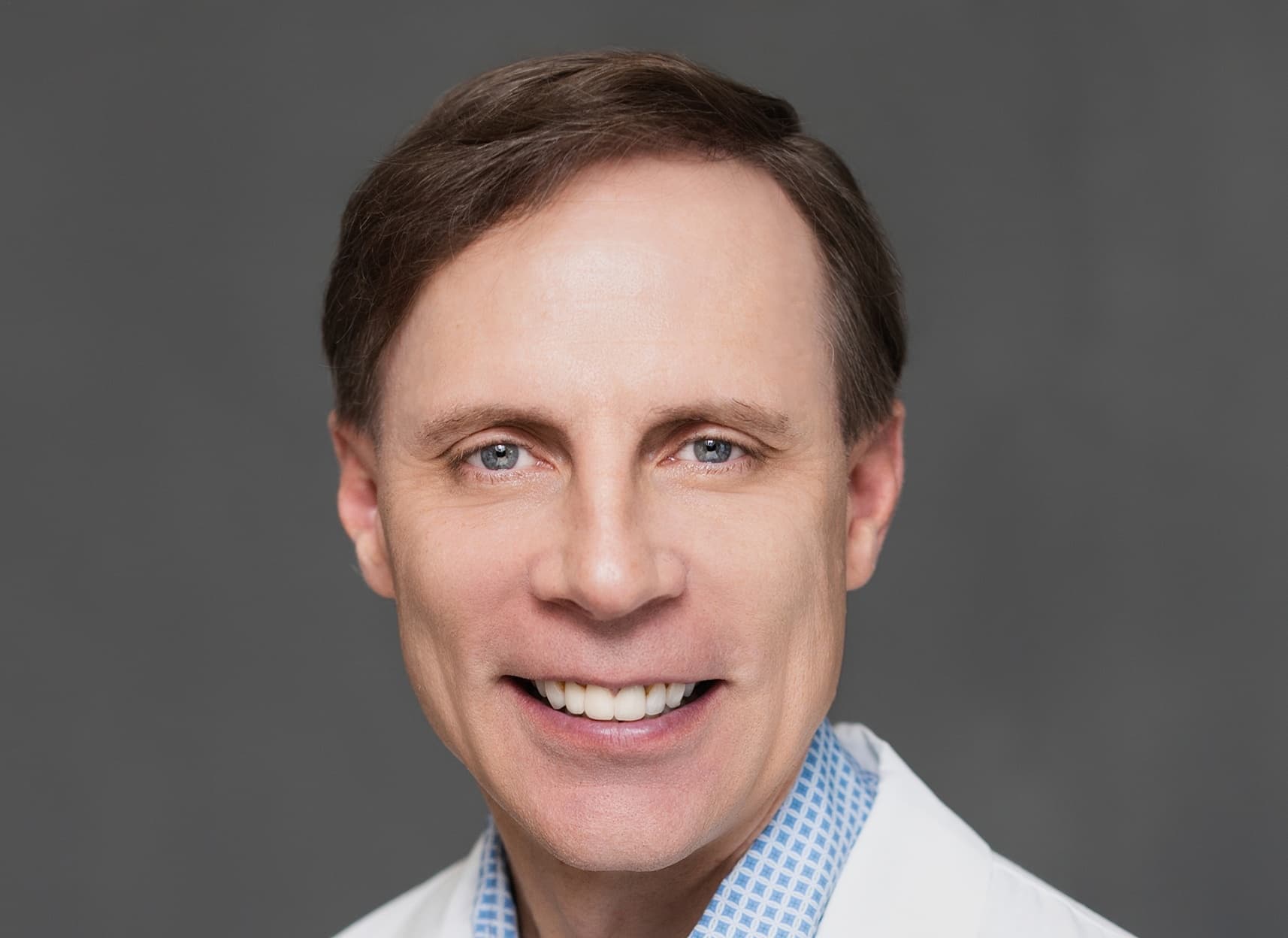
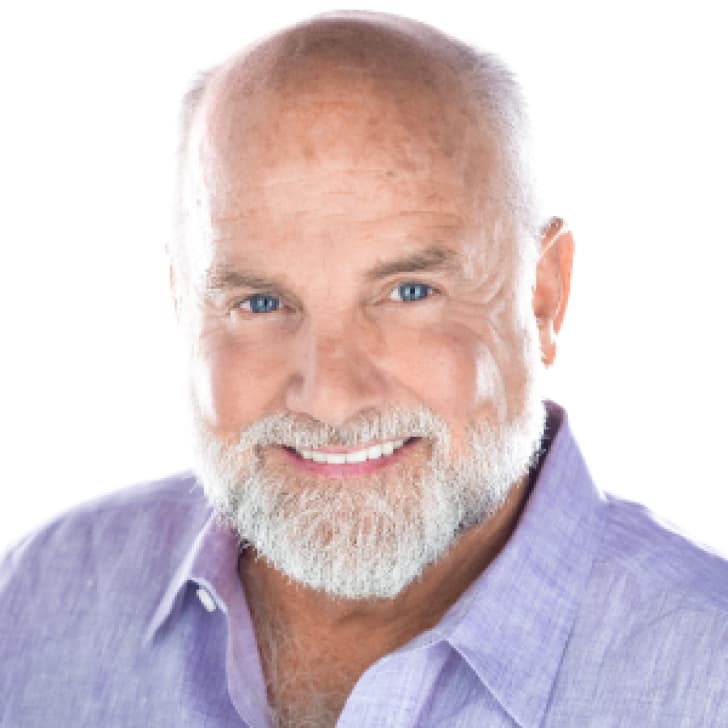
Full Transcript Introduction and Guest Background 0:00 Everyone. Great to be back with you. 0:02 We've got a very exciting talk today. 0:04 And guest, we have Reed Davis with us and he's involved 0:07 in looking at functional nutrition, functional lab ranges. 0:11 This is something actually I'm a very big fan of because in medicine 0:15 you start doing labs with people and the ranges are basically such that 0:19 if you have a pulse, you'd show up in the reference range that they'd have. 0:22 So oftentimes it's 0:23 not helpful in terms of getting people to good health or optimal health. 0:27 So I Reed great to be with you. 0:29 Well, thanks so much, doctor Mark. 0:31 Pleasure to be here. 0:32 I have been a big fan of yours for many years 0:35 and like a couple of decades at least. 0:37 So thanks very much for having me here. 0:41 Yeah, great. 0:41 And we're from the same area, the San Diego area. 0:44 So we have another thing in common Southern California. 0:49 You know, this whole concept of what 0:50 you're doing, helping people, especially with chronic conditions and stuff. 0:54 Give us your background, how you got into it and really tell us 0:57 what we're talking about here. 1:00 Yeah. Thank you. 1:01 So quickly enough in the 90s. 1:03 I was actually an environmental law and conservation saving the whole planet. 1:08 Air. Birds, water. Trees. Bees. 1:10 And then in 1999, I really started getting 1:13 more concerned about people than vernal pools. 1:17 You know, I mean, they're important. 1:18 But what about us? 1:19 Including me? 1:21 So, Mark, I started I was in great health. 1:24 I thought it was in my mid to late 40s. 1:27 Back then. I'm over 70 years old now. 1:29 And so I just got concerned that something was going to happen to me. 1:33 And I'd done very well in that, in that field, but I just switched jobs. 1:38 I started working at a wellness center in Polly, California, in 1999, 1:44 ostensibly to run the business, but 1:47 I was invited immediately. 1:50 I think everyone that we know would jump on this opportunity. 1:53 Back in that day, the owner said, hey, I'm going to get my diplomat in nutrition, 1:58 and if you want, you can come and take the classes with me. 2:02 You'll get your certified nutritional therapist certificate, 2:05 and you can work on the patients at our clinic in between your classes. 2:11 No, that would just fill in my lap. 2:13 And I, you know, I love studying. 2:15 I like to learn anything, you know, discovery channel type guy. 2:19 And so, man, did I have fun. 2:21 And for the next ten years, 2:24 I worked in that clinic having fun, helping people. 2:28 I fell in love with the clinical side of the business. 2:31 You know, face to face with poor Mrs. 2:34 Smith and Mr. 2:35 Jones, who, you know, came in for one thing, 2:38 maybe like chiropractic or acupuncture, we had wellness, different things. 2:42 And turns out that they were miserable from those things 2:46 and a host of other things. 2:49 And it's that host of other things that started to bother me. 2:52 And I'll just finish by saying, as naive as it sounds now, 2:56 I was out riding my motorcycle one day, sick of hearing, just sick of hearing 3:00 ringing in my ears was that every person coming in our office 3:04 had been to six or 8 or 10 different practitioners. 3:08 Obviously they hadn't seen you, Mark, 3:11 but they'd been to all these practitioners and weren't better yet, 3:15 and I. 3:15 Well, what's that? 3:17 Is that it's some kind of a rip off or what? 3:19 You know, 3:19 I'd really never been to the doctor, so I didn't know what they're going through. 3:23 And so anyway, I just said, I'm going to be the last person they need to see again. 3:28 Naive. 3:29 And I'll say that as much as I had to learn. 3:33 I was determined, but I had nothing to unlearn. 3:37 You know, I hadn't been indoctrinated in any particular system 3:40 other than a book I read when I was 19, and I still have it. 3:45 It was called Healing Ourselves, and it was kind of a Japanese Eastern 3:50 philosophy book, but I thought the power should be in the hands of those people, 3:54 not in some system that wasn't working for them. 3:58 And so I that's why I spent the next ten years.
From Environmental Law to Functional Nutrition 4:02 And you mentioned the lab work. 4:03 That's sort of my claim to fame. 4:05 I'll just really finish by saying that, thank goodness 4:08 for the physicians there allowed me to use any labs. 4:12 I just started running labs on people of my own, you know, to study research. 4:17 I had great mentorship, but after ten years, you know, 4:21 I had noticed a few things. 4:22 I made some of my own observations, obviously, about what worked, 4:27 who got better and who didn't. 4:28 And so I all along was kind of developing a system. 4:32 And and finally, in 2008, I started teaching a system 4:36 that I had developed in a clinic, and I've been doing that ever since 2008. 4:41 So that system. 4:44 Oh, yeah. 4:44 Well, sounds like you stop learning about nutrition. 4:46 And then you saw the effectiveness of the nutrition. 4:50 All these patients you're working with. Right. 4:52 And then you refine things 4:53 by incorporating a lab testing to look further into the by systems. 4:57 And probably maybe you think having that kind of legal background, 5:01 you just were very much methodical and analyzing things. 5:05 Is that somewhat accurate? That's pretty accurate. 5:08 Definitely the conversion of legal research and writing. 5:12 I was very good at that. 5:13 And so there's transferable 5:15 skills skills instead of saving the planet and everything. 5:19 You just wanted to work on people. 5:21 But I'll just say this, the nutrition class that I took, that 5:24 whole methodology and program really wasn't working that well. 5:28 It was more about selling supplements. 5:30 I thought, well, I don't want to be a supplement salesman. 5:33 And people would get the supplements, do some surveys. 5:36 It wasn't running labs, really. 5:37 It was it was symptom surveys and that. 5:39 Oh, here, you need this, this, this and this. 5:42 People would spend 400 bucks on a bunch of stuff, 5:46 and they would take it for a month or two. 5:48 And if it worked, they'd say, oh, I'm fixed. 5:52 They thought they were all better now. 5:55 And if it didn't work, they said, this stuff is crap 5:58 and I'm not taking it anymore. 5:59 So anyway, it lasts about two months, sometimes three months. 6:03 And then people were dropping out and they would circle back 6:06 with kind of the same problems they had last time we saw them again, 6:10 we had some really good doctors there who were doing good work, 6:15 and yet they were just leaving so much 6:18 of the person's, the rest of their whole being on the. 6:21 And that was where I focus was on that sort of what's really wrong on 6:26 how do you fix it. 6:26 And selling supplements doesn't get it. 6:29 So so you're right about the transferable skills and the 6:32 the ability to take big words and make them into little words. 6:36 You know, I had the patient, I was the head educator and case manager. 6:40 I had to teach the people. 6:43 And not only was it a lot of lab work was really helpful. 6:47 I mean, oh my goodness, we could spend the whole show talking about that. 6:50 But the other thing was that I would say to Mrs. 6:52 Smith, who, you're coming in the office twice a week, you're getting treatment. 6:57 That's fantastic. 6:58 But what are you doing at home? 7:00 That's what matters most. It's what you. 7:02 So that's where all my protocols came in that 7:05 we now have very systematized and developed. 7:08 It's the. It's what you do at home that matters. 7:10 So it was running labs and what you do at home. 7:13 And that's really what FTN Functional Diagnostic Nutrition 7:16 is what I coined I called it I had to name it something. 7:20 And so that's what it is. 7:21 It's labs and all natural lifestyle really what they call epigenetic programs. 7:27 Yeah. 7:27 So walk us through I mean so for the typical person 7:31 what do you guys I mean I'm 7:32 sure there's all sorts of different things they're wanting help with. 7:35 But how do you kind of take someone. 7:37 They're going to get your guys's help. 7:39 How do you kind of walk them through like what normally is going on with them 7:42 or they don't know, and doing blood work and tell us how this all works. 7:46 In short, I systematized 7:49 five different labs, which sounds like a lot. 7:52 But the difference, Mark, was that I couldn't diagnose 7:56 to treat anything specifically and didn't want to. 8:00 That system was failing. 8:02 At least our part of the public. 8:04 People coming our office were looking for 8:08 willing to do alternative approaches, 8:12 and that's where I came in, was I didn't care about their diagnosis, 8:16 you know, thyroiditis or, you know, whatever it is. 8:19 Even hypothyroidism, they had chronic fatigue big back then, you know. 8:23 Well is was fibromyalgia and all these sort of clusters of symptoms. 8:28 And it seemed to me that their practitioners, 8:31 most of them just standard physicians of the day, 8:34 and this is a long time ago, things have evolved a bit, 8:37 but they were just saying, well, it sounds like this 8:41 testing for that, and God forbid they find it until the person 8:45 here's your diagnosis and here's 8:47 what you do for that thing, you know, take this for that basically. 8:51 So I couldn't take that approach, not licensed to do it and it wasn't working. So I 8:58 learned to look at hormones, the immune system,
Building a Lab-Based Wellness System 9:01 digestion, detoxification, even energy production. 9:06 Cellular. 9:06 If you give those the right energy, they know what their job is. 9:10 You don't have to teach them what to do. 9:12 And the nervous system balance was really big in our world. 9:16 So that spells hidden h I'd DEN hormone Amanda 9:20 and detoxification energy production and nervous system now 9:23 sounds cute, but the truth is that's our system. 9:26 It's looking at this whole constellation of healing opportunities instead of just, 9:32 well, it sounds like a parasite, or it sounds like I'd be s or something. 9:36 And then testing for that one thing, because the minute you lay down 9:39 a diagnosis and the person. 9:42 Oh, I found out what my problem is. 9:44 No, it's a whole bunch of other stuff that you better not ignore. 9:49 And so I was the. 9:50 Here's what we can't ignore. 9:52 How could you ignore these imbalances that we would find in this constellation? 9:58 Again, not diagnosis. 9:59 I simply call them healing opportunities. 10:02 And people resonated with that. 10:04 They loved it. 10:05 And then the next question is, what do I do about it? 10:07 And that's where the at home program comes in. 10:09 But with the labs, it was fascinating. 10:12 And I had I worked a lot, sometimes seven days a week. 10:16 I was out screening, lecturing and building our business, 10:19 but actually getting the results. 10:21 And that was the beauty of the whole thing was happy customers 10:26 bit more about your concept, maybe like Functional Labs 10:29 or at least Dignam, or using maybe more of that. 10:35 Typical doctor does tell us a bit more about that concept. 10:38 Okay, so well, functional lives are sometimes 10:42 not even approved for physicians to use. 10:45 A lot of them are considered research use only. 10:47 Are you testing versus in vitro testing? 10:50 The the kind of physician does and what they're trying to do. 10:53 And it's never a bad thing to see a physician 10:56 get checked out, make sure nothing really masers going on. 11:00 And if you hear your bloodwork looks normal but you feel lousy 11:05 and don't give up, there's a reason why you feel lousy, right? 11:09 So that was the kind of customer coming in. 11:12 And they might even have had a diagnosis or two and the treatment of it 11:17 standard to sort of take this for that for those couples wasn't working. 11:22 They still felt bad for of fact, they're still in a downward spiral of, I call it 11:28 related downward spiraling conditions. 11:31 And the functional labs give you a little more detail, 11:35 a few more clues than what you might get off your CBC 11:39 panels, differentials, wherever you know, the metabolic panels, 11:42 the standard things that positions run and say, well, there's 11:45 nothing really wrong with you here, I would say, yeah. 11:49 Yet, you know, like it's going so these things are all moving targets 11:53 and they're moving in a direction. 11:54 And so there there might be within a standard range, 11:58 but there's a functional range that's probably much narrower for each person. 12:02 But that's hard to look at the same blood work and say, 12:06 well, your range should be down here. Your range should be up here. 12:09 It's better and easier and not. 12:12 And it's affordable to look. 12:13 Well, let's look at saliva. 12:15 Let's look at urine. Let's look at stool. 12:17 Let's look at even hair and things that wish I had some still. 12:20 But you get it right. 12:21 So these other labs which were being developed at the time, very pioneering 12:26 kind of work going on back in 1999, 2000 and the first decade of this century. 12:32 It was supposed in the science and what you could see. 12:37 And I was an eager student and learned a lot 12:41 and had the customers to work with, you know, the people 12:45 who were desperately searching, who would frankly spend the money they'd invest. 12:50 And again, because it doesn't pay for some of it, it was all out of pocket. 12:54 So I was a I had to be an entrepreneur at the same time a health entrepreneur, 12:59 and not be bound by what's paid for by insurance, 13:03 which has got to be frustrating for a lot of physicians. 13:06 You know, these algorithms 13:08 they have to go through to get to what they really want to do, right? 13:12 It's torturous. 13:13 And for the client to and so the labs have 13:18 the classic digestive problems gas, bloating, whatever and some fatigue. 13:23 Maybe give us an example of how you would, you know, well, give you a quick case 13:28 where I love telling this and I have dozens of stories like this. 13:31 But a lady came in and she was getting 13:34 chiropractic and some massage and just try to feel better. 13:38 This a cliff said, sort of hurt her neck and back and kind of a thing. 13:42 But one day she said to me 13:44 as I was walking her back to a treatment room, I look like, hey, what's going? 13:48 You know, I get very close 13:49 to a lot of the people, and I could tell she was feeling down. 13:53 Hey, what's going on? 13:54 Oh, Reid, it's this weight. 13:56 I'm 40 pounds overweight, and I'm just so frustrating. 13:59 I mean, I always had a smile on my face. 14:01 Ready to help and suggestions. 14:03 I could help you, maybe. 14:05 And. Oh, but no, she wasn't having it that day. 14:07 She said this weight, it's so frustrating and I can't lose it 14:11 because I'm on this medication for the hives and I've been on it 14:16 for two years and I've gained this 40 pounds, and it's just so frustrating. 14:21 And I'm about to say, and she goes, and you know, Reid, I went to the position 14:24 the other day 14:26 and I 14:27 gave me a checkup and said, just keep taking the medication. 14:30 And she said, what's so frustrating, this weight? 14:32 I'm 40 pounds overweight, according to her. 14:35 He said, lady, you can be fat or you can have the hives take your pick. 14:40 And so she's almost in tears at this point. 14:43 And she said, well, doctor, that's so depressing. 14:46 He's and according to her, he said, 14:49 well, I'd be happy to write you a prescription for antidepressants. 14:52 So when I finally got a word out, it was, hey, 14:56 why didn't you ever try to find out why you get the hives
Functional Labs and Hidden Imbalances 15:00 and what her head snapped her own so hard, I thought, 15:03 you're not going to need your chiropractic. 15:04 You just, you know, I mean, literally like what? 15:07 Exorcist almost, you know? 15:08 Yeah. 15:09 And I said, yeah, you you maybe, maybe you could find out 15:12 why you'd get the hive center home with a couple test kits. 15:15 And this is on this is over 20 years ago. 15:18 Just told me you're doing the right thing. Read your help. 15:21 You're on the right track. 15:22 Because within a couple of weeks, she was offered medication, 15:26 and I didn't know this. 15:28 She goes to read. I've been taking. 15:30 I've been going to the gym, working out to a sweat, which I couldn't do before. 15:34 And I and I haven't had a hot shower in two years 15:37 because even on the medication, the showering and sweating 15:40 was giving her the hives and it changed her life so dramatically. 15:44 How do you think the practitioner felt? 15:46 For one thing, and you alluded to this. 15:48 It it's such rewarding work. 15:51 And another week or so later, she's losing weight 15:54 and telling me how happy she is, you know? 15:55 So that's the kind of thing that functional labs 15:59 that look at underlying causes and conditions 16:01 and what I call contributors to metabolic chaos. 16:05 I'd love to explain that these contributors metabolic chaos 16:08 could be environmental. 16:10 It could be mental emotional. 16:11 They could be of aches and pains 16:14 like I have damaged my body from using it to so much. 16:18 It's very well used. 16:19 And so you got that and then you got the chemical stressors. 16:23 And that could even be something as simple as food 16:26 that you're eating, that you just isn't working for you. 16:30 And so I learned to run all these different labs and with actually 16:35 without expecting a lot just this maybe I can help. 16:39 Another simple case, Mark is a lady 16:42 who was seeing me and the doctors there. 16:45 She said, do you work with kids and had raised four kids? 16:49 I was a football coach for 15 years and yeah, I've worked with a lot of kids 16:54 wives. 16:54 Well, they were trying to send my boy home from school. 16:57 If I don't put him on drugs and I don't want to put him on 17:01 drugs, I said, do you mean like a doctor works at the school? 17:04 No, it's just the principal and teachers. 17:07 They're saying he's unruly, poking the other kids and all these things. 17:11 And turns out this boy was only nine years old, Mark. 17:14 I mean, and just, you know, my heart sinks. 17:17 I feel I love children, and so I said, I don't know if I can help, 17:23 I don't know, but let's see, let's run some labs. 17:26 Let's see. 17:26 And within three weeks of getting the findings 17:30 and working with the the boy and the mom, I actually never even met the boy. 17:35 Just working through the mom, working through the mom. 17:37 Hey, here's what we recommend. 17:40 And so within three weeks of that, the principal of the school 17:44 tracked me down and said, hey, this is principal So-and-so, Mr. 17:49 Davis, this is a different kid. 17:51 He's paying attention. 17:53 He's he's not poking the other kids. 17:54 He's not out bursting in class. 17:56 What'd you put him on it? Because something he hurt. 17:58 Because he wanted something, you know, the bottle. 18:03 And there's lots of things that bottles that that help. 18:06 But it wasn't. 18:07 I said when I put them on, if you want to put it that way, was a better diet, 18:13 a better bit of 18:13 time, you know, better schedule at home and things like that. 18:17 Mostly just removing things were assaulting his nervous system. 18:21 A lot of these things in food and what have you are, are stimulators. 18:24 And so we didn't do that much really. 18:27 And but he was looking for the magic pill. 18:29 What I'm just trying to say is that running the labs has been the secret. 18:33 I could tell you 18:33 about kids that my football team and their asthma went away, and women, 18:37 with their migraines gone, completely disappeared, and skin conditions. 18:42 Oh my goodness. 18:43 Like that hives. But but much more than that. 18:45 And the and the joint pain and the psoriasis and all the things. 18:49 And it was all remember I had a lot to learn, but I had nothing to unlearn. 18:54 So it was just a blank slate of let's see, let's see, let's see. 18:57 And I had had these wonderful mentors at the labs, the geeks, not the lab rats. 19:03 These some were physicians, some were just scientists. 19:07 And and then, of course, the practitioners that I knew, 19:10 but mostly my own observations of things. 19:14 After ten years, you kind of recognize a few things, you know. 19:18 How about you? 19:19 The fact that I love running labs, too, like you're talking about, 19:22 because it gives us insight to the workings within the body. 19:27 We may not be able to see person signs and symptoms totally. 19:31 That was Madison first and signs symptoms. 19:34 Take your history, but it always is quite amazing 19:37 the insights you can get from the labs because you're basically, you know, 19:41 getting a picture of what's going on, the cells and the side, the organ systems 19:44 talk about that so people can really, you know, understand this. 19:49 Okay. 19:50 So the there's a lot going on in the body and it's called metabolism really. 19:55 It's every function going every function in your body. 19:58 I realized there on that I could test for the two main types of metabolism. 20:03 There's what's catabolic or catabolism. 20:06 And then there's antibiotic. 20:08 Anabolic sounds like cannibalism but it's not. 20:11 So it's catabolic anabolic. 20:14 And you can test cortisol and Tse. 20:17 These are kind of the parent anabolic catalog. 20:19 So metabolism falls into those two areas. 20:22 And you can see right away from a simple saliva test 20:26 if somebody is more catabolic than anabolic. 20:29 Generally speaking you have to correlate the person with the paper. 20:34 You never treat the paper. 20:36 You don't just give them this. Oh, this. You're that. 20:38 We're not trying to balance it with any kind of particular agent 20:43 other than the person's behavior and lifestyle. 20:46 That's what can balance a person out better than anything. 20:49 We know the epigenetic influences of diet, 20:53 rest, exercise, stress reduction, supplementation. 20:56 And so anyway, this catabolic anabolic is one of the first things I look at. 21:00 Along with that, of course 21:01 you could look at circadian rhythm and the flow of things during the day. 21:06 And when that catabolic anabolic is out. 21:08 And I'm going to get to your digestion question 21:11 because I forgot that when you're catabolic anabolic stuff, 21:15 the sex hormones go out because the parent hormones are the same, 21:20 the pregnenolone and DJ and that whole pathway, the HP 21:23 axis pathways and things like that. 21:25 So you find people are in a catalog state, they're kind of getting old before 21:29 their time. 21:29 They're getting worn out. 21:31 Their stressed in some way or other. 21:34 And then you notice their complaints might go around their periods 21:38 or their early menopause, 21:39 or their lack of libido or inability to build muscle or energy levels and 21:44 things that are associated with catabolic, anabolic and sex hormone imbalances. 21:49 So the word imbalances is going to keep recurring and recurring recurring. 21:53 But another thing that happens 21:56 if you see what happens is if you keep going like that
Digestive Testing and Metabolic Chaos 22:00 and you only treat symptoms, 22:02 you know, take a pill for this 22:03 and a pill for the downward spiral is going to continue. 22:06 It really needs a different whole different set of inputs. 22:09 And so like lifestyle. 22:12 And so what happens next is your secretory or immune system. 22:16 That's the main 22:17 say immune ingredient in the gut which is most of your immune system. 22:21 Secretory IGA will also go down when you're catabolic over anabolic. 22:26 Oh hey it's not just sex hormones. 22:28 And those complaints you can have them all. 22:31 It's also oh now you've got low key 22:34 which influences the microbiota and the gut. 22:37 You start getting this biotic so you have more. 22:40 You're good to bad. Flora goes out of whack. 22:42 Well now you could have Harper gas and you just in bloating 22:45 and that to your Lola beetle. 22:47 And you know periods are off and early. 22:49 You know, just it just can really get hard on a person 22:52 because then they get the mental fog as well, and all these other 22:56 symptoms that you can't just label and say, here, take this. 23:00 I just don't believe I wasn't allowed to do that in the office. 23:03 My job was to find the causes and conditions and man, did I find. 23:08 You know, if you follow this domino of stress, whatever kind 23:12 again, it's environmental, chemical, biochemical trauma, 23:16 physical aches and pains and not to mention mental, 23:19 emotional, psycho, spiritual, all these different ways of being stressed out. 23:23 Facts shoe in a anabolic out. 23:26 Sex hormones are out, the immune system goes down and then your digestion. 23:30 So because you don't have enough good bacteria to break down food properly, 23:35 the food goes down into the small intestines 23:39 where the good bacteria should be at least 80% of your total. 23:44 But we learned back in the day. 23:47 Well, there's not enough there to break down the protein 23:49 further into it's in mino acids so that they can get absorbed. 23:53 And then your body would take those make neurotransmitters. 23:56 So your mood goes out. 23:58 Now you really start feeling bad and it just gets worse from there. 24:01 With the display you could have parasite bacteria, fungus, even viruses. 24:06 We don't want to talk too much about those, but the you know, 24:09 the bigger, better bugs is I think the medical term. 24:12 So once you have a dysbiosis, the bigger, better 24:15 bugs and really cause chaos, 24:18 you get the biofilms, you get the hyper permeability, 24:21 and then your liver starts catching him from all the stuff 24:25 that's not supposed to get through into the moral system. 24:28 But now we had detoxification problems here. 24:32 So you got hormonal immune digestion, detoxification issues. 24:36 And if you just worked 24:38 on those four areas, you know, you don't have to diagnose anything. 24:42 Let's look at the functions, see what's out of balance and start working on that. 24:47 And that's a good start. Thanks. 24:49 Now tell us a bit more about some of the digestive testing you do. 24:52 And how common do you see digestive issues with the clients? 24:57 Would you say, well, it's so common that people consider 25:01 gut issues to be the the devil. 25:05 You know, that's the the root of all evil. 25:08 And I would refute that. 25:10 I mean, even Hippocrates, the father of modern medicine 25:13 or medicine, said all disease begins in the gut. 25:16 And I don't think that's right. 25:18 I think it circles around to the gut so frequently. 25:22 That's your question. 25:24 It's such a frequent occurrence 25:26 that it seems like that, and it can go down from there. 25:29 It can spiral down quite easily, 25:31 but I think it begins with the stress and the catabolic anabolic. 25:34 And I can show you on paper, this is just my 25 years now of being in there. 25:39 It's some form of stress. 25:40 And we kind of categorized it a little bit. 25:42 The different forms. 25:44 The I call them contributors to metabolic chaos, 25:48 and that's the beginning of the dose 25:51 that again is going to hit that gut. 25:54 And sometimes for some people those are the symptoms they notice most. 25:58 So they could handle a little imbalance here a little imbalance. 26:01 There they go. 26:01 Oh that's life that stuff you gotta, you know, persevere. 26:04 But when it gets to the gut and you've got aches and pains, you know, 26:08 again, heartburn, gas, indigestion, bloating, diarrhea, constipation, 26:12 alternating diabetes with customers, that's when you really start to get it. 26:16 Fix your lifestyle in a big way. 26:18 So and there's lots of medication for that too. 26:22 And I've seen that go down from there. 26:23 So the testing first of all, I like good old 26:26 fashioned Indian to tell me what that floral balance is. 26:30 That's a 60 year old test I think, or older. 26:33 The doctors used to do in their offices in the kitchen 26:36 will tell you you've got a display, which means you aren't 26:40 digesting your food properly, which means you especially the protein. 26:44 So you're probably not getting all the amino acids and neurotransmitters. 26:47 You could be spending a lot of money on really good food, and I do. 26:51 My wife and I, I can't believe our grocery bill. 26:55 You just never know. 26:56 But you know what I'm saying? I don't know, I couldn't. 26:58 If it isn't getting absorbed, what good is it? 27:01 Might as well to Donald's. 27:03 Not really. 27:04 Folks are just, you know, because that's full of talks that you don't want. 27:08 But the idea is that you need to be really breaking down, absorbing your food. 27:12 So in the kitchen is an old fashioned test. 27:14 And there's others you can 27:16 you can look at that microbiome more closely if you want. 27:19 There's the CBO test. 27:21 It doesn't that doesn't eat or I haven't found that helpful myself. 27:26 But you know, there's other microbiome testing 27:29 and you can look for the biofilms and and all kinds of things. 27:32 You can run a stool test for the Paris, the real overgrowth of each pylori or, 27:38 you know, whatever it might be quite a lot of bugs, the bigger batter bugs. 27:43 And so but I would say my whole methodology and way of thinking is that 27:48 you better be looking at a whole cluster of healing opportunities, a whole 27:53 I really a constellation so that you know what a person really needs to do, 27:59 and you can really teach them something about how you look. 28:03 You've lived yourself into this. 28:05 You could probably live yourself out of it. 28:09 That's where the discussion of that your genes is, the epigenetic influences. 28:14 I'll just summarize by saying I don't use the term root cause anymore. 28:19 What? Oh, and functional medicine. 28:21 That's heresy to say that it's good to look for it. 28:24 It's what I'll say. 28:25 Mark, thank you for realizing that I'm just fun and sometimes. 28:29 But the deal is you'll never you. 28:32 It's hard to find one. 28:34 Here's the easy thing. 300%. 28:36 It's rare to find just one. 28:38 So if that's true and there are multiple causal factors, 28:43 what else is going on? 28:44 Hardly anyone considers they're fixing each other. 28:47 Those causal factors are now having an effect on each other. 28:51 In some of my talks I show I have a picture of a pool of water 28:56 is very smooth, and you throw a handful of rocks and they'll spread out 29:00 and they'll create, say, say, eight, nine, ten different rings. 29:04 Well, those rings hate each other. 29:06 Pretty soon the stones are gone. 29:08 Now you just have those rings and it's just a big ripple effect. 29:12 That's why I say metabolic chaos and root cause. 29:16 Because that's what it is. 29:18 It's it's chaotic because the classic example 29:21 you get is drop one rocker a pebble and then you see the spread. 29:25 But as we both know, it's rare someone with health 29:29 issues are just one thing or not usually multiple. 29:31 So multiple pebbles or rocks in water. 29:34 So that actually is. 29:35 I had never heard that analogy. 29:37 I like that that is actually more reflective 29:38 of what we actually do with it is and some of these things, 29:41 and I'm a guy that teaches a course in lab work, so I love that work. 29:46 But many of these interactions of causal factors 29:49 are very far up stream and they're not singly measurable. 29:54 And here's another thing by University of California, San Diego 29:58 guy in the last year wrote a paper on the original causal factor.
Epigenetics, Lifestyle, and Self-Healing 30:03 In some cases, picking one doesn't even have to be there anymore. 30:08 The ripples and downward spirals that it created are ongoing 30:12 metabolically, but the original cause is gone. 30:15 You'll never get. You can't find it because it isn't there anymore. 30:18 So the whole idea of just a root cause, and again, very noble 30:22 pursuit, used to be in my signature to. 30:25 And now it's not it's resolve. 30:28 And how do you sort out metabolic chaos? 30:31 That's the trick. 30:32 And you can't do it with one lab. 30:34 Yeah, I think I agree with you. 30:36 I agree that that's actually I like that that's good insight. 30:40 You get there, I like that. 30:42 That's how I praise for a man I've admired for quarter of a century. 30:45 Well, tell us more then. 30:46 So like you said, you're helping people. 30:48 Sounds like basically you're helping people by helping to remove obstacles 30:53 to cure and helping the body balance self, which ultimately for healing to occur. 30:59 That's what we need to do. 31:00 These magic bullets, whether it be drugs or supplements and so forth, 31:04 you're really trying to look at that root cause of why the imbalances are there. 31:08 Correctly imbalances in the body will 31:11 get healthier is that that's the general idea. 31:14 One thing to for professionals watching, especially physicians 31:19 trained in standard medicine, because I'm going to say 31:21 some things that say, well, we know that already, but you really 31:25 don't credit it well enough, like diet, for instance. 31:28 Everybody knows diet is a super important epigenetic force. 31:34 And the standard medicine looks at, you know, vitamins and minerals is oh, yeah. 31:39 Vitamin C prevents scurvy. 31:41 I like it, but it's so much deeper than vitamin C 31:45 prevents scurvy, you know, and it's that all these nutrients, 31:49 all the vitamins and minerals, essential fatty acids 31:52 and phytonutrients and trace elements and any oxidants 31:56 that they're all critically required, not just health there. 32:01 No. If you don't have them, you'll have something go on. 32:04 So this idea of getting proper nutrition looms really, really large in our world. 32:09 And of all the factors that we have control of 32:14 and some we may not like the air we're breathing. 32:17 And I don't control that stuff. 32:18 I try to live out in the country now. 32:20 So these are really critical forces that, by the way, 32:26 this is really good, along with the rest and the exercise 32:30 and reducing stress and every way we can identify it and take us to help. 32:36 So that whole system I call it DRESS which is dress for health success. 32:42 Another cute expression that popped up somewhere along the line diet. 32:47 Rest. Exercise. 32:48 Strip supplementation. 32:50 That's what I had to tell Mrs. Smith. 32:52 It's what you do at home that counts. 32:54 What do you mean? 32:55 Well, and you look at those things, and you run labs 33:00 that will help guide and shape. 33:02 We call it data driven epigenetics. 33:05 And so those factors are really critical. 33:09 Another thing physicians the idea of well yeah my received have been scurvy. 33:14 That's the disease model. 33:16 The natural path and holistic model 33:19 is all of those vitamins minerals. 33:23 All the things that I mentioned are really important in the right level, 33:26 starting with your macronutrient ratios, the right amount of protein, fat and carbs 33:31 for each person, those being really high quality 33:34 proteins, fashioned curves and right for that person, 33:37 their genetics and things, their ancient and central body 33:41 that's there and the memories in that that have requirements, they require it. 33:46 And if you follow it, 33:48 you can find out what it is and we think we can and follow it. 33:52 The results are happier cells, happier tissues, 33:56 happier organs, happier systems, happier organism person. 34:02 And so just from diet, you get an awful lot 34:06 and the rest of it rest, exercise, stress reduction, supplementation 34:10 and cover as much as you want. 34:11 But but yeah, the idea for physicians is that nutrition 34:16 is a whole lot more than, you know, vitamin C prevents scurvy. 34:19 The other thing is that we recognize is on 34:22 the lines of the person is what matters. 34:26 It's not. 34:26 I spent ten years as a clinical advisor for a laboratory 34:30 in this 25 year period, part time, trying to be helpful 34:33 and educate doctors on what they're really looking at. 34:37 And they'd be amazed when I would get on the phone to go over a test result. 34:41 And I and they said, yeah, tell me what? 34:43 I go, well, who is this person? 34:45 Tell me about the patient. 34:47 Well, I don't have her file in front of me. 34:50 That one used to really get me, you know what I mean? 34:52 Like, well, it matters whose test result this is. 34:56 Yeah. And you got correlated. 34:57 Yeah. What do they do for a living? 34:58 And and you know, how many kids they have and just different things 35:02 that really matter in our world. 35:05 And you know, so these questions arise for us. 35:08 And it's all about epigenetics which is the influences on the genes. 35:13 And then the remedy once whatever we discover in the lab work 35:18 hormone immune to detoxification, we have data. 35:21 Oh, this needs to be fixed and you can fix it. 35:24 But we don't treat anything specifically, the idea of nonspecific 35:27 treatment is a valid consideration. 35:30 We don't treat anything specifically 35:33 that might be called practicing medicine with the license. 35:36 I wouldn't want to do that. 35:38 So we in a sense self treat everything. 35:42 Not specifically the epigenetics have an effect on every cell 35:46 tissue organ system to our organism simply gets healthier, 35:51 you know, improves function, gets more balanced, gets rid of toxins, 35:54 and you start actually craving really good food and less of the crap. 35:58 And the idea of self-medication occurs less, you know? 36:02 And that's the other big thing. 36:03 People are self-medicating and doesn't work. 36:07 But for very long, you know, 36:09 and so we give control of one's health back to the person. 36:13 That's the ultimate goal, that stuff. 36:15 So we've talked about functional testing, functional nutrition, balancing 36:20 the body out the body can heal itself, which we've always known. 36:23 But medicine that's you've always known. 36:26 Yeah. Yeah, that's good stuff. 36:29 Well for people get more information. 36:31 You've got a website they can go to FTN that's is short for diagnostic nutrition. 36:36 So FDN training.com/mark. 36:42 Right. So after training on. 36:45 So I read any last like 36:47 summary statement you like to give for the viewers before we end here. 36:50 If I was asked Mark to give my best tip I would actually say 36:54 that it begins in the mind and point of view. 36:57 And yeah, I was a Boy Scout as a kid. 37:01 My dad was a Boy Scout master. 37:03 I had to wear a uniform 37:04 like three times a week, you know, and but our job was always to help people. 37:08 So I went out. 37:09 I showed the neighbors snow up in Canada, where I grew up, for free, 37:14 and I didn't charge. 37:14 I raked their leaves. 37:15 The old people in the neighborhood of like that. 37:18 So I've been helpful. 37:19 I've gotten up every day wondering where could I be useful, 37:22 even if it was so that I didn't get scorned by my dad? 37:26 But you know, I grew up every day wanting to be useful, 37:29 do something productive, and have a good attitude about it. 37:32 So that's where I really start every day. Oh that's great. 37:34 Well, that's very inspiring. 37:37 And thank you so much for your time and giving us your experience information. 37:40 Yeah, my tickled to get in, but I really respect you and your work, 37:46 and I hope the summit goes incredibly well for everybody.
Comments