Full Transcript Introduction to Muscle Release and Alignment 0:00 We have some movements and stretches online. 0:02 The movements are typical. 0:04 They're movements that you can do to help put more of the bones 0:07 back in the right position. 0:08 What we typically see is lots of different bones. 0:11 They're off, and I don't mean like they're way out of place or six inches off. 0:15 I mean, some of them are 2 or 3mm off, but that 2 or 3mm sets up. 0:19 A whole compensation will change to the body. 0:21 But but they won't let go until those muscles release. 0:25 And then once the muscle. Let's go. 0:26 Now the bone has a chance to straighten. 0:28 So what I tell people is where unless you can, 0:30 the next thing you need to do is do a move. 0:33 As it stretches 0:33 all of them take about a minute to two minutes to do, which is great. 0:37 And actually I designed it to do all of them laying down in bed. 0:40 So I thought, I'm going to take all the excuses as long as I possibly can. 0:44 Welcome to Doctor Talks, the podcast where every episode leads to a healthier you. 0:49 Join us as we navigate the world of optimal health, 0:52 uncovering groundbreaking strategies to conquer chronic disease. 0:56 In each episode, we'll bring you the latest insights 0:59 from leading health experts, medical innovators, and wellness warriors. 1:03 If you're seeking to transform your health journey, 1:06 or if you're looking for answers to burning questions. 1:09 You've come to the right place. 1:11 Get ready to unlock the secrets of lifelong health and vitality.
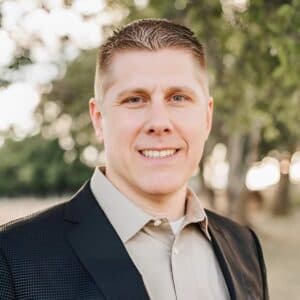
Podcast Intro and Guest Background 1:14 This is Doctor Talks, 1:16 real talk from real doctors on the issues that matter to you most. 1:23 Hello everyone. 1:24 Welcome back to the Integrative Health Podcast with Doctor Jen. 1:28 Today we're going to be learning about something different, something really cool 1:33 and talk all about muscle and our body and how it aligns. 1:38 So we have Brian Basinski who's been practicing SRM 1:43 Synergy Release Method Therapeutic Services since 2000. 1:48 His known as the Best Kept Secret and body structure and body functionality. 1:53 He's taking his education and quantum engineering 1:56 and mechanics combined with 20 years of hands on alignment, 1:59 anatomy and physiology to make the most sophisticated technology 2:03 advanced way to correct body structure issues within minutes, 2:07 and this is called tension release technology. 2:10 His clinic's motto is we want to see you once. 2:13 Then you have the technology to correct yourself. 2:15 Most patients receive 80% plus improvements within one session 2:20 without any return. 2:21 Brian was a standout high school basketball player in Waco, Texas 2:25 when injury struck and he found the new profession 2:27 and helping people recover structurally from injury 2:31 out of SRM birthed Intelligent Threads, the first ever Tension Release Technology 2:35 textile, which communicates to your muscular and skeletal system, 2:39 allowing your body structure to realign within seconds of contact to the material. 2:44 Now, with over 10,000 individuals since 2016, TRT has been proven to improve 2:49 overall body structure by 60% within first two minutes of where 2:53 decreased pain, improve sleep, regulate blood flow and improve recovery. 2:57 Brian has worked with many great athletes and celebrities such as Fred Couples 3:01 from the PGA, Andy Broderick, tennis player Andrew Reed, NFL 3:06 chief, Kansas City Chiefs head coach Terrell Owens and the NFL and many more. 3:11 His biomechanics and technology have no comparison to anything currently 3:15 available without better taking human body technology 100 years into the future. 3:21 Brian is married to Michelle and they have two daughters, 3:24 and he enjoys family time at their church and outdoor activities. 3:28 Welcome, Brian! 3:29 We are so excited to talk about this and we met at a conference. 3:33 You know, I was very skeptical about it should be. 3:38 Yeah, yeah. 3:39 So I I'm so excited to deep dive. 3:41 Brian was great. He talked me through it. 3:44 It makes so much sense. 3:46 And I wanted to share this technology with you guys. 3:48 So welcome. 3:49 Thank you very much. Really appreciate it. 3:51 Yeah. Of course. 3:53 So tell me a little bit about basketball. Yes. 3:56 You're you're very you're tall and you were athletic. 3:59 You really probably were in tune with your body. 4:02 And how'd you get injured. What happened. 4:05 Yeah I wouldn't say I was in tune with my body at that point, but, it was crazy.
Basketball Injury and Structural Imbalance 4:10 I, I kept sprained my ankle 4:11 sprain, my left ankle, the my right ankle on my left ankle. 4:14 And it wasn't later on until I figured out kind of like, why that happened. 4:19 And what happened was, when I was 15, 16, 4:23 I took a job as a janitor, and I started vacuuming. 4:26 I think I vacuum, it felt like a half a football field, and I 4:28 but I only used my right arm to vacuum right, and my left arm was my quarter arm. 4:32 But I needed perfect triangles, right? 4:35 So very strict. 4:36 These bank buildings and insurance buildings that we were cleaning. 4:39 And so what happened was my sophomore year, I was pretty good. 4:43 I shot, 33% from the three point line. 4:48 Which is it? 4:49 I guess that's good for a big guy, but I could touch the rim, 4:52 you know, pretty good. 4:54 And for basketball people, you know, they said, my, my senior year, I shot 4:59 17% from the three point line and I could barely get my hand over the rim. 5:04 And it didn't make any sense to me. 5:06 Why am I getting worse and worse and worse? 5:08 And then my structure, going back and looking at pictures sophomore year, 5:12 junior, senior year, like now I'm out of position. 5:16 And that actually led to me spraining my ankles. 5:19 And I believe it had to do with a repetitive motion of me, 5:22 because I'm back in five days a week for three hours a day, 5:25 and it wasn't until I, sprained my ankle bad. 5:30 I went to rehab. 5:31 I couldn't put a shoe on. 5:33 I was on crutches for two weeks. 5:35 After a month of rehab. 5:36 My swelling was still there, but it did go down. 5:39 But I still couldn't move, jump or anything, and I believe. 5:43 I believe rehab did help. 5:44 I believe my ankle did heal in rehab, but they never checked my overall structure. 5:49 And so my mom was like, hey, we're gonna go see this guy. 5:53 And I'm like, I've already been the doctor. 5:55 I know I can't play basketball anymore. 5:56 I'm going to give up on that dream. 5:58 But she's like, look, let's just go. 6:01 So I go, okay, cool. 6:02 So we went and, I walk in the door and the guy looks at me 6:07 and he goes, your knees out of place, and I have an air cast on my ankle. 6:10 It's swollen. There's nothing wrong with my knee. 6:12 And I go, this guy, 6:13 I'm like 17 years old or so, and I guess guy guy's not that smart. 6:17 He missed it. 6:18 I'm like, there's a big arrow at my ankle and he's talking about my knee 6:23 because I didn't understand. 6:24 And so what he did is he helped correct my knee and it says he did. 6:29 I can feel the warmth go down into my ankle. 6:31 And then by the next day the swelling is gone. 6:34 And I was like, Holy moly. 6:35 And what he was doing is correct him. 6:37 Overall structure. 6:38 Within three days, I was back in the gym. 6:41 I could test the rim here again, which I haven't done in like a year, 6:44 and I don't know what my percentage shot was because I stopped playing. 6:48 Organized basketball, but I couldn't miss. 6:50 I was hitting everything, and I realized 6:53 pretty quickly that my overall structure was wrong, 6:56 and it was actually setting up injury for me. 6:58 And I was hurting my performance. 7:00 And I was like, okay, how do we do this? 7:02 And so I started working with them. 7:04 And what happened was I realized real quickly that the bone is connected 7:07 to muscles, right. 7:08 And so what the muscle gets tight, holds the structure in place. 7:12 Even if we force the bone back in, the muscle pulls it back out. 7:15 So I'm thinking, okay, how do we get the muscles let go? 7:18 And that was a 15 year journey to figure that out. 7:20 But once we did now we have a product that will actually release muscles, 7:24 keep them relaxed and it helps stabilize the whole structure. Yes. 7:27 And I think that is something that is not talked about a lot 7:31 because our structure dictates our function. 7:34 And being a Doe, we had OMT osteopath, 7:38 manipulative therapy and medicine every week. 7:42 But I had a colleague in my class. 7:45 He was older, he was in the military before medical school. 7:49 He was nontraditional and his name was Gary Brady, Doctor Brady. 7:52 And he was like, Jenny, I'm going to teach you all 7:55 about trigger points and all about my fault 7:57 because you can move the bone, you can move the bone. 8:01 But if you're not fixing the muscles attached to the bone, 8:04 it's just going to go right back. 8:05 So I, I've had like a little I little old ladies I mean she was 8:10 she's very petite but one of my patients, you know, she was having arthritis. 8:15 She was told I released her for her muscles and, 8:18 and then taught her how to do it at home and gave her a book to read. 8:23 And then she was like, 8:24 my arthritis is gone and all of my friend's arthritis is gone. 8:28 So I, I love when I read your bio 8:32 that you fix people, but then they don't come back. 8:36 I was just talking to my kids about this in the car. 8:38 I'm like, you know, that's what that's what doctors do. 8:42 Or that's what, you know, certain people do is they keep you coming back 8:46 like, oh, we have to see you 12 times to get you better. 8:50 So you're kind of like me. 8:51 I'm like, I want to fix and then optimize and then send people on their way. 8:56 Yeah, absolutely. 8:57 My goal is to keep people out of my clinic.
How Muscle Release Restores Alignment 9:01 Now, if I don't a restaurant, 9:02 the goal would be like, come back, come eat my food. 9:05 It's awesome. 9:06 But if we're trying to really help somebody, then I'm going to I'm 9:09 in my brain. 9:10 I got to figure out why they're like that. 9:13 Correct? 9:13 That help the structure stabilize, and then they shouldn't have to come back 9:17 and unless they do something stupid or something 9:20 stupid happens down, they can always come back with. 9:23 The cool part is, with our tech, 9:24 we're actually seeing them correct themselves for the most part. 9:28 Barring any major scar tissue or, you know, toxicity 9:32 they have, they still need to love and forgive people and forgive themselves. 9:35 That's a good thing as well. 9:37 Which that's actually play, I think it plays a huge role, 9:40 can play a huge role in the structure of the body as well. 9:42 Oh, I love that you brought that up. 9:44 I was just listening 9:46 to the story of Joseph and his brothers with my kids in the car today. 9:50 Oh, wow. 9:51 Yeah. And really cool podcast off the link. 9:54 Link it. It's forget what it's called right now. 9:56 I'll send it to you. 9:57 But it's it was so cute because these stories are geared towards 10:01 kids and I'm just like listening to it and looking around and they're like, 10:06 I'm like, oh, Joseph forgave his brothers and he's crying. 10:10 He's so happy to see them as my kids, you know, fight all the time. 10:13 But, anyway, I love that it's forgiveness. 10:17 I mean, I let my kids listen. 10:18 Yeah, yeah, because because bitter roots, you know, those bitter roots 10:23 can actually, you know, we can hold that bitterness in our tissues. 10:28 So what do you do on a day to day basis? 10:31 Like we'll talk about your tech, but what do you do in your, office right now. 10:37 Yeah. 10:37 So, basically we schedule people, see, I usually say about one an hour. 10:43 I listen to them, 10:46 we figure out why they're doing what they're doing. 10:50 We look at their structure, then we release all the different 10:53 individual muscles in the body, which now doesn't take long. 10:56 And then we go back and help correct and stretch out any kind of imbalance 11:00 within the bone structure. 11:01 And once you get the bone structure right and the muscles relaxed, 11:04 it's kind of like magic. 11:06 That not specific magic, but man, people just feel better because sometimes 11:12 I think I think the main thing that we focus on is compensation. 11:16 If what happens is, is that the large majority of people will come in 11:22 if they've picked up a box, they stomp their toe in the compensate. 11:26 And then what should happen and why do you think it happens 11:29 the majority of the time as you, compensate back into the right position? 11:33 I think that happens the majority time, but every once in a while 11:37 you, you compensate and then set it. 11:40 Come say you can't say it again. 11:42 Now that takes the pressure off here, but it shifts to your hip, 11:45 and then you hit shift again and say the pressure goes your knee. 11:49 And what happens? 11:50 I think what happens is the knee starts hurting. Right. 11:53 But for compensation was really say, for example, came from the shoulder. 11:57 And so what do we do? 11:58 We're prone to look right at the knee and all that to me. 12:02 Now if you get hit in the knee with a sledgehammer, 12:05 you should definitely 100% look at the knee. 12:08 So there's I'm not saying don't ever look at the knee, but just think about it. 12:12 A lot of people come to me and they'll say, Brian, I've never ran in my life. 12:15 I've never ran on concrete. 12:17 I'll have my knee started hurting. 12:19 I never hurt it, never tweaked it. 12:21 I'm like, okay, but they're talking me like this. 12:24 And I'm like, yeah, you got some other stuff going on besides your knee. 12:29 Once we correct the overall structure and then the pressure comes off of the knee 12:32 and I don't really even 12:33 have to address the knee at all or that much, and they feel better. 12:37 So to me, if we get the if we get all the bones 12:40 in the back in the right position and all the muscles relaxed, 12:43 then the scar tissue to let go and the tendons, the fascists work, right. 12:47 There's really not a whole lot left structurally that can cause you 12:50 to go out of place. 12:51 Yeah, I love that. 12:51 And it's almost like root cause, but at a muscle skeletal level 12:58 where you're not looking at where it hurts. 13:01 So that's lean now. 13:03 So you were describing the synergy release method with what you do in your office. 13:09 And then that birthed to the intelligent threads 13:14 the first ever tension release technology textile. 13:17 So I guess like what is it and how did you figure this out. 13:21 Yeah, absolutely. 13:22 So 2000, I kind of started getting the idea of how everything worked. 13:28 And I realized pretty quick 13:30 if I had my 2001, I realize if I can get that muscle to let go, 13:34 then the bone has a chance to straighten back up, be in the right position. 13:38 So I started saying, okay, how do I at least a muscle? 13:40 So I called one of the best massage therapists we knew 13:44 and he said, just squeeze the muscle, just squeeze it. 13:47 And I go, okay. 13:49 So I remember squeezing them and sure enough they let go. 13:53 And by the end of the day, though, I could barely use my hands 13:56 and I thought, there's gotta be a better way. 13:57 And sometimes that muscle would tighten back up. 14:00 So I said, okay, there's got to be a better way. 14:02 And so I said, God, how do we release this muscle? Right? 14:04 And so he said, I'm gonna send you on a journey now. 14:07 I was like 21 years all the time. 14:10 And so I said, about a week later, I said, 14:13 I wonder if I'm still on my journey, because when you're younger, you're 14:17 not as educated as you need to be in life. 14:21 And, so 15 years later, I had the 14:24 moment of how to put everything together to get the muscles let go. 14:28 But it was a journey. 14:29 I met with people talk to people, studied things, started researching 14:33 how the body worked, how the muscles work, how interacted with each other. 14:37 But that all led to the moment. 14:40 And so, essentially we figured out 14:43 how to release the muscle, what interacts with the muscles to make let go. 14:47 And from that, then we were able to put the, 14:50 that technology into our fabric. 14:53 And so when you put it on, that's what gives the signaling process 14:56 to the muscles. 14:57 And then that tells the muscles to let go. 14:59 So if every engaged muscle that's holding your structure to a place that lets go 15:03 now all of a sudden there's nothing holding you out of posture, 15:07 and now it's just about getting the bones back in the right position at that point. 15:10 Yeah. That's amazing. 15:11 And this, this would, with how you described it, help 15:15 with trigger points which are tight bands and muscles that can't relax. 15:20 Correct. Yeah. 15:21 All right. Yeah. 15:22 You know, I always it's kind of interesting. 15:26 And the more information and the more I learn, the more I know I don't know
From Synergy Release to Intelligent Threads 15:30 anything, and I don't know anything the way I should know it. 15:34 And we. 15:34 I studied chicken points for a while, and, they're great. 15:37 But then I realized, why are they triggered? 15:40 And a lot of people talk about muscle memory 15:43 and muscle memory never sit right with me. 15:45 But I could never explain it. But I think, what? 15:47 But now I'm starting to think it's really more of a protective factor. 15:50 Right? 15:50 So if you're if you're bone, is that a place because you heard 15:54 Eddie broke it or something, you're going to guard that. 15:57 And when you guard that, certain muscles are going to tighten up. 16:00 When that heals, those muscles should let go and allow you to open back up. 16:04 But sometimes they don't. 16:05 And that stops. 16:06 That starts the conversational chain. 16:08 So I don't think muscle memory is quite how we think of it. 16:12 I think it's a protective factor that we use now. 16:15 I do believe like riding a bike. Right. 16:17 You remember how to ride a bike? 16:18 I'm not saying there's no such thing as that. 16:20 And I think there's a factor of muscle memory, but I think it's a protective 16:24 I think it's a protective factor that the body uses. 16:27 And that's why we can change it so quickly because we're undoing 16:30 the whole compensation chain. 16:32 Yeah. 16:33 Now, I saw you at a bio, the biohacking expo. 16:36 And like I said, I watched your videos before online. 16:40 I didn't get to visit you in a forum like all of my friends bought your hats 16:44 and stuff and I just didn't have time, so I was glad I got to experience it. 16:48 And you evaluated my husband 16:51 and I, and it was really wild because, you know, you put technology on 16:57 and it it it corrects your structure. 17:01 Yeah. 17:01 And I you know, my right shoulder is always hyper elevated. 17:06 My right hip is two. 17:08 So it was really cool to see it kind of relax. 17:12 Especially because I, I do focus on trigger points a lot 17:16 and it keeps me a little bit in check, but not all the way unraveled. 17:20 So the technology for those listening, if you haven't seen it, it's in fabric. 17:25 So can you explain a little bit more about the fabric. 17:29 Like can you wash it? 17:31 How absolutely often should you wear it? 17:33 Because that was my question. 17:35 And you know, when do the benefits go away when you don't wear it. 17:39 Yeah. Great. 17:40 The washing question, I think that's an important question. 17:43 We get, so far, the original shirts we made, we've had over nine years, 17:49 we've washed them. 17:50 I think I stopped counting at 124 times, but we still wash them. 17:55 And very much, all at least once a week to once every two weeks, 18:01 and for nine years, because I still take them out 18:03 and try to hurt them 18:05 and try to see 18:05 if I can get the technology, have it the way we bonded technology to it. 18:08 So far it hasn't, they haven't figured out how to release it out of the material. 18:13 Wearing it. 18:16 The more you wear it, the at first, the better your body will stabilize. 18:22 The last the last conference we were just at, I had a guy come up to me. 18:26 Usually happens about every 2 to 3 conferences. 18:29 He said, Brian, I bought your shirt a year ago. 18:32 I said, we bought several items. 18:34 I said, well, thank you very much. 18:35 He said, we love it here's. 18:37 But I don't think it works anymore. 18:38 Is there a time frame to it? 18:40 And I know it still works from all our testing. 18:43 But I said, why do you say that? 18:45 And they always say, well, I don't feel it work anymore. 18:48 So I said, okay. 18:49 So he went through and push and all the engaged muscles that should be tight. 18:53 None of them were tight. 18:54 I said, how do you feel it? Because I feel great. 18:56 I have no pain, I have no problems. I can do whatever I want. 18:59 I said, well, what happened was you stabilized and he said, what do you mean? 19:03 I said, when's the last time you put on your shirt? 19:05 He goes, about a month ago, I said, you've literally not needed it. 19:10 So when you were putting it on, 19:12 because the muscles have already let go, you're not feeling any of the tension. 19:16 Let go like you normally feel, which is where you want to be. 19:19 And he's like, that's true. 19:21 And I was like, but don't worry, something will happen. 19:25 You know him, he'll tighten back up. 19:27 Hopefully you don't hopefully never do. 19:29 But it seems like we all do dumb things or dumb things happen to us 19:33 is probably a better way to say it. 19:34 And he was like, oh, I liked your answer. 19:36 I was like, yeah, and feel free. 19:39 And I said, if you want to try it out, put on one of your friends 19:42 and do a, push test or a pain relieving test. 19:45 And he goes, that's a good idea. 19:46 I was like, let us know. 19:47 Let us know if we can help you. 19:50 And so the point is with him, 19:53 I forgot to ask him how many months he wore it before he got to that point, 19:57 but certain people can wear them, a couple weeks, couple months, 20:01 and then they stabilize pretty well. 20:02 I have other people that have massive scarring, say, from burns or something. 20:06 They can't go two days or a week without needing to put it back on 20:09 because, they're. 20:11 Well, let's just say it. 20:12 They're more screwed up than other people, 20:14 and the scars are holding them out of place, but they love it 20:17 because it actually solidifies their body and gives them, structure. 20:21 It gives them the chance to level out. 20:24 That's the fun part, Brian. 20:26 How long will it last if I take the shirt off? 20:28 Well, how screwed up are you? 20:30 The the the more messed up your, The chances are I won't last as long. 20:35 But the cool part is your body will eventually stabilize to. 20:38 Yeah, you wear it all the time. 20:40 Oh, my thing is, is like, I'm just. 20:43 I got to wear a shirt. 20:43 Anyways. 20:44 I might as well wear something with our tech in it. Maybe. 20:47 Why would you wear clothes that didn't help you at this point? 20:50 Right now I see you have one of your polos over top of an undershirt. 20:55 So when you wear this technology, you can just wear a hat. 20:59 You could just wear a blanket at night, like say, someone. 21:04 They're like, I just want to use it at night. 21:07 Yeah, get a blanket or one of the robes like is that, is that enough time? 21:12 Like what would be you know, I know everyone's different, but. 21:15 Right. 21:16 At least like, if you're recommending this, you're like, you know, I, 21:19 I know you said to my husband and I still have to get him a blanket. 21:22 We've been traveling a little bit, but, you know, you just said, 21:27 put the blanket on you know, use the blanket at night, 21:31 you know, and that that will consistently every night and see how you do so. 21:36 Because I know it's not like medicine to not everyone is the same. 21:40 But I guess about what would you suggest? 21:43 Yeah. 21:44 What I typically tell people now is wear as much as you can. 21:47 At first we have some movements and stretches online. 21:49 The movements are typical. 21:51 They're movements that you can do to help put more of the bones 21:54 back in the right position. 21:56 What we typically see is lots of different bones. 21:59 They're off and I don't mean like they're way out of place or six inches off.
Wearing the Technology and Daily Use 22:02 I mean, some of them are, 2 or 3mm off, but that 2 or 3mm sets up. 22:07 A whole compensation will change to the body. 22:09 But but they won't let go until those muscles release. 22:12 And then once the muscle. Let's go. 22:14 Now the bone has a chance to straighten. 22:15 So what I tell people is where unless you can, 22:18 the next thing you need to do is do a move. 22:20 As it stretches 22:21 all of them take about a minute to two minutes to do, which is great. 22:24 And actually I designed it to do all of them laying down in bed. 22:28 So I thought, I'm gonna take all the squeeze as long as I possibly can. 22:31 Yeah, yeah. 22:33 And then usually by three weeks to a month. 22:37 It's kind of a it's almost overkill to do it that long, 22:40 but I think there would be certain people that need to do it that long. 22:44 And then maybe some people, few people, I do it longer, 22:46 but then just do the stretches, the movements once a week. 22:49 So one minute a week and then like I said, if you had a blanket or a full bed, 22:54 we have full bedding or pillowcases or even a shirt 22:57 if you just slept on it every night and just did your movements once a week. 23:01 I mean, as long as you didn't do anything too extreme or like there again, 23:05 something crazy happened to you, you're going to hold really well. 23:08 And if you don't, then just start doing your movements more. 23:12 And then the cool part is if, if, say you get out, go to your chiropractor, 23:16 have him put you back in, go to your massage therapist, your massage therapist. 23:21 You might have some scarring in there that she needs to break up some locked up 23:24 fascism, some different things that she can help you through. 23:27 We are massage therapists up here at our clinic. 23:30 She will not massage anybody without them laying on one of our blankets. 23:34 She makes your job easier. 23:36 And then she wear something because she's thinking longevity. 23:40 But she's six months booked out. 23:41 Won't see new ones because nobody wants to skip an appointment with her. 23:45 Because she can literally get to all the deep tissue now 23:48 because they're relaxed when they work on her. 23:51 So that's kind of, the way I tell people at this point, 23:54 I do think if you're like a professional athlete, I like to work out. 23:57 I think it's very important to wear in the moment as well. 24:00 Me, when I'm a I'm 65, so when I fly on a plane or whatever 24:05 I have one on because I'm, you know, I'm sitting there like this 24:09 and it really does keep everything relaxed. 24:11 I can just get off the plane and go, yesterday we drove about five hours. 24:17 And I had a shirt on in the car I could 24:20 I got right out and started moving, which is really nice. 24:23 So, and then our sleep, our. 24:26 It really does help. 24:27 Once the body relaxes, the sleep always picks up. 24:30 The REM and deep sleep get better. 24:32 So there's there's lots of different ways to utilize it. 24:35 The the interesting part is, in my mind, I'm so focused in on structure and muscle. 24:40 For years I didn't really understand it. 24:42 Helped you sleep. 24:43 And then we did a partial sleep study, which just all rings 24:46 and like watches and different things like check your sleep. 24:50 And sure enough, people are getting a lot better REM and deep sleep. 24:54 So I was like, oh, that's good. 24:56 But it makes sense that if the body relaxes, 24:59 then you can sleep better because if you're tight, 25:02 you're not going to sleep as good as if you're completely relaxed. 25:04 Yeah. And I bet it helps with pain too. 25:07 Yeah. 25:08 So, you know, it's funny because, I don't want to mask the pain. 25:13 What I want to do is on a corrected at a root cause 25:16 level, structurally, and then the pain should go away. 25:19 If it doesn't, then we need to look for infections. 25:21 When you look for scarring, then we do look for, 25:23 you know, heavy metals or, you know, toxicity. 25:27 And so I'll people call or come to me and go, hey, 25:31 I put the shirt on and my pain didn't go away immediately. 25:35 And I said, well, it's not designed to do that. 25:36 But what happened? Well, I did get shot in the back. 25:39 And I'm like, oh, they're like, they need to take the bullet out. 25:42 They just but they won't. 25:43 I'm like, okay, well, you're a different case. 25:46 I was like, it might take some time. 25:49 You know, I literally had surmised that. 25:51 I mean, I was like, okay. Yeah. 25:54 And like another example, we had a lady, she goes, 25:57 it did take my pain away immediately. And I go, what's wrong? 25:59 And she goes, well, I have a tooth infection. 26:01 Yeah. It's not going to help you there. 26:03 But, you know, I think it will help to a degree 26:08 if you can get the muscles let go and the blood to it, then, you know, 26:11 that should help it some. 26:12 But you still got to take care of the infection in the bacteria. 26:15 So we're not 26:15 we're not trying to we're not, we're not trying to focus in on masking the pain. 26:19 We're trying to focus in on getting the structure to let go. 26:22 And then then we're hitting the 26:24 at the root cause level, and then the pain will let go. 26:26 Yeah, right. 26:28 That's awesome. 26:29 I love that you said it's good to wear during your workout. 26:33 So you could wear like a pair of socks even during the workout. 26:36 And that will that'll be helpful. 26:39 Yeah. 26:39 I have a lot of, professional athletes, that I work with, and, 26:43 neither use our jail because of the jail. 26:45 You can just rub on, and then they can wear whatever they want. 26:48 We actually have a little patch two that you can put on, and then, 26:51 last seven days and you can wear one or socks. 26:54 They go by with other socks 26:56 and, it's, it's kind of neat, neat to see them on there. 26:59 And so far we've, outfitted two dozen, 27:03 over two dozen collegiate professional and club teams, 27:07 and we haven't had any soft tissue injuries across the board. 27:10 Not saying we stop all soft tissue injuries, but so far, so good. 27:14 And all our independent athletes that play that use them on different teams, 27:18 they've been all good. 27:20 We've had a few of them break bones and stuff like that. 27:22 But it's not going to stop impact injuries. 27:26 It's not magic. Yeah. Right. I, I was going to say that is. Yeah. 27:28 That's, that's a different level that that's really cool. 27:32 I'm thinking like in my mind, you know, with cycles thinking and, 27:37 and how I like, look at women and women in sports 27:40 and how there's not a lot of studies, but it would be really cool 27:44 because women are more prone 27:45 to injury during their luteal phase the second half of their day. 27:48 So it'd be really cool to like, put the gel or the patch, 27:52 or just encourage them to wear it during that time. 27:57 Absolutely. 27:57 That's what I tell women like, don't go for your peers, don't don't sprint 28:02 or do hit workouts in your luteal phase, you know, calm things down. 28:06 But that's, that's really cool. 28:08 Gosh, I wonder, like, 28:10 you probably haven't done any studies on, like, childbirth, 28:13 but that would be kind of like cool to think about. 28:16 Or have you, not know anything more analytical at this point? 28:20 We have several ladies over, 28:23 couple dozen now that will wear the shirt during while they're pregnant. 28:29 They won't actually they won't take it off. 28:31 They'll buy anyways because it makes them feel better. 28:34 They'll they'll have it on or lay on it during the childbirth. 28:37 And most of them, say 2 or 3, pushes the babies at them. 28:42 Not really. 28:43 We're relaxed. Yeah. 28:44 We had the last, well, about 4 or 5 babies ago. 28:49 It was her third baby. 28:51 She had, 10 pound, five ounce baby, three pushes. 28:56 And I was like 10 pounds. What? 28:58 I really think that's amazing. 29:00 And then of course, they, you know, have laid the kids on and stuff too. 29:03 That helps them, with the, with the linear phase, 29:07 I, you know, always the inflammation kicks up. Right. 29:10 And so if you're out of posture 29:11 a little bit then, then that highlights or multiplies the effect. 29:16 So we actually outfitted the number one, 29:19 collegiate girls golf team, junior college in the nation. 29:23 The coach is amazing. 29:24 The team is amazing. 29:25 They they keep their in the top. 29:27 There is a first, second or third pretty much every year. 29:31 And the coach you've been coaching for 35 years. 29:33 So we after them two years ago 29:36 at the end of the season, she goes by and this is the first time 29:39 that I never had any injuries the entire season. 29:43 I said, really, she goes, in 35 years, none of my girls got hurt. 29:48 I was like, well, that's amazing. 29:49 And then we outfitted a girls, club soccer team there. 29:53 The I think they won as a club team. 29:56 They won, like, everything they're supposed to win. 29:59 And the coach came to us and he goes, every year we have at least one ACL tear. 30:03 And I go, really? 30:04 Because typically 2 or 3, he goes, we didn't have any. 30:07 In fact, we didn't have any soft tissue injuries across the board. 30:10 I was like, really? 30:12 He goes, well, he goes, we're going to do this next year as well. 30:15 So great. 30:16 And to me, that's why I created it. 30:18 I wanted to be able to help people. 30:20 I can't, it's going to sound funny, but I can't put my hands on everybody 30:24 and help everybody. 30:25 But if I can develop upon 30:26 what you did to release is the root cause love or structural imbalance.
Performance, Recovery, and Athlete Use Cases 30:30 That and then now we're seeing the progression of in fact, Thursday I'm 30:35 flying out to go meet with the collegiate, a college football team. 30:39 They are thinking about, us outfitting the whole team. 30:42 And, we'll do some studies with that for sure. 30:44 I'll make the or I'll make them, but I'll offer, 30:48 hopefully they offer the, study this out with me. 30:51 And, we should say pretty good improvements in that as well. 30:55 Wow, that is so exciting. 30:56 But I and I love what you're doing because you're such a good heart 31:00 that you want to to help people and and prevent injury. 31:05 And that's so important because not everyone wants to prevent 31:08 injury or side effects and conventional medicine for sure, 31:11 because, you know, 31:13 they profit off of sick people and same, you know, like you were saying, 31:16 you want to get people get better and get them out of your clinic. 31:18 And that's not a good business strategy. 31:21 But if it's a legitimate 31:22 but it's the right thing to do, that's how I am to my husband's like Jenny. 31:26 Like, you can't just like, get people better. 31:28 And then they're done and I'm like, yeah, I can. 31:30 And then they can come back to me for longevity stuff, you know? 31:34 But what they get excited and tell their friends 31:36 and you get more clients. 31:37 Yeah, yeah, yeah. 31:39 It's all good. 31:39 You know, if we're if we're doing things in good faith, then absolutely. 31:43 But you know, you mentioned children so and I know you have products for babies. 31:49 So should, you know, for kids, I guess they could wear this stuff, 31:54 but you could just put a, a blanket or a sheet on there. 31:56 But, Yeah. Yeah. 31:58 So how how have you noticed if you want to share, 32:03 if you use these with your children, absolutely care more about that. 32:07 Yeah. 32:07 So we have a five year old we intelligent thread 32:11 was developed in 2016 that that's when I had the moment. 32:15 So my oldest daughter we were when we when she was young 32:18 we didn't have the technology. 32:20 But with my youngest daughter, she's five and what we found 32:24 was if she's really hungry, it didn't matter if we wrapped in a blanket. 32:29 If she was really tired, didn't matter if we. 32:31 If she was wet. 32:33 Didn't matter if we had the blanket. 32:35 But as long as those needs are met. 32:37 She she's a, Oh, blood. 32:40 She's ready to go. 32:41 She's got a lot of stamina. 32:43 She can go and go and go. 32:45 And we found if we just, As long as we kept those needs met, 32:49 if we wrapped in a blanket or laid on a blanket, she would just calm down. 32:53 She would just be still. 32:55 And a lot of times I'd help her just go right to sleep. 32:57 Especially when she sleeps. 32:58 Now, we have crib sheets. 33:00 So when she was in her crib, she just slept, so good. 33:05 And, like, she would sleep, most of the night. 33:08 Almost every night, which is good. And maybe. 33:11 Maybe that's just how she is. 33:12 But I hear this repetitively, from a lot of our clients, 33:16 they say, oh, my gosh, I put, like, the baby's crying. 33:19 We wrap it in your blanket and it stop crying. 33:22 I'm like, oh, that's awesome. 33:23 So if you have a structurally imbalanced baby, which 33:27 which happens a lot, actually, that will definitely help them. 33:30 But you still gotta feed him. 33:31 He's a change of the. 33:33 That's definitely takes more importance than our stuff. 33:36 Yeah. And then the cool part is, I. 33:38 I think if they use it, growing up, we're starting to see these kids 33:42 that just don't have a lot 33:44 of the structural problems that, some of the other kids do. 33:48 So we can get the if we can get the adolescents 33:50 where they're structurally correct, then it sets them up for life, 33:54 to where they're not going to. 33:56 We should see I mean, hopefully we see a drop in injury rate across the board. 34:00 And that's what we're seeing with our sports teams. 34:02 So I'm thinking that should go across the board. 34:04 But it's going to take, you know, 20 or 30 years to prove out. So. 34:08 Right. Wow. How exciting. Yeah. 34:11 So you're saying like and I guess my question is so it doesn't matter. 34:15 Like the amount of material with this because you said 34:19 you could just use the couch. So. Right. 34:21 Because the actual technology, the tension release technology in 34:26 it's in the textile, it's in the product, it will interact with the cells. 34:31 But it doesn't matter if it's a hat or a scarf or a patch, it will be done. 34:37 All right. 34:37 Yeah. What we found is the more surface area, the better. 34:40 I'll tell you a quick story. We had an English gardener. 34:42 She's an Olympic gold medalist. 34:44 I love English, she's awesome. 34:45 She's a seventh at the time. 34:47 She's the seventh fast girl of all time. 34:49 And, she, heard me as she saw 34:52 me, and, she couldn't recover. 34:56 It would take her a week before the cybex machine will let her go work out, 34:59 and, she buys a shirt from me, that she. 35:03 In fact, the day I saw, she worked out real heavily that day, 35:06 and she's like, okay, I got to wait another week. 35:08 So that night, she slept in her shirt, and she worked. 35:10 The next day, 35:11 she gets checked on that machine and she's completely recovered across the board. 35:16 And the training goes, what do you do? 35:18 She uses my magic shirt and he goes, whatever, which is fine, I get it. 35:22 And I would say the same thing if I didn't know any better. 35:24 And, so about four months later, she calls me up. 35:29 She goes, hey, I said, and the athletes only call it, something's wrong. 35:33 So I said, what's wrong? 35:33 She goes, I feel like I'm cheating. Like, what do you mean? 35:36 She goes, I go burn my legs out. I put the shirt on. 35:39 The soreness goes away. I said, yeah, that's how it's supposed to work. 35:41 She goes, isn't that cheating? 35:42 I said, no, they don't have any rules for it yet. 35:45 And so I was like, cool. 35:47 Here's an Olympic athlete. 35:49 She's working 35:50 hard on her legs, but she puts her shirt on, her soreness goes away on her legs. 35:54 Well, then about the same time we had some Navy Seals, testing out 35:58 our products because they're the probably the most extreme athletes on the planet. 36:02 I would say there's maybe 36:03 a few more out there that aren't, but those guys are crazy in a good way. 36:07 And he called me up and he says, run. 36:10 We just finish our six hour long workout. 36:12 I said, 6:00 workout. 36:15 He said, yeah, I grab, when we're done, I grab your shirt and put it on, 36:20 and I'm up walking around a lot of my soul to some other guy's pretty much gone. 36:23 He goes, but my legs, I'm still sore there, but not as bad. 36:28 And so previously, pretty much all the soreness goes away. 36:32 And I said, well, wait a minute, you're soreness. Your leg should be gone away. 36:35 And he goes, don't get me wrong, all my other guys are on the floor. 36:38 They can't get up. I'm the the one moving around right now. 36:41 He goes, this stuff's amazing. 36:42 And I said, so we sent them some pants. 36:45 They did the workout again. 36:46 He puts the pants on, puts the shirts on. 36:48 He goes, oh yeah, my sauce is gone away in my pants. 36:50 So there is something to say about location and surface area. 36:54 But if an Olympic gold medalist can't feel the difference 36:58 and the craziest, most extreme athletes can kind of tell the difference. 37:01 I can never tell the difference. 37:03 Of course, I don't workout very often, so that's probably why. 37:06 But, there are some surface area and the more surface area, 37:10 but just a little patch will do you really good socks are amazing. 37:13 But, of course my favorite product is the the bedding 37:16 because it, you know, you don't have to change. 37:18 That's a nice park. You're not changing anything. 37:21 You're getting in your bed and you're going to sleep. 37:22 You can do that anyways. 37:24 But anyways, yeah, that's really cool. 37:26 Like get this, get a king size one and have everyone sleep in the same 37:30 bed for a few nights. 37:32 Yeah, quite. Absolutely. 37:34 I'm just getting I'm just getting, 37:36 well, that's what my kid, my boys, they all like to sleep in the same bed. 37:39 Sometimes I'm like, I'll just get one and be like, 37:42 you guys can all sleep in this bed for the next month, and we'll see. 37:45 We'll see what happens. 37:47 Yeah, that's that's crazy. 37:48 That Navy Seal story. 37:50 So did it. 37:51 Did the other people from his, like, group, did they all get some too? 37:57 That. Yes. Yeah, absolutely. 37:59 So the funny part was I that day, I said, what did y'all do. 38:02 And he started list. 38:03 He goes, well we picked up these telephone poles and we carried them. 38:06 And then like we had to do all this running 38:09 and we had 130 pound packs on our backs. 38:13 And then we went in the ocean and swam like three miles or something like that. 38:17 And he goes, he goes. 38:18 But because he had bruises on his arms right here. 38:20 And I said, I said, why did bruises on your arm? 38:22 Because, well, the sandbags were already taken 38:24 and I couldn't I needed to have some weight while I swam. 38:27 So I just grabbed the manhole cover 38:29 and I swam three miles holding the manhole cover in the ocean. 38:32 And I'm like, oh, like this? 38:35 Like. 38:36 And he goes, yeah, the course takes us about six hours to go through. 38:40 Oh my. 38:41 Oh, but you know, the craziest part is those guys, can't perform physically. 38:46 They die. 38:47 So they have to go to the extreme. 38:49 And then the other guys, they were like this is they saw him walking around, 38:53 and then, we were fortunate enough to be able to outfit them as well. 38:57 And they, thanked us and they can 100% tell the difference. 39:02 They are, I actually talked to, him the other day, and he's out. 39:07 He retired. 39:08 He was, are he's. 39:11 Yeah, he's retired or about to retire. 39:13 That's a do you mind if you give me a testimony? 39:15 He's like, yeah, because he's done some pretty crazy stuff. 39:18 So he's like, Now I'm going to stay under the radar. 39:19 He goes, tell my story. You want just leave my name out of. 39:21 I said, no problem. 39:22 But we always thank those guys for their service because it's very, it's 39:26 very important job that they do. 39:28 So yeah, it's amazing you all have to make a swimsuit 39:32 then so they can wear it while they're training. 39:35 Oh, absolutely. Yeah. Absolutely. 39:36 So do you think that this would be on the radar of, like Olympic 39:40 committees or sports like committees to, 39:43 regulate like do you think or. 39:46 They can't. It's clothing. Right. 39:48 Yeah. 39:49 For right now they don't it's so 39:53 the problem is that, like you said in the beginning, it's like 100 years advanced. 39:56 I don't know about that, but it's so far out there, 40:00 they I don't think they believe it until they experience it. 40:02 But then how do you qualify and then how would you check for it, 40:06 you know, within the committee. 40:08 So they right now there's no way it'd be really cool 40:11 if the Olympics, like said, you couldn't use it because that would actually 40:15 legitimize us to a different level 40:17 because then they would have to quantify it to, to to make it work. 40:21 So either way we'd win. 40:23 But but they shouldn't, they shouldn't let it go 40:27 because it does drop injury rate. 40:29 And that's what we're seeing so far.
Pregnancy, Kids, and Long-Term Benefits 40:31 So they should encourage every athlete to wear it. 40:34 And therefore it's still an even playing field. 40:37 But the injury drops I mean my NFL guys 40:40 I had one of the oldest defensive linemen and he would lead his team in sacks. 40:45 Like he's like, I feel way better. 40:48 And he he's one of the oldest ones in the league. 40:50 And yet he led the team in sacks. 40:52 So it's kind of like yeah, he is. 40:54 And he has a great regimen and he does a lot of good stuff for his body as well. 40:58 I'm not I'm not going to take anything away from him. 41:00 He has a great skill set but it definitely helped him. 41:04 Yeah his staying injury free and that's the biggest thing 41:07 is injury prevention, especially as you age 41:09 because you're more prone or women, as we are talking about, 41:12 we're more prone certain times of our cycles from our hormones. 41:16 So it's so awesome. 41:18 Yeah, I worked with, I worked with, there's a gentleman named T.O. 41:21 or Terrell Owens. 41:23 I probably worked on heat at one point. 41:25 We were Sam every Friday before the football games. 41:28 Great guy, very, very strong competitor. 41:33 But we kept his body very straight, very well. 41:36 I have so many stories, but he turned 50, I believe, last year, 41:41 and he ran a 44, 40, 50 years old. 41:45 And the he's still he's still a beast. 41:47 But I feel like we helped him stay strong and, keep straight. 41:52 So, you know, 41:56 you're 50 years old and you're on a four for 40 because of structure still, right? 42:00 So that's the thing, I think when it comes to like, longevity and whatnot, 42:03 because people come to my clinic 42:04 all the time, they go, I don't want to live that old. 42:06 I don't want to be 100. 42:08 I'm like, well, if you felt good, you had plenty of money 42:11 and you could do whatever you wanted and your brain still function, 42:14 would you not want to live? 42:15 Oh yeah. 42:16 Well, in that case, I want to let me know, 42:17 like, okay, well, why don't we try to do that? 42:20 And if we fall short, we fall short. 42:21 But shouldn't that be the goal? Yeah. Okay. 42:24 Well, here's how we do it structurally. 42:26 You know, it's like anyways. Yeah. 42:29 You need all the pieces to the puzzle. 42:31 Your gut helps your structure. 42:33 Yeah. 42:33 And that's what with patients I do talk to them about aches and pains. 42:37 And I'm like, well what's the root cause behind that 42:40 and how can we prevent injury and get strong at the gym. 42:43 So this is definitely such an important topic because more people 42:48 are lifting weights working out which that can come with with injury. 42:52 And we want to prevent that 42:54 and also keep us limber, keep our muscles nice and loose. 42:58 Yeah. 42:58 Because like there's a big push about inflammation. 43:02 Yeah. How do we say we don't want inflammation. 43:03 But inflammation is caused by something. 43:06 It's just not going to happen within the body. 43:08 Sometimes it's toxicity in the by sometimes the heart of the kidneys 43:12 don't function properly. 43:13 Sometimes is as simple as a structural imbalance that causes the irritation. 43:17 So if you can stop the structural aspect of the irritation, 43:21 knock that off your list. 43:22 Now, if the inflammation doesn't go away, then you can go back and start 43:26 checking out different factors that causes it. 43:28 But it's just crazy. I just don't know. 43:31 There's a lot of good people out there, 43:33 but they don't look at necessarily the compensation aspect of the body. 43:38 If there is man, reach out to me. 43:41 I'd love to talk to you. 43:42 I have a lot of questions, but there's a lot of stuff that I still want to learn 43:46 about how the body works and how the structure is set up. 43:48 Yes, absolutely. 43:50 Well, I want to try it. 43:51 I'm going to try it on my husband and take before 43:53 and after pictures, like, have him do it consistently because he asked you. 43:57 I remember when you met him, he has this big hunchback 44:00 hump back as his six four from, you know, just flat posture. 44:04 Yeah. 44:04 So we're going to try to knock that down with his travel schedule. 44:08 I'm going to figure out what would be best to to get for him. 44:11 But if if you know, I'll post some pictures, I'll take before and afters 44:15 because he needs to get rid of that. 44:17 He's going to be like all hunched over when his 80. 44:21 So I don't want that. 44:22 So we did a posture screen analysis. 44:24 We had people take the picture sideways and front and back, 44:28 and within about five minutes we put a shirt on. 44:33 They did our movements. Within five minutes, we took it again. 44:35 We saw a 20% reduction of head weight. 44:37 Me and the head came back within five minutes. 44:41 So if you do do that, just have him stand specific spot. 44:44 You know, front and side. 44:46 Put the shirt on. Do it again. 44:47 Take the same pictures again. 44:49 Initially you'll see a difference. 44:51 Have him do the movements every day and you'll see him start. 44:54 Straighten up even more and more. 44:55 It's it's a pretty neat. 44:57 We've done that so many times. 44:58 But it's a pretty neat thing. 45:00 And you can see it like, visually, you can see it when the people put it on, 45:04 but then it's cool to capture it on video or a picture. 45:07 Yeah, yeah, definitely. 45:09 I'll to share my video from the conference. 45:12 So it's it's pretty cool and like it's totally fine to be skeptical. 45:18 You should be I wanted yeah. 45:20 That's why I wanted to have you on here. 45:22 I'm going to try it myself. 45:24 And just so cool all the athletes that you're working with 45:28 and what you're doing, how can people reach you?
Where to Find Brian and Final Thoughts 45:32 In your clinic? 45:33 I'm sure you have a really long wait list, but, you know, where's your clinic? 45:36 And, you know, we'll link your website, but tell us, having reach you there. 45:41 Yeah. 45:41 So we're in Texas and Kerrville, Texas. 45:43 Our website is, synergy release method.com or SR method.com. 45:49 And that will and I apologize we need to update that website. 45:53 Is that, 45:55 but anyways, that will, give you all our information 45:58 to link to us, if you want to schedule an appointment, which is great. 46:02 There is, there is a wait time. 46:04 And then the intelligent threads, is Intel to Transcom, 46:09 and that you can actually reach out to us on there as well, all our videos 46:13 and movements and, the push chest video and everything's on there. 46:16 So once you get your product, 46:18 you have the education right there as well. 46:21 And, feel free to reach out. 46:22 You go, hey, this doesn't work. 46:23 I don't feel right. How do I help this pain? 46:26 We can walk you through a lot of stuff. 46:28 And maybe help. Correct. 46:29 The thought process or what you're not doing or doing correctly. 46:33 And then the fun part. 46:34 The fun part is, is once you understand how they push on people, 46:38 which doesn't take that long, then you go show your friends 46:40 and freak them out because they will go, why did my mother let go? 46:43 This is crazy and it's just fun to be that person, to know about the new tech 46:48 on the market that literally is that fast, that the muscles that go, 46:52 as you felt at the show of the good party trick to have it, is a good 46:57 I don't like going to parties because that's all I'm doing the whole time. 47:00 They're like, I got a pain here. 47:02 I'm like, okay, lay down, you know, or put this on this movement. 47:06 Hey, you got to stay on the down low sometimes if you don't want to talk shop. 47:11 Yeah, yeah, when I started, you hear about it. 47:13 So I'm sure you love to talk about it. 47:14 Oh, for sure, but when I. 47:16 When, first started doing, I'm doing. 47:18 I remember going to Christmas. 47:20 There's 12 people in our immediate family always go at Christmas at the time. 47:23 And, that was 12 people. 47:26 I had to work on Christmas Day because that was like my, my next first my there. 47:31 And so, I learned real quick 47:34 about two weeks before Christmas, I just started working on everybody. 47:37 So on Christmas Day I could enjoy it. Funny. 47:39 And that's so funny. 47:41 And I could just be like, wear your shirt. 47:43 So it's takes me last time. 47:45 Yeah, that's the thing. Now they all wear the clothing. 47:47 And so like usually a Christmas, like, hey, 47:50 I, you know, I have a little sore here. 47:52 Did you do movements now? Okay. Do the move. 47:55 Oh, yeah. 47:55 I feel better now. 47:56 So it's really, truly cut my workload down. 47:58 It's really, it's really pretty nice. Yeah. 48:01 Oh. That's amazing. 48:02 Well, thank you so much, Brian, for being here and taking your time. 48:05 And thanks for all you're doing to help people feel better. 48:09 Yeah, it's, you know, that's what it's about. 48:10 It's about loving people and helping people. 48:12 And, you know, I think 48:15 I'm fulfilling what I'm supposed to do, so, I'm happy, and I'm. 48:19 I'm, Thank you so much for having us on. 48:21 And we appreciate what you do as well. 48:23 Thank you. 48:24 Thank you for tuning in to Doctor Talks. 48:26 We hope today's episode has enlightened 48:28 and inspired you on your path to optimal health. 48:32 Each day is a new opportunity to make choices that empower your well-being. 48:36 For more insights and strategies, subscribe to our podcast 48:39 and visit our website w ww di doctor talks.com. 48:45 Stay connected, stay healthy and join us next time on Doctor Talks. 48:50 Real talks from real doctors on the issues that matter to you most.

Comments