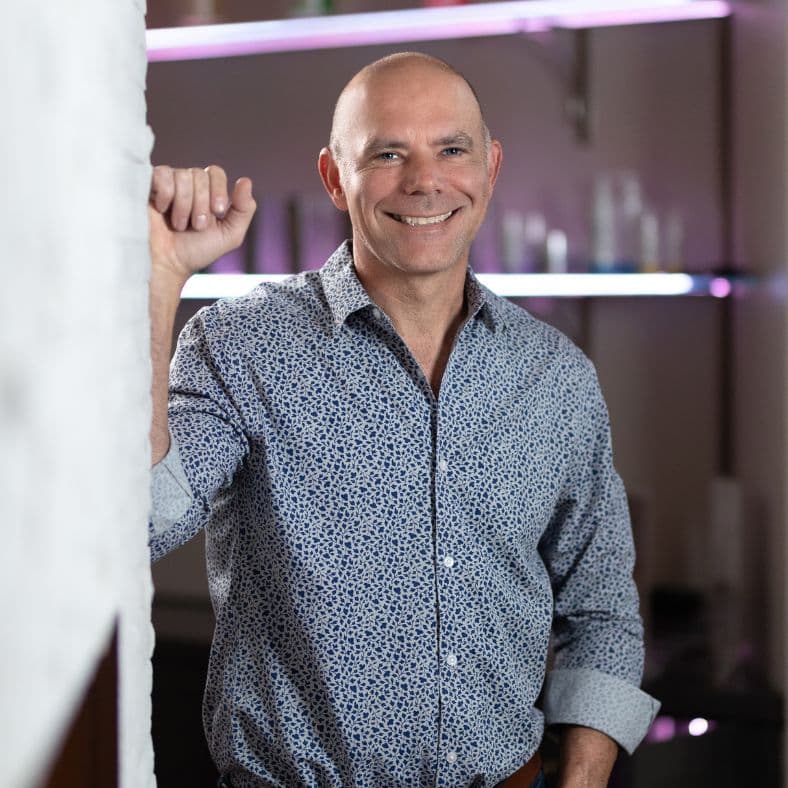
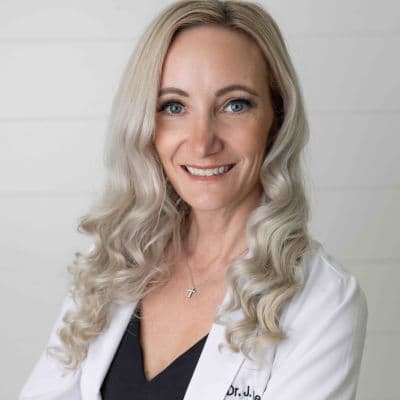
Full Transcript Introduction to the show and guest 0:00 So you don't have to suffer though, in perimenopause. 0:02 And these women need to know that they are not broken. 0:06 They. 0:06 You know, this is something that we all go through 0:10 and we can go through it, you know, really gently. 0:14 We can feel amazing during perimenopause. 0:16 But the one thing that I did notice, you know, in the last decade 0:21 that if women don't have, 0:25 you know, a church community or reading their Bible, 0:29 they will not feel completely whole or completely well, 0:34 like they'll still they won't get to that, like 100% or they'll lag, 0:39 you know, that that is missing too, because that is peace. 0:42 And that will help with the stress. 0:44 This is doctor talks. 0:46 Real talk from real doctors. 0:47 Only issues that matter to you most. 0:52 Hey, y'all, 0:53 welcome to another episode of my Indie Unscripted. 0:57 I'm your host, Doctor Clint Carter, and we love talking 1:00 about all the things that you wish your doctor would talk about. 1:03 We have one of our favorite topics today, which is talking about hormone 1:07 optimization and, helping you feel your best. 1:11 Now and later. 1:12 And we are dealing with Doctor Jen. 1:16 She is a physician, both double boarded in emergency medicine 1:20 and integrative medicine. 1:21 She's an author. We're going to get into that today. 1:24 She's a podcast host of her own and she's on a mission to transform women's health. 1:29 So welcome, Doctor Jen. 1:31 Thanks for being here. 1:32 Thank you so much. Appreciate it. 1:34 Yeah. 1:35 Tell us more about this a little bit about your story, how you went. 1:38 You know, women's health here when you were 1:40 you know, rocking along as an ER doctor not that long ago. 1:45 Yeah. 1:45 It's amazing how that worked. 1:47 So I went to school to be a doctor because I thought 1:51 they focused more on root cause, like 80 still on the founder. 1:55 He was an MD that started do schools for more root cause medicine. 2:00 And then I went to, you know, the emergency room to practice. 2:04 And I got very disillusioned with medicine. 2:06 I was like, actually writing diet plans for people in the E.R.
Doctor Jen's journey into integrative women's health 2:10 and talking to them about what they eat. 2:12 Yeah, because, I mean, I'm like, look like you've had 2:15 five CT scans this year and you're only 20 years old. 2:18 Like, we should probably like, figure out, like, what's going on. 2:23 And, you know, they're going to their doctor. 2:24 And so anyway, I literally remember the day I remember one house we lived in. 2:28 I remember coming home 2:30 like I was reading all these books on chronic illness like Lyme, EBV. 2:34 And I was like, 2:35 I look at my husband, I'm like, like I need to go back to a fellowship. 2:38 And integrative medicine is like, well, you already like our learning. 2:42 I'm like, no, I want to board certification. 2:43 Like, I want to learn the things 2:45 that I don't want to learn in that subject to, you know, 2:48 because we could just pick our favorites and, you know, have like, that education. 2:51 So I went back and did that shield in that while I was going through 2:56 that whole process, like I was also having kids at the same time. 3:00 So I was getting into like, like diapering and breastfeeding and, 3:03 you know, went gluten free and healed my Hashimoto's. 3:06 So it all just like beautifully flourished, you know, and this is 3:10 where you really see, like God's sovereign us and like just his providence, 3:15 like working out in your life and, you know, it's just it's great. 3:20 And then here I am now living in Tennessee. 3:23 We moved from Ohio to Tennessee this year, just really trying to slow down. 3:27 I close my brick and mortar. 3:29 You know, the Lord told me to write this book, 3:31 The Perimenopause Reset, that it's it's faith based. 3:34 And, you know, it's just been great. 3:37 So that's kind of how it ended up. 3:40 Like it kind of wasn't all my decision and it just happened. 3:44 So I love it. 3:46 It's been a wild ride. Yeah, yeah yeah. 3:48 So we what's funny is you don't know it. 3:50 But I went from I was in the our doctor got disillusioned. 3:55 I had Hashimoto's, you know. I like. 3:58 Felt like crud. 3:59 My tea was through the floor as well. 4:01 And so I was I was right there with you. 4:03 And then once I kind of, you know, guy was like, you know, 4:07 I thought I was going to quit medicine altogether. 4:08 And God and my wife had other ideas, and here we are. 4:11 And and so it's wonderful when God takes you on a ride because, 4:14 you know, you don't know where it's going to end, 4:15 but you know, you're in the right seat. 4:17 So and it also teaches a lot. 4:20 You're a lot about your self like pride, you know, like, yeah. 4:24 How many things are you doing or not doing because of pride. 4:26 And it's so funny that like, I thought I was in control 4:29 of things and literally not. 4:33 We are not so. 4:35 But the point is like, you know, us talking 4:38 because those out there you might not know, like doctors are control freaks. 4:42 Yeah. 4:43 And not all of the I mean, you do you want your doctor 4:47 to have some sort of control, like when there is a code 4:50 in the air like or and not in the ear, but on the floor. 4:53 And you know how it is that your doctors go up. 4:55 As residents, we command the room. 4:58 We are cool, calm and collected. 5:00 We are in control of that room, and we are told to be. 5:03 And we're just like. 5:03 And we're in control of our entire air when it is falling apart, like, you know. 5:08 Yeah, I mean, you want that, but there's that control. 5:11 And then there's also like, 5:12 we literally think we like our in control of our lives. 5:15 And so giving. 5:17 Yeah. 5:17 Like when we surrender we can actually do what God like wanted us to do. 5:21 And we're actually good at. 5:22 So this is funny fact, which probably a lot of people don't know 5:26 because I do a lot of speaking like a lot. 5:29 I used to hate public speaking, and now, like, 5:33 I love it because I love what I talk about that some people, 5:37 some people say I'm actually good at it when I go to conferences. 5:40 So it's pretty funny. 5:42 When I'm. With you, I love it. 5:44 And it is mostly because I'm just passionate. 5:46 And, you know, I just tell my story and everyone identifies with, 5:50 you know, all of the reasons why it's hard 5:53 in the system to have a purpose and all of the things 5:56 that we're doing outside of that, where God just opens up all these doors, 6:01 hormones, peptides, you know, really like really making lifestyle changes. 6:06 It's so great. Yeah. 6:07 So really we're. 6:08 Going to touch on the idea of the book, the perimenopause phase reset. 6:12 What is perimenopause actually like? 6:15 People get menopause, right. 6:16 You're going through hot flashes and your hormones 6:19 are kind of all over the place. But what is permanent? 6:22 Pause. Yeah. 6:23 So menopause is the one year without a cycle. 6:27 So you're Astrid II. 6:29 All your estrogen levels are basically nothing, right? 6:31 And that's that like hard stop where you know, we know you're 6:35 you're in menopause and your hormones are just like gone. 6:39 Right. 6:39 And that's usually where doctors step in and do something. 6:43 So perimenopause is that that decade before sometimes yes. 6:47 Or in menopause can be symptoms can be a before. 6:50 And women just feel very lost. 6:53 And you know, I didn't even know that this was something
Understanding perimenopause symptoms and common misdiagnoses 6:58 that, you know, 90% of my patients are perimenopausal women. 7:02 And this because this is where they go to doctor, they feel anxious, 7:06 they feel confused that you're gaining weight and they haven't changed anything. 7:10 They're not sleeping as well. 7:12 They're short with their kids, you know, the list goes on and on. 7:14 Palpitations, you know, that can just be one of the subtle symptoms. 7:18 So what do they do when they go to their conventional doctor? 7:21 The conventional doctor just says, okay, well, we're not checking hormones 7:24 because it's not going to tell us anything, which isn't true. 7:26 And then they're like, 7:28 well, you're tired because you're a mom and you're probably depressed. 7:32 So why don't we give you antidepressants and birth control? 7:36 Literally, like that's how many times have you heard that? 7:39 I mean, I would say that that would be considered standard of care. 7:42 Your periods are a little weird. 7:43 You're depressed and anxious, and everything's harder than it should be. 7:48 Let's treat those symptoms that treat that fruit, 7:50 and let's not worry about the root. Yeah. 7:52 Yeah, let's just make it worse. 7:53 And then we we see complications from that. 7:56 And and it's honestly kind of cringeworthy sometimes where sometimes women 8:01 will be put on birth control in their late 30s and they'll just stay one burst in 8:07 and they won't even know when they're going through menopause. 8:09 Correct. 8:11 Absolutely. 8:12 That's and and you know what else? 8:14 This is the new trick that these doctors are saying. 8:16 These doctors I say that. 8:18 But like they need to stay curious and know 8:21 that they're poisoning their patients, giving them birth control. 8:23 But whatever. I mean, that's common knowledge. 8:25 Like they're just like doubling down on it, like dissolution. 8:29 But it's okay to say you're wrong. 8:30 If you're a doctor listening out there, it's okay to say you're wrong. 8:33 Like I used to do medicine. 8:35 Wrong to like, here's the first problem. 8:37 Medications. 8:38 Like I never prescribe birth control though, so that's good. 8:41 But but anyway, so this birth control, they're now telling like 8:45 I just saw someone and they were on a progestin, which is 8:50 when static progesterone, they were told that it was progesterone 8:53 because they told me they're like, oh, I'm taking progesterone, 8:56 but I'm taking it every day. 8:57 And I'm like, you're taking a mini pill. 8:59 I bet you're taking a progestin. And they were. 9:01 And I'm like, that is so shady. They literally 9:04 thought they were on progesterone. 9:05 So there are so many in France. 9:08 You know, there's doctors to come to their advocate 9:10 to be the advocate of that guy who or female who prescribe 9:13 that they literally think that is progesterone. 9:15 Like they don't they're not taught 9:18 the we're not taught in our basic training. 9:22 The difference between about identical and a progestin on either side. 9:29 To me, when I was in residency, people said about identical hormones 9:31 and I was like, hormones, a hormone like your own, you know, crazy. 9:36 They're just not talking. 9:37 I mean, we became passionate and we got further training, you know, 9:41 in hormones and. Oh, yeah, 9:44 and that's the thing. 9:45 I feel like 9:45 they should just be like, hey, like, I haven't taken any extra courses in this. 9:49 Maybe you should go to someone that I don't know. 9:51 This is what they're told. 9:52 So you don't have to suffer though in perimenopause. 9:55 And these women need to know that they are not broken. 9:58 They you know, this is something that we all go through 10:02 and we can go through it, you know, really gently. 10:07 We can feel amazing during perimenopause. 10:09 But the one thing that I didn't notice, you know, in the last decade 10:14 that if women don't have, 10:18 you know, a church community or reading their Bible, 10:21 they will not feel completely whole or completely well, 10:27 like they'll still they won't get to that, like 100% or they'll lag. 10:31 You know, that 10:32 that is missing too, because that is peace and that will help with the stress. 10:36 And, you know, having that community too. 10:39 And that's what the Bible calls us to do, 10:41 you know, not to stay home and stay isolated, 10:43 but to have a church community, people to hold you accountable and stuff. 10:46 So I think that the faith based portion is so important 10:50 because in perimenopause women, we feel lonely and isolated. 10:54 So what does the enemy do? 10:56 They're like, hey, like, you know, Satan's like, let's go. 10:59 We're going to make it worse. 11:00 We're going to apply this pressure. 11:02 Spiritual warfare, you know, I mean, a lot of divorces happen here. 11:06 A lot of women watch for like, New Age stuff. 11:10 You know, they decide to be like Swifties, 11:13 you know, at age like 35 or 40. 11:16 They're like, we're gonna go all the Taylor Swift. 11:19 I don't know, like I joke about that, but like, that's a that's a big issue. 11:23 But they find other idols or they do a yoga's 11:27 yoga teaching training, which I got sucked in in the new age. 11:30 And I talk a lot about that in my book, how I got free from that. 11:33 So there's a lot of scariness there 11:37 too, because also, I'm sure you see this a lot like integrative functional medicine 11:42 world is very new agey, and that does not bring peace. 11:46 Yeah. 11:46 Like yeah. 11:48 Let me tell you, I mean, I was into it. 11:50 I was a yoga 11:51 instructor, had a yoga studio attached to my integrative medicine office. 11:55 Nice. Yeah. 11:57 Nice. 11:58 No, not nice, but that's part of my testimony. 12:00 So the line is, you know, business wise, it makes sense that's that, you know, 12:04 people are looking for flexibility and inner peace. 12:06 Right. 12:07 And yoga is offering movement and inner peace. 12:10 And we do have some yoga around here that tries to blend in faith and yoga. 12:15 And, you know, it gets real sticky real quick. 12:17 And and my sister in law, who owns multiple yoga studios, is now 12:21 no longer married to my brother. 12:22 And it's just one of those deals where 12:25 you just get enlightened in your own way and it takes you. 12:27 Satan uses that and takes you away from the truth. 12:29 And so. 12:30 Yeah, it's disguised as light. 12:32 And that's what it says in the. 12:33 Back, like, wow, it's exactly how it ends up here. 12:36 Yeah, yeah. 12:37 And it is, it is so crazy because, you know, I will bring it up 12:43 and, you know, yoga instructors will, like, attack me and be so mean. 12:46 And I'm like, well, 12:47 it was interesting when I was like in it when I was like hiring yoga 12:51 instructors and dealing with, like, people like they are really not happy hip hop. 12:55 Like, I don't know, it was crazy because I was on this Facebook, 12:59 you know, yoga studio owners and we would all like,
Hormone treatment options and safety concerns 13:03 say that how they were very difficult to work. 13:04 It's because it's like it's not true light, you know, it's only Jesus 13:09 is the light. 13:10 So anyway, I have no problem exposing that and talking about that 13:13 because I was in it. 13:15 So I can just say that it was it did not bring me peace. 13:19 I think it robbed me of a lot of peace. 13:21 So I'm so grateful for being redeemed from that. 13:25 But but yeah, so all of these things like happen and it's 13:29 so hard on the family unit and sometimes the family unit breaks. 13:33 Yeah. No. 13:34 And and we don't need that. 13:36 And women we, we are better than that. 13:38 And also I think it's important for men to understand 13:41 what women are going through in perimenopause. Yes. 13:44 And get them help. 13:46 You know, another part of my passion is talking to men about perimenopause. 13:50 And I will do this to anyone that talks to me about it. 13:53 New friends, new whatever church. 13:54 Don't ask me what I do at the ball game. I'll tell. You. 13:57 Yes, I'll be like, you know, like perimenopause. 14:00 I mean, it is not your wife's fault that she's more irritable. 14:02 Like we need to work on her progesterone, her stress levels. 14:06 Like you need to support her. 14:07 Like, make sure she's enough protein, like, help with the like. 14:11 I don't know, I, I will though. 14:13 And by the way, you're probably low key. 14:14 So go get yourself taken care of as well so that you have a little something left 14:17 over for the family when you get home from work. 14:19 And there's there's a lot to that for Santa Claus. 14:23 Yes. No. It's so true. 14:25 Like. Yeah. 14:26 And then you have the men going through the Andrew pause 14:28 and then they're not motivated and their growth hormone is. 14:32 Yeah. 14:32 I you know, I think a family should just all have 14:36 refrigerator with a couple vials of peptides in it. 14:39 Know how to use, have their supplements, have their protein, 14:44 live on a little acreage to look at nature. 14:47 You know, that'd be awesome. 14:49 But there's a lot of people stuck in an apartment or a home too small 14:53 because that's where they're at in life and they're, 14:56 you know, on the highway and our commuting one way to work. 14:59 And now trying to make it well. 15:01 But that's where. It's. 15:02 Sitting with your patients and getting into their lives 15:05 and figuring out where can we find those holes 15:08 in your schedule that you can do the right. Yeah. 15:11 You know, yeah. 15:12 If they don't have a lot of room or even resources, even even money, there's 15:17 so many practical things that you can do focusing on the four pillars of health. 15:22 Just movement every day, even just walking, even just having 220 15:27 pound dumbbells like, you know, you could do a lot with that squat upper body. 15:31 Just having that at home, making sure your sleep is good. 15:35 You're not scrolling on your phone until 2 a.m. 15:37 that you are in bed at 930, ten, 15:40 you know, and then nutrition and then just hitting protein goals, 15:44 avoiding sugar, you know, there there's just so much low hanging fruit. 15:49 There's other stuff is the icing on top. 15:52 Yeah. Okay. 15:52 So you know you've got lifestyle modifications. 15:55 So we're in our toolkit. 15:57 We're talking about you know, 15:59 mostly 40 something year old females that they're not. 16:02 Everything's a little bit harder than it used to be there. 16:05 There's cycles are probably 16:06 a little heavier or a little weird, but they're still fairly regular. 16:10 And so they're definitely not menopause, but they're just everything's harder 16:14 than it should be. They're a little more moody. 16:16 They're a little less attracted to their husbands. 16:19 They're everything's just a little bit, you know, they're running a family. 16:22 They're running the home. 16:23 Some of them are also having jobs. 16:25 My wife does all of that and runs our practice as well. 16:28 So you got lifestyle. 16:30 What tools are in our toolkit here? 16:31 We got lifestyle modification. What else do you do. Yeah. 16:34 So one thing you said about the cycle. 16:37 So another thing that happens is the cycle shorten. 16:39 So 28 days 27 days and then they'll start shortening 2524. 16:45 And that's the the progesterone with that decline. 16:49 So progesterone is just gonna keep declining. 16:51 So then we're having like an estrogen dominance kind of state going on. 16:55 Yeah. And that could be for many reasons. 16:57 You might not be detoxifying your estrogens as well. 17:00 You can always have been a little estrogen dominant. 17:02 But you didn't notice until that progesterone starts really tanking 17:06 less if you're more stressed or you're not sleeping well, 17:09 all the things your progesterone is going to be affected by cortisol. 17:13 So depending on where in the perimenopause they are, 17:17 if they come to me and they're like like heavy and perimenopause, right. 17:21 Like probably like you asked them when did your mother go through menopause. 17:25 That's a good indicator. 17:26 And they say 50 and they're like 45. 17:28 And you're like, well, we're just going to start progesterone during that second 17:32 half, that luteal phase. 17:33 We're going to mimic their cycle and support that. 17:36 And if they're really early, you know, or if it's a younger woman in her 20s 17:41 and she's having estrogen dominance like symptoms, we can get 17:44 a little cheese tree berry and give it at least three months of daily use. 17:48 So vtx or chase strawberry. 17:50 And that helps your body endogenously make more progesterone. 17:55 So that could be helpful. 17:56 And then, you know, when we look at the giving that progesterone 18:00 it really also we give it orally and it really helps us sleep too. 18:04 So that kind of yeah helps in both Pam points. 18:07 Now you know some people they talk about do we give estrogen during perimenopause. 18:12 Yeah I mean I tend to say no. 18:15 So it would be a rare circumstance 18:18 to give it to someone if they were really close to menopause. 18:22 So why why do we not do this. 18:24 So we don't want to we don't want to do harm. 18:26 So ester diol is more of like a building like tissue. 18:31 So like breast and and or metro lining and stuff. 18:34 So if we have a lot of ester, diol oil and we don't have adequate progesterone, 18:39 then there's like a big mismatch. Right. 18:42 So progesterone protects from like overgrowth of the breast tissues. 18:46 And you know we worry about cancers and stuff. 18:48 So progesterone is protective way. 18:51 So if we have that estradiol high what happens 18:54 during perimenopause is that we kind of get these erratic spikes of estradiol. 18:59 So we need yeah. 19:00 So we might have this cycle where it's like a little heavy out of nowhere. 19:05 Sometimes that could be from like another spike of estradiol because our follicles 19:10 aren't as robust as they used to be when we were in our 20s. 19:13 So our body, the feedback loop, we stimulate the ovaries 19:19 to secrete another follicle so we get another surge of estradiol. 19:23 Yeah. 19:24 So for me, I like to first, you know, harm. 19:27 So I don't prescribe a lot of estrogen by all 19:29 like hardly ever during perimenopause. 19:31 But what I will do say a woman is having like 19:35 their tissue on their face is sagging. 19:37 They're losing volume. 19:39 They're having, vaginal dryness and saggy tissue down there. 19:44 It's affecting their sex life. 19:46 So we give some topical as well, which is a weaker estrogen. 19:50 And it really does nice things to the face. 19:52 Pair it with some retina. 19:54 Retinol and and then vaginally down there you can, 19:58 you know, add some other things to there to like DHEA but usually 20:01 just astral down in the vaginal area is very nice. 20:06 And we still, you know, we'll check saliva testing 20:09 because we're putting on topical hormones and make sure that we are doing things 20:13 safely. 20:14 But it's the wild West out there was hormones. 20:17 I actually had a patient listen to a podcast 20:20 where they were like, oh, you have saggy skin, 20:23 use this estradiol or astral cream all over your body. 20:28 Oh, that will help skin. 20:29 Okay. Does that give you nightmares? Yeah. 20:31 So I didn't know she did this and we were just checking her saliva. 20:35 Or we were checking her saliva hormones. 20:37 Yeah, and her estradiol and Astra were sky high, like, toxic levels. 20:42 And I was like, I was like, what do you have? 20:45 You're like, what's going on? Yeah, yeah. 20:48 I was like, I was so. 20:49 And then she told me what happened, and she said that she was putting 20:52 like three squirts, like on her stomach, like on her face, like all over. 20:57 And this had like three milligrams of estradiol in it. 21:02 And this is just on the internet. 21:03 And it was just like a health coach, of course, like support. 21:06 You know, I was just because there's no consequences. 21:09 You can say whatever you want. Yeah. 21:10 So and I was like, I was like, I, I'm like, 21:13 you know, we're going to stop that and we're going to, you know, 21:16 I was just like, and I'm like, I can't guarantee that you did not cause 21:19 cancer or problems. 21:21 You know, I can't I can't guarantee that. 21:23 So that's why it's scary. 21:25 And and I guess there's a new thing out there. 21:27 Some doctors are saying, 21:28 oh, we're going to mimic your cycle with your hormones during perimenopause. 21:31 It's like, you can't you don't know what estradiol is doing. 21:34 It's very erratic. 21:36 Like you do not know. You are not God. 21:38 You do not know? No. 21:40 We have it. 21:41 Yeah, we can do harm. 21:42 So I just want to bring up those examples, because you need to go to someone 21:46 that is not just on the bandwagon, 21:49 that really cares about your health and your long like, your well-being. 21:53 So anyway, back to like, if you're worried about saggy skin. 21:57 This is why if you go to someone you know like Clinger, 21:59 I like, they have many tools in their toolbox. 22:02 Us saggy skin. 22:03 So yeah, we'll put that little ass on your face and in fragile care. 22:07 You have saggy skin. Elsewhere. 22:08 We could do topical GHQ copper peptides. 22:11 We can do growth hormone secreted dogs. 22:14 Oh, you're really on, man. 22:16 Yeah, there are other things we can do. 22:17 There are lots of tools in the toolbox. 22:19 So yeah. 22:20 So perimenopause and I do touch on peptides in the book and all that 22:23 because we literally have lots of tools in the toolbox for a few reason. 22:28 One, resources. 22:30 You know, it might be financial resources, some of the stuff. 22:33 And so yeah, some people just I still have women 22:36 that just are very uncomfortable with hormones and using hormones. 22:40 You could also have someone that you know had cancer and they can't use for nouns. 22:44 Yeah, we're going to have you have other tools. 22:47 So so that's why you know women are very unique.
Lifestyle, faith, and practical tools for women 22:50 But a lot of the things that we can do 22:53 that will help are pretty across the board. 22:56 Right. And we'll be. 22:57 Now we we we don't really use Astra dial until you've been pretty close to a year 23:02 without a period. 23:03 We've gotten a little not a little, you know, trigger happy at six months. 23:08 And then you start getting the breakthrough bleeding and all that. 23:10 And it's like, oh gosh, we went a little early. 23:12 Obviously that's easy to fix. 23:13 But you know, we're trying to first do any harm. 23:17 Yeah. 23:17 We actually we do low dose, you know, female dose testosterone 23:21 replacement after, you know, age 40 or so whenever it goes out. 23:25 Normally a lot of times that helps with a lot of sort 23:28 of that irregularity as well. 23:31 But that was a sort of an eye opening experience when I got trained on that. 23:35 But really just the ability to personalize this to the patient and where they are 23:39 in this journey, because they're just everything is getting so hard. 23:44 And then when they finally do get the menopause and estrogens gone, gone. 23:48 Well, then they're just miserable. 23:49 So I don't know how women do it. They're amazing. 23:52 They still run this country and they're Perimenopausal state. 23:55 And my wife runs this practice. 23:57 It's awesome. 23:59 Yeah. 23:59 But, He is here to help with the hormones. 24:02 Yeah. And you know what you're going through? 24:04 Yeah. And, you know, just. Like, just like. 24:07 Honey, I'm late. 24:08 Luteal phase. Like I need a bath in a book, 24:13 or I just want to, like, 24:14 watch a show and not have anyone, like, you're going to be like, oh, like. 24:18 Okay, well, wait, wait, Steph, you don't want to talk about more problems 24:22 at the office until like 11:00 tonight? No. 24:25 No thanks. Right. 24:28 Yeah. 24:28 I'm going to go to sleep. 24:31 Yeah. No, I think it's it's beautiful. 24:33 That's why I'm kind of obsessed with, like, cycles thinking. 24:36 Because it's so empowering to, like, actually just work with your cycle. 24:41 And it's really fun, like my daughter 24:42 and I like we are cycles like, are always together. 24:46 So it's fun because, well, I don't know if it's fun for all like, 24:50 the boys in our house and my husband, but 24:53 hey, I think it's fun. At least. 24:55 Like, yeah, she'll be like, does you start? 24:58 Yeah. 24:58 She's well, she actually like she doesn't she won't take supplements really for me. 25:03 So we had another discussion. 25:05 But it's so hard and like I don't want to swallow. 25:07 They're hard to swallow. 25:08 Like, hey, you're going to, you know, you're going to be so much healthier 25:11 and feel better. And not now, but later is what? 25:13 Not just now, but later. As well. Just finally. 25:16 She's been getting sick lately, 25:17 so she's actually our 17 year old is finally she's like. 25:20 Doing the same up we. Have. 25:22 It's like, all right, hang in there. 25:24 Well, I think I think it's good 25:26 when you're just not just take those, you know, like where. 25:31 Yes, you explained it 100 times, but then they actually see consequences 25:34 of not taking it. 25:36 But but it's also kind of cool because my daughter will, 25:39 like one of her friends is having some problems with her cycle, 25:42 and the doctor wants to put her on birth control and just course control. 25:49 So I'm like, I'm like, well, I'll give you a copy of my book. 25:52 And if your mom wants to talk to me, like I'll talk to her about it. 25:55 You know, I can't give her medical advice, but I'm like, yeah, you know, 25:58 because my daughter was telling her your birth control is bad for you. 26:01 And because it's going to 26:02 it affects their fertility and we've no informed consent with it. 26:06 And, you know, I don't know if you see a lot of younger girls 26:10 in your practice, but, you know, it's so beautiful when these girls 26:14 with these horrible periods where you just work on their estrogen 26:18 metabolism and, you know, maybe throw a little strawberry in there, maybe like, 26:22 I had a patient that she was bleeding for like seven days straight. 26:26 And, you know, they were talking all sorts of crazy or not, seven days like, 26:32 like heavy seven days, you know, like I'm talking couldn't do anything. 26:35 And they were talking about all these crazy things, 26:37 like for conventional medicine. 26:39 And we just got her regular with some progesterone. 26:43 And there are options out there. 26:46 Like the body just wants to be in homeostasis, like how God intended. 26:51 Like, you know, you would appreciate this cleanser. 26:54 I was talking to someone. 26:55 How like the Bible says that women would have pain with childbirth, right? 27:01 Like correct that 27:03 the Bible does not say that women have pain every cycle. 27:07 Yeah. 27:08 And like doesn't say that. 27:10 And like, don't you think like the Bible, like some of these women in the Bible, 27:15 you know, like Ruth, that they would just like complain 27:17 about their menstrual cycles? 27:18 It was supposed to be that bad, like once in the Bible, don't you think? 27:22 Anyway, but this is just all to make money. 27:25 You know, the more pads they sell, the more tampons, 27:28 the more might, all the more birth control. 27:30 It's all for the benefit of money, right? 27:34 So it's funny, you know, I always I, 27:37 you know, me being direct primary care which means membership based. 27:40 So I don't take insurance and I speak of the system 27:44 which is the insurance world and stuff. 27:46 And I always have to remind listeners like there's not really a conspiracy. 27:51 It's just something with insurance was meant to be helpful, 27:57 and it's just out of place and it's gone too far. 28:00 It's kind of like, I don't think there's a conspiracy 28:03 around women's health and taking care of women poorly. 28:07 There's so few people doing it right that everyone's like, well, I don't take this. 28:11 You'll feel better. 28:12 It's like this. You'll feel a little better. 28:13 Like you said, there's a lot of people doing the same thing they did in the 50s 28:18 to finally be getting way past the women's Health Initiative situation 28:23 and getting some truth about some bioidentical type hormones 28:26 and being able to really make a difference in these women's lives 28:29 and some men's lives as well, is super powerful. 28:33 I love it. 28:34 Yeah. 28:34 Gosh. 28:35 I mean, when you go out to eat at a restaurant and, 28:38 you know, an old couple walks by all hunched over, 28:40 I mean, you can tell they're not on hormones. 28:43 Well, like you can tell. 28:45 And in my heart kind of breaks a little bit because I'm like, 28:48 yeah, you could so much better or so it is really important. 28:51 Part of the. 28:52 Women's Health Initiative is in this new study that that proved 28:55 that, you know, progestin ins are bad for you, right? 28:58 And that, you know, these synthetics and these non estrogens are bad for you. 29:03 The same people that are giving birth control and stuff full of non 29:07 hormones, fake hormones, you know, on to someone well past age 50. 29:13 There as soon as you found out they're menopausal and it's 29:15 you know you finally take them off and oh look you're menopausal. 29:18 They're the same ones okay. 29:19 The least amount of hormone for the shortest amount of time, 29:22 like you were giving them birth control strength hormone for.
Helping men understand perimenopause 29:26 Yeah. 29:27 When did you make this switch. 29:28 Like why are they. 29:30 It's the dissonance in the in the thought process. 29:33 It's like can we put these people on a healthy replacement. 29:36 You know, what's it. 29:37 Menopause a healthy replacement 29:40 bioidentical strategy that's going to give them health now. 29:42 And later. 29:43 Like why is that so complicated? 29:45 I don't understand. 29:47 Yeah it's pretty wild. 29:48 Yeah. 29:49 And one good resource to a compounding pharmacies. 29:52 They have all been our allies. 29:54 Yeah. Yeah. And with the stomach they've been great. 29:57 So I mean that's where a good place to start to like 30:01 ask your compounding pharmacies. 30:02 Like who would you go to because they know these doctors. 30:05 Oh yeah. That's great. 30:07 Yeah. 30:07 That are driving this or know how and I remember oh my gosh 30:11 over a decade ago like maybe 14 years ago I like that's 30:16 who took me to a hormone conference was a compounding pharmacies. 30:20 Yeah that's awesome. 30:21 So lots of my kids are so little. 30:24 But yeah, good memories, good times. 30:26 But yeah, it's eye opening when you learn 30:29 how much we didn't learn in medical school. 30:32 When it comes to things that aren't 30:35 pharmaceuticals like big pharma that can't be prescribed. 30:39 So, you know, and and it takes us being curious 30:43 or getting patients that didn't get better or ourselves 30:47 conventional medicine not working. 30:49 But, you know, like I inherently knew like we were made 30:53 to be like in homeostasis and to feel, well, so, 30:57 you know, we don't have a deficiency of birth control or pharmaceuticals. 31:01 Yeah. 31:02 So I mean, yeah, like it's just 31:05 it's great once you see, I think like many of us, 31:08 we just can't stop learning about like integrative and functional medicine. 31:13 And we'll never stop learning. 31:14 It's so fascinating and great to see how people can. 31:20 You know, I had a patient on like disability that, 31:22 you know, within four months of seeing me went back on his boat, 31:27 you know, after being on disability. 31:28 Oh. So great. 31:30 Yeah. 31:30 I mean, our bodies can fix can get healthy. 31:35 Well, this is a message that needs to be out there. 31:38 You've got a vision of helping 500,000 women reclaim energy, clarity and joy. 31:43 What's your strategy here? 31:44 How can I help you get there? 31:45 Well, it's God's grace. 31:48 So I've actually I've been praying a lot about this because I also need to 31:52 find balance in my home and make sure my kids, you know, I'm raising them properly.
Resources, mission, and closing encouragement 31:58 And I do practice what I preach. 32:00 So I need to be healthy, too. 32:02 I I'm still seeing patients. 32:04 I have a virtual practice and I, I don't know, a lot of stuff 32:09 is pay to play out there like the people that you see in front of you. 32:12 And a lot of them are sponsored or they put their own money up. 32:15 So just a lot of prayer for God's, 32:19 you know, just God's grace, like whatever he wants for this, I'm being proactive 32:24 and I'm walking out, you know, doing podcasts, doing my own social media. 32:29 I'm going to be on a documentary coming up. 32:32 So just when opportunities come up, I accept them. 32:36 So, you know, I'm open to suggestions to 32:39 I will go wherever I am supposed to go to to help women. 32:43 So I want to do some local events also, 32:46 but I am willing to go to go wherever I'm open to anything, I love it. 32:51 Well, we may have you. 32:52 Yeah, we may 32:53 have you swing by Texas here sometime soon and let's get a gathering together. 32:57 I mean, you know, if God gives you a vision, 32:59 a vision of a certain number, then he's got a plan. 33:02 And that's my favorite part. 33:04 Like, 33:04 we know one thing about direct primary care is it's not a volume industry, right? 33:09 Like we see one patient for an hour at a time. 33:11 But we have a vision of 20,000 33:14 lives touched and thriving by 2030. 33:17 Well that's ridiculous number. 33:19 Yeah, but yeah, but the. Primary. 33:22 For direct primary care. Right. 33:24 But to to be able to, to do that God's just going to have to take 33:28 some steps and we'll have to have a couple locations. 33:30 And we're just walking in faith. 33:32 And so, you know, a book is a great way to get out there and start touching lives. 33:37 And then we will those that want to get you to come in and talk 33:42 one on one or talk to a group, or how can people best get get Ahold of you. 33:47 I would love that. So best way. 33:49 I have a couple websites so Doctor Jen, Dr. 33:53 Jen book com to grab the book. 33:56 I have a perimenopause course and I have some other things I'm working on 34:01 and healthy by Doctor Jen. I have blogs, 34:04 protocols, lots of things on there and you can get Ahold of me there. 34:08 And if you want to work one on one, I do my license in four different states. 34:11 Actually Texas. 34:12 So Texas, Tennessee, Michigan, Ohio, and 34:15 I do work one on one with men and women and children. 34:19 But I, I love seeing patients clinically still. 34:23 And then on social media, 34:24 integrative doctor mom, integrative doctor mom and my YouTube also. 34:29 So and then I have a podcast that I'm going to have you on. 34:33 Yeah, I would love I'd love to be on it. 34:35 Yeah. Integrative health podcast. 34:37 Let's let's do it. 34:38 I think on our way out, probably the best way might be. 34:41 Do you have a favorite scripture for women going through this season 34:44 where they don't know what's going on? It's hard. 34:47 You're walking in faith. 34:48 Do you have a scripture that you lean on or you share with your patients a lot? 34:53 Yeah. 34:53 Well, one that comes to mind, Genesis 5020 34:57 for what the enemy made for bad God will make, oh, God. 35:01 So we had like just some really crazy things happened to us last fall 35:05 as a family and like, down on my knees, like weeping with my family. 35:09 And it made us so much stronger. 35:12 And, you know, as Christians, we are going to suffer and go through hard times. 35:18 So I think it's it's okay. 35:20 It actually like lean into those hard moments, 35:22 like if you're going through perimenopause and it's hard like lean into that. 35:26 And, you know, I also went through some like other hard things 35:30 that like the person 35:31 that I would always call, like I couldn't just call all the time 35:34 and I was calling them instead of calling on God. 35:37 So it actually brought me so close to God. 35:40 And like, you just have to realize, like he is not going to waste these moments. 35:46 So even in perimenopause, like 35:49 it is not a wasted moment and he doesn't want you to suffer 35:52 through perimenopause, but 35:54 like you will get through the hard things and it will be good. 35:57 Will and perhaps the I'm hearing you now is one of the ways 36:01 God's reaching into their lives and answering some prayers. 36:04 So thank you so much for being on 36:06 and for your message and for all that you're doing. 36:10 It's been a pleasure. 36:11 I can't wait to talk again soon. 36:13 Thank you so much. Thanks for being on Doctor Jen. 36:15 Thank you. 36:16 Thank you for tuning in to Doctor Talks. 36:18 We hope today's episode has enlightened 36:20 and inspired you on your path to optimal health. 36:23 Each day is a new opportunity to make choices that empower your wellbeing. 36:28 For more insights and strategies, subscribe to our podcast 36:31 and visit our website w ww dot. 36:34 Doctor Talksport.com. 36:37 Stay connected. 36:38 Stay healthy and join us next time on Doctor Talks. 36:42 Real talks from real doctors on the issues that matter to you most.
Comments