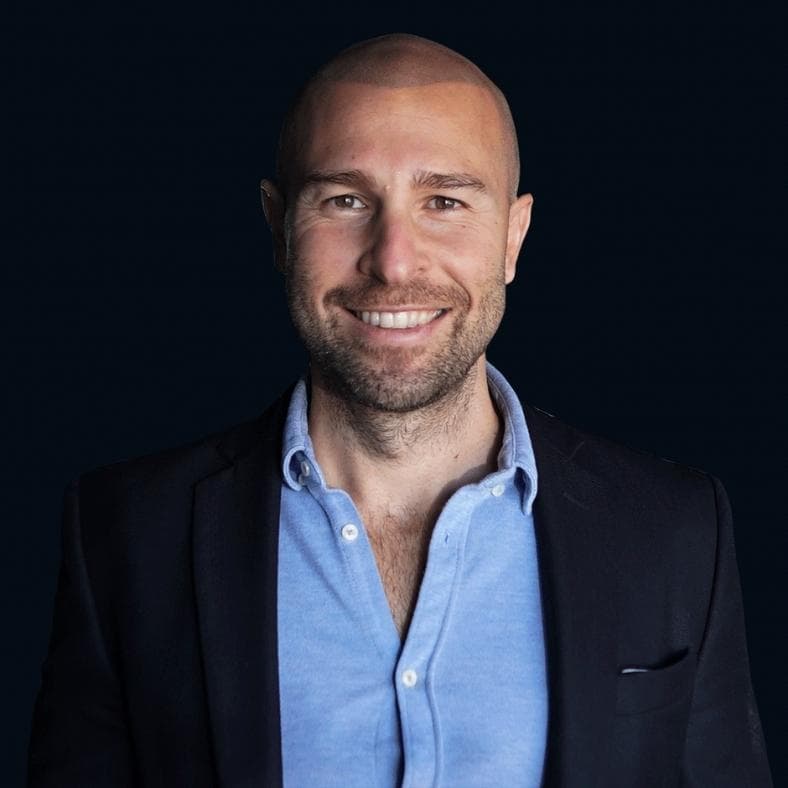
Full Transcript PCOS Case and the Power of Lifestyle 0:00 So let's talk about this 25 year old PCOS client that I have right now. 0:06 And, you know, 25 years old, she's like five foot two, She's 200 pounds. 0:11 She has multiple cysts that have burst. 0:14 What gets revealed is that the temperature in her house has never been below 75 degrees. 0:22 She negotiated the temperature down to 70 degrees. 0:25 Within three days of dropping the temperatures in her house, her period started. 0:31 She now had a regular cycle of 27 days. 0:34 So this is how critical the lifestyle stuff is. 0:38 Welcome to the TBD Fit podcast on Dr. 0:41 Talks. 0:41 I'm your host, Daniel Keeley, and I will be guiding you through this wellness journey in terms of optimizing health and longevity, 0:50 where we unpack the science, the dos, dos and everything in between. 0:54 Come join us. 0:55 Look forward to seeing you inside. 0:57 Today, we are joined by Jen Malaka, who is a busy, as we were speaking online, health-minded professional, and certainly knows a thing or two in taking
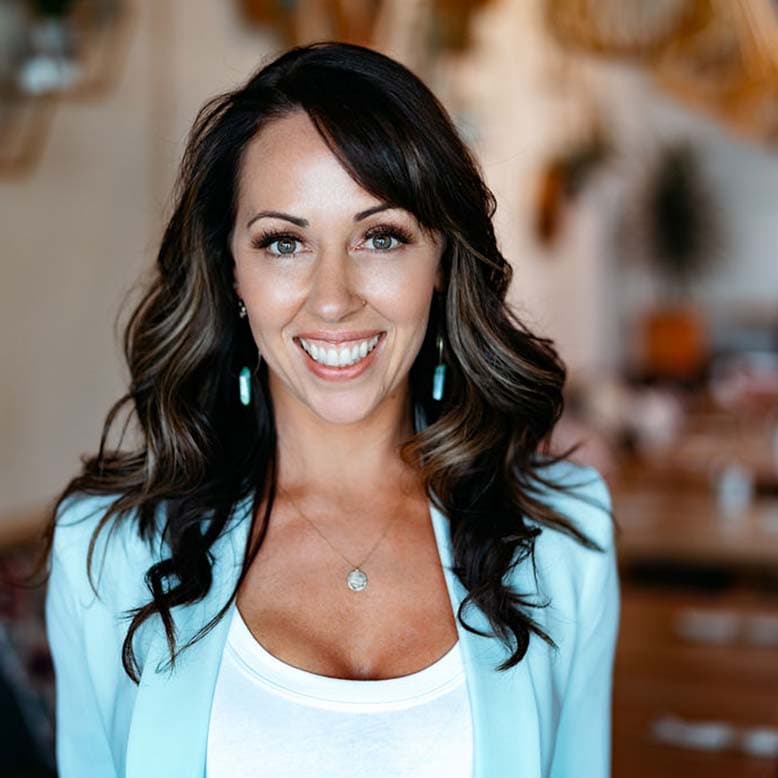
Podcast Introduction and Guest Welcome 1:11 back her health. 1:12 So pain drives purpose. 1:13 We're going to get into her origin story here shortly, but we're gonna be talking about lab testing, sometimes why that fails, 1:20 the gut-liver-thyroid connection. 1:22 She has a decade. 1:23 of well over a decade of experience in personal training, training in functional diagnostic nutrition, transformational coaching, 1:29 master degree in kinesiology. 1:31 And she creates personalized, realistic and sustainable health building programs and empower clients to become the boss of their own health. 1:39 If you're ready to take a look at the big picture of your health, not just one disconnected symptom at a time and stop settling for less than you deserve 1:46 when it comes to your Health and Happiness, you are going to get a lot of today's conversation. 1:51 So Jen, welcome to the show. 1:55 Thank you for having me. 1:56 I'm excited to share all these insights and wisdom that I've learned in over the decades with people so that they could get real answers faster. 2:04 That's how we say it as well in terms of helping our patients heal faster and safer. 2:10 Ultimately, that is the goal. 2:11 And as I just mentioned, pain drives purpose. 2:13 So I love opening each episode with your origin story and helping us understand why you do what you today. 2:24 Yeah. 2:25 Well, you know, ever since I was a little girl, I always kind of had an interest I would say in health concepts. 2:32 Like we had a garden growing up.
Jen's Early Health Background and Career Path 2:35 We used to grow these like big, huge like squashes, like ginormous sized squashed in our garden and pumpkins. 2:42 I would say that my parents were very kind of like health conscious in a sense. 2:46 Like we didn't eat a lot of processed food. 2:49 We always had well rounded meals at dinner, like a protein, a vegetable and a starch. 2:55 And even when I was like in kindergarten, Daniel, I'd get up at four, 30 in the morning with my dad. 3:02 He would go for a run every morning and I hop on my bike and ride my back in dark with him while he ran. 3:09 just always kind of health-minded. 3:11 So, you know, I went off to college then to study kinesiology. 3:15 I had this huge dream of being a sports psychologist because I grew up in the 80s. 3:22 My dad was a huge 49ers fan. 3:25 We just had the Super Bowl this weekend at Levi Stadium, the home of the 49er. 3:31 I grew up in the 49er dynasty era and was super into sports. 3:37 That's when the idea of sports psychology hit the NFL where they were bringing the sports psychologist to work on the mindset component of helping these 3:47 injured athletes get back to play. 3:48 I was like, I'm going to go do that. 3:51 So that sent me down the pathway of studying kinesiology and getting into the area of athletic training and fitness, and which just kind of went along 4:02 with this idea that I was already kind a health conscious individual, right? 4:07 So I studied fitness nutrition and health. 4:10 I like the healthiest person within my friend group, within family, I would go to the gym, was eating generally healthy. 4:18 and starting to build my life. 4:21 And at 25, I was diagnosed with skin cancer. 4:26 Nobody could explain to me really how this happened. 4:29 It made absolutely zero sense. 4:31 There was no history of skin in my family. 4:34 No other connected cancers like historically in family, no genetic reasons for this. 4:42 Every time I went to the doctor, they would always tell me that I was the pitcher of perfect health, like all my blood work always came back quote-unquote normal. 4:51 And my doctor would literally say to me like, I wish all of my patients were like you because of healthy eating and exercise habits. 4:58 Like I, was eating boneless skinless chicken breast and broccoli, right, for my meals. 5:04 Um, and I. 5:05 Was working in the fitness industry at the time. 5:07 I even trained for marathons and fitness competitions, like bikini competitions. 5:13 And yet here I am staring at this like pretty scary diagnosis, right? 5:20 And there was a lot of things that went through my mind at that point in time, mostly the idea that I was going to be living in fear and living within 5:31 limits as a result of this. 5:32 I started to think about, man, I have to slather on sunscreen every single time I step out of the house. 5:38 Like I don't want to wear UV clothing and one of those dorky hats everywhere I go to protect my skin. 5:47 And thinking about like living in San Diego that like everybody knows, you know, the average temperature here in san Diego is 72 and sunny all the time that, 5:55 like, how was I going to live in sandiego? 5:58 And the sunny, one of the sunniest places in the States and like also protect myself from skin cancer, for the rest of my life. 6:09 and I decided that that's not how I wanted to live. 6:12 And I was like, this just doesn't make sense. 6:14 There was this little voice in my head. 6:15 He was, like this doesn' make since there has to be more information. 6:21 Like there's some missing pieces here. 6:24 And in my pursuit of answers, I came across Functional Diagnostic Nutrition, which is a lab training and certification program.
Skin Cancer Diagnosis and Hidden Root Causes 6:31 And when I heard Reed Davis, the founder speak for the very first time about the physiology and the biology of the body and things like hormones and gut 6:43 health and detoxification and nervous system regulation, it was like all the light bulbs went off and all of pieces came into view. 6:51 I immediately enrolled in that program And as part of that program, you do the lab testing, what we call now functional lab, 6:59 testing on yourself to look at your own health and that lab. 7:04 Testing revealed so much chaos going on in my body. 7:08 I had all kinds of. 7:09 wild hormone imbalances, everything from like my adrenals being burned out to progesterone, estrogen being in the tank, which made sense because I had 7:20 menstrual cycle problems when I was a teenager that it just got slapped a band-aid solution of birth control with. 7:26 And I had bacterial overgrowth going on on my gut, like H. 7:31 pylori. 7:31 My liver was super congested. 7:33 It was like the perfect storm for how cancer ended up proliferating in my body. 7:40 And so we'll probably dig into all of that stuff, but I'll just kind of like wrap it up here for the moment and say that I got diagnosed with skin cancer 7:49 at 25. I'm now about to turn 43 and I've never had that skin and I go out in the sun, I got to Maui twice a year, like bake in sun for weeks on end. 8:03 And I'm not afraid of skin cancer anymore. 8:06 I am not obsessive about wearing sunscreen or UV clothing or hats all the time. 8:10 That's a remarkable story and don't cut it off. 8:13 Definitely talk more because this story unfortunately is becoming too common, too relevant. 8:21 And at the root of it, my clinician hat comes on. 8:24 I'm curious to understand, okay, why did this take place? 8:27 Because listening to your story, it's almost like the healthiest, sickest among us, right? 8:32 If you're doing all the right things. 8:33 And as you mentioned, you put it so elegantly, cancer effectively is a perfect storm. 8:37 Five things in cancer has to hold through. 8:40 It's low oxygen, low nutrients, high acid, chronic inflammation, and immune suppression every single time. 8:47 My curiosity is, Because as trainers, which is kind of how I started many moons ago, ultimately I find that we are some of the healthiest around, 8:57 but often much like practitioners, we put our clients always ahead of us or our patients ahead. 9:07 And it's this philosophy of almost caregiver syndrome where we end up not practicing what we preach because we're just burning the candle on both end. 9:16 And especially as a trainer, when our days start, you know, at 4am, 5am and then you're taking the night shift again. 9:21 But my curiosity is how, what do you think were some of the reasons that all of this happened? 9:33 Yeah. 9:35 I love that we're going there because the skin cancer was just the warning, the big red light going off, right? 9:42 The sirens signaling that something was wrong, which made me reflect back on what were all the other things, like the signals that my body was giving leading 9:53 up to that moment that I just shrugged off because they were acceptable in society, or this concept of doing more, having to work harder, 10:05 which is not what my body needed. 10:07 So let's rewind time and take a look at some of those things. 10:12 So, and this is where I like to go with my clients as well. 10:15 Like whenever somebody comes into my practice and we have a consult, in that consult I'll say, you know, whatever you're experiencing today is an accumulation 10:25 of things that have been happening your entire life, all the way back to the point of birth. 10:30 And even before that in the womb, like what was going on with your mom's health, your dad's house, that sperm and egg that created you that is like now 10:40 is showing up, right? 10:42 And we start to collect those clues. 10:44 So some things for me along that timeline were, you know, when I was a kid, I would, was really susceptible to getting ear infections really easily. 10:54 And so then you get rounds of antibiotics that start doing inoculate and like kill off your immune system, basically, like weaken your own immune. 11:03 And then I briefly mentioned, you know, when I started my menstrual cycle, it was basically painful and irregular to start. 11:11 Like, I would go months without getting a cycle. 11:14 And when would I get my period, Like horrific, like heavy bleeding, I would be nauseous, sitting on the toilet with GI upset, 11:24 hovering over a trash can at the same time. 11:27 And so at that point in time, the solution was you go to the, my stepmom took me to that gynecologist or whatever, and I got prescribed birth control. 11:40 Then I was on birth-control for 17 years. 11:44 and birth control comes with its own side effects of sorts, things that sometimes we are aware of and sometimes like side-effects that are going on behind 11:54 the scenes that we don't know about, like how it suppresses ovarian function and it actually dysregulates your hormones, 12:02 it congests the liver, and impacts the body greatly, right? 12:08 at that time, like in my teens and my 20s, I was in the pursuit of excellence and perfection and performance. 12:18 And so I can control my body. 12:22 So I don't have to have a period if I do not want to. 12:25 That is inconvenient. 12:28 My doctors told me that that was okay. 12:31 I actually went five years without having a And along that timeline too, like leading up to the skin cancer diagnosis, things started to get a little bit 12:47 more intense. 12:47 Like my body was really sending me some signals. 12:50 So for example, I grew up in Northern California, which in a farming kind of like agricultural town, no allergies at all. 13:00 I moved to San Diego and all of a sudden I start having like these severe seasonal allergies that would wipe me out for days at a time. 13:09 They would manifest in the ear infections. 13:11 And like, I was like this doesn't make sense. 13:13 I live literally two miles from the coast where I'm getting these ocean breezes. 13:20 Not in a like highly pollinated kind of like allergen area, like where it grew up at, something was not right here either. 13:29 And then I had this moment to Daniel where I was working in, I used to work at 24 hour fitness. 13:36 Back in the day, before we had electronic booking systems, we have a big master appointment scheduling book. 13:45 And I was the fitness manager, so it was my job every month to sit down and write out all of the trainer's schedules using a Sharpie marker. 13:53 I'm sitting down one month doing the schedule, and 30 minutes into writing the schedules, I got so insanely nauseous.
Mold, Hormones, and Functional Lab Testing 14:02 from smelling that permanent marker, like I had to go home. 14:06 I got a headache, I felt like i was going to vomit. 14:09 So now we know that's a chemical sensitivity, right? 14:13 And these types of chemical sensitivities and responses are a signal or a symptom from the body saying, hey, the bodies already toxically overloaded, 14:22 basically. 14:24 And so these were some of the clues that were happening along the way. 14:27 And then that's kind of this stuff that that got revealed on the lab testing. 14:32 Now, my dad was also a smoker. 14:34 He tried to be like, I think a good dad and respectful, like he didn't smoke in the house. 14:41 But when we were driving in the car, he would smoke with the window down. 14:43 So we get exposed to that secondhand cigarette smoke, which is going to then wear and tear on the congested liver and the lungs and detox organs. 14:55 And while I made healthy choices around like eating boneless, skinless chicken breast, it wasn't exactly organic food. 15:02 I was in college and I in my 20s, like, you know, I wasn' eating on a budget. 15:08 And also back then, in the early 2000s like the concept of pesticides and organic foods was not something that was widely talked about like it is today. 15:19 So I probably consumed a lot of pesticide and my time drinking tap water. 15:24 Right. 15:25 So a lot of the stuff that we're aware of now, we just didn't know like necessarily back then. 15:33 eating gluten and dairy, those inflammatory foods, even though like they were quote unquote healthy, right? 15:39 Like we just recently saw this year, for example, like the food guide pyramid get flipped, where there's more of an emphasis on protein versus grains and carbs. 15:49 But when I, you know, went through college and studied fitness, nutrition and health, that education was oriented around the old food guide pyramid where 16:00 the emphasis was like grains and carbohydrates, right? 16:04 So I did eat a lot of rice and quinoa and gluten containing things and like pesticide containing foods that all then created this like, 16:14 eventually like this overload on the body that results in this kind of like chaos in the hormones and the digestive system, 16:22 detox system nervous system. 16:25 And this kinda stuff is not gonna get picked up necessarily in your blood work. 16:31 like ever um sometimes sometimes we can see little clues in there and blood work can be helpful but it doesn't have all of the information that we need 16:41 to necessarily see what's going on in the body yeah it's it s interesting because while you were dialed in uh just from listening to your story there were 16:50 so many details that were overlooked and it is not necessary to a fault of your own ultimately like sometimes where we're trying the best we Too often 16:58 I hear this story of someone who's leading a healthy lifestyle but then they have cancer. 17:04 And then I question, okay, what is happening under the hood there? 17:08 What details are getting overlooked? 17:10 what does stress and trauma look like? 17:12 But certainly you mentioned many themes. 17:15 To me, cancer is a signal. 17:17 It's like people, you know, these bumper stickers, like a badge of honor, F cancer, I beat cancer. 17:23 And I'm not trying to undermine that. 17:25 I am glad to hear that people are getting better and I want to instill hope, but ultimately cancer is a reflection of, there's obviously a big problem here. 17:33 As you said earlier, it's this perfect storm that, um, takes part when we are overlooking certain details, especially in our more modern toxic environment, 17:43 even though, you know, tech has enabled us to live longer and this, big agriculture and mono agriculture, the prevalence of food rather than the scarcity. 17:53 I mean, we've been able to lead longer lives, but it's not necessarily healthier lives. 17:58 And so no surprise that you said, at what age did you get skin cancer at the diagnosis? 18:06 Yeah, super young, but the signal was early on, you know, when you said with your cycle, and when he said, women, it's not normal, 18:14 amenorrhea, not ovulating, he means now it goes to like dry heaving and not vomiting. 18:18 It's remarkable how we begin to normalize the abnormal. 18:22 And sometimes too, I've spoken to women who referred to us who weren't regular. 18:29 They said well, enjoy not having a cycle. 18:32 There, there's a drawback and especially when you're introducing a birth control, I mean, we now recognize that it increases the risk of blood clots, 18:40 heart attacks, stroke, osteoporosis, breast, ovarian, liver cancer, to name a few. 18:46 Um, so certainly nothing comes without consequence. 18:50 We're just sometimes either poorly informed or we don't recognize how the environment is affecting us. 18:58 So San Diego, believe it's mold capital of the U S is it not? 19:04 From what I understand, yeah, the second is Miami, but ultimately, ironically enough, because of the moisture, or because the humidity, 19:12 this is where kind of mold is highly prevalent. 19:16 And I see that now so many in my patient stories, and ultimately sadly enough from a younger age. 19:22 And you made a point about lab testing and how many of us who are treating patients, much like yourself, when you said, you know, 19:30 labs look normal, they come to me and everything looks normal. 19:34 And then I point to 15 markers that are out of range. 19:37 They look normally, yeah, because obesity is the norm and Homer Simpson is a new norm. 19:41 But ultimately, patients are only getting more sick. 19:46 And then they ask, well, how come you're identifying this in my practitioner is not? 19:51 I'm like, Well, How come? 19:52 You have symptoms and no one is restoring function. 19:55 And needless to say, you are on the verge of cancer, right? 19:58 Or autoimmunity, which to me is a diagnosis of seven years. 20:01 So how, um, obviously you, your. 20:05 You're dealing with a lot, you're going through a lots, life's hitting you hard. 20:09 How were you able to, to reverse? 20:11 Like what steps did you have to take? 20:13 What were, what treatments did have you to undergo to be able restore healthy function? 20:21 Yeah. 20:22 Well, first I just want to comment on the mold because the thing that I didn't mention was my sophomore year of college, 20:29 like my freshman year college I lived in the dorms and it was brand new dorm. 20:34 no mold necessarily, but a lot of probably off gassing of toxic material, right? 20:40 Like carpet, furniture, all that stuff. 20:43 And this is the hindsight. 20:44 Like I didn't know any of this at the time. 20:46 So this where we can look at that accumulation of things over your life and start to understand the bigger picture. 20:51 Then I actually totally forgot about this until my best friend reminded me recently, because she lived with me. 20:59 She moved down to San Diego and we lived together our sophomore year in our very first apartment. 21:05 And we were talking one day, like, because we had mold in our house, which is a separate story that I'll probably share, 21:10 and we are talking about the skin cancer and all the things and just reliving, you know, our college times. 21:16 And she was like don't you remember the mold on our apartment? 21:19 I was, oh my God, I totally forgot about that. 21:22 She's like basically the walls were melting, in the shower and I in bathroom area. 21:27 I'm like oh, my god, totally forget about. 21:30 So I also had like a pretty massive mold exposure my sophomore year of college, which would have been around 20 probably 20 years old before the skin cancer 21:41 diagnosis at 25. Right. 21:43 And, you know, I think it's important to for the audience to understand what is cancer. 21:50 Cancer is cellular mutation, basically, right? 21:53 So whether it's a cyst or a tumor, it is cellular mutation. 21:59 It's damaged cells and DNA.
Food Sensitivities and Metabolic Typing 22:01 And so then the, and like, I saw this on my lab testing that blood work didn't reveal, like I did a saliva test, or was it a sliver or urine test? 22:11 And it showed that I had really high oxidative stress. 22:15 So oxidative stress is a measurement of cellular DNA damage, basically. 22:20 And I was like, oh, this was the cancer marker that I needed a long time ago to understand this, right? 22:26 So when we do testing, we can get this data and these insights that then can guide, you know, targeted strategies and actions that we take, 22:38 right? 22:39 So seeing the amount of inflammation that was happening in my body, like the dysfunction that refine the way that I was eating so it was more personal 22:52 to me, like figuring out what foods were right for my body so that it could function at its potential. 22:59 So some of the testing that helped me understand that was doing like a food sensitivity test. 23:05 And gaining this understanding that there's a difference between eating healthy because I was eating quote unquote healthy member like almost skinless 23:13 chicken breast and broccoli. 23:14 And there is a different between getting healthy and eating right for your body like we can all agree that broccoli is healthy food but if you have a food 23:24 sensitivity to broccoli It's creating inflammation that is like you know basically preventing your body holding it back from healing. 23:34 And so i was able to identify some very specific food sensitivities also one of the tests that i do is called metabolic typing. 23:44 So this looks at kind of your genetic makeup and helping you understand the exact right foods for your body. 23:51 So the difference between maybe dark meat chicken and white meat, chicken, and for my body, I need like do better with, with proteins that are higher in purines. 24:02 so I do. 24:03 With dark, meat. 24:04 Chicken than white, neat chicken. 24:06 When I made that shift annual, like it was an instant. 24:10 like change when I started eating like chicken thighs versus chicken breast, I had less bloating. 24:16 I was like satiated for a longer, had more energy and my body was in getting the nutrients that it needed. 24:24 Right. 24:25 And that's all because I have this data to guide that pathway. 24:29 And then taking a look at like the liver congestion, the oxidative stress, and the hormone imbalances, I was really able to dial in, 24:38 you know, what are some of the specific supplements that my body needs that are going to be therapeutic and healing, that they're going support my hormones, 24:45 why I clean everything up on the inside so they can naturally be imbalanced? 24:49 What are things that support the my liver and detoxification system to get these toxins out of here, so everything can just run at a more optimal state? 24:59 you And also taking a look at like the gut function stuff, like understanding that my digestive system was not optimal. 25:10 I had bacteria overgrowth, inflammation going on in there. 25:14 So bringing in very specific like targeted digestive enzymes based on the foods that I was needed to eat. 25:21 How did my body need support? 25:23 Like things that were gonna help to restore what we call the mucosal lining of the digestive and then working towards the goal of cleaning up the gut bugs. 25:34 You know, I had H. 25:35 pylori overgrowth pretty significantly, which was so interesting once I started learning more about it because I would occasionally get a migraine and 25:47 H pyrori has been linked to migraines. 25:50 I also had this like constant like IT band pain on my left side. 25:56 So go from like my mid back all the way through my hip down to my knee. 26:01 And I thought that that was like running, that I was just an avid runner. 26:06 It was normal to have this IT Band pain and I like foam rolling and stretching. 26:13 I had a personal trainer that had hired that training me and we would work on it. 26:18 And then I found out that H. 26:20 pylori is linked to dysfunction at vertebrae T-spine 7. And as soon as I got rid of the H pyrori, all of that left IT band pain went away completely, 26:34 never come back. 26:36 Right? 26:37 So with the data in hand, you can just get really dialed in on exactly what your body needs to function at its potential. 26:46 And you CAN restore that balance. 26:49 There's so much that I want to touch upon there, but to keep it concise. 26:53 So ultimately, what was interesting in a few remarks that you had mentioned First, going back in terms of the mold exposure, 27:03 because my story is very similar to you, which is a very story with my patient population that we're treating now in term of mold and unfortunately this 27:11 problem is becoming so ubiquitous and exposure in our environment is often not seen and so it's difficult to detect, it is difficult, 27:20 to treat. 27:22 Most clinicians are not literate enough to run the testing. 27:29 It's happening now with a much younger population. 27:33 I had a patient come in last night, young girl, asthma, I usually attribute that to some degree of fungal infection. 27:41 I ran some blood work, did a urine micro toxin, and sure enough, it was lit up like a Christmas tree. 27:47 And her case was very, very mild in terms of asthma. 27:52 Sometimes she expresses as difficult to breathe. 27:56 And that's about it. 27:57 Otherwise, she performs at a very high level, very young, talented athlete, and yet no one was asking that question. 28:06 And sure enough, we ran this test, sat down with the father, I was like, OK, definitely we have to take action. 28:10 We're going to get her healthy. 28:11 But ultimately, this is why she's been struggling. 28:14 I come to find later that the parent reveals to me, yeah, usually sleeps in till 10, 11, 12 o'clock with no alarm, like on the weekends, 28:23 I go, okay, that's not normal. 28:24 Our cortisol is at an eight, half of where it needs to be, right? 28:28 So we begin to like kind of normalize these things, or it's just often overlooked. 28:33 And in terms of, boneless, skinless chicken breast and broccoli. 28:38 What's interesting when you look at gliotoxin as an example, because we've come so far as to be a hyper target in terms of which mold denotes a very specific 28:48 treatment plan. 28:49 Sulfur makes glio toxin, which opens. 28:52 It's like the red carpet to all other moles. 28:55 And so when people are consuming sulfur rich foods, again, we think detox. 29:00 We think foods. 29:01 The Brassica family, Alison. 29:04 foods that are higher than this kind of sulfur content. 29:06 Unfortunately, that could be feeding the problem. 29:08 So maybe it's not the right food for you at the time, given your right condition. 29:12 How interesting, right? 29:13 So you are probably feeding a problem on Binone Studio. 29:17 And ultimately, it is the same thing with primary hypothyroid or worse still Hashimoto's is that sometimes cruciferous vegetables are actually again going 29:26 to be eating the problems. 29:28 And so we have to recognize where we are in our healing process in terms of what's best. 29:33 I'm curious in regards to your metabolic typing. 29:36 So is this a specific test that you developed or a specifically platform that use or tell me more. 29:47 Yeah. 29:48 So it's a assessment that was originally developed by Bill Walcott back in like, I can't even remember how long ago this was, 29:57 but it is, and there used to be a training and certification independently for it that's not available anymore. 30:03 This is actually something that is super specific to my training as a functional diagnostic nutrition. 30:09 practitioner. 30:09 And so what it's looking at, it is looking are you what we call a fast oxidizer or slow oxidizers? 30:17 And are your more parasympathetic or sympathetic driven? 30:22 So, Paul Cech actually kind of touches on this in his book called Eat, Move, and Be Healthy. 30:29 He has what I would call a basic metabolic typing assessment in there, where it will help people to put themselves into three basic, 30:40 metabolic-typing buckets. 30:42 So I always explain this to my clients of it's like a spectrum. 30:46 So one end of the spectrum, you have protein types. 30:49 These are people that are going to do better with higher protein meals because they process carbohydrates fast. 30:59 And so when they processed carbohydrates too fast, we get this rush of let's say glucose into the bloodstream and it spikes blood glucose and then they 31:11 come crashing down. 31:12 So they need more complex foods like fats and proteins to slow down that metabolism that they have or to work with that fast processing metabolism they had. 31:26 Protein types are on one end of the spectrum and then carbohydrate types on the other end. 31:30 The carbohydrate type people, they actually process carbohydrates already at a slower rate And so they do better with meals that are higher in carbohydrate 31:42 content and we're not talking process food here you guys like we talking like your carbohydrates are like potatoes and fruits and vegetables right. 31:50 If they have too much fat and protein, these more complex types of foods, it slows down their metabolism. 31:56 So that makes them feel sluggish, right? 31:58 And then we have mixed types that are in the middle. 32:00 And again, that's a spectrum of things. 32:04 That is kind of the basic concept of metabolic typing where the metabolic type assessment just drills it down even more to specifically look at, 32:12 are you a fast or slow oxidizer? 32:14 Are you more sympathetic or parasympathetic? 32:16 So how does your body process and digest protein, carbs and fats and based on how you do that, what are the most ideal foods for you? 32:27 So for me and my metabolic typing, What am I like? 32:31 I mean, I think I'm a parasympathetic fast oxidizer. 32:35 So the tell on this is like in the fruits department, like when the fruit's ideal foods column, my top three most ideal fruits are avocados, 32:50 coconut and olives. 32:53 So what are those, like, what is the makeup of olives, coconut, and avocados? 32:58 It's high fat, right?
Personalized Nutrition and Therapeutic Dosing 33:01 Fruits, basically. 33:03 Low carbohydrate. 33:05 And then, yeah, and then this is where like in the protein section, I do better with higher like fat content animal protein. 33:16 So I'm better a rib eye steak versus a flank steak. 33:20 I am better chicken thighs versus chicken breasts. 33:28 to create that balance in my body, give it the nutrients that it needs and work with how my buddy metabolizes food specifically. 33:37 So it's super cool. 33:39 It's game changing for basically every single client that I work. 33:42 The majority of the population from like the studies that we've seen tend to be more on like that protein side. 33:49 Its very rare that see somebody that is like a true kind of like carbohydrate type. 33:54 Sometimes I'll get some mixed types that are in there. 33:57 But we blend that data, or in my practice, I blend data with food sensitivities. 34:02 Because the metabolic typing test is not looking at food sensitivity, it's looking how you digest food. 34:08 So we can take that ideal food list and then we go, okay, but you're having a food sensitivity reaction to this, this and this. 34:15 So, we're going to scratch those off the list or like you could look at, you've got this mold. 34:21 We're gonna scratch off these high sulfur foods from the lists, ultimately this is your ideal foods list. 34:27 And we are working towards a point of eliminating food sensitivities or eliminating mold so that those sulfur food aren't a problem. 34:35 Anymore and then that metabolic typing list then truly becomes the key of like here's your most ideal foods to love to To go through your process then 34:44 you've inspired me So we'll run the nutrigenomic test on our patients to assess for any sort of predispositions in their biology, 34:51 but also um, to be able to intervene on a nutraceutical level and, and definitely on an nutritional level. 34:56 To me, I would say if, if man made it, uh, stay away, of nature made, it is likely okay. 35:01 So new nature is medicine, but what you're doing at taking it one step deeper is being able discern, okay, what nutrition is, 35:08 is optimal for you, which, um certainly is very relevant because we, we need nutrients as fuel going back to Cancer, cancer is a metabolic disease. 35:20 It starts in the mitochondria. 35:21 When you're looking, when you mentioned, you know, cysts and tumors and et cetera, that to me is, is sequestration of intoxicants or infection. 35:29 That's the body trying to glue off something to. 35:33 to help you, to try to save you ultimately. 35:36 Same with cancer in some degree. 35:39 We're treating it like end stage with chemo and some other drugs, but yet the problem is the exposure. 35:44 I call it my unlucky seven. 35:46 It's going to be parasite, fungus, virus, bacteria, or now in our new era is higher prevalence of heavy metals. 35:55 environmental toxins and stress and trauma and ultimately is usually kind of these co-infections that build up over time when our cup begins to spill over. 36:06 It's interesting you mentioned H. 36:08 pylori because in my head when you were mentioning this I was like I wonder if H pyrori would have been highly prevalent. 36:13 And literally I had thought that and then all of a sudden you had shared that because when stress is high, what happens lower secretion of stomach acid. 36:20 So H. 36:21 pylori takes residence and now you have a digestive mess. 36:25 And if you're not digesting properly, we understand now the interplay between a microbiome and every biological system, but certainly you are never in 36:32 a state of repair. 36:34 Because when we eat our foods, first priority is toxin elimination. 36:37 The body is hardwired to get rid of the poison. 36:41 Second, nutrient absorption. 36:42 Third, cellular repair. 36:43 And often someone like you or people within cancer, you're never getting into that repair state because you are stuck in toxine elimination and so now 36:51 your environment is rife for kind of this. 36:55 Extra cellular division obviously when you mentioned oxidative stress, when we look at 80 HDG on people's marker of oxidated stress and obviously what 37:05 that means your mitochondria are severely taking a hit, very depleted and now you are very catabolic, you're very acidic. 37:13 And pathogens can begin to proliferate, which no surprise in your story then was reflected in the skin as the body tries to push out what's in excess and 37:21 what doesn't need. 37:22 But again, it's when you were going back in time, It jogged my memory. 37:26 Going back when I was at university at Northwestern, I lived in mold and I had constantly pink-eyed and had these infections. 37:34 And I know the place was like, old. 37:36 I wish I would have had the other problem maybe. 37:40 But not that it's better or worse. 37:42 Um, but ultimately it was like, I remember now going back and so then as an adult, it like the stage was set earlier on and it is transgenerational, 37:50 which is exactly what you said. 37:51 The microbiome was passed down from, from mother to, to kin. 37:54 But suddenly the dad plays a large role and then grandparents as well. 37:58 Right. 37:58 And what environment did where they raised in. 38:01 So in regards to this metabolic typing, how do you, because. 38:05 In someone in a mold presentation, most people, um, you are intolerant to carbohydrates. 38:11 As an example, case in point, let's talk about myself. 38:13 I run on carbs. 38:15 Absolutely do very, very well with, with carbohydrates, my father from Italy, pasta's in our blood. 38:22 Not suggesting that's the best type of nutrition plan, but needless to say is I feel great. 38:28 Um, on a very carbohydrate diet and let us establish where carbs are. 38:32 a very high anthocyanin, polyphenol, phytonutrient, antioxidant, ether rainbow, low starchy carbs, more vegetables, sometimes grains, 38:44 but ultimately that with a healthy balance of protein. 38:49 So it's kind of this more paleo plan that I find is very therapeutic for most individuals. 38:54 But when I was living in mold in my current home, and in my office and going back in time in school. 39:03 For a long time, I was very, very intolerant. 39:05 So I would have, was forced to eat almost like this carnivore, not necessarily heavier fat, but ultimately it was a lot more lean fat. 39:16 And I never felt great, but ultimately I had to starve the sugar, the yeast overgrowth. 39:22 So how does that play into this scenario when you're dealing with cancer? 39:26 You're overcoming mold. 39:27 Obviously you recognize your metabolic typing. 39:30 But then how, is it just like you try to get people in stages to give back to where they are ideally and understand that along that journey there's going 39:38 to be some give and take? 39:44 Yeah, I think that that's where we like the value of the practitioner comes in to help people navigate this stuff, right? 39:50 So we live in a world now where AI is such a trend and there's a lot of people going into chat gbt and trying to solve their problems and There's, 40:00 a, lot, of nuances here that That chat, gpt can't handle like looking at all of these different like bio individual markers and circumstances right so 40:11 Based on what you were just saying, one of the things that we look at in relationship to mold, the carbohydrate component of it is like, 40:18 yeah, we don't want to feed the bacteria because that's what it loves is those simple carbohydrates that convert to glucose and sugar quite quickly, 40:27 but also the understanding that mold is going to dysregulate leptin. 40:32 Um, it's going to dysregulate like insulin, like sensitivity and resistance and glucose, you know, and the circadian rhythm and cortisol. 40:40 There's a lot at play there, right? 40:43 And so this is where I think as practitioners, we really are able to look at the full spectrum, everything from genetic predispositions to current circumstances 40:53 and really kind of adapt a therapeutic, what I would say is a temporary therapeutic protocol. 41:01 for healing. 41:02 So somebody like you, like the ultimate goal is to return you to your natural state of being a carbohydrate thriving individual. 41:10 And so in the meantime, though, you got to work with what is your body need at this moment in time. 41:16 If you are going to focus more on proteins and fats as a therapeutic approach to that, your body probably needs a lot of digestive support because that's 41:26 not the natural predisposition to your digestive system. 41:30 You do better generally off of those carbohydrates, but we need to shift gears to focus on how do we calm the overgrowth of mold and bacteria that is going 41:40 in the body and still get you the nutrients that you need. 41:44 essentially right and so this is where the practitioner value comes into play that this it's not always a straightforward like you know game here like 41:56 we have to take a look at all these different points and I think also like I bet when you work with people too like when I put together a protocol my clients 42:04 and i are like closely working together like were meeting every two to three weeks we're talking about how their body is responding and we are adapting 42:13 the protocol and pivoting every single step of the way to really dial it in to get them the greatest results. 42:22 And this is where I think there's still a gap in our industry a little bit. 42:26 Most of my clients that come and work with me, as maybe with you, they've already been to multiple practitioners, like functional,
Sleep, Circadian Rhythm, and PCOS Recovery 42:34 holistic, integrative practitioners. 42:36 They did a bunch of lab testing, they were given a 30-page report, here's your supplements, your recommendations, we'll see you in three months or even 42:45 in 30 days. 42:46 And that person doesn't know, one, how to start that, but two, to adapt it based on their body's response, right? 42:54 And I think one of the clear examples of this is take a supplement, like any supplement you go pull out of your cupboard right now. 43:03 That supplement has a general recommendation. 43:05 It's going to say, take two capsules twice a day. 43:09 And, I always love to bring this perspective in and go, who is that recommendation for? 43:14 Is that for a 250-pound man? 43:18 Or like a five foot nothing, 100 pound female. 43:22 Like you cannot tell me that those two body types need the exact same dosing. 43:27 And so this is where as us as practitioners, like I even like, I'm not recommending the dose from a bottle. 43:32 I am looking at what does that person need specifically, and we are titrating and dialing in what is the dos specifically for them. 43:42 How is their body responding? 43:43 And my husband and I, are very different when it comes to this stuff. 43:47 Like, I can take four B vitamins in a serving and feel totally fine, and he can takes one and feels like his heart is pounding out of his chest because 43:58 all of these different genetic steps that he has and methylation issues that you have going on, right? 44:04 And that's what bio-individuality is. 44:07 So as practitioners, we get to bring that into the practice and perspective. 44:11 My area of focus has largely been the last decade of what I term microbial medicine or microbiome. 44:17 You need adequate microbes to synthesize the vitamins. 44:21 And so someone who doesn't already methylate, so case in point me, I have a 67% reduced capacity to methylated properly. 44:30 And then if you combine that conjunction, I was a C-section baby and then I had mold exposure. 44:34 And so when I'm taking B vitamin too, sometimes early on before I, was able to fix my gut. 44:41 Or if your living in mold again, directly that completely is the assault on the, on Michael Bryan constantly. 44:47 So when you're taking some of these nutraceuticals, you are absolutely right. 44:50 Sometimes patients feel worse. 44:52 Then you have to understand where's the therapeutic dosing. 44:55 So beyond the 250 versus 5.0, general guidelines, I think, were designed for 150-pound female, ultimately, in terms of when the dosing was provided. 45:05 But needless to say, what is the therapeutic dose that's going to make an effect? 45:09 Because we're thinking a little capsule is going transform our outcome, right? 45:15 There's a constant search now for this limitless pill where we can take a capsule and then reverse every outcome. 45:26 Ultimately, there's no substitute for sleep. 45:28 There is no substitution for healthy nutrition. 45:31 And I love that's your area of expertise because to me, nutrition is instruction. 45:35 It's going to heal you, it's gonna hurt you. 45:37 And so what you've identified within this metabolic typing to, me is, is one layer deeper, which is remarkable because this is the epitome of practicing 45:46 precision-based medicine. 45:46 So what we do with our nutrigenomic tests, very similar in that regard is figuring out, okay, what's right for you? 45:52 But ultimately, as you said, this temporary crutch, well, What's Right for You Right Now, and then seeing long-term, Okay, 45:59 how do we continue to make this transition? 46:01 provide one case in point very quickly, which spoke to your example very, very clearly was I had a patient that was referred to me, 46:09 she came in with 30 tests and she's like, Daniel, these practitioners can't even understand the tests they're running on me. 46:16 And I'm familiar with all the functional medicine says that she was running. 46:19 I explained them to her exactly. 46:21 She's, like I appreciate that you were able to make heads or tails where others weren't, but I am still stuck. 46:26 How do I get better? 46:27 I said, okay, here's the treatment plan. 46:29 And ultimately it's my foundation five. 46:31 You got to eat right, sleep right. 46:32 Move right talk right poop right in order to feel right? 46:35 She was convinced that she was doing the right stuff for her nutrition, but I'm telling you, it was crippling her and she wasn't willing to make the changes 46:42 that I was suggesting. 46:43 And she remained stuck. 46:46 And ultimately, until she was open to understanding that the way she feeding herself was the instruction. 46:53 Her body, anytime you're sick, you are under fire. 46:56 That's inflammation, right? 46:57 Nutrition is either going to put out the fire or it's going be gasoline. 47:00 So when you mentioned looking at food sensitivity, that's something that we run off and very effectively because again, it is instruction, 47:06 let's eat the foods that are not lighting on fire, I had another patient who had severe eczema. 47:11 What was lighting around fire? 47:12 Curcumin, ginger. 47:16 lemon, lime, stevia, all the healthy alternatives, right? 47:20 All the practitioners before said, okay, this is, you know, what you should be doing all, the anti-inflammatories yet that wasn't the right thing at the time. 47:29 So I love that that's what had mentioned. 47:31 Exactly. 47:32 I can't tell you, here's a great one. 47:36 Like I find this a lot in my practice. 47:39 It's weird. 47:40 Why do I keep attracting people that have this? 47:42 is they show up, most of the people that I work with are already eating like Whole30, Paleo, Carnivore, Keto, like they've done the advanced, 47:52 what I would say, advanced diet approaches and they're not getting the results that other people see. 47:57 And one of things that find all the time is, they are eating grass-fed organic beef and have a beef sensitivity. 48:09 And my husband is one of these cases and we cut out beef and they focus on like bison because a lot of times like they're also their metabolic type is 48:17 like mine. 48:19 So they do better with a lots of animal protein. 48:22 And so we have to just shift and focus other animal proteins. 48:25 They take out the beef, and then they bring in like Bison and lamb and different things. 48:30 My husband lost five pounds in a week. 48:33 because of the inflammation that was happening. 48:36 I see that so much. 48:37 And I also just had another woman that showed up and like her food sensitivity test, she was lit up for every seafood, like every single seafood. 48:50 So what are omegas? 48:51 It's all that seafood. 48:53 And so we took that out and she immediately felt better, you know? 48:55 So these things that, yes, like we have these general concepts of foods and supplements that are healthy, right? 49:04 But this is where we to personalize it and figure out like there's a difference between eating healthy and eating right for your body. 49:11 and food is one of those things that we take a look at and supplements and other lifestyle factors as well too. 49:18 I want to double down on what you just said there because I hope whoever is listening, those were very impressive clinical pearls what just suggested. 49:29 He suggested that he found this great butcher. 49:32 We live in the Midwest, mind you, and he was sourcing grass-fed, grass finished beef. 49:38 He gave me a list of butchers that was he sourced from and I contacted each of them. 49:43 And I said, hey, I'm looking to purchase grass fed grass finish beef, can we even buy a cow? 49:47 That's a trend now. 49:48 I want to split it with some other friends and so on and forth. 49:51 And he goes yeah you know we are green fad unfortunately we're not grass-fed grass finish. 49:56 But my patient assured me that that's what he was sourcing. 49:59 I called the three other butchers that he would suggest. 50:02 And sure enough all of them grass fag grass finished. 50:05 On the fourth one he said Daniel. 50:06 You're in the Midwest. 50:07 Your best bet is to call Whole Foods. 50:09 But even then, it's really hard to find anything here. 50:13 And yet sometimes our patients, again, we're on this mindset like we think we are doing good, but a lot of these details are often overlooked. 50:21 What happened on his food sensitivity? 50:22 What was he reacting to? 50:23 Beef. 50:24 Just like you said. 50:25 Sure enough, right? 50:27 And that one about fish oil was remarkable. 50:30 That's a golden nugget there because again, it's becoming foundational, right? 50:35 You go to some of these functional medicine practitioners, they need a multivitamin, you need fish oil, vitamin D, magnesium. 50:42 Ultimately, making sure it is tailored, in terms of the lifestyle, So how else are you looking at lifestyle factors? 51:00 Let's say through the lens of hormones, particularly thyroid with your story, maybe the sleep connection. 51:09 What are some big takeaways that you're addressing within your patient population and how to improve some, again, some details that are perhaps overlooked? 51:19 Yeah. 51:19 Oh my God. 51:20 I love that we're going down this road because I, you're like reading my mind. 51:22 And I was like, oh my god, I have this client study case study that I want to share here as, as part of this. 51:29 So that is like the most important part, right? 51:32 Is there, as I like to say, is there's a difference between providing information and education and then actually engaging people in the process of health transformation. 51:43 And as health practitioners, what seems commonplace or obvious to us is not necessarily obvious too our clients or the audience that's listening here, 51:54 Right? 51:55 So let's talk about this 25 year old PCOS client that I have right now. 52:02 And, you know, 25 years old, she's like five foot two. 52:07 She's 200 pounds. 52:08 she has multiple cysts that have burst. 52:12 First of all, it took her forever to get a PC OS diagnosis. 52:16 They finally diagnosed her with that. 52:25 like health illiterate, like she's very educated and knowledgeable. 52:29 And she has been advocating for herself strongly to try to get solutions. 52:34 So we found each other and we did a Dutch test. 52:40 Looking at her cortisol and her hormone balance, Looking at liver, you know, like process metabolism, we look at phase one estrogen metabolism on there, 52:51 which provides a lot of insights about detox pathways and everything else that's going on. 52:57 Also did a GI map on her. 52:58 She came back with all kinds of bacteria and stuff in her gut and we did toxins panel and she had some elevated toxins like BPA plastic was one of her 53:09 top elevated toxin that was going out on their. 53:12 So the thing that was most interesting, Daniel, is that her on the Dutch test, I had never seen this before.
Hashimoto's, Mold Exposure, and Exercise Recovery 53:21 Her cortisol rhythm when we look at the circadian rhythm, the graphs that are on there, was completely flat. 53:29 She looks dead on paper. 53:31 Like she looks like she doesn't have a pulse. 53:33 And I was like, in my 14 years of practice, So when I work with clients, we get the data we put together. 53:46 We use all this data to guide the recommendations for diet, sleep, exercise, supplements, toxin removal type of stuff. 53:55 And then I worked with them over a series of sessions to help engage them in the process of the transformation, like really, 54:03 you know, taking a microscope into their lifestyle and to their day-to-day routines and finding these like opportunities to support their body. 54:12 And here's like at session number six, we got to the concept of sleep. 54:17 So I'm talking to her about sleep routines, sleep environment, and here is what gets revealed. 54:24 Now she's 25, she is going to school full time and she works. 54:28 So she still living with her parents, right? 54:30 And her parent's are wonderful people and delightful. 54:34 What gets revealed is that the temperature in her house has never been below 75 degrees. 54:45 You and I know that optimal sleep temperature to get really good quality sleep is 68 degrees or lower, right? 54:57 Like because of the body's natural circadian rhythm is that when light and temperature decrease, that's what signals the to go into like sleep, 55:06 rest and repair mode. 55:07 That's when our body releases melatonin and human growth hormone to repair cells and detox. 55:14 And in the middle of a night is when we do our greatest, like was when her body has the greatest capacity to detox toxins and do all things, 55:24 And literally she's lived in this house since she was born. 55:28 And not only is the temperature never been below 75 degrees. 55:33 Her room is on the side of the house where the sun sets and it doesn't have great insulation. 55:37 So it's the hottest room in the. 55:40 Right. 55:42 At this session. 55:43 It was, she said like her energy in, the morning when she got up was a six out of 10. At that time her period was three days late. 55:57 And because she's PCOS, her average cycle length was anywhere from 27 to 52 days. 56:05 So once we had this conversation, she went home or she want back to her family. 56:10 She negotiated the temperature down to 70 degrees. 56:13 Okay, which is a huge improvement. 56:18 And then she showed up in the next session. 56:24 Her morning energy went from a six to a nine out of 10. Within three days of dropping the temperature in her house, her period started. 56:36 She now had a regular cycle of 27 days. 56:40 So this is how critical the lifestyle stuff is, right? 56:45 Her entire life, her circadian rhythm, HPA access, thyroid, and her pituitary to ovarian function has been dysregulated because of the temperature in her house. 56:59 It has created the circumstances of PCOS. 57:03 Right. 57:03 Does she need metformin? 57:05 Does he need prescription medications to resolve her PCOS? 57:08 So she needs birth control? 57:10 No. 57:11 She needs to fix her sleep. 57:12 He needs the detox her body, like, or allow her to detox. 57:15 Right? 57:16 And she is doing fantastic now. 57:19 Like she continues to make progress. 57:24 Which is awesome. 57:25 So yes we've been working on food dialing that and you know it's actually interesting about her she's one of those rare cases where she is more of a mixed 57:33 carbohydrate type eater which we would think would feed PCOS. 57:38 Because of the insulin resistance and all the stuff that can go along with that. 57:43 But actually like she's been eating more of a mixed type diet and what's being solving her irregular periods and her PCOS is her sleep routines, 57:54 her exercise routines and the supplementation that we're doing. 57:58 That's a beautiful story because at the end of the day, the solution was so simple. 58:05 Right? 58:06 Right. 58:07 And we, we can't heal in the environment that keeps us sick. 58:11 When cortisol is off, We have a 333% increase in cardiometabolic incidents and neurologic issues and immune disorders. 58:19 and when you mentioned, you know, she looked like the walking dead. 58:22 I see that, um, within my PTSD. 58:25 or patients with emotional abuse, um, that are really going through trauma or veterans where their cortisol is at the bottom of the curve, 58:33 completely flat line, like it looks dead, but on the other end of spectrum, which may be similar to yours, cortisol can be flat at, 58:41 at top and there's this hyper vigilant. 58:43 So they haven't necessarily burnt out yet. 58:45 so PCOS is kind of this, this symptom of that when you have obviously then the chronic inflammation and insulin resistance and then adrenal hyper function. 58:55 Um, and so at one point I was, I, was that and, um, ultimately is when I. 59:01 You know, going through the mold and the mediation in my house and burning the candle at both ends with work and building a practice and starting a family 59:11 and trying to, trying, to prioritize everyone else but myself. 59:15 Ultimately you, you learned really quickly that that was. 59:18 That's not conjunction with our evolutionary biology. 59:21 And so ultimately, um, what you uncovered there was a simple detail that was overlooked. 59:28 Right. 59:28 And, so I think that's the, that I always say this. 59:33 Um, I, don't do my taxes anymore because the one time where I had to pay a lot was when I did my own taxes, right? 59:40 There's a reason why you need to hire a practitioner who can help guide the process. 59:44 I don' think AI is yet to, to provide a substitute for that. 59:48 Ultimately, one day I'm sure it will be, uh, But you asked the right questions, right? 59:53 And you were able to uncover them. 59:55 And just like you, when you mentioned in terms of your husband, When you reduce the bottleneck, you decrease the inflammatory burden, 1:00:02 the weight melts off. 1:00:03 The body can prioritize fat burning because when cortisol is dysregulated, that's you're in fat storage. 1:00:11 Rather than fat burning. 1:00:12 So then once you kind of optimize your, your circadian biology, right? 1:00:16 Hormones are a family. 1:00:17 They fall into sync with each other. 1:00:19 Um, the body begins to sound like this beautiful orchestra as intended, but too often we're going through life where it's not tuned correctly. 1:00:28 Right. 1:00:28 And then we just overlook that signal. 1:00:30 We normalize the abnormal. 1:00:32 allergies, asthma, fatigue, poor sleep, low libido, headaches, etc. 1:00:40 And then eventually we self-medicate until the point where we can no longer ignore it and now you have, God forbid, cancer or autoimmunity. 1:00:50 So the good part is, is we can intervene at an earlier level, uh, or at least, um, we connect, tie the dots in a way that can help restore function. 1:01:02 So in terms of, of hormones, PCOS, thyroid is that, cause you mentioned, I think Hashimoto's earlier on, Is that then how you were able to, 1:01:12 to reverse, your Hashimoto's? 1:01:18 Yeah, so the Hashimoto's was something that was kind of a domino effect from the mold exposure. 1:01:24 So that life continues to happen, you guys. 1:01:28 Like I had skin cancer, got over that, was feeling great. 1:01:32 And then we had molds in our house. 1:01:35 I was working from home for two years before we even discovered it and I sitting a foot away from it. 1:01:43 Um, it was in a closet, like it, was a roof leak that we had a long time ago and we just didn't know. 1:01:49 And so, uh, you know, we, this is where we really look at. 1:01:53 Like what are some of what people would call root causes, right? 1:01:56 What are all the contributing factors to circumstances and something like autoimmunity, whether it's Hashimoto's or something else is again, 1:02:04 another signal of the body that there's something bigger going on here to be addressed. 1:02:10 any kind of autoimmune condition is the expression of inflammation, like an abundance of information in the body. 1:02:18 Once I discovered the mold, I also discovered it triggered Hashimoto's, like I was having these antibody reactions with my thyroid because of the immune system, 1:02:26 um, was able to take really targeted strategic action. 1:02:31 Like I went on a modified autoimmune paleo diet, dialed my diet in, again, that concept of what do you therapeutically need in this moment, 1:02:41 given your circumstances, right? 1:02:44 I was able to like double down and support detox at a higher level and within six months I reversed my Hashimoto's and it's never come back, 1:02:55 right? 1:02:55 And I think that that is widely possible for a lot of people there and like something like mold Mold is such a toxic toxin. 1:03:07 Like, you know, if you really think about it, is there any other type of toxine that is as toxic as mold because of how it interacts in our cells and the 1:03:16 different things that it does, like, and how interplays with the environment as well, too? 1:03:22 Like you could have mercury and aluminum, but in different kind of like metals and things which obviously are toxic in themselves. 1:03:29 But mold is a living, breathing organism. 1:03:34 Aluminum, mercury, are not living, breathing organisms. 1:03:38 So we have things like mold. 1:03:41 As you probably know, anything like Wi-Fi, like radiation, EMFs basically, they will make that mold in your body grow more. 1:03:53 Um, foods like we talked about earlier, like carbohydrates or sugars or starchy vegetables will feed the mold. 1:04:02 Like we don't necessarily see food feeding the growth of mercury necessarily. 1:04:10 So mold is this really interesting thing that we get to work with in our ecosystem, but I hope that answered your question. 1:04:17 You know, just going back to the Hashimoto's component is again, it starts with lab testing, gathering the data, understanding what's happening and taking 1:04:26 that targeted action to adjust and modify, you know your diet, your sleep, exercise routine, supplementation, toxin removal. 1:04:35 I will say like, Exercise was a big one for me here because having been somebody that was so indoctrinated into my fitness routine and that it was just 1:04:48 a part of who I was, you know, I always was an avid exerciser. 1:04:52 That was the thing that I hung on to for the longest time and then eventually realized that that a hurdle in reversing the Hashimoto's. 1:05:03 So when the body is in this depleted state because of something like mold, your exercise intensity, like the type of exercise that you're doing, 1:05:15 can deplete it even more. 1:05:17 So I had made all these modifications to my diet, going AIP, I was doing castor oil packs and taking all of these detox supplements,
Precision Medicine and Final Takeaways 1:05:25 but I still running a mile to the gym, Olympic lifting, and running back. 1:05:32 like super intense exercise and I was making marginal progress and so I really had to have a talk with myself and i decided to take a break from that intense 1:05:45 exercises and commit to just 30 days of walking and yoga and when I did that like still moving my body but moving in my in a way that it needed I started 1:05:54 to make more significant like progress in detoxing the mold, reversing, the symptoms and reverses that Hashimoto's basically. 1:06:04 In America, we pride ourselves on our capitalistic structure. 1:06:09 Ultimately, it's this go, go go fast food, fast convenience, high output, hi performance culture. 1:06:16 And what happens when we get depleted, what do we resign to? 1:06:20 Uh, caffeine. 1:06:22 We say, no, we got to go more, right? 1:06:24 We often don't honor the need to, to press pause. 1:06:28 And so in my own lucky seven, the stress and trauma that last one stress is really the elephant in the room is we don' recognize that exercise. 1:06:36 Um, while there is a net hermetic effect, it's a stress to the body. 1:06:39 I was, I had this very successful, um, CEO and. 1:06:44 He would exercise for two hours and he goes, Daniel, that's my therapy. 1:06:49 Like, That's how I unwind. 1:06:51 And meanwhile, I mean, he was so depleted running on empties, like severe adrenal hypofunction. 1:06:58 and ultimately I had to pull the plug and, yeah, He hated me at the beginning, but ultimately it brought back his sleep. 1:07:04 He hadn't slept in 10 years and in two weeks I got him sleeping like a baby again. 1:07:07 He went through every sleep study and everything. 1:07:09 He didn't realize just his oxidative burden was so high, he couldn't buffer against the capacity. 1:07:13 And so exercise was another Achilles heel. 1:07:16 What you did so elegantly is you recognize that sometimes you have to press pause. 1:07:21 So with my chronically ill patients, Crohn's, you see quite as we get a lot of GI patients is I moderated to walking. 1:07:28 That's the extent of what the, and I know I myself was the same thing when I was living in it. 1:07:33 I'm foolish to think that I can train like I used to. 1:07:36 because I'm not repairing and now I have joint pain, right? 1:07:40 And when I get autoimmune patients, they wear like a badge of honor, like, oh, Daniel, I am training every morning at 5 a.m. 1:07:45 I've doing, you know, here's the numbers on my list. 1:07:47 So I like you're breaking down and you are in pain and how you need three surgeries. 1:07:54 Let's pause and think about what we're discussing here, what were doing. 1:07:58 Ultimately, yeah, how have you been able to kind of reframe that is essential ultimately. 1:08:08 And that's one of the reasons like, uh, cause I see that a lot in my practice. 1:08:11 Like, you know, most of my people again, are like they're avid exercisers. 1:08:16 They're quote unquote, eating healthy. 1:08:17 You know they are not sedentary individuals and I love running the Dutch test because the dutch test. 1:08:24 shows we gleam all the hormone insights, like I said earlier, phase one estrogen metabolism was insights to detox and liver function, 1:08:33 but also it puts the data on paper. 1:08:36 It helps them see that they're in what we call a catabolic state versus an anabolic states. 1:08:43 So the catabolic state is where cortisol is so depleted. 1:08:47 The body is burdened that You're breaking down muscle, you're not building it. 1:08:54 So going to the gym and Olympic lifting and like all this intense exercise is creating more stress like and asking your body to rebuild when it doesn't 1:09:07 have the resources to do that. 1:09:09 That becomes the inspiration to like dial back the exercise And for a temporary period of time until we restore the balance, 1:09:18 and then you can bring back that intense exercise. 1:09:21 And to your point, like, this is a cultural issue that we have. 1:09:24 Like, I don't know if you have been following the story about Lindsey Vonn, that you write the Olympics are going on right now. 1:09:32 It saddens me to see her story. 1:09:37 Because I think about like she went into this is supposedly her final Olympics. 1:09:42 She goes in with like her ACL doesn't even exist, which I have so many questions about this, like having come from working in the athletic training world, 1:09:53 Which is working with athletes like it's just mortifying to think About like the women that I saw, Like the Women's Basketball team, 1:10:01 women's sports teams, birth control is handed out like candy. 1:10:06 for amenorrhea, for like these painful irregular periods or like lack of period and it's almost like a badge of honor to like not get your period as a 1:10:15 female athlete, right? 1:10:17 And we also like know now that women's ligament laxity changes throughout the cycle. 1:10:24 And so why are we not adapting workout routines to work with that? 1:10:29 So I think about Lindsey Vonn like tearing this ACL, I'm like, oh, this is signature hormone imbalances that were happening. 1:10:37 In her body and poor and like you know just that concept of of pushing through versus working with the body right for greatest outcomes and performance 1:10:48 and then she has this terrible crash where she breaks a leg. 1:10:54 And then, then I start thinking about her bone density. 1:10:57 Like, you know, so here we see maybe there's her signals are happening in real time in the public eye that us as practitioners can see. 1:11:05 And like, nobody's talking about this, but also, You know I think that opposite example of this is we saw Simone Biles in recent years with, 1:11:16 the Olympics where Simone Byles like honored her body, took time off. 1:11:22 Because she was dealing with injuries and I forget what they call it when they get like the spins or whatever. 1:11:29 And like, why aren't we supporting more of that? 1:11:33 You know, like I'm like so sad for Lindsey Vonda. 1:11:36 This was her last Olympics and this is how she went out. 1:11:39 And just for like this cultural perspective of the pursuit of perfection and, and competition versus honoring our bodies, 1:11:48 essentially. 1:11:49 It's highly relevant. 1:11:50 I think that's a largely trivial to the women's and the U S national team success. 1:11:54 Cause they learned earlier on that. 1:11:56 It's primed to push in the follicular phase and then to kind of press on the gas pedal and the luteal phase when you do training and coincide with nutrition 1:12:03 when your more insulin sensitive versus more insuline resistant. 1:12:07 When you dial in exercise, when dialing in nutrition, you're creating a predictable outcome. 1:12:11 In the case of Lindsey Vonn, It's, it's a sad reality. 1:12:14 I think she was pushed against time. 1:12:16 Like she felt that pressure ultimately. 1:12:18 And so under any other circumstance, I, think you have to pull the plug, but this is a very particular circumstance where the Olympics, 1:12:25 they only happen so frequently. 1:12:26 She's approaching that age. 1:12:28 This is the kind of last go and it almost this kind like just all or nothing mentality. 1:12:33 And yet, I don't think there's a surprise for the outcome here. 1:12:37 But ultimately, could this have been prevented? 1:12:39 Yeah, maybe somewhere earlier on, potentially. 1:12:42 I dunno, the full story. 1:12:45 Ultimately, you're right. 1:12:47 We now know, as science has evolved, that there are certain things that we can prevent, ultimately. 1:12:53 And we CAN live better through science, and we Can dial things in. 1:12:56 Especially leveraging some of the tech AI and the diagnostics. 1:13:01 um, to ideally set us up for a favorable outcome. 1:13:05 And we see that largely in sports and going full circle. 1:13:08 Um, you know, when you mentioned growing up in an era, um with sports psychology becoming more relevant, 49ers was my favorite team growing I share that 1:13:19 sentiment with you. 1:13:19 It's when I played in Northwestern, they brought in a sports psychologist and I saw that value very quickly because that's a big portion is overlooked 1:13:27 is that the mental portion of health. 1:13:30 Even as the lay individual approaches their healing curve, because progress is never linear. 1:13:37 We're going to go through setbacks. 1:13:38 As you said earlier on, I mean, there's life. 1:13:40 We're, uh, we don't live in a bubble and we're constantly getting exposed. 1:13:45 And sometimes we were trying to do all the right things, but yet. 1:13:48 We realized quickly that under the surface, some forces are against us and ultimately it's, it a little bit harder. 1:13:55 Um, needless to say, our bodies are very resilient. 1:13:59 So if we live with a high degree of intention, I think we can mitigate, um, and, Ultimately, leveraging some of the testing you're doing, 1:14:09 looking at detoxification phase one, phase two, look at the metabolites, the cofactors, seeing your genetics, where there is variance and how again you 1:14:19 can hedge against certain predispositions. 1:14:22 I think to me is practicing what I call precision medicine. 1:14:25 That's ultimately where we can create a very personalized treatment for you specific to your biology, specific your needs and now understanding how you 1:14:35 can live best in your environment to set you up for success. 1:14:42 I agree. 1:14:42 I totally agree I think it's like precision medicine personalized medicine like there's a lot of words out there now like longevity medicine that we can 1:14:50 use but I This is what health really is, you guys. 1:15:00 And we have so many tools and resources now that are widely accessible to the public. 1:15:06 You don't have to go through the traditional system anymore to get health solutions. 1:15:13 There's a lot of options that Yeah, there certainly is. 1:15:17 And again, I want to impart that we're all toxic. 1:15:20 At the end of the day, if you run a toxic test on myself, on you, all of us have a degree of toxicity. 1:15:26 The body's trying to push out. 1:15:32 When you had mentioned detoxification, and I was kind of stuck on this principle because all those are thinking, yeah, we need to detox commonly. 1:15:38 We're doing cleanses and doing all this stuff. 1:15:41 The body does it naturally, right? 1:15:43 The goal is to support with the body, not against the buddy. 1:15:46 A lot of these, you know, keynote chemo or immune therapies, it's like you're suppressing the immune system. 1:15:51 I understand why I'm not trying to undermine anything allopathic or these brilliant physicians. 1:15:56 But ultimately the goal to work with a beautiful innate design of the. 1:16:01 And to me that chronic disease is ultimately at the root of it is this notion of oxidation, but ultimately inflammation. 1:16:07 So when we look at specific markers going full circle within any sort of lab testing, so looking at TNF-alpha or NF-kappa-beta, 1:16:16 IL-10, and IL6, which crosses the blood vein barrier, then is indirect marker of the liver function as it outputs CRP to look for inflammation. 1:16:24 There are certain things that we can discern very quickly. 1:16:28 In order to hedge and practice, yes, there's a lot of terms, preventative medicine instead of reactionary when you already have pain, 1:16:36 right? 1:16:36 When you really have cancer. 1:16:38 And now we're trying to respond to the damage that's already been done. 1:16:40 So staying ahead of the curve. 1:16:43 I know we are approaching time here. 1:16:45 Any kind of last takeaways to tie everything together to provide for our audience? 1:16:58 Yeah, I guess I would just say that I think the key takeaway for the listeners here is knowing that there's an infinite number of possibilities for you 1:17:08 and whatever it is that you might be dealing with. 1:17:11 And there is a unique approach for your body and it's, it has being diligent about pursuing pursuing information and answers to get to where it is that 1:17:25 you wanna be, right? 1:17:26 Like I like to say, like don't settle for anything less than you deserve and you deserves optimal health. 1:17:32 So if you feel like you've reached a dead end or you're working with somebody who is not necessarily like collaborating with you, 1:17:43 it's time to move on because there are other people out there like us that are here to work in a collaborative capacity that aren't dedicated to pursuing 1:17:54 relentlessly like the solutions, the information, that data, um, The outcomes for you and anything is absolutely possible. 1:18:01 We've shared many stories today, our personal stories, client stories of people who have been able to resolve whatever's been going on with them and get 1:18:11 back to a better state of living. 1:18:13 And that is, you know, ultimately possible for yourself. 1:18:18 we have to start to take ownership and responsibility for our health. 1:18:21 And that's where things have been upside down a little bit or backwards is that we've abdicated responsibility to people that put on pedestals and really 1:18:31 like there is nobody that is responsible for your health but yourself. 1:18:35 Diagnosis is not deterministic. 1:18:37 People need to ask why, right? 1:18:39 Um, so this has been absolutely brilliant. 1:18:42 I've taken away some, some very, um, very relevant clinical pearls. 1:18:46 So I appreciate your time today. 1:18:49 Where can people reach out to you if they want to learn more or if you're looking for help, how can they tune in? 1:18:59 Yeah, definitely. 1:19:00 I love hanging out over on Instagram. 1:19:02 It's my favorite platform. 1:19:04 Um, I loved sharing pictures of my dog and my cats plus health information like this all the time. 1:19:11 So you guys can find me over there as the Holistic Health Boss. 1:19:15 Holistik is spelt with a W like Whole Foods or Whole Body Approach. 1:19:20 And that's actually also my website, holistichealthboss.com. 1:19:25 So those are great places to come over, connect with me, send me a message. 1:19:30 I do a newsletter on a regular basis.I do discovery calls or complimentary consultations if you want to talk about the work even more. 1:19:36 And at any rate, let's just get connected. 1:19:39 Feel free to com over and message me over on Instagram if have any questions about what we discussed. 1:19:43 I encourage everyone to reach out your wealth of knowledge. 1:19:46 So again, thank you for your time and I very much enjoy this conversation. 1:19:49 The last question I end every episode with is if you could have one superpower, what would it be? 1:19:59 my gosh, if I could have one superpower, it would be to fly. 1:20:02 And that's because I love to travel. 1:20:06 Like that is, when I think about like having the freedom and zero limitations in my life, there's a lot of amazing things in the world that I want to see. 1:20:17 Some of the highlights have been like going to Croatia, going Italy and eating all the pasta. 1:20:22 going to northern Spain and standing in a dinosaur footprint on the coast. 1:20:27 I mean, this world is so magical. 1:20:31 And so I would love to be able to at the drop of a die and be to fly wherever I want to. 1:20:35 We share an identical sentiment because ultimately traveling provides perspective, right, to the culture and living through food, 1:20:43 kind of the window to culture, provides so much perspective. 1:20:48 Often we get lost in our own bubble here, but there's so in existence and so I definitely echo that superpower. 1:20:56 This has been a gift, so thank you again for your time. 1:21:02 Everyone tuning in, please like, review, subscribe, and please share this with someone who can benefit from this conversation today. 1:21:10 Until next time, stay healthy, Thank you for tuning in to the TBD Fit Podcast on Dr. 1:21:19 Talks, where we unpack all things health and longevity. 1:21:22 If you enjoy the show, like, review, and subscribe. 1:21:25 This allows us to have a greater reach and help others on their health & wellness journey.
Comments