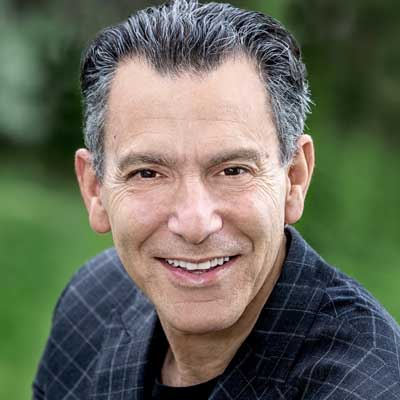
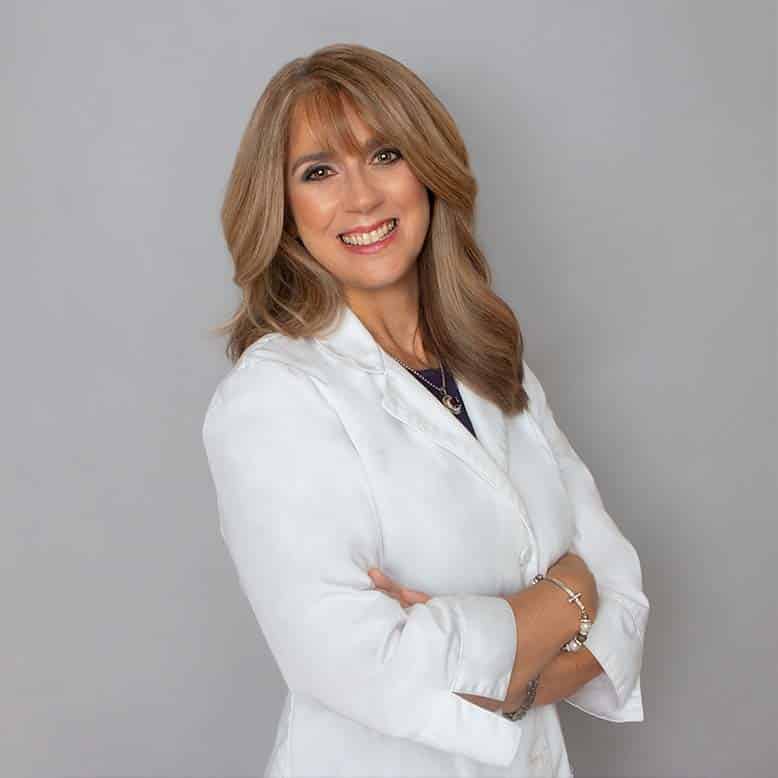
Full Transcript Introduction to the Prediction Center 0:00 Well. Welcome everybody. Welcome back. 0:01 This is a epic episode of Reverse Your Heart Disease. 0:05 Naturally. Summit. 0:07 People hear all the time about plant based diets 0:10 having the capacity to reverse heart disease. 0:13 And we know scientifically it's true. 0:15 And we've interviewed the great doctor, Dean Ornish and the great 0:18 Caldwell Esselstyn and Joel Fuhrman, MD is my co-host. 0:21 We've had other amazing nutritionists, but in my own practice, 0:26 most of my patients aren't familiar with really, the grandfather of them 0:30 all that preceded all of the amazing doctors I mentioned Mr. 0:34 Nathan, Pretty Kid, and the clinic that bears his name. 0:38 And we have the medical director, Doctor Deneen Fuji, and I hope I got that right. 0:43 I think I did, I proudly always keep in my office 0:47 a book written by Nathan Frederick Kim, as well as some others, that 0:51 these were New York Times bestsellers. 0:53 And there are, so many publications and patients. 0:57 My own parents went to the Prediction Center 1:00 and brought back lentil loaf instead of meat loaf 1:03 when I was transitioning at age 18 to a plant diet. 1:06 And it was that incredible kind of timing that my home and my college diet 1:11 became one and really reinforced that, this is healthy. 1:14 So without further ado, Doctor Ferrucci, thank you for taking the time 1:18 to educate this large crowd about the Prediction Center. 1:22 Thank you. 1:23 It's really my pleasure. 1:24 Thanks for having me. 1:25 It's absolutely critical that you be here. 1:28 I will just say, Doctor Ferrucci is medical director at the Prediction 1:33 Longevity Center in Miami, on the grounds of the beautiful Doral Country Club. 1:38 I've been there. It's quite, quite remarkable. 1:41 She's a medical graduate of Louisiana State University School of Medicine, 1:45 has been treasurer of the AMA, LSU chapter state project, chair of LSS 1:50 New Medical Society, Florida Hospital Resident 1:53 Research Award, and former president of Women in Medicine. 1:57 20 years at the Printing and Lifestyle Center. 2:00 She had a family history heart disease and decided to put her, 2:04 put her chips into lifestyle medicine rather than other forms of medicine. 2:08 She has done the Disney Marathon and paddleboarding and cycling and hiking. 2:12 This woman walks the walk and talks to talk both 2:16 and has had to plant modify all these great Cajun 2:21 French. 2:22 Recipes that her husband brought to the relationship so she knows how it is to, 2:28 adopt, 2:28 an American culture that promotes disease into her family, 2:31 which includes herself, her husband and three sons, undoubtedly very active. 2:36 So tell us, first of all, maybe first before I ask any other question. 2:40 Prediction. 2:41 The actual center has been around for almost 50 years. 2:45 Who was Nathan? Pretty good. 2:47 Just give us a short bio. 2:48 So Nathan pretty can was clearly a man before his time. 2:54 He was a pioneer in the field of longevity, medicine. 2:57 And then particularly in the reversal of heart disease. 3:00 He originally, learned about this through epidemiological studies 3:05 for the United States government after World War Two.
Nathan Pritikinu2019s Origins and Legacy 3:08 He found that the food rationing 3:11 during the war directly correlated with heart disease. 3:15 Going down. 3:15 As soon as the war was over, people went back to eating their typical, 3:20 I guess, way they had heart disease go right back up. 3:25 And this was revolutionary because at that time 3:28 there was not any common idea 3:31 that food did anything for you. 3:34 It was more or even exercise for that matter. 3:37 So he he was basically told, get your affairs in order. 3:41 There's nothing we can do for you. 3:42 It's in your family. Good luck. 3:46 Wow. And 3:47 and I know he trained as a aerospace engineer, in fact, had a vibrant business 3:52 in, coastal California as an aerospace engineer. 3:57 But here we are in a reverse heart disease summit talking about a pioneer. 4:01 Really? 4:01 A generation before Doctor Ornish, doc, Esselstyn Doctor Fuhrman, and others 4:06 that, preceded, you know, my own interest in lifestyle and reversal, heart disease. 4:11 Incredible. 4:12 So how has in this 50 year history where there's actually been 4:16 a physical center of, teaching and lifestyle and inpatient, 4:22 lifestyle change originally in Santa Monica, California? 4:25 Originally actually 4:26 in, Santa Barbara, then Santa Monica, and now for many years of Miami. 4:30 How over the years has it held on 4:33 to the original teachings of Mr. 4:36 Nathan pretty can, and how has it sort of modified over the years? 4:40 That's a fantastic question. 4:41 We still are true to the roots, which are plant based, daily exercise. 4:47 We've added mindfulness. We've added 4:50 sleep medicine, 4:51 we've added, rest and rehabilitation, because the times have gotten 4:57 so much more difficult for people to manage 5:00 the part of the nervous system, the fight or flight. 5:03 So we've added that what we've kept is Nathan's 5:07 original research that he did on himself. 5:11 He actually changed his food to be able to reverse heart disease. 5:16 He had four kids, his wife, and he cooked recipes, 5:20 and he literally checked his cholesterol every single week, just like we do here. 5:25 We've added more than the cholesterol. Of course. 5:27 We look at blood sugar and liver and kidney and uric acid, 5:31 and we look at CRP, and we do a full, thorough evaluation 5:36 of how does food really affect the individual person week by week? 5:40 I want people to realize we're talking about a physical place. 5:45 Imagine walking into a resort, which it is, with palm trees 5:49 and pools and golf courses and beautiful, hotel rooms. 5:53 That can be an option, but not mandatory to stay in. 5:56 But then we go over 5:57 to this beautiful building because again, when I visited it, where? 6:00 There is a demo kitchen and a very large dining hall 6:04 and a very large fitness center and a large medical clinic, 6:08 how many people, at the prediction Center in Miami, are actually there any given 6:13 full workday now that the pandemic is, you know, pretty much quieted down? 6:17 Well, we're seasonal, just like, most of South Florida 6:20 is we have our snowbird season, which we're full underway. 6:24 We can go up to 90 people, you know, in a week's time. 6:28 Our low season might be about 40, when it's hot. 6:32 How many people actually work at the Brick and Center? 6:35 Just about 100 to take it out. 6:38 Yeah. Whole team approach. 6:39 You know, we have the whole full kitchen that, really goes to great lengths 6:43 to make healthy food taste good. 6:44 And I didn't, know if people would really, adapt to that. 6:48 But being at in 20 years, I've seen people not only get the results, 6:52 but they say, you know, I, I like eating this way. 6:55 Now, this is my new normal and I like it. 6:58 So not 6:59 everybody listening to A knows that in 2010, our, 7:03 health care system in the United States recognized the Can program 7:07 in something called intensive cardiac rehab and said, you can go to Miami 7:13 after your bypass, after your stent, after your heart attack, 7:17 or if you're having angina stable, you can go before your heart attack. 7:21 Much better way to go and spend a week and do it all. 7:25 People have heard of cardiac rehab, not all have heard of intensive cardiac rehab. 7:29 And your insurance company, after appropriate authorization 7:33 will pay for the medical aspects of that. 7:35 So tell us about the intensive cardiac rehab program, please. 7:39 Sure. 7:40 I would be happy to, but I want to just say one little thing 7:43 about how Nathan figured out about, aerobic exercise, 7:47 even before the great Kenneth Cooper coined the word aerobic. 7:50 Okay, at that time, he was told, Nathan, you better not walk too far.
Lifestyle Medicine at the Miami Center 7:54 You might find yourself face up on the concrete. 7:56 You better nap. You better take elevators. 7:59 He actually saw some research on dogs and treadmills and saw how it increases. 8:04 Blood flow to the heart. 8:05 Collateral circulation in particular. 8:07 So once again, he, defied modern medicine at the time, 8:12 which said, you know, food and exercise won't do a thing. 8:15 You can't change this. 8:16 He did a stress test on himself every single week. 8:19 And that was the beginning of cardiac rehab. 8:22 He actually said his heart disease would have reversed faster 8:25 had he been able to do the pace of cardiac rehab we do today, 8:29 so intensive rehab is the pinnacle. 8:32 I think Nathan would be very, 8:33 very pleased at how that's come out of his original work. 8:37 ICR intensive means we do 72 sessions as opposed to 36 with general cardiac rehab. 8:44 It's a totally immersive with, not only the exercise portion, 8:48 but also teaching the label, reading, teaching the cooking, 8:51 teaching the mindset in an outpatient basis. 8:54 We originally, lobbied him to try to get this covered by insurance 8:59 and have it at the Miami Center, which we did for the beginning, 9:03 and everyone trained with us. 9:04 We put all the, hospital cardiologists, nutritionists, exercise 9:09 staff, yeah, at the Predicting Longevity Center here in Miami. 9:13 However, in looking 9:16 nationwide, the decision was made to 9:20 now have it based out of individual hospitals. 9:24 So currently we're not actually running ICR out of Miami anymore. 9:29 Now we're running it 9:30 through about 30 hospitals across the nation, growing all the time. 9:33 This was more advantageous to the patient. 9:36 They could stay with their home. 9:37 Cardiologist, especially if they just had a heart attack 9:41 and they felt more comfortable, being in their own environment. 9:44 And so they do it in many, many, many, many hospitals 9:48 throughout the US where people can find a way to have that covered by insurance. 9:53 It's the exact same knowledge 9:56 that predict can use to reverse its own heart disease. 9:59 It's the same that we teach at the mother center where we are. 10:04 It's fantastic. 10:05 So people will spend 72 hours learning about plant based nutrition, 10:09 mind body medicine, but they'll actually do 10:11 the traditional cardiac rehab, which is perhaps a recumbent bike, 10:16 a treadmill, a, lightweight, be monitored very, very carefully. 10:19 Again, I've been in the gym at the beautiful Broken Center Miami. 10:23 And, see, you know that it's a medically equipped gym, 10:26 and very carefully supervised, I will say I served as medical director 10:30 of cardiac rehab at my very large hospital in suburban Detroit through 2011. 10:36 And when we heard word that the Prediction Center had been approved, 10:40 I agitated as a longtime 10:42 plant based supporter, to no success. 10:45 I moved on to a different, situation. 10:48 But, quickly thereafter, Saint Joseph Mercy Hospital in Ann Arbor, 10:52 about 45 minutes away from where I am right now, and then their sister hospital 10:56 in a area called Livingston County, both put in the program I visited. 11:01 I know the medical director. 11:03 It's chain. 11:03 I refer to it. It's changed lives. 11:06 I tell people, you know, for 12 weeks or eight weeks, just drive 11:09 the extra 45 minutes because the education you're going to get 11:13 and the fact that it's approved originally by Medicare, 11:17 but now it's extended to many, many other insurances. 11:20 So, fantastic stuff. 11:22 Tell us about, you know, the experience with diseases, 11:26 because you may visit the, Prediction Center in Miami 11:29 and insurance won't pay for it, but you might go for high blood pressure. 11:34 And what are you going to do for 11:35 that person that says, I'm going to come in for a week or two? 11:38 I need, desperately, a lifestyle change. 11:42 I mean, they're going to see medical docs. 11:45 Absolutely. 11:45 In fact, I think one of the best parts of the premium program is the face 11:51 to face time you get with the doctor who customizes everything for you. 11:56 This is not to say that they lose touch with the doctor home. 11:59 Of course we're going to, 12:01 you know, continue to have them follow up with their doctor. 12:05 But this is an educational immersion program 12:08 and is in a resort setting where it's a lot of fun 12:11 and you don't realize how much you're absorbing in your habits, 12:16 which is the thing 12:17 that people find most difficult on their own in their home environment. 12:20 We take you out of the rat race and you come for a healthy vacation, so to speak. 12:25 But you're learning and you're 12:27 you're learning so much that it becomes the new normal, very practical. 12:31 People say when I want results, I come to prediction. 12:35 And this may be heart disease like ICR, right? 12:38 ICR does things for heart disease. 12:41 That is coronary artery disease. 12:42 It's been approved also for congestive heart failure. 12:46 So we see a lot of folks with heart failure have to go back into the hospital, 12:50 get loaded up with salt, loaded up with fluid. 12:53 We teach a way to eat healthy where the salt is much lower 12:57 to where the, breathing is better. 12:59 The weight comes off, as you mentioned, high blood pressure. 13:02 That's one of the claims to fame. 13:03 83% leave without medication.
Intensive Cardiac Rehab Explained 13:06 And this is sometimes people on 4 or 5 medicines 13:09 leave on to somebody on two, or one might leave on a half dose. 13:13 Now, should they be off of it for the rest of their life? 13:17 That's going to simply depend on 13:18 whether they eat the way that their body needs them to. 13:22 But the exciting thing is they get to see it 13:26 in their own body day after day after day for two weeks. 13:30 That's our general program, two weeks where you'll get all of the lectures 13:33 we recommend, especially for someone's first visit, that two weeks get you 13:38 the fundamentals, and then the second week would be our action plan. 13:42 How do you take all this great knowledge 13:43 and experience home into your own environment? 13:45 Takes a while to change the standard 13:48 American diet when you've grown up a certain way. 13:51 We have a very full occupancy during holidays. 13:55 Right now, during the winter season, we get very full, 13:58 people enjoy spending the holidays 14:01 or even in the summer, because that's why we run our specials. 14:05 So it turns out that there's so many things that people learn, 14:10 and they don't realize how much easier it makes the rest of their life. 14:15 Doctors oftentimes will email us, and actually ask, 14:19 what did you tell my patient? 14:20 I've been telling them that all this time, and I said, well, it's just a lot easier 14:24 doing it in a group where everybody's got the same mindset. 14:29 It's kind of, enthusiasm. 14:31 You get motivation from seeing the person who's sicker than you 14:35 say, wow, if I don't change something that's going to make me in a few years, 14:39 or you might get motivation from somebody who's in their 80s or 90s 14:42 who is really doing great and like, wow, I never met anybody of that age 14:47 that has this much mental awareness, cardiac. 14:51 And then, you know, seeing the heart disease, reverse 14:54 hearing people who were told they were going to die. 14:57 And here they are 20 years later, they didn't reach denotes a stent. 15:01 They didn't clogged their bypass. 15:03 Because the truth of the matter is, if you don't change, those aren't cures. 15:09 Yeah. You're just going to clog the new one. 15:11 The way you plugged the original. 15:13 So when people see all of this inspiration, it really flips 15:18 a switch to where they, I think, say to themselves, 15:22 I must be some kind of fool not to make these changes. 15:25 And when it becomes the patient's own idea and not the doctor, 15:29 that's what I love to see it all come full circle. 15:32 The person says, this is what I want to do. 15:34 This is my health investment. 15:36 This is worth it to me. 15:37 So it's a really rewarding thing to see. 15:40 Even type two diabetes, which I was not taught in school, could reverse. 15:45 I've seen that go into remission, and it's quite fascinating that 15:50 the same thing that helps your heart, we believe, is helping prevent dementia 15:54 and cutting down on some of the what we used to call age related conditions. 15:59 Now we think they're more lifestyle than genetic in some cases. 16:03 So it's very, very rewarding that if you decide to take these steps, 16:07 you can have a whole different experience 16:09 of your current everyday life with energy being, feeling better in your own skin, 16:15 and also the longevity, your risk of having 16:18 chronic disease complications really plummets. 16:22 Very rewarding to watch people discover that and live it. 16:27 So you 16:28 you tossed out an absolutely amazing statistic 16:31 that 83% of people that go through the two week program, 16:35 with an issue of high blood pressure, will reduce 16:38 or some eliminate their medicine while they are there. 16:41 And obviously as long as they adhere to the program at home. 16:44 Now, you know that because the Prediction Center is a research center. 16:48 Well, more than 100 medical publications, 16:52 we're not just taking this from your mouth, 16:55 which is a very honest and ethical and, esteemed mouth, but anybody can go to, 17:00 pub med.gov, National Library of Medicine, go back to the what, 17:04 the 1980s, maybe even the 1970s and see some early publications. 17:09 77 yes. 17:10 Nathan predictions original study was on the veterans in California. 17:15 It was a big study and as a matter of fact, he was on 60 minutes. 17:21 He's been in the, Congress. He's recorded. 17:24 There's been so many land breaking, he really research 17:28 that has shook the world to say, wow, this really works. 17:32 Cardiologists actually wanted to know where could they send their patients 17:36 to learn what Nathan was teaching. 17:37 Nathan said, well, send them on to the Prediction Center. 17:41 And that's where it was born back in the 1970s. 17:43 Incredible, incredible. 17:45 And, you know, let's talk a little bit more about Nathan because he is so amazing 17:50 or was and anybody can read the book I have in front of me the Prediction 17:55 promise 28 days to a Longer, Healthier Life by Nathan Prediction. 18:00 And then there are many other books by other writers for the Prediction Center. 18:05 But Nathan, you know, kind of gambled it all. 18:07 He knew that he could reverse heart disease. 18:09 And when he passed away in around 1985, I recall tell everybody 18:14 what he did with a request, after life for his autopsy results. 18:18 He wanted it made public. 18:21 And the reason he wanted to make it public is because he knew 18:24 he didn't have disease anymore. 18:26 And he knew he used to have pretty serious disease. 18:29 He wanted to show as a man, almost 30 years older, 18:33 30 years older, his arteries were clean. 18:37 There was no heart disease.
Clinical Results and Health Improvements 18:39 Thus proving his life's work was very legitimate and evidence based. 18:45 Yeah. 18:45 And if I recall again, I believe his autopsy, which, of course, 18:48 he couldn't have predicted during life, he was, putting it out there 18:52 that I have enough confidence that I'll publish my autopsy postmortem. 18:57 And, it was, I think, in the New England Journal of Medicine, 19:00 which got a lot of attention and a lot of eyeballs. 19:03 It was a very prestigious medical journal. 19:05 Right? That's right. Wow. Wow. 19:08 So we talked about something people are, you know, clearly interested 83% reduction 19:14 or elimination during this day in blood pressure medicine. 19:18 What happens over a two week stay on average? 19:20 Of course, we know people very to wait. 19:22 So let's take that one. Yeah. 19:24 So originally when people come in, we tell them weight 19:28 loss is a side effect of healthy lifestyle. 19:31 So your goal is not to try to dehydrate yourself, not try to starve yourself. 19:38 Because we see in long term studies this does not maintain 19:41 or sustain over a lifestyle, a like a person's lifetime. 19:45 They generally don't continue if you just focus on weight. 19:49 So when people actually lose weight, it again, it is not our, 19:54 focus to say, oh, you have to lose a pound a week or 10 pounds a month, 19:57 or everybody is at their own pace based on their abilities. 20:01 Some people are able to go faster, 20:03 some people a little bit less, but everybody loses weight. 20:06 The first certainly is when we drop salt. 20:09 Since water follows salt like a sponge, people do what's the medical term? 20:13 We diaries, which is we let go of all that, fluid, 20:17 that kind of bloats you up and, you know, makes your rings tight and the soft lines 20:22 and so people are like, wow, I feel so much better in my body. 20:26 Even my joints feel less stiff, 20:29 which is quite fascinating that that's a whole other topic for another day. 20:33 But it appears that healthy lifestyle may have a role 20:36 to play in the experience of the aches and pains of aging. 20:41 So I think in general, people do, they are satisfied with their weight loss. 20:46 But I want to really dispel the myth that we're a fat farm. 20:50 That maybe what, some people have said, 20:54 but we're really not about just focusing on weight loss, per se. 20:59 Weight loss does come. 21:01 And the best thing is, this might be the last time you lose 21:04 that last 25 pounds, you're not going to go up and down. 21:07 So I just encourage people don't put the focus just on the weight, 21:11 but on what you're eating and your body's metabolism 21:14 becomes more efficient and you enjoy foods. 21:18 Still, there's no more of this emotional stress eating 21:21 because you have a different relationship with food. 21:24 Once you see food, it's medicine you no longer see. 21:27 Food is good or bad, okay? 21:29 And so all of these things tend to work themselves out. 21:32 So I don't put a whole lot of attention on the scale. 21:35 Although we do measure and people do want to know and they do lose weight. 21:39 I'll say it's variable from in a two week 21:41 visit, maybe somewhere between at the low side, 5 21:46 pounds at the high side, maybe 10 or 12 depending on if it's a man or a woman, 21:50 how big we are, how much we, you know, we're loaded up to begin with. 21:55 What might happen in two 21:56 weeks to, total cholesterol, LDL cholesterol before. 22:00 And I'm discharged from the program. 22:03 So we actually focus more on the triglyceride, because that's 22:06 the immediate effect of eating. 22:08 It's a really fantastic to see. 22:10 Blood pressure changes first triglycerides. 22:13 The second the triglycerides can go down. 22:15 Get this sometimes 33 to 50% in seven days. 22:22 I came from a cardiac hospital. 22:23 I would have never believed such results had a patient brought them to me. 22:27 So any doctors out there, if you've seen the patient, they didn't cheat. 22:31 No, we don't add statins to the food. 22:33 I've been accused of that. 22:34 We've been accused of putting blood pressure medicine in the food 22:37 because people cannot believe that these numbers are real. 22:41 They'll say, but when I was 18, I had a cholesterol problem. 22:44 Oh, I was already starting to show blood pressure. 22:46 In my 20s, I got the white coat syndrome, 22:48 which we all know probably happens more than in the doctor's office. 22:52 So it it's actually significant. 22:54 We find that these folks never probably knew how to eat when they were 18. 23:00 Think about it. 23:01 How did we eat when we were young? 23:03 We just did whatever we wanted to do. 23:05 So a lot of people who thought there was no way they could get lower numbers 23:09 see these amazing reductions. 23:12 And as you know, triglycerides don't really have much effect from statins. 23:17 Statins don't really work that well. 23:19 So we see a huge effect from the food. 23:21 Just within a week, the LDL can take a little bit longer. 23:25 We do recommend people stay on their statins for the time being. 23:29 If you want to earn your right to come off of the statin and I say earn the right, 23:33 you have to prove yourself to your doctor at home that I like the quarterly plan 23:39 you do every three months, and you're checking how you are. 23:42 Spring, summer, winter, fall. 23:43 Once you've passed the test and your doctor sees 23:46 that you've maintained beautiful numbers all year round, now 23:49 you can start talking about maybe the medicine can be reduced. 23:54 I want to share an anecdote 23:55 with you in the audience, but, my parents went, 23:59 pretty good in California and came back with a completely changed perspective. 24:04 Good bye. 24:05 I'm getting goulash. 24:06 Hello, tofu. 24:07 Stir fries. 24:08 And I was again, just entering college and medical school. 24:11 And this all made an impact on me and my own very long relationship 24:15 with plant based diets. 24:17 But they were invited there by friends of theirs or just a couple of years older. 24:21 Those friends are still alive at age 96 and 93. 24:24 That's very vibrant. 24:26 And I think my mother ate, dinner with them last night. 24:29 But the the female part of that, 24:32 relationship said to me a couple of years ago at age 89, you know, 24:36 I have followed the Prediction Center program food 24:39 so carefully for 45 years. 24:42 I want to calcium score, heart CT scan, calcium score. 24:46 And I argued with her. 24:48 You know, you're doing wonderful. 24:49 You look great. You have absolutely no symptoms. 24:52 And she said to me, it's $99. 24:54 I just need a prescription. I'm very curious. 24:57 I want to know.
Research, Website, and Patient Experience 24:58 She is undoubtedly probably the oldest, 25:00 female ever shown to have a calcium score of zero. 25:04 Of course, I have a lot of 45 year old women that are zero, but 89. 25:07 And now I'm not going to retest her at 93. 25:10 I'm pretty confident she stays zero. 25:12 But it is an anecdote. 25:13 I've never written that up and I don't know for sure. 25:16 That's the oldest calcium score. 25:17 Zero winner of cardiovascular health. 25:20 But sort of like Nathan's own story. 25:24 You always need a little bit 25:25 more proof, and there's just more and more to share with you. 25:28 So it's made a big impact. 25:31 That's inspirational. Thank you so much. 25:33 The more we hear of stories of real living people who are doing it, 25:37 the more people realize, wait, if they can do it, maybe I should try. 25:41 And there's a lot of evidence out there. 25:43 So it's very it's very exciting to meet real people who have done it. 25:48 I just wanted to talk a little about the website because I get emails 25:52 regularly and their website is pretty incom 25:55 pretty cnn.com, and I am sure that there's a place 26:00 for anybody listening to sign up and get free newsletters. 26:03 I don't find them sales lady, so nobody needs to get too worried. 26:07 You guys have a library of resources? 26:10 Jack? Why don't you talk about that a little bit? 26:12 Yeah. 26:13 So we have a fantastic new, updated website. 26:17 There's, sections for professionals to look at the research and, and anybody 26:21 really who wants to look at the research, there's, articles, all the time. 26:25 We call it the prediction perspective. 26:27 You get to see what other people have said who have come 26:30 and their success stories again, more real world people. 26:33 You get to meet, your program advisor and you ask any questions. 26:37 You're right. 26:38 We don't do any kind of a high pressure sale. 26:40 So the program speaks for itself. 26:43 What we do is we have people come in and they'll do an exercise, treadmill test. 26:48 They'll get their blood. They get time with the doctor. 26:51 That is, you know, quite frankly, a lot of face time 26:54 where you can customize what their goals are. 26:58 Rather than problem list. We call it goals 27:00 because people have health goals and this is a health investment. 27:04 And then we figure out how best to customize prediction for each 27:08 and every individual goals. 27:11 I will also point out in the team of doctors that I work with, 27:14 they're fantastic. 27:16 We will all, teach what is the most important, 27:20 probably priority of those health goals. 27:23 And we'll show what is the most 27:26 practical way to 27:27 achieve that in the real world, we have dining out experiences. 27:32 We have grocery store shopping trips where you can put your label 27:35 reading class to real work, and the real world, 27:39 where you can practice ordering and eating with one of our nutritionists. 27:43 To see how to overcome some of the hidden, things that you might think are healthy. 27:49 And I actually really think that that's valuable. 27:51 And people say that's a really a shock. 27:53 And, type of situation. 27:55 A lot of folks are really, really trying to eat healthy. 27:59 And when they learn weight that isn't healthy, that doesn't have 28:04 what I thought it it or that does contain, you mean that's not really zero? 28:08 Zero doesn't mean zero on the food label. 28:11 How is this possible? 28:12 And people are really, really shocked. 28:15 So I'm very proud of the educational piece that people will get from the website. 28:19 Tons of articles, lots of resources. 28:22 That's all free. 28:23 And then if they come for a visit, the the education is just. 28:27 That's why I work there. 28:28 I actually live two hours away. 28:30 I literally drive to come to this place because it is so amazing. 28:34 It is just absolutely. 28:37 I can't think of any better way to put it all together 28:40 with our nutritionists, our exercise staff, our cooking school, 28:43 our mindfulness behavioral health psychologist to help people, find easy 28:49 ways to break through some of those places where they were previously, stuck 28:54 and make it in a way that, you know, it's fun 28:57 and enjoyable to the point where people say, I can do this. 29:01 My favorite words that anybody can say is, wow, 29:04 I can't believe I could do this, but now I do believe I can do this. 29:08 This has changed my life, 29:10 and that's just the most rewarding thing any doctor can hear. 29:14 The passion is oozing the honesty is rising, the sincerity is oozing. 29:19 And I think a lot of people really appreciate that and did not know 29:23 that there's this many decades history of lifestyle and heart disease reversal. 29:30 And, you know, not everybody can go to, you know, and I see our program 29:35 that everybody can go to True North, an amazing program. 29:38 And we have interviewed Alan Gold hammer and all. 29:41 And, you know, people need to know 29:42 that this amazing program, is, is alive and well. 29:47 And if people don't want to stay at the resort, 29:51 but are either living nearby in Miami or all, maybe it's an economic thing. 29:57 Can they stay at a nearby hotel? 30:00 Or maybe they live two minutes from there again 30:02 and just be very good students for two weeks of driving and coming? 30:06 Well, typically we recommend people stay at the resort because what we find is 30:10 once you go back to your home environment, things fall apart. 30:14 When you're in our hotel rooms, you don't have to worry about what happens 30:18 if the food calls your name in the middle of the night, 30:20 when you don't really feel like getting up through the traffic 30:23 and getting to work out when you can just walk out of your villa 30:26 across the beautiful, golf course area and the pools 30:29 and you see all the lush environment and you say, you know what? 30:33 This is what I deserve. 30:35 So we have not found, when people live at home 30:38 and try to do it in an outpatient, that it's as effective. 30:41 Sure. 30:41 I think that people can learn really any way that they're open to. 30:46 But there is something quite magical, 30:50 quite phenomenal about just being immersed in it. 30:54 And I think that, it's a gift that you can give to your loved one, to yourself. 30:58 It was a gift that your parents gave to you. 31:01 My parents gave to me the gift of learning about health at a young age. 31:05 So I think that sometimes it's worth that one time, one shot.
Reversing Heart Disease and Closing Remarks 31:10 Even if you couldn't come more than once. 31:13 Just to see you know, what do I need to know? 31:16 I need an owner's manual for this body. 31:19 This is the only one I got. 31:20 It's a classic. 31:21 At this point, we need to be able to protect it. 31:24 If somebody is working on something that is, more difficult. 31:27 Health goal. 31:28 We've had people stay a couple months, believe it or not. 31:31 And, you know, literally change their mobility, 31:35 change their whole situation, work from there. 31:39 Some people get hotel rooms and work. 31:41 Some people will come back at three months or six months or annually. 31:46 A lot of my patients in their 90s, 31:48 I met in the 70s, and they literally came back every year. 31:52 And they credit why they're hanging out with younger people, able to do things 31:57 younger people do, rather than their peers who have often, unfortunately passed on. 32:03 They credit just getting the mindset, getting the reset, getting the refresh. 32:07 So I think staying at the resort is probably worth it 32:11 for most people to get that immersion experience. 32:15 All right. 32:15 And if somebody's listening right now, they can go to the website. 32:19 The website will have a way to contact or apply 32:23 or speak to a advisor about, you know, arranging a visit in the next few months. 32:29 Right. 32:29 We had something we call a medical application, 32:31 just kind of like applying to college, but a lot easier. 32:34 And, you give us a little bit of your background and we make sure 32:38 we customize the program for you. 32:40 In the past, we weren't, sure about people with chronic kidney disease 32:44 because some people's kidneys 32:46 weren't able to handle, some of it, quite frankly, the fruits and vegetables, 32:50 their body had to be very carefully monitored. 32:53 People that are on insulin, insulin pumps. 32:56 So we know how to monitor this. 32:57 Now, after all these years with our nutrition team and our, award 33:01 winning chefs, we've been able to customize programs. 33:04 If somebody did not fill out an application, they just show up cold 33:08 like you would to any hotel. 33:10 We wouldn't be able to design the best program for you. 33:13 So we try to take everyone we can and give everybody a chance 33:17 so that, they can have the most bang for their buck, so to speak. 33:21 Fantastic. 33:21 So I just want to ask you, last question. 33:24 You do believe that heart disease is a reversible condition? 33:28 Listen, I can't believe I'm this old, 33:30 and I'm saying this, but when I was in medical school, 33:33 I knew as a former athlete that there was much more. 33:39 It could be done in the field of lifestyle. 33:41 I knew it, I absolutely knew it, but we weren't allowed to say it. 33:45 And now we're living in the time where we can actually say these diseases. 33:50 Yes, they can go into remission. 33:52 But due to people like Nathan and and the research of, Dean Ornish 33:56 and many of the other greats we have seen, this is actually reversing disease. 34:01 We even had a, ophthalmologist come. 34:04 He saw retinopathy get better. 34:06 I didn't even know that could happen. 34:08 Quite, quite phenomenal living in this day and age. 34:11 Well, I agree I'm more excited practicing cardiology 34:14 and medicine than any time in the last 33 years in my career. 34:18 So thank you so much for taking the time, for sharing the passion, 34:22 the experience, the history and the results. 34:24 I think for a lot of people, 34:25 they're going to be fired up to check out prediction.com and hopefully 34:30 there will be a lot of people will meet you face to face as medical directors. 34:34 So thank you so much for your kindness. 34:36 Absolutely. Thank you for having me. 34:38 And, just everybody come on down. 34:39 It's a great experience. 34:41 Thank you so much, doctor, for doing this fantastic summit to get the awareness out 34:47 that this is something you don't just have to give up on. 34:50 You can definitely do it. 34:52 Well, it was a better summit because it included you. 34:54 So thank you, thank you.
Comments