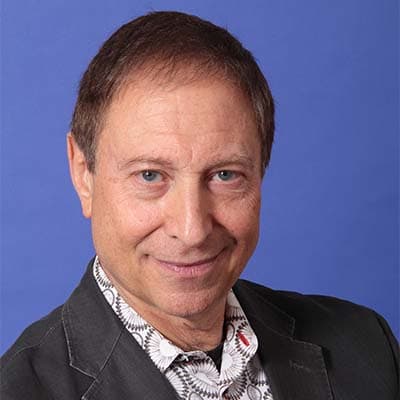
Full Transcript Introduction to Neuropsychiatric Lyme 0:00 Hello everyone. 0:00 My name is Doctor Richard Horowitz and I'm the co-host of the Doctor Talk 0:03 Healing Lyme Summit. 0:04 It is my great pleasure today to introduce to you Doctor Robert Bransfield. 0:08 Bob is one of the leading experts in neuropsychiatric, 0:10 Lyme and tickborne disorders in the world. 0:13 I've known Bob for a very long time, and we're going to discuss today 0:16 the neuropsychiatric manifestations 0:18 of Lyme and tick borne disorders in some of the ways of treating them. 0:21 So thank you, Bob, for joining us today. 0:24 Thank you, Rich, and I'm glad you're educating people. 0:27 I think it's a great service. 0:28 My pleasure. 0:29 So, Bob, just tell people, how did you get into this? 0:31 A lot of psychiatrists. 0:33 They don't necessarily treat Lyme or Tickborne and are aware of it. 0:36 Why did you get into this? 0:37 And other psychiatrists haven't? 0:40 Well, I was trained as a Freudian psychoanalyst. 0:43 That was my training and I did have question that you couldn't 0:47 blame your mother for everything that didn't really make sense. 0:50 Kind of like that you gave a story some time about 0:53 how would transition with that word demon possession and all that. 0:57 Okay. 0:58 But then it's like there's something more to this, and, you know, 1:01 how can you explain mental illness? 1:03 It's a very complicated formula. 1:05 It's not a simple formula. 1:07 And I think pretty early on I thought maybe infection 1:10 could play some role, but it was hard to make sense out of it. 1:14 And I ended up seeing a lot of treatment resistant cases. 1:18 And I specialized in that and cases that weren't responding. 1:23 And you had to you couldn't just give an anti depressant 1:27 and it would automatically work in two weeks and it'd be fine. 1:30 So you had to think harder and think outside the box and look at 1:36 what was it that was causing it and you. 1:39 So in doing that I found infection 1:43 maybe played some role at one point there was a slow virus theory. 1:47 And then we looked at toxoplasmosis as a thought. 1:51 And I remember seeing cases like that. 1:53 And then in the 80s, I was seeing a fair number of Aids cases, HIV cases. 1:58 And in psychiatry, we often see what nobody else wants to treat. 2:03 So when people throw up their hands and say, 2:05 this makes no sense, go see a psychiatrist. 2:08 We we get referred the people that are lost in our healthcare system. 2:12 And then once the health care system 2:14 gets a better handle on something, we no longer see it. 2:17 So in the 80s, we had more of these HIV cases. 2:20 Then. Then the world embraced HIV. 2:23 And then I started stop seeing those cases. 2:26 But the Lyme cases, I know I can think of Lyme cases 2:29 going back to the early 70s, but I didn't identify it as that then. 2:34 But I could think of it as when I look back at that case 2:37 that baffled me then that there's something I'm missing here. 2:40 I know it was a long case, I'm sure, but at the time 2:45 we didn't have that concept, so I was seeing some of these in the 80s 2:49 and then particularly in the early 90s, and I was seeing more and more
How Lyme Psychiatry Began 2:53 and I thought, well, who can I send these to? 2:57 And I couldn't find anybody to send them to. 2:59 So I had to figure it out myself. 3:00 And then once I figured it out, I 3:04 could see that the infection was playing some role 3:07 and some would be referred by infectious disease doctors. 3:10 And they say, well, they've been treated 3:12 with a month of antibiotics, so they should be cured. 3:15 And sure, it's a dangerous word in medicine. 3:18 Should have never okay. 3:20 You should never say should and you should never say never. 3:22 Okay. 3:23 But, and I would get these cases and then I say, well, maybe 3:26 the infection wasn't adequately treated and I would give the antibiotic 3:31 and they would do better. 3:32 And then it seemed to make sense that there was some process 3:37 that was driving these people, and they often were a little bit different 3:41 than some of the run of the mill psychosis, 3:43 because they often had everything was wrong. 3:47 They had physical symptoms, they had cognitive symptoms. 3:50 It's like symptoms. 3:52 And some of them, it seemed like they kept getting worse and worse. 3:55 And worse with the same treatment. 3:57 You had to treat them more and more to do more and more psych meds. 4:02 And so something 4:04 was pushing their illness in the other direction. 4:07 And what was that? 4:08 And the antibiotic seemed to push back and it help some of these people. 4:13 And so then I treated these cases 4:17 because I, I had to I had to figure it out. 4:21 And then I found there were some other psychiatrist, Brian Fallon, 4:26 and some other psychiatrist who were Virginia Share, 4:29 who were seeing some of the same things. 4:31 I organized the meeting at an APA meeting. 4:35 That's the American Psychiatric Association meeting. 4:37 And another is and I said, let's get together and talk about this. 4:41 And it's like we're all seeing the same thing and let's work together on it. 4:46 So then we we organized some and I started 4:49 a internet discussion group for a psychiatrist. 4:52 And then we shared information. 4:54 We went back and forth and then that's continued since then. 4:58 And and there's been pretty consistently around 750 members 5:02 in that group ever since. And some people have come and gone. 5:05 And sometimes we have psychologists or, or other doctors or social workers 5:10 or other people that are involved in treating 5:13 the mental aspects of infectious disease. 5:16 And we don't just look at Lyme, we look at any infection. 5:20 So we call it microbes and mental illness and look at the connection there, 5:24 knowing that it's one theory is 5:28 mental illness isn't a gene. 5:30 There aren't that many mental illness states. 5:32 There may be half a dozen you can find, but there are many, 5:36 many, probably thousands of mental illness susceptibility genes. 5:41 And these 5:41 susceptibility genes may be beneficial in one circumstance. 5:45 And contribute to illness in another circumstance. 5:49 So if it's the formula that we call it a disease triangle. 5:54 So you had some susceptibility 5:57 an environmental trigger and that causes a disease state. 6:01 Right. 6:01 So so so question about things that are different okay. Yes. 6:06 So so question. 6:06 Because in this day 6:07 regarding the microbes in mental illness, it's obviously not just Lyme. 6:11 We're seeing a lot of Bartonella which is causing severe neuropsychiatric problems. 6:16 Long Covid has now come a long, long 6:18 Covid is associated with a large number of these mental illness cases. 6:21 So are you finding that the standard drugs you were saying earlier 6:25 that one of the ways you recognize that someone may have neuropsychiatric 6:30 tick borne is they're not responding to the classical drugs, 6:33 they've got physical symptoms, not just psychiatric symptoms. 6:36 Right. And resistant. 6:38 But are you finding at this point things like long-covid, Bartonella 6:41 are complicating the issues for you? 6:43 Like way more than they did with Lyme from years ago, that you've got to think 6:47 even out of the box more use other antibiotics 6:50 or other ways of lowering down inflammation. 6:52 Because you published on the fact that all these mental illnesses, 6:55 a lot of them, it's just inflammation in the brain, right? 6:58 That's driving a lot of this mental illness. 7:00 Yeah. Sort of. 7:01 Although it's like this. 7:02 These are complex interactive infections. 7:05 I like that word. 7:07 And that doesn't lock you in. 7:08 If you look at what Lyme as Lyme is a clinical syndrome 7:12 that recognizes there was something seen in people 7:15 in the Lyme, Connecticut area that had some common denominators. 7:20 And when you look at that, and this is a project 7:24 that Doctor Greenberg is working on now, she's looking at the initial cases 7:28 that were studied by Pauli Murray and an awful lot of them, 7:32 the greater issue there was psych, not arthritic symptoms. 7:35 And she's finding suicide, homicide, 7:38 a lot of psych issues with the people that she was looking at. 7:42 But when people came in and investigated, it, 7:46 they were it was a rheumatologist. 7:48 So there was a biased 7:50 to look at the joint things and ignore the other parts of the illness. 7:54 And unfortunately, then you had rheumatologist 7:58 or infectious disease doctors who took control of Lyme disease, 8:03 but they looked at it from what they understood, 8:06 and they had very limited psychiatric capability. 8:11 So then the psychiatric symptoms were put in a category 8:15 that was called subjective and nonspecific. 8:18 And like, what does that mean? 8:20 That means you don't know 8:21 how to do a proper assessment of these very significant symptoms. 8:25 Okay. 8:26 So then there was an excessive focus 8:29 on just the musculoskeletal symptoms. 8:32 And the other symptoms weren't adequately addressed. 8:35 And and I think those symptoms, like the joint symptoms 8:38 are much easier to treat than the aura side symptoms. 8:42 People that are partially treated often 8:45 get relief from lesser treatment for the Moscow skeletal symptoms, 8:50 but not adequate treatment for the Nora Sykes symptoms. 8:54 You need more treatment for the north side symptoms 8:56 and also the north side symptoms appear later. 8:59 The average person I see is nine years 9:02 post infection, sometimes longer, sometimes less. 9:06 So it's like calling syphilis a skin disorder. 9:12 Yeah, it is in the 9:13 beginning, but in a later stages it's something else. 9:17 So. So what are the what are the most common neuropsychiatric symptoms
Lyme, Co-Infections, and Immune Dysfunction 9:20 you see associated with Lyme and tick borne disorders like Lyman Bartonella. 9:24 Why don't you kind of go through some of the most common, 9:27 like the most common, you have the brain fog, you have the fatigue. 9:31 And the fatigue is usually the symptom people complain about the most. 9:35 But the actual psych depression is actually the most common. 9:38 But you have anxiety. 9:39 You have mixed anxiety symptoms. 9:42 You can have impulsivity. 9:43 You have low frustration tolerance. 9:45 You have, an attention deficit kind of appearance. 9:48 Although one thing unique about it is sensory flooding, sensory overload, 9:54 where it's different than A.D.D. 9:56 and sensory overload is I can't take too much stimulation. 10:00 Like don't go, don't take me to Times Square. 10:04 It's like I can't process at all. 10:07 I get flooded and overwhelmed. 10:09 I need a low stimulation environment. 10:12 So there and so processing and working memory, those are things and time 10:17 management problems and innate 10:21 intelligence can remain intact. 10:24 But there's these other things that impair 10:27 functional abilities that limit someone. 10:31 Right. 10:31 And you were saying earlier and you were saying earlier 10:34 that even homicide ality, you can see suicides and homicides from Lyme disease. 10:40 Right. You've published on this, in fact, yes. 10:41 A couple of years back in the medical literature. 10:44 I think it's relevant this day and age because of the Luigi Mangione case 10:48 that he has chronic Lyme, according to what we've read about. 10:51 I don't think anybody yet at this point has gone into this in great enough detail. 10:55 But it's certainly possible 10:57 that some of his mental illness and lack of impulsivity and control 11:01 could possibly be due to the tick borne disorders making this worse. 11:05 Well, when I look, when I look at, let's say, tick borne, when I do an assessment 11:09 of symptoms, only 1% of Lyme 11:13 late stage Lyme patients show homicidal tendencies. 11:16 And that doesn't mean 11:17 they commit homicide, but they have homicidal thoughts or urges. 11:20 Only 1%. 11:21 So it's a small percent. 11:23 So I don't want to bias the whole Lyme community, but still at 1%. 11:29 When you look at how many people have chronic Lyme, 11:32 that's a massive number of people. 11:34 And now of that 1%, 11:37 I study that on, I've done maybe 5 or 6 different articles. 11:41 Why address homicide ality with it? 11:43 I did the autopsy where there was a homicide and suicide. 11:47 And then we looked at the brain. 11:48 We showed the brain findings, and I've done statistical analysis of 11:53 I've gone I've had legal cases of people that were homicidal 11:56 or committed homicides. 11:57 I studied that 45, 49 out of 50 12:01 homicide of Lyme patients that I studied were suicidal. 12:05 So particularly you see this pattern 12:08 where someone has this homicidal urge 12:12 and they fight it, but in comes it's like, where did this come from? 12:15 But sometimes in when they act on it particularly, they may 12:18 they take out a group of people and then themselves. 12:22 So they may be homicidal and suicidal 12:25 and they may even kill the household pets as well. 12:28 So a lot of these family homicide suicides follow that pattern. 12:32 Some of the school patterns, you know, shootings 12:35 follow that pattern where they they shoot and then shoot themselves, 12:38 whereas that's different than what you see with other kind of crimes. 12:43 And a lot of the crime that I see is like bizarre and senseless. 12:47 It's like it makes no sense. 12:49 Why would someone do that? 12:50 It's crazy. 12:50 It seems illogical, but it's impulsive. 12:54 There's all different kind of patterns I've seen with it. 12:57 Right. So do you find it's much worse? 12:59 I mean, what I've seen is the neuroscience seems to be much worse. 13:01 And the people with Bartonella, 13:03 do you do you find that also there's an exaggeration of those type 13:06 of psychiatric symptoms when they have Lyme and Bartonella. 13:09 Right? 13:09 I think when you look at it, if someone only has Lyme and nothing else, 13:14 and Lyme is the most common tick borne disease. 13:17 So Lyme is a marker for tick borne disease. 13:20 But tick borne disease is a calm plus 13:24 infection of who knows what. 13:27 And it can include bibs you Bartonella it could maybe maybe talk. 13:30 So it could also be relapsing fever I think relapsing fever. 13:34 Maybe that's the difference. 13:36 That may be the people that maybe do get more the aggressive side. 13:39 And it's hard to say what is. 13:41 It makes that 1% different. 13:44 What do they have that the other 99% don't have that makes them different? 13:48 Is it a genetic susceptibility or is it somehow an infection 13:52 that affects the brain in a different kind of way? 13:55 But you do see, I think Lyme is immunosuppressant, 14:00 Lyme is immunosuppressant, 14:03 HIV is immunosuppressant, Covid is. 14:06 And then when you have an infection, it's immunosuppressant that activates other 14:11 infections in your body that then become active 14:15 and it causes a complex, interactive infection. 14:18 So the formula I have is when you have 14:21 co-infections, one plus one equals 11 not two. 14:25 Okay. Yes. 14:26 And we find from the way 14:27 we published last year that Bartonella also causes immunosuppression. 14:30 We found in the people that had multiple Bartonella species, 14:34 those were the ones that most frequently had chronic variable immune deficiency 14:38 with subclass deficiencies. 14:39 The worse neuropathy of are the burning in the feet and all over their body. 14:44 They had the worst autonomic neuropathy and the worst neuropsychiatric symptoms. 14:48 So you could get you could get Lyme against 14:51 immunosuppression that activates Bartonella. 14:54 That makes the immunosuppression greater. 14:56 Now you get opportunistic viruses or taxa or other things, 15:00 or you get Epstein-Barr or other viruses that would otherwise just be latent. 15:07 A lot of times you see these viral titers go up and the Lyme is more active. 15:12 And when you've successfully treated, then the viral titers drop. 15:15 Even when you're not treated as viruses, the herpes type viruses. 15:19 So it's a I think it's a very complicated formula. 15:22 And yet we still don't know all the microbes that can be in a tick bite. 15:26 And I think every year we find a new one. 15:30 And what else is there that we're missing. 15:33 All right. 15:33 Like I remember back, I guess, was it sometime in the 90s where I say, 15:37 well, there's a new thing called co-infections, right? 15:40 And co-infections 15:41 seem to be what's going on and why these people are more difficult. 15:45 We're still in that phase of trying to understand it, 15:47 but we're still trying to understand 15:48 all the implication of Braly and all the different subspecies of Brella. 15:53 So this is a very complicated thing 15:54 that we were just gradually trying to understand better. 15:58 Yeah. 15:58 You know, and regarding the immunosuppression, what makes it worse? 16:00 When we do the evaluation in our patients, we're finding more toxins at this point. 16:05 I mean I'm 16:05 I'm probably saying 16:06 at least nine out of ten people, some new patients, 16:08 I'm not taking that many new patients these days. 16:11 Just a handful, but one this morning who's about to come to me. 16:14 She's loaded with mold, toxins. 16:16 I mean, the doctor who's sending her over, 16:17 you know, just started testing more toxins like glial toxins or immunosuppressive. 16:21 So, as you said, if you have T-cell exhaustion from long Covid 16:25 and your B-cells that make antibodies 16:27 are affected by lemon baat, and they've got Clio toxins, 16:30 your whole immune system is suppressed and these infections go wild. 16:33 So, at least what I've read about is all of the neuro psych manifestations 16:38 and that includes even bipolar disorder, psychosis. 16:41 You have seen tick borne disorders drive some of these illnesses. 16:44 Correct. 16:45 Where it's not just the question of giving lithium or 16:48 giving antipsychotics, but when you actually treat the infections, 16:51 they maybe don't need all of these psych drops. 16:53 You've seen this happen over time. But think of it. 16:56 I think of three basic core areas to look at to 16:59 to get some of the complexity more manageable. 17:02 Think disease drivers and that can be infection. 17:05 It could be mold, 17:07 genetic vulnerability. 17:09 Those are the disease drivers think of like an avalanche that starts it. 17:13 Then you look at the immune system 17:16 and what's going on immune system. 17:18 And a third thing are the symptoms. 17:20 Now if you look at immune system, ideally you get early inflammation 17:25 and then you get adaptive immunity and you're fine and is done 17:29 with Lyme. You don't get adaptive immunity. 17:31 You get persistent inflammation and auto immunity. 17:34 And it persists because you never get adaptive immunity. 17:37 But the symptoms are associated more with the immune activation 17:42 causing symptoms than the direct effect of the infection itself. 17:46 Some infection some symptoms may be from direct 17:48 effect of the infection but a lot of immune mediated. 17:52 Then you get the symptoms and the symptoms then. 17:55 And think of the vicious cycle that keeps it going. 17:58 If you're sleep deprived and you're chronically depressed 18:03 and stressed and turn to substance use, and substance use is a big part of this. 18:07 So then it's a vicious cycle that makes it worse. 18:11 So how do you untangle all that? 18:13 So you turn it around in the other direction. 18:15 You could treat the disease drivers, the infection or other things, 18:20 but if that happened and it's been going on for a while, 18:23 it's done a certain amount of irreparable damage that cannot be reversed. 18:28 But some of it is active disease process, 18:31 some is prior damage that's there. 18:34 And then what can you do to make the immune system healthier? 18:38 So it's helping you to adapt instead of having maladaptive immune system, 18:43 even know that you can go in 18:44 a lot of details of which immune transmitters and all that. 18:49 And then looking at the symptoms. 18:51 So I think working in those three areas and in different people, 18:54 it's different things. 18:55 What you studied it and what perpetuates it. 18:57 Okay. Right. 18:58 Do you sometimes do the you know, the genome, mind you said, 19:01 because you said basically the big drivers you were finding what kind of 19:04 infections, toxins with genetic variants and a lot of the side cases, 19:08 and in some cases, you're also seeing in some cases these people can methylated. 19:11 So you give them the necessary it's not effective 19:14 because they're not methylated up in the CNS. 19:16 I mean, you do you find some of these genetic tests like Genome Minder helpful 19:20 in your particular case to like look at this at the same time. 19:23 Not that one, but this new one that's being done. 19:26 That's a much more sophisticated testing. 19:30 See that a lot of that really just shows 19:32 are your rapid or slow metabolize or sort of. 19:36 Right. 19:37 People think that that means use this antidepressant, but not that one.
Common Neuropsychiatric Symptoms 19:40 It doesn't mean that at all. 19:42 So I think those are not very useful at all. 19:45 But I think this other testing that is 19:48 that's doing I think that's useful. 19:51 And I think that's something that she's working on with this new testing. 19:55 Where it's what happens is when you get illness, let's say somebody gets depressed 20:03 and now then we treat them. 20:05 We give the antidepressant it works 20:08 on the receptor an hour after they take it. 20:11 But they don't get better for a few weeks. 20:14 Why is it take so long? 20:15 And what you're seeing is these 20:18 transmitters, these genes are up regulating down regulating. 20:23 That's a key. 20:24 So what she's 20:27 Sharan has been calling it thinking what she's doing 20:30 is looking at some of those pieces there and how people have 20:35 different genetic susceptibilities that go into that. 20:39 Looking at the genetic sequence of how that process occurs 20:43 and that can give insight into how to treat it, 20:47 you know, in a metabolic way. 20:50 And I think that's also being done 20:52 in a diagnostic way with Patterson's work where he's looking at, 20:56 he's looking at the genetic markers or the, the, the, 21:01 immune transmitter markers that have to do with a pathological cascade. 21:06 I think that's the the gene part that we have to look at rather 21:09 than these other things that really don't give that kind of information. 21:13 Yeah. 21:13 We're you know, we use Bruce's panel from Radiance Diagnostics quite a bit. 21:17 I mean, I get him back 21:18 a few times a week and the chemokines and cytokines that show up there, we're 21:22 seeing a lot of vascular inflammation with VEGF and SDC l40. 21:27 But the problem is, and I've spoken to him about it, 21:30 the VG is the vascular endothelial growth factor 21:33 can be seen from the spike protein from Covid causing vascular inflammation. 21:37 But it's an indirect marker of Bart and I said to Bruce, 21:40 how do you know it's the spike protein versus Bart versus both? 21:43 And he said, well, we don't at this point. 21:45 We've really got to look at it. 21:46 I suspect when they look at these long Covid cases, because I did an M6 review 21:51 and I just published it this year in April in Microorganisms 2024, 21:55 we look at all 16 points on long Covid and found every one of the factors 22:00 I've used to diagnose and treat Lyme has now shown up in long Covid. 22:04 It's also shown up in autism. 22:06 It's also showing up in ADHD. 22:08 It's showing up in Alzheimer's. 22:09 We're finding these it's like rivers of inflammation causing an ocean 22:14 of inflammation that the inflammation coming from infections and toxins 22:18 and microbiome issues and sleep disorders, vitamin mineral deficiencies. 22:22 And that has downstream effects with like the mitochondrial dysfunction 22:26 like symptoms autoimmunity immune dysfunction 22:29 Pops, dysautonomia, liver dysfunction, pains. 22:32 They're part of the cascade of chronic illness. 22:35 And like for instance, if I look I did a study 22:38 looking at different site symptoms of depression bipolar oat 22:42 and interleukin six was interleukin six was elevated in all of them. 22:46 Now within each subcategory there were different 22:49 cytokines, but interleukin six was seen in all of them. 22:53 So sometimes you get a common denominator with all of these things. 22:58 But then when you look at the detail, sometimes you see 23:00 a little bit of a difference from anxiety or depression or autism. 23:04 So there are other transmitters that are different, but 23:08 it's it all makes sense. 23:09 And a lot of the transmitters like that upregulate and down regulate 23:15 the genes that are upregulated and regulate them. 23:18 Health versus illness versus recovery. 23:20 Our immune system genes more so than our transmitter genes in the brain. 23:24 Right. 23:25 So some parallel networks in the brain, 23:27 the immune system and the neurotransmitters. 23:30 And they both have something done when you're dealing with this, 23:33 when you're dealing essentially, and it's inflammation in the brain, 23:36 are you finding that things like low dose naltrexone, low dose melatonin 23:40 to block neuroinflammation at the level of microglial activation? 23:44 I know you've used namenda in the past for NMDA. 23:47 What do you like apart from using the standard SSRI? 23:51 And you know, 23:52 what are the alternative things you find useful in these patients? 23:55 Well, there's always something that works for somebody 23:57 and doesn't work for somebody else, because I think a key thing is 24:01 you can't lump all these people in one box. 24:04 There's I think a standard of care is all treatment has to be individualized. 24:09 Everybody's different. 24:10 And when you do formal studies, it's aggregate data. 24:15 We don't treat aggregate data. 24:17 No aggregate data has ever walked into my office. 24:20 I treat individuals so. 24:23 And if I know what worked for the identical twin, that doesn't mean 24:26 it works for them. 24:27 Okay. Right. 24:28 So and then you. 24:30 So you have to make that jump. 24:33 And people that are in academia think of aggregate data. 24:38 We treat patients. 24:39 We treat individual patients that are very individualized. 24:42 And you can't say that they fall on a box, 24:46 a computer menu. 24:48 They're all individual and they need to be seen that way. 24:51 Now I think what helps the most, 24:53 and usually the number one complaint is the fatigue. 24:57 And that's the most disabling that a lot of people have. 25:00 And when I think of fatigue, the first thing I start with 25:04 is get more restorative sleep. 25:06 And like restorative sleep also makes someone 25:09 more in a proinflammatory state, although there's many other things. 25:13 But when you're in an inflammatory state, it interferes with the quality 25:17 of these sleep. So it's a vicious cycle. 25:19 But I'll go through all my symptoms and I just did it today with somebody. 25:24 And then at the end I'll say, you know, when I go through my 270 symptoms, 25:29 if I could help one symptom, what would help you the most? 25:34 What's your worst symptom? And it can be different. 25:36 Even though fatigue or non restorative sleep
Homicidality, Bartonella, and Severe Cases 25:40 is a common thing, it's not the only thing. 25:42 It's like what is most troubling to them. 25:45 And then we look at starting with that and working our way down the list. 25:49 And if you're in a chronic stress state 25:52 that pushes think of stress syndrome versus sickness syndrome. 25:57 And people that 25:58 don't do well with Lyme are people that are are two hard driving 26:03 and they just can't stop and they can't back off. 26:07 And if you could, when you're in stress syndrome, 26:10 all your energy goes towards dealing with your environment. 26:14 When you're in sickness syndrome, your energy goes 26:18 more towards dealing with recovery. 26:21 You need to get in that recovery mode 26:25 and allow your body to heal right. 26:28 And sickness syndrome for those listening is what you get with the flu, 26:31 what you get with. 26:32 But these are like NF kappa B turns on. 26:35 You get get TNF alpha IO1 or two IL six. 26:39 Right. 26:39 So it's these cytokines 26:41 that cause inflammation that make you say, I want to stay in bed, right? 26:44 I'm achy, I'm tired, I'm foggy. 26:46 Your body says, so that's the sickness syndrome, right? 26:48 Just for people listening. 26:50 Right. 26:50 The person there then who says, okay, I came down with a bug 26:54 and I just curl up in a ball, sleep, take it easy. 26:58 That person then recovers better, whereas the person 27:03 says, I'm not going to give in to this, all right, I'm going to fight. 27:07 I'm going to push. 27:09 I'm not going to be weak and give in to it. 27:12 And that person then never recovers 27:15 because they don't they can't let themself regress 27:19 and shift into sickness and room to recover and heal. 27:23 And you often see the people that and it's often 27:27 the movers and shakers that get the lie because they're more active. 27:31 And those people often have that quality of being push hard, 27:35 drive hard, you know, don't give in. 27:38 And that's it. 27:39 A trait that interferes with the recovery. 27:42 Right. And you taught me years ago. 27:45 Yeah, many years ago with non restorative sleep 27:48 that people just don't respond to things like Ambien, Lunesta, Sonata 27:52 that you've got to use 27:53 specific drugs for, like the phase three trace for REM, right to get them in. 27:57 Well, go to sleep. Yeah, yeah. 28:00 So why don't you just mention a little bit for people listening? 28:02 Because I think this is important because it's part of it. 28:05 Why would you think about things like try it down to Seroquel or low dose. 28:09 Remember on like, why decide to use some of these 28:12 instead of the classic sleep drugs for the non restorative sleep? 28:15 Well, just about all the FDA approved sleep aids are approved 28:19 because they have onset be shorter and duration of sleep longer, 28:24 but they do not improve quality of sleep. 28:27 The only FDA approved drugs that do improve quality sleep 28:30 are the narcolepsy drugs. 28:33 Okay, the sodium oxybate drugs that do improve now sleep. 28:37 You have usually about four sleep cycles. 28:40 The first two are so way down to sleep cycles and then you have REM. 28:45 So it's the delta sleep cycle that really boosts your immune system. 28:50 And those are the first two cycles of the night. 28:52 So you want meds that help promote Delta sleep. 28:56 And those are some of the meds that are approved for other things 29:01 like we think of tries it gabapentin, Seroquel. 29:05 Those do have that ability to improve delta sleep 29:09 and that is often critical for recovery and healing. 29:15 Now REM 29:16 sleep is then the next half of the night 29:19 that's more significant for psychological recovery. 29:23 So that's where there's memory reorganization. 29:25 Now some people have more delta sleep deficiency. 29:28 Other people REM sleep deficiency, some people both. 29:32 So you're looking at where is your problem and how do we want to impact 29:36 sleep to make it more restorative both physiologically and psychologically. 29:42 So if let's say it's someone who has nightmares from post-traumatic stress 29:47 that affects more of the REM sleep, so there we get things 29:50 that reduce the intrusive symptoms, that reduce the nightmares. 29:55 So then they're not tortured 29:58 when they get the REM sleep or they're not afraid of sleep 30:01 because they know that they're going to have distressing dreams. 30:06 When we block that, then they can rest better, 30:09 and then they're more comfortable with sleep, 30:12 right? 30:12 So so for example, just for example, for the audience listening, 30:15 just give them some examples of the drugs and dosages that you might use. 30:19 Again for these just so, so people listening. 30:21 Well I think, I think with all psych meds, here's what I think happens. 30:25 Yeah. 30:25 For whatever reason, a lot of the time patients are very drug sensitive. 30:30 Now, it may be because you get a low body temperature 30:35 and a lot of time patients have low body temperature. 30:37 And when your body temperature's 97 rather than 98.6, 30:42 you need lower doses of meds. 30:44 But but there may be other reasons too. 30:47 So a lot of times with Lyme you want to start off them 30:51 with a fraction of the lowest dose. 30:54 Now are we know someone has normal tolerance, 30:57 but a lot of times people think that they're intolerant to something. 31:01 When we talk to too big of a dose initially, so it's often 31:05 good to start with a fraction of the lowest dose. 31:08 And if, let's say it wasn't strong enough, then you go higher, 31:13 but then you realize, are you really intolerant 31:17 or you're just very dose sensitive? 31:19 A lot of people have okay,
Inflammation, Long COVID, and Overlapping Syndromes 31:22 I'm talking like reamer on 7.5 31:24 or even or less or less or even less instead of 15, 34 people. 31:29 Wait. It's like ramrod 7.5, right? 31:32 Then an eight ounce bottle water and have one ounce a night. 31:35 So it's one milligram, right? 31:37 Or you could go low by making a compounded, just like we did. 31:40 I saw for him there's some people that need 31:42 five milligrams or rather than, 31:46 you know, the 250 milligram tablet comes in 31:49 or tries it on, we would start that comes as a 50. 31:52 That's the lowest dose and tries it on is a good sleep aid. 31:56 It's not addictive. 31:58 It doesn't have the weight gain and it does promote down to sleep. 32:02 So that's a reasonable one to start with. 32:04 And it's cheap okay. 32:06 So a lot of times you'd start with 50 but you may. 32:10 But someone's drug sensitive. 32:11 You may take a fraction of it. 32:13 It does help onset in about 40 minutes. 32:16 And then it helps quality of sleep. 32:18 And then when someone first starts it they may get a bit of a drug hangover 32:22 for a few days because they're sleeping up, but catching up on a sleep deficit. 32:25 And then that works through. 32:27 If I say they consistently find I get a three hour 32:31 hangover in the morning, then I'll say we'll take part in the dose 32:34 three hours before bedtime, the other part at bedtime. 32:38 And that way it wears off better and you have less hangover in the morning, 32:42 right? 32:42 Or if it's two hours, you do it accordingly. 32:44 Okay. Right. 32:45 Do you like do you also like very low dose 32:48 stocks have been I know it has a long half life, 32:49 but do you find sometimes with mast cell it has a very strong antihistamine effect. 32:54 And it also can be useful in some of these people. 32:56 Right. 32:56 Just like I find pregabalin Lyrica I fortunately can use that with methylene 33:00 blue. 33:00 I can't use any of the other drugs except for gabapentin. 33:03 But you like those also, I like both them like the docs happen 33:08 document comes as a three and a six and sleep aid. 33:10 But it's more pricey. 33:12 It comes as a ten as a capsule, but you can open it up. 33:15 Docs happen. 33:16 You know, it's 33:17 there's a saying the young physician uses ten drugs to treat one condition, 33:21 and the older physician uses one drug to treat ten conditions. 33:25 Let's talk about docs often in that regard. 33:27 It does help a deep sleep. 33:29 It's also wonderful for GI distress for people that have GI spasm. 33:35 And a lot of Lyme patients have that. 33:37 It improves GI motility somehow. 33:39 It helps nervous stomach. 33:41 It helps irritable bowel okay. 33:43 It also helps anxiety. It helps depression. 33:46 It acts as an an acid. 33:48 So it helps reflux. 33:49 And so you get a lot of benefit and improves the sleep. 33:54 So you get a lot of benefit. 33:56 And often you don't need to go very high. 33:59 Now usually with like 34:01 GI spasm, irritable bowel, nervous stomach I'm usually looking at maybe ten, 34:06 sometimes starting lower and sometimes you say we'll start with the ten. 34:11 Open up the capsule and take a little bit at first. 34:14 Work your way up. 34:16 30mg is often a common dose that works for 34:19 GI spasm, where it's like the pacemaker. 34:22 You have a pacemaker in your heart. 34:24 But here we're talking about the pacemaker make or die track. 34:27 All right. 34:28 And sometimes more. 34:30 Sometimes as I've been as high as 400mg for for docs bone 34:34 some people and the normal antidepressant dose is 75 to 150. 34:40 But we're looking at ten to 20 to 30, sometimes 34:44 40 as the usual dose for the GI benefit. 34:48 And the sleep benefit is 3 to 6. 34:50 It can be quite low. 34:51 So it's a very different dosing. 34:53 It's a microdosing compared to what we would give for depression. 34:58 Right. 34:58 So again the kind of list for people listening for those who have these problem 35:02 with sleep disorders, which is pretty much every line 35:03 patient we're looking at other drugs like tries it on 35:07 doc sippin Lyrica, pregabalin, very low dose tremor 35:11 on even down to 3.75 or less that a lot of these can be useful. 35:15 I even find sometimes flex rule. 35:16 I don't use a lot of it, but I do use sometimes like five milligrams 35:20 for those people that keep waking up 35:21 in the middle of the night because it has a long half life, right? 35:24 Well, flex rail is very close to the doc's open or amitriptyline Ellisville. 35:29 It's a tricyclic, although it doesn't have the 35:32 antidepressant properties, has more muscle relaxant properties, 35:36 and they're anticholinergic, which if you go to higher dose with those, 35:40 then it can slow down the GI tract, maybe too much. 35:43 But the low dose helps the motility 35:47 because it reduces spasm very high is reducing motility. 35:51 But you're usually not going that high with the docs or any of those. 35:55 Yeah. 35:55 No, I found 35:56 you use your kind of dosing regimens over the years and found that if I use 36:00 very low doses of this, I found that it's it's generally quite helpful. 36:04 But you're right. 36:04 I mean, it's a big problem talking about non restorative sleep 36:07 because when you don't sleep you keep getting inflammation. 36:10 The inflammation is driving all the underlying lines. 36:12 And so this discussion is particularly relevant because even that will increase 36:17 all your psych symptoms. Right. Just not getting to that. 36:19 That's example like the person I said before who stoic who push push push. 36:23 Ignore your internal body signals. 36:25 Do what you have to do. 36:27 Do what you need to do. 36:28 Don't give in to your weakness inside. 36:31 That's what you don't want to do. 36:32 And people with that personality makeup 36:36 really do very poorly with Lyme disease, 36:40 right? 36:41 Bob, have you found that any of these newer techniques, 36:43 a lot of people that we see do have trauma, either PTSD from going to, 36:47 you know, ten, 20, 30 doctors telling them it's in their head more have 36:50 had emotional, physical, sexual trauma early on. 36:53 Do you find that some of these newer techniques 36:55 that are out there, like some of the Olympic retraining 36:57 that's going on, or any of the the, the vagal devices out there, 37:01 are you finding are using those in your practice? 37:03 Are you finding them helpful at all? 37:04 Well, to some degree, here's what I think the role of trauma is. 37:07 And you can think of adverse childhood events. 37:10 I did an article on this. 37:11 And in some ways trauma is like autoimmune disease 37:14 where you get trauma and ideally you learn that this is dangerous. 37:20 Stay away from it. 37:22 And now I'm okay. 37:23 So now you've adapted to environmental danger. 37:28 Immune disease is where you get 37:30 an internal sign of something 37:33 and and your immune system learns to stay away from it. 37:37 So if your immune system goes wrong, you get autoimmune 37:40 disease and inflammation rather than adaptive immunity. 37:44 If it's environmental, you get post-traumatic stress 37:47 instead of learning what's safe and what's not dangerous. 37:51 Now, a lot of people are traumatized 37:55 from having Lyme because of getting lost in a system. 37:59 They don't understand it. 38:00 The people that they interface with don't understand it. 38:03 The healthcare system doesn't understand it. 38:05 They're traumatized by it. 38:06 And people say, you know, it's all in your head. 38:08 It's the aches and pains of daily living. 38:11 Pull yourself up by bootstraps and just push and you're fine. 38:14 And you had a one dose of doxycycline when you got infected, so 38:19 you should be fine. 38:21 Or you had one month and that should do it. 38:23 That's what it says right here. 38:24 See it in the book. See, I read this here. Somebody wrote this. 38:27 So that should happen to you. 38:30 And, you know, and they get traumatized by that. 38:33 And the illness is traumatic even if people around them understand it. 38:36 But it also there's a physiology to it. 38:38 It gives intrusive symptoms and intrusive symptoms.
Sleep, Fatigue, and Symptom Management 38:41 Fjords, post-traumatic stress, 38:43 trauma and post-traumatic stress aren't always the same. 38:46 So there's 38:47 something about the physiology, how it affects the temporal, though 38:51 the people who get these intrusive symptoms that go with Lyme disease 38:56 and that yours, PTSD, that's the key thing you get the intrusive symptoms. 39:02 And that leads to avoidance, hype, arousal, an emotional numbing, 39:05 which are the three major symptom clusters of PTSD then. 39:09 So when you understand that now I think the NMDA your I think can be see 39:14 it's it's interesting when you do a rhythmic activity, 39:18 it seems like you somehow process it better. 39:22 And that's the logic within eMDR. 39:24 So what I think it when you don't what you don't want to do 39:28 is think about these things. 39:29 When you're lying in bed at night in a dark room doing nothing 39:32 because you're disempowered, but you're you're not doing anything 39:36 that's empowering, but you're thinking disempowering thoughts. 39:39 If you think those same things when you're walking on the beach during the day, 39:44 you you have more 39:45 mastery over them and you can process those thoughts. 39:49 There's a difference between a bad memory and a traumatic memory. 39:53 A bad memory is something upsetting that you process and you understand 39:58 a traumatic memory is something that haunts you, 40:01 that you haven't been able to process and understand. 40:04 In some ways, it's like chipping an iceberg. 40:07 You chip away. 40:08 What's on the surface, and more keeps coming 40:11 and you don't want to do too much too fast. 40:13 It's overwhelming and flooding, but you want to do it. 40:17 And sometimes when it's too much, you want to just leave it there. 40:21 Like people that are Holocaust survivors don't go there. 40:25 It isn't worth processing at all. 40:27 Okay? It's too much. Okay. 40:29 That's one option to do that. 40:32 And just don't go there. 40:33 Don't over open up Pandora's box. 40:36 Or if it is within reason you process a little bit at a time and it makes sense. 40:41 And the greatest trauma is trauma trust, betrayal, trust. 40:46 If you're traumatized by a hurricane, 40:49 you can better deal with that, because I know it's not hurricane season. 40:52 I know I'm safe, okay? 40:54 And when it is hurricane season, I'm going to get away from the shore. 40:58 But if you're trauma trust, you can't escape. 41:02 It's like I trusted someone and they betrayed me. 41:05 And all day long I have to make trust decisions with people. 41:09 And now I don't know who to trust, how far and what way I'm lost. 41:13 And now I keep getting retraumatized. 41:15 And every time 41:16 I have to make a trust decision, it triggers my old issues with trust. 41:21 And now I'm lost. No. 41:22 So what do you do? These people are very, very resistant. 41:25 I mean, I've seen them myself. 41:26 Have you had to refer them sometimes for some of the newer psychedelic 41:29 therapies apart? 41:30 No, no, I know that that can backfire. 41:32 I guess that's to reduce the intrusive symptoms. 41:35 And we think of like topiramate, topamax and prison. 41:39 Those two meds seem to reduce intrusive symptoms. 41:43 And sometimes a poorly acted can. 41:45 And so how do they work that way? 41:48 It's like, why does that one blood pressure med do it and others don't? 41:52 But that's what studies have shown. 41:54 And then when you have less of the intrusive symptoms, 41:57 you have control over what you can access and it doesn't flood 42:01 you and overwhelm you. 42:02 And then it's more manageable. 42:05 Then you can look at it in a controlled way, make sense out of it 42:09 and understand it and develop skill. 42:12 And that way you're not lost with the numbness, the hyper arousal. 42:16 See, if you always have to be hyper, how are you ever going to recover. 42:20 And we do see so you look at the same doses of topamax. 42:23 I used for migraines like 100mg. 42:25 Is that enough for some low? Let's start low. 42:27 Now, the problem with that the topamax can cause brain fog line. 42:32 Patients always have brain fog. 42:33 But I started in the evening and I give it an evening. 42:36 And that's usually when it's more problem. 42:39 And it it also reduces carbohydrate cravings. 42:42 So it helps with people. 42:43 The carbohydrate crave or weight gain okay. 42:46 It also reduces alcohol cravings. 42:48 So it's you don't want to get that somebody has kidney stones or girl coma. 42:53 But then you start at night. 42:55 And then often they develop a tolerance to it 42:58 because the intrusiveness is worse at night. 43:00 But then once they acclimate to it, then you can give it during the day 43:04 and they may tolerate it better. 43:06 Now if the other one would lower blood pressure, 43:09 and if someone has orthostatic hypotension, then that might be a problem. 43:14 So it depends on on which one works 43:17 better for them, which one they tolerate better. 43:21 Right. 43:22 And then the per react and might cause weight gain. 43:24 It's an antihistamine that we may want to give us. 43:27 Someone has has more education crawling under the skin or itching 43:32 you know and that or if they have mast cell activation 43:35 because that's an antihistamine and that can like you know, you're 43:39 trying to help is more than one symptom with any method you give 43:43 because there's so many different symptoms where you start. 43:46 So you're trying to think which one works for 43:49 the symptoms that you have and which one do you tolerate best. 43:53 And a lot of times in negotiated like what side effects 43:56 are you more okay with or less okay with? 43:59 Okay. 44:00 So so basically what you're saying is I mean, apart from individualized medicine 44:04 being, of course, the hallmark of what all of us do these days, 44:07 you're saying in a lot of these patients start low, starts slow 44:09 and slowly go up because of the tolerance and the sensitivity that 44:12 a lot of these patients have. 44:13 A lot of times you give too high a dose. 44:17 A person has a lousy side effect, and now they become afraid of it 44:21 and don't want to touch it again, when really, that could have been very helpful, 44:26 but they started it too high a dose and sometimes I revisit 44:29 something that someone said they failed at, 44:31 that they really failed because they had to. 44:33 I dose 44:35 now occasionally I run into someone who needs a high dose of things, 44:37 but I'll get there gradually. 44:40 They may develop a metabolize or I do have a couple of those people. 44:43 See, it's on a bell curve. 44:45 And if you look at psych meds, there can be a 100 fold difference 44:48 of people on one end and bell curve at the other end. 44:51 Now, when you get an FDA approval for a drug, 44:54 you aim for the middle of the bell curve 44:57 for aggregate data. 44:58 But we treat people at either end of the bell curve. 45:01 Most of our line patients on that lower end of the bell curve with the psych meds, 45:07 they might be on the higher end of the bell curve with antibiotics 45:11 the lower, and with the psych meds. 45:14 By the way, you see, Bob, I don't know how much experience 45:16 you've had specifically with Daptone. 45:18 I know disulfide had some. 45:19 Do you see? 45:20 Because I've seen the neuropsychiatric symptoms get better 45:22 after the infections you're treated and the inflammations lowered. 45:25 Have you seen that you've been able to get some of these people off 45:27 some of their psych drugs once you used the biofilm treatments? 45:31 Yes, I've seen that. I've seen more. 45:33 And even if I don't get them off, they're on less stable. 45:37 You have inadequately treated psychiatric illness. 45:41 It ends up being a degenerative brain disorder. 45:44 Think it can begin with insomnia, anxiety, depression, dementia. 45:49 And it can progress over decades. 45:51 So if you treat it, 45:55 you help reduce that progression over time. 45:58 And then. 45:59 But if there's some damage that occurred. 46:02 So if someone, let's say, was infected with Lyme 46:07 and when ten years and 46:08 now you're treating this major psychiatric illness, 46:12 it's hard to just give an antibiotic and they're back to square one 46:16 because they've had ten years of disease progression that you can't reverse. 46:21 You can reverse the current disease activity 46:24 that is part of the symptoms that are present. 46:27 But you can't undo the neurological dysfunction 46:31 of the harm that's already been done to their neural circuitry. 46:35 Right. 46:36 There's a limit to how just like treating Alzheimer's after 46:40 they've had it for five years, you may prevent it from getting worse 46:46 in the future and help some of the current symptoms, 46:49 but you're not going to turn 46:51 the clock backwards to where they were before it began, right. 46:55 And that that's why I was asking you about some of these newer techniques 46:58 that are out there for the very resistant symptoms, because, 47:00 you know, you read about Hopkins doing some of the studies of psychedelics. 47:04 I've read it where all of a sudden resistant depression 47:06 and stuff gets better. 47:07 Or people that do certain drips to dissociate. 47:10 Right. And with ketamine. 47:11 But you're finding that even though I read about these, 47:14 you're finding in your clinical practice, it's not it's not the answer 47:17 for some of the big reasons. 47:19 Here's the thing. 47:19 Particularly when in post-traumatic stress, you have to be careful. 47:22 A number of years ago, they had these, like encounter groups 47:25 or so where the way would work is, hey, let's have a therapy. 47:29 We can 47:30 and we're going to get together and we're going to have nonstop psychotherapy. 47:35 Let it all hang out, tell your deepest, darkest secret, 47:39 and that people would end up with suicide.
Trauma, PTSD, and Cautious Treatment Approaches 47:42 What would happen would be it was too much, too fast. 47:46 And that's not good. 47:47 You want to do a little bit at a time. 47:51 You want to open up that box and talk about it and close the box up on command. 47:56 You don't want it to flood you. 47:59 And then once it's out of the box and you're overwhelmed 48:02 with all your old traumas that are hitting you at once, 48:06 it's like the movie, the scene from Ghostbusters. 48:09 If, remember movie Ghostbusters, 48:11 they have the box and they open it up and all the spooks come flying out. 48:15 That's what you don't want, okay? 48:17 You want to let out one spook at a time, and we make sense out of it. 48:21 And now once we wrap that up in a nice package and we understand it, 48:26 then we open up the box and close the box and do one spook at a time, okay? 48:30 Not the whole army of them coming all at once. 48:33 So I think anything you do, you don't want to be. 48:36 You don't want to be too aggressive with it. 48:38 Better you do it too slow than too fast. 48:41 And that way a person can acclimate 48:44 to it, learn, adapt to it, and it's not flooding an overwhelming. 48:48 And then they get stuck and they're traumatized by the therapeutic process. 48:53 Now, with the psychedelics, they can go either way. 48:55 It's kind of like, yeah, there's parts of it that may help, 48:58 but parts of it that may not and it's it is experimental. 49:03 And I think it's good to see it in an experimental realm. 49:06 And, there are some times when you get better outcomes from it. 49:10 You know, I've seen that with ketamine and it's, it can go either way. Yes. 49:14 It's it's hard. 49:16 The complexity is it's humbling, the complexity 49:19 that we deal with, with these things. 49:21 So we have to be careful about the potential downside that is individualized. Yes. 49:28 So Bob, we're getting to almost an hour speaking here. 49:31 So question people are going to probably want to contact. 49:33 You'd have questions they may of course want canceled. 49:35 What what is the best way for people to get in touch with you? 49:39 Ask their doctor to get in 49:40 touch with me and their psychiatrist to get on my list. 49:43 Because listen, 49:45 my my office staff here is traumatized by all these phone calls, okay? 49:49 And I'd like to be able to help everybody. 49:51 But at this point, 49:53 we really have to train more people like you have to train more people. 49:57 And we're trying to do it as best we can. 49:59 Because, you know, I think these are basic things that doctors can do. 50:05 I've been working on a training module 50:08 and I'm not sure what format to be, but it's over 500 slides right now 50:13 about neuro psych, Lyme disease and breaking it down. 50:17 And it's not all 500 PowerPoint slides at once, 50:21 but it's broken down into about a dozen different sections. 50:25 And we're trying to think of a venue to do that as a CRM program. 50:30 And I think you know, what's good is they could get their doctor 50:34 or their psychiatrist someone with an open mind and wants to learn more. 50:38 And then they contact me and I put them on my list and they can learn it. 50:43 And then when I get all these phone calls, then I'll have more people that I can 50:47 send these patients to. 50:49 But there's just too this affects too many people. 50:52 It's it's not a small thing. 50:55 This has a massive impact. 50:57 I, you know, people gradually being becoming more aware. 51:00 But we have to recruit the people that treat this 51:03 and not feel that they can just send everybody to you or me. 51:06 We all have the same problems that we are. 51:08 We're some of the pioneers on the front lines 51:10 and have been doing this for a very long time. 51:12 So and so in that case, the best way really to do it. 51:14 And of course I have a training program on my website. 51:17 I train dogs eyelids. Does it. 51:18 But you're saying the best way is really to get their doctor to contact you 51:22 and then get some of the training that's needed it? 51:24 Yeah. Okay. 51:25 Well thank you. 51:26 It that's the best way to do it. Right. 51:28 Anything else we didn't cover today that you think would be important 51:31 to share people before we before we sign off 51:34 or do you think we covered the big problem? 51:35 My current project isn't exactly Lyme, but I'm looking at the impact 51:39 of how infectious diseases, 51:42 infectious diseases can cause mental impairments of different sorts. 51:47 It can cause autism. 51:49 It can cause developmental disabilities. It can cause mental illness. 51:52 That's what we're talking about today. 51:54 In some people, it causes violence. 51:56 And I'm looking at that whole issue with infectious disease 51:59 and how it causes violence in some people. 52:02 And it seems like in some parts of the world that's particularly significant. 52:06 Now, we're not talking about so much Lyme, but other infections. 52:09 And we find that there's parts of the world particularly, 52:12 you see more of this closer to the equator. 52:16 Now, that's not where there's more Lyme disease. 52:19 Lyme is more in temperate regions. 52:21 So we're looking now, maybe other Borrelia or maybe other parasites. 52:26 But I think these hotspots of violence where violence is endemic 52:31 and this is the or I submitted this article 52:34 and it's going to it's gone through peer review process now. 52:37 And my hypothesis was in 2017, 52:42 if ever in the future we get a pandemic that causes mental impairments 52:47 that manifest as violence, that could result in global instability. 52:51 That was what I said in 2017 of meeting Paris. 52:54 Now we had the pandemic. 52:56 Can we have more global instability? 52:57 That hypothesis was proven to be correct. 53:00 And now I'm looking at that in more detail. 53:02 How does that happen? 53:04 And when you look at the, you know, we have this 53:08 we need mental health technology to catch up to weapon technology. 53:14 We need to look at these problems away. 53:16 We look at airplane crashes, understand RV peace and prevent it from happening.
Training Doctors and Future Research 53:21 So I think that infection not only causes 53:26 all these problems with mental illness and disability and chronic illness 53:31 and addiction problems, but it also contributes to violence. 53:35 And we're looking at other infections. 53:37 We need to understand that. 53:39 We need to see the dynamics, and we need to be able to figure out 53:42 how to prevent it. 53:43 And I think that that's what where the it takes us 53:46 and we need to go there with that. 53:48 And it goes beyond Lyme disease. 53:49 Bradley Bergdorf right. 53:51 And we have to look at this greater picture 53:53 because this as well as Covid gives us insight that infections screw up, 53:59 how our brain works and all these problems we have is in part of our innate makeup. 54:05 It's a part of some kind of disease process that harms are makeup. 54:10 And if we didn't have that disease process, we'd 54:13 have a lot happier, more productive, more peaceful world to live in. Yes. 54:18 And again, to the point you're making, which is extremely important, of course, 54:21 is microbes do cause mental illness and a lot of this is from inflammation. 54:25 And the inflammation can come from bacteria, viruses, parasites. 54:29 You can come from multiple sources. 54:30 And we need to get to the underlying root causes of why people are sick 54:34 and why they have mental illness and not just throw drugs at them. 54:37 And that's ultimately what this personalized precision medicine model. 54:40 And that's more of the mental illness. 54:42 It causes chronic illness. 54:44 It causes a behavior problems. 54:46 It causes developmental problems because addiction, it causes other things. 54:50 And although throwing drugs helps in the downstream 54:53 effects better, we treat it than never treated. 54:56 But it's good to work our way backwards and look at how it began 55:00 in the first place. 55:01 It's like a row of dominoes and we're treating one of the last dominoes. 55:05 It would be better if we could treat the first domino, 55:08 but we want to treat every domino we can 55:11 and understand how that disease process occurs. 55:14 And we have to connect the dots and go backwards. 55:18 And I think if we can, we can really get a lot accomplished. 55:21 Yes. Well, Bob, I want to thank you today for taking your time. 55:24 That was really it's a great talk. 55:25 And again, for those of you who've been listening, 55:27 my name is Doctor Richard Horowitz. 55:29 I'm the co-host of the Doctor Hawk Healing from Lyme Summit. 55:31 I've been with Doctor Robert Brandes Field, 55:33 one of the world's experts who neuropsychiatric, Lyme and Tick-borne. 55:36 Bob, thank you again for joining us today. 55:38 And for those of you who've been listening, 55:39 we hope to see you again for another episode soon. 55:42 Thank you. 55:42 Thank you, Richard, and I'm happy you're doing this again. 55:44 Okay. Thanks. Bye. Thank you Bob. Good seeing you.

Comments