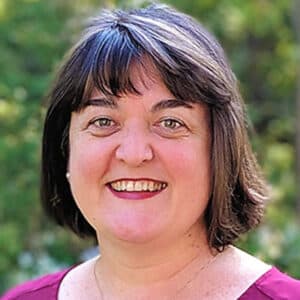
Full Transcript Introduction and guest background 0:00 Hi and welcome to another episode of the Healing Lyme Summit. 0:02 I'm your host, Doctor Myriah Hinchey, 0:04 and I'm so excited to introduce you to our guest expert today. 0:09 She is a good friend of mine, doctor Zendi Moldenhauer. 0:12 She is a pediatric and psychiatric nurse practitioner, 0:16 as well as the founder and medical director of Arbor Health. 0:19 Welcome, Zendi. 0:20 Tell our listeners a little bit more about yourself and how 0:24 became involved in treating Lyme disease, 0:27 and especially in the psychiatric population. 0:30 Thank you so much for inviting me, Myriah. 0:33 I'm passionate about this topic because I've had 0:36 personal experience with Lyme disease, 0:39 and I've had experience with Lyme disease with one of my children. 0:43 And so I felt like both as a mother as well as a provider, 0:48 a need to become proficient in Lyme. 0:51 And I think so often Lyme is misdiagnosed in the psychiatric world 0:56 where folks assume that it's anxiety, depression, OCD or whatever, 1:01 and it's actually an underlying medical disorder like Lyme disease. 1:05 And so I love looking at that interplay between physical and mental health 1:11 concerns and really looking, digging deep 1:14 for the root cause from both aspects. 1:17 So we're located in upstate New York, which is a Lyme endemic area, 1:23 and unfortunately, there are not a lot of Lyme literate 1:26 providers in upstate New York. 1:29 So I have a specific passion to help patients with Lyme disease. 1:36 So, you know, it's funny, 1:37 when I first started, I became Lyme literate, let's put it that way. 1:42 You know, it didn't surprise me that most of these Lyme 1:46 patients had anxiety, depression, you know, severe 1:50 neuropsychiatric symptoms because, you know, it's like you're sick. 1:54 And a lot of these patients were dismissed and nobody believed them. 1:57 And they were told they were crazy. And it's all in their head. 1:59 So it's kind of like, you know, in a way, being brainwashed and told, 2:03 you know, that you have a psychiatric issue. 2:06 But then also, it is depressing to know deep in your core 2:11 that something is wrong with you and you're getting 2:14 all of these misdiagnosis, or you're being told that you're crazy. 2:17 But in addition to that, and what I'm so excited to talk to you about today 2:22 is that no, there is like a path physiological process that is going on 2:27 inside of the brain that actually is 2:31 most of these neuropsychiatric symptoms. 2:34 And so the typical Lyme or vector borne disease patient, 2:38 you know, has like this triple whammy. 2:40 So it's it is circumstantial. 2:43 You know. And it is because you've been told that. 2:45 But it's also a lot of neuroinflammation driven psychiatric issues. 2:51 So yeah, it was a huge eye opening experience for me 2:55 and something that, you know, I sincerely hope and wish 2:59 that all medical professionals start to figure out and accept. 3:03 I agree with you.
Common neuropsychiatric Lyme symptoms 3:05 So let's start out by talking. 3:08 Talking about what the most common symptoms of neuro 3:11 psychiatric disorders and vector borne disease. 3:15 Absolutely. 3:16 Well, I think there's a whole spectrum of neuropsychiatric symptoms, 3:20 but I think the most common would be anxiety, depression, insomnia, 3:26 and certainly cognitive impairments as well, like brain fog and memory 3:31 loss, often known as as, you know, just patients with described brain fog. 3:36 I've also seen a lot of mood swings and irritability. 3:40 And in severe cases, patients might present with things like psychosis. 3:45 And that looks like bipolar disorder, looks like schizophrenia, 3:49 looks like hallucinations, looks like a panic attack. 3:53 But the underlying root cause is Lyme disease, 3:56 not primary psychiatric. 3:59 All right. And 4:01 and so I would imagine in your field 4:04 when you use like an antipsychotic drug or an antidepressant on a patient 4:10 that doesn't have that pathophysiological process 4:13 going on, that one of those medications would correct. 4:17 You're not seeing a response to that medication person. 4:21 You're not seeing the typical response. 4:24 You know, patients might it might tamp down or support 4:28 those symptoms a little bit, but patients wouldn't respond in a typical way 4:33 to those medications, which should prompt a practitioner to really be thinking 4:40 more broadly or thinking deeper 4:43 to see what else might be going on. 4:46 Yeah, so huge red flag for all of our listeners out there 4:50 when you are not responding to a medication 4:54 and the way the prescriber expects you to, 4:57 that is a big red flag that something else is going on sending. 5:02 When you're doing an intake, do you actually look at physical, 5:06 systemic symptoms in addition to the neuropsychiatric? 5:10 Because that's what I was going to add, which is, you know, so often 5:14 with depression, you wouldn't necessarily expect there 5:18 to be a ton of physical symptoms like overwhelming fatigue or migratory 5:24 joint pain, or all of the other host 5:27 of physical symptoms that come with Lyme disease. 5:30 So that very often the psychiatric presentation, 5:35 if you will, is atypical and and doesn't stand alone. 5:39 And there's a lot of physical symptoms as well. 5:42 And I think that needs to be a red flag for both our patients, 5:47 but also our providers to be thinking, 5:50 what else could be going on here? 5:53 Not just that this might look like depression, 5:58 right? 5:59 So how prevalent would you say neuropsychiatric 6:02 symptoms are in patients with chronic Lyme disease? 6:06 Well, studies that of course 6:09 vary widely because Lyme disease isn't well studied. 6:13 So there's different, numbers in the literature 6:16 show that over 40% of patients have more severe,
How Lyme affects the brain and gut 6:21 either neuropsychiatric or neurocognitive dysfunction. 6:26 But in my experience, I think if you take into account 6:30 the whole range of neuropsychiatric symptoms from mild to severe, 6:36 then I think online patients are affected to some degree. 6:40 Whether this is, you know, the physical effects from acute 6:44 or chronic Lyme disease that results in feeling yucky, feeling 6:48 sick, feeling depressed, or all of the anxiety 6:52 and stress that comes with having to deal with the financial burden, 6:58 the lack of treatment providers, the lack of accurate diagnosis, 7:03 the financial aspects of, you know, coping with Lyme disease. 7:09 I feel like, you know, all online patients 7:12 have some degree of neuropsychiatric symptoms, 7:16 just having to cope with this horrible illness. 7:19 Yeah, I would agree. 7:21 And especially with even, 7:22 you know, a lot of like the cognitive deficits and and brain fog, you know, it's 7:26 very rare to have someone with Lyme or another vector borne disease 7:30 that doesn't have some sort of emotional 7:33 or cognitive functioning issue. 7:35 Yeah. It just feels like it makes sense. 7:37 And so often patients are not listened to and invalidated and made to feel crazy. 7:44 And I think that doesn't help 7:46 a whole host of symptoms that they might be experiencing. 7:50 Right. 7:50 So let's get into, you know, more of like the pathophysiology. 7:54 So how can you explain how chronic Lyme disease leads 7:58 to these neuropsychiatric symptoms. Oh sure. 8:01 So neuropsychiatric symptoms are primarily due to the spirit key 8:06 Borrelia burgdorferi that invades the central nervous system. 8:10 The spike heat can cross the blood brain barrier, directly 8:13 infecting brain tissue and releasing neurotoxins. 8:18 So this invasion leads to neuroinflammation, 8:22 a disruption of neurotransmitter pathways, and even direct neuronal damage. 8:28 The body responds with a 8:29 complex immune response, which leads to further inflammation. 8:34 Often known as Lyme Borrelia sets the immune response to the infection, may 8:39 triggers cytokines that affect the brain, further 8:43 contributing to line symptoms. 8:48 Often, this chronic 8:50 systemic inflammation is critical, 8:54 in which the body starts releasing a host of other cytokines like IL six 8:59 and TNF alpha, that are often found in patients 9:03 with chronic Lyme disease and correlates strongly with depression. 9:08 Unfortunately, Lyme doesn't exist by itself 9:11 and very often comes with its partners, and so very often 9:15 if you have co-infections like the B0 9:19 or Bartonella, these further exacerbate 9:23 that immune activation, further destabilizing the nervous system. 9:28 And so it's important to address the infection, but also the results, 9:33 if you will, of the damage caused by those infections. 9:38 Right. 9:39 And so for the listeners at home that don't know what a cytokine in is, 9:43 cytokines are basically chemical messengers of inflammation. 9:47 And they have all of these different names and whatnot. 9:49 So Sandy was going over what the specific cytokines are, 9:55 but they're actually what affects the brain and the brain 9:58 cells and causes the inflammation there in the brain tissue. 10:03 Yeah. 10:03 I often, you know, try to, you know, when I'm teaching, it's 10:08 like it's not just about the infection and killing the infection. 10:12 It's about healing the terrain of the body. 10:14 And we can't heal the terrain of the body when it is inflamed, 10:19 like when it's basically on fire. Right? 10:21 Nothing is going to function properly. 10:23 So yes, we have to focus on getting rid of the infections, 10:27 but we also have to quell that inflammation 10:30 and restore proper immune function and heal the whole person. 10:36 I think the other thing that's really important there is to address 10:40 and heal the gut brain axis, because chronic Lyme 10:44 disease can affect that gut brain axis, but also the treatment 10:48 for chronic Lyme disease like antibiotics, can lead to things like leaky 10:53 gut and subsequent increased inflammation that further inflames the brain. 10:59 So it's a little bit of a catch 22. 11:02 So over 90% of serotonin is actually made in the gut. 11:08 So if we are affecting the gut lining with treatment 11:12 all inflammation is present from the Lyme infection. 11:17 We, decreasing that amount of serotonin that's 11:20 made in the gut and available to travel to the brain. 11:24 So gut dysfunction 11:27 further exacerbates depression and anxiety. 11:31 And I think that's a critical piece of treatment 11:34 with regards to healing the gut brain access. 11:38 Absolutely. 11:39 And, you know, it's we hear of the gut being called the second brain. 11:43 But if we actually look at the various neurotransmitters, 11:46 you know, like serotonin being actually produced in the gut, 11:49 but if you look at how, you know, healthy bacteria 11:53 and how the microbiome actually drives 11:56 the production of neurotransmitters, but also inflammation 12:01 or, and high inflammatory chemicals, right? 12:04 You know, there could be a very good argument 12:07 that like our, our actual like real brain is in our gut. 12:10 So I think it's so important to address treatment. 12:13 Right and right there, you know, starting with the gut brain. 12:16 So whether that's good probiotics, 12:20 probiotic rich foods, a low inflammatory diet
Diagnosing Lyme-related psychiatric symptoms 12:24 using healing nutrients and healing 12:27 herbs like glutamine and diglycerides licorice Allah, 12:32 or using healing foods like bone broth to repair that gut lining, 12:37 especially if antibiotics are part of the treatment. 12:40 And then I love using calming herbs like chamomile 12:45 or lemon balm to help with the gut brain connection, or supportive 12:50 amino acids like glycine or inositol or five HTP, Gaba, theanine. 12:56 And they can be so supportive of the gut brain axis 13:00 and they can help restore 13:03 that healthy, calming and coping neurotransmitters. 13:07 So we treating Lyme. 13:09 But we've got to also be treating that gut brain axis for 13:14 improvement of neuropsychiatric symptoms. 13:19 Absolutely. 13:20 So before we continue down the road of treatment let's back up a step. 13:26 How do you decipher between true 13:30 like neuropsychiatric symptoms? 13:33 Because of a neuropsychiatric disorder 13:36 and those that are induced by Lyme or another vector borne disease, 13:41 I think it requires a very comprehensive 13:44 and systemic approach, starting with a very detailed patient history. 13:51 When I'm interviewing patients, I'm 13:53 asking for a life span or 13:57 sort of set of symptoms. 13:59 I always ask, when were you last? 14:01 Well, and that includes both physical symptoms as well as emotional symptoms. 14:07 And I often find if it's emotional symptoms, 14:10 there might be a slower onset or an earlier presentation. 14:16 You don't expect severe psychiatric illness to come on suddenly. 14:22 Often symptoms related to Lyme disease come on more suddenly. 14:25 And so I'm asking for that sort of timeline of symptoms. 14:29 And also asking about potential tick exposure presents of any physical symptoms 14:35 associated with tick exposure, like like a bull's eye rash 14:39 or joint pain or fatigue that comes on. 14:43 So that's, I think, a really good starting place 14:46 to try and tease out the physical and the emotional 14:50 and then asking about how symptoms change over time. 14:53 I think it's really important to do good laboratory testing. 14:57 So in looking for Lyme disease, I think it's important 15:01 to assess how patients respond. 15:04 Like if somebody has true organic depression, 15:07 starting them on an antibiotic for Lyme disease is not necessarily 15:12 going to treat true organic depression. 15:16 It's going to treat Lyme disease. 15:18 So paying attention to what treatment is being used. 15:22 And neither is Lyme disease going to respond to an antidepressant. 15:27 And so teasing that out and expecting the symptoms 15:32 to improve based upon the treatment, I think is important to to keep in mind. 15:38 So observing of the psychiatric symptoms improve with appropriate antibiotic 15:43 therapy suggests more of an infectious etiology like Lyme disease. 15:48 And then I really think a full functional medicine evaluation is important. 15:54 Instead of just assuming this is Lyme or just assuming 15:57 this is primarily psychiatric, I think we need to be looking for things 16:01 like hormonal imbalance or thyroid dysfunction. 16:05 Both of those can result in things like anxiety, depression, or insomnia, 16:10 looking for gut dysfunction, looking for heavy metals, 16:14 looking for mold and other co-infections so that we're really trying to do a very, 16:20 very in-depth assessment 16:23 to tease out both psychiatric as well as physical symptoms. 16:28 So if 16:29 you have established that there is an underlying infection, 16:33 what sort of lifestyle interventions do you use with your patients? 16:37 I think the first thing to address is stress management. 16:42 Any illness comes with a greater degree of stress, 16:46 whether that's emotional or physical illness. 16:49 And so mindfulness meditation and yoga 16:53 and biofeedback can help with regulating the nervous system, can help 16:58 with regulating the immune system, regulating the gut. 17:02 So I think that's a really lovely place to start. 17:04 I do think diet is very important, specifically a diet 17:09 that is anti inflammatory. 17:12 We've been speaking about the fact that Lyme creates a lot of inflammation. 17:17 Disruption of gut brain axis creates a lot of inflammation. 17:21 And so certainly we don't want to be adding to that inflammation 17:25 with a highly inflammatory diet that might have a lot of colors 17:30 and preservatives and highly processed foods and inflammatory fats. 17:36 So having an anti-inflammatory diet, reducing shadow, 17:40 reducing processed foods, I think is super important. 17:44 I think movement is important. 17:46 So often folks with chronic pain don't want to move, 17:49 and yet that starts a whole cycle of worsening pain. 17:53 So gentle movement as tolerated I think is helpful. 17:57 Stretching, yoga, walking. 18:00 Another key component from a lifestyle perspective is adequate sleep. 18:05 Folks often struggle with sleep, 18:08 whether they have pain or they have neuropsychiatric symptoms. 18:12 So really good supports to help with sleep. 18:15 Both from a behavioral perspective, like establishing a routine
Lifestyle support and prognosis 18:19 and having a dark bedroom and having a cool bedroom and warm covers, 18:24 as well as supplements like melatonin, for example, which, 18:28 while supporting sleep is actually also anti-inflammatory, is important. 18:33 And then this stuff is tough to deal with. 18:37 So I really recommend 18:40 therapy, supportive therapy or cognitive behavioral therapy 18:44 or personal exercises 18:47 like a gratitude activity or positive mindset, 18:51 and then seeking a positive social support because this is so often 18:55 a very lonely journey and a very isolating journey. 18:59 So I think seeking positive emotional support is important. 19:04 And engaging in some kind of creative activity that brings joy. 19:07 Absolutely. 19:09 Those are 19:10 all wonderful points and all very, very important. 19:13 I think that there are so few medical practitioners who are Lyme 19:18 literate who are looking at, you know, a lot of people now, 19:22 thank goodness, are looking out all of the systems of the body 19:25 and not just focusing on killing, you know, the infections. 19:30 But I think we often forget that mindset matters, you know, 19:34 and if we think that we're sick and we're never going to get better, 19:38 we're probably never going to get better, you know, and if if we're in sort of 19:41 like that stuck victim mode, it can really paralyze us. 19:45 And the treatment and really hold us there. 19:48 So, you know, coming out of isolation and having the support groups 19:52 and having hope and getting your mind in the right 19:55 spot is actually very, very helpful. 19:58 And I would even dare say crucial to healing, you know, from these infections. 20:05 So what would you say the 20:06 prognosis is for most of these patients 20:10 experiencing neuropsychiatric symptoms of Lyme? 20:15 Well, I think prognosis varies depending on 20:19 how long somebody's been sick for, what infections are involved, 20:23 what other aspects of the body are affected as well, like the dots? 20:30 However, I do think that with appropriate assessment 20:34 and appropriate therapy, the prognosis is really good. 20:39 But I wish and and I'm on a mission 20:42 with you to really educate more providers 20:46 to understand the role of infections like Lyme 20:51 disease in mental health, because unless we adequately assess 20:57 and adequately treat, the prognosis is more limited, 21:01 but really with appropriate treatment, the prognosis is really good. 21:05 There are a small number of patients that have persistent symptoms 21:09 and that can be known as post treatment. 21:11 Lyme disease syndrome. 21:13 And that is tough to deal with. 21:16 And so I think where we really need to be educating both patients 21:21 as well as practitioners is about that early detection and appropriate treatment. 21:27 Because then the prognosis is really good. 21:29 Yeah. 21:30 And I think with the post treatment it's also like well were you fully treated. 21:34 How were you treated. 21:35 Was your immune system recovered. 21:37 You know, that that acronym right there, that sort of thing. 21:40 It's like I think that there's a variety of so many different things 21:43 that are going in that get kind of like put into that sort of catchall. 21:48 And I think that depending on what's actually going on with that patient 21:52 really dictates, like what therapies would actually be helpful at that point. 21:57 I think if a lot of people are still dealing with a chronic infection 22:00 or, you know, an active chronic infection, it's like the infection 22:05 itself needs to still be dealt with at that point. 22:09 Okay. 22:09 So do you use any adjunctive therapies? 22:12 And if you do, do you have favorites? Yes. 22:15 So certainly the beside 22:19 using things like an antibiotic or herbal therapy 22:23 to address the infection and possibly using psychotropic medication 22:29 or the equivalent, amino acids and herbal options to treat mood 22:34 addressing psychotherapy and lifestyle as certainly like 22:39 to put in a lot of anti-inflammatory herbs like curcumin. 22:43 Well, I use low dose naltrexone a lot because it can be 22:47 helpful for inflammation, for that auto immune 22:51 response to infection, for pain, for sleep. 22:54 I think it's also important to really help with 22:58 protecting and supporting the body's ability 23:03 to detoxify from all of these infections, as well as treatments. 23:07 And then there's some other therapies that are super helpful 23:12 and employed by lots of patients, like hyperbaric oxygen 23:16 can be super helpful because Lyme and other infections 23:20 don't like to live in an oxygen rich environment. 23:23 More and more and more folks are starting to use peptides that show promise. 23:28 I think that there's more folks starting to use 23:31 psychedelic assisted therapy like ketamine, 23:34 especially for severe depression and suicidal ideation. 23:38 And then I also love using neurofeedback 23:41 because it can actually help correct and repair neurotransmitter pathways. 23:47 And neuronal damage. Do I have a favorite? 23:51 It really depends on the patient sitting in front of me 23:54 in terms of what we're trying to address and what resources 23:57 are available in the community or to the patient. 24:01 But those are the the, the breadth of 24:05 adjunctive therapies. 24:07 And when you talk about neurofeedback therapy, 24:09 do you have a handful of favorites? 24:12 Well, we do do neurofeedback at Arbor Health. 24:15 And patients really benefit from the actual neuron
Adjunctive therapies and neurofeedback 24:19 feedback, interaction especially helpful for things like anxiety, 24:24 depression, insomnia, trauma and brain dysfunction from prior damage, 24:30 whether that's a traumatic brain injury or an infection. 24:34 Right. 24:34 So have you developed your own sort of like neurofeedback therapy model, 24:39 or do you use because there's there are several of them, 24:42 you know, that various, you know, 24:44 doctors have developed or different, you know, gadgets that you can use. 24:48 Do you use any of those things or other practitioners or have you developed 24:52 we, we, partner with brain called, neurofeedback and we use their protocols 24:57 and we have patients either come into the office or use home units. 25:01 But that's a particular protocol that we, 25:05 we have partnered with at Arbor Health. 25:07 There definitely are others that that's the one that that I'm most familiar with. 25:12 Okay. 25:13 So let's switch gears a little bit 25:15 and let's talk about your other specialty pediatrics. 25:19 So what specific challenges do you see 25:23 when treating a pediatric patient that has neuropsychiatric symptoms 25:28 associated with an underlying vector borne disease versus the adult population? 25:34 Children can often present very differently. 25:36 They often can present more with behavioral changes. 25:40 So they act out how they feeling rather than speaking about how they're feeling. 25:46 Depending on their age, we often see children 25:49 with academic decline or developmental regression. 25:55 It can be challenging to diagnose Lyme disease 25:57 in children because they can't necessarily tell you how they feel. 26:01 So we really rely a lot on parental Report 26:05 as well as physical symptoms as well as testing, 26:09 and it's important to get at that diagnosis as soon as possible, 26:12 because there are long term impacts on children's development. 26:17 That prompts 26:20 effective diagnosis and effective treatment, 26:24 and that often requires a multidisciplinary response. 26:27 You know, a treatment team like I often engage the school nurse 26:31 for accommodations at school for that, 26:34 and the parents and a therapist and and the medical team. 26:39 So a multidisciplinary response is, is really helpful. 26:43 And it's important to know that Lyme disease can trigger patterns. 26:48 And I know you have some lovely presenters that are going to be speaking 26:52 about pans and pandas, in your summit. 26:56 But Lyme disease is a common trigger of pans 26:59 or pediatric autoimmune neuropsychiatric syndrome. 27:03 So this is a condition characterized by fairly rapid onset 27:08 psychiatric symptoms in either children, adolescents or adults. 27:13 And I'd love that your your listeners to hear that too, 27:17 because there's not actually an age limit on the diagnosis of Pans. 27:21 There is for Pan Does, which is associated with strep infection, 27:26 but Pans can be associated with a variety of bacterial, 27:30 viral or tick borne infections. 27:34 And so very often symptoms come on more rapidly. 27:37 And pans like obsessive compulsive disorder or acute anxiety, 27:42 or separation anxiety or depression 27:46 or ticks or mood swings or regression
Pediatric Lyme, PANS, and care coordination 27:49 in behavior or academic functioning, 27:53 and often sleep disturbances, and that Pans is considered 27:57 an autoimmune disorder in which the body's 28:01 immune system mistakenly attacks healthy brain cells 28:06 while it's trying to attack that viral, bacterial, or Lyme infection. 28:12 And then that creates changes in the brain, which then create changes 28:17 in a child's functioning both emotionally and behaviorally. 28:22 I, I really my plea is always to treat 28:25 this as a medical illness. 28:28 Yes, with secondary psychiatric or behavioral symptoms. 28:32 But it's primarily a medical illness that needs to be evaluated 28:37 and adequately treated. 28:40 Absolutely. 28:41 And I think, you know, one of the biggest things 28:43 is if you see an abrupt change in your child's behavior, 28:47 and I'm going to take a step back in any person's behavior, right. 28:51 If somebody starts acting out of character, in a short period of time, 28:57 that is a huge, huge red flag that something very serious is going on. 29:02 That is not how a typical neuropsychiatric illness would present. 29:07 And so I think it always needs to have a thorough 29:10 physical medical workup, not just psychiatric. 29:14 All right. So 29:18 what would you recommend for the practitioners that are listening. 29:21 What would you recommend to them for supporting these patients 29:27 better emotionally throughout their treatment. 29:30 Because that's a very long treatment, no matter which way you go. 29:34 Correct. 29:35 I think Lyme patients so often 29:38 feel invalidated, misunderstood, 29:41 dismissed because Lyme is often an invisible illness. 29:45 It's not like, you know, you break a leg and you have a cast on 29:48 and it's a physical presentation that something's wrong. 29:52 Lying is so often invisible and experienced, 29:56 sort of in the body and misunderstood by so many people. 30:01 And the invisible illness can be profound. 30:04 It can be disabling. 30:06 So I encourage all practitioners to provide 30:10 empathic listening, validation of that experience for the patient. 30:14 Building trust, I think, is so important 30:18 between the practitioner and the patient so that there's an environment 30:23 in which the patients can truly tell their providers how they feel 30:27 without the fear of judgment or blaming or shaming. 30:31 And then I think practitioners really need to offer effective 30:35 psychiatric treatments and other resources like support groups. 30:40 And I love to really include 30:43 patients as part of the treatment team. 30:47 Patients need to be part 30:48 of making those decisions because it completely affects them. 30:52 So including them as part of the treatment team is important. 30:57 And then I do think collaborative care models are helpful 31:02 because it's can be hard for the patient, but it can also be hard for the provider 31:08 to take care of chronically ill patients over a period of time. 31:13 So having a collaborative care model 31:16 and partnering with psychologists, therapists, 31:21 other practitioners of different specialties, functional medicine 31:24 practitioners, Lyme literate, you know, practitioners, I think is ideal. 31:29 So that is a group support for the practitioner as well 31:33 as for the patients over time. 31:36 Yeah, absolutely. 31:37 And there's you know, there's a lot of tough patients out there. 31:40 And there's not a one size fits all for any patient really model. 31:44 So having a group that you can go to and you can bounce stuff 31:47 case studies off of and get, you know, a different perspective, I know for me 31:52 is is invaluable to a my favorite organizations is the international Lyme 31:57 and associated Diseases society or I lads as well as maps. 32:01 The Medical Academy of Pediatric Special Needs 32:04 are super important for the physician or the medical practitioner themselves. 32:08 To actually have that network to go to. 32:11 Yeah. Thank you so much for joining me today. 32:13 This was great. 32:14 Any last words of advice that you'd like to give our listeners?
Supporting patients and closing thoughts 32:19 I would love to just 32:20 leave your listeners with the hope that 32:25 this can be adequately addressed, the hope that healing is possible, 32:30 the hope that training of more practitioners is possible. 32:35 So that I'm hoping that in the future, 32:39 things will only get better for our Lyme patients. 32:44 Yeah, absolutely. 32:45 So are you or is your center taking patients? 32:50 Yes. We are located in New York, 32:53 so we we can only take patients that either 32:56 live in New York or travel to us in New York. 33:01 We're located in Rochester, New York. 33:03 Wonderful. 33:04 And do you have any upcoming events you would like to share? 33:08 Not currently. 33:10 Thank you for the offer. Absolutely. 33:13 All right. 33:13 Well, again, thank you so much for joining us. 33:15 This has been super helpful. 33:17 Thank you so much, Mariah. 33:18 I really appreciate the opportunity. 33:20 Absolutely. 33:21 And for all of you at home listening. 33:23 Thank you for joining us 33:24 and I hope this was helpful on your journey to healing from Lyme. 33:28 I'll see you next time. Bye bye.

Comments