Full Transcript Introduction 0:01 Welcome to the Startup [music] Physicians Podcast, where we explore how 0:05 doctors lead healthcare innovation. Please like and follow our show to join 0:10 our [music] community of physicians contributing to meaningful change. 0:16 Hi everyone. Welcome back to the Startup [music] Physicians Podcast. This is your 0:20 host, Dr. Allison Curfman. I know we've spent the last few episodes really 0:25 focusing on physician founders. I wanted to spend some time today to interview a 0:31 good friend of mine, Dr. Mary Parman, to talk more about the advisory and 0:36 consulting world again. Um, this is something that I've spent a lot of my 0:39 time doing and have obviously designed a number of resources for other clinicians 0:45 who are interested in exploring the advisory route, want to work on 0:49 something on the side, want to get involved in other income streams without 0:53 necessarily jumping off and starting their own company. And I am so excited. 0:57 Mary has such great breadth and depth of expertise in working with health tech 1:02 startups as an advisor and consultant. So, Mary, thank you so much for joining 1:06 me today. >> Thank you so much for having me. I love 1:09 I've been loving listening to your podcast and learning from you as well 1:12 and and seeing some similarities in what we do. So, thank you for having me. 1:17 >> Absolutely. Well, I would love if you could start off by sharing a little bit 1:21 about your clinical background and and when you first got started in this 1:26 space. >> Yeah, absolutely. So, I am I'm an OB/GYN
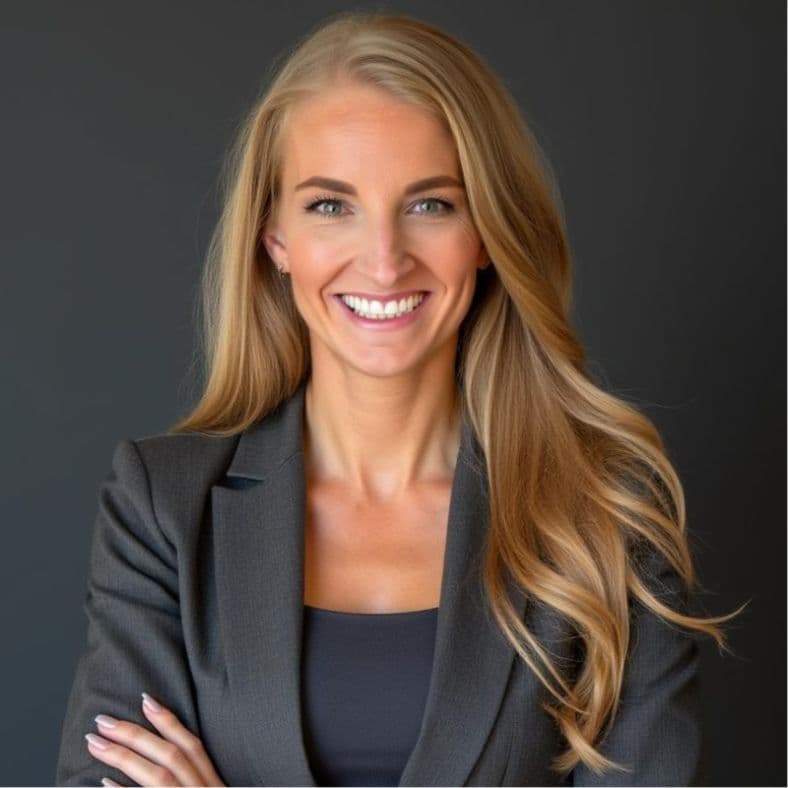
Dr. Mary Parmanu2019s path into health tech consulting 1:30 physician. I'm based out of Northern California. 1:32 And I've been heads down practicing for over 20 years. Uh, mid-COVID, I had a 1:38 little bit of reflection as I'm sure many of us did. I was telling you 1:41 earlier, Allison, that at some point I realized like, "Hey, I have one source 1:46 of income." And that felt mid-COVID a bit vulnerable. I also had some of those 1:50 reflections of feeling like I wanted something more and new and different uh 1:55 and feeling a bit trapped with where I was in my work career. So, uh so I set 1:59 myself on a mission to create some additional streams of of income to use 2:04 my medical degree and my experience in different capacities. Um so, I wasn't 2:08 always doing just the one-to-one medicine that I've done for so many 2:11 years, but really be able to extend that broadly and and I live and work in 2:16 Silicon Valley. So, really being able to implement [clears throat] some of these 2:20 things in some of these health tech companies that I I realized at that 2:24 point these people have been pitching me their products kind of in clinic for so 2:28 many years and then I realized like, "Hey, these need these companies need 2:32 physicians and kind of that clinical insight." So, yeah. So, I started 2:36 branching out about 4 years ago in consulting for health tech startups. 2:41 >> That's amazing. I I figured that your geographic location may have had some 2:45 influence on the success you've had. But, I think it can be replicable. Um I 2:50 I I think it might be something that when you when you live in the Bay Area, 2:53 there you you might be more connected to the center of that or more it may be 2:58 more obvious to you what the opportunities might be because I hear 3:02 people that are like, "Well, yeah, if you live in San Francisco, literally 3:04 everyone you know is in a startup or fundraising for a startup or yeah, in 3:09 the VC cycle." But, that being said, most networking is virtual at this 3:14 point. So, I think people need to not they don't need to move to Silicon 3:17 Valley to see the opportunities. They need to hear stories like yours and and 3:21 understand how building out really a a network and your own value proposition 3:28 and really putting yourselves out there and start identifying like, "Who are 3:32 people that I could grow a relationship with and how could I help them?" And I'd 3:37 love to revisit something that we were talking about right before we started 3:40 recording, which is just this attitude of how can I how can I serve? How can I 3:46 What can I offer? How can I serve this person? A lot of physicians start to get 3:50 really nervous when you talk about like side gig work and the idea of like 3:55 selling. Like, oh, I don't I don't want to sell stuff. Like 3:59 But it's not like we're selling Tupperware or an MLM scheme or, you 4:03 know, something like that. It's it's it's 4:05 forming a relationship. It's finding mutual ways to add value and it's yeah, 4:11 really planting a seed and growing a relationship. So, when you kind of had 4:16 this shift and you started out doing outreach, what was that like for you? 4:21 Like what types of people were you meeting with? What was your experience? 4:25 How did you find ways to really add value to what they were doing?
How physicians can start meeting startups 4:29 >> Yeah, and initially, this was probably mid-COVID, so it was about 4 years ago. 4:34 Initially, everything was virtual. And I, you know, I had in mind of like, 4:38 okay, if I sit if I feel stuck or trapped, like what are the different 4:42 ways that I could use my medical expertise? And I actually just started 4:46 talking or having conversations with various, usually women's health care 4:50 startups. So, a lot of these were probably telemedicine companies. I was 4:53 kind of I think initially exploring like, well, could be could telemedicine 4:58 doing, you know, like virtual medical care for patients, could that be a 5:01 stepping stone or a bridge to get me to some other step? Like the idea of me 5:06 doing telemedicine 24/7 sounded like not so fun because I'm I would rather be 5:12 hands-on. I'd rather be in the hospital and like doing things than being in 5:16 clinical all the time. So, telemedicine kind of felt like clinic. So, but I So, 5:20 I started just talking to these companies though. Like what would be a a 5:23 bridge that could be get me from one place to another to have that like 5:26 flexibility and freedom. And I realized though in talking to a lot of these 5:30 companies, like, hey, I wasn't as much interested in doing telemedicine for 5:34 them as I was to help them roll out something in women's health care, right? 5:38 Like maybe they were focused on like, who knows, weight loss and men's 5:43 medication treatments and therapy algorithms, but they didn't have much of 5:47 a women's health arm, or they didn't have something specific to like say PCOS 5:51 or endometriosis or something like that. So, you know, honestly most of my 5:55 conversations in the beginning were just me learning and exploring and seeing 6:00 potentially like what value could I add to those companies, not even taking them 6:05 per se as like interviews as much as just like I just wanted to learn from 6:09 them and I wanted to see where they were at. And then eventually as the world 6:14 started to open up and people were having in-person networking events and 6:19 whatnot, I think those to me are really fun. Like I love to go to these 6:23 conferences and just meet all the people and have all the chats, but not with 6:27 this like intention of like I need to land myself a gig or a job, more so just 6:33 to go and learn like see where they're at with things and sometimes it's not as 6:36 much about what they can give to me, but what I can offer to them. And and not 6:41 even in a monetary sense. Like where are they at in their stage of things and you 6:45 start to realize with so many of these conversations like many of these 6:48 founders and innovators are engineers in the background or they were a mom in the 6:53 background and they just had a problem that they wanted to solve, but they 6:56 don't have that clinical insight that to us we could do in our sleep, right? So, 7:02 that's that's really kind of what led a lot of those conversations and and, you 7:06 know, many of those things come back around like months and even like years 7:11 later. So, it's really fascinating how that like it's just really developing 7:14 that network and having those conversations, building those 7:17 relationships and that continues to like flourish over time. 7:23 >> I think what you're describing is really a discovery process. So, we do that with 7:26 any new concept. So, even if the new concept is exploring how can I be an 7:30 advisor, you you do have to do discovery. You have to hear a lot of 7:34 perspectives and start to fit the pieces together and and come up with your own 7:39 understanding of your value proposition. What what could you do for them? And 7:43 then try making offers. Like even if it's 7:47 Do you Do you want any support? Are Are you Do you have a clinical advisory 7:52 board? Or are you thinking of forming one? Or do you want any support in your 7:55 clinical model? Or even, you know, making connections for people. I think 8:00 your approach is very much aligned with what we would call an an abundance 8:05 mindset, where what can I offer? What can I do for you? I I see a lot of 8:10 people going into this with what I would consider a scarcity mindset, where 8:13 they're very very worried, like I'm going to get taken advantage of. How do 8:16 I make sure they don't You know, they think that having networking meetings 8:19 someone's going to milk them for information and like pull IP out of 8:23 their brain during a 30-minute coffee and and go make a billion dollars. And 8:28 that's just I just don't think that's how it works. Like I just don't think 8:31 there's anything that I could say in a 30-minute meeting that would change the 8:34 course of someone's business, but it could give them evidence that I of the 8:39 type of contribution I can make. So, if I'm really adding value and giving them 8:43 ideas and making connections for them, or giving them feedback on their product 8:47 in in an introductory call, it it's almost like it's again, what can I offer 8:53 you? And that helps build relationships and helps get you to a point where
Building an advisory pipeline 8:58 they're interested in coming and pursuing further conversations. 9:02 >> Yeah, initially when I I was on a mission initially. I was like, well, not 9:06 that I'm not now, but like my I had a goal in mind and it was like, you know, 9:11 it was like I signed up for the marathon in a sense, you know, I was like, okay, 9:14 I've signed up for this, I'm going to do the training. So, I had created a a 9:18 spreadsheet and listed out all the companies that, you know, like what are 9:22 all the women's health tech companies out there? Which one of which ones of 9:26 them might be areas of interest that I have? And then, you know, have I had a 9:30 conversation with them? Did I reach out by email? What's my next follow-up stage 9:35 with them? Even if it was just kind of continuing that conversation. And then 9:39 some of it was like what role could I potentially play for them? Whether or 9:42 not I'd ever talked to them or I'd had three conversations, sometimes like you 9:46 said, kind of that exploration role in my head was really helping me shape all 9:50 these potential different avenues. And And now, what's interesting is I don't 9:55 have like one just role that I do or I don't play just one type of role for 10:00 various companies. I think I still use that concept in what I do now. What I do 10:04 for probably 12 or 13 different companies that I collaborate with this 10:08 is very different for each each position that I'm in. 10:13 >> Yeah, I mean, I think what is 10:17 clear is that every single startup or founder will have a different need of 10:22 what the scope is that they might be looking for clinically. Um and we've 10:28 talked about this in our some of our previous podcasts about different like 10:32 archetypes of the types of work you could do. Maybe you are 10:36 interested in helping them with their clinical research or helping them with 10:39 getting their message out or helping them to you know, pitch to payers or 10:43 things like that. So sometimes it takes trying on a few of those different 10:47 things to decide if it's even what you like to do or what you're good at. 10:52 >> Mhm. >> I don't know about you, but when I first 10:54 started doing it, I definitely took on several roles where I was kind of trying 10:58 out different scopes and realizing, well, this one 11:01 I'm better at and this one I don't enjoy as much and 11:06 and then it helps you get clear about what you have to offer for future 11:11 conversations. >> Yeah, it's so true. I I mean, I've 11:14 there's some companies like one company I've been with for over 4 years now and 11:19 they were a very early startup and they've they've grown and expanded quite 11:22 a bit. And so my role there has changed throughout the years. But also like I'm 11:27 very invested in them, not like financially invested, but just like my 11:31 heart is invested in them, right? So, like, you know what? We got to sometimes 11:35 take out the trash. We have to do the things that aren't so fun. I get to do 11:39 finance stuff and, you know, like, whatnot that I wouldn't say is my forte 11:44 or my strong point, but this is the mentality of a startup and sometimes 11:47 somebody has to do it. So, I'll, you know, put my hands in and do what needs 11:51 to get done. But, now as I've refined and revised different roles that I'll 11:56 take on, I have learned from that and I'll feel like, "Hey, these are the 11:59 things that I am probably better at, these are the things I'm not so great 12:03 at. I can do all of those things, but here would be my preferences." Or I'll 12:08 specifically even line it out in a contract of, like, "This is kind of the 12:12 definition of my role." So, it it's kind of to your point, like, it's morphed 12:16 over time. I've learned a lot. I still have so much to learn, too. You know, 12:20 like, I think that's part of it. Sometimes Sometimes the, you know, nuts 12:24 and bolts of what I'm doing day-to-day is not always very interesting, but the 12:27 bigger picture is interesting. Like, I'm learning how to do the business part of 12:31 it or how to kind of talk the finance part of startups through doing sometimes 12:36 some of this hard or annoying work that doesn't seem very fun. 12:40 >> Yeah. I I think one of the things that
Defining your consulting offer 12:44 people need to get good at is identifying almost their menu of service 12:49 offerings, even if even if they don't really know what it should be yet. I 12:54 make the analogy that if you walked into a restaurant and they didn't have a 12:58 menu, you wouldn't order anything, right? You'd be like, "What am I doing 13:02 here? Is this sushi or is it ice cream or is it pizza? I don't know." Um, 13:06 and I think that in the startup space, especially for roles for advisors or 13:11 consultants, like, it's not always super clear-cut. It's not like there's like a 13:16 They're not super organized, right? They're It's not like they have a really 13:20 clear job description of exactly what they're looking for. Like, you have to 13:23 come to them and tell them what they might need from you and how you offer 13:27 it. And and and and there's layers. Like it could be as simple as like one of one 13:32 of the things I always offer is like, "Oh, we could just, you know, 13:35 be a network connection. If there's anyone I can connect you with, let me 13:38 know." That is not necessarily a paid engagement. That's kind of like a free 13:41 >> Yes. >> opt out like, "We're not ready for 13:43 someone right now right now, but it's a way to keep the relationship going." 13:46 Versus we could do a project together. Here are some things that you've been 13:49 talking about in your goals or in your strategy or in the the 13:53 challenges that you're having that I think I could probably contribute to in 13:57 a short-term, you know, fee-based capacity. And And 14:01 you and I talked about shorter-term introductory engagements for just a 14:06 couple months, something to kind of test the waters, see if you're both working 14:11 well together versus like growing into a longer-term retainer-based role. So, I 14:17 I'd love to hear your thoughts on, you know, the engagement approach. And um it 14:22 sounds like you have some clients that again you've been serving for many 14:26 years. I also am in some pretty more more stable retainer-based contracts 14:32 with clients that I'm on a longer-term path with. But how do you approach kind 14:36 of that introductory of the engagement? >> Yeah. I I would say initially when I was
Compensation, retainers, equity, and project work 14:42 approaching this again on a mission to kind of diversify what I was doing, I I 14:48 was open to whatever and I wasn't as worried as much worried about like how 14:52 much they were going to pay me as much as I were was wanting to make sure I got 14:56 some experience under my belt. So, my initial conversations are probably a bit 15:00 different than they are right now. But in the beginning even I was like again 15:04 one of my goals to was to diversify my income. So, I was like whatever I do, 15:08 even if they're going to pay me $5 an hour plus some equity, I was like, 15:12 "Let's consider that, you know." Thankfully it worked out better than 15:15 that, so it wasn't that, but it was, you know, it was probably um a com- a 15:19 combination of some equity mixed with um some hourly pay in the beginning. Now, I 15:25 primarily try and front with more uh retainer-based compensation methods 15:30 because what I realized at at this point, and I want to continue to 15:34 emphasize this going forward, is I'm providing them not with my time, but 15:39 with the value, right? Like I had one company that I worked with that, you 15:44 know, in a matter of 2 hours, I think I saved them 3 years of unnecessary 15:49 research and millions of dollars because they were going the wrong direction. And 15:53 that's probably hard news to to deliver at times, but that was very much worth 15:58 my time, or sorry, very much worth my value to them. And it was a 16:03 retainer-based contract, and I felt like, you know, if you were just looking 16:06 at an hourly rate, I did really well for that company. But but if you were 16:11 looking at the value, I provided very high value for them. So, I think it's 16:15 kind of keeping that mindset as you go forward. Now, every company, like you 16:19 mentioned, they might be at a different stage in their startup capacity. So, a 16:23 lot of these startups early on are probably more equity heavy, and they 16:26 don't have as much cash to doll out. But you can bake that into an agreement of 16:31 like, "Okay, let's start out at this for the next 2-3 months, and then let's 16:35 reassess at that juncture." Um I think the other thing I like to do is consider 16:39 when that company gets to the next stage in their funding round that we are 16:43 renegotiating what that compensation model looks like. 16:47 >> That is always a day approach that I suggest people take because these are 16:52 inherently growing companies, right? They might not have cash right now when 16:55 they're meeting you, and maybe you're starting something small for them, but 16:59 if you can ride that wave with them to their next fund raise, then then that 17:05 should convert over to a paid compensated role. And those are all 17:09 things you can address with the way you set up your agreements. 17:13 I personally don't really do hourly contracting for the same reason as you. 17:18 I I don't like the idea of like trading time for money or or that my 17:24 contribution is based on the number of minutes that I spend doing something 17:27 because it's not. I think that especially even as I even 17:32 learn more about AI models and how I can make my work even more impactful, more 17:36 valuable, more efficient, it really has very little to do with how much time I 17:41 spend on something and more about the the resources I bring, the network I 17:46 bring, the strategy that I bring, the the past experiences that I can share, 17:51 the the way I can help them win over their board meeting or their investors. 17:55 All of those things are really have very little to do with how many minutes or 17:59 hours I'm spending. But that being said, some companies it's like hard for them 18:03 to stomach the idea of like getting a 18:06 retail like a retainer. It's like hiring a part-time employee. And so 18:10 project-based work can be a really great way to start. If you can really deeply 18:15 align on a scope of here is something that like we know you need, you know you 18:20 need, you're going to pay for it in some capacity. I could take it off your 18:24 hands. And and that that that's like an investment in on your part, too. So you 18:29 are getting some amount of a you know, a fee for the project that you've kind of 18:33 calculated out like this will come back to them, you know, with a good ROI. 18:39 And maybe maybe it's your investment, but you said something earlier about 18:42 like you want the experience, you want the relationship, you want the starting 18:46 point. You don't necessarily have to have the starting point be the most 18:49 profitable. >> Absolutely. Yeah. 18:52 >> And especially if you've never done it before. I actually encourage people to 18:55 maybe even take on an unpaid contract for 3 months. Like an internship to say, 19:01 "Hey, I'm trying to get experience in this field. I want to spend time with 19:05 exposure to the the investment banking team or to a product team or to you 19:10 know, how a startup approaches fundraising and in exchange I'm happy to 19:15 provide strategic clinical guidance for 3 months and 19:18 and and you get experience and something you can refer to when you're talking to 19:23 other future clients. You get hopefully someone who could be a reference for you 19:28 and then hopefully they also might want to grow that role with you. So I think 19:33 experience, you know, we have to recognize that like you're going to feel 19:36 like an intern all over again. Nobody's going to be paying you 10K a month off 19:40 the bat when you've never ever done it before, but that could be a very 19:45 reasonable goal for even just after your first couple engagements. 19:49 >> Yeah, and I was going to add to that. I I mean still to this day I'll take on 19:53 hourly roles of different things, especially if it's something an area 19:57 that I want to learn or explore more, right? So I like in a sense and this 20:02 might be helpful to some of your listeners. I set myself a base pay rate 20:06 of like, okay, I won't go below this for an hourly rate and it's not it's not 20:10 crazy, but it's just to be like for me in my comparison world, it's what do I 20:15 get paid if I were to do a hospital based work and kind of set that as my 20:20 like that's my floor. But like for example, I have a few things that that 20:24 are really interesting to me where I have a lot of learning to do say in kind 20:27 of like the AI space of tech where you know, it wasn't none of us were trained 20:32 on that back in the day because AI didn't exist way back when I was, you 20:36 know, in training and nor did exist of AI in healthcare at that point, right? 20:41 So there are some things where I'll take on roles say with some of these big tech 20:45 giants at an hourly rate because I one I want to be a part of that project, you 20:49 know, like I I love this concept that we as physicians can help shape the future 20:55 of the world and some of these big tech companies are looking to do that in 20:59 healthcare as well, right? So I will take on some hourly projects and what I 21:03 would say is the work in it of itself is not all that exciting, but the global 21:09 mission of it is and also just my ability to kind of be able to be working 21:14 behind the scenes and seeing what some of these folks are doing and what 21:17 knowing like from a medical perspective like what are some of the safety checks 21:21 and balances that AI is using and how can we be part of that? That to me is 21:24 really important. >> I think that when it comes to hourly
Knowing your value and your buyer 21:28 rates, you know, there's this tension between like know your value and know 21:33 your audience, right? So I think that some doctors maybe have some experience 21:38 being a consultant or more in like a expert 21:42 witness capacity and just knowing who is the person paying for this? Like if 21:47 you're an expert witness, it is like a law firm that's expecting a big payout 21:52 from a case. They do not have price sensitivity. Of course people are 21:56 putting rates of like $700,000 more per hour as an expert witness. 22:02 And maybe if you are and even some of the the expert networks and if you have 22:08 a really specific skill set and somebody might come to you for like a discrete 22:12 amount of time for doing discovery on a you know, a concept that they might pay 22:17 a higher rate. But in general when you're talking about these companies 22:21 like they do have price sensitivity. I think setting your rate around what your 22:27 like hourly clinical rate would be is reasonable especially if you really what 22:32 you want is exposure, you want experience, you want to have the 22:38 visibility into this sort of work. I just see people who their their process 22:45 breaks down because they make a relationship and then they have some 22:48 sort of ridiculous hourly demand. They don't realize that like that's totally 22:52 out of line for this type of a buyer. 22:56 >> Mhm. >> And so I think your approach is 23:00 definitely a lot more open to actually expanding a a pipeline of opportunities. 23:06 You'll have more things that land if you're willing to kind of start at a 23:09 lower hourly rate and grow with it. >> Yeah. Yeah, yeah, absolutely. I I mean, 23:15 and I have some things where I in my mind, it's not like an unofficial like 23:19 I've signed up for a mentorship with so-and-so, but I have some things where 23:23 I just donate my time because I am learning tremendous value from those 23:28 companies or those individuals. So, you know, I think it's I 23:32 what I did a year and a half ago, and I don't know if I went into this early on, 23:35 but about a year and a half ago I resigned from my full-time practice. And 23:39 so now I practice on the side. So I'm about 80% health tech consulting and 20% 23:43 practicing. But what I realized in that too was like I still have so much to 23:47 learn. So in those relationships that are so tremendously valuable to me, like 23:51 yes, they are learning from me, but I'm learning so much from them. And that's 23:55 going to help me continue to grow and expand my network. So, um you know, you 24:00 I kind of factor that into what how I lay things out. 24:04 >> Yeah, absolutely. Yeah, the value. You're exactly right. 24:07 >> I think there's also a facet of this that I I too donate some of my time. I 24:14 mean, there are causes or concepts that like I just am very drawn to or I really 24:20 believe in the founder or or it's like policy work that is 24:24 uncompensated, but it's a mission that I care about. And so I think that's what's 24:29 so nice about being your own kind of free agent is you 24:34 can have a different approach to different types of agreements. So I I 24:39 can donate time to one cause. I can create kind of an entry 24:45 project for another new client that's kind of a low like low barrier to entry. 24:49 Um and then with the goal of, you know, as they fundraise and they get their 24:54 first round and they really do need someone to help them deliver like that 24:58 you will convert over to a stable retainer based contract with really 25:01 clear scope and goals. But it it requires a pretty robust pipeline, which 25:06 I think physicians are not really well trained in developing this sort of like 25:11 a networking pipeline. And so two of the things that I think you have to have, 25:16 one is a understanding of what the value is that you bring, which you talked a 25:19 lot about doing discovery and having a lot of different experiences as you hone 25:23 in on what is my value. And I have a whole process that I walk people through 25:27 to identify what skills sets will be transferable, 25:31 what sorts of areas you're interested in, what problems you want to solve, 25:35 what's the archetype of the sort of work you want to do, how do we actually find 25:39 companies like that and create a value proposition, and then an outreach 25:43 strategy. I mean, I don't know about you, I use LinkedIn and conferences as 25:46 like my core way of networking, but you know, that's one of the things I've been 25:51 trying to do is develop tools for physicians to take where they are now, 25:55 where they have no exposure to this world, get a clear understanding of what 26:00 they can offer, and have a clear understanding of and these are the 26:04 people I can offer it to, whether it's startups or at the venture firm level, 26:08 cuz a lot of firms, like I mean, even in in your area, man, women's health is 26:12 just blowing up. There are whole firms, their entire portfolio might be focused 26:17 on women's health. And then if you're it's almost like consulting at the 26:21 umbrella level as opposed to the portfolio company level. So 26:25 >> Yeah. >> some thoughts I'm having. 26:27 >> Or even networking at that umbrella level, right? A lot of the conversations 26:32 I have with VCs and VCs that are, you know, really focused on women's health 26:37 is talking about, you know, like I listen to a million pitches of different 26:41 startups with companies, but also like those then those VCs are also providing 26:47 references or referrals for me. You know, they're like, "Hey, have you 26:50 talked to so-and-so?" And that's where I, you know, I've gotten several product 26:53 projects just out of them like, I think there's somebody that might need your 26:57 help type of thing. So, it's not always that the VC that you're talking to wants 27:02 to pay you directly. Sometimes they can connect you with a project or a 27:07 collaboration that is a win-win because if I can make um this company do well, 27:11 then that helps the VC's bottom dollar as well. 27:15 >> For sure. So, I would love to see if you have any
Practical first steps for physicians 27:19 particular advice for um people that are more in a traditional setting, maybe 27:25 have never met a single VC, they don't live in Silicon Valley, they don't know 27:29 anyone in health tech. They are like you in that they don't want to always be 27:36 reliant on one source of income and they want to expand their contribution. What 27:41 would you say would be some tangible steps that someone like that could take 27:44 to explore this opportunity? >> Yeah. I think one of the the lowest 27:50 hanging fruit or the easiest thing with low barrier to entry is to go to your 27:54 local specialty conference. For me, that's American College of Obstetrics 27:58 and Gynecology, right? And if you go to the What is it? The fair that they have, 28:03 right? They all Yeah, the exhibit hall, exactly, with 28:06 all the booths. Like, just go booth to booth and see what some of these 28:09 companies are doing and you you start to realize and again, you're just there to 28:13 learn, but you realize like most of these are startups in some capacity, 28:17 right? And and some are not startups. Some are very well, you know, like 28:22 they've got the train moving, but they still might need medical help. But just 28:26 go booth to booth and start meeting people and having conversations and 28:30 using that as kind of that exploration field. And then, you know, every day at 28:34 the end of your exhibit hall wandering, then create your spreadsheet. Be like, 28:39 what companies did I meet? Who did I talk to? Who can I follow up with? And 28:43 not always again, not not always like looking for that job, but just to be 28:46 like, "Hey, that was a great conversation. Thank you so much." You 28:50 know, and like keep kind of a a running working spreadsheet of those things. And 28:54 also like even if they're not looking for somebody, just put your own thoughts 28:57 in there of like, "Okay, what would a company like this do with a physician? 29:01 Or do they have physicians that they're already working with? And what do those 29:06 physicians do?" And that's a very normal, fine, you know, not salesy 29:10 conversation or even question to ask in some of those conversations. So, I think 29:15 that's probably like a very easy starting point. Most of us have been to 29:19 our, you know, our ACOG version of your specialty type of thing. And then I I 29:24 mean, the other thing that is available to all of us, you can use your AI of 29:28 choice to just be like, "Hey, for me it's like, what are all of the women's 29:32 health tech startups that are out there?" And maybe like make a list of 29:35 all the subjects you'd be interested in, you know, and like, "Who all's doing 29:38 what in these spaces? Create me a spreadsheet." And then you can start to 29:42 just learn look and learn. And So, that's another great way just to kind of 29:46 start exploring what are options out there, what are potential different 29:50 roles. And then I I of course in health tech, I specifically look at going to 29:55 health tech conferences every year, because you're going to see a lot of 29:58 these startups there as well. It's just going to be bigger and broader. It's not 30:00 going to be like specialty specific. >> Absolutely. You actually kind of hit the 30:05 nail on the head for several of the outreach strategies that I teach 30:09 physicians. So, low-hanging fruit is also LinkedIn, cold outreach. I know it 30:13 sounds scary, but worst that can happen is they just don't respond. It's no big 30:17 deal. We actually have been developing a new product, like a small AI tool for 30:23 generating your exact playbook for what your value proposition could be, what 30:29 sort of roles you could look for, and actually an exact playbook for doing 30:33 outreach and discovery calls, and what your offer can be. And then also 30:37 creating a very robust outreach tracker for your specific niche, both startups 30:45 and venture firms with a really clear playbook of exactly how you could do an 30:50 outreach strategy. So, that's one thing that I would love for people to check 30:54 out. It's going to be available on our website in the near future. And then, 30:58 like you said, conference outreach, your own conference. If you're going to a 31:02 conference, stop considering yourself like a consumer of the products in the 31:06 exhibit hall and start thinking of yourself as an advisor. See if you can 31:09 walk around, like she said, find ways to add value or consider how you could add 31:14 value. And then, of course, health tech conferences. I just got back from Health 31:19 in Amsterdam last week. I will definitely be It was great. Yeah, it was 31:23 It was so amazing. And I think that the Health conference in Vegas in November 31:28 is a great opportunity for physicians. We will be doing some events there and 31:33 also have a a discount code for physicians. So, highly recommend people 31:38 to check out the Health tech conferences because, like you said, that's where all 31:43 the opportunities are going to be all in one place at one time. So. 31:47 I loved hearing your approach and your journey. It's been so amazing to see 31:51 your success and even just this great story of how you were able to stay 31:55 clinical on your own terms, but now spend about 80% of your time consulting 32:00 for health tech. So, thank you so much, Mary, for joining us and for for sharing 32:04 your perspective and your story. >> Yeah, thank you so much for having me. 32:08 This has been awesome. >> All right. Well, if anyone is interested 32:12 in connecting with Mary, we will put her LinkedIn in the show notes and uh 32:16 until then, I will uh look forward to [music] seeing you guys next time. Bye. 32:20 >> Thanks for listening to the Startup Physicians Podcast. This community was 32:24 built for doctors who want to contribute [music] to the future of healthcare. We 32:28 offer support for physicians who are ready to make the next step towards 32:32 building the career they've dreamed of. Visit [music] startupphysicians.com 32:37 to learn more. And if this episode [music] resonated 32:40 with you, share it with another friend who needs to hear it. Let's change the 32:44 [music] future of healthcare together.
Comments