Full Transcript Intro to Parasites and the Podcast 0:00 Right now we're in this world of like, TikTok tells me that I need to kill all my parasites. 0:04 So everyone's on a parasite cleanse, everyone has demonized parasites, parasites are the end of the world as we know it. 0:10 If you have cancer, you probably have parasites inside your tumor. 0:13 It's gotten really anti-parasite lately. 0:16 And I'm like we'll go through our face, the pendulum's over here, it's gonna swing back. 0:21 But I think what's fascinating is I get a lot of people who come to my practice and they're like don't worry, I am already cleaning my parasite. 0:28 Maybe you should be worried because I don't know why you came to me because i'm probably going to tell you to put some in your body. 0:33 But what's interesting is there's four therapeutically known parasites at this point in time. 0:39 Welcome to Demystifying Pans and Pandas, the podcast where we uncover the mysteries, breakthroughs, and hope behind these life-altering conditions. 0:49 I'm Dr. 0:49 Nancy O'Hara, a board-certified pediatrician, educator, an advocate with over three decades of experience helping children and families navigate the challenges 1:01 of neurodevelopmental and neuropsychiatric conditions, especially pans and pandas. 1:07 These disorders can feel overwhelming, but here we'll break down the science, explore transformative treatments, and share stories of resilience and recovery. 1:18 If you've ever wondered what's possible for your child or how to find answers, this is the place to start. 1:26 Let's dive in. 1:26 Hey everybody, it's Dr. 1:28 Nancy O'Hara at Demystifying Pan's Pandas. 1:31 And I cannot tell you how excited I am to welcome Dr Piper Dobner, Piper's a naturopathic doctor, but she's also a scientist, 1:40 she is an entrepreneur, She's got a passion for restoring our ecosystems. 1:47 But it can be in the soil, it could be on our gut, It can in our human spirit, and it all comes together with Pipper. 1:54 And really her life's work centers around poop. 1:57 You know, the microbiota championing medical autonomy guided by the belief that healthier ecosystems equal healthier people.
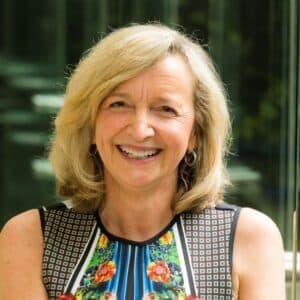
Piper Dobneru2019s Background and Microbiome Journey 2:06 And she's a senior manager of science and education for SFI, which many of you may have known as CLAIRE. 2:12 They're global leaders in microbiotic health and she brings her research, her patient care experience into wider conversations about health. 2:21 And she works with fecal microbiota transportation, FMT, fecally transplants for treatment-resistant clostridium, adiposeal, 2:31 and that shaped a lot of her ecosystem-based approach to medicine. 2:35 She continues on this mission through clinical biome basics practice and uses some of our favorite tools. 2:42 which include fecal transplant, helminthic therapy, which we're going to talk about, and naturopathic support. 2:49 And she works one-on-one with patients, working closely with peers, making people like me really feel good about what we do and just helping people with 3:03 natriopathic philosophy, a big dose of empathy, just one microbiome shift at a time. 3:08 I love all of that. 3:10 You know, you're the best. 3:12 So, we all know you as Piper, but I know also that you used to be known as Pooper. 3:18 So it feels like it was meant to karmic that your now into poop. 3:22 But how did you get started in all of this? 3:25 Oh, my God. 3:26 I love it. 3:26 Well, thank you for the introduction, Nancy. 3:29 First and foremost, I absolutely love to have the opportunity to get to talk with you. 3:33 You're incredible and you also inspire me. 3:34 And so I'm glad that we can share that back and forth because it's what keeps us moving in practice. 3:41 I got into the world of poop really in my medical studies. 3:48 So I was taking a microbiology class. 3:49 I actually was not doing well in the microbiological class and I've got a tutor who is now Dr. 3:55 Molly Zabala. 3:56 And when I'm working with her, I told her I hate the micro biome and she goes, you don't hate a micro-biome. 4:03 You hate rope memorization which is what micro biology is. 4:06 She's like, this is not the And from there, she kind of introduced me to the world of fecal transplant. 4:11 She'd been mentoring with a provider in Portland, Oregon, Dr. 4:14 Carmen Campbell, and I started working with her as well. 4:17 And I learned a shit ton about poop and about restoring microbiomes in general and just the massive, profound impacts that can happen when we really start 4:30 to focus on gut restoration, diversification, bringing back the life essence of the gut. 4:36 which is really just a fun place to be in because so much in the atropathy is lifestyle and making choices every single day that are the little steps that 4:46 we can take to stay connected to our world, but also stay to connected our internal guts and take care of everything inside of us to outside of and their 4:54 choices that you make. 4:55 And it's a slow progression. 4:57 So people don't always see shifts and changes in a week because it like, okay, I gotta like I got to start moving my body this week. 5:03 you know, and that takes time. 5:05 It's worth it. 5:06 And I will forever preach that it is worth, it's it worth to sleep, its worth that to move. 5:10 But with fecal transplants, you can shift an entire person's well-being in a matter of a day and it wild. 5:17 Does it always come out that way? 5:18 No, It is not a panacea that people think it, is and so there's that component of it too. 5:23 but when you start to see these little like flips of miraculous change, I was hooked. 5:29 I totally hooked on poop. 5:31 Yeah, but you also do such a great job talking about the microbiome, you know, that the micro biomes not just about bacteria, 5:40 these are living microbes, the microbes want us to be healthy. 5:44 You know when we eat fibrous foods, vegetables, we're feeding these microbes. 5:50 Just talk about that in Piper language because I love the way you talk Oh my god, I love you. 5:55 Thank you! 5:56 Yeah, the microbiome, it's not just bacteria. 6:02 And I think a lot of people, when they think about the microbial, they're like, oh well, we're thinking of bacterial organisms. 6:08 It's a huge component of the micro biome. 6:10 Absolutely. 6:11 But there's also fungi in there. 6:12 There's parasites in here, which I'm going to dive into pretty quickly. 6:17 The wormhole that I like to go into. 6:19 But it really is about community and it's about collaboration and these ecosystems, these, you know, sometimes we think about, 6:28 I think, about the microbiome almost like an island and we have our own unique ecosystem, each of us. 6:34 Everyone's island is a little bit different than the other person's Island and you have visitors who come to your island. 6:39 And a lot of times those are things like our probiotics, right? 6:42 We have different tourists who have come into the ecosystem and they exchange their currency with the Some of them will stay for a month or two months 6:51 or three months. 6:52 Some are short stays. 6:53 It's like they're going to be there for all weekend because they have to speak at a conference and they got to boogie off the island. 6:57 I think we know that world a lot.
Microbiome Ecosystems, Postbiotics, and Gut-Brain Health 7:01 But they're coming in and they are working with that internal community of that island, right? 7:06 And so I think of it as what probiotics are doing when they come in. 7:10 They are coming and exchanging their genetics. 7:13 And it's more with the bacteria. 7:15 It's so much more complex than we'll ever know. 7:18 So for us to be like, it is this microbe that is the problem. 7:22 Oh, I know. 7:24 I would love to say that we're that great, and we are just not that Great. 7:28 And I think it's okay to have some humility here and to start thinking about, okay, if we have an overgrowth, right, like I like to simplify the biome 7:37 by taking a million steps back and saying, Okay, maybe you do have Some Klebsiella in there. 7:42 But Klebsiella is an opportunist. 7:45 It's not a pathogenic microbe. 7:47 I used to joke that I didn't think they were pathogenetic microbes and then I had like a whole spiritual experience around food poisoning this last July 7:54 and I was like, there are pathogens. 7:56 There are true pathogens, like when everything is exiting from all the holes in your body, you're like this is a That is not Club Cielo, 8:04 right? 8:04 That's not some of these E. 8:06 coli's that we're trying to target. 8:07 It's, not, you know, all of the staffs or all the straps. 8:11 And so it really becomes a bigger question of, well, if they're not always bad guys, what turns them bad? 8:17 And I think a lot of time it's because there aren't enough of good guys in that internal ecosystem to be able to say, hey, 8:24 Buddy, you shouldn't act like that. 8:26 You know, it's like having a mentor. 8:28 We need a mental. 8:29 So the good guys come in and they mentor some of these other bugs. 8:32 And they're like, yeah, we can shape up and we could be good. 8:34 But then when we bring in other things like antibiotics, which it is anti-life, right? 8:41 They're coming in, and their killing microbes. 8:43 so we put something in to kill whatever we think we've figured out because we're starting to test and really cool. 8:49 we got 25 years of knowledge on testing. 8:53 No, I still think it's more complex than that. 8:55 And I think, too, that we think we're targeting that way. 8:58 We also have other outside influences, like pesticides, where we are trying to kill the microbes in our soil, which are actually really important for creating 9:09 the vitamins that are in the green leafy vegetables, but we can leave that side tangent for another day. 9:18 But it's this whole entire ecosystem that when it starts to get cut back and cut and back, those opportunists now are like, 9:26 cool, well, we can act however we want because no one's here to tell us that that's not okay, right? 9:31 And so if you have like a toddler who has no parent to guide them, then they're going to do a lot of wacky stuff and we get to feel that in our intestines. 9:40 So that is kind of the bigger world that I think We know a lot, and we're starting to really understand a lots, but it's that, 9:48 this is where I'm so bad at quoting famous people. 9:50 But there is a famous person somewhere who said this at one point, that the more you know, the you realize you don't know. 9:56 And I think that is the beauty of the microbiome. 9:59 It's the beautiful of brain, those two networks coming together where we know way more about the brain than we do the microbiome. 10:07 And we still know jack-diddly about our brain, you know? 10:11 And the gut is our first brain not our second brain. 10:14 Yes. 10:16 I so agree with you. 10:18 We spend so much time on this one-for-one, this really bad microbe we have to get rid of. 10:24 You know, I love the lawn analogy, for example. 10:29 If we just focus on one weed in this whole beautiful garden, we're missing the whole picture. 10:38 We may need to pluck a couple of weeds out, but we need fertilize and promote the garden. 10:47 A million percent. 10:48 And I think in continuing with that analogy, I mean, this is kind of a gross story, but I hope it makes, it normalizes this for people. 10:54 I had an old dog and I was living in Portland, Oregon and moved into this adorable little duplex and it had a big backyard, 11:01 which is all I needed for my big dog, you know. 11:03 He'd go in and out and every time he'd come inside there were fleas. 11:06 Well, he was like 12 years old and they'd never dealt with flea honored to have said that. 11:14 But, you know, and so every time, so I'm going out to investigate the lawn. 11:18 The lawn itself was where they were living. 11:21 And so then I am like, I m an ecosystem person, right? 11:24 Like I can't come in here with an anti-flee. 11:27 So in my, like the way that I responded to it is the same way I respond to my patients' gut problems when they come to me, 11:33 is I was like okay, what plants could I put in garden that may be anti pest, right? 11:40 Like there are some plants out there, like thyme. 11:42 I found out that carpet thyne is something that actually can help prevent, if you plant it in the perimeter, it can prevent fleas. 11:48 And so I was like, cool, bought some thymes, planted some time, went and got some cedar side because I also believe in like I needed to get up so that 11:55 my dog wasn't in danger. 11:56 But also it was a safe, pet-friendly product. 11:59 It's ceder oil. 12:00 Your lawn smells incredible. 12:02 So I just like added some botanical essence to my yard. 12:07 And it took a little while, but we got there and it was like, cool. 12:11 The fascinating thing about it is that my neighbor at the time had sprayed his yard the week before. 12:17 He's out there with the backpack sprayer and I just cringe in the spring when I see those. 12:24 I cringe and I always come home and write these really fiery things that I think are going to be blog posts. 12:29 And then I'm like, all right, put that aside, let it go. 12:33 It's like my cathartic release. 12:34 But I do find that. 12:36 I felt like it actually just pushed what he was trying to kill into my yard. 12:40 So am I just going push it into somebody else's yard, or am going create an ecosystem that doesn't allow it to come in? 12:46 How do I build resilience? 12:48 And that's what a healthy biome does. 12:52 in the world that we're interacting and living with. 12:55 Yeah, and that's what I love about naturopathy or herbal medicine or any of that is because that what we are doing in our bodies is we putting that time in, 13:07 or maybe not the cedar oil in your bodies, but you know, maybe. 13:10 It's beautiful. 13:12 Maybe as a homeopathic. 13:14 Okay, I'll give you that. 13:16 But rebuilding, you know, what has been damaged, damaged from before they were born because of what we ate as moms, damage from the type of birth that 13:29 we had to have or chose to and entry of breast milk and all that it has to do, whatever it may be, we can still rebuild that microbiome. 13:46 But it's not about one individual, you know, probiotic or prebiotic. 13:52 It's food that we have to, it's the whole ecosystem, which is what I love about every time I listen to you talk. 14:02 But one of the things I've heard you talked about a lot is post-biotics, Which not many people talk about, and I'd like you to talk a little bit about 14:09 that too. 14:10 Yeah, I think postbiotics are super interesting. 14:13 They are, to me, the effectors of the microbiome. 14:18 And what I mean by that is that it goes back to so much of what you just said, and I'm like, oh, you articulated all that so beautifully, 14:24 Nancy. 14:25 But what's so cool about how our microbiomes respond is, yes, we feed our microbes with all of things that we put inside of our mouth, 14:32 right? 14:32 And it's not not just fiber, it can also be the fats that go into our system. 14:36 Some microbes consume those, right? 14:38 And so thinking about what they're doing with the fuel we're giving them, so we make our nutrition choices, they consume them. 14:45 They have genes inside of their adorable little micro bodies that convert what their consuming into microbial poop essentially, 14:54 which are the post biotic. 14:55 So they then convert in their digestive process and then they release a post like a small little mediator that tells the rest of the body how to do things. 15:08 And the coolest thing that we're starting to understand, and this is where I think the complexity of fecal transplant, why some probiotics work versus 15:16 others not working, I You know, I work in probiotics. 15:23 I think probiotic are incredible. 15:25 People can take them and they can have a profound impact on how they feel in their system because they've added an influence. 15:33 Do I thing it's because the added the lactobacillus specifically? 15:38 I actually don't, and I don�t because of post-biotics, because these microbes have these genes that do the conversion inside of the intestine. 15:46 I mean, I'm really trying to make this graphically familiar for people to be able to come with me along this venture, but they basically poop out these 15:55 small molecules like short-chain fatty acids, which is what people are trying eat five or four to feed their bifidobacterium to get short chain fatty acid. 16:03 Is it just bipidbacteria? 16:06 No. 16:06 We have so many, you know, I like to take random things from my desk, so welcome, we've got a chapstick. 16:13 You can call it whatever bug you want. 16:14 And here's a half-burned Palo Santo stick. 16:17 Welcome to my life. 16:18 But, you know, what's interesting is this one could be a lactobacillus and this could a bifidobacterium, but that environment, 16:24 this is the one that lives in the environment. 16:25 It's like you're, it's hanging out in your home, in you internal gut system home. 16:29 This one comes in as either a probiotic or a component of some sort of outside ecosystem. 16:44 I think we over-paculate butyrate, but I will say butyrate because people will resonate with it. 16:50 There are other short-chain fatty acids, or they're also very important, so I just want to say that. 16:54 But, you know, this one maybe has a butylate-producing gene, and it can line up next to this and through a mechanism called horizontal gene transfer, 17:02 which is what bugs can do, they can swap genes. 17:05 So even though this is still a lactobacillus, it now has the ability to come in and make short-chain fatty acids from the food you're giving it because 17:13 this one handed it over, right? 17:15 And this is the tourist that came into the island. 17:18 It gave its currency, it exchanged what it needed to with the environment, and it left. 17:24 But it an impact. 17:25 They left a print. 17:26 And so I think for people, sometimes they'll take a probiotic and works for a while and they're like, wow, I feel really good. 17:31 Then it kind of stops working. 17:32 Well, you've kind exhausted the genetic potential of what that post-biotic signal could be because I do think probiotics, 17:40 as much as we name them and we do our best to understand them, it's actually just a bunch of postbiotics that we're kind of figuring out how they work together. 17:48 And it is genetics to make the post biotics. 17:50 So we are really counting on that internal environment being welcoming of this new potential signal. 17:57 and us giving it enough diversity. 17:59 It's not just probiotics, right?
Food, Medications, and Lifestyle Effects on the Biome 18:01 It is sauerkraut, it's kimchi. 18:03 Getting in your fermented foods, which that's ancient medicine. 18:07 They used to ferment to be able to restore the gut. 18:10 I mean, even more ancient is they used hand you a bowl of somebody's steaming hot stool. 18:15 Fourth century China, that was how you handled gastritis, you know? 18:18 So we've known this for a while. 18:20 Yeah, I'm a little bit happy now I didn't live in fourth century just knowing that little piece. 18:26 I can already hear some of my listeners telling me later, I had to rewind that 10 times because she's had all these little pearls, 18:34 but she said them so fast. 18:35 I'm sorry. 18:36 And I was like, keep relisting guys, leave a review when you do so that more people will see it. 18:42 But I think so much of what you said is so important. 18:46 The power of fermentation, the importance of ferments. 18:51 can't be denied. 18:52 And then what you said about butyrate, you know, and I don't want to pick on just butyrate, but it's so true that, that you, 19:01 even if we need butary, we really should be eating butery containing or butory producing foods. 19:07 You know we're only adding these nutraceuticals and supplements when we are not eating well enough. 19:12 And that has to do with the pesticides that we put in our food, but also that, we don't even know how to combine all these foods and do it. 19:20 But diet, nutrition, you know, is so important because our guts are the precursors to everything. 19:31 To, they're fuel for everything, and we've talked about a few of it, But you also talk about all the neurotransmitters that come from our gut. 19:39 You want to mention that just a little bit? 19:42 I love you. 19:42 Yes, I would love to mention that just a tid over here because I actually would like to call them entero transmitters. 19:49 I've thought about that a lot. 19:51 Because so much, most of our serotonin, which we call a neurotransmitter, the majority of it is created in our gut. 19:59 And GABA, which is our break in the nervous system, it calms us down. 20:05 A lot of that is created by our microbes. 20:08 And it's really interesting to even think about dopamine producers or precursors to dopamine. 20:13 What makes you feel good? 20:15 If you eat a good meal and you're like, I might feel that a little bit tomorrow, but it was so yummy tonight. 20:22 It's those feel-good potentials that the microbiome can create and vice versa if you don't have the good bugs or you Don't, 20:30 have a good and i hate to say the, good, bugs i have to catch, myself when i say it because i'm like, we're so accustomed to saying i i just really, 20:37 don''t feel like there's a ton of bad bugs there are i met one this last summer i will continue to harp on that because I learned a lot in this moment 20:47 But I think overall, 99% of what's around us is good. 20:52 And so we just need it to be in community with other microbes to teach it how to do a little bit better. 20:57 Our microbes are constantly trying to work with us because we're their home. 21:04 we are what they are inhabiting. 21:06 And so they came to us, they want to help take care of us. 21:10 Some of them need a little bit more guidance. 21:11 But what their ultimately doing is when we have a solid community, their communicating from the microbiome through post biotic signaling, 21:18 how to have happy, healthy mental response, inflammatory response and different types of hormonal signaling and responses. 21:27 But if we kill back some of those microbes and they're not in harmony, then we can actually see things like neuroinflammation, 21:34 right? 21:34 And, you know, this is the Pans Pandas podcast. 21:37 So when we think about neuro-inflammatory disorders for our kiddos, our kids are coming into a world that Humans have not seen this level of chemical exposure 21:48 upon birth when our baby's skin is so absorbent. 21:52 It's incredible to me the things that parents have to think about, right? 21:57 Like the car seat. 21:59 Just thinking about the cars seat, there's flame retardants in a lot of car seats. 22:04 Those aren't actually good, but they're absorbing, right? 22:08 Because these babies' skin soak up anything that you put on them. 22:11 Transdermal application of different types of compounds for babies is sometimes the best way to get it into their body, because they absorb it so quick. 22:19 And it's like, and they're being exposed and their little tiny livers are having to figure this out. 22:25 And so are their microbiomes. 22:27 Those outside exposures can cause inflammation. 22:30 Just like these pathways work from the gut out, they can work these other systems in. 22:34 So everything's connected, right? 22:36 And if we stimulate an inflammatory response, we can actually knock down the microbiome. 22:42 because our system doesn't have the resilience it needs to fight back, right? 22:46 So many complicating factors. 22:48 The microbiome is like, it's such a juicy place of metaphor and the ability to really think so much bigger than this massive wrangle of intestines inside 22:59 of us because it reflects everything around us too. 23:03 Right. 23:05 I have a little microcosm of what that is. 23:07 My husband and I are big RV people. 23:10 There were two recent RV trips that my husband went on. 23:14 One, he was eating very well and having wonderful fresh foods and gluten-free and dairy- free and lots of different ferments and everything. 23:25 He felt amazing. 23:27 The next You know, processed food, you know burger joints, nothing wrong with burgers, but just, not healthy, repleting your biome type of foods. 23:39 And no other factors were different but those two and his mental health. 23:45 So different, so different. 23:47 And, you know, I'm not against SSRIs. 23:50 I am not again medications when it's necessary, but we have to understand what they're doing and what else we can do to help ourselves or our patients 24:01 get off of them because, serotonin is from our gut, as you said, dopamine. 24:06 Yes. 24:08 Those are our happy hormones that we need and our gut feeds that happiness or unhappiness, just simple constipation. 24:17 That's our microbiome sitting in that tube long too, much too long. 24:22 And what is something going to do if it sits in a tube too? 24:24 Well, it's going start to get a little crusty and all that kind of stuff. 24:29 Yeah, ferment on its own. 24:32 And you mentioned about pesticides, of course, depleting our microbiome, but just talking a little bit about other medications, 24:40 you know, PPIs and statins and, metformin and even NSAIDs, antipsychotics. 24:49 Just talk a bit a about that too. 24:51 And then we got to get into fecal transplant helmets. 24:54 Go ahead. 24:55 Yeah, I mean, even thinking about opiates and thinking what you had said previously, antidepressants. 25:02 But they basically looked at all of the pharmaceuticals, not all, but a handful of different pharmaceutical classes, right? 25:09 So they pulled out a different Compton from each of their different groups. 25:12 And they looked to see if there were shifts and changes in microbiome testing for people who were taking these. 25:19 Across the board, these agents are working with or around with, or because of the microbes, right? 25:28 And in some way, they're working either as antibiotics. 25:31 So, antidepressants can oftentimes act very similar in a plated bacterial agar plate to an antibiotic. 25:38 You can see the ring of where it started to kill off the microbe. 25:42 And so, when we think about microbes producing serotonin, are we just killing seratonin producing? 25:49 Like, you know, my brain starts to go, well, what are actually doing? 25:52 What is the mechanism? 25:53 And you start to ask the question of what is mechanism, and it's like, while we're blocking receptors, And then there's a bunch of unknown, 26:00 right? 26:01 And I think that even in cancer therapy, this is another place that the microbiome is really starting to become a key investigative place for us to dive 26:13 into because there is some mouse research that's showing potential for shifting the micro biome for mice who are not responding to immunotherapy, 26:22 getting stool from mice, who aren't responding, to immuno therapy suddenly now responding So we know the biome is mediating a lot of what's going on with 26:32 drug therapy. 26:33 But my question is, okay, well, if we're actually just messing with the bio, can we mess with it other ways? 26:38 Because I love the story you told about your husband, right? 26:43 We can change how our body is responding by just shifting what we are eating. 26:49 That's super cool. 26:50 Add in the next naturopathic thing, which is go take a walk. 26:53 Maybe 15 minutes a day, you know, or pop in your favorite podcast and make that your time that you do a circle around wherever you can circle, 27:01 and then, all right, cool, You got the eating good. 27:05 You're starting to move your body. 27:06 Great. 27:07 Let's focus on sleep. 27:08 Like, let's not forget sleep because if you're not sleeping, Because there are specific parts of the circadian rhythm that the microbes work in unison with. 27:19 If we don't drop into those deep sleep cycles, we actually hurt our biome. 27:24 And so it becomes this incredible, again, an incredible analogy or metaphor to all of reasons we need to do all the things that we do. 27:32 It's great because you can make small shifts and changes in the biomes response. 27:37 I think that, I'm not against antipsychotic medications, antidepressants, I agree. 27:43 I do think that when they are necessary, let's use them. 27:46 But when my patients come to me, and I work with a more adult population than I did pediatric population, so I see this a lot more in my adult patients, 27:54 but they'll come and be like, you know, my doctor offered me an SSRI and really think I need to take it. 27:59 And I'm like man, we have literally spent the last year working on rebuilding your gut and now we're knowingly putting something in that's going to start 28:07 to degrade it, Let's talk about that. 28:11 Just like have a conversation because I don't think a lot of people realize it. 28:14 And I've had patients be like, oh, I mean, like you know, you're probably right. 28:18 If I do just take the 10 minutes to go take my shoes off and stand out in the grass, i do handle my day a little bit better. 28:25 It's like great, let's try that because that's lowest intervention, right? 28:29 And when we think about naturopathic medicine, it's really about taking ownership of your own life, your I don't know how much I want to mess with that 28:53 versus wanting to, let's do the things we can every single day to get your body into a pattern where it feels seen, it feel taken care of. 29:00 You have time to connect with the world around you which is, I mean our connection to nature is our connections to spirit. 29:06 And there are a million stories everywhere for people who've been diagnosed with stage four cancers, or they've given a terminal illness of some sort. 29:16 And they go out in the woods, and they find those salt caves, they get away from our technology, from screens, our light influences. 29:24 They're back in communion with the land. 29:27 Suddenly, some of these people can have miraculous reversals of what's going on. 29:32 That's what we're missing so much in this world. 29:36 I love the fact that you and I can hop on a riverside chat and we can talk to each other and have a podcast and share information broadly. 29:46 People might see this on Instagram and that's super cool. 29:48 Wow, we are so connected, yet we're so disconnected from the things that actually matter in our world, which is our connection to Mother Earth. 29:57 When I work with my Lakota Medicine mentor, she's always like, that is your grandmother.
Fecal Transplant Basics and Clinical Uses 30:02 Like, have communion with your grandmother every day. 30:04 And Grandfather Sky is, you know, having communion your Sky partners. 30:08 Like there are things so much deeper than us that we can't explain. 30:13 I think that you can parallel it all over the place to the biome. 30:17 Just getting that dirt in your mouth, number one. 30:22 I can hear some of my mom saying, look, I want to go in the wild too, but I got a job in Cherokee County, Connecticut, and my kid is 15 and has ARFID and 30:33 a restrictive eating disorder and won't eat anything but junk. 30:37 But I think one of the things you said is don't let that paralyze you. 30:42 Take one step. 30:43 Go outside for 10 minutes in your bare feet and get some mud in you toes. 30:50 Go walk along the sound in the beach. 30:53 Get one good food, get a little bit more oil or one piece of protein or start to bake and cook with your kid to try to get them to see the foods that they're 31:08 eating and not just the box that's on the shelf. 31:10 Just start with one thing. 31:12 One thing, and it doesn't have to be, it's like, you know, I talk to people about this all the time, because they're like I have a hard time getting into 31:18 a new movement routine. 31:19 And it is like okay, well what's your movement? 31:21 And they are like it like P90X and I'm doing like 60 minutes a day and its super hardcore and then there's a break, six days on and one day off. 31:29 I am like that's why you can't do it. 31:32 Because it, like consistency, right? 31:34 Take a small bite. 31:36 It's small bit. 31:37 You and travel all of the freaking time. 31:42 I love nature and I loved being outside. 31:45 There are often times we are at conferences where we're in hotel expos all day under horrible lighting and we were talking to each other and getting to 31:54 learn all this cool natural stuff and there is nothing about nature inside of that room, you know? 31:59 And so in those moments I'm like, cool, can I get a 10-minute lunch walk, right? 32:02 Like Nancy and have taken off and sat outside to eat our lunch outside so we can just see the sunshine because we also like plants. 32:10 like we make that garden analogy all the time with our microbiome and our skin uses that light from the sunshine to do a bunch of stuff in the gut as well 32:19 and so when we think about how important it is just to Do it and it doesn't have to be you don't to go zero to a hundred it go like zero To five and see 32:29 how that feels and if you can do zero two five for a couple weeks and you want to Go zero, two seven. 32:33 Okay, cool. 32:34 Like our five to seven, you know, like I But make it bite-sized, because it's when we jump in and we try and go, excuse the phrasing, 32:43 balls to the wall, but when you try to go a little too hard. 32:47 It can actually be defeating. 32:49 And so it really is. 32:51 I mean, and again, I think about these moms and I about how hard they're working. 32:57 Moms are the superheroes of this planet just across the board, right? 33:00 They're doing amazing things. 33:03 Growing a plant. 33:04 You can have a plan in your house that's got some soil in it and you can teach your kids how to take care of a planet or even do some plant starts. 33:12 You know, grow a basil plant in your kitchen window. 33:15 Like there are small things. 33:18 It's $3 at a Trader Joe's generally maybe for, I don't know what your tax rate is where you are, but like get yourself a little basil plants and grow it. 33:25 And see like maybe using that freshly in salads and then getting used to using fresh herbs. 33:30 Now you're diversifying your dinner plate and that's diversify what you feeding your microbes. 33:35 These are like small tasty little steps that you can make that are really profitable at the end for your body. 33:42 Right, right. 33:44 And that microbiome. 33:45 All right, let's shift a little bit and I want to talk about crapsules. 33:50 Love the word. 33:51 Thank you. 33:52 But what we're really talking about is fecal transplants. 33:56 Correct. 33:57 Tell our listeners, viewers what that means and why you are so passionate about it. 34:04 Yeah, I like to say it's the good shit as you know, Nancy. 34:07 So but no fecal transplant. 34:09 It's again from fourth century China. 34:19 components, i.e. 34:20 stool, healthy stool from a healthy donor being transplanted into the intestines of a sick recipient. 34:26 That can happen through endoscopies. 34:29 So they can go in, there's nasogynal tubes that they could do. 34:32 There's colonoscopic delivery, which I think you're going to be speaking about that type of delivery with Dr. 34:38 Sabine. 34:39 And then also there are Crapsels, right? 34:41 And I specialize in Crabsels. 34:44 I love them. 34:46 And I think that the coolest part is when we look at side-by-side evidence, JAMA did a paper in 2017 where they compared capsular delivery of fecal transplant 34:58 to colonoscopic delivery a fecally transplant in a population of patients with C. 35:03 diff not responding to standard therapy. 35:05 And what they saw was both were 96.2% effective at basically eradicating the C diff. 35:15 I just think that is the coolest thing ever. 35:17 You can take somebody else's microbiome in a pill and you can swallow it and suddenly your shift in your biome is so profound that this microorganism that 35:28 has taken over, again it's an opportunist, you could live healthily with C. 35:32 diff in you biomes. 35:33 I want to tell everybody that because it is important. 35:37 When it overgrows and you take an antibiotic and cut back all of the other microbes, it takes over the system and it starts to produce a toxin. 35:45 That toxins starts the degrade the internal lining of your intestine. 35:47 It can become pretty severe when you add in another biome. 35:51 you add in that community that's gonna educate that C. 35:54 diff and say, hey, this isn't how we act in a good community, right? 35:59 It's like they're bringing in the other assistants to be like, you got out of control. 36:03 What's nice is that fecal transplant, when I do pre-post testing, I often see C diff gone. 36:08 Like it does often seem to eradicate, which is really cool. 36:12 But there's also some primary evidence that came out earlier this year, Which I am so excited about this evidence because I have been postulating this 36:21 for a very long time. 36:22 But again, everything in fecal transplant is studied around the use in C. 36:28 diff not responding to standard therapy in the US. 36:30 That's what we can legally use it for if we're using it on label. 36:35 But what's really, really fascinating about this research is that they looked at people who had C. 36:40 diff primary infection, had not been treated period, which traditionally to qualify for fecal transplant, you have to fail a couple rounds of antibiotics 36:49 and show you're still positive and then you can get your fecally transplant. 36:51 This study, they said you either get vancomycin as your first line treatment or you get fecul transplant as you first-line treatment. 36:59 And they saw that fecal transplant in a side-by-side with Vanco works just as well as Van Co. 37:05 And when people failed VanCo, they'd get a dose of the FMT. 37:09 and if they failed the fmt, They just took more of FMt and by the end of that whole study, everybody's, you know, seat is free. 37:16 But it's wild to me to think about that because again, it puts into question. 37:21 Everybody thinks you need to eradicate the biome in order to replenish it and I disagree. 37:25 Exactly. 37:26 Because I think our eradication methods have gotten us to where we are today. 37:31 We have a lot more inflammation. 37:32 A lot of chronic illness. 37:35 More autoimmunity. 37:36 Cancer through the roof. 37:37 Heart disease through roof, all of it's inflammatory based. 37:40 What educates our immune system is our microbiome. 37:44 If we think that we need to kill the biome every single time, we have to regulate the immune response, I feel like we're barking up the wrong tree. 37:51 I just feel so passionately about this. 37:54 You know, I see people in the neurodegenerative space who are interested in fecal transplant because there's case studies here about, 38:00 you know somebody who had Parkinson's and they got C. 38:03 diff and suddenly they don't have Parkinson because they received a fecally transplant and it's like that potential. 38:08 I do believe that the potential does reside in Fecal Transplant and I've also seen it not work in Fecal Transplants and but it is like the biome is such 38:18 an important regulator and mediator of everything going on inside of our system, why not try? 38:24 Why not give it an effort? 38:27 See what happens, you know? 38:28 And also, when we hear the positive case studies of how FMT eradicated their Alzheimer's or their Parkinson's, or there are autism or whatever, 38:37 well, we say, oh, that must have been something else. 38:39 It couldn't be just that. 38:41 But when it doesn't work, in the other person, were saying, see, You know, rather than looking at what was different between these two people who had the 38:51 same name it, blame it tame it kind of disease, you know. 38:55 Two patients with Parkinson's, let's say, and one was sworn in and didn't. 39:00 Rather than make that two polar opposites, lets bring those together and say what do both of these people tell us? 39:07 What are we missing in this one? 39:09 that it didn't work. 39:11 Well, you know, it's what we always say about autism. 39:13 It's not autism, its autisms. 39:15 And the same thing with Pan's Pandas, all of these kids are different and we need to look at the individual in front of us and figure out why it works. 39:26 Now, one of the things that I found is, certainly we say in a lot of people with C. 39:31 diff, It is one and done. 39:33 with fecal transplants. 39:34 But when you're talking about more chronic illnesses, it's not necessarily that way. 39:40 Yes, there are case studies and all that. 39:43 Talk about why that is and then we'll get into helmet therapy. 39:48 Yeah, cool. 39:49 I love it. 39:50 So I think that, one, it's such a, again, a new field of study. 39:56 We're really kind of exploring when we're testing it against anything else. 40:00 They tried to get fecal transplant out of the system because it was complicated, right? 40:04 How can you regulate human stool? 40:06 It's a tissue, like we have blood banks and there's complications around how we regulate blood. 40:12 it's kind of in that same space. 40:13 Like, how do you regulate this? 40:15 How do make it safe? 40:16 And that's a whole other conversation we don't need to dive into. 40:19 But I think that what's really fascinating about fecal transplants and what we're learning in other disease states outside of C. 40:26 diff is we need more of a therapeutic dosing strategy. 40:30 Because when we are looking at an infectious agent, and I mean, C diff, is what have research on, but after this last publication, 40:37 I'm like, oh my God, think about if we treated E. 40:39 coli that way. 40:40 Think about, if treated MRSA that, way think, about. 40:42 If we treat it like hands pandas, what if, we, treated or strep infections. 40:47 What if. 40:47 We just gave a pre created stool from these kids when they're healthy, they get a strepin infection from school. 40:56 Let's do some of some other fecal transplant. 40:58 Let's give them a super probiotic of their own stool to get them moving forward, right? 41:03 So anyways, I dream of that for infection. 41:05 But I think for some of these longer term outcomes, you know, think about Crohn's. 41:11 Crohns is a really great example. 41:12 I work a lot in digestive autoimmunity, digestive illness kind of across the board. 41:17 And I think what's really interesting about Crohn's and FMT is that you really do have to continue to dose weekly. 41:23 And generally, the studies are about four weeks. 41:25 There's generally one dosing day. 41:27 You're dosin' a loading dose just to kind of inoculate, like give the microbiome this new seed to grow more plants inside of the system to exchange the 41:38 genes to see what is missing, how can we help, right? 41:40 They're coming in as like offering hands. 41:42 And then the system will either accept some of them or not. 41:46 And so the next inoculation, which is not necessarily as large in terms of amount, is another opportunity to be like, hey, 41:54 we have these extra genes around. 41:56 Now that you guys have taken some these others, how do you feel about bringing more in? 41:59 You cool with that?
When FMT Works, Repeat Dosing, and Chronic Illness 42:00 Do you want to bring in some more? 42:02 Okay, not this time. 42:02 We'll see you next week, right? 42:04 So it's like they're constantly coming back in and just like knocking on the door of the biome and being like, are you ready for more? 42:10 Okay. 42:10 You're not? 42:10 Cool. 42:11 I think we see about a 50% remission rate in the research on fecal transplant with Crohn's, which to me, if you're somebody like I wish our medical system 42:21 looked at patient outcomes in this way, because if your somebody who's looking at bowel resection, in your mid-30s and you're a Crohn's individual, 42:31 you've been dealing with it for maybe 10, 15 years, You've tried all of the different biologics. 42:36 You fail round after round, after around. 42:38 Why wouldn't we make standard of care trying at that 50% mark? 42:43 to see, can we do a fecal transplant? 42:45 And what if we did that every year? 42:47 What if you gave you a faecal transplant every? 42:49 We don't have that data because we're not doing it. 42:51 But it's something that I mean, the like things I fantasize about, I'm constantly on like chat GPT, like, what do you think about this chat and like what 42:58 about my theory here? 42:59 Like, What do we think? 43:00 You know, and at one point, a friend of mine had me, he was like have you ever had chat gpt roast you and I was No, you know, 43:08 but I love like comedy is so funny to me. 43:10 And so he sent me his roast and I like was in tears laughing. 43:14 and then I was like, well, I got to check this out, so I had Chachi PT roast me and it was something like you're a microbial sorceress and like something 43:24 about what else did it say? 43:25 It was, like You're not joking at all when people ask you about putting worms in their body or something. 43:30 Like that. 43:30 It's like yeah, it's totally it just nailed it. 43:32 it Was fantastic. 43:34 I do I think the microbiome is It just has immense potential. 43:39 And same for things like UC, but then there's that other 50%, right? 43:43 When you think about the 50% who are doing really, really well with fecal transplant, they go intermission. 43:48 Sometimes they need repeat dosing. 43:49 That's the reality of it. 43:50 It's not a cure-all. 43:52 If you have response, great. 43:54 But I've had people who've done at-home fecals transplants for, things, like, UC. 43:58 They do great for two or three years and then they come back and they symptoms are coming back and it's like, might be time to, 44:05 you know, re-screen your donor and get more fecal transplant. 44:07 Like that may be a good option because it worked the first time. 44:11 Who knows? 44:12 Could it work again? 44:14 And then there's, 30% who experience nothing. 44:18 No change. 44:19 And then there's, you know, 20% who may have a flare and sometimes you can dose them out of the flare. 44:24 It's kind of like fecal transplant for C. 44:26 diff. 44:27 You can, I genuinely believe that C diff should not be the reason somebody dies. 44:32 I think that it really is a matter of how many doses of FMT at this point. 44:36 We have more virulent strains of C Diff out in the world. 44:40 So I do see sometimes the need for multiple doses, but ultimately people generally kind they whip out of that. 44:47 But for things that are more long-term, longstanding, we know the autism trial from Adams and Kong out in Arizona. 44:53 Very impressive data, very cool. 44:56 Small sample size, 18 kiddos is a pretty small sample-size, but there's hope. 45:01 And, you know, at one point I met with an author who is very prolific in the Autism community. 45:08 His son has autism. 45:09 Oh my God, I should be able to say his name. 45:10 Maybe it'll come to me. 45:12 Um, But I had a meeting with him at He was like the drug for these parents who have these kiddos who are in that neurodiverse, 45:24 neuro-divergent spectrum. 45:26 Yes, there are some who were high functioning and they're doing incredibly well. 45:29 There are others where parents are looking at a lifetime of supporting this child and then wondering what happens when I die. 45:36 Who's going to take care of my kid, right? 45:39 And he was, like, our drug as parents of this population is hope. 45:43 And I loved that because it was like, it really is about just hope that our kids can live a normal life. 45:49 Just like be independent, maybe cook a dinner for themselves, and maybe have a partner in the future. 45:56 Like fall in love and have somebody that they can life and create a life with together. 46:01 And is JB Hanley? 46:03 I think that's his name. 46:05 I don't know if you know his or not. 46:06 But he said that to me. 46:09 it stuck. 46:10 I will never forget that interaction with him because it really was like, man, if we can get some deep fecal transplant who has really severe neuroinflammation 46:21 and potentially calm the brain, cool it, put some water on it. 46:24 Like, just pour some Water onto the fire in the Brain. 46:27 The potentials are so real and profound, and they're not guaranteed, but they But they can be amazing. 46:37 It's an important thing to remember. 46:39 Exactly. 46:40 Yeah. 46:41 And I think that, you know, there's so much more to talk about with fecal transplant, but it is not easily accessible right now in the U.S. 46:50 and I thing something that is more accessible that I would like to about is helmet therapy because as you In most people's practices with children with 47:02 PANS Pandas, you go on to IVIG or one of the, as I call it, bigger ticket items in about 60% of kids. 47:10 In our practice, it's more like 20%. And the large change in that is because we use Helminthic therapy. 47:19 So I would like you to talk about first what that is. 47:23 And it's not all the same. 47:25 I mean, there are several different types of helmets available. 47:29 So talk Oh my god, this is one of my absolute favorite, favorite topics on the planet. 47:37 So Nancy, I'm so excited to be doing this with you. 47:40 As a fellow worm lover and worshiper, i know that you understand the value of these microbes and ultimately they're probiotic. 47:48 That's what I tell patients when I am talking to them. 47:50 You're just adding a living organism to your ecosystem. 47:53 And a day you swallow probiotics all the time. 47:56 Some people swallow shit. 47:57 So like, what's the difference of adding some worms into the system, you know? 48:01 It does help. 48:01 It really is my segue and I tell people that poop is like gateway drug to worm therapy. 48:07 And so what I love is basically what a helminth it is, it's a parasite. 48:12 It's a roundworm that generally comes into your system. 48:15 Not all of them are round worms. 48:16 Some are nematodes, right? 48:17 And so what's fascinating about them is there are some that have, at the appropriate dose, therapeutic benefit. 48:25 And right now, we're in this world of like, TikTok tells me that I need to kill all my parasites. 48:29 So everyone's on a parasite cleanse. 48:31 Everyone has demonized parasites, parasites are the end of, you know, the world as we know it. 48:36 If you have cancer, probably have parasites inside your tumor. 48:39 Like, it's gotten really anti-parasite lately and I'm like I We'll go through our face, the pendulum's over here, it's gonna swing back. 48:50 But I think what's fascinating is I get a lot of people who come to my practice and they're like, don't worry, I'm already cleaning my parasites. 48:56 And I am like well, maybe you should be worried because I don' know why you came to me because i'm probably gonna tell you to put some in your body. 49:04 What's interesting is there's four therapeutically known parasites at this point in time. 49:08 Does that mean that that's all? 49:10 not at all. 49:10 I think that we're underestimating some of the ones that Dear friend Nancy works with HDCs frequently, so rat tapeworm. 49:28 There's also TTO, which is the human whipworm, and there is TSO, the pig whip worm. 49:36 I think all of them are incredible, all have different capabilities, different benefits, pros and cons listed up and down the wazoo. 49:46 We could talk through all that. 49:47 I think the overall benefit is that we're adding in a new signal to the biome. 49:53 And that signal, when I'm working with Nicator specifically, so Nicater is a transdermal infection.
Helminthic Therapy and Immune Tolerance 50:00 What does that mean? 50:01 That means these worms crawl through your skin. 50:03 Let's breathe. 50:04 That's a big one to think about, right? 50:06 that's one that a lot of people are like, are you beep, beep kidding me? 50:10 And it's like yeah, I am actually not. 50:12 I really not kidding at all. 50:13 It's- And I've done it and she's not It's part of their life cycle. 50:18 It does get quite itchy, as Nancy will attest to it gets unbearably itchy sometimes. 50:23 Not every single infection dose, it just depends. 50:26 But what's really fascinating about the worms is once they get into your system, which it takes them a little bit of time to travel through their lifecycle, 50:33 these particular worms, again, go through your skin, they find the nearest capillary, follow the blood to the lungs, take a bit take an oxygen breather 50:41 moment there before they come up through the ciliary elevator and the lumps and then they drop into the back of your throat. 50:48 You swallow them, they get into acid bath of the stomach and it's almost like they're getting the bat signal that they are almost home. 50:55 They're very close. 50:56 And then, then get in the small intestine, and they burrow and that's where they live. 50:59 We have a self-limited life cycle which I think a lot of people it helps them digest what they're digesting. 51:07 Basically, they don't reproduce inside you. 51:09 They're not going to grow or go to other parts of your body. 51:12 You know, everyone's freaked out that worms are going go your brain. 51:14 Oh, my God, am I going put this in? 51:15 I'm going have worms in my brain? 51:17 No. 51:18 Am I gonna see them in stool? 51:19 They are microscopic from start to finish. 51:21 you can't even see unless you have a microscope the first time they are in your hand, in possession. 51:26 Right. 51:28 And they pack a punch because when they get to where they're supposed to be in the small intestine, they start to spit. 51:35 They burrow into your intestine. 51:36 they've made themselves at home. 51:38 Some people get what's called the worm flu. 51:39 And I think it's because think about when you move into you know, new home rental, you get your new RV and you're going on a new trip. 51:46 You're gonna wipe down the surfaces a little bit. 51:47 you gonna do like a bit of a clean out before you moved into the place for the next couple of weeks. 51:52 And I think that that's what they're doing in our intestines. 51:54 Some people's rooms that they have moved into are a little bit dirtier than others, right? 51:58 And so that clean out can sometimes be, it can show up a variety of different ways. 52:03 People can get, you know, sinus infections or what feel like sinus infection. 52:06 They can be congested, they can cramping in their abdomen, diarrhea, bloating, insert any sort of symptom that is your Achilles heel and that what a person 52:15 can during that inoculation phase. 52:17 But once they're there and they've started to burrow, they spit. 52:21 And their spit is this, like, beautiful slurry of small peptides, right? 52:26 So when we were talking about postbiotics earlier, these are another producer of postbiotics. 52:33 One organism gives you almost 200 peptides. 52:38 Right now, everybody's super into GLPs and GIPs, and people are trying to inject peptide up the wazoo to handle all kinds of different things, 52:46 right? 52:46 But it comes back down to, we've identified BPC157, it must be the peptid. 52:52 I think we lose the ecosystem approach when we go singular peptides. 52:57 And what's fascinating when they profile these different peptide is that a lot of them are stimulating things like a T regulatory response. 53:07 I'm always looking for things on my desk, like, what could I use to exemplify what I am trying to talk about? 53:13 This is our immune system. 53:14 If it's very oversimplified, it is a teeter totter. 53:17 Period, dot, period. 53:18 Teeter totter that should move and do what it needs to do. 53:21 When you're handling something like, I mean, we can even say like a pan's panda's flare, right? 53:26 If you are up in that TH1 response, you've got a TH 1 response that's churning and it's not turning off. 53:32 So this is the brain on fire. 53:34 We need to turn the fire down. 53:36 we need basically pour water on that fire To do that, We have an immune cell called T regulatory cell that balances our teeter-totter. 53:45 It takes us out of this TH1 and brings us back into more of a regulated immune response so that we can be resilient to our environment. 53:54 So that when needed, if something comes in and attacks, we jump and then we come back down. 53:59 This come-back-down response is really important. 54:01 Inflammation has been so hated and just people criminalize it. 54:06 You know, it's almost like, oh God, inflammation is the worst. 54:08 We need to battle inflammation, stop inflammation. 54:11 Ininflammations is how you heal. 54:13 It's part of the initiation of healing process. 54:17 When our body enters an inflammatory state, its telling us that something is wrong. 54:23 It's a signal to us that we need to bring some attention to wherever that attention needs to be brought. 54:28 And that's where it depends on the person. 54:30 It depends where we're targeting. 54:32 it may be the biome, it might not be biomes. 54:34 Right? 54:35 It is really trying to identify where were working. 54:38 But what's fascinating is that, we NEED this spike. 54:41 We need the spike to come back down. 54:44 And that's where the worms come in and do their job. 54:47 When they're stimulating T regulatory cell, they are helping to balance that tater totter. 54:52 So now you're more resilient with the environment around you. 54:55 And I've seen these IVIG kiddos now. 54:59 I feel so honored to getting to work with this population because it's just such a, when you do see the shifts and changes, 55:05 are so fun to celebrate with a family. 55:09 But when you see kiddos who've been on IVIG, they come to see you. 55:12 We start kind of playing in the realm of let's diversify. 55:15 Let's repopulate. 55:16 Restore the biome. 55:17 And they're like, yeah, we haven't had IV IG for four months. 55:20 So we have an IV I.G. 55:22 for six months and it's, you know, We don't know that we're going to go back to IV. 55:25 I G. 55:25 we think that were actually done with it. 55:27 It's so cool to start to wean people from some of these therapies that can be incredible in but aren't long-term. 55:36 Restoring the biome, that's long term. 55:38 Taking care of your gut, hat's, longterm, we can do that. 55:41 We can make these steps. 55:43 And one thing you said was about the clean out or clean up reaction. 55:47 And what these are doing, as you've said, is sort of inducing immune tolerance. 55:53 It's balancing that teeter totter. 55:56 I always saw that what you're calling a clean-out as a Herc reaction, a little bit of a die-off. 56:04 Is that similar to what your saying or do you see those two as different? 56:11 I see them as parallel and the same happening at the time. 56:15 So I do think of it as a clean out of sorts because I think it's an easy way to visualize. 56:20 Yeah, I get it. 56:21 But when they're coming into the community, it is another way of saying competition. 56:26 They're competing for resources. 56:29 And so the microbes, especially these worms, I think what freaks people out is they're like, oh my God, I'm putting worms in my body. 56:35 It's like yeah, you're putting five. 56:36 Like you could name them if you wanted, like Hair-Mo, Curly, Hairy-mo, curly, whatever. 56:41 You could have Snoopy, You can have Woodstock. 56:43 you can name your freaking, your worms if wanted to. 56:47 And the number you put in is the numbers you have until they die. 56:50 And that's the coolest part about it being a therapeutic worm. 56:54 I think it goes back to what you and I had talked about previously before the recording started, right? 57:00 When people are like, excuse me, what? 57:02 You want me to put worms in my body? 57:04 They go right to Google. 57:05 And they're like hey, Google, my provider thinks that worms might be a good idea. 57:11 Worms are parasites and they're gonna kill you and your kids are gonna be dumb if your kid have worms and like, it is one negative headline after another. 57:19 My dear brother has two little girls, I've talked with him about worms, and I got the whiplash of that, right? 57:25 Where it's like oh man, the education needed to help people understand how important an ecosystem is and how these microbes are inside of an eco-system. 57:37 I mean, going off topic, Yes, Nancy, it is Herxie. 57:42 I think it's an out competition from the microbes, but I that bigger ecosystem picture of needing to educate from is often like I steal the gray wolf of 57:52 Yellowstone National Park shamelessly. 57:54 Like, I love that story. 57:55 Tell that, tell that. 57:56 Story, because I. 57:57 Think that's very important for people to understand. 58:01 Right, because we've been talking about gardens, we have been thinking about planting new trees and putting seeds in the soil, 58:07 right? 58:07 So it's just like the way that it correlates. 58:09 And I really think, so there's a concept of keystone species. 58:14 That's what I think me and Dr. 58:16 O'Hara, Dr Nancy, I'm like, what do you want me to call you on your podcast? 58:21 Okay, good. 58:23 But, you know, it's like we see these keystone species in our practice. 58:28 We're working with key stone species. 58:30 What is a key-stone-species, right? 58:32 Everyone in the microbiome world is like, clearly it is key stones species, and you're like okay. 58:36 Anytime somebody says clearly or obviously, I'm like, you have to know that a lot of people don't know what that means. 58:41 And so keystone species, the best large display example of it that we can use on an ecological level is the gray wolf of Yellowstone National Park. 58:52 So in the 1920s, we as the humans, when we find the problem, eradicate the problems. 58:58 We're really good at killing the enemy. 59:01 The enemy was identified to be the gray wolf in the 90s. 59:03 In Yellowstone National Park, they took all the grey wolves. 59:06 They relocated them out of the park. 59:07 Basically, this is what we're doing to preserve and save the ecosystem because they're predators, killing the elk, these large herd breeds, 59:15 whatever. 59:15 Fast forward. 59:17 To you know fifty years go by sixty years ago by and all they're saying is yellowstone national park just become a. 59:26 Bio diverse disaster where it's losing diversity it losing animals it loosing anything like. 59:33 When you don't have a predator to come after the elk, they're huge animals that can go breed now on the shore, right? 59:39 And they are eating the underbrush of trees and they hanging out there. 59:42 They're killing ecosystems of all of the lower living species that live in that lower branch region of that trees. 59:48 There are also so huge that they pushing sand into the rivers and creating shallow pools where prior the fish had deep pools to spawn in because they need 59:58 the colder water. 59:59 So we saw fish populations that you were like, wolf to fish like your brain doesn't start to compute but it happens like these things start To degrade
Yellowstone Analogy, Small Steps, and Closing Remarks 1:00:09 and we were seeing it happen and in 95 We had a brilliant idea as the human species to bring the gray wolf back. 1:00:16 Maybe we killed the wrong thing Within two years, that ecosystem came into full balance. 1:00:24 Like, they saw restoration. 1:00:25 They saw these populations return. 1:00:27 It was like this biodiverse miracle, from a disaster to a miracle just because we added one species. 1:00:35 And not a large amount of that species, it was only like 15 wolves or something. 1:00:40 You know, in a vast land. 1:00:41 Because all you need is a little bit of a predator. 1:00:48 And it is the analogy that we use all the time. 1:00:52 I remember when I gave a TED talk, maybe almost 10 years ago now, I was using that Yellowstone wolf analogy. 1:01:01 It's the downstream effects. 1:01:03 And we see that in our guts, whether it be with one crapsule or a couple of cysto-circoids of the hymenolepis diminutus cystocircoides. 1:01:14 Thank you very much. 1:01:15 It took me a month to learn how to say that, not spelling it for you. 1:01:20 I still don't even try. 1:01:21 HTC. 1:01:24 Going back to our 10 minutes outside to get the sunshine and the dirt in your nails and all of that. 1:01:30 You know, so much of what we talk about overwhelms our families, overwhelmes our moms out there. 1:01:37 But I think, you know when we talked about this, it's again just feeding our bodies, calming down, getting sleep, get outside, 1:01:49 and getting one morsel of good food. 1:01:52 And don't worry about, let's not wipe out the whole population of our guts with a good old parasite cleanse. 1:02:01 Let's look at what we're really doing to feed ourselves. 1:02:05 Yeah, I wholeheartedly agree, Nancy. 1:02:09 We see eye to eye on this. 1:02:10 You're my worm queen. 1:02:12 I love you. 1:02:13 And we are in this together, my dear. 1:02:16 It's why my mentor calls the HTC's Primo Biotics. 1:02:21 If we just reframe our mind a little bit, we can see how these things can be so powerful and so helpful. 1:02:29 Oh, Piper, I could talk to you. 1:02:30 We've already run over and I can talk you for hours more. 1:02:34 And if I do this for another year, we'll have you come back again. 1:02:40 But first of all, how do people find you? 1:02:45 First of all, I do hope you'll be doing this for another year and yes, let's do this again is my answer. 1:02:50 How to find me? 1:02:51 My clinical practice is biome-basics.com. 1:02:54 So B-I-O-M-E hyphen. 1:02:56 I had to explain what a hypen was to somebody recently and I was like, wow, that's fascinating. 1:03:02 Basics with an S dot com. 1:03:03 And then my Instagram is at Dr. 1:03:06 Piper Dobner. 1:03:07 No dots, no spaces, so anything, just DR. 1:03:10 E-I-P-E-R, Dopner, so you'll find me. 1:03:13 I'm out there. 1:03:14 In the FMT universe, I am in the worm universe and I have a full-blooded nature path, and so I very okay with that. 1:03:21 Yeah, yeah, an amazing person to boot. 1:03:24 And any last words of advice or hope or wisdom that you want to leave the practitioners, parents, people listening? 1:03:34 Oh my God, I get an opportunity. 1:03:36 It really is about those small steps, it really baby steps and it's not putting too much pressure on yourself and its doing the tangibles. 1:03:44 Like what is the bite size thing that you can do today? 1:03:47 And maybe it doesn't happen today, maybe you think about it today and maybe wake up on Monday and that's the day you decide. 1:03:54 You don't have to wait until the beginning of the year. 1:03:56 You do not have wait for a New Year celebration or a particular date and time. 1:04:01 It starts now. 1:04:02 Your body needs you to love it and appreciate it, and take care of it today. 1:04:08 And so if it's not today, that's okay. 1:04:10 Maybe tomorrow. 1:04:10 Just shoot for small goals because I just think that we see a lot of influencers in the world who make everything seem Like how the hell do you have time 1:04:20 for that, right? 1:04:20 We kind of talked about that. 1:04:21 But just make the little bits, little bit of time, because your body deserves it, you deserve it. 1:04:27 And you can see big changes with small steps. 1:04:30 So thank you for having me, Nancy. 1:04:33 It's been such a pleasure to get to talk to you. 1:04:37 I know. 1:04:37 And we'll do it again. 1:04:39 Thank you, for giving me a small bit of your time and a smaller swath of huge, vast knowledge base. 1:04:48 Please follow Piper. 1:04:50 Pipper, thank so much for being with us. 1:04:56 That's it for today's episode of Demystifying Pan's Pandas. 1:05:00 I hope you're walking away with insights, tools, and hope to help you and your child on this journey. 1:05:06 If you found todays conversation valuable, be sure to subscribe so you never miss an episode. 1:05:13 Share this podcast with anyone who might need it. 1:05:15 It could be the lifeline they're searching for. 1:05:18 And if you have a moment, leaving a review helps us reach even more families who deserve answers. 1:05:24 Also, for more information, training, and community, check out our website, drohara.com and join our annual membership. 1:05:35 And remember, every step forward, no matter how small, brings us closer to healing and understanding. 1:05:43 Until next time, be present, Be hopeful, And we look forward to seeing you next on Demystifying Pan's Pandas.

Comments