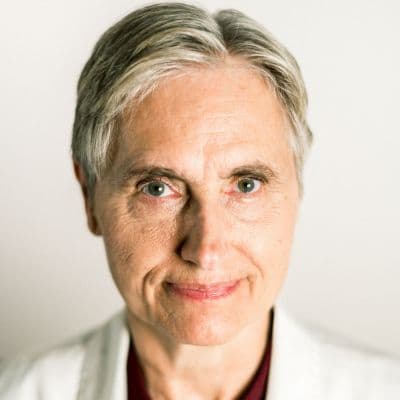
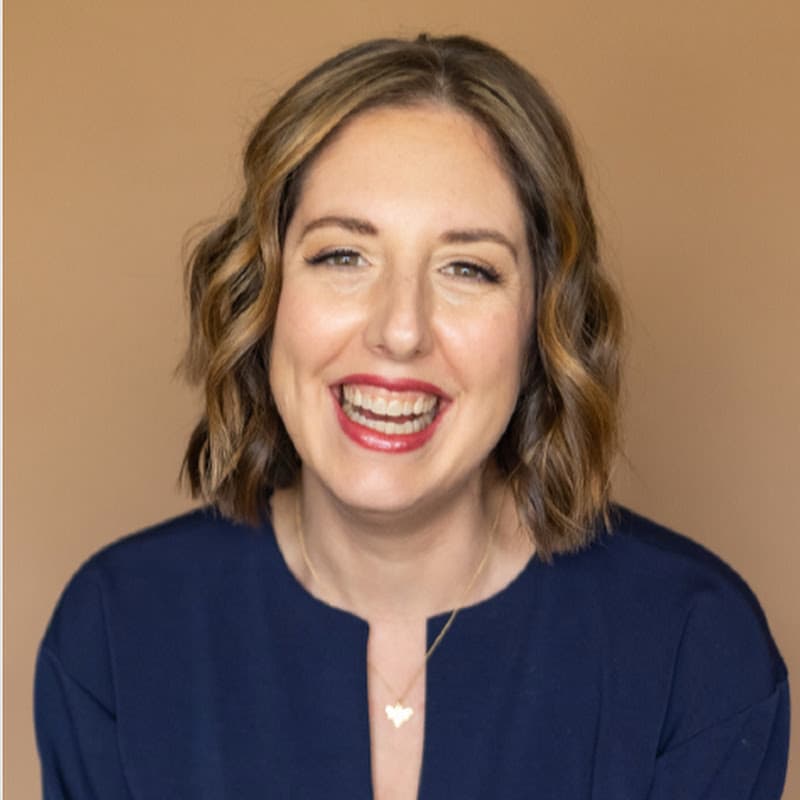
Full Transcript Introduction and Kara Wadau2019s background 0:00 Welcome to another interview for the M.S. 0:02 and Autoimmune Summit. 0:03 I'm doctor Terry Wahls your host in the personal interview. 0:05 Next is Doctor Kara Wada, a four times board certified assistant 0:10 professor and physician who specializes in allergy immunology 0:15 and most importantly, lifestyle medicine and autoimmune patient advocacy. 0:20 So she's a, physician after my heart. 0:23 And, Doctor Wada, when you say four times board certified, 0:27 what are the four boards that you're certified in? 0:29 So my residency was in both internal medicine 0:32 and pediatrics and then allergy immunology. 0:35 And then I sat for the lifestyle medicine boards in 2021. 0:40 And I am hard at work 0:42 and finishing up my functional medicine certification as well. 0:46 This is excellent. 0:47 So this really gives Doctor Wada a unique perspective. 0:51 I love that she's certified in pediatrics and internal medicine 0:55 because these autoimmune diseases affect our children as well as adults, 1:01 and children are being affected at early and earlier ages. 1:05 But when I talk about Sugarfoot, I'm not sure many of our audience 1:09 members will have heard of sugar. 1:11 And so let's first define what that is and why people who may have 1:16 some brain symptoms, that children's would be part of the differential. 1:20 Yeah. 1:20 So showgrounds is one of the most common but least known 1:25 diagnoses in the autoimmune sphere. 1:28 It is a condition that can affect us from head to toe. 1:32 And as clinicians, what we've learned through our 1:35 our training often is its association with tissue dryness, 1:38 which can cause dry eyes and dry mouth for goodness. 1:41 It is so much more than those multiple choice test questions. 1:45 And it really was my own diagnosis with Showgrounds in 2019 1:50 that really opened my eyes to the the breadth of symptoms. 1:53 So, it often is associated with neurologic symptoms, as you mentioned.
What Sju00f6grenu2019s is and why itu2019s missed 1:59 And that can span anything from small fiber neuropathy 2:03 which can cause numbness, tingling, burning sensation, 2:07 often in the hands and the feet, but really anywhere across the body. 2:11 It's also the number one autoimmune cause of something called this autonomia. 2:16 So this umbrella term that also encompasses 2:19 things like pots such as postural orthostatic tachycardia syndrome. 2:23 So when you change position, your heart may raise you may have a tendency 2:26 to have your blood pressure drop or pass out even. 2:29 And in some cases it can mimic symptoms of Ms.. 2:34 So when folks are being evaluated for issues 2:38 related to neuropathies pain you know, pain syndromes, other things, 2:43 this is something that should come up on that list of diagnostic possibilities. 2:47 But unfortunately, that association with the nervous system involvement 2:51 is not really stressed in medical education. 2:54 So sometimes it gets left off the list. 2:57 Yeah. 2:57 It, it's my understanding. 3:00 And please correct me if I'm, not correct here, 3:04 that I don't believe there are any FDA approved treatments for sure. 3:08 Absolutely correct. We're on on the brink. 3:11 So there are, about five medications that are in late stage clinical trials. 3:16 But yeah, up until the point where we're recording this, there is nothing approved. 3:20 And and frankly, that is what 3:22 that was one of those turning points on with my own diagnosis. 3:25 I picked up your book. 3:26 You know, I got interested in lifestyle medicine and and in part 3:31 because the treatments that we had available 3:34 and in my more typical medical toolbox weren't sufficient. 3:39 Yes, yes. 3:41 So it's so important for anyone with an autoimmune disease 3:46 to be, if you're so fortunate you have FDA approved drugs, you know, fine. 3:49 I think that's terrific to use them. Yeah. 3:52 But another critical part is this lifestyle medicine. 3:56 So why don't we talk a little bit about, you know, your journey 4:00 and the lifestyle interventions that you were using? 4:04 Yeah. 4:05 So, I think first and foremost, 4:09 letting go of perfection was one lesson I had to learn real hard, real quickly. 4:14 And and part of that was, you know, a 4:16 life of really always trying to aim for that next gold star. 4:21 Very Type-A, you know, personality is 1st 4:24 May not be super surprised with a career in medicine. 4:27 But I think really reevaluating how I respond to stress and, learning 4:33 different tools for nervous system regulation have been really critical. 4:37 I think the other is helping, 4:40 repair gut health. 4:43 So, you know, thinking about all those different ways to remove 4:47 what's a problem or replace what's missing a re inoculate, 4:51 the microbiome, repair the lining, and then, and rebalance. 4:55 So nutrition has been really key. 4:57 And one of the biggest levers for me, kind of those top three is sleep. 5:02 I've really had to commit to, not only aiming for good of sleep, 5:08 but also, quality, which is not always perfect. 5:12 I have three kiddos at home. 5:13 The oldest is ten, and so, you know, there has to be support 5:18 from from my, my partner and my my husband and, you know, 5:22 really trying to make time and space for that rest and recovery. 5:27 Now, why? 5:28 So I think, showgrounds is far more common than multiple sclerosis. 5:33 Why something that is so common often not. Mr.. 5:37 You know, often missed in that considered in the differential. 5:40 Yeah. So a few reasons. 5:41 We estimate 5:42 the prevalence is somewhere between about one and 85 to 1 in 100 people. 5:47 So again, it is very, a lot more common than one would expect. 5:51 I do wonder if a little bit of it is a branding issue. 5:54 The name is not spelled how it sounds, and it looks 5:58 when it's spelled out a bit like a name of a chair at Ikea. 6:01 So I think that might be a little bit of it. 6:04 The other, I think, is this preoccupation with dryness. 6:07 That is what almost all of the medical education leads with.
Lifestyle medicine and personal management 6:13 And that is not what patients present with when they go 6:16 to see their primary care doctor or they go to see a rheumatologist. 6:20 What they really are 6:21 sharing with their care team are that they are profoundly fatigued. 6:25 Many suffer from a lot of body pain, which looks and feels all the world 6:30 like fibromyalgia and 30 to 40% of folks who have shoguns 6:35 disease have normal bloodwork. 6:37 So they're considered sero negative. 6:39 So again, when we think about how how physicians are trained, 6:43 how clinicians are trained, we often are trained on these 6:46 very testable aspects of care, which are the dryness. 6:49 And then a particular set of antibodies are 6:52 autoantibodies called SSR and SSP. 6:56 And those are normal or negative in 30 to 40% of folks. 7:00 That's a lot of people. 7:02 That's a whole lot of people. 7:04 So the symptoms that are related to shogren. 7:08 So I want to be sure I have captured that. 7:11 So we have dryness, dry eyes, dry mouth, dry vagina. 7:14 That can be uncomfortable in fatigue. 7:16 And then this pain sort of diffuse pain 7:20 that if they were in my primary 7:22 care clinic, I might be thinking, well, this is fibromyalgia. Yes, 7:27 but maybe it should be. 7:28 So I'll check the showgrounds. Antibodies are negative. 7:31 So yep, this is fibromyalgia. 7:33 And I'm trying to help them with pain. 7:36 How do I ultimately realize I made a mistake? 7:39 It's short. 7:41 I think that's a great question. 7:42 So one thing that I think often gets missed, 7:45 kind of our our diagnostic toolbox that we can consider. 7:49 There are some additional labs that are not part of. 7:53 So part of what gets a little challenging is there is a particular set of criteria 7:59 called the classification criteria, which is a really great list of checkboxes 8:04 for folks that you want to include in a clinical trial. 8:08 But we those 8:12 checkboxes are not not supposed to be used strictly for diagnosis. 8:17 Diagnosis is supposed to be more clinical. 8:19 So I think that's one distinction that often kind of gets muddy. 8:23 So there are some other diagnostics that I found helpful. 8:26 One is something called an early shogren profile. 8:29 It looks at, three different proteins 8:33 that the immune system can create an auto immune response. 8:36 And they're proteins that are responsible for making saliva and tears. 8:40 So that is a lab that, physician or other clinician can order. 8:45 So that's another like little less invasive, modality, the gold standard 8:50 for evaluation is something called a minor salivary gland biopsy. 8:55 It's a fancy way of saying a little lip biopsy. 8:58 It does require a little bit of numbing. 9:01 It does require a couple stitches, 9:02 usually done in an oral medicine or an ear, nose and throat office. 9:07 Rarely, a rheumatologist will do that.
Why Sju00f6grenu2019s is often overlooked 9:09 And one other modality 9:11 that I am very interested in and excited to get trained in later 9:15 this spring is actually ultrasound of the cell very gland. 9:18 There's some classics signs 9:21 you can see in that black and white that look for inflammation there. 9:26 I think what's hard though 9:27 is that all of those modalities are focused in, again, on the dryness. 9:32 And for some folks, the dryness comes later in the disease course. 9:36 So I think, you know, going back to your question, if you're 9:38 seeing someone and you're like, okay, well maybe this is fibro, but kasha, 9:43 it just seems more like this person is really fatigued. 9:47 They're not able to play with their kids or their grandkids. 9:49 They're having trouble with work. 9:51 Brain fog is really challenging. 9:54 We've ruled out some in these other conditions. 9:56 I think that's when you start asking like, is this really is this, 10:00 you know, is that it? 10:01 Is there something more if they're experiencing 10:04 joint stiffness, arthritis also can go along with sugar things 10:08 which you would not necessarily expect with fibromyalgia. 10:11 Thankfully that arthritis tends not to destroy them, the joints. 10:15 And one other thing I would think about is if someone is having issues 10:18 with breathing a dry cough that's persistent, or shortness of breath, 10:23 a percentage of patients with children's will have, 10:28 development of something called interstitial lung disease, 10:30 which, is something that needs, you know, you don't want to miss, 10:34 because that can really impact, long term 10:37 health and longevity, too. 10:40 You know, if someone comes in to see me, you know, with, with fatigue, plus 10:44 minus dryness, some neurologic symptoms, 10:48 and I'm now sensitized. 10:51 I'm thinking, okay, should I be thinking about children's? 10:54 But what happens if if it's delayed? 10:57 Because, you know, many, many people with autoimmune diseases, 11:01 we have symptoms for years. 11:06 The initial lab work is negative. 11:07 I'm feeling gradually more fatigued, gradually 11:11 a little more foggy in my thinking, a little more pain. 11:15 How long can this symptoms be before a diagnosis? 11:19 You know for sure. Good is finally made. 11:22 And what happens with that delay? 11:24 Yeah, so we see the average is somewhere between 2 11:27 to 6 years depending on the study you look at. 11:30 And that's the average. 11:31 I look back at my own story and I now see symptoms 11:35 that I had the summer before I went to medical school. 11:37 So around 21 or so that I now can kind of connect the dots. 11:41 So that was a good ten plus years before I was diagnosed. 11:46 So super common. 11:47 I think, you know, things 11:48 I think about one of the things that's most scary for folks after 11:51 they receive a diagnosis of showgrounds and they go looking for more information, 11:55 is that there is about a 10% lifetime risk 11:59 in some studies of development of lymphoma. 12:03 Now, what you if you keep reading, we'll find out is that 12:06 thankfully that lymphoma often is slow growing 12:09 and also doesn't tend to shorten someone's lifespan. 12:13 But goodness, if you tell someone off the bat that they have a 10% lifetime 12:17 risk of cancer, that's pretty scary and doesn't feel good. 12:20 And so I think that that's one thing that I think is really important 12:24 to get the diagnosis right, because if you have a population 12:27 that has an increased risk of something, you want to be more thoughtful. 12:31 If they have blooms or bumps or 12:33 having more night sweats, are other things you want to be more thoughtful 12:36 about evaluating that in a higher risk group of folks.
Diagnosing Sju00f6grenu2019s and related symptoms 12:40 The other thing that I think 12:41 is really important to think about is when we have unchecked inflammation 12:46 that has ongoing impact on our cardiovascular system. 12:49 So we know folks who have chronic inflammatory diseases. 12:53 Autoimmune diseases are at higher risk of heart attack, higher risk of stroke. 12:57 And those are, you know, those are risks that goodness, if we know, 13:01 are at higher risk, at least for me, that's been very motivating. 13:05 When I think about using lifestyle as medicine, because a really good data 13:09 to say that working out, you know, getting some exercise in eating, 13:13 you know, all of, fruits and veggies and lots of fiber, those different things 13:18 are all really helpful at bringing that risk back down again for the listeners. 13:23 I want to, reiterate that 13:26 whatever systemic autoimmune disease you have, our innate 13:30 immune system is more active and we have higher rates of heart disease. 13:36 We have higher rates of stroke then 13:39 compared to the population who does not have an autoimmune disease. 13:44 Now, what about a sidebar here for a while, 13:46 because many of the listeners are women. 13:49 What I was trained and probably what you were trained, doctor 13:52 Wada was on the symptoms 13:55 that men have when they have heart disease and, you know, or heart attacks. 13:59 And they weren't we were not trained at all as to what women have. 14:05 So, doctor, what are you going to tell our audience? 14:08 The cardiovascular symptoms that men have in the cardiovascular 14:11 symptoms that women have, but how? 14:13 We're a little bit different if we're having, you know, for men 14:17 it is more of that typical, you know, grab your chest pressure 14:21 elephant on the chest pain for women, it often is more subtle. 14:25 It can feel like really bad indigestion. 14:28 And and this gosh, this strikes home for so many reasons. 14:31 One, my grandmother, when I was the senior in high school, 14:35 she missed her initial heart attack and she unfortunately had, 14:40 you know, a secondary heart attack later that same week which resulted 14:44 in hospitalization. 14:45 But, and sadly, that resulted in her passing away several weeks later. 14:50 I also happen to have met my husband in medical school. 14:53 He's a cardiologist. 14:55 So these are some of the conversations we have at home to. 14:58 Okay. Which is great. 14:59 And I think, you know, he is very fortunate that he has had 15:02 some great mentorship and and learning kind of these, these subtle differences. 15:07 But you're right. They're not they're not taught 15:11 we're not taught that fatigue. 15:13 You know, we're seeing fatigue can be a sign of, cardiac problem, 15:17 that indigestion and discomfort can be a sign of cardiac problems. 15:22 And then unfortunately, when we go to the emergency room, 15:25 you know, men, there's a much higher incidence of 15:29 this might be a heart attack in men than in women. 15:33 So be sure and advocate for yourself. 15:35 Yes. The lenses are different. 15:38 Yeah. Yeah. 15:39 It's very very, very troubling. 15:41 So again, at sort of a higher level, showgrounds. 15:46 How many million. 15:48 So there are about a million people with M.S 15:51 in the U.S we yeah, 4 million. 15:55 So four times as common. 15:57 And there are they have neurologic symptoms. 16:00 Do assurance folks I know M.S. 16:03 has a much higher rate of anxiety and depression and mental health issues. 16:07 Is that the same with shoguns? Yeah. 16:10 And actually there's some interesting data. 16:12 So my my other half of my life is an allergist. 16:15 And there's similar data within severe even allergic 16:19 rhinitis that we see increased rates of anxiety and depression. 16:23 And I find it very fascinating, you know, going back to the innate 16:27 immune system, cytokines, ways that our body's 16:31 communicating between the immune system and the nervous system. 16:34 These chemical messengers have impact on how our brain functions. Yes. 16:42 And I think we can, 16:44 correct me if I'm wrong. 16:46 If you have a systemic autoimmune disease, 16:48 whether it's showgrounds or a lupus, inflammatory 16:52 bowel disease, multiple sclerosis, our innate immune system is active. 16:56 And we know that increased inflammation in the brain 17:01 is linked to much higher rates of anxiety and depression. 17:06 High rates of headache and migraine. Yes. 17:11 There's so much in common across all of these systemic autoimmune 17:15 diseases, you know, which is why I'm so glad you're a part of this summit. 17:19 Doctor water that we have. 17:23 When I last looked, it was about 15 million 17:26 people with systemic autoimmune disease.
Delayed diagnosis and long-term risks 17:28 And majority of those are women. 17:30 Is that the correct number? 17:33 15 Lowballing it, I've seen numbers across the board. 17:36 That's probably a nice, 17:37 good middle range where we're not over and not under reporting. 17:42 Yeah. 17:44 And I also see that this is 17:46 coming younger and younger, for us. 17:51 So, I'm good. 17:53 I'm getting invited to talk a little bit about the systemic 17:56 autoimmune diseases that are affecting our children. 17:59 So interesting. 18:01 You know, again, going back to what we're taught. 18:04 But then the reality, what we're taught to think about was showgrounds is someone 18:09 who is maybe having just gone through that, that perimenopausal transition 18:14 and they're being diagnosed maybe in their 50s or 60s. 18:18 That's kind of the stereotypical patient we are taught to think about. 18:22 But really showgrounds and increasingly many of these 18:26 different immune conditions can occur in childhood. 18:31 I have a number of folks that I have, that I've encountered talk to, including 18:36 some colleagues that have been diagnosed, and even before puberty. 18:40 And so it can occur across the lifespan. 18:43 Making a little note about the gender dynamics 18:47 with showgrounds, we estimate about 90% of folks with showgrounds are women. 18:53 But it also can affect men. 18:55 And it may be also, 18:57 you know, something that again, as we're taught, this is a female disease. 19:02 The gentleman showing up may not be recognized 19:05 because again, our lenses are shaded by some of that is preconceived notions. 19:11 Or you know, what we learned for an exam question. The 19:15 I think 19:16 one of the other aspects to my my personal journey that this kind of fits 19:20 into, and my mom is one of six kids and they're about ten grandkids. 19:24 And my generation now, mom's generation has the usual 19:29 and usual things we think about in American society type 19:32 two diabetes, hypertension, a little bit of anxiety, depression, 19:36 you know, high blood pressure, those sorts of things. 19:39 Cholesterol issues in my generation, half of us have an autoimmune diagnosis. 19:45 And even in my own family, we don't have any family history of food allergy. 19:51 My middle, who is now seven within two weeks of my sugars 19:54 diagnosis, had an anaphylactic reaction to eggs. 19:57 It's interesting to see how these kind of term 20:00 misbehaving immune systems autoimmunity, allergy increase cancer rates. 20:06 All of them are on the rise and all of them 20:09 coincide with this rapid shift in how we live our day to day lives. 20:15 The things were exposed to. 20:16 We call that whole, that whole the exposome, all of the things 20:20 that were exposed to the air we breathe, the food we eat 20:23 them, microplastics, the lotions and potions, all the stuff. 20:26 It all has downstream effects. 20:29 You know, one of the things that families in our clinical trials, 20:33 in my clinical practice tell me that they struggle with this. 20:37 You know, I realize I need to make these changes for how I'm eating and living, 20:41 but it feels wrong to make my kids eat this way and miss out on, 20:46 you know, the foods and treats and lifestyle that their peers are having. 20:52 Yeah. 20:53 What what are you how do you have that conversation 20:56 with your family and with your patients? 21:00 Yeah. 21:00 So I think how we've decided to handle it in our house is that we can control, 21:07 in large part, what we bring into the house, 21:09 and that accounts for 80, 21:13 80 to 90% of what the kids are exposed to, right? 21:16 Kind of their breakfast. 21:18 They tend to not like the school lunch. 21:20 So we will pack lunches and dinners. 21:22 And so then when there are, you know, the occasional treats at softball 21:27 practice or, you know, birthday parties, then frankly,
Autoimmune disease, heart risk, and womenu2019s symptoms 21:31 I don't stress too much because they're learning those lessons at home. 21:35 You know, they're getting a variety, whether they like it or not. 21:38 All of of different fruits and veggies and fiber and proteins. 21:42 And, you know, I also and very much grew up in a 21:45 I'm a product of kind of the the diet culture of the now is an early 2000s. 21:51 And so I also am very thoughtful about wanting them 21:54 to not have a strained relationship with, you know, good foods, bad foods too. 21:59 So that's that's kind of the the middle ground. 22:02 I've, I've tried to take 22:05 also just work in progress. 22:07 Yeah. 22:08 You know, big, big food spends billions of dollars 22:11 trying to make our children addicted to, their sugar, ultra processed foods. 22:16 And so we talk about that, 22:20 and we talk about the super power of, vegetables. 22:23 I have a little grandson now. 22:24 So we talk about the super power of sauerkraut. 22:26 The actually like sauerkraut. 22:28 And, 22:29 one of my patients had this really brilliant observation that, you know, 22:34 as children get into adolescence, that you go to the restaurants, 22:38 they want to order food that really is that good for them. 22:41 And so my patient said, so we we developed a new plan 22:45 that whenever our children when to order food that did meet 22:49 the family approval for being healthy, the child had to pay for it. 22:53 At the time that it was ordered with their own money. 22:58 And so they quickly decided, and that's what gives a child autonomy. 23:02 They can spend their own money on stuff that's not good for them. 23:06 And the adolescent said, you know what? 23:08 I want to know? 23:10 How will I waste your money? I'll just. 23:13 I'll eat the stuff that celery says. 23:15 It's good for me, but 23:17 I think it's important that we recognize that lessons do need that autonomy. 23:20 But the family doesn't have to subsidize bad decisions. 23:24 So I thought that was a really I like the way resilient, brilliant move. 23:29 Yeah. 23:30 You know, my, my oldest is just ten, and so we're 23:34 just starting to kind of explore, you know, 23:37 and she's learning to exert, her autonomy in various ways. 23:41 And she definitely prefers the carrot. 23:43 And so I like, and to bring that to the discussion table 23:48 to the discussion, 23:49 let me know how it looks, because we have to empower our children, 23:53 because to get all these messages from a very young age, from big food 23:59 to eat, these foods that are really terrible for their health. 24:02 So we have to continually tell them about the foods that are good 24:06 for the health and why, and point out that these companies 24:11 are trying to profit at the expense of their health. 24:14 So, yeah, and the interesting studies that that will tell us, 24:18 if we explain to our very young children that these foods are superfoods, 24:23 they are magical, that they do these great things 24:26 to make our brains work better, to make our muscles stronger. 24:29 They'll believe us. 24:31 Now we talk all the time about feeding our tummy about this hour. 24:34 Tell me about those need need fuel. 24:36 And that's what we're that we need to at least have a couple bites 24:40 of, you know, whatever veggies are on the menu. 24:43 Even if we don't like them that much, we still need to have a little bit of a 24:47 taste because that also is helping them and their palates expand. 24:51 We know that it can take, gosh, 20 plus exposures to different tastes 24:55 to really develop a liking of different, especially fruits and veggies,
Children, family habits, and food choices 25:00 fruits and vegetables. We also have liver. 25:02 We have liver once a week at our house. 25:04 And, you know, it will be working on exposing my grandson to that 25:08 because I want him to learn that liver can be, really quite a delicious food. 25:14 But it's a process to bring your children along. 25:17 Another tool that, was introduced 25:22 was in middle school, so it's had my kids helping to make make meals. 25:27 My favorite things to do 25:29 in middle school, we had our kiddos 25:32 have to make a meal with adult help. 25:35 And then in high school, they had to select a recipe. 25:38 I'd have to prove it best to make sure it was. 25:41 It would be good. And then I could be their sous chef. 25:43 They really love bossing me around, so help them with their meal plan. 25:47 Having your kids learn how to cook, shop, meal plan. 25:52 Really vital skill. 25:54 Yeah, I'm very fortunate that they have had fun doing that. 25:58 You know, one of the first things I remember, 26:00 my oldest was three and a half or four 26:03 around the time of my diagnosis, and we I had my husband 26:07 build one of the little stands so that she could 26:10 she could get up and stand at the counter to be at counter height with me. 26:14 And I remember her mashing avocado with a fork, 26:17 and that was kind of one of her first forays into helping contribute 26:20 to dinner was helping make guacamole for, for fajita night. 26:26 That is such 26:27 an important thing for our children's one. 26:30 I think they all need to have chores. It's good for them. 26:32 And helping them learn how to cook can have fun. 26:36 Cooking helps, be excited about the foods 26:40 that we're eating and teaching them to value and enjoy. 26:44 Yeah, one of my big aspirations as we come into 26:48 this spring and summer, we moved, about a year and a half ago. 26:52 And so, I think on on the docket this year is, is getting a garden planted 26:57 because that's been at our prior house, we had a garden space 27:01 and getting them out in the dirt, exposing them to, dirt is very helpful 27:06 from an immune system standpoint, but also contributing to, 27:10 helping with tours and again, seeing where their food comes from. 27:14 And there is nothing more fun than watching them eat the pods, 27:18 you know, right off the vine. 27:20 Wonderful. 27:22 Well, as we begin to wrap this up, what is the key message 27:26 you want people to remember about show gardens? 27:30 I think one how it is not rare, it is just rarely thought 27:35 of, rarely diagnosed and really, advocating for yourself. 27:39 I think knowing the data is very helpful, 27:42 especially that 30 to 40% of folks will have normal bloodwork. 27:46 You now have some, and then the names and the, the language to be able to share 27:52 that with your care team, and continue to learn and advocate, 27:56 because having having a name, for what you're living 28:01 and what your lived experiences really does have immense impact 28:06 in your ongoing health and care. 28:10 You know, there's just one more concept 28:12 I want my listeners to be aware of. 28:15 If you have one autoimmune diagnosis, 28:18 you're more likely to get another autoimmune diagnosis 28:22 and then a third and a fourth, particularly 28:25 if you are doing the functional medicine lifestyle medicine approaches
Key takeaways and resources 28:29 to managing your autoimmune disease. 28:31 So for the most listeners, do you think I have a muscle? 28:33 Don't have to worry about this. 28:35 Unfortunately you do. 28:37 Yeah. Yeah. 28:38 The the zebras like to travel in herds. 28:42 Yeah. 28:43 So how do people learn more about you, Doctor Wada? 28:46 And, can you tell us about your website and what you've got? 28:50 Coming up? 28:51 Yeah. Thank you so much. 28:52 So, over at Doctor Cara Whatcom, 28:56 you'll be able to find a great resource which is, show run starter kit. 29:01 It's all of the tools and resources I've collated over the years 29:05 that I would have loved to have when I was first diagnosed, 29:08 or even exploring that diagnosis as a possibility. 29:11 And I also, hosted a virtual showgrounds summit, very similar to how this works, 29:17 where it's free to attend lots of great speakers and information, 29:23 really empowering folks to one know about new treatments that are on the way, 29:28 but also empowering them to be able to use their habits for healing. 29:34 Okay, thank you so much. 29:35 This has been really wonderful. 29:37 Thank you so much, Doctor Wahls.
Comments