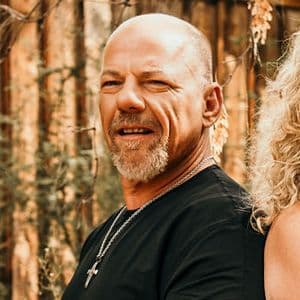
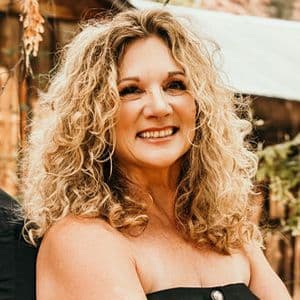
Full Transcript Podcast Intro and Guest Welcome 0:00 All of this changes the gut microbiome balance, which changes, the metabolome, Which breaks down the good epithelial layer, 0:05 layer which leads to what we call leaky gut. 0:08 Conventional medicine say there's no such thing. 0:10 It's like, yes, it is. 0:11 it's a breakdown in the epitheal barrier, of the integrants, allowing endotoxins and microbial products to sneak through. 0:18 And this creates systemic inflammation. 0:20 But what it does even more than that is it compromises immune priming, It compromizes how the immune system is trained at the earliest of age. 0:28 Welcome to the Holistic Truth Podcast. 0:30 I'm Jamie Dorley, CEO of Nutritional Frontiers. 0:33 And I am Christine Genovese, creator of the Soul Intelligence Method. 0:37 We're here to help you break through chronic disease and dysfunction physically, mentally, emotionally, and energetically. 0:44 with real proven strategies, protocols, and tools you can use in your practice today. 0:49 Hello everyone and welcome back to your favorite podcast on natural healing and wellness. 0:55 This is The Holistic Truth and I am the host today, Jamie Dorley. 0:59 I'm the CEO and owner of Nutritional Frontiers with the real host, the co-host, my partner in crime, our Chief Growth Officer of the Nutrition Frontier. 1:09 Christine Genovese, how are we doing? 1:11 I am really good today, Jane. 1:13 I'm so excited because the sun's finally out in Pittsburgh. 1:15 We are in the studio together today and I haven't seen the Sun in a week, so Iam absolutely thrilled. 1:21 Well, hopefully you brought it from Florida. 1:23 And I know not only Florida, you in Southeast Florida at an incredible conference last week. 1:28 We're so excited to have one of the featured speakers at the event. 1:33 He's a really innovative practitioner. 1:36 he does integrative therapies down in Mexico. 1:40 including immune health and really a big focus on cancer. 1:44 And I couldn't make it at some other obligations last week, but I missed out on any Appleseed conference. 1:49 So tell us a little bit about that and then we'll jump right in with Doc. 1:53 Well, it was an amazing conference where incredible healthcare providers who've devoted their field of study to preventing cancer, 2:03 helping to treat cancer providing complimentary therapies for people going through traditional treatment to recovery and remission. 2:10 You know, I think my favorite expression from the whole conference was hope dealers. 2:18 I really believe everybody there is a hope dealer. 2:20 And what was also really impressive to me is, a lot of the nurses and nurse practitioners and attendees also had their own bout of cancer that they had 2:31 gone through, and now they're devoted to being remission coaches and helping other people through this incredible. 2:38 devastating disease that's been taking over our country. 2:40 So I'm absolutely delighted to have Dr. 2:44 Nathan Goodyear with us today.
Dr. Goodyear's Path Into Integrative Medicine 2:46 His wealth of knowledge is so crazy and the fact that the stuff that he was sharing was only skimming the surface just blows my mind. 2:54 I can't wait for the episode. 2:55 Oh, I'm so excited. 2:56 Welcome, Doc. 2:57 We're so proud to have you on the show. 3:00 And we're still excited for you to be one of our keynote speakers at the Nutritional Frontiers professional training event on, 3:07 you know, really the evolution of functional medicine for the complex patient. 3:11 That's going to in April, right down there in San Quijote, Florida. 3:15 So welcome to the Holistic Truth. 3:16 we know you're very experienced. 3:18 You've been doing podcasts and radio and TV for years. 3:23 Well, Jamie and Christine, it's a pleasure to meet you. 3:25 And Christine not to make you jealous, we don't ever get clouds down here. 3:31 So, you know, Well, it's funny, as soon as she said the sun came out, It's already gone. 3:38 It is gone, I'm so excited. 3:41 With the sunscreen away, yeah. 3:43 Well here pretty soon we'll have a lot of humidity and heat as we go into the rainy season, which rainy seasons is really not really raining season just 3:50 we may get a cloud or two. 3:51 So, well it is always a pleasure to basically be on with, you know, people that align, right? 3:58 Because the goal here is to raise awareness. 4:01 Its to, raise a bunch of megaphones. 4:04 Because, you know, people like RFK, which are going in to disrupt, right, a system that basically doesn't serve them, it serves itself. 4:13 He needs allies and we are allies. 4:17 We need to be, quote unquote, the foot soldiers, hate that war metaphor, but we need be the footsteps soldiers the megaphones to basically take the actions 4:26 that are happening to change medicine for the better restored to its purpose of serving patients. 4:32 And so, it's always great to align with others like y'all and Nutritional Frontiers that are helping to do just that. 4:39 So, It's my pleasure, my honor. 4:40 Already working on the presentation and it is already too long. 4:46 It's okay. 4:46 It is the first of many opportunities that we're going to, you know, continue this relationship. 4:51 We love what you guys are doing. 4:52 And, my vision from Nutritional Frontiers 18 years ago was to create this ultimate community, right? 5:00 Because sometimes it's lonely out there when you're being so progressive in your thoughts and being open-minded to what the possibilities are. 5:08 I love the whole theme of hope. 5:09 because I was being interviewed last month for an article in the magazine and, you know, they really said, well, what do you do? 5:16 I said I want to give people hope. 5:19 Because they've been indoctrinated that, oh, you have this much time to live, or this is incurable. 5:25 And autoimmune, it's not your fault, that's genetics. 5:29 On and on and we want to give people hope and want people to be open-minded to what the possibilities are. 5:36 That's why we love working with people like yourself. 5:38 We want build this community stronger and continue to develop relationships with allies in our field and beyond. 5:45 Not only in the US, Mexico, but throughout the world. 5:49 Yeah, and when you look at the field of cancer, it's not one that's filled with hope, is it, typically? 5:52 No. 5:55 I say this all the time, the word hope literally just means confidence in tomorrow. 5:59 That's it. 6:00 So when an oncologist tells you you have three months to live when your diagnosed with stage four cancer and fear just just embodies every part of what 6:09 you are at that point. 6:11 It's like they're saying they have no hope in tomorrow. 6:14 So what we need to do is change that perspective. 6:17 Our job as physicians taking care of patients with cancer is to provide a crack in the door of possible and hope is just that. 6:26 So the responsibility about the confidence in tomorrow, it's not on the patient's side. 6:33 It's on ours. 6:35 When an oncologist says, I have no hope in Tomorrow, find a new doctor and find one that has hope. 6:42 Yes, It may be small, but any hope can be that crack. 6:47 in the door of impossible to possible. 6:49 So that's what I would say on that concept of hope. 6:52 Sorry to interrupt there, Christine. 6:53 No, we've heard this many times. 6:55 I always say, why would the doctor tell you that? 6:59 How do they know exactly how much time you have? 7:03 I remember my uncle was in bad shape and he said, you got three months to live, Mike, and we'll see you Friday. 7:09 He says, for what? 7:10 They go, your next chemo treatment. 7:11 He said, if you're giving me three months to live, I'm going somewhere else. 7:15 Now he got about seven, eight months, but he said the fact that they told him three month and we'll see you Friday. 7:22 He says that was the last time I ever saw the doctor. 7:24 Yeah. 7:25 I don't understand that. 7:26 You know, I missed that lecture, you know how to play God. 7:29 That's today's topic in medical school. 7:31 And trust me I never missed a lecture. 7:33 But that's just, there's many things that are wrong with medicine, many. 7:45 Well, Dr. 7:46 Goodyear, what led you to focusing in the area of cancer? 7:50 You've got a deep, rich background. 7:54 Maybe just share a little bit about who you are, and what you've done, to the field of the cancer in particular. 8:01 Yeah, I have to say the person that corrupted me was a good friend that's a compounding pharmacist. 8:05 And I say corrupted in a Italian cheek. 8:09 So through my residency, I had a good friend, went to church with him, and he was compounding pharmacy. 8:16 He would always say, well, what about the science here? 8:19 What about science there? 8:20 And of course, a lot of that was focused on bioidentical hormones, but it was a place where I, as a gynecologist, was very interested in because I was 8:30 always interested hormones. 8:32 But my primary training was as pelvic floor surgeon. 8:35 So when I got out of residency, he actually told me his name is Joe. 8:40 He said, so when you get out and you start treating patients and notice that they're not getting better, let me know. 8:48 And I'll be here to walk alongside you in your learning. 8:50 I was like, whatever, I'm a doctor, you're a pharmacist, what do you know? 8:54 But a good friend who remains a dear friend to this day. 8:58 Guess what? 8:59 That's what happened. 9:02 As a pelvic floor surgeon, a gynecologist, We were taught to help some, but we didn't help everybody. 9:10 And so for me, I wanted to not be a doctor of the few, be doctor the many. 9:16 What I did is I said, okay, Joe, You provided the invitation. 9:21 Now, let's go forward." So, he connected me with somebody and so that began my journey of integrative medicine and that was actually in 2005. So for me, 9:33 the journey integrated medicine began so far before integrate oncology. 9:39 And so for me, it was that standpoint that I was moving into that process of understanding hormones, better helping patients heal, 9:46 helping better patients avoid hysterectomy, and helping them transition from perimenopausal into menopause state. 9:54 And I saw it work. 9:56 And what I saw with it is adaptability, malleability.
Cancer's Four Horsemen and Gut Health 10:01 Not treating one size fits all, you know, where this medication had the same dose for somebody, no matter if they were five foot one or six foot eight. 10:08 You know? 10:09 It was like, okay, this makes no sense on just a pure pharmacological perspective. 10:14 But with that, that's where the journey began. 10:16 Then back in the day, I was involved in a lot of pelvic floor reconstruction and we were involved with a major brouhaha, 10:25 if you will, because there was a product that came out that really didn't have good science behind it. 10:29 They told us it did hurt thousands of women, and that portion ended up going bankrupt and paying out, I think, a couple billion dollars to patients. 10:39 And so what they were doing there is we were putting in vaginal mesh into the vagino support system, so through the vagina, 10:47 but it was the same type of mesh that came from the abdominal hernia repairs, which there was plenty of decades of research. 10:54 I look back on that and when I lecture sometimes, I'll say, we failed to recognize that the abdominal flora and putting a foreign body in there is different 11:06 than putting it in the vagina. 11:07 Now, in today's day and time and understanding ago, yeah, that should have been obvious. 11:13 Nobody thought that way then. 11:15 And so what we discovered is that did great harm, but it did harm to the immune system. 11:20 So that's really where my immune journey began because there was actually a study where they went in and removed the implant, 11:29 and then they back in biopsied a year later. 11:32 They biopsy'd at the time of the removal, then bioppsyd a later where it had been removed. 11:37 And they found the same dysfunctional inflammatory response persisting a years later, even after the plant had removed, so that's what began my thinking about, 11:47 wow, immune system, the impact lingers. 11:53 And so with that standpoint, I continued to progress through this dive, Research Rabbit, if you will, and that's an online app I love to use. 12:01 So it's a deep dive on integrative medicine. 12:05 I went through A4M, Pam Smith, a good dear friend of mine to this day. 12:09 She really led that group and really I think stirred the thoughts and the thinking and critical thinking. 12:18 more so than my residency ever did. 12:20 So I progressed through all of that, treated patients. 12:23 Then the female patient said, well, can you take care of my husband? 12:27 He can't be that hard, right? 12:28 You helped me. 12:29 And I thought, okay, yeah. 12:31 At that point, I had learned, don't trust what people tell me, so I took a deep dive for about six months and basically did all the research I could on testosterone. 12:41 because after all I was taking care of women and hormones. 12:45 And so at that point then I published a couple of books and I said, okay, I'll take care your husband. 12:51 I say how hard can men be? 12:52 Well I have found since that they were some of the most hormonal patients that I've ever met. 13:00 But it's that hormone nuance, that milieu that's different amongst men and amongst women, but there's a lot of interconnectivity as it relates to health, 13:07 wellness, and even disease. 13:09 So I continue to progress through that deeper and deeper in this deep dive on integrative medicine, even beginning into the gut then, 13:16 the immune system continually getting into that. 13:19 But then in 2015-16, I basically got a diagnosis of a tumor myself, what's called a pheochromocytoma. 13:29 And that's a tumor that can be malignant. 13:34 Don't know exactly if mine was kind of on the fence about where it was or wasn't. 13:38 Hasn't come back to this day. 13:39 But the big thing about it is it releases a lot of what are called catecholamines, norepinephrine, epinephrin, et cetera. 13:45 And so for me, I was the picture perfect of health, about six foot one, 180 pounds, 185, probably too thin. 13:50 My blood pressure was like 280 over 120. My only globulin A1c was at 7.5. It was like, what gives? 14:02 Well, this massive tumor over four centimeters in my right adrenal was producing these catecholamines and ended up I have to add a remover or I was going 14:12 to stroke because blood pressure meds weren't controlling it. 14:16 So at that point, then it's like, okay, I guess I'm supposed to do cancer because in the integrative field, already in my wellness practice at the point 14:27 probably had about a 40 to 50% of helping patients with cancer. 14:31 They just migrated to me. 14:33 I think it was because I talked a lot about it. 14:39 I really celebrate people that take courage to speak out like they're doing because it's not easy. 14:48 You say a lot of things, you're like, well, that's what I meant. 14:52 Or you say it and it gets taken out of context, but it takes courage. 14:56 It's heard by the people who know it is true. 15:00 And even us during COVID when we hired people like, aren't you scared? 15:05 I said, I don't know. 15:06 We hired Dr. 15:06 Tracy and Dr Judy Mikevitz. 15:08 So you tell me. 15:09 Yeah. 15:12 But then at that point it was like okay, this is clearly the trend and a trajectory that I've been on. 15:19 I picked up my family and we moved out to Arizona where I actually could practice integrative oncology. 15:24 And so basically it an ongoing fellowship as medical director at leading two clinics. 15:30 and then stepped outside of that because I recognized that we weren't doing enough. 15:34 this complex thing called cancer, though we could do great things with IV vitamin C, hyperthermia, nutritional strategies, 15:41 a wide variety, methylene blue, curcumin, quercetin, you know, Weber laser, all these things that we can do, they weren't enough. 15:51 So I actually stepped out, ended up joining forces actually with a guy that I went to medical school with. 15:57 And so that's what I now do at the Williams Cancer Institute. 16:02 What I say is we're bringing the future of cancer care today. 16:05 I was just going to say, I remember you talked about sort of the four horsemen of apocalypse as it relates to cancer and how try in and help people navigate 16:18 through those. 16:19 Do you want to kind of expound upon that a little bit? 16:22 Yeah. 16:22 You know, we're in colorectal cancer awareness month, right? 16:26 It's March and you're seeing it a lot. 16:30 I didn't realize that. 16:32 No. 16:33 It probably that to you and it's probably international ice cream day too. 16:36 So, you know. 16:38 There's always something. 16:43 In that perspective, there's been a lot of reels put out there about colorectal cancer. 16:49 We've seen these before, these stories where they're saying, wow, colerectial cancer is changing and doctors are baffled. 16:57 I think that was actually a headline from Daily Mail. 17:00 It's like, no, we're not baffle. 17:01 The evidence is there. 17:02 You simply will just look at it. 17:05 So the four horsemen, and I was using a computational model to try to say, how can we explain? 17:12 how can we explain the massive shift in the physical look of humans in United States, and that co-explains the disease that we see, 17:23 particularly here, cancer. 17:26 And so, because, you know, we've all seen those memes of people in 1950s, early 60s are on the beach, they're all thin. 17:31 They're all thick. 17:32 In fact, you can't find anybody that is obese. 17:35 And if they're obese, they are a little bit overweight, right? 17:38 They are little thick, but they aren't obese then fast forward to the 2000s and then 2000 teens, it's like, yeah, even the one that's just a appears to 17:51 be the normal one because everybody else is so abnormal. 17:55 It's like the Disney movie WALL-E that's gone off the rails. 17:59 We're all in those little carts driving around, little do they know that they were prophets. 18:04 But that is what we're dealing with. 18:06 I said, what can explain with it? 18:08 What does research tell us statistically can combine together? 18:11 Of course, you could get more horsemen, but four horseman just kind of rings. 18:16 So obesity is obviously front and center. 18:20 When you look at the CDC data, what they've actually shown is that as it relates to obesity, we've seen a tripling from 1999 to 2020. We've see a triple 18:32 in age-adjusted obesity-associated cancers, of which there's at least 13. from 3.73 to 13.52 per million. 18:41 So we're seeing a tripling of mortality here of a particular type of cancer. 18:46 That's why I say the demographics of the cancer is changing. 18:49 But that's not my word. 18:50 Let's say 2019 Lancet Journal article published in the, it's called Prospective Urban Rule Epidemiology Study, where they said, 18:58 we are seeing an epidemiologic shift, to use the lead author's words to be exact. 19:05 He's from Harvard. 19:07 So they're saying, hey, we're seeing an epidemiologic shift where cancer is now the number one cause of mortality in adults in high income countries at 19:15 a rate of two and a half to one compared to cardiovascular disease. 19:18 So that's obesity. 19:20 And we all see that around us. 19:22 But then you add in glyphosate, which is contributing to causation. 19:26 I think it was approved in 1974 in the United States. 19:31 It's now been taken out of what we can get from a lot of the stores, but it's still in the commercial industrial agriculture. 19:39 Glyphosate is an antibiotic. 19:41 Leave it to politicians to not think things through. 19:44 They actually approved it in 1974 going, well, this doesn't affect humans. 19:48 Well, they failed to recognize that it affects our gut microbiome. 19:52 And it's an antibiotic, it disrupts and inhibits the Mitutaki pathway. 19:57 And so what that is leading to is not just disruption in our gut microbiome, but it is destroying the soil. 20:03 It's creating dead soil, what's called dirt, talk to a regenerative farmer. 20:07 That gets translated to crops and produce that are depleted in micronutrients. 20:13 In fact, several studies, one showed that 30 to 50% decline in micro nutrients elements and even vitamins since 1950. So we're getting nutrient depleted crops. 20:25 We're giving lack, you know, immune compromised crops because of the immune-compromised soil that transfers to our gut microbiome. 20:34 In essence, we are seeding the disease that we were harvesting right now. 20:38 That's just obesity. 20:41 Then we add in, and I'm going blank, the ultra-processed foods. 20:46 That just accelerates the process of dysbiosis. 20:50 All of this is basically changing the gut microbiome. 20:55 Then it's adding in antibiotic overuse, which is the fourth horseman there. 20:59 But all of these changes the microbiom balance, changes in the metabolome, breaks down the epithelial layer, leads to what we call leaky gut. 21:09 Conventional medicine say there's no such thing. 21:10 They say, yes, it is. 21:11 It's well-documented. 21:12 Just not called leaky gut. 21:14 Its a breakdown in the epithelial barrier, the integrins, allowing endotoxins and microbial products to sneak through, and this creates systemic inflammation. 21:23 But what it does even more than that is it compromises immune priming. 21:27 it Compromises how the immune system is trained at the earliest of age. 21:31 And I talked about this on stage ever so briefly, that my baby biome research where they're actually showing an extinction event in the gut microbiome 21:40 of our children. 21:41 And that should raise everybody's alarm, but nobody seems to have heard of it because that extinction of event, in a gut micro biome, 21:48 of children is a canary in coal mine warning for an extension event and us. 21:54 But it's through the acceleration of the disease. 21:57 Of course, my interest is in cancer, But I would say pick your disease of chronic aging.
The Unholy Trinity of Conventional Cancer Treatment 22:03 because the immune system is involved in all of them. 22:06 And if we impair our defenses, like say, let's take your skin off your body. 22:10 You go, well, that's not good. 22:11 I'm going to die. 22:13 Exactly. 22:14 Your immune defenses went down, leave you very vulnerable and susceptible to all the diseases that were perpetuating. 22:20 So what I say is we have been farming with a pH, farming pH A-R-M-I-N-G, the disease that we're harvesting today, and we need to return to farming within F, 22:33 the health and wellness of old. 22:35 And so that's why I'm a big fan of regenerative farming. 22:36 I think that one of the aspects and one the tools we have to step into, and RFK's even talked about that. 22:42 So that is just a quick one. 22:45 Yeah. 22:46 Quick one, yeah. 22:51 The four horsemen of the cancer apocalypse is going to be, of course, obesity, which we know has tripled since 1990. It sounds like glyphosate which has 23:02 been used since the 70s now has gone rampant to where it's part of ecology. 23:07 We looked at some of research and we saw this is about everywhere and anywhere, especially in the farming, it has created this dead soil. 23:14 And then we have the over consumption of process junk. 23:19 We call it junk because it's not food anymore. 23:22 And I think people have become so addicted to these things. 23:26 Then again, the overall utilization of antibiotics either by medication or maybe even worse without people even realizing They're getting into commercial 23:36 branded meats and the consumption of dairy products and through all these different mechanisms of the food that they're buying, 23:42 which has really become very toxic. 23:44 So we got obesity, we've got glyphosate. 23:47 We got the processed junk foods. 23:50 And then we have the overconsumption of antibiotics. 23:52 That is really what we call the perfect storm here and a four horseman of a cancer apocalypse. 23:59 But you know, it's even worse because it affects this generation. 24:03 That's bad enough. 24:04 But it won't affect our children, no. 24:07 There's actually research that suggests that transgenerational inheritance is there. 24:12 So the damage that we do to our gut microbiomes, the damaged that our parents did to their gut micro biome and theirs before them, 24:19 okay, it's being passed down. 24:21 Now, trans-generations is from mother to child. 24:25 Intergeneration is for child to grandchild. 24:30 So, there's animal studies that suggest, hasn't been shown in humans, that that intergenerational impact is real. 24:40 That's been showed in epigenetics, where we used to think that epagenetics which is above genetics, meaning the change in expression of our genome and 24:49 an adaptation to our environment, we use to that was not inherited. 24:54 And then as science always does, and because science has never settled that by its nature is unscientific, as I said on stage, 25:00 I think. 25:01 So we now know that epigenetics is inheritable, not just transgenerational, but intergenerational. 25:11 And so now there's actually animal research showing that the change in our gut microbiome is inheritable, definitely transgenerationally, 25:20 likely even intergenerationly, which I don't know how there is any other way to explain what we're seeing today. 25:28 Again, other than I know that they intended to do this out of the get-go. 25:32 But we are in a disease epidemic of our own design and making. 25:39 There's no other way to explain it. 25:41 When you started to talk about what's showing up in babies and that study and the baby's microbiome, what were some of the things that you were pointing 25:51 out that would lead to an extinction event? 25:54 Yeah, so in this study, this was a two-year update. 25:58 So they're following these children that were recruited at three to seven months of age, or really infants, and they are following them out for seven years 26:05 to look at their gut microbiome. 26:06 And at this two year update, which was published last year, what they found is 25% complete absence of Bifidobacterium. 26:15 Now, that's a very important tax. 26:17 And we know that when that is low, immune system compromise in cancer is associated. 26:25 But beyond that, what they found is I think it was 76%. were completely low or depleted. 26:34 So it was even worse. 26:35 It's not that only 25% were extinct. 26:38 When you look at the entire numbers, up to 76 were either low, or extinct, but then when you looked at very particular strains of this, 26:48 particularly here, Bifidobacterium infitus, which is critical to the early setting of the foundation of gut microbiome, what they found is that 92% were absent. 26:59 Now, this is important because when a mother breastfeeds, The milk, the human milk oligosaccharide is broken down and metabolized by certain bacteria. 27:09 And one of the most important here is Bifidobacterium infitus. 27:12 What that does is a breakdown of that human-milk oligo saccharides by the BfBF helps to set the foundation for the dominant strains that basically engulf 27:24 the child's gut microbiome. 27:26 But what begins because of a process of that is immune priming. 27:30 It's the training of the immune system at a young age. 27:33 So now leading into this era where we're completely absent of these gut microbiome, these strains of bacteria or taxa, couple that with the convenience 27:44 of C-section. 27:45 Yes, C section is going to be necessary, but the convenient where it's done at five o'clock on Friday, five O'Clock on Thursday. 27:51 You know, and then the lack of vaginal birth, the changing of the gut microbiome of mother as she births the child. 27:58 That's impacting because what do you think that birth process from the vagina and the stool, that's helping to populate that? 28:04 People go, oh, well, it's gross, but that does it beautifully and has for thousands of years. 28:10 The mother's diet, eating ultra processed foods, altering the my gut metabolism and these small chain fatty acids, these cross the placenta. 28:19 And so the mother and what she eats impacts the child before they're born, their immune system. 28:26 So here what we have is an extinction event that is leading to a failure of the immune training at the earliest stage.
Prevention, Immunity, and Microbiome Support 28:35 Then what happens is we a lack of maturity that develops in that immune. 28:41 We have dysfunction and that's going to last the lifetime of that individual if they do nothing else. 28:48 If they just said, okay, I'm changing my lifestyle, here I am three months of age, i'm going to change my life style, which obviously they may not do that 28:58 until they're 20 or probably 30 because you go through those teen years into their early 20s thinking you're invincible. 29:04 So it's only when you reach a certain age usually around 30s, getting married, have kids. 29:08 I think I need to live better. 29:10 But all of those years, those decades, Those are only going make that process worse. 29:20 It's a fuse that's been lit, but it's not that the bomb goes off, it just keeps rippling throughout the individual, and it gets passed on to our generation. 29:33 It even goes back before. 29:38 what they're seeing in the My Baby Biome research. 29:41 It crosses a placenta. 29:42 But for me, it's important because treating cancer better, safer, is what we're about at the Williams Cancer Institute. 29:50 But honestly, to really change the trajectory that we're on, which is not sustainable, we have to go into the prevention mode. 29:58 And the only way we do that is I believe that the gut microbiome is the focus. 30:03 But now the things that you do to amend the Gut Microbiome, I think are exciting. 30:09 You know, and some of them include things like nutrition, prebiotics, probiotics. 30:13 and fecal transplants. 30:14 So I think we have to move into a prevention mode to really change the trajectory that we're on. 30:19 Yeah, it's interesting. 30:20 If you look at the child, this is very similar on the trajectories, same way to obesity tripling. 30:26 Look at number of kids that are C-section, so they missed their first passing of the probiotic. 30:33 And then the follow-up is look the decline in breastfeeding and nursing by the mothers, because they're working, or they can't do it, 30:40 or the chosen not to, and then all these formulas that are out there that're making the kid even more toxic. 30:46 So they're missing out on the lactobacillus, they are missing the bifidobacterium, you're being provided a very cheap, inferior source of nutrients in 30:57 these over-the-counter store brand formulations that they getting. 31:00 And now the kids getting ear infections, right? 31:03 It could be asthma, it could all the getting their adenoids and tonsils. 31:08 And then all the autoimmune conditions and then possibly even the childhood cancer that you're mentioning, I've gone awry. 31:16 So there's a whole backstory on this that most of the public doesn't even think about. 31:21 Because like you said, by the time we start to get to be adults, because we can pretty much thrive for a while. 31:27 And now we get into having a family and people either gain weight or the blood pressure cholesterol goes up. 31:32 Now they're playing catch up, it could be for not only that 30 years, but all way back to their grandparents. 31:38 But what we're seeing is we are seeing the demographics change. 31:40 And again, that Prospective Urban Rule Epidemiology study published. 31:44 It's not even saying it. 31:46 Yeah, it's being talked about. 31:50 What's interesting about that study is they didn't include the top 13 obese countries. 31:58 They didn' include them. 32:00 The top obese country was 14. Well, how bad would these numbers be? 32:07 if that bias didn't include those top 13. So, you know, that's why I said it's a problem of our own making, and this is why we're seeing colorectal cancer changing, 32:20 because it is one of those obesity-related cancers. 32:24 And yet, when you look at colerectial cancer, essentially the treatments haven't changed for 50 years. 32:33 It's like, where's the innovation? 32:37 Where is the Innovation? 32:38 Because medicine and science used to be about innovation, about sparking that curiosity of mind. 32:47 Now it seems, no, we just need to conform and support the system. 32:52 That is counter to what medicine in science is on every level. 32:57 I think you referenced some of the traditional ways we treat cancer is the unholy trinity. 33:03 Did I recall that? 33:05 Yeah. 33:06 So do you want to kind of cover what those three things are? 33:09 We've got the Four Horsemen, the Unholly Trinity. 33:11 You just have to know. 33:13 She really listened to your presentation. 33:15 It was very impactful. 33:18 The whole book is covered in notes and she's been translating for me, so it's interesting to hear straight from you. 33:24 Well, and basically, as I told you, when I first did my first run through with the slides for that lecture, I think it was like 236 or maybe it's 320. 33:37 The number of slides and I was, like, well, this is ridiculous. 33:39 And then I had to reach back out to Julia and say, hey, what's my time length? 33:43 And I'm like this ain't going to work. 33:46 So I pared it down to just very superficial hits. 33:49 And the reason why I did that is because then what I've done is I'm recording deeper dives on each point. 33:55 I love that. 33:56 Doing that in a podcast format because I can understand the short attention span we have and you got to give a hook really quick. 34:06 But, you know, hooks don't tell the real story. 34:09 So I could tell a book. 34:10 And what did there in that presentation, Jamie and Christine, was more hooks. 34:16 But those hooks are being deep dived on these individual podcasts. 34:20 I've recorded three. 34:37 But it's because I want the science there. 34:39 I wanna lead with the Science. 34:41 So the Unholy Trinity is, you know, surgery, chemo and radiation. 34:45 And obviously, the word there is to, to catch people's attention, right? 34:54 Yeah, so it's like, okay, I'm not sure what this person is about to say, but it caught my attention. 35:00 So, it is a hook. 35:01 Now, that being said, you know, when we look at the body, the the is made to heal itself. 35:07 I am a person of faith. 35:08 You know I,m a Christian. 35:10 The body is created to Heal itself, well, what does chemotherapy do? 35:14 Well, It destroys, destroys the Body and it destroys everything else. 35:19 What does radiation do? 35:20 Same. 35:21 What is surgery? 35:22 Well, it's destructive by nature. 35:24 But understand each one of those was either birthed out of war or was refined through the process of the war. 35:32 People go, what are you talking about? 35:34 Surgery was actually developed because of battlefield injury. 35:38 That was the need. 35:41 Then you look at chemotherapy, as I talked about, it was born out this transition from chemotherapy that is treating syphilis with salvaricane had nothing 35:53 to do with cancer than the Little Pearl Harbor bombing at Bari, Italy, where all these soldiers died and they couldn't do anything about it. 36:02 They discovered that it was Agent Orange because the Allied forces were moving chemical agents into the European theater because they thought the Nazis 36:10 were going to use them and wanted to be prepared, though it opposed to the Geneva Convention. 36:17 Beyond that, then they said, well, wow, this is really interesting. 36:21 We want to take this process to go to war on cancer. 36:25 Then Nixon declares war and cancer and off we go, all the war metaphors. 36:30 That's why you can use those and people understand them because it's ingrained in our thought process as it relates to cancer, 36:37 but chemotherapy is literally born out of war, World War I to World war II. 36:43 I highlighted in that lecture. 36:46 Radiation, you would go, what do you mean radiation? 36:50 Paradox within a paradox within paradox, within the paradox because radiation causes cancer. 36:54 People go what are you talking about? 36:56 Hiroshima and Nagasaki, have you never heard of that? 36:59 You know, Chernobyl is something more modern. 37:01 Okay, I've actually had the unfortunate experience of treating three patients that were exposed to Chernobl. 37:08 Okay. 37:09 They all have very similar types of cancers as have been described. 37:12 But then we use the same radiation to treat cancer. 37:17 Radiation causes metastasis, but then radiation causes local recurrence and it causes secondary cancers. 37:25 It's like, what are we doing? 37:27 We're basically trying to win a victory, and yet that short-term victory here via the unholy trinity because it's destroying the body's capacity to heal, 37:39 because its destroying immune system. 37:41 It's setting the stage for the beginning of the end. 37:44 And that's why I call them the Unholly Trinity. 37:48 Yeah, the UNHOLY TRINITY, cut, burn and poison. 37:51 That's another phrase that people use, yeah. 37:54 Yeah, so, you know, one of the things that does give people hope, like all of protocols and treatments and things we can do, 38:03 what are some of things you You kind of stand on in terms of basic tenants for prevention of cancer for anybody listening that's like, 38:15 okay, obviously we've got a lot of toxicity in our lives. 38:18 We need to fight. 38:19 I've heard the expression that everyone carries cancerous cells within their body. 38:25 What conditions cause them to coalesce and actually bloom and what can we do to prevent it? 38:31 I think that comes down to the immune system. 38:34 And that's why we do what we. 38:38 If you ask me, well, what word or just two words would encompass and embody what you're doing today, I would say it's immune systems. 38:47 It's immunotherapy. 38:49 Now, the problem with that word immunotherapie is in a little bit of a way, it has been hijacked and it is only considered to be immune checkpoint inhibiting therapies. 38:58 So conventional therapies, but honestly, anything that is modulating the immune system, any things that's stimulating the system. 39:05 It can be an immunotherapy, fasting immunotherapie, high dose melatonin immunotherapy, a high fiber diet research has shown. 39:14 Immunotherapy improves immunotheraphy. 39:16 Now it's an adjunct, 30 to 50 grams of fiber per day. 39:20 in a diet, guess what, positively impacts conventional immunotherapy. 39:26 So we have to redefine what immunotherapy means, but definitely the simple. 39:32 If we can do vaginal birth as a more norm, that's better. 39:38 Breastfeeding, you bet. 39:40 Don't overuse antibiotics. 39:41 These seem like the obvious, they're in the way why we're here. 39:47 Don't eat junk. 39:49 You know that old saying crap in equals crap out. 39:54 In the middle is crap. 39:55 It's our gut microbiome. 39:56 So crap-in modifies our crap and modifiers us and we get nothing but crapout from our immune system. 40:02 And that's exactly eat real food. 40:07 It's crazy to think that we have to say, I am going to stand on this hill and make my final stand. 40:13 On eating real food. 40:14 You know, a hundred years ago, people would go, you're nuts. 40:17 What's wrong with you? 40:18 Well, of course you eat in real. 40:19 Food, what other kind of food is there? 40:21 And then I would say. 40:24 develop a relationship with your farmer, your local farmer. 40:27 You know, regenerative farming, I believe the lack of the connection to the land, the move from urban to something rural to urban, 40:36 which is what's happened the last 200 years, We've disconnected ourselves from the land and from The Farmer. 40:44 The farmer is the means to provide the restoration of health and wellness because when we cut them out of this mix, basically that's when the doctor became 40:53 more prominent, there was more of a need. 40:56 We need to restore the Doctor-Patient relationship because right now patients don't trust us. 41:01 Honestly, we've not done much to help them in that. 41:07 But we need to bring that farmer into the mix because they will help us basically better help the patient. 41:16 So I would say regenerative farming. 41:17 And then obviously, good support to the gut microbiome. 41:21 Obviously, that begins with food. 41:22 It begins what we eat. 41:23 Begins with the farmer. 41:24 But where there's intricate nuances that we needed to change the microbiomes, then that's where things like fecal transplant, 41:31 prebiotic support, probiotic supplementation, those come in because we I'd like to tell you, let's just eat better and we're going to change the tide. 41:40 It doesn't work that way. 41:41 When patients come to us with stage four cancer, we have to step in to do a fecal transplant because we need a change aggressively now. 41:48 We can't wait on the time that it takes for the gut microbiome to evolve over months to years from dietary shift. 41:57 So we step in with a fecal transplant to engraft new healthy bacteria, create an improved immune system, reduce side effects, 42:04 and improve immunotherapy. 42:06 And by getting back to the land, you're getting more active. 42:13 This concept of sedentary lifestyle, this was manifested and expanded through the pandemic. 42:21 It's like, okay, these people that were considered experts, Experts of what? 42:28 Expertes of growing their own bank account?
Community, Patient Empowerment, and Closing Remarks 42:31 Because everything that they recommended at the time, there were a few of us, but there was most doctors going, I'm not, 42:40 this doesn't make any sense. 42:41 Cut out social interaction, isolate yourself, less physical activity, sit in front of a computer screen. 42:48 What? 42:49 What are you talking about? 42:50 This is the worst thing that you could do. 42:52 Whoever drives to your house, right? 42:53 So when you talk about going from You know, the world to urban, which also transitioned was from farmers to McDonald's, right? 43:01 It's just, uh, overindulgence in the fast foods and the convenience foods, and in microwaves. 43:07 And, you know that's been kind of the path that followed too, is that they've gone from the farming and their real food through this overconsumption to 43:15 the point. 43:15 Some of my friend's restaurants and gyms, they were arrested during COVID, but McDonalds and DoorDash was booming. 43:23 I mean, that's a crime. 43:25 Those politicians that did that, and people go, well, you can't talk about politics. 43:30 Yes, yeah, I can talk politics, because politics in many ways is the reason why we're in the predicament that we are in. 43:37 Are they answering for the lives that they shortened? 43:46 No, why not? 43:48 Why not. 43:48 Well, we didn't know. 43:49 Yes, We did know, yes we did. 43:52 Pandemics are not something that's just, you know this was the first one on the block. 43:58 No this has happened before. 44:00 What we had is we have people that weren't being honest. 44:05 They were basically peddling things that benefited themselves. 44:10 And what they've done is they hurt humanity as a whole. 44:15 And I guess I take solace in knowing that history will judge them. 44:22 It's already judging them Yeah. 44:24 The one bright spot is like a lot of people I know that were following them. 44:28 Big brother realized big brother's not going to save them like they thought. 44:32 In fact, they may even hurt them and I said, not only short term, cause some of my friends did pass away, but the long-term ramifications. 44:41 And now I'm getting all these texts. 44:43 Oh, did you see this reel? 44:44 Did you this video about they made a mistake? 44:47 I go, then they make a. 44:48 Yeah, what they were doing. 44:51 Growing up, Jamie and Christine, I used to think that politicians were the smartest amongst us. 44:57 That's why they went to Washington to put their intelligence on the line and debate and discourse and advance for the future. 45:04 Now I go, yeah, they're actually the least intelligent amongst. 45:10 That's why they go there. 45:11 And so when we leave it to them to make these decisions, it's at our own peril. 45:16 That why I say we've got to go to the patient. 45:18 We've gotta go the people because they're the force vector of change. 45:22 that's Why I love podcasting. 45:24 It's what I loved engaging with patients on social media because the power of medicine, the Power of Healing, It is not in the hands of the industry. 45:33 it is in not the hand of a doctor. 45:38 And when they figure that out, they're going to become empowered and they'll go, yeah, I'm not doing this. 45:47 Well, it's really interesting because, you know, that's obviously our mission is to make the world healthy and to our own lives healthy. 45:54 And what I've learned is that there's so much that we can control that is within our power to control in terms of lifestyle and how much. 46:03 That contributes because a lot of the things you just talked about are all things within out control. 46:09 in terms of putting ourselves in the right position to stay healthy. 46:13 And that's one of the reasons why Nutritional Frontiers is here. 46:17 It's to make sure that we've got healthy nutraceuticals, you know, healthy shakes, if you can't get the food that you're looking for, 46:25 so that, You give the body what it needs so it can heal. 46:28 That's also something we believe in. 46:30 You know you give your body, what is needs, it's an amazing machine. 46:33 it Can heal itself. 46:35 And we are very fortunate that we've got a spectrum of things to really help support people, whether it's boosting the immune system or just making sure 46:44 that you get that first meal of the day is a healthy shake that's giving you all the vitamins and nutrients that need. 46:50 You can see Jamie's been sipping on his all morning as we're here. 46:55 But it is all of those things working together. 46:58 And so I'm so grateful that there are You know, people out there like yourself dedicated to sharing the truth with people, 47:06 helping people heal, getting the information out. 47:09 And I couldn't be more excited for you to be spending even more time with us coming up in April. 47:16 And that's a big part of it too, is building the community, laughing, sharing ideas, overcoming challenges that we face, 47:24 and really building this whole group of people that We are. 47:28 And we're glad you're part. 47:29 We're so proud to have you joining our team and so excited about the future that. 47:35 Another ally on our. 47:36 That we can refer people to an incredible source of resource. 47:42 and also the ability for people to go to your clinic. 47:44 So maybe you want to share on how they contact him. 47:47 Yeah. 47:48 Yeah, so I mean, it's about building a legacy, right? 47:51 Because one day, you know, I won't be here and you won' t be there. 47:56 But if we build a legac y that's exponential, now it' s something that develops a life of its own. 48:02 And it s together that we have strength, and that s how we change things. 48:07 I think it is not just empowering doctors. 48:09 Yes, that is important. 48:11 Empower patients to change doctors, And that's really what I'm about. 48:18 So I met the Williams Cancer Institute. 48:20 You can go to williamscancerinstitute.com. 48:34 with Dr. 48:35 Jason Williams at the Williams Cancer Institute. 48:37 And then other things that I just talk about that are passionate to me, but you know, a lot of it's related to this. 48:43 You can find me on Instagram at dr.goodyear, at Dr Good Year. 48:49 But you can me everywhere on YouTube. 48:51 We do YouTube shorts. 48:53 I know it kind of crazy, because it is about empowering the next generation. 48:57 It's about the empowering patients. 48:59 As I said on stage, Christine, You know, we're teachers that heal. 49:04 So one of the things that we in medicine aren't doing is teaching patients. 49:09 And so if we teach patients, again, that's part of our job, not all of it, but it's a part. 49:15 Doctors have advocated that job a long time ago, and they've left it to commercials to do. 49:21 People running on the beach with those butterfly nets trying to catch the butterflies as they tell you your left arm's gonna fall off and you're gonna 49:27 have a heart attack because of medication you were taking. 49:30 So we got to do a better job of engaging patients. 49:33 That's why they're turning to Dr. 49:35 TikTok, Dr Google, and Dr Instagram is because we've turned our back on them and we need to reengage with patients, repartner with them, 49:45 of course, bring farmers into it. 49:47 But I think that's how we restore the health and wellness paradigm to medicine. 49:52 Well, that is one of the biggest things that Nutritional Frontiers is dedicated to is educating healthcare providers and their patients on how to heal naturally. 50:02 So we are so excited that you've joined us in the mission with Nutritional Frontier and we look forward to spending more time with you. 50:10 If you have enjoyed what you heard today, I'm going to encourage you to like, comment, or share this episode with someone who needs to hear it. 50:17 And we will definitely have Dr. 50:19 Goodyear's information in this show notes. 50:22 Jamie? 50:23 Thanks, Christine, of course. 50:24 And thanks, Dr. 50:25 Gujju. 50:25 That was fantastic. 50:27 We really appreciate you bringing all your incredible experience, knowledge, and most importantly, your passion to make the world healthy. 50:35 and we look forward to having you at our events in the near future. 50:38 This has been incredible. 50:40 So thanks so much and God bless, my friend. 50:43 Yeah, passion plus purpose. 50:45 Anything's possible. 50:46 Thanks for tuning in to the Holistic Truth Podcast. 50:50 If this episode spoke to you, please follow the show and share it with someone ready to take charge of their wellbeing. 50:56 And if you can, leave us a review. 50:58 It helps others find our podcast. 51:00 For more tools and practitioner support, visit NutritionalFrontiers.com.

Comments