Full Transcript Digestive System Overview 0:00 Hey everybody, I want to talk to you about the remarkable engineering of your digestive system. 0:04 Every time you eat a meal, an extraordinary series of coordinated events takes place inside your body. 0:11 As you know, your teeth break food down into smaller pieces. 0:14 Your salivary glands release some specialized enzymes as well as fluid. 0:18 Muscles move the food from your esophagus towards your stomach where acid and enzymes help process it. 0:25 Your pancreas, liver, and gallbladder supply substances needed for next stages of digestion and then your intestines absorb the nutrients and prepare waste 0:35 products for elimination. 0:36 Each part has a specialized role and each must communicate and cooperate with the others. 0:41 The right substances must be released into the right locations. 0:45 Muscles must move food at an appropriate pace. 0:48 and protective barriers must keep digestive secretions from damaging your tissues. 0:53 Also, communication systems must adjust these activities to the meal you have just consumed. 0:59 This is the remarkable engineering of your digestive system. 1:03 In my book, Ultimate Healing, I explore the engineering in the human body and explain how our understanding of these systems can help support health and healing. 1:14 I get into detail on the digestive system with a whole chapter on digestive health. 1:20 You can get excerpts from the book at ultimatehealthandhealing.net. 1:24 Looking at how the body was designed or engineered is helpful for you as you learn from experts in this leaky gut and whole body health summit. 1:32 The natural healing techniques given by experts in the summit work with the engineered healing systems of the body.
Cells, DNA, and Biological Information 1:39 After more than 30 years in clinical practice, I continue to be amazed by the organization of digestive tract, something we must do every day, 1:48 eat food and digest and absorb it. 1:50 It depends on layers of activity that most people never consider. 1:54 Again, your stomach must produce acid and enzymes while protecting its own lining. 1:59 Your small intestine must absorb nutrients while maintaining a protective barrier. 2:04 Digestive muscles must mix and move food while nerves and chemical messengers coordinate the timing. 2:10 These systems balance several requirements at once. 2:13 processing, protection, transport, and control. 2:17 But to appreciate this engineering, we need to look more closely. 2:21 Every digestive organ is made of tissues, And those tissues are made up of specialized cells. 2:26 For example, some stomach cells produce hydrochloric acid. 2:30 Others produce protective mucus. 2:32 Pancreatic cells manufacture digestive enzymes. 2:36 Intestinal cells must absorb nutrients. 2:38 Other cells release chemical messengers that coordinate digestion and appetite. 2:43 Inside each of these cells is another remarkable level of organization. 2:48 A living cell takes in raw materials, converts energy into usable forms, manufactures proteins, transports substances, communicates with neighboring cells, 2:58 and manages waste. 2:59 For example, a pancreatic cell must manufacture digestive enzymes, process and package them, release them in response to appropriate signals. 3:08 An intestinal cell must move nutrients across a living barrier while maintaining its own structure and its connections with surrounding cells. 3:17 These activities require energy, specialized machinery, and continuous regulation. 3:22 Now let's look deeper still at DNA. 3:25 DNA stores genetic instructions that cells use to manufacture proteins and regulate your activities. 3:32 It's information encoded in the sequence of four chemical building blocks, represented by the letters A, T, C, and G. 3:40 The order of these building block matters, it really is a language system, so the order matters. 3:46 Much of the Order of Letters determines the meaning of a sentence. 3:49 This sequence DNA helps to determine the biological instructions available to a cell. 3:55 But storing instructions is only the beginning. 3:57 A cell must access and use them. 4:00 When a cell makes a protein, for example, information from a gene is copied into messenger RNA. 4:07 Molecular structures or machines called ribosomes read that message and assemble amino acids into a proteins. 4:14 That protein might become a digestive enzyme, a transporter that moves nutrients, or a receptor that detects a chemical signal. 4:22 The cell needs instructions and the machinery to read them, to build materials, use energy and have a regulatory effect. 4:31 Most of your nucleated cells contain essentially the same DNA, yet a stomach cell and an intestinal cell perform different jobs because they use different
Mouth, Swallowing, and the Stomach 4:41 combinations of those instructions. 4:43 DNA is also carefully packaged and access to its information is regulated. 4:47 Specialized enzymes help correct many copying errors, while other mechanisms repair certain types of DNA damage. 4:55 So the engineering extends across multiple levels, genetic information, molecular machines, specialized cells, organized tissues and cooperating organs. 5:06 Let's see how these levels work together beginning with your mouth. 5:09 Your teeth have different shapes that allow them to bite, tear and grind food. 5:13 your jaw muscles supply the force while your tongue positions the food and mixes it with saliva. 5:20 Breaking food into smaller pieces increases the surface area available to digestive enzymes. 5:25 Your salivary glands release fluid that moistens and lubricates the food. 5:29 Saliva also contains amylase, an enzyme that begins breaking down starch. 5:35 Even before you take a bite, the sight, smell, or anticipation of food can help activate brain pathways to help you prepare your digestive system. 5:45 Your brain is already communicating with your digestive organs. 5:49 Then comes swallowing. 5:50 Swallow requires a carefully timed sequence of muscular movements that directs food into the esophagus while protecting your airway. 5:59 Once food enters the oesophagus, coordinated waves of muscle contraction move it toward the stomach. 6:05 These waves are called peristalsis. 6:07 Muscular sphincters help control passage between the regions. 6:11 The lower esophageal sphincter allows swallowed material into the stomach and helps prevent stomach contents from flowing backward. 6:19 This is an important engineering feature, controlled boundaries between compartments. 6:23 Your stomach is expandable muscular chamber that stores food, mixes it, and begins important stages of chemical digestion. 6:31 Its muscular walls churn the meal and combine with gastric secretions. 6:36 Specialized cells produce hypochoric acid. 6:38 Other cells release pepsinogen, which is converted into the protein digestive enzyme Pepsin in the acidic environment. 6:46 The acid helps unfold proteins and supports Pepsin's activity. 6:50 It also helps to defend against many myphoorganisms that enter with food. 6:55 But how does your stomach protect itself? 6:58 While a mucus layer covers its surface, bicarbonate also helps to maintain a less acidic environment immediately next to the lining. 7:06 Connections between cells and adequate blood supply and tissue repair must provide additional protection. 7:12 The stomach must maintain conditions that support digestion while protecting its own tissue. 7:18 It also produces intrinsic factor, a protein needed for efficient vitamin B12 absorption farther along in the small intestine. 7:27 A substance made in one organ supports nutrient absorption later, at another location. 7:32 The stomach then gradually releases its contents into the duodenum, the first part of the small intestine. 7:39 Now this is where communication between digestive organs becomes especially impressive. 7:43 When acidic contents arrive in the Duodenium, specialized intestinal cells release a hormone called secretive.
Hormonal Control of Digestion 7:50 Secretin signals the pancreas to release bicarbonate-rich fluid. 7:54 The bcarbonate helps neutralize the incoming acid. 7:58 This is how the sequence goes, the intestine detects a change, releases a signal, and another organ responds with the substance needed to correct the conditions. 8:08 That is a biological feedback system, highly engineered. 8:13 Fat and protein entering the small intestine also stimulate the release of a hormone called CCK. 8:19 Now Cck helps stimulate pancreatic enzyme secretion and causes the gallbladder to contract, delivering bile into the intestine. 8:28 It also participates in slowing stomach emption helping prevent the intestine from receiving more material than it can effectively handle. 8:36 Hey, one second. 8:38 If you're looking for help with any type of health issue, I've put together a line of doctor grade supplements that I formulated myself. 8:45 They're the same formulas I use with my patients. 8:48 Click the link below to check them out. 8:50 Okay, back to the video. 8:52 The intestine is therefore helping coordinate the stomach, pancreas and gallbladder. 8:57 For example, the pancreates supplies different enzymes for different foods. 9:01 Amylase helps to digest starch, proteases help digest proteins, and lipase help to digests fats. 9:07 Many pancreatic protein digestive enzymes are produced in an inactive form and then are activated after reaching the intestine, 9:16 helping to protect the tissues that produce them. 9:19 The liver produces bile and the gallbladder stores and concentrates it. 9:23 Bile helps disperse dietary fats into smaller droplets and supports fat absorption. 9:29 It also helps your body absorb the fat soluble nutrients, vitamins A, D, E, and K. 9:34 Successful digestion requires the right chemical tools delivered at the time under suitable conditions. 9:40 Consider the size and structure of your small intestine. 9:44 Despite its name, it's the longest part of the digestive tract. 9:48 Often adult length is about 20 to 22 feet in length, although the actual measurement varies between different people. 9:55 It's called small because of its narrow diameter compared with the large intestine. 10:00 Its inner surface contains folds covered with tiny finger-like projections called villi. 10:05 The cells covering those villii even have smaller projections, called microvilli.
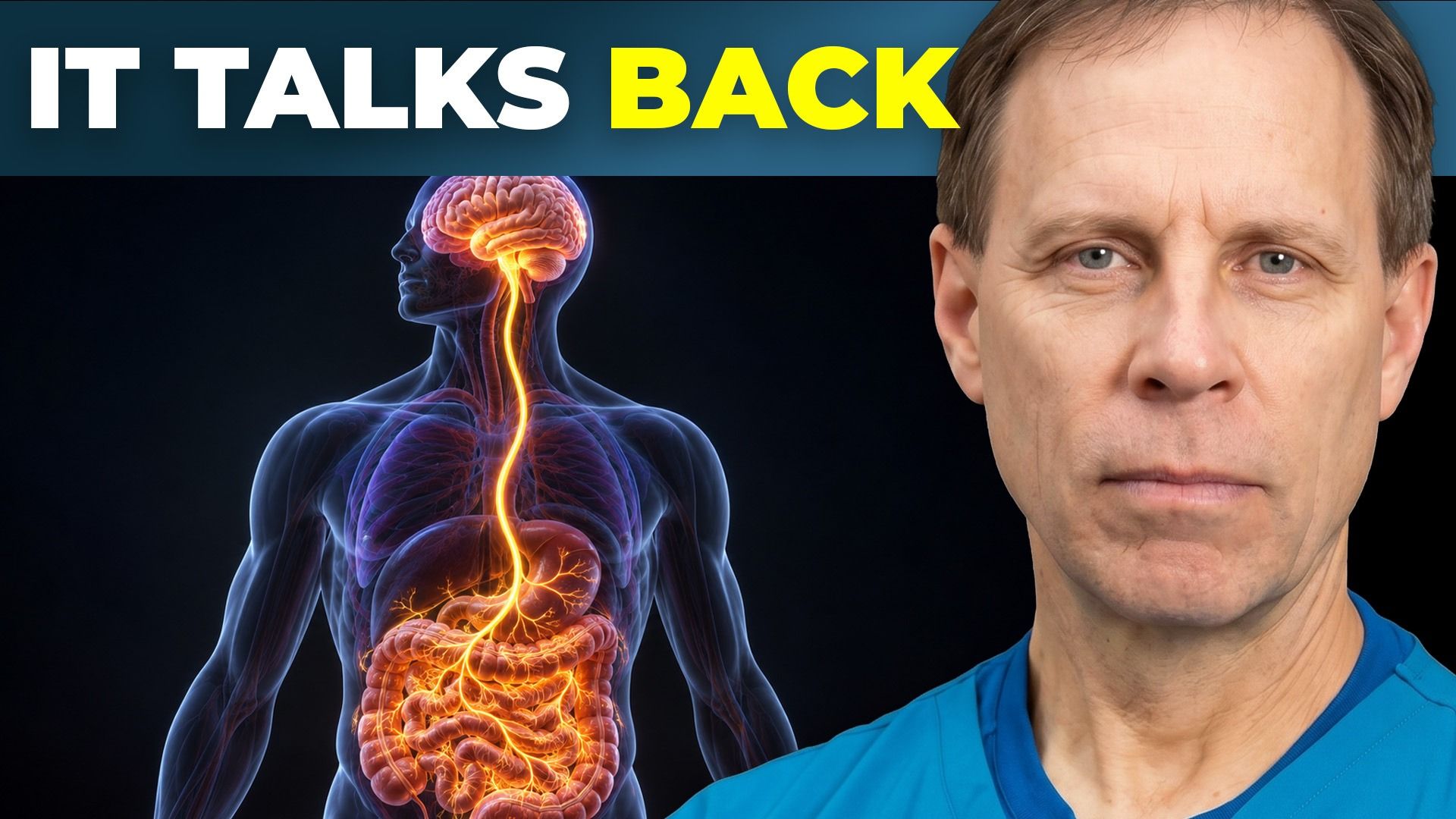
Small Intestine Absorption and Barrier Function 10:11 These structures greatly increase the surface available for digestion and absorption. 10:16 Amazingly, the small intestine surface area is about one and a half to two tennis courts in size. 10:22 This large surface is packed into the body through an extraordinary arrangement of loops, folds, and microscopic projections. 10:30 But surface the area alone is not enough. 10:32 The intestine must regulate what crosses it. 10:35 glucose, amino acid minerals and other nutrients use specialized transport pathways. 10:41 Most absorbed sugars amino acids enter blood vessels and travel first to the liver through the portal circulation. 10:48 The liver then helps process, store and distribute those nutrients. 10:52 Much of the absorbed dietary fat follows a different route entering the lymphatic system before reaching the bloodstream. 11:00 Different nutrients require different handling. 11:02 At the same time, the intestinal lining must maintain a protective barrier. 11:07 Connections between neighboring cells help regulate passage between them. 11:11 And this working surface requires continual renewal. 11:15 Stem cells within intestinial crypts generate replacement cells that replenish the lining as older cells are shed. 11:22 Your body maintains or renews a surface exposed to food, microorganisms, digestive secretions, and mechanical forces all while digestion continues. 11:31 Now let's examine communication between your digestive organs and your brain. 11:36 Your digestive tract contains its own extensive network of nerves called the enteric nervous system. 11:42 This network coordinates many local activities including muscular movement and secretions. 11:47 It can organize important digestive responses without requiring a conscious instruction from your mind, but also communicates with the brain and spinal cord. 11:57 The vagus nerve is one major pathway. 11:59 Other nerve pathways contribute as well. 12:02 Signals from the gut provide information about stretching, nutrients, and the condition of digestive tissues. 12:13 This is an engineered two-way conversation. 12:16 For example, when your stomach expands after a meal, sensory pathways help communicate that information to the brain. 12:23 Intestinal hormones also contribute to signals about fullness and incoming nutrients. 12:28 GLP-1 is one of those hormones that you've heard about. 12:31 It participates in regulating insulin release, appetite, and stomach emptying. 12:36 Now many people recognize GLp- 1 because certain medications used for weight act on the same receptor system.
Gut-Brain Communication and the Microbiome 12:43 But the underlying communication pathway is part of your body's own physiology. 12:47 The brain also affects the gut. 12:49 Stress can change the digestive movement, secretions, and the way intestinal sensations are experienced. 12:56 This helps explain why some people may feel nauseated before a stressful event or develop an urgent need for bowel movement. 13:03 There are physical responses involving nerves and chemical signals. 13:07 Now the same communication network also helps coordinate ordinary digestion when you're relaxed at eating. 13:13 Your digestive tract also contains substantial immune tissue. 13:17 It must respond appropriately to harmful organisms while maintaining tolerance toward food and the microbes that normally live there. 13:25 That brings us to the microbiome and another fascinating layer of communication. 13:30 Trillions of microorganisms inhabit your digestive tract, especially the large intestine. 13:36 Many help process food components that your own enzymes cannot fully digest. 13:41 For example, certain microbes ferment dietary fiber and produce short-chain fatty acids. 13:46 These compounds can support intestinal cells and participate in signaling. 13:51 Researchers use the term microbiota, gut, brain access to describe the interactions amongst these microorganisms, the gut and the brain. 14:00 How can microbes living in your intestine influence something happening in the your brain? 14:04 Well, there are several routes. 14:06 Microbial products can interact with intestinal cells that release hormones or activate nearby nerve pathways. 14:13 Microbes also influence immune activity. 14:16 Immune signals can, in turn, affect communication between the body and the brain. 14:21 Now some microbial metabolites enter the circulation, providing another potential route through which activity in the gut can influence distant tissues. 14:30 Again, the vagus nerve is one important part of this network, but it's not the only pathway. 14:35 More recent research has identified additional ways that microbio products can trigger signals from intestinal sensory cells to the brain. 14:44 Now communication also runs in the other direction. 14:47 Brain driven changes in gut movement secretions and stress responses can change the environment in which microbes live. 14:54 So the brain influences the gut environment and activity within that environment can contribute to signals returning to the This helps us appreciate why 15:05 digestive health and nervous system function are so highly connected, while recognizing that researchers are still determining which microbiome interventions 15:14 reliably benefit people. 15:16 Now let's move on to the large intestine. 15:18 The adult large intestines is approximately 5 feet long. 15:22 It's shorter than the small intestine, but much wider. 15:25 Its internal mucosal surface area has been estimated at about 22 square feet.
Large Intestine and Elimination 15:31 Unlike the small intestine, the colon does not have billite. 15:34 Its lining has other microscopic structures, including crypts and microbillite, that contribute to its working surface. 15:41 Here in the large intestine it recovers remaining water and electrolytes and forms stool as major functions. 15:48 Most fluid absorption has already occurred in the small intestine, but the colon is designed so that it provides an important final stage of water conservation. 15:57 It also houses much of the intestinal microbial community where fermentation of remaining food components continues. 16:04 The appendix contains immune tissue and may help provide a protected reservoir for beneficial flora. 16:12 Meanwhile, circular and longitudinal muscle layers coordinate movements that mix and propel intestinal contents. 16:19 Finally, the rectum stores stool and signals when elimination is needed. 16:24 Involuntary and voluntary sphincter muscles with nerves and pelvic floor muscles control the passage of stool. 16:31 Even this final stage requires precise communication and coordination. 16:35 Now consider everything your digestive system has accomplished. 16:39 It has broken down food, adjusted chemical conditions, delivered enzymes and bile, absorbed nutrients, conserved water and eliminated waste. 16:48 it also has maintained protective barriers, renewed its own tissues, coordinated immune defenses and exchanged information with the brain. 16:57 and the microorganisms living within it have contributed their own metabolic activity and signals. 17:03 This is why I encourage people to think about digestive health as a function of an interconnected system. 17:10 When symptoms develop, we need to ask which functions are affected and what is interfering with them.
Digestive Health Takeaways 17:16 For example, bloating does not identify a single cause. 17:19 Reflux requires us to consider why stomach contents are moving backwards. 17:24 Constipation can involve stool consistency, intestinal movement, or the coordination of elimination. 17:30 In my practice, I want to understand the underlying contributors so we can choose an appropriate approach for the individual. 17:36 And that's what the experts in this summit are providing for you. 17:39 The body's regulatory and repair systems are remarkable, but they have limits. 17:44 Disease and other stressors can sometimes overwhelm them and medical treatment may be necessary. 17:49 Understanding normal function gives us a better foundation for supporting health. 17:53 The next time you eat, consider how much coordination is required for that meal to nourish you. 17:59 From DNA inside a cell to signals passing between organs, the brain and the micro-wild, digestion depends on an extraordinary level of organization. 18:09 Now I explore these connections throughout my new book, Ultimate Health and Healing, and you can get excerpts at ultimatehealthandhealing.net for free. 18:18 Well, thank you for joining me as we explore the remarkable engineering of your digestive system.

Comments