Results for “Gut & Digestive”
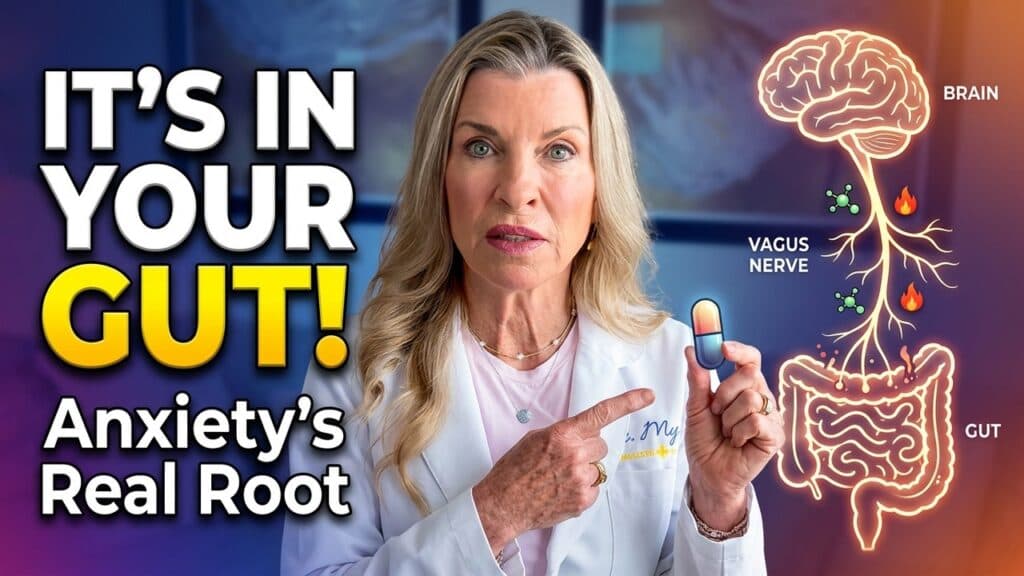
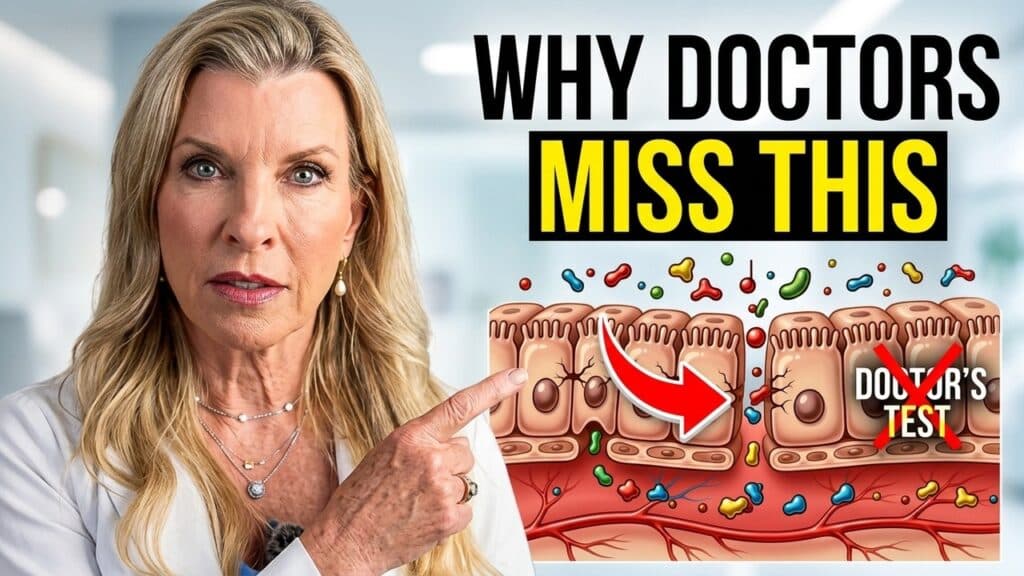
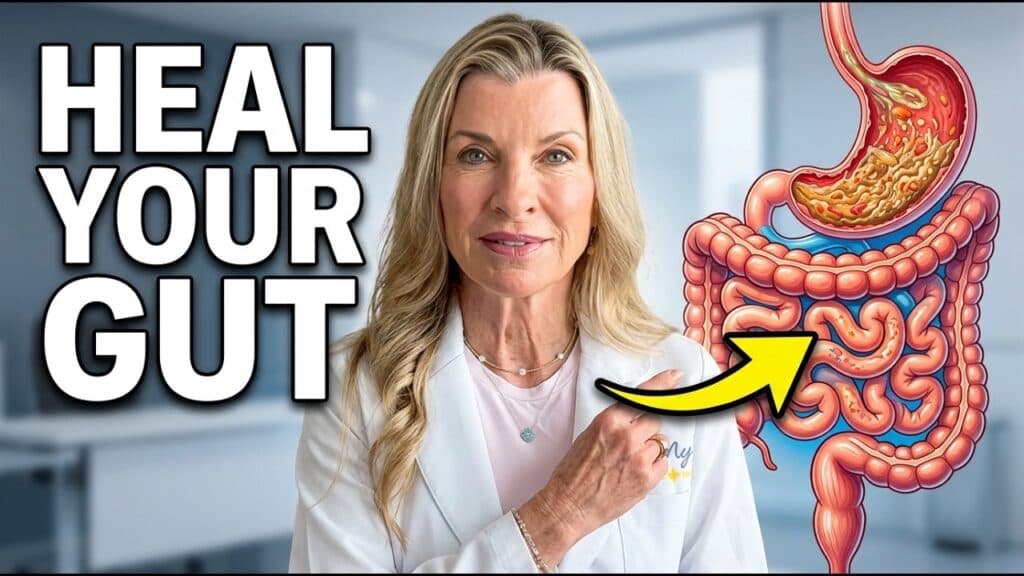
The gut is essentially a tube from your mouth to your anus that functions as a quarantine zone: it breaks food down, absorbs nutrients, and keeps harmful things out while forming stool to remove what’s not useful. Your gut houses a complex microbiome and its own immune and nervous systems (the enteric nervous system), and it communicates bi-directionally with the brain via the vagus nerve and immune signaling — so stress or low vagal tone impairs digestion. Accessory organs (stomach, pancreas, liver, gallbladder) and sufficient digestive enzymes and minerals (notably zinc) are essential for proper breakdown and absorption; deficiencies can cause malabsorption, constipation, and gut putrefaction. Dysbiosis or pathogenic overgrowth can promote leaky gut and chronic inflammation, so comprehensive stool testing and assessment of digestive function (enzyme production, pH, fat/protein/carbohydrate absorption) are often useful. Functional approaches often include nutrients to support the mucosal lining (zinc carnosine, L‑glutamine), multi-ingredient gut support formulas, and digestive enzymes to restore function. If you’re concerned about specific symptoms, testing intracellular nutrient status and working with a practitioner to evaluate digestion and the microbiome is recommended.
For more information, refer to drtalks.com/videos/uncover-your-guts-reaction-to-gluten-sensitivity-nutrient-deficiencies-and-medications/?t=1702.