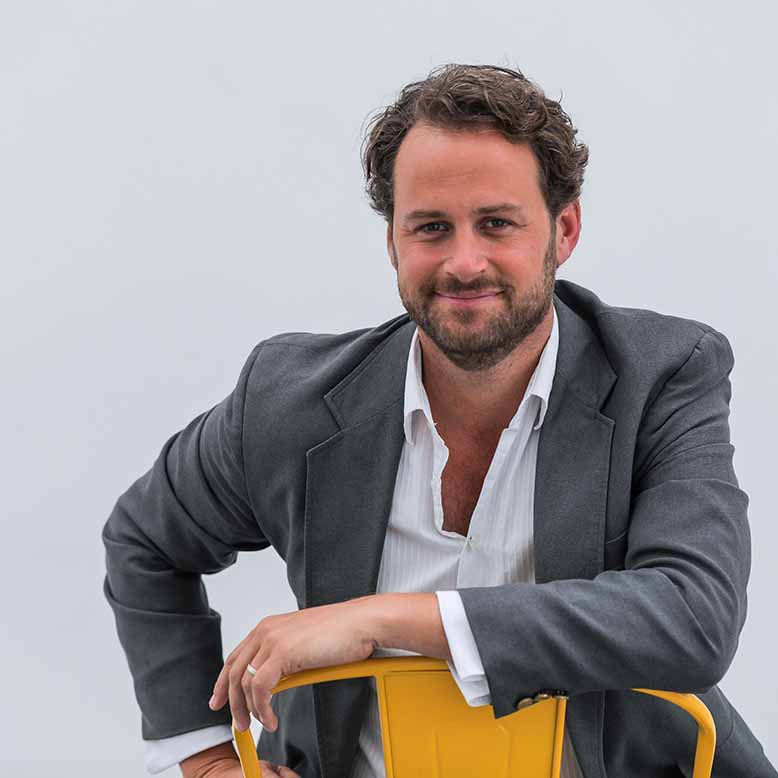
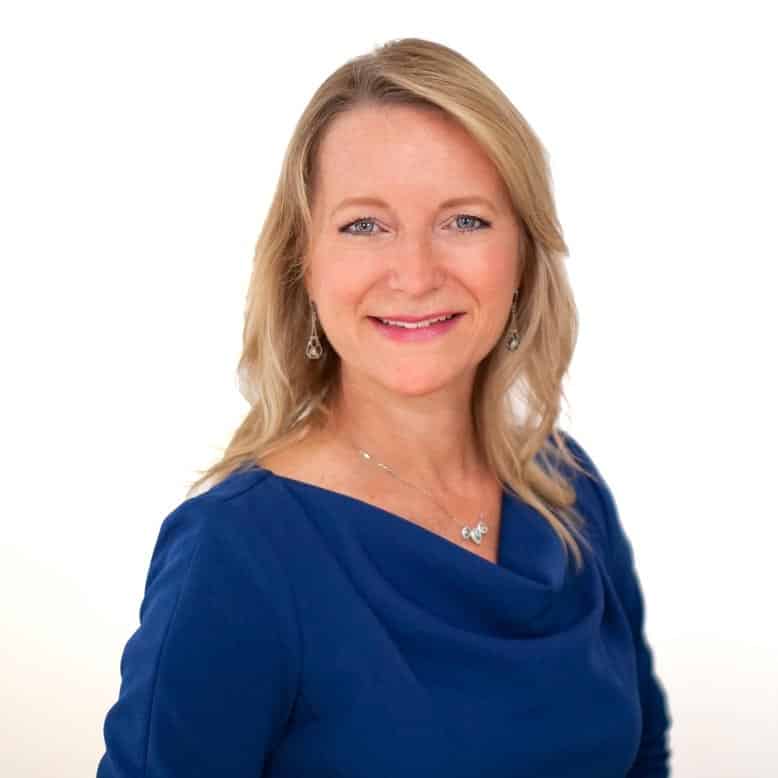
Full Transcript Introduction to the Reversing Alzheimer Summit 0:00 All right. 0:00 So here is a special mini talk as part of our Reversing Alzheimer Summit. 0:04 I'm here with my co-host Doctor Kristine Burke, 0:07 and we're going to be talking about the fastest path to reverse 0:11 Alzheimer's, whether it's you're concerned about your future Alzheimer's, 0:14 already working with a parent or a friend and you're concerned about them. 0:19 I've got one of my co-host, Doctor Kristine Burke here, who has reversed 0:23 Alzheimer's a number of times consistently in our practice. 0:26 And so, you know, Kristine, you have people who are coming in here now. 0:30 What are they going to learn from the summit,
How TrueNeuro Supports Cognitive Health 0:31 and then what's the best next steps to take afterwards? 0:35 Yeah. 0:35 So what they're going to learn in the summit is the the structure 0:39 that we have created around true neuro that allows or helps them to be successful 0:45 in their cognitive health journey, whether that's prevention, 0:48 whether that's early intervention 0:50 or whether that's reversal of dementia and cognitive decline. 0:54 And I think what what makes our community of practitioners in general unique 1:00 is the ability to have a software program that organizes all the components 1:06 that go into the recipe that is reversing cognitive decline. 1:10 It is a somewhat complicated recipe, and it is really important to be able 1:15 to keep track of all of the different components, 1:18 both from the side, our brain pillars, which are the things that the 1:21 that the patient needs to be able 1:23 to do in order to create a foundation for healing. 1:27 And then the root cause pieces what the practitioner needs to be able 1:32 to attend to and address to help that person's brain begin to heal.
Why a Complete Puzzle of Root Causes Matters 1:37 One of the things that I have seen over and over is as we've gained acclaim 1:42 in this work, we often have patients that come to us 1:46 who have been with 1 or 2 other practitioners, trying 1:50 to help them with their cognitive decline before coming to us. 1:53 And one of the things that I have seen over and over is it's it's a 2:00 they're missing a piece of the puzzle. 2:03 And just like you can't put together a puzzle 2:05 in to completion without all of the pieces, 2:07 the same is true of reversing cognitive decline. 2:10 You have to have all of the pieces of the puzzle 2:14 so that you can put it all back together again. 2:17 And that's one of the things that's very unique about our true 2:20 neuro software, is the ability for your doctor 2:23 or your practitioner to be able to see all of the components 2:27 that make up your physiology that are either in balance 2:30 or out of balance, so that they can be corrected. 2:34 Awesome. 2:34 Yeah, I think that's very clearly stated. 2:36 I think one other thing that I know that the clinics that are using it right now 2:40 appreciate is that they're in sort of a mentorship position.
Practitioner Community, Mentorship, and Faster Learning 2:43 And, you know, one of the things 2:44 that we were thinking about is how do you create scale? 2:46 Well, you need the software to make sure that people aren't going to miss things 2:50 and the clinics get it, but also the clinicians learning 2:54 as they go and very rapidly in some cases. 2:57 Well, what do you think about the power? 2:59 What have you experienced 3:00 from being part of a sort of a collective all on this journey together? 3:04 Yeah, I think the collective, 3:06 the community for the practitioners is just as important 3:09 as the community is for the patient and in their healing journey. 3:13 So for the practitioner having access to that, 3:17 the cutting edge knowledge to the the patterns and processes 3:23 that have been able to consistently produce the reversal of cognitive decline, 3:27 which is what we all want to successfully do, both patient and practitioner. 3:32 And I think having the ability to help people accelerate 3:37 that, the their learning and their understanding of how 3:40 all of those pieces fit together has been really powerful, 3:44 because in other types of chronic illness, where we may be addressing 3:48 very similar subsets of root cause, you typically have more luxury of time. 3:53 When we are working with cognitive decline. 3:56 Time is brain loss. 3:57 And so everything needs to be done and it needs to be done rapidly and intensely. 4:03 And that increases the complexity. 4:06 So having that mentorship to make sure that we're paying attention
Finding a TrueNeuro Practitioner and Closing Remarks 4:09 to the things that are going to move the needle 4:10 and help us to move forward, and then problem solving together 4:14 when it seems like everything's being done right and we're not seeing progress, 4:18 like having the ability 4:19 to put our heads together to help solve problems is also really, really helpful. 4:25 Beautiful. 4:26 Well, I hope that this has been helpful and that you can feel confident. 4:30 If you are looking for a doctor, you can go to True Neuro A.com. 4:34 You can look for the patient portal and see to find a practitioner 4:39 running the protocol. 4:40 We will get you in touch with them. 4:42 Thank you so much for being part of this summit. 4:44 We hope you enjoyed this guide for patients and we'll see you at the next session.
Comments