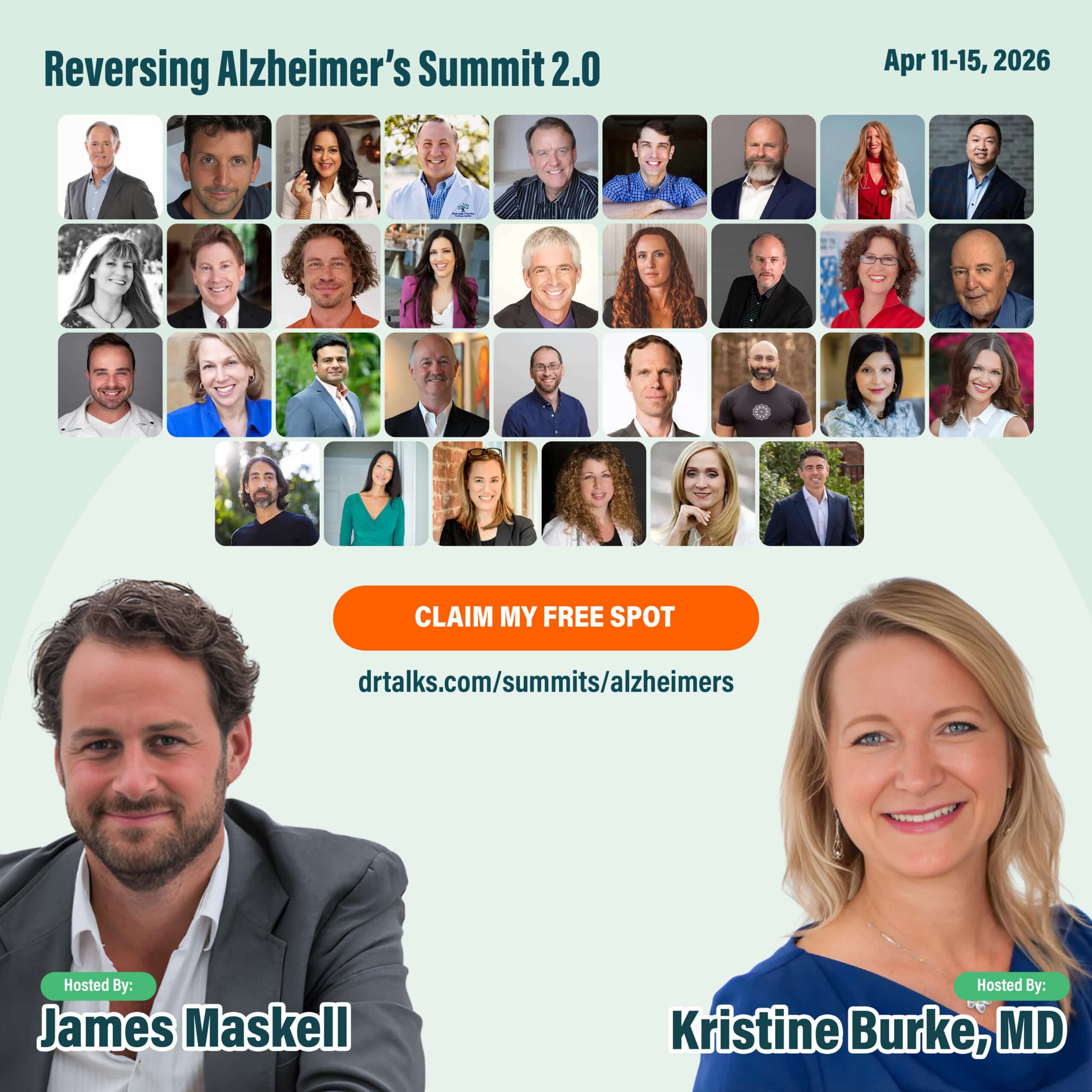
Reversing Alzheimer’s Summit 2.0
Every three seconds, someone, somewhere, develops dementia. We need to act now. Discover How to Prevent, Delay, and Even Reverse Cognitive Decline at the Reversing Alzheimer's Summit 2.0
Brain health, cognitive decline, and Alzheimer’s risk are growing concerns in the modern world. The Reversing Alzheimer's Summit 2.0 explores how cognitive decline develops, how modern life may contribute to brain overload, and what families are learning about supporting memory and brain function through education and real world experiences.
What This Summit Covers
Many people search for answers about memory loss, brain fog, and the early signs of cognitive decline, especially when they notice changes in a parent, partner, or themselves. This summit looks at common questions around Alzheimer’s and brain health, including how modern lifestyle factors, constant information exposure, and stress may contribute to mental overload and affect focus, memory, and long term cognitive function.
Across the sessions, attendees will hear perspectives on recognizing cognitive changes in everyday life, navigating cognitive decline within families, and understanding how the modern environment may impact the aging brain. The conversations provide educational context around memory changes, brain resilience, and practical ways people are thinking about supporting brain health while caring for loved ones or planning for healthy aging.
Summit Chapters
Register for free to unlock all 49 sessions — no account needed, no expiration.
Upgrade to DrTalks Premium for the best experience.
Chapter 1 — Understanding Early Cognitive Decline and Alzheimer’s Risk Factors
10 sessions
Are Your Pots and Pans Adding to Your Toxic Load?

The Heart-Brain Connection Most People Miss
You Have Less Time Than You Think— Act Fast on Cognitive Decline

The New Standard of Care for Cognitive Decline Is Already Here
Can You Really Reverse Alzheimer’s? Here’s What Works

Bioidentical Hormones: A Secret Weapon Against Cognitive Decline

How One Plant Fights Plaques, Pain, and Memory Loss

Reclaiming Brain Health Through Hormone Optimization

The Hidden Inflammatory Cascade Driving Cognitive Decline

The Healing Power of Meditation: A New Approach to Alzheimer’s Prevention

Meet Your Summit Hosts & Experts
Leading health experts guiding you through this transformative event
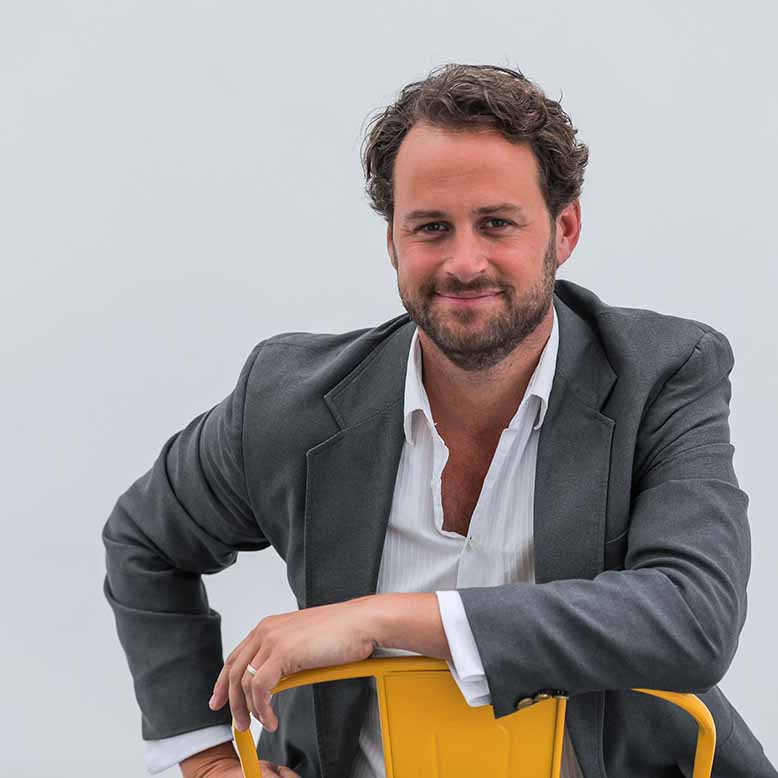
Summit Host
James Maskell
Founder, Functional Forum
James Maskell’s grandmother battled Alzheimer’s. His Father’s rapid cognitive decline focused him on finding solutions for this issue.
As a healthcare innovator, James has spent over a decade reimagining medicine—focusing on community-driven care that’s accessible, effective, and built for real-world adherence. He founded the Functional Forum, the world’s largest integrative medicine conference, and authored the bestselling book Evolution of Medicine. He is supporting Dr Kristine Burke in launching TruNeura, software to make it easy for any clinic to launch and grow a program that can scale a true solution.
His mission? To revolutionize healthcare and empower both patients and providers with tools that actually work.
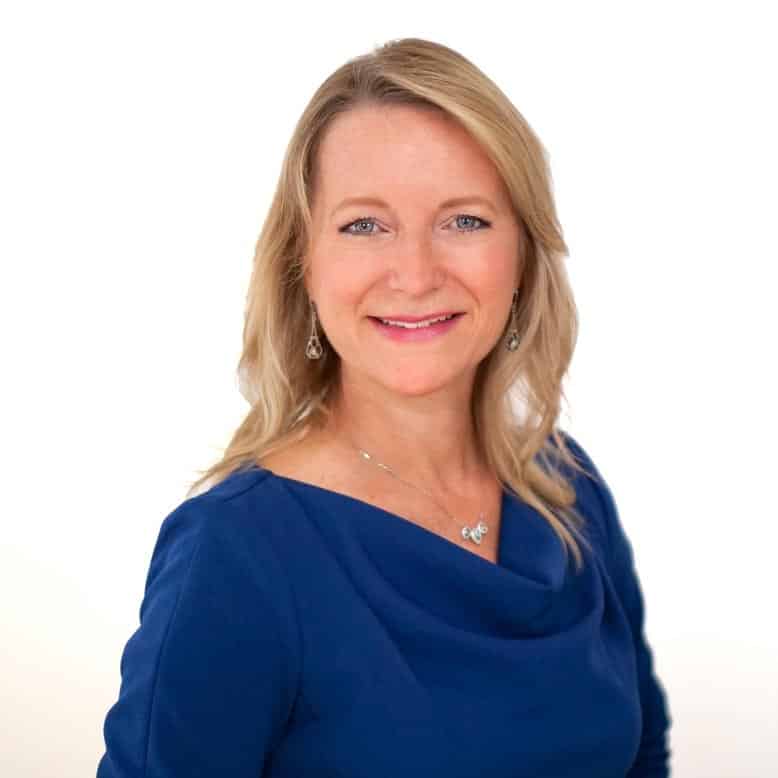
Summit Host
Kristine Burke, MD
Founder and Medical Director, True Health Center for Functional Medicine
Dr. Kristine Burke’s mission is deeply personal. She has watched three family members battle Alzheimer’s. At the time, she felt powerless—she felt like she couldn’t do anything to help her loved ones. Then she discovered the groundbreaking science that proved cognitive decline can be reversed.
Now, as a world leader in the prevention and reversal of Alzheimer’s, she’s made it her life’s work to share these life-changing protocols with patients and doctors worldwide. She leads the True Health Center for Precision Medicine, mentoring hundreds of doctors in cutting-edge techniques against cognitive decline.
She’s here to tell you that there is hope—and that you have more control than you think.
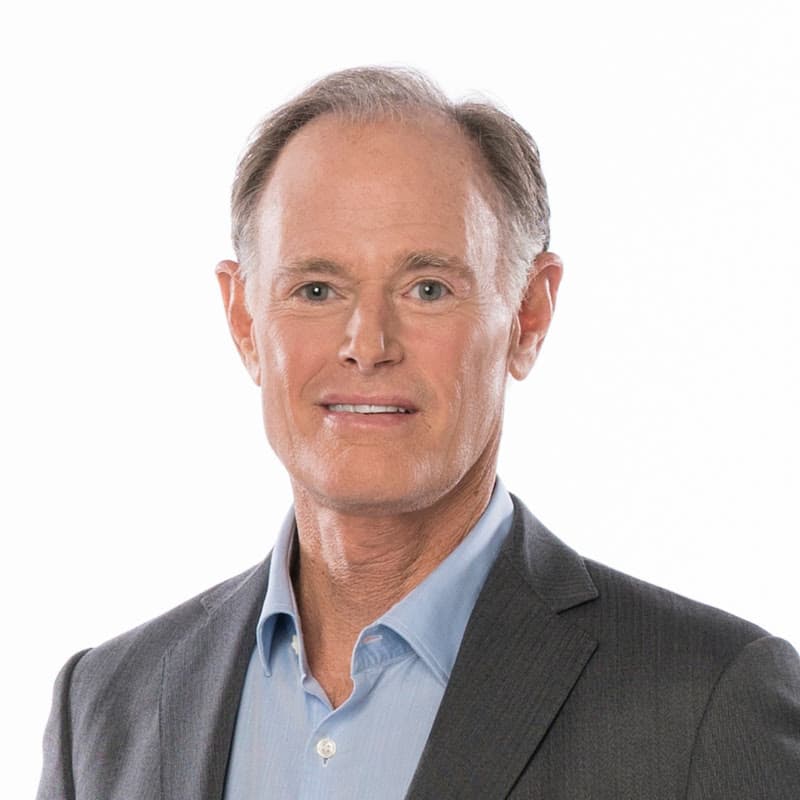
David Perlmutter, MD, ABIHM, FACN
DavidPerlmutterMD
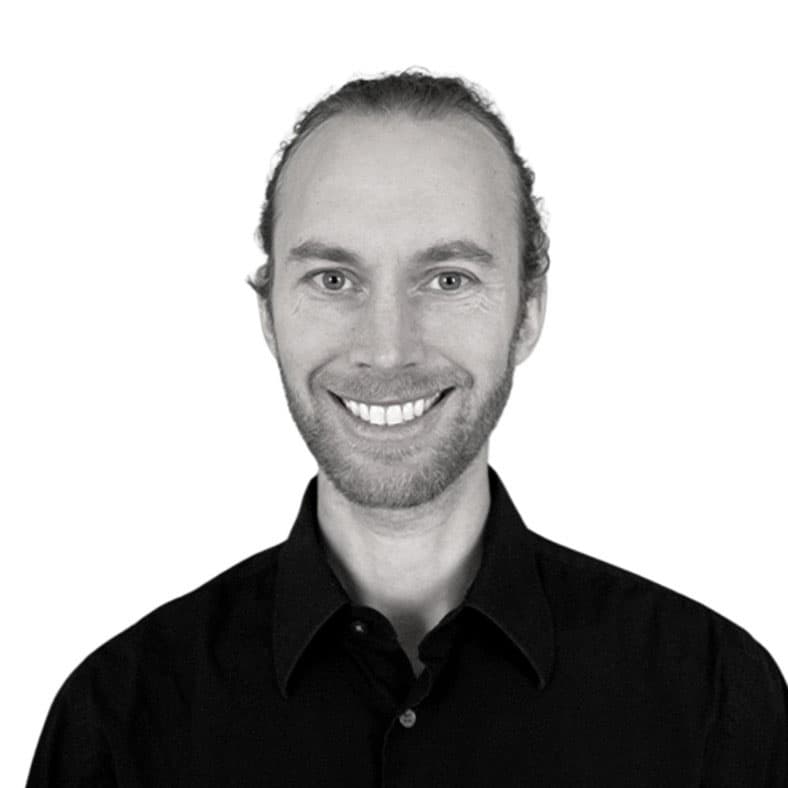
Robert Love, PhD
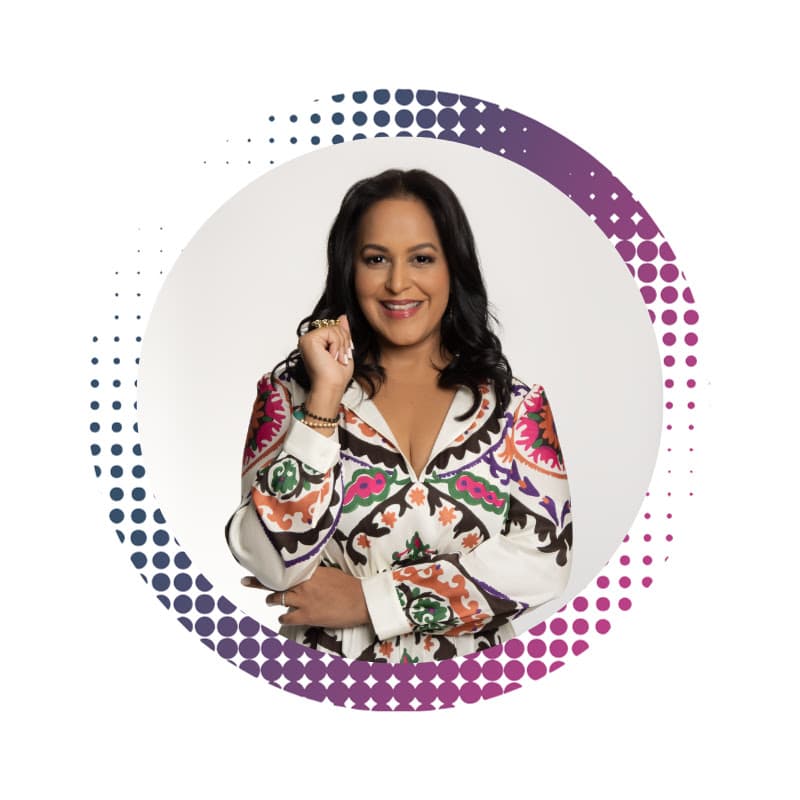
Shivani Gupta, PhD
Dr. Shivani Gupta, Ayurveda + Inflammation Expert

Ben Tammetta
Creator of H2Genesys

Sharon Stills, NMD
Founder, Stills Health Clinic

Robert G. Silverman, DC, MS, CNS-NUTR
Founder, Westchester Integrative Health, Speaker

Dawson Church, PhD
Founder, National Institute for Integrative Healthcare
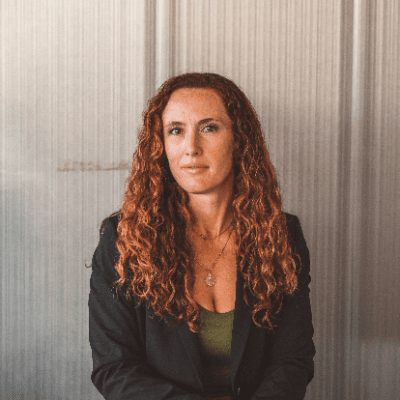
Ramona von Leden, PhD
Scientific Advisor
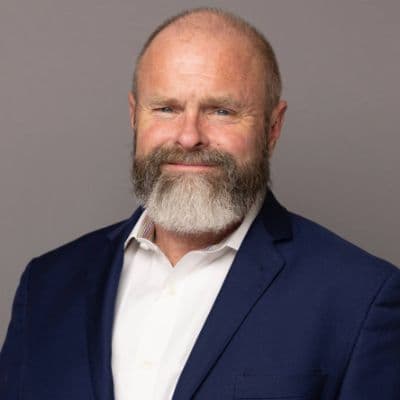
Brian Dickerson
Natural Health Products Executive
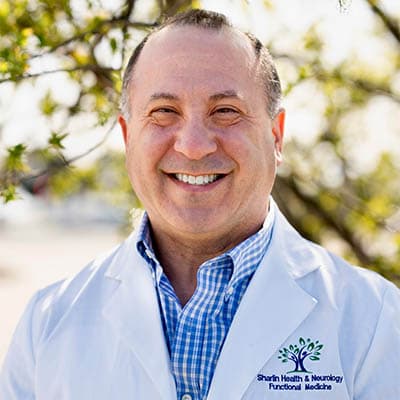
Kenneth Sharlin, MD, MPH, IFMCP
Founder/CEO

Miles Nichols
Founder, Medicine with Heart
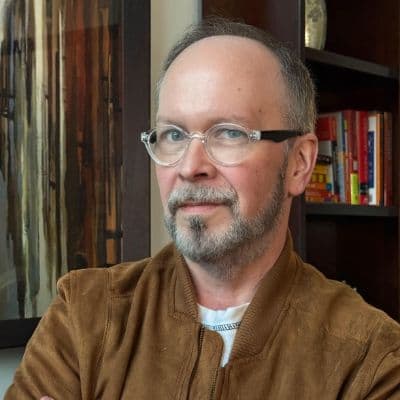
Marc Gilson
Director of Client Services and Chief Product Designer, Centerpointe

Tom O’Bryan, DC, CCN
Faculty Member, Institute for Functional Medicine and National University of Health Sciences
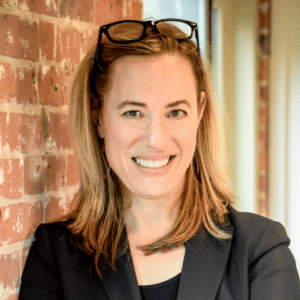
Kara Fitzgerald, ND, IFMCP
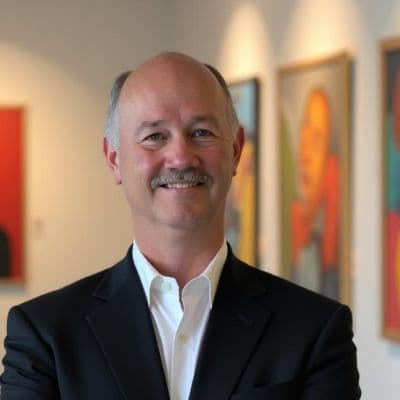
Dr. Garland Glenn
Founder and Clinical Director, The Carroll Institute
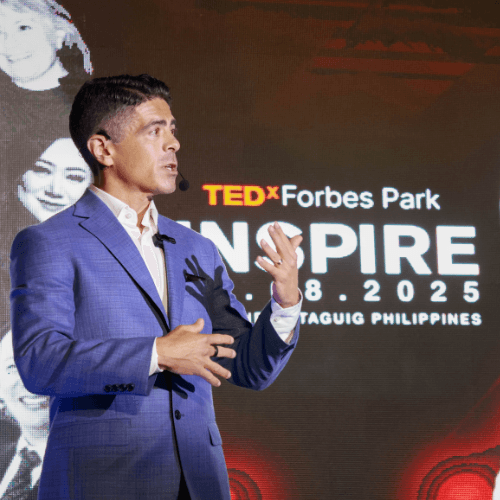
Bryce Appelbaum, OD, FOVDR
Dr. Bryce Appelbaum
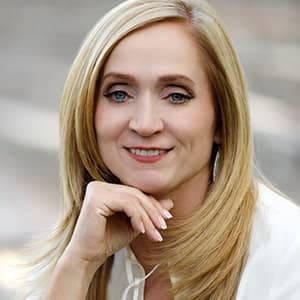
Rajka Milanovic Galbraith, MD
Founder, Simply Health Institute
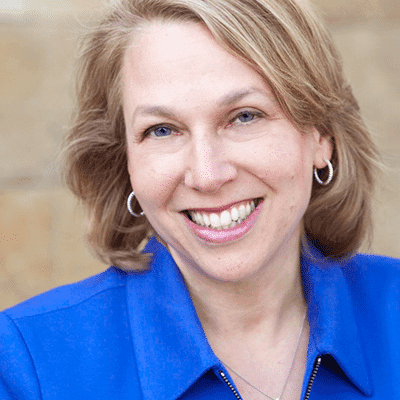
Sharon Hausman-Cohen, MD, FAAFP, ABOIM, ABIHM
Medical Director & Co-Founder, IntellxxDNA
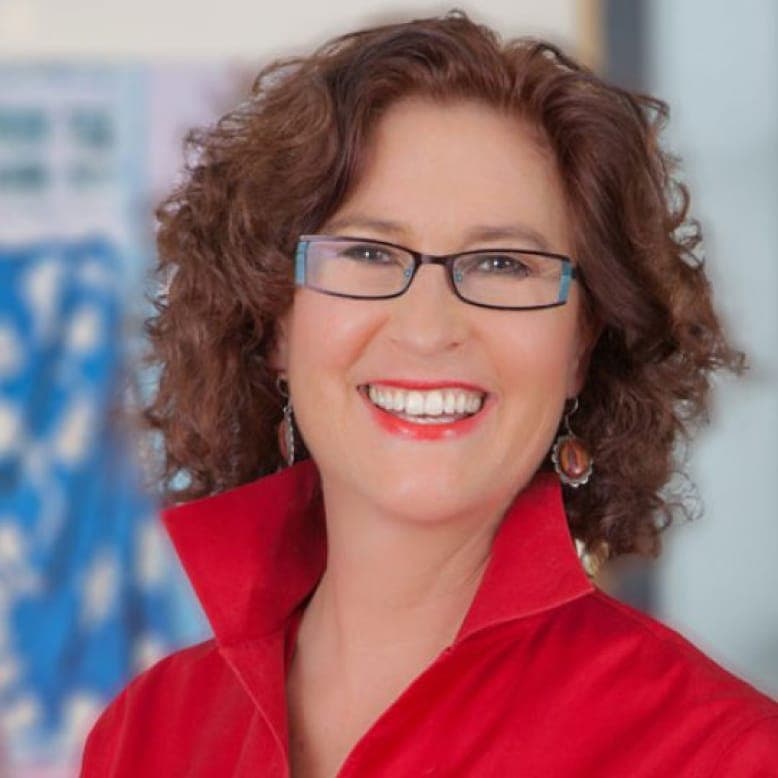
Margaret Christensen, MD
Founder of The Carpathia Collaborative

Nafysa Parpia, ND
Director of Naturopathic Medicine | Gordon Medical Associates
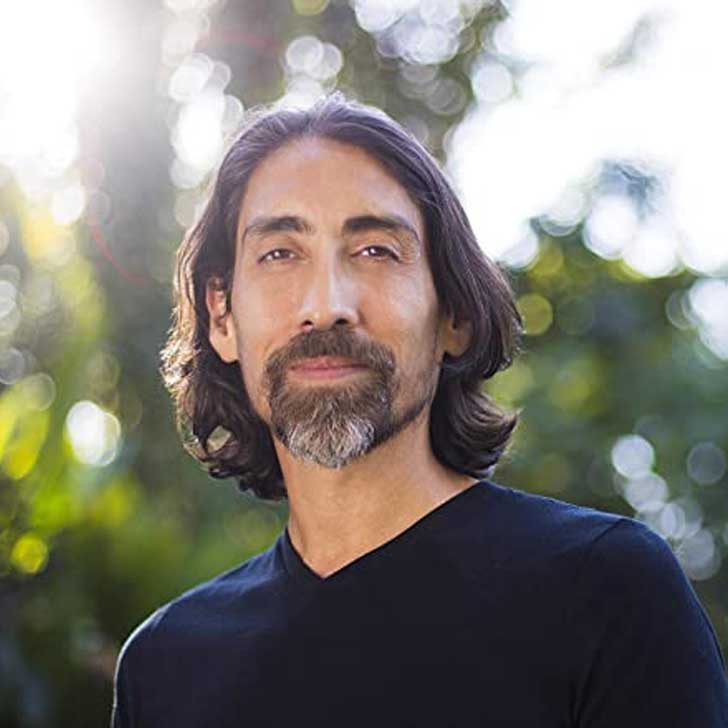
Sayer Ji
Founder of Greenmedinfo.com
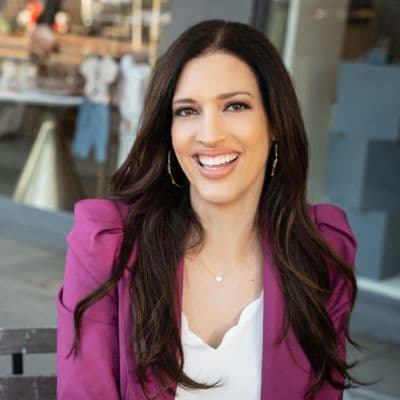
Laura Frontiero, FNP-BC
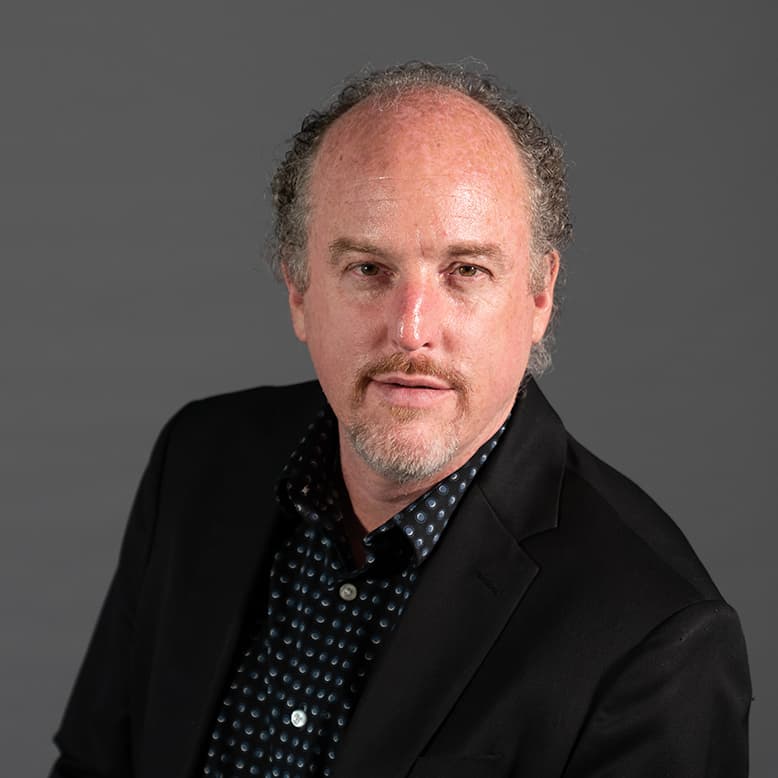
Christopher Shade, PhD
Founder and CEO of Quicksilver Scientific
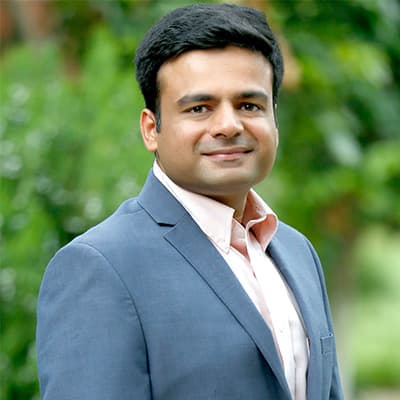
Anshul Gupta, MD, IFMCP, FAIHM
Founder and CEO of Functional Wellbeing

Izabella Wentz, PharmD
Thyroid Pharmacist - Dr. Izabella Wentz
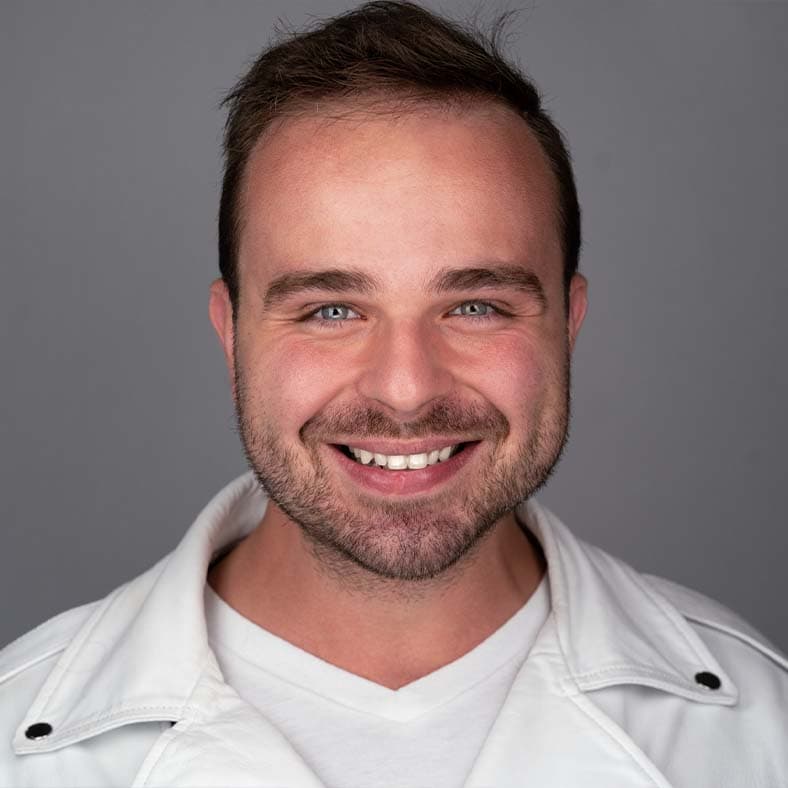
James Hamet
Founder & CEO, Vistim Labs
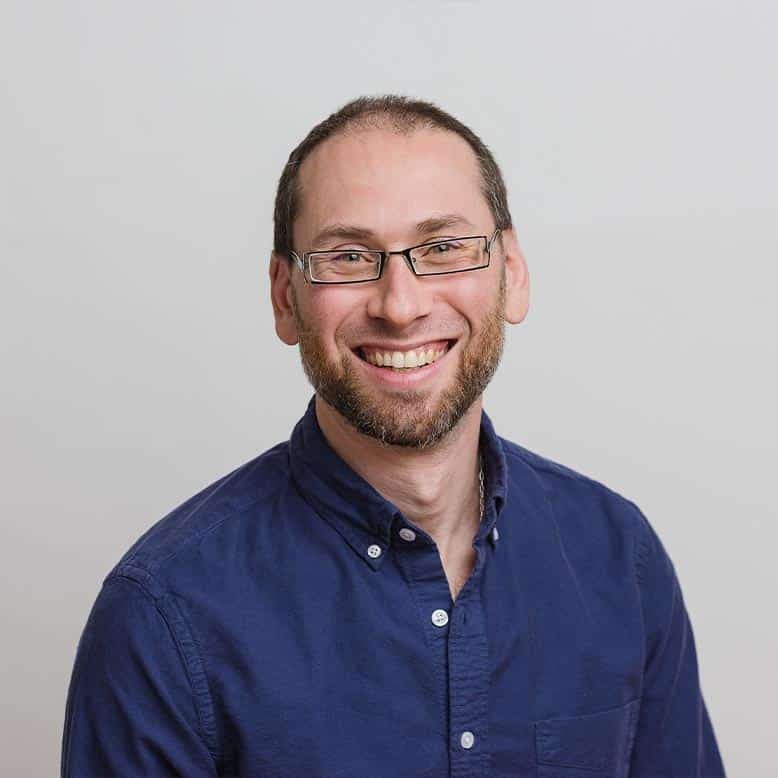
Evan Hirsch, MD
Founder of the EnergyMD Method
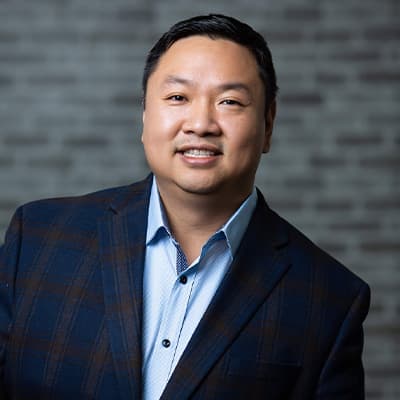
Cheng Ruan, MD
Founder and CEO, Texas Center for Lifestyle Medicine

Drew Ramsey, MD
Founder, Brain Food Clinic
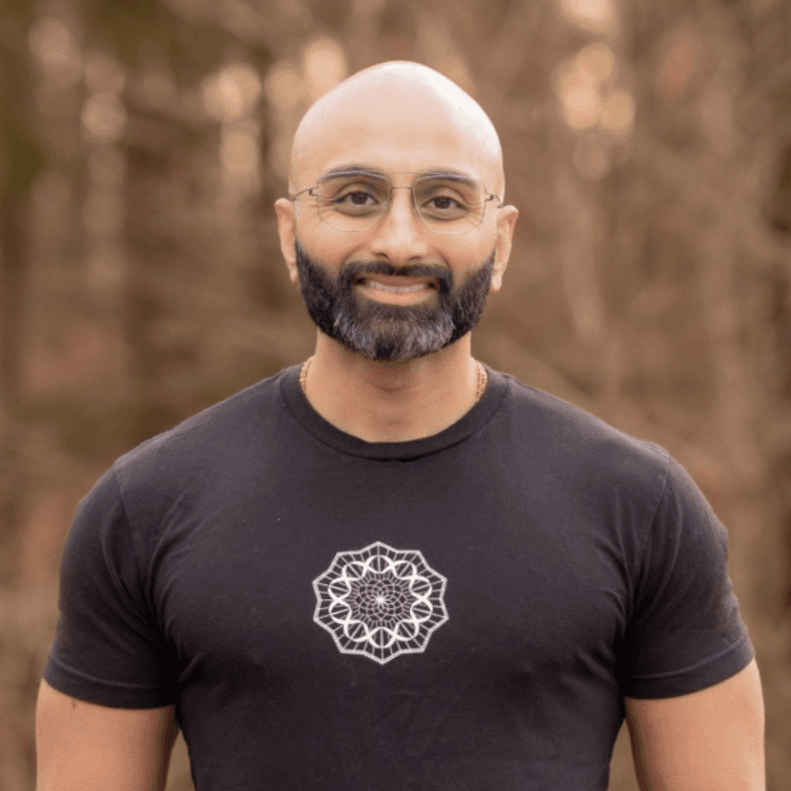
Sachin Patel
Founder, The Living Proof Institute
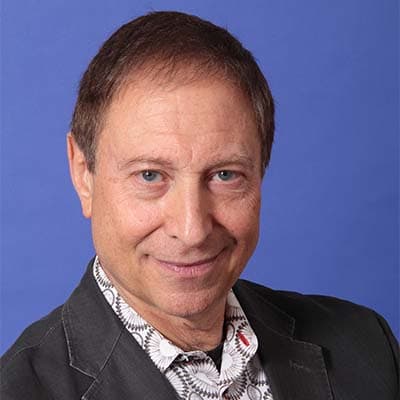
Richard Horowitz, MD
Medical Director, Hudson Valley Healing Arts Center
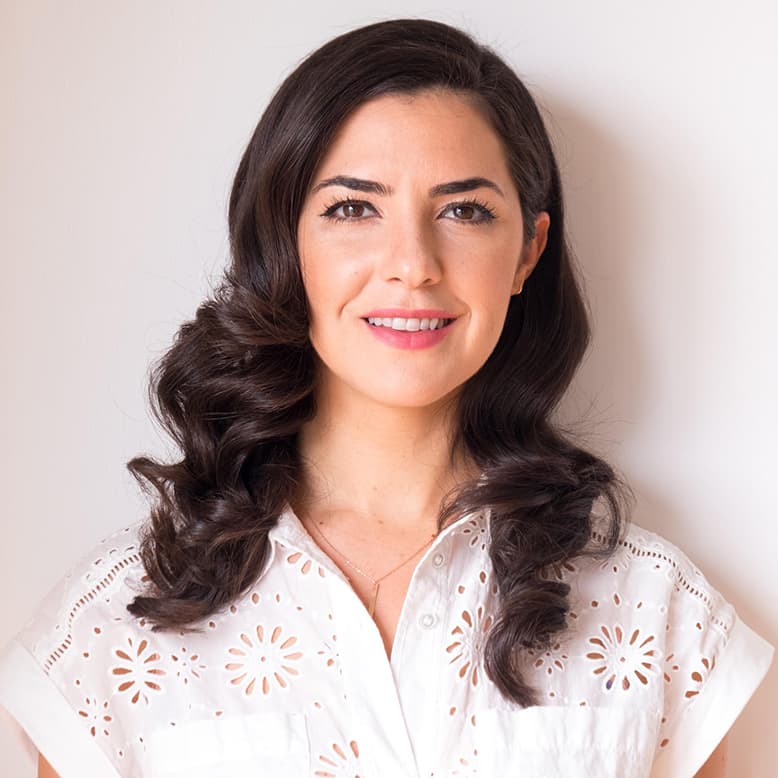
Molly Maloof, MD
Lecturer, Wellness Department at Stanford University Medical School
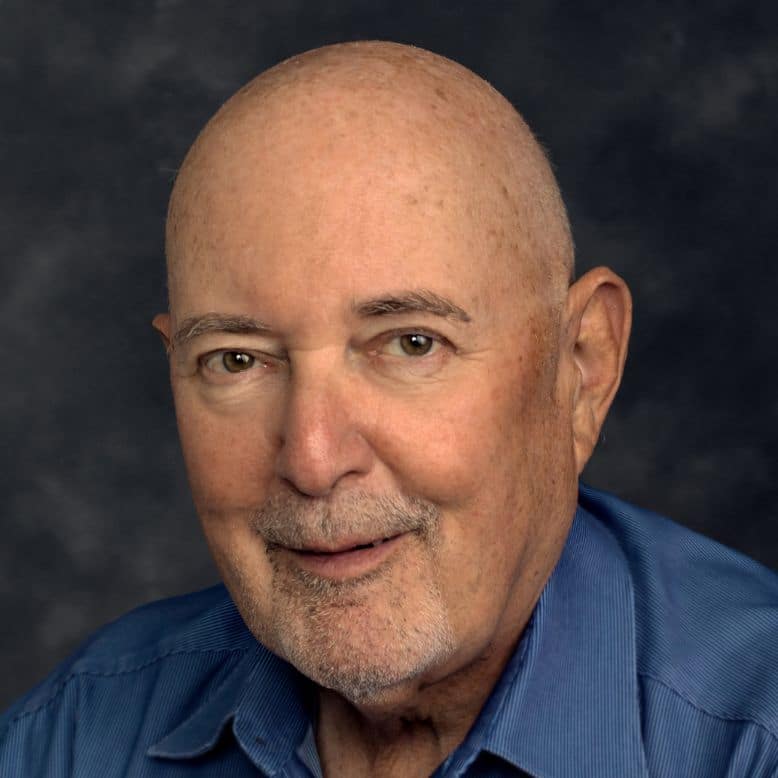
Michael Morgan
Instructor, Upledger Institute
Bonni Goldstein, MD
CEO and Co-Founder of GoldsteinWellness.com
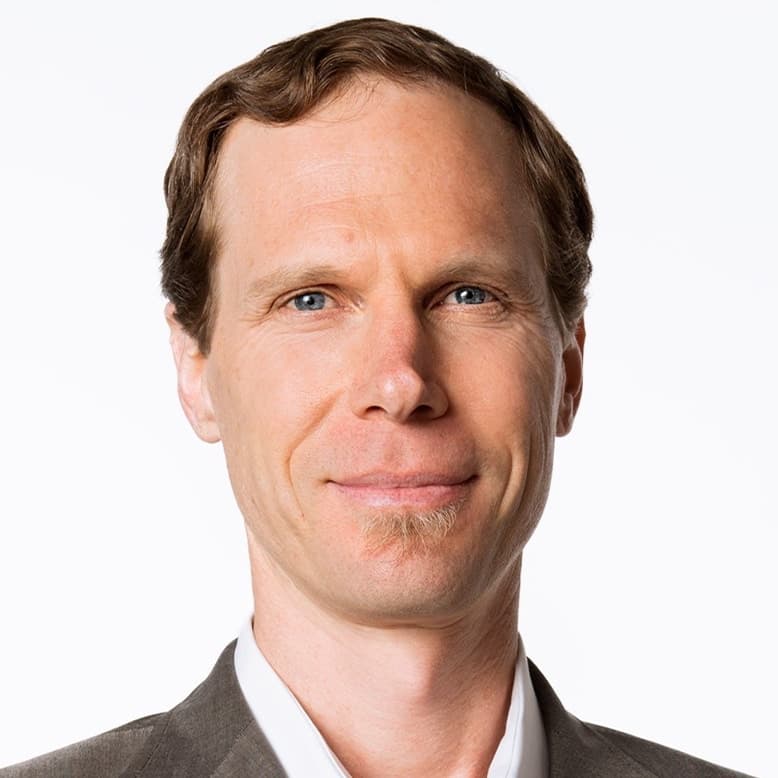
Sunjya Schweig, MD
Founder and President, California Center for Functional Medicine

Myriah Hinchey, ND, FMAPS
CEO LymeBytes/ TAO Vitality; Founder LymeCore Botanicals
Summit Bonuses
Free with your DrTalks account — register below to download.
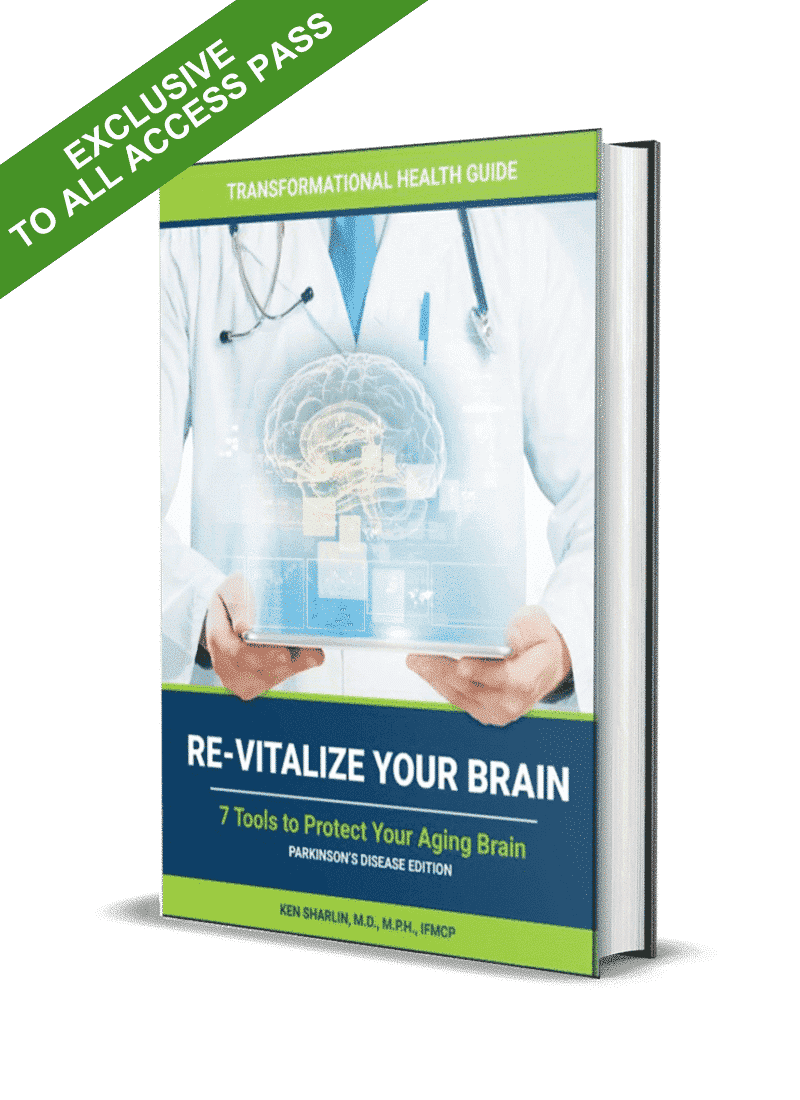 Premium Ebook/PDF
Re-vitalize Your Brain: 7 Tools To Prevent Memory Loss And Protect Your Aging Brain
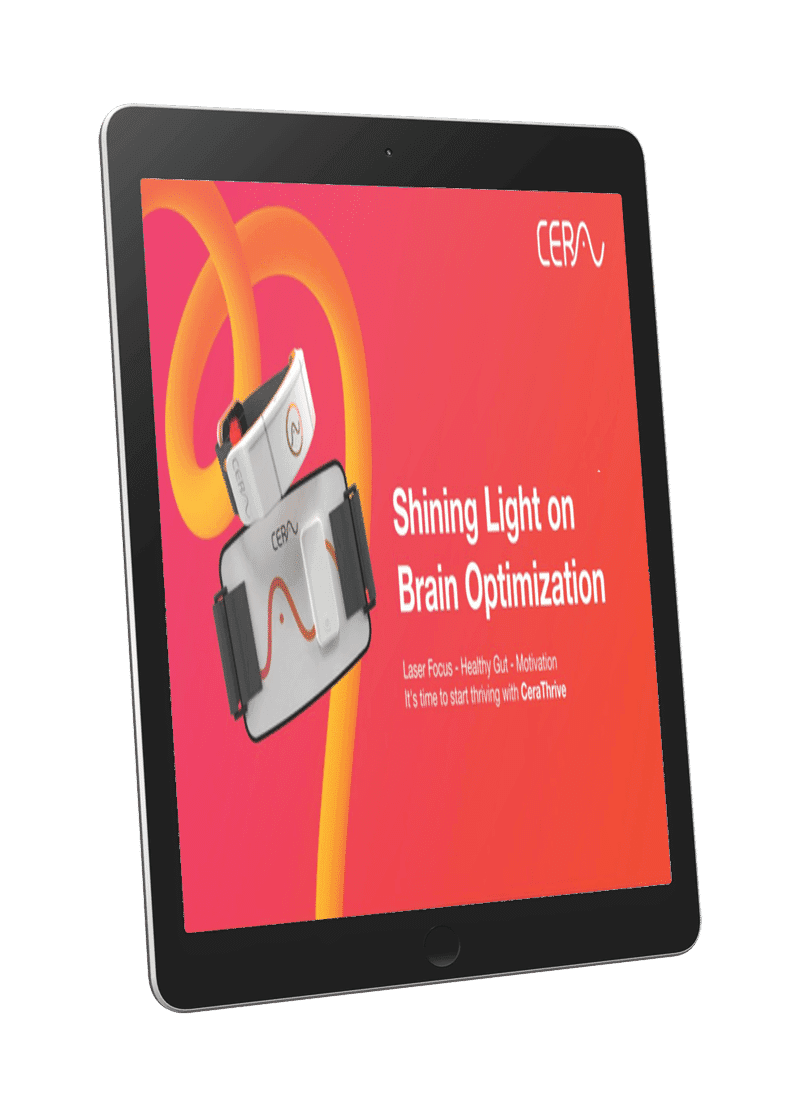 Free Ebook/PDF
Red Light Therapy For Brain Wellness
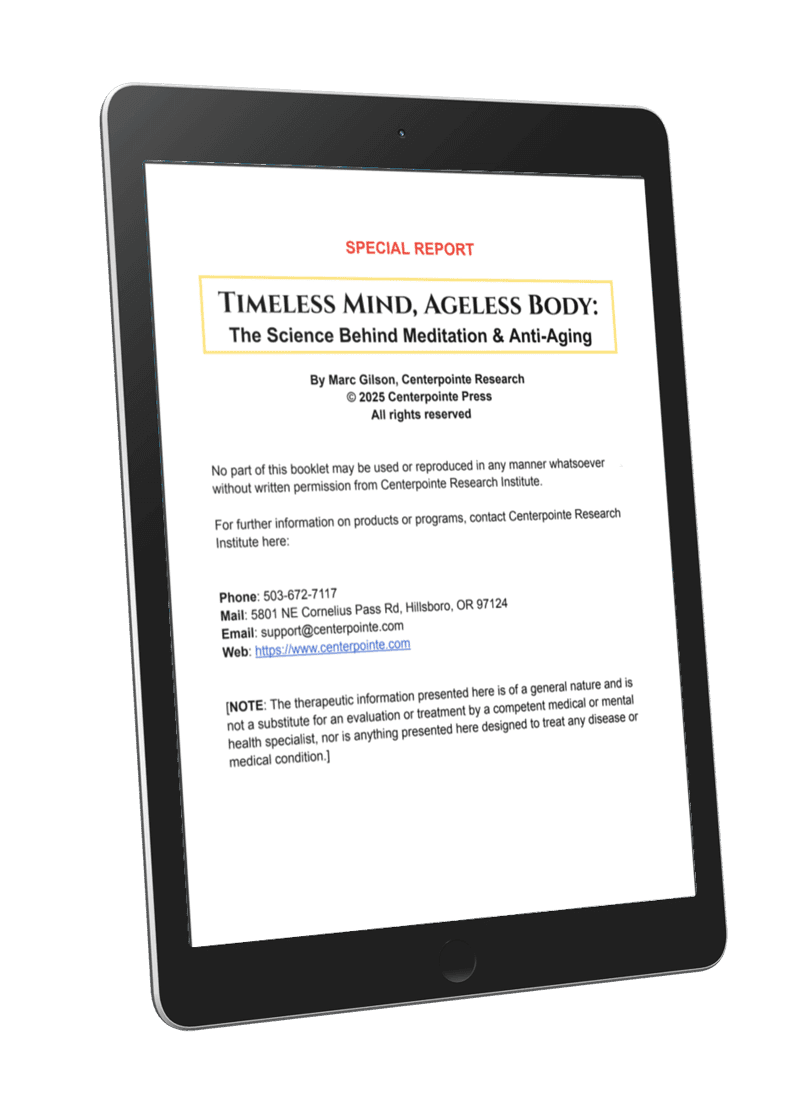 Free Ebook/PDF
Timeless Mind, Ageless Body: The Science Behind Meditation & Anti-aging
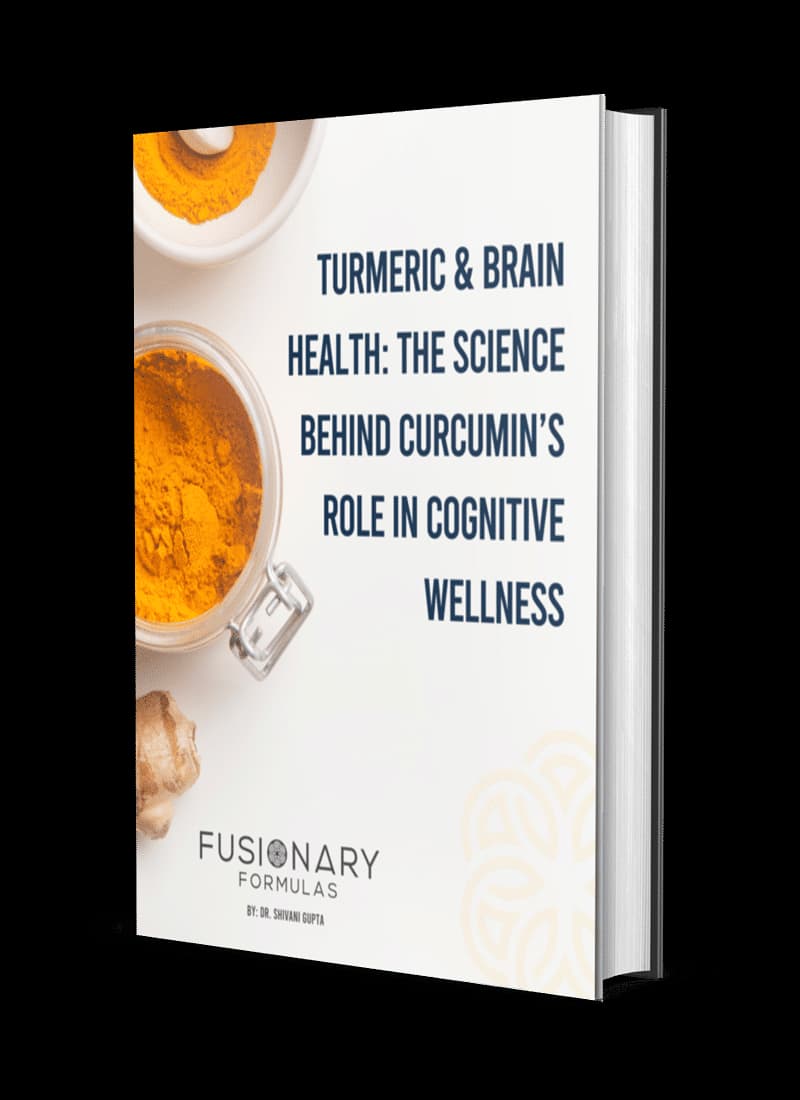 Free Ebook/PDF
Turmeric & Brain Health: The Science Behind Curcumin’s Role In Cognitive Wellness
 Free Ebook/PDF
Mastering The Menopause Transition Guide And Workbook
 Free Ebook/PDF
Flavent 2026 Product Catalogue
Frequently Asked Questions
Reversing Alzheimer’s Summit 2.0
Subtle memory lapses, difficulty concentrating, and changes in decision-making can sometimes be early indicators of cognitive decline. On Day 1, experts explain why recognizing early warning signs matters and how cognitive changes may develop gradually over time. You’ll also learn why acting early can help people better understand potential contributing factors affecting brain health.
Related Videos:
Many people wonder whether neurodegenerative conditions like Parkinson’s and Alzheimer’s share overlapping risk factors. On Day 1, the summit explores common biological pathways that may influence both conditions, including inflammation, environmental exposures, and brain chemistry changes. This session helps clarify why understanding shared contributors can expand how we think about long-term brain health.
Related Videos:
Constant information overload, digital stimulation, and chronic stress can place significant demands on the brain. On Day 2, speakers explain how lifestyle stressors may influence focus, mental clarity, and cognitive resilience over time. You’ll learn how modern environmental and lifestyle pressures interact with the brain and why reducing cognitive overload is becoming a growing topic in brain health research.
Related Videos:
Growing research explores how long-term exposure to environmental chemicals and toxins may influence neurological health. On Day 3, sessions examine how everyday substances—from household chemicals to environmental pollutants—may interact with biological systems related to memory and cognition. These discussions focus on understanding potential environmental contributors to brain changes.
Related Videos:
Researchers are increasingly studying biological changes that may occur long before memory symptoms develop. On Day 3, experts discuss emerging approaches for identifying early brain changes that could appear decades before noticeable cognitive decline. The sessions focus on how early detection research is reshaping the conversation around long-term brain health awareness.
Related Videos:
Dementia is often used as a broad term that describes multiple underlying conditions affecting cognition. On Day 4, speakers explain how different biological processes, lifestyle factors, and medical conditions can contribute to cognitive decline. Understanding these varied contributors helps explain why researchers increasingly look at brain health through a multi-factor lens.
Related Videos:
Hormonal systems and brain function are closely connected. On Day 4 and Day 5, the summit explores how thyroid imbalance may contribute to symptoms like fatigue, difficulty concentrating, and memory changes. These discussions help explain the relationship between endocrine health and cognitive performance.
Related Videos:
Multiple lifestyle and biological factors can affect how the brain ages. On Day 5, sessions explore the role of oxygen delivery, inflammation in areas like the sinuses, and nutrition that may influence gene expression related to brain health. These talks help connect everyday habits and biological systems to long-term cognitive function.
Related Videos:
Our Sponsors


