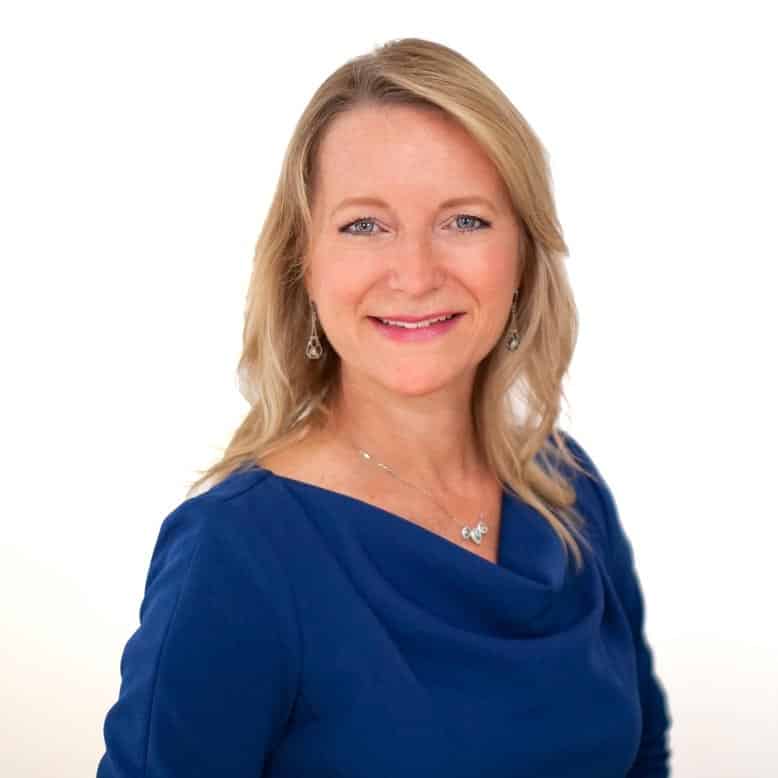
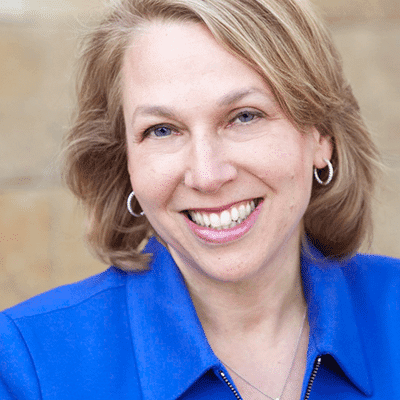
Full Transcript Introduction to the summit and guest 0:00 Hello and 0:01 welcome to another very special interview for the Reversing Alzheimer's Summit. 0:04 I am your summit co-host, Doctor Kristine Burke, and over the last decade, 0:08 I've helped many patients reverse their cognitive decline. 0:11 And that's why I have co-founded two brain health software designed around 0:15 preventing and reversing neurodegeneration to help both patients and practitioners 0:21 be extraordinarily successful in this work. 0:24 In this summit, I'm bringing you interviews with thought 0:26 leaders who can help you understand the pillars of brain health 0:29 and the root causes of cognitive decline. 0:31 I want you to learn what you need to know to prevent and reverse cognitive decline 0:36 and Alzheimer's disease for yourself and your loved ones. 0:40 And with that in mind, I am extraordinarily pleased to introduce 0:44 you today to my friend and colleague, Sharon Holzman Cohen, MD. 0:49 Doctor, her husband, Cohen, is a leading expert in cognition and neuroscience, 0:53 serving as the medical director and head of research for Intel DNA. 0:58 Her work focuses on brain health, utilizing Intelex 1:00 Deanna's Genomics Driven Brain Optimization report in 1:04 both cognition research and clinical practice nationwide. 1:08 Doctor Holzman Cohen is also co-founder of Resilient Health, 1:12 where she applies a multimodal approach to treat cognitive decline. 1:15 She has coauthored seven publications and a textbook chapter 1:19 on neuroscience covering topics from autism to cognitive decline. 1:24 Welcome, Doctor Sharon. 1:25 Thank you so much for being here. 1:28 It's my pleasure. 1:30 I'm so happy to have you. 1:31 You know, one of the things that I have found so valuable 1:35 in the dementia reversal clinical trial is the intellect and reporting. 1:40 And how much information that we get that we. 1:45 I think that that's that's why we built it. 1:47 Because so many people were learning that they had one gene. 1:52 You know, if we for one thing and going, oh my goodness, 1:54 then I have dementia and there's nothing I can do about it. 1:57 And we know that there's so much to understand. 2:01 So by using genomics and you now talk a lot about that, 2:05 you can get a much more precision approach so that you can hone in on 2:09 what's most important for you for prevention or treatment. 2:12 If you already have memory issues. 2:14 Yeah. 2:15 That's so important. So very important. 2:18 So maybe before we dive into the genetics piece, 2:22 you and I have talked about dementia not being about one disease. 2:26 And maybe you could talk a little more about that for our audience. 2:29 Absolutely. 2:30 So until very recently I mean like the last 5 or 6 years, 2:35 people were giving labels to diseases and assuming it was one disease. 2:39 So if there was a code for Alzheimer's or a code for depression 2:44 or a code for autism, people were then assuming including physicians. 2:48 Well, then that's one disease. 2:50 And then saying, okay, how do we treat this? 2:53 But what we know now 2:54 is that chronic disease and so chronic disease are the diseases 2:58 that lots of people get heart disease, depression, Alzheimer's, on and on and on. 3:04 Chronic diseases aren't due to one gene, and therefore 3:08 they're not really one disease. And that's a lot. 3:10 What we're going to talk about is people label something Alzheimer's. 3:14 But really it's about become a basket term 3:18 that just means dementia, usually of late onset with certain features. 3:24 But there can be so many different varieties. 3:26 Understanding the components is really important 3:30 if you're going to improve outcomes, because one person can have one collection
Dementia as a collection of genetic and biological factors 3:34 of components, you know, component one, seven, five and 12, 3:38 and another person might have two, four, six and 23. 3:42 You know, if we were to label the genes, 3:43 we don't obviously call them by numbers, but by understanding. 3:46 So our work at Intel DNA, for all the different diseases 3:50 that we have worked with and a lot of it is brain science, because I started out 3:54 actually as a brain scientist, going doing a PhD, not a M.D. 3:59 originally, but a lot of our work has been to say, okay, what different 4:04 components make up or are associated with a high risk of cognitive decline, 4:10 and then knowing that and we're going to again 4:13 talk about some of those components, hormone receptors and growth factors 4:16 and pathways relating to removing toxins and inflammation. 4:21 And of course, but before we'll talk about lots of different things. 4:24 But then the second half of that and again, 4:26 this is where our team's research is focused, 4:28 is once we know that a gene is associated with cognitive decline, 4:33 we have to know how that gene variant works. 4:35 But what we can do about it, and that has been what 4:39 we have done, which actually started to make it. 4:42 I met Doctor Bredesen back in 2016, 4:45 and, he was working on cognitive decline. 4:48 And I said, you know, with the genomics, we could help you 4:52 so that if you have somebody and you're going, gosh, there's 3040 now, 4:56 it's up to what, 50 holes that could be in that roof, 4:59 that could be contributing to cognitive decline. 5:02 I can help you get a map 5:03 for each person that will hone in on a lot of those factors. 5:07 Yeah, it really is a map, too. 5:09 There's just a wealth of information. 5:11 Okay, so you mentioned the elephant of genetic 5:14 risks in the room for do we want to maybe start with that. 5:18 And then we can kind of expand on 5:19 how much more we can learn from someone's genetics than just that. 5:24 I think that's a great place to start. 5:25 And the reason I like starting with that is I always say that 5:29 ApoE4 is either is not enough or too much, 5:34 depending on how you look at it, because if that's all you know, 5:38 then that's not good because you might not even be at high risk. 5:42 There are gene variants that cut that risk in half 5:46 and some that cut it down even, you know, even more. 5:49 So there are variants and we can talk about them. 5:52 The names like coauthor, 5:53 which is a longevity gene, can really lower your risk. 5:57 There's a 5:57 there's a gene that relates to processing the amyloid that can lower your risk. 6:02 And half. 6:03 And so you might be unnecessarily scared. 6:05 And that's not good 6:07 because you might be someone who got a direct to consumer tool 6:10 and you're 30 years old and all of a sudden you're like, 6:12 oh my gosh, I'm going to get all of the primers. 6:13 And that might not be true. 6:15 And first of all, we have lots we can do for prevention 6:18 even if somebody is ApoE4 with other things. 6:21 But the reason I say it's not enough is there's so many genes that interact 6:26 that relate to inflammation and hormones and detox pathways 6:30 that can double the risk or increase the risk significantly. 6:35 And if you want to understand the full picture 6:38 so that you're not just scared but you're empowered. 6:41 Yeah, that's so, so true. 6:44 I literally just met with a patient a couple of weeks ago. 6:48 Young man in his is who has two copies of Apple E4. 6:52 Mom has cognitive decline. 6:54 And he was very, very worried that he had 6:57 all of the beneficial genetics. 7:00 And so his Apple E4 risk just dropped like a rock. 7:04 And he left feeling so much better. 7:06 Still, knowing that there's work we need to do for prevention 7:10 because there's still some risk 7:11 that it was it was life changing having that information for him. 7:15 Absolutely. 7:16 And I have ApoE4 for patients that are in their 80s 7:20 that are still in the 90th percentile for cognition. 7:24 So when the news came out with, oh, we should make it ApoE4 for be 7:27 a pathogenic low risk state saying you will get Alzheimer's. 7:32 I was I told my patient she came in like the following week. 7:34 I said you might want to write the newspaper and say, 7:37 this is not true, that my cognition is still great. 7:40 So and again, she was lucky because she didn't have all the negatives 7:44 associated with it and had some of the positives. 7:46 But she's also worked at keeping her brain healthy. 7:49 Yeah, and I think 7:50 knowing your genetic risks helps you to know what specifically are 7:54 the things that you need to do as your work to prevent cognitive decline. 7:58 Now, there are some other non-Apple E4 causes of cognitive decline. 8:04 Do we want to touch on those maybe as well? 8:07 Sure. 8:08 And some of them relate to the ones that interact. 8:10 So let's kind of start with some of the interactions. 8:13 And then we'll talk about what if someone's an apple three three. 8:16 So with the interactions we know for example 8:19 that there are some people who have overactive estrogen receptors. 8:25 And there's two kinds of estrogen receptors. 8:27 I don't want to get too technical, 8:29 but there's the ones that cause all the pro estrogenic effects. 8:32 The people who can get more fibrous 8:33 fibroids and heavy periods and things like that when they're younger. 8:37 And then there's ones that are in the brain 8:40 and in the mitochondria that are, they're related to estrogen, 8:43 but they're also really responsible for quelling and stopping inflammation. 8:47 And people who have overactive of the estrogen receptor ones, 8:52 the ones that are the pro estrogenic and underactive of the inflammatory, 8:57 they can have three times the risk of cognitive decline even without a boy. 9:02 Four but then if they combine it with the 9:05 whether you say Aibo or Apple is kind of like tomato tomato that yeah, 9:09 the apple before when you combine it, it can get bigger 9:13 4 or 5 times the risk again depending on how many of these things. 9:17 And that's a topic that I know that most of the individuals 9:22 who ever read more about cognitive decline know that in the absence of estrogen, 9:28 many patients with Alzheimer's get worse, worse inflammation in the brain. 9:32 So now we understand in particular who are the individuals 9:36 at highest risk for that. 9:38 But I had a patient and she just had me. 9:41 She had other things with it. 9:42 But was it three three but had what we call that estrogen receptor haplotype.
ApoE4 and other genetic risk modifiers 9:47 A haplotype is just a grouping of of gene variants of snips. 9:50 And she had retired early. 9:52 She was an instructor that taught teaching across the country. 9:56 So at a high level job where she had to stand up in front of people, 9:59 she had retired. 10:00 Once we figured out what was going on, we got her cognition back 10:04 to being in the completely normal range. 10:06 She retired. 10:07 She did eventually retire again 10:08 so that she could spend more time with her grandchildren. 10:11 So that's a really important factor 10:14 that is important whether or not you're in a belief. 10:18 And I think that's 10:19 such an important point that even if you're already experiencing decline, 10:24 it doesn't mean that you're on a one way road to this progressive degeneration. 10:29 We now have so many options for intervention, 10:33 and I know we both do this work all the all the time. 10:38 Yeah. 10:38 Another really interesting one that fits in with what I know. 10:41 We teach all of our patients is a growth factor for the brain. 10:44 So there's a growth factor. 10:46 Bdnf stands for brain derived neurotrophic factor. 10:49 I always like to make little, nicknames for my genes. 10:51 So I kind of call that the fertilizer gene. 10:53 And without it, you can't stimulate the brain, 10:57 new neurons and new synapses, so you don't have the fertilizer to grow 11:00 the memories. 11:01 The memory hookups in the in the brain memory center of the hippocampus. 11:05 And when you have even one copy of this grouping of BNF snips, it's almost 11:10 three times the risk of Alzheimer's, even if you're a boy three three. 11:15 And if you have two copies of it, they can't exactly judge the risk 11:19 because there weren't enough. 11:20 There's only 4% of the population that have two copies, 11:23 so the study couldn't sort it out. 11:25 But that's super important to know because there's so much you can do. 11:29 The problem is you're getting stuck in your pathway. 11:32 So this growth factor, we make it in kind of a storage form. 11:36 And then you're supposed to take off kind of the lid, which goes as mad as Probnp 11:40 you take off the probe part and then you then you have the kidneys. 11:44 So you then you have the probe DNF. 11:46 It's not good for the brain to have a bunch of that building up 11:49 and not have the form that helps with the fertilizer. 11:52 Well, knowing that there are things you can do, 11:56 you can do Astiz Anthon, you can do green coffee, bean extract, 12:00 but even intense exercise is amazing for these people 12:03 because they've shown that it can completely normalize that risk. 12:07 It can make the mature Bdnf go actually even slightly higher 12:11 than the people who don't have it. 12:13 So for these people, I literally write an exercise prescription. 12:17 And if they're not exercisers, I work with them because I say, 12:21 look, this is almost the same as being an ApoE4. 12:24 You don't want to ignore it. 12:26 And so we give them things they can do with supplements. 12:29 But lifestyle's super important. 12:31 I think a really good third example of cognitive decline. 12:34 I could go on and on and we'll just see what kinds exist. 12:37 But a third example are people who their risk is really 12:42 they're not getting enough blood flow to the brain. 12:44 And that's a huge category that I'm sure you've seen that 12:48 I still remember in the first study that that was done with, doctor tops and, 12:53 thank you, Doctor Gregson and Doctor Hathaway, and I can't remember 12:56 whose patient it was, but the first time they had a patient that was an apoa 13:01 three three and their history was they were getting cognitive decline. 13:06 That was more when they were flying over to another country. 13:09 They traveled a lot internationally for work. 13:12 And when they tried all the things they had read the end of Alzheimer's 13:16 and tried lots and lots of things, and it wasn't getting better. 13:19 When the genomics came back, the answer was so clear 13:22 because they had problems where their blood 13:25 was too thick, something called factor two and factor five. 13:28 They were hyper coagulant and so that thicker blood 13:31 made them not get enough oxygen when they traveled an airplane 13:34 because the oxygen is lower. 13:36 And so for them, a ketogenic diet and all these different supplements 13:40 was not the answer. 13:41 The answer was national, which helps to give more blood flow to the brain, 13:46 and lumbar kinase, 13:47 which is, a digestive enzyme, essentially that helps break up fibrin clots 13:51 so that your blood is not so thick and has great benefit for vascular 13:55 things like strokes. 13:56 So those are some of the kinds of things. 13:58 And the reality is there are many, many dozens 14:03 of gene variants that can increase or decrease the risk of Alzheimer's. 14:08 Lots that increase not just 20%, 14:11 but sometimes 200%, 300%. 14:15 So knowing those, and when you take the map 14:18 of which are your top ten, you can have so much better ability 14:23 to both again, prevent or reverse, hopefully. 14:27 Again, a part of it depends on when you get at it 14:30 and how what's going on. 14:31 But to improve your cognition. 14:34 Yeah, that's so fascinating. 14:35 I think that we now have so much capability of being able 14:40 to really personalize and be precise that, you know, our precision medicine piece 14:45 with how an individual needs to be treated differently than everyone else. 14:50 And that's been one of the I mean, really, it feels magical that what we feel like 14:54 we have, the empowerment that we get from the Intel DNA report is knowing things 14:59 that are unique to that person and maybe rare in the general population. 15:04 So it's not something that you would have ever done. 15:06 Like, you know, the one that pops into my mind 15:09 not to get too technical, the next one where they can't recycle 15:14 their CoQ10 or their vitamin E, and you need to use a different form 15:18 because they get way more benefit from from that different form of CoQ10. 15:22 Like, how would you not. Right. 15:25 And I think that's a really good topic. 15:27 We can a little bit the role of oxidative stress is something 15:30 we haven't talked about. 15:32 But if you ever think about it, that might be fun to explain 15:35 that to our listeners. 15:36 If you ever think about it, if you have an apple 15:39 that has its skin on it, it doesn't turn brown. 15:41 And that's because all the apples antioxidant ability and most fruit 15:46 have the antioxidant ability in their skin, so that prevents aging. 15:50 But if you cut that apple open, then it's 15:53 going to turn brown and it'll shrivel up much, much faster. 15:56 I mean, it could last weeks or months without that. 15:59 And that's because that inside gets exposed to oxygen 16:02 from the air, and it doesn't have all those antioxidants. 16:06 So that's what happens. 16:07 And how come we don't age? 16:09 How come we can last? Still looking pretty good. 16:11 I mean, you can tell the difference between an 80 year old and a 20 year old, 16:15 but how come we can look pretty good 50, 60, 70 years later? 16:19 And it's because we have all these antioxidant pathways 16:23 which are anti-aging pathways both inside and out. 16:26 And if you think about it, meat, 16:29 when if you put out a piece of chicken or a piece of beef, 16:33 it doesn't get the same shrivel up like an apple in the same time period, 16:37 because animals, including humans, have antioxidant abilities 16:41 throughout their tissues. 16:43 So there are a lot of antique things that can go wrong 16:47 with our antioxidant pathways. 16:49 So we have a bunch of them. 16:50 We have ones that relate to CoQ10. 16:52 We have ones that relate to vitamin E 16:54 to glutathione ion, and those are amongst vitamin C, glitter, 16:59 iron, CoQ10 and vitamin E are our and biggest antioxidants. 17:04 But if you have problems with 2 or 3 of those pathways,
Hormones, BDNF, blood flow, and oxidative stress 17:09 then you're going to need to do a lot more to protect 17:12 your oxidative stress than somebody who has all those pathways working. 17:16 So that's another pattern that we've seen on some of the people 17:19 who have cognitive decline and premature aging. 17:22 And sometimes the first sign of it is not just cognitive decline. 17:26 I had one person where her antioxidant pathways were really her big issue, 17:31 where she presented with muscle pain and dropping things when she did 17:35 present with brain fog. 17:37 But it was 17:38 also she was a makeup artist, and she would find that 17:41 by the end of the day, she would get these not even that far into the day. 17:46 By 11 or 12 in the morning, 17:47 she would get these horrible muscle cramps and drop her her brush. 17:51 She'd been an actress before, so she didn't 17:53 realize that she had these issues until she was doing repetitive movements. 17:57 And when we got her genomics back, she was in the 4% 18:00 that really had problems with that CoQ10 and then cure one, 18:04 which again is a really big antioxidant pathway. 18:07 And we gave her the right form of CoQ10 and vitamin E, and literally 18:12 in 48 hours, she was able to control those muscle spasms. 18:15 So it's it's really an inside look. 18:17 And it's so much fun to get to know yourself. 18:21 Yeah it is it really is. 18:23 And see where you're kind of empowered and where you're 18:26 a little bit vulnerable because then you know what you need to do. 18:31 Yeah. 18:31 And you know and I'd say stress some people listening 18:34 may have heard of Clotho which is Clotho is the number one longevity pathway. 18:39 All clock though is what gives people more longevity, better ability 18:42 to cope with oxidative stress. 18:44 Clotho regulates the master switches for all the antioxidant pathways. 18:49 And so when somebody has ApoE4 and has the right Clotho type, 18:54 because there's one type of, you know, it's a combination of two genes 18:57 and there's one type that's the best way to have it. 19:00 They can cut their risk down by, 19:04 instead of being a risk of three times, increase risk of Alzheimer's, 19:07 then they have 40% less risk of Alzheimer's, almost 36% less risk. 19:11 So it just shows how important some of those different. 19:14 So if you don't know your genomics now I'm going to encourage people 19:16 if you have cognitive decline in your family, 19:19 I think that doing genomics is extremely worthwhile 19:22 or if you're having cognitive decline or anything going on, 19:26 but if you're just kind of going, what can we do? 19:28 Because we want everyone listening to go, what can we do for our brain? 19:31 Think about, what are you doing to control your oxidative stress? 19:35 Like, you know, 19:36 and again, the broad categories would be things like lithium ion vitamin C. 19:40 Yeah. 19:41 And I think one of the things that your platform is it makes it to me, 19:44 I think so special is that it's very actionable. 19:48 It's not just up here you go. 19:50 Here's all your statistical risks and good luck with that. 19:54 And it's really like these are the interventions that you can 19:57 potentially do to modify this risk that you came equipped with. 20:01 So it's feels to me much more empowering as a tool 20:05 than others that I've worked with, which I really appreciate. 20:09 Well, that was by design, just to give you a little history 20:12 in our practice, because I had started out as a neuroscience. 20:16 So I went again. 20:17 I went my interest. 20:17 I went to Harvard to do a PhD in neuro endocrinology. 20:20 So I was really interested in how the hormones 20:23 and everything interact with the brain and, you know, sexual, different sex 20:26 specific differences and all those kinds of things. 20:29 And then I decided 20:30 I wanted to spend my life with, not just one topic, but much more broadly. 20:34 And I became a family physician, 20:36 kind of the opposite of a PhD specializing in people birth to death. 20:39 But I always kept my interest in neuroscience. 20:41 And so in our practice, 20:43 we were looking for a genomics tool that would help us with brain science. 20:47 And brain science 20:48 is the most important field for genomics because there's a blood brain barrier. 20:52 So you can't just go and take a blood sample 20:55 and know what's going on in the brain, because you could have your inflammatory 20:59 markers could be 40 times higher in some cases, like 21:03 autism is an example of that in the brain than they are in the blood. 21:06 And nobody wants to go give some CSF, some they don't go, I get a spinal tap. 21:11 And so I was looking for a tool, and there were a lot of tools out there 21:14 for some neutral genomics, some pharmacogenomics, 21:18 but nothing that really helped me understand why someone has depression, 21:23 why someone has Alzheimer's. 21:24 The autism work came 21:25 because some people who are in the field of autism 21:28 said, can you do what you're doing for cognition, for autism? 21:30 And so why somebody has these things going on 21:34 and and that partially has to do with most of the platforms out 21:39 there were developed by PhD nutritionists or PhDs. 21:43 And so we're really proud that we have 21:46 built this platform with input from many, many physicians, 21:50 and a strong research team to make it useful for issues 21:54 that were not previously addressed with genomics. 21:58 And any one platform. 21:59 And that's where, that's where we actually spent millions of dollars. 22:03 And a lot of years is not just listing the genes. 22:06 That's pretty quick. 22:07 I can go, you know, you can go do an AI search 22:10 and find a bunch of lists of genes that been associated with Alzheimer's. 22:13 But where the research comes in, 22:15 and I'm dual board certified in integrative medicine 22:17 and family medicine, is figuring out how does that gene variant affect, like, 22:23 what protein are the downstream pathways and what can you do about it. 22:27 And that's the important part for making the map 22:30 and then making sure everything was referenced 22:33 so that clinicians don't have to just take my word for it. 22:37 They can follow the train of thought and understand why we're making. 22:40 Yeah, why we're saying this is a way of addressing this pathway. 22:43 Yeah it is. 22:44 It's a really fantastic, amazing work that you've done. 22:47 Thank you. Yeah. 22:49 Think well and I'm super excited about our collaboration too with, with 22:53 Nora because we're bringing together those two sides. 22:56 And I think it's really going to be spectacular. 22:59 Yes, I, I'm excited about that as well. 23:01 I think it will bring cognitive repair 23:05 and cognitive improvement to so many more with our collaboration. 23:09 I tried to add to because there's just so much that we can do that 23:12 we know from your work and then so much that we can do from the application side 23:18 and bringing them together is going to be really amazing. 23:21 Absolutely. 23:22 And and your ability to train people is going to be as well 23:25 being able to train other clinicians, 23:26 because I think we both get that all the time. 23:28 It's like, how do I get the results that you're getting? 23:30 And so I think it's going to be a wonderful collaboration. 23:33 Yeah. Thank you. 23:35 You know, one of the things so we've talked about 23:38 how knowledge of our genetics can help us to know what we need to shore up 23:42 and maybe how we can mitigate vulnerabilities that we came in. 23:46 But there's also another layer where our genetics can help us 23:50 identify what other tests might make sense for us to do. 23:54 Can you talk about that a little bit? 23:56 Yeah. 23:56 So, sometimes in functional medicine or integrative medicine, 24:00 I'm going to say the old way, there's no such thing as old way. 24:03 And functional integrative, because it's a relatively new field 24:06 would be to do a lot of different testing, new, you know, new 24:09 nutritional testing, doing maybe mold testing in different toxin 24:13 testing and, you know, detox pathways and lots and lots of different labs. 24:17 And that can get quite expensive. 24:20 And so one of the ways 24:21 genomics can help is kind of point you in the right direction. 24:25 So for example, there are some extensive detox pathways, 24:28 specific ones for pesticides, specific ones for colitis states, 24:32 things that relate to how you eliminate mercury mold, all those things. 24:38 If you see that someone has horrible detox pathways, you do have two choices. 24:43 You can just start to treat it. 24:45 You don't need to do further testing, because if you know that they're really 24:49 in the, you know, bottom 5% or bottom 10% of being able to eliminate these things. 24:54 And there's safe interventions 24:56 like sulforaphane that you can use to help push the pathways and glutathione. 25:01 One approach that I often use is to just start 25:04 address the genomics and not do further testing. 25:07 But even if you want to do further testing, 25:10 the genomics can help you identify what might be worthwhile. 25:13 So if somebody has horrible detox pathways, 25:16 then it may be worthwhile to say, well, let's see what your 25:20 toxin profile looks like. 25:21 So we know more, isn't it. 25:23 Pesticides, glyphosate, you know, mercury, all of that. 25:27 And that has been really helpful to some of our doctors 25:30 because we definitely have had cases of cognitive decline 25:34 where there was one that was a previous firefighter in 911. 25:38 So he'd gotten exposed to all of this toxin stuff. 25:42 And for him, you could just start to detox. 25:45 I mean, the doctor went heavy into detox. 25:48 The patient also had problems with not making enough of what's called 25:53 nitric oxide, which is what opens up the blood vessels to the brain. 25:56 And so this patient went from dementia to doing his taxes. 26:00 He had always been proud of doing his own taxes in the matter of the months 26:04 with hyperbaric, which you wouldn't necessarily order for everyone. 26:08 That's not a test, but it's still an expensive intervention 26:11 that you want to 26:13 order for people that you think are going to get good results and detox. 26:16 And so I think that the genomics can give you this bird's 26:20 eye view for somebody else. 26:22 You might see that they're really, really bad at transporting 26:27 and holding on to their vitamin D. 26:30 So you might be like, okay, let's up your vitamin D. 26:33 You might do a baseline vitamin D, you might not again. 26:36 But then you'll understand
Using genetics to guide testing and treatment 26:38 why would this person I keep giving him vitamin D but it keeps dropping. 26:42 Well those people might need 50,000 D every single week 26:46 for the rest of their life to keep their levels up. 26:48 So it helps add sense to the testing. 26:51 And again, if you know that someone has low magnesium absorption, 26:56 you can then decide, do I want to start replacing magnesium or test first. 27:01 So it helps again, just focus. 27:03 There's so many things that we can do. 27:05 It also can help you understand some of the patterns we see on tests. 27:09 I think we both use things like a neuro reader or you know, different pathways. 27:15 I'm sorry, radiological ways of looking at the areas of the brain. 27:19 And it's been really interesting when you see that someone has 27:22 a good hippocampus, but they're having memory issues, 27:25 and then instead they have more problems in the frontal lobe or temporal lobes. 27:31 And you look at their genomics and you go that fits because their genomics 27:34 is not that classic Alzheimer's hippocampal pattern. 27:38 So it just makes everything cohesive. 27:40 And I think that's really important for patients as well as motivation 27:43 as well as then going, okay, what are we going to do now to get it better. 27:48 Exactly. 27:49 And what are what are some of the specific things like B12 is another one 27:53 where so many of those people that don't have good transporter proteins, 27:58 then they need to have higher levels of B12. 28:01 And so there's just a lot of risk of uniqueness. 28:04 You touched on a bit the interplay between the environment 28:09 and dementia and mold, toxins, infections for example. 28:14 I know that that's a broad category for our last for our last few minutes 28:18 together, but maybe you could just touch on 28:21 how how we can utilize because you talked about the detox genetics. 28:24 So we have that piece that how about with the infections. 28:27 What might me see genetically. 28:30 Well there are we have a very important infection fighting system in our body. 28:35 And because it's so important, there's a lot of different components to it. 28:39 So we have we have pattern receptors that can kind of receptors. 28:43 They're called toll receptors that can recognize different viruses. 28:46 We have things that kind of are the first defense. 28:49 And then we have how we make an inflammatory response to infections. 28:53 And all of those can contribute to cognitive decline. 28:58 But how you intervene with all of them is different. 29:01 So somebody who has problems where they're making too big 29:05 of an inflammatory response to infections, that can overlap with the people 29:09 who get some of the really big responses to vaccines 29:12 or big responses to Covid in their lungs. 29:14 For example, 29:15 they might use something that resolves the inflammation like a resolving. 29:20 But if your problem is more 29:22 of not being able to fight the initial infections 29:26 because of problems with toll receptors or other pathogen, identifying pathways, 29:32 you might have a lower threshold if a person can't fight off infections. 29:36 For number one looking for those infections 29:38 but boosting their immune system 29:40 when they do get sick, there's lots of things from, 29:43 you know, astragalus and this and beta glucan and all kinds of things. 29:48 But it also again helps you know, what to look at as a specific 29:52 even if you go more deep, 29:53 there are certain of these receptors that might be involved in the herpes 29:57 viruses and other ones that are more involved in things like Lyme 30:01 disease and gram negative bacteria and all of the different pathways. 30:06 We're not at the ability to kind of put a click into the computer 30:10 and go, here, here's what to do. 30:11 We'll get, you know, that's we'll get there. 30:13 I do believe actually that science and medicine will get there and it will 30:17 it'll be great. 30:18 But still, having these clues 30:20 makes a lot of a lot of sense when we see that a lot in our autism work. 30:24 And again, I know that this is the Cognition Summit, but it's still brain. 30:28 We see these kids that after they get sick, when they get sick, 30:33 their autism gets much worse, or they get pandas and pans 30:36 and then we understand, like for them there's, 30:39 a pathway mannose binding lectin 30:41 that fights yeast and bacteria that are really important in kids 30:46 because their immune systems aren't as mature. 30:48 Well, then you can start testing for it and treating it. 30:51 And we've had kids get dramatically better with that. 30:54 You wouldn't normally just be giving them an antifungal or antibiotics, 30:57 but you identified the infections they were fighting 31:00 because you understood their immune system was different. 31:03 So the thing that I like people understand 31:07 is blood is only one tissue in the body. 31:10 And so you can do blood tests, but that's like doing a blood biopsy. 31:15 But if you have genes that affect just the brain 31:19 or the just the gut or the heart or the bones, other tissue, 31:24 you're not going to get that information from just a blood test. 31:27 You have to. 31:28 But because our DNA, you can get everything you need from a cheek swab 31:33 to get your whole DNA, you can understand where someone's vulnerabilities are and 31:39 then you can then specifically address it. 31:42 So if you know that someone you brought up the issue of the B-12 31:45 transporter, I personally have two copies of that B-12 transporter. 31:49 And I went through a phase of my life where I became vegan for a while. 31:53 That was not a good choice for me 31:54 because I wasn't replacing B12 with any extra amount, 31:59 and I was like, oh my gosh, it's hard to figure out, you know what I mean? 32:02 Sometimes I'd have to kind of look for workarounds for words. 32:05 And then, but my B12 level was normal by American standards. 32:09 It's like 300. 32:11 And then I learned what was going on 32:14 and took B12 and that all went away. 32:17 So it's really everybody's different. 32:20 If you know that you're somebody who has all these genes that make you at risk 32:25 for cognitive decline from pesticides or from smoke or from glyphosate, 32:30 then you're going 32:30 to make changes in your life to avoid those environmental exposures. 32:34 And then you're also going to make changes to upregulate those genes. 32:38 So one gene and again the genes are just names. 32:41 That's called pan one. 32:43 And I like to think of it 32:44 because it sounds like almost that juice PLM like pomegranate juice pan. 32:48 One is really important for keeping your heart muscles 32:52 from being oxidized, your LDL from being oxidized. 32:55 But it's also really important 32:57 for removing pesticides because that's how we clear pesticides. 33:01 Well, those people need to either 33:05 completely avoid pesticides, which is a little, 33:06 and some of the environmental toxins, which is hard. 33:09 Or they can do things including drinking two ounces of pomegranate juice. 33:13 And that can increase that activity by 80%. 33:17 But for somebody else they might need 33:20 to get their glutathione pathway more active. 33:24 And that might do better when three days old broccoli sprouts or sulforaphane. 33:28 So detox pathways are super important because even in basil, 33:34 even in everything we eat, there are parts of our food 33:36 that we're supposed to clear toxicants and toxins.
Infections, detox pathways, and finding a clinician 33:40 And if we can't clear the things from our body that aren't good for our body, 33:46 it's really a problem. 33:47 And now there's so many more of them 33:49 with the pollutants and the microplastics and the, you know, and the smoke 33:52 and the pesticides and the mercury and on and on and on. 33:56 And so one of the things we look at extensively at in italics, 33:59 DNA is very extensive detox pathways, because again, 34:04 there's a number of different ones that are different for different people. 34:07 Yeah, exactly. 34:08 And you end up with what you're exposed to and what you can't get rid of. 34:12 That's what accumulates in you. Right. 34:15 And your detox pathways are how you get rid of it. 34:17 So really important. 34:18 Oh my gosh. 34:19 I mean, we could talk for another hour and easily, 34:23 but we probably do need to to wrap up. 34:26 I think, you know, it is so clear to me that everyone needs to know 34:32 this genetic information to understand their health risks. 34:36 And and would they come 34:37 powerfully equipped to do because it's not all negative, as we did? 34:41 You know where we started off making our little full circle? 34:44 Is there anything else that you feel like is really important for people 34:49 to take away from our conversation today is one thing. 34:53 So because Intelex DNA goes into so much depth, 34:57 we talk about diet, lifestyle supplements, but also medications and how genes work. 35:02 We're a different category than virtually every other genomics tool out there, 35:07 meaning that we are 35:08 what's called a clinical decision support tool, which means that 35:12 we can't have somebody just order it unless they're a trained 35:16 health care professional. 35:17 They need to be, whether they're an MD or a Dia or a naturopath, 35:21 you know, or a nurse practitioner. 35:22 There's lots of people who can order it, even a functional pharmacist. 35:26 But it has to be a licensed health care professional. 35:28 So for somebody who wants to learn more, I encourage about how they can find 35:32 someone in their area that's trained. 35:33 Trainer will be helping that problem over the next, over the next year. 35:38 But if they're looking for that right now, a way to find physicians 35:43 and clinicians who are trained on italics, DNA is to go to our website. 35:47 So and then click find a clinician. 35:50 It is the other thing is I'd say it is more expensive 35:53 than the typical genomic products because again, what they're buying 35:57 is not just a list of genes, but the ability to sort through 36:01 hundreds of gene variants come up with a profile 36:04 that is more specific to you and what to do about that. 36:08 So again, before we ever had anyone helping with sales, we've 36:11 had a research team and spent many millions of dollars on research. 36:15 But to learn more, you could go to Intelex dna.com. 36:19 And it's a funny spelling, but I'll tell you how to remember it. 36:22 My co-founder and I are both women, so there's two exes in it 36:25 because of that, and it's an intelligent approach to using your DNA. 36:29 So it's Intel Xe dna.com. 36:34 I love that mnemonic. That's awesome. 36:37 And so true that it's really valuable. 36:40 The amount of research that's behind it is so valuable. 36:44 Well, Doctor Sharon, this has been an incredibly informative discussion. 36:49 I really appreciate you sharing all of this very important information 36:53 with everyone that's on the summit today, and may listen to it in the future. 36:57 I don't think that there's 36:59 much more important than understanding how you came wired. 37:03 It just it just is so empowering. 37:07 I know you also have a really active practice 37:11 for people who would like to know how else to get in touch with you, 37:14 or how they might be able to work with you and your team. 37:17 Is there anything there that you'd like to share? 37:20 So we do have a practice in Austin, Resilient Health Austin 37:24 I'm not taking new patients because my job is really at this point 37:29 heading the research and development for Intelex DNA 37:32 and actually training physicians across the country. 37:34 And we're doing lots of other exciting things. 37:37 We take care of mental health with depression and anxiety and ADHD, 37:41 and I mentioned autism, but we also have a women's health 37:43 report with fertility and so many things going on. 37:47 So but I have wonderful other doctors that I work with. 37:49 If someone does want to do genomics or see us in Austin, 37:53 but we're lucky that we have hundreds 37:55 of practitioners trained at this point across the country so that you find 37:59 someone that is in your state that will be a good fit for you. 38:04 And if you have a clinician that does not know Intelex DNA, 38:08 we do offer free training and free mentoring. 38:10 We even walk the clinician through the first three reports. 38:14 So don't worry if you you know, if you have something you like 38:16 that doesn't yet use it, we're happy to train them. 38:19 And that's always the best to get your doctor doing it with you 38:22 because they know you. 38:23 And that again, 38:25 I do a lot of that training, so we'll make sure they take good care of you. 38:27 And the training is amazing too. 38:31 Well, Doctor Sharon, this has been so excellent. 38:33 Thank you so much for joining us today. 38:37 And for you, my viewers, if you have enjoyed this 38:39 discussion today on the summit, please join some of our other sessions 38:43 where we continue to dive in to my passion and Doctor Sharon's solving 38:47 the root causes of cognitive decline and leading you to better brain health. 38:51 Thank you so much for joining us today.
Comments