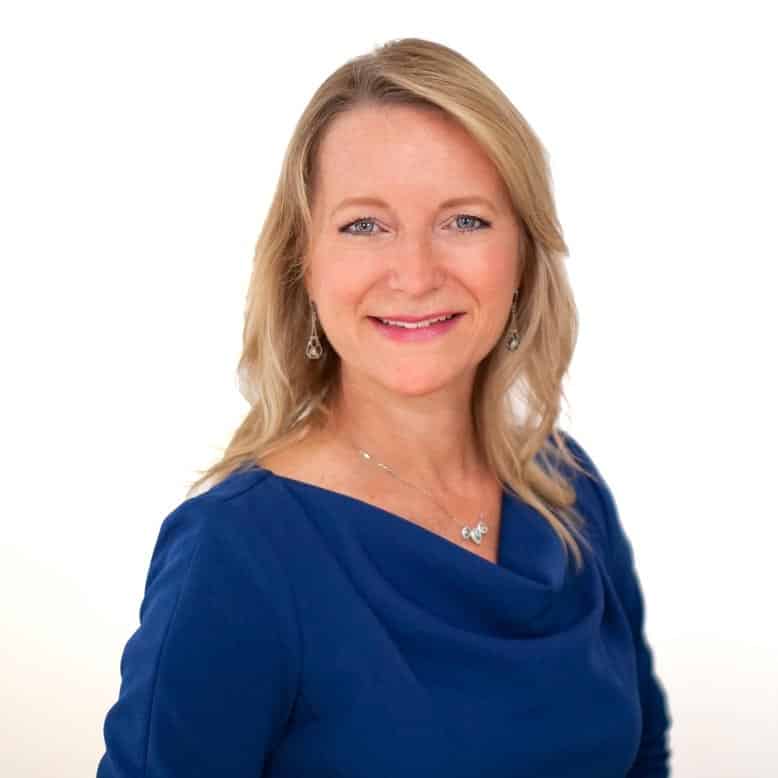
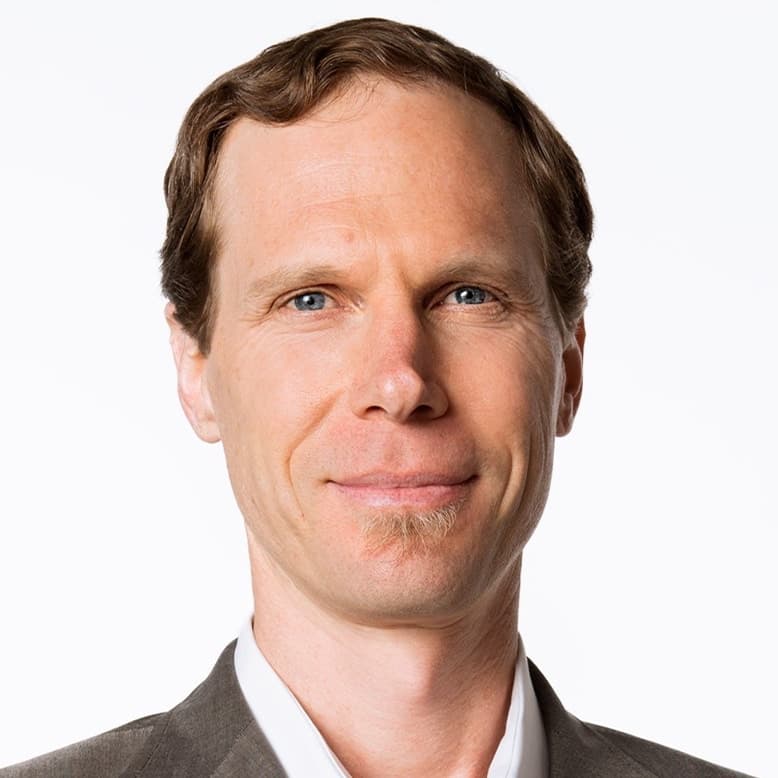
Full Transcript Introduction to the summit and guest 0:00 Hello and welcome to a very special interview for the Reversing 0:03 Alzheimer's Summit. 0:04 I am your summit co-host, Doctor Kristine Burke. 0:06 Over the last decade, I've helped many patients reverse their cognitive decline, 0:11 and that's why I have co-founded True Neuro, a brain health 0:13 software company designed to help patients and practitioners 0:17 be extraordinarily successful in this work. 0:20 In this summit, I'm bringing you interviews 0:22 with thought leaders who can help you understand 0:24 the pillars of brain health and the root causes of cognitive decline. 0:27 I want you to learn what you need to know to prevent and reverse 0:31 cognitive decline and Alzheimer's disease for yourself and your loved ones. 0:35 I am very excited to introduce you today to a dear friend 0:39 and brilliant colleague, Sanjay Schweiger, MD. 0:42 Doctor Zweig is founder and president of the California Center 0:45 for Functional Medicine, also called CFM, 0:48 which is at the forefront of the functional medicine movement, 0:51 offering patients a deep investigative approach to health care 0:54 that is personalized, collaborative and data driven. 0:58 Doctor Zweig received his bachelor's from UC Berkeley 1:01 and received a full scholarship to attend medical school at UC Irvine. 1:05 There, he helped design and lead the Complementary and Alternative 1:08 Medicine curriculum. 1:11 He also served on the board of the Susan Samueli Center 1:14 for Complementary and Alternative Medicine, 1:16 and was chosen as one of 20 medical students to attend 1:20 the NIH Leadership Training Program in Complementary and Alternative Medicine. 1:24 Doctor Schweich completed his family medicine residency at UC 1:27 San Francisco and his residency in Santa Rosa, California. 1:31 During his residency, he was instrumental in developing 1:34 and founding the Integrative Medicine Fellowship Program. 1:38 He has been in private practice since 2007, 1:41 and is board certified in Integrative and Holistic Medicine. 1:44 He's active in contributing 1:46 to medical education, both at the UCSF Santa Rosa Residency 1:50 and as adjunct faculty at Touro University College of Osteopathic Medicine. 1:55 He is active in medical research and lectures both nationally 1:58 and internationally. 2:00 Please join me in welcoming Doctor Schweich 2:02 to speak with us about AI, tech, and the future of brain health. 2:06 Welcome. 2:07 Thank you so much. 2:08 It's a pleasure to be here. 2:10 So great to have you here. 2:12 I wonder if you could maybe just start us off by jumping in on 2:16 maybe how AI is transforming cognitive health, 2:20 and a little bit of an overview on some of the key 2:23 AI platforms for doctors and patients. 2:26 Yeah, absolutely. 2:27 So it's a really, really exciting time right now with regards 2:31 to medicine and technology and the tools that we have available to us, 2:35 and then the tools that are quickly coming online and, and, you know, 2:39 it seems like every day, every week there are new advances in tech and in AI. 2:45 And it's something that we've been really passionate about tracking 2:47 and just use it using for the best ability for our practice and for our patients,
How AI is transforming brain health 2:51 and just really generating a, you know, data driven approach. 2:55 And I know it's something that you're passionate about too. 2:56 So I love our conversations, the ability to connect. 2:59 And so so I'm glad to be here. And you know, to start off. 3:02 I think that it would help just to have a basic understanding of AI 3:06 and what some of these platforms are, you know, so we hear a lot about things 3:09 like ChatGPT or Claude from a company called 3:12 anthropic or this, this company called Deep Seek out of China. 3:16 And that was in the news a lot this last few weeks, 3:19 you know, but AI is really becoming essential for all 3:22 aspects of health, and particularly in cognitive health and brain health. 3:26 And it can really help 3:27 in, you know, researching, understanding more information, digesting information, 3:31 you know, and also early detection and diagnosis. 3:34 And so, you know, three key things I want to touch on briefly. 3:36 One is like, what is AI first of all. 3:38 And the other one is what does this concept of large language 3:41 models or LMS that the AI is built on right now. 3:45 And then briefly, this concept of what's called prompt engineering of 3:48 how do you interact with these models to get the best information out of them. 3:52 So I really, you know, briefly, is this the this kind of a computer system 3:57 that can perform tasks that usually required human intelligence, right. 4:01 So things like problem solving, pattern recognition, language understanding, 4:04 decision making and it works by analyzing huge, huge, huge amounts of data. 4:09 They just went out and basically put as much data off the end as they could 4:12 analyze and ran it through these AI models and created these LMS. 4:16 So analyze all this data, looks for trends and basically can make 4:19 predictions based on learning patterns or how things are written, etc. 4:23 in brain health specifically. 4:25 I think there's incredible opportunity for patients 4:28 and doctors to use these tools to understand their health. 4:31 And, you know, we talk a lot about other, other aspects of of AI and technologies. 4:37 You know, I being able to help with neuroimaging, looking for changes, 4:40 AI being able to help analyze speech patterns and look for changes 4:43 that might be diagnostic of cognitive decline or Alzheimer's. 4:46 You know, I, you know, to look for mild cognitive 4:48 impairment, ADHD, etc., reaction times, other behavioral data. 4:52 And so all of that can be fed in. 4:54 And then these work called large language models can be created. 4:58 And these basically are specialized forms of AI 5:01 that can understand and generate human language. 5:04 And so you know, with a couple of these most common 5:07 models are OpenAI's model called GPT or GPT four. 5:11 Google has a platform called Gemini. 5:13 Anthropic has a platform called cloud. 5:16 And again, these are all trained on these huge data sets in order 5:19 to allow them to process and respond to inputs 5:23 that we can kind of type out information and ask them questions, basically. 5:27 Pretty amazing opportunities here for, 5:29 for, us as humans to really 5:33 expand our capacity and expand our efficiency and expand 5:37 our ability to access information and understand information. 5:41 So, you know, I've talked a little bit about prompt engineering, right? 5:44 So prompt engineering sounds really fancy, 5:47 but when you're using an AI system, you know, you're 5:50 typing into a box or speaking to the model and you're, you're, 5:54 you know, putting in information, you're asking it questions basically. 5:58 And so you can say like, you know, tell me about Alzheimer's. 6:01 And, and it's a very general question and you'll get a bunch of information, 6:05 but it will be very general still. 6:07 But if you tell that model this is prompt engineering is to have, 6:11 you know, building a better prompt to get better information out. 6:15 You tell that model who you are, 6:18 why you need the information. 6:19 You know who the audience might be. 6:22 And then also, interestingly, you tell the model who it it. 6:27 Right. So that's an interesting nuance. 6:28 So for example, 6:30 you know you could tell this model you could 6:33 and I've written out this prompt, that it can be helpful to put in the back 6:36 end of queries for patients. Right. 6:38 So they're thinking about this 6:39 summer and people out there trying to learn about their own health. 6:42 And I'll leave this to you. 6:43 And then people can come back later, 6:45 I think, and either you know, or off of it, 6:46 or we could provide them in some other way. 6:48 But, you know, for example, a good prompt that really would lay the groundwork for, 6:53 a really subtle response coming back to you would be, for example, 6:58 and again, this is you telling the model where you how you want to think 7:02 before you even gives you information before you even ask a question. So 7:07 you're a medical expert in functional medicine, systems, medicine, 7:10 longevity, brain health, attention and cognitive decline and reversal 7:15 with top expert knowledge and all the science around brain, 7:18 brain health, as well as the entire field of Alzheimer's dementia. 7:21 Mild cognitive decline. 7:23 You're also an expert in all areas of lifestyle 7:26 prevention supplements, exercise, emerging therapies, etc. 7:30 as related to brain health, cognitive decline, reversing 7:32 cognitive decline, health span, longevity, etc. 7:36 you're also an amazing communicator and deliver responses in a clear 7:39 and concise manner with an ability to take complex science 7:42 and explain it extremely well so that non-experts can understand. 7:46 Finally, you're a great coach, expert in health, behavior change, 7:50 and able to support me so that you can help me 7:52 take recommendations and integrate them successfully in my life. 7:57 There's a lot, right? 7:58 So you're asking this model to do a lot of things, but these are like 8:01 all kind of like keywords. 8:02 And they bring in this extra capacity for this model to 8:06 then really provide you with information. 8:09 And it might be that that's even too much. 8:11 You might play that, it might take pieces of it 8:13 and just keep iterating and see what happens. 8:15 But if you want me to, 8:17 I can jump into some examples of some, some of these outputs, for folks. 8:20 Right. Any questions about that so far? 8:23 Yeah. 8:24 No, I think it'd be great if you could show some examples. 8:26 And while you're pulling that up 8:27 and just, you know, I would just share that in part because of your coaching 8:31 over the years, I have definitely gotten much better 8:35 at crafting the questions that I want to ask 8:40 when I'm using a large language model, like like ChatGPT for example, 8:45 because it really is true that you get that 8:48 much more meaningful and useful information. 8:52 If you're very clear about what it is that you're asking 8:55 and how you want it to respond. 8:58 Yeah, yeah. 8:59 So this is absolutely. 9:00 And it's really it's a practice. 9:02 You know, practice makes perfect on this. 9:04 And just feel free for folks out there and feel free to just try things 9:07 and iterate and see what you know, what produces work for you. 9:11 In this, you know, example, 9:14 I gave a very simple prompt and that quick that that larger instructions 9:19 into the back end of this GPT, which is really easy to do. 9:23 You just go to your, you have a chat account, 9:25 you go to your account and you build your own GPT. 9:28 So it's really simple. 9:28 It sounds it might sound a little bit intimidating, but don't be intimidated. 9:31 Just click on there. 9:32 You can give it directions. 9:33 You can also in the settings 9:35 you know, create you know, different ways of this system, remembering 9:39 kind of what you want to think about with those larger instructions. 9:42 So then you ask a quick question 9:45 and all of a sudden, you know, really quickly, you know, within a number 9:48 of seconds, you know, it's giving me, you know, evidence based lifestyle 9:51 recommendations for reducing Alzheimer's rates, 9:53 including IT, diet supplements and cognitive gain. 9:56 You know, so basically has gone now and given me a bunch of information 10:00 about exercise, 10:01 different types of exercise, different kinds of diet, even the mind diet, 10:05 you know, ketogenic, intermittent fasting, you know, different supplements. 10:09 It pretty abridged list. 10:11 So we'll talk about that in a second. 10:12 But, you know, some supplements based on dosing 10:15 and then cognitive training, your brain training apps like brand 10:18 HQ remastered etc., you know being social mindfulness and sleep 10:24 and then blood sugar and cardiovascular toxins, hormones etc.. 10:28 So this is already like 10:29 I don't know what 60 or 70% of you know, the basic bread is in protocol, right? 10:34 And so pretty cool, right? 10:36 So you can kind of get that information digested. 10:38 And then I give everyone the example and you can ask it out 10:42 and more questions about this. So you can keep keep going on it. 10:46 But I want to also show an example of 10:50 you know, how this can help us to digest information. 10:52 I'm going to switch screen shares for just to segue to the other one, what I did
Prompt engineering and practical AI examples 10:57 here was took you see the the book scanning I this pages moving I can cool. 11:03 So basically I just this as I'm working on this 11:05 you know generated this talkers took down two books 11:08 and just scanned, ten or so pages out of these using my phone. 11:12 Super easy. 11:13 You know, took pictures 11:14 basically of some of the my favorite pages or know protocols 11:18 and you know, so in here, you know, this is helpful but it's complicated. 11:22 It's all kind of layered in here for folks. 11:24 And so, you know, you have, you know, the different categories and then he talks 11:27 about supplements in here and why they're helpful. 11:30 And you know it reads you know it's very comprehensive. 11:35 So it's it's dense and it's hard sometimes to extract that energy out okay. 11:38 Why are these things being used 11:40 and what am I using them for and what the dosing etc.. 11:42 And so again took this document, you know, again just took pictures 11:45 of those pages and then brought it over here and put it into this is clogged. 11:50 Now this is anthropic model. 11:52 And so I just uploaded that whole document here 11:55 and I just said, hey, create a list of all the supplements in the document 11:57 with doses and rationale for using them and what they do. 12:01 Right. 12:01 And that, you know, really nice list comes out of that, with all the doses. 12:05 So I can then, you know, 12:06 pull these out and look at which ones I'm taking, which ones I'm not taking. 12:10 And then you can dive deep on any of these. 12:12 For example, this guy, you know, whole coffee fruit extract, 12:15 you know, so interesting. 12:16 Dale mentions 12:17 that he mentioned a little bit about the research about like, 12:18 what do I know about that and what can I learn about that? 12:21 And so then there's a couple of platforms that I really, really enjoy using. 12:24 This one is called consensus. Consensus app. 12:27 Anyone can access, there's a free version you can sign for a paid version. 12:31 It's not super expensive. It's like $20 a month. 12:33 And, you know, you can say, what's the research on whole coffee 12:35 fruit extract for brain health and cognitive protection. 12:38 And then this is really helpful because it gives you a breakdown. 12:41 It gives you a summary of 12:44 of that research and it gives you all the articles. 12:46 Right. 12:47 And so this is very very helpful 12:48 because what people do need to know about things like ChatGPT and Cod, 12:52 they sometimes have a problem with what's called hallucinations, 12:55 where they will make stuff up, literally make it up. 12:58 And and like I would say, 80% of the time, 13:02 if you ask it for references, research articles, it'll give you real articles. 13:05 But then 20, 25% of time it just makes them up. 13:08 And I've even asked it sometimes when I made up articles 13:11 where I'd like gone and taken a title and searched the article. 13:13 Can't find it anywhere. 13:14 I look for PubMed. Can't find it. 13:15 Article doesn't exist. 13:17 And I'm back to I said, hey, that's not a real article, you know, 13:21 did you make that up? 13:21 And I said, oh yeah, actually, sorry about that. 13:23 I made that up and I just made it in the same format with the author 13:26 and title and year and everything, because that's 13:28 how articles are supposed to be formatted. 13:30 And sorry about that. 13:32 Okay. Groups. Right. 13:34 So that's just an interesting little hiccup with these models. 13:36 But the the moral of the story is be aware that and also, 13:39 you know, use some of these medical grade research tools. 13:42 Now they're using the power of AI but really carefully training them on, 13:46 on just on you know, 13:47 these kinds of actually all research articles, consensus is kind of cool. 13:51 Like the name sounds because it will give you the consensus on the set piece. 13:56 And so if I could ask a yes no question, 13:58 like does all coffee fruit extract have benefit? 14:05 Or let's see what it says. 14:06 So say yes no question. 14:08 And it should give us a rating. Let's see what it does. 14:09 Yeah I put a rating. 14:11 And it says yes half. Yeah 50%. 14:13 You know, probably 30%. Yes. 14:16 According to this research that the 1211 papers and then 32% of 14:19 those are possible and then mix and now so really pretty strong evidence here. 14:23 Right. 14:24 So you know, up to, you know, 88% in that yes or possibly category 14:29 is another platform. Yeah. 14:30 So again really find it really easy for just digesting that information. 14:33 And I interject here for one second, 14:35 if you go back to what you were just showing with the the research, 14:38 I think that that brings up a really interesting piece 14:40 about large language models, and that is that 14:43 they only they know what they know, they know what they've been taught. 14:48 And since so much of the research has been done in a different way, 14:52 perhaps than than we do it in multimodal therapy, in systems biology, 14:58 where we're trying to orchestrate the symphony of them of multiple 15:01 different systems together, as opposed to just trying to change one variable. 15:06 And so we do have to remember that 15:09 the output of the large language model is only as good as the input. 15:13 And until we have a larger preponderance of studies where we're looking at things 15:17 through this new paradigm, we won't really have a full perspective 15:22 of how much these things may or may not impact 15:26 whatever the question is we're asking in this case, cognitive decline. 15:29 Absolutely. Yeah. 15:30 And the more sinister explanation for that is that we have a lot of value. 15:35 And I think it's good for evidence, 15:36 quote unquote, evidence based medicine in our medical society. 15:39 But, a lot of evidence is, is is paid for is bot right. 15:42 And so a lot of big pharma companies, when I try to prove that a drug works, 15:46 I'll spend millions, if not billions of dollars and, 15:48 you know, publish the positive results if people may hide the negatives, you know. 15:52 And so, yes, like even the research articles are a little bit 15:55 of a cherry picking, but you can also take your own research 15:59 or articles that you found that or you know, or authors 16:04 that you trust and take that content and, and basically create documents. 16:09 You can create Google Docs, you can create whatever it is, you know, you know, 16:12 take different podcasts and take information from those. 16:17 And then you can take those 16:18 and put them as PDFs or as Google Docs 16:22 into the back end of these systems now very seamlessly. 16:26 And then create an ability for you to interact 16:29 with all those documents and query them. Right. 16:31 And so notebook LM is another platform briefly called Open Evidence. 16:36 This is more for doctors out there 16:38 on this that you do have to be a licensed physician or, or a medical professional. 16:42 You have to put your license in, but similarly still super helpful. 16:45 I pose the research caveat is it's super important. 16:48 Like we don't totally believe in on this. Yeah. 16:50 Because you do want to be able to, you know, bring in your own sources too. 16:54 So notebook allow me the Google product, which is pretty cool. 16:57 And then again, same thing. 16:58 I just took that scan of Dell's, you know, findings and generally really nice less. 17:03 This is actually when I was playing around with the most sterile list 17:06 of all the supplements. 17:07 But you can put in any sources here. 17:09 You can put in any documents here, 17:12 any Google Docs, any PDFs and a Google Slide docs, 17:15 whatever it is that you want to interact with and ask questions of. 17:18 And, you know, probably there any different query that you can think of to 17:22 synthesize that data. 17:24 Before 17:25 we transition out of this topic, I want to kind of maybe blow your mind, 17:28 I don't know, have you seen this, audio overview podcast, that notebook. 17:31 How lamda did you heard this thing? 17:33 No, I've heard about this thing, though. 17:36 It. Yeah, it's pretty cool. And spooky. 17:38 So again, I did to generate this once 17:41 I put this one document out, I sat 12 pages all day elsewhere. 17:45 And then when you come over here on this platform, you just, you know, the button. 17:48 It says generate audio overview and it takes a few minutes. 17:51 You has to think about it. 17:52 But then what you get is this podcast version of that content. 17:56 These two people are these two voices, not people. 17:58 These two voices talking about your content, 18:00 which is really actually pretty fascinating and powerful 18:03 for learning, because you can take written content 18:06 and then listen to it and have it here, it be discussed. 18:08 But I won't play this for long, but I just want to show you what this is like. 18:12 And then 18:14 here we go. 18:15 Welcome back to the Deep Dive. 18:16 Today we're diving into something a lot of you have been asking 18:19 about how to optimize brain health and cognitive function. 18:22 Well, excerpts from a couple of books by neurologist doctor Dale Ritson, 18:26 The End Times and the End of Alzheimer's program. 18:30 Great books. 18:31 Yeah, we're getting our covered. 18:32 Actionable insights on protecting our brains 18:36 can help improve alertness and focus. Okay. 18:38 There's also go to kola, an herb traditionally used to enhance cognitive. 18:43 Then that's incredible. 18:46 Yeah. 18:46 So when I first heard that, I was like kind of blown away. 18:49 And because it's like a bit or not a bit, is it really almost right. 18:53 A pretty significant cognitive realization. 18:57 About where this can go. 18:58 Right. Yeah. 19:00 The scary is often there 19:02 it is because like, you realize that pretty soon 19:04 we're not going to know the difference between is this me 19:08 and you talking on an interview or is this some AI version of us talking? 19:12 Right. Like we're going to have 2000 words? 19:15 Yeah. 19:17 Oh my goodness. 19:18 So wow I, I'm, I'm a little speechless after hearing that 19:23 that maybe you could start maybe you could talk a bit 19:25 about some of the tech platforms that are out there for assessing 19:29 cognitive health and brain function and how maybe we can best 19:33 use those both as clinicians and then as patients. 19:37 Yeah, absolutely. And so we use these a lot.
Cognitive assessment platforms and brain testing 19:39 And the, the science and the technology is really catching up 19:42 with these being super useful women. 19:43 We're getting ready for our interview today. 19:45 We're a little bit about what we're using in the clinic. 19:47 You know what each of us are using. 19:49 And so I want to talk a little bit about a platform, several 19:51 different platforms actually. 19:53 There's, there's and these are for, for online computer based 19:56 brain assessments that give us a readout of all those areas in our brain 20:02 and functioning and give us a breakdown of different tasks. 20:05 What happened on that task, and then what brain areas those might be connected to. 20:10 And so we can kind of get a really interesting snapshot of the brain. 20:13 I'm going to go deep today on a platform called radios. 20:17 But there's three that are really kind of in this space that we track a lot. 20:20 I know that you're using one called CNS Vital Signs a lot, which is pretty 20:24 commonly used in a lot of the folks within the cognitive decline space. 20:28 There's another one called, Brain Check, which is pretty cool. 20:31 And then there's this one called crayons, which I think is actually very, 20:34 very interesting. 20:35 And maybe the most comprehensive of these platforms. 20:39 Basically, you know, 20:41 it was it's a digital cognitive assessment platform, and they can provide 20:45 objective and scientifically validated cognitive testing. 20:48 And so it can be really helpful for getting baseline assessments. 20:50 And then also kind of tracking people over time. 20:52 And as a clinician we can choose different cognitive tests to to assign to people. 20:58 And then we can 20:59 also create custom batteries or test based on what we're worried about. 21:03 Right. 21:04 And so this can be really helpful for dementia or the cognitive decline 21:08 Alzheimer's can also be really helpful for attention and ADHD. 21:11 AB it can be, you know, maybe you might need a different set of assessments 21:15 or trying to work with somebody with long Covid for example, or me, CFS 21:19 or Lyme disease, 21:20 you know, so you can kind of tailor this to the different patients. 21:22 And, you know, you can randomize those, you know, 21:25 so if you do repeated assessments on people and track them over time, you know, 21:29 you can, you know, 21:30 really jack nicely valid results and then not seeing the same test. 21:33 So don't get better and better over time. 21:36 And so, you know, basically really, really comprehensive, 21:39 over 30 years of academic research, you know, about 400 purity studies. 21:43 And they validated this testing using fMRI and Pet scans. 21:46 So they kind of done some imaging to kind of show 21:49 and as well as along with, you know, the standard 2 to 3 hour neuroscience testing, 21:53 and they do have some data to show that this actually outperforms 21:56 the Moca testimonial test is the Montreal Cognitive Assessment 22:00 Test, which is, either usually a paper form, 22:02 but they also have like an app now an iPad app. 22:04 And so which is kind of, you know, cool 22:05 way to get a really, really comprehensive snapshot of people's brains. 22:10 And then I want to do another quick screen share. 22:13 I want to show people what this looks like. So there 22:16 you and you can tell me I've done a lot of CNS Bioscience, 22:21 so you can tell me if this is the same kind of thing, but 22:24 basically you get like readouts on the test subjects. 22:28 You know, in, you know, you go in and you compare to you by your age group 22:32 and by your gender. 22:33 And so basically, you know, you can get these different tests, 22:36 you get a readout of for where you are on that test 22:39 and then also measures, you know, gives you this kind of visual 22:42 of your percentile and tells you what, 22:45 everyday activities or tasks are kind of associated with this type of a test. 22:49 So you can kind of understand the validity and why that might be important to you. 22:53 And they also give you a cool readout of, and so here. 22:59 I've sort of which test kind of correlates with which brain area is right. 23:02 And so you can kind of understand and track over time, 23:05 you know, how you're how you're performing. 23:07 And then also, you know how that relates to different brain area functions, 23:12 which then could correlate with different ways that we might want 23:15 to work with people, different ways you might want to intervene. 23:18 I have a question out. 23:19 So there's a platform called Brain Age Cue right where you can do brain exercises. 23:23 And so I reached out to them to ask them, hey, if I bring this data over 23:26 and we have this sort of, you know, performance on these tests, 23:29 and we kind of know a little bit about what brain areas are there, 23:31 then exercises are things that we can assign them from brain 23:35 HQ that's a little bit more tailored, a little bit more precise 23:37 and specific question for you. 23:39 Do you know the CNS vital signs do that? 23:41 Can you kind of provide different specific areas of brain HQ for people to use? 23:47 Yes. You have you actually can and it's always interesting because, 23:50 you know, we'll test someone and then we're going over the results. 23:53 And maybe it's a, you know, a patient with their spouse. 23:56 And then, 23:57 you know, the spouse will say, oh my gosh, this person has never been good. 24:00 You know, my my wife has never been good at organizing things, 24:04 or my husband has never been good at remembering what he sees. 24:07 And so it's really interesting because when you're starting 24:10 with someone that's already suffering from cognitive decline, 24:12 we have the unfortunate situation of not really 24:15 knowing what their optimal functioning was for our comparison. 24:18 We just know where they are 24:19 relative to other people as you showed their age and their gender. 24:24 So it is very interesting that we do get specific, domains 24:27 that we can see for cognitive functioning, whether it's visual or spatial memory 24:31 or it's the processing speed or 24:35 executive function in organizational patterns. 24:38 So you can really refine that with the brain. 24:41 And we'd use both of those in the research study and in our, in our practice. 24:46 And with brain HQ it's nice because the patient can actually see 24:50 their progress. 24:51 They can see how much they've improved from the beginning, which is motivating 24:55 because that program is specifically designed to always get harder. 25:01 So as soon as you're achieving about 80% success 25:04 in whatever, whenever patterning whatever piece of the program 25:08 that you're working in, then it makes it incrementally harder. 25:11 So for high achievers or people who just like to feel that sense of success, 25:16 they get really frustrated because they can never win. 25:18 It's not a game you can win. 25:22 Yeah, it's like going to the gym and working out your muscles. 25:25 And as you get stronger, you want to increase the weight, right? 25:28 You know, it's a lot of longevity and health span. 25:30 Folks say it's not about how many reps you can do. 25:34 It's about that you should have enough weight. 25:36 So you you fail. 25:37 You fail at a certain point. 25:39 And that's the right amount of weight for you. 25:41 Right. 25:41 And so it's very analogous to that 25:42 as which is a real good workout for your brain. 25:45 Yes, exactly. 25:46 It's a great analogy for that. 25:51 So you talked about Chris 25:52 as a way of analyzing how how well someone's cognition. 25:56 And then we've talked about CNS vitals, for example. 25:59 What are some other ways or new developments that are emerging 26:02 for a more comprehensive assessment of brain health. 26:05 Is there anything on the horizon? 26:07 Yeah, yeah. 26:08 So one company I'm tracking, and this is after 26:10 I went to a longevity conference up at the Buck Institute in December, 26:14 and I learned about this company called Neuro Age, started by Doctor Christine. 26:18 Glorious. 26:19 So and very, very fascinating platform. So 26:22 we're very interested 26:23 in this work, whether it's cognitive decline, 26:28 dementia, Alzheimer's or also some of those other health conditions 26:30 that people that I mentioned where people have cognitive impairment, brain fog, 26:34 you know, can't think clearly, have trouble with their memory, right, 26:37 or sleep issues, etc. 26:38 we're very interested in what's going on in the brain. 26:40 And also we will frequently be able to see changes to the brain and changes, 26:46 particularly in, you know, the volume of different brain structures. 26:49 Right. 26:50 So this is something that you've done a lot of work on. 26:52 Dale presents a lot of work on doctor cat tubes and Hathaway like 26:56 and putting research on top of this and, and publishing a lot of research raising. 27:00 So I really appreciate that work and talk 27:03 about the traditional tech that's used for that is an MRI. 27:07 And then to do what's called a neuro quant, right. 27:09 Which is a software program that you put on top of the MRI images. 27:13 And then it generates 27:14 a quantification of these different brain volume, different structures. 27:18 And then we can track that and we can kind of see, you know, 27:21 how people improve over time. 27:22 And that was really a big part of the backbone of of Dale Bryson 27:26 being able to show. And all those folks being able to show. 27:29 And you this is actually reversible, right? 27:32 You know, in a very objective way. 27:34 So neuro age is a young company, but it's very cool. 27:37 And the research that they've been doing is this goes back, you know, ten 27:40 plus years and they use is imaging and it uses brain MRI. 27:45 They actually use a company called Brain Age to generate 27:48 those volumetric pieces of the brain, 27:51 but then they stack two other pieces on top of that. 27:52 So they this technique, 27:53 the imaging and the brain volumes, maybe different structures, 27:56 but then they do also, a cognitive assessment, you know, section 28:00 kind of similar to chaos or file science, etc.. 28:05 And then the third piece, which is really, really fascinating, is a blood test. 28:08 And the blood test looks at as a whole genome sequencing, 28:11 and they pull out 52 different RNA, sequences, gene sequences, 28:17 that are risk factors, that are their genetic risk 28:19 factors for Alzheimer's and for, for cognitive decline. 28:23 And so basically, it's his ability now and then generating like that 28:27 predictive score. 28:28 Right. 28:29 And so, you know, if you have, you know, this blood test 28:33 and it has these genetic risks and you have this, 28:35 you know, assessment on your brain function based on the computer assessment. 28:39 And then you have this imaging, 28:40 you know, here's your brain age, basically your neuro age, right? 28:44 That's the company's name. 28:45 And they've been able to show that. 28:47 And they correlated the data on the blood testing etc.. 28:50 Based on, you know, on, on 28:53 actually autopsy samples of 800 people over 15 years, medical center. 28:58 And they were doing central nervous system sampling of some of those RNA changes, 29:01 but they were able to correlate now blood testing, 29:03 because that's what we can get, right. 29:05 We can get the blood compartment easily. 29:07 So those two pieces and they've been able to show that if 29:10 if you have a younger brain age, a five years younger than your chronological age. 29:15 Yeah, your age number on your birthday, that is very protective. 29:18 And conversely, if you have an elevated brain age, 29:21 especially if you have an ability for either one copy or two copies, 29:26 that you have a significantly higher risk of, of suffering 29:30 from cognitive decline or Alzheimer's. 29:32 And so this is something that's pretty cool. 29:33 It's kind of like, again, you get a score, you get your your your age score, 29:37 and then you get an opportunity to track that over time, 29:41 you know, pretty non-invasively. 29:42 And so, you know, again, we'll see. They're a young company. 29:45 They've got some really good brains on it and some amazing research behind it. 29:49 And so I think here in the next 1 to 3 years, we'll see kind of how they pick up 29:53 and where they go with it. But but very, very fascinating. 29:55 And they're available now. So people actually want to sign up and try it. 29:58 You know, it's 29:58 somewhere between, I think two and $3,000 to get all three of those things. 30:03 So blood test, you know, tracking over time on the computer as well as the MRI 30:06 and the imaging on top of it. 30:08 So, wow, that is really something that could be so useful 30:13 in helping people understand where they are on this continuum. 30:17 And I think, you know, one of the things that's kept people 30:20 from wanting to know, we call it dementia denial, right? 30:24 Because in the past, as soon as you recognize and identify that cognitive 30:29 impairment and cognitive decline are happening, it's a it's a one way trip. 30:33 And so people don't want to know when they're afraid to know 30:36 when they're afraid to learn about their risk factors. 30:38 But all of that needs to change because there's so much that we can do 30:44 and tools like this that help you to see and to understand 30:47 where you are in that process, can help you to access the tools
NeuroAge, brain imaging, and objective risk scoring 30:51 that you need to make changes so that you can change that course, 30:54 change the trajectory that you're on, 30:57 tools and objective data 30:58 on the power of objective data that you know and we know is amazing. 31:02 Right. 31:02 So and yeah, giving people hope and giving people direction, 31:05 because it is really, really terrifying to get these diagnoses or to know 31:09 that you have a genetic risk and to feel paralyzing. 31:11 But that's what I get really excited about, that the imaging and the data 31:14 and the and the, you know, support that's that we can now provide people. 31:18 So we're really cool time. 31:20 It is a really cool time. 31:21 I know Dale, Doctor Bateson likes to say that dementia is now optional. 31:26 And I think that needs to be the second message. 31:28 As soon as we give 31:29 people information about their risk or even where they are on the continuum, 31:33 if there are a little bit more advanced than where you'd expect 31:36 for their chronological age, that dementia is optional. 31:40 You have available to you now all of the tools that you need 31:43 to change the course of this disease that's empowering the Super Bowl, 31:48 it's super exciting. 31:49 Yeah. 31:49 Now, one of the things that one of the tools that we use in accomplishing 31:54 some of this reversal work is sometimes the use of photo, bio modulation, 31:59 or different types of light therapy to help improve brain function. 32:04 I know it's a little bit of a jump from what we've been talking about, 32:07 that there's some overlap in terms of the of the data and the science around that. 32:12 Maybe you can if you can help us connect those dots. 32:15 Absolutely. 32:16 Yeah, I know this is a fascinating story in my opinion. 32:19 So the use of light, you know, there's a company called vie 32:22 like which has been around for a while, and they have a head gear, you know, 32:25 and they use light actually transcranial and also into the nose. 32:29 Right. 32:30 So it's an interesting way of getting light forces up into the brain. 32:32 So other companies are doing headset form factor. 32:35 But so this new company, it's, it's just ramping up right now came out, UC 32:40 Berkeley and, they're being developed here in California as well as in Denmark. 32:45 And it's company called up to students. 32:46 And so they're using this science around, flickering light, 32:52 specifically a 40Hz or 40 cycles per second flickering light. 32:57 And what that can do is it actually can entrain 32:59 gamma waves in the brain, and that can help to restore 33:03 neuronal function in people with cognitive disorders. 33:06 And so it's a little complicated, but we'll go through it step by step. 33:09 You know, basically the brain waves are happening all the time 33:13 and they're happening at different frequencies 33:15 and different oscillations or fluctuations. 33:18 And this is like kind of like, you know, coordinating neuronal activity 33:21 the way a conductor might do for an orchestra. 33:24 And gamma waves, particularly at this frequency of 40Hz, 33:27 really are critical for learning, for memory and for sensory processing. 33:32 And there's been studies showing that people with Alzheimer's 33:35 with dementia have reduced power and synchrony, 33:39 and that we think that that's related disease progression. 33:42 And so this company 33:43 has actually built a light box which you can expose yourself to. 33:48 And that can help to in train. 33:50 I have one here actually I got one from the company to try out. 33:53 And so is this light box here. 33:55 And you know, 33:56 basically I have it on my desk and I use it for an hour every morning. 33:59 But it can also actually, incidentally, be helpful for attention and ADHD. 34:03 And cognitive function. So I'm just checking it out. 34:06 But you basically put it on and you'll see the light flickering, 34:09 you know, and and it's actually tolerable the, 34:12 you know, to sit in front of it's, not, too disruptive. 34:15 One of the things that they developed as a core part of their technology 34:19 is actually to hack that piece of it, because 40Hz light by itself 34:23 is, is, really annoying and and hard to stay present for. 34:27 And you wouldn't be able to do work, you know, 34:29 and for people who have a risk of flashing lights having 34:32 seizures or epilepsy, that would be a danger to them. 34:35 And so they patented this method of, of, 34:38 of, of hiding the light behind a constant light source 34:41 and modulating those two together so that it actually is very doable 34:45 for people to sit in front of this device, for an extended period of time. 34:50 And so that was kind of their hack on the system of, of how to make this 34:53 a tolerable technology and then be able to deliver it to the end user. 34:58 And I won't go too deep on this in the interest of time. 35:01 But it's super fascinating to me how this works. 35:04 And so super briefly, that these interneurons in the brain 35:08 and there's these PV positive and SST positive interneurons, 35:12 and these are specialized for Gaba or calming neurotransmission. 35:17 Right. 35:18 And so these are 35:18 the ones that are also responsible then for the gamma oscillations. 35:22 And so these are really, really critical for maintaining brain's 35:24 network stability preventing excess excitation. 35:27 And for cognitive tasks like memory formation and attention. 35:31 And early in Alzheimer's, these neurons, these peak 35:34 positive SSD positive neurons lose their function. 35:37 They get metabolically stressed. 35:38 They get neuroinflammation, they get amyloid toxicity, etc.. 35:42 And that's, we think, connected to the drop in gamma oscillation. 35:45 And they're very, very sensitive to stimulation. 35:48 And so literally by sitting it it's like being exposed to your eyes 35:52 to the sporty Hertz. You trigger those neurons. 35:55 They actually re myelinated and they regain this ability 35:59 to send back calming GABAergic response to the brain. 36:04 And so that's super cool. 36:05 The other thing it's amazing to me is that this actually enhances 36:10 what's called lymphatic clearance. 36:13 So they speak directly then to these astrocyte cells 36:17 which during deep sleep shrink a little bit, 36:20 open up these spaces and allow the brain to drain the toxins out. 36:24 That's another connection. 36:25 Why as we age, we sleep and get less deep sleep. 36:28 As you get less of that time of those astrocytes being shrunken 36:32 and the drainage happening as your toxins build up in the brain, this is sort of 36:35 very simple way of externally stimulating
Photobiomodulation and light therapy for the brain 36:39 the brain, external stimuli, those neurons, the gamma oscillation 36:42 and improving the lymphatic system, which is just pretty mind blowing. 36:47 It might be like super simple, but super repressive and cool. 36:50 It is really fascinating. 36:51 We've got a couple of other 36:54 types of photo bio modulation that we work with as well. 36:57 We've got the neuron IC, which is a helmet with infrared and red light. 37:03 And we also have Sarah Thrive, which is another 37:07 really fascinating way of utilizing light therapy to stimulate both 37:11 the gut to help improve the gut microbiome and also the brain through the forehead. 37:17 So kind of harnessing the power of the gut brain axis. 37:20 So there's so many interesting ways that we can now 37:24 utilize this light therapy to help the brain to heal, 37:28 to help it to generate more energy, to help it to basically rinse, 37:32 lather, rinse and repeat during the night and clean itself. 37:36 It's just it's fascinating. 37:37 The power of light. 37:39 Yeah, it's super, super fascinating and is awesome to me too. 37:42 Like when you start to develop this technology in there. 37:44 Well, if I didn't research that, 37:46 you know, because like a lot of people would think like, wow, light therapy 37:49 is kind of woowoo like like rapid quackery, like, what's the deal like? 37:53 But you have it's pretty amazing. 37:54 The actually the body of research out there. 37:56 And now you have these device companies trying to target that to our brains 38:01 and to our bodies, to our gut. 38:02 We're pretty impressive effects. So yeah, it's exciting. 38:05 It is really exciting. 38:06 And like you said, 38:06 with lots of really good data behind it, which is amazing, amazing. 38:11 So looking ahead, what do you think or 38:14 what excites you most about the future of brain and cognitive health? 38:20 Yeah, I mean this is just an incredibly exciting time. 38:23 And, you know, 38:25 it's just a pleasure to kind of 38:27 research this stuff and look at it 38:29 and bring it to folks out there listening to this summit. 38:32 And it's just, you know, it's a very, very rapid time of evolution. 38:36 I think that, you know, even like we talked before we began recording, 38:40 even by the time this summit launches in May, there's going to be new developments. 38:43 Right? 38:44 But if we look out a year, we look out three years, five years, 38:46 you know, the steal is advancing so quickly 38:48 that it's just a really, really exciting time to to be practicing medicine. 38:52 And I think we're going to see more AI platforms where we see more AI powered 38:57 detection, cognitive assessments, new digital biomarkers 39:00 that are going to really help to build earlier and more accurate 39:04 detection of cognitive decline, catching people earlier, 39:07 allowing for earlier interventions, better outcomes. 39:09 We can now measure speech and understand, you know, even a decade or more before 39:13 that person might be a higher risk 39:15 of cognitive decline or Parkinson's, for example. 39:18 And so 39:18 where phones will be able to do this and give us though, hey, you're high risk. 39:21 This is a digital biomarker that we can develop, right? 39:24 I think that we're going to start seeing more and more personalized 39:27 brain health plans. Right. 39:29 You know, advances in data integration, you know, genetics, biomarkers, 39:32 cognitive labs, etc. 39:34 and making it recommendations more tailored. 39:36 I think that you're working on 39:38 a cool thing that you near us, Alex really excited to see this where it matches. 39:41 But that's a lot of what that's about, right. 39:44 It really is. 39:46 It's about helping helping the patient to be able to keep track 39:50 of all the changes that they basically the menu of options 39:54 for change that they have and what they can implement, 39:56 and then how successful they are at achieving those changes 40:00 to improve their brain health, and then helping the practitioner 40:03 to keep track of all of the many biomarkers 40:07 and the laboratory data and information that we have that we know needs 40:11 to be optimized to create that environment in which the brain can heal. 40:15 And that's really what it's all about. 40:17 And all of these things are that we can use either tin 40:21 to improve the lymphatic flow, for example, with our light therapy 40:25 that we were just talking about, or the changes 40:27 that we can make in our diet, which then impact our our epigenetics, 40:31 how our genes are expressed, making the vulnerabilities that we came with 40:35 either more or less active and important in what our path is going to be. 40:40 So yeah, it is. 40:41 It's a really, really exciting time. 40:44 Yeah. 40:44 I think it also is a huge piece around, you know, 40:47 being to do more work around 40:48 prevention and being able to support people better using technology. 40:52 And it sounds a little spooky right now, 40:53 but yeah, there's a lot of this whole wave right now of early phase of AI coaches. 40:58 Yeah, health coaches. 40:59 And I worked as an advisor for a company called Marie Health 41:02 and developing a nutrition. Yeah. Coach. 41:04 And yeah so know yeah people are back to those 41:07 especially at first of interacting with these bots. 41:09 But they're really interesting and really compelling. 41:11 And they're solving for this piece around, you know, the fact that making health 41:15 behavior change is difficult and sticking to it is really difficult. 41:18 And so that's one thing 41:19 that we've been really passionate about at our practice, about giving people 41:22 the support they need, whether it's a clinician 41:24 or it's a health coaches nutritionist, or as technology or data. 41:27 But building all those now into this sort of asynchronous, you know, I, I forward,
Future of cognitive health and closing remarks 41:33 I don't see I don't think I only for us but I forward bridging those gaps. 41:37 You know when you're at home by 10 p.m. 41:39 and you have a question and, you know, interact with us as a practice. 41:43 So yeah, I'm really bullish on that. 41:44 I think it's a really, really, a lot of opportunity a lot of opportunity. 41:49 With that in mind, I just want to thank you so much 41:52 for the time that you've spent with us today. 41:54 It feels like we have just barely scratched the surface 41:58 of what's out there and what's possible. 42:00 But I really appreciate you 42:02 walking us through some of these things and making it feel a lot more accessible, 42:06 both for the practitioner and then also, I think for our viewers. 42:09 I would like to ask you if people are interested in working with you or learning 42:15 more about you and your team at CFM, how can they get in touch with you? 42:20 Yeah, so we're the California Center for Functional Medicine, 42:22 and we take care of patients all over the country. 42:24 And our website is CF Med Doc. 42:27 And yeah, you can find out we're also on social all over the place. 42:29 So feel free to, poke around and, see what you find. 42:34 And you have a really cool health assessment that you offer too, don't you? 42:38 Yeah, yeah. 42:38 We have a really fun symptom questionnaire on our, 42:41 our webpage where you can get, you know, a deep dive of your own health. 42:45 And really, we've rebuilt that so that you get information 42:48 and then you get also an understanding of some of 42:50 what some of the options are for you to, to attack that. 42:53 And we have an amazing, amazing team at our clinic. 42:57 We have some brilliant, nurse practitioners and CPAs 43:00 and health coach, health coaching nutritionist, and 43:03 I just feel blessed to work daily with a really, really smart team. 43:08 All of us working together to put our brains together and just, 43:10 you know, we're just really passionate about helping people in any way 43:13 possible to either recover their health or prevent 43:17 chronic illness, prevent and live the best and longest life possible. 43:21 That's fantastic. 43:22 I think the power of the team cannot be overstated. 43:25 It's amazing to work with an incredible team. 43:28 It is. Yeah. I feel very grateful. 43:31 All right. 43:31 Well, I'm sure our viewers have enjoyed this discussion today as much as I have. 43:36 And if so, please join some of our other sessions on the summit where we continue 43:40 to dive into my passion solving the root causes of cognitive decline. 43:44 Thank you all for joining us today. 43:46 And thank you, Doctor Zweig, for being with us. 43:50 My pleasure. 43:50 Thanks so much for having me. Absolutely. Bye bye. Now.
Comments