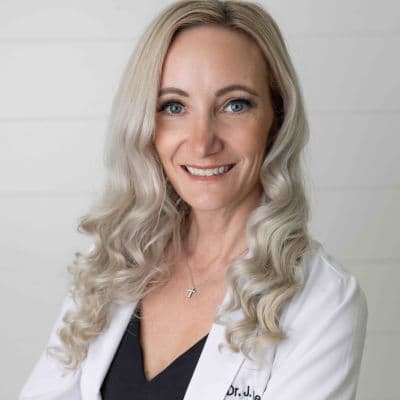
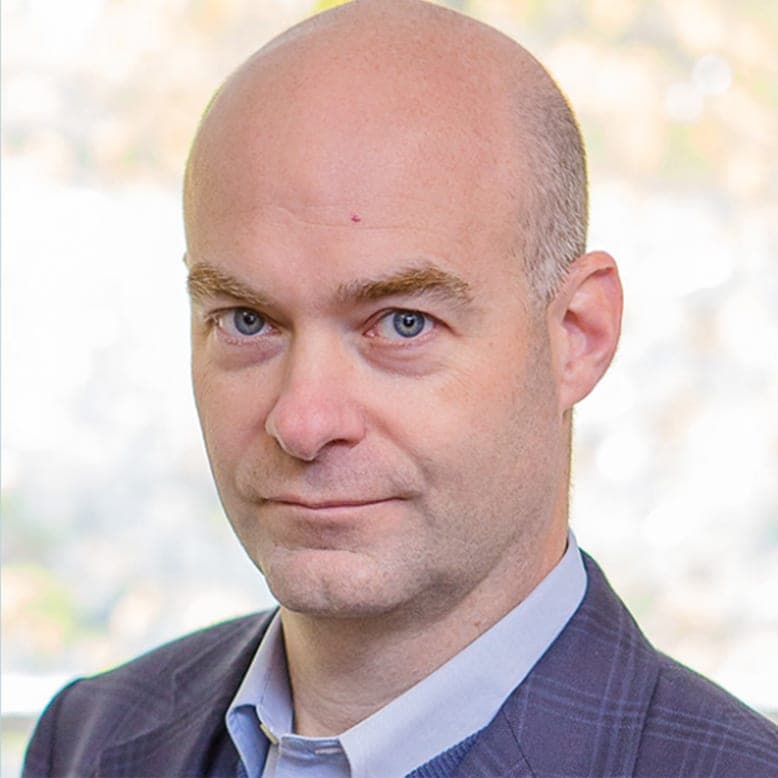
Full Transcript Introduction and Guest Background 0:00 if those cells aren't creating an integral barrier, 0:04 there's flow of all that microbiome 0:07 into you, into your body. 0:10 That's why there's 70% of the immune cells in your body 0:15 are associated with that digestive system, with that digestive tract. 0:20 And so you've got mucosal and peri mucosal, macrophages. 0:24 You've got all sorts of different, mast cells etc. 0:28 that are sitting lining that ready to act. 0:31 If that barrier is broken down. 0:41 Hi everyone. 0:42 Welcome back to the Integrative Health Podcast with Doctor Jen. 0:46 Today we're going to be talking about a really important subject 0:49 which is the vagus nerve and our vagal nerve health. 0:53 And this is something that personally over the last few years 0:56 I've really dove into with my own health journey. 1:00 So I'm so excited to have JP Eriko today to talk about this. 1:05 He is a seasoned professional. 1:07 He served as a C-suite member and board member in several health care companies, 1:11 including the founding chief executive officer of startups 1:15 including Spine Corp and Electric Core. 1:19 He's also served as founding board member, C-suite officer, 1:22 and advisor for multiple private and public companies, including 1:26 K2 Medical, morphogenesis and Undyne. 1:29 Biomedical is the inventor of more than 250 U.S. 1:33 patents and different applications, including Electric Horse, 1:36 primary intellectual property portfolio relating to the vagus nerve, stimulation 1:41 for medical and wellness indications, including cluster, cluster, 1:44 and migraine headaches. 1:46 When the technology has received FDA clearances. 1:49 His educational background 1:51 is as impressive and extensive as his professional career. 1:54 In 1990, he received his undergraduate degree 1:57 in aeronautical engineering from Massachusetts Institute of Technology 2:01 and worked for the Air Force National Laboratory, Lincoln Laboratories. 2:05 While a student, he also holds law and mechanical Materials Engineering 2:10 graduate degrees from Duke University, where he received simultaneously in 1993. 2:16 He trained as a patent attorney in New York and authored a treatise 2:19 on International Intellectual Property Law, published in 1995. 2:24 He's also authored chapters in neuromodulation and second edition, 2:27 and Vagus Nerve Stimulation, both textbooks published by Elsevier, 2:32 as well as the Vagus Immune Connection, 2:34 a popular science book for Biohackers and practicing healthcare providers. 2:38 He's currently the co-host of the health Upgrade podcast 2:42 The Doctrine of Ease Abebe, which showcases interviews with bureaucrats, 2:45 experts in functional medicine, longevity, health, high performance, 2:49 and functional movement. 2:51 Welcome to the podcast, JP. 2:53 Excited to have your expertise here. Glad to be here. 2:55 Thank you for having me. Yes. 2:57 So it looks like you were kind of a nerd 3:01 and really into learning 3:05 well, which is great, that's for sure. 3:08 I've always enjoyed, sciences, and, although I will say in my spare time, 3:12 I like to write novels and screenplays and watch movies, and 3:16 and I'm a bit of a sports enthusiasts, so, I like to use the word 3:20 geek as opposed to nerd, but that's all right. 3:23 Well, okay. 3:24 Well, let me just this is a sidebar. 3:26 So I was saying something to my kids and I'm like, oh, 3:30 I'm excited to geek out with them about this topic. 3:33 So you can't use that word geeking out anymore. 3:35 It doesn't mean nerd out. 3:38 It means like it's drug related. 3:40 It means, or did you know that, like, I didn't think you did or you didn't, 3:44 I didn't. 3:45 I thought I was tweaking, I thought, like, no, I was different from 3:49 I can't keep up with it. 3:50 So anyone anyone out there don't say you're going to geek out 3:53 listening to my podcast, like, say you're going to nerd out. 3:55 We can still say nerd unless unless it's on something like 3:59 high flow oxygen or something like that, right? 4:02 I wonder if that counts. 4:03 That's what the kids need to get into these days. 4:06 But that was just pretty funny. 4:08 Anyway, so, what I love about, like, reading 4:11 all your bio is that it's it's great to have ideas. 4:16 It's great to be a nerd about science, but you're actually, like, 4:19 putting it out there trying to get FDA clearance on. 4:23 We'll talk about Carmaker and Trivago, which I love and I use daily. 4:27 So this is where it's important because a lot of 4:31 people, especially like doctors like I've noticed, like we have good ideas 4:35 or we're excited about stuff, but we're, we're they're seeing patients like, 4:39 we can't we're not implementing stuff and we don't know how. 4:41 So like, let's just talk about your journey. 4:45 Like when you actually was like, okay, this is how I'm going to use this 4:48 information and actually build companies that are going to change health. 4:52 Yeah, it's sort of a long and winding journey that, I, I wouldn't 4:55 necessarily suggest anybody repeat, but, my father was a physician. 4:59 He was an ob gyn, and, and which is a really tough, 5:03 a tough field to be in just in terms of your, 5:06 your sleep hygiene and, being around for the family. 5:10 I mean, he was obviously a good provider and a good father, but at the same time, 5:14 he was just always so tired from being up in the middle of the night delivering 5:17 babies and I just looked at that lifestyle and said, I don't want that. 5:22 So I really steered clear of medicine. 5:24 Well, many of my cousins either went into law or into medicine. 5:28 I was going to go to engineering. 5:29 I wanted to do the sciences, hard sciences. 5:32 In fact, 5:32 if you'd asked me as a high school senior what I was going to major in, 5:36 I would have told you either math or physics, 5:39 but ended up doing, aeronautical engineering at MIT. 5:41 I was on my way to go to law school to learn how to become a patent attorney. 5:46 And then, did a joint master's, a master's degree in engineering at the same time. 5:51 And I sort of got roped into it out of nowhere because my uncle, 5:55 who is a world renowned spine surgeon, decided to recruit me 5:59 to help him patent some ideas that he had. 6:03 And that led to us 6:05 collaborating on developing literally hundreds of different, 6:09 ideas for spine surgery, orthopedic surgery, neurosurgery. 6:14 And that led me to be exposed to 6:17 some of his colleagues who were doing work in neuromodulation. 6:21 And we're talking about, like, 1999. 6:24 I mean, really far back in time at this point. 6:27 And, you know, for my kids, that's before they were born. 6:30 So I always tell them it's like this, this stuff existed back in the dark Ages. 6:35 But I got fascinated by it, and and that led me 6:39 to start thinking about, okay, well, how can we how can I be a part of this? 6:43 How can I do something that nobody's ever done before? 6:46 And the one bit of advice that I got, and it was really an offhand comment 6:52 that one of my uncles colleagues, his name was, Doctor Ali Rizvi said 6:57 was if anybody's ever cut a nerve and gained a benefit
How Vagus Nerve Research Began 7:00 from cutting that nerve, you might be able to stimulate it 7:02 and get the same benefit. 7:04 And it was with that little offhand piece of, 7:07 I mean, literally, I think we were on a ski slope at the time, you know, 7:10 with that little bit of information stuck in my head. 7:12 Four years later, I read an article in which somebody had cut the vagus nerve 7:17 and gained a benefit in anaphylactic reactions. 7:21 And so I said, well, why don't I do the same thing? 7:24 Why don't I just stimulate the nerve and get the same benefits for anaphylaxis? 7:28 And we did the study at Columbia University showed that we could do it. 7:32 And then we were off to the races. 7:33 And that was the beginning of the company. 7:35 That is so cool. 7:36 And for those listening out there, they've also cut the vagus nerve 7:40 to the stomach for like stomach acid stuff. 7:43 So that, I mean, and and that's so my thing is it's like God designed us 7:48 perfectly. Right? 7:49 Like, why are we cutting things out or taking them out? Right. 7:52 That means that we're messing up. 7:53 So so I love that. 7:54 So that goes with neuromodulation. 7:56 So why would stimulating it have the same effect as cutting it? 8:01 If you can explain to our audience a little bit. Yeah. 8:04 And that is a curious thing. 8:06 I'm not entirely sure that cutting it 8:09 does do the same thing that stimulating he does. 8:12 But in the specific study that I was looking at, 8:16 they cut the vagus nerve after they gave the challenge to the dog. 8:21 So I think that the physical act of cutting the nerve actually 8:25 stimulated it for a very brief period of time before it damaged it. 8:30 And that stimulation was actually what the benefit was. 8:34 I'm, I'm blue sky here a little bit with respect to that. 8:37 I don't know for sure because we never did studies where we cut the vagus nerve. 8:41 We didn't 8:41 we didn't think that that was really we were trying to save animals lives. 8:44 We weren't trying to kill them. 8:46 So, we were we were not willing to damage them, permanently. 8:51 Now, I will say I agree with you that, on a larger issue, 8:56 which I think is, is great for functional and integrative medicine 8:59 in general, is this idea that human beings 9:03 did not either evolve or be created, or the combination of both 9:07 in a way that is lacking? 9:11 We don't we don't have, flaws 9:14 that are designed in so that we need statins, for example. 9:19 I think there's a great line out there, 9:20 like we do not suffer with heart disease because we have a statin deficiency. 9:24 And so the same thing is true of our vagal health, our autonomic 9:29 nervous system, our autonomic nervous systems are not broken. 9:32 We may be misusing them. 9:34 We may be asking things of them that are causing problems for us, 9:38 and we'll get into all of that. 9:40 But I don't think that we need to be 9:43 cutting the vagus nerve to solving anybody's problems. 9:47 Right. 9:48 I think it's really hard when we talk about the on and omics system 9:51 and parasympathetic rest and digest versus sympathetic 9:55 fight or flight running from the bear, and we're living in parasympathetic 9:59 fight or flight all the time. 10:00 And whether that's from a childhood event, an adverse childhood event is source 10:05 which we know determine health, you know, decades down the road. 10:09 But it's really hard. 10:12 I just had a call with some patients 10:14 today, and two of them I spoke about trauma and stress 10:17 and maybe activating the vocal nerve, whether it's, you know, going outside 10:21 and grounding or prayer and meditation or physical stimulation of it. 10:25 So I think it's really hard for people to wrap wrap the idea around this. 10:30 So how do you start to explain this to someone like, 10:35 yes, your vagus nerve might be the key to your health problems, right? 10:40 So the way I do it is I say to people that all of our systems in our body 10:46 and there's thousands, biochemical systems, pathways, etc. 10:51 there are really four fundamental ones and everything else 10:55 is really sits on that foundation. 10:59 The first is and it's the most 11:02 fundamental is your mitochondria, your energy, 11:05 and how how your cells are producing the energy 11:09 units, the battery packs, if you will, that attached 11:12 to all the different other chemicals in your body so that they can do work. 11:16 Okay. 11:17 That's ATP, adenosine triphosphate. 11:20 We create energy in our mitochondria. 11:23 If we don't have healthy mitochondria, 11:24 our mitochondria aren't functioning properly. 11:27 If they're too sugared up and we're not we don't we're not they're not flexible. 11:31 They can't use fatty acids and ketone bodies and other things for energy. 11:35 And we're stuck in this sugar cycle. 11:37 Then they become dysfunctional and we become fatigued. 11:40 We become damaged. 11:41 We become at risk for cancer. 11:43 We become, you know, really, there's no disease out there 11:47 that doesn't involve mitochondrial dysfunction of some sort. 11:50 The second system is your immune system. 11:53 And our immune system is sort of the way we interact with ourselves 11:56 in the world around us. 11:58 And and we don't most people don't realize that our bodies 12:02 are actually built by our immune cells system. 12:06 There are immune cells, tissue, resident macrophages in the brain. 12:09 They're called micro glial cells. 12:11 And in our liver they're called cup for cells. 12:14 And for skin they're called Langerhans cells. 12:16 I mean we are we are literally built by those cells. 12:20 And they stay with us for our entire lives. 12:23 And they maintain that tissue. 12:25 And in some cases, they'll even sort of do the work for the tissue that's there, 12:30 just because it's they sort of sub in, if you will, and help. 12:35 But when they become distracted by inflammation, everything goes haywire. 12:40 I mean, it's sort of like if the farmer leaves the farm, 12:42 yeah, the farm animals will still be there, but they'll 12:45 they're going to wander all over the place. 12:46 And the crops are going 12:47 to grow in the weeds and the buildings will go into disrepair. 12:50 So you need to have those, those chaperons there. 12:55 The third is our microbiome, and how we interact. 12:59 And most people talk about the microbiome being your gut, you know, from, 13:03 you know, the bacteria and, and fungus and yeast 13:07 and all the rest of it that lives in our, in our digestive tract. 13:11 But that's not the only microbiome that we have. 13:14 We have a microbiome in our skin. 13:16 We have a microbiome in our airways. 13:18 And in the fact that our nose and our mouth, I mean, our mouth 13:21 is connected to both the airways and, our, our gut. 13:26 So those are in communication all the time. 13:29 And there are other microbiomes that that exist in our bodies. 13:32 We have to interact with that. 13:34 And if we're not interacting well with that microbiome, then we will die. 13:40 I mean, without a microbiome, your body will fall apart within days. 13:44 The final piece is your autonomic nervous system. 13:46 It's the it's the control system that has the ability 13:49 to control all three of those other systems. 13:52 And it has two sides, as you said, the parasympathetic and the sympathetic side. 13:58 And you need both. 13:59 You can't exist with only one.
Autonomic Nervous System and Stress 14:02 It's sort of a dynamic balance that has to be struck. 14:05 And as you're absolutely right, for people 14:08 who have early childhood trauma or 14:12 or other experiences that leave them 14:15 permanently in a threat response mode, 14:18 then you're going to end up being dysregulated 14:22 across everything else, in part because your immune system 14:26 responds to that autonomic nervous system and the threats that are perceived, 14:31 whether they're physical threats, emotional threats, toxic threats, 14:37 any kind of threat is your immune system responds to equivalently, 14:43 you know, people who have, inflammatory bowel disease, for example, 14:47 one of the you know, one of the really interesting studies 14:50 is that if you have inflammatory bowel disease, 14:53 just being in a socially stressful situation can cause 14:58 your inflammatory cytokines levels to rise and and puts you at risk for a flare up. 15:04 So the we think of oh that's just that's just mental stress. 15:08 That's just emotional stress. 15:10 It's it's still a stress. 15:12 And we we have to learn how to deal with that. 15:13 We have to become more resilient. Yeah. 15:16 And and it's hard to have people understand 15:18 how something ten years ago can still be a threat. 15:22 You know, so hundred years ago. 15:24 Yeah. Or even sometimes, like watching a movie. 15:26 So watching a scary movie and then you're walking outside 15:30 and you think someone's going to jump out of a bush, but they're not. 15:33 But it's that perceived stress. It's stressing you out. 15:36 And that's why I just said no more scary movies, no more violent movie. 15:41 Like, I barely watch any of that anymore because 15:44 you still are perceiving it as as a threat. 15:48 So anyway, you know, 15:50 staying in that fight or flight, I mean, we have enough going on right now 15:53 in the world where people are, you know, just perceiving this threat. 15:57 But I talk to my kids about it. 15:59 I'm like, 15:59 that's why I don't want you to go to, like, haunted houses or stuff like that. 16:02 Like, it's just I want to try to keep your autonomic 16:07 nervous system as calm as possible. 16:10 Yeah, so I would I think you're absolutely right with respect to the fact 16:14 that there's so much that's stimulating 16:19 people's sympathetic nervous systems. 16:21 And, and keep in mind that when you go out and play a basketball game 16:25 or you go to the gym and you get on the treadmill, 16:28 I mean, you are simulating fight or flight. 16:31 I mean, when you lift weights that simulating fight, 16:34 when you're on the treadmill, you're simulating flight. 16:37 That's fine. 16:38 Short periods, short bursts 16:41 of of that level of intensity 16:44 and fight or flight response is actually healthy. 16:48 It's what we call a core medic stress. 16:50 You want to have four medic stresses, but there's so much going on in the world. 16:54 There's so many different stresses, there's so many different things that are 16:57 stimulating people that we really have 17:01 a lack of relaxation, a lack of calmness. 17:07 So, you know, well, going to a haunted house 17:10 or going to see a scary movie isn't necessarily 17:15 in and of itself bad. 17:17 But if you leave the scary movie and you go and you go to the next 17:21 scary thing, or the next threatening thing or the next overstimulating thing, 17:26 and there is never that that the downtime, if you don't have that, 17:31 that's where you end up with chronic inflammation. 17:35 You end up with mitochondrial dysfunction, you end up with this viruses. 17:40 You end up with higher risks of everything from, 17:43 you know, cancer to neurodegenerative disorders to 17:46 to cardiovascular disease to metabolic dysfunction. 17:50 I mean, all of that is resulting from never getting yourself 17:55 back down into that rest digest, restore recovery mode, right? 18:01 Yeah. 18:02 And that's that's the hard part. 18:04 You need to get to that. 18:05 And and we don't sometimes we are in the hustle and bustle state, especially. 18:10 I work with mainly perimenopausal women, and they're at that phase of life 18:15 where they are not getting a break at all, ever. 18:18 And they're not giving themselves that downtime. 18:20 So it's it's difficult, you know, and there's this withdraw of estrogen. 18:26 And, you know, estrogen is a really, really, really important hormone. 18:30 It controls so many different things and is so anti-inflammatory for women. 18:35 And so one of the reasons you experience all of the symptoms of, 18:40 you know, perimenopausal hot flashes and, and night sweats and mood swings 18:46 and all of that is really because your immune system has ratcheted up 18:52 to a much higher level, and it has an effect on everything. 18:57 It's degrading your everything from, you know, people say, well, what osteoporosis. 19:02 How is osteoporosis related to this? 19:05 It's related to it because there's a balance between 19:08 building bone and breaking bone down, and that the cells 19:12 that are responsible for controlling all of that are called osteoblasts. 19:16 And what we don't realize most people don't realize 19:19 those osteoblasts are actually immune cells. 19:22 They are the tissue resident macrophages of your bones. 19:26 And so when you withdraw the estrogen they become activated. 19:30 They become inflamed. 19:32 And what do they do when they become inflamed. 19:34 They break bone down. 19:36 And so you end up with a D mineralization and a breakdown of bone. 19:39 And you end up with lower bone density and osteoporosis. 19:42 Now how does this relate to aging and how does the autonomic 19:46 nervous system relate to aging? 19:49 Yeah. 19:49 So I actually, I'm in the process of publishing a paper, 19:52 which is introducing the theory of, 19:55 the autonomic deregulation theory of aging. 19:59 And so what we did was we went and we looked and we said, okay, 20:03 we know if you look at somebody like the president of the United States, 20:06 you know, you know, whether Democrat or Republican, one of the things 20:09 that we've always noted is how much they age. 20:14 You know, during being the president ages, you 20:17 they say four years as the president ages you ten years. 20:21 Can you say, well, why? 20:22 I mean, this this is an individual who has access 20:25 to the best possible medical care. 20:28 He's constantly being monitored for what he's eating and saying, 20:32 you know, Diet Cokes, decide, you know, where he's never going to end up 20:36 without having the best possible medical care. 20:39 And yet he's still aging so much. 20:41 And the reason is because when you're in that constant stimulation, 20:46 that constant sympathetic state, you are aging more rapidly. 20:52 And so we went and we said, well, 20:53 how can we be sure that this is really the right interpretation? 20:57 And so there's there's certain 21:00 phenomena we'll call them hallmarks, the hallmarks of aging. 21:04 And they range from, you know, metabolic dysfunction and inflammation and, 21:10 deregulation of your, of your, microbiome. 21:14 Deregulation of nutrient sensing at the cellular level. 21:17 There's genetic mutations and epigenetic drift. 21:20 We looked at those things and we said, 21:23 what is the effect of the autonomic nervous system 21:27 being in a sympathetic state versus a parasympathetic state. 21:31 What what's the effect of these 21:34 on aging, on these aging phenomenon. 21:37 And what we found was that every single 21:41 one of those phenomena accelerates or gets worse 21:45 when you're in a chronically, 21:47 sympathetically active state, even your telomeres shorten faster. 21:51 And then we looked and we said, what happens 21:53 when your parasympathetic nervous system is dominant? 21:56 When you're in that rest, digest and restore state. 21:59 And we found that 22:00 every single one of them slowed down and in some cases even reversed 22:04 when you were able to get in on a regular basis, not all the time, 22:08 but on a regular basis, getting back into that rest digest and restore state. 22:13 And so I think that at the end of the day, stress is not just a mind killer. 22:18 It's it's our it is what ultimately kills us. 22:22 Yeah. 22:23 Well, so what do you say to the person? 22:25 Because I hear this a lot from patients. 22:27 They're like, well, I don't feel stress, but I know that they are from their load 22:33 that they have or from their past trauma. 22:37 You know, I mean, I think that's one of the hardest thing 22:39 when people they're like, I don't feel stress. 22:42 And I'm like, but you are like, I can see it. 22:45 What do you what do you tell to them? 22:46 Someone that you know is operating in the fight or flight, 22:48 but they're so used to it they don't even notice. 22:52 Yeah. 22:52 And there's, there's a lot of people out there who may appear 22:55 healthy who are you know, we always talk about those skinny, fat people.
Aging, Hormones, and Inflammation 23:01 You know, there's 23:01 people who look like they're healthy, but they're metabolically a disaster. 23:06 There's people who look healthy, but their inflammation markers 23:09 are through the roof. Cardiovascular health. 23:12 You know, it doesn't look like a potbelly. 23:14 It looks like, you know, problems with your vasculature 23:17 and your and your cardiac. 23:19 You know, muscle tissue. 23:21 So I look and I say to people like that, a cyclist, 23:24 you may actually be healthy, I don't know, we have to, you know, run the test. 23:28 But if you if your tests come back in, you're not you're not sleeping right. 23:32 You're not. Your inflammation levels are high. 23:35 Then start to integrate into your life. 23:38 Certain resilience enhancing 23:41 exercises and and habits. 23:44 You know, vagus nerve stimulation with the device is very easy. 23:47 I mean, that's sort of the cheat code, but things like, 23:52 deep breathing, meditation, for medic stress, 23:55 you know, any kind of hermetic stress, which is a small stress 23:59 that you allow your body to heal from and become more, you know, stronger 24:04 and more resistant to things like sauna and ice 24:08 baths and, you know, and exercise. 24:11 All of these things are ways to 24:14 break it down and build it back stronger in a way that's more healthy. 24:19 And it can you can do it at any stage of life. 24:22 I mean, literally, as people say, if you can fog a mirror, 24:26 you can do deep breathing. 24:28 And if you can, I mean, that's it doesn't take very much. 24:31 You can you can do it at any time and start 24:34 to really slow down the aging process and even reverse it. 24:38 Yeah, I love the four, seven, eight breath. 24:40 I was introduced to that during my fellowship 24:43 for integrative medicine with Doctor what I, al and I 24:47 had recommended that so many times, and I've had patients where it's 24:50 helped so much and and that's just active you know inhale for four. 24:55 Hold for seven. Exhale for eight. 24:57 And that's activating that that vagal nerve through through the diaphragm. 25:02 And this is why breathing is is so important. 25:05 And it doesn't take a long time I think that's the hardest thing. 25:09 About this is we're saying that there's a key to aging slower. 25:14 Like there's documented research on this to, 25:18 you know, prevent cancer via immune health. 25:22 And, you know, people aren't taking a couple of minutes to do it. 25:25 And I know I'm guilty sometimes, too. 25:27 I, I have my true vigor sitting on my nightstand. 25:30 And I'll go like 3 or 4 days without using it, 25:32 or I'll go a couple days without doing deep breathing. 25:36 And it's it's not smart. 25:39 You know, we really need to focus on activating this vagus nerve. 25:43 And it's not that like you brought up earlier, 25:46 you know, we were talking about it's not that our body's broken, and it's 25:49 just that we are not stimulating it or using it like. 25:52 Like we all used to, like, decades and decades ago. 25:56 It's just gotten pushed away. 25:58 And there's been increased stress or increased stimulation 26:01 in the world via technology and electronics. 26:04 So yeah, one thing that you, 26:08 can you talk about the immune cancer connection? 26:12 Because I think this is something that people miss and 26:15 especially post-pandemic we're seeing an increase of cancer. 26:20 And, this is because, you know, that thing that 26:23 that virus, it really affected the immune system. 26:26 So I don't think that this is a common connection that people may. 26:31 Yeah. 26:31 So there's there's there's actually three legs to this one is 26:35 actually is absolutely the immune system. 26:38 The second leg is the is the metabolic. 26:40 Health of your mitochondria. 26:42 And they're so tightly related. 26:44 As I said, these, these four foundational systems in the body, 26:48 you know, metabolism, microbiome, immune system and autonomic nervous system, 26:53 the the even even at the, at the most, 26:56 you know, central level, they interact with one another. 27:00 And so let's take the immune system, 27:03 which is what you're, you're highlighting when the immune system becomes activated. 27:08 One of the things that it's doing to your cells 27:10 is it's saying there's, there's a hostile, pathogen or, 27:15 or danger or threat that's, that's existing in the body. 27:19 You need to get ready to defend yourself. 27:22 And so how do cells that have been instructed now to defend themselves? 27:28 What do they do? 27:29 Well, one of the things that they do is 27:32 they reduce the hospitable ness, if you will, of their internal environment. 27:40 And the way they do that is they get their mitochondria 27:45 to start to produce free radicals. 27:47 So you mitochondria, these little factories, it's like they're 27:51 creating energy. 27:52 But at the same time they're also creating some waste products. 27:56 And those waste products need to be handled properly. 27:59 And so we have antioxidants, things like Bluetooth, thiamin and melatonin. 28:04 And they don't people think about melatonin as a sleep hormone. 28:06 But melatonin is a really important antioxidant. 28:09 We have superoxide dismutase and catalase and vitamin C and vitamin 28:13 E and all of those antioxidants that are designed to help our cells 28:19 get rid of that waste material that that 28:21 the damaging byproduct of energy creation. 28:25 But when you want to become an inhospitable environment, the cells 28:29 begin to reduce the level to 28:33 which they're blocking those free radicals. 28:36 They create more free radicals that damages everything within the cell. 28:41 So you're literally just slowly breaking the cell down from the inside out. 28:46 Now that's fine. 28:48 If you've got a virus or you've got a bacterial infection 28:51 for a short period of time. 28:53 But if you're chronically in that state of being inflamed, 28:57 then you're going to end up with your mitochondria becoming dysfunctional 29:02 and the combination of your immune system 29:05 not functioning properly because it it wears out too. 29:08 It becomes tired and fatigued 29:11 and the cells becoming tired and fatigued 29:13 and damaged on the inside by those free radicals, 29:19 those cells will start to become cancerous. 29:22 They will they'll they'll be a breakdown in 29:26 in the genetic code, a breakdown in the, 29:29 mitochondrial function of the metabolism that's going on inside the cell. 29:32 And remember, the cells police themselves also. 29:35 So when Excel starts to turn cancerous, 29:38 what should happen is the cell should say, hey, listen, I got a tap out here. 29:43 I'm I'm turning bad. 29:45 I don't want to I don't want to damage the system. 29:47 So I'm just going to literally just end my life. 29:50 It's called apoptosis. 29:53 But that process is run by the mitochondria. 29:56 And if your mitochondria aren't functioning properly, 29:59 then the cell can't do that. 30:02 And there's a bunch of other steps these cells can take to try 30:05 to prevent themselves from becoming cancerous. 30:09 But we systematically break them down by getting rid of the immune system 30:13 functioning properly. 30:14 We get rid of our mitochondria functioning properly, we are run down, 30:18 we're stressed out. 30:18 We're we're constantly, 30:20 you know, flooded with norepinephrine from our fight or flight response. 30:24 And so our risks of of having cancerous cells 30:29 reproduce and survive and live within us, 30:33 without being cleared out becomes higher. 30:36 And so we're seeing a lot of that. 30:37 And, and Covid and, and frankly, I'm, you know, 30:42 I personally think that when you have 30:46 the body producing the most toxic part of that virus 30:52 and that is constantly triggering the immune system, 30:56 you are increasing the risk that those cells are going to become
Cancer, Immune Health, and Chronic Stress 31:00 that you're going to end up with a cancer. 31:01 Yeah, yeah. 31:02 I've seen so much inflammatory problems. 31:06 It's literally like practicing medicine in a different time in the last ten years. 31:11 Everything is a lot different. 31:13 But but I mean, if you recognize that and realize everyone is really inflamed 31:18 and then we have to start breaking down, 31:20 you know, how we rebalance the immune system. 31:23 And, and this is where very little nerve stimulation does 31:26 come into there, as is an important part. 31:29 And that's why I really like, wanted to do this podcast 31:33 with you, just as a way to convince people that it's so important. 31:37 Because why? 31:39 You know, I could one nerve be so important, right? 31:43 Because it it goes throughout your body. 31:45 So let's talk about the gut health and the connection to the vagus nerve. 31:50 Because, you know, we when you talk about pooping, 31:54 I mean, we the parasympathetic nervous system 31:56 and that vagal nerve has a really big influence on it. 32:00 And we are seeing a lot of chronic constipation, 32:03 where once again, miralax it's not a miralax deficiency. 32:08 Right? 32:08 So yes, some of this is diet, but I see more and more that if we balance the 32:14 the vagus nerve, the autonomic nervous system, 32:16 if we get that back on track, then constipation improves. 32:20 And then because we're fixing the overall gut health 32:26 from the physical nerve standpoint and a whole system standpoint, 32:30 that everything else is functioning in better bile, small, 32:34 you know, we're not having dysbiosis or imbalance of gut bacteria. 32:37 So we're breaking down leaky gut, or leaky gut. 32:40 You know, that's to me, that's 32:42 that's the most fascinating aspect of the, of the digestive system. 32:45 I mean, it is such an important part of of our, 32:50 our evolutionary history, but 32:53 it's literally one self-check. 32:56 I mean, the barrier between what's 32:58 going on inside the intestinal tract 33:01 and your sterile environment is one cell thick. 33:07 And that cell, if those cells 33:10 aren't creating an integral barrier, there's flow 33:14 of all that microbiome into you, into your body. 33:19 That's why there's 70% of the immune cells in your body 33:25 are associated with that digestive system, with that digestive tract. 33:30 And so you've got mucosal and peri mucosal, macrophages. 33:34 You've got all sorts of different, mast cells etc. 33:37 that are sitting lining that ready to act. 33:40 If that barrier is broken down. 33:43 Well processed foods, ultra processed 33:46 foods, toxins, dyes, you know, seed oils, motor oils, 33:50 all that kind of stuff that's going into our food supply 33:55 is damaging 33:57 that balance of the, the, the bacteria that should be there. 34:01 So now you're getting a especially sugars 34:04 causing all sorts of changes to what actually the bacteria count, 34:09 what constitutes that bacterial load, and then the damage to the that tissue 34:15 is that one cell thick layer is happening 34:18 as a result of our stress levels. 34:22 You know, our stress levels are leading to heightened levels of inflammation. 34:28 And I said before, one of the things that that we looked at in the aging 34:32 context was a breakdown of connective tissue. 34:36 Well, part of what's holding that barrier 34:39 together is connective molecules, connection 34:43 molecules adherence and other things that literally get broken down 34:47 because we have another group of, of of compounds that we make, 34:52 chemicals called matrix metallic proteases. 34:56 And these matrix metallic proteases are going to break down those connections. 35:01 And they happen when your immune system is activated. 35:05 So one of the ways that vagus nerve stimulation helps 35:09 prevent all of this and sort of quiet 35:13 the immune system and restore balance in the gut 35:16 is through one of the pathways 35:19 that's called the cholinergic anti-inflammatory pathways. 35:23 And I always say it 35:23 makes certain people know it's plural because there's more than one pathway. 35:28 There's a separate pathway in the central nervous system within the brain itself. 35:32 There's a pathway that involves the spleen. 35:34 And that's really important because that will affect things 35:37 peripherally, like in your joints like rheumatoid arthritis and vagus nerve 35:41 stimulation was just approved by the FDA for treating rheumatoid arthritis. 35:46 What's happening in the gut? Yes. 35:48 Within it is it's it's it's been a long time coming. 35:51 And I'm glad to see that it finally happened. 35:53 But vagus nerve stimulation 35:54 is now an approved therapy for treating rheumatoid arthritis. 35:59 That's, the drug companies, man. 36:01 Oh, absolutely. 36:02 Why do you think it took so long to get it approved? 36:05 Sure thing. 36:06 Yeah, they they just want to put everybody on, 36:08 you know, Enbrel, Remicade, Humira or Jax inhibitor, etc.. 36:12 What what we found and what I didn't, but but it's been found 36:16 by the research community that's focused on vagus nerve. 36:20 Is that within the gut, 36:22 there is a very direct pathway by which vagal release of acetylcholine 36:29 changes the what immune cells are even being expressed in that tissue. 36:35 You want to get away from those pro-inflammatory 36:39 17 cells that are 36:42 pumping out cytokines 36:43 and matrix metallic proteases and leading to leaky gut problems, 36:47 and you want to create T regulatory cells, 36:50 T regulatory even sound nice and regulatory. 36:53 What they do is they go and they calm the inflammation down. 36:58 They resolve inflammation. 37:00 They restore and heal. 37:03 And that is what vagus nerve stimulation does in the gut. 37:07 And it's a really important pathway. 37:10 Yeah. 37:10 It's interesting because, I have a patient who has Crohn's and she, 37:14 you know, they're starting her on just another biologic. 37:17 And we had her off for a while, but then she went through some stress 37:20 and that that was her trigger and, viral a viral load too. 37:24 But it's interesting 37:25 because a lot of these biologics, they just suppress THC 17. 37:29 Right. They just they just suppress those. 37:32 So but you're not fixing the root cause, like you said. 37:35 You know, if you're not activating the T regulatory cells, you're just suppressing, 37:39 you're still going to have flares, you're still going to have problems. 37:42 And these and the crazy thing is these biologics, they wear out. 37:48 Or if they're not at the right high enough level, 37:51 then your body becomes like they gets used to them basically. 37:55 And they don't work. 37:56 And it's just it's 37:57 just like a cat and mouse game with the these aren't an answer.
Gut Health, Leaky Gut, and Vagus Nerve Stimulation 38:00 It is. 38:01 And that is really I have sort of a couple of different 38:05 pet peeves out there in the in the pharmaceutical world. 38:08 Probably the one that I talk about the most is antidepressants. 38:14 Yeah. 38:14 So antidepressant medications are designed and their entire rationale 38:20 is around the observation that in people who have depression, 38:25 there is a higher level or a lower level, I should say, of serotonin 38:30 and a higher level of concern. 38:33 And so if you go back again to the root 38:36 cause, if you go back up the chain 38:39 and you look and say, well, where does serotonin come from? 38:42 What is it synthesized from? 38:44 It's synthesized from the amino acid tryptophan. 38:48 And there's a two step process by which tryptophan is turned into serotonin. 38:53 Now serotonin is made by almost every cell in your body. 38:56 But we should think about it is in the brain context. 39:00 90% of it's made in the gut. 39:02 But we think about it in terms of our mood. 39:04 Serotonin is like the happiness molecule. 39:06 Okay. 39:07 Interestingly, two steps down from serotonin. 39:10 Serotonin actually serves as a precursor for making melatonin. 39:12 Remember we talked about the importance of melatonin 39:15 not only for sleep but also for as an antioxidant protecting mitochondria. 39:20 But what happens is when you are stressed all the time 39:23 and you become inflamed, your cells stop making that serotonin because they don't 39:28 want to make the melatonin, because they want to have that. 39:31 Those free radicals be created to become inhospitable. 39:35 So instead they create something called concerning. 39:38 Concerning is the other side of making from tryptophan. 39:42 Now concerning is important. 39:43 You need to have that and you need all the pro-inflammatory protein. 39:47 Free radical promoting compounds that, that come with it. 39:51 Those are sort of the bad side because at the very bottom you make nad 39:55 and that's really important for your mitochondria also. 39:58 But along the way, if you get stuck at any one of those biochemical stages, 40:04 you end up with a toxic environment inside your cells. 40:08 And so all of that is aging you. 40:12 And so again, if you use 40:15 if you use vagus nerve stimulation instead of using a drug like, you know, 40:19 an SSRI, a selective serotonin reuptake inhibitor, it's not solving the problem. 40:24 It's not solving the problem of creating serotonin. 40:26 And to your point, which you just were mentioning, 40:29 if you take a selective serotonin reuptake inhibitor, 40:32 what is the first thing the body is going to do? 40:35 It's going to fight back against that. 40:38 It was doing something because it thought it needed to. 40:42 And then you came on top and put a drug in that blocked it from doing 40:46 what it thought it really needed to do, and it's going to do it even harder. 40:50 That's why you end up having to increase your dosage of your SSRI 40:54 until you get to the point 40:55 where it doesn't work anymore, and then they switch you to an S, NRT. 40:59 And and the problem is you become your 41:03 your levels in your body become sort of acclimated to that new environment 41:08 where you're loading up on all these selective 41:12 serotonin and norepinephrine reuptake inhibitors. 41:15 And now if you try to go off those drugs, now you have what could be a lethal, 41:20 literally a lethal problem with with serotonin. 41:25 So I always say to people, listen, it's far more likely 41:29 that what you need to do to treat your depression 41:32 is to treat the inflammation that's that's in your central nervous system. 41:36 And you do that better with vagus nerve stimulation 41:39 than you're ever going to do it with the selective serotonin reuptake inhibitor. 41:43 Right. 41:44 And they don't feel better I don't know. 41:46 They don't they feel they feel they feel numb. 41:49 Yeah. They feel numb. 41:50 They the cognitive they're they're affected as well. 41:53 And they gain weight and you know, and like going back to hormones with women. 41:58 I mean, if progesterone and estrogen aren't balanced 42:02 then they always want to put them on a SSRI. 42:04 And then we're having even more problems. 42:06 I mean, it is just massively horrible how patients are being treated honestly. 42:12 So like it's it's I wish I could say I wish I could say that 42:17 we're we've evolved from this and so 42:20 but if you go back to the word hysterectomy, 42:24 I mean that that procedure that basically removes the the ovaries, etc. 42:29 from a woman. 42:30 The reason it's called a hysterectomy 42:33 is because it was designed 42:36 to remove the hysteria from women. 42:39 Okay. 42:39 I think about how incredibly misogynistic that entire concept 42:43 is, that women at a certain age become hysterical 42:47 and they need to have their ovaries removed in order to become less. 42:51 But have we really changed? 42:53 Have we really evolved? 42:55 I mean, my father was no began, as I mentioned before, and I 42:58 used to have long conversations with him about 43:01 and I have to say, he really was not like the rest of his colleagues. 43:05 But he said, listen, I understand 43:08 that there are all of these medical conditions 43:11 and problems that are female centric. 43:15 Yes, men get them too, but women get them far more than men do. 43:18 And that includes depression and anxiety. 43:20 That includes fibromyalgia. It includes IBS. 43:22 It includes all of these conditions that are more prevalent in women, 43:27 especially in as a result of a dysregulated, you know, female cycle. 43:34 And what ends up happening is a male dominated medical field 43:38 discounted says these women are crazy. 43:41 He said, I know they're not because I've known them for their entire lives. 43:44 I've been around long enough. 43:46 Something is going on. 43:47 I'm, I'm I'm honest enough to say, I don't know what it is. 43:52 And I said, but I, I told him, I said, I think, I think we are getting 43:55 to the point where we are understanding. 43:57 What we're understanding is that there's an inflammatory problem. 44:01 It's coming from the environment. 44:02 It's coming from, from stress levels. 44:04 It's coming from a change in in social norms. 44:07 It's coming from a change in social connectivity 44:11 that we, you know, nobody is connecting the way they used to. 44:14 You know, we just don't have the same kind 44:17 of social support network that we need. 44:20 And that impacts women more than it impacts men. 44:24 And we need to fix that. 44:25 And, you know, yes, a vagus nerve stimulator is a nice Band-Aid. 44:30 It's a nice tool, but it doesn't make up 44:33 for all of the all of the rest of the things that are missing. 44:36 Yeah, you're right. 44:38 And I personally am trying to get better at that, trying to spend more time 44:42 with other females, taking a break from working and just 44:47 being social because I could just work forever 44:50 and put my nose down and just be like, okay, here I go. 44:53 I'm just going to work in my free time. 44:54 So it takes, it takes some commitment to do, it make sure that you are, 45:00 you know, being healthy 45:02 because you need to be healthy for for your children and to be a good mother. 45:05 So I think, I think you're right. 45:07 Just one device isn't going to do it all. 45:09 You have to look at the whole picture. 45:11 Now, if someone's using, vital nerve stimulator, can they use it too much? 45:17 What? 45:18 Or does it wear out its use? 45:21 That's a question that I get a lot from. Yeah. 45:23 So those are two great questions. 45:25 The first, the first question of can you use it too much? 45:28 By and large, the answer is no, because you can 45:31 naturally activate your vagus nerve by doing deep breathing. 45:35 Can you deep breathe too much? 45:37 I mean, I guess you can get lightheaded. 45:39 But but we haven't seen anything that seems. 45:41 That suggests that you can use it too much. 45:44 And keep in mind 45:45 that for reasons that are a long story, which I'd be happy to tell you, 45:48 but I don't know if everybody would want to listen. 45:50 Vagus nerve implanted devices that are used for treating epilepsy and depression. 45:56 Those devices are on every five minutes. 45:59 Now, it is entirely unnecessary to do that.
Depression, SSRIs, and Root-Cause Treatment 46:02 However, 46:03 the fact 46:04 that they're on every five minutes suggests that no, there's no limit to the 46:07 there's no upper bound on the maximum number 46:10 of doses of vagus nerve stimulation that a person can can withstand. 46:14 You can have it on all the time. 46:16 In fact, in one in our very first study, before we realized how infrequently 46:21 you really only you needed it people, we had people on for six hours at a time 46:25 straight where we were stimulating their their vagus nerve for six hours. 46:29 So no problem there. 46:31 In terms of the what, 46:32 what people would say is, is there some tacky full access to this? 46:36 Is there some level to which if I do this 46:40 every day, twice a day for six months, it's 46:43 going to stop being effective? 46:44 For me, 46:45 the answer is it actually everything we've seen is it's the opposite. 46:49 That much like exercise, if you go out and you start exercising that 46:53 first day, there's only so much benefit you're going to get from that. 46:57 But if you do it every day for six months, well, at the end of six months 47:02 you'll be able to do a lot more and you'll see even more benefits. 47:06 And six months might not be enough. 47:08 You might need to do it for the rest of your life. 47:10 The same thing is true with vagus nerve stimulation. 47:12 The efficacy appears to actually get better with time, 47:17 which is why I always say to people, if you if you use it for three days 47:20 and you don't see any results, then you're the type of person who's probably going 47:23 to quit your quit your New Year's resolution to get in shape on January 4th. 47:27 You know, don't do that. 47:28 You know, if you want to quit your 47:30 your New Year's resolution, do it on June 4th, not January 4th. 47:33 Yeah. 47:34 Yeah. They got to keep going that's for sure. 47:36 Well I've seen great patient comply 47:39 since with a nerve stimulator and and it helping them a lot. 47:43 And I personally need to be a little bit more consistent. 47:46 But I love using the trigger and actually my nine year 47:50 old start it took him a little bit to get used to it. 47:54 But now he like asks for treatment. 47:55 So actually he has a little bit of neuroinflammation from a mold exposure. 48:00 And also so it's like his body kind of craves it now. 48:04 So it's been great to watch because my family, 48:07 we went through a lot of stress moving, you know, from Ohio to Tennessee. 48:11 So it's been you know, I think we've all handled it 48:14 pretty well because I guess moving is one of the most stressful things you can do. 48:17 So I'm interested to see what my biological age 48:21 did in this last year with the move, but incorporating, 48:25 some other things like by regulators, but incorporating in vagal nerve stimulation. 48:30 I wonder if I'll come out even so, I'll see. 48:33 I hope so, I mean, I have to ask you, how are you planning to do your, 48:37 your biological age test? 48:40 Are you going to use, epigenetic test? 48:42 Yes. Yeah, the epigenetic that does the OCM. 48:45 I, score in the telomeres and stuff. So. 48:48 Excellent, excellent. 48:49 And I'll look and do that again, epigenetics is, is another area 48:53 where vagus nerve stimulation is we're really digging in 48:56 and looking to see the ways in which it can actually restore. 49:00 And epigenetics are fascinating because, 49:03 you know, when I said before, you know, what happened 49:04 even 100 years ago, can affect you, especially childhood traumas, 49:08 because if your grandmother 49:11 experienced serious trauma as a child, 49:14 the epigenetic changes that occurred in her will have affected 49:19 your mother or your father, depending on which side the grandmother is on. 49:24 And that can then affect you. 49:26 So that generational trauma. 49:28 I know that sounds, you know, 49:31 20 years ago people would have this a generational trauma. 49:34 That's that sounds kind of like new agey, right. 49:38 But now we're finding out. No, no, there's real science behind. 49:40 This is hard core science of, 49:42 you know, where methyl groups are being added to DNA and changing the winding, 49:47 you know, tension of the of the DNA around histones and, 49:50 and whether or not the genes are being expressed in which genes are. 49:54 And all of that is real and it's affected by trauma, and it is inherited. 50:01 So it's really important to to dig into this and understand it better. 50:04 And it's one of the things I really love to study. 50:07 Yeah. And can you explain why 50:09 it's the grandmother specifically or the mother's side? 50:12 Well, it isn't always just the mother. 50:14 The father can also but basically it but not as much. 50:19 And part of that is because we actually inherit our mitochondria from our mothers. 50:23 there's, you know, each species has typically a mitochondrial Eve, 50:28 which is the, the single female 50:31 that all of the, of the living beings are, 50:34 that species today can go back in time and and find. 50:39 Yes. In fact, there's one mitochondrial mom, if you will. 50:44 And, for humans, I think it's about 70,000 years ago, there 50:48 was, there was one small tribe of humans that existed, and they all had one. 50:53 One mom who, we all, we all can trace our mitochondria back to. 50:59 Yeah.
Sleep Research, Biohacking, and Closing Remarks 51:00 So it's kind of interesting because you talk about trauma. 51:03 Imagine how traumatic it would be for women to be called hysterical. 51:07 And they have to take out their they're using their ovaries. 51:11 But yeah, I mean, that's kind of cool though, when you 51:14 when you think about like the mitochondria being passed on and everything. 51:17 So and you know, your grandmother was born with, you know, 51:22 all the eggs and the eggs and you know, and and it's just kind of cool. 51:26 And I 51:27 so I have chickens now on the mini farm, and they're born with all of their eggs. 51:32 Same thing. 51:33 So it's kind of cool because they just they just 51:36 grow, one grows bigger, and then it turns into an egg. 51:39 And it's kind of cool when you see well, it's like an autopsy. 51:42 I saw of it where they had all the eggs. 51:45 But anyway, good source of protein, you know. 51:48 Absolutely. 51:49 But but anyway, JP, thank you. 51:50 I feel like we could talk all day. 51:52 Maybe we could do a part two up to you. 51:54 What are what are you working on? Like, what are you up to now? 51:57 I feel like you're always working on something. 51:59 So I'm a senior research scientist at a place called the Aiadmk. 52:03 The Institute for Human and Machine Cognition. 52:06 It's a group of researchers that do various different work, 52:10 mostly in robotics and in health care and human performance. 52:13 The study that I'm really hoping that we get off the ground 52:16 in the next, couple of months is a study on sleep. 52:20 We didn't spend a lot of time talking about the importance of sleep, 52:22 but my goodness, people talk about exercise and diet. 52:25 But sleep is really, really important. 52:28 And so what we're showing is it's a it's a study looking 52:31 at the effects of vagus nerve stimulation on people 52:35 who are significantly and chronically sleep deprived. 52:40 So people, for example, special operators in the military who have to go on 52:44 on a mission and they are only getting three hours of sleep a night for a week. 52:49 What we know from the history is that those people have 52:53 very, very, very severe cognitive, damage that's done. 52:57 And, and some of it is lingers on even after they get a chance to sleep 53:01 nine hours a night. It stays with them for a while. 53:03 What we're trying to show is that we can enhance the lymphatic clearance rate 53:08 of, the neurotoxins that and metabolic waste that builds up in the brain 53:13 that really only gets cleaned out during, during sleep. 53:17 There's massive changes to the brain that happen during sleep. 53:20 And what we're showing is that vagus nerve stimulation can significantly enhance 53:26 the ability of the brain to clear out that waste. 53:30 That is so cool. 53:31 And every night shifter should have one. 53:33 Then for sure, 53:34 they should go in and use it when they start their shift and use it at the end. 53:38 That's what hospitals the military's your military. 53:42 You don't try to sneak that in. 53:43 You know, I know some CMO of hospitals and 53:46 maybe I could bring that up to her, but I would love to talk to her. 53:50 Yeah, yeah. Oh, awesome. 53:51 This is. That's so cool. 53:53 I, I love it all. 53:54 And why don't you tell everyone where they can get your book? 53:57 Your book is excellent. 53:58 And and where they can purchase a Truvada, and I, 54:03 I have a code that I'll leave to in the show notes for everyone. 54:07 Great. Well, yeah. The true. 54:08 There's a both the the two Vega 350 which is sort of has 350 doses. 54:13 It's a trial device. 54:14 If you if you're not sure you want to spend the money to buy the 54:17 the one that lasts forever, buy the one that is about half price, 54:21 that lasts for about six months. Try it. 54:23 And if it works for you, well then it's a no brainer. 54:25 You want to have one that lasts forever. 54:27 You can buy that at True vega.com. 54:29 True vega.com. 54:32 You can buy my book which is the Vegas immune connection. 54:35 It's available on Amazon. 54:36 And it's, a great dive into the science behind how it works. 54:40 But I tried to keep it very approachable and easy to read for anybody. 54:45 If you if you took high school biology and forgot all of it, don't worry about it. 54:49 We'll go back and we'll we'll refresh your memory, on it. 54:52 And then if you want to, if you want to listen in on, on the podcast 54:56 that I do weekly with Doctor Nova's hub, it's, called the Health Upgrade Podcast. 55:01 and I'm always on Instagram at the VNS guy, 55:05 so, you know, drop me a, drop me a DM, ask me some questions. 55:09 Happy to answer. 55:10 Awesome. Yeah. 55:11 Don't geek out within the nerd. 55:14 No geeking out. 55:15 We we don't want to do that. Well, that's okay. 55:18 That will probably disappear. 55:19 That slang in a couple years, you know, I hope so. 55:22 Well, thank you. 55:22 I appreciate you, JP. I had a great time, doctor. 55:25 Jen, it was awesome. Thank you for having me. Appreciate.
Comments