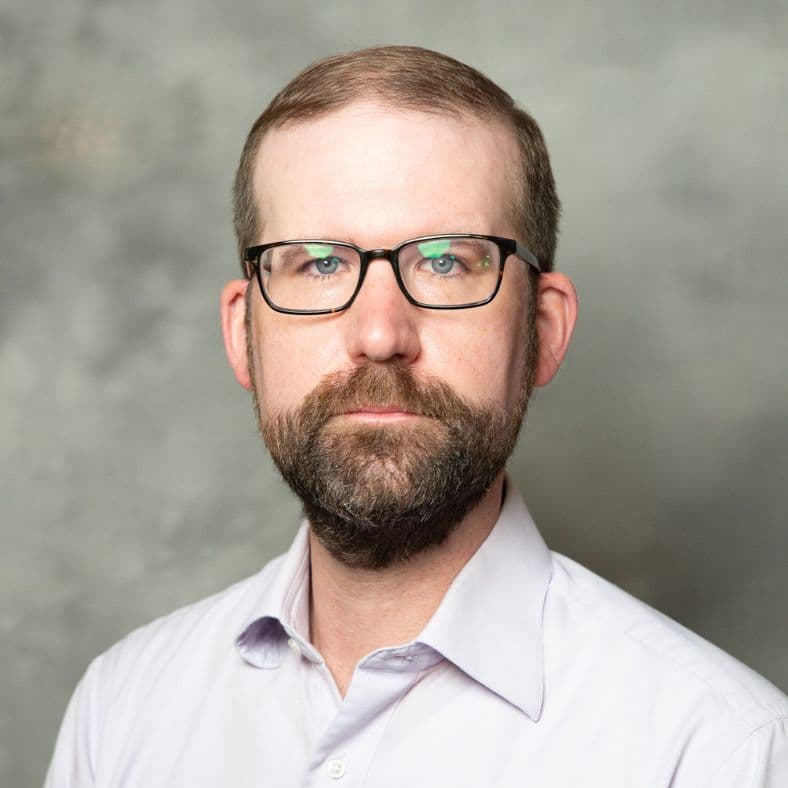
Full Transcript Podcast Introduction and Guest Welcome 0:00 Every thought you think has a biological effect on your body and mind. 0:06 Every emotion we have is having physiologic effects in our body. 0:17 report with the person in front of you. 0:19 Are they listening to you or not? 0:21 There's not a molecular solution to all problems. 0:25 It can help a little bit. 0:26 I think that's the real window for psychedelics is they allow that to happen more quickly and more from like sort of exposing what are the underlying things 0:36 that are happening in your conscious mind or subconscious mind. 0:41 Then the faster we can sort get at a way to move forward with it. 0:45 Welcome to the To Curious MD podcast. 0:49 I'm Dr. 0:50 Ali Ahmed. 0:51 And I am Dr Surya Ravan. 0:53 With the wisdom from holistic, alternative and these conventional medicines, we are here to challenge the status quo. 1:01 We're curious about the connectivity and complexity between diverse fields of knowledge as it relates to consciousness, chronic illness, 1:09 mental health, resilience and beyond. 1:11 learning more about the art and science of healing, or listening to stories of extraordinary healing. 1:17 You're in the right place. 1:19 Let's dive in. 1:20 I'm Dr. 1:21 Surya Raman, joined as always by my partner in practice and curiosity, Dr Alia Ahmed. 1:27 Today we're thrilled to be joined by Dr Kailan Thomas. 1:30 Kellan is a psychiatric pharmacist who has become one of the most vital voices in the field, helping us bridge the gap between complex psychopharmacology 1:39 and the evolving landscape of psychedelic medicine. 1:42 From demystifying drug-to-drug interactions to navigating the nuances of microdosing and future of clinical safety, Kellin brings a grounded, 1:52 rigorous, and deeply necessary perspective. 1:55 to his work. 1:56 We just found out as well he is working into impresario mode as we speak and so we are expecting to also have more productions that are in the musical 2:08 realm and change culture while we're also changing neurobiology. 2:12 Welcome, Kaelin. 2:13 It is such a pleasure to have you with us. 2:15 Thank you so much for being here. 2:18 Yeah. 2:19 And we have so many topics to cover just with that. 2:23 I met Kaylin Thomas, he was at UCSF, kind of our cohort, our platform that we had with the Psychedelic Indian Academic Council. 2:33 He is a PharmD and knows, has an extensive knowledge, I would say, not just about ketamine, but all of the psychedelics treatments. 2:42 and he's a professor and teaches at Toro University as well. 2:45 So excited to have an academic but also somebody who's got this creative arts aswell and brings that perspective into this work. 2:54 You are a leading voice in the lens of psychopharmacology. 2:59 and the research and understanding medication interaction, the role of the pharmacist, which is very vital, especially as we're talking about this course 3:11 of treatment in psychedelic medicine, often comes up, but often ignored. 3:15 The psychedelics renaissance, as now we hope to imagine, is often driven by stories of transformation and healing. 3:23 As a psychiatric pharmacists, what initially drew you to these compounds? 3:28 I would say it started as a precocious teenager reading Alice Huxley and reading lots of essays between Humphrey Osmond and Alice Huxtley. 3:39 And I didn't think, you know, that could be a career. 3:43 So I've just kind of bounced between. 3:46 I was always interested in psychopharmacology from undergrad level. 3:50 There were only maybe 20 programs in the country that had any kind of pharmacology undergrad coursework. 3:57 So I went to Duke and did chemistry and pharmacologist there and realized that, yeah, this is something I wanted to pursue. 4:03 And then I've gone back and forth between like basic science and clinical sciences throughout my career ever since I just learned about Pharmacy,
Dr. Thomas's Path into Psychopharmacology 4:13 when I was there from someone in my lab, I in Cynthia Kuhn's psychopharmacology lab at Duke, doing research on dopamine differences in neurobiology and 4:27 just realized that Maybe PhD is not for me, maybe I'd rather do something more clinical degree based. 4:34 And ever since, you know, between from Duke to UCSF to Michigan to USC, practicing in Singapore for a year, I've just gone back and forth between basic 4:46 science and translational science is really always what I wanted to do is to live between those, both of those worlds. 4:53 Yeah, I feel like you're the right person to ask this question of because you've kind of seen the broad spectrum. 4:59 When we talk about psychedelics, when we talked about ketamine, there's this idea of the classic psychedelic and the non-classical or compounds like MDMA 5:06 and ketamine. 5:07 Do you make a distinction between them? 5:10 Uh, I mean, so yeah, it's a good question. 5:14 It's whether I'm wearing my sort of pharmacologist hat or my clinician hat. 5:19 Um, yeah. 5:20 There are differences, but fundamentally most of them are eventually getting to the glutamate system. 5:26 And so it just sort like, how are we having these second messenger systems triggered in what timelines and as gold Dolan. 5:35 has taught me there's different sort of windows based on the molecular pharmacology about how they open these windows and critical periods of relearning. 5:43 And I think all of that is vital. 5:46 I really think that we need to constantly think about the therapeutic elements, the psychotherapy with the pharmacologist. 5:56 go back to the paradigm of just pharmacology only, it's not going to be that much better. 6:02 So I think we need to optimize both sides and bring these two ways of treatment together. 6:09 And I would say this becomes especially important now as there seems to be an emphasis on research and also the pharmaceutical industry being involved 6:20 in that realm, taking over kind of the aspect of a drug, of molecule versus the experience and or the and also recognizing that safety and efficacy are 6:36 just as vital. 6:38 So how would that really occur in your mind, or how should it occur when we talk about, you know, psilocybin coming online next year? 6:50 How should these psychedelic medicines be administered in a safe, supported way without taking away from the natural, nature-based effect and treatment? 7:01 Yeah, I think it creates a real opportunity and that's really what my entire career is going to be dedicated to figuring out how do we integrate traditional 7:11 psychiatric prescribing into this new paradigm of more of an interventional approach with long lasting effects, right? 7:17 You know, we've seen from the data at Hopkins, at Imperial College of London that one or two doses, people are still doing quite well, 7:25 12 months, 16 months 18 months later. 7:28 So that's like my whole, that really all I'm trying to figure out is how to get those to integrate more carefully, cautiously for the optimization of people's 7:42 wellbeing mentally. 7:42 Absolutely. 7:43 And one of the things like you just mentioned, as we bring those two worlds together, the prescribing and then the psychedelics, 7:50 and the interaction of them two. 7:53 There's lots of different precautions right now about using psilocybin with SSRIs. 7:59 Deprescribing antidepressants is also kind of on the rise. 8:02 So how do you see these two streams clashing or interacting? 8:08 Yeah, so when I did the CIS 2017 cohort, that was sort of my primary motivation was I heard a lot of people being like, isn't that dangerous? 8:17 Oh, serotonin syndrome. 8:18 I said, well, I've seen for 15 years of prescribing multiple serogenergic agents together. 8:28 And my mentors at USC and other places had seen zero in their whole career. 8:34 So the first thing I wanted to get out there was writing a review paper about the potential risks. 8:39 And really the risks come when you add monoamine oxidase inhibitors. 8:44 My concern is SSRIs and ayahuasca. 8:47 That's really like one of the only things that concerns me, psilocybin not concerned, MDMA.
Classic vs Non-Classical Psychedelics 8:53 We actually have studies and trials that have shown there does not appear to be any risk with those. 8:58 So it's truly when you stop the metabolism of serotonin and then add serotinergic agents, that's when we get into trouble. 9:07 But as you both know, it's pretty rare to see people on MAOIs these days. 9:12 You know I might've seen one out of a thousand plus people that I've worked with that was taking an MAoI. 9:19 But it is something to be concerned about with Ayahuasca because we know they have. 9:23 monamine oxidase inhibition. 9:25 And so how do we navigate that piece with ayahuasca is always fascinating to me. 9:31 I know there's retreats and centers that have combined the two safely, but they, I think they minimize the SSRI dosages prior to the sessions. 9:41 and I that's a good way to sort of mitigate harms. 9:45 Cause that really for me, from a pharmacologic standpoint, that the biggest interaction I'm worried about. 9:51 So for our audience then, our audiences are a mixed kind of community of patients, people who are just interested in psychedelic medicine and clinicians 9:59 and other providers. 10:00 Give us an idea of what serotonin syndrome is and what is the harm. 10:05 And what you seem to be describing is a harm reduction model for treatment. 10:10 So give us some more information about what that would look like and, what's the safest way to approach this. 10:16 Yeah, so the most specific symptom on the Hunter criteria for serotonin toxicity is that in the only case that I've actually seen in my clinical practice 10:26 at a hospital inpatient psychiatry was seeing like myoclonus at the ankles. 10:32 That's a very good indicator of something is awry. 10:36 You can also see exaggerated deep tendon reflexes. 10:41 So if you just do the patellar check and you'll see like a plus four on deep tendon reflexes, those will help you distinguish is the serotonin toxicity 10:50 or not. 10:51 And it's pretty rare, but it is something that I'm concerned with because then if get that level of hyperreflexia and myoclonus, 11:01 you can start to have sort of organ damages, seizures possible. 11:07 So those are the things that I would say to look out for from like Hunter criteria of serotonin toxicity. 11:12 Absolutely. 11:13 And these are some of the ways in which we're seeing how this relative risk, right? 11:19 This risk when certain conditions come together. 11:23 So knowing that it's ayahuasca versus psilocybin. 11:25 And then now I want to challenge also on this idea of microdosing. 11:29 You know, people are micro dosing psilocybin. 11:31 And I know you talk about the heart valve and you know how, and I'm really concerned about that as well. 11:36 I don't think things that are labeled benign are necessarily always benigned. 11:41 When we use the word, we kind of minimize, you and say that, oh, it's fine because it is micro-dose. 11:47 It's nothing. 11:49 But I'm really worried about the receptors on the heart valve because, yeah, if you can explain some of that and what your concern is. 11:56 Yeah, it's funny because I've put this out, I don't know, maybe three years ago or something. 12:01 Now I'm seeing it on TikTok and social media of challenging my hypothesis around this. 12:09 There's been a really excellent paper from colleagues that was just published within the past year that really looks systematically and gives you some 12:17 nice charts and graphs about different receptor pharmacology, different compounds and what between their binding affinity to the serotonin 2B receptor, 12:28 which has been implicated in valvular fibroblast proliferation. 12:35 So that was really how it came to my concern was, you know, people, if you follow the protocols, like every three days for a month and then take a months off, 12:44 I think the risk is minimal. 12:45 But then I kept hearing more and more people saying, no, microdose every day for year. 12:50 And I'm like, well, that may not be safe. 12:53 We don't know. 12:53 If we don' have any data and no one's looking for it. 12:56 That's the other piece that people are like. 12:58 Well, wouldn't we have seen it? 12:59 I go, how many people tell their doctors they're microdosing? 13:02 How many doctors would know to even look for an echo or anything? 13:06 So yeah, you feel things like palpitations, shortness of breath. 13:11 And I've had some people reach out to me since I published those articles and said that they did experience some of those symptoms, 13:18 but then they stopped and then the echoes weren't high quality. 13:21 And so it's very hard. 13:22 If you're not looking for something, you'll never find it. 13:25 That's what I learned in science.
Safe Administration and SSRI Interactions 13:28 It's sort of a Swiss cheese. 13:31 You go, well, we haven't seen it, I'm like, is anyone ever had a sudden cardiac death? 13:36 And who would have looked for that? 13:38 No one. 13:39 They didn't tell their family. 13:40 They didn't tell their doctors, right? 13:42 So it's something that I'm concerned and other labs that have better pharmacology credentials than me are also concerned. 13:51 And then people look at animal data and they go, oh, we gave it to a mouse for a couple of weeks, so it prints probably fine. 13:59 I was like, yeah. 14:01 I used to work in phase one first in human clinical CNS trials and animal data toxicology doesn't always track to human toxicologist. 14:11 So those would be my words of caution for as we move forward. 14:15 Yeah, absolutely. 14:16 And so we don't have data from 20, 30, 40 years of use constantly. 14:22 When we do get that cohort, it's too late. 14:25 There's this other impact that's to do with ketamine as well. 14:30 The physiologic long-term impacts of ketamines, do you want to kind of bring that up? 14:34 Because that is something that we are very aware of, we constantly monitor for and mitigate. 14:41 Yeah, one of my colleagues has done pretty good toxicology work around ketamine. 14:47 And we've seen this in places like London and Hong Kong where it became more of a party drug and people got into ketamin use disorders. 14:54 Yeah. 14:55 It takes probably about a gram a day seems to be the threshold for a long-term like bladder cystitis problem where you're just, 15:04 you know, people get into really serious problems. 15:06 But I think all of the current, especially NIMH protocol or even like one mig per KGIM a few days a week, I don't see that there's any sort of toxicology 15:16 risk there. 15:17 It's really, it really does seem to be a threshold of people trying to intake about a gram a day of ketamine on a daily basis that we start to see more 15:26 of that. 15:27 but that said. 15:28 You know, everyone's different and maybe some people there's a different risk profile, but I just think most of the paradigms of ketamine-assisted therapy 15:37 are very safe in terms of regards to bladder. 15:41 Yeah. 15:42 And I wonder about also just to kind of get a little bit more granular on the pharmacology too, because it's more of an acidic drug. 15:50 It's irritant to the bladder lining, right? 15:52 One of practices that's happening when we do administer ketamines is giving that bolus of fluid. 15:57 And I wonder if that already has some sort of protective element to it, you know? 16:01 I would imagine that does help mitigate risk for sure. 16:04 Yeah, I think. 16:05 Versus like when we give IM and somebody's maybe, so even thinking about it to that level of administration, but yeah. 16:13 No, I think, any type of hydration, if you're not sort of stressed, people aren't, you know, that's been the story with MDMA is that all the stories about, 16:23 oh, the crash, so I'm like, well, stay up all night, a couple of days, see how you feel. 16:27 You're, not going to feel good. 16:29 So I think hydration being in a calm environment, mitigate so many of the risks of ketamine as a molecule. 16:36 And it's, again, like, we know so much more about ketamin than we knew about LSD or psilocybin. 16:43 It's been, it still is in every hospital in the country every single day for 50 plus years, 60 years 70 years now. 16:49 So. 16:51 Well, I often get asked by patients and even other providers about ketamine. 16:56 You mentioned abuse, but we also talk about is ketamine a drug of abuse? 17:01 Is it a physiological, does it lead to physiological and I say physiological or even psychological dependence as a form of treatment? 17:13 What are your thoughts there? 17:14 I think if you keep it in the treatment context, I don't think so. 17:19 I know, it's low risk compared to many of the daily treatments that we see in psychiatry every day. 17:27 When it becomes a risk is if it is like a constant pattern of use, right? 17:31 If they have access to it daily, then much like almost anything, people can form any type of addictive behavior to literally almost everything, 17:43 these days. 17:45 For me, I don't see it as like higher risk than any other psychiatric medication that we already utilize. 17:52 It's really just the context and the set and setting in which it's prescribed and utilized. 17:57 Well, Matthew Perry comes to mind, you know, his addiction in history and his high use requirement. 18:06 Was that an addiction of some sort? 18:10 Yeah. 18:11 No, I remember seeing that very, uh, followed that story very closely. 18:16 And, um, and when I, when read the stories about, oh, are you like, passed out in the hot tub, I was like, he had to be injecting. 18:25 There's no way you could insufflate enough drug to make you like that. 18:31 And then it turns out that's true. 18:34 His, like a lot of the people named in lawsuit were actually inject him with multiple grams of ketamine all the time.
Serotonin Syndrome and Harm Reduction 18:43 I guess the way I think about it is like how many fentanyl deaths per second are there versus ketamine sort of deaths. 18:52 And it's incredibly rare. 18:54 Like you really do have to actually inject ketamine to risk any serious toxicity. 19:02 It's almost impossible to get it from any other route than direct injections. 19:07 Yeah. 19:08 You've got a good liver that works. 19:10 It's going to keep cranking it and get rid of it for you. 19:15 Short acting. 19:16 Beautiful. 19:18 All right, Alia, do you have? 19:21 I do. 19:22 And I wanted to step back and talk a little bit about what you mentioned earlier about psilocybin, LSD, the classical versus the non-classical psychedelics. 19:33 Should they be treated equally or differentially because of the mode of action, being serotonergic, one being non serotinergic? 19:44 What makes them different and what makes the same? 19:47 Yeah, so that's one of the fundamental pharmacology questions that I often think about is because with ketamine, which is an MDA antagonist, 19:59 they're working on the seam sort of neuron infrastructure in the cortex, medial prefrontal cortex. 20:07 And so, there are projections of serotonergic receptors into the glutamate systems. 20:15 And, so I think a lot of the basic science research that's being done is starting to tease out how those interplay. 20:23 So, when we look at sort of like brainstem seratonin neuron projections into cortical layers where we have a lots of 2A density with psilocin, 20:32 LSD, DMT. 20:34 then they project into the cortical layer five pyramidal neurons that have both expressions of NMDA, AMPA receptors that are the glutamate system, 20:47 but then Cilicin LSD are sort of also integrated into that and production of brain-derived neurotrophic factors. 20:54 So I think there's interplay and I, think as we learn about the pharmacology of all these different molecules, there are different timelines, 21:03 they're different sort of receptor binding, how long they last and project. 21:08 And I thing ketamine is sort the most direct that we have right now. 21:12 But as you look out to Cilicin, LSD, Ibogaine, we might have sort longer and longer ways that these pathways are triggered through second messenger systems. 21:24 You just brought so beautifully together that graph from Goldwell's paper and I quote that all the time where you see the lens of action of each molecule 21:34 and you'll see that critical period opening and just you brought together why that works in that way is depending on how where it's kind of interacting, 21:43 you can trigger them for longer and longer periods. 21:46 And with ketamine, that is a two to three hour, I'd say 45 minute to an hour and a half window, and you've got neuroplasticity for what, 21:55 48 to 72 hours. 21:57 So this neuro plasticity in that targeted way, in those pathways that you talked about, because they have to do with depression, 22:05 That's where they're going. 22:07 That where that strengthening is happening.
Microdosing Risks and 5-HT2B Concerns 22:11 I guess what I want to ask is, did a dearth of that compound there? 22:17 Is it that we've just kind of found the right key to the lock? 22:21 Or is it teaching us something about depression and the underlying systems and how we get to that place of depression? 22:28 What do you think these molecules are uncovering in that way, if that can be answered? 22:32 Yeah, I think, like you said, it's interesting if you track the actual duration of the subjective experience of each molecule. 22:41 It does seem to track exactly with Gould Dolan, who I consider an absolute genius in our field. 22:47 Hopefully she gets a Nobel prize at some point. 22:49 I do think it does track with the subject of experience and then, so then my concern is if We're start to use molecules that aren't having that long subjective experience, 23:02 like what are we losing there? 23:03 Because it seems to very clearly show the longer the molecule can, you know, change sort of default mode network function, 23:13 loss of ego, insights, whatever the case may be for it. 23:18 I think if we just look too closely at the molecular pharmacology, we're missing something about meaning making and how long people need to experience 23:27 and sit with discomfort or whatever's coming up for them. 23:30 And then how do we integrate that back into their sort of daily life practices and actually start to modify the behaviors that got people into a state 23:40 of mental health crisis that they're in. 23:42 So I think it is very important to notice that the timelines for how long the symptoms improve seem to be very directly related to the duration of the 23:54 subjective experience for psychedelics, whether that's ketamine to Ibogaine. 23:58 Yeah, which so goes against like the microdosing protocols, right? 24:01 It's two separate ideas. 24:03 It works in a small dose too, and it works through a subjective experience, so it's so confusing. 24:08 And Ibogaine, I know people are micro-dossing for various reasons. 24:12 I think I want to bring it together a little bit too because Ibobaine is the most powerful one. 24:17 And we haven't yet, and I think this is fair to say, we have yet uncapped or totally revealed all the different use cases for these medicines. 24:27 We're not even close. 24:29 You know, it's kind of like the GLP ones. 24:31 They got them, then they started figuring out all these other use-cases. 24:35 And I wonder if we're going to see that with like traumatic brain injuries and spinal cord injuries. 24:42 I mean, what do you see or what's the signal in the research maybe? 24:46 Yeah, Ibogaine to me from a pharmacologic standpoint is one of the most complicated molecules that anyone like Hamilton Morris talks about this a lot. 24:55 It's just such a unique sort of chemical structure and the pharmacology of it. 25:00 And we're just barely starting to understand it at this point. 25:04 Um, but then yeah, the whole microdosing phenomenon, it's just seems like cognitive dissonance to me when people are like, 25:12 I have somehow hacked the system. 25:15 And I'm like you're using a Sandoz molecule from the forties that no one really actually studied. 25:21 So you using the big pharma molecule, taking it every day with no data at all. 25:27 So the LSD microdosing, I just don't understand what people are thinking and why. 25:34 And most of the data has shown that in any of trials thus far, there is no benefit, really. 25:39 There's no efficacy. 25:42 You know, from a harm reductionist approach, I just want people to be aware there could be risks with it that are very real. 25:49 So I focus on that, but yeah, there has been indigenous use of peyote, for example, on a microdosing basis. 25:58 Like there are people that have used that in that way. 26:01 And interestingly, mescaline does not have. 26:03 the serotonin 2B receptor affinity. 26:06 So yeah, like Ibogaine, we don't know. 26:09 Again, I think we need to also think and learn more about indigenous traditional use and sort of integrate that into research protocols because turns out 26:21 people figured out a lot of stuff thousands of years ago that we didn't recognize. 26:25 Oh my gosh, you just mentioned something because that's a vision, right? 26:28 That's the something to put our visioning to. 26:31 So knowing what you know, and we've both been in, lots of research studies and clinical experiences and things like that and recruited people for clinical trials, 26:41 there's certain way we do things. 26:42 It's like, oh, you want a clean data set. 26:44 You want the data to be as homogenous as possible. 26:47 There's a real reason to keep it clean and demographically, so you can draw population level outcomes and insights.
Ketamine Safety, Toxicity, and Dependence 26:59 Here, we're talking about kind of on a personal level. 27:01 And let me add to that. 27:03 It has to randomized. 27:05 All of that, right? 27:06 Don't blind it, yeah. 27:07 And how do you even conceive of that with molecules which literally alter the consciousness of the subject taking them? 27:14 You cannot blind it. 27:17 Yeah, it's a big challenge. 27:19 I mean, my colleague and friend Bilal Zighedi has written a lot of papers about this concept of, you know, functional unblinding and how could you control 27:27 for that. 27:28 But yeah, It's very difficult. 27:29 The funny thing is like, we don't question it around SSRIs, even though there's clear psychotropic effects that people can detect from taking an SSRi. 27:39 But now it's become this big deal for the FDA that they have to grapple with. 27:44 This changes the way that we think about randomization, unblinding. 27:50 But to me, it really just, does it work or not? 27:53 Like, what are the outcomes? 27:55 Is it doing what we hoped it did? 27:58 And is it causing any harms? 28:00 If not, just let it go. 28:02 Yeah. 28:02 Dr. 28:03 Aiman and I were talking today just about this. 28:05 Do you want to bring that up, Aya? 28:07 We were just talking about. 28:08 Well, we were talking, I think we're talking the placebo and the nocebo effect. 28:13 And I this is kind of what we are alluding to when we talk about giving a substance and we do this with SSRIs. 28:20 Hey, you're going to take this medicine and it may help you with this. 28:24 We're already kind-of biasing that patient's experience. 28:28 In addition to, that the placebo effect is also an effect. 28:34 It also has a spiritual, emotional effect, and why aren't we looking at that as a source of understanding what actually does happen at the cellular level 28:45 that involves this unknown placebo affect? 28:48 And to the opposite end, the nascebo effect was what we're seeing with SSRIs. 28:54 We are seeing a placebo effect, a negative effect. 28:57 We're seeing all the side effects of chronic use or overuse or incorrect use. 29:03 Tell us a little bit more about what your thoughts are on placebo and nocebo effect in psychedelic medicine. 29:12 Yeah, as I used to tell my clients in inpatient psychiatry settings, when I was, you know, give like medication education groups, 29:20 I would say every thought you think has a biological effect on your body and mind. 29:27 And so like nocebo, right? 29:29 Everything, every though,t every emotion we have is having physiologic effects in our body. 29:35 Right? 29:36 And, so I think that. 29:37 Yeah, the intention and there's also been data showing the rapport with your prescribing clinician is more predictive of outcomes than whatever medication 29:47 you took. 29:48 So I think there is room for all of it, but that's sort of how I. 29:53 Think about that as like every thought I, think every action I take has a physiologic response in my body. 30:00 And so, yeah, it makes sense to me that there's no SIBO effects. 30:04 There's rapport with the person in front of you. 30:06 Are they listening to you or not? 30:09 Like, there is not a molecular solution to all problems. 30:13 It can help a little bit, you know, just like if you... 30:16 The other thing a lot of my colleagues would talk about SSRI is like, if he broke your ankle and you can't walk, like you have to just stabilize it, 30:25 right? 30:26 That's the way I think about antipsychotics, antidepressants. 30:29 If you're in crisis in a hospital, you are not able to take in information. 30:34 You're not really processing things. 30:37 And so you need something to sort of hold that cast in place. 30:43 And with SSRIs, does that mean you need it forever? 30:45 I don't know. 30:47 I know each individual could be different, but certainly if you're in the hospital, you may need for some timeframe until all the other things, 30:55 exercise, diet, nutrition, behavior can shift. 31:00 And I think that's the real window for psychedelics is they allow that to happen more quickly and more from like sort of exposing what are the underlying 31:11 things that are happening in your conscious mind or subconscious mind, then the faster we can sort of get at a way to move forward with it. 31:21 So that's the way I, you know, people always think as a pharmacologist that I just believe all medication is the only way. 31:27 It's furthest thing. 31:29 The more I've learned, the less I believe in that. 31:32 That's amazing. 31:32 That brings us to our earlier conversation, Aliyah, where we were looking at how do you represent what we're seeing in our patients as data? 31:44 We have the typical way of doing these trials and they're running, but what you just described, how we measure that? 31:52 How do we measure the aspect of what was it to, for that first intake to be a really thorough, therapeutic intake where that's part of the model is that 32:04 you get to. 32:05 I mean, you know, I can talk about your healing center, Alia, is like a patient gets to in a container over the course of 12 to 18 months. 32:14 which none of these trials are running that long, you know, of being able to see the similar therapist, do different kinds of work,
Psychedelic Experience, Meaning, and Neuroplasticity 32:22 move from phase to phase, kind of see that up and down kind happening because the object is to get the patient to where their outcome, 32:31 what their particular outcome is. 32:33 And that's not something that we can put into a clinical trial. 32:36 So where do you see these models kind maybe blending into each other a little bit or starting to kind to talk to each Yeah, 32:43 people are starting to use more mixed methods models where they look at qualitative outcomes more than quantitative. 32:50 Cause yeah, to quantify everything, maybe that's not important. 32:54 Do you need some level of quantitative data? 32:56 But when you start to, you know, I think qualitative measurements have gone a long way in psychedelic trials because it's the first time you have to think about, 33:06 well, what's this person saying? 33:07 What do they actually believe? 33:09 what is their meaning to them? 33:11 And so, yeah, a lot of my colleagues are working on more advanced qualitative methods, and you can. 33:16 You can look at the language they use, you look that, score it all, or you could quantitate it in various ways. 33:23 But I think those methods are still sort of emerging to get the best practices of what's accurate, what actually predicts mental wellness. 33:33 So yeah, those are definitely important elements that people have been working on. 33:38 You know, what are we tracking qualitatively instead of just, you know what's the score on the Madras or the PHQ9? 33:45 Right. 33:46 Because those were the surface elements, right? 33:48 And psychedelics and this work we're doing get to the deeper elements of who am I? 33:52 What's my purpose and meaning? 33:54 We haven't figured that out. 33:55 Other than the experience questionnaire, which I love, thank goodness thank you Roland Griffiths. 34:04 Because that gives us some grounding. 34:05 Let me just pause here because we actually did a clinical study at our center on five women around the same age in that perimenopausal kind of premenopause 34:20 state coming in with comorbidities, which we could outline multiple GI, endocrine, cardiac, and all of the systems in the patients we had. 34:28 So they were kind complex. 34:29 They had treatment resistant depression. 34:32 and they completed a group ketamine experience over six sessions. 34:37 And we had, you know, their pre-assessments for their clinical scale. 34:42 We tracked those scales over the course of their treatment, and we were able to capture that data. 34:48 What we also did—and this is where the skills of narrative medicine, I believe, come in, in what you described—is we were able to, 34:56 you know, document their language of their experience through the course of those six sessions. 35:03 And what they said and how they felt and what their experiences, what the experience, how the describe their expenses and they're able bring kind of the 35:13 meaning making of that and documented their words, their languages. 35:17 And using qualitative assessment techniques or, you know, able to code for the language and what we were able observe in comparing that to the mystical 35:28 experience questionnaire was that most of the patients had the either identity or, you know, reprocessing, re-experiencing kind of in a holistic way their trauma. 35:43 So their story, there's a theme for each person's experience based on what they described. 35:49 And also, by looking at the mystical experience questionnaire, we were able to say, well, Keringin seems to have this signature effect. 35:58 It tends to, because it's an inward experience, they tend to disconnect from that sense of reality, right? 36:06 They feel connected to something else besides their, you know, their not really, the have that dissociative effect, so they can disconnect and they are 36:15 able connect to there is this idea of them losing a sense of time, right? 36:22 Because there's that dissociation. 36:24 And so it had this signature effect of all of the patients. 36:28 They all categorically described this out of five questions of The Mystical Experience Questionnaire, which I said, oh, that seems interesting. 36:38 It seems to be a ketamine thing. 36:40 How would you describe the type of experiences that patients have, say with psilocybin or LSD or Ibogaine and ketamine in that type experience with the 36:54 mystical experience in mind. 36:55 Yeah, I think they can all get to the same place. 36:58 A lot of it is just dose dependent, right? 37:01 Like the 0.5 mg per kg. 37:03 Most people are not going to have any type psychedelic experience from that. 37:08 But if you get to one or 1.25 or one point five make per keg of ketamine, then you will. 37:14 And as I remember in my CS program hearing Stan Grof say, he's like, yeah, when I took a lot of Ketamine I was just like a boot on a person's foot. 37:25 You don't often have that with classical psychedelics. 37:28 Yeah. 37:28 So it's very transpersonal, you know, John Lilly got into thinking that he could talk to dolphins with DARPA funding and all this. 37:38 So I think they all get to the fundamental same place. 37:42 It's just slightly different. 37:44 It's like the way they activate receptors is a little bit different and timelines and everything. 37:49 But I think even just as someone, when you live in your normal state, quote unquote, of consciousness, anytime you can be like, 37:58 whoa, there's something else? 37:59 How's that possible? 38:01 I think that in and of itself really gives people a lot of freedom. 38:06 They feel like their consciousness is more autonomous than they thought. 38:11 But if you've never experienced that, it's hard to imagine or conceive that that's possible.
Research Methods, Placebo, and Qualitative Outcomes 38:18 That's beautifully put. 38:19 It almost gets to the idea, the spiritual idea that Alan Watts brought up, which was, you know, when you get the message, 38:25 hang up. 38:27 And you just got to a message which is the realization that something is beyond our frames. 38:34 And that we can get out there and back in a safe manner and that all these molecules take us there in different ways. 38:42 And the experience has something to offer us, whether it's growth, perspective, change, a break from a stuck mind, ruminative mind of a depression or a trauma. 38:56 That's just kind of recurring over and over again. 38:59 And that's that break to freedom that comes. 39:02 Let me like kind maybe telescope out one more time. 39:04 I'm going to ask you, now we're in 26, as we start to kind land on this really beautiful, intricate and very deep conversation. 39:14 Where are we in this quote unquote psychedelic Renaissance? 39:18 I think Alia and I are definitely more newbies to this Renaissance, I would say, because we're coming at it from the medical field. 39:27 We're getting into it kind of in the last maybe five to seven years. 39:30 I don't know about specifically about you, Alio, but and also kind seeing like there's kind like an ebb and flow. 39:36 There's one step forward, two steps back. 39:38 we've experienced that a couple of times. 39:40 You know, just like the stigma of this, the big cultural change that needs to come for these to even become part of the conversation that a regular psychiatrist 39:49 may have with you in the office, although if you live in California, they're already having it. 39:54 So it's like a different, we live a little bubble here. 40:00 But where do you see the kind of field going? 40:03 I know you're deeply entrenched in the research, but I'm sure you have an understanding of the greater field itself that might inform our listeners. 40:12 Yeah. 40:12 So Taryn's, we can as counterpoint to the Watts quote was, I just keep getting too many messages. 40:21 So I'm probably more in the McKenna camp and McKinna also said, it's just going to keep getting weirder and weierder until you have to talk about how weird 40:32 this is. 40:32 The whole human experience and as people start to interface with computers and it, that's Our brains are not built for the level of technology that's coming 40:43 at us, like our hardware is not caught up to the wetware or the software and it's going to be a very challenging next few years. 40:54 But I think, and I visited your clinic, it is beautiful and we just need to ground people in physical reality and give them space to really connect with 41:07 people in a one-to-one thing. 41:08 I don't think, as you were saying with narrative medicine, I think homo sapiens would have survived without storytelling. 41:17 read a lot and think a little about my sort of Druidic lineage where they didn't even write things down. 41:22 Like you had to be one-to-one, spoken or sung or played music. 41:27 And that's why the Romans slaughtered the Druids so quickly was because they could just erase and rewrite an entire thing. 41:35 We're seeing this play out, like we've never, we're still in the Roman Empire, unfortunately in America. 41:40 And so I think that these are the things that we need to connect with people locally in your community as much as you can and be present and show up. 41:49 That's how it took a couple hundred humans to survive anywhere on this globe for as many millennia as we've been alive. 41:58 Well stated. 42:00 Sometimes I feel that in the broom when we're doing all this transformational work, number one, that it's even possible. 42:07 It's like an everyday miracle to get to do this work. 42:10 What? 42:11 The human mind can survive even this? 42:14 We see some of the most treatment-resistant cases, the ones that have lived for years and years having zero hope and they're coming to this, 42:22 and we see them change, you know? 42:24 And you're seeing it in the trials. 42:26 So it's just like, when I first entered this field, I was like why is everybody else not talking about this and as excited about it as I am? 42:33 Because I'm like if you have this why would you not run with it? 42:36 You know, like for me, it makes no sense that ketamine is in every single emergency room. 42:41 Every single OR and the indication for suicidal ideation is not included. 42:45 That's just malpractice at this level. 42:50 So we've had this data for a while. 42:52 Anyway, to see how systems might change. 42:55 Any thoughts on that, Kellen Thomas? 42:57 I mean, the colleagues that I have will go to ketamine quite quickly when they're like, we're not sure what's going on, but let's just start there and 43:07 see if it calms people down. 43:10 Because like you said, yeah, whether it's suicidality or substance use, whatever. 43:16 It may be, just give that window, that's a window to start, and then you figure out what's going on from there. 43:22 So yeah, I think it should be much more widely prescribed, you know, compared to haloperidol, Ativan and diphenhydramine, 43:32 maybe ketamine. 43:33 I've had ER docs anecdotally be like, yeah they were combative, they had hit multiple nurses, gave just a regular dose. 43:42 They laid down for an hour and they're like oh wow, my bad. 43:46 Like, you know, so it's like, we're just not- Versus restraining. 43:50 Yeah, restraints. 43:52 Calling the, security. 43:54 Exactly. 43:55 And just trying to, I mean, that's the trauma is really that. 44:01 The system itself isn't traumatizing. 44:04 I hear these stories every single day. 44:06 Me too. 44:16 You know, one of my questions is, well, if psychedelics are in nature as they are, should we be doing treatment psychedelic medicine facilitated or is 44:29 recreational okay too? 44:30 And, you know there's some cultures that would microdose on this as a medicine, as something to help as we caffeine, chocolate, 44:39 whatever. 44:39 You can think of all of those things that are practice. 44:43 What would be the benefit of just saying you know, recreational use versus qualified facilitated use and using psychedelics. 44:51 Yeah, I mean, you can see a lot of cases of recreational where there's no change, right? 44:57 Or it maybe even enhances bad behaviors.
Mystical Experience and Clinical Signatures 45:02 And I think it's really just all about the intention and the container set and setting of all this that can create and change the dynamics of benefit versus risk. 45:13 I don't, again, All like everything needs to be clinical medicine. 45:18 No one should ever be allowed to use it. 45:20 I gave the testimony at Oakland city council that it should be decriminalized because what right do I have as a medical practitioner to control other people's consciousness? 45:32 Like that's something that I'm very averse to. 45:35 Just want to provide resources or education so people understand what they might be getting into. 45:40 Um, and then, you know, Being in a hospital room versus out in nature, like you said, if these medicines were utilized in the natural context, 45:50 I hope that we get there where retreat centers will, yeah, sure, we have qualified people to reduce harm, but then we're in, 45:57 you know, the hills of Oregon, for example, or seeing trees in Oregon. 46:03 And that there's that sort of back and forth and we need, we definitely need more connection to the land. 46:08 I mean, I live on unceded Ohlone territory here in Oakland. 46:13 And I've read a lot of books about tending the wild and this concept of. 46:19 You know, whatever we think we have here was because our ancestors were very carefully looking at land use, taking every plant, 46:28 every animal, everything in the environment and symbiotically integrating with it. 46:33 And that's a lot of what we've lost. 46:35 in our current sort of war state, constant state of wars. 46:40 It's not a healthy way to live, it's unsustainable, It'll never work. 46:43 There's never an end. 46:45 So the more we can get back in touch with nature and, you know, in Oakland, like Lake Merritt, You can still find the spores from the dead era, 46:54 the Grateful Dead era playing in the Oakland Coliseum. 46:57 It's still there, people still tend that. 47:00 People know a lot of species around the lake. 47:02 And so the more we constantly look to natural settings, I think the in tune we can become with systems and be more symbiotic. 47:14 You even brought up this really beautiful way of thinking about medicine that comes from the land, is tended to with the Land, 47:22 it's a different perspective and an energy to the medicine. 47:26 And we always talk about this because every medicine kind of has, seems to have a signature. 47:31 You know, ketamine has its dissociation signature, you know. 47:35 LSD brings with it its own signature of the 60s and cults, and things like that, Um, and then you just brought this beautifully where decriminalization 47:45 coming back to the land is regenerative, not just for the line, but for people and that the medicine that is then born there is of a different kind. 47:55 Do you see that like you've got your pharmacist pharmacologist mind that looks at the molecule and says, well, the molecules the same, 48:01 there's an objectively the say molecule coming out of all these different strains of. 48:05 psilocybin, but then there's people who say, well, when you have a different strain of psillocyben, that's called a difference thing and it does a differently, 48:13 you know, there is shakthi and there are tidal wave and all these different types and people are now kind of even looking at the, 48:21 would you call it the spirit of the medicine? 48:24 Even the land, right? 48:27 And that is how the indigenous look at this medicine, So can you speak a little bit to that? 48:32 How, as a Western-minded material mind, can we kind of bring in those ideas as well? 48:39 Yeah. 48:40 It's a very different epistemology of if you're, you are sort of stuck in this scientific reductionism that it's just this, 48:48 it is just that, we have to taxonomy, classify, and then you later, they figure out, oh, that's all wrong. 48:55 Actually, That's not the same strain of cannabis or it was not, the strain, same of this. 49:01 Yeah, exactly. 49:04 It's, this is constant. 49:05 There's sort of a colonial instinct of classifying taxonomy that we always learn later is wrong. 49:12 Right? 49:13 Like that's actually the history of science and from the Western lens. 49:17 And so I think we need to, yeah, start listening to other perspectives of there's animism, there is a spirit to everything, 49:25 you know, even what were fungi, were rocks in the past, then became fungi. 49:32 So it's like, we don't know. 49:33 We're the youngest species compared to the rest is the natural world. 49:37 And the Natural World doesn't need us. 49:39 They'll figure it out. 49:40 Like they don' need as humans. 49:42 Where we're late to game and we need to be better stewards of the land, really, ultimately. 49:49 I noticed that ketamine, and I say this to patients, ketamin is just a molecule. 49:57 And you're going to get a medicine, you are going dose it this way. 50:01 But this medicine as ketamine has a unique effect on you when it's even given on that dose.
The Psychedelic Renaissance and Cultural Context 50:10 And that goes so you could get the same dose on another day, and it would do something completely different. 50:15 And it's strange saying this as a physician, because we're trained the opposite way. 50:19 We're told, hey, you're supposed to take this medicine. 50:22 It'll reduce your depression. 50:23 You know, most patients, 80% of patients reduction in symptoms, first course of treatment. 50:30 And it doesn't. 50:32 And then you're like, huh? 50:33 So was it the messen or was the person? 50:36 You know, but it's the interaction of that molecule in that system and the source of it and how it is making its contact with your thought, 50:46 with you emotion, which we don't have the answer for. 50:50 We don' know. 50:53 That to me is still like hard to explain to people. 50:55 Like I could give you the same dose and you're going to have a different experience. 51:00 Sometimes people ask me, did you give me more or less? 51:03 And part of what I'm noticing is where their nervous system is based, you know, when we start. 51:08 Maybe there's an aspect of that. 51:09 And even as you go through the second and the third and fourth session, there is a softening. 51:14 They're becoming more used to it and maybe they're allowing it more. 51:17 But what is that concept of allowing the medicine and fighting the. 51:20 Can you explain that a little bit just from your perspective and what you've learned? 51:24 Yeah, I mean, seeing, you know, people in various altered states, whether that's through psychosis in an inpatient setting or psychedelically induced, 51:35 or I think our consciousness can shift all the time, based on so many factors in our environment. 51:44 And it is a challenge because even the, well, there's challenges. 51:48 I wrote a paper, the California legislation was trying to set legal limits for every medicine. 51:56 And I'm like, you can't, like this is complete nonsense. 51:59 Like they'd be like you're going to have 10 of this or a hundred doses of that, or this many grams of psilocybin. 52:06 That grams psillocybing could be tenfold higher than you think or ten fold lower than. 52:11 And so to me, yeah, that's a really big challenge for informed consent for people in trials and things is we don't know like, 52:19 well, this is going to affect you. 52:22 And like you said, it could be different next week than it was the same dose the previous week. 52:27 It's definitely, we have actually quantified the exact milligrams, but it's something that is just changing the way that your entire consciousness operates. 52:39 in a way that's always somewhat unpredictable. 52:42 And it's very difficult to tell day by day how it works. 52:47 But again, it is the range of human experience, right? 52:51 The big fallacy for me as someone that has practiced in psychiatry for this long is that there's some sort of quote unquote normal consciousness. 52:59 I'm like, you have no idea. 53:01 how the person next to you is processing this world and you don't have the same range of experiences or every sensory input, 53:10 how you make sense of it. 53:12 It's highly variable, more variable than we give it credit. 53:15 And so then when you add molecules, it gets complicated. 53:18 That's beautiful. 53:19 So MDMA didn't get to pass-based. 53:23 FDA has guidelines, phase one, two, three. 53:28 Are we ever going to be able to get anything approved with FDA? 53:32 Yeah, we will. 53:35 Yeah. 53:35 I think, again, I want some of the challenges of having a sort of nonprofit entity enter this space as someone that's worked with phase one, 53:45 CNS, global clinical trials. 53:48 It is very serious business when you deal with regulatory. 53:51 I don't think the FDA has a resistance overall. 53:55 At any given time, the people on review committee have different perspectives. 54:03 And so I think it will get there. 54:07 They looked at the data and they said, there are some things that we expect, you know, I don't love it, but corporate entities have been in this game for 50, 60, 70 years. 54:17 And they keep everything to perfection. 54:20 Like I've been behind the scenes of phase one trials. 54:23 The amount of data, the amount people involved is staggering. 54:27 So for me, it's not that surprising that just letting therapists collect data at their sites did not quite meet the level of approval. 54:38 But now they've got the people that, you know, solve the S-ketamine approval process involved. 54:44 It's going to happen. 54:45 So let's branch to this. 54:46 Spravato and IV ketamine. 54:51 What's the difference? 54:52 What are the similarities? 54:53 Does it work? 54:54 And why, you know, and it's provato. 54:57 It's pharmaceutical. 54:58 I say it is a pharmaceutical product. 55:00 You know all of that. 55:02 And we have this ketamine, which is... 55:05 Receive it. 55:05 Ketamine. 55:06 Receiving ketamines. 55:08 One works different or the same. 55:10 What is their efficacy comparatively? 55:12 Yeah, so it's interesting because in Europe, they've had esketamine approved for quite some time and a lot of the groups that were giving oral es ketamine 55:22 and things, that's where we have a of our pharmacokinetics data. 55:25 So there's differences in potency, whether you're measuring analgesia or subjective effects. 55:31 So, dialing that in is going to be a challenge, but I was just actually at a psychiatric conference virtually today where there is a group that's starting 55:41 to investigate esketamine versus ketamine intranasal. 55:44 And I asking, well, what's the dose equivalence? 55:47 How would you do that? 55:49 And to me, es ketamin is pretty variable. 55:52 When you even look at their own FDA labeling, like intrapatient variability, Anytime you introduce insufflation or oral, 56:02 there's variability in terms of absorption. 56:05 So IV is going to be the most reliable, right?
Recreational Use, Decriminalization, and Nature 56:08 I can tell you the pharmacokinetics, it's going be same every time. 56:12 Whereas with insuflation, you can even look at the esketamine-sparado datasets. 56:18 You'll see this variability, in term of the percent absorptions. 56:23 So it's just a challenge of dosing. 56:25 And that's why, you know, I know you have my materials of trying to quantify and use bioequivalence data to show like, what's the estimation of this route 56:36 versus this router versus route. 56:38 But it is all an estimation. 56:40 Individually, there's still variability. 56:44 And one of the other questions I have is like neuroplasticity, right? 56:47 If our goal outcome is neuro plasticity and a change in the way these networks are going and firing, there could be a slow boat and then could we have 56:57 a slightly speedier boat. 56:59 You're gonna get there, right? 57:01 It's just right now when we're trying to serve more people and make sure that we create these pipelines, thinking about where somebody fits and how quickly 57:10 to get them through. 57:11 We're talking about now, even reducing the timelines for trauma treatment from like three years down to like 18 months or something like that. 57:19 And so, yeah, esketamine is a... 57:22 is a very interesting kind of, because when it first started out, I was like, oh my gosh, they did this because they can't redo the trials on racemic ketamine. 57:30 Yeah, it was a cash grab. 57:32 It was generic. 57:38 I gave that testimony in Oakland City Council because they're like, the biggest pushback is we get is, we have approved medical ways to go. 57:47 It's $830 a dose when the molecule costs a dollar to produce. 57:52 So to me, like I've always seen at studying at Duke, UCSF, there's a lot of games that are just hyper-capitalism that have nothing to do with anything 58:04 evidence-based or health outcome. 58:06 Yeah, and taking out that L enantiomer, what does that do? 58:10 If we just talk about S-ketamine having one enantomer versus IV ketamine, having both the L and the S mirror enatomers. 58:18 Taking that out, how does it affect the difference between the two? 58:22 Yeah, I mean, it does seem that S like from subjective and analgesia data is slightly more potent, but who cares? 58:30 Like why, you know, anything can be dosed properly if you just know what you're working with. 58:36 And then you insufflate it, so then it's all crazy. 58:40 It never had anything to do with anything except for capitalist instincts. 58:45 There was no reason, there's no medical or pharmacology benefit I could ever conceive of to isolate. 58:52 Does the l-enantiomer have an effect as well or the metabolites as such? 58:56 Yeah, so they did. 58:58 They've done some studies on R Academy and they were like, oh, maybe this is better. 59:02 We don't know. 59:02 No. 59:03 They're so similar that it's really just about the dose, the intention, and the setting. 59:09 All of those things to me are more important than any molecular, especially when you're talking about enantiomers. 59:14 They are so close, they're binding to the receptors. 59:18 You could run these visual models of the exact protein residues, that are all binding in the pocket. 59:25 So it's like basically putting a lot of attention on something which is kind of a qualitatively very minute difference. 59:32 I think so. 59:33 Expanding it and finding a market in it. 59:35 Exactly. 59:36 That's what happened with Spravato, yes. 59:38 We recently started using Spavato because it is FDA approved for treatment resistant depression. 59:43 You have insurance. 59:44 And access is the key. 59:45 And a lot of people can access it only through that. 59:47 Access is key, and I have been surprised by the, like Simi said, how fast you want to get there. 59:57 How effectively do you wanna get that? 59:59 Are you kidding me? 1:00:00 We know, we have data. 1:00:01 We've done thousands of sessions today. 1:00:04 Spravato possibly could get there. 1:00:06 It takes a little longer. 1:00:07 You know, maybe it's variable in, you know how you take it in and it is all up to you anyways, right? 1:00:12 And I'm surprised to see yes, we're actually having positive results. 1:00:16 However, it set and setting always. 1:00:21 If the set and setting, if you're giving Spervato in a chair in the clinical setting and you are giving it in therapeutic supportive way with guidelines with, 1:00:30 you know, a soft touch around their treatment, your result is going to be different, 100%. Absolutely. 1:00:36 Yeah. 1:00:36 Right? 1:00:37 Yeah, from a pharmacologic perspective, the maximum dosage of Sberato approval is under dosing people. 1:00:44 Yes. 1:00:44 Statistically, I would say. 1:00:46 Cause, because especially given absorption possibilities of like percent, like 10%, 20%, 30% lower than you think that will get into plasma concentration. 1:00:57 I think it, it's unfortunate that was the way that it was approached to me because I. 1:01:04 Think you're, we're sort of not even necessarily always hitting the 0.5 mcg per kg IV that the NIMH established the basis for its approval on. 1:01:14 So that's sort of my critiques around it. 1:01:17 But again, like you said, we live in the systems we love in and people need access. 1:01:23 They need coverage. 1:01:24 Medicine has become, you know, one of the biggest drains on the US economy. 1:01:29 And it's not because it has to be. 1:01:32 33 other countries in the world figured it out, but it's just the system that we live in. 1:01:38 So I think every access point for every client you see needs to be available and considered. 1:01:45 And I appreciate how much you've done in your clinic to allow every possibility for Every client because everyone's different. 1:01:52 It's not a clinic. 1:01:54 Yeah, it is a healing center. 1:01:56 I agree with that. 1:02:00 So we're going to do something fun now. 1:02:02 We're gonna do rapid fire. 1:02:03 So I have some questions here. 1:02:05 And then we'll close with a question.
Molecule, Set, Setting, and Individual Response 1:02:08 As we, and so while you're thinking about these questions, I'm going ask you, want you to think of a questions subconsciously about what makes you curious 1:02:17 about this work. 1:02:18 Or you can ask us a curious question, most misunderstood psychedelic. 1:02:23 Most overrated psychedelics. 1:02:27 LSD. 1:02:27 Most underappreciated psychedelic. 1:02:30 Pilosibin, I think. 1:02:31 Biggest psychedelics myth. 1:02:33 That they're safe no matter what. 1:02:36 One indication where the hype exceeds the evidence. 1:02:39 I mean, LST for ADHD, and I knew that would fail right off the bat and it did. 1:02:44 It failed spectacularly. 1:02:45 Why did you think it was going to fail? 1:02:46 Microdosing for ADHD. 1:02:47 Yeah, why did think I was gonna fail. 1:02:50 Uh, because I think it's people who have a certain range of consciousness in the tech world and Silicon Valley that I live in, 1:02:58 that anything out of just like hyper-focus felt somehow productive, but that's a very small percentage of the US population. 1:03:06 So I was like, LSD for ADHD does not, microdosing is not going to work for that. 1:03:13 Know your population, makes sense. 1:03:15 Absolutely. 1:03:17 So now questions around your pharmacology expertise. 1:03:22 Most misunderstood receptor in psychopharmacology. 1:03:25 Serotonin 1A is still unknown about how these psychedelics are intercepting with that serotonine 1a receptor. 1:03:34 The most common misconception among physicians about psychedelic? 1:03:40 That any serotinergic drug will have a risk of seratonin syndrome. 1:03:44 Oh, boy. 1:03:47 And then do we need more efficacy data or more safety data? 1:03:50 Definitely more safe data. 1:03:52 And one technology that you think will transform psychiatry? 1:03:58 People studying humanities more than science. 1:04:02 What's your favorite science book? 1:04:06 My favorite Science book probably is, I mean, APA textbook of psychopharmacology has been very helpful for me. 1:04:16 Cool. 1:04:17 Love that it's a textbook. 1:04:20 your most influential mentor? 1:04:21 Probably, I would say, was Cathy Giacchimini at UCSF when I thought about the idea of tracing pharmacogenetics from each lab was just looking at one receptor. 1:04:34 And then she asked me to look at some of the Kaiser psychiatry data sets and I go, you know molecules go through enzymes, 1:04:41 transporters, receptors, and she's like, yeah, come to my lab and do that. 1:04:45 So that was very influential. 1:04:47 For her to trust me to that, now she's the Dean of UCSF. 1:04:50 So she is my most influential mentor. 1:04:53 And love that she a woman. 1:04:57 Coffee, tea or neither? 1:04:58 Coffee. 1:04:59 Well, those are my questions. 1:05:01 Now for your turn, as you were thinking consciously, what did your subconscious mind come up with? 1:05:06 I mean, yeah, it made me, a lot of these questions, It's all these moments, right, throughout your training or education that can be such a light switch. 1:05:17 So I had those moments with Duke, with Cynthia Kuhn, asked questions there, Kathy Giacchimini, Vicki Ellingrod. 1:05:24 Now they, I was the first in their labs from my pharmacy school and now they're both deans at Michigan and UCSF respectively. 1:05:32 But just being curious and listening to people around, you have the same instinct with my own students, so I'm like, If you have a question or you an idea, 1:05:40 let's talk about it. 1:05:41 Let's figure out what you want to do. 1:05:43 But what I'm concerned of is I see fewer and fewer people with questions. 1:05:50 People think they have the answers or they're just like, just aren't curious anymore. 1:05:54 I don't know. 1:05:54 So I've had so few students that want approach and ask curious questions, but that's the way I got to. 1:06:02 Do my job was having those questions with mentorship and people around me that were And again, maybe it was rare then too, 1:06:09 I don't know, but it just seems like the way that we've commodified education, it's become like people think they can just buy the education. 1:06:17 And it says, you know learning is about engagement and direct interaction with material and people. 1:06:23 Oh my gosh. 1:06:25 Then the question that comes, well, what is it about not asking questions that's changed in our society? 1:06:32 Why aren't we asking those questions? 1:06:35 Well, so I read, you know, both Orwell and Huxley growing up.
Spravato, IV Ketamine, and Access to Care 1:06:39 Right. 1:06:40 Bring it back to the circle. 1:06:42 Unfortunately, we have the worst of both their predictions, which is we a top-down sort of surveillance mechanism, but we also have information overload 1:06:54 to where people just like can't get through the amount of information coming at them per second. 1:07:01 And yeah, I didn't predict that. 1:07:03 I thought it would be more Huxleyan, but unfortunately the world continues to get more Orwellian minute by minute. 1:07:10 Yeah. 1:07:11 Very cool. 1:07:11 And this is why you need the humanities people to understand. 1:07:15 Some other books, not just science books. 1:07:17 To inform the science, we need the humanities to understand because that is such a beautiful kind of synopsis of, yeah, to be able to step out of your 1:07:26 frames of reference to think audaciously. 1:07:29 You need permission, mentors to give you that permission but also to have enough curiosity and have familiarity with different knowledge systems to like, 1:07:39 wait a second, there's a little gap here. 1:07:41 Or has somebody put these things together? 1:07:43 And looking around going, no, nobody did, and there you go. 1:07:46 Those were those breadcrumbs along the way. 1:07:50 And that's how we get to these impossible solutions, or that how you get these intersections where we have such a beautiful conversation. 1:07:56 I just have to say, today's conversation really brought in so much into it. 1:08:00 Thank you. 1:08:00 The childish wonder that the child is, the four or five-year-old, you know, who's a childish wanderer, he's asking questions. 1:08:08 They're asking. 1:08:08 Questions galore. 1:08:11 That's the question is why does that change? 1:08:14 How does it change in a culture? 1:08:18 Put you on train tracks and then you go, wait, all you need is food and shelter actually. 1:08:25 Like everything else is made up. 1:08:28 Someone else made it up And you can, you may or may not accept it. 1:08:33 It's actually up to you. 1:08:34 Your consciousness is your own. 1:08:35 So the conscious sovereignty over your consciousness to learning and curiosity and just such a wonderful example of also how we can get to the really interesting 1:08:50 synthesis area, the place of synthesis of different knowledge systems and really arrive at new pathways ahead. 1:09:00 Reading it all together today. 1:09:01 In our next episode, Kailin, we're going to talk about music. 1:09:04 Oh, great. 1:09:06 And pharmacology. 1:09:09 Music as pharmacologist. 1:09:10 I get jobs and paid from my science, pharmacological, medical knowledge base, but I know more about Music and art and literature. 1:09:22 than I know, but no one pays me for that. 1:09:25 Let's get you one for the episode. 1:09:27 Nobody pays you for it. 1:09:28 That's the second episode! 1:09:30 Yep, sounds good. 1:09:32 I love that, thank you so much. 1:09:33 So keep it out in your email, we'll be contacting you. 1:09:36 Sounds good, and thank for this conversation. 1:09:38 Thank you, appreciate so, much keep up all the great work you do. 1:09:42 Thanks for joining us on the Two Curious Andy podcast. 1:09:45 We hope today's episode inspired you to ask new questions and explore fresh perspectives. 1:09:51 We challenge you to ask us those unasked questions that you're curious about in your medical practice, condition, health and wellness. 1:09:58 If you enjoyed the podcast, don't forget to subscribe, share it with somebody just as curious and leave us a review. 1:10:05 It helps us keep the curiosity alive. 1:10:07 Post a comment with a question or curious inquiry that have and seek to explore or learn with us. 1:10:13 Stay curious, and we'll see you next time.


Comments