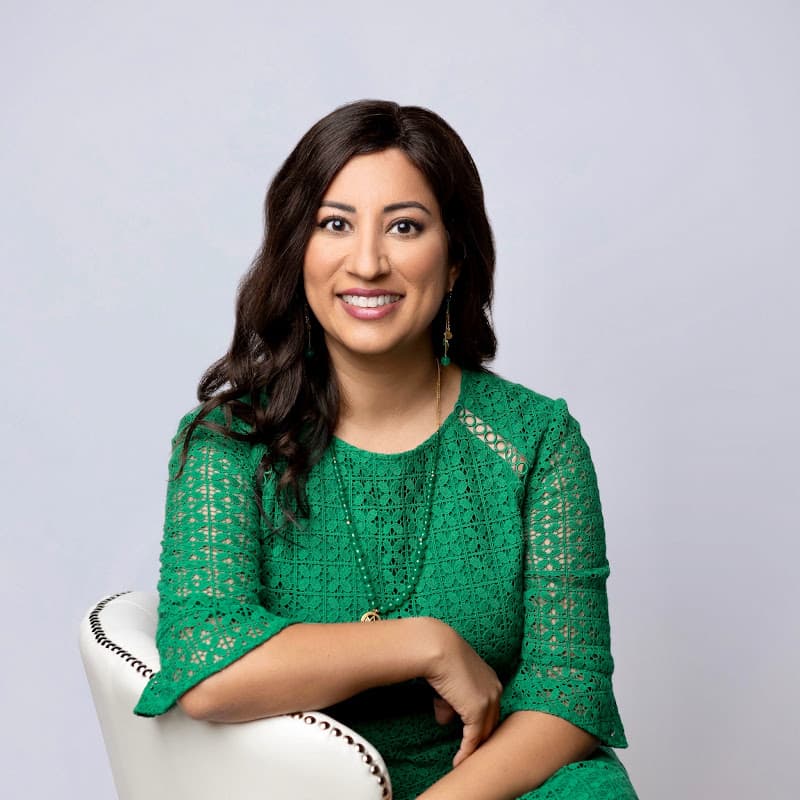
Full Transcript Summit Introduction and Guest Welcome 0:00 Welcome everyone to the Gut Health and Longevity Summit. 0:03 I am so glad you're here, and I want you to take a breath right now, 0:06 because what you're about to hear could genuinely change the way you think 0:10 about pain, inflammation, and what your body is truly capable of. 0:16 Most people are living with joint pain, stiffness, or arthritis 0:20 and have never been told that their gut has anything to do with it. 0:24 The science connecting your microbiome to your musculoskeletal system 0:28 has never been clear, and our experts are here to make it actionable. 0:32 So today's conversation is one I've been especially excited about the gut 0:37 joint access and how healing your microbiome can help 0:41 reverse inflammation, reduce pain, and restore mobility. 0:46 My next guest has treated Olympic athletes, professionals, sports 0:50 teams and members of royal families and in doing so, he discovered something. 0:55 Most sports medicine physicians never find that the most powerful tool 0:59 for healing joints and reversing inflammation 1:02 isn't a procedure or a prescription, it is food. 1:06 So I want to welcome Doctor Scott Stoll, a board certified physician 1:10 specializing in sports and regenerative musculoskeletal medicine. 1:15 He co-founded the Plantation Project and the International Plant 1:19 based Nutrition Health Care Conference, and has served as the founding strategic 1:23 advisor for the Institute 1:24 for Healthier Living in Abu Dhabi, which I hope to get to one day. 1:28 He has cared for top Olympic and professional and collegiate athletes, 1:32 and competed himself as a member of the 1994 U.S. 1:37 Olympic Bobsled team. 1:38 Wow, that that is a conversation in itself. 1:42 So he's also been featured on the doctor as show 1:47 so many other places, including documentaries 1:49 like The Game Changers, Eating You Alive, and Plant Wise.
Rethinking Joint Pain and Inflammation 1:53 He has written 1:54 extensively on plant based medicine, disease reversal and regenerative health, 1:59 and his work continues to reach patients through his virtual Total Health program. 2:04 And Doctor Scott Stolt, doctor Stolt, I'm going to call you Scott. 2:07 I've been looking forward to this conversation because I think 2:10 what you're about to share is going to completely reframe 2:13 how our audience thinks about joint thinks about pain. 2:17 And as an individual who has lived with chronic joint pain, 2:22 well, chronic pain due to joints for the last five years. 2:26 I'm really excited about this conversation. 2:29 So I want to make sure I'm not missing anything. 2:32 So let's start where most people are. 2:35 Joint pain and arthritis are incredibly common. 2:39 But what most people think of them as wear 2:42 and tear problems, something that's inevitable with age. 2:46 Can you explain to us what is actually happening inside an inflamed joint? 2:51 And is this really unavoidable? 2:54 Yeah. Thank you. First, I'm so delighted to be with you. 2:56 Thank you for the invitation. I love this topic. 2:59 It's been a part of my life for, gosh, 20, almost 25 years. 3:03 I've been doing musculoskeletal medicine along with lifestyle medicine. And, 3:07 you know, a couple of important points just to highlight before we jump in. 3:12 When you and I were trained, 3:14 we were taught that the joint space was sterile. 3:16 There was no bacteria in the joint, and that when somebody had arthritis, 3:21 it was wear and tear that for some reason the joints wear down. 3:25 Over time, you develop osteoarthritis. 3:27 And the only thing to do is anti-inflammatory medications, 3:31 a quarter zone injection, physical therapy or surgery. 3:35 I mean, that's kind of the the basic algorithm for orthopedic medicine today. 3:39 Well, yes, for today. 3:41 And one of the things I forgot to mention to you that you might not know 3:44 about me is I actually have a bone and soft tissue fellowship in a bit. 3:51 So I am the receiving end of the orthopedic surgeon. 3:56 So the number of hip replacements and knee replacements 4:00 and those bones 4:01 that I've received like literally to look at degenerative joint disease 4:05 and then the number of phone calls I have gotten to look for 4:09 inflammatory cells and joints for failed revisions and whatnot. 4:14 I'm on the opposite end of that, but I can tell you 4:16 I understand where you're coming from. Yeah. 4:18 And you've seen the raggedy, degenerated cartilage that sits on the bone or 4:23 the meniscus that comes out that's torn, and it's painful looking at it. 4:28 So I can't imagine, you know, people's bodies, how painful it is. 4:31 So this is why 4:32 I think this is such an important topic when it comes to longevity. 4:36 Because, hey, if we can do something about it, we do not want to make that happen. 4:41 Yeah, exactly. 4:42 And, you know, 4:43 we didn't we didn't know what else to do other than those few things. 4:48 And then you saw the process, you know, as it gets worse over time, 4:51 then they have more pain and it leads to a surgery and you know, the tissue. 4:56 I wish people could see the tissue because it is so angry looking right. 5:00 It's in red, inflamed, rough, degenerated. 5:04 It's no wonder that people hurt so much. 5:06 I wish I could show them the tissue, but the hospitals 5:09 have very specific rules about showing gross specimens. 5:14 Otherwise I would be all over social media. 5:16 Like, here's your knee joint, like I oh my God, I have a lot of gross pictures. 5:21 Like they're called gross pathology. 5:23 Like, 5:23 I mean, it's technically a little gross, 5:25 but that's what we call it in the laboratory. 5:27 But I have so many pictures of this because we, we actually, 5:31 as part of our pathology reports and stuff, we have to take pictures, right? 5:36 That's exactly right. 5:38 And so, you know, to just kind of frame this out for everybody, 5:40 you know, and starting with the place where I just came out of practice 5:44 and I was treating patients like I was taught to treat them. 5:47 And then as the new guy 5:48 in an orthopedic practice, I started to get all of my partners 5:51 failed cases, everybody that had done everything three times. 5:55 I was a team doctor at Lehigh University, and so the athletes that weren't 5:59 getting better with traditional treatment would end up in my office. 6:03 Moms, dads, you know, people at work coming to my office 6:06 and they're not better. 6:07 And they've done everything and they're saying, what else can I do? 6:12 So I was just a place of compassion. 6:14 I said, well, there's, you know, there's got to be something else that we can do 6:18 if they're not surgical. 6:19 And so I started just asking simple questions like, what's going on?
The Gut-Joint Microbiome Connection 6:22 And how 6:23 can I not only reduce inflammation, but is it possible to start healing tissue. 6:28 And so that be down this road that that thought process 6:32 of asking those important questions and saying like what, what 6:35 what can be done to start healing? 6:37 So I attended a conference 6:39 at the University of Wisconsin that was Regenerative Medicine conference. 6:41 And back then, you know, 6:42 we had a regenerative not too many regenerative treatments. 6:45 One was which is injecting some sugar and numbing medicine 6:49 into ligaments, which creates a little local inflammation. 6:53 And the local acute inflammation begins the healing process. 6:56 But that concept of creating an acute inflammatory response 7:02 to heal tissue made me start thinking about a couple of different pathways. 7:07 It helped me kind of understand what is healing and regeneration, 7:10 and oftentimes what happens in a lot of these kind of chronic 7:13 musculoskeletal conditions is that somebody has an injury 7:17 or they have some kind of misalignment that's occurred because of work, 7:21 a link discrepancy, and you get wear and tear, 7:25 but the body doesn't have the capacity 7:28 to repair that tissue for some reason. 7:30 And we'll talk about those reasons in a minute. 7:32 And then to understand that if we can create the right 7:36 environment for people, the body can heal itself. 7:40 And that's that, you know, 7:41 using those early days of regenerative injections help me to see 7:45 the body is capable of healing when it's given the right opportunity. 7:49 Hippocrates said that healing is not just a matter of time, but also opportunity. 7:55 And so we have to be able to create opportunities for healing. 7:59 And so out of that kind of regenerative injection conference 8:02 that I attended for ten years, I began to ask more questions, 8:07 you know, including what can I do beyond just injections to help people heal? 8:12 And so that led me to a lot of exploration of lifestyle and other interventions 8:16 that actually assist the body at that deep level 8:20 to repair, regenerate and restore some of the damage tissue. 8:25 So it's possible right. 8:27 So whether that is that cartilage breakdown 8:31 the inflammation in the synovial tissue. 8:34 So it's not just about when a patient 8:37 comes to you believing that their joints are worn out. 8:41 It's really looking deeper. 8:42 So when you've worked with athletes or everyday patients alike 8:48 and when somebody sits across from you with chronic joint 8:52 pain, what are the real drivers that you are looking at and how is this different? 8:58 I mean, I think you touched upon it, but how is this different from what you like? 9:02 The previous doctors have been told. 9:04 Like, what is it that 9:05 when you're sitting across from somebody, you're saying to them, all right. 9:09 These are the specific lifestyle factors 9:13 that are going to influence the health of your joints. 9:18 Yeah. 9:18 And so I always like to educate my patients 9:21 so that the lifestyle recommendations have some real rooted 9:24 meaning for them, not just simply to say that, hey, 9:27 eating more plants is going to reduce inflammation, but really 9:30 to educate them to understand what's happening at deeper level. 9:33 So maybe we can just take a couple 9:35 of minutes and lay that out for everybody watching 9:37 so they'll understand what's going on in their joints. 9:39 As I mentioned at the beginning. 9:41 I was taught you were taught that joints did not have bacteria, 9:45 and if bacteria were in the joints, then it was, you know, from an outside source. 9:50 And it's one of the reasons and it still is very important. 9:52 One of the reasons that surgeons are so about keeping the environment clean. 9:57 But in the last few years, they have been taking samples 10:01 from sterile joints and discovered bacteria living in the joint. 10:05 And so there's a microbiome in the joints, is what you're saying. 10:10 Joint space and the microbiome in and around the joint, 10:14 and even at the layer between the cartilage and the bone mirrors 10:18 the microbiome in the gut. 10:20 And so the health of the gut 10:21 microbiome is reflective of the microbiome that's in the joint. 10:26 And when the microbiome when there's that dysbiosis that your group 10:30 is learning about. 10:31 And there's that dysfunction of the microbiome in the gut, 10:34 you get a dysfunctional microbiome in the joint. 10:38 And those bacteria produce acids that actually erode the cartilage 10:42 and joint intersection and contribute to kind of inflammation in the local area. 10:47 We also know that when you have an unhealthy microbiome with dysbiosis, 10:51 you know, it creates kind of local inflammation. 10:54 And your audience is learning about the leaky gut. 10:57 The gut opens up and the ender talks. 11:00 And one of the byproducts that can leak out is LPs lipopolysaccharide 11:05 that floats throughout the entire body, 11:08 activates macrophages, which leads to systemic 11:11 inflammation, which also can contribute to joint inflammation. 11:14 And so there's kind of two different mechanisms that contribute 11:18 to inflammation both locally and the joint and systemically. 11:21 And we further know that when there's a healthy microbiome, 11:25 the short chain fatty acids that are produced by the microbiome, 11:30 things like butyrate 11:31 propriety acetate by those beautiful, healthy, bacterium 11:35 like bacterium, they circulate through our bloodstream.
How Dysbiosis Drives Systemic Inflammation 11:39 And they can be supportive of cartilage. 11:42 They can turn off key inflammatory switches, these giant switches 11:46 that drive inflammation in the body like NF kappa beta. 11:50 And so they can they can naturally, through 11:52 secondary mechanisms, turn off inflammation. 11:56 And as the inflammation goes down, it creates an opportunity 11:59 for joints to begin repairing and regenerating. 12:02 And we have living cells that produce cartilage. 12:06 We have fibroblasts that lay down connective tissue in our body 12:10 that are just waiting for the right opportunity 12:12 to begin repairing and regenerating. All right. 12:15 So many words there. 12:16 Before I go on to the next question, 12:17 I just want to touch upon a couple of those. 12:19 By the way, Condra sites 12:21 are some of the most beautiful looking cells under the microscope ever. 12:25 Like, just like they're pretty. 12:27 I mean, I look at all kinds of cells under the microscope, but are definitely 12:31 one of the, like, more artistically visual appealing cell. 12:35 But one of the terms you mentioned was LPs. 12:38 So we talk about LPs definitely in the gut. 12:42 Can you expand on that a little bit more 12:46 as to which individuals might have more 12:50 LPs exposure, which then could contribute to these unhealthy joints? 12:55 Yeah, the the LPs exposure is 12:58 created through first gut dysbiosis. 13:01 So when the microbiome in the gut, which is, 13:05 you know, it's estimated to be 38 trillion bacteria. 13:08 I mean, it's we don't really know. 13:09 And there's a whole bunch of other things in there too, 13:11 as your audience is learning when that becomes more predominant, 13:16 unhealthy populations, things like streptococcus and others, 13:20 those bacteria produce by products. 13:23 So they're going through their normal activity of living and coming 13:26 out of the back side of their metabolic activities are these byproducts. 13:31 And one of them is lipopolysaccharide, because there's a lack of short 13:35 chain fatty acids in the gut, which help to keep those tight junctions strong. 13:39 And now local lipopolysaccharide unhealthy diet disposes. 13:44 You get local inflammation and the gut begins to get leaky. 13:48 Opening up those spaces and allowing things like LPs 13:52 to enter into the bloodstream. 13:54 And now it's circulating in the bloodstream, something called endotoxin, 13:58 like these things that are aren't supposed to be in the bloodstream 14:01 now have had access to get in there and activate the immune system. 14:05 So those people then that are susceptible, you know, generally 14:09 speaking, are the people that are eating a Western diet that are stressed. 14:14 We know, you know, when someone is stressed, it's activating 14:18 the sympathetic nervous system, and it's 14:20 causing through the access the release of cortisol, 14:24 which also creates inflammation and creates leaky gut, 14:28 you know, in activities related to the health of the microbiome 14:31 and toxic exposures, alcohol, tobacco, all these thoughts. 14:35 So that lifestyle is really making 14:39 people more susceptible to the creation about. Yes. 14:43 And the entrance of LPs into the bloodstream 14:46 to activate the immune system and start this whole cascade 14:49 of producing inflammation that ultimately affects 14:52 not only the joints but the rest of the body as well. 14:55 Yeah. 14:56 I'm not getting to the hefty question yet where we will get to diet, but I want 15:00 people to understand that their diet 15:03 definitely influences their microbiome. 15:07 But that has such a far reaching effect to the rest of the body and the joint. 15:12 So if you are experience and experiencing 15:16 any kind of joint pain or inflammation or degeneration, 15:22 this is really the question, the conversation you want to listen up to. 15:25 So just kind of summarize what you said. 15:28 We get this leaky gut from an imbalance diet, 15:31 a high Western style diet, a lot of stress. 15:35 Two things that without intention are unavoidable 15:39 if you're not really like paying attention to it. 15:42 This leaky gut creates the lipopolysaccharide, 15:45 which then further enter the bloodstream, leading to systemic immune activation. 15:52 Joint inflammation. 15:53 That dysbiosis in turn, reduces some of our good guys 15:58 or our good anti-inflammatory products, 16:00 which are short chain fatty acids like butyrate that you mentioned. 16:03 Now, I see this as also influencing things like autoimmune joints. 16:09 Right. 16:10 So like autoimmune arthritis, rheumatoid arthritis, specific bacteria linking 16:15 rheumatoid arthritis and ankylosing spondylitis, spondylitis. 16:19 So if gut if bacteria in your gut are literally sending signals 16:24 to protect or attack your joints, if that's a fair way to put it, 16:30 how can 16:32 individuals that are dealing with this, like, 16:36 start addressing the gut microbiome that's driving their inflammation? 16:41 Yeah, it's such a good question. 16:43 I know lots of people watching are probably for the first time 16:47 they've seen about this intersection between my lifestyle and my joint pain,
Plant-Based Eating for Joint Recovery 16:51 because it's never, you know, gosh, we didn't even know his doctors. 16:54 Right. 16:55 And then, you know, one thing I would just add on there, too, that, 16:57 you know, many of the things 16:58 that we're taking for our joint pain contribute to this biopsies as well. 17:02 Motrin, Advil, Aleve, all these anti-inflammatories created this biases. 17:07 So it becomes this kind of whirlpool 17:10 of, you know, pain from dysbiosis. 17:13 This biases driving inflammation anti-inflammatory medications. 17:17 So it really becomes problematic. 17:19 And people get stuck and they live with pain. 17:22 And there's a lot of consequences. 17:23 You know you limp and you develop secondary issues. 17:26 And it really can be hard. 17:28 And I also feel for people that go to the doctors and doctors. 17:31 I was one of them just didn't know. 17:33 And so we do we do what we've been taught to do, which is inject cortisone. 17:38 Cortisone injections repeatedly over time can contribute to this biases. 17:42 And they can ensure the converse sites, those beautiful cells that you described 17:46 lay down. 17:47 And they they damage the body's ability to even repair. 17:51 So you know, 17:52 we just have a system right now that's not supportive of the body healing, 17:56 regenerating itself because we're focused on symptom management, which is pain. 18:00 So, you know, we can go deeper. But you're exactly right. 18:03 Like the it's kind of a multi-part solution for people. 18:07 One is now appreciating that our lifestyle is causing the dysbiosis, 18:14 which through several mechanisms that we discussed 18:16 is causing inflammation, pain and degeneration. 18:20 So addressing that through lifestyle 18:23 and then also kind of locally 18:26 find to help support the tissue that's been injured 18:29 and give it an opportunity to repair and regenerate as well. 18:33 And so through kind of those two targeted ways, we can help people reduce pain 18:39 through a process that regenerates and systemically reduce 18:43 inflammation, that's contributing to pain and degeneration. 18:46 And then people can find a pathway forward 18:49 that allows them to live as pain free as possible 18:53 without having to do an event that are going to cause harm. 18:57 All right. 18:58 I'm going to divert from my questions a little bit here, 19:00 because I'm thinking of a question that 19:05 probably many people who are watching this right now are going. 19:08 And I also think of some people I know, which, you know, 19:12 I'm seeing people younger and younger 19:16 get hip and knee replacements. 19:20 I mean, my mom, 75, she my father to like they haven't had anything replaced. 19:25 But I'm now talking to people in their 50s 19:28 who are getting replacements, and I know what kind of diet they have. 19:32 I know what kind of lifestyle they have. 19:34 I know without doing a test 19:36 that dysbiosis exists in their system based off of their lifestyle. 19:40 So what is it that you are seeing in your practice? 19:45 Like if people are like, oh, well, my doctor told me like the only 19:50 I have osteopenia, I'm going to eventually need a hip replacement 19:55 or I have like, what are you seeing like in your clinical practice? 19:59 I think over time, I would agree with you that more and more young 20:03 people are dealing with chronic degenerative issues, 20:06 which kind of then moves us out of the old paradigm that this is, 20:09 you know, age related to Klein wear and tear over time. 20:13 And when you get to 75, your knees just wear out. 20:16 You know, one quick aside is that I often do like standing X-rays of knees, 20:21 and they may have like a painful right knee. 20:23 And you look at both knees and the left knee is more degenerated 20:27 than the right knee. 20:28 And but the left knee is not painful. 20:30 So it kind of shifts the paradigm to say, well, wait a minute. 20:33 It it's not just the generation bone and bone that causes pain. 20:38 Something else is going on and that's something else is, you know, 20:42 perhaps it's a kinetic alignment problem that oftentimes, as you're describing, 20:47 it's because people are now born with this biases 20:52 and they're living younger from a younger period of their life with this chronic 20:57 inflammatory state that is injuring their body's ability to regenerate. 21:02 And so it's very common to see that. 21:04 And in fact, there are lots of people who come in and they've not been athletic,
Nightshades, Fiber, and Anti-Inflammatory Foods 21:09 they're not doing they've not been injured. 21:12 And yet they have pretty far reaching arthritis, knees, hips, shoulders. 21:17 And you have to say, 21:18 why is this happening in this individual that, you know, they have multiple joints 21:22 that are generating without an injury and they're 45 years old. 21:26 And so it leads us back to, you know, a systemic cause, 21:31 which is kind of diet lifestyle. Yeah. 21:34 I don't know if you've noticed, like so, because I've done a lot of femoral head 21:39 previews for some reason it's always in the US is the right femoral 21:45 head, seems to be the one that I've got on my desktop all the time. 21:49 I'm like, wow, we're really 21:51 we're really working our our right leg there, our right. 21:55 I know that's the way we drive. 21:56 But at the same time it is. 21:58 You know, it's not just that wear and tear. 22:01 It's our overall lifestyle. 22:02 So let's talk a little bit about that. 22:04 You founded the Plantation 22:06 Project to transform how physicians think about food and disease. 22:10 So what does the research actually show about plant based 22:15 eating and joint health, and what is the mechanism behind why it works? 22:19 Yeah, it's quite remarkable. I'll start with the story. 22:22 You know, I've been hosting one week 22:23 health emergency for a large fortune 100 company for 17 years. 22:27 So they sent 100 people to spend a week with us. 22:30 And, you know, they come in with lots of joint pain and lots of issues. 22:34 We beat them. 22:35 Plant based diet, a little bit of exercise, teach them how to manage stress. 22:39 And in just seven 22:41 days, it's always amazing to me how quickly joint pain gets better. 22:45 And I'll never forget we had a woman that came. 22:47 She had bone and bone in both knees, really severe pain. 22:51 And at the end of the week I was just sitting on the beach. 22:53 I finally had a time to go to the beach and she came walking by 22:56 with tears in her eyes and she said, you don't understand, doctor Stoll. 23:01 This is the first time in 20 years I've been able to walk on the sand 23:05 because my knees aren't hurting that shifting their bone and bone, 23:09 she said, I can't believe it. 23:11 All I did was change my diet. 23:13 Now, it's not always that effective, you know, it's there are different 23:16 levels of impact, but inevitably people's 23:21 musculoskeletal problems get better when they change their diet. 23:25 And so, you know, 23:26 that's the reason that we started the Plantation project, 23:29 a team out of my own experience as a physician, treating patients 23:32 and seeing basically, as, you know, miracles happen 23:36 when they changed their diet and lifestyle. 23:38 Things that we never were taught were possible in medical school and residency. 23:42 And I wanted to help more physicians understand the science behind that, 23:46 that there is valid science, and there's this growing body of thousands 23:50 upon thousands of scientific articles that demonstrate the physiologic 23:56 and biochemical mechanisms why this is happening, as well as, 24:00 you know, brought a randomized controlled trials that are showing in populations 24:03 when we utilize a plant based diet specifically 24:06 for musculoskeletal conditions, that pain does improve significantly. 24:11 So what you do, I also do, but on a smaller scale, 24:14 because I do retreats a couple of times a year, and just seeing what can happen 24:20 in a matter of five, six days when somebody is fed 24:25 a fully plant based diet and is put in that environment. 24:31 I mean, the brain fog that gets lifted, 24:34 the gut where it's the funniest conversation is always like, wow. 24:37 Like I had like the best bowel movement ever. 24:40 I'm like, well, that's what fiber does. 24:44 But yes, you know, so these deals, right. 24:47 It is a big deal for somebody who doesn't know what like that lightness feels like.
Protein, Carnivore Diets, and Collagen Myths 24:51 What that energy in the in the body when the body gets restored is it 24:56 absolutely is critical. 24:58 And I and just like you, I've seen it again and again and I 25:01 and I have had attendees 25:02 attend my retreats where it's like family members are attending that, like cousins 25:06 and stuff. Like they haven't seen them and they're like, 25:08 I don't know what you did to her. 25:10 But she came out a different person five days later. 25:12 And I love this new person, you know? 25:14 So it's really interesting to 25:18 allow people to experience this. 25:20 And hopefully the individuals are watching this are and kind of 25:24 getting this renewed hope that there is a way there is definitely a way. 25:29 And if they haven't tried it to consider it. 25:32 So to touch on what like just I'm going to keep kind of summarizing a little bit. 25:36 So we talked about fiber. 25:39 We talked about fiber feeding the microbiome, 25:41 increasing the butyrate in the short chain fatty acids 25:44 which can then reduce that leaky gut or that permeability, 25:48 thereby what we want it to do reduce systemic inflammation. 25:53 We can add on phytonutrients like all the plant foods, things like polyphenols. 25:58 Kirsten, curcumin they can directly modulate the inflammatory pathways. 26:04 Now, I understand that there's also studies 26:07 that have been done on plant based diets and rheumatoid arthritis outcomes, where, 26:11 you know, they've modified pain scores, functional improvement, all of this. 26:16 But what I want to ask you is the myth about the claim 26:21 that nightshades worth worsen arthritis. 26:24 Is there any truth to this? Yeah. 26:26 You know, it's a very interesting question. 26:28 And I think that unfortunately, the nightshades get a bad rap all too often. 26:34 You know, what I've seen through the years is there is a small population. 26:38 I think the studies estimate that it might be between 12 and 17%. 26:43 So it's a small percent that may be responsive to some of the night shades. 26:48 But largely most people do not experience 26:52 that increase inflammation from the nightshade vegetables. 26:54 And we're talking about, you know, potatoes 26:56 and eggplant and peppers and things that people would commonly eat. 27:00 And I think that what's more important 27:02 is to look at their more comprehensive aspect of their diet and lifestyle. 27:06 And that's where we find more of the inflammatory drivers, 27:11 which are the sugars, the refined carbohydrates and the animal products 27:16 that tend to drive inflammation and dysbiosis in combination. 27:21 That can create problems. 27:23 And, you know, we don't want to just focus on the negative, 27:26 but it's also a lack of fiber. 27:29 And as you mentioned, the phytochemicals, the polyphenols that work, 27:33 you know, not only to help turn off key inflammatory, 27:37 which is the one I mentioned earlier. 27:39 And if kappa beta is affected by multiple things, including the polyphenols, 27:43 you know, the anthocyanins from the blueberries, 27:46 and they work locally in the gut as well to tighten the tight junctions. 27:49 So there's multiple mechanisms by what by which these things work. 27:52 So it's you know, it's the contribution of the damaging 27:56 and the lack of those things that are really necessary 27:59 to help the system run efficiently. 28:02 Yeah. So let's not hate on the nightshades. 28:05 It's not as simplistic as all right, let's just remove these foods. 28:09 Some people might not be affected by them at all, but 28:12 what they will be affected about is the sugar, the ultra processed foods. 28:17 There is there is no argument across the board there. 28:20 So you mentioned meat. 28:23 So let's talk about the confusion around protein and joint health specifically. 28:29 I mean you you led into it. 28:30 So I'm going to ask especially around collagen supplements, bone broth, 28:35 high carnivore diets or high protein carnivore diets. 28:39 And as someone who's spent decades in the sports and regenerative medicine area. 28:44 What does the evidence actually say and what are people getting wrong? 28:48 I mean, I already know, 28:49 but I need to hear you say that everyone needs to hear, you know, 28:52 this is really important because, you know, this is the pro science 28:56 that we have to combat the scientific ideas 28:58 that get passed around weight rooms and locker rooms that sound 29:02 good at the outset, but they're not rooted in good biology. 29:06 I spent, gosh, about nine months diving into the idea 29:09 of carnivore to understand it better because, you know, 29:12 there are short term studies and testimonials of benefits. 29:17 So I wanted to ask myself, what's really going on here? 29:20 And I think, you know, understanding. 29:21 I'll just take like a couple of minutes to encapsulate 29:24 what's happening so we can really understand the, 29:27 you know, the damage of a high protein diet 29:30 as well as the benefit of a high nutrient dense diet. 29:33 So the reason that the there's short term benefit from kind of a keto 29:39 carnivore diet, even people like recognizing that they have lower pain. 29:43 When you remove carbohydrates from your body. 29:46 Your body was designed to run on carbohydrates. 29:49 You know, that's glucose is the fuel for the body. 29:52 When that's gone, your body naturally shifts 29:55 into a survival mechanism, which is ketosis. 29:58 When we're fasting, when we don't have access to food, 30:01 the body shifts into ketosis. 30:02 So the system can continue to run, and it pulls 30:05 from fat stores to burn fat, to create ketones. 30:09 That can also keep the system running until the glucose comes back. 30:14 When the body's in that survival mechanism, it turns off some key 30:17 inflammatory switches. 30:19 NLP three is inflammasome and turns off inflammation. 30:23 So temporarily people just speaking from the musculoskeletal standpoint 30:27 feel a little bit better because they're not eating any glucose. 30:31 Their blood sugars get better because they lose a little bit of weight. 30:34 Blood pressure can improve. 30:36 The lipids don't improve consistently across the studies and they lose weight. 30:41 And so it appears like, hey, this diet really is working for me. 30:45 I'm going to continue using it. 30:46 The problem is there's a dark side, and that side is the Darth Vader 30:51 side of all of this is that when you stay on that diet for too long, 30:55 the body was never meant to stay in ketosis for a long period of time. 30:59 It's a short term survival mechanism. 31:02 When you keep pushing your body into that state, it begins to naturally lose that 31:07 inflammatory place, and then the foods you're using to push it 31:11 into that ketosis start accumulating damage. 31:16 And the studies show that after 6 to 12 months, it's a complete reversal. 31:20 You go from kind of an anti-inflammatory state to an inflammatory state. 31:25 The lipids really begin to move in the wrong direction. 31:29 April staple B and LP, little A and oxidized LDL. 31:34 You're packing fat into your liver and muscle because of the fact 31:38 that the animal products which drives insulin resistance. 31:41 And we're creating dysbiosis to kind of high back to what 31:45 we started in the beginning, all the animal products are creating,
Stem Cells, Recovery, and Sleep 31:49 you know, the rise of the empire, right? 31:52 So if we're using our Star Wars to get the empire kind of microbiome 31:56 ruled by Darth Vader pumping out 31:59 and inflammation throughout the body, and that chronic inflammation 32:03 starts to damage the joints and leads to more degenerative joint pain. 32:08 You know, 32:08 we've removed the very thing 32:09 that our microbiome needs most, which is fiber and is your audience 32:13 now probably knows from all the other speakers. 32:15 The most troubling nutrient deficiency in the United States is fiber. 32:20 Only 4% of any age group is getting the minimum recommendation, 32:24 not even the maximum of 70g per day. 32:28 So we have this, you know, 32:29 double jeopardy where we've, you know, disrupted the microbiome 32:33 and we've put in a heavy, high protein diet, 32:36 which creates a high acid load, injures the kidneys, 32:40 creating, you know, systemic inflammation and damaging the joints 32:44 from the inside out and contributing to accelerated issues. 32:49 And last comment for athletes, it's really important to understand that 32:53 when you're working out, 32:54 you're creating micro tears and muscle and and connective tissue. 32:57 And if your immune system is not healthy and robust, which in that kind of state, 33:03 ketosis after six months, it's not able 33:06 to go through kind of a G and repair. 33:09 You start getting partially repaired tissue 33:12 that can't fully recover after a workout. 33:16 And so it leads to issues of recovery 33:19 of susceptibility to infections and partially healed tissue. 33:23 You know, I believe there is an athlete Djokovic 33:27 who tennis player I have a big tennis fan. 33:29 And when he changed his diet to, I believe a plant based gluten free, 33:35 I mean, his game changed and I bet you that had something 33:39 to do with that recovery on the joints, because there's a lot going on there. 33:43 I'm never going to now not think about Darth Vader invading my gut microbiome 33:48 and like the little white, what are they, the Vader's? 33:52 I don't know what they're called, like literally running around old troopers. 33:56 Storm troopers. 33:57 Oh, my God, the stormtroopers are taking over. 33:59 What about collagen? 34:01 That's another popular one where people are just like, I gotta take my collagen. 34:05 It's for my joints. 34:06 It's making me feel better. 34:07 They're convinced by it. 34:10 Is that really going to influence their joints? 34:12 You know, our bodies produce collagen. 34:15 You know, we're taking collagen from an animal and the animal major. 34:18 Collagen we to make collagen in our bodies, 34:20 our joints, when they're healthy, make all the collagen that is necessary. 34:24 Some things that help or, you know, plenty of vitamin C in your diet 34:27 and the amino acids that are necessary to build the collagen. 34:30 But we can make all of our own collagen. 34:33 We don't have to take it. 34:34 In fact, you know, the collagen are just peptides. 34:38 They're amino acids. 34:40 And so when we take collagen, it's a protein that's digested 34:43 normally in our gut, like any other protein, 34:47 you know, we have enzymes that snip those into little pieces 34:50 and they're absorbed like any other amino acid into our system. 34:54 So in the absence of any of the other additives, you know, 34:57 silica or something else they might put into these supplements, 35:01 taking collagen is not necessarily like it doesn't. 35:03 It's not like you take collagen. 35:05 Your body packages collagen and takes collagen to your skin and your joints. 35:10 It's just a mean of acids that get absorbed. 35:12 But the real benefit like stepping back to say, okay, 35:15 how can we assist our body in building healthier tissue, 35:19 cartilage, connective tissue, collagen. 35:24 It really is the diet. 35:25 You know, 35:25 it's the fiber that feeds the healthy microbiome, the short chain fatty acids 35:28 that are assisting and the vitamins like vitamin C and some of the minerals 35:33 like copper that are assisting in the body and producing more connective tissue. 35:37 You mentioned earlier polyphenols. 35:39 You know, the polyphenols are magical in our bodies. 35:43 They do so many incredible things. 35:44 And these are the, 35:45 you know, the blues of blueberries and the dark purples of blackberries, 35:49 which I had on my oatmeal this morning there, you know, the yellows of mango. 35:54 It's all these beautiful colors. 35:55 They go into your body and they're working also on connective tissue and healing. 36:00 They turn off genes that are involved in the formation of scar tissue. 36:04 They turn off genes that are involved in inflammation, and they turn on genes. 36:09 They're involved in kind of upbringing up, right up regulating 36:13 pathways that chew up damaged tissue and lay down new tissue. 36:17 And they attract stem cells to the areas of our body 36:21 that are injured to help coordinate more of a robust healing, 36:24 which is really what we're looking for, not just collagen, 36:27 but we want to activate this incredible system inside of us 36:31 that was designed to regenerate and repair tissue. 36:36 They increase fibroblasts. 36:38 The polyphenols increase these little cells called fibroblasts, 36:40 which come in and they basically stitch things back together. 36:44 They're laying down, 36:45 you know, ligaments and connective tissue and tissue inside of our skin. 36:50 They protect the sites to go back to those beautiful cells. 36:55 You know, they are very protective. 36:57 And they turn off some, some regulatory switches 37:00 that would lead to damage or degeneration of those contra sites. 37:05 And they protect them from piece that degrade cartilage. 37:08 So in so many ways, you know, it's 37:11 our diet doesn't work through just one mechanism. 37:15 Like taking a collagen supplement to have healthier tissue 37:19 is when we care for the totality of our diet, 37:22 we're exposing ourselves to a wide range 30 plus plants a week. 37:26 With all this fiber and all these phytochemicals and polyphenols 37:30 that were playing the keys of regeneration of our bodies. 37:35 Symphony in such a magnificent way that these systems are naturally doing 37:40 what they're designed to do repair, regenerate 37:42 and restore the function of tissue. 37:46 Fibroblasts are also very interesting 37:49 cell and and they get very confused as we age. 37:52 So we really want to protect our fibroblasts. 37:56 So they remember that they are fibroblasts. 37:58 When we age we can have an entire fashion conversation. 38:01 But you dropped a word there that I don't know if people picked it up. 38:05 And it's a popular word right now in regenerative medicine, 38:09 which is stem cells. 38:11 Okay. 38:12 How do we make our own stem cells for our joints? 38:18 Sir, we are all born with lots of stem cells 38:21 and depending on our age, and it's not just our biologic 38:25 or our chronological age, it's also our biologic age. 38:28 And that's the age that's kind of the health of our tissue. 38:32 We will lose stem cells over time. 38:33 So a more unhealthy person loses stem cells at a faster 38:37 rate than a healthy person, and they decline exponentially. 38:40 And that's just kind of the nature of life. 38:43 But you want to preserve these. 38:45 They're called MSCs, stem cells that are found in our bone marrow 38:50 and our mobilized by different things that we do or injuries to come to an area. 38:55 And they're kind of like a conductor. 38:57 They bring in signals and they signal 39:00 all the different tissues to begin coordinating repair of a tissue. 39:04 So if I twist my ankle, you know, leaving after this, this conversation, 39:09 you know, there's an injury signal, it triggers stem cells to come fibroblasts. 39:13 And they be in coordinating repair so that in the next six weeks my ankle heals up. 39:17 But we can also there's really interesting evidence and studies that show that food 39:22 also can activate our SEM cells. 39:26 Things like a cup of broccoli, the serving 39:29 the same serving size that we might eat for dinner tonight. 39:33 As you're eating that broccoli, it is activating your stem cells. 39:38 It is calling them up and helping your stem cells to be revitalized, 39:43 and to find those parts of your body where repair is necessary. 39:46 So and stress can impact your stem cells pretty significantly as well. 39:52 So the and we also have, you know, I just quickly want to mention for people 39:57 there's a key regenerative window at night when we sleep between kind of 11 p.m.
Athlete Case Study and Practical Steps 40:03 and 6 a.m.. 40:04 And the first half of 40:05 that is the repair, regeneration of the musculoskeletal system. 40:09 There's a little bit of inflammation that comes overnight 40:12 because inflammation levels are generally lower. 40:14 And again, 40:14 that starts that whole kind of initiation of inflammation to repair tissue. 40:19 And growth hormone is released overnight to repair tissue. 40:22 And then the second half is the process 40:25 for the brain flushes and gets repaired as well. 40:28 So and those were impacted by our rest which also links back to our diet. 40:33 It's all connected. 40:34 And this beautiful 40:35 regenerative regenerative opportunity that we have every single day. 40:39 Okay okay. Two thoughts out of that. 40:42 That what you just said, it makes me think of all the people going 40:46 and getting stem cell injections, yet 40:50 still eating a very inflammatory carnivore diet. 40:54 Let's just eat a cup of broccoli and make our own stem cells. 40:57 Secondly, it makes me think of. 41:00 So you mentioned this night window. 41:02 I'm interested with this because like I mentioned to you, I have suffered 41:06 from chronic pain for the last five years because I suffered a injury, 41:10 a traumatic brain injury which resulted in three cervical disc herniation. 41:15 So like mine was like I got hit in the head. 41:18 It's awful. 41:19 I'll tell you a story another time. 41:20 But besides the cascade of events, the physical is 41:24 that it caused three cervical discs to herniated this way, 41:28 thereby causing chronic inflammation down my right arm, 41:31 which has been a healing process in its own. 41:35 But I notice the pain is more at night. 41:40 Why is that? 41:41 You know, it's it happens for several reasons. 41:43 One, we kind of remove all of the other distracting stimuli. 41:47 So everything that could distract us during the day, we're moving, 41:50 talking, thinking. 41:52 Now we lay down at night and it's dark, and the brain can only think 41:56 about the pain that's going down the. 41:57 So that's the first two. 42:00 It's positional. 42:01 You know we're off the specialty with your neck or your back. 42:04 You're laying down 42:05 and gravity is pulling on those discs and nerves in a different way. 42:08 Or we're in a static position as we sleep and the nerves can get inflamed. 42:13 That's the second. And then third. 42:15 You know, 42:15 the body does have this a little bit of rise of inflammation overnight for repair. 42:19 And that can contribute. 42:20 That can be a tipping point for something that's already inflamed and painful. 42:26 So there's lots of reasons why it hurts. 42:28 And then like you're mentioning, the problem is that you have pain. 42:31 You don't sleep well, you don't get into the regenerative window, 42:35 which affects both, you know, your body's ability to repair, heal, 42:39 that affects your ability to just tolerate pain. 42:42 Your pain sensitivity goes up when you're not rested. 42:45 And when you're tired, you feel more hopeless and affects your mood. 42:50 And so lots of these things can spiral. 42:52 And I've had so many patients through the years where an injury 42:56 that doesn't heal becomes a tipping point in their life, and leads 43:00 to this whole cascade of medical problems that follow. 43:05 I think for most people, 43:06 you know, the foods that we eat when we're hurting, to try and feel better 43:10 temporarily is like sugar, fat and salt because we get a little bit of a hit. 43:14 You feel better temporarily, but it causes inflammation despite this, 43:17 so that whole piece can fall apart pretty quickly too. 43:20 Yeah. 43:21 No, I have my body pillows. 43:23 I've got my posture. I know what you're saying. 43:25 And it has improved. 43:27 And a lot of it has been, you know, my diet was already plant based before, 43:31 but really upping and with some botanicals and herbs and all this kind of stuff. 43:35 All right. Next question. 43:37 You've worked with athletes whose entire careers depend 43:40 on their joints, and patients who simply want to walk without pain. 43:45 Can you tell us, without breaking any privacy 43:48 about a patient story where the gut, the diet, 43:52 the join joint connection was the turning point in what happened to them? 43:56 Yeah, I sure can. 43:57 There was a I was working with an athlete, female athlete who was struggling with, 44:03 you know, fatigue, sleep disruption or chronic joint pain and had done a lot, 44:07 you know, in and out of the training room struggling to get back. 44:11 And, you know, the first thing that we did was fine tune the diet. 44:15 And I, you know, this is interesting. 44:17 I have found much greater success working with female athletes than male athletes. 44:23 They seem to be much more receptive. 44:25 You know, I used to work with the U.S. 44:26 bobsled team, and they would come up with a Snickers bar and they would 44:30 say, doctor, still, I have my protein bar like that is not protein. 44:35 They just didn't get it. 44:36 But the female athletes to to change diets, she became plant based. 44:40 She was actually a bobsledder. 44:42 And a lot of that systemic inflammation went away. 44:45 Her recovery times after workouts improved dramatically. 44:48 Joint pain improved significantly, which allowed her to start working out 44:53 and working through some of the biomechanical problems 44:56 that she had, allowing her to resolve knee pain. 44:58 And she just felt better every day. 45:00 And, you know, her performance improved because of that, that single change. 45:04 But it really was the diet intervention first that allowed many things to improve, 45:10 including her mood, the way that she saw life, 45:13 the immediate effect after just a week of reducing inflammation and, 45:16 you know, catapulted her forward in her career. 45:19 Okay. 45:20 All right. 45:20 Last question. 45:22 And I want to be very concrete about this. 45:24 So somebody who is watching or listening right now, 45:27 they may have been told that their arthritis is permanent 45:31 or that they've been managing pain for years and are just exhausted by it. 45:36 What are the three most important things they can do starting this week? 45:42 Concrete to begin healing their gut and changing their joint trajectory? 45:47 Yes. So I'll give three concrete and then at the end. 45:51 So the three most important things that people can do this week. 45:54 Number one is shoot for 30 plants this week, you know, 45:59 ten servings a day of a variety of dark colored fruits and vegetables. 46:04 And I make that comment because then several studies 46:07 that have shown comparing light colored fruits and vegetables to dark 46:10 colored fruits and vegetables, that the dark colored fruits 46:13 and vegetables result in a 20% decrease of inflammation. 46:18 HSC versus light colored fruits and vegetables, 46:21 which have a slow increase of inflammation over the course of two weeks. So, 46:26 you know, 46:26 generally ten servings dark colored fruits and vegetables every day. 46:30 And you don't have to get protein from animal products. 46:32 You get more than enough protein from your plants. 46:35 You'll get everything that you need protein wise that you 46:39 that's necessary for your body to rebuild from plants. 46:42 On top of all of those 46:44 benefits that we've spoken about. 46:46 Number two is get a good night's sleep. 46:48 Sleep is essential for so many things, not just the regenerative window, 46:53 but in supporting your decision 46:55 to make healthier choices when you're fatigued. 47:00 You know, all of us know we struggle. 47:02 You know, it's when we're not sleeping well because of the hormone changes. 47:06 We're much more susceptible to crave carbohydrates. 47:09 And this is not craving broccoli and of kale. 47:13 This is craving sweets which are going to contribute to this biases. 47:16 And so sleep is really, really essential. 47:20 So you know a great diet a really good night's sleep. 47:23 And I believe just, you know, starting with some kind of movement 47:27 through pain free range of motion, it may be just isometric exercises. 47:31 You know, we just you're sitting in your chair watching. 47:34 I'll just put this down and I'm just pulling up and pushing down on one arm. 47:39 You know, I'm pushing to create some tension. 47:42 But to do something that is activating your muscular system 47:47 because that also is turning on some of those regenerative systems 47:51 and it is assisting the body in multiple ways. 47:54 And when we start moving, things also heal. 47:57 Tissue is meant to move. 47:58 And when it's static, it gets fibrotic and painful. 48:01 It faster that you talked about. 48:03 So find ways to just begin 48:05 adding some kind of movement, some kind of mobility into your life. 48:09 Wherever you are, 48:10 keep moving and find some way to exercise and then just build on those every day. 48:15 I'm going to add a fourth in here, because this is like the secret for long 48:18 term adherence is simply to begin changing the way that you think about yourself. 48:24 You know, the diet industry and this entire place where we live 48:28 today has often caused us to think that we don't have enough willpower, 48:33 that we are ashamed of, that we couldn't keep 48:36 these diets, that we feel guilty, and that's not the case. 48:39 You are perfect in the way that you're created. 48:43 You have enough willpower. 48:45 It's not your fault, it's the system. 48:48 We just have a broken system. 48:49 So if you can begin shedding some of that old language 48:53 and adding a new language that things like, you know, I'm learning 48:57 to become a very healthy person. 48:59 I have all the willpower inside of me and the support around 49:02 me, and I can make healthier choices and begin changing 49:05 the way that you speak to yourself and the way you identify yourself. 49:09 Healthy versus unhealthy. 49:11 Because the research shows when we change what we believe about who we are, 49:15 our identity, we don't even need willpower to make those decisions. 49:19 It bypasses the need for willpower, and we naturally make healthier choices 49:24 when we believe that we are healthy and that we can do these things. 49:28 So changing our identity is that that core piece? 49:32 Absolutely. 49:32 Thank you for the bonus. 49:34 And Scott Doctor Stoll this has been genuinely eye opening. 49:38 The idea that bacteria that are living in our gut are sending signals 49:43 far, far away to the joint and that we actually have our own joint microbiome. 49:49 That means that every meal is a vote for which direction we go. 49:53 And that's the message I want everyone to carry with them. 49:56 So where can people find you? 49:59 Learn more about you, learn more about Plantation Project? 50:03 Yeah. Thank you. 50:04 You can learn more about Plantation Project, 50:06 which is an offer profit educated that's dedicated to educating 50:10 healthcare professionals and also people that are interested in learning more. 50:13 We have an annual conference called The Power of the plate, 50:16 which will be next May 2027. 50:17 You can learn all about that at Plantricianproject.org. 50:22 And that's 50:25 plantrician plantricianproject.org. 50:26 We have a free journal ijdrp.org. 50:30 So sign up for the free journal. 50:31 You can learn more about me. 50:32 I see patients two days a week still because I love seeing patients. 50:36 Maxwellclinic.com and I'm happy 50:40 to see anybody and work with them on overcoming pain. 50:44 Perfect. Thank you so much. 50:46 Key takeaway guys is your joints are not breaking down. 50:50 They are speaking to you and your gut is a translator. 50:54 Change what you feed your microbiome and you change what it says to your joints. 50:59 So stay tuned for another episode. 51:01 Don't go anywhere else. 51:02 We're just getting started and thank you so much.

Comments