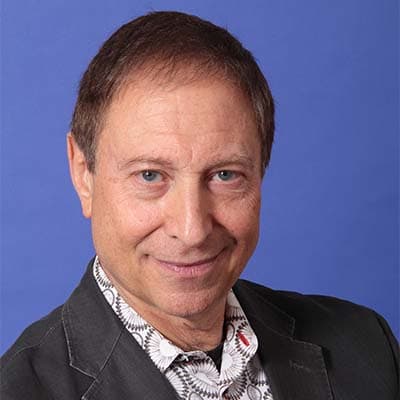
Full Transcript Introduction and Sarah Quillenu2019s role 0:00 Hello everyone. 0:00 My name is Doctor Richard Horowitz and I am the co-host of the Healing Lyme Summit. 0:04 It is my great pleasure to bring to you today Sarah Quillen,, 0:07 the new Executive Director of Islands and Sarah. 0:10 It is really a great pleasure to be with you today. 0:12 You know, I've met you at the recent conferences. 0:14 I'm so happy you took over the organization. 0:16 Things are great with you kind of on board. 0:19 And thank you for joining us today 0:20 and kind of sharing a little bit about islands. 0:23 Let's mission the Isla. 0:24 And I think we have a great conversation. 0:26 So thank you. 0:27 Thank you for having me. 0:28 I'm always excited to 0:29 to to see you and talk with you, but also to be able to share Eli's mission 0:34 and all all the good things that we're doing as a, as a group. 0:37 Yeah. So so listen, I have a question for you. 0:39 So what exactly? 0:41 There's a lot of reasons why people do what they do in their jobs 0:43 in this lifetime. 0:44 What in the world makes you think I should be 0:47 the executive director of a major league organization like Islands? 0:51 And what has that been like so far? Your journey so far doing this? 0:54 Well, coming into this, I always joke, oh, I'm a glutton for punishment now. 0:58 I love a I love this kind of talent. 1:00 I mean, my whole career has been in, nonprofit work 1:03 in health care and human services. 1:07 Most of my, most of my work has been around hospice and palliative care. 1:10 So I embrace the the challenging topics, the difficult topics. 1:16 And I feel like tick borne illness is right on up there with the 1:20 with the challenge and all that. And I came into it. 1:22 I mean, I think a lot of folks know by now, I'm from upstate New York. 1:27 I'm from Dutchess County, which has the highest Lyme 1:31 incidents in all of New York State. Yay. 1:34 Right. 1:35 I'm living in Dutchess. 1:36 No, no, I did not know you are from Dutchess County. 1:39 Where are you from exactly? 1:40 I'm from Poughkeepsie. 1:42 So my. Oh, no. There we go. 1:45 My father was a now retired career 1:48 IBM in Poughkeepsie, and I've lived in 1:52 grown up, grown up and lived in, and my folks are all in the same house. 1:55 They've been there. 1:56 They've been there over 50 years 1:58 now in the small town of Wappingers Falls, outside of Poughkeepsie. 2:02 Oh, well, you know, it's funny you say that, though, 2:05 with, with moving to Dutchess County, because when I moved to the area 2:08 from Bayside, Queens, after doing my residency, 2:10 I had absolutely no idea how bad the Lyme epidemic was up here. 2:14 And interesting enough, the ibmers the way I would always know, 2:18 when they had Lyme disease, the ibmers 2:20 who were there for, like, you know, decades, right? 2:22 Until some of the changes happened, 2:23 they couldn't remember the keystrokes to their computer. 2:26 Oh, yeah. The memory and concentration was so bad. 2:29 And that was actually some of the reason I started getting involved more deeply, 2:32 because a lot of my boomers were coming to me early on when I started to do this. 2:36 And my father was was one of those, he I mean, he's, he's, a PhD engineer. 2:41 He's he was in the research department his whole career through IBM 2:44 and for for such a brilliant mind to start thinking like something's wrong. 2:49 What's going on? 2:50 And he he had Lyme disease. 2:52 Gosh, he probably had it 5 or 6 different times. 2:54 And he he was one of the early he was doing 2:57 the clinical trials of the early vaccine back in the night. 3:00 He's I mean, so he's he's been dealing with it for years. 3:03 But it was the it was sort of what they what we now know is like the, the brain 3:08 fog that comes with Lyme disease. I mean, he had the, 3:10 the joint pain, the fevers and some of the other very typical. 3:13 So I'm not looking for patients. 3:15 But you do know if your dad needs help, 3:18 maybe we could figure out something. 3:21 He has an eye doctor. He's had one for years. 3:23 He and I argued about that long time ago. 3:24 So he now he he I will say. 3:26 But that's what got me. 3:27 That's what got me involved in in even understanding 3:30 Lyme disease and finding I, I mean, that's how we found Eilat,
Why Sarah joined ILADS and her background 3:34 to find a practitioner, to be able to help and figure out what was going on. 3:38 Yeah, yeah. 3:38 So, you know, islands, as you know, 3:40 I mean, I was one of the founding members 25 years ago. 3:43 And, you know, I remember the time when I was when in this little hotel room 3:46 with Nick Harris and Joe Briscoe and Steve Steve Phillips was there. 3:49 Andrea Gatteau, my wife was there, Barbara Buckland. 3:52 We were sitting Nick paid for this little hotel room in New York City, 3:55 was sitting around signing documents 25 years ago thinking, 3:59 you know, there's just a need, you know, for doctors to learn a little bit. 4:03 And if you would have seen these conferences early on. 4:06 Andrea Gatto, when she first started heading this up 4:08 with with Terry McKnight, who was also there, 4:11 we had these little rinky dink conferences in new Jersey. 4:14 There must have been like 60 people 4:15 there, and we'd stand up and do clinical case presentations. 4:18 And I mean, it has changed. 4:20 So much over the years. Right? 4:22 And you really see, we didn't know at the time 4:25 how important eyelids was going to be. 4:27 So question it really. 4:29 Eyelids really plays 4:30 a crucial word with this point in education, research and advocacy. 4:33 For those who are not familiar, I think a lot are. 4:36 But for those who are not familiar with eyelids, 4:38 how do you describe the impact the eyelids has now on the medical community 4:42 and patients and, and what we're doing as an organization? 4:45 Well, you kind of nailed it with 4:47 I mean, you're you're sort of the vanguard, 4:49 you guys, that small group of dedicated practitioners going, 4:53 what the heck are we getting ourselves into? 4:55 25 years ago made a huge stab. 4:58 I mean, that nobody else was willing to go through. 5:01 So fast forward to today where we have our conferences, 5:07 we have webinars, we have a whole host of education. 5:10 There's research happening, there's advocacy happening where we Ilyse 5:14 is still the only medical, you know, professional membership 5:19 organization focusing on tick borne illness. 5:23 I mean, we're still kind of it. 5:25 And and I feel very blessed and lucky to be part of this organization 5:30 that you and the other small team helped to help to promote. 5:35 So the the impact and I can actually give you some really cool numbers. 5:38 So for, for the year of 2024, here's a great little impact number. 5:44 And I want to make sure I get it right here. 5:46 So one of the things that eyelids offers to to patients, to, to consumers, to 5:50 anybody is a free provider search, of all of our members. 5:55 And it, it gives them, you know, where they serve if they do telemedicine, 5:59 what kind of, clinician they are, whether they're a naturopathic 6:02 or they do, you know, naturopath or allopathic, all those. 6:06 And and last year, my first year in 2023, 6:10 we had 25,000 people accessing that provider. 6:14 Search this in 2024. 6:17 As of December, we had, over, 40,000 individuals 6:22 accessing that provider search. 6:23 So that that tells you a little bit of the impact, even, 6:27 that people are seeking us out. 6:30 People are looking for that care. 6:32 And on the one hand, 6:33 that's a horrible thing because what's the CDC says, what over a half 6:37 a million new cases are or are, you know, diagnosed every year? 6:41 We all think that that's so underrepresented. 6:44 Well, that enough, you know, they they also came out shortly afterwards. 6:47 You may have seen this or not. 6:48 They then discuss several months later, the Medicare rates 6:51 were seven times higher than the roughly half a million. 6:55 So really when you're talking about seven times half a million, 6:58 you're talking about 1% of the US population per year is getting affected. 7:02 And that is probably accurate. 7:04 That might even be more when you think about how many ticks are out there. 7:06 And I mean, all of us have had it, but I don't know anybody 7:10 that's not had a tick bite at this point. 7:11 I mean, I had Lyme 30 something years ago. 7:14 The only reason I never got sick is within five minutes of having symptoms. 7:18 I kind of knew that my body well, I knew it was going on. 7:21 My nurse drew the blood, I dropped my pants 7:23 and she gave me a by silent shot before the blood test came back. 7:26 Because I knew you know what it was. 7:28 So I never got sick as I treated literally within minutes. 7:31 But many people, of course, are not so fortunate. 7:33 But everyone at this I know has had tick bites. 7:36 At this point, it's impossible to avoid them. 7:38 It absolutely is impossible. 7:40 And I think this is one of the big things that eyelids can I don't know, 7:44 I feel like we have a duty, because it's part of our mission is to educate 7:48 primarily clinicians and practitioners. 7:50 I met a, I met a gentleman that I think summed summed up 7:54 what were what eyelids does so nicely and so innocently. 7:58 At our 2024 conference, he's a cardiologist in California, 8:03 and he comes to our conference every year. 8:06 And and I was having a conversation with him and he had said, like, 8:10 I don't treat Lyme patients myself, but I never want to miss it 8:14 in diagnosing a patient. 8:16 And I thought, wow, that that kind of sums it up right there. 8:18 Even if you you don't think you want to get into this community 8:22 and get into this field specifically, you've got to know what you're looking at. 8:25 And I think that's one of the best things that eyelids can provide, even in that 8:29 very, very basic education to clinicians. 8:32 You're correct. 8:33 I mean, the literature suggests it's 8:35 about 1% of the people that end up with Lyme colitis. 8:37 So, I mean, a cardiologist is going to end up seeing people
ILADSu2019 growth and educational impact 8:40 who have unexplained palpitations 8:42 or unexplained arrhythmias, atrial fibrillation, cardiomyopathy, whatever. 8:46 And if you're not versed in it, it's the same problem. 8:49 And it's true, you're right about the subspecialties 8:51 because it is called the great imitator, like syphilis for a reason. 8:55 I don't care whether you're a gastroenterologist, a rheumatologist, 8:57 an infectious disease doctor, a neurologist, you're subspecialty. 9:01 You're going to see patients in that subspecialty. 9:03 And if you don't know how to diagnose and treat, 9:05 you're going to be at a real disadvantage. 9:07 You're going to be treating symptoms with drugs 9:09 instead of getting to the source of why these people are ill. 9:12 And one of the things I mean, I always I always say I'm, I'm 9:14 the one non clinician of islands that you've got. 9:18 Right. 9:19 So I, I'm not going to go into all the diagnosing and things 9:22 and I, I love when, when all of you guys geek out on all that kind of stuff. 9:26 But one of the, the big things that I talk to so many people about 9:31 is that talking about the great imitator you've got, it's never just Lyme disease. 9:35 And I think Lyme disease has become this catchall phrase, the the, 9:40 the eyelids mission we changed in 2023 to include chronic 9:44 inflammatory illness because we understand there's there's co-infections. 9:48 There's there's never just one simple thing that you can 9:52 just, you know, hit with, what is it, three days of antibiotics and you're done. 9:55 Like that's we know that's not realistic. 9:58 So one of the great things that eyelids can then provide is so much education. 10:03 And one one of the great things, you know, thanks to, I guess, Covid or whatever, 10:07 you know, we all can do this education virtually from the comfort of our own 10:11 homes. And you can get 10:13 the most basic information 10:16 from eyelids of like how to treat and prevent tick borne illness. 10:20 Or you can go all the way to so many different really cool 10:24 specifics that this is where I kind of geek out 10:26 and only half understand some of the things. 10:27 When you talk about methylene blue and Morgellons disease and mix and, 10:31 and some of the, some of the very cool specifics that 10:35 that our clinicians, that our members, our veterans, like you do webinars and do 10:40 virtual learning and seminars and things like that, for for Eileen's members. 10:45 But I think to the larger community, I mean, in 2024, we 10:48 educated, over 3000 clinicians 10:52 from our two conferences and from all of all of our webinars. 10:56 And all of those things are are evergreen, right? 10:58 We we put them on our learning system where you can access them at any time. 11:03 And I always think that's one of one of the best things that I can provide. 11:07 Is that education, no, you're you're right. 11:10 And and by the way, what you said mimics 11:11 exactly what we've been finding in our clinical practice for years. 11:14 When I discuss chronic Lyme, I the words I really use is Lyme McDs. 11:19 And for multiple systemic 11:20 infectious disease syndrome because the 16 point message model, 11:24 just having seen over 13,000 chronically ill patients during the last 40 years, 11:28 I kept discovering, you know, these it was like going to a doctor's office 11:32 with 16 nails in the foot, and the doctor finds one 11:34 nail, pulls it out and says, come back in a month. 11:36 Let me know how your foot pain is. 11:38 We find at least six factors driving inflammation. 11:41 Apart from the bees, Borrelia bbca, Bartonella mole toxins, and heavy 11:45 metals are like right underneath their driving inflammation, 11:48 followed by leaky gut and mast cell disorder, with patients 11:51 then having microbiome issues driving inflammation, insomnia, vitamin 11:55 mineral deficiencies and then the ten downstream effects of the inflammation 11:59 the hormones are thrown off. 12:00 The men come in with low testosterone or low adrenals. 12:03 You get pops dysautonomia, which you get from mold. 12:06 You also get from long Covid. 12:08 So, you know, we find these 16 factors in most of the people. 12:11 And you're right, what was great about the recent conference 12:13 in San Antonio is a lot of this was also a functional medicine conference. 12:17 I think people don't realize at this point for those people that have not taken, 12:21 you know, the IFM training or the rest, 12:23 you are getting functional medicine training when you come to islands, 12:26 because it's all of us who do functional medicine. 12:29 You can't avoid doing it at this point in time to help your patients. 12:32 And with long Covid, now that you know, the National Academy of Sciences 12:36 is calling infection associated chronic illness. 12:39 But honestly, it's a cop out for me because it is a chronic infection. 12:44 It is chronic Lyme disease. 12:45 It is like memes, but the problem is you said the word chronic. 12:50 Lyme doesn't sum it up because it has all these overlapping factors. 12:54 And you're right, that's 12:54 where doctors now at least have one place that they can go, right? 12:58 And they can learn about it. 12:59 So these websites and, seminars, can people just go on the islands website, 13:03 like how do they access this to go on the website 13:06 and find this information so they can learn? How did they do that? 13:09 The magic of Google come you can you can actually just go to Eilat Sword. 13:13 And in the search function, if you're looking for a specific topic, 13:16 you can type in that topic and a whole host of things will come up. 13:20 We're we're revamping our website to really focus on the patient 13:25 and the clinician. 13:27 So if you're a patient coming coming to islands, 13:31 maybe you've just got a diagnosis or maybe someone you knew you got bit by a tick 13:34 or someone mentioned to take, oh my God, what do you do can be overwhelming. 13:38 So we're we're reformulating our website to make it a little more easier 13:42 to understand for the patient, 13:44 for the clinician, if you're looking for very specific topics. 13:47 Good gosh. 13:48 We have hundreds of very specific topics, just like I was 13:51 saying, like Morgellons and methylene blue and things like that. 13:54 You can type those things in and search it. 13:57 Or if, I of course want to recommend everybody become a member 14:01 because then you have access to all of those things at no cost. 14:05 Usually we, we charge a nominal fee to outside of our membership. 14:09 We want to make sure that the members 14:11 are getting everything that they possibly can. 14:13 So, we we host, we do at least one webinar a month. 14:18 We're now getting to two and three a month, trying to bump that up. 14:21 And again, those are all included as part of your eyelashes membership. 14:25 So any which way to to search you can you can come to our website. 14:28 That's a great start. Yeah. 14:30 And of course I've been a member for the last 25 years. 14:32 So I mean, I know about all of these and you know, and it's and it's also gone 14:36 a long way when Joanne, when jobber is gone. 14:38 You and I were actually heading up the island. Yep. 14:40 And for those who just are looking in the background 14:42 just so people know what it means, Isla DF is the international alignment 14:46 Associated Diseases Educational Foundation. 14:49 I was the president of the organization many years ago and Joe Bor, Scott Owen 14:53 I actually used to run those trainings years ago, you know, contributing slides. 14:57 It's come a long way. 14:59 Can you talk a little bit about some of the things that the elected office 15:02 is doing right now? 15:03 Well, so first and foremost, I'm so proud of this. 15:06 Yeah. 15:06 This this 2024 this year, 15:09 we awarded about $25,000 in scholarships to clinicians 15:13 so that they could attend our conferences were were expanding. 15:19 Obviously, it's it's the 500 and C3 Foundation. 15:22 Right. 15:22 So it's you know, we're raising money and we want to be able to do more. 15:26 And we rely heavily obviously, on on the donations of individuals. 15:30 So I look forward is just the easiest way to give to that. 15:33 And, and we do fundraisers 15:35 and things like that, which obviously you and I talk about. 15:38 So for people that want to give funds to help 15:41 with this worldwide epidemic, I al ADF dot you got it. 15:46 Absolutely. 15:47 And so one of the one of the key features of I would add is our physician 15:52 training program, which I know you've been a key component in creating. 15:56 And that the way that our education kind of works, 15:59 you've got the fundamentals, which is the base baseline, 16:02 get stem to stern everything on tick borne illness. 16:06 You want to then continue your education. 16:07 Obviously you've got conferences, you've got webinars, 16:09 but then you've got islet s physician training program, which provides 16:13 a huge foundation of evidence based treatment in line tick borne illness. 16:19 And it goes into detail on the diagnostics therapeutic challenges. 16:23 You have hands on training with a preceptor 16:27 in real world clinical settings, where you can actually go with the preceptor 16:32 through their daily, through their daily work in and sort of build that confidence 16:38 in diagnosing and treating, tick borne illness on your own. 16:40 That's one of our signature programs. 16:44 I feel like one of the other big things that islet F is really working on, 16:47 and it's going to be one of our key strategic priorities 16:51 in the next couple of years. We're calling it our big data project. 16:54 We need to come up with a better name with that. 16:56 But for the moment, that's that's what we're calling it.
Clinical complexity of Lyme and chronic inflammatory illness 16:58 And we're we're realizing that we've got this fantastic 17:02 cadre of members all have this, all our patients, all have data. 17:07 So let's gather all this data in an anonymized fashion 17:11 and be able to utilize it for for folks who want to research for our own and, 17:17 and utilize all the really cool tools of AI and, 17:20 and all this machine learning to be able to help 17:23 the the next generation of practitioners and the next generation of patients. 17:28 So there's much more to come on that. 17:30 And it's 17:30 that's one of the super cool things, I think that'll be coming down the pike. 17:33 Knowing it and it know it's very important. 17:35 And big data, of course, is where it's at these days. 17:38 And I had just, you know, we Bob Messina, I spoke just a little while ago 17:41 and I'm for the first time 17:43 now that I figured out as many pieces of the puzzle as I feel I need to. 17:47 And I have a protocol that's working quite effectively for patients. 17:50 We're applying for NIH grants 17:51 to be able to do a multicenter, placebo controlled, randomized trial on its own. 17:55 And so we will have some big data. 17:57 But of course, 17:58 the more that people contribute, right, the more we have big data, the better. 18:02 Of course, this gets. 18:03 So yes, it's it's very important. 18:05 And for people that want to contribute to that cause 18:07 I think that's a great cause because I mean, that's kind of where it's at. 18:10 We have I now to analyze the data and we start to need to use it. 18:13 And we know there's this there's this chicken and egg. 18:16 Right? 18:16 I mean, we're we've got eyelids members who are serving 18:20 patients today and treating and doing all those things. 18:24 But then we've got to be forward thinking and try to figure out 18:27 how do we end this, 18:28 how do we get ahead of it, how do we find vaccines and find treatment 18:32 protocols and, and not get folks misdiagnosed and all those things. 18:36 And that's how we're going to do that? No. 18:38 All this data, it would be super helpful even for someone like me. 18:41 Because let's say I have a question. 18:42 I use a drug, for example, is enemy that I use for Bartonella. 18:46 But if I had ten or 15 or 20 medical practices using it, 18:50 some with some without, and I had a way of comparing the data, 18:54 it would solve the problem of knowing how effective really is it for Bartonella. 18:57 So you're right. I mean, we definitely need this now. 18:59 You were bringing up patients a moment ago. 19:01 We hear from a lot of the patients. 19:03 They do not have timely diagnoses. 19:05 We know many people go through ten, 20 or 30 doctors before they get a diagnosis. 19:09 Any suggestions you've seen from your perspective 19:11 as far as how we might improve that, how we can do better to get those patients 19:15 an earlier diagnosis? 19:16 You know, it's so interesting. 19:18 And again, this was this comes back into my history in hospice 19:22 and palliative care and things like that. 19:23 And and even like my own health journey, right where 19:25 we all have to be our own health advocates in this day and age 19:28 and in and in this medical system that we we live in here. 19:32 So I always tell folks, like, if you're not satisfied with 19:35 with what your doctor is telling you or if you think you're being gaslighted, 19:40 be proactive. 19:41 Find find a second opinion. 19:43 And if your if your primary practitioner gets insulted by 19:47 you wanting to get a second opinion, then you need to find a new practitioner. 19:51 I mean, it's, you know, even even going outside of tick borne illness. 19:56 I feel like that 19:56 that's just our health care system and so apply it to this community. 20:01 I know it happens so much where where patients are either gaslighted 20:06 or misdiagnosed or go through this cadre 20:09 of, of care that their, their practitioner 20:13 just doesn't know, but is not willing to admit that they don't know. 20:17 I mean, I've had conversations with my, my personal practitioner 20:21 about eyelids and about tick borne illness. 20:23 And so I live in an area now in Virginia where we kind of 20:27 we're splitting the difference where it's it's pretty well known, 20:30 but a lot of training still needs to happen. 20:33 But luckily I have a I have a practitioner who is who's curious and wants to learn 20:37 and, and such and, and just even just asking some of those simple questions. 20:42 Have you heard of eyelids? 20:43 Are you familiar with tick borne illness or what 20:45 work training did you get in medical school? 20:47 Or even just some basic thing? 20:49 So it's it always it hurts me to hear all the stories 20:53 that we still get from patients who have gone through 20:55 these terrible journeys, and so thankful that they finally found us. 21:00 And so I always say to them, well, make sure you tell other people 21:03 about eyelids and about like about our provider. 21:06 Search and seek us out and get information and become educated on your own. 21:10 I mean, there's some there's some really great patient organizations out there 21:15 across the world who have take it upon themselves to to 21:19 like we 21:19 I like to work with 21:20 and some of the other groups will work with to get education out there. 21:23 I mean, that's I keep coming back on 21:25 broken record on education, but that's where it's at. 21:28 Yeah. 21:28 And and it's tough for patients because the symptoms of chronic Lyme 21:31 disease overlap the symptoms of chronic fatigue syndrome, 21:34 myalgic encephalomyelitis, fibromyalgia, long Covid and a host of other diseases. 21:39 You know, because it's it's chronic fatigue. It's aches and pains. 21:42 It's memory concentration problems. It's sleep disorders. 21:45 It's my autonomic nervous system doesn't work. 21:47 I stand up, I get dizzy, I pass out. 21:48 It's like but those same symptoms are seen in other diseases 21:51 that also can be caused by viruses, by toxins, in other things. 21:55 So you really need a doctor 21:57 who has been trained properly to be able to do differential diagnosis. 22:01 And you're right. 22:01 I mean, I think interviewing your doctor, your your primary care physician 22:05 every day, 22:06 I mean, it's a shame that unfortunately, we've tried doing this New York State 22:10 because I've served both at HHS 22:11 and at the New York State Department of Health level. 22:14 There's not enough training, just like every year for me to, you know, 22:17 I need to get certain CMS. 22:19 And by the way, you have to tell me how to get the CMS from this last conference. 22:21 I still do. Absolutely. I can do it that way. 22:24 But but for example, 22:25 I was working at the New York State Department of Health level, 22:28 and they'll always tell you you need your narcotic training every year 22:31 of how to prescribe narcotics, and you need your training on abuse. 22:36 Great, I understand that, but why is it not mandated at this point? 22:41 Getting Tick-borne training now? 22:43 Part of it is unfortunately, I think the politics, 22:46 because the IDSA guidelines and the islands guidelines are a part. 22:50 But although I will say over the years 22:52 and Tom Moorcroft shared this from me personally, 22:55 when he's had conversations privately with Doctor Allen Steer and other people, 22:59 I tend to think that people are starting to come together a little bit more 23:03 without necessarily saying it, 23:05 because all of the great research that's happened at the university 23:08 level from Hopkins, from UVA, Shopee's group, at the University of New Haven, 23:12 from Kim Lewis Group at Northeastern, at Stanford, biofilm and persistent. 23:17 But like, it's not just all autoimmunity. 23:19 So I think the researchers have kind of helped us a bit to bridge the gaps. 23:25 But yet, if you speak to certain doctors who are heading up Lyme 23:28 clinics and I won't mention names of universities, 23:31 I think the universities are still kind of stifling them a bit, 23:34 because I've reached out to some of these people, 23:36 even for the Daptone trial, and it's not easy getting my foot in. 23:40 So, so far Mount Sinai has said yes, thank you, Cohen Foundation. 23:44 Thank you, David Petrino. 23:46 Ebony Cornish spoke to me at the last I led conference that 23:48 the aiming clinics look, we're getting them involved. 23:51 I won't mention the other university I just spoke to today. 23:54 It'd be very exciting if they get on board. 23:57 I don't want to say the name yet because. 23:58 But they're big if they come on board. 24:01 But we need big universities to participate in this because again, 24:05 I've been doing this for 25 years. 24:07 I'm certain of what I found, but I need to prove this to the world. 24:10 And then all this politics where patients can't get properly diagnosed and treated, 24:15 this will all start to go away. 24:17 So it's it's a real problem because a lot of these diseases are overlapping.
Website resources, memberships, and clinician training 24:21 And I think, you know, even the way we treat patients in medicine 24:25 where we've taught in medical school, name a disease, throw a drug at it, 24:29 we're learning through the functional medicine lens. 24:32 You've kind of get to the underlying sources. 24:34 You said this earlier of inflammation. 24:37 Where is the inflammation coming from? 24:39 What are the downstream effects. 24:40 It's not so easy of just you have rheumatoid arthritis throw a drug. 24:44 I've had patients with rheumatoid arthritis with Lyme that 24:47 the rheumatoid arthritis didn't respond because the Lyme was improperly treated. 24:51 And then the rheumatoid arthritis got better when the Lyme was it. 24:55 So you cannot avoid tickborne disorders. 24:58 I mean, I let's I think in the Iliad 25:00 it's the most important organization at this point for a worldwide epidemic. 25:04 And I think for everyone listening, 25:06 please speak to your doctors about joining the organization, getting the training. 25:10 It's not a question of like, it's a good idea. 25:12 It's honestly essential because I think you'll notice 25:15 most of the doctors have joined the organization they've had lined up. 25:19 They're not only they're patients about it, 25:21 they're they've had personal experience 25:23 and and but you don't want to wait for that to happen. 25:25 You want to do it out of the motivation of 25:27 want to know what's best for my patients. 25:29 And you'll get that kind of information from joining pilots and getting right 25:32 all of this great informational, educational events that's being presented. 25:36 Absolutely. 25:36 I can't I can't pay you as a spokesperson for Elad, but you're doing it. 25:40 You're doing a fantastic job. 25:41 Well, look, I mean, I've been on the ground level for years. 25:44 Look, I know the kind of benefit that I led has done. 25:47 I'm again, I'm proud that I was able to be one of the people who was able to start. 25:51 And I'm again thrilled you're at the helm, because I think you're 25:55 you're you're the perfect person at this point 25:57 with your background in everything you've done. 25:58 I didn't realize you'd been in that kind of space 26:01 before with this and even had personal experience. 26:03 But yeah, we need somebody who really gets it, and you do get it. 26:06 And you're listening to the patient. 26:08 You're hearing from the doctors. 26:09 So so I think it's going to be very, very important. 26:12 So is there a current initiative 26:14 that Elance is doing right now or that they're looking for for next year? 26:18 Something specifically, is it the big data project? 26:20 Is it something else that I lens is looking at. 26:22 So the Big Dead project is going to be one big one. 26:24 But the the next big thing 26:26 and this, this actually I think Doctor Horowitz speaks to you and all the, 26:30 the, the OGs, the original folks who've been part of Eli's for 25 years. 26:34 We finally, finally 26:35 launch a fellowship program, which I think has been in the works. 26:38 I mean, long before I ever came around the islands. 26:41 It was it's always asked the question, you know, and I know you ask 26:44 is like, well, what's next for me? 26:45 Like, I've been doing this for forever. 26:47 I've done I did fundamentals, I did the physician training program. 26:50 I've gone to countless conferences. 26:52 I give more than I get what what can I, what else can I do? 26:56 And and the fellowship is that next stage for the veterans. 26:59 And we just launched it at our San Antonio conference. 27:03 And so we're really going to start promoting it in 2025. 27:06 And so I'm I'm excited to see what 27:09 what will become of those folks who are the newer to the 27:13 to this community and, and striving to, to get to that, to get to that level. 27:17 So taking fundamentals, doing positions, training program, 27:21 becoming a physician's training preceptor so that the next, you know, 27:26 sort of paid forward, so to speak, and, and be able to get that advanced, 27:30 that highly advanced training and be able to put that, 27:33 I don't know, badge of honor. 27:35 You know where that badge of honor of of I'm I and Eli's fellow. 27:39 Yeah. 27:40 And by the way, so because I'm and I've been a, you know, 27:42 preceptor physician for the training program in the past 27:44 and I can tell you the doctors that went through it 27:47 who spent a week with me, usually it was when my nurse practitioner was out 27:50 and they had a chance to be with me the whole time. 27:52 They usually walk away from the days the week that they spend going, 27:56 oh my God, I learn. 27:58 So because what happens is, and I've seen this, 28:00 when you go to a conference, you're getting the basic educational, 28:03 you know, building blocks, but you've got to see it in clinical practice. 28:07 And I've even gotten to the point I've had to hold the hands 28:10 of certain doctors when they're treating their patients. 28:12 I mean, I'm starting my own consultation model 28:14 to help some of these docs that are out there, 28:16 and I find that when I do it for some of these doctors, 28:18 it's like, can you hold their hands and do it? 28:20 It's like, oh, now I get it. 28:22 And that's what this fellowship program is really, you know, going to offer. 28:26 Because we do need a whole bunch of doctors out there doing the training. 28:29 Unfortunately, some of the best in the world 28:31 belong to islands and are doing that training. 28:33 So that that's great that you're launching that. 28:35 I think it's going to be a great initiative. 28:36 Yeah. I'm so excited about that. And you're right. 28:38 I mean, there's a lot of just 28:40 attending conferences and the webinars and things like that. 28:42 That's all just sort of absorbing and receiving. 28:44 And you're you're sort of a passive participant 28:46 in that with, with the physicians training program and fellowship. 28:50 And I want to do more of these kind of mentor ship kind of education programs. 28:55 So that you, the clinician, are the active participant 28:58 and you're getting that hands on and you're seeing the, the, 29:02 the actual patient and learning and all that. 29:04 So I think there's a way greater capacity to do so much more on that. 29:08 But the fellowship is one of the one of the key things to do that 29:11 the other big initiative, 29:12 and I touched on this, and you touched on this a little bit is 29:15 on the, on the eyelid side, on the foundation side is to really start 29:19 bumping up our, our scholarship program, our grants. 29:23 We want to be able to start offering grants for research. 29:26 To be able to do that, we've got to do some active fundraising. 29:29 I think I lit up has been sort of that 29:31 nice, quiet organization in the background. 29:33 And Islands has been the one shouting and I want I lit up to start shouting, too,
Scholarships, fundraising, and the big data project 29:38 because there's some fantastic opportunity from within the foundation. 29:42 I mean, we're expanding the board. 29:43 We've brought in some real business savvy individuals onto the board, 29:48 which I don't think has ever happened before. 29:50 We're going to do some much more active fundraising. 29:52 We have, 29:53 we actually had a gala as part of our conference, and we'll do that again 29:57 as, just a wonderful way of celebrating the achievements of the organization, 30:01 as well as then being able to raise more money to be able to do more 30:05 and raise quite a bit right on this last gala. 30:07 I mean, raise quite a bit of money, actually, for education 30:09 and for helping the doctors to get trained. Right? 30:11 We did, we did. 30:12 We raised about $70,000 on just in the auction. 30:15 And the appeals that we did that night. 30:16 And of course, 30:17 then there's tickets and sponsorships and such that we that we brought in 30:20 and of course, the wonderful entertainment that we had that evening helped as well. 30:24 And we'll be able to do more of those things. 30:26 And I want to be able to utilize these fantastic patient organizations as well. 30:30 And, and like, deputize them. 30:32 Basically, they can help us raise money so that more clinicians in their state 30:36 can be educated. This is the way to do it. 30:40 I agree 100%. 30:41 And the educational part is just crucial because we are really in the middle 30:44 of a full epidemic. 30:45 And I suspect and Bob and I discussed this earlier, 30:49 I suspect that when they finally look at long Covid 30:52 and they look at the reason why many of these long Covid 30:54 patients are sick, I hate to tell you folks, 30:56 but you've heard it here today and from others. 30:58 You're going to find that and Bartonella and all the stuff that I lead 31:02 doctors have been talking about for a long time, 31:04 we're going to be underpinning some of these long Covid cases. 31:07 It's not just the virus is persisting or pieces of the virus are persisting 31:11 and micro clots 31:12 with endothelial dysfunction, you're going to find Lyman Bard 31:15 and all the stuff that we as eyelids doctors have been finding. 31:18 They're going to find this in long Covid. 31:19 We already know I've already found this in a lot of my patients. 31:22 When I test them for it, I know it's going to be like, 31:25 like we've been doing this for years, people. 31:26 I mean, in a perfect world, wouldn't it be awesome if I could offer basically 31:31 our fundamentals course at at no charge to clinicians all across the country? 31:37 I mean, there would be just a wonderful opportunity 31:41 that, you know, you if you're safe, 31:43 you're just curious about it or you're like, oh, 31:45 I don't see Lyme patients or I don't see any tick borne illness, 31:47 but I can get some CMS out of this and I get a free lunch out of it 31:50 or something and come away with, oh my God, what have I been missing? 31:55 Except the problem is they are all seeing Lyme patients that they may not know. 31:59 Know? I mean, somebody comes in. 32:00 I've had this happen numerous times. 32:02 A patient comes in, they've got some back pain there. 32:05 You know, in their 70s, early 80s, they've got some back pain. 32:07 A little bit of what's right is their memories off. 32:10 They're a little tired. It's like, what do you want? I'm getting old. 32:12 It's like, now this is not because you're getting old. 32:15 And then I treat them for Lyme and whatever factors 32:17 I found driving inflammation and they come in and go 32:20 my memories completely well, my back pain is gone. 32:23 It blows of energy. 32:24 It wasn't that I was getting old and it's like, no, it was Lyme. 32:28 And even the Alzheimer's epidemic, they're finding Borrelia 32:32 burgdorferi code localizing with amyloid plaques in people's brains. 32:36 I mean, we don't really know how many of these cases of dementia. 32:40 There's 46.5 million Americans with preclinical dementia. 32:44 How many of these people have treatable causes like chronic Lyme disease? 32:48 This this is way bigger than I think people know. 32:52 And we are going to be the premiere organization, really, who's going to be 32:55 leading the way to give answers. 32:56 So I think, you know, 32:58 they can be proud of joining eyelids, becoming a member, being part of the FDA. 33:02 I'm happy that you and I have been involved with it and that you're on board. 33:05 But yeah, this is a really important mission. 33:07 And again, doctors that don't think they're treating it. 33:10 You're fooling yourself folks. Epidemic is epidemic. 33:13 And it mimics the gastroenterologist. 33:15 It causes all kinds of GI symptoms where people don't move their bowels 33:19 or they have vomiting because the vagus nerve dysfunction, 33:21 the psychiatrist that see people with resistant depression, anxiety, 33:25 OCD, psychosis, Lyman Bartonella causes this not a subspecialty 33:31 that the tick borne disease doesn't cause overlapping symptoms. 33:34 So yeah, we're 33:36 we're in a place that fortunately we're in a really sweet spot that the lights, 33:40 the light bulbs going to go on and people are going to be turning to 33:43 our organization going, okay, we need your help, kind of guide us. 33:48 And I think you're right. 33:48 That's where the training is going to be even more important. 33:51 Absolutely. 33:52 And talking about Alzheimer's and the older stages 33:55 drive backwards, go back into infancy. 33:58 And even in utero, I mean, you you've got such a broad 34:02 spectrum from, from stem to stern, from birth to death 34:06 that that eyelids can affect that our practitioners can be a part of. 34:11 If people just understand, have even just a little bit of understanding. 34:15 So coming back to that, that cardiologists who say, oh, I don't 34:19 I don't treat Lyme disease, but I never want to miss it even that. 34:22 Let's even get folks to acknowledge that part of it. 34:24 And then I'll have to take care of the rest. We've got you. 34:26 We'll we'll be able to educate and and advocate and do all those things. 34:30 Well, ultimately, I mean, I think some of the recent things 34:34 that happened at the level of the CDC regarding pregnancy and Lyme 34:37 as far as transmission, you know, which, again, 34:39 which had been a political issue for years. 34:41 Oh, is it's really not even though the science was there, 34:44 even from Alan MacDonald's work and Alan Steer's work from years ago. 34:47 It's ultimately I that's really that that's kind of kind of
Improving diagnosis, fellowship training, and hope for the future 34:50 pushing these issues forward, working with the other Lyme organization. 34:53 So yeah, we're playing a crucial role. You're right. 34:56 From from pregnancy, from women having healthy pregnancies to afterwards. 35:00 It's just absolutely essential. So great. 35:02 So Sarah, I think is there anything else you want to I mean, I would like 35:06 I have one thing of hope I will share. 35:08 But anything you want to share of hope. 35:10 Now that you've been with the organization for a couple of years. 35:13 Final message of hope you'd like to share with people from your perspective. 35:16 Now that you've seen what you've seen, absolutely well hope for for patients 35:20 and hope for for consumers and clinicians. 35:23 I mean, it's out there. 35:25 We're out there. It's the science is changing. 35:28 It's catching up with, 35:29 with just like what you've been saying, like you've been treating this for years. 35:32 And finally, people are paying attention on the on the horrible side. 35:37 So many celebrities are coming forward with their stories, 35:41 which, I mean, I'm I'm so glad. 35:43 I'm sorry that they get the these illnesses, but I'm so glad 35:46 that they're using their platform to be able to shed some light on it. 35:50 And I think that's helped immensely. 35:52 The joining of integrative practices for folks. 35:56 Whether you think you're a primary care doctor and now and I'm only allopathic, 36:01 everyone's dipping their toe in both sides and the naturopathic and allopathic 36:05 and and again, this is the science and the research and the awareness. 36:09 It's raising all the boat. 36:11 So I in a general sense there is hope. 36:13 There is is a way if you yourself if you are patient, there's treatment out there. 36:19 You can I can help you find a practitioner 36:21 that is in your state or can help serve you within your state. 36:26 There's more funding that's getting out there 36:29 from other organizations to help your care and to help the research 36:34 and to help move that needle so that insurance companies might be able 36:38 to, you know, pay for some of this care and, and change and all for the better. 36:44 So, yeah, I mean, I, I, I'm sort of, gobsmacked at all the changes 36:48 and all the good things. But there is hope. It's exciting. 36:50 It's exciting to be in this community now. Yeah. 36:53 And and you know, and from my perspective, although we've been helping patients for 36:57 decades, it's really in the last 8 or 10 years since the PhD, researchers 37:01 discovered that Lyman bard are biofilm persistent bacteria, 37:05 it has completely changed the way I practice. 37:07 I've been publishing my research every year, 37:09 presenting at the islands conferences, answering questions from doctors. 37:13 You know, who contact me with this. 37:15 It's a really hopeful time because I have patients 37:17 going into long term remission now that I was unable, 37:20 to get to that point with much shorter term protocols. 37:23 Right. 37:23 Not long term antibiotics, staying on antibiotics forever. 37:26 And that's why now we're you know, I'm applying 37:28 for NIH grants for a, a multicenter, placebo randomized trial. 37:31 And I hope I, by the way, be able to work with the big data project 37:36 about islands and the Ala DF is looking at because I will be accumulating that. 37:39 In fact, we have to find a way to store the data and share it. 37:43 That's actually part of what I'm working with with Eva Garland Consulting. 37:46 So I'm sure our paths are going to be crossing during this trial 37:50 where we'll be working with islets. 37:51 And fortunately, Ebony gave me another option 37:55 through the in clinics, 37:55 which is great because if I can get some of their neurocognitive testing 37:59 and things on board, we're going to have some really fabulous 38:02 results for people in the next couple of years. 38:03 So you're right, there is hope for those people that are struggling. 38:06 And I think the other part of the hope is, are the folks like you who 38:10 who've been in this, in this realm for, for many years and are are doing your own 38:16 education, are doing your own consulting, are helping to pay it forward. 38:20 I mean, I, I this hasn't cornered the market on, you know, by any means 38:24 and I I'm excited to see I'm excited to see 38:27 all the different options that are out there in terms of education, 38:30 in terms of help, help for care and and furthering that needle 38:34 and being able to collaborate with all of you 38:38 and with all these different really cool things that are coming down the pike. 38:42 So I think that's that's the other part of hope for me. 38:45 I love collaborations, I love partnerships, 38:47 and this just puts that right into right into this community. 38:50 So I think that's a that's a huge part of hope. 38:52 Thank you. Right. 38:54 Well Sarah, thank you so much for taking the time 38:56 today and again for people again who want to contact islands and islands. 39:00 Please give them one more time 39:01 how to contact you so that they can become members. 39:04 They can also donate to this really important cause. 39:06 Oh, absolutely. 39:07 Go to Elad Sorg, Elad Sorg you can click on Isla Def right there. 39:12 You can always email me at S Quillen at Elad Sorg. 39:17 Or by all means go on to our social handles. 39:20 It's at eyelids dot 39:22 great. 39:23 Thank you so much. Really. 39:25 Look I cannot tell you and you know this. 39:27 I told you this privately before. 39:28 I'm so happy now to have you at the head of the organization. 39:31 I think we are really going to be making some great strides forward. 39:34 And I'm I feel very confident with you at the helm 39:37 and all the doctors I met in San Antonio that are now part of my leads. 39:40 We've really got a great organization, and I think it's going to grow bigger and 39:44 bigger and have more and more importance as the years go on. 39:46 So thank you again for participating. 39:48 It's it's it's great to have you with us. 39:51 I'm really looking forward to the years ahead. 39:53 Thank you. 39:53 And thank you for being 39:55 so a part of it for so long and continuing to be a part of it all. 39:58 It's my pleasure. 39:59 So if everyone again, who is listening, my name is Doctor Richard Horowitz. 40:02 I am the co-host of the Doctor Hawk Healing Lyme Summit 2.0. 40:06 We've be discussing Isla DF and Islands with Sarah Quillen, 40:09 the executive Director. 40:10 Thank you for tuning in. 40:12 We'll meet you again very shortly for another episode. 40:15 Thank you.

Comments