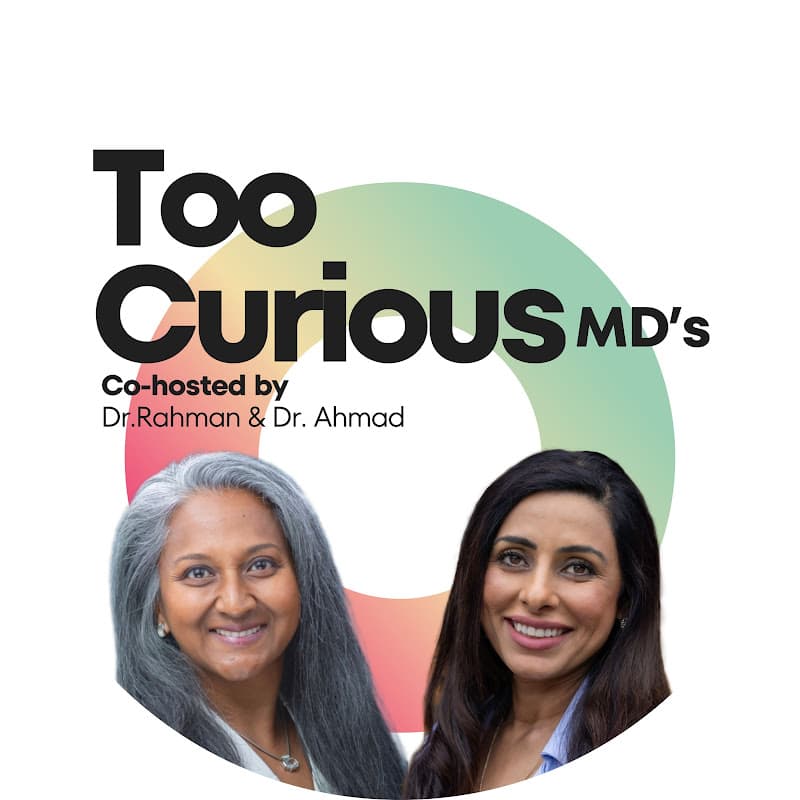
Full Transcript Opening Reflections on Ketamine Therapy 0:00 I really feel that other veterans should look into 0:05 the ketamine assisted therapy in one way or another, 0:09 whether just talking through it with someone that has experienced it, 0:13 or being open to conversations with the facilitation of how the process works. 0:19 If you are open to it, I would definitely say take the first step. 0:23 It is life changing. 0:24 And the way I seen ketamine therapy was slicing it 0:28 right through the middle and opening up everything that was that could be. 0:32 And really having to go through 0:33 that experience to feel it at once and discover these. 0:37 You know, I get emotional now, right? 0:39 Thank you. 0:42 Discovering these things 0:43 that you you didn't know, that was painful. 0:46 And working through that pain. 0:48 And a lot of it was painful. 0:49 Society doesn't tell men to show, but to emotions, 0:54 whether it's angry anger in one way or another, or being happy. 0:58 And there's so much to us as humans 1:01 that being comfortable in this space and actually going through 1:05 the different levels of emotion heals in different ways. 1:09 And I think ketamine, the first stage of that, was accepting that journey 1:13 and understanding that there will be areas that's undiscovered to you. 1:18 But being open to that healing. 1:20 Welcome to the two queries and the podcast. 1:24 I'm Doctor Ali Ahmed and I have just a real fun. 1:28 With the wisdom from Holistic alternative and these conventional medicine. 1:33 We are here to challenge the status quo. 1:35 We're curious about the connectivity and complexity between diverse 1:40 fields of knowledge 1:41 as it relates to consciousness, chronic illness and health resilience. 1:45 And we're learning more about the art and science of healing 1:48 or listening to stories of extraordinary healing. 1:52 You're in the right place. Let's dive in. 1:56 Welcome to 1:57 the Two Koreas podcast, where we ask the unasked questions 2:00 because we believe curiosity fuels discovery. 2:05 Discovery fuels creativity. 2:07 And here we are at the intersections of all the sciences of integrative 2:10 medicine, psychedelic medicine, and narrative and story in the arts. 2:14 So welcome panel. 2:16 We are so excited to have you. 2:18 As a veteran who is been doing 2:22 ketamine assisted therapy at Trauma Healing Center and just a little bit 2:27 about Pernell Pernell, in addition 2:30 to being, a patient who has really taught us 2:35 through his healing journey what he was able to discover in his treatment. 2:40 Pernell is also an author and entrepreneur and also a mental health advocate. 2:45 And his life. 2:46 Now, from what I can tell on Instagram and social media and
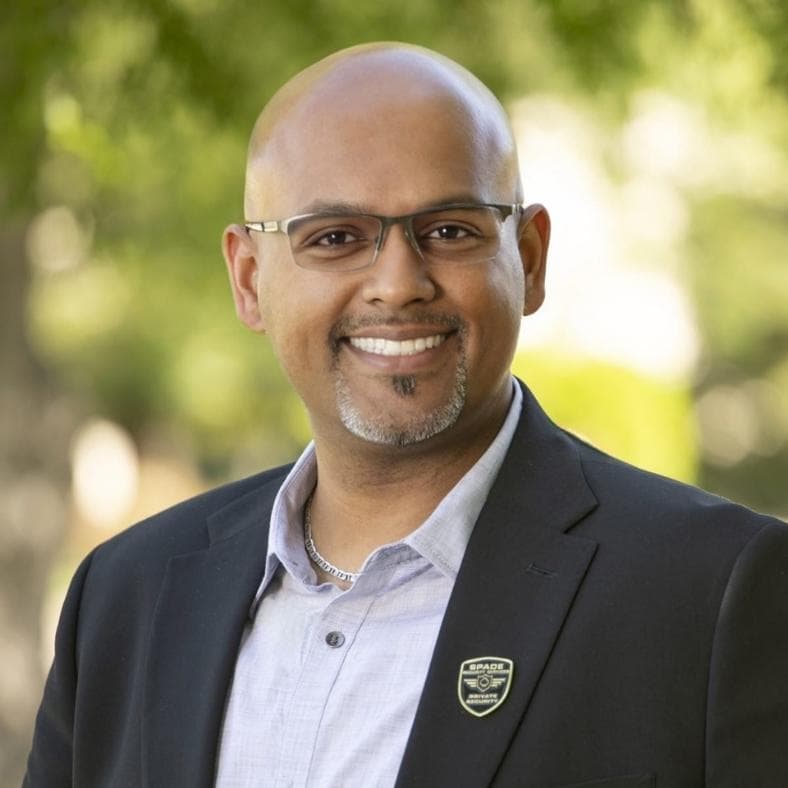
Podcast Introduction and Guest Welcome 2:50 and his LinkedIn and even even what I can see him in practice doing 2:55 is really transforming, building that self-realization. 2:59 And breaking the limiting cycles that we can live in through the work 3:03 that he does in his community. 3:05 And through his book, as well as his, his belief 3:08 in his practice of what the work that he's doing now in his businesses. 3:11 So welcome, to Sandy. 3:15 Thank you so much, both for having me on. 3:17 I love the opportunity and the chance to kind of speak my story a little bit 3:22 and kind of go through my journey as an individual, as part of this collective, 3:27 and seeing what I really discover throughout the phases of the therapy 3:31 and also what really came about it, as I still go through some of it today. 3:36 But most of the healing, I think has taken place 3:39 over the course of the last year and a half. 3:40 So in your book, Breaking the Cycle, where you talk about cycles, patterns, 3:45 both that help, they help us and hinder our growth. 3:48 When you first started ketamine treatment. 3:51 What is it that you believe brought you in through the doors towards your healing? 3:55 What brought me to the doors for ketamine therapy is 4:00 I've I've been in the mental health, I guess, mental 4:05 health, treatment facilities for about 20 years. 4:09 Post my departure from the Marine Corps. 4:12 And a lot of that has just been the hit and miss medication. 4:15 After medication. 4:17 Different therapist after a different therapist. 4:19 And it seemed like that in itself was a cycle. 4:23 A cycle that wasn't breaking a cycle that we had to do something different about. 4:27 And when I heard about the VA approving ketamine therapy 4:31 along with some other psychedelic type therapies, I figured 4:35 what would be the easiest impact on my current life and situation 4:38 that I can take advantage of and see if I can put in for it. 4:41 Now, I took a while to the VA, but they did happen to find a great provider 4:46 in Sacramento called Charmaine Tumor Center, if you're listening. So, 4:50 but let's go for it. 4:53 Let's let's try something different. 4:55 At the time, I there was a lot of unfinished business 4:58 in my life and unfinished business as business as well. 5:02 I was starting a new business at the time. 5:04 Lots of things going on. 5:06 I had just lost my father. 5:08 I would say a year ago that I was still not grieved over, I think, to the fullest. 5:13 That's what really brought me to the door, is to try just something new. 5:17 After gone through so many different types of, 5:20 you know, the the medical, in the books, in the box style treatment 5:24 and from there just, you know, it obviously escalated very fast. 5:29 And what would those cycles, that you mentioned that you were, 5:33 that were patterned or that you were looking to break or understand, 5:37 what would you say those cycles were for you? 5:39 Now, looking back to this? 5:41 Yeah, I would I would say there was a few cycles, right. 5:44 The cycles of the routine of getting through the day 5:48 just to get through the day, understanding that, you know, there was so many things 5:53 that you're pushing up against the wall and not making any strides. 5:56 And so the cycles in itself repeated itself. 5:59 And getting into that rut, I would say breaking away from 6:02 it is only trying to understand what else is available 6:05 and giving those things an opportunity. 6:07 This treatment itself was that opportunity for me 6:10 and it and within itself, I think, is what really broke 6:13 open the doors to have me finally get this book out. 6:17 It was only after the treatments started is when I actually finished 6:21 breaking the cycle, and I'm reading on, on Amazon here 6:25 that you donate all the proceeds from the sale of this book to support you 6:29 and, to prevent school shootings and ensure the safety of every child. 6:34 Absolutely. 6:35 That's been a passion of mine, is school safety. 6:38 I got to think, in my professional line of work, I work in security 6:42 and safety and seeing and in this case, it came about as another story. 6:47 Well, you're talking about cycles, and I think we should think about cycles 6:50 as like ever expanding nested patterns within patterns. 6:54 It is, school shootings are a pattern. 6:56 So I love that you connected the personal to the collective
Why Pernell Sought Ketamine Treatment 7:00 in such a beautifully elegant way. 7:03 So I'd love to hear that story. 7:04 So one of the Marine Corps, we've always had technology to keep people safe. 7:09 And I think understanding that if we just look at the progression of technology, 7:14 a lot of it is given to the Department of Defense. 7:17 And then over a course of time, I would say about a decade or so, 7:20 it goes into the hands of the fortune 500 companies. 7:24 And then it's, you know, it comes all the way down to commercial use. 7:28 And while during Covid, I would say I experienced I received a phone call 7:33 and, two of my, my security guards had, succumbed to the illness. 7:38 And it got me thinking that we don't leave Marines behind. 7:41 We don't leave soldiers behind. 7:43 And this cycle started again for me, 7:46 that heartache that we have the technology to do something about it. 7:50 But yet we're not putting that out into use. 7:53 And at this time, some of it was still a little bit expensive. 7:56 And so I left that industry a couple of years later 8:00 to bring all these tools together and create space security services. 8:05 And what spade does is that we are 8:08 not in itself one subject matter expert. 8:11 We bring the experts from all different fields under the under 8:16 the umbrella of protection, and bring those tools to the end user. 8:20 And throughout it, I discovered so many different things 8:23 that we can do to help prevent school shootings. 8:26 If we can't prevent our child from coming home safe, what is it that we're doing? 8:31 Right, right. 8:33 Which is which goes back to trauma. Right. 8:35 And the effect that trauma has on the body. 8:38 And and not recognizing that the effective trauma or the trauma response effect 8:44 develops into a pattern of behavior, develops into a pattern of identity. 8:49 And just back to your experience about with through ketamine, where you finish 8:53 this book to help understand how you're what you're working on. 8:57 Yeah. 8:57 Tell us a little bit 8:58 about what that how that evolved for you, like what you were working on. 9:02 Because patients do have 9:03 sometimes a better understanding subconsciously of what they need. 9:07 But making it again conscious becomes again. 9:10 This takes time to get to that place where you see it. 9:12 But what were you able to see, imagine, or breakthrough or not in your treatment? 9:18 I think there is multiple layers of it. 9:20 It's like therapy usually is described. 9:23 And peeling back the onion and the way I seen ketamine therapy was slicing it 9:28 right through the middle and opening up everything that was that could be. 9:32 And really having to go through 9:33 that experience, feel it at once and discover these. 9:38 You know, I get emotional now, right? Thank you. 9:40 Discovering these things that you you didn't know that was painful. 9:44 And working through that pain. 9:46 And a lot of it was painful. 9:48 Society doesn't tell men to show but two emotions, 9:52 whether it's angry anger in one way or another, or being happy 9:56 and there's so much to us as humans 9:59 that being comfortable in this space and actually going through 10:03 the different levels of emotion heals in different ways. 10:07 And I think ketamine, the first stage of that, was accepting 10:11 that journey and understanding that there will be areas 10:15 that's undiscovered to you, but being open to that healing. 10:19 So a part of it was just that. 10:21 And after that piece of the onion, 10:23 there was the next piece, which was discovery. And 10:28 I would say your motivation and purpose in life, 10:31 and were you in the right direction, 10:33 because there were some pathways that were opened up for me, 10:36 and there was some pathways that I wouldn't say closed, 10:38 but I would say I leaned against that I shouldn't have. 10:42 And it made it more clear to me that this wasn't the avenue I needed to take. 10:46 You know, another step in a different direction. 10:48 Sometimes as entrepreneurs, in the very beginning, you feel like I'm 10:52 just trying to catch a break. 10:53 I'm trying to catch something that's going to work, 10:56 but not concentrating on what your true purpose is. 10:59 You know, I felt like that that was what I was going through 11:02 in the very beginning stages, but then focusing down into figuring out, 11:07 hey, what is really my passion. 11:09 And it's it's in the community. 11:11 If I have to try to do what I can, as much as I can to keep my community safe. 11:16 We love to see people walking around at 9 a.m., but also at 9 p.m. 11:20 at 1 a.m., and people shouldn't be afraid to do that. 11:23 So is our community safe for us to take advantage of? 11:27 And so those were the talks 11:28 that I had with the local officials, and I started to get more involved. 11:32 And my involvement then kind of grew from being, 11:35 you know, just coming to meetings and now, you know, being a becoming 11:39 the arts commissioner for Rockland. 11:40 I'm also sitting on a couple of other boards in Rockland, which, 11:44 you know, again, wasn't what direction I intended it to be. 11:48 But it evolved into. 11:51 So I would say, you know, your purpose 11:53 could be discovered or rediscovered through the therapy. 11:57 And it starts with healing. 11:59 It does start with discovering what is it that was undiscovered. 12:02 As you go through the process, you know, the analogy of just cutting the onion open 12:06 and letting it all fall out and noticing how it falls out to 12:11 and what opens, you know, but then also the patterns that break, right? 12:15 Because the onion has a pattern that needs to be displayed as well. 12:18 And you can look at it as you described. 12:20 And I love that you kind of have this visual representation of something 12:24 that can be very hard for some people, truly. 12:27 I mean, it's not I mean, if anybody said cut it open, are they ready for that? 12:31 Is this something that you can work through with the tools that you have right 12:36 now, or do you need to get the tools first and then start to consider this process?
Breaking Cycles and Discovering Purpose 12:42 And I imagine that must have been and it can be painful process 12:45 was, at least from what I'm seeing in patients. 12:48 But for you, what was that process of that discovery? 12:52 And to the bigger picture that you talk about, which is so valuable, right. 12:56 Because the bigger picture of what kind of existence do I want to be 13:00 in, you know, that what you're describing also is this protection and safety 13:05 is such a vital part of your belief system that we should be safe. 13:09 All of us should be safe from children to adults and to places 13:13 where there's a risk. 13:14 But that sense of safety is a passion of yours. 13:17 I'm just curious about how did that evolve for you, this concept. 13:21 Oh, is this something you already knew? 13:22 Yeah, well, it's the one medium that I know very well is 13:25 is security and safety. 13:27 And I've dedicated a lot of my time to it and understanding it. 13:31 But there's also lots of resistance. 13:33 I think resistance within yourself and also resistance 13:36 from the community for what the possibilities could be. 13:40 And is there some levels of privacy intrusion or not? 13:44 So I, I think battling through 13:47 the second stage of 13:48 that is the fear factor is when we when we haven't approached a situation 13:53 or any of it, there's always that fear factor. 13:56 It's like going up a roller coaster and as it's going up, you're 14:00 you're definitely having that anxiety and that fear factor. 14:03 But you can hold on as hard as you can as 14:06 it's falling, or you can let go and enjoy the ride. 14:09 And I, at one point or another in the therapy, decided to let go. 14:14 It's beautiful. 14:15 And, I want to follow that up with you're talking about safety, 14:19 you know, safety in the community and also the sense of safety 14:23 that you felt in this healing container. 14:25 So you talk about as you were going through the treatment, 14:29 can you talk a little bit about what are the components of that safety? 14:33 You know, what was the process like of recognizing 14:35 what you needed to feel safe as you went through? 14:38 What were the aspects that you could rely on to say, okay, 14:42 it is okay to let go and you can let go and you're going to be safe. 14:47 A lot of it has to do with relationships and building 14:52 a place where you feel that safe vibe. 14:55 We talk about frequencies and vibrations and how that spiritual concept plays, 15:00 and Doctor Mott and her team 15:02 have just been absolutely fabulous about creating that safe zone and space 15:07 and naming these spaces and going through the entire process 15:12 with you as a veteran, you go, I, I just skip this. 15:16 Let's just go to let's just go to the therapy. Right? 15:18 That's what you think. 15:19 But it's very valuable to know that there's someone there to, you know, 15:23 give you that deeper understanding 15:25 that you may not really realize until you start that process. 15:30 It's like, you know, we can talk about all these therapies 15:33 until you experience them. 15:35 Just like that roller coaster example. 15:37 But finding the someone who you can talk to during this session 15:42 and being open with that person unconditionally, knowing that that person 15:46 is there to help and assist and guide you through your journey 15:50 and not being not being judgmental towards what you're saying 15:53 and not being judgmental towards you as a human being. 15:56 Because we all have shadows in one way or the other. 15:59 So whatever work that you're trying to get out of it is based on, 16:04 you know, being resistant to the space one and being resistant to 16:09 how much of it are you actually accepting that this is going to help me? 16:13 So and I think for me, it was early on where 16:18 I started the process, and it didn't take much 16:20 more than maybe a month until when it was so comfortable 16:25 and I was at ease with where we were to really start that letting go process. 16:29 Yeah, it takes time. 16:31 I think that's one of the lessons to take from what you just described is it's 16:35 not a one and done, and the first session is just a getting to know you. 16:39 You know, in the psychedelic world, we talk about the handshake dose 16:43 where you and the medicine get to know each other, you know. 16:47 Right. 16:47 And I think that's one of the pitfalls of when we put so much expectation 16:52 and hope into ketamine therapy is we're so anxious 16:55 that first time, you know, we're going to is it going to work for me. 16:59 Yeah. 16:59 You know, that's one of the doubts that come up because we feel so damaged 17:02 that nothing has worked so far that maybe even this, you know, 17:07 thing that's worked for so many other people won't work for me. 17:09 It really plays, you know, that negative voice, that resistance comes up 17:14 and it takes a little while to let that voice come up 17:17 and look around and say, okay, you don't need me yet. 17:20 All right. 17:20 I'm going to go back, you know, and then come out a few more times 17:24 over the course of a month and be like, hey, wait a minute. 17:27 I think I see some changes and it does take 17:30 that bit of time to notice for yourself. 17:33 Right? 17:34 It's not overnight because there's, you know, we know things 17:37 that'll make you feel good for ten minutes. 17:39 Two days, ten days. Right. 17:41 We go on a vacation. I feel great for a month. After that. 17:44 I have a cup of coffee. My day is great. 17:46 You know, I take a Tylenol, I go four hours quick, 17:48 pain free, but we're looking for something sustainable. 17:51 We're looking for true transformation. So 17:54 what were those things that you noticed, you know, how did you notice them? 17:58 What came to you, where you were like, I can trust this. 18:01 Like that deep sense of can trust this. 18:05 It's okay. 18:06 I believe it was a combination of a few things that were going on. 18:09 It was when I was more into meditation at the time. 18:13 And I say at the time, 18:15 because it's come and gone in different phases of my spiritual journey as well, 18:18 I looked at ketamine, obviously being a part of that journey 18:23 as I went through it, and then documenting writing has just been 18:26 has become more of a passion and so taking time for yourself 18:30 to understand a little bit more rather than going back into the routine. 18:34 And so breaking a lot of these cycles that you were going through, 18:38 but not forcefully, just allowing it, allowing 18:41 what was the next part of the wave and accepting that part, 18:45 I think was what really started to show over time, 18:49 because you could have been crashing against the same way over and over again, 18:52 but not realizing that you can really just float right above it. 18:56 And even though you may experience some of the downfalls in your life, 19:01 but you're not going to feel that type of emotional value 19:05 towards that downfall as much as you would have. 19:09 Because of the transformation that is taking place. 19:12 And so where there was someone cutting you off on the freeway 19:15 may just be like, that's okay, a person's probably running late. 19:19 While previous emotions to that were, 19:22 I'm going to get you right, you know, why would you do that to me? 19:25 And coming up against a red light over and over again like I'm running late 19:29 and these initial emotions that were there started to dissipate, 19:35 started to change itself into something else 19:38 was when I was able to recognize that there is something going on 19:43 that's bigger and greater 19:44 than I have an understanding of, but everything that I'm doing is towards 19:48 a progress that I am willing to accept, and I started to feel love for me again. 19:54 So who is Pernell Shankar now? Who is he? What? 19:57 If you like, tell us all about him. 19:58 And what was he like before her nail? 20:00 Shankar was, pretty closed off individual for years, I'd say. 20:05 He kind of curled up into a corner and believed the world was against him. 20:09 And there was so many things that he wanted to do that were great. 20:13 But he couldn't get things done. 20:14 And all he had was his little inner circle of his family and some friends and, 20:19 and that while he tried to keep breaking out of his cycles in life, 20:23 there was always resistance and change and fear, 20:25 and there was always that, hey, what if this or what if that? 20:29 And those variables are continued 20:31 to become more and more predominant, rather than taking action? 20:35 And I think Pernell became a 20:38 in one way or another, is that person really doesn't exist any other. 20:42 It's just going with the tides and the ocean waves. 20:44 It's just been a part of who I've become over 20:47 the last course of a year and a half, and it's opened up so much more for me. 20:51 And just being accepting of how life is, 20:55 and you can't change the people around you, which is one of the greater takeaways 21:00 I think I have had, is you can change yourself 21:04 because that's who you have control over, 21:06 and those other things will fall into place where they should. 21:09 And accepting that right. 21:11 If you love somebody, you love them or you doubt, right. 21:14 And if you feel that there should be 21:15 an expectation between the two of you, then there's some conditional love. 21:19 And I believe at this point, I don't have 21:24 that style of relationship anymore. 21:27 Some people are here in your life for five minutes, and some people 21:30 are here for a couple of years, and they're on their journey. 21:33 And you get to see sometimes these emotions that they have, 21:37 you can suggest will do ABCd and you'll feel much better. 21:41 And I'm not the therapist any longer, 21:44 and I don't give those suggestions because I feel like 21:47 we all have our journey and they have to go through 21:51 these experiences in order for them to break through them. 21:54 And so I think Pernell now, today looks at his journey as outward 21:58 facing of what impacts are driven by his purpose in life.
Safety, Trust, and Letting Go in Therapy 22:03 Wouldn't it be nice if he raised our children 22:06 instead of saying, what kind of career do you want to be? 22:09 Do you wanna be a doctor 22:10 engineer and tell him, yeah, hey, what is what kind of person do you want to be? 22:14 What do you want to do for the world? 22:16 You know, just let that question be as it is. 22:18 What do you want to do for the world? 22:20 And that would be a career. 22:22 My career is protection, safety. 22:24 I don't know what would be your career. 22:26 What would you name this career that you have for me? 22:30 I think my career currently right now is as a whole. 22:33 Yeah. 22:34 You know, I can be identified 22:35 in the professional world as the person around safety and security. 22:39 But I feel that, you know, this medium is only here 22:41 for a little bit as it changes, as the world keeps turning and 22:44 and as we keep changing and who we are, there are other dreams of mine 22:49 that are finally coming to fruition, and I think those things will change. 22:53 I think this is another step for me to progress out of in the future. 22:59 So who I will be in 20 years, I don't even know, right? 23:03 I think who I am today is exactly who I said. 23:06 You know, I'm a family man, love. 23:09 I'm a guide more to my kids at this point. 23:12 In giving them the choices, whether, you know 23:16 they want to do something and giving them the option 23:19 so they understand both choices and they can make it for themselves. 23:23 And I think they're better off 23:24 making those choices because we growing up didn't have that. 23:28 It was a dictatorship, right? 23:31 Yes. You know, 23:32 this is what you're going to do and this soon you're going to do it. 23:35 And this is this, this is and a lot of times 23:37 the old Pernell was like that, you know, and, 23:40 having to let that go, understanding there's a new approach 23:43 because there's so many ways that we can live our lives. 23:46 And I think them being as little as they are, need to have those choices 23:49 early on, because those are memories that lasts for a lifetime. 23:53 So I'm so curious. 23:54 This is gorgeous. 23:55 As you're 23:56 talking about this transformation, even letting go of that old and accepting 24:00 that the next is, you know, is I'm going to flow with whatever is 24:04 and that this moment, this transformation, what are you seeing around you? 24:09 You know, you brought in, you know, your your parenting style. 24:12 You know, what is showing up in the world for you 24:16 and this moment in your relationships. Yeah. 24:19 Great question. I believe that 24:22 I even I believe I would say I know that 24:25 right now the choices that I have made and that relationship that have opened up, 24:30 I wouldn't have imagined it even three months ago. 24:34 I would say healing was a part of the journey. 24:37 But once you've kind of understand where you are in your place, 24:41 those things that you want to manifest in the world start to become a reality. 24:47 Whether it's financial stability, 24:49 whether it's the relationships that you cater towards. 24:52 My wife and I have been married for 19 years, 24:55 and it's been the best relationship that we've had up till now, right? 25:00 We're so much more open with each other. 25:02 She's more accepting of the things that she sees. 25:06 There's no longer that 25:08 fake emotions that, you know, we want to hide amongst each other 25:11 because we want to be this perfect individual. 25:13 We just are who we are. 25:15 And if we can talk through those things, it just makes us in a better position. 25:20 Now, some relationships do tend to go away at the same time as new ones are formed 25:25 because as you, I think, align more to your true self. 25:29 Those frequencies and vibrations open up 25:32 the next level of opportunities or relationships of that nature. 25:37 And there's some that go away and it's okay for those to go away. 25:41 So yes, I'm still within, I think, a transformation as we all are 25:45 in one way or another. 25:46 But today's beautiful and I love everything about it. 25:50 We go back to the term entrainment, right. 25:52 It's the entrainment both what you resonate with, what you see 25:57 start to match with. Right. 25:59 That's entrainment. And entrainment goes in so many levels. 26:01 It goes into the cellular, 26:04 you know, resonance of frequency the mechanical frequency in the brain. 26:08 And then we talk 26:09 about the social entrainment which is you know, your environment right. 26:13 When they and your kids and your wife kind 26:16 of recognize your energy is not as activated as it was. 26:19 And and they can settle, they can they can resonate with that energy frequency. 26:24 And then what attracts that frequency 26:27 is also a way of that expanded entrainment. 26:30 And so it's all about entrainment. 26:32 I do it here because you can medically put it into words. 26:34 What I felt I had yeah it was working. 26:37 That's a, that's a I think it's a, it's not even a medical word actually. 26:41 It should be. Right. 26:41 So yeah it should be a medical word. 26:44 It's a concept. 26:45 And I think it has to do with resonance and sound and just, the physics of it. 26:50 But I'm really, you know, kind of even thinking that there's 26:53 like a philosophical kind of thing that ties all of this together. 26:57 I mean, we've talked safety, we've talked trust, we've talked transformation. 27:02 And it's like we're in a crucible here, you know, and there's also like this, 27:07 you know, I, I read a little bit of a post 27:11 you made last week about, you know, just the what Dharma means to you, right. 27:16 Like what 27:16 your spiritual kind of understanding of what it is that we're embedded in. 27:21 And I'm, I'm hearing those threads as you're talking, like going with, 27:26 you know, the flow of things, the energetics, trusting there's there's 27:31 just this like, as you're talking, the sense of groundedness to your energy. 27:36 Like you're very sure you're you're, you know, relaxed 27:39 in your confidence and it shows it glows. 27:42 Every cell is kind of radiating that. 27:45 And I and I want to just ask you, like, how do you conceptualize that or 27:49 how do you think about I don't know if I think about it a lot as far as me glowing 27:54 or your secret. 27:56 Right? Found 27:58 cleanser said itself. 28:00 Yeah. 28:00 So my wife puts all these masks and stuff on. 28:03 I go, there you go. 28:04 I don't even need to do that anymore. 28:06 I just think I'm clean and it works. 28:09 You just radiate outwards. 28:11 Well, this is what we're talking about. 28:12 You know, this transformation is inner to outer it. 28:15 And we're talking about this inner process. 28:17 And then it becomes manifest outwardly. 28:20 And it's really hard. 28:21 And I think that's where we're here in this podcast, 28:25 trying to really understand what is it that allows someone to do that. 28:30 Because it doesn't work the same way for everybody. 28:33 You know, there's there's the struggle of actually getting ketamine therapy 28:37 to work for you, and there's a lot of people who are doing it not in this way, 28:41 you know, and I'm not seeing the benefits. 28:42 So it's not just all ketamine, the molecule. 28:45 You get the infusion and you're done. 28:47 We're talking about there's an entire system within you, 28:51 and you have to give it permission for it to be activated. 28:55 And you have to have a reason for why, 28:58 you know, you have to find your reason for why. 29:00 And then when you find your reasons for why 29:01 and the changes are happening, then you got to have some direction, 29:04 some way to shoot your arrow, because now you're like a force, 29:09 you know, you've got Arjun's arrow lined up. 29:12 You don't know which way you're heading. 29:14 So what's your kind of way of bringing this together? 29:18 Because obviously you're living by that and we can tell it's showing.
Inner Healing, Family, and Transformation 29:22 So I appreciate that. Absolutely. 29:25 I would say, you know again like ketamine is just that one door. 29:28 It's just it was just, that door that opened up, like is it going to be 29:33 beneficial is only how much you interpret that benefit to be in? 29:37 How much is it going to drive to the next level in your life 29:44 or the cycles through your life, either enhancing those things in one way 29:48 or the other, and then accepting the other items that come along with it? 29:53 So I think I could have seen this cycle negatively impact me as well. 29:57 In certain points where you didn't feel good and it's not. 30:01 Every therapy gives you the same boost in energy for the next one. 30:05 It's it's now opening up something else that you may not have thought of. 30:09 I can say that it just starts with your core belief 30:13 of, is my doing this just to do this? 30:16 Or am I doing this for something better? 30:19 Am I? Am I doing this for them? Betterment of me? 30:23 And what does that mean to you? 30:25 And so when I went or I started, it was just an opportunity 30:30 that was giving a try and it was open to it. 30:33 But now where that focus is really kind of come down to different levels. 30:38 You have to incorporate this, have, as, I think you know, just a part of the meal 30:43 to as a side dish event to your meal, which is considered your life. 30:48 And how do you then dissect that? 30:50 Is it changing your meal in your life? 30:52 And for me, it has. It's changed courses. 30:55 You know, a couple of times it's like it's gone through its own where 30:59 I've, I've, I felt like I've resonated lower. 31:02 I feel like I resonated much higher. 31:04 And it's to find a balance. 31:06 So how I, I feel like the outward 31:09 ness comes out is only because of how much you put into yourself. 31:13 One and two is taking that and continuing the journey. 31:17 We've all gone to parties and and met with mixers, 31:20 and everyone has had this really great time. 31:22 And people are talking about business or relationships. 31:25 And over the course of three weeks it's kind of fizzle down. 31:28 Right. And you got to re-energize that. 31:31 But how do you keep that energy going while you're not in that situation? 31:35 How do you keep that energy or what you have just discovered from that 31:40 session? 31:41 Carried over as a positive impact over the next 3 to 4 weeks? 31:45 So for me, it was looking back and actually documenting, 31:49 and I was writing and I was saying, hey, this is how I felt, 31:53 this is how what I went through, and I just wrote it. 31:55 Whether it was good, 31:56 bad, ugly, whoever wants to interpret it, it was just what it was. 31:59 And me looking back and going, okay. 32:01 You know, now I see it from a different perspective 32:05 three weeks later and maybe even a different vantage point 32:07 that I'm rediscovering something that I, I didn't think of at the time. 32:13 And I think those things then finally hit home as you start 32:16 feeling the things in the drive, as you start feeling 32:19 the different emotions, writing it down, was it just another way of capturing it? 32:24 Talking about your sessions afterwards actually helps you discover so much more 32:29 without just saying, hey, I want to, I want to hold this within myself. 32:32 Now I've had a great session, but I want to talk about 32:35 I think if you don't talk about it, you're doing yourself a disservice. 32:37 Whatever you felt, whatever you saw, you need to try to verbalize it in one way 32:42 or the other, and it will come to you as you go through that. 32:46 Most recently. 32:47 So a recent session I had, I was, 32:50 I think the inspiration and the focus point was more internal to me. 32:54 And to discover a little bit more into the shadow works that we were, 32:57 we were talking about and we started off seeing pastels and colors and water 33:03 and underneath the water and, and shapes and colors and me trying to play with it. 33:09 And I didn't know what all it meant. 33:10 And I think it ended with, you know, laughter and so forth. 33:13 But after coming out of that and talking through it, 33:16 I felt like that session for me was becoming a kid again 33:21 and getting to enjoy the things I never had. 33:24 I'm colorblind, and I felt like I saw colors for the first time in that fashion. 33:29 Through that experience, I felt like being raised 33:33 in the household I was was very strict 33:36 and not being able to play as I was given an opportunity as beautiful. 33:40 So I think this sessions bring things to you that you may not think of, 33:45 but it definitely is beneficial to talk through them. 33:48 I want to just honor what you just because it really resonates even across. 33:53 And this screen resonates, your story resonates. 33:58 That child looking at the color as a colorblind child, looking at all 34:01 the colors, thinking of play, thinking of what I can do now, 34:05 being that something was healed in that session, that was that 34:09 part of self that was holding on to a sense of isolation. 34:13 I'm not like everybody else. 34:15 I don't get to play like everybody else. 34:18 And what that you know, that emotion that just came up 34:21 is so complicated that we can't put it into words. 34:25 But when we can feel it and we can resonate together 34:29 and we can recognize that it was reflected back to us, this very complicated, 34:34 sweet, beautiful, precious, transpersonal meaning happening between 34:39 not just two people here in this realm, but between all of us and the child. 34:45 Yes, in that other realm 34:47 to say you are cared for, you are loved. Yes. 34:50 You didn't get to experience it, but share it is very real way 34:54 and that goes deep to that layers of the onion that you're cutting. 34:57 Like you just went yet another layer and healed, 35:01 and how just absolutely tremendous that we have the ability to plumb so deep. 35:06 And the healer, our own sake also heals 35:09 kernel by you sharing which shared it resonated. 35:13 It touched a chord because we have this experience universally but generationally. 35:18 And, you know, our historical generational trauma that we carry, that you know, 35:24 the stories about power patterned behavior that has existed before we were born. 35:28 Right? 35:29 And what that feels like to really connect to, to that part of you that was hurting 35:34 or that part of you that was held down by this dictatorship as you described? 35:38 Yeah. 35:39 I mean, this is very it resonates, story resonates. 35:43 We're all three from the subcontinent and our generational. 35:47 We have a shared generational trauma and we and so it resonated. 35:51 Yeah. And it healed as well. Yeah. 35:54 And I'm really brought to thinking of what that work you just did 35:58 or what just happened or was allowed to happen in that crucible 36:02 allows us in a very essential way to get out of our own way. 36:07 Right. 36:08 You now no longer carry that in that heavy way, and sometimes it even opens up 36:13 that channel to, you know, look at those conditions with compassion. 36:18 Look at the people who are around you at that time 36:20 with maybe more compassion than you have been able to in the past. 36:25 Right. 36:26 And how that repairs our relationship in this moment. 36:29 You know, as we're all getting into this area of aging parents, right, where we 36:34 we were very aware 36:35 that our, you know, that generation has not only gone through trauma, 36:40 but we have shared this traumatic experience of migration and scarcity 36:45 and the stresses of survival, 36:48 really, and alienation and, you know, being being, you know, new 36:53 and this American world and what that asks of our children. 36:57 We haven't talked about the burdens of migrant children. 36:59 It's country, you know. 37:00 But what it does is it gets into that whole experience, gets in the way 37:04 of our relationship with our parents, 37:06 like it gets in the way of being able to show love or truly feel it. 37:10 And when we do this work, what we're doing is actually repairing the relationships 37:14 that are present because your heart is now more open, right? 37:18 Absolutely. 37:19 I think there's so much to these discoveries that it goes beyond words.
Advice for Veterans and Future of Access 37:25 It goes beyond the feeling in the emotions 37:28 that carry in the outward direction is what you talked about 37:33 was the internal healing at the cellular level? 37:38 I think it starts to then become a different you because you're 37:43 changing something and healed something and experienced all of it at once, 37:48 where you couldn't have understood it years ago. 37:52 And it's in stages. 37:54 If this thing, if this experience would have came 2 or 3 years ago, 37:59 it might not have felt as what I had felt that session. 38:03 So I think, you know, again, having that open mindedness 38:06 and looking forward to what you have today, 38:10 because these choices that we have right now are the ones that make us 38:15 really experience life to the fullest and a part of it 38:19 is either the therapy or part of it is the relationships. 38:23 A part of it is the spiritual growth, and a lot of it is you, 38:27 because that's the only person you have control over is you. 38:31 I left you speechless. You talk about driving it. 38:33 Thank you for it. 38:35 It's for being here, pronoun and really sharing your story. 38:39 Yeah, yeah. And I just honor that. 38:41 Absolutely. It's a it's a beautiful, thing. 38:44 That space, you know, to give that space to breathe. 38:49 Well. You're welcome. 38:49 I really appreciate, you know, being gone and having gone through, 38:53 you know, some of my journey, I, I really feel that other veterans 38:57 should look into the ketamine assisted therapy 39:02 in one way or another, whether just talking through it 39:06 with someone that has experienced it, or being open to conversations 39:11 with the facilitation of how the process works. 39:14 If you are open to it, I would definitely say take the first step. 39:18 It is life changing and we usually close our session 39:21 with a question because we are too curious. 39:24 MDS and what would be a curious question that you would like to ask 39:29 us, or the audience or yourself, or curious questions? 39:34 See, I should have prepared a little bit. 39:35 I know, that's so right. Okay. 39:37 I, I would say a question to the both of you. 39:41 Where do you see this process headed in the future for more people? 39:46 How do you see it developing in the next five years? 39:50 I think the key word is for 39:52 for more people and for more people is is exactly what we're looking at. 39:57 Where are our challenges today? 40:00 And that is really the purpose. 40:02 Again, to make this podcast is to educate, you know, for more people. 40:07 So that they have knowledge and they can come prepared 40:10 and they can see the experience of others and learn from that experience. 40:14 So I would say if we are educating for more people, 40:18 we are again opening up that possibility, which again allows 40:22 that question of more people can learn and more people can do the treatments 40:27 and become aware and then we get to advocacy, 40:30 which is another work that we're doing. 40:32 But at to Cmdb, we are Aercap we are 40:35 we are adolescent and young adult providers, ketamine assisted providers. 40:39 That's the acronym. 40:40 And it's an advocacy platform 40:41 because we want to raise awareness, we want to educate, 40:44 and we want our government to pay attention, our health care, 40:47 to pay attention to this, to the outcomes, to patients stories and experience. 40:52 And that's very important. 40:53 So the next years, few years, I feel like there will be an opening 40:58 to other ways of healing, which has already been an already discussion. 41:01 And patients are already seeing the gap in health care. 41:03 And they have they're needing something else and they're seeking it. 41:07 So that's going to happen. 41:09 And we have to be ready for that. 41:10 And that's why education for people who are doing this work so vital. 41:16 And then and there are ethical questions around this work too, that needs to be 41:20 in a constant forefront of our the work that we're doing. 41:23 So the next few years, I hope I answered your question, is really an access 41:27 based, driven on need, on demand and education. 41:32 It's not going to come the other way. 41:33 No, I totally agree. 41:35 I think the work that you're doing is, I can't even put it into words 41:40 how valuable it is. Thank you. 41:43 Yeah. 41:44 Thank you. Thank you for. No. 41:46 Thanks for joining us on the Two cuties NDI podcast. 41:50 We hope today's episode inspired 41:51 you to ask new questions and explore fresh perspectives. 41:55 We challenge you to ask us those and ask questions that you're curious 41:59 about in your medical practice, condition, health, and wellness. 42:03 If you enjoyed the podcast, don't forget to subscribe! 42:05 Share it with somebody just as curious and leave us a review. 42:09 It helps us keep the curiosity alive. 42:12 Post your comment with a question or curious inquiry 42:15 that you have and seek to explore or learn with us. 42:18 Stay curious and we'll see you next time.
Comments