Full Transcript Sponsor messages and podcast intro 0:00 This episode of the Burnout Recovery Podcast is brought to you by MIGA, your medical indemnity partner. 0:06 Whether you're starting out in your career or have decades of experience, Miga helps you thrive with support that goes beyond insurance. 0:14 Enjoy travel benefits like complimentary travel insurance and Qantas points on your membership, plus education, medical legal support, 0:23 access to career coaching and wellbeing resources. 0:26 Visit miga.com.au to learn more. 0:30 Insurance issued by Medical Insurance Australia, which has not taken into account your objectives or situation. 0:34 Before you make any decisions about our policies, please read our PDS and consider your needs. 0:37 Call us for a copy or visit migo.com.au. 0:39 Busy day, quick question, no time to dig. 0:42 Heidi Evidence brings the evidence to you. 0:45 Clear answers with citations you can trust. 0:48 Completely ad free, unlimited and region aligned. 0:52 Find evidence in the chaos. 0:54 Search heidehealth. 0:56 com. 0:58 Welcome to the Burnout Recovery Podcast, a guiding resource dedicated to health care professionals on their journey to overcoming burnout. 1:05 Spearheaded by Dr. 1:06 Joe Brain, certified professional coach and rehabilitation physician. 1:12 Hello and welcome back to you. 1:13 The Burn Out Recovery podcast. 1:15 This week, I'm delighted to have a guest on the podcast, Dr Ben Condon. 1:19 Ben, you're welcome. 1:20 Thanks, Charlie. 1:22 So Ben and I haven't actually met in person so far. 1:25 I'm sure it will happen at some exciting conference, possibly CCIM in September. 1:31 Ben is a doctor himself. 1:33 He is the digital health innovator and he's the clinical director at Heidi. 1:38 Ben and I have met through a coaching call before so you can see we're both interested in investing in our growth mindsets and there's so much more to 1:46 your story I'm sure Ben. 1:48 Please introduce yourself to my audience and give them an idea of how you've got to where you are now. 1:54 It's always hard with you trying to think about how I got here.
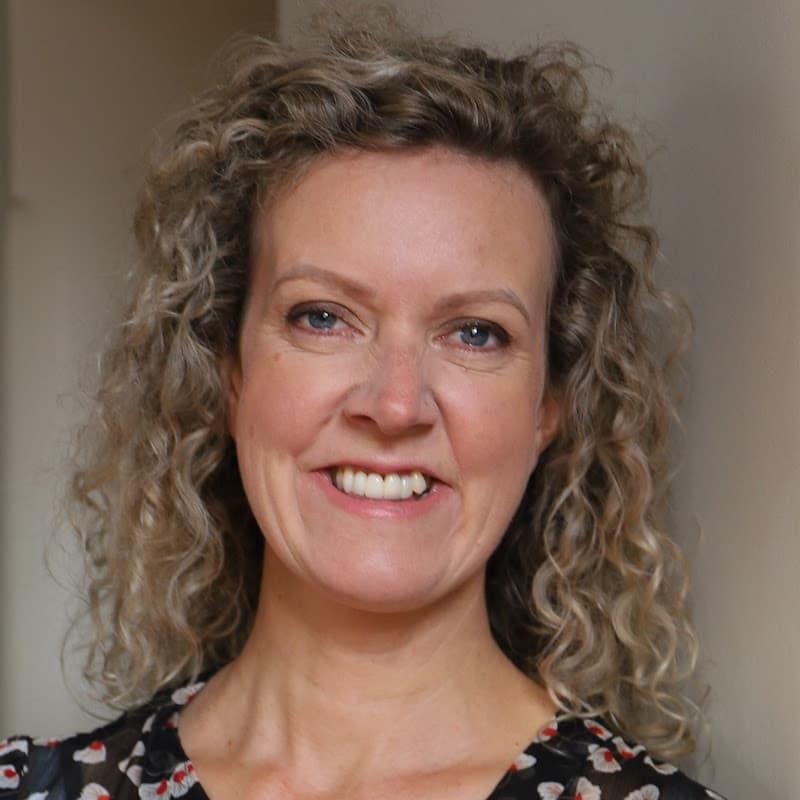
Ben Condon's medical journey into health tech 1:57 It feels like a really coherent plan. 1:59 When I tell it retrospectively, it was a bit of a journey and it's pretty unclear where I was heading, if I'm honest. 2:04 But I graduated medical school and I really wanted to do plastic surgery. 2:09 I've got a free flight to my left ankle. 2:12 Ankle reconstruction got infected in year 12 and spent 10 operations the whole term free in the hospital and thought I would have to have my leg amputated 2:20 at one point. 2:21 And then a plastic surgeon came and said, I will do a Free Flight. 2:24 You can keep your leg. 2:25 I think that just, yeah, like I don't know, I'd always wanted to do medicine. 2:29 But at that point, the idea of putting people back together in that same way was pretty compelling. 2:34 And that experience, sustained me through medical school and through the first couple of years of the internship and residency and was really lucky to 2:44 pretty early on get some experience with Peter Mack doing big kind of head and neck and breast reconstruction with the plastic surgery team. 2:51 Um, and I loved it. 2:53 my first job as an unaccredited registrar, it became really clear to me that whilst I could do the long days, the really long day, 3:00 that the calls overnight just did me. 3:05 It was not sustainable. 3:06 I'm not a very good sleeper at the best of times and getting a phone call every 10 minutes was, yeah, not compatible with life. 3:12 So it actually was like a really challenging, probably 12 months for me to acknowledge that that actually wasn't going to be a sustainable path for me 3:23 and almost kind of like mourning that idea of what I wanted to. 3:26 And then I kind honestly found myself into a spot and first on my life, I didn't know where I want it to do. 3:33 There wasn' a plan. 3:34 It wasn''t like a pathway that I was kind gunning for. 3:39 And that was really disorientating. 3:42 I was fortunate to have some mentors that were in urology and they pulled me into a research group and tried to push me down that pathway. 3:50 But again, I think it wasn't like having to recognise that whilst they were great people and I had a great experience, it was not the thing that I wanted 3:57 to do. 3:57 So then I took a job in emergency really just to reintroduced myself to the rest of medicine, other than surgery, and within a month COVID. 4:10 So I ended up being in a COVID emergency department for the pandemic, which was like just a bizarre time, really scary. 4:20 And yeah, I think it's just unpacking, still unpack that completely. 4:26 But the thing that stood out to me from my time in emergency and particularly through COVID was you see all the shortcomings of the health system roll 4:35 through your door in catheteries, fours and fives and people that shouldn't necessarily need hospital care had they had an intervention some period beforehand 4:46 or they just have fallen through the cracks for whatever reason and they end up in your and then the flip side of seeing the hospital like evolve so quickly 4:54 to meet the needs of the pandemic really kind of showed me that actually change was possible in the right conditions. 5:02 But I think then coming out of COVID, you see that the system is so stretched at baseline, maybe there's just not capacity within the systems unless you 5:12 have this incredible stressor. 5:14 That kind got me thinking for a long period of time about How else do you make change? 5:20 Do I want to go to management consulting and advise on change management or do I wanna jump into health tech? 5:27 But I think what was clear to me was I didn't have a clear specialty that I wanted to pursue. 5:33 I didn't want to kind of do something for the sake of doing it. 5:36 So, yeah, took the leap and applied for, started applying for HealthTech jobs because I kind was like, I think management consultancy is just going to 5:44 be like being flogged as a registrar with a different title. 5:48 Have a hunch this is going be just as much hard work with some travel. 5:52 And then landed, yeah, like landed at Eucalyptus, which was a really interesting first place to land. 5:58 Like, I think they like had a completely novel model of care that was quite, you know, there was, a lot of resistance to it from general practice and kind 6:07 of the medical community at large. 6:09 But I, think what stood out for me is the way that they, challenged your assumptions. 6:15 My assumption as an emergency doctor was that people weren't willing to pay for primary care because that was what my lived experience was in the emergency department. 6:23 Turns out if you design a clinic that speaks to a patient where they're at in language that's familiar to them in their demographic and make the care accessible 6:31 and digital so that they don't have to leave their office or their home, they'll pay a lot of money for it. 6:37 They'll find room and the money to invest in an outcome. 6:40 And that to me was like really powerful. 6:42 Whether that be in the kind of men's sexual health pilot clinic or through Juniper and pilot weight loss programs. 6:49 Because most of those patients were coming to us having been to a couple of doctors and being told to just e-class exercise more and, 6:56 you know, like not really helped in a way that we would hope that that we as a system would meet people in need. 7:04 So yeah, I think that was lots of learnings about what makes a good business, the world of venture capital startups and baptism by fire in many ways. 7:16 but a really awesome experience. 7:17 Let's ask a question in there if that's okay Ben. 7:20 Were you doctoring in the eucalyptus space and maybe just tell my listeners, some of my international listeners they might not be here. 7:28 I think we roughly know what eukalypstis is so it's digital health Digital primary care clinics, essentially they spin up a clinic to treat a condition 7:39 or a group of conditions and market that to that population of patients. 7:43 So they started with pilot, which is their men's health brands, they did discretionary sexual health, hair loss, and then eventually metabolic health. 7:51 Really with a point of difference is like a lot of men don't like admitting they have having an issue, but ultimately they want their issue addressed. 7:59 So via telehealth, it's less intimidating. 8:01 You speak to them in a language that's familiar, like they might talk to a friend at the pub. 8:06 It feels a bit different, But the idea is about reducing stigma and making it more accessible and normalizing that as a common issue that men face and 8:17 hopefully getting a great outcome. 8:21 My role was, I did do some consults, so I saw both sides of it, but my Monday to Friday job was working in the kind of medical operations team, 8:31 which is like the system that underpins that. 8:33 So working on the guidelines and government structures to make sure that in a telehealth consult, you're making safe and appropriate decisions. 8:40 You've got appropriate referrals back to GPs and the rest of the system. 8:44 And how do we train people to do a great tele-health consultation? 8:48 Because it's a skill. 8:50 How do you measure that? 8:50 I guess they had about 150 clinicians at one point. 8:57 As an organization, how can you ensure consistency of decision-making and experience across 150 clinics? 9:02 And because it is digital, everything is visible. 9:06 which can sound really scary, but actually it was really amazing to see when you're able to like. 9:11 give clinicians as a cohort feedback on this is the dream path and this what we're aiming for and where we are falling short. 9:21 That feedback is not something you get in medicine. 9:23 So then seeing that then change and evolve and the quality and care and treatment path for lack of a better word of the patient, 9:33 we were very quickly able to iterate on that, which is really cool. 9:35 Do you think in that way that the clinicians were then brought along the journey Because I contrast that with, you know, 9:43 working in hospital or working at a brick and mortar primary health setting. 9:50 Sometimes you're there doing a job, seeing patients day in, day out. 9:54 And if you are being kind of compared to, in a nice kind way, I guess, and the norm, but also the vision of where the whole company wants to go to is there, 10:05 does that bring a different incentive? 10:07 Do you think people feel more part of the business?
How digital primary care works at Eucalyptus 10:13 I certainly think so. 10:14 And I mean, I guess I'm biased because I was on that. 10:17 I hope that was the effect. 10:19 Like I think like elephant in the room, i'm not a GP and I always giving GPs feedback. 10:24 So, you know, like I, was very anxious at the start about making sure that the feedback was respectful and based in. 10:32 like comparing them to a cohort of GPs and peers and just having a constructive conversation with a peer. 10:39 And I think, yeah, generous assumptions, always assuming the best in people, but also earning that trust and being like, 10:46 this is not punitive. 10:47 This is about making you be the best clinician you can be and about getting good outcomes. 10:52 And what I mean by that is because everything was visible, we could see, for instance, if a doctor's describing behavior started changing. 10:59 So there's like an archetypal patient. 11:02 They would normally prescribe with a kind of cohort mean or median, but all of a sudden there is variance. 11:07 It's an opportunity for a conversation. 11:10 Why did you do that? 11:12 I had this patient that had a really bad outcome. 11:14 I'm now a bit nervous with that kind patient, with the kind archetype. 11:19 In medicine, you can make all of the right decisions and still get a bad outcome, or you could make bad decisions, and the patient might not get great 11:26 outcome but they might get horrible outcome which we're trying to avoid. 11:29 And how do we as an organization support clinicians when they've made a good decision and they got a back outcome to then continue to make good decisions 11:39 despite that bad out coming? 11:40 Because we had such a large volume of patients, it was actually really helpful because we could be like, hey, like you've treated in the last three months, 11:49 a thousand patients with that kind of demographic and you know don't change your medical decision making for one bad outcome when all of these other patients 11:59 have had incredible results and continue to have good results. 12:02 So that was really interesting and it's just the feedback bias that our brain sticks to isn't it for those individuals. 12:08 But it's totally human nature and you're like, you've just been burned by this. 12:11 I would want to avoid that. 12:13 Absolutely. 12:14 We want avoid it too, but also by not making the best decision for the patient because you'd been done, actually depriving that patient in front of you 12:22 of potentially a great outcome as well. 12:23 So yeah, it was really it was really encouraging to see like how receptive and how much clinicians valued it. 12:32 And to be able to like show that in the data and I guess show them when you set clinicians up for success, you get a great commercial result, 12:40 not because you're doing it for the wrong reasons, but you doing the right reasons with the motivation and making the patients kind of the center of what 12:47 you do still has, equate to really great commercial results as well, which is obviously the goal in any business, but it kind of feels a bit dirty to say 12:56 out loud if that makes sense. 12:58 Sure, yeah. 12:59 Well, congrats with all the success that you can believe that's been sold. 13:05 Yeah, it's pretty wild. 13:06 It's a great result. 13:08 And yeah, then I guess after two years of being up in Sydney, I wanted to come home is the shorter end to that story. 13:15 I'd started using Heidi whilst locuming and was kind of blown away by the technology and annoyed Tom and Leah enough to get a job eventually and the rest 13:26 is history. 13:26 So yeah, it's been a really fun ride. 13:29 Awesome. 13:30 That's so good to hear. 13:35 Yeah, lots of different areas you've worked in and tested different things out and thought about that work-life balance as well of what works for you, 13:44 I guess, and what doesn't work for maybe determining that you don't actually really want to be at the coalface so much. 13:53 You want be this other sort of innovation, well, entrepreneurial, but you're in a big company rather than something preneuring. 14:03 Yeah, yeah, really exciting. 14:05 So I guess, why do you think it's important for the medical workforce to sort stay well and sustainable? 14:13 And I get through your different zones that What do you think contributes to the clinicians staying well and staying sustainable? 14:23 Because the whole thing about burnout is that people often think quitting is the answer. 14:28 I know I'll leave this place. 14:29 Get out or leave my medical career and get out of it completely. 14:33 Yeah, I think like the thing that I glossed over there was like at the end of that emergency, certain pandemic, like I was entirely burnt out. 14:42 And I have had a bad relationship with burnout across my career, whether through medical school, like burning out at the end of second year and not recognizing 14:51 it and then just kind of, yeah, just feeling like the only way through is just grinding it through. 14:59 So I've learned the hard way that it will catch you and it's called me a few times. 15:06 I think the thing for me, that stood out was when I didn't have a sense of alignment with purpose and when i was doing a lot of that emergency work, 15:20 not really knowing where I was going, it was very difficult to absorb the system failings and the crazy rosters and all of the night shift and All of this 15:32 stress because I wasn't feeling like it aligned for me. 15:37 I think the difference when especially training or finishing, there was like, for them, it was always there, was just like this was their space and like 15:47 having that sense of purpose and resonance for then was kind of what carried them through the hard bits. 15:51 And I think I've found that in health tech, trying to just make the system a little bit kinder to clinicians, if I'm honest, 15:59 like that to me, the way I kind view what I was doing at Heidi and what was going at you, because if can be a part of a company that makes it like a little 16:08 bit easier for every clinician to be five or 10% better versions of themselves. 16:12 That's like, that impact will be disproportionate to what I could ever achieve as like a single clinician across the career. 16:20 But I think the thing that I now try and focus on is just like I've acknowledged to myself that, I like being busy and I liked the chaos as part of the appeal, 16:30 a bit of a workaholic. 16:33 calendar management, scheduling an exercise like I would a meeting, treating it with the same commitment that I wouldn't with a meaning or an interview 16:42 or whatever, actually showing not kind of changing myself and then having having some flags in the ground, I call them in a calendar to look forward to. 16:53 Okay. 16:54 Once a month, where am I going to dinner with my closest friends? 16:58 And they're all working shift work and most of the clinicians.
Burnout, purpose, and staying sustainable 17:01 So it's hard, but we all just put that flag on the grounds. 17:05 Where are we going for dinner in February? 17:07 It's in my calendar and it doesn't get moved. 17:09 Right. 17:12 recognizing that one big holiday a year was great and it's awesome to go see some places, but having to wait 11 months for your next holiday, 17:21 not sustainable. 17:22 So yeah, having some, being a little bit more thoughtful and having a couple of long weekends booked in and intentional time with my partner and friends 17:32 and family. 17:34 It sounds silly, but I find just having things to look forward to makes the long days a lot more achievable and it gives you room to breathe and come up 17:43 to the surface. 17:43 So I think that's how I navigate it. 17:47 I all the science says that like looking after yourself and putting your own oxygen mask on to steal that analogy is like the only way to make a career 17:59 like in such a high stress dynamic, pressured environment, sustainable. 18:05 And I think there's so much pressure that, like, if it's if not me who and when and like this is very like there is acute pressure like showing up for 18:13 our patients but I as a profession, as caregiving kind of cohort, whether you're a doctor or nurse or you know, allied health person, 18:22 like you, you very, I think we're almost trained, maybe guilted into putting ourselves last, but to make it sustainable and to, 18:31 make a, we are not aiming for a five-year career. 18:33 You want it to be a 30 plus year career that's fulfilling and challenging and all of that. 18:39 Like we need to we need to make sure that we're looking after ourselves. 18:44 And I often used to joke that I'm a do-as-I-say-not- as- I-do type doctor. 18:52 Sleep is really important, you know, as talking to the surgical registrar who's on call not sleeping. 18:56 But I think more and more I am realizing that like actually practicing what we preach to patients is just common sense. 19:05 It's not even that profound really, it's just obvious. 19:10 Yeah, sure. 19:13 No, but so many common threats through that is you're irreplaceable, you've got to keep going, there's no fat in the system or we've gone chronic understaffing 19:25 and high workloads. 19:27 I can really agree with you with some of that a sort of silent curriculum that comes in even in med school, which is fascinating that you referred back 19:38 to a sense of burnout at the end of second year when I guess you probably weren't even at a clinical. 19:42 No, it was just the pre-clinical grind of like exams every kind of six to eight weeks and just trying to absorb so much content whilst also trying to learn 19:54 on like a three hour shoot every Tuesday, all of the clinical skills needed to not embarrass yourself in front of a patient the next year. 20:00 Like you were so close, it had been like six years of study at that point. 20:04 to like be nearly within scratching distance of being in an hospital. 20:08 Yes. 20:08 It's terrifying too. 20:09 I was like, I've got no idea. 20:10 Like I don't know how to take a history. 20:12 Yeah. 20:12 So I think it's just the swell of like pressure, pressure that you put on yourself, but also just like acknowledging the volumes, 20:22 the volume of content that was required. 20:24 That was pretty relentless. 20:26 So great that you've got sort of the flag in the sand or the plans through the months and the holidays and mini breaks. 20:33 I think that's wonderful to look forward to. 20:35 Are you across sort what your warning signs are if you're drifting down the roller coaster of burnout? 20:43 Because it sounds like you'd been there more than once. 20:45 So you are in a different company now. 20:47 Two years in, there's huge growth going on in Heidi. 20:50 Congrats with all the exciting things globally going there. 20:54 Yeah, no, it's really exciting. 20:57 What are you looking out for in yourself? 21:00 I'm really lucky because I go to therapy every week just to keep on top of it. 21:08 I think it just helped me I want to mirror up to myself. 21:11 So I think I'm getting better at spotting those warning signs. 21:15 And I've got a really supportive boss who's always checking in, which is really helpful. 21:19 But I, think for me, I am a bad sleeper at baseline. 21:24 When I' m tired and stressed, and particularly with lots of travel recently, i'm an even worse sleepers. 21:29 so rumination creeps in. 21:31 I Think for, me it shows up in like self-doubt, like that silent self doubt. 21:34 Like I'll go from a meeting and I will be less decisive or I like second guess. 21:39 how did I say that the right way? 21:40 And that then very quickly can absorb your whole day where you're playing this game of did i, didn't i and it all becomes a bit foggy. 21:51 That to me is like, you need to clear the afternoon and do something different, go around, get to bed and just be a little bit intentional and like taking 22:02 a break early. 22:03 I think that that's the big one for me, really. 22:07 And I don't know, it's just the sleep, but recognising that, that creeps in is self doubt more than anything. 22:14 What would then happen normally or before I would intervene is like that then the self-doubt, the rumination, sorry. 22:24 makes the sleep worse and it's just like you all of a sudden get into this kind of pretty green cycle of rumination, sleep deprivation and stress. 22:33 So that's the big warning sign for me. 22:36 And then I also noticed now that I'm like, if I'm really busy and kind of the pressure's on, maybe the exercise falls off the plate for a couple of days. 22:47 But if i've done that for week, i'm like, okay, this is if, I can't find 40 minutes in a day to go for run, like that's a flag, 22:55 or maybe not a fly on a singular day, but if it's five days in row, then okay there's there needs to be a realignment here. 23:03 So I think just having the space with a boss who you can have those chats with and, you know, we talk openly about balancing the speed and the breadth 23:16 of stuff we have to get across with everything going on at the moment, the key is not to burn out here, like, so how do we... 23:23 It's explicitly spoken about and I I don't think we've seen it enough, whether it be in ourselves or just in the profession. 23:34 I think it makes sense. 23:37 If the work is sustainable for us, we can get the outcomes we want faster in many ways. 23:42 In some ways, I just think that it's a really healthy dynamic, which I'm really grateful for. 23:51 Yeah, no, great. 23:53 So good to hear what works and, you know, that that leadership is supportive and maybe being an example, I guess you're a leader in the team as well, 24:05 but sort of being that example of your own vulnerabilities and picking up on what What's shifting for you? 24:12 Okay, it's time for me to really take some action now. 24:15 I might be finding it hard to make decisions at work or whatever, but I can see I just need to cut myself some slack, get back out on the footpath or beach 24:25 or wherever you do your exercise. 24:29 And I think it's really important to just be able to take, to know yourself and trust yourself that you'll start taking that action for yourself so that 24:37 can show up better in your whole life, not just work. 24:40 No, absolutely. 24:41 I don't think that's so true. 24:42 It's like the, I thinks the thing that has been really cool to having like people around you to kind of help you see that sooner, 24:49 but then to, take the three hours off, go for a run, get a bit of sleep and come back the next day and just feel better. 24:55 Like the feedback loop is actually there. 24:57 I think it's like, you kind of deprive yourself of seeing how much better you could feel if you avoid that.
Self-care, support networks, and closing reflections 25:05 Yeah, I think it's really, touched on the fact being a leader, it has been nice to feel the support that I get from above, 25:11 but also then also it is very easy to just be like, go home. 25:17 To someone who is starting out their career, so to kind of pay that forward as well. 25:22 But yeah, It's a work in progress but it was good fun. 25:26 Yeah, no, that's great. 25:28 So I always ask my interviewees, what's a self-care practice you rarely miss? 25:34 I think I wanted to be honest, but yeah, I saw this question and I'm not actually very good at being like, consistent. 25:42 I mean, rarely missed for me is don't miss more than two workouts in a row rather than don' miss one. 25:48 And I thing for may it's the social connection that I'd think about. 25:53 Yeah, I think the reason I moved back from Eucalyptus from Sydney was just because of the I've got five brothers and I'm really close with them. 26:02 Very, very lucky to have a great network of friends here in Melbourne and the disconnection from that was really challenging. 26:10 So that social connection piece is probably the thing that I am really intentional on. 26:14 That's how I recharge with other people. 26:17 Yeah. 26:19 And as I mentioned, a pretty bad sleeper. 26:21 I try my best to go to bed consistently and optimize, but it remains in Achilles heel. 26:29 So I think the other thing that I would say is I'm trying to be kinder to myself. 26:35 When I get it wrong, I look for my own worst critic a lot of times and that can just make things worse. 26:42 That would be the, the the thing I'd say I try and I've tried to do more consistently. 26:47 Now, I love hearing that if we can call it support or connection, you know, the social or the impact of having a good social group and going to them and 26:58 staying connected with them. 26:59 That's so good to hear. 27:01 Not many of my interviewees have sent the Social Network. 27:04 Yeah, I think it's so important. 27:06 I particularly, as I was contemplating leaving the hospital, you feel like a bit of a pariah. 27:11 And even four years ago, it was more so genuinely, people were like, what are you doing? 27:16 You could be on a training program. 27:18 You're nuts. 27:19 But it were my friends that were in medicine that are like... 27:22 you are not happy, but also you could be brilliant at this if you just gave yourself the chance to. 27:28 And that's kind of, you hope that that is how your friends show up for you, right? 27:32 But yeah, it's really special. 27:35 I think particularly for me, that how I feel in my cup. 27:38 So having good people around you makes the world of difference. 27:42 Well, Ben, I'd say this has been a pretty short and sharp, but very insightful and meaningful interview. 27:48 Is there anything you'd like to leave the listeners with today as we round out this episode of the Burnout Recovery podcast? 27:57 I'm just really grateful to have the opportunity to kind of share my story. 28:00 And I think the more we talk about it, hopefully the normalised it becomes. 28:05 I hope me trying to look after myself better, it helps somebody else and that's all you can really ask for. 28:11 So thanks for the opportunities to talk to you. 28:13 You're so welcome Ben, it's been great to have you on the podcast and I also wanted to say thanks to Heidi for being a sponsor of the podcasts as well. 28:20 It's great have the collab with you guys. 28:22 You know that ripple effect that so many different things can do for those of us in healthcare and i say that broadly not just for medics. 28:31 whether it is having the care partner of an AI scribe, if I can say it that way, whether its having a therapist who's in your corner and you're seeing 28:40 them weekly. 28:41 I have a coach who I catch up with weekly, your support network as well. 28:48 And then that sort of vertical and maybe horizontal openness and communication with your peers and colleagues in the workplace as well. 28:58 I think there's so many gems of how those multiple different parts of the jigsaw puzzle can really help us with that ripple effect across healthcare. 29:08 Yeah, sure. 29:09 That's why we're doing it. 29:10 So yeah, it's a pleasure. 29:16 Ready to take the next step in your burnout recovery journey? 29:20 Visit drjobrade.com for free resources, all 150 plus podcast episodes and information about my keynote speaking. 29:31 Links are in the show notes. 29:34 Your wellbeing matters. 29:35 Protect the asset that is you. 29:40 You know those moments where you're between patients, everything's moving fast and you just want to double check something without falling down a rabbit hole? 29:48 Heidi Evidence helps you to get to a clear answer with citations you can see pulled from trusted guidelines, research and even your own uploaded docs. 29:58 It's completely ad free, no sponsored results, No weird ranking and it's unlimited region aware. 30:05 and fits into the workflow you're already using. 30:08 It supports your clinical judgement. 30:10 You stay in control. 30:11 Find evidence in the chaos. 30:14 Search HeidiHealth.com. 30:16 Be your best you. 30:17 Rely on MEGA for your protection and support. 30:20 Serving doctors for over 125 years through insurance, education, medical legal advice and member benefits designed to help you thrive and succeed. 30:31 Insurance issued by Medical Insurance Australia, which has not taken into account your objectives or situation. 30:34 Before you make any decisions about our policies, please read our PDS and consider your needs. 30:38 Call us for a copy or visit migo.com.au.
Comments